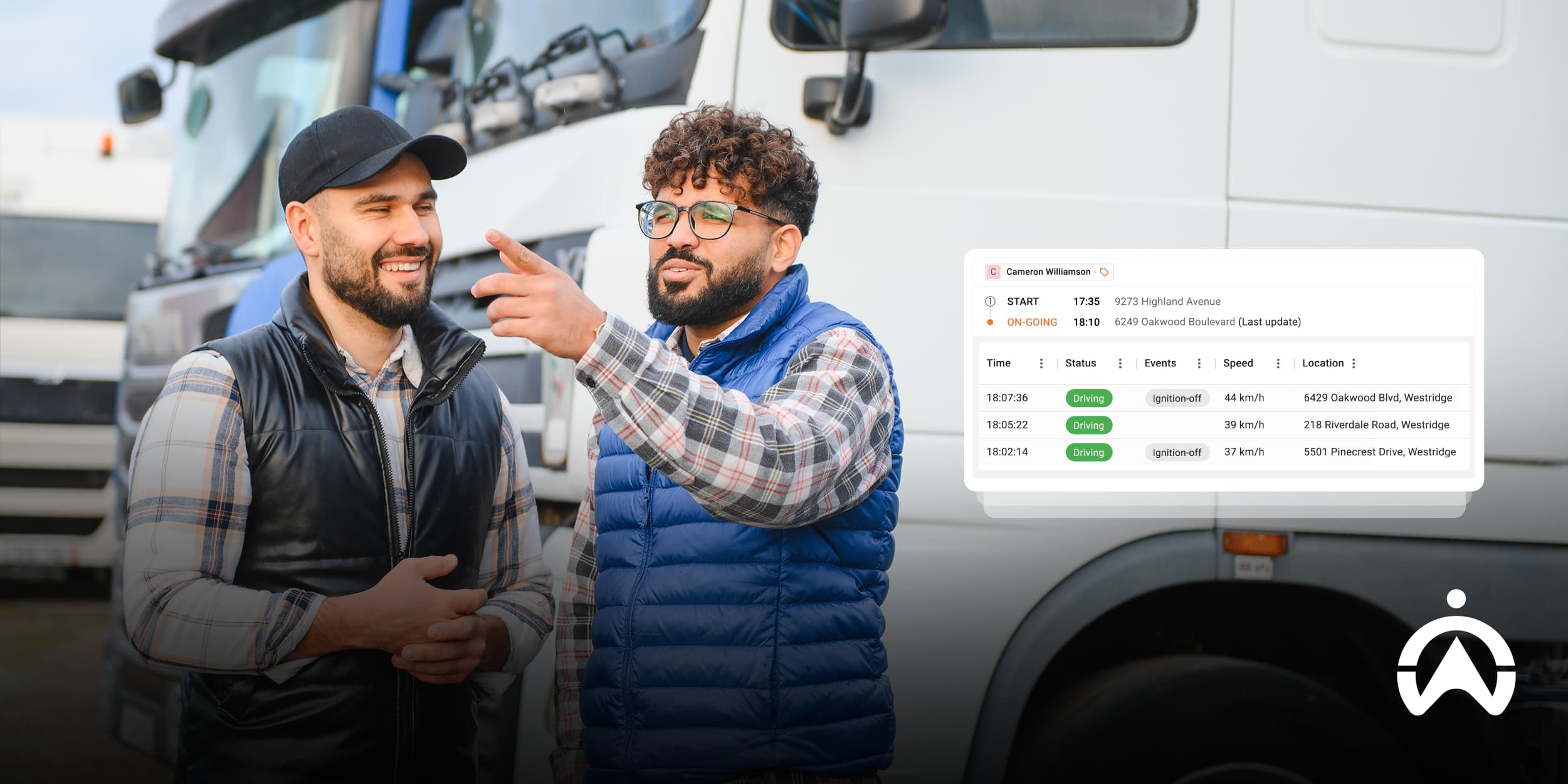
Food Transport Facts and What You Need to Know When Managing Your Fleet

Important facts about food transport in fleet management: keeping perishable goods fresh in transit directly affects your profits — and mixing food loads is a serious mistake. Other facts include the food distribution regulations in force in Mozambique, the challenges of electricity supply and the condition of the country’s transport infrastructure.

That is a lot of information. But Cartrack is here to guide you through the requirements of food transport and show you the most effective ways to comply with regulations, protect your profits and keep operations running smoothly. But first, the bad news: according to data from the FAO and Mozambique’s Ministry of Agriculture and Rural Development, significant food losses occur along the entire value chain, and a large share of those losses happens during transport and distribution, before the products reach the end consumer. This is a clear warning: food logistics MUST be taken more seriously.

Cartrack knows the facts of food transport and fleet management well, which is why many of our software solutions serve this sector specifically. Here is everything you need to know.

Key takeaways:

  • You must comply with the food regulations in force, as major retailers and insurers demand compliance
  • Power cuts still affect warehouses and depots in Mozambique — you need your own power sources to keep food refrigerated during stoppages
  • Road transport is the main option in Mozambique, given the state of the rail and port infrastructure
  • Technology such as door sensors and GPS protects your profits by preventing food from spoiling in transit

What are 4 important facts about food transport that you should know?

4 important facts about food transport in Mozambique are:

  • GPS tracking in food trucks is becoming an increasingly expected market standard
  • Food transport in Mozambique is subject to the food safety standards of the Ministry of Health (MISAU) and the Ministry of Agriculture (MADER)
  • Food logistics companies that do not tackle the challenges of electricity supply risk losing business
  • Road logistics will continue to grow in view of the problems with rail and port infrastructure

Is GPS tracking mandatory for food transport in Mozambique?

GPS tracking is not yet formally required by law for all food transport companies in Mozambique, but in practice those who do not adopt this technology will find it increasingly difficult to work with major retailers, distributors and insurers. Insurers and the main customers in the food sector increasingly demand proof of compliance, temperature control and fleet monitoring.

Regular analysis of fleet data helps identify inefficiencies, and it is easy when you have fleet management software, as it provides a detailed analysis of the various aspects of the operation.

What are the standards that regulate food transport in Mozambique?

In Mozambique, food transport and food safety are regulated by the Ministry of Health (MISAU) and the Ministry of Agriculture and Rural Development (MADER), in line with the standards of the FAO/WHO Codex Alimentarius. These standards impose requirements for hygiene, temperature control and proper handling on all vehicles involved in the transport of bulk food.

NOTE: If you have not yet implemented GPS tracking and cold chain management in your trucks, don’t panic. A Cartrack consultant can guide you on what you need and how to get it in a short space of time.

Are power cuts still a problem for food logistics in Mozambique?

Yes. Power interruptions (load shedding) remain a real challenge in Mozambique, in both urban and rural areas. Warehouses and depots that rely exclusively on the public electricity grid are exposed to losses of perishable goods during unscheduled stoppages.

That is why many logistics companies in Mozambique are investing in independent cooling units, solar power systems and diesel generators — especially for the stationary part of logistics, which is where much of the food is lost when no power is available.
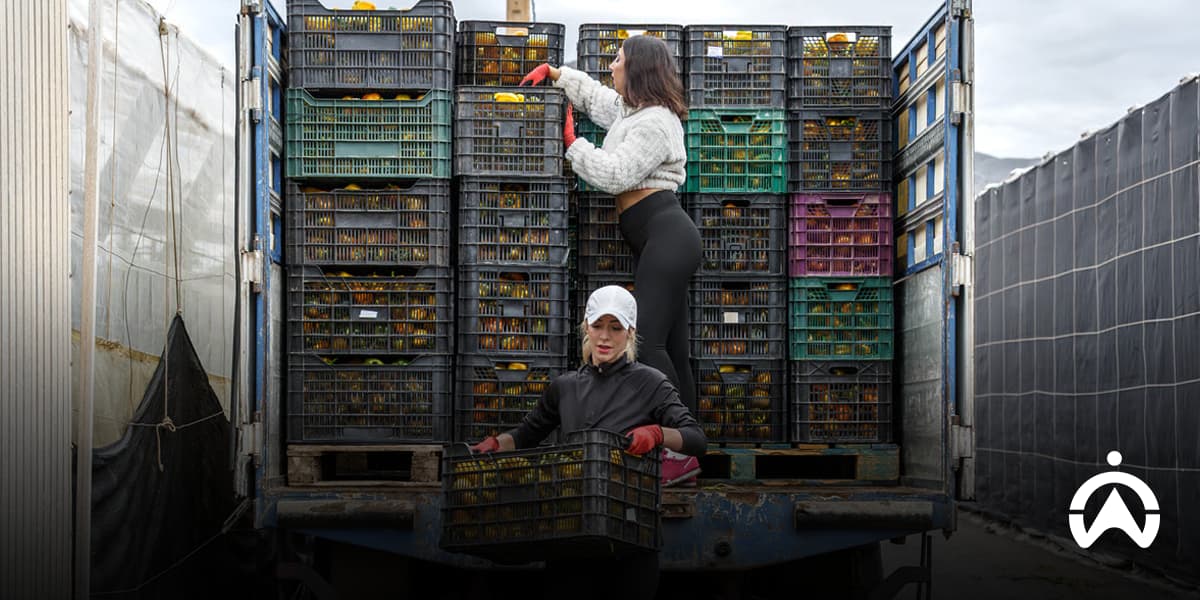
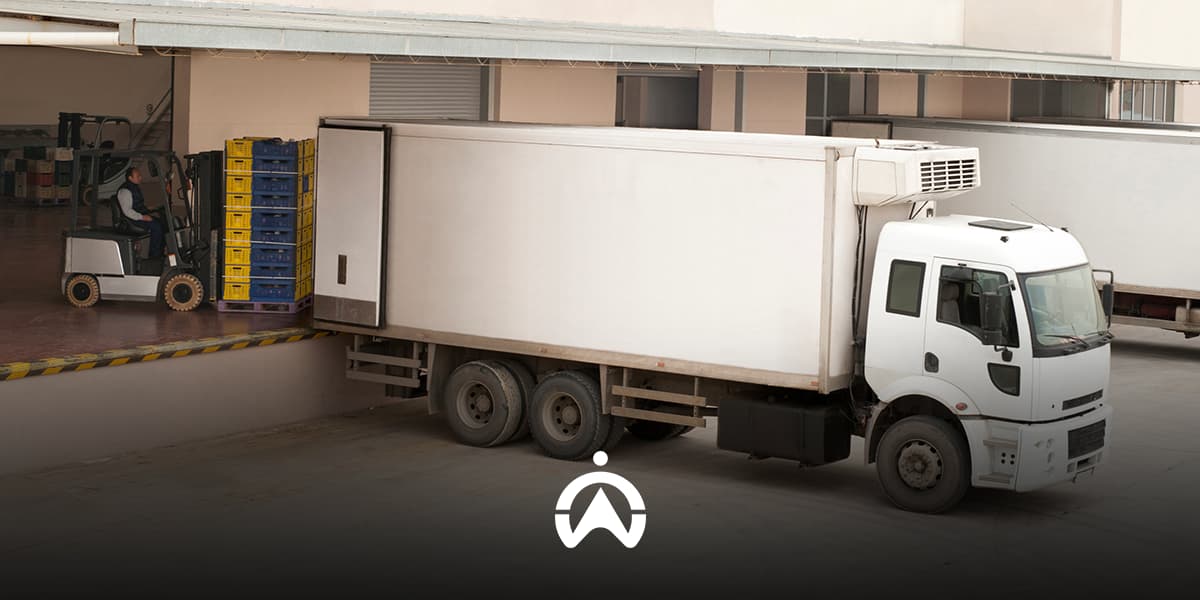
Workers handling crates of yellow fruits in a truck, demonstrating careful loading and organization practices, highlighting key food transportation facts and fleet management strategies.

Why is road transport so prominent compared with rail and ports?

In Mozambique, road transport is the predominant option for food distribution, especially for destinations away from the main rail or port routes. The country’s rail and port infrastructure — although important for exports — has limitations in terms of reliability, capacity and coverage for domestic distribution.

Mozambican distributors and farmers choose road transport because it gives them more control over their products. But this mode of transport is not without its challenges:

  • Risk of road accidents, especially on national roads in rural areas
  • Excessive opening of the cargo doors
  • Constantly rising fuel costs
  • Vehicle theft and hijacking
  • Vehicle wear and tear and maintenance costs
  • Risk of vehicle downtime with no replacement plan
  • Cargo theft
  • Insurance costs

Can technology save companies from these challenges? Let’s take a look.

How is technology shaping the future of food logistics?

Technology is shaping the future of food logistics through telematics, artificial intelligence (AI) and IoT (Internet of Things) devices. The aim of fleet management companies is to protect the profits of transport companies by eliminating food waste through fleet management strategies geared towards efficiency.

How do we do it? It’s simple. Here is how Cartrack solves each of the challenges above:

Risk of road accidents

A truck loaded with food and perishable goods that is involved in an accident loses practically its entire load. This is especially true of long-haul logistics, where recovering the goods is practically impossible.

Cartrack helps reduce truck accidents as far as possible by offering:

  • Driver coaching solutions
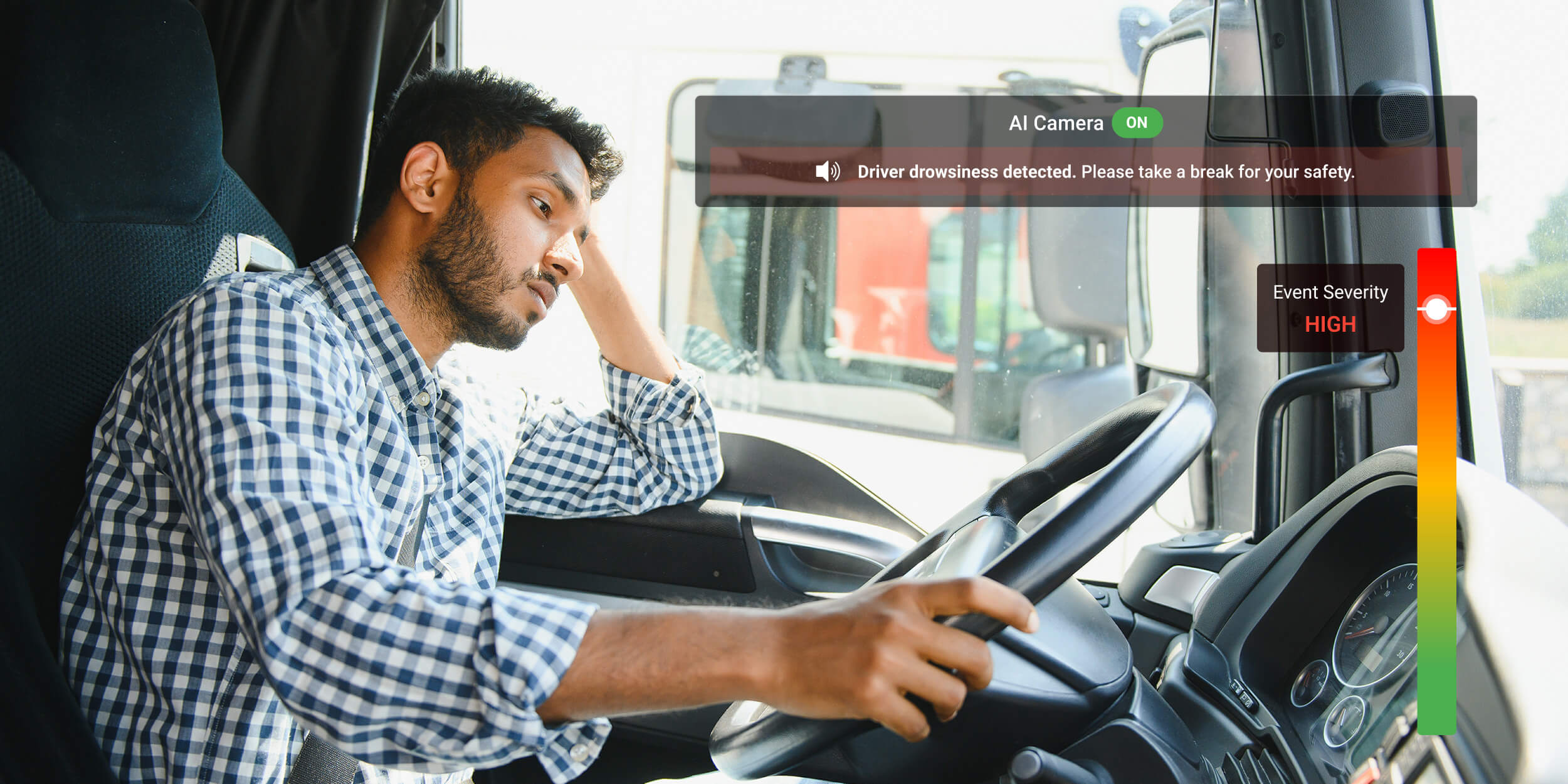
  • AI security cameras for vehicles
  • Predictive vehicle maintenance solutions

Excessive opening of the cargo doors

This is one of the biggest culprits of food waste. Perishable food must be kept at a set temperature in transit, but even the best cooling units cannot cope with too much warm air getting in. If drivers and staff are constantly opening the unit’s door, the food may be rejected by the receiving retailer because it has spoiled.

Cartrack helps prevent this with IoT door sensors and cargo unit cameras. These sensors alert you to frequent openings so that you can act in real time. The cargo cameras switch on automatically whenever the cargo door is opened, so you can always see what is happening to your food load.

Constantly rising fuel costs

Fuel is an often underestimated cost that food transporters in Mozambique have to face. Cartrack helps companies like yours save on fuel costs by:

Vehicle theft and hijacking

If your food transport truck is stolen, you do not just lose the vehicle, you lose everything it was carrying! In Mozambique, vehicle theft and truck hijacking are real risks, especially on certain roads and in peri-urban areas. Having a Cartrack GPS tracker in every truck is a powerful layer of security, as Cartrack has a very high vehicle recovery rate.

Vehicle wear and tear and maintenance costs

One of the latest additions to Cartrack’s offering is the ability to PREDICT vehicle maintenance and schedule it based on those predictions. We do this by always keeping track of important factors about your food distribution vehicles:

  • How old is the vehicle?
  • How long ago was the last service?
  • What is the current condition of the brakes, engine, lights, tyres, etc.?

Risk of vehicle downtime with no replacement plan

Our predictive vehicle maintenance has another benefit: it lets you plan stoppages in advance and anticipate the need for a replacement vehicle. This also protects the food load, because a truck standing still is probably wasting the food on board.

Cargo theft

Some thieves are not interested in the vehicles, only in the food they carry. In the past, cargo theft left fleet managers with many unanswered questions. Today we have security cameras in the vehicles that show us exactly what happened.

Insurance costs

Insurers assess your fleet’s risk based on how you manage it. By reducing the risk of theft and accidents for every food delivery vehicle, you can negotiate lower insurance rates.

That is why investing in Cartrack software pays off, as you end up saving in many areas.
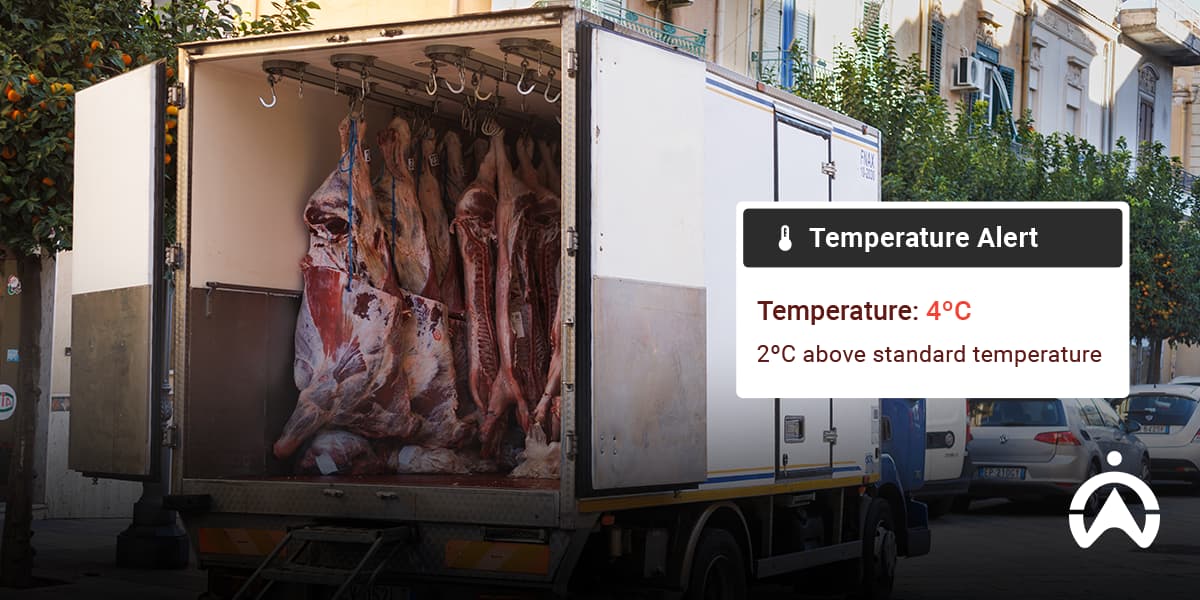
A refrigerated truck transporting hanging meat carcasses with a visible temperature alert showing 4°C, illustrating critical food transportation facts and efficient fleet management practices.

What are some unexpected ways food is wasted in transit?

Unexpected ways in which food is wasted during the transport process include:

  • Vehicle accidents
  • Cargo theft
  • Broken-down vehicles
  • Irresponsible stops by drivers
  • Frequent opening of the cargo doors (also called “thermal shock”)
  • Poor packaging (air circulation problems or collapsed pallets/containers)
  • Poor route management or slow driving

How can food waste be prevented in Mozambique?

Food waste can be prevented in Mozambique by intervening at the point in the logistics chain where most waste occurs: final distribution. This is the point at which food trucks travel from warehouses to shops to deliver products for sale. Through cold chain management, route efficiency and temperature monitoring in transit, more food will reach its destination without spoiling.

What is the best fleet management software for food logistics companies?

The best fleet management software for food logistics companies is a package that includes GPS tracking, route optimisation, cold management in transit, vehicle cameras and door sensors. Logistics companies can also benefit from fuel management software, vehicle recovery services and driver coaching to protect their profits even further.

Fleet management software has a direct impact on the food logistics sector. At Cartrack, you can create your OWN package and build a comprehensive service that fits your fleet perfectly.

FAQs

What are the 4 types of logistics?

The four types of logistics are:

  • Inbound logistics: Receiving raw materials for processing.
  • Outbound logistics: Shipping finished products to customers.
  • Reverse logistics: Managing product returns or recycling.
  • Third-party logistics (3PL): Outsourcing the supply chain to specialists.

What is the correct method for transporting food in Mozambique?

The correct way to transport food must comply with the MISAU and MADER regulations, which set standards for hygiene, temperature control and handling. Food must NOT come into contact with the floor, and it must be stacked in a way that preserves its quality, whether by ensuring air circulation, sealing or correct stacking.

What are the 3 types of food safety?

The 3 types of food safety refer to preventing the 3 main hazards that can compromise food products before they reach retailers: (1) keeping wood and glass out of food, (2) ensuring that chemicals do not contaminate food, and (3) protecting food from fungi and/or mould.

What is the ideal temperature for transporting food in Mozambique?

The ideal temperature for transporting food depends on the type of product, but here is a quick guide:

  • For frozen products: the unit must maintain -18 degrees Celsius.
  • For fresh products: between 1 and 7 degrees Celsius.
  • In Mozambique, given the hot climate, maintaining these temperatures during transport is especially critical and requires quality refrigeration equipment.

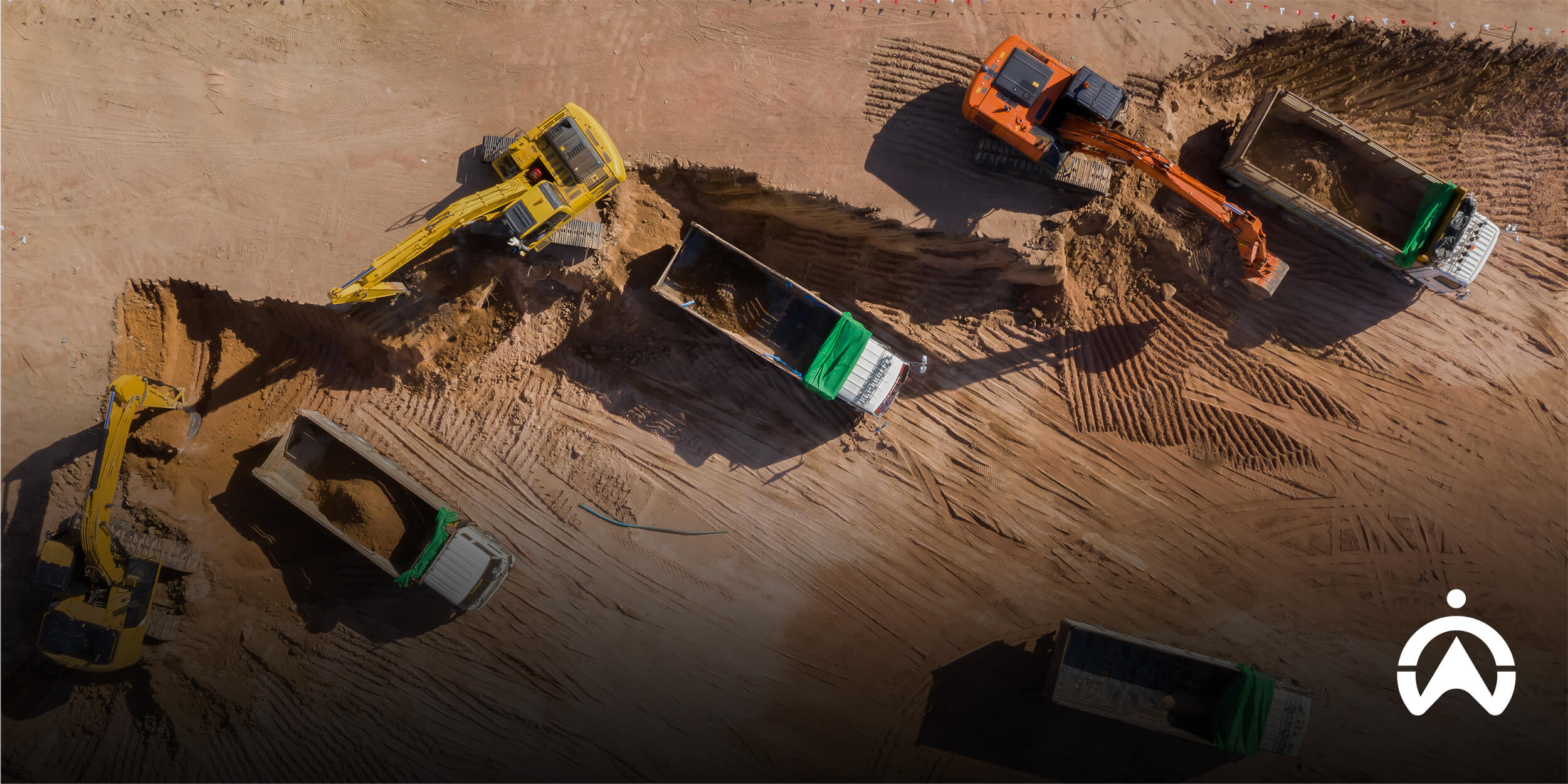
7 Ways to Increase the Efficiency of Your Construction Fleet

The seven main ways to increase the efficiency of your construction fleet are:

  1. Use telematics and GPS tracking to keep everything under control.
  2. Keep vehicle maintenance up to date..
  3. Implement a fuel monitoring solution.
  4. Offer your drivers ongoing training.
  5. Plan better routes between sites.
  6. Match the size of the fleet to your real needs.
  7. Regularly analyse key performance indicators.

Fleet efficiency is essential for construction companies in Mozambique, as it directly affects project deadlines, safety and operating costs. Without a solid strategy and the right technology, your business faces challenges such as high fuel costs, unexpected downtime and poor driving behaviour, which compromise the health of your vehicles and equipment.

With the growth of the construction sector in Mozambique, driven by infrastructure, housing and energy projects, companies are increasingly investing in telematics, IoT sensors and mobile platforms to improve fleet monitoring. To stay ahead of the competition, you need an effective approach — which is why we present the seven ways to improve your construction fleet operations.

Key takeaways:

  • Telematics and GPS tracking let you know where your vehicles and equipment are, improving productivity
  • Regular maintenance and fleet system alerts prevent breakdowns and extend the life of your vehicles
  • Fuel management and driver training save money, reduce waste and improve safety
  • Route planning, right-sizing the fleet and performance analysis keep the fleet running efficiently

7 Key strategies to improve construction fleet efficiency

The 7 key strategies to improve the efficiency of your construction fleet are:

  1. Invest in telematics and GPS tracking
  2. Regular maintenance
  3. Implement a fuel management system
  4. Driver training
  5. Route planning
  6. Fleet size optimisation
  7. KPI analysis

Together, these strategies help to reduce costs, minimise downtime and ensure your construction fleet performs at its best.

Below is a summary of each point:

‍1. Implement telematics and GPS tracking

Telematics features have become essential in construction fleet management, as most companies already make data-driven decisions to increase operational efficiency. To keep pace with or stay ahead of the competition in Mozambique, you also need to invest in telematics technology.

With telematics, you can monitor the location of your vehicles, equipment, machinery and other tools. This helps to prevent theft, a real problem on sites in Maputo, Matola and other cities… and makes it easier to locate your resources. You will also be able to see how productive your employees are, such as whether equipment is actually working or just idling.

2. Schedule regular maintenance

Your fleet is only as good as its maintenance, and with telematics technology, you can digitise maintenance-related tasks. To reduce unexpected downtime and increase efficiency, use the maintenance features of your fleet management platform. Set up reminders with the service intervals recommended by the manufacturer, so that you can schedule services in advance and plan operations better.

Through telematics, you will also receive early alerts of maintenance needs and identify potential mechanical failures before they occur. Fix problems before they cause breakdowns: this reduces downtime, increases safety and extends the life of your vehicles.

3. Implement a fuel management system

Make sure you add a fuel management system to your fleet software package, to monitor consumption per vehicle and piece of equipment. A fuel management system is made up of hardware and software tools that help you use fuel more efficiently and reduce costs. In Mozambique, where fuel prices are regulated but fuel diversion and siphoning are frequent problems on sites, this system is especially important.

With fuel level sensors, you can quickly detect sudden drops in tanks, a sign of theft or a leak. The system also makes it easier to monitor fuel cards and can flag fraud.

4. Train drivers for greater efficiency

Drivers perform better when they receive regular training. Hold regular training sessions to educate drivers about behaviours that affect fuel costs and vehicle health. Fleet operators should be trained in defensive driving, vehicle safety checks, equipment handling, the rules of the road and the use of fleet management software. Better driver behaviour improves safety and compliance, reduces operating costs and lowers the number of accidents.

Construction fleet productivity improvements using smarter vehicle and equipment management

5. Improve job and route planning between sites

Poor planning between depots, suppliers and construction sites can result in wasted time and fuel. In Mozambique, where road conditions vary significantly, route planning is even more critical.
Use route optimisation software to plan stops better, so that your vehicles arrive on time and complete the job as quickly as possible without compromising service quality. Better route planning also reduces last-minute changes, which can disrupt other jobs, increase fuel consumption and put drivers under stress.

6. Optimise fleet size and equipment allocation

Right-sizing the fleet means making sure the number of vehicles and pieces of equipment matches your real operational needs. It is important to assess the size of your fleet regularly. You may find that your vehicles/equipment are overworked and worn out because there are too few of them, or that you have more than you need and should downsize and reallocate assets to save costs.

7. Monitor and analyse key performance indicators

Measuring your fleet's performance requires you to regularly check important metrics such as:

  • Total Cost of Ownership (TCO)
  • Fuel cost per route
  • Vehicle utilisation rate
  • Maintenance costs
  • Downtime rate
  • Driver behaviour

Regular analysis helps to identify inefficiencies and is easy when you have fleet management software, as it provides a detailed analysis of the various aspects of the operation.

Explore our fleet management solutions to take your construction fleet to the next level

Our fleet management solutions take your construction fleet to the next level, providing detailed insights into your operations and protecting your assets. We offer solutions such as GPS trackers, preventive maintenance alerts and a fuel monitoring system. These solutions help to reduce expenses, improve productivity and, as a result, make you more efficient.

Real-time GPS tracking

Always know where your vehicles and machinery are with our GPS trackers. This makes it harder for your assets to go missing and ensures you can see what drivers are doing and whether they arrive on time. Our GPS trackers have telematics capabilities, which means you can also see when drivers are idling for too long or engaging in risky behaviour. You will receive reports on these behaviours so that you can act quickly.

Non-powered asset tracking

Some of your assets have no power source and are therefore not compatible with conventional GPS tracking devices. For these, we have non-powered asset trackers. They can be used to monitor trailers, storage containers and other site equipment. They help to protect your assets against possible theft and reduce the time your team spends looking for equipment on site.

We have three main types of non-powered asset trackers:

  1. Asset Tracker
  2. Track & Go
  3. TAG

How they work:

The Asset Tracker can be installed on non-powered assets, such as trailers, purely to locate them. It lasts up to four years without needing to be recharged. It provides up to two updates a day, ideal for assets that do not need constant monitoring.

The Track & Go is exactly what the name suggests: a portable magnetic tracking device that can easily be moved from one asset to another. It provides not only location data, but also detailed telematics data on how operators use it. It gives real-time updates and needs occasional recharging. Ideal for tracking rented assets — you can remove it once the project is over.

The TAG is another permanently installed device that provides location data by radius. You can set a circle (radius) at any point on the map and see where the asset is within that area, ideal for tracking industrial equipment on large sites. It is portable, does not need recharging and provides frequent updates, mainly in urban areas.

Geofencing (Virtual Fences)

Our geofencing feature lets you create virtual boundaries and receive alerts when drivers enter or leave those areas. You can use this to make sure your vehicles or equipment do not leave the site without authorisation. This feature can also be used to check whether vehicles arrive at the various sites on time and how long they take to get there.

Power Take-Off (PTO) sensors

The Power Take-Off sensors from Cartrack are IoT devices that monitor engine activity to help you see when your machinery is being used efficiently. With this, you can tell productive idling from unproductive idling, helping to save on fuel costs and improve operations.

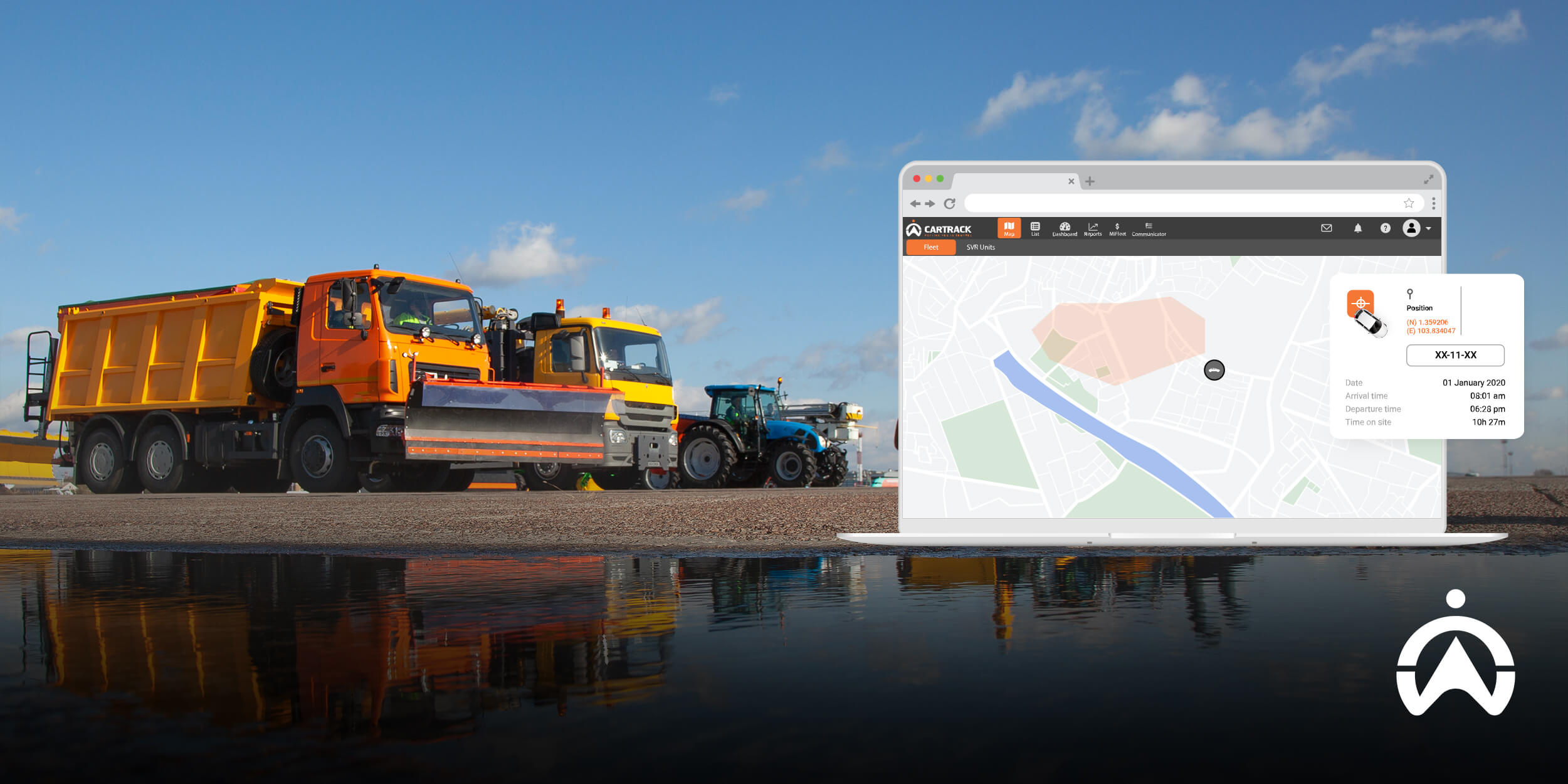
Optimized construction equipment fleet supporting faster project delivery and reduced downtime

Preventive maintenance

Our preventive maintenance solution provides features that help you maintain your vehicles and machinery better. You can add the recommended service dates to our platform and receive reminders as the date approaches. That way, you won't skip any maintenance, which improves the life of your vehicles and lets you plan operations with fewer unexpected interruptions.

Through our maintenance platform, you can also create digital vehicle inspection checklists for drivers to use before and after trips. The feedback from these checklists will help you identify which vehicles have worn parts that need repairing or replacing, reducing the chances of disruption from unexpected breakdowns.

Another great benefit of our preventive maintenance software is that it can provide early alerts of engine faults, worn brakes and the need for an oil change. The system analyses certain components, allowing mechanical failures to be detected in advance.

Fuel management

Fuel is one of the biggest contributors to high operating costs, and with our fuel management system, you will make significant savings. We have several solutions that ensure close monitoring of fuel consumption, such as MiFleet and Fuel Probes.

MiFleet is a cost management platform that helps you manage the expenses of various aspects of your fleet, including fuel. This feature monitors distances travelled, fuel receipts, litres and location — and flags suspicious activity that may indicate theft or fraud.

The fuel probes are sensors installed in vehicle tanks or in site tanks to measure fuel levels in real time. You will receive alerts of sudden drops, which may indicate fuel siphoning or a leak. These tools help to monitor fuel use closely and detect theft quickly.

Driver management

The way your drivers treat vehicles and equipment directly affects the health and efficiency of your fleet. For this, we have driver management solutions such as DID tags and fleet cameras.

Our Driver Identification (DID) tags help to maintain compliance and to know who is driving. You can assign each tag to a specific vehicle or machine that the driver is qualified for. If someone tries to operate a vehicle or machine they are not qualified for, the vehicle will not start.

Our AI Multi Vision camera solution ensures you see everything that happens with your fleet in real time. You can install up to eight cameras in and around your vehicles to monitor operations and live-stream from anywhere at any time. Our on-board cameras (dashcam) also identify distracted driving such as drowsiness, mobile phone use and smoking, and sound audible alerts so that drivers can correct their behaviour immediately.

Your trusted solution for construction fleet efficiency | Cartrack Mozambique

At Cartrack, we offer our services to fleets of different types, including those in the construction sector in Mozambique. Over the years, we have helped many companies transform their fleet operations through our sector-specific features. With us, you are guaranteed smooth operations and optimum efficiency. Contact us and start seeing the difference!

FAQs

What factors contribute to successful fleet operations?

The factors that contribute to successful fleet operations are safety and compliance, driver management and proper cost analysis. This is done effectively through fleet management software, which provides smart solutions to better manage the various aspects of your fleet's operation.

What skills are needed to be a fleet manager?

To become a fleet manager, you need a combination of leadership skills, financial skills, effective communication, technical knowledge and problem-solving ability. You need to lead, communicate effectively with your drivers and motivate them around a shared vision, all while managing costs and identifying inefficiencies.

What is the biggest challenge in fleet management in Mozambique?

The biggest challenge in fleet management in Mozambique is managing rising operating costs caused by factors such as fuel, maintenance and asset theft. You can overcome this challenge by investing in a fleet management system such as Cartrack's, which gives you more visibility over your fleet's operations and helps to identify what needs to be improved to reduce costs.

How to Manage Your Light Commercial Vehicles (LCVs) Effectively with Fleet Management Software

To manage your light commercial vehicles effectively with fleet software, you should invest in a platform that directly addresses the biggest challenges LCVs face. LCV fleets deal with unique vulnerabilities because of their frequent trips. Wear and tear, wasted fuel, unexpected downtime and more are some of the main concerns.

LCVs are some of the most widely used vehicles in Mozambique, typically used for deliveries, service work and other activities. In Mozambique, road transport is the main means of moving goods and people, with most freight travelling by road — which underlines the need for effective fleet management to ensure better control of vehicles and greater safety.

In this article, we will discuss how using fleet software can completely change the way you manage your LCV fleet. Get more clarity, efficiency and cost control for your business — all with the help of Cartrack Mozambique.

Key Takeaways:

  • LCV fleets face more intense daily demands, so they need software that helps to reduce costs, cut wear and tear and improve safety
  • Fleet software offers real-time tracking, smart maintenance alerts and fuel insights to manage your vehicles with ease
  • Cartrack helps you save money, coach drivers, prevent downtime and improve delivery times with a single, intuitive platform
  • Using clear data and real-time updates lets you run a safer, more reliable LCV fleet every day

Why do LCV fleets need a different management approach?

LCV fleets need a different management approach because they generally deal with different conditions compared with larger fleets, which points to the need for a new and unique perspective. Fleet management software allows LCV operators to monitor and tackle these specific challenges, ensuring trouble-free operations.

These are some of the key points to consider:

  • Higher daily mileage: Because of their urban nature, LCVs tend to cover more distance per day with all the deliveries and quick trips, which can lead to additional wear and tear.
  • Stop-start driving: Multi-stop trips are common, which means a lot of pulling away and braking. This puts more strain on the engine and on fuel consumption.
  • Higher driver turnover: Most of the time, drivers rotate between LCVs, which can be confusing when driver behaviour monitoring is a consideration.
  • Accelerated wear and tear: Daily trips with frequent pulling away and braking increase wear and tear, affecting the life of the vehicle.
  • Greater exposure to urban traffic: Heavy traffic and traffic jams in the cities of Maputo and Matola can put a lot of pressure on vehicles and their drivers.
  • Pressure of delivery deadlines: High customer expectations and tight delivery windows add extra pressure to deliver and provide good service.

What is a light commercial vehicle (LCV)?

A light commercial vehicle is a vehicle that normally includes vans, pick-ups, small trucks and other vehicles weighing less than 3.500 kg. They are used for jobs such as deliveries, repairs and similar services.

These are the industries in which LCVs are normally used:

  • Deliveries (courier services, retail and e-commerce)
  • Repairs and field services
  • Transport (of people/passengers)

What does fleet management software help to manage in an LCV fleet?

Fleet management software helps to manage aspects such as compliance, safety and overall operational efficiency.

These are the main benefits of fleet management software:

  • Tracking: See where your vehicles are at any time and how they are being driven.
  • Maintenance: Plan regular services to avoid costly downtime.
  • Fuel management: Analyse fuel consumption and reduce waste.
  • Driver management: Encourage better driver behaviour, accountability and safety.
  • Safety and compliance: Make sure vehicles comply with the rules and regulations in force.
  • Productivity and cost control: Plan the best routes, minimise delays and improve business performance.

How much does fleet management software for LCVs cost?

The cost of fleet management software depends on several factors, such as the service provider, the features chosen, the needs of the business, the hardware and more. In Mozambique, prices vary according to the package and the number of vehicles. The return on investment (ROI) generally outweighs the initial costs, whatever the amount.

Cartrack can offer you a package that best suits the specific needs of your business, with no surprise fees or unclear pricing.


Main challenges for LCV fleet managers (and how software solves them)

The main challenges for LCV fleet managers include wear and tear and high fuel costs. Software solves these problems by providing the tools needed to tackle them. Features such as GPS tracking, driver monitoring and fuel consumption reports are just some of the tools that can transform the management of your LCV fleet.

Here is a breakdown:

‍LCV challenge: Rising fuel costs

How fleet software helps: LCVs generally have many routes with frequent stops, idle often and travel mainly in urban areas — all of which contributes to higher fuel consumption. The fleet software helps by tracking fuel consumption, analysing usage and issuing idling alerts. That way, you can identify where fuel is being wasted, avoid inefficient routes and much more.

LCV challenge: Above-normal wear and tear

How fleet software helps: On top of the multiple stops, frequent trips contribute to the vehicle's deterioration. Fleet software helps by offering notifications for predictive maintenance, which can help to prevent costly, unexpected downtime.

LCV challenge: Route delays

How fleet software helps: Working in urban areas such as Maputo and Matola means there will inevitably be congestion during trips, which affects delivery times. Fleet software helps not only to optimise routes for the fastest, most efficient trips, but also to share real-time route updates to keep drivers on the fastest routes.

LCV challenge: Dangerous driving

How fleet software helps: On top of the multiple stops and possible route delays, the pressure to deliver on time can lead to reckless behaviour on the road. Fleet software helps by monitoring drivers' habits, scoring behaviour and providing feedback for training. This can help you improve safety among your drivers.

LCV challenge: Unauthorised use or theft

How fleet software helps: With LCVs, there are generally many people using or sharing a vehicle. But beyond that, after-hours use and theft can seriously harm your business through increased liability. Fleet software helps by bringing together real-time GPS tracking, movement alerts and remote vehicle immobilisation to prevent misuse and help recover stolen vehicles quickly.

LCV challenge: Lack of visibility

How fleet software helps: LCVs are constantly on the move between sites, customers and depots, so it can be hard to keep track of them without solid management control. Fleet software helps by presenting vehicle locations, fuel data, driving habits and other features on a single dashboard, giving managers the complete overview they need.

How to manage your LCV fleet more efficiently with Cartrack's fleet software

You can manage your LCV fleet more efficiently with Cartrack's fleet software, which has the tools that directly address your business's challenges. Some of these tools include smart insights into fuel use, proactive maintenance alerts and in-depth driver analytics that help to reduce operating costs:

These are some practical, actionable steps:

Monitor fuel consumption and cut unnecessary costs

Fuel tends to be the biggest daily expense for most fleets, especially LCV fleets with intensive city trips. Our real-time fuel tracking gives you a clear view of how much fuel each trip and vehicle uses, and alerts you when a vehicle has been idling for too long.

Our fuel card integration can also help you detect irregular spending, allowing you to take specific steps to reduce fuel waste.

Improve driver behaviour and safety

Drivers' habits on the road have a significant impact on fuel consumption and the risk of accidents. Our artificial intelligence camera systems and driver scorecards assess behaviour and highlight aggressive driving.

Analytics and insights can also highlight recurring patterns, so that you can train drivers to help them drive better. All of this contributes to a safer, more economical fleet.

Keep every LCV in good condition with predictive maintenance

LCVs work hard every day, and our predictive maintenance features track mileage, engine diagnostics and service history to predict when they may need attention. Our software will send automatic service reminders to catch problems early, preventing breakdowns and saving you further worry.

Increase delivery and service efficiency with route optimisation

For delivery companies, technicians and other businesses that depend on LCVs, fast, efficient trips are vital. Our system uses real-time traffic data and trip patterns to suggest the best routes. This helps drivers to reach their destinations faster, spend less time in traffic and improve customer service.

Protect your vehicles with real-time GPS tracking

Between theft and unauthorised use, our GPS tracking keeps you informed about your LCVs in real time. You will receive alerts for vehicles that leave defined zones or are parked suspiciously. In high-risk cases, you can even immobilise the vehicle remotely, keeping your assets safe.

Consolidate all your LCV data on a single dashboard

Our system combines all your data on a single dashboard, so that you can quickly see driver behaviour, vehicle locations, fuel consumption and other features. This clarity helps you compare performance, make informed decisions quickly and streamline your operations overall.


Which KPIs should LCV fleet managers track?

The KPIs managers need to track fall into five main categories: financial, maintenance, operational efficiency, compliance and customer satisfaction. Measuring KPIs is the best way to reduce costs and easily identify gaps in performance.

These are measurable indicators relevant to light commercial operations:

  • Fuel consumption per trip or vehicle
  • Idling time
  • Driver behaviour score
  • Delivery and service completion times
  • Vehicle utilisation
  • Maintenance and services
  • Frequency of downtime and breakdowns
  • Cost per kilometre

Final Conclusion

Light commercial vehicles work hard and they are not cheap! Keeping everything under control is a priority. With smart software, getting your LCV fleet to peak performance is simple, making the roads a safer place and keeping maintenance costs under control. This keeps your bottom line healthy.

Cartrack brings all this functionality together in a single package, so that you can spend your time managing a fleet that performs at its best for your business and your customers, instead of wasting time trying to solve the latest problem.

Cartrack's GPS tracking and telematics system can help your fleet reduce costs and downtime, while increasing safety, compliance and daily productivity.

Manage your vans and light commercial vehicles with confidence. Talk to a Cartrack specialist and start optimising your fleet today.

FAQs

Do LCV drivers need special training to use fleet systems?

No, LCV drivers do not need special training to use fleet systems, but some basic onboarding training from your provider can really help to speed up the process. Fleet systems should be easy enough to use comfortably, but a little training helps everyone get familiar with the features that increase safety and performance.

Does fleet software help to improve delivery times or customer service?

Yes, fleet software helps to improve delivery times or customer service, as it provides all the necessary features that support real-time GPS tracking and direct communication. Having these tools means you can handle any unexpected, urgent changes quickly, which keeps that relationship with your customers solid and reliable.

How quickly can an LCV fleet be onboarded onto Cartrack's platform?

An LCV fleet can be onboarded onto Cartrack's platform very quickly, but it depends on the size of your fleet and on when you ask our technicians to come and carry out the installations. Once everything is complete, the system starts working immediately and the information starts coming in.

Advanced Vehicle Tracking System with Cartrack: What Sets Us Apart

An advanced vehicle tracking system goes far beyond showing your vehicle's position on a map. What really sets an advanced platform apart are the extra security, response and control features. Cartrack combines GPS tracking, telematics and round-the-clock support to offer real protection and not just location.

In the Mozambican context, this need is even clearer. Road accident rates remain high: in 2024, Mozambique recorded 687 road accidents and 825 deaths, according to data published by the Agência de Informação de Mozambique. In 2025, the country recorded 611 road accidents and 830 deaths, according to data reported by the Public Prosecutor's Office. This shows an objective reality: having visibility, immediate alerts and rapid support is no longer a luxury but risk management.

In this blog, you will see why modern tracking systems matter, what makes them truly advanced and why Cartrack's technologies make sense for drivers and businesses in Mozambique.

Key Takeaways:

  • Professional tracking offers real-time location, advanced security features and faster support than basic GPS solutions
  • In Mozambique, road and operational risks reinforce the need for modern tracking and response systems
  • Cartrack stands out with continuous visibility, dedicated support, anti-tamper features and a proven recovery track record
  • Cartrack Mozambique's local presence, together with the app, the support and the operational infrastructure, makes the solution more practical for the local market

What is an advanced vehicle tracking system?

A advanced vehicle tracking system combines GPS technology with smart features to keep your vehicle protected continuously. A basic system may show the vehicle's position with a delay or with little depth of information. An advanced solution such as Cartrack's, on the other hand, offers real-time visibility, immediate alerts and additional security tools.

It is precisely this “advanced” side that makes the difference for the modern driver. The aim is not just to see where the vehicle is, but to know at once when something is wrong, react faster and increase the chances of recovery or assistance.

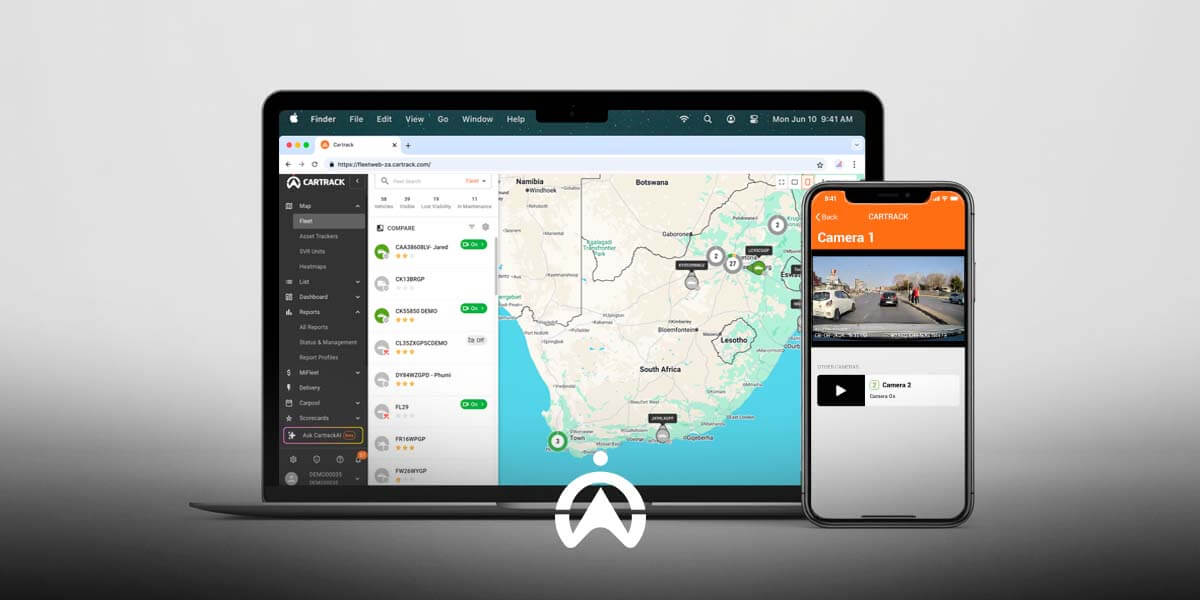
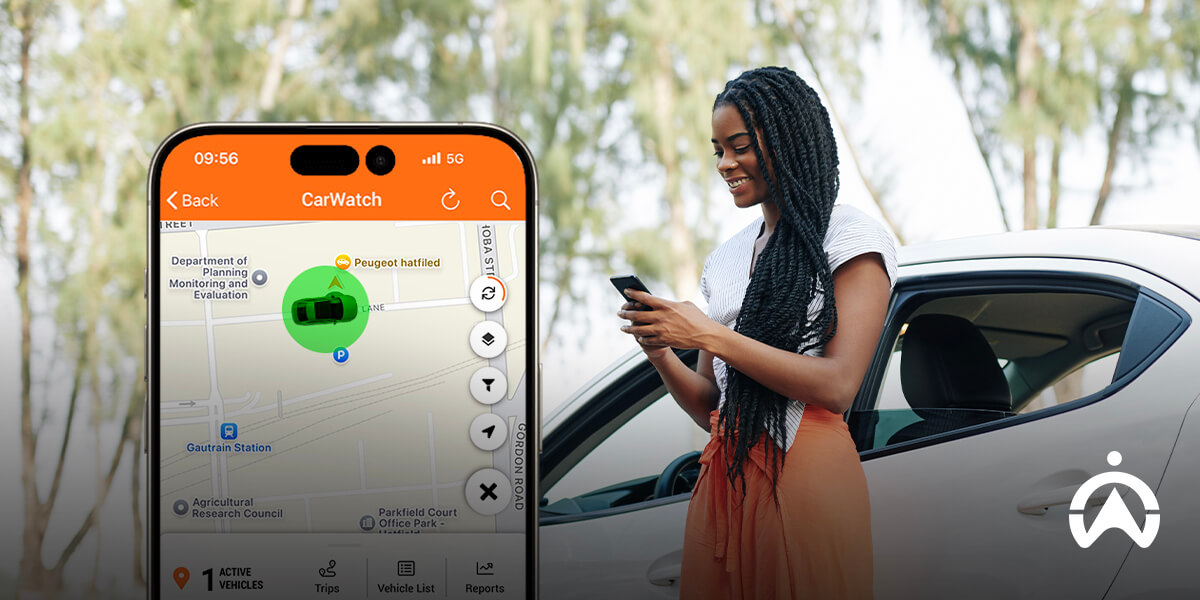
With precise GPS tracking, tamper detection, trip history and emergency support, everything can be followed from your mobile phone.

How much does vehicle tracking cost?

The cost of vehicle tracking normally depends on the package chosen, the installation and the services included. In the market, the price varies according to the level of protection, access to the app, the reports and the additional features.

At Cartrack, the best approach is to confirm the available package directly with the local sales team, because the configuration can vary according to the type of vehicle, private or business use and the additional services required.

The practical advantage is this: when the service structure is clear and the support is local, it is easier to understand exactly what is included and avoid hidden costs.


Does GPS tracking improve safety and peace of mind?

Yes. GPS tracking improves safety because it lets you know where the vehicle is at all times and act quickly in the event of unauthorised movement, emergencies or operational failures.

Beyond the practical impact, there is also the emotional side: when there is visibility and support, the stress associated with unexpected incidents, misuse of the vehicle or delays in response is reduced.

Why do drivers need an advanced system today?

Today, drivers and fleet managers need an advanced system because the risks are no longer simple. It is not enough to know where the vehicle has been; you need to know what is happening now, have relevant alerts and respond fast.

There are four central reasons for this:

  • High road risk: the accident figures in Mozambique show that road safety remains a serious concern.
    ‍
  • Growing expectations of control and compliance: companies and managers need reliable information to protect assets, teams and operations.
    ‍
  • Need for constant visibility: whether the vehicle is parked, on the move or in operation, remote control makes a difference.
    ‍
  • Peace of mind for families and businesses: whether you are keeping track of a family vehicle, or monitoring a fleet, real-time visibility reduces uncertainty.

How to choose the right advanced system for you

To choose the right system, don't just look at the tracker. Assess coverage, support, accuracy, ease of use and real response capability.

Check this simple, complete evaluation checklist:

  • Coverage and recovery support: Look for a company with a real operational presence and response capability.
    ‍
  • Tracking accuracy: the system must transmit the location reliably and without unnecessary delays.
    ‍
  • Usability of the app and the platform:the information has to be accessible and simple to interpret.
    ‍
  • Commercial transparency: confirm what is included in the package and what depends on extra services.
    ‍
  • Track record and trust: look for a provider with proof of delivery, consistent support and a local reputation.
  • Layers of security: alerts, tamper detection, geofencing and complementary features make a difference.
    ‍
  • Customisable notifications: being able to tailor alerts to your risk profile is a real advantage.

What makes Cartrack's smart solution different?

Our Cartrack smart solution stands out by combining precise tracking, telematics and more complete security features. It is not just about locating the vehicle; it is about protecting it better, acting faster and giving the user real control.

These are the points that make it stand out:

  • ‍24/7 real-time visibility: location is continuous and designed to support immediate decisions.
    ‍
  • Round-the-clock monitoring and support: the support structure is one of the critical factors in a security solution.
    ‍
  • Tamper detection and extra layers of security: features such as Cartrack Tag anti-jamming and alerts increase protection.
    ‍
  • Stolen vehicle recovery: Cartrack reports a recovery rate of 98%.
    ‍
  • ‍Precise positional data backed by telematics: this improves both day-to-day control and the response in critical situations.
    ‍
  • ‍International infrastructure with a local presence: Cartrack operates in 23 countries and has more than 2.675.000 active vehicles.

Comparison: basic system vs. Cartrack's smart solution

This table shows how an advanced system offers greater security, improved accuracy and superior control compared with a basic tracker. It highlights how Cartrack's smart tracking differs from a standard GPS tracker:

Features Basic GPS system Cartrack's smart solution
Real-time visibility Often with delays Continuous and in real time
Support and response Limited or outsourced Dedicated support and operations structure
Tamper alerts Basic More complete and multi-layered
Platform Access Limited App and Platform with more control
Operational information Reduced More data, reports and visibility
Remote functions Low Suitable for private and business use

Main features of the Cartrack platform

The main features of Cartrack's tracking platform include trip reports, SVR (Vehicle Registration System) and a user-friendly interface that makes vehicle security easy and stress-free for everyone. Instead of overwhelming drivers with technical jargon, the app brings everything together in one place, offering complete visibility and control whenever you need it.

Below is a summary of our platform-based features:

  • Live tracking: Quickly see where your vehicle is.
    ‍
  • Trip history: Review journeys and usage patterns.
    ‍
  • Geofencing and instant alerts: Receive notifications when the vehicle enters or leaves defined zones.
    ‍
  • Location sharing: Useful for family safety or operational coordination.
    ‍
  • Stolen vehicle recovery: Quick access to support in the event of an incident.
  • Assistance and support features: Depending on the package and the configuration contracted.
    ‍
  • Easy-to-use interface: The platform was designed to make access to information easier.

Conclusion

A smart tracking solution should actively protect the vehicle, alert you when something is wrong and ensure rapid support when needed. That is what separates an advanced solution from a simple GPS.

In Mozambique, where road and operational risks remain high, it makes sense to choose a solution with a local presence, response capability and technology that goes beyond basic location.

Cartrack presents itself as a solid solution for this scenario, combining real-time tracking, continuous support, vehicle recovery and a more complete platform for private and business users.

If you want more control, more security and a solution suited to local conditions, it is worth speaking directly to the Cartrack Mozambique team.

Frequently asked questions

How can I tell if my vehicle is being tracked?

You can confirm this through the app or the platform associated with the service. If you have doubts about an installed or active device, the best thing is to contact the support team for technical validation.

How accurate is Cartrack's real-time tracking?

The solution relies on GPS and telematics to provide real-time positional data with a high level of accuracy, which is especially useful in rapid response situations and operational management.

Can a tracker prevent the vehicle from starting?

In some cases, yes, but it depends on the model and the features you have signed up for. Not all devices include remote immobilisation, and this capability should be confirmed with the sales team.

Looking for fleet management software solutions for oil, gas and mining?

Managing fleets of vehicles, heavy machinery and mobile teams in the oil, gas and mining sectors is no simple task. These industries operate in tough conditions, rely on multiple fleets and face constant pressure to reduce risk while keeping costs under control. This is where the right fleet management software can transform your operations.

Fleets that use these systems see improvements of up to 20% in fuel efficiency and savings on maintenance costs through data analysis. This shows just how crucial fleet management software solutions are when you work with remote sites and high-value assets — this kind of information isn't just useful; it's essential.

Before choosing a solution, it's worth understanding your fleet's daily challenges and seeing how modern fleet management tools (such as Cartrack Mozambique's ) can simplify, protect and improve every aspect of your operation.

Key takeaways:

  • Oil, gas and mining fleets need real-time visibility to operate safely and efficiently
  • Predictive maintenance reduces downtime and prevents costly equipment failures
  • Fuel monitoring helps prevent theft, reduce idling and cut operating costs
  • Fuel monitoring helps prevent theft, reduce idling and cut operating costs

Software buying checklist for your oil, gas and mining fleet

When looking for fleet management solutions for oil, gas and mining, you need a buying checklist. Your list of criteria should start with the basics: visibility, reliability, accuracy and remote-site capability. You should also assess ease of integration, automation capabilities, reporting needs and the ability to scale.

These points are basic, but they help you compare solutions with confidence. You'll quickly be able to spot anything that falls below your standards. Even so, before buying your fleet management software, you need to know and understand the specific challenges these fleets face.

The specific challenges of oil, gas and mining fleets

From extremely remote sites to high fuel consumption and frequent maintenance, these are some of the unique challenges faced by oil, gas and mining fleets. However, once you understand the cost of these challenges, you'll see why relying on outdated methods is simply no longer enough.

Remote sites and wide geographical spread

Oil fields, drilling sites and mines are usually far from major urban centres, which makes managing a dispersed fleet extremely difficult. With long distances, limited visibility and communication channels in short supply, it becomes hard to keep track of vehicles, equipment and drivers in real time.

High fuel consumption and risk of waste

Fuel is one of the biggest operating expenses, and the chances of waste, idling or theft rise sharply in remote areas. Without detailed reports, detecting suspicious fuel drops, tank siphoning or waste caused by poorly planned routes becomes almost impossible.

Wear and tear, harsh conditions and frequent maintenance

Mining, gas and oil vehicles aren't just heavily used; they operate every day in dust, heat, mud and harsh terrain. These conditions accelerate wear and make unplanned breakdowns a serious risk. When a vehicle or machine stops, it's not just lost time — it's lost production.

Safety, compliance and operator risk

The oil, mining and gas industries have extremely demanding safety standards. Without proper monitoring, drivers may speed, choose unsafe routes, skip safety checks or enter restricted zones. This exposes the operation to heavy liabilities, compliance failures and avoidable accidents.

Cost control and pressure on profitability

Fluctuating oil prices, rising operating costs and strict investor demands mean that every wasted litre and every hour of downtime directly affects profitability. This is where fleet data becomes an essential tool for faster, smarter financial decisions.

The cost of inefficiency in harsh industrial environments

You've probably seen it happen: unplanned downtime causes operational delays. When haul trucks break down or drilling support vehicles fail, sites slow down or even stop. These delays affect production schedules, contractor timetables and on-site safety. Advanced predictive maintenance tools (such as Cartrack's) let you act early and stop downtime from affecting the operation.

Losing fuel means losing profit margin

One of the most overlooked impacts on profitability is fuel loss. Whether through theft, idling, unauthorised trips or inefficient routes, many companies only spot discrepancies at the end of the month — when it's already too late to recover the loss. Real-time reports solve this problem straight away.

Poor asset allocation drives up costs

Inefficient asset allocation also sends costs soaring. Without reliable utilisation data, some vehicles are overworked while others sit idle. This poor distribution causes uneven wear, extra maintenance and higher replacement costs. The right fleet management tools, such as Cartrack's, optimise utilisation and ensure every asset is used effectively.

Industrial fleet monitoring for mining and energy sectors

What fleet management software can do

Fleet management software does far more than simple GPS tracking. It gives you full operational visibility, cost control, safety improvements and predictive planning tools that maximise the value of every vehicle and asset.

Real-time GPS tracking and visibility

The real-time tracking shows where every truck, pick-up, loader, drilling rig or support vehicle is at any moment. This becomes critical when you manage dozens of vehicles across several remote sites. Live tracking lets you assign tasks faster, choose safer routes and reduce delays.

Fuel monitoring and consumption analysis

The fuel monitoring tools track consumption in real time, letting you identify abnormal drops, potential theft, fuel card fraud and inefficient driving behaviour. With comprehensive reports, you can eliminate idling, optimise routes and save thousands of rand a month by reducing unnecessary consumption.

Predictive maintenance and equipment health monitoring

Our predictive maintenance uses real-time engine data, hours of use, temperature readings and fault codes to alert you before a breakdown happens. This proactive approach helps avoid unplanned stoppages, costly repairs and safety incidents caused by equipment failure. In heavy industries, this kind of visibility can prevent serious operational losses.

Safety, compliance and driver behaviour monitoring

The driver behaviour monitoring alerts you to speeding, harsh braking, sudden acceleration, signs of fatigue and risky driving patterns. This helps prevent accidents and protect operators. Geofencing also keeps vehicles out of unsafe, restricted or high-risk zones, strengthening compliance.

Centralised fleet analytics and cost control

A unified dashboard gives you a clear view of fuel consumption, maintenance needs, utilisation rates, safety alerts, tyre wear and cost trends — all in one place. This central view lets operations, safety and finance teams work together, plan better and cut unnecessary spending.

The Cartrack's fleet management software can help your team with all this and much more!

Common mistakes companies make when managing industrial fleets

There are common mistakes in industrial fleet management, such as outdated processes, manual tracking or fragmented systems. These mistakes can limit efficiency without the company realising it. Being aware of these shortcomings prevents costly operational setbacks.

Manual reporting

Manual records are slow, inconsistent and prone to error. Often, problems are only detected after they have already cost money. Automated data , on the other hand, ensures decisions are based on current, reliable information.

Having no real-time fuel tracking

Seeing fuel figures only at the end of the month leaves the fleet manager unaware of theft or waste. Real-time tracking detects discrepancies instantly and allows immediate investigation.

Postponing maintenance based on assumptions

Carrying out maintenance based on guesswork or a fixed schedule ignores the engine's actual condition. Predictive tools use real-time data to recommend the exact moment to step in, preventing breakdowns and extending asset life. This is particularly valuable in oil, gas and mining, where an unexpected breakdown can mean a direct loss of profit.

Benefits for oil, gas and mining operators

The benefits that fleet management software offers operators in these sectors are many. The right software helps you run a safer, leaner and more efficient operation. From cost control to compliance, the impact is immediate and measurable.

Lower operating costs and better fuel efficiency

Fuel often accounts for a significant share of operating expenses, especially in fleets that cover long distances or spend a lot of time idling on site. Fleet management software helps minimise waste, optimise routes and identify theft, allowing you to cut fuel costs significantly without changing the size of your fleet.

Less downtime and lower maintenance costs

With predictive maintenance and real-time diagnostics, you can identify problems before they turn into costly breakdowns. Early alerts let you schedule repairs for planned periods instead of scrambling to limit the damage in an emergency. This improves uptime and keeps critical machinery productive.

More safety and less exposure to risk

By monitoring operator performance, you can correct dangerous driving behaviour before accidents happen. Incident logging and maintaining compliance records create reliable audit trails. This proactive approach reduces the likelihood of injuries, equipment damage and costly claims or penalties.

More visibility across remote and dispersed sites

When you manage assets across several mines or oil fields, real-time tracking enables faster responses, prevents delays and strengthens team accountability. Centralised visibility is vital, especially in areas with poor network coverage, and it improves overall asset utilisation.

Data-driven decisions and long-term planning

By analysing historical fleet data, you uncover trends that would otherwise go unnoticed. This lets you forecast fuel budgets, plan maintenance cycles, estimate asset life and prepare for regulatory audits. The result: faster, smarter decisions with less risk to your operating margin.

If you're ready to take advantage of the benefits of fleet management software, contact us today!

How telematics improves environmental compliance

Telematics can help companies improve their compliance with sustainability standards and reduce their environmental impact through measurable improvements. Environmental requirements are becoming ever stricter across all industrial sectors, from both government and the public.

Lower emissions through reduced idling

Idling is one of the biggest causes of unnecessary CO₂ emissions. Telematics helps identify excessive idling periods, which lets you reduce fuel waste and, as a result, emissions.

Optimised routes reduce fuel consumption

A accurate route planning means less fuel burned by engines. This helps your mining, oil or gas fleet meet sustainability targets without compromising productivity.

Better maintenance increases efficiency

A well-maintained engine uses less fuel and emits fewer pollutants. Predictive maintenance helps keep the vehicles in your fleet in ideal working condition.

Tracking heavy-duty vehicles across remote industrial sites

Why choose Cartrack for your oil, gas and mining fleet

You should choose Cartrack for your fleet because the solution was designed specifically for these industries. Sectors with heavy vehicles, remote sites and strict safety standards benefit directly from our fleet management software. Our telematics, tracking and analytics were designed specifically to perform well in demanding operating environments.

Industry-specific tools for extreme conditions

Cartrack Mozambique has a deep understanding of the unique challenges of mining, gas and oil operations. That's why the tracking units and sensors are built to withstand heat, dust, vibration and rough use, ensuring reliable data even in the most extreme environments.

Much more than a GPS tracker

Our Cartrack offers a complete fleet management ecosystem, including fuel reports, maintenance scheduling, cost and utilisation analysis, driver behaviour tracking, alerts, operational insights and full telematics visibility. You have everything you need on a single, easy-to-use platform.

Did you know that Cartrack has driver identification (DID) tags so that you can control who may use specialised vehicles based on the driving licences they hold?

Greater safety and compliance support

From in-vehicle fatigue alerts to geofencing and driver risk monitoring, Cartrack offers a complete set of safety tools to reduce accidents and maintain compliance. These features also support audits, insurance processes and investigations when incidents occur.

Did you know that many mining, oil and gas companies that have Cartrack's fleet management software solutions have won CCMA cases thanks to the evidence the software provided?

Flexible and scalable for mixed fleets

Mining and oil operators often manage several types of asset — from heavy equipment to supervisors' pick-ups. Cartrack lets you monitor all these assets in the same place and scale the operation without switching platforms as the company grows.

Local support and infrastructure

Cartrack operates in Mozambique and in several international markets, which ensures fast responses, good network coverage, shorter installation times and regional knowledge. This local presence is critical for remote operations, where uptime is vital and problems have to be resolved quickly.

Did you know that Cartrack has a response time of under two minutes after an incident is reported?

How to start implementing fleet management in your operation

To start implementing fleet management in your oil, gas or mining operation, you need to assess your fleet, set goals and KPIs, test the system with a few vehicles, scale the solution to the whole fleet and, finally, integrate it across the entire team.

Implementing a reliable fleet management system is simpler than many companies imagine. With the right approach, you can start optimising your fleet within days.

Assess your fleet and operational needs

Start by identifying your biggest challenges: fuel losses, downtime, safety problems, inefficient routes or lack of visibility. These points will guide the setting of clear goals and the choice of the right features to prioritise during implementation.

Set your goals and KPIs

Set measurable targets, such as reducing fuel consumption by a given percentage, cutting hours of downtime, improving safety scores or increasing utilisation. These KPIs will guide the implementation and keep teams focused on real results.

Run a trial with a sample of vehicles

A pilot test shows how the system works in the real conditions of your operation. Choose a representative mix of haul trucks, service vehicles or maintenance pick-ups and track the improvements in fuel, maintenance and safety over the trial period.

Scale the system to the whole fleet

Once the pilot test has proved its worth, you can roll the system out to all vehicles and equipment. Use what you learned in the pilot test to adjust alerts, reporting tools, settings and maintenance schedules by asset type.

Integrate the system with operations, safety and finance

To get the most out of your fleet data, make sure it reaches the right people: operations can raise productivity, safety can reduce risks and finance can control costs more effectively. This collaborative approach delivers benefits on several fronts and creates sustainable success.

Conclusion

The oil, gas and mining sectors operate in high-pressure, high-risk, high-cost environments. You need clear visibility of the operation, real-time data and predictive tools — all integrated into a solid system for managing assets across several work sites. Fleet management software puts all of this on a single platform.

The Cartrack's GPS tracking and telematics system can help your mining, oil and gas fleet reduce costs and downtime while increasing safety, compliance and daily productivity.

If you really want to get more value out of your fleet, now is the right time to move forward. Speak to one of our consultants today and ask for your quote!

FAQs

Does tracking software keep working in remote locations with poor network coverage?

Yes. Modern fleet tracking systems are designed for remote operations and can store data when the connection drops. When the vehicle or asset reconnects, all the stored data is uploaded automatically. Some platforms even use satellite communication, ensuring visibility and operational continuity even in difficult, off-grid environments.

How do I manage heavy machinery and light utility vehicles on the same platform?

An advanced fleet management platform lets you monitor heavy machinery and light vehicles from a single dashboard. You'll have specific metrics, such as engine hours, payload and idling for machinery, and trip and driver behaviour data for utility vehicles. This gives you a unified view that simplifies reporting, maintenance planning and operational control.

What formats are available for exporting reports for audits, compliance and stakeholder presentations?

Advanced systems let you export reports in several formats, including PDF, Excel and CSV, which makes it easier to create and share audit-ready fuel logs, maintenance histories, safety records and compliance summaries. You can quickly tailor reports for internal reviews, external regulators and stakeholders who need clarity and operational visibility.

What's New in Carjacking and What Should You Know?

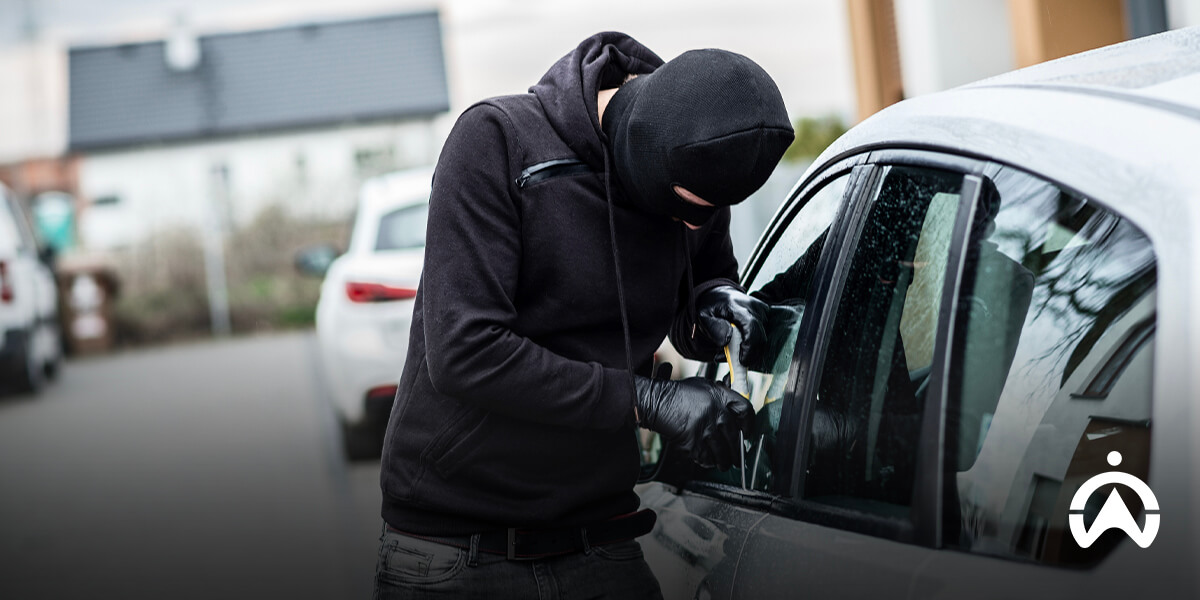
Security reports in Mozambique indicate that, despite the authorities' efforts, vehicle theft and carjacking remain an alarming concern in the main urban centres. Although the numbers fluctuate, the criminals' boldness and use of violence make this crime a constant threat.

Carjacking remains a security priority in Mozambique, and it's essential to stay up to date on the trends so you know what to expect and how to protect yourself. In today's article, we present recent hijacking statistics as well as emerging trends, and we also highlight the difference a vehicle tracking device can make.

Key points:

  • Carjacking is still common in Mozambique, with new risk zones emerging in metropolitan and outlying areas
  • Criminals target various types of vehicle and use tactics such as boxing drivers in in traffic or staging accidents
  • Many attacks happen during routine moments, when drivers let their guard down (such as at their front gate or in slow traffic
  • Cartrack offers tools such as recovery teams, dashcams and crash alerts to ensure your safety and the recovery of your asset

Risk Zones

The Provinces of Maputo (City and Province), Sofala and Nampula record the highest incident rates. The highest-risk zones are concentrated around strategic escape points:

  • Maputo/Matola: The Machava and Brigada junctions, outlying areas along the EN4, the access road to Katembe and the area around the Airport
  • Sofala: Entrances to the City of Beira and poorly lit areas

Targeted Vehicles

The most targeted vehicles in Mozambique continue to be open-bed light trucks (Pick-ups) and SUVs (such as 4×4 models), because of the high demand for them and how easily they handle different terrain. However, sedans and hatchbacks are frequently stolen to be used in other crimes. The growth of delivery services has also sent motorcycle theft soaring, with riders often lured by fake orders to remote locations

The growth of delivery services has led to an increase of more than 20% in motorbike thefts, with criminals luring couriers with fake orders.

Trucks over 3500 kg are also among the new theft targets because of the valuable cargo they often carry and their use in other criminal activities.


Common Tactics You Should Know

The common car theft tactics you should know about include:

  • Taking advantage of traffic congestion
  • Staged emergencies/breakdowns
  • The blocking method
  • The tap-tap method

Criminals are constantly trying to find better ways to attack people, and knowing how these common tactics work can help you avoid becoming a victim

Here's how they work:

Exploiting Traffic Congestion

This is where criminals move into slow-moving roads or busy intersections, knowing that victims will have no chance to accelerate or change lanes. The thieves surround the target car by stopping in front of or behind the driver.

Fake Emergencies

They stage breakdowns or injured people at the side of roads such as the EN1, hoping you will stop to help.

The Blocking Method

Common at front gates or toll plazas, where one car blocks the front and another the rear.

The “Tap-Tap”

They bump lightly into your vehicle. When you get out to check the damage, the attackers overpower you.


What Cartrack can do in these situations

Cartrack is a leading vehicle tracking services company. Our solutions are designed specifically to help you in vehicle theft situations, ensuring rapid assistance and the recovery of your car.

Cartrack Mozambique's solutions are designed for immediate response:

  • Vehicle Recovery
  • Panic Button
  • Road Vision Camera
  • Crash Detection

Here's how they work:

Vehicle Recovery

A 24-hour control room and specialised recovery teams across the whole country.

Road Vision Camera

Our Road Vision camera is a front-facing vehicle camera that records everything that happens ahead of you while you drive. This can serve as evidence of the incident, helping to identify details such as the number plates of the offenders' vehicles, as well as their faces.

Panic Button

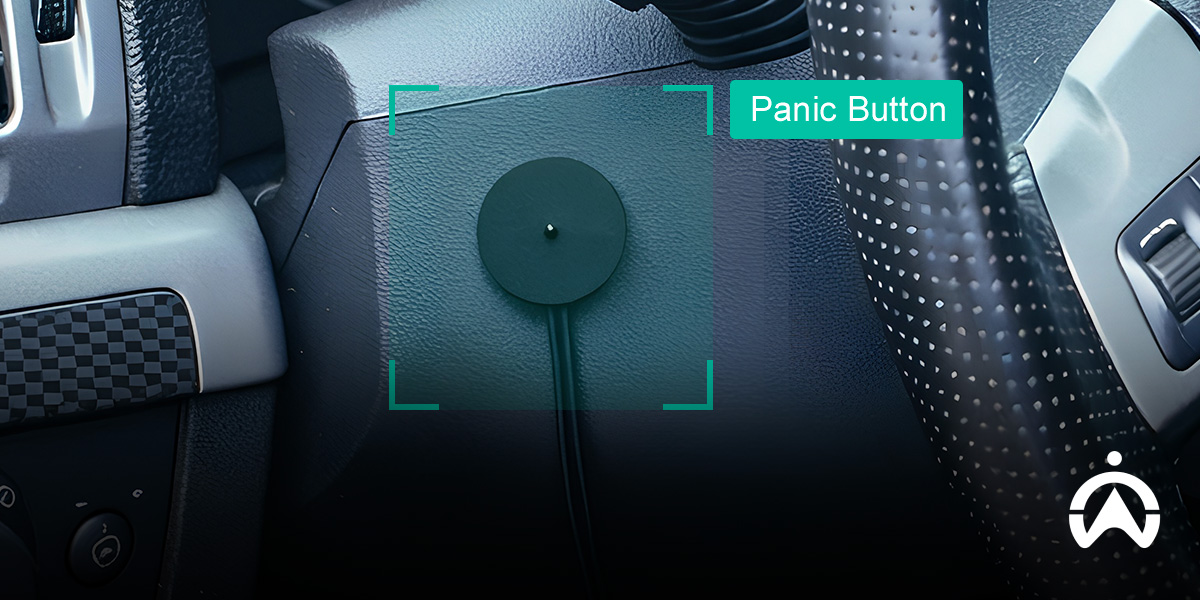
As an additional safety measure, our Road Vision camera also has what we call an “action button“, which you can press to call for help silently in an emergency. This lets you ask for help as soon as you suspect you are about to become the victim of an express kidnapping.

Crash Detection

As thieves often hit your car or other objects when you try to get away, our Crash Detection solution can help. This is an add-on service that detects impact to your vehicle. We will then contact you or your loved one to understand the kind of help needed and arrange assistance.

Protect yourself on every journey — have Cartrack by your side

Crime evolves over time, and vehicle theft remains a major concern in Mozambique. It's important to stay up to date on the latest vehicle theft trends and also to invest in technology that helps you in these situations. By partnering with us, you increase the chances of recovering your vehicle, as well as your driving safety. Get in touch with us and protect your car today!

Frequently asked questions

When is the best time to travel safely?

Avoid deserted or outlying areas after sunset. Stay alert when arriving home.

How do you keep thieves away?

You can scare off car thieves by using visible anti-theft devices, such as steering wheel and gear locks. Thieves want to act as quickly as possible, so trying to remove these devices will take time, which will put them off stealing your car.

Another great theft deterrent is a vehicle camera, as thieves don't want to be recognised.

Which parts are most targeted?

Batteries, headlights, mirrors and spare tyres are in high demand on the local black market. Tracking helps locate the car before it is stripped.

Active Tracking for Emergency Services Fleets Keeps Your First Responders Safe

Active tracking for emergency fleets keeps your first responders safe with real-time visibility and location data, optimising routes and response times. Emergency vehicles operate under great pressure every day. Whether it's ambulances racing to medical emergencies, fire engines weaving through traffic or police vehicles responding to crises, these vehicles need to move quickly and safely.

In Mozambique, emergency teams face a range of dangers on the roads every day and, with thousands of road accidents recorded each year, the importance of real-time vehicle tracking is clear. Cartrack supports emergency teams with state-of-the-art active tracking, camera connectivity and smart vehicle analytics, ensuring a safe response from start to finish.

Key takeaways:

  • Active tracking increases emergency fleet safety by providing real-time visibility and behavioural insights
  • Connected cameras and sensors improve situational awareness for both control rooms and crews
  • Smart routing and alerts reduce response times, helping to save lives and improve outcomes
  • Cartrack offers an integrated platform that keeps emergency fleets connected, protected and ready for action

What is active tracking in emergency fleet management?

Active tracking monitors vehicles in real time using live telematics data, such as GPS location, vehicle movement and driver behaviour (all essential for fleet management in emergency situations). So, unlike passive systems that only store data, active tracking continuously transmits information to a central platform. This allows fleet managers and control rooms to react instantly to situations as they unfold.

So, what role does active tracking play in emergency fleet management? Active tracking uses GPS trackers to send vehicle data to a cloud platform that fleet managers and control teams can easily access. In this way, operators can monitor each vehicle's position, speed and direction in real time, receiving instant alerts for critical events such as speeding, harsh braking and route changes.

Active tracking is crucial for emergency fleets because:

  • It provides real-time updates that let operators coordinate faster responses.
  • It ensures safety is monitored during high-speed driving.
  • It improves your awareness and helps you make better decisions.

At Cartrack, we use AI-powered GPS tracking solutions that give your emergency services fleets accurate, real-time visibility.

The role of the accelerometer in Cartrack's fleet ecosystem

Cartrack doesn't just collect data; it turns accelerometer information into clear, actionable data. Forget the days when you had to guess what happened on the road — this tool reveals exactly how drivers behave, letting you respond in real time and manage your fleet with confidence.

Why emergency services need active tracking now more than ever

Emergency services need active tracking now more than ever because of factors such as the constant congestion in cities like Maputo and Matola. Unpredictable traffic jams and critical calls mean emergency response teams have no time to lose. A second, or even a thousandth of a second, can be crucial when lives are at risk.

Faster, smarter dispatch

Active tracking lets operators see the nearest unit in real time, so they can assign it to an incident immediately. This technology speeds up response times and improves coverage in busy areas.

Enhanced safety for first responders during high-risk driving

Emergency response vehicles operate under intense pressure, travelling at high speed along congested roads to deal with life-threatening situations. Cartrack's active tracking system increases safety by monitoring speed, braking and cornering during these emergencies. This allows control rooms to respond effectively to any unsafe driving that is detected.

With the help of data-driven insights, emergency services can promote safe driving practices and prevent accidents, ultimately keeping emergency services personnel and the public safe, without slowing down emergency response times.

Protecting the crew inside the vehicle

Active tracking goes beyond simply locating the vehicle. By using AI-powered cameras, you can improve safety both inside and outside the vehicle. These systems can deliver live footage to your platform, letting managers make quick assessments in real time. This is particularly useful in emergencies, when circumstances can change rapidly.

Cartrack panic button inside emergency services vehicle

The role of connected cameras in emergency fleet safety

Connected cameras improve emergency fleet safety because they give real-time access to what is happening in and around the vehicle. Although GPS tracking systems can share information about a vehicle's location, cameras let control centres see exactly what is happening.

Real-time visibility

The cameras stream live footage straight to your control room. This lets operations managers identify any distracted driving and monitor the distance to the vehicle travelling ahead of the emergency vehicle, preventing possible accidents.

Protecting first responders from public threats

Paramedics, emergency medical services personnel and police officers often face risks in situations that go beyond road safety. Situations such as assault, obstruction or civil unrest can arise during emergencies. In these cases, video footage not only serves as a preventive measure but is also vital in post-emergency investigations.

Automatic incident detection

The most modern systems (such as those used at Cartrack) use sensors and AI technology to capture real-time data, such as collisions and sudden movements. These systems speed up support response times and provide solid evidence if something goes wrong.

With these features, active tracking becomes a comprehensive safety monitoring service, ensuring first responders are protected both in the field and away from it.

Smarter routing

Smart routing reduces emergency response times by using real-time data on vehicle location and traffic conditions to prioritise the fastest route. The control room team can quickly reroute vehicles during emergencies such as congestion, accidents or road closures, ensuring they reach the scene as quickly as possible.

In short, real-time tracking not only shows where vehicles are, it also helps fleets get there faster.

Real-time traffic data

Active tracking systems combine real-time traffic data with GPS, allowing your emergency vehicles to be rerouted instantly, avoiding congestion, road closures or other delays. This optimisation is crucial in cities like Maputo and Matola, where every second counts in life-or-death situations.

Geofencing for faster operations

Geofencing creates virtual boundaries around specific areas, sending alerts when vehicles enter or leave those zones. This technology helps optimise the allocation of resources to the areas that need them, making your operations more efficient.

How active tracking improves accountability and reporting

Active tracking improves accountability by recording trip details, driver behaviour and incident times. This information is vital because it helps emergency services create accurate reports, which can assist investigations. Keeping a complete database helps to continuously improve safety policies and training programmes.

These records can:

  • Automate trip logs with dates.
  • Provide an efficient way to report incidents.
  • Assist with insurance claims processes and the preparation of legal documentation.

Active tracking helps control rooms respond to emergencies in real time

Active tracking helps control room operators respond to emergencies with real-time alerts, vehicle data and driver behaviour information. This means they can respond quickly to crises, reroute vehicles as needed, collaborate with emergency teams and keep a complete record of all vehicle activity.

Real-time alerts for the control room team

The control room can send alerts for speeding, sudden manoeuvres or triggered sensors. These alerts allow quick action or the reassignment of tasks, keeping the fleet safe and organised.

Two-way communication

Enhanced systems enable real-time communication between control rooms and response teams. Dispatchers and fleet managers can not only issue commands but also adjust routes or give instructions based on the latest information about road conditions.

GPS tracking technology used to monitor first responder vehicles during emergency response

How Cartrack supports emergency services fleets

Cartrack equips emergency vehicles with smart active tracking, camera connectivity and fleet intelligence capabilities. All these tools can help increase the safety of emergency response teams and ensure control rooms have enough information to manage safety-critical tasks effectively.

Monitoring and support 24 hours a day, 7 days a week, 365 days a year

At Cartrack, we offer continuous monitoring and support for you and your team. Our control room agents are available to assist you 24 hours a day, 7 days a week, 365 days a year.

Industry-leading tracking accuracy

Cartrack's GPS tracking systems offer instant updates and reliable, accurate real-time visibility, even at high speeds.

Seamless integration with existing emergency systems

Cartrack's technology integrates seamlessly with dispatch tools, communication apps and command centre solutions, improving emergency response services without disrupting your current operations.

Active tracking plays a vital role in emergency services fleets, as it increases the safety of rescue teams, improves coordination and ensures a rapid response to emergencies.
‍

Contact Cartrack today to set up active tracking for your emergency services fleets and keep your first responders safe!

FAQs

How does active tracking improve emergency response times?

Active tracking improves emergency response times by providing vehicles' real-time location, traffic conditions and availability. This helps control rooms always know where the nearest unit is, instantly rerouting the vehicle around congestion and eliminating wasted time during critical emergencies.

Which types of emergency fleet benefit most from active tracking?

The types of emergency fleet that benefit most from active tracking are ambulances, fire service vehicles, police vehicles, rescue teams, disaster response vehicles and private medical fleets. These fleets have to operate under time pressure and high risk, which makes real-time visibility a crucial part of their safety and efficiency.

What is the difference between active tracking and GPS navigation?

The difference between active tracking and GPS navigation is that active tracking provides real-time location updates, driver behaviour information and event alerts, while GPS navigation offers only turn-by-turn directions. Control rooms can view, manage and respond to fleet events in real time, something GPS navigation doesn't allow.

The accelerometer in your fleet management: what it is and why you need it

Most fleet owners understand that GPS tracking is crucial, but few realise the power of the accelerometer, the small sensor inside modern tracking units. This sensor tracks movement in three directions: up/down, left/right and forwards/backwards. This matters because the way your vehicles move reveals how your drivers behave — something GPS alone cannot provide.

Accident statistics show that 87% of fatal road accidents result from human behaviour, such as fatigue, speeding, reckless driving and so on. That is why getting accurate, real-time driving information is essential.

This is where a quality accelerometer — like the one in Cartrack's tracking unit — really stands out. It gives fleet managers and owners clarity, safety data and practical insights that help protect their drivers, reduce operating costs and shield their fleet from unnecessary risks.

Key takeaways:

  • An accelerometer shows how your vehicles are being driven, not just where they are
  • This helps reduce accidents by identifying risky driving behaviour early
  • Accurate motion data speeds up insurance claims and incident investigations
  • Cartrack's accelerometer technology improves safety, reduces costs and strengthens fleet performance

What exactly is an accelerometer?

An accelerometer is a compact electronic sensor that tracks a vehicle's movement in three directions. It detects every jolt, braking event, turn and impact. For fleet managers, this motion data serves as a powerful safety tool, as it reveals exactly how the driver handled the vehicle before and during any incident.

How an accelerometer works — in plain language

  • It tracks movement in three directions: up/down, left/right and forwards/backwards.
  • The system detects sudden changes, such as harsh braking, rapid acceleration or sharp cornering.
  • It then converts physical movement into simple data for you to analyse.
  • These records can then help you reconstruct what happened in the seconds before and during the event.

Why the accelerometer matters in fleet management

The accelerometer matters in fleet management because simply knowing where your vehicles are isn't enough; you need to understand how they are being driven. The accelerometer fills this gap, providing accurate, real-time information about driver behaviour, enabling early intervention and increasing overall fleet safety.

It helps you understand driver behaviour

  • Identify high-risk actions, such as harsh braking or harsh acceleration.
  • Identify drivers who could benefit from specialised training.
  • Promote a strong safety culture across your fleet.

It plays a crucial role in accident reconstruction

  • Detect sudden spikes in force during a collision.
  • Record the vehicle's exact movements before impact.
  • Help fleet managers and insurers uncover the truth about what really happened.

It reduces the costs of wear and tear

  • Find out which driving habits put unnecessary strain on vehicles.
  • Coach drivers to avoid costly repairs.
  • Maintain long-term vehicle health and reduce operating costs.

It supports your safety and compliance strategy

  • Meet internal safety standards
  • Help fleet owners meet Mozambique's environmental responsibility requirements
  • Present documented evidence of safe or unsafe driving behaviour
Aerial view of busy highway overpasses with moving vehicles, showcasing vibrant traffic patterns and road structures.

How the accelerometer keeps your drivers safe on the road

The accelerometer keeps your drivers safe on the road by detecting sudden changes in the vehicle's movement and position. It lets you, as a fleet manager, take proactive action against harsh movements and potential hazards, ensuring your drivers' safety and showing that you care about their well-being.

Driver protection benefits

  • Detects early signs of fatigue and distraction through movement patterns.
  • Instantly alerts fleet managers when dangerous driving occurs.
  • Helps correct habits that can lead to accidents.
  • Provides hard evidence to support drivers against false claims.
  • Promotes a safer, more confident driving environment for your whole fleet.

The role of the accelerometer in Cartrack's fleet ecosystem

Cartrack doesn't just collect data; it turns accelerometer information into clear, actionable data. Forget the days when you had to guess what happened on the road — this tool reveals exactly how drivers behave, letting you respond in real time and manage your fleet with confidence.

Real-time driver safety alerts

Receive instant notifications about harsh braking, sudden acceleration, sharp cornering and impacts. Be the first to know when something serious happens. Take proactive steps to prevent future accidents.

Detailed, accurate information for analysis and reporting

Get valuable, accurate insights that power your analysis and reporting. Easily view driver behaviour trends on intuitive dashboards. Access historical data for in-depth investigations. Track performance improvements and training results over time.

Works seamlessly with AI camera solutions (if installed)

It integrates seamlessly with AI camera solutions, if you have them installed. Add context to events with an accelerometer and a vehicle camera. Find out what caused sudden braking or swerving and gather indisputable evidence for insurers and incident reviews.

Why does your fleet need an accelerometer today?

Your fleet needs an accelerometer today because the roads can be a real nightmare. With potholes, harsh braking and reckless drivers, fleet managers need a clearer view of what their teams face every day. That's where accelerometer data comes in, providing valuable information to reduce accidents, keep drivers safe and lower operating costs.

Mozambique's road conditions demand better monitoring

  • Bumpy roads, potholes and unpredictable taxis make driving a challenge.
  • Motion data reveals the real risks on the roads.
  • Get real-time information to keep your drivers safe.

It helps reduce accident rates

  • Early alerts highlight dangerous behaviour.
  • Training drivers becomes simpler and more effective.
  • Safer driving means less downtime and more savings.

It helps you handle insurance claims with ease

It protects your company from liability

  • Hard evidence helps resolve disputes.
  • Prove that you have met your duty of care.
  • Minimise your legal and financial risks.
Cartrack AI camera displaying a notification for driver fatigue

How accelerometer data behaves in practice

In practice, accelerometer data reveals what happened on the road. Often, it is the only reliable way to understand why the vehicle reacted the way it did. Here's how these events show up in real driving situations in Mozambique.

Examples:

  • Harsh braking: A driver brakes hard to avoid a taxi that stops suddenly.
  • Harsh acceleration: Pulling away too quickly at a busy intersection.
  • Sharp cornering:Taking a bend at high speed on a rural road.
  • Impact detection:crash forces are recorded instantly and accurately.
  • Vehicle tilt: Reports the risk of tipping or rolling over on uneven surfaces.

What to expect when using Cartrack's accelerometer features

Using Cartrack's accelerometer data is very easy; it works seamlessly in the background. There are no extra settings or technical complications. Once installed, the data flows straight to your platform, providing immediate information about driver behaviour and event history.

What to expect:

  • No additional hardware is needed — it's already built into your tracking unit.
  • Instant synchronisation with the Cartrack platform.
  • Real-time event notifications.
  • Reports that are easy to download for insurers or managers.
  • More detailed information when used together with vehicle cameras.

Final thoughts — it's a small device with a big impact.

Although compact, the accelerometer significantly increases fleet safety. It gives fleet owners the tools they need to minimise risks, improve behaviour behind the wheel and protect their businesses. Combined with Cartrack's powerful platform, it becomes an indispensable tool for safer, smarter fleet management.

Frequently asked questions

Can an accelerometer detect whether a driver is using a mobile phone while driving?

No, an accelerometer cannot directly detect mobile phone use, as it only measures movement. However, it may show a pattern — such as swerving or late braking — that can suggest distraction. Confirmed detection of mobile phone use would require an AI-powered vehicle camera combined with your accelerometer data.

Will the accelerometer drain my vehicle's battery?

No, an accelerometer doesn't drain your car's battery. It is a low-power sensor built into a tracking device and is designed to operate efficiently without having much impact on the vehicle's electrical system, even with the engine off.

Can accelerometer data help with driver training programmes?

Yes, in fact, accelerometer data proves very effective in driver training. It identifies all of a driver's risky habits, such as harsh braking, aggressive acceleration and sharp cornering, showing exactly where drivers need guidance. This makes training more targeted and easier to measure over time.

Compare Vehicle Tracking Devices: Find the Right One for You

In today's fast-paced world, keeping your vehicle safe is a priority. Given the variety of vehicle tracking devices available, selecting the one that best suits your needs can be a complex task.

Each device comes with its own set of features, tailored to different needs. Whether it's tracking your car's location in real time or ensuring its recovery if it is stolen, it's important to know what to look for when comparing these options.

In this blog, we'll explore different tracking device options and discover how Cartrack's solutions can benefit you.

In this article, you will:

  • Learn what to look for when comparing the main features of vehicle tracking devices
  • Compare Cartrack's packages
  • Find out why Cartrack is the best option for you
  • Explore other important information you need to know about vehicle tracking

What to look for when comparing vehicle tracking devices – key features

Choosing a tracking device suited to your needs ensures you're protected in a way that fits your current lifestyle, from advanced GPS technology to easy-to-use mobile apps. Understanding these elements will help you find the ideal option.

Let’s explore the key features to keep in mind as you compare:

  • Stolen Vehicle Recovery
    One of the main reasons to have a vehicle tracking system is to make sure your vehicle is recovered if it is stolen. This is where Cartrack’s stolen vehicle recovery (SVR) service stands out. We have a proven track record of more than 100,000 stolen vehicles recovered over the past decade, which makes us one of the best tracking companies in the country.
    ‍
  • Mobile app
    When your tracking device is integrated with a mobile app, it’s easier to stay up to date on your vehicle’s location, and you get access to a range of additional features from your service provider.
    At Cartrack, we offer the Cartrack app, which provides useful alerts, such as notifications when the vehicle’s battery is tampered with. You can also share your location with your loved ones and view risk reports, such as speeding, to increase safety and improve driver behaviour.
    ‍
  • Vehicle management logbook
    A vehicle management logbook
    is an excellent tool for keeping track of your vehicle’s trips effortlessly. It automatically records important details such as the date, time, distance travelled and whether the trip was for work or personal use. This means you don’t have to worry about writing everything down by hand, which can often lead to errors.

    With Cartrack’s logbook feature, you benefit from advanced GPS technology that provides accurate, reliable data on your trips. You can categorise your trips easily, which makes tax control and expense recording simpler.
    ‍

  • Vehicle Movement Alert
    We often park our cars in unsecured areas, leaving them vulnerable to theft. The last thing you need is to find out that your car has been moved without your knowledge. That’s why you need a vehicle movement alert feature. This feature works like a virtual eye on your car, alerting you to any unauthorised movement.

    At Cartrack, we have CarWatch, a feature that automatically detects unauthorised movement of your vehicle when activated. As soon as movement is detected, you’ll receive a notification on your phone through the Cartrack app, allowing you to take the necessary action.
    ‍

  • Collision detection
    Vehicle tracking isn’t just about GPS location and vehicle recovery. Some tracking service providers offer collision detection sensors as a standard feature. Collision detection technology is a safety feature designed to automatically identify when a vehicle has been involved in a collision. This technology uses several sensors that detect the car’s movement, such as speed, and other factors, such as changes in pressure and noise level, to determine whether a serious collision has occurred.

    Cartrack’s smart IoT (Internet of Things) device uses special G-force technology to detect accidents in real time, allowing us to quickly send emergency services to your exact location so you can get the help you need. With this feature, you can be sure that help is only a call away in an emergency.
    ‍

  • Emergency Support Service
    This feature ensures that you and your loved ones get the support you need in difficult situations. This can include medical assistance, such as referral to emergency services and healthcare professionals, medical care and transport.

    At Cartrack, we offer Protector, available on the mobile app and the website. This additional service offers roadside assistance, such as battery jump-starts, tyre changes, a locksmith and much more. It will help you get back on the road and continue your journey safely.

See the table below to compare the Cartrack packages:

Unit features Quick Quick Silver Quick Gold
Stolen Vehicle Recovery ✔ ✔ ✔
Vehicle location via call centre ✔ ✔ ✔
Mobile app ✔ ✔ ✔
Logbook ✘ ✔ ✔
CarWatch ✘ ✔ ✔
Collision Detection ✘ ✘ ✔
Protector ✘ ✘ ✘

Why is Cartrack the best option for you?

As a consumer looking for a tracking device, it’s important to consider all the options available. This means looking for a provider with a wide range of products and varied pricing models. If you’re looking for a company like this, Cartrack is the right choice.

At Cartrack, we offer more than just standard features. That’s why we’ve added tools and services such as geofencing, the panic button and the lifetime maintenance warranty, which keep you protected at all times. In addition, Cartrack has the highest trust rating compared with other Mozambican tracking companies.

See how Cartrack’s tracking solutions can increase your safety:

Cartrack’s lifetime maintenance warranty

The Lifetime Maintenance Warranty is also a value-added service that we offer to both new and existing customers.

Our equipment comes with a one-year warranty; once the warranty ends, a call-out fee will be charged if any service is needed or the equipment has to be replaced. However, you can avoid all of this by choosing the lifetime maintenance warranty — the repair process will be smoother, as you won’t have to worry about call-out fees or repair costs.

This will bring long-term savings, removing the need to worry about extra expenses to fix any problems that may arise.

Stay one step ahead with instant power alerts

Power event notifications are an essential feature of modern vehicle tracking systems; they are designed to alert you to possible tampering or problems with your vehicle’s battery. For example, if the vehicle’s battery is disconnected, an alert is sent to the owner immediately. This notification is crucial because a disconnected battery can indicate unauthorised access to or tampering with the car, a common tactic used by thieves.


Keep your vehicle safe with Virtual Boundaries

The geofencing feature lets you create virtual boundaries around unsafe areas. You’ll receive notifications if your loved ones are using your car and enter one of these places.

Assistance available 24 hours a day, 7 days a week, through our dedicated agents

It’s important to use a tracking company with excellent customer service. That’s why our agents are always available to answer any questions or concerns you may have about your account. Having a responsive support team makes all the difference to your overall experience.

Protect yourself with a single click!

The panic button built into the vehicle is a vital feature of vehicle tracking systems, as it gives users a discreet and efficient way to get help in an emergency. Its integration with monitoring services 24 hours a day, 7 days a week, and its rapid response capability make it an essential feature for anyone who prioritises personal safety when driving.

In summary, investing in a vehicle tracking device is important for increasing your vehicle’s security and giving you peace of mind in today’s climate of rising car theft. By understanding the various options available, you can choose the solution that best suits your needs and your budget.

Ready to protect yourself and your loved ones? Contact us today to explore Cartrack’s solutions and improve your experience on the road!

Frequently asked questions

Can I transfer my tracking device to a new vehicle if I sell my car?

Yes, you can. If you’d like to transfer your tracker from one vehicle to another, Cartrack will uninstall and reinstall the device for a nominal fee. Simply contact us to book the service and our specialist technicians will come to you to carry out the uninstallation and reinstallation at the most convenient time.

Will the tracking device interfere with my vehicle’s electronic components?

No, a correctly installed tracking device does not interfere with your vehicle’s electronic systems.

How often should I test my tracking device?

Cartrack tracking devices should be tested every three months.

Can I upgrade my subscription plan?

Yes, you can. If you’d like to change your product package, simply contact us and one of our customer service agents will guide you through the process and the costs involved.

Custom Fleet Management Software, Tailor-Made for Your Business

Having custom fleet management software, tailor-made for your business, means having a system shaped around your daily operations, your workflows and the structure of your fleet. Fleet management software that can’t be customised will limit you, leaving some of your business’s needs unmet.

According to the Global Fleet Management Market Report 2024–2032, fleet operations generally account for around 20 to 35% of a company’s total operating costs. With delivery deadlines getting ever tighter, businesses need smarter, data-driven systems to increase fleet productivity and cut unnecessary costs. Fleet management software built specifically for your business ensures you get the exact tools you need to achieve your business goals

In today’s article, we explore the features and benefits of custom fleet management solutions and help you choose the one that best suits your needs.

Key takeaways:

  • Custom fleet management software lets businesses get a system that fits their needs exactly
  • You can add features such as real-time tracking, driver alerts and maintenance reminders
  • The software helps businesses save money by paying only for what they use
  • Businesses of all sizes, such as car rental companies and security companies, can work more safely and more intelligently

Why custom fleet management software matters today

In today’s dynamic business environment, custom fleet management software is essential, as it offers tailored solutions for businesses with specific operational needs. Generic solutions generally don’t meet the real demands of each sector.

Let’s look at the features of custom fleet management software:

Types of customisation

Custom fleet monitoring software lets you create a dashboard with features tailored to your operations. You can set up alerts based on what you need to follow closely and define the type of information each team member with access to the dashboard can see. This way, every manager and supervisor receives only the reports relevant to their specific needs.

With custom fleet management software, you also get advanced system integration features. You can connect your existing business tools to the system. This is called an Application Programming Interface (API). With API capabilities, you can connect various systems, for example by integrating fuel cards to track fuel transactions on your fleet platform

Ready for growth (scalability)

An off-the-shelf fleet management solution may require you to buy a new system later, as the business grows. But with custom fleet management software, you can adapt as the business grows. A scalable setup lets you easily add more vehicles, users and assets while keeping everything running smoothly. It also makes it easier to adapt to new regulations, ensuring your fleet stays compliant

Real cost efficiency

A customisable fleet monitoring system can generate savings in several ways. You choose what you need, so you don’t pay for what you don’t use. For example, there’s no need for a temperature monitoring system if your drivers don’t transport fresh produce. This also helps reduce the cost of multiple subscriptions to keep your fleet running.

Team approaching truck while reviewing site report using custom fleet management software.

Which businesses benefit most from custom fleet management software?

The businesses that benefit most from custom fleet management software are:

  • Logistics and last-mile delivery
  • Mining and construction
  • Cold chain logistics
  • Businesses with mixed fleets
  • Corporate fleets

These sectors benefit the most, as custom software adapts to their specific workflows, addresses their operational challenges and helps them meet their compliance needs perfectly.

Here are examples of how each sector benefits from fleet management software customised to its needs:

Logistics and last-mile delivery

The exponential growth of online shopping has made this sector more complex and in need of solutions that help streamline the delivery process. With a customisable fleet management solution, you can choose features focused on deliveries. For example, you can add route optimisation software to your fleet management platform to plan faster, more efficient routes.

Mining, construction and yellow machinery

The mining and construction sectors carry many safety risks, so the fleet management solutions they use generally prioritise safety. They need fleet maintenance software to check that all vehicles and machines are in good condition and safe to use. Maintenance software also helps track equipment usage, which helps avoid overworking certain assets and, as a result, breakdowns.

Fleet managers in these sectors also need to know how operators behave to make sure they don’t put themselves and their co-workers in danger. Advanced technologies, such as AI-powered cameras, are needed, as they can detect potential hazards and alert drivers in time. This also helps in training the team in safer habits.

Refrigerated transport and cold chain

The cold chain logistics sector focuses mainly on tracking the location of vehicles and ensuring that the goods being transported are delivered in perfect condition and on time to avoid penalties. To do this, it needs solutions such as temperature monitoring sensors, cargo door sensors and route optimisation software. The system can be configured to provide detailed records of every stage of the delivery process, ensuring compliance with the standards.

Mixed fleets

‍Customisable fleet management software lets businesses with different categories of vehicles and assets define specific settings for each category. For example, the maximum speed allowed for a van is not the same as for a truck, which means separate speed alerts need to be set up for each type of vehicle. Custom fleet management software simplifies the administration of a mixed fleet.

Corporate fleets

Many businesses that don’t operate in the fleet sector have vehicles that they use to visit customers and carry out their work. Most employees share vehicles, which can cause complications when it comes to knowing who is using which vehicle, on which day and which other vehicles are available. A typical vehicle tracking system helps fleet managers locate each vehicle and make sure they are not misused.

With a customisable fleet solution, they can add a ride-sharing solution, which simplifies vehicle bookings. Everyone who uses the vehicles can see which vehicles are in use and for how long, as well as which dates have no bookings.

Features you can customise in the Cartrack fleet management system

In the Cartrack fleet management system, you can:

  • Set up live tracking settings
  • Define custom driver behaviour rules
  • Create fleet maintenance settings
  • Choose what users will have access to
  • Custom reports
  • Add safety and security automations

Our solutions are designed to give you full control over the management of your fleet, with a system that works the way you prefer.

Here is a summary of how you can customise each of these solutions:

Live tracking settings

To have better control over the movement of your vehicles, you can set up geofences. These are virtual boundaries that help protect your fleet and make it easier to track the location of vehicles. You’ll receive alerts whenever your vehicle enters or leaves these boundaries. The boundaries can be set for safety reasons, such as making sure drivers don’t enter high-risk areas, or they can be used to monitor operations, such as when drivers enter or leave warehouses

Another tracking feature you can add to your fleet management platform is our route optimisation tool. Simply enter the places each driver needs to go and all the relevant information, and the system will suggest the best way to get there. This software takes into account factors such as traffic history and road conditions to help you find the most efficient routes.

Custom driver behaviour rules

With our customisable driver management tools, you can set up alerts for driving habits that are risky or use a lot of fuel. For example, you can set speed limits for each type of vehicle and receive alerts when drivers exceed the limit. You can also customise the camera alerts you receive based on what matters most to you.

Maintenance settings

Our fleet management system lets you import the service history and recommended schedules for your fleet. This way, you’ll have all your fleet’s maintenance information on a single platform and can set up reminders so you never miss a service date. Our customisable platform also offers the option to create digital vehicle inspection checklists, based on the compliance requirements for each type of vehicle.

You can also set the system to alert you when a vehicle reaches a certain mileage or number of engine hours, which may mean it’s time to change the oil, rotate the tyres or carry out other maintenance services.

User permissions and access

With the Cartrack fleet management platform, you decide who has access to which data. We know that some information should stay private and shouldn’t be accessed by other team members. You can customise the main user and sub-user settings to limit access to specific dashboards and tailor the data to each department.

Team discussing truck data and locations using custom fleet management software.

Proven results for fleets of all sizes | Cartrack case studies

Over the years, we have partnered with businesses in various sectors and seen how our custom fleet management software has helped transform operations and boost profits. This proves that, regardless of fleet size or sector, our tailored solutions can drive efficiency, improve safety and deliver clear results.

Here is a case study of a business that uses our service:

‍Case study: BCI Security

BCI offers a full range of private security services, including armed response, guarding, canine solutions and technical teams, covering the whole security spectrum.

They had no way of ensuring that their response teams stayed within their designated areas. They also needed a way to locate their vehicles instantly and monitor driver behaviour. The lack of a fleet management system prevented the drivers’ response time and the control room from being as fast and efficient as possible in an emergency. See how we helped them:

Geofence alerts

Our geofencing feature lets BCI set virtual boundaries around designated areas. They receive alerts whenever drivers enter or leave these zones, helping ensure that their response units are always active and present in their designated areas. This ensures that they respond to customers’ emergencies as quickly as possible. Geofencing reports are also useful for giving BCI’s customers an accurate indication of patrol activity in their areas and for making drivers more accountable.
‍

Real-time location tracking

With Cartrack’s real-time GPS tracking, BCI security can pinpoint the position of response officers and quickly find the vehicle closest to the site that needs attention, optimising response time. This also increases accountability and service quality, as BCI can confirm that vehicles were present on site.

Driver behaviour alerts 

Fleet managers can easily monitor driver behaviour and receive customised alerts for risky driving habits, such as harsh braking and sharp cornering. They can also set guidelines on when speeding is acceptable during emergencies.

This information helps educate drivers, reducing avoidable incidents that could harm them, their vehicles, communities and BCI’s reputation. It’s a smart way to reduce unnecessary wear and tear on vehicles, helping the fleet last longer.

“Cartrack fitted into our business perfectly from the start, showing understanding and suitability. We feel much safer with the Cartrack system, and their service is excellent; you’re not just a number to them. Without them, we simply wouldn’t be as efficient.” Johnny Loots | CEO, BCI Security

Upgrade to a fleet solution designed specifically for your operations

Cartrack’s fleet management solutions are designed specifically to meet your fleet’s operational needs. With us, you get a system that helps reduce costs, improve vehicle performance, increase safety and expand operations. Contact us to speak to a fleet consultant who can help you choose the most suitable solutions for your business.

FAQs

Which is the best fleet management software to choose?

The best fleet management software depends on your needs, but Cartrack is a strong contender, as it offers customisable solutions that you can adapt to your specific needs. We offer a range of features, including real-time tracking, preventive maintenance, route planning software and fuel monitoring tools.

What are fleet tools?

Fleet management tools are software and hardware solutions that help you manage your fleet’s operations. They include GPS tracking systems, fuel monitoring systems, vehicle maintenance software and driver solutions. Fleet management tools are essential to fleet management, as they help improve operations, increase safety and reduce costs.

Is it difficult to implement fleet management software?

No, implementing fleet management software isn’t difficult, but it also depends on the service provider you choose. Cartrack’s fleet management software is designed to be intuitive and easy to use. In addition, we have fleet consultants always available to help if you have any questions.