Get the latest tips on how to save on car insurance

Buying a car is already a big financial commitment for most people, and making sure your ride is properly covered doesn’t always come cheap. Finding an insurance policy that fits your budget and still meets all your vehicle’s needs can be confusing, as you may choose the lowest premiums without always knowing what that entails.

We are here to help you navigate the maze of car insurance options and give you everything you need to get affordable car insurance premiums that offer the value you expect.

In this article, you will:

  • Learn the importance of car insurance
  • Find out which risk factors are used to determine your premium
  • Get tips on how to reduce your insurance premiums
  • Discover a modern insurance policy for people who work from home
  • Unpack the Cartrack solutions that will work in your favour to give you savings on your car insurance

The basics of how to save on car insurance

Let’s start by answering a few basic questions about insurance so that you know how it works and don’t get confused along the way:

Is insurance compulsory?

Car insurance is not a legal requirement in Mozambique, but when a vehicle is bought with a loan from a financial institution such as a bank, they will require you to have it because they will use the vehicle as security if the loan is not repaid.

The importance of car insurance

 The fact that most people don’t have car insurance means that if someone hits your car, they probably won’t be able to pay for the damage, which means you will have to pay out for something that wasn’t your fault.

Car insurance can help give you financial protection in the event of an accident, a fire, if your car is stolen or when you need roadside assistance. For example, if you are responsible for the accident, you will be liable for the cost of repairing your vehicle and the other person’s vehicle. The list of possible expenses doesn’t end with repairs. It can include medical bills, lawyers’ fees and property damage. If you own an uninsured vehicle, you will have to pay a lump sum for things you didn’t plan for. That is why it is important to have car insurance.

Latest tips for reducing your car insurance premiums

Now let’s see how you can get them to cut you some slack:

  1. Improve your driving skills
    Inexperienced drivers pose a higher risk. If possible, take an accredited defensive driving course. Although these courses are a little more expensive, you will probably pay for car insurance your whole life for every car you own, so improving your driving skills will reduce the risk of accidents, which means you will have a clean record, helping you bring your premiums down.
  2. º Compare quotes
    First, do your research and work out the type of insurance that best suits you and your budget, then shop around. Prices vary and, sometimes, you may even find limited-time offers. Get at least three different quotes from different insurers and ask a few friends and family members for recommendations based on their experiences. Do everything you can to be sure you know exactly what you are getting into.
  3. º Buy a car with lower insurance premiums
    If possible, compare insurance premiums before buying the car. Vehicles that are cheaper to repair tend to have lower insurance premiums, so consider the cost of repairs and replacements when choosing which car to buy. Insurers are also more likely to offer lower premiums if the make and model of the vehicle you want to buy are known to be safer or less risky. Top tip: once you already have the vehicle, compare prices again every year or two, just to be sure, in case there is a lower rate available to you, as well as keeping insurers on their toes.
  4. º Choose a higher voluntary excess
    A good number of people don’t fully understand what the excess is and don’t realise they have to pay it as part of the claim. The excess is the amount you agree to pay out of your own pocket when you make a claim. By raising the excess, you take more risk off the insurer. This is an excellent option for experienced drivers with a clean driving history. However, you need to have funds available, as there will be a bigger one-off expense that you will pay out of your own pocket if you need to claim.
  5. º Keep an unbroken insurance history
    Cancelling your insurance will cause gaps in your cover history. This is also likely to increase your premiums, as insurers will lose confidence in you as a customer.
  6. º Bundle your policies
    Putting your home, car and all your other policies under a single cover can give you multi-policy discounts, which can save up to 5% a year. If you have more than one vehicle, say a car and a motorbike or a boat, depending on your insurer, you can save up to 10% or more on your premium by bundling them.
  7. º Keep a good credit history
    A good credit history shows that you are financially responsible and can therefore be trusted by insurers, which can lead to lower premiums.
  1. Keep your mileage low
    We are not saying don’t go anywhere, because the point of having a car is to get around in it, but be aware that the more time you spend on the road, the greater the chances of being involved in an accident, and the more your insurer will charge. So, by cutting your travel time, you can get lower premiums. Higher mileage also indicates more wear and tear on the vehicle, lowering its resale value.
  2. º Choose secure parking
    Where you park your car during the day and at night is also essential. You will pay more if the vehicle is not in a secure area or inside a locked garage. So, when looking for a place to stay, consider the parking and how it will keep you from paying more.
  3. º Avoid claims for negligence
    According to Prime South Africa, some of the most common insurance claims are for collisions at junctions, rear-end collisions, unroadworthy vehicles, pothole damage, vehicle theft and accidents due to bad weather. It can happen to anyone, but there are ways to avoid it. Always check for cars entering the junction, even if you have right of way, and keep a safe distance of at least three seconds from the vehicle travelling in front of you, watch out for potholes and poorly maintained roads, check the weather conditions in advance so that you can avoid flooded or other dangerous areas and, finally, install additional security features that will help prevent your car from being stolen or make it easier to recover. See our next section on the importance of car security.
  4. º Prioritise vehicle security
    If it was not pre-installed, consider getting car anti-theft devices, such as an alarm and, more importantly, a GPS tracking unit. It is no secret that vehicle theft figures in South Africa are high, so if you want to be a lower risk for the insurer, a vehicle tracking device like Cartrack is your best bet. It increases the chances of your car being found if it is stolen and reduces the chances of theft. Some insurers do not cover theft if you don’t have a vehicle tracker.
A deeper understanding of how insurance works

There are still a few details about car insurance that can help you make an informed choice, so let’s dive back into the inner workings of car insurance, how it is calculated and the types of insurance available:

How car insurance is calculated

Insurance is based on your risk profile, which assesses how likely you are to suffer a loss. It includes things like your age. The higher the risk, the higher the premium. This is done through a process called underwriting, where your risk profile is used to determine how much you will pay each month.

What is a risk profile?

Many things can be included in your risk profile; here are some common ones:

  • Age: Studies show that drivers aged 26 or under have less careful driving habits, which puts them at risk. This is because, at this age, most have little driving experience.
  • Gender: Studies also show that women are more cautious drivers than men and, for this reason, women generally get lower premiums.
  • Vehicle type: the make, model and year of the car you drive also help determine how much you should pay. High-risk cars, such as high-performance sports cars, makes that are popular with car thieves and high-end luxury vehicles, will cost more to cover.
  • Where you live: Someone in a rural area is less likely to be involved in an accident compared with a busy urban area with more cars on the streets. Urban areas also have higher crime rates, which is why people who live in the city pay higher insurance premiums.
  • Driving history: insurers check the number of claims you have made before and whether or not you are a new driver who has never had insurance. Several claims or no record at all will result in a high premium.
  • Credit history: a poor credit score means you may have trouble making payments, so the insurer may charge more because you are a high-risk borrower.
  • Driving licence: Like your age and driving history, how long you have had your driving licence and the licence code also count. New drivers are more likely to make mistakes along the way and to make claims, which makes them a high risk. If your driving licence is new, you are probably an inexperienced driver who may never have had car insurance before and therefore has no record of your driving history, which makes you a high-risk driver. In addition, drivers with a Code 10 driving licence are more likely to pay higher premiums than drivers with a Code 8 driving licence because the Code 8 test is more thorough.

The three main types of insurance

  • Third party only
    Third-party insurance is the most basic and tends to be the cheapest insurance option. It covers damage caused by accidents caused by you, as the driver, to someone else’s property. It includes the costs of injury to or death of third-party passengers or individuals involved in the accident you caused.

    For example, if you hit someone's car and the person in it ended up in hospital, the insurance will pay for the damage to the car, the hospital bills and anything else that was damaged in the accident, such as a mobile phone or a laptop. Or let's say you hit someone's wall; the insurance will take care of that too. This type of insurance works best if you have an older car that is already paid off and affordable to repair, and you don't want to take out loans to cover the cost of accidents.

  • Third-party insurance
    This option offers the same type of cover you would get from a standard third-party insurance policy, but with added protection against fire and theft. It will cover the cost of damage to someone else's property and the cost of replacing your vehicle if it is stolen or catches fire.
  • Comprehensive cover
    As the name suggests, this type of car insurance covers your car against accidents, fire, theft, third-party claims and almost every other incident that can occur, such as natural disasters, break-ins, vandalism, certain vehicle parts being stolen, broken windscreens, objects falling on your car — the list goes on.
Additional information about car insurance you may not know

There are other car insurance options or services you can add to your cover, and you can ask the insurers about them directly.

Gap cover

As we all know, cars lose value the moment they leave the dealership. Insurance policies cover the depreciated value of the car, in other words its current market value at the time of the claim. However, if you buy a vehicle on finance and pay only a small deposit, the loan amount may exceed the vehicle's market value in the first few years after the purchase. So, in the event of a serious accident in which your car is written off, gap insurance can help cover the difference between the market value your insurance will pay and the amount you owe your finance provider.

Have you heard of usage-based insurance?

This is still a relatively new concept and does not yet apply in Mozambique. Vehicle owners now have the option of being charged based on accurate daily mileage readings. For this to happen, vehicle owners need to have a telematics device installed in their cars so that the data collected can be used to calculate their premiums. The data collected also includes a report on their driving habits, such as speed and braking patterns, sharp cornering and harsh acceleration. This type of car insurance can benefit the modern workforce that works from home, as they don't use their vehicles often and will get more accurate pricing, or safe drivers who believe they should receive discounts for their good driving habits. For now, only a few companies offer this type of insurance.

Let Cartrack's solutions help you reduce your car insurance premiums

This is how we help you save on premiums:

  • Cartrack Insurance Agency
    Let our insurance team do the shopping around for you, so you don't have to go through the hassle. Cartrack Insurance Agency quickly narrows down the search so that your vehicle is covered by a trusted insurer that works best for you.
  • Stolen Vehicle Recovery
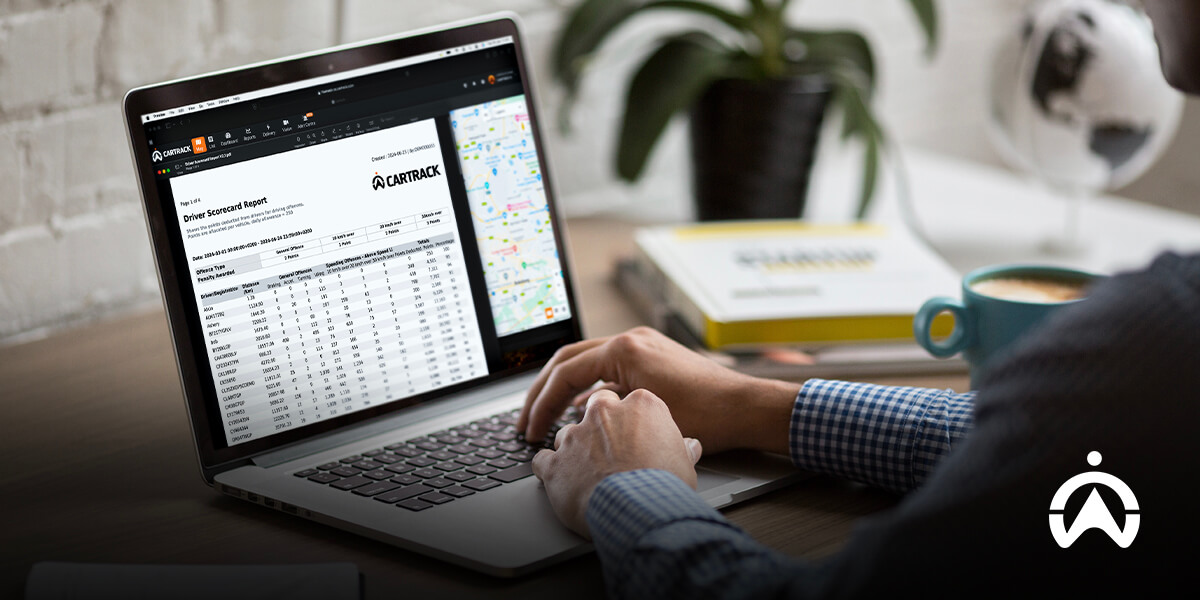
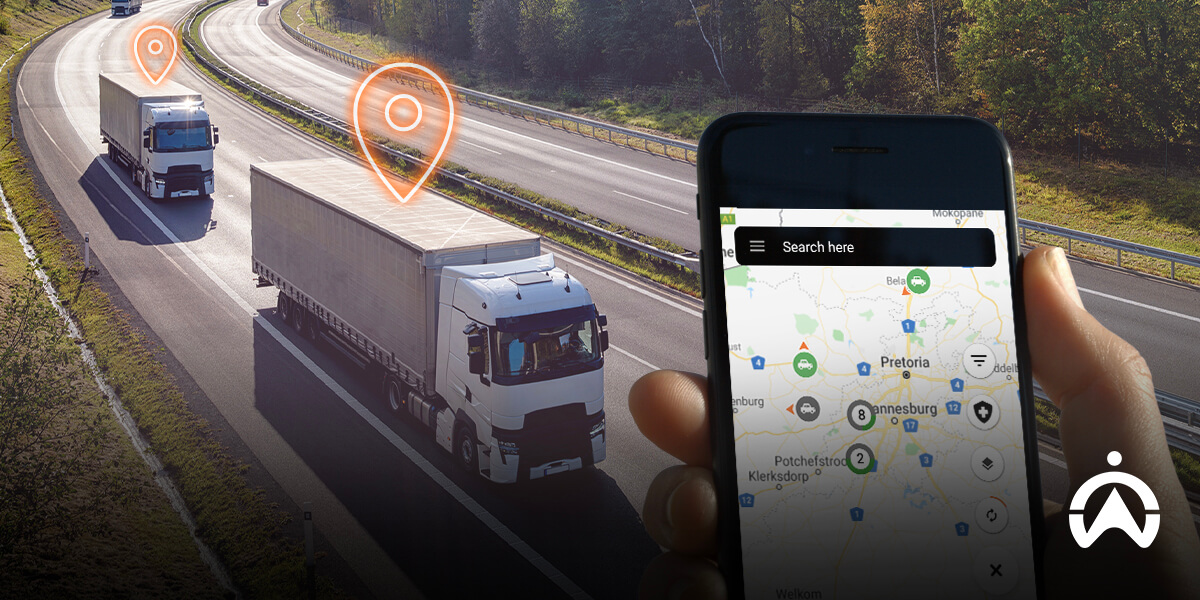
    Our GPS tracking unit provides the exact location of your vehicle at all times, which will help you stay alert and help reduce your insurance premiums, because our skilled air and ground teams are always on standby, waiting for your call should the unfortunate happen. This device also provides driving behaviour reports, which you can check to see which driving habits you need to improve and to show your insurer that you are a good driver who deserves to pay lower premiums.
  • Cross-border SVR
    Our advanced tracking unit supports international roaming, so if your car is stolen and somehow makes its way into one of our neighbouring countries, don't worry; Cartrack will still be able to locate your vehicle. You can rest easy knowing that we have eyes and ears everywhere.
  • Protector
    We offer this value-added service to keep you, your family and your car safe. You will have access to 24-hour roadside assistance, emergency medical assistance and legal advice at the touch of a button.
  • CarWatch
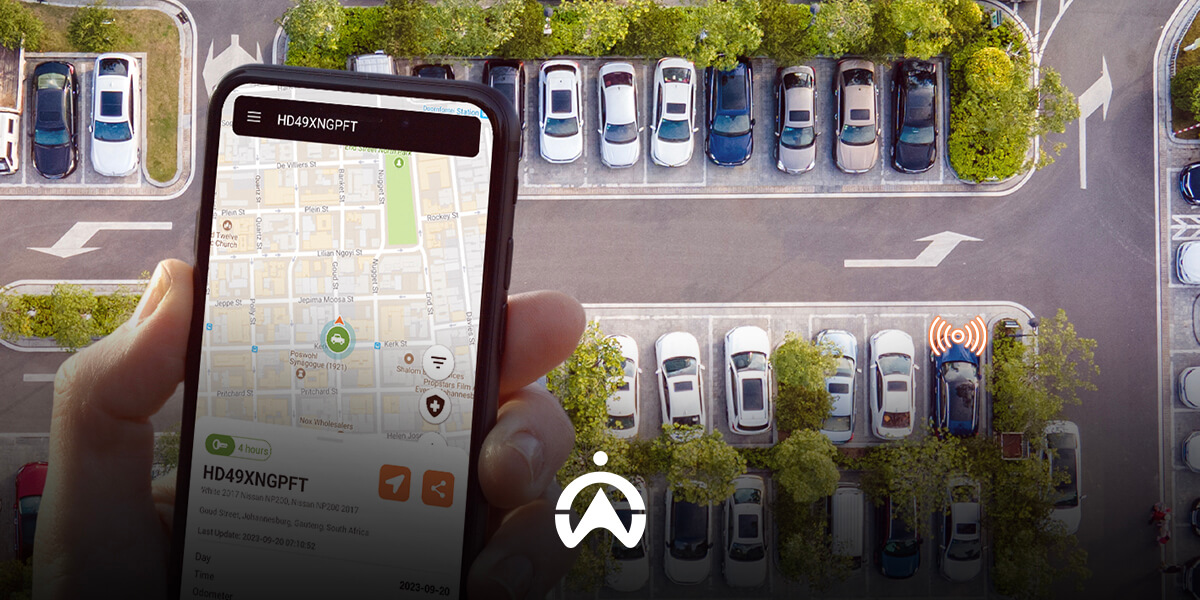
    Get a virtual car guard to alert you whenever your parked car moves without your permission. All you have to do is activate the Carwatch feature, which can be accessed in our mobile app, and we will notify you of any suspicious movement while you are busy running your errands.
  • Road Vision
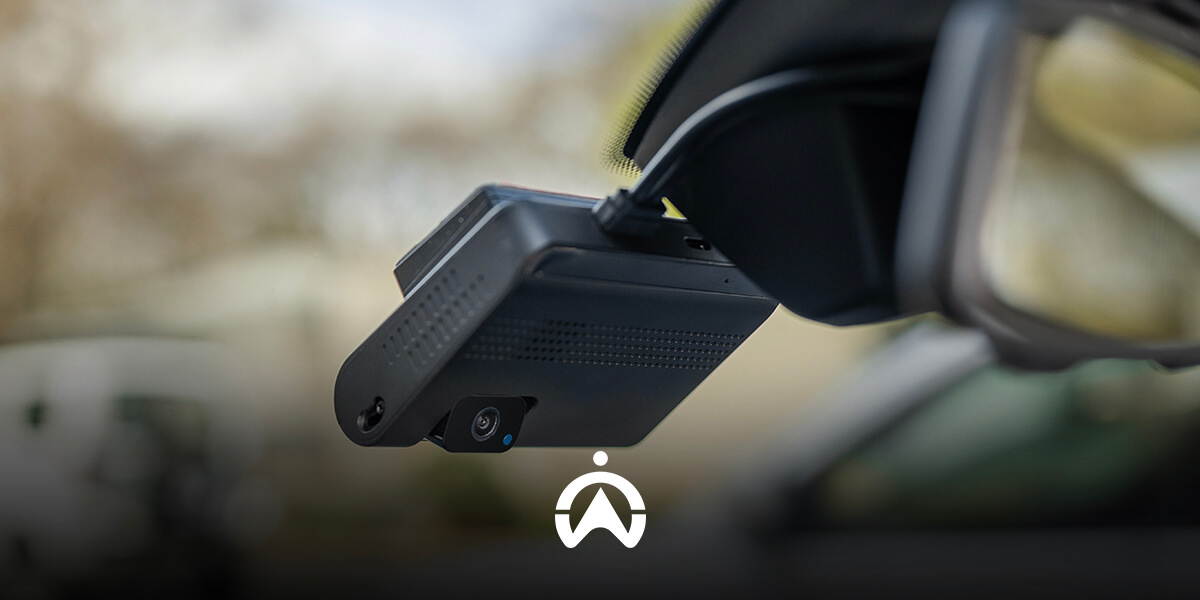
    This is a road-facing dashboard camera equipped with GPS tracking technology. It can increase your safety, document accidents, prevent theft and provide footage with live location, as well as risk reports on your driving habits. You can also use this camera solution to prove your innocence in an accident, so you don't end up being the one who pays.
  • Limited recovery warranty*
    In the unlikely event that your vehicle is not found, Cartrack has a limited recovery warranty, which allows you to claim a refund of up to 150.000€. Terms and conditions apply*

GPS tracking — the one thing that will have a big impact on your insurance premium

Cartrack is a renowned vehicle tracking company, with a recovery rate of over 90% and advanced vehicle tracking solutions like no other. Your insurer will be happy to know you are with us, and your pocket will be safe. Join Cartrack today!
Fleet Controller Duties: The 7 Main Responsibilities You Need to Know

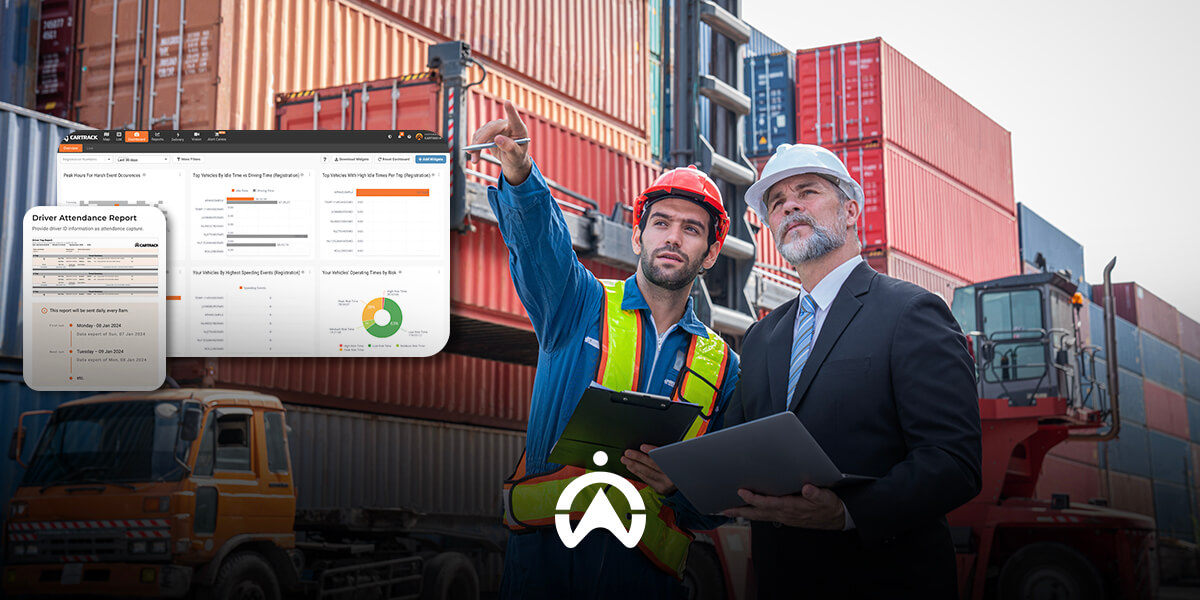
Fleet controllers are responsible for many parts of a complex, coordinated fleet system, including products, suppliers, delivery drivers, customers and much more. If one piece of the puzzle is missing, the system can struggle. Managing a fleet is challenging, because you have to look after these many moving parts, all of which demand the same focused effort.

Join us and learn how to meet these expectations by exploring the seven main responsibilities of the fleet controller.

In this article, you will:

  • Learn about the importance of the fleet controller's role
  • Explore the seven main responsibilities of fleet controllers
  • Learn which skills and qualities fleet managers need to carry out these responsibilities
  • Discover all of Cartrack's solutions that complement these responsibilities
  • See how you can get the most out of our FleetWeb platform

Why are fleet controllers' duties essential?

If fleet managers fail to carry out their duties successfully in one area, it will probably have a ripple effect, negatively influencing more than one aspect of their fleet management strategy.

This rapidly expanding field also puts pressure on fleet managers to keep up with constant developments in the industry and in fleet management technology, while working in the interests of their companies.

A multidisciplinary and rapidly expanding role

Explore the versatile and rapidly expanding world of fleet managers here:

  • Versatile tasks: Many of the fleet controller's responsibilities are interlinked, such as maintenance scheduling and driver safety. Although they are separate responsibilities, they are connected, since maintenance scheduling influences driver safety.
  • A rapidly expanding sector and field: the fleet management sector is constantly expanding, with new responsibilities, industry trends, skills and software to keep up with.
  • Commercial/business interests: Fleet managers work for companies whose profits and reputation can be affected by the performance of their fleet.

The 7 main responsibilities of the fleet controller

With so much to juggle comes a lot of responsibility — see how the fleet controller's mountain of tasks becomes easier to tackle with the sheer effectiveness of these seven fleet manager responsibilities.

1. Recording and analysing the data that provides essential information about vehicle health

For data collection purposes, fleet owners and controllers need to monitor essential information that affects daily operations. This is because collecting and analysing data helps them make a range of informed decisions. For example, if data on oil changes and vehicle performance is not collected, they may not realise that they need to implement preventive maintenance. This can lead to the vehicle needing corrective maintenance, servicing and repair, as well as generating unnecessary costs, not to mention downtime.

Find out more about your data obligations below:

  • Record and preserve data: a comprehensive record of each vehicle, including oil changes, performance and expenses, such as driver expenses and fuel costs.
  • Analyse data: this means identifying potential and current problems and looking for ways to cut costs and manage finances well. For example, fleet managers can use the data to inform route optimisation, which can help reduce costs, as vehicles are likely to travel shorter distances and use less fuel.

The ideal skills or qualities for this responsibility include a deep understanding of data, how to interpret, analyse and apply data, working with databases and understanding statistics.

Use our data-driven, CANBus-enabled vehicle diagnostics

CANBus gives fleet managers real-time diagnostic data about their vehicles, such as mileage readings, electric vehicle charging information, engine diagnostics, driver behaviour, fuel information and odometer readings.

2. Maintenance schedules for job readiness

Drawing up and implementing maintenance plans is essential, because focusing on vehicle health ensures the vehicle runs at its best. Neglecting this responsibility can lead to a lot of downtime and avoidable maintenance costs. All of these problems could have been avoided if fleet controllers had implemented preventive maintenance.

Finally, poor maintenance can put drivers' safety at risk. The vehicle may break down on the road, leaving the driver stranded. Wear and tear can also affect vehicles' response time, making it harder to brake or manoeuvre the car safely.

Let's look at how you can avoid these negative consequences by taking on the following responsibilities:

Schedule, record and implement maintenance

  • Job readiness: this responsibility ensures job readiness, extends the vehicle's life expectancy and complies with industry standards.
  • Scheduling flexibility: fleet managers must be prepared to adjust schedules in response to unexpected events.
  • Implementation: you can implement this in-house or work with third parties, such as a car workshop.

The ideal skills or qualities for this responsibility include excellent time management, flexibility and an understanding of servicing and all types of maintenance, including preventive, proactive, predictive and corrective maintenance.

Cartrack's automated preventive maintenance solutions simplify fleet management

We offer many solutions to automate preventive maintenance, such as real-time alerts or vehicle diagnostics. These solutions use telematics software to anticipate possible vehicle problems. These alerts include worn brake pads, engine problems and much more.

3. Real-time fleet tracking using software

It has become common practice for fleet controllers to use software, usually GPS systems, to prevent theft or hijacking and excessive fuel consumption. Without tracking software, these problems can lead to unnecessary expenses and delays.

Vehicle tracking

  • Route optimisation: GPS tracking helps with route optimisation, delivery times and saving on fuel expenses.
  • Data capture: GPS tracking can capture data for analysis and projections.
  • Hijacking or theft: This tracking solution helps locate the vehicle in the event of hijacking or theft.
  • Fuel monitoring: fuel monitoring helps improve and optimise fuel consumption, increasing cost-effectiveness.

The ideal skills or qualities for this responsibility include a good understanding of logistics and the ability to work with fleet tracking software.

Use our Live GPS solution to help you keep track of your fleet in real time

Our Live GPS solution provides real-time visibility of your fleet's position, speed and direction. It also includes geofencing, the ability to detect driving behaviour, fuel monitoring, trip reports and trip history.

4. Safety and compliance management

Fleet controllers must take safety and compliance management seriously. Negligence will put drivers at risk, and managers, the fleet department and perhaps even the company or business could face fees at best and serious legal problems at worst.

The dangers of negligence include accidents, which can cause damage to the vehicle or truck, resulting in avoidable repairs, servicing and maintenance costs. Accidents also lead to high insurance rates. Other forms of negligence include breaking traffic rules, audits and licensing problems.

Here is an overview of the fleet manager's responsibilities relating to safety and compliance management:

Ensuring safety

  • Maintenance: Fleet controllers must carry out frequent vehicle inspections.
  • Safety policies: fleet controllers are responsible for overall maintenance policies.
  • Driver behaviour: they must monitor driver behaviour on the road to detect aggressive behaviour, such as harsh braking, speeding, harsh cornering and excessive idling.

Ensuring compliance

  • Traffic rules: make sure drivers understand and follow all traffic rules.
  • Internal audits: make sure all internal audits are correct and ethically sound.
  • Licences and permits: check regularly that licences and permits are valid.

The main skills or qualities for this responsibility include an understanding of the relevant safety provisions and laws, such as traffic rules, auditing, tax compliance and licensing. Fleet controllers must also have a good knowledge of vehicle maintenance and of implementing safety policies and regulations.

Explore Cartrack LiveVision AI camera technology to detect non-compliance and ensure safety

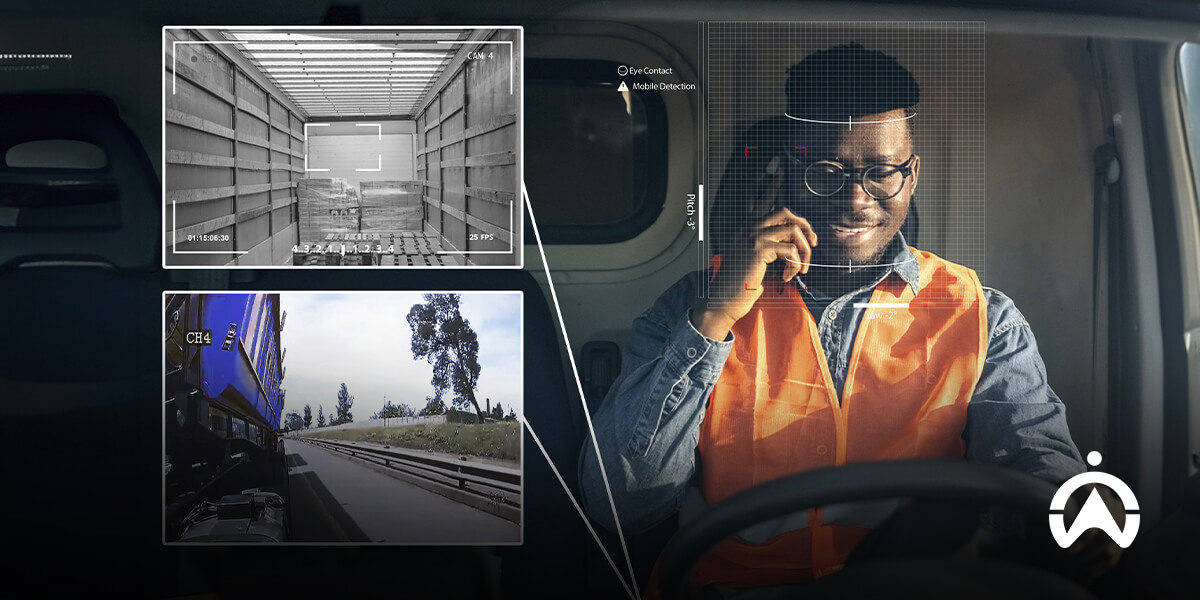
Cartrack's LiveVision warns of forward collisions. It detects mobile phone use, yawning, smoking and tired or distracted drivers, making it the perfect tool for detecting driver behaviour from every angle. LiveVision is powered by artificial intelligence and has eight cameras that stream and record live video.

5. Driver management to improve performance for high retention and safety

Poor performance, such as arriving late, poor communication or hostility, can lead to dissatisfied customers and suppliers. If managers fail to help drivers grow, drivers may feel dissatisfied, which can result in a high turnover rate.

This possible neglect of management duties can also have more serious consequences, putting drivers in danger, since they have not yet been trained to fully understand all the safety protocols.

Let's find out what duty fleet controllers have towards their drivers:

Driver monitoring

  • Fleet controllers must draw up and manage safety policies for drivers, reducing the chance of accidents and the possibility of legal problems.
  • They should use software that monitors driver habits, such as speeding, harsh braking, harsh cornering, idling and harsh acceleration.
  • Fleet managers must provide clear instructions, consistent communication and constructive feedback.
  • Keeping track of attendance is a vital management task.

Coaching and increasing productivity

  • Education and training: Education increases productivity, as drivers can carry out their tasks to a higher standard. Each driver needs this coaching tailored to their skill and experience.
  • Regular upskilling: fleet controllers should train drivers not only when they start work, but also make it a regular occurrence.
  • Incentives: Fleet managers should praise and reward their drivers for producing high-quality work.
  • Safety compliance training: in addition to employees' job tasks and responsibilities, these managers must train drivers on safety compliance

The ideal skills or qualities for this responsibility include training and communication, holding drivers accountable and providing consistent feedback.

Use Cartrack's all-in-one fleet management solution, FleetWeb, for driver excellence

FleetWeb is a multi-layered solution that fits perfectly with the interconnected world of fleet management – it keeps all the pieces of the puzzle intact. With the Fleet option, you can monitor and manage your drivers' activity and behaviour.

As well as monitoring each driver's location and speed in real time, the platform will also let you rewind their trip to see when your driver was idling, speeding or using fuel. The platform provides information on all driver behaviours, including speeding, speed violations, harsh acceleration, harsh braking and harsh cornering.

 Fleet managers can use these recorded behaviours to find out what drivers need to learn. Each vehicle has a driving behaviour score, which means fleet managers can monitor whether the driver or drivers are putting the training lessons into practice.

This is just a taste of how fleet management can empower you and your drivers.

6. Effective administration and cost management

Disorganisation can lead to missed targets, an organisation that is not optimised, lost or mismanaged money and a lack of records of important information that is legally required, such as taxes and licences.

The responsibilities under the umbrella of effective administration and cost management include:

Effective administration

Keep an eye on all the moving parts to make sure operations run smoothly and everything is in order. These moving parts include:

  • Fuel
  • Driver behaviour
  • Suppliers
  • Contracts
  • Data
  • Reports

Cost management

Monitor costs to make sure money is spent wisely and ethically and that there is a profit. These costs include:

  • Invoices
  • Orders
  • Receipts
  • Budget
  • Strategies to increase profits, in other words lower fuel costs, better routes and eliminating unnecessary expenses.
  • Insurance
  • Warranties
  • Tolls
  • Taxes
  • Fuel
  • Contracts

The ideal skills or qualities for this responsibility include having financial knowledge, business experience, attention to detail, a strategic mindset and mathematical knowledge.

Discover MiFleet for a comprehensive solution to all your administration and cost management needs

MiFleet is comprehensive fleet management software that is part of FleetWeb. It helps you manage fleet administration and costs.

  • Effective administration includes fuel-related costs, driver behaviour monitoring, recording supplier information and driving licence expiry.
  • Our cost management includes cost summary reports, monthly costs and contract storage. 

7. Effective communication

Poor communication makes getting the job done far more challenging. When delegating tasks, if drivers don't understand the instructions, they won't be able to follow them correctly or to the required standard.

If the fleet control manager is not clear about which routes to take, for example, drivers will probably take longer to reach their destination or, worse still, not arrive at all, leaving customers dissatisfied with the service.

Some of the responsibilities that lead to productive communication include:

The ability to supervise and effectively communicate instructions and guidance

  • The ability to communicate clearly so that everyone under their responsibility understands their tasks and duties and carries them out correctly
  • The ability to give feedback and guide drivers so that they improve at their job
  • A communication style that earns respect and leads employees to listen to them naturally
  • The ability to talk and listen to truck drivers
  • The ability to report clearly to those above them in more senior management positions

The ideal skills or qualities for this responsibility include the ability to be well spoken and articulate, emotionally intelligent and concise, as well as the ability to adapt communication styles depending on who you are talking to at an individual level and whether you are talking to your staff or to those in more senior management positions.

Rely on Cartrack Delivery to optimise and simplify communication

The Delivery Application optimises and simplifies communication for everyone, from the fleet controller to drivers and customers. The solution does this through:

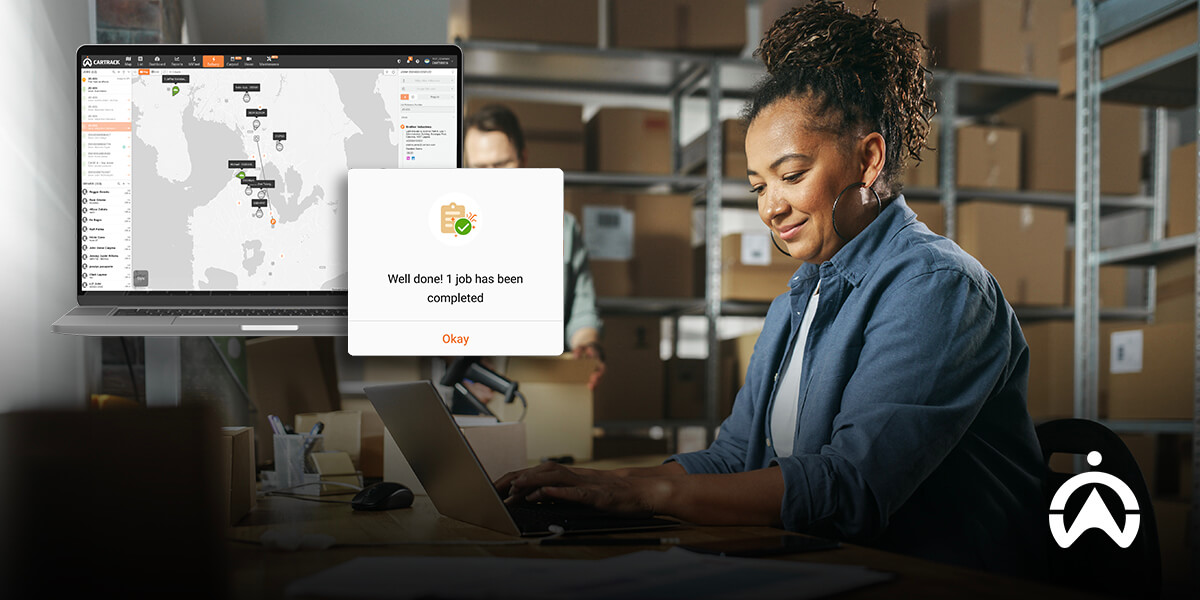
  • Updates for customers and fleet managers on drivers accepting, starting and completing their jobs.
  • E-signatures to prove job completion
  • Route optimisation
  • All job instructions can be given to the driver through the Delivery App.

Get the most out of our feature-rich platform with Cartrack Fleet Management training

If there is one great responsibility of the fleet controller, it is that fleet controllers must always be willing to learn.

Our fleet management sessions help you hone your craft through our solutions.

More specifically, we teach you how to use our fleet management solutions in the best possible way so that they can deliver every benefit to you and your fleet.

Make juggling fleet controller tasks easier. Contact us today.

Outsourced fleet management: get the best fleet bureau services

Sometimes managing your fleet can be difficult, especially if you don't have the time or resources to do it effectively. Having someone else take the reins of your fleet management can take a weight off your shoulders and let you focus on other operational needs. Find out how you can get the best bureau services with Cartrack.

In this article, you will:

  • Understand what bureau services are
  • Explore the pros and cons of using an outsourced fleet management system
  • Learn what the benefits of outsourcing your fleet management are
  • Take a closer look at what Cartrack's bureau services offer you
  • Get answers to your questions about outsourced fleet management

What is outsourced fleet management? 5 things you need to know about fleet bureau services

  1. Cost reduction: your company can save money on hardware and software costs, as well as the salary you would pay someone to manage your operating systems in-house.
  2. Better customer service: your delivery times can be improved with someone making sure your drivers reach their destinations on time, and they can share live location links with your customers to ensure customer satisfaction.
  3. Reduced administrative tasks: knowing that someone else is making sure your administrative tasks get done, such as scheduling maintenance reminders to prevent truck breakdowns, lets you focus on your operational tasks.
  4. Regulatory compliance: having an external fleet management team helps ensure that your fleet complies with road regulations, allowing your company to avoid fines for offences such as exceeding speed limits on the roads and not paying tolls on time.
  5. Customisable solutions: your fleet management solutions can be tailored to meet your specific needs.

The pros and cons of using outsourced fleet management

Pros Cons
✔ Experts in the field: Providers have teams focused solely on managing your fleet 24 hours a day, 7 days a week. ✘ Data sharing: a third party will access your fleet's operational data to streamline it and improve its efficiency.
✔ Optimising your fleet: Outsourced managers can improve your fleet's operations by carrying out tasks such as route planning, reducing fuel consumption and creating alerts and reminders to improve deliveries and other operations. ✘ Language barriers: you and your fleet manager may not be in the same country, which can cause language barriers and possible miscommunication.
✔ Risk management: providers are usually well informed about the road regulations and industry-related compliance requirements that they can use to manage your fleet. ✘ Contractual rigidity: You normally sign a long-term contract with your provider, which gives your relationship stability. However, if you decide to change providers, it can be challenging to end your contract.
✔ Access to advanced technology: fleet management providers are usually at the forefront of the latest technological updates, which they can tell you about to further improve the management of your fleet. ✘ Not being as hands-on: you will have less control over the management of your fleet; however, a dedicated and capable team takes care of the details for you.
✔ Lower company spending: by outsourcing fleet management, you can save the upfront costs of buying all the hardware, software and infrastructure to manage your system, as well as system maintenance fees. ✘ Dependence on the provider: It's great to have a provider you know you can rely on, but sometimes their systems need updates that can affect the visibility of your fleet's operations.

The benefits of using outsourced fleet management services

Stay on top of your business with expert fleet management services that will take the complexity out of fleet supervision.

Gain operational efficiency by using outsourced fleet management

Outsourced fleet management services have several advantages. Some of them include:

  • Handles all tasks related to fleet administration: by outsourcing fleet management, you can hand your fleet administration tasks to experts. This will let you focus on other operational responsibilities while your fleet management is in the hands of capable professionals who can anticipate and manage potential risks.
  • Set up your customised alerts, reports and other checks, such as health checks: your outsourced fleet management partner can set up customised alerts and reports and check that your teams are dispatching on time.
  • Monitors and manages your fleet in real time: you have a dedicated team that monitors and manages your fleet live, so if something goes wrong, they can resolve it immediately.
  • The solutions provided are scalable and flexible, based on your fleet's evolving needs: having an external fleet management team can make it easier to adjust your solutions as your operations develop and grow. That way, you don't need to learn new skills for your system, because you already have a dedicated team that knows the system and knows which solutions can work best for the changes in your fleet.

What Cartrack's Bureau Services offers you

Cartrack's Bureau Services is your complete expert fleet manager who knows our system inside out and knows exactly what your operations need to run optimally and efficiently. Some of the specific Cartrack features we offer include:

  • Fleet support and assistance 24 hours a day, 7 days a week:
    We offer customised update times. As a general rule, we send hourly updates, even in the middle of the night.
  • Identify and manage any risk to your fleet:
    Our expert fleet managers can quickly identify any possible risks thanks to their trained eyes, which can spot any anomalies or suspicious events.
  • Scalability and flexibility of your fleet management system:-
    Our fleet management service can adjust your system as your fleet grows, without any hassle.
  • Make your fleet more cost-effective:
    Our bureau service can help you optimise your fleet by scheduling preventive fleet maintenance to avoid breakdowns and unplanned downtime, and by ensuring on-time deliveries to increase customer satisfaction and repeat business.
  • See how we manage your fleet administration on your behalf:
    Our bureau services are adept at managing your fleet because they have access to the system that gathers your fleet's data, such as:
    -Odometer reading updates
    -Trip history
    -Idling time
    -Kilometres travelled
    -Severe events, such as speedingOur experts also set up reports and alerts, such as the Fuel management report and Accident reconstruction reportAlerts and reminders

    We make real-time calls to you, as the customer, based on the following:
    -Vehicles entering or leaving high-risk areas
    -Vehicles entering or leaving loading sites
    -Changes to driver instructions
    -Drivers making unauthorised stops or movements that were not pre-approved
    -Drivers speeding

    We also carry out daily or weekly health checks, based on your preferences.

Supercharge your fleet management with Cartrack

Contact us today today and let our expert fleet managers take care of your fleet administration worries.

Frequently asked questions about outsourced fleet management

  • What is fleet management outsourcing?
    Fleet management outsourcing is when your company uses a third party to manage the administrative tasks related to your fleet.
  • What is the biggest challenge in fleet management?
    The biggest challenge in fleet management is currently driver productivity and safety.
  • What is the greatest importance of fleet management?
    Fleet management has several important aspects. Some of them include improving driver and fleet safety, reducing overall fleet costs and improving delivery services.
  • What are fleet management services?
    Fleet management is making sure that all the necessary actions take place to ensure your fleet runs smoothly.

How to start a successful delivery business

E-commerce, drop shipping and food delivery businesses around the world have led to growing demand for reliable, affordable and customer-centric courier and delivery service providers. So launching a delivery business start-up or expanding your business to offer delivery services is an excellent idea!

This is an attractive prospect to get into because it requires very few start-up costs. In fact, you could probably start a delivery business right now with the vehicle and mobile phone you already have. But to run a successful delivery business, you need a lot more effort and strategy.

This complete guide on how to start and run a successful delivery business using Cartrack's delivery fleet management system is exactly what you need to get started.

In this article, you will:

  • Get a step-by-step guide to starting a delivery business
  • Understand what goes on behind the scenes of a successful delivery business
  • See what you need to start a delivery business
  • Identify the biggest challenge to the success of your delivery business
  • Find out how Cartrack's delivery fleet management software can help you achieve a successful delivery business
  • Find out whether delivery fleet management is right for your business

Our 5-step guide to starting a successful delivery business

The delivery sector is expanding and is expected to grow at accelerated rates in the coming years.

Here's why you should start a delivery business:

  • Growing demand and the growing e-commerce sector call for reliable delivery service companies.
  • Your company can provide this service to different businesses on a small and large scale.
  • The initial investment and operating costs of a delivery business are relatively low.
  • As your business and customer base grow, you can easily expand your fleet, services, location and customer base.
  • Technology and innovations, such as fleet management systems in the logistics sector, make it a thousand times easier for companies to run a delivery business and become successful.

Starting a delivery business is relatively easy, but turning it into a successful business will take more effort. To achieve business success, you first need to understand what goes on behind the scenes of such a business.

When you picture a successful delivery business, which companies come to mind? Are you thinking of a delivery giant offering same-day express delivery, or a smaller delivery company that guarantees quality and on-time delivery of your online orders?

Starting a successful business is no easy task. Here is what goes on behind the scenes to make your business a success:

  • Aiming to ensure complete, on-time delivery of products and orders to retailers and customers.
  • Protecting the brand's reputation and ensuring customer loyalty and satisfaction.
  • Providing the best pricing options for customers.
  • Real-time delivery progress, reliable order tracking and several delivery options for customers.
  • Happy drivers with a good work-life balance.
  • A clear business goal and vision, an understanding of the delivery market and legal compliance.

Whether you are an entrepreneur who wants to launch a delivery/courier business or you hope to expand your business and offer delivery services to meet your customers' needs, this guide will help you take your business from imagination to reality and, ultimately, to business success.

Step 1: Identify your delivery business niche

The delivery business is a fast-growing market, with companies offering food delivery, drop-shipping, gift delivery, courier services, medical equipment, supplies delivery and even after-hours delivery. The best way to start your delivery business is to decide on your niche first and prepare a business plan.

Here are the top five delivery business niches worth looking into:

  • Food, grocery and alcohol delivery
    This industry is projected to have a market revenue of billions of meticais in 2024. You can offer a delivery service for restaurants, supermarkets and liquor stores through convenient, on-demand customer services. You can also collect and deliver, or make and deliver, prepared meals for events, meetings and parties through a catering delivery service.
  • Flower and gift delivery
    Who doesn't love flowers and gifts? The market growth rate for this business is projected at 14,7% (2024-2028) in South Africa, with revenue reaching US$ 56,6 million. You can offer same-day or next-day delivery of fresh flowers and gifts for special occasions such as birthdays, anniversaries, etc.
  • Over-the-counter and prescription medicine delivery
    Partner with local pharmacies and offer customers reliable delivery services for over-the-counter and prescription medicines. The market for over-the-counter pharmaceuticals sold online is expected to grow at a rate of 13,68% a year and reach US$ 616,00 million in revenue by 2029 in South Africa and US$ 130,6 billion by 2029 globally.
  • Pet food, supplement and supplies delivery
    Work with pet shops and vets, or offer your own branded products, to deliver food, medicines and other supplies to pet owners. Online sales of pet products are expected to grow 11,82% annually in South Africa (8,14% globally), with a projected market volume of US$ 396,30 by 2029 (US$ 78,55 billion by 2029 globally).
  • Courier services
    Deliver parcels, documents and other items to businesses and individuals, with same-day, next-day and other delivery options available to customers. In , this market is dominated by big players, with even global competitors influencing the market.

These quick insights into each of these niche delivery businesses and Mozambique, and the projected market revenue and market growth in the coming years, are useful ways of understanding the potential profitability of your own delivery business. The more market demand and the e-commerce sector grow in Mozambique, the more opportunities there will be for your company to offer a delivery service to the market.

Every sector has unique challenges, but once you have decided on a niche delivery service, it is easier to create a business plan detailing your mission, carry out market research, consider your financial investment and estimate your return on investment (ROI).

Finally, remember to choose a business structure and register your company with the Companies and Intellectual Property Commission (CIPC).

Step 2: What you need to get started

With your delivery business plan and official CIPC registration in place, it's time to invest in the fleet, equipment and other supplies your company needs.

Consider making these investments for your delivery company:

  • The right vehicle(s)
    You will need the right vehicle for the delivery job/service you plan to provide, and selecting the right vehicles is crucial to your delivery efficiency. Whether you decide to invest in a new or used vehicle, such as a cargo van, light truck, compact car, motorcycle or another unique vehicle, is entirely up to you. Alternatively, simply using your own vehicle for deliveries is also a great option. One of the most important things when choosing the right vehicle is your fleet's operating costs, so investing in economical vehicles with low fuel consumption and good fuel economy is important. To protect your brand image, consider opting for greener vehicles too.
  • The perfect delivery drivers
    Drivers play a crucial role in the success of your delivery business, and their performance and behaviour can affect important aspects of your operations, from customer satisfaction to operating costs and your brand's reputation too. Developing the perfect delivery drivers requires training to improve driver behaviour and prevent reckless driving, speeding, harsh braking and dangerous driving habits. Make sure your drivers have the correct driving licence and personal insurance for their protection in the event of an accident.
  • The right insurance and protection
    Insurance will be your lifeline if your customer's parcel or product is damaged or stolen in transit, or if one of your vehicles is damaged or stolen. You need to secure the right insurance for your business, which may include business liability insurance, goods-in-transit (GIT) insurance, courier insurance and public liability insurance. When starting your business, you will also want to add an extra layer of security, mainly to protect against vehicle and cargo theft. One of the best forms of protection you can opt for is the stolen vehicle recovery services of a company like Cartrack.
  • The best technology for delivery management
    Delivery management technology is your best friend for the success of your business. As well as investing in the right vehicle, buy smart devices such as a tablet or smartphone for drivers and get a GPS tracking system from Cartrack. You will want to add delivery service software, such as Cartrack Delivery, which can help you perfect delivery tracking and progress, plan the best route for drivers, automate processes, monitor your drivers, keep track of your vehicle maintenance, generate customised reports on your fleet and business, and much more.

Starting a delivery business is relatively easy, but growing it into a success will take more effort. To achieve business success, you need to mitigate risks and proactively prevent the biggest challenges in delivery businesses from affecting you.

Step 3: Tackle the biggest challenges to the success of your delivery business

  • Parcel management
    Getting parcels to your customers' doors sounds easy enough, right? The challenge comes with making sure that the customer's order is processed correctly, with the right item specifications and delivery address, and that all the information is recorded correctly to plan the delivery logistics. Mistakes can happen more easily without proper routing and scheduling, real-time visibility or proper capture of delivery information, especially if you or your fleet manager has to complete this process manually.
  • On-time deliveries
    On-time delivery is essential for customer satisfaction, brand reputation and your business's competitive advantage. A delivery business requires efficient logistics and operational processes, as most successful companies prioritise on-time delivery. This is a brilliant way to increase sales, because customers know they can rely on a company that delivers their orders. Ensuring on-time deliveries can be challenging for your business because of driver productivity and other delays, which can directly cost you sales.
  • Fleet fuel management
    Fuel is probably the biggest operating cost your delivery business will face, so managing your fleet's fuel costs will be a major challenge. High fuel costs affect the profitability of your business and the price of the service you can offer customers, making it even harder for you to run a successful business. You will have to manage the fleet's costs and consumption and ensure your business is cost-efficient.
  • Driver productivity and workforce optimisation
    The productivity of your drivers and fleet team can directly affect the business's sales and profitability, but how can you make sure they are productive and efficient? Operational efficiency is a major business challenge, but delivery fleet software and other technologies can help your business deal with it.
  • Unplanned vehicle downtime
    Any vehicle downtime due to maintenance, breakdowns, repairs, vehicle servicing, etc. can result in reduced productivity, financial loss for the business, customer satisfaction problems and even more problems for your delivery business.
  • Measuring customer satisfaction
    Getting customer and consumer feedback is important for your business, but old methods of sending surveys or filling in a form can discourage customers from leaving a review. Knowing how your customers feel about your delivery service is essential for improving service quality and enhancing the customer experience.
  • Fleet logistics management
    This involves efficiently planning and coordinating delivery vehicles to optimise delivery routes and driver schedules. It is one of the biggest challenges for delivery companies and becomes more complicated as your fleet and business expand.

You may be worried about whether your new start-up or business strategy, even with the right equipment and a good customer base, can compete with bigger delivery service providers and popular third-party logistics companies, but would you believe us if we said there is enough pie for everyone to share in the market?

What's more, delivery technology and other innovations from companies like Cartrack make it easier for start-ups like yours to compete with delivery giants.

Step 4: use technology for your delivery business

Delivery fleet management software is an important strategy for addressing the challenges of your delivery business and ensuring business success. . At Cartrack, we have designed the perfect software for new delivery businesses. Cartrack Delivery is a complete tool equipped with cloud-based software and a mobile delivery app to optimise your delivery business and empower your drivers.

Take a look at these Cartrack Delivery features and benefits that you can experience in your delivery business.

  • Automated and simplified processes: enjoy a more efficient way of uploading driver information and assigning jobs to drivers.
  • Driver visibility: get real-time visibility of job progress and driver location, and step in or communicate delivery delays. Managers can also receive updates on driver availability for new tasks.
  • Route planning and route optimisation: ensure on-time delivery by organising delivery schedules in advance based on job priority, driver availability and the shortest route. Alternatively, plan your deliveries automatically with the route optimisation feature, which arranges jobs in the most logical order.
  • Two-way communication: managers and drivers enjoy two-way communication, and drivers receive instant notifications when job orders are changed.
  • Customer communication: customers receive an automated notification when the driver is on the way, with a link to track the delivery live, and are notified when the delivery is completed.

Step 5: Establishing a good customer base

The long-term success of your business depends on your customer base. Once you have chosen a niche area and invested in a fleet, equipment and software, it's time to focus on building a good customer base by providing a quality service.

Here are some strategies for building and keeping loyal customers effectively:

  • Offer a positive customer experience every time
  • Focus on reliable, on-time delivery
  • Offer a competitive price
  • Create a positive brand image and promote your business with customer reviews
  • Introduce a referral programme for deliveries
  • Take part in local community events
  • Offer customers other value-added services
  • Gather customer feedback

See how Cartrack has helped companies like Mr Build in South Africa run a successful, well-known business with deliveries.

Cartrack case study: Mr Build

Mr Build is a well-known hardware store, specialising in joinery, timber, cement, plumbing and a wide range of home décor. Over the years, Mr Build has grown to a total workforce of 200 people across different branches and a fleet of around 40 vehicles that deliver building and DIY materials to customers throughout South Africa.

As the business expanded, Mr Build found that tracking where its drivers and vehicles were during deliveries was challenging. They could not update customers on their deliveries without knowing whether the driver was facing delays, which ended up affecting customer satisfaction.

Cartrack's fleet management software was able to help Mr Build with:

  • Seeing exactly where its vehicles are at any time, and the vehicle history to see all completed trips.
  • Mr Build avoids the manual and costly process of checking on drivers by phoning to locate them.
  • Reducing delays and unnecessary route deviations and increasing driver accountability and productivity.
  • Improving customer satisfaction by updating customers on the delivery process and managing their expectations.
  • With the addition of CarWarch, managers are alerted the moment there is any unauthorised vehicle movement, and Cartrack's 24-hour recovery team can respond immediately in the event of vehicle theft. This helps them manage risk better and increase the chance of recovering the vehicle during a theft or hijacking.

The manager of Mr Build said the following about Cartrack:

“Cartrack helps us monitor the fleet much better, I always know where all the vehicles are. There is no part of the day when I have to look for a vehicle or driver. If I can't get hold of the driver, I know where the truck is.”

Mohammed Haider Yacoob – Manager, Mr Build Tzaneen

How to achieve a successful delivery business with Cartrack's fleet management software

Our fleet management software helps businesses in a range of sectors unlock another level of efficiency and profitability.

As well as Cartrack Delivery, here are other software tools and services that can help you have a successful delivery business:

  • MiFleet
    Our cost and accounting software makes it easy for businesses to manage the variable financial costs of running their fleet. For your delivery business, this can help you make sure that every cent spent on deliveries is accounted for. Track and authorise fuel costs, such as driver refuelling, fuel card transactions, driver working hours, labour costs and other costs, such as repairs, services and maintenance.
  • Fuel management
    Our advanced fuel management system has hardware and software that ensure your delivery fleet runs optimally and economically. Track and monitor your fleet’s fuel consumption accurately, eliminate fuel-inefficient behaviour, such as driver idling, route deviations and poor route planning, and identify any fuel fraud in your fleet.
  • Fleet management reports
    Gain valuable insights into your delivery business operations with customised reports on driver behaviour and productivity, cost management, vehicle history and maintenance. Each of these reports can help you make data-driven decisions for your business.
  • Maintenance and service reminders
    Regular maintenance and servicing of your delivery fleet is the best way to avoid unexpected breakdowns, minimise vehicle downtime and expensive repairs, and ensure vehicles are always ready for delivery. View your vehicle’s maintenance history and set upcoming service reminders so you can keep on top of your fleet’s maintenance. This also helps to ensure driver safety, extend vehicle lifespan and increase fuel efficiency.

Achieve a successful delivery business with Cartrack

Starting a delivery business is simple, but turning it into a profitable, successful business takes strategy.

So, let’s get started; contact us for a demo of Cartrack’s delivery and fleet management software today.

Car insurance fraud: how a dashcam will protect you and more

Vehicle owners in Mozambique are always at risk of theft, hijacking, accidents, vehicle damage caused by bad weather, such as flooding or hail, or even having their car intentionally vandalised by someone else, which is why many people choose to get car insurance and tracking devices to protect and safeguard them when the unexpected happens.

Sometimes, drivers can also become victims of fraud and scams that put not only their lives at risk, but also their pockets and their car insurance.

Car insurance fraud is on the rise in Mozambique, and Cartrack’s Vision cameras are the only on-board tool you need to protect yourself and your business from these scams.

In this article, you will:

  • Find out more about dashcams and what they do
  • Discover how dashcams protect you and your loved ones from car insurance fraud
  • Dive into how dashcams protect fleets
  • Unpack Cartrack Vision camera solutions and the benefits of these dashcams
  • Finally get the best answers to frequently asked questions about dashcams

How dashcams protect you from car insurance fraud

Car insurance fraud is not a new type of scheme, as vehicle owners and sometimes pedestrians have been known to invent scams to reduce their insurance premiums or receive a bigger payout from the insurer.

There are different types of car insurance fraud that drivers and other pedestrians may attempt, including

  • False claims
  • Faking a car theft
  • Staged personal or vehicle accidents
  • Faking injuries from an accident

But how would a dashcam protect you from such car insurance fraud? Let’s find out.

How a dashcam can save you from false claims

Imagine you are driving home after a long day at work and you are stuck in traffic because the traffic lights are not working due to load shedding. You have noticed a menacing driver changing lanes recklessly when he suddenly jumps in front of you and stops abruptly, causing a rear-end collision. Still, luckily, the damage is not that bad, as both cars have only a small dent. You and the other driver pull over to assess the damage and decide to exchange insurance details and sort the matter out later.

After the legitimate accident, the other driver’s insurance claim now includes more serious damage to the car’s bodywork, windows and side mirror. The other driver swears that you were at fault for the accident and caused the damage to the vehicle, but you are not even sure about that, because you don’t remember the driver’s brake lights coming on beforehand. This is one of the most common insurance fraud scams: a staged car accident.

In such an incident, an on-board camera like Cartrack’s Vision camera for individual vehicle owners would help and protect you from car insurance fraud through video evidence of the events on the day of the accident. With access to this footage, you can still prove your innocence, assess the extent of the damage and see whether you are the victim of a staged vehicle accident or car insurance fraud.

Cartrack’s Vision camera: capture everything

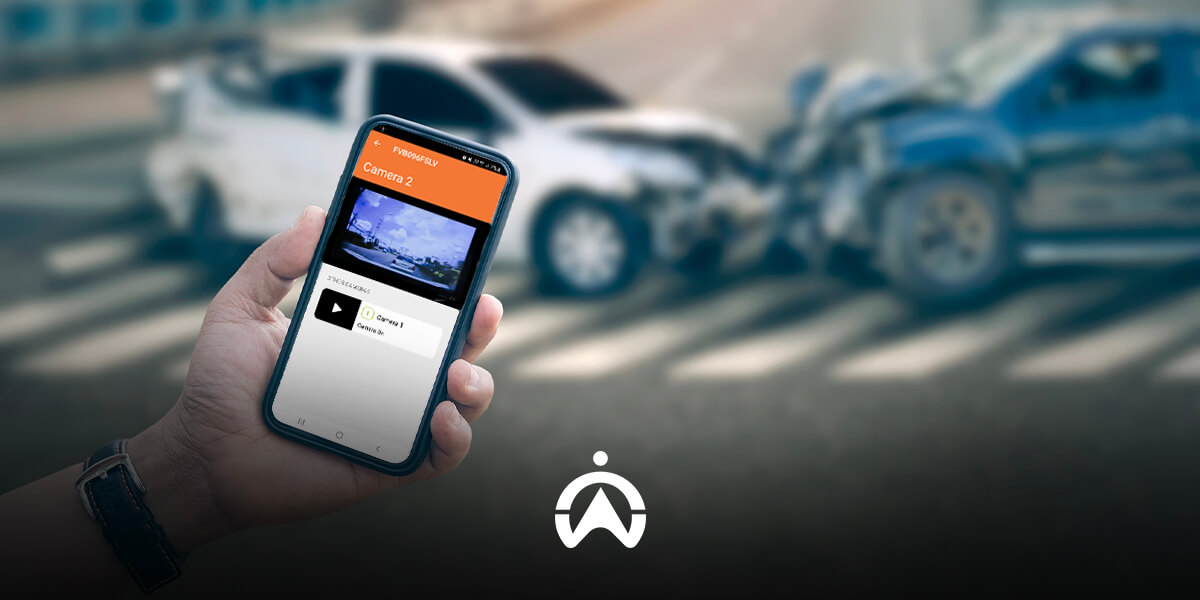
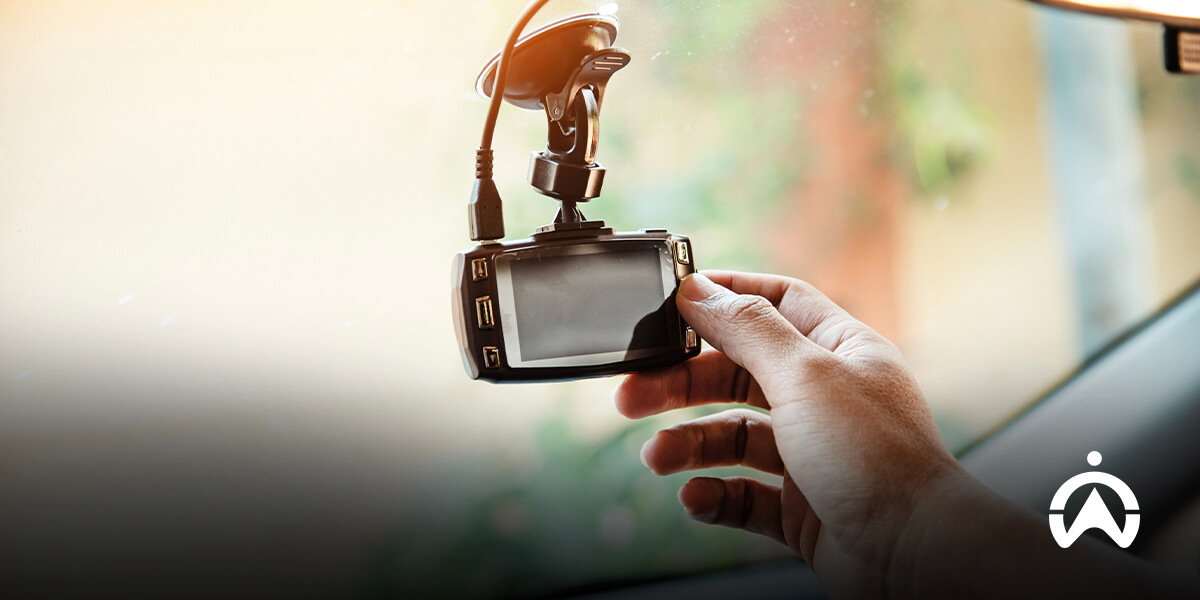
Cartrack’s Vision camera is a user-friendly, road-facing recording camera. Users can request footage based on date and time and download the footage in the Cartrack app. Parents of young teenage drivers can keep an eye on their teens via live stream from the Cartrack app to make sure they always arrive safely. Remote retrieval with these cameras is a powerful way for drivers to protect themselves from all kinds of car insurance scams and even to reject car insurance claims.

This feature-rich, easy-to-install camera provides users with

  • Live video streaming with audio
  • Remote retrieval of footage after events via the Cartrack app
  • Live GPS tracking for vehicle location information

Dashcams can help you not only to protect yourself against fraudulent insurance claims, but also:

  • Provide valuable evidence in the event of an accident in your vehicle.
  • Capture pedestrian scams, such as trying to jump in front of your vehicle.
  • Continuously record activity around your vehicle, including attempts to vandalise your car and other damage to your vehicle.
  • Provide evidence of other drivers and activities you witness.

For businesses, the more advanced AI detection technology that comes with our SmartCabin cameras doubles the protection against car insurance fraud and other problems.

Let’s break down this dashcam technology best suited to commercial vehicles below:

How dashcams protect your fleet against car insurance fraud

With live GPS fleet tracking, you gain greater fleet visibility to see your driver’s location, performance and activity, but when your fleet is on the road, there is no way of knowing what happens between your driver, other drivers and pedestrians.

For example, was your driver distracted by a mobile phone while driving and failed to see the vehicle moving into their lane, or did the other driver cut in too close to your truck driver when changing lanes, causing the accident?

Without any evidence, your truck driver’s accidents become a case of he said versus she said, which is hard to prove to insurers or investigators and increases your costs. This is just one example of an event where a fleet manager will never know whether their drivers are being honest about events when something bad happens, such as an accident, or whether someone is trying to scam their driver.

Yes, it’s true. Your drivers are also vulnerable to car insurance fraud scams and risks while on the road, which is why Cartrack offers solutions designed to help you navigate these tricky situations with ease.

Cartrack’s Vision SmartCabin camera: see everything to protect your fleet

A fleet dashcam is a perfect solution for protecting your drivers and business fleet, but it is not only the front view of your vehicle that matters; with an in-cab camera, you can also get a cab-facing view to ensure your driver’s safety.

Cartrack SmartCabin is a dual road-facing and cab-facing camera equipped with the following features:

  • Forward collision warning sensors: help to avoid possible collisions by audibly notifying the driver of an obstacle ahead.
  • AI-detected events (in-cab camera): this smart camera detects dangerous driver behaviour, such as distracted and tired driving, mobile phone use and smoking, to warn the driver to stop dangerous actions.
  • Live stream video with audio: fleet managers can live-stream trips to carry out spot checks and verify drivers’ activities to enforce responsible, compliant behaviour.
  • Auto-answer on the cab microphone and speaker: enable two-way communication between the manager and the driver, or Cartrack’s command centre, to resolve any problems.
  • Remote footage retrieval: fleet managers can request footage or download footage after events based on date and time.

A dashcam can protect your business against car insurance fraud in your fleet.

Protect drivers

In the case of a legitimate accident that was not the driver’s fault, you can protect your driver by using event-based footage and other driver telematics information to help prove that your driver was not to blame and help them avoid unfair claims against them.

Improve driver performance and accountability

Camera footage can be used to coach drivers, help them improve their performance and increase accountability. Alternatively, by checking on drivers and live-streaming their activities, fleet managers can ensure productive, accountable working hours.

Speed up insurance claims

Video recording and footage report the events before and after an accident, which helps to speed up your insurance claims process and ensures your vehicle is repaired faster so you can avoid vehicle downtime.

Choosing the best dashcam: the top five features to look for

Dashcams can protect you and much more, but it is important to choose the right dashcam, with these top 5 features to look for when you decide to add this extra layer of safety and protection.

#1 Good battery life and reliable storage

Car insurance fraud scams don’t happen every day, but your dashcam records every trip you make. Imagine if your camera’s storage were full on the fateful day when you or your fleet driver were involved in an accident. Good battery life and enough storage space are the key features to look for in a dashcam.

#2 Video image quality and night vision

Not all dashcams are equal; some have poor video quality; you can’t see the vehicle’s number plate or other details. Buying a dashcam with good video quality is important, especially for live streaming.

#3 Affordable camera price

Car cameras are a safety investment worth making, but that doesn’t mean your business should go bankrupt buying one. The camera’s affordability is something you should consider for yourself and your business too.

#4 Easy set-up and sleek design

Setting up a dashcam should be easy. For example, Cartrack has a plug-and-play option for rental cars, so there is no damage to the vehicle caused by mounting the camera and installing hardware in the vehicle.

#5 GPS connectivity

A built-in GPS tracker adds some extra functionality to your dashcam and improves its reliability, especially when it comes to car insurance fraud.

Increase road safety with Cartrack’s Vision cameras

Vehicle dashcams are the protective tool that you, your loved ones and your fleet need to prove your innocence and avoid car insurance fraud and other scams.

Cartrack’s Vision camera solutions are designed to improve everyday road safety and protect you.

Contact us for a demo here.

Get the best car panic button when you need it

Whether we are on our way to work or making a delivery, the roads are a dangerous place. So, can we dispute the need for an in-vehicle panic button in such an environment?

Our main highways and quieter roads are plagued by the risk of hijackings and a sky-high accident rate, so having help at the touch of a button could be that extra lifeline you never knew you needed.

Find out how you can protect yourself and your fleet with this smart technology.

In this article, you will:

  • Distinguish between a panic button and an alarm system
  • Find out about different car panic buttons
  • Discover the benefits and drawbacks of car panic buttons
  • Learn about safety tips to use with car panic buttons
  • Get the best car panic button solutions with Cartrack

The difference between a panic button and an alarm system

Panic buttons seem pretty simple, right? With so many types, however, it is worth getting to know this life-saving tool. An easy way to understand how a panic button works is to compare it to an alarm system. Almost all makes and models now come equipped with alarm systems, and aftermarket options are also available for those that don’t have this as a standard feature.

Some alarm systems can be activated by pressing a button, similar to a panic button. However, the main difference between an alarm system and a panic button is that, when you activate an alarm, it emits a loud sound intended to deter criminals and alert passers-by to suspicious activity. When you press a panic button, you activate a silent alert to the authorities, a security control room or other authorised personnel who can help dispatch the appropriate emergency services when you need them most.

Panic buttons can alert management or security personnel using Bluetooth, WiFi or mobile phone networks, making them conveniently mobile and easy to use.

Are all panic buttons the same? Discover the best car panic buttons

Although all panic buttons are designed to alert someone when you urgently need help, there are several types you can choose from, depending on how accessible you want them to be, where you want to put them and when you are most likely to use them. Here are some examples of types of panic button, where you would find them and the kind of scenario in which they are most often used.

The mobile panic button

With a mobile panic button, it’s all in the name, and this handy personal safety alert system goes everywhere you do beyond your vehicle. These panic buttons are usually found in security apps, so you need to have your phone with you if you want to use them. Once pressed, the alert goes to the specific security company or control room that the panic button is connected to, so you are unlikely to find a panic button pre-installed or as part of the factory settings on your mobile phone.

Here are the key details you need to know about how a panic button works:

  • It is usually a small button or icon on your mobile phone’s screen.
  • When pressed, it will alert a pre-selected emergency contact or a designated control room.
  • The panic button alert can include your mobile phone’s GPS location to help you be found in an emergency.
  • Some panic buttons also sound an audible alarm as an initial deterrent tactic, as well as contacting a control room or emergency contact.

In Mozambique, the private security sector is thriving, and most companies that provide residential security services with personal patrols alongside an alarm device will also have an app with a mobile panic button.

Designed to be quick and easy, specifically for high-stress situations, the mobile panic button has many advantages. However, one of its drawbacks is that it can still be a hassle to activate. Most people’s phones now have passwords or require a fingerprint or face scan to unlock. Then you will need to navigate to the relevant app, and only then can you press the panic button.

Those few seconds could change your life, so finding smart ways to get around this potential hassle, such as making sure the app is on your home screen, etc., helps to make the mobile panic button a good option for the average person on the go.

Built-in panic button

For those of us who travel a lot, especially as part of our jobs, having a hidden, built-in panic button in our personal or company vehicle makes a lot of sense. This safety feature is designed to help alert the authorities and loved ones in an emergency and is usually connected to a dedicated control room or monitoring centre. If you or your drivers often travel at night or in notoriously dangerous areas, the built-in version is a great way to offer peace of mind and an extra layer of security. Here is a quick look at how in-vehicle panic buttons work:

  1. Signalling the alarm: first of all, someone needs to know that you are in trouble, so raising the alarm is the crucial next step.
  2. Alert transmission: Along with sounding the alarm, the technology that comes with the panic button sends important information such as your exact location, and can send more useful data such as the identity of the individual who triggered the alarm and the time of the incident.
  3. Response: The aim of the exercise is to get a response as quickly as possible, which is up to the control room. The control room will contact the individual in danger and send help to the location received.

Installable panic button

If your car doesn’t leave the factory with a panic button, don’t worry! Aftermarket options are available to help you have peace of mind. Installable buttons are also popular with fleets whose employees are constantly on the road, as nobody will argue that South African roads are dangerous workplaces. They work much like a built-in panic button in that, once installed, the user will not be able to move them or simply take them out of the vehicle.

These panic buttons work in exactly the same way as a mobile panic button in the sense that, once pressed, a control room or emergency agent will be contacted. However, the installable panic button is not mobile, so it stays in one place, usually a discreet one, and only the driver should know its location, so you have that extra backup if you are in danger.

The importance of smart panic button placement

When fitting an aftermarket panic button in your vehicle, smart placement is key. Think not just hidden, but accessible in a discreet spot, where the driver can reach out and press the button without taking their eyes off the road.

It is also important to make sure the driver is aware of the panic button’s presence, especially if it is hidden from plain sight.

Get the best car panic button and additional smart features from Cartrack

With safety and your peace of mind as our main concern, we have developed state-of-the-art panic button technology and supporting smart technology to help you avoid these kinds of high-risk situations, theft and loss. Let go of your stress, knowing that we have several lifelines to keep you safe on the road.

In-camera panic button

Cartrack’s Smart Vision camera solution offers state-of-the-art, AI-powered safety alerts to make sure your drivers are notified of risky behaviour that could lead to accidents. It also comes with a handy in-camera panic button, which is easily accessible during emergencies and allows immediate assistance along with the visibility offered by this advanced solution.

In-vehicle panic button

Have a discreetly placed lifeline when you need it most with Cartrack’s in-vehicle panic button. Providing instant assistance from our dedicated Control Room, our agents can contact you and your emergency contacts and send help to your exact location.

Crash detection

Cartrack’s sophisticated telematics devices can detect sudden changes in g-force, including collisions with other objects. On impact, the smart device alerts our control room to the incident, allowing us to dispatch emergency medical response to your exact geographical position.

Cartrack Protector

Have emergency roadside, medical and legal assistance and much more at your fingertips with Protector, conveniently located in the Cartrack app. Our team is on hand to provide the help you need when you are stranded or need emergency assistance — all at the touch of a button.

Let Cartrack take the panic out of everyday travel

Are you ready to remove the word “panic” from your fleet’s vocabulary? Contact Cartrack today to get superior panic button technology and other features that help you proactively up your fleet’s safety game.

Don’t panic! We answer all your frequently asked questions about panic buttons:

Are panic buttons worth it?

Your working environment can be considered high-risk if you are in a vehicle and on the road every day, and even if you only use your car to buy milk at the corner shop! With hijackings and other road-related crime prevalent on South Africa’s roads, having an in-vehicle panic button is like having the emergency services on speed dial. It helps you do your daily work with ease and without fear, knowing that you have the support you need when you are facing an emergency.

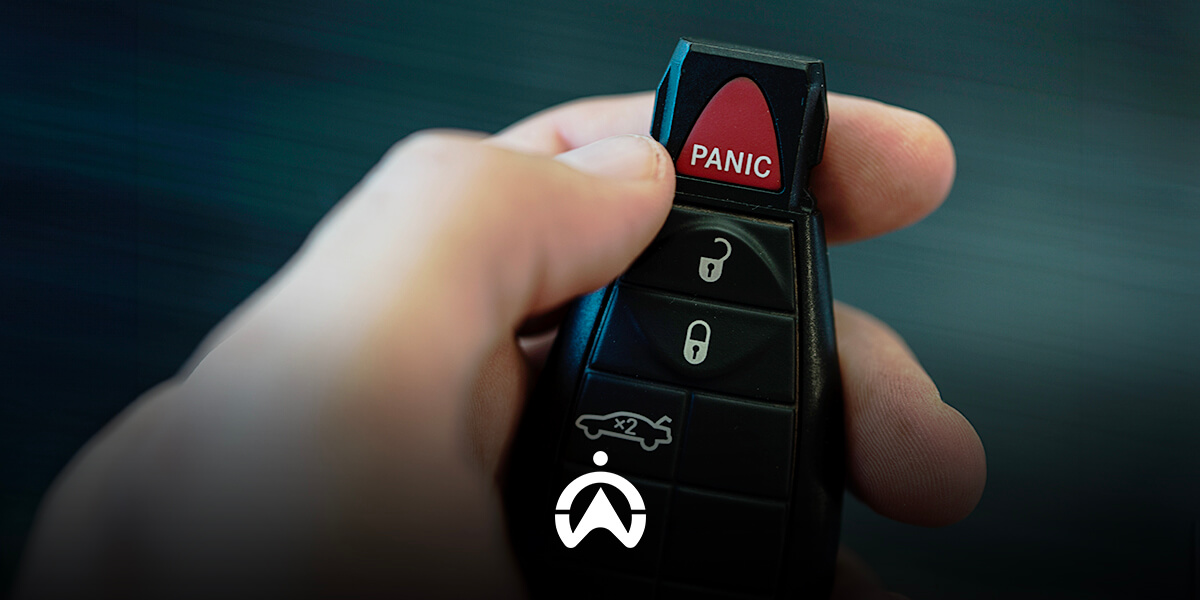
What is the point of a panic button on car keys?

Panic buttons on car keys can have different functions. They can easily be confused with a vehicle alarm system, which is usually found on car keys; however, it is possible for car keys to have a panic button, and this can be very useful, whether it is an older version of a car key or a more modern key fob. Consider the following scenario:

You have just parked your car, put your mobile phone in your pocket or bag and got out when you are confronted by a group of menacing individuals. Your phone is too far away to reach, but as the key fob is in your hand, you can easily press the panic button, which will make a very loud noise or send a message that you need help. This, in turn, will deter the suspects, giving you time to get back into the car, lock the doors and drive away or get help.

When should a panic button be used?

If you don’t want to end up like the boy who cried “wolf”, you need to make sure you use your panic button only in emergencies, where you have no other way of calling for help and your life may be in immediate danger.

Where is the best place to put a panic button?

With thieves constantly looking for the latest places where we tend to hide panic buttons in vehicles, there is no set place. The best advice will always be to make sure it is completely hidden and as accessible as possible, which can be a challenge, but is worth it.

Don’t panic in in-vehicle emergencies. Contact Cartrack today to get the protection, peace of mind and support you need.

What is Driver Coaching? Get all the insights on boosting your drivers

Fleet managers trust their drivers, but they still need to keep an eye on driving habits to avoid fuel drain, high repair costs or even fatalities. With the right coaching, better driving habits can be achieved, but the question is: what is the best way to coach drivers to improve their quality of service?

Let’s take a look at driver coaching.

In this article, you will:

  • Understand the importance of driver coaching
  • Discover the top four reasons why you need a driver coaching system
  • Learn about the consequences of bad driving habits
  • Get tips for effective driver coaching
  • Discover how Cartrack makes driver coaching easier for you

Driver coaching explained: what is it?

Driver coaching is the process of teaching and engaging fleet drivers to improve their behaviour over time and increase road safety. It aims to save costs and increase productivity.

Why driver coaching can be challenging

Drivers come with a range of skills; some are experienced and others are at beginner level. For example, a new driver may need an in-depth explanation of compliance and regulations, while an experienced driver will probably only need refresher training on advanced defensive driving. This means that feedback needs to be tailored to each driver’s unique needs, but unfortunately, fleet and safety managers don’t have time to engage with every driver because of their ever-so-busy schedules, especially when running a large fleet.

Fleet managers can’t fix what they can’t see. They don’t know exactly what drivers get up to on the road, and this makes it hard to spot patterns or identify the real reason why the fuel doesn’t last, why the driver ended up in an accident or why vehicle parts always need repairing or replacing. Without data analysis from a fleet management system, coaching doesn’t work.

4 consequences of bad driver behaviour in fleet businesses that you need to know

Here is how problematic driving can cause a serious profit drain:

1. Fuel wastage

Fuel accounts for the biggest share of the budget for running a fleet, and it gets worse when it isn’t monitored. These are some driving habits that can drastically increase fuel consumption:

  • Harsh braking: This usually happens when the driver doesn’t keep a safe following distance in traffic or is distracted. It uses more fuel because the vehicle’s transmission shifts to a lower gear to regain momentum.
  • Long periods of idling: According to the North Carolina Environmental Quality, idling for 10 seconds uses more fuel than switching off the engine and restarting it. Idling also damages vehicle parts and causes pollution.
  • Speeding: A higher speed requires more engine power to overcome the drag from wind resistance, tyres and transmission, which therefore burns more fuel.

2. Maintenance

Careless driving habits put a strain on the vehicle and shorten its lifespan through constant wear and tear. Here are some examples of careless driving habits that can cause maintenance problems:

  • Revving a cold engine: usually done on cold winter mornings, when you are late and need to get going, excessive revving puts strain on the engine before the oil has had a chance to circulate properly, increasing wear.
  • Riding the clutch: keeping your foot on the clutch is called riding the clutch, and it wears out the pressure plate and bearing sooner than expected.
  • Ignoring warning signs: drivers need to familiarise themselves with the symbols on the dashboard so that they know when to stop and act to avoid further damage or a breakdown. If you see any warning light related to the engine, braking, airbag, oil pressure or tyre pressure, stop and call for help immediately.

3. Safety concerns

This one is important and the most obvious. Reckless driving is one of the main causes of road accidents. Drivers are responsible not only for their own safety, but also for the safety of others. A small distraction or a higher speed can cause a huge collision, end lives and result in major lawsuits or prison for the driver. It can also cause loss of revenue due to unexpected downtime, repairs and replacements.

4. A bad company reputation

The purpose of the “How’s my driving” sticker on the back of a truck or car belonging to a fleet business is to promote safe driving, which is another good way of monitoring driver behaviour. If your drivers are not coached, they risk always being reported, damaging the company’s brand, as it will be known for bad driving. This becomes a bigger problem when more people notice, word spreads and customers start to avoid being associated with your fleet business. It gets even worse when drivers are caught up in accidents, and it is the same company that keeps coming up.

Tips for effective driver coaching

Driver coaching plays an important role in the overall revenue of the business, empowers drivers and helps them develop their skills. Your approach to doing it matters a great deal; here are some tips for successful coaching:

  1. Get a driver monitoring system: telematics closes the gap by providing real-time data on your fleet. This allows you to track drivers’ routes and monitor problematic driver behaviour.
  2. Build a relationship with your drivers: take a positive approach to every session, greet each driver, treat them with respect, ask how their day is going and how the family is, and tell them how much you appreciate them.
  3. Make time for your drivers: the most serious incidents should be resolved within a day or two, but it is advisable to give feedback at least weekly so that it becomes part of the company culture.
  4. Make communication a two-way street: coaching should be carried out as a conversation rather than just instructions. Ask the driver for their side of the story, listen to them, give instructions and make sure they understand the risk of continuing with the behaviour.
  1. Give recognition to the best drivers: those who do well should be rewarded, and those who show improvement should be recognised. This encourages the driver and boosts morale.
  2. Be positive when approaching drivers: all feedback should be seen as a way to improve, rather than an intimidation tactic.
  3. Get the driver’s commitment: drivers should be encouraged to take responsibility for their actions and complete the agreed follow-up actions.

Simplify driver monitoring and coaching with an all-in-one solution

It is clear that driver coaching is essential for every fleet business, and Cartrack undoubtedly has the best solutions for you and your drivers:

Cartrack’s driver coaching tools

  1. Advanced driver assistance systems (ADAS)
    Increase driver awareness with Cartrack’s ADAS. This powerful tool uses camera-based sensors, smart algorithms, artificial intelligence and machine learning to alert drivers to blind spots and forward collisions.
  2. ADAS coaching tool
    The driver coaching feature on Cartrack’s platform lets you view risk reports and videos of daily or monthly driving violations, such as seat belts not being worn, fatigue or mobile phone use. This valuable tool also shows the number of times a driver has repeated an incident, as well as how many times they have been coached on that specific violation. You can leave notes for each event, allowing you to keep track of what was discussed in the last coaching session.
  3. Driver scorecards
    Our driver scorecards provide each driver’s ratings based on events such as harsh acceleration or braking. This helps you identify areas for improvement so that you know what kind of coaching they need, and it will also help you reward the drivers with the highest ratings.
  1. Driver risk reports
    Easily monitor each driver’s progress and identify trends through the insight provided by detailed driver reports, so that you can make informed decisions based on real-time data.

Unlock your drivers’ full potential with the right coaching: Choose Cartrack

Trust Cartrack to make you the best coach. Contact us today!

Here are some driver coaching answers to questions you may still have in mind

What is driver coaching?

The process of educating fleet drivers to improve driver behaviour so that you can save on fleet running costs and increase driver safety.

What is a coach driver?

An employee who drives a coach along a set route to pick up and drop off passengers. Usually for long-distance journeys.

How can the behaviour of bus and taxi drivers be improved?

You can boost the behaviour of bus and taxi drivers by providing training and education on road safety, customer service and driving techniques that can improve their behaviour on the road.

How important is a good driver?

A good driver reduces the risk of accidents and promotes safety on the road.

Tracking devices: the one for all

There are many different types of tracking device, each serving a significant function. These smart technologies are everywhere, and one common factor is how they make our lives easier.

Cartrack offers vehicle and asset tracking for various sectors, such as transport, construction and agriculture. Let’s see how this interesting technology works.

In this article, you will:

  • Understand what a tracking device is
  • See the different types of tracking device and their functions
  • Learn how an IoT device connects to other devices
  • Discover how Cartrack’s solutions meet your tracking needs

What is a tracking device and what does it do?

A tracking device is exactly what the name says: an electronic device that helps to monitor the location of an object or person. There are many different types of tracking technology, all depending on what you need.

Knowledge is power: understand the different types of tracking technology

To help you understand the different types of tracking technology and how each one works, here are some examples of the most commonly used tracking systems:

  • Radio frequency identification: also known as RFID, this is an asset tracking technology that uses radio waves to track assets fitted with tags. It needs three main components to work: a reader, an antenna and a tag. The tag is connected to the antenna, which sends and receives radio signals from the reader.
    This type of device is used in various sectors, such as retail, manufacturing and healthcare, for stock management or access control. In the fleet management sector, RFID technology is used for driver identification.
  • Near-field communication: this one has turned many people into shopaholics because you don’t need to think twice. All you need to do is tap your phone or credit card and that’s it, the payment is made! NRC technology is another form of RFID and is found in most smartphones. Over the years, it has become very popular due to the modern demand for contactless payment systems. This type of technology only works when the devices are very close to each other.
  • Barcode: This is an easy and effective way for businesses to track data related to inventory or physical assets. All that is needed is a barcode label and a scanner. It increases the accuracy of the inventory management process and is essential for last-mile deliveries or shipment tracking.
  • WiFi: Wi-Fi-based asset tracking uses an existing Wi-Fi network to track the location of vehicles or equipment that are indoors or frequently travel in and out, where signals may struggle to get through. Examples are refrigerated trucks and warehouse stock.
  • GPS tracking: Short for Global Positioning System, GPS is one of the best-known and most widely used forms of tracking technology. It is a constellation of 31 satellites orbiting the Earth, with each satellite emitting signals that allow receivers, through a combination of signals from at least four satellites, to determine time and location. GPS technology is used in mobile phones and other devices for navigation, but it has many other benefits, such as the real-time location of vehicles and other assets, like a generator.
  • Geofence: Geofencing is based on GPS or RFID systems. The only difference is that it doesn’t consistently report location data, but uses location data to set up invisible boundaries in a real geographical area. When an object enters or leaves the virtual fence, a breach is reported via a transmitter.
    This type of technology can be used to mark no-go areas, or you can set it up at the workplace to let people know when vehicles enter or leave the building.
  • Cellular: This particular system can work with GPS, but relies mainly on the presence of mobile phone towers to transmit location and asset information. Although it is not as effective as GPS, the system makes use of existing mobile phone towers, which can be useful for fleet management and equipment monitoring in remote areas.
  • Bluetooth Low Energy (BLE): A Bluetooth Low Energy asset tracker is a wireless solution that combines location accuracy with efficient battery use. BLE tags or beacons are attached to assets and Bluetooth-enabled devices, such as smartphones or gateways, to provide real-time updates on the location of the equipment in use. It helps to track equipment within a restricted distance, typically reaching a maximum of 100 metres, and can be found in the construction and agriculture industries.

The IoT device, or should we call it the One-For-All?

Imagine some of the powerful tracking systems mentioned above working with one unit to give you the best accuracy in locating your vehicles and equipment, as well as data that will help you make better decisions. You don’t need to imagine, actually, because that is basically what an IoT device does.

Formally known as the Internet of Things, IoT devices are specialised hardware, such as sensors, actuators and appliances, that connect to wireless networks to collect and exchange data. They access the internet through a physical area network, such as Wi-Fi, Bluetooth, GPS or cellular connectivity, and can be installed in vehicles or assets for all the major sectors.

Tracking device solutions and equipment for individuals and fleets — the Cartrack way

Now that you know how all these devices work, here is how Cartrack uses them to simplify your daily routines at work and at home:

  • Stolen vehicle recovery:
    Cartrack has a recovery rate of over 90% and more than 2 million subscribers, so you can be sure that our tracking unit will give your vehicle the security it needs. Our highly trained air and ground recovery team is always on standby, ready to return what is rightfully yours.
  • CarWatch:
    As an extra layer of security, you can activate CarWatch in your mobile app right after parking your car. You will be alerted if it moves. Think of it as your virtual car guard.
  • Protector:
    Vehicle tracking technology doesn’t end at finding your car when it is stolen. Sometimes, you just need other services, such as medical or roadside assistance. At the touch of a button in your Cartrack mobile app or website, a call centre agent will contact you immediately and get you the assistance you need.
  • Geofencing:
    Using Cartrack’s geofencing feature, you can set virtual fences around areas of your choice. This feature alerts you whenever your vehicle enters or leaves the area, and it works not only for vehicles but also for other equipment fitted with tracking devices. If your machine suddenly grows legs and “leaves” the geofenced premises, you will get an alert too.
  • Asset tracking:
    Know exactly where your equipment is at all times using Cartrack’s asset tracking feature. With this feature, you will receive real-time alerts whenever a fault code is triggered or when your machine needs maintenance.
  • Temperature monitoring:
    Keep your refrigerated cargo fresh with our temperature monitoring solutions. These sensors provide immediate alerts when the temperature changes in refrigerated trucks or trailers, so that cargo such as food and pharmaceuticals can reach its destination in perfect condition.
  • Driver identification tags:
    Cartrack’s DID tags use RFID technology to help you identify immediately who drove which vehicle. You can make sure that only authorised operators use your machines or only authorised drivers use those specific vehicles. This feature also lets you monitor driving habits so that you can see who needs more coaching.
  • Delivery:
    Our delivery software helps to optimise operations for you and your drivers. It lets you find the best order in which to complete tasks to reduce fuel expenses and track delivery progress in real time. Customers are also notified of any changes that may occur.

Trust the industry leaders in tracking technology — trust Cartrack

We could go on about the many benefits of tracking technology because, with Cartrack, the list is endless. Get in touch with us to find out more.

Let’s answer some frequently asked questions

  • What is the best tracker in Mozambique?
    Cartrack has the highest trust rating on Hello Peter of all the tracking companies in South Africa. With an excellent stolen vehicle recovery rate of over 90%, Cartrack proudly holds the highest SVR rating in Mozambique.
  • Where can I find tracking devices in cars?
    For security reasons, the location of a tracking device is never disclosed, not even to the person driving.
  • How much does it cost to install a tracker in your car?
    A Cartrack device costs only 14.336,00 mts per year and comes with free installation.

Stay on the right track with Cartrack. Contact us today.

Car dashcam: why you need one

There are thousands of road accidents in Mozambique every year. With congested traffic, potholes, reckless drivers and unpredictable conditions, having an extra pair of eyes on the road is more important than ever.

This is where a dashcam can help. Whether you are heading to work, running errands or hitting the road for a weekend adventure, having a dashcam can give you peace of mind. Think of it as having a reliable co-pilot always ready to capture those unexpected moments — whether it’s a minor accident or a breathtaking view.

Acting as a silent witness, a dashcam captures every moment on the road. It creates a detailed record that can be vital in the event of an accident or dispute. Although practising defensive driving is essential, the presence of a dashcam ensures that, if something goes wrong, there is clear evidence to explain exactly what happened.

Let’s find out more about dashcams and the main benefits they offer.

What is a Dashcam?

A dashcam, short for “dashboard camera”, is a small camera mounted in your car that records everything that happens on the road while you drive.

These devices come equipped with a range of useful features. For example, many modern dashcams have high-definition recording, GPS capabilities and night vision.

Some models even have advanced features such as parking mode, motion detection and dual-camera systems that can record the front and rear views of the vehicle simultaneously.

Dashcams are more than just a tool for recording accidents. They serve as deterrents to reckless driving, fraud and vandalism. Whether you are driving through busy city streets or on isolated rural roads, your dashcam acts as an impartial observer, documenting everything that happens.

Investing in a dashcam can offer more safety and confidence when driving, whether you are a daily commuter or a long-distance traveller.

The benefits of having a dashcam

You may have heard about dashcams and been left wondering whether they are a worthwhile investment. Let’s look at the main reasons why a growing number of drivers are choosing to invest in these valuable devices.

Your guardian angel in accidents

Imagine driving along when, suddenly, BAM! You are involved in a collision. In this unlucky but all-too-familiar scenario, having a dashcam can be invaluable.

It provides indisputable video evidence of the incident, removing the ambiguity often associated with accident claims.

This footage can clearly show who was at fault, sparing you the stress of “he-said-she-said” scenarios and potentially protecting you from increases in your insurance premiums due to false claims.

Installing a dashcam in your car brings a sense of security. Knowing that there is a reliable witness recording everything that happens while you drive lets you concentrate on the road ahead without unnecessary worry.

Keeping your family safe

One of the best things about having a dashcam is how it helps to keep your family safe while they drive your car. As a parent, it is a relief to know that you can keep an eye on your children when they are behind the wheel.

This kind of monitoring not only holds them accountable, but also encourages them to be more responsible on the road, as they know their actions are being recorded. What’s more, if something unfortunate happens and there is an accident, having this footage means you will have solid evidence to help clarify what happened. It’s a great way to protect your loved ones from any potential liability problems!

Deterring car break-ins and vandalism

A dash cam can serve as a powerful deterrent against car break-ins and vandalism. Criminals don't like an audience. The mere presence of a visible dash cam is often enough to make offenders think twice before targeting your vehicle.

Learn from your driving (no judgement!)

The truth is that we could all use a little coaching when it comes to our driving habits. Your dash cam footage can be a great teaching tool. Review your trips to identify areas where you could use some fine-tuning.

For example, you may notice that you aren't consistently checking your blind spots or that you are following the car in front of you too closely.

Once you have identified these areas for improvement, you can start making changes to your driving habits. This may involve taking a defensive driving course or simply practising safer driving techniques.

Fraud Buster: your dash cam defence

Insurance fraud is a growing concern, with some individuals staging accidents to exploit unsuspecting drivers. A dash cam acts as a deterrent against scammers and their fraudulent activities.

If a staged accident occurs, the recorded footage can expose a fraudster's deceptive tactics, protecting you and your insurer from unjustified claims.

Insurance incentives on the rise

Did you know that having a dash cam can have a positive impact on your car insurance premiums? Insurers in South Africa are becoming more open to offering favourable premiums to drivers who use dash cams, as they provide concrete evidence that can speed up insurance claims. By presenting clear footage of an incident, you can support your case and avoid lengthy disputes.

Peace of mind on the road

Let's face it: driving can be stressful. Between rush-hour traffic, unpredictable weather and that driver who apparently thinks indicators are optional, hitting the road can sometimes feel like entering a war zone.

At the end of the day, having a dash cam installed in your vehicle offers reassurance. Knowing that there is a reliable witness recording everything that happens while you drive lets you concentrate on the road ahead without unnecessary worries.

Capturing memorable moments

Not every road trip is highly stressful, of course. Sometimes you may come across breathtaking scenery or hilarious antics on the road. Your dash cam helps capture the road ahead and these moments too, preserving memories you might otherwise have forgotten. In this way, your dash cam acts as a personal videographer for your adventures on the road.

How to choose the right dash cam for you

With a variety of models available, each equipped with unique features, selecting the right option can seem a little complicated.

Here are some of the main factors to consider when choosing the dash cam that best suits your needs.

Video quality

One of the most important aspects of a dash cam is its video quality. High-resolution cameras produce clear, sharp images that capture essential details such as number plates, road signs and faces.

Low-quality footage may not provide enough clarity, especially in fast-moving or low-light conditions, which can be a problem if you need the footage for insurance claims or legal disputes.

Low-Light Conditions

Cartrack dashcams are designed to work effectively in low-light conditions. This feature allows them to capture clear, reliable footage even in darker environments.

Easy Installation

Installing a dashcam in your vehicle should be a simple, hassle-free process. With this in mind, Cartrack has developed an innovative dash cam solution.

Our dashcam product offers plug-and-play functionality. This user-friendly design ensures that you can seamlessly integrate a video recording system into your vehicle without confusing procedures or specialist knowledge.

GPS features

Dashcams with built-in GPS can track your location and speed, adding valuable context to the footage. This feature can be useful when contesting speeding fines or providing evidence in the event of an accident.

Cost Considerations

When deciding to buy a dashcam, cost is a crucial factor to weigh up. Prices can vary widely depending on the camera's features and brand. It is essential to find a balance between the features you need and your budget.

However, bear in mind that investing in a quality aftermarket dash cam is usually worth it. Not only does it provide an added sense of protection while driving, it can also save you money in the long run if you need to file an insurance claim or face a legal dispute.

Improve protection on the road with Cartrack's Vision cameras

Dash cams have become an essential tool for drivers in South Africa, offering an extra layer of protection against accidents, fraudulent insurance claims and theft. With advanced features such as night vision, GPS tracking and parking mode, modern dash cams provide a comprehensive security solution for today's drivers.

With Cartrack's Road Vision camera, we offer a high-quality dash cam solution that will meet all your needs. Whether you are looking to protect your car, reduce your insurance premiums or simply capture memorable moments on the road, our innovative AI-powered dash cams have everything you need.

Invest in the peace of mind that comes with having a reliable witness in your car. Contact us today to find out more.

Frequently asked questions

What are the important safety considerations when using a dash cam?

Although dashcams can be invaluable for recording events on the road, there are several safety considerations to keep in mind. First, make sure the dashcam does not obstruct your view of the road, as this can be dangerous and may also breach local regulations.

Always set the dashcam to start recording automatically when the vehicle is switched on, to minimise distractions. Avoid adjusting or interacting with the dashcam while driving; if adjustments are needed, make them when the car is safely parked.

Review the recordings regularly, especially if your dashcam has features such as parking mode or motion detection, to make sure it is working properly.

Can I use dashcams for my commercial vehicles?

Yes, dashcams for commercial vehicles and fleet management are a vital way to monitor your assets and save money.

Cartrack offers an AI-powered solution with its innovative Cartrack Visions camera and app.

This provides valuable first-hand footage and data for accidents, improved driver safety and reduced insurance costs.

How do I know if a dashcam is compatible with my vehicle?

Most dashcams are designed to be universally compatible with any vehicle. However, feel free to contact Cartrack for more information and advice on installing dashcams.

Will using a dashcam affect my vehicle's battery life?

Our dashcams are designed to have minimal impact on a vehicle's battery. They generally operate efficiently and switch off automatically to avoid unnecessary drain.

Do dashcams require regular maintenance?

Although dashcams generally require little maintenance, checking periodically that they are working is always a good idea. Make sure the lens is clean for clear recordings and check that the memory card has enough storage space.

Replace the memory card if it shows signs of wear, and update the dashcam's firmware periodically to ensure it keeps operating at its best.

Driver identification tags: take full control of your drivers and your fleet

Keeping track of who drives each vehicle can be a major challenge, especially for a large fleet. Sometimes drivers forget to manually log the vehicle they used that day and, if something happens, you may not know who was responsible, which is why driver identification plays a crucial role in fleet management.

A driver identification tag simplifies the process and puts you in control of every vehicle. Cartrack specialises in automatic vehicle and driver identification, so let's get into the details of driver identification tags.

In this article, you will:

  • Learn how DID tags work
  • Discover three different types of Cartrack DID tags
  • Discover the 7 benefits of driver identification
  • See how DID tags form part of a driver monitoring system

Get to know driver identification tags – the what, why and how

A driver identification (DID) tag is a keyring-sized tag used together with the ignition key. It serves as an extra layer of protection and makes it easy to know who is on duty, who is driving which car and for how long. Think of it as an access card for drivers. If the vehicle is used without a tag, it can be flagged as a possible theft. DID tags are essential for fleet management companies in cold chain and logistics, the construction industry and the transport industry.

How do the tags work?

Driver identification tags use radio frequency identification (RFID) technology. This is a form of wireless communication made up of three components: a reader, an antenna and a tag. The reader is connected to the antenna and transmits radio signals to the tag with additional information. The tag also works together with GPS tracking technology to help monitor your drivers while they are on the road.

Cartrack's advanced DID tag solutions

Introducing Cartrack's three driver identification features, specially tailored to your needs:

  1. Driver ID
    This helps to automatically identify drivers and vehicles using the driver's identification number. If something goes wrong, this tag will come in very handy. Drivers can even be given two tags, one for work and one for personal use. You can get a tag report to keep track of who was driving which car and when.
  2. Driver ID Start Prevent
    Eliminate unauthorised vehicle use with Cartrack's DID Start Prevent. With this, the tag assigned to the driver is linked to the starter inhibitor, meaning the ignition will not switch on unless a tag is present. This is ideal in industries such as mining and construction, where there is equipment that needs to be protected and accounted for.
  3. DID with configuration
    This DID tag is configured for a specific vehicle to prevent other people from using it. How is that different from the rest? Well, let's say you have a few abnormal-load trucks in your fleet. Not every driver is qualified to drive trucks of this kind, so you need to control who has access to them. It isn't easy to remember which driver holds the right licence, but with a configured DID tag you can make sure tags only work on specific vehicle models. They are assigned to drivers with the qualifying licences.

7 incredible benefits of a DID tag

These tags are made for your convenience and bring many benefits, such as:

  • Driver assignment control: Only authorised drivers will be able to use the vehicle. If the driver is not recognised, you will receive an alert.
  • Less admin and fraud: no time will be wasted manually recording who came to work and who didn't, and handwritten timesheets will become a thing of the past, eliminating fraudulent entries.
  • Driver accountability: Any careless driving will be quickly identifiable and linked to the right driver; this will make it easier to carry out an investigation or correct the behaviour.
  • Route planning: This helps you make sure drivers use the most fuel-efficient routes, using the information provided in the reports.
  • Compliance: driver identification tags help monitor working hours through automated log reports, so you can make sure drivers keep to working time limits and get enough rest.
  • Less vehicle misuse: The driver can log the trip as business or private use and, because it works together with GPS technology, you will be able to see whether it really was a scheduled trip. What's more, if drivers know they are being monitored, it limits the careless driving that leads to wasted fuel and road accidents.
  • Improves driver behaviour: through driver reports, you will see where drivers need to improve, and this will gradually bring about a change in driving habits.

Up your driver identification game with Cartrack

Cartrack provides driver monitoring solutions that work together to keep your fleet safe. Here are two other features that work side by side with our driver identification tags:

  • Driver scorecards
    Telematics makes it all possible. Our driver scorecards monitor any high-risk behaviour, such as speeding or harsh cornering. Each driver will receive a score, which will help you identify areas for improvement and give you the opportunity to train drivers to improve their driving habits.
  • Driver reports
    Get driver identification tag assignment reports showing the drivers and the tags assigned to them. You can also access business, private or weekend trip reports showing the start and end details of each trip, helping you keep track of driver working hours too.
  • Driver training
    Increase safety and reduce risk by training drivers based on reports. This also boosts productivity and increases savings thanks to fewer accidents, fuel-efficient driving techniques and reduced maintenance costs.
  • Advanced Driver Assistance System (ADAS)
    ADAS uses camera-based sensors, smart algorithms and AI technology to increase driver awareness and so improve driver and vehicle safety. This system alerts drivers to blind spots and issues forward collision warnings.

Get to know your drivers better through Cartrack's fleet management solutions

We make managing a fleet less tiring and help you build a reputable business, while saving costs by using innovative driver monitoring solutions such as the driver identification tag. Contact us today.

Any other questions? Well, we'll get you sorted.

Take a look at these frequently asked questions about DID tags.

  • Do driver identification tags monitor driver behaviour, such as speeding or harsh braking?
    Yes, driver identification tags help managers monitor events such as harsh braking and speeding, making it easy to identify who was driving and allowing drivers to take responsibility.
  • How can driver identification tags be used to encourage safe driving habits?
    Drivers can be scored based on the frequency of adverse events, and those who show improvement by achieving high scores can be rewarded. This also helps increase driver buy-in.
  • How easy is it to install and use driver identification tags?
    The driver RFID reader is installed on the dashboard and connects to the GPS unit. On entering the vehicle, the driver touches their identification tag to the face of the reader. The installation process is simple and drivers quickly understand how to use it, as it is straightforward.
  • Can driver identification tags help improve fuel efficiency?
    Yes. Fleet managers will receive reports on route deviations and fuel-consuming habits, such as harsh braking and cornering, allowing them to coach each individual on how to improve and therefore save fuel.

Get the visibility your business deserves with Cartrack's DID tags

Don't miss out on smart driver monitoring solutions. Contact Cartrack today!