Vehicle battery maintenance made easy: how to stay safe with Cartrack

There is a popular misconception that all your battery needs to stay healthy is a jump-start. This false theory, however, has left many drivers stranded with a faulty battery and completely baffled, not knowing what the problem is.

Don't wait until you see the battery light flashing on the dashboard to act and start maintaining your battery. Our blog is the practical guide you need to reduce breakdowns and avoid costly battery repairs.

Let's dive in.

In this article, you will:

  • Discover the importance of vehicle health and the role of battery maintenance
  • Discover popular battery types and their maintenance requirements
  • Understand when to service or replace your vehicle's battery
  • Get practical steps to preserve your car battery and extend its lifespan
  • Explore the Cartrack solutions that protect your vehicle's battery

The importance of vehicle health

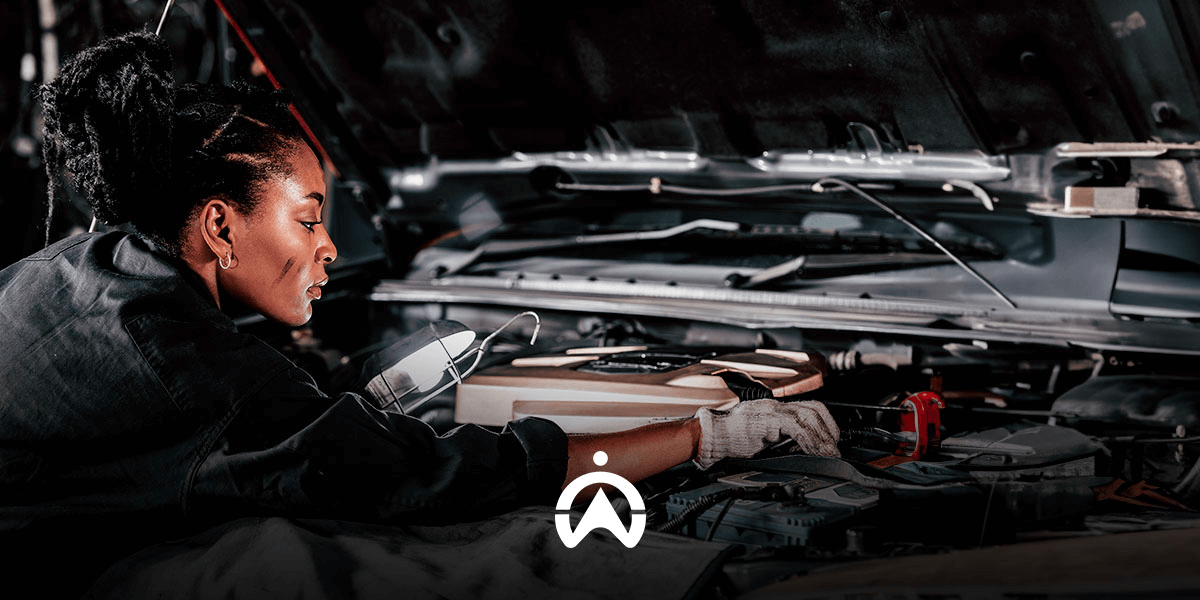
One part of the vehicle that is often overlooked when talking about vehicle health and maintenance is the battery. The battery and the engine are the two parts that make the vehicle able to run and move, but the focus is often on the engine alone.

Let's change that, shall we?

Your battery is responsible for supplying power to the engine and the lights, allowing you to change gear and be on your way. When the engine is switched off, it also powers all the vehicle's other electrical components, such as the radio or air conditioning.

A well-maintained battery can have a long lifespan, deliver reliable performance and also prevent unexpected and costly breakdowns. To achieve this, it needs top-notch maintenance.

The different stages of vehicle maintenance

Before we start focusing only on our vehicle's batteries, let's first look at the bigger picture of your whole vehicle. What use is a healthy, thriving battery if it works with parts that do not run efficiently?

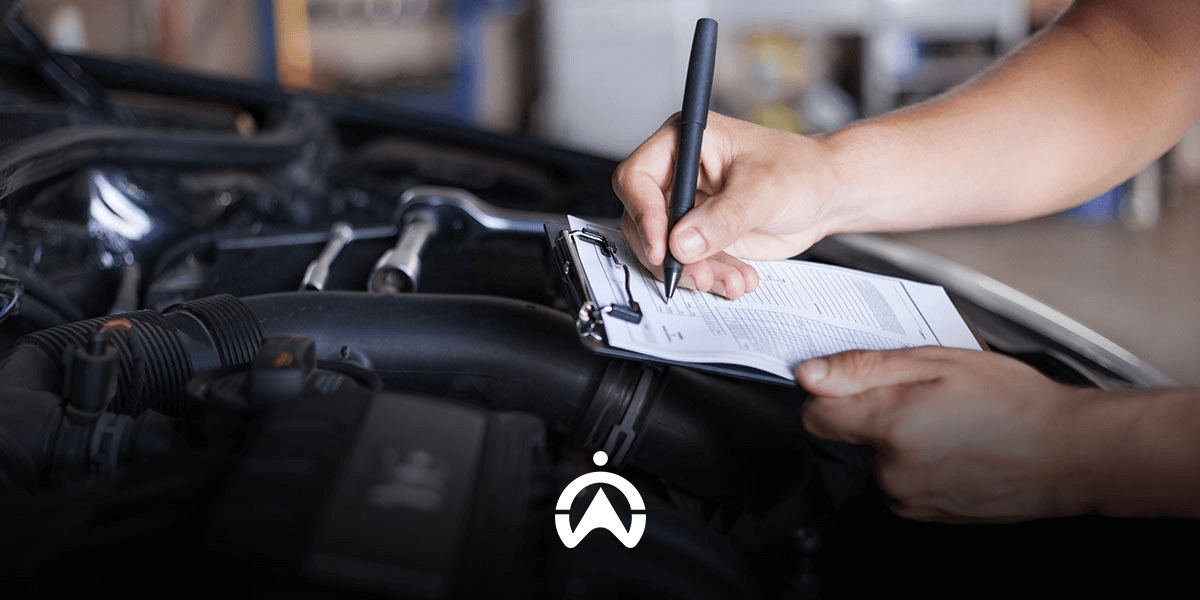
To keep your vehicle as healthy as possible, a service every few months is recommended to make sure small problems are checked and fixed and do not become expensive through being ignored. Vehicle inspections are determined by make, model and mileage. Depending on these 3 factors, different types of vehicle maintenance plans may be recommended to make sure every part, from tyres and oil to battery and engine, is working perfectly:

  1. Interim car service

These are small but important basic vehicle checks that are encouraged every 15.000 km – 22.000 km. They include changing your vehicle's oil, fitting new oil filters, a light vehicle inspection and checking for leaks. This type of service is recommended at least once a year, even if your vehicle has not reached the specific mileage target.

  1. Full car service

This service is encouraged at around 20 000 km and includes all the basic checks of the smaller services. It also includes inspections of some critical parts, including brakes, lights, steering, tyres, windscreen and vehicle fluids such as hydraulic fluids, and tests of components such as the starter motor, alternator and battery.

  1. Major car service

This service is recommended every 30.000 km – 45.000 km and includes servicing all the vehicle parts mentioned in the interim and full services, as well as other parts that could cause the car to fail if left unattended, such as replacing the air filter, spark plugs and brake fluid.

For major services, you can also include the following to make sure your vehicle stays in perfect condition:

– Wheel alignment

– Suspension checks

– Tyre tread tests

– Brake pad and disc checks

If your car is still under warranty, you should service the vehicle at the preset intervals. If it is out of warranty, there is more flexibility in the timing and the services carried out, but to safeguard your vehicle's health and a decent resale value, it is best to stick to the schedule as closely as possible.

What's under my bonnet? Discover popular battery types

To make sure all the effort you are putting into having a long-lasting vehicle battery pays off, you need to know what type of battery your vehicle has and use the right maintenance techniques. Batteries can be like that, you know; what works for one type may not have the same effect on another.

  • Lead-acid batteries

This is the popular, most traditional and most economical battery that most of the cars you see on the road have. It works with lead and a mixture of sulphuric acid and water. Because of the materials in this battery, it tends to evaporate over time, leading to a drop in its power over time. The maintenance this battery needs is topping up with distilled water every few weeks.

  • Lithium-ion batteries

This battery is most popular in electric vehicles and plug-in hybrid electric vehicles. They have a high power-to-weight ratio and low energy consumption, and are recyclable – perfect for an eco-friendly electric fleet. Their drawbacks are that they are expensive, prone to overheating and hard to find on the market should you need to replace them.

  • Sodium-ion batteries

These batteries were created as a solution to the problems posed by lithium-ion batteries. Sodium is abundant, easier to extract, sustainable to use and more affordable than lithium-ion. As this is a new solution, more research is needed before it is widely available and becomes the industry standard.
Battery problems: factors that affect battery longevity

Vehicle batteries do not give drivers much trouble, and that is why most drivers do not give their batteries a second glance when carrying out regular inspections. Often, they do not see problems with their batteries until it is too late and they are stranded at the roadside asking for help.

To avoid calling a tow truck to move your vehicle or flagging down other drivers for a jump-start, here are some battery maintenance tips to keep it running for longer.

  1. Avoid short trips

Instead of making short trips throughout the day, combine them into one trip to ease the load on the battery. Your battery uses power to start the vehicle on every trip; with several short trips, your battery uses more and more power without being replenished by the alternator. A longer trip allows the alternator to charge the battery as you go.

  1. Keep your vehicle moving

The longer you leave your vehicle in the garage without driving it, the faster your vehicle's battery will slowly drain, because it is not getting its normal dose of charge from the alternator. With more opportunities to work from home, it is understandable that some drivers go for days without touching the road. While that is great for your wallet, it is not so good for your vehicle. A quick fix for this can be taking the car for a spin every few days to make sure the battery gets a charge.

  1. Avoid extreme temperatures

When it comes to temperature, your battery prefers neutral temperatures. This can be hard for South African drivers who live in hotter climates, but your battery works best when it is neutral or cool. Try to park your vehicle in shaded areas or in a garage to limit its exposure to extreme temperatures.

  1. Clean your battery

Don't be afraid to open the bonnet and start cleaning. Corrosion (a white or bluish-green powder) and dirt usually build up around bolts or nuts, resulting in poor connectivity. Simply wipe off the dust, brush away the built-up dirt and clean off any grime that has collected on the battery. If there is a lot of corrosion, call your vehicle's mechanic to help get rid of it safely.

  1. Service your vehicle

Servicing your car does a great deal to keep it healthy. Let the professionals make sure your battery is working as it should and that it stays secure in your vehicle and does not rattle around.

Even when you give your battery all the TLC it needs to keep going, there comes a time when you need to replace the unit and start afresh.

Do I service or replace my vehicle's battery?

Unfortunately for many drivers, batteries are not a buy-once kind of item. The estimated life expectancy of a vehicle battery is around three to five years. Over time, they wear out and eventually need to be replaced.

Here are the signs of a failing battery you should look out for:

  1. Slow start: If the battery takes a minute or two to power up the car, it may be a sign that the battery is starting to fail and needs to be replaced.
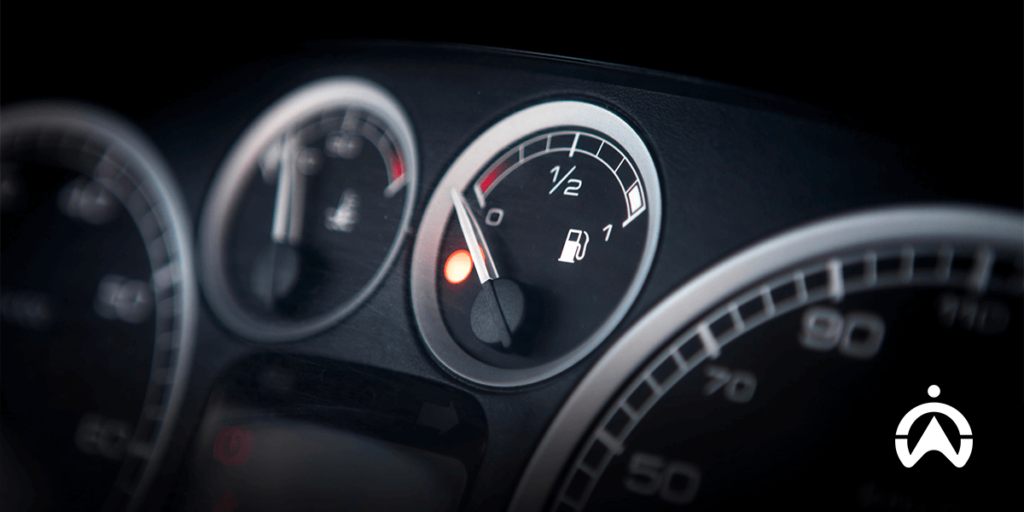
  2. Battery warning light: If the battery warning light on the dashboard is on, it means your vehicle has detected a problem with the battery or the charging system and needs you to take a look.
  3. Battery corrosion: Excessive corrosion or damage can be a major sign of an unhealthy battery. Most of the time you can simply clean off the corrosion, but if it is extensive, it may be too late for the battery.

If you see these signs together with a cracked battery case, leaking fluid or a swollen battery case, unfortunately it is too late to save the battery and it must be replaced.

Even though the invisible clock is ticking towards the day you will eventually replace the battery, there are still some useful methods you can use to extend the battery's life for a few more trips.

Vehicle battery maintenance checklist

Battery health is often pushed aside, as many drivers assume that all the battery needs is a jump-start if there are problems, but that is far from the truth. Fortunately for many drivers, maintaining a battery is relatively easy.

☑ Inspect your battery: Before you get your hands dirty, take some time to examine your battery and check for signs of damage, such as cracks, bulges in the case or leaking fluid. These are clear signs of battery failure and suggest that your car needs a new battery.

☑ Test the battery voltage: To confirm whether your vehicle's battery really is losing power, you can use a battery tester to measure the battery's voltage. A fully charged battery should have a voltage of around 12 V. If the voltage is too low, it may need to be recharged or replaced.

☑ Keep the battery terminals thoroughly clean: Corroded terminals slow the flow of electricity from the battery to the car's electrical system. To fix this, simply use a wire brush or a cloth to clean and remove any corrosion that has built up around the battery. If the corrosion is hard to clean, disconnect the battery cables and use a mixture of bicarbonate of soda and water to remove it gently from around the terminals.

☑ Charge your battery regularly: Have you noticed recently that your battery is not holding much charge after you leave your vehicle parked for days on end? Vehicles that are not used often do not get enough time to recharge, which results in low power and a shorter battery life. Use a battery charger or maintainer as a solution to keep the battery charged even when it is not in use.

☑ Check its age: Car batteries generally last between three and five years. If you have frequent battery problems, check whether the battery's age is the cause. Even if your battery still works just the same but is approaching five years old, consider replacing it before problems start to occur.

☑Make sure the battery is not loosely fitted: the battery should not move or vibrate while you drive. This can loosen the battery and cause internal damage and short circuits.

This battery maintenance advice works for most types of battery, but what about electric vehicle batteries?

Maintaining my electric vehicles' batteries

When it comes to electric vehicle (EV) batteries, regular charging is the best option. Unlike normal vehicles, which rely on petrol to get from one place to another, electric vehicles rely on their batteries and the amount of charge they hold to make the trip.

To ensure the durability of your vehicle's battery, these techniques are used.

  • Regular state-of-charge checks
  • Temperature monitoring
  • Battery voltage and cell health monitoring

This ensures that drivers get the most out of their battery by quickly identifying any battery problems before they become expensive.

Protect your vehicle's battery and extend its lifespan with Cartrack solutions

Don't get stranded on the wrong side of town because of your battery.

Cartrack, the trusted industry leader in vehicle security and fleet management, does more than just track your vehicle's location in real time; it can also track your vehicle's health, monitor its battery, provide features that empower you to stay ahead of your vehicle maintenance and get you out of battery-related situations.

Key Cartrack features that can help with your battery

  • Protector: Protector gives you quick and easy access to medical and roadside assistance directly from the Cartrack mobile app. From locksmith assistance, refilling your fuel tank and tyre changes to a battery jump-start, Protector will send help whenever it is needed.
  • Power Event Notification: Get ahead of battery tampering or attempts to drain the battery with our real-time PEN feature. Receive alerts the moment your vehicle's battery is disconnected and act quickly to reduce the chances of battery theft.

Cartrack takes your vehicle's battery health into account

Beyond our features, our tracking units stand out for their reliability and integrity. Rest assured that however much our tracking unit works 24 hours a day, 7 days a week, collecting vehicle data and offering valuable insights into your vehicle's trips and daily use, it will not damage or negatively affect your vehicle's battery in any way. This means you can enjoy these tracking solutions:

GPS vehicle tracking

With tracking units installed, you can see your vehicle's live location, allowing you to efficiently track and monitor your vehicle's every move in real time.

  • Stolen vehicle recovery (SVR) services

The moment you report that your vehicle has been stolen, Cartrack's ground and air recovery teams spring into action, tracking your vehicle and striving to recover it.

  • Limited recovery warranty

If your vehicle has been stolen and Cartrack cannot recover it, you can claim a refund of up to R150.000 to replace your stolen vehicle. Terms and Conditions apply.

Whether you are using Cartrack for security, efficiency or to monitor your vehicle, rest assured that your battery will still be able to perform at its best.

So, are you ready to say goodbye to your vehicle security and battery troubles? Contact Cartrack today for reliable vehicle security solutions.

Police impersonation and extortion: why a tracking device matters

Scams have become one of the easiest ways for criminals to take people's money, from fake shopping websites to fake police officers trying to cash in on a dire situation.

Criminals are now using the trusting nature of ordinary travellers like you and me to extort money by creating fake recovery stories. The upside, though, is that families and car owners can protect their vehicles with GPS tracking solutions.

This blog explains how police impersonation scams work and the steps you can take to avoid them and protect your journey.

In this article, you will:

  • Find out what police impersonation is and how to spot it
  • Unpack the psychological factors that contribute to police impersonation and crime
  • Learn tips to help you avoid extortion by fake police officers
  • See how a tracking device can help you recover your vehicle
  • Protect yourself with Cartrack GPS tracking units

Police impersonation and extortion 101

Remember playing cops and robbers as a child? Robbers now pretend to be police officers to extort money from vehicle owners in exchange for releasing their vehicles. Impersonating a law enforcement officer is a crime, and extortion is another, one that can be used to trick victims into handing over information and giving away their hard-earned money.

Fake police officers with fake stories date back to the 18th century, when criminals pretended to be police officers so that they could attack and extort innocent civilians. In our technologically advanced age, unfortunately, little has changed; criminals still deceive people by disguising themselves as police officers, often using the anonymity of the internet and smartphones to their advantage. These crimes appear to be centred on Johannesburg and the surrounding area, so if you live in this area, be extremely alert when you receive a call from a police officer.

Police impersonation: wolves in sheep's clothing?

Most people love a fancy dress party where they can dress up as whatever they have always wanted to be, but when this turns into criminal activity, it leads to chaos. The legal term for this is impersonation – the act of pretending to be someone else for entertainment or fraud – which goes beyond a costume for a party.

Many people have fallen victim to this act mainly because they do not want to get into trouble by arguing with police officers or refusing to cooperate with them. Historically, police officers have always been seen as individuals the general public can trust because their job is to enforce the law, so robbing an innocent victim while pretending to be a law enforcement officer is one of the greatest betrayals and can seriously damage the relationship of trust between the victim and the police, as well as other law enforcement authorities.

Extortion through police impersonation

Extortion is the practice of obtaining something, such as money, through force or threats. In recent trends, criminals are posing as police officers to hijack people and force them to empty their bank accounts for the criminals' own benefit. This extortion can be carried out in two different ways: a hijacking takes place, and a fake police officer pretends to have found your vehicle and calls demanding money for the vehicle's release. Another way these fake police officers get away with deceiving you is by setting up fake roadblocks. They pretend to be police officers and use that authority to try to steal your vehicle.

Imagine leaving friends after a great braai and catch-up session and suddenly being pulled over by a vehicle with blue lights that looks like a police van. If the person getting out of the vehicle is not a real police officer, your car and even your life could be in danger.

These criminals take you hostage and drive your vehicle to the nearest ATM. That is where the extortion comes in: they force you to enter your bank PIN to access your account and withdraw all your money. That is essentially what extortion is, a way for criminals to get a vehicle and money at the same time.

Impersonation here, impersonation everywhere

This phenomenon is not popular only in Mozambique; police impersonation and extortion have gone global. India, for example, reports criminals posing as police officers in an attempt to extort money, obtaining victims' details and calling them to warn that a parcel containing illegal substances has arrived at a police station and that a police case would be opened against the victim. Honduras also has problems with criminals who pose as law enforcement officers and commit crimes. The security authorities in Honduras have introduced uniforms with chips that hold the officer's information. These chips are hard to duplicate and make it easier to identify fake police officers.

Why is police impersonation a popular crime?

The motives behind different crimes can vary, even if the main aim is still some kind of monetary or material gain. For example, some individuals are driven to crime by poverty, while others may simply be looking for the thrill of the chase and the gains they get from it. Some of the main psychological reasons for extortion are:

  • Power and control: Criminals enjoy the power they have in these situations because they not only feel in control but can also get what they want by taking advantage of their victim's fear.
  • Greed: Greed can, in a way, lead criminals to want more out of a situation. They know the victim may have a lot of money, so they extort larger amounts.
  • Intimidation: Some criminals enjoy instilling fear in people by intimidating them. This is a personal psychological problem that can only be treated by professionals.

Although these reasons may not apply to every perpetrator, they shed much-needed light on why these criminals tend to act the way they do at a deeper level. Whatever the reason behind these criminals' actions, there is no doubt that they always cause their victims pain and trauma.

Conquering covert deception: how Sam lost his SUV and got it back

If you are wondering what the day of a victim of police impersonation and extortion looked like, it may not be so different from yours.

For example, a typical day for Sam starts with him stopping at the shopping centre to run a few errands and buy a cappuccino for his wife. One fateful day, however, he noticed he was being followed by a suspicious vehicle just after leaving the shopping centre car park, and the attackers took his vehicle. Sam rushes to the nearest police station with the help of a Good Samaritan, who picks him up outside the shopping centre car park and gives him a lift.

After opening a vehicle theft case at the police station, Sam receives a call from another, fake police officer claiming to have found his vehicle, telling Sam that he needs to meet the officer to pay for his car's release. Sam was starting to feel uneasy about the situation and, smelling a rat, informed Cartrack of the incident. Cartrack used its GPS tracking to locate Sam's vehicle, and he was able to recover his car safely and expose the police impersonators with the help of Cartrack's recovery team and the police.

Cartrack's advanced GPS tracking to the rescue

Sam's story is one of smart moves and quick responses from Cartrack. The GPS tracking device Sam had installed was the main hero in locating his vehicle and avoiding extortion by fake police officers. Using Global Positioning Systems (GPS) allows Cartrack to locate your vehicle through satellites that calculate where your vehicle has travelled and where it has stopped. This can save you from having to pay criminals who pose as police officers to extort money from you. Contact Cartrack to install a GPS tracking device in your vehicle and stop criminals from using it as a meal ticket.

Cartrack: Security for your vehicle and your wallet

Our state-of-the-art vehicle tracking features are designed to help you fight theft in a country where it poses a very real threat. Whether your car is stolen, hijacked or goes missing in an attempted fraudulent police encounter, Cartrack has the tools to increase your vehicle's security.

  • CarWatch

CarWatch is essentially the watchful eyes you need when you are not near your vehicle. The CarWatch feature detects unauthorised movement, informing you of any suspicious vehicle activity. You can easily access CarWatch in the Cartrack app, and Cartrack's 24-hour control room will contact you immediately after receiving an unauthorised movement alert. For your vehicle's overall security, CarWatch is a feature you cannot do without.

  • Geofence

The geofence feature uses GPS to trigger alerts when your vehicle leaves the geographical boundary you have created to keep track of your vehicle's movements. For example, if you want to take extra security measures to know your car's movements, you can use geofencing to create specific zones and receive an alert when your vehicle enters or leaves those areas. Cartrack's GPS tracking device works with geofencing to help you receive alerts about your vehicle's movements, strengthening our control room's proactive response to suspicious activity.

  • Vehicle recovery

Locating and recovering stolen vehicles is one of our areas of expertise. Our GPS tracking system allows our vehicle recovery team to locate your vehicle even when it has crossed South Africa's borders. Our tracking device is also tamper-proof and discreetly installed to make sure thieves and hijackers do not find it while they are being pursued by one of our dedicated recovery teams.

Cartrack is your superhero when it comes to vehicle tracking and recovery. A Cartrack GPS tracking device, together with CarWatch and Geofence, can help you recover your vehicle when you are at risk of being extorted by police impersonators.

Get maximum protection with Cartrack

Contact Cartrack for a free quote and to find the best package for your vehicle and your needs.

Tips to avoid being extorted by a criminal posing as a police officer

Let's be realistic: crime is an ever-present phenomenon in South Africa and it is almost impossible to escape it. Knowing your rights as a driver when stopped by the police – fake police in this case – can help you judge how dangerous the situation is. Here are some tips that can help you get away from fake police:

  1. Assess the situation: Check the officer's uniform to see whether it looks professional. There may be telltale signs, such as not wearing full uniform and having no identification. For your safety, you can ask for their identification to establish whether they are in fact employed by the South African Police Service.
  2. Don't stop in deserted areas to make a call: This may not seem like a problem, but thieves may see a deserted area as an opportunity to steal your vehicle and extort money from you because there would be no witnesses.
  3. Drive to the nearest police station if you are stopped or followed by a suspicious vehicle. This will allow you to get to safety quickly if the criminals chase you. These guys are unlikely to follow you to a police station!
  4. Press that button: Cartrack's panic button allows the emergency control room to contact you when you are in danger and to communicate directly with Cartrack's response teams and the local police to ensure a rapid response.

Save your vehicle and yourself from extortion with a Cartrack GPS tracking device. Contact a Cartrack to have this device installed in your car and always know where your car is.

What you need to know about car insurance and tracking

As a Mozambican driver, you never know when your vehicle might be stolen, be involved in an accident or be damaged by changes in the weather. None of these events is under your control, but they can greatly affect the safety of your vehicle and your wallet.

Car insurance starts with your needs. What type of vehicle cover do you want, and which package can you afford?

There are two types of car insurance on the market: third-party, fire and theft insurance and comprehensive cover.

  • Third-party, fire and theft: This is the most affordable option, which ensures that any object you collide with in an accident will be repaired, but the downside is that your own vehicle will not be repaired or paid for. You will only be paid out if your vehicle is stolen or catches fire. 
  • Comprehensive cover: This is the cover most drivers opt for, as it covers third-party liability as well as damage from accidents, vandalism, theft, natural disasters and much more. Only a few things are not covered, such as if the insured driver was drunk or under the influence of drugs during the accident, if the driver did not have a driving licence or if the vehicle was not roadworthy.

To understand your insurance premiums better, let's first look at the factors that affect them.

Vehicle insurance premiums and the factors that influence your rates

Everything that happens in our country, from crime rates to potholes, seems to affect your premiums. Let's see which factors influence how much you pay for vehicle insurance.

  1.  InflationA country's inflation rate influences more than your monthly food budget. It also affects how much you pay for your vehicle insurance. It is considered one of the biggest contributors to rising premium rates because inflation has an impact on the cost of vehicle repairs and replacement parts, resulting in higher claim payouts. To make up for this, insurers respond by raising their monthly premiums.
  2. ReinsuranceReinsurance is supposed to reduce the net liability for risks and protect against catastrophes arising from large or multiple losses. However, frequent claims due to accidents, higher payouts due to inflation and high-risk events such as riots, power grid failures and the recent summer hailstorms have contributed to higher premiums.
  3. Repair and replacement costsA shortage of vehicle parts drives up demand, which results in higher prices and insurance premiums. If the global supply chain is disrupted, there may be a drop in replacement parts and motor vehicle repairs. As a result, the prices of parts, labour and equipment have risen all over the world, resulting in higher insurance rates.
  4. Road conditionsAs a driver, I'm sure you have seen plenty of potholes scattered across many of South Africa's roads. Poor road maintenance affects the health of your vehicles, from damaging tyres to leaving scratches on the car or even cutting important wires. This leads drivers to take out additional cover for rims or tyres, because poor road conditions cause an increase in insurance claims.
  5. Car theftThe more vehicles are stolen or damaged in attempted hijackings, the more drivers file claims for their lost or damaged vehicles, which results in higher insurance premiums. In 2023, a total of 22.742 car thefts were reported. Imagine how much insurers paid out that year!

    Although this paints a bleak picture of ever-rising premiums, insurance companies still try to look on the bright side and give their customers the chance to reduce their monthly car insurance costs by installing a vehicle tracking device.

Vehicle insurance premiums and the factors that influence your rates

The relationship between vehicle trackers and insurance rates

Although installing a tracking unit in your vehicle is not the answer to all your vehicle insurance problems, it definitely helps and can even lower your monthly premiums significantly.

Vehicle tracking involves installing a GPS vehicle tracking unit in your cars so that you always know your vehicles' location in real time. With the help of telematics, you can also receive vehicle information such as your driving behaviour, your vehicle's odometer reading, any maintenance problems and how much fuel your vehicle uses per trip.

This tool is essential for individuals who want to keep an eye on their vehicle and increase the chances of it being found if it is stolen, as well as for businesses that want to follow their vehicles' movements, monitor fuel consumption, keep track of fleet maintenance and improve driver behaviour habits such as speeding, harsh braking and harsh cornering.

How does having a vehicle tracker influence your insurance premium?

Having a vehicle tracking device is often advisable, as it has a positive influence on your insurance premiums. Insurers tend to offer drivers lower premiums if they have a tracking unit.

Why?

  • Tracking devices can reduce the chances of vehicle theft or, if a theft does occur, can increase the chances of your vehicle being found and recovered, making these vehicles less risky to insure. Insurers will be less likely to have to pay out the full claim in the event of theft. 
  • Installing a tracking unit tells your insurer that you have done your part to protect your vehicle and that your vehicle's security is a priority.

Although having a tracking unit will not magically grant you free vehicle insurance or massive discounts, it can lower your premium significantly and make it more affordable.

The backup unit trend

A new trend in town has drivers going back to vehicle tracking companies asking for seconds. That's right, insurance brokers have started asking their customers to install an additional vehicle tracking unit in their vehicles as an extra measure of safety. Here's why.

Once a vehicle is stolen, most criminals get to work straight away, looking for the installed vehicle tracking unit to remove it or block its signal with a jammer, so that the authorities or vehicle tracking companies have trouble tracking the vehicle. With two trackers installed, the vehicle is more likely to be found.

While the criminals look for the first unit and try to remove it, the second gives the authorities a little time to lock on to the vehicle's location and, hopefully, recover it in one piece, increasing stolen vehicle recovery and having a positive impact on vehicle security.

Cartrack offers drivers a two-in-one solution

Cartrack Mozambique is your trusted partner in fleet management, vehicle tracking and insurance. Our reliable vehicle security solutions include all the essential features any driver needs to protect their vehicle:

  • Real-time vehicle tracking
  • CarWatch
  • Geofence
  • Protector
  • 24/7 control room support
  • Skilled ground and air recovery agents
  • Limited recovery warranty (T&Cs apply)

On top of our list of premium safety features, our industry-leading solutions extend to providing drivers with premium, comprehensive cover that can be tailored to their needs.

Cartrack offers drivers a two-in-one solution

Our Cartrack Insurance Agency is our independent financial brokerage that does all the insurance assessment for you. From the many insurers we partner with, we can provide up to 15 insurance quotes, from comprehensive insurance for serious incidents to third-party cover.

Make vehicle peace of mind your new normal with Cartrack Mozambique

Let Cartrack help you find the right insurer for your vehicle and your budget. Contact Cartrack now and we will provide 15 free insurance quotes for you to choose from.

Invest in reliable vehicle tracking and partner with a trusted insurer to increase your vehicle's security.

Our quick FAQs on how premiums and vehicle tracking work hand in hand

Still need answers to more questions about insurance and Cartrack? Don't worry – here are some popular questions about the relationship between car insurance and vehicle tracking units.

Q1. Why should I choose Cartrack for vehicle tracking instead of going through my insurer?

Well, there are three good answers to this question:

  1. What Cartrack offers that many insurance companies do not is the Cartrack Mozambique Limited Recovery Warranty. If we cannot find your stolen vehicle, the warranty offers a refund of up to R150.000 (T&Cs apply).
  2. If you file a claim with your insurer, it will have full access to your private vehicle's tracking trip data, which includes speeding, trip duration and so on, and may reject your claim based on what it finds.

Q2. I already have a tracking unit with another company, so why should I switch to Cartrack Mozambique?

  1. Cartrack has a very high stolen vehicle recovery rate, above 90%. This, together with our skilled air and ground recovery team, gives you the peace of mind of knowing that Cartrack will strive to recover your vehicle should it be stolen.
  2. Cartrack is voted the most trusted vehicle tracking company in Mozambique, with a score of 9,4, and is highly rated for security according to HelloPeter users.
  3. We have many premium vehicle security features, such as CarWatch, Geofence and Protector, which work 24 hours a day, 7 days a week, to keep your vehicle safe when parked or on the road.

If that is not enough, consider the low price of the safety that we offer from R99 per month, making sure we protect not just your vehicle but your budget too.

Q3. Does Cartrack offer only the 1388,00 per month package?

No, our 1338,00 per month package is the lowest price for premium security that we offer; that makes it one of the popular options for you to choose from. Your package can change according to the features you want to include for your vehicle's security, for example CarWatch.

Q4. What benefits can I get from Cartrack that I cannot get from my insurer?

With Cartrack, you not only get many features to protect your vehicle day to day, but also keep control of and privacy over your vehicle's tracking data. Our advanced technology, 24-hour control room and dedicated recovery teams ensure a rapid response whenever you report your vehicle stolen. With our audited stolen vehicle recovery rate of over 90%, you will have peace of mind about your vehicle's security.

Q5. How much do Cartrack's insurance services cost?

Cartrack's insurance services are free for customers. Even if you do not subscribe to our vehicle tracking unit, you can still contact us for a free insurance quote that suits your needs and lifestyle.

Cartrack is dedicated to providing drivers with the services they need, from tracking solutions to insurance. Don't leave your vehicle's security to chance, get in touch today with Cartrack

Why aggressive and careless driving will slowly destroy your fuel economy

The ultimate survival skill in the South African economy is business know-how, especially in the fleet business with fuel prices rising. One of the hidden culprits of fuel wastage is aggressive and careless driving and, if you leave it unchecked, it will slowly destroy your business's fuel economy.

What if I told you that your driving “style” is crucial to how often you need to refuel? Let's look at what you can do to improve your fleet's fuel economy.

In this article, you will:

  • Learn about fuel economy
  • Dig into which driving habits increase fuel consumption
  • Get tips on how to improve your driving habits
  • Discover how careless driving affects the environment
  • Discover how the solutions from Cartrack Mozambique help combat declining fuel economy

What is fuel economy?

Fuel economy refers to the distance a vehicle can travel on a given volume of fuel and is measured in litres of fuel per 100 km. The more kilometres you can travel per litre, the better your vehicle's fuel economy. Some of the most important components to consider in terms of fuel consumption and economy are driver behaviour and whether the vehicle is well maintained. There is nothing like sudden acceleration and faulty or worn parts to kick off a bonanza of excessive fuel consumption that can cost you a fortune.

What can be classed as careless/aggressive driving?

Any driving behaviour will naturally affect your vehicle's longevity and result in expenses, but what makes careless driving different is the amount of fuel it wastes and the increased damage it can cause in a shorter space of time – not to mention the concerns about safety. To avoid careless or aggressive driving, you first need to know what these behaviours are, so let's take a look:

  • Sudden or harsh braking: Harsh braking can make vehicles use up to 30% more fuel. How? The vehicle's transmission shifts to a lower gear to regain the lost momentum, which uses more fuel.
  • Excessive idling: Leaving the engine running while the vehicle is stationary for just one minute can use up to 21,1g of fuel for a heavy vehicle; these are the results of a study carried out by the Transport Research Laboratory. Idling when it is not necessary can also cause greater wear and tear over time.
  • Rapid acceleration: Accelerating the vehicle from a lower speed to a higher speed in a short space of time requires more energy than steady acceleration, leading to rapid drops in fuel levels instead of your fuel being used economically.
  • Revving the engine: Drivers tend to warm up the car in colder weather by revving the engine. As the vehicle is not moving towards a destination, the fuel used to rev the engine is wasted and can add up to significant expense over time.
  • Driving with a heavy load: Sometimes we tend to put more things in our vehicles to limit our trips, whether it is cargo for dispatch or luggage when we are on our way to a well-earned holiday. Overloaded vehicles not only become notable fuel guzzlers, they also pose risks to safety on the road, as the driver will find it harder to apply the emergency brake and the load is more likely to fall off in transit.

In addition, overloading a vehicle reduces tyre pressure, making the tyres run hotter. This leads to higher fuel costs, as under-inflated tyres can reduce fuel economy.

  • Ignoring maintenance warning signs: Ignoring the vital signs on the dashboard, such as the oil light, will make the engine work harder for lack of lubrication. This will result in higher fuel consumption, which will require you to fork out more money for fuel costs.

Poor driver behaviour is bad for your business. It increases fuel costs, poses a danger to other drivers and potentially increases fleet downtime through more accidents, maintenance and repairs.

What can be classed as careless/aggressive driving?

How does careless driving damage your vehicle and shorten its lifespan?

As we all know, you get the most value from your fleet when vehicle longevity is increasing. Careless driving increases wear and tear on crucial vehicle components such as the engine, transmission, brakes and suspension. Regular maintenance alone is not enough to keep a vehicle running perfectly. Vehicles will need more replacements as aggressive driving continues.

Why do people drive aggressively?

We need to remember that fleet drivers are human. Every job has its pressure, and drivers face the pressure of making deliveries on time while driving in traffic. That is why fleet managers should plan less time-consuming routes so that delivery deadlines can be met easily.

The impact of aggressive driving on the environment

I'm sure you have said before that “the weather” never used to be like this. According to the International Energy Agency (IEA), road transport is responsible for 15% of global carbon emissions. Burning fossil fuels such as petrol and diesel releases carbon dioxide into the atmosphere. Carbon dioxide (CO2) and other greenhouse gases, such as methane, are warming the Earth's atmosphere, causing the climate change we have already begun to see.

Net zero emissions

Net zero means balancing the amount of greenhouse gases we emit with the amount we remove. According to United Nations Climate Action, the Earth is currently 1,1°C warmer than it was in 1800, and we need to keep it to no more than 1,5°C. To achieve this goal, global net CO2 emissions need to reach net zero by 2050, while emissions need to be cut by 45% by 2030.

As we now know, aggressive driving burns fuel faster and is one of the main contributors to harmful emissions. Bad driving habits will not only drain your fuel, they will also have a devastating effect on our climate.

Healthy driving for better fuel economy

As they say, “old habits die hard”, but it gets easier when you understand the benefits of these changes for your fleet's fuel economy. Here are the simple changes you can introduce into your daily trips:

  • Keep a safe distance in traffic A safe distance during traffic congestion helps avoid sudden braking and acceleration. You will also learn the flow of the traffic and improve your hazard anticipation.
  • Regular vehicle maintenance
    With a detailed vehicle maintenance plan, fleet managers can avoid possible breakdowns in the long term and save fuel. For example, by using the type of engine oil recommended by the manufacturer, your mileage can be improved by 1% – 2%.
  • Choose the most efficient route
    A well-planned trip means travelling effortlessly, possibly with less traffic, less idling and less time spent on the road. Many fleet managers use fleet software to avoid unnecessary kilometres, which also helps prevent road rage incidents that trigger aggressive driving.
  • Maintain a constant speed
    Driving above the legal speed limit can cause accidents, wear out tyres and waste fuel. Drivers should accelerate slowly and maintain a constant speed to help minimise fuel consumption.
  • Avoid excessive revvingAfter starting the vehicle, move off immediately rather than revving to “warm up” the engine. Even while driving, unnecessary revving wastes a lot of fuel and increases wear on the brake pads and the engine, which means more expenses in the long run.
  • Check your tyre pressure
    Low tyre pressure causes too much of the tyre to touch the ground, creating friction and increasing rolling resistance, which makes the engine work harder. Drivers should keep their tyres properly inflated and maintain the correct tyre pressure. Remember that nothing lasts forever, so you should know when to replace your tyres.
  • Manual drivers – use your gears wiselyDrivers should stay in the highest possible gear for most trips. Shifting up one gear at a time more quickly results in more fuel being wasted. Also, on descents, it is always advisable to shift to a lower gear.
  • Get a fleet management system to help you monitor driver behaviour and fuel consumption.
    Last but not least, get a fleet management system that will help you plan every route, see everything your drivers do, monitor the transactions on your fuel card and help you schedule maintenance for your vehicles. A solid fleet management system will give you insight into every aspect of your fleet so that you can make better-informed decisions and coach drivers where necessary.

Healthy driving for better fuel economy

The best fleet management platform for your fuel economy – Cartrack Mozambique

See how Cartrack Mozambique can help you save fuel, costs, lives and the planet. We have a fleet management system with features that let you keep track of fuel costs and driver behaviour.

  1. Advanced Driver Assistance Systems (ADAS)Using camera-based sensors, smart algorithms and artificial intelligence (AI), ADAS helps drivers keep a safe following distance by monitoring the distance between vehicles. This loud tone will be useful when the aim is to avoid harsh braking and accidents.
  2. Fuel MonitoringUsing Cartrack Mozambique's fuel monitoring tool, you can monitor your fleet's fuel levels and see when sudden changes in fuel consumption occur. By combining fuel monitoring with MiFleet's fuel validation, the fuel fraud/theft detection system and driver scorecards, you will be able to identify whether the cause is harsh driving, fuel theft or fraud.
  3. AI LiveVisionWith Cartrack Mozambique's AI LiveVision cameras, you get 24-hour access to your fleet. Drivers will also receive real-time audible alerts whenever distracted driving is detected, such as mobile phone use and fatigue. The cameras also detect speeding, harsh cornering and harsh braking. 
  4. Driver scorecardsGet an overview of each of your drivers' behaviour with Cartrack Mozambique's driver reports and scorecards. This will help you identify specific areas for improvement and offer training to sharpen their skills and build safer, more fuel-efficient driving habits.

Introduce a culture of conscious driving with Cartrack Mozambique solutions

The innovative solutions from Cartrack Mozambique help you put money back in your pocket to sustain your fleet and optimise your operations the way you need.

Contact us today and make bad driving habits a thing of the past.

Electric trucks: running a green fleet just got easier with the help of zero-carbon charging

Imagine a world where your fleet is simply plug-and-play and you worry less about harming the environment with harsh emissions.

Electric trucks are making it a reality, so reducing your carbon footprint has never been simpler.

Learn how zero-carbon charging can impact your fleet and your operations.

In this article, you will:

  • Learn about electric trucks and what makes them different
  • Discover the benefits of decarbonising fleets
  • Learn how to be sustainable in fleet operations
  • Find out how you can save by going green

What electric trucks are and what sets them apart

An electric truck is a rechargeable, battery-powered vehicle used to transport goods. Don't worry, it won't need a bunny to keep it powered along the way, and it could save you money. They are similar to diesel trucks, but designed for heavier loads and longer distances. Here is what sets them apart:

  • Use of electricity: fully electric trucks use lithium-ion batteries that supply the truck with electricity instead of using fossil fuels. By relying on electricity, these trucks help reduce air pollution and cut carbon emissions.
  • Torque: Fitted with electric motors instead of combustion engines, these motors deliver instant torque, making the truck accelerate faster, which lets it reach top speed in a shorter space of time.
  • Battery use: Lithium-ion batteries have a high power-to-weight ratio, making them energy efficient with good temperature performance. This makes them lighter than diesel trucks and less dense on the roads than their diesel and petrol counterparts.
  • Technology: Electric trucks have a range that varies depending on factors such as battery capacity, vehicle weight, driving conditions and load. Advances in battery technology are extending the range of electric trucks, making them viable for long-distance transport.
  • Reduced maintenance: Electric trucks have fewer moving parts, such as exhaust systems, fuel injectors and fuel tanks. This reduces the need for regular maintenance and the financial implications of constantly taking your fleet in for checks
  • Environmental Impact: with zero fuel consumption, electric trucks are less likely to cause air pollution, thereby saving the environment.

Electric trucks offer a cleaner, quieter and more economical alternative to traditional diesel and petrol trucks, especially as battery technology continues to improve and charging infrastructure expands.

Charging: a challenge for zero-carbon electric trucks

As with regular petrol or diesel trucks, electric trucks have their own challenges. The main challenge is cost, but charging points and locations are problems that fleets face if they intend to introduce EV trucks in the future.

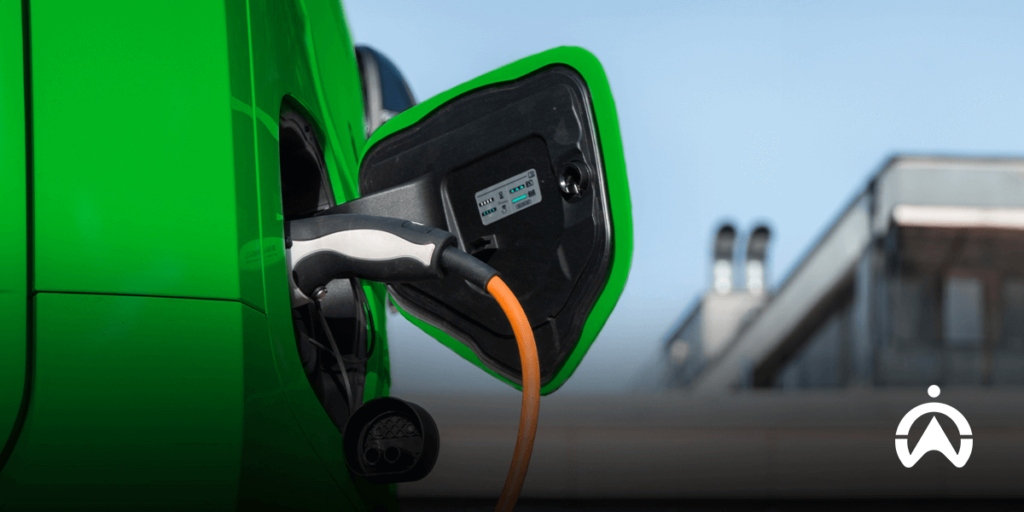
You may find that there is a charging point available, but that it is not compatible with your fleet. You need to find out whether your truck uses level 1, 2 or 3 fast-charging points. Levels 1 and 2 are AC (alternating current) chargers, which is an alternating flow of charge that can be created from renewable sources that use rotating generators. Level 3 charging points are DC (direct current), which moves in a straight line and can be powered by solar panels, making them fast charging.

The most common charging point available for electric vehicles is the SAE J1772 electric vehicle plug, which is mainly for level 2 charging points and is the most common electric vehicle charging point. However, most electric trucks require a ChadeMo DC charging point, as these are fast charging and can charge up to 80% in 30 minutes. This makes it ideal for fleet-based businesses, as the truck can get back on the road quickly.

Charging: a challenge for zero-carbon electric trucks

Will centralised zero-carbon charging points make it easier to go green?

In Mozambique, charging availability is one of the main challenges fleet owners consider when buying electric trucks, and it is probably one of the main reasons why local fleet companies still opt for diesel or petrol vehicles. Most petrol stations in Mozambique do not cater for the charging needs of electric trucks, making them impractical for long-haul purposes. 

This could be the game changer that Mozambican fleet companies have been waiting for.

The benefits of decarbonising fleets through electric trucks

Fleet decarbonisation is an important part of running a sustainable business. It is the process of reducing greenhouse gas emissions. There are many benefits to decarbonising your fleet, so let's take a look at a few:

  1. Reduced fleet maintenance
  2. Cost reduction
  3. Managing and achieving fleet goals
  4. Humanised corporate image

Reduced fleet maintenance: Electric trucks are said to be resilient, as the electric motor puts less strain on the engines thanks to minimal fuel use. Electric trucks require less maintenance because of regenerative braking, which makes it possible to draw energy from the parts in use and reuse it. Brake wear is significantly reduced thanks to the truck's deceleration and the reuse of energy, helping to extend the life of the brakes and reduce maintenance costs.

Cost reduction: With fuel costs rising 17% since the start of 2024, electric trucks are an attractive alternative. Fuel consumption is minimal – non-existent, which is great for saving costs. On average, electric vehicles cost around R61 per 100 km travelled to charge, while driving 100 km in a fuel-powered vehicle costs around R174. Saving R113 every time you charge your vehicle seems fair.

Managing fleet goals: If the whole fleet is up to date with its maintenance, operations will run smoothly. This frees up time to focus on other operational goals, such as fast delivery and fleet efficiency, helping you channel all your energy into other pressing issues that need to be addressed.

Humanised corporate image: The pursuit of sustainability helps improve the public's perception of a brand. A humanised corporate image encourages word of mouth, which can help generate more sales and engagement.

These benefits are just the tip of the iceberg if you intend to decarbonise your fleet.

Implementing green fleet management

Don't worry, a “green fleet” is not as different from a regular fleet as it sounds. The main thing to remember is how much it benefits your company compared with its petrol and diesel counterparts. Making sure your company's goals are met – whether that is saving costs or being environmentally friendly – gives you more time to focus on increasing profits and improving productivity. To get started, consider adopting a reliable telematics system that can help monitor your vehicle maintenance and build a green culture into your fleet.

Keeping track of the financial advantages of going green

Going green is proving to be advantageous as we learn new ways of being sustainable. As mentioned earlier, a company that comes across as human is likely to see greater consumer demand. What better advantage than getting more business? There are several financial advantages to electrifying your fleet, namely:

  • Less waste: This simply means recycling and reusing, resulting in less money spent on raw materials to produce more products. Less money is spent on maintenance. For example, a company that produces plastic toys finds broken and old toys to recycle, instead of making plastic from crude oil, natural gas and coal.
  • Government incentives: Some governments incentivise environmentally friendly companies in order to support the transition to low carbon emissions and promote an environmentally friendly country. For example, the Department of Trade, Industry and Competition plans to introduce an electric vehicle production incentive in 2026, allowing manufacturers of electric and hydrogen vehicles to claim 150% of qualifying investment spending on production capacity for these vehicles in the first year of investment.
  • Innovative revenue streams: Going green can ultimately unlock a new business venture, which can come about by investigating how a company can be environmentally responsible in exploring new materials and money-saving techniques.

Keeping track of the financial advantages of going green

The rapid growth of zero-carbon electric trucks globally

The introduction of zero-carbon electric trucks into fleets is growing rapidly around the world, and this is visible in the awareness that exists around being environmentally friendly in business. The way governments view clean transport and reward companies with incentives is stimulating the growth of EV-powered fleets and the use of electric trucks for commercial transport, followed by infrastructure changes designed to support EV-powered transport.

With more vehicle manufacturers expanding into the electric truck segment, growth and supply are increasing.

The rise of electric vehicle adoption in logistics

Many logistics companies around the world are turning to electric trucks to help save the planet. Countries such as China, Germany and the United States of America are proving to be leaders in electric truck adoption. China has dominated electric truck sales and production, with almost 66,000 trucks sold in 2022. Germany registered a massive 20,000 electric trucks in 2023.

The reduction in last-mile delivery costs in logistics can be credited for the rise, as electric trucks help bring costs down thanks to their torque, fewer mechanical parts and zero overall fuel use. The more last-mile deliveries there are, the more emissions vehicles produce due to traffic congestion, idling and general driving.

Reducing your fleet's carbon emissions with Cartrack Mozambique

Introducing EV trucks into your fleet will help you set and achieve higher financial and profit targets, while being more environmentally friendly. However, this process can take some time. Whether you are 100% EV or not, Cartrack Mozambique has solutions to help you increase your profits while making sure you keep your fleet clean and reduce emissions.

  • Proactive maintenance:

    Whether you manage a fleet of diesel or EV trucks, routine maintenance increases the lifespan of your fleet, which in turn helps keep its resale value as high as possible. With Cartrack Mozambique, you can get more value from your fleet vehicles by instantly receiving notifications with real-time vehicle diagnostics. Don't be the last to find out about worn brake pads, irregular water or oil fluctuations, engine faults and other problems; make sure you know when your vehicles need servicing, so that you only have vehicle downtime when it is absolutely necessary.

  • Go paperless:
    Going green and saving costs doesn't have to end with your actual fleet vehicles; going paperless by automating your fleet administration helps you save time and money and make use of cutting-edge technology for accurate record keeping, reports, cost analyses and reminders. It is the ideal tool for cutting your admin in half while doubling your ROI.
  • Smart driver insights:

    Monitor your drivers using the AI-powered Live Vision cameras from Cartrack Mozambique. With cloud connectivity and smart AI detection technology, drivers receive real-time alerts, while fleet managers get access to visuals with in-cab audio. The AI technology sends audible alerts to correct driver behaviour as soon as it is detected, helping to promote safe driving practices that help reduce fuel wastage and harmful emissions.

Contact Cartrack and find out how to start turning your fleet into a sustainable force to be reckoned with.

Don't have an electric truck yet? Here's how you can make a difference with your existing fleet

Although the world is moving towards greater sustainability, and with zero-carbon charging stations in the pipeline for our local highways, not every company can afford to make a clean sweep and go 100% electric all at once. But you can start by “greening” the fleet you already have. Here are four ways you can make a difference with your existing fleet:

  • Regular maintenance: fleet maintenance monitoring lets you track what may be harming the environment, such as oil filler caps that need replacing. This is a great way to start making a difference.
  • Plan your routes: To avoid driving for too long and emitting more carbon toxins, route planning lets you reach your destination faster, driving less and emitting less.
  • Avoid revving your vehicle: aggressive driving releases more emissions. Opt for smooth driving with fewer revs, as this helps you stay in control on the road and gives you a better chance of reducing wear and tear on your fleet's engines, which can mean more costs.
  • Less idling: cold winters may tempt you to warm up the car, but leaving the fleet running without moving causes even more environmental damage. Reduce the time you spend idling your vehicle.

If you are ready to start operating sustainably, these are excellent ways to reduce your fleet's carbon emissions. You can start small and work your way up to switching to electric trucks.

Let Cartrack put you in control of your fleet's journey towards a reduced carbon footprint

This is how fleet management can ensure a successful agro-processing business

Did you know that the agro-processing industry is about more than just farming?

It is the entire life cycle of a final product, from sourcing raw materials to manufacturing and getting it onto the shelves.

Sounds complicated, right? But with the right solution in place, it doesn't have to be. That solution is a fleet management system, which helps you streamline every operation and achieve maximum efficiency.

In this article, you will:

  • Learn what agro-processing is
  • Discover the link between agro-processing and supply chain management
  • Dig into the challenges faced in agro-processing
  • Explore how fleet management can help you solve these challenges
  • Find out how Cartrack's solutions are the key to maximum efficiency in agricultural processing

Let's define agro-processing

Agro-processing covers all the activities carried out to turn a product made from raw materials sourced from agriculture, forestry or marine life into a usable final product.

With an abundance of raw materials, South Africa is fertile ground for a successful agro-processing business with global impact. In 2020, agro-processed products accounted for around 11% of South Africa's exports, with global demand and the industry's competitiveness making the country a globally competitive exporter. With output estimated at 240 billion rand a year, agro-processing is considered the country's second most important industrial sector based on its gross value added.

As fantastic as that sounds, it doesn't mean agro-processing is free of challenges. Let's find out what they are.

What are the challenges faced in agro-processing

South Africa's agricultural processing industry is designed to meet global needs, which means the challenges it faces are greater. Let's take a look at them:

  1. Storing raw materials

    As agro-processing is the entire production process, storing the raw materials used to make the final products is important to the success of the operation. Unfortunately, it can be a major challenge that affects efficiency, productivity and the quality of the products supplied.

  2. Keeping temperature-sensitive products fresh

    To keep your products fresh during the production process, cold storage facilities need to be used at every stage, including storage and transport. With the slightest change in temperature, the quality and freshness of these products can be compromised. These products include:

    – Medical products: From medicine components to insulin and medical devices, medical products need to be protected from heat or cold.

    – Meat: Meat is susceptible to bacterial growth, making it essential to keep it refrigerated at every stage of the production process, from the abattoir to processing and transport.

    – Fruit: From harvesting to the packaging process, fruit needs to be kept fresh, as this prevents it from losing its nutritional value and spoiling.

  3. High production costs:

    Because agro-processing is complex, it has many stages that drain costs. These include:

    – Storage of raw materials: Keeping raw materials stored according to their individual needs ensures freshness and quality. However, meeting this need at every stage of agro-processing can be both challenging and costly.

    – Manufacturing final goods from raw materials: Manufacturing processes are very complex, which makes it important to keep the processes efficient, safe and cost-effective.

    – Packaging of goods: Packaging goods can be quite expensive, as the process and the materials need to be specific to the product. For example, the containers used to keep ice cream frozen are not the same as the containers used to package cold drinks.

    – Delivering goods to wholesalers, retailers and restaurants: The final stage of processing is sending the goods to the places where they will be sold. These deliveries can be complex, as routes need to be optimised, drivers need to be trained and trailers need to be prepared for temperature-sensitive goods.

    All these challenges and duties sound rather familiar, right? That would be correct, because they are closely linked to your supply chain management.

What are the challenges faced in agro-processing

Unpacking the link between agro-processing and supply chain management

The supply chain management process is the handling of the entire flow of goods and services. This process starts with the raw components needed to manufacture a good, right through to delivering the final product to sellers. Let's explore these stages in more detail:

  • Planning:

    Knowledge is power and, when you are in supply chain management, it is important for ensuring product availability. At this stage, supply chains need to establish customer demand for the products they will supply, because this helps them know exactly how much of a given product they need to order.

    Take John, for example, who runs a frozen fruit business. Before he starts planning how he will package his products or where he will sell them, he needs to establish the demand for his product. With this information, he can budget effectively, keep his stock balanced and make sure customer needs are always met.

  • Sourcing:

    Also known as procurement, this stage involves finding and buying the materials or ingredients needed to meet customer demand. At this stage, companies must find suppliers, make sure the products purchased meet the company's standards, negotiate the price (who doesn't love a cost saving, right?) and obtain the right quantity of the product or material needed for production.

    Let's go back to John. At this stage of the supply chain, John needs to place orders for fresh fruit based on the customer demand he identified during the planning phase. With this information, he can make sure he orders the right amount of fruit, so that he won't lose money through overstocked products spoiling.

  • Production:

    At this stage, your raw materials are turned into finished products using specialised equipment. This stage involves using information on the total number of products that need to be produced to create finished products that meet customer needs.

    Let's look at John's frozen goods business. At this stage of the supply chain, John takes the fruit he bought and puts it through a quick-freezing process carried out in specialised machinery. His decision on how many packs he needs to produce is based on the numbers he recorded during the “planning” phase.

  • Distribution:

    Now that the products have been manufactured, it is time for them to move to where they will be sold. This can include supermarkets, workshops, convenience stores and even customers who want to buy directly from the company.

    For John, this stage involves using cold chain logistics solutions to transport his frozen fruit from the factory or warehouse to the various places where it will be sold.

Making agricultural processing easier with a fleet management system

Whether it's two hundred or two hundred vehicles, fleet management helps businesses stay safe, profitable and efficient, making it important to a fleet's overall success. A fleet management system simplifies the whole process, making it possible to keep your fleet running at its best from the comfort of your laptop, computer, tablet or mobile phone.

The top three benefits of a fleet management system for your agro-processing business

The beauty of a fleet management system is that it can be tailored to the individual needs of any sector. Let's look at the three big benefits a fleet management system can bring to your agro-processing business:

  1. Better vehicle and cargo visibility

    Whether you are in the business of supplying raw materials to different businesses or delivering your final products to shops, tracking your vehicles is crucial to the efficiency and safety of your agro-processing operation. With access to real-time location updates, you can locate goods quickly, determine their ETAs, spot delays instantly and improve the safety of your vehicle and cargo.

  2. Your products stay fresher for longer

    Whether it's fresh fruit or cold meats, your temperature-sensitive products need to be kept fresh during delivery. A fleet management system gives you access to real-time temperature monitoring that helps detect sudden spikes or drops in temperature. This ensures you can deal with these fluctuations quickly, before they damage your stock.

  3. Improving driver behaviour and cargo safety

    Everyone behind the wheel of a fleet vehicle needs to drive responsibly. A fleet management system makes it simple to monitor your drivers' behaviour, helping you quickly identify areas for improvement that could harm the way the business functions, and keeping your drivers safe at all times. When it comes to agro-processing, improving driver behaviour helps ensure cargo is transported safely so that your goods reach their destination intact.

    Do these benefits sound like something you'd like to unlock for your business? Then we have the key: it's the fleet management solutions from Cartrack Mozambique.

The top three benefits of a fleet management system for your agro-processing business

Trust Cartrack Mozambique's fleet management solutions to boost your agro-processing operations

Cartrack Mozambique is an industry leader when it comes to fleet management, so who better to trust to optimise your agro-processing operations. Let's look at some of our next-level solutions:

  1. GPS tracking:

    Receive real-time updates on the location of your vehicles and equipment with GPS tracking from Cartrack Mozambique. Powered by GPS technology, this solution helps you pinpoint exactly where a specific vehicle or piece of heavy machinery is at the simple touch of a button or screen. If your vehicle is hijacked or stolen, our highly skilled recovery team uses this device to pinpoint your vehicle's location for a fast recovery. With a stolen vehicle recovery rate above 90%, your vehicles are in the safest hands.

  2. Geofencing:

    Get detailed information on the use and location of your vehicles and equipment with Cartrack Mozambique's geofence feature. Create virtual boundaries for your vehicles and equipment and receive instant notifications by SMS or email when they enter or leave them. This helps create no-go areas for certain vehicles or equipment, preventing them from being used in dangerous areas that could lead to costly and potentially fatal accidents.

  3. Driver identification tags:

    Make sure only qualified workers operate vehicles or equipment with driver identification tags. Each of your drivers receives a tag linked to their personal information. To start a vehicle or piece of equipment, the tag needs to be tapped on an internal sensor. If a driver is not authorised to operate a vehicle, you will receive an instant alert and the vehicle will not start, reducing the risk of accidents caused by unqualified workers operating the equipment.

  4. Delivery:

    Simplify your delivery operations with Cartrack's Delivery feature, which gives you a complete view of your delivery operations. Simplify your drivers' tasks by leaving notes with special instructions on each assigned job. This feature also helps you keep your customers informed; from notifying them as soon as the driver starts the delivery to sending a link that lets them follow the delivery in real time, these steps boost customer satisfaction and your brand image. Add the app's offline functionality and your operations will run seamlessly, wherever you are.

  5. Refrigerated temperature monitoring software:

    Keep your temperature-sensitive products fresh and long-lasting with the refrigerated temperature monitoring software from Cartrack Mozambique. Receive real-time alerts about the slightest changes in temperature conditions in your refrigerated trailers. These alerts can prompt you to contact your drivers quickly, helping you know whether to send a replacement trailer to complete the delivery and limit lost profits. Identify and analyse trends in temperature fluctuations with our automatically generated reports, helping you identify possible bigger problems in your cold fleet.

  6. Fuel monitoring:

    Keep a close eye on how much fuel your vehicles are using with Cartrack Mozambique's fuel monitoring system. Agro-processing requires high fuel consumption and Cartrack understands that, which is why we bring you real-time fuel monitoring. With detailed insights like these, you can identify the reason for any sudden fuel spikes, detect fuel draining and prevent fuel theft.

  7. Preventive maintenance:

    In agro-processing, even a few minutes off schedule can be costly. So put the brakes on unplanned downtime with Cartrack Mozambique's preventative maintenance solution. Our technology, which uses advanced analytics, proactively monitors the health of various vehicle components, such as brake pads. It also creates maintenance plans suited to your fleet's needs, which avoids scheduling maintenance that interferes with normal day-to-day operations. This extends the lifespan of your fleet, reduces the risk of road accidents and keeps your vehicles in the best condition.

  8. Driver behaviour monitoring:

    Make sure your team is operating equipment or driving as safely as possible with Cartrack's Live Vision AI cameras. With real-time audible alerts the moment dangerous and distracted driving is detected, this cloud-connected video management software gives your drivers the opportunity to correct their behaviour in real time, helping you ensure safe and efficient transport of goods.

Keep goods fresh, drivers safe and processes efficient with Cartrack Mozambique

Agro-processing comes with a wide range of responsibilities, but meeting them shouldn't come at the expense of your productivity and efficiency.

Contact us today and make your agro-processing business the cream of the crop.