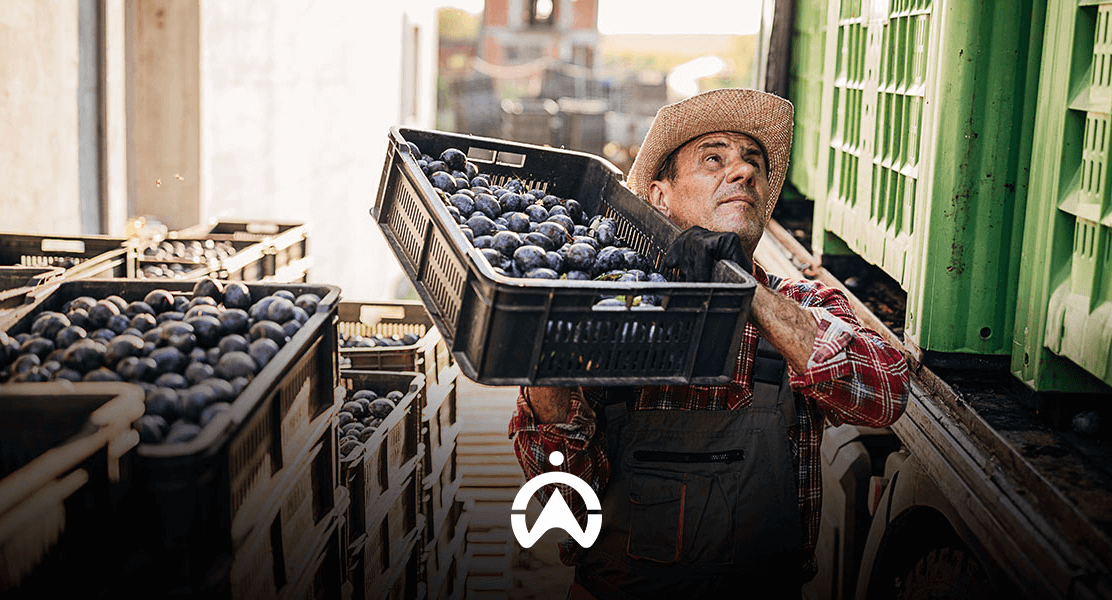
Did you know that the agro-processing industry is about more than just farming?
It is the entire life cycle of a final product, from sourcing raw materials to manufacturing and getting it onto the shelves.
Sounds complicated, right? But with the right solution in place, it doesn't have to be. That solution is a fleet management system, which helps you streamline every operation and achieve maximum efficiency.
In this article, you will:
- Learn what agro-processing is
- Discover the link between agro-processing and supply chain management
- Dig into the challenges faced in agro-processing
- Explore how fleet management can help you solve these challenges
- Find out how Cartrack's solutions are the key to maximum efficiency in agricultural processing
Let's define agro-processing
Agro-processing covers all the activities carried out to turn a product made from raw materials sourced from agriculture, forestry or marine life into a usable final product.
With an abundance of raw materials, South Africa is fertile ground for a successful agro-processing business with global impact. In 2020, agro-processed products accounted for around 11% of South Africa's exports, with global demand and the industry's competitiveness making the country a globally competitive exporter. With output estimated at 240 billion rand a year, agro-processing is considered the country's second most important industrial sector based on its gross value added.
As fantastic as that sounds, it doesn't mean agro-processing is free of challenges. Let's find out what they are.
What are the challenges faced in agro-processing
South Africa's agricultural processing industry is designed to meet global needs, which means the challenges it faces are greater. Let's take a look at them:
- Storing raw materials
As agro-processing is the entire production process, storing the raw materials used to make the final products is important to the success of the operation. Unfortunately, it can be a major challenge that affects efficiency, productivity and the quality of the products supplied.
- Keeping temperature-sensitive products fresh
To keep your products fresh during the production process, cold storage facilities need to be used at every stage, including storage and transport. With the slightest change in temperature, the quality and freshness of these products can be compromised. These products include:
– Medical products: From medicine components to insulin and medical devices, medical products need to be protected from heat or cold.
– Meat: Meat is susceptible to bacterial growth, making it essential to keep it refrigerated at every stage of the production process, from the abattoir to processing and transport.
– Fruit: From harvesting to the packaging process, fruit needs to be kept fresh, as this prevents it from losing its nutritional value and spoiling.
- High production costs:
Because agro-processing is complex, it has many stages that drain costs. These include:
– Storage of raw materials: Keeping raw materials stored according to their individual needs ensures freshness and quality. However, meeting this need at every stage of agro-processing can be both challenging and costly.
– Manufacturing final goods from raw materials: Manufacturing processes are very complex, which makes it important to keep the processes efficient, safe and cost-effective.
– Packaging of goods: Packaging goods can be quite expensive, as the process and the materials need to be specific to the product. For example, the containers used to keep ice cream frozen are not the same as the containers used to package cold drinks.
– Delivering goods to wholesalers, retailers and restaurants: The final stage of processing is sending the goods to the places where they will be sold. These deliveries can be complex, as routes need to be optimised, drivers need to be trained and trailers need to be prepared for temperature-sensitive goods.
All these challenges and duties sound rather familiar, right? That would be correct, because they are closely linked to your supply chain management.

Unpacking the link between agro-processing and supply chain management
The supply chain management process is the handling of the entire flow of goods and services. This process starts with the raw components needed to manufacture a good, right through to delivering the final product to sellers. Let's explore these stages in more detail:
- Planning:
Knowledge is power and, when you are in supply chain management, it is important for ensuring product availability. At this stage, supply chains need to establish customer demand for the products they will supply, because this helps them know exactly how much of a given product they need to order.
Take John, for example, who runs a frozen fruit business. Before he starts planning how he will package his products or where he will sell them, he needs to establish the demand for his product. With this information, he can budget effectively, keep his stock balanced and make sure customer needs are always met.
- Sourcing:
Also known as procurement, this stage involves finding and buying the materials or ingredients needed to meet customer demand. At this stage, companies must find suppliers, make sure the products purchased meet the company's standards, negotiate the price (who doesn't love a cost saving, right?) and obtain the right quantity of the product or material needed for production.
Let's go back to John. At this stage of the supply chain, John needs to place orders for fresh fruit based on the customer demand he identified during the planning phase. With this information, he can make sure he orders the right amount of fruit, so that he won't lose money through overstocked products spoiling.
- Production:
At this stage, your raw materials are turned into finished products using specialised equipment. This stage involves using information on the total number of products that need to be produced to create finished products that meet customer needs.
Let's look at John's frozen goods business. At this stage of the supply chain, John takes the fruit he bought and puts it through a quick-freezing process carried out in specialised machinery. His decision on how many packs he needs to produce is based on the numbers he recorded during the “planning” phase.
- Distribution:
Now that the products have been manufactured, it is time for them to move to where they will be sold. This can include supermarkets, workshops, convenience stores and even customers who want to buy directly from the company.
For John, this stage involves using cold chain logistics solutions to transport his frozen fruit from the factory or warehouse to the various places where it will be sold.
Whether it's two hundred or two hundred vehicles, fleet management helps businesses stay safe, profitable and efficient, making it important to a fleet's overall success. A fleet management system simplifies the whole process, making it possible to keep your fleet running at its best from the comfort of your laptop, computer, tablet or mobile phone.
The top three benefits of a fleet management system for your agro-processing business
The beauty of a fleet management system is that it can be tailored to the individual needs of any sector. Let's look at the three big benefits a fleet management system can bring to your agro-processing business:
- Better vehicle and cargo visibility
Whether you are in the business of supplying raw materials to different businesses or delivering your final products to shops, tracking your vehicles is crucial to the efficiency and safety of your agro-processing operation. With access to real-time location updates, you can locate goods quickly, determine their ETAs, spot delays instantly and improve the safety of your vehicle and cargo.
- Your products stay fresher for longer
Whether it's fresh fruit or cold meats, your temperature-sensitive products need to be kept fresh during delivery. A fleet management system gives you access to real-time temperature monitoring that helps detect sudden spikes or drops in temperature. This ensures you can deal with these fluctuations quickly, before they damage your stock.
- Improving driver behaviour and cargo safety
Everyone behind the wheel of a fleet vehicle needs to drive responsibly. A fleet management system makes it simple to monitor your drivers' behaviour, helping you quickly identify areas for improvement that could harm the way the business functions, and keeping your drivers safe at all times. When it comes to agro-processing, improving driver behaviour helps ensure cargo is transported safely so that your goods reach their destination intact.
Do these benefits sound like something you'd like to unlock for your business? Then we have the key: it's the fleet management solutions from Cartrack Mozambique.
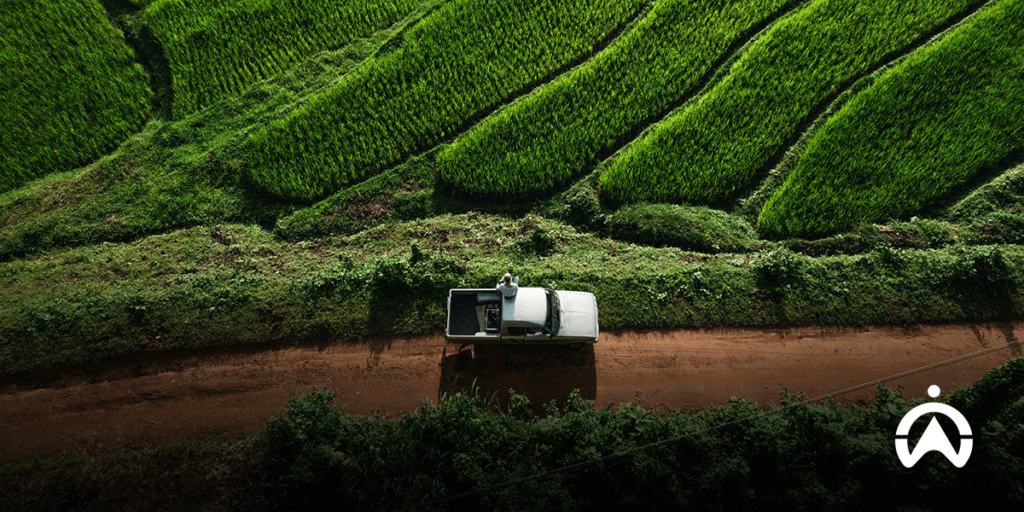
Trust Cartrack Mozambique's fleet management solutions to boost your agro-processing operations
Cartrack Mozambique is an industry leader when it comes to fleet management, so who better to trust to optimise your agro-processing operations. Let's look at some of our next-level solutions:
- GPS tracking:
Receive real-time updates on the location of your vehicles and equipment with GPS tracking from Cartrack Mozambique. Powered by GPS technology, this solution helps you pinpoint exactly where a specific vehicle or piece of heavy machinery is at the simple touch of a button or screen. If your vehicle is hijacked or stolen, our highly skilled recovery team uses this device to pinpoint your vehicle's location for a fast recovery. With a stolen vehicle recovery rate above 90%, your vehicles are in the safest hands.
- Geofencing:
Get detailed information on the use and location of your vehicles and equipment with Cartrack Mozambique's geofence feature. Create virtual boundaries for your vehicles and equipment and receive instant notifications by SMS or email when they enter or leave them. This helps create no-go areas for certain vehicles or equipment, preventing them from being used in dangerous areas that could lead to costly and potentially fatal accidents.
- Driver identification tags:
Make sure only qualified workers operate vehicles or equipment with driver identification tags. Each of your drivers receives a tag linked to their personal information. To start a vehicle or piece of equipment, the tag needs to be tapped on an internal sensor. If a driver is not authorised to operate a vehicle, you will receive an instant alert and the vehicle will not start, reducing the risk of accidents caused by unqualified workers operating the equipment.
- Delivery:
Simplify your delivery operations with Cartrack's Delivery feature, which gives you a complete view of your delivery operations. Simplify your drivers' tasks by leaving notes with special instructions on each assigned job. This feature also helps you keep your customers informed; from notifying them as soon as the driver starts the delivery to sending a link that lets them follow the delivery in real time, these steps boost customer satisfaction and your brand image. Add the app's offline functionality and your operations will run seamlessly, wherever you are.
- Refrigerated temperature monitoring software:
Keep your temperature-sensitive products fresh and long-lasting with the refrigerated temperature monitoring software from Cartrack Mozambique. Receive real-time alerts about the slightest changes in temperature conditions in your refrigerated trailers. These alerts can prompt you to contact your drivers quickly, helping you know whether to send a replacement trailer to complete the delivery and limit lost profits. Identify and analyse trends in temperature fluctuations with our automatically generated reports, helping you identify possible bigger problems in your cold fleet.
- Fuel monitoring:
Keep a close eye on how much fuel your vehicles are using with Cartrack Mozambique's fuel monitoring system. Agro-processing requires high fuel consumption and Cartrack understands that, which is why we bring you real-time fuel monitoring. With detailed insights like these, you can identify the reason for any sudden fuel spikes, detect fuel draining and prevent fuel theft.
- Preventive maintenance:
In agro-processing, even a few minutes off schedule can be costly. So put the brakes on unplanned downtime with Cartrack Mozambique's preventative maintenance solution. Our technology, which uses advanced analytics, proactively monitors the health of various vehicle components, such as brake pads. It also creates maintenance plans suited to your fleet's needs, which avoids scheduling maintenance that interferes with normal day-to-day operations. This extends the lifespan of your fleet, reduces the risk of road accidents and keeps your vehicles in the best condition.
- Driver behaviour monitoring:
Make sure your team is operating equipment or driving as safely as possible with Cartrack's Live Vision AI cameras. With real-time audible alerts the moment dangerous and distracted driving is detected, this cloud-connected video management software gives your drivers the opportunity to correct their behaviour in real time, helping you ensure safe and efficient transport of goods.
Keep goods fresh, drivers safe and processes efficient with Cartrack Mozambique
Agro-processing comes with a wide range of responsibilities, but meeting them shouldn't come at the expense of your productivity and efficiency.
Contact us today and make your agro-processing business the cream of the crop.
 South Africa
 Botswana
 Kenya
 Malawi
 Namibia
 Nigeria
 Swaziland
 Tanzania
 Zimbabwe
 Hong Kong
 Indonesia
 Singapore
 Malaysia
 Philippines
 Thailand
 New Zealand
 Vietnam
 Poland
 Portugal
 Spain
 United Arab Emirates

 PT