South Africa
 Botswana
 Kenya
 Malawi
 Namibia
 Nigeria
 Swaziland
 Tanzania
 Zimbabwe
 Hong Kong
 Indonesia
 Singapore
 Malaysia
 Philippines
 Thailand
 New Zealand
 Vietnam
 Poland
 Portugal
 Spain
 United Arab Emirates

 PT

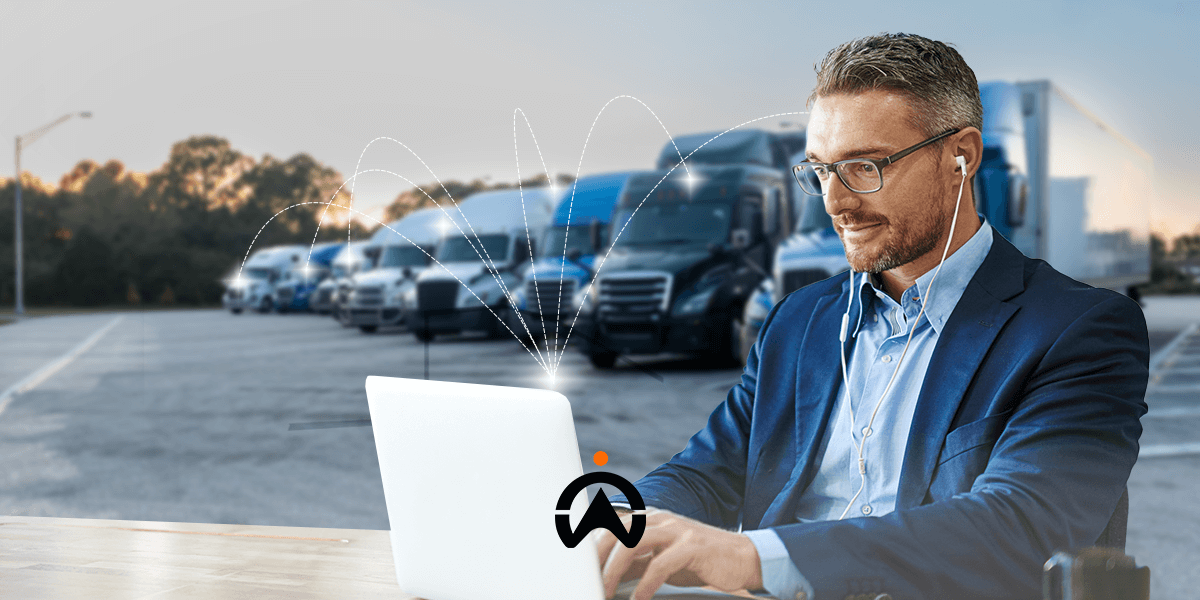
In the dynamic landscape of modern business, efficient fleet management has become more critical than ever. Automated fleet management offers a streamlined solution that combines advanced technology and intelligent systems to raise performance and safety needs of your fleet.
Let’s look at what makes automated fleet management the next big thing and how you can benefit from it.
In this article, you will:
• Understand the impact automated fleet management has on your fleet
• Discover the top 5 fuel-saving tips for your vehicle
• Explore the key components of automated fleet management
• Find out when the perfect time is to automate your fleet
• Learn how Cartrack Mozambique can help you empower and automate your fleet
An introduction to automated fleet management
As technology continues to advance, more and more fleet managers are relying on automated solutions for fleet management. With growing confidence in technology’s capabilities, there is a notable shift towards integrating automated systems for effective fleet oversight that is free from human error.
Accepting change can be daunting, especially when it comes to managing your fleet. Many hesitate to switch to automated fleet management, fearing the complexities of the transition. However, with the right guidance and support, implementing this technology can take your business to new heights and allow you to operate on a much larger and more profitable scale.
What makes automated fleet management so great?
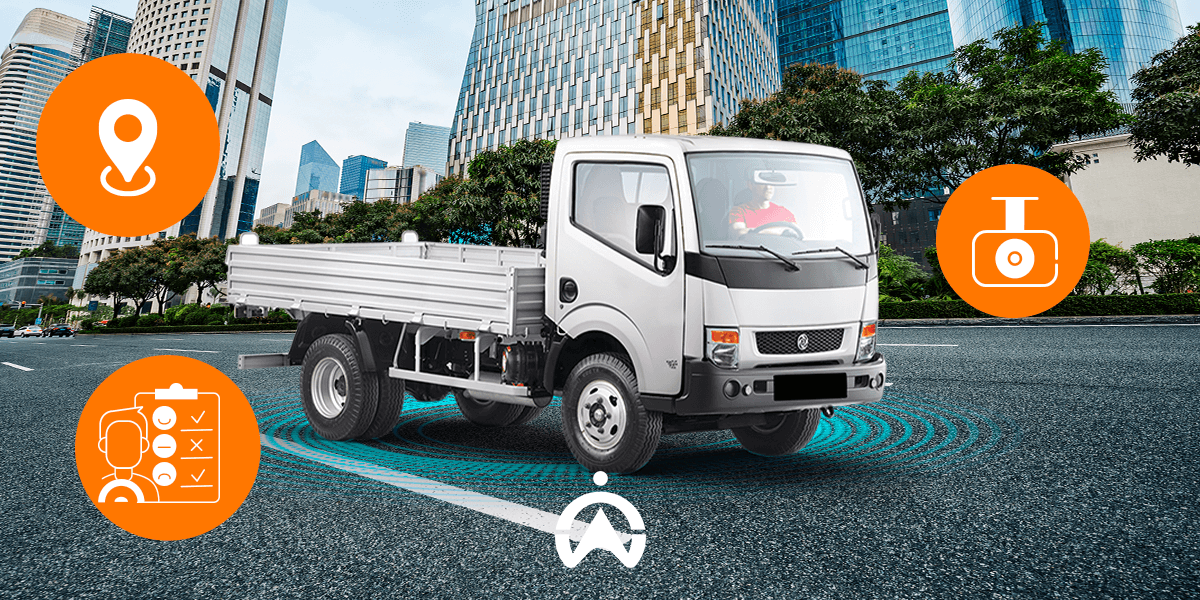
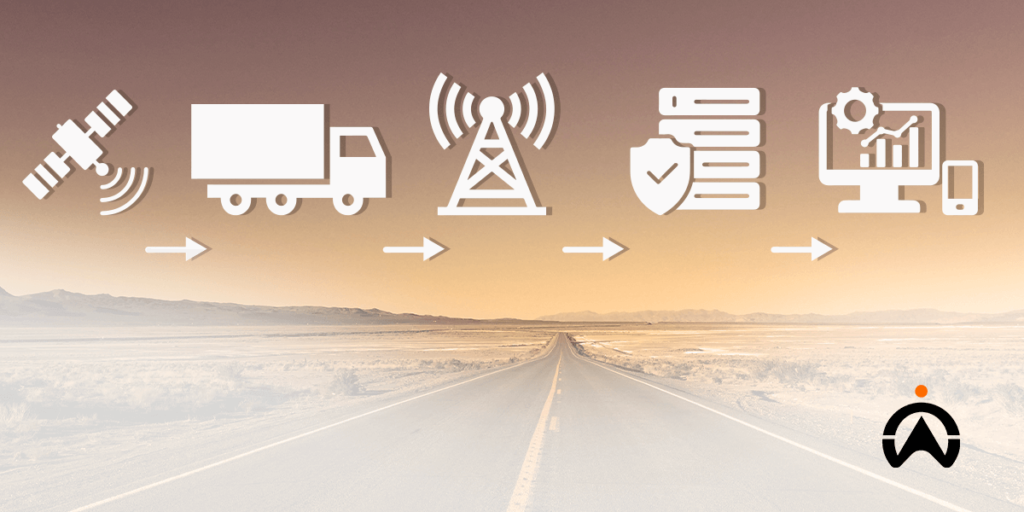
Automated fleet management harnesses advanced technologies such as GPS, IoT sensors, telematics devices and data analytics to your advantage. Together, these technologies help provide real-time visibility, predictive insights and automated task completion, enabling proactive decision-making and allowing managers to focus more on other vital aspects of their fleet.
The key components of automated fleet management include:
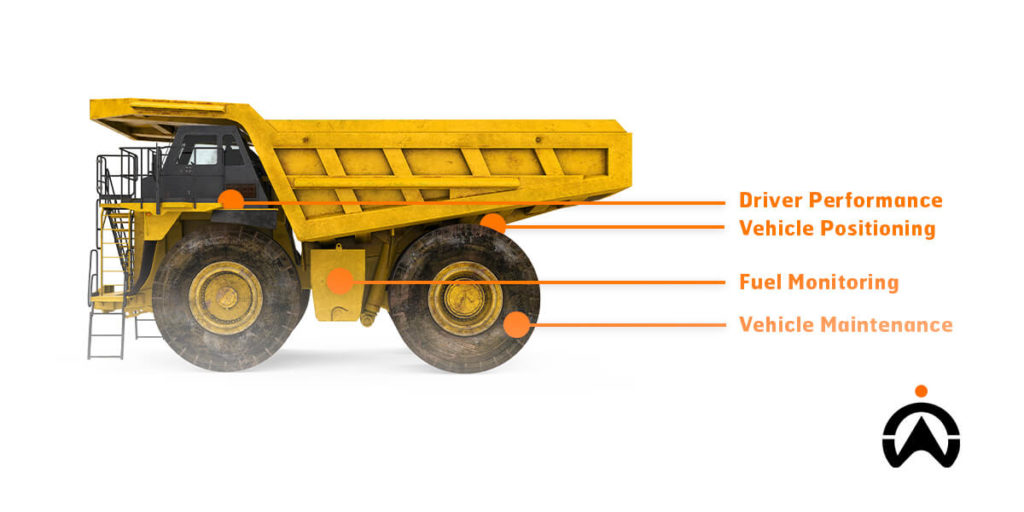
- Vehicle tracking: real-time tracking of vehicle location and movement using GPS technology allows managers to optimise routes, identify inefficiencies and ensure on-time deliveries.
- Maintenance scheduling: Automated scheduling of vehicle maintenance tasks based on predefined criteria minimises downtime and prevents unexpected breakdowns.
- Telematics integration: Telematics devices collect and transmit data on vehicle performance, driver behaviour, fuel consumption and other critical metrics, providing valuable information for efficient business decision-making.
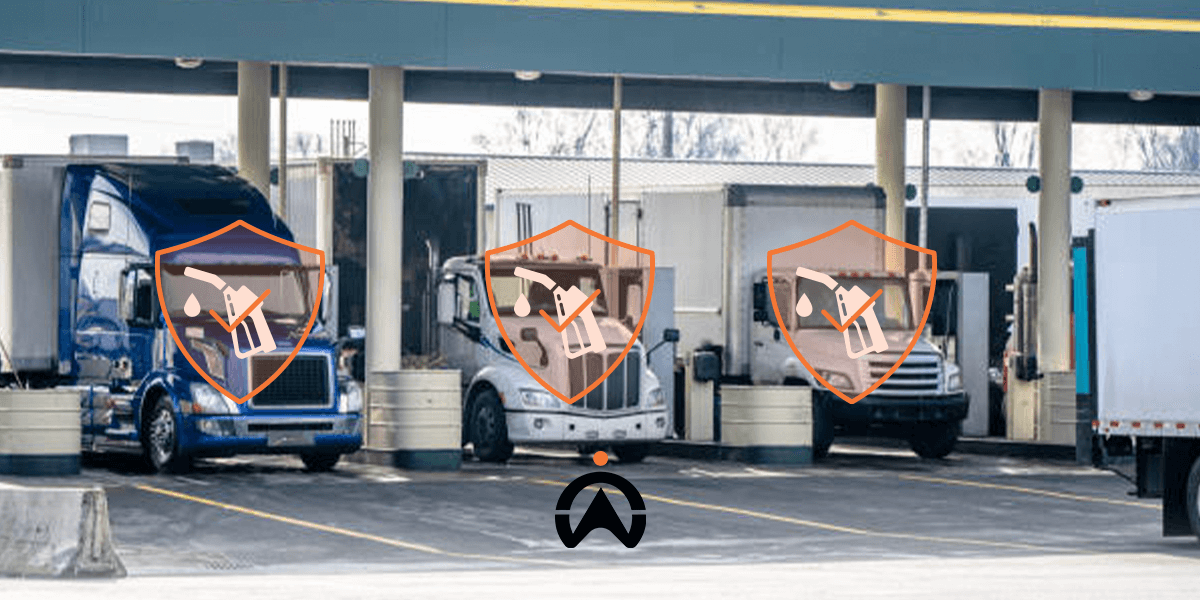
- Fuel management: Most fleet management systems can monitor fuel use through fuel sensors, detect anomalies or inefficiencies and provide data-driven recommendations to optimise fuel consumption and reduce the fleet’s running costs.
- Driver safety and compliance: Being able to actively monitor driver behaviour, promote safe driving practices and ensure compliance with regulatory standards, improving overall safety and reducing the risk of accidents.
When is the perfect time to automate your fleet?
After realising how much switching to automated practices can benefit a business, many business owners choose to make the change when their fleet and business start to grow, or when managers can no longer keep up with their fleet or daily tasks. owners and managers face before implementing automated help include, but are not limited to:
Limited visibility of fleet operations
• Notification overload
• Trouble managing fleet costs
• Supply chain disruptions
• Failed route optimisation
• Fleet non-compliance issues
• Unsuccessful fleet maintenance management
Fleet innovations such as AI, machine learning, automation and advanced analytics are solutions to all the problems mentioned above, as well as others that fleet managers may not be aware of. Software solutions for fleet management and these technologies are the key to improving the way you manage your fleet and run your business.
Essential automated fleet management services
In a world where everything revolves around speed and efficiency, manual fleet management simply won’t cut it any more. By adopting the advanced technologies mentioned in this blog, such as GPS tracking, telematics, etc., businesses can gain a comprehensive, real-time understanding of their fleet operations. Managing a fleet is changing fast, with automated solutions at the forefront.
Let’s explore these solutions further with practical examples of how they can be used to meet your needs.
Real-time tracking and monitoring:
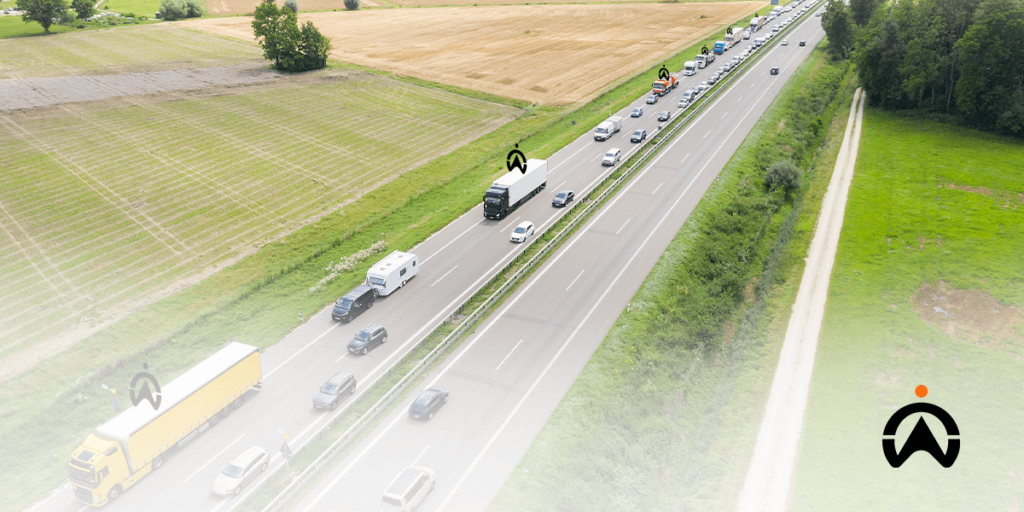
Imagine having a bird’s-eye view of your entire fleet, tracking vehicle locations, routes and possible delays, all in real time. Automated systems for fleet management make this a reality, empowering fleet managers to make proactive decisions and ensure timely deliveries.
For example, during rush hour, fleet managers can identify congested, heavy-traffic areas that could cause potential delays and reroute vehicles accordingly, minimising disruption and ensuring timely deliveries, resulting in lasting customer satisfaction.
Predictive maintenance:
Say goodbye to unexpected vehicle breakdowns and costly repairs. Automated systems for fleet management use telematics data to anticipate maintenance needs, schedule routine inspections and resolve potential problems before they escalate and become more expensive.
By predicting when a vehicle will be due for maintenance, businesses can avoid costly downtime and ensure their fleet is always in peak-performance condition.
Driver behaviour analysis:
This technology promotes safer driving practices and fuel-efficient behaviour by assessing driver performance and identifying areas that need improvement, such as excessive idling, harsh braking or speeding.
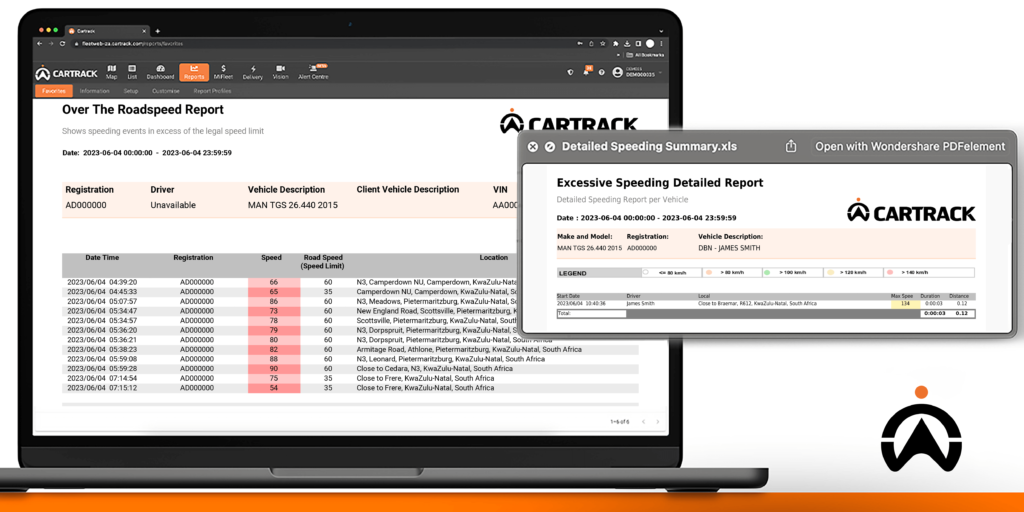
For example, if a driver consistently exceeds the speed limit, the system can generate an alert and trigger targeted training interventions to promote safer driving habits. Fewer speeding incidents mean savings on speeding fines and fuel, so it’s a win-win.
Route optimisation:
Save time, reduce mileage and optimise fuel consumption. Fleet management. Managers can now readily analyse historical data and current traffic conditions to recommend the most efficient routes for drivers.
If you work in a delivery business, these systems can help you plan routes that avoid congestion, ensuring more on-time deliveries and reducing unnecessary fuel costs.
Fuel management:
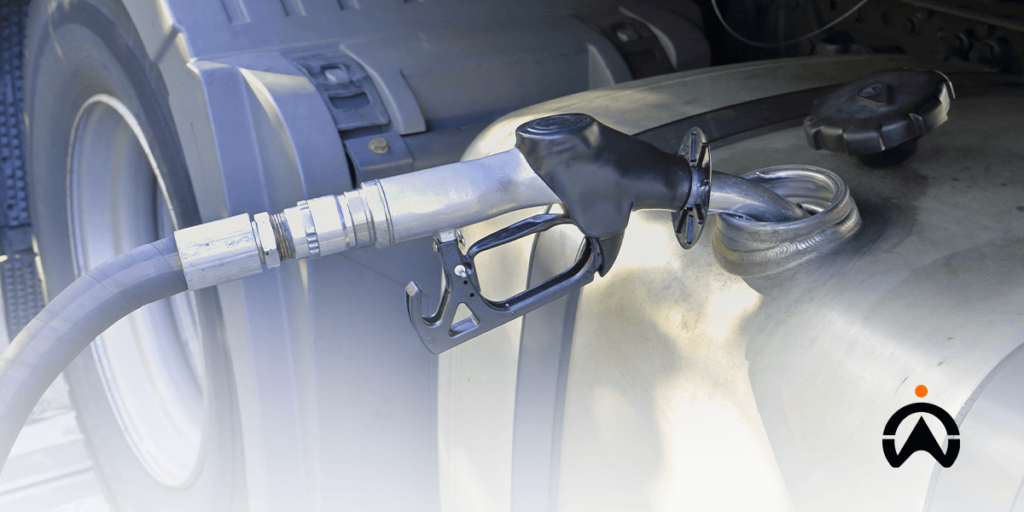
Take control of fuel consumption and detect possible fuel theft in your business, such as these types of fuel fraud/theft.
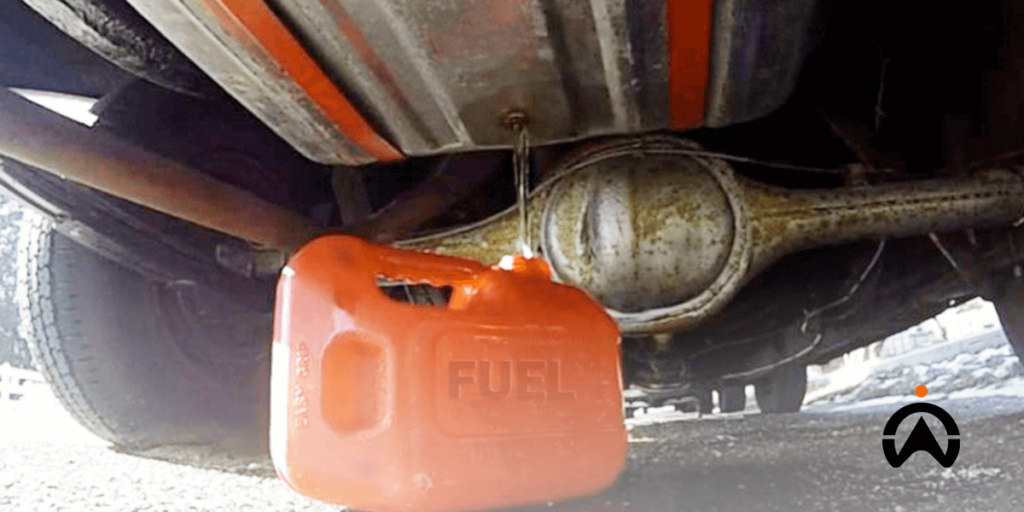
- Siphoning: These are incidents where employees or someone else fill a company vehicle with fuel and then siphon some of the fuel into a separate container for personal use.
- Fuel card misuse: When employees use the company fuel card for personal use, such as filling up their own car or giving the card to friends or family to use.
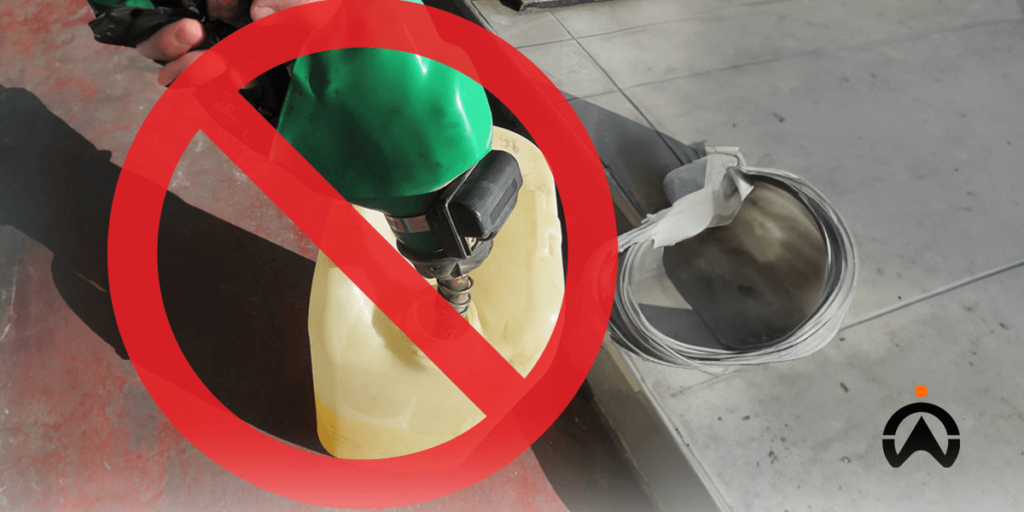
- Fuel can filling: this happens when a driver uses the company fuel card to fill a fuel can for personal use.
- Fuel card cloning: this happens when a criminal creates a fake copy of a company’s fuel card and uses it to make unauthorised fuel purchases.
- Multiple transactions: this happens when a cashier swipes the fuel card several times, thinking the initial transaction failed. This can result in duplicate charges on the company’s account.
These systems integrate fuel monitoring sensors, providing real-time information on fuel usage patterns and identifying consumption irregularities.
Compliance management:
Stay compliant with regulatory requirements and avoid penalties or fines for your fleet. Keep accurate records, generate compliance reports and ensure vehicles meet environmental and safety standards.
Leave the tedious paperwork behind and enjoy the ease of automated emissions compliance reporting. Easily generate reports that demonstrate your compliance with environmental standards, freeing up your time for more pressing tasks.
Automated fleet management systems aren’t just technological advances; they are game changers in the world of fleet management.
Benefits of an automated fleet management system
When it comes to innovations that support fleet management, “efficiency” and “optimisation” aren’t just buzzwords; they are essential to success. In fleet management, the move to automated solutions brings a wide range of benefits that make the transition very attractive for businesses.
- Simplified administrative tasks: Automating operations simplifies tasks, reducing manual data entry and paperwork. This not only cuts administrative costs but also lets fleet managers devote more time to critical responsibilities.
- Cost savings: Through predictive maintenance, optimised routes and reduced fuel consumption, automated systems can contribute significantly to cost savings, minimising fuel expenses and vehicle downtime.
- Improved safety measures: With automated fleet management, managers can track driver behaviour, stay on schedule with vehicle maintenance and identify potential hazards to improve safety protocols and reduce the likelihood of accidents and the associated costs.
- Greater customer satisfaction: By providing real-time tracking updates and ensuring on-time deliveries, automated fleet management helps increase customer satisfaction, communicating realistic ETAs and managing their expectations
Challenges and solutions in implementing modern fleet management software
Fleet management can bring businesses the many benefits mentioned above, but sometimes companies struggle to implement the technology in their daily tasks. These difficulties turn into challenges that employees must overcome before fully accepting the available fleet innovations that we often use to manage a fleet.
Potential resistance to change can be managed effectively through careful planning, robust training programmes and fostering a culture of adaptability in your organisation.
Here are the practical steps businesses can take to tackle the challenges of implementing automated fleet management:
- Embracing technological transformation:
The introduction of an AFMS brings a paradigm shift in the practice of fleet management. To ensure successful integration, businesses must equip their employees with the knowledge and skills needed to navigate the new system. This requires a comprehensive training programme that goes beyond basic user guides.
Hands-on workshops, interactive tutorials and personalised support are essential to bridge the gap between theoretical knowledge and practical application.
- Tackling resistance to change:
Moving to a new system can understandably raise concerns among employees and customers. Addressing these concerns proactively and encouraging open communication are crucial steps in mitigating potential resistance. Encourage employees to voice their apprehensions and involve them actively in the decision-making process. Organise team meetings and discussions to gather feedback on the benefits and possible drawbacks of a new system.
- Safeguarding sensitive data:
An AFMS handles a large amount of confidential data, including vehicle locations, driver behaviour and fuel consumption. Protecting this data against unauthorised access, breaches and cyberattacks is paramount. Businesses must implement strict data security protocols, including regular data encryption, robust access control measures and ongoing safety audits.
Investing in advanced cybersecurity software and establishing clear data governance policies can further strengthen data protection efforts and ease customers’ concerns about the protection of their data when new technologies are implemented.
- Selecting the right technology partner:
The choice of AFMS provider is fundamental to a successful implementation. Businesses should carefully evaluate credible partners such as Cartrack Mozambique and consider these aspects:
– Scalability: Make sure the AFMS can grow with your business, accommodating future expansion and evolving needs.
– Integration capabilities: check that the system integrates seamlessly with your existing infrastructure and software applications.
– Ease of use: The AFMS should be intuitive and easy to use, minimising the learning curve for employees.
– Ongoing support: choose a provider that offers comprehensive support services, including training, troubleshooting and ongoing updates.
Future trends in fleet management technology
The future of fleet management is full of exciting advances that promise to revolutionise the way businesses manage their vehicles and operations. The main trends include AI-powered predictive analytics, harnessing IoT sensors for real-time data insights, the integration of autonomous vehicles and advanced driver assistance systems (ADAS), the growth of electric vehicles (EVs) and the adoption of mobility-as-a-service (MaaS)
- Predictive analytics: anticipating problems before they arise
Artificial intelligence (AI) is playing a key role in fleet management, especially in the field of predictive analytics. By analysing large amounts of data on vehicle performance, driver behaviour and traffic patterns, AI algorithms can identify potential problems before they turn into costly breakdowns or accidents. This proactive approach allows fleet managers to schedule maintenance in good time, improve fuel efficiency and minimise downtime delays.
- Harnessing the power of IoT and sensors
The use of Internet of Things (IoT) sensors built into vehicles and infrastructure is generating a treasure trove of real-time data. Fleet managers can tap into this data stream to make informed business decisions about vehicle deployment, maintenance schedules and driver training. The insights drawn from IoT data can optimise route planning, reduce fuel consumption and improve overall fleet efficiency.
- Autonomous vehicles: transforming fleet operations
The advent of autonomous vehicles and advanced driver assistance systems (ADAS) is set to transform fleet operations. Autonomous vehicles will automate repetitive tasks, freeing drivers to focus on more complex aspects of their work. ADAS features, such as lane departure warning and automatic emergency braking, will further increase safety and reduce the risk of human error.
- Electric vehicle integration: Adapting to the EV revolution
The growing adoption of electric vehicles (EVs) is driving the development of specialised fleet management solutions tailored to their specific needs. These solutions will optimise battery management, identify the ideal locations for charging stations and ensure seamless integration with existing fleet operations.
- Mobility as a service: embracing shared fleet solutions
The concept of mobility as a service (MaaS) gives businesses the flexibility of access to shared fleets of vehicles on demand. This model removes the need for individual ownership and maintenance, cutting costs and providing a more adaptable transport solution.
These are not all the innovations being created or already in use at the most modern companies, but they are the most popular trends that have had the greatest impact on businesses.
Comparing different automated fleet management software and providers
There are many different automated fleet management software products and providers available, each with its own unique features and benefits. Cartrack is a leading provider of fleet management solutions and one of the most trusted companies in this field according to Hello Peter.
4 reasons why Cartrack Mozambique is an obvious choice for your fleet?
Its software is known for its reliability and performance. Cartrack Mozambique’s software is more reliable and feature-rich than its competitors’ software, and its user-friendly system is easy to integrate into your fleet.
Interested? Here are some of the advanced features and services we offer our customers.
- Unrivalled visibility and control with our MiFleet cost monitoring system
MiFleet is the perfect web-based tool that shows managers the exact costs of running their fleet. This data includes things like speeding fines, toll fees, licence renewal dates, maintenance and fuel costs.
– MiFleet automatically analyses all your fleet’s transactions and organises them for you for easy access.
– When it comes to fuel, compare your fuel receipts with your vehicle’s telemetry data and highlight areas of possible fuel theft, such as siphoning, fuel card misuse and more.
– With the insights it gathers, it reminds you of all fleet costs due so you never miss a payment.
- Enhanced safety and driver coaching with AI cameras
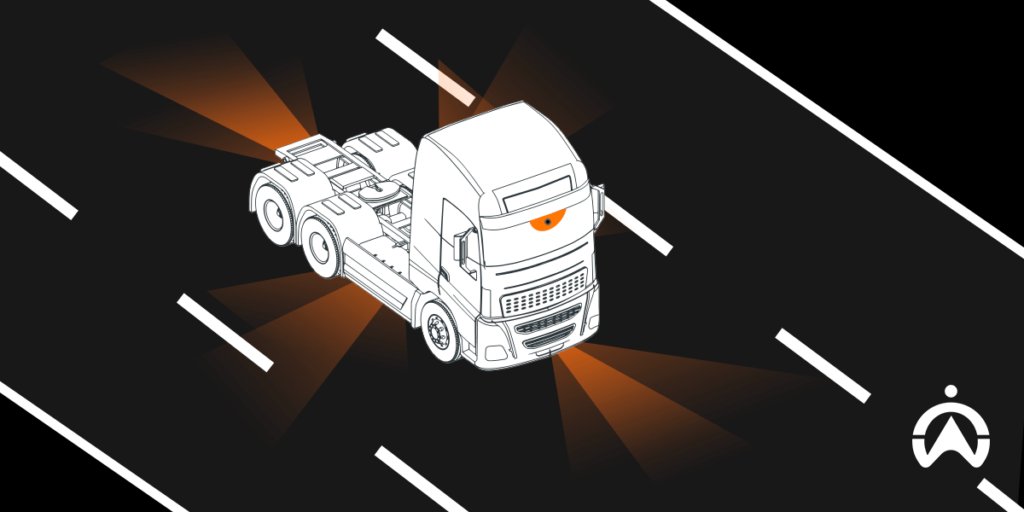
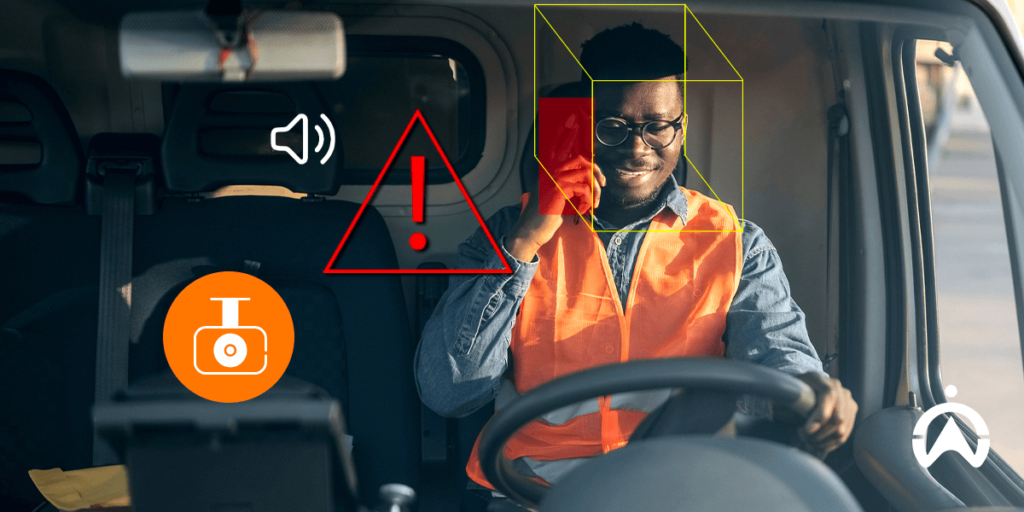
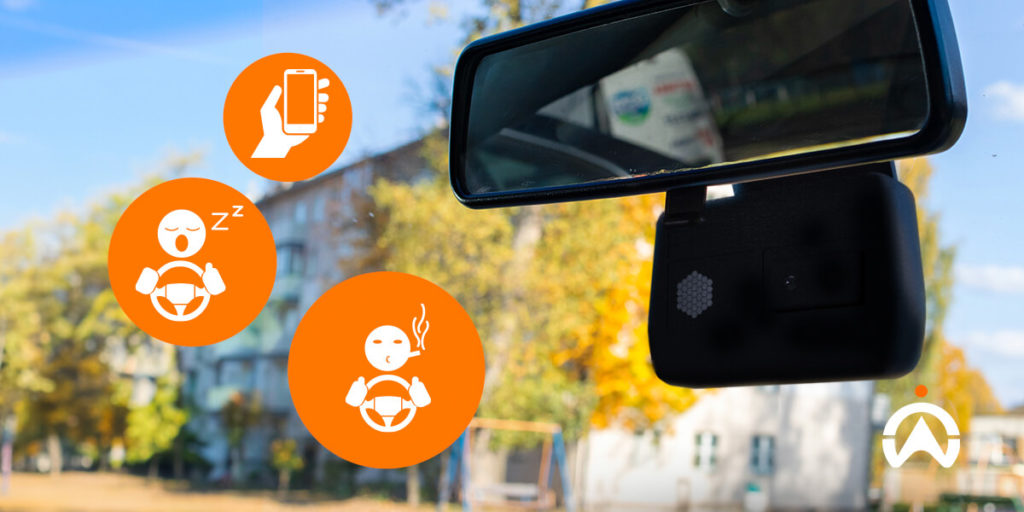
Cartrack Mozambique’s AI-powered cameras provide an extra layer of safety for your fleet and your drivers. These cameras detect risky driving behaviour, such as distracted driving, smoking and fatigue, and provide real-time alerts to help prevent accidents.
– Distracted or drowsy driving detection: The cameras monitor the driver’s head and eye movements to identify signs of distraction, such as when their attention drifts from the road. This eye movement detection triggers an instant, real-time audible alert, warning the driver to refocus on the road and avoid potential hazards
– Mobile phone use detection: Cartrack Mozambique’s AI cameras can also detect signs of phone use while driving, such as holding the phone or handling it near the ear. On detecting such behaviour, the cameras sound an audible alert, prompting the driver to put the phone away and eliminate this dangerous distraction.
– Smoking detection: Cartrack Mozambique’s AI cameras can detect when drivers are smoking in the vehicle, sounding an audible alert to remind them to keep both hands on the wheel and focus on the road ahead. This feature helps eliminate distractions and promotes a smoke-free environment in company vehicles.
- Streamlined operations and cost savings
The comprehensive fleet management solutions from Cartrack Mozambique help you streamline operations, eliminate unnecessary costs and increase profitability.
– Geofences and alerts: set up geofences to receive alerts when vehicles enter or leave specific areas, ensuring drivers follow company policies and routes.
– Compliance management: Cartrack Mozambique helps you comply with various regulations, such as driver licensing and vehicle safety inspections.
– Automated reporting and analytics: access detailed reports and insights into your fleet’s performance, helping you identify areas for improvement and make data-driven decisions.
- Scalability and adaptabilityCartrack Mozambique’s solutions scale seamlessly to meet your fleet’s evolving needs, whether you have a few vehicles or a large fleet.
– Flexible Cartrack packages: Choose from a range of packages offering advanced features tailored to your fleet and to your budget.
– Customisable solutions: customise Cartrack Mozambique’s features and functions to match your unique business needs and the specific challenges of your sector.
– Global experience: Benefit from Cartrack Mozambique’s vast experience and knowledge of fleet management across many sectors and regions.
Empowering your fleet for the future
Cartrack Mozambique is committed to empowering businesses to thrive in a constantly evolving landscape. With continuous innovation and a focus on customer success, Cartrack is the ideal partner for your fleet’s transition to automation and beyond.
Trust Cartrack Mozambique to lead your business towards better fleet operations, greater safety and new levels of success.