Most likely, the unthinkable: losing their child. This idea is more of a reality for South African parents, especially those who live in high-crime areas, areas where vehicle theft and hijacking rates are some of the highest in the world.
As if going through a hijacking weren’t bad enough, imagine having to live that nightmare while your child is in the back seat.
This is not just another blog; it is a heartfelt guide to proactive, life-saving measures any parent can apply to keep themselves and their children safe during a hijacking.
In this article, you will:
• Discover essential tips to ensure the safety of your child during a hijacking incident
• Learn how to handle hijacking situations and prioritise your child’s well-being
• Understand what hijackings are and how to stay safe on the road
• Get insights into the peak times and targeted vehicles
• Learn how Cartack can minimise the risk of hijacking and increase the chances of vehicle recovery
What exactly is a hijacking?
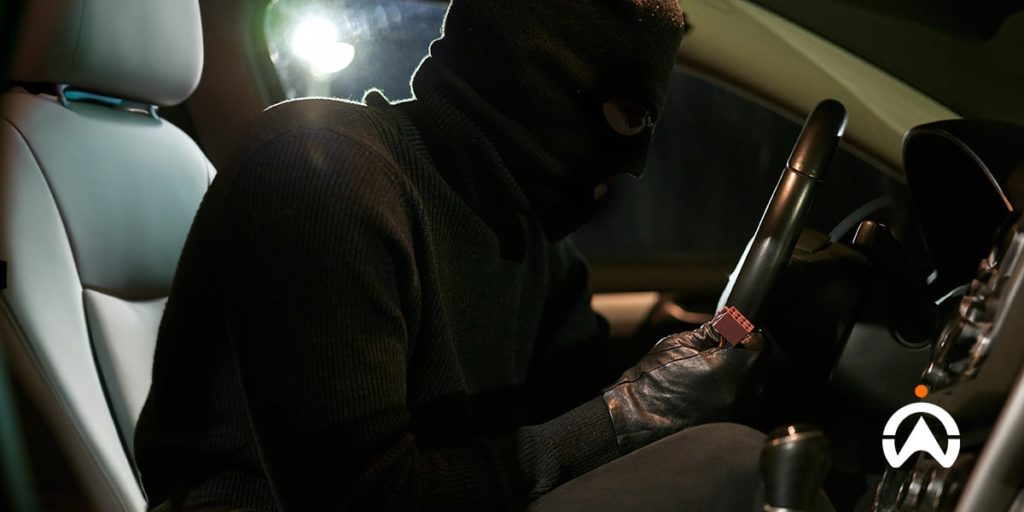
Hijackings are incidents in which criminals take control of your vehicle without your permission. They usually use threats, violence or intimidation to do so. Their main aim is usually to steal your car and its contents and strip it to sell the parts, or even use it for illegal activities.
These incidents generally happen in high-crime areas, particularly in metropolitan settings where vehicles often stop, such as intersections, drive-throughs, driveways, gated communities or car parks. There is no way to predict how a hijacking will unfold; it all depends on the criminal’s motives. They can result in different scenarios and affect victims in various ways, including:
Physical harm or death: Depending on whether there is a struggle, a hijacking can cause physical injury or death to the driver and even to passengers.
Emotional trauma: For those involved in a hijacking, the event can be distressing, resulting in feelings of fear, worry or even post-traumatic stress disorder (PTSD) every time you get behind the wheel or into a vehicle.
Loss of personal items: A hijacking can result in the loss of the vehicle, as well as any of your personal belongings, such as wallets, phones, watches and any other valuables in the car.
Understanding what hijackings are and how to be safe on the road is key to protecting yourself and your loved ones.
hild safety in hijacking situations
Imagine driving down a familiar road with your child in the back seat, lost in chatter and laughter. Suddenly, the unthinkable happens: you find yourself in a hijacking situation. Panic sets in, your heart races and, in that moment, the safetyof your child becomes your only focus. What is your next move?
Essential tips for parents
Hijackings are a reality in many parts of the world and can be a terrifying experience for anyone, especially for parents travelling with children in the car. Knowledge is power. Even though nobody thinks they will be involved in a hijacking, it is important to know how to keep yourself and your children safe if it happens.
Here are some steps to help make sure you and your child come out of the situation unharmed.
Stay calm: Staying calm is key. Follow the hijackers’ instructions, avoid unnecessary interaction and avoid panic or sudden movements that could raise tensions.
Safety over possessions: Prioritise the safety of your child above all else. Comply with the hijacker’s demands and focus on protecting your child.
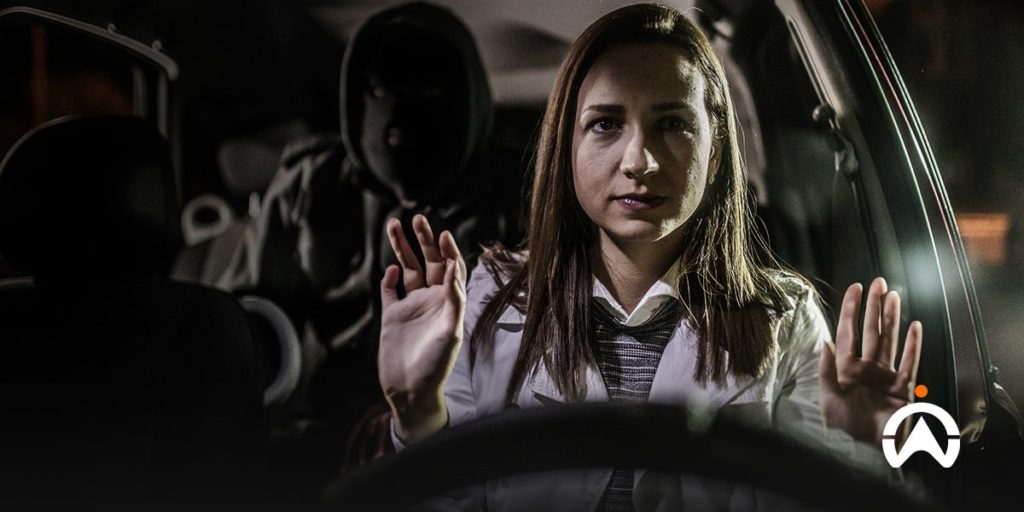
Visible hands: Always keep your hands visible to signal to the criminals that you are not a threat, and avoid reaching for anything unless you are told to. This minimises the risk of violence.
Strategic child seat placement: Position the child behind the front passenger seat. This allows you to quickly release your child’s seat belt and get out of the vehicle together, if necessary.
Calm communication: Avoid antagonising the hijackers. Communicate calmly, letting them know your child is present and asking permission to take them out safety.
Have a plan: Prepare for the worst by having a plan. Make Cartrack Mozambique your first choice. The recovery team’s rapid response can increase the chances of recovering your vehicle if it is stolen during a hijacking.
Family life tips for different stages:
Protecting your children is important wherever you are on your journey as a parent, especially when faced with the unexpected, such as a hijacking. Here are some useful suggestions for keeping your children safe in such a stressful scenario.
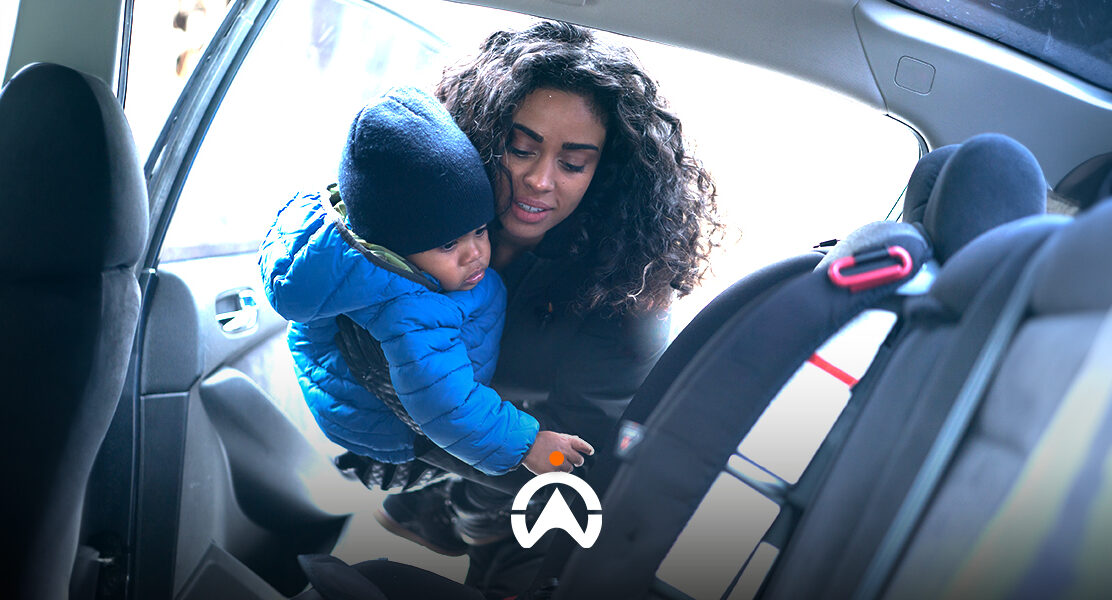
If you have a baby and they are strapped into their car seat when a hijacking happens, it is important to calmly tell the hijackers that you have a baby in the car and need to take them out.
For parents with one child:
Keep your baby’s car seat on the side of the car closest to you. That way, whether you are in the driver’s seat or outside the car, you can reach them instantly and easily.
If your children are old enough, teach them to unbuckle their seat belts for safety and to get out of the vehicle in an emergency. This knowledge can make all the difference during a hijacking, allowing a faster and safer escape.
For parents with two or more children:
Start by unbuckling the child closest to you, then move to the other side for the second child. If they are old enough, encourage them to stay calm and undo their own belts for a quicker exit.
Communication is key. Talk to your children to keep them calm during this stressful situation. Staying calm yourself will keep them calm. Encourage your children to avoid making eye contact with the hijackers and to hold each other’s hands. This will help create a sense of closeness, which can be comforting during such a frightening experience.
Although it is impossible to predict how you will react in such a situation, staying calm and compliant is your best defence for protecting yourself and your children.
Child safety around vehicles
Whether you are setting off on a trip, running errands or simply going about your daily routine, ensuring the safety of your children in and around vehicles is extremely important, not only in hijacking situations.
Here are some practical and valuable tips for safeguarding your child’s safety in the car:
Activate the child safety locks: Activating your vehicle’s child safety locks is a fundamental step in preventing theft and keeping your child safe. It also stops them from interfering with the vehicle’s controls, reducing the chances of accidents or injuries.
Never leave your child alone: the temperature inside a parked car can rise quickly, posing serious threats such as heatstroke. Regardless of how long it is for, never leave your child alone in the vehicle. Always take them with you when you leave the car to ensure their safety.
Stay alert and engaged: While you are out and about with your child, it is vital to stay attentive and engaged. Keep them within your line of sight or that of a trusted adult. By keeping them in view, you will be well equipped to react quickly to potential risks, ensuring their safety. In addition, make sure they memorise your address and phone number, crucial information in emergencies.
Hijacking statistics in Mozambique
According to the quarterly report of the Mozambican Police Service, statistics for the period from 1 April to 30 June 2023 show more than 3000 cars hijacked during these three months.
That amounts to an alarming average of 40 cars stolen every day, with these being the most hijacked vehicles:
Toyota Ractis
2. Toyota cars
3. Mazda Verisa
4. Mazda Demio
Although these are the ones mainly hijacked in Mozambique, bear in mind that criminals continue to target cars regardless of make and model, so always drive safely and courteously on the road.
New hijacking trends you should know about
In a recent podcast, Bobby Petkov, CEO of Mit-Mak Motors, shared insights into some emerging hijacking trends. It is essential to stay informed about these tactics to protect yourself on the road.
The ‘Blocking Method’
Imagine you are stopping for a quick meal at your child’s favourite fast-food restaurant, such as KFC or McDonald’s, and heading for the drive-through. Before you collect your food, the “blocking method” comes into play. The hijackers strategically block your car from the front and from behind, trapping you.
With no escape route, they will approach your vehicle with a weapon, demanding that you get out. With no way of moving your car away at either end, they will take your car and leave you and your child stranded.
The ‘Tap-Tap Trap’ method
In the ‘tap-tap trap method’, the hijackers follow your car closely. They intentionally bump into your vehicle and pretend it was an accident. They will apologise and suggest that you pull over and exchange insurance details. Even if they seem sincere, it is actually a trap. As soon as you stop, they will seize the opportunity and drive off with your car.
The ‘Good Samaritan’
This tactic involves hijackers posing as good Samaritans. They will signal to you, claiming that your tyres look flat or indicating that something is wrong with your car, and advise you to pull over to check. Once you stop, that is when they strike, hijacking your vehicle.
It is crucial to be aware of these tactics and stay vigilant on the road to protect yourself from these emerging hijacking trends.
Steps to follow after being hijackedthe
Contact the Police Service : it is your first point of contact for assistance after a hijacking incident. Reporting the incident to SAPS is essential to start the necessary legal processes and ensure your safety.
Contact roadside assistance services: after a hijacking, you may need to call for immediate roadside assistance or contact your vehicle tracking provider, if you have one. Companies such as Cartrack Mozambique provide crucial help, such as towing, vehicle recovery and emergency services.
Use safety apps: When it comes to ensuring your safety and that of your loved ones on the road, mobile apps such as Cartrack Mozambique’s can make all the difference. Through an installed tracking device, Cartrack Mozambique customers can use a variety of features, such as tracking their vehicle and monitoring its use. In the event of a hijacking, they can alert the authorities and loved ones.
Once you have made sure your child is safe and sent the necessary information to the police, your vehicle tracking provider and your insurer, it is essential to seek help for any trauma you or your child may have suffered.
There are several trauma counselling programmes available to help you deal with the emotional and psychological effects of a hijacking. The South African Depression and Anxiety Group (SADAG), TraumaCall and ER24 are a few examples. These services are provided by experienced specialists and can help people cope with feelings of fear, worry and helplessness.
How Cartrack Mozambique can help increase your safety
Cartrack plays a vital role in increasing safety during vehicle-related emergencies. With a recovery rate of over 90%, Cartrack’s globally recognised solutions help keep your vehicle secure.
Cartrack Mozambique offers a range of services that can help in a hijacking situation. Here are some of the ways:
CarWatch: It is like having your own personal digital car guard. CarWatch is an early warning system that customers can activate at the touch of a button through our mobile app. It notifies Cartrack in advance if your parked vehicle is moved without your knowledge. This allows Cartrack to proactively send a recovery team to increase the chances of recovering the vehicle in the event of theft.
Vehicle tracking: Cartrack’s vehicle tracking system keeps an eye on your vehicle and provides real-time location updates. This is essential for keeping control over your vehicle’s use and movements, and it is useful if Cartrack needs to locate your vehicle in a hijacking situation
Protector: If, unfortunately, you are harmed during a hijacking, Cartrack Mozambique does not only strive to recover your vehicle, but is also there to help keep you safe with our app’s Protector feature, which lets you request medical assistance at the push of a button.
Stolen Vehicle Recovery: If your vehicle is stolen, Cartrack’s specialised Stolen Vehicle Recovery service uses GPS tracking to locate and recover your car quickly. This service can help find and retrieve your vehicle quickly and safely in this stressful situation.
Limited stolen vehicle recovery warranty: If for any reason your vehicle has been stolen and, in the unlikely event that Cartrack cannot recover it, you can claim a refund payment of R150 000 with Cartrack’s Limited Stolen Vehicle Recovery Warranty. Ts&Cs apply, of course.
Specialised vehicle security
With a stolen vehicle recovery rating of over 90% and effective security features, our specialised solutions and reliable services are trusted internationally by more than 1.8 million subscribers. Our team is dedicated to protecting your loved ones and your vehicle.
Contact us today to find out how you can give your vehicle the top-level protection it deserves
Other articles for you
Food Transport Facts and What You Need to Know When Managing Your Fleet
Blogs
11 minute read •
Important facts about food transport in fleet management: keeping perishable goods fresh in transit directly affects your profits — and mixing food loads is a serious mistake. Other facts include the food distribution regulations in force in Mozambique, the challenges of electricity supply and the […]
7 Ways to Increase the Efficiency of Your Construction Fleet
Blogs
12 minute read •
The seven main ways to increase the efficiency of your construction fleet are: Use telematics and GPS tracking to keep everything under control. Keep vehicle maintenance up to date.. Implement a fuel monitoring solution. Offer your drivers ongoing training. Plan better routes between sites. Match the size of the fleet to […]
How to Manage Your Light Commercial Vehicles (LCVs) Effectively with Fleet Management Software
Blogs
12 minute read •
To manage your light commercial vehicles effectively with fleet software, you should invest in a platform that directly addresses the biggest challenges LCVs face. LCV fleets deal with unique vulnerabilities because of their frequent trips. Wear and tear, wasted fuel, unexpected downtime and more are some of the main concerns. LCVs are […]
 South Africa
 Botswana
 Kenya
 Malawi
 Namibia
 Nigeria
 Swaziland
 Tanzania
 Zimbabwe
 Hong Kong
 Indonesia
 Singapore
 Malaysia
 Philippines
 Thailand
 New Zealand
 Vietnam
 Poland
 Portugal
 Spain
 United Arab Emirates

 PT