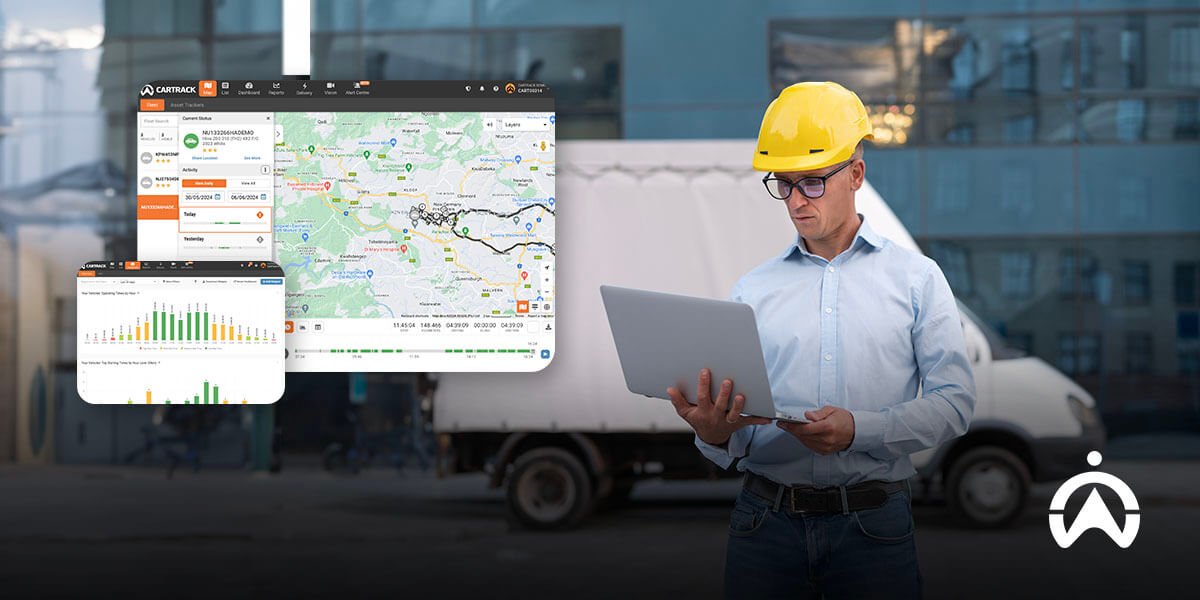
How to prevent fuel theft in your truck fleet

Fuel theft and fraud rates in the road freight sector remain a concern. As a fleet manager, you will never know what drivers do while making deliveries. The only way to be sure is to bring in technology that will give you more information about what is happening inside and outside your vehicle, specifically, your fuel tank.

Today, we will look at anti-fuel-theft tactics you can apply to your fleet.

In this article, you will:

  • See how fuel theft affects the trucking industry
  • Learn the signs of fuel theft
  • Discover how you can prevent fuel theft
  • Get to know the different forms of fuel theft and fraud
  • Discover Cartrack’s fuel monitoring solutions

The impact of fuel theft on road freight transport

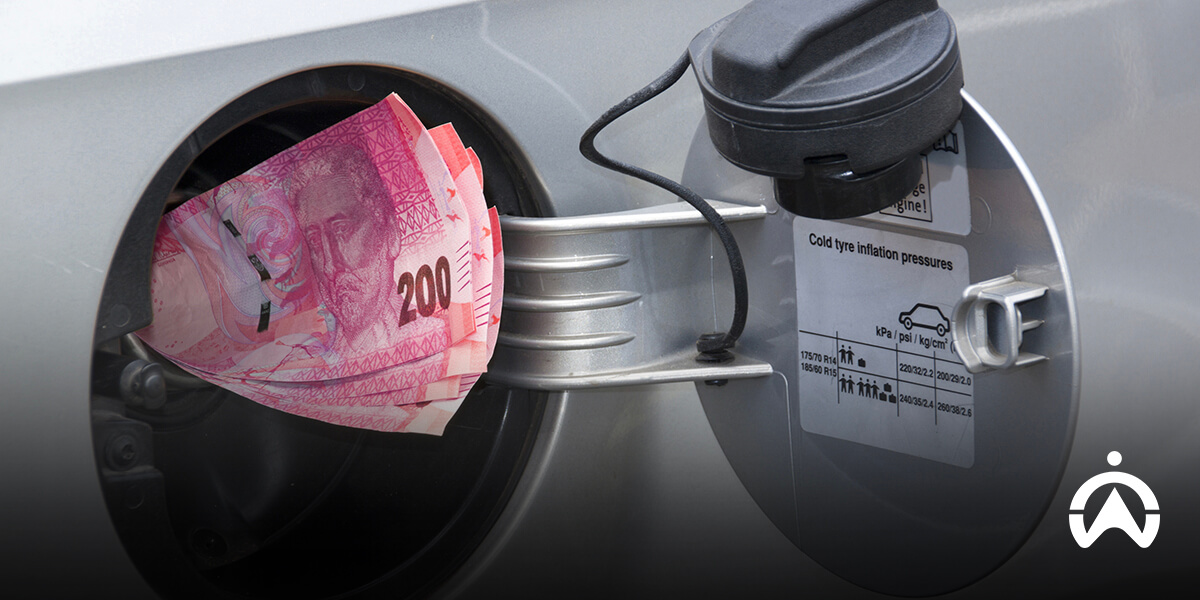
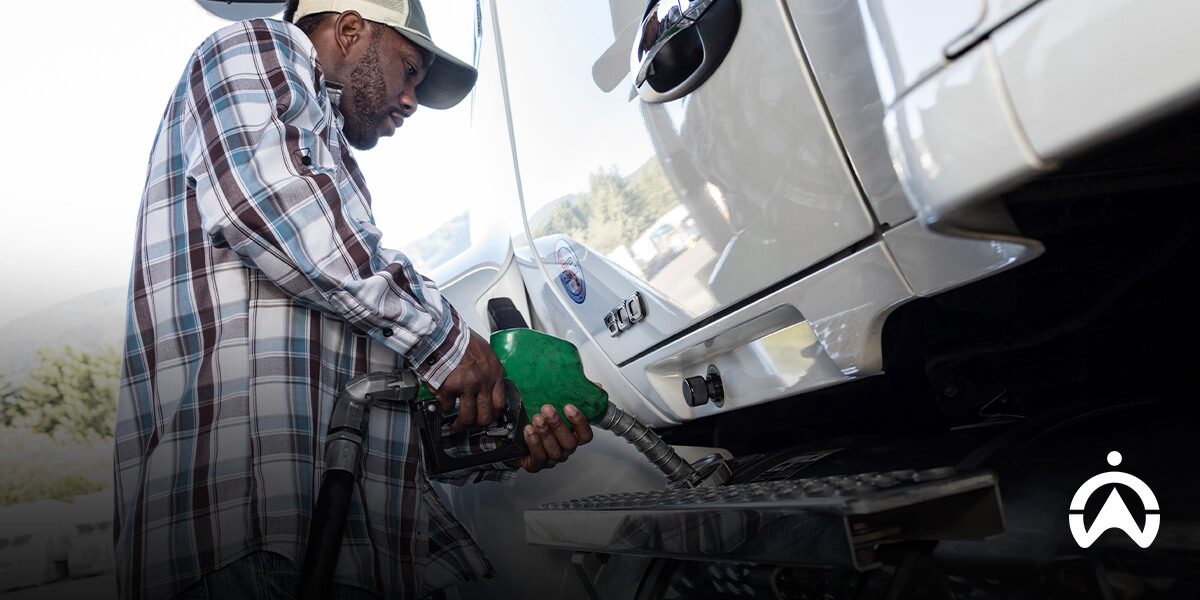
Fuel is one of the biggest and most important fleet operating costs: without fuel there is no business, and the more you pay for it, the less profit you make. That said, fuel theft is a growing concern for many Mozambican fleet companies. It is a criminal offence that many fail to notice. Fleet managers need to investigate why fuel goes missing in the first place, how it is drained and how to prevent it.

Warning signs of fuel theft

  • Frequent refuelling
  • Sudden drops in fuel levels
  • Discrepancies in receipts
  • Fuel charge at an odd location

How to stop and prevent fuel theft in trucks

Now, let’s see how you can prevent fuel theft in your truck fleet:

  • Invest in a smart fuel monitoring system
    The first step in fighting any fuel theft is a fuel monitoring system. A fuel monitoring system helps you manage fuel cards, control consumption, use GPS technology for accurate times and locations, and generate detailed reports. If there is a sudden drop, the transactions do not add up or drivers are not refuelling at a set location, you will be the first to know.
  • Get the best fuel card
    A smart fuel card is essential, as it is the fastest way to track transactions, but make sure you choose a provider with enhanced security features. Do your research and compare the benefits of each provider. Look for cards with PIN protection, transaction limits and real-time monitoring. A good fuel card also offers discounts and has a range of participating fuel stations across the country.
  • Set daily spending limits and require PINs
    In addition to the above, know how many refills a driver will need per trip and how much each refill should cost, then set daily spending limits and make sure each driver has their own PIN.
  • Carry out regular audits
    Carry out periodic checks of fuel receipts, mileage logs and maintenance records so that you can spot any discrepancies, patterns or trends. This can be done by comparing transactions with fuel consumption data. Fuel transactions should be checked by two people so that one person can catch a mistake the other may have missed. Bring in external auditors whenever possible.
  • Anti-fuel-theft device
    Invest in anti-fuel-theft devices such as fuel cap locks, fuel tank alarms and anti-siphon devices. They will prevent thieves from physically getting to the fuel in the tank.
  • Secure your parking area
    Install CCTV and security lighting in your parking area. The area where the trucks park after a shift should have good lighting and surveillance, preferably motion-detection lights. The gates should also be locked at all times.
  • Defensive parking
    All trucks should be parked strategically so as to block access to the fuel tanks. Use other vehicles or solid structures, such as a wall, to block access to the fuel tanks.

  • Train your drivers
    Drivers should know how to handle fuel cards and be aware of the scams going around so that they can always be on the lookout for suspicious people. Training drivers also reinforces accountability.
Know the different types of fuel theft and fraud

Here are some examples of the tricks thieves use to get your fuel:

  • Skimming and cloning: A card skimmer is a device that is placed on top of a card reader to capture the data on a fuel card. The card details are then used to duplicate the card and fill up other vehicles or make purchases at the fuel station. All the charges go to the driver.
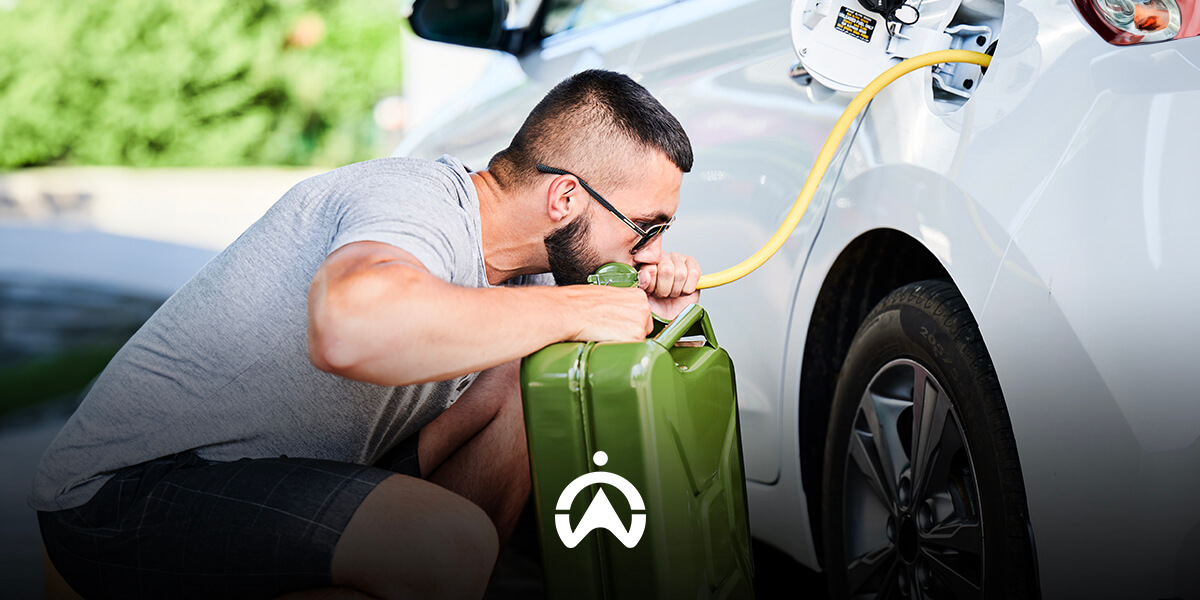
  • Siphoning: Some thieves use their mouth and a hose, or an automatic pump, to drain fuel from the tank into a container. The fuel is then transferred from the container to another vehicle or is sold.
  • Multiple-pump transactions: Some drivers collude with fuel station staff to merge several pump charges into one transaction on the fuel card. The additional pump payments are then shared between them in cash.
  • Neutral driving: this may be shocking, but many truck drivers drive with the transmission in neutral to manipulate fuel use, showing lower consumption per kilometre travelled. This form of fuel theft also increases vehicle wear and tear and can cause accidents.
  • Unrecorded personal trips: in some cases, drivers manipulate fuel records or use company fuel cards for personal vehicles.
  • Odometer tampering: this is when drivers lower, raise or pause the mileage reading on the vehicle. Some old trucks have a simple system that can be easily manipulated, and modern trucks also have some loopholes in their on-board system that allow odometer tampering.

Digitise fuel validations with Cartrack’s fuel management system

Here are some of the features of our all-in-one fuel management system:

  • GPS Tracking
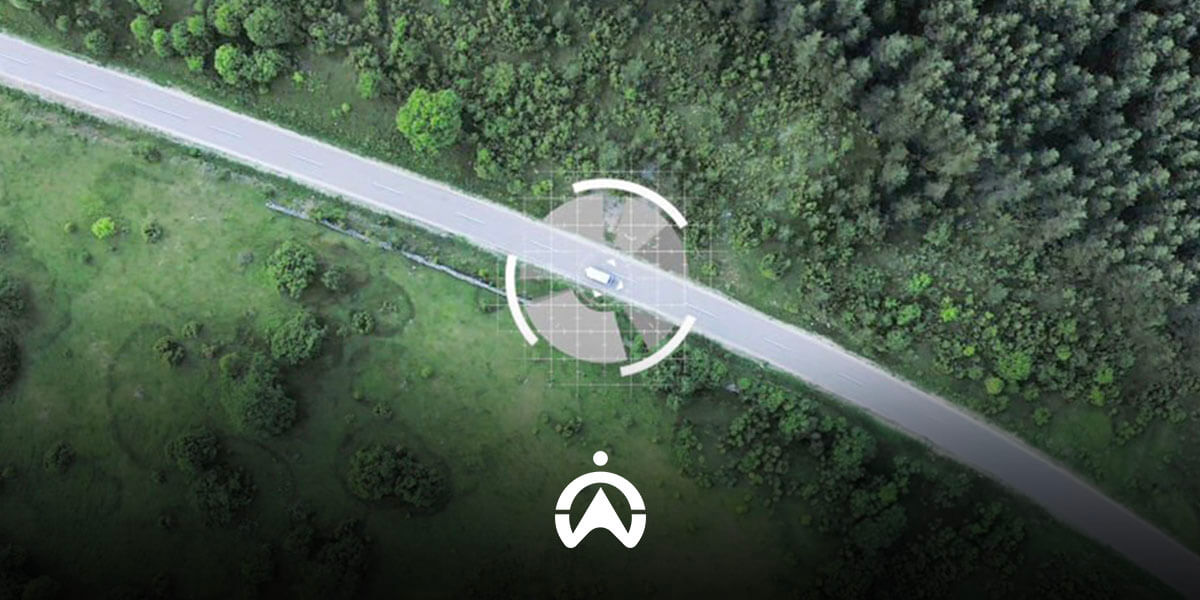
    The first step in fighting theft from your truck fleet is knowing where your trucks are at all times. Cartrack’s GPS tracking technology gives you full visibility of your fleet so that you can spot any detours that may be using up more fuel.

  • MiFleet
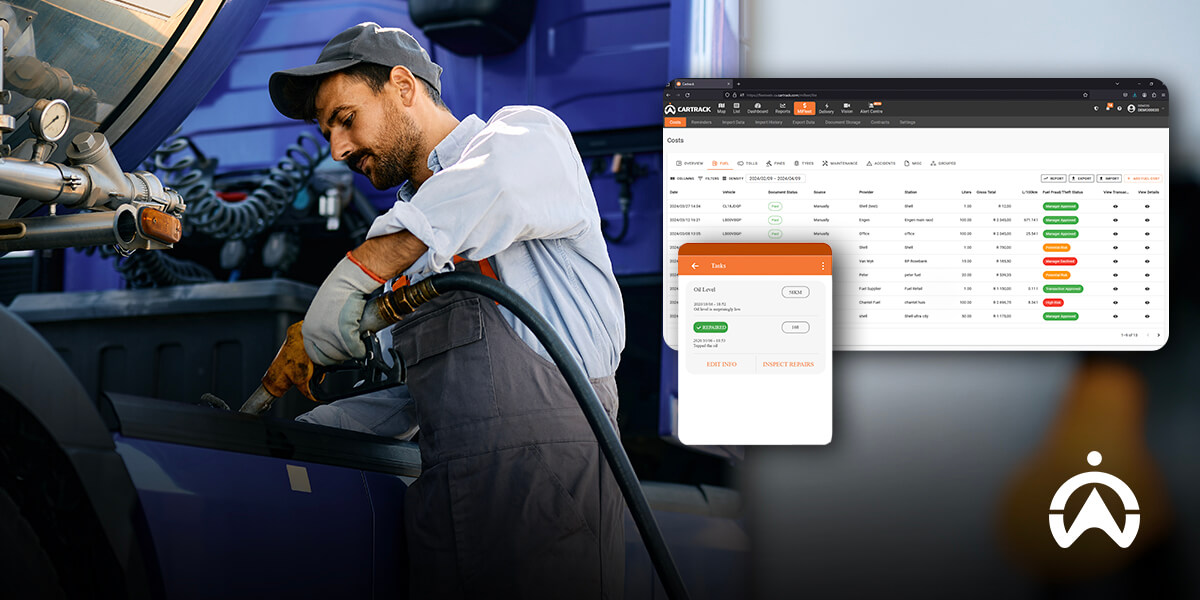
    Let our cost management platform automatically review all your fuel transactions. Mifleet eliminates the manual administration that could take weeks to process. It matches fuel receipts with the vehicle’s telematics data, such as location, litres and tank capacity. You will receive alerts of any suspicious activity, so that you can investigate further and take action.
  • Geofence
    Create a virtual fence around your preferred filling stations so that you receive alerts when your trucks enter or leave them. This ensures that your drivers refuel only at trusted, cost-effective stations that are in line with the set routes. 
  • Fuel probes
    Install a fuel probe: this is an electronic piece of hardware that is placed in your trucks’ fuel tanks and allows fuel levels to be monitored in real time. It ensures highly accurate readings, and if there are sudden drops, which may indicate theft, you will receive an alert and be the first to know. 
  • Driver identification tags
    Know instantly which driver was using which truck through our advanced driver identification tags. This reinforces driver accountability, which means that, should there be any suspicion of fuel theft, drivers will know they will be held responsible. 
  • Fuel reports
    Access detailed reports of refuelling events, such as date, time, location and quantity. Get fuel report charts and fuel efficiency data that compare target ratings with the vehicle category.
Choose the best fuel management software — Cartrack

Our fuel management solution helps you detect fuel theft easily and maintain good fuel consumption levels by providing accurate information about where the leaks are coming from. Contact us today to stop theft and put money back in your pocket.

Take a look at our frequently asked questions for more fuel-related tips

How do you stop fuel theft from trucks?

Invest in fuel monitoring software and install anti-fuel-theft devices such as tank alarms, fuel caps and an anti-siphoning device.

How do you manage fuel for the fleet?

Implement a fuel management system and incorporate telematics, prioritise vehicle maintenance, use fuel cards and keep an eye on transactions, monitor driver behaviour and, finally, train your drivers in fuel-efficient driving habits.

How do you prevent fuel theft?

Make sure your vehicle is parked in a safe place and that the fuel cap is always locked.

How do I monitor the fleet’s fuel consumption?

Invest in GPS telematics such as fuel level sensors, like fuel probes. They will give you accurate readings as well as detailed insights. In addition, telematics also monitors the vehicle’s overall health and driver behaviour, which is also important when you are looking to minimise fuel expenses.

For more details, get in touch with us today.
Fuel Economy vs Fuel Efficiency: How to Really Improve Them in Your Fleet

Every fleet company is looking for ways to improve fuel efficiency, increase fuel-related cost savings and, ultimately, make its fleet go further for less.

But if you are encouraging your drivers to shift into neutral at stops, refuel only on cooler days or warm up their vehicles for better fuel economy and efficiency, then it is time to introduce Cartrack’s fuel monitoring system for data-driven fuel management solutions.

Let us show you how to really improve your fleet’s fuel management.

In this article, you will:

  • Understand the difference between fuel economy and fuel efficiency
  • Explore different ways to improve your fleet’s fuel efficiency and economy
  • Find out more about Cartrack’s fuel monitoring systems
  • Use our step-by-step guide to get a more economical and efficient fleet
  • Get answers to the most frequently asked questions about fuel economy and efficiency

Fuel economy and fuel efficiency explained

Fuel economy and fuel efficiency both relate to how well your vehicle uses fuel, but the difference between them lies in the definition.

Fuel economy measures the efficiency of your vehicle’s engine and fuel directly, using litres per 100 kilometres (L/100KM) or miles per gallon (MPG).

Fuel efficiency, on the other hand, is about how well a vehicle uses energy and consumes fuel based on the engine and other monitored factors, such as driving style, idling habits and speed, vehicle type and other added vehicle technologies.

On a practical level, focusing on improving fuel economy and efficiency is important in fleet management because simple changes to your fuel management can help your business to:

Increase cost savings

Every fuel price increase hits South African drivers and fleet companies hard because prices are adjusted almost monthly based on local and international factors. So, you have to think carefully about your fleet’s fuel economy to keep up with the monthly fuel price adjustments and avoid going over your budget.

By implementing strategies to reduce fuel consumption, you can literally save money on fuel expenses and secure a return on investment from your motorbikes, cars, trucks or machinery.

An improved environmental impact

Fuel efficiency is closely linked to your fleet’s environmental impact. When it comes to fleet businesses, such as companies in the transport and logistics sector, greenhouse gas emissions and pollution are a major concern.

By implementing more fuel-efficient measures to reduce fuel consumption, or choosing to upgrade their fleet vehicles to more economical ones, businesses can also contribute to a more sustainable future.

Maximise driver productivity

Several driver habits can result in unnecessary fuel consumption and lower productivity. A 2021 research study on drivers’ awareness of fuel economy factors showed that drivers underestimated how indicators such as engine speed, idling and driving the vehicle unloaded can affect a vehicle’s fuel use. By prioritising fuel efficiency in your fleet, you can make a big difference to your overall productivity.

By monitoring and improving your fleet’s fuel economy through fleet management, you can encourage drivers to adopt more economical habits, such as reducing idling and speeding.

Improve fleet visibility and management

The right fleet management system makes it easier for your business to track your vehicle’s fuel use litre by litre and improve fuel consumption and overall fuel efficiency. This lets you see where changes can be made to improve your fleet’s fuel economy and run a fuel-efficient fleet.

By introducing a fleet management system, your business gains control over every moving part (and stationary assets such as machinery in your fleet.

Ready to tackle your fleet’s fuel economy and reach maximum fuel efficiency? Check out these five strategies from Cartrack to increase your fleet’s fuel efficiency.

How to increase fuel efficiency: 5 new strategies

There are several benefits to taking on the challenge of building a more economical, fuel-efficient fleet, and our strategies help you make the process easier:

Method no. 1 Implementing fleet telematics and management software

Telematics technology and fleet management software are two essential elements for increasing fuel efficiency. These two smart technologies are the best starting point for any business focused on improving its fleet. With telematics technology, you can track your vehicles and drivers in real time and receive notifications about engine faults or harsh driving events, such as speeding and excessive idling.

This data is captured instantly and made available through a fleet management system such as Cartrack, which helps you manage all your vehicles on one platform and analyse the telematics data of individual vehicles over a period, or your fleet’s overall performance, to identify areas for improvement. Getting this technology can help you identify and deal with the fuel challenges in your fleet.

Cartrack’s telematics and management software

GPS telematics helps you see inefficiencies across the fleet, such as vehicle problems, idling and poor routing, that affect your fleet’s fuel consumption.

  • Telematics GPS tracking: your fleet managers know exactly where your vehicles and machinery are located and gain full visibility of vehicle and driver activity.
  • Cloud-based software: our easy-to-use FleetWeb platform and the Cartrack app are cloud-based, which means your fleet managers can track drivers live, make updates, access various reports, be notified about your fleet and, ultimately, streamline their workflow from anywhere.

Method no. 2 Use a fuel management system

Instead of manually calculating your fleet’s fuel consumption or guessing how economical your vehicles are, getting a fuel management system is a smarter and more accurate way to measure your fleet’s fuel economy and efficiency.

A fuel management system refers to the process of monitoring, managing and improving your fleet’s fuel use and costs. It uses fuel sensor hardware, software products such as telematics and fleet systems, or cost and accounting software, to track fuel use in real time and calculate fuel efficiency using data-driven reports.

The power of Cartrack’s fuel management solutions

Cartrack’s advanced technology helps you identify your vehicle’s needs and the areas for improvement in your fleet. When it comes to fuel management, our telematics technology and fleet management platform, FleetWeb and the Cartrack App, make it easy for you to start investigating your fuel problems

  • Fuel sensors and hardware: with up to three different types of sensor available from Cartrack, you can monitor your fleet’s fuel levels to get a more accurate understanding of your fleet’s fuel consumption and efficiency.
  • Fuel-specific reports and analytics: customise, download and automate fuel-specific reports for different vehicles or vehicle groups over a specific period of time to make data-driven decisions about your fleet’s fuel. Your fleet managers can receive driver notifications about activities that affect your fuel, such as idling and speeding.

Method no. 3 Buy and use fuel-efficient vehicles

A survey by Fleet Advantage revealed that 40.7% of businesses listed improved fuel economy as the big motivating factor for buying new trucks. The advance of new vehicle technology has resulted in a growing number of businesses operating mixed-energy fleets, with electric trucks and hybrid vehicles becoming more popular. Selecting more advanced vehicle engine technology can have a big impact on the efficiency of the fleet as a whole.

Fuel-efficient cars run for longer on less fuel, so introducing fuel-efficient bikes, cars, trucks, machinery or fuel-powered equipment is worth the investment. The South African Automotive Master Plan (SAAM) outlines several incentives to encourage the manufacture of electric vehicles and make it possible for the automotive industry to sell more affordable electric vehicles.

Fuel-efficient vehicles in your business would help reduce fuel consumption and costs, improve your fleet’s sustainability and reduce vehicle downtime. But did you know that this can also give your business a competitive advantage?

Customers love using and working with businesses that care about their environmental impact. Your business will experience the benefits of fuel-efficient vehicles immediately and in the long term.

Cartrack fleet management for sustainability

Our fleet management software helps you manage your mixed-energy fleet and track your fleet’s CO2 emissions so that you can reach your fleet’s sustainability target.

  • Eco-driving report: this unique report highlights your fleet’s effort to reduce its carbon footprint by measuring your drivers’ eco-driving techniques. The eco-driving report is based on your drivers’ vehicle use and calculates kilometres travelled, excessive idling, speeding, vehicle fuel economy and aggressive driving to report on fleet efficiency and environmental impact.
  • Vehicle maintenance history reports: this report provides information on the service and repair history of specific vehicles. Fleet managers can use it as a data-driven approach to vehicle replacement when considering the purchase of more economical vehicles.

Method no. 4 Monitor and improve driver behaviour

Investing in your drivers is just as important as investing in new or used vehicles and trucks. Skilled and motivated drivers are proven to help improve productivity, efficiency and safety for businesses. However, when it comes to fuel efficiency, many businesses miss the chance to get their drivers on board. Tell drivers about the importance of being aware of how their driving and decisions affect fuel consumption.

Monitoring drivers can help you improve your drivers’ bad habits and equip them with the skills to drive your vehicles better. However, other driver activities may be affecting your fleet’s fuel efficiency. For example, fuel-related crimes, such as misuse of your machinery, fuel theft or fuel siphoning, may be behind your fleet’s fuel inefficiency problems. Alternatively, your drivers may often deviate from their route and make stops along the way for personal activities.

If you suspect that other factors may be affecting your fleet’s efficiency, here are some effective solutions from Cartrack.

Driver monitoring for fuel efficiency with Cartrack

Turn things around quickly and take action against the careless driving that is wearing out your vehicles, burning your fuel and reducing your fleet’s fuel efficiency.

  • Driver identification tags: help you monitor drivers while they use company vehicles, so you will know who did what with your vehicles at all times, ensuring accountability in your fleet. Know where your driver starts and ends their trip and identify driver detours. Alternatively, a Cartrack trip summary report can show you all stops, detours and other unusual activity.
  • Cartrack driver scorecards: this is a gamified method of monitoring your driver’s activity on the road. The scorecard rates your driver’s performance and deducts points for harsh driving, such as excessive acceleration, harsh braking and long idling. These scorecards are useful for coaching drivers, helping them understand their own bad driving habits and work on improving them.
  • Driver behaviour reports: a behaviour report provides driver-specific details on harsh braking, speeding, excessive acceleration and idling. With driver behaviour reports, you can identify fuel-inefficient driving habits and train drivers to improve their technique.

Method no. 5 Improve fleet vehicle maintenance

Proper maintenance of vehicles and other engine-powered machinery helps avoid unplanned stoppages and improves your fleet’s fuel efficiency. Regular maintenance can also help maintain optimal fuel economy, ensuring that even your oldest vehicle runs like new.

As fuel efficiency is related to the health of your vehicle, keeping your services and maintenance up to date helps improve your fleet’s fuel efficiency performance. Get ahead of your vehicle maintenance by educating your drivers and fleet team about regular oil changes and tyre pressure checks, for example. Alternatively, pay attention to your real-time telematics data on vehicle health, which reports possible engine problems that could result in expensive repairs and downtime in the future.

Preventive maintenance for fleet fuel efficiency

Our fleet management software helps you keep track of your vehicle and machinery maintenance history, upcoming services and relevant costs with the following tools:

  • Maintenance reminders: schedule your vehicle’s maintenance and detail the type of service. Alternatively, based on hours of use and information about the previous service, our software notifies you of the next service for each of your vehicles and saves you the headaches.
  • Cartrack’s MiFleet: the cost management and accounting software helps you keep track of your vehicle’s maintenance schedule and manage the costs of repairs, towing, services, tyre changes and much more. That way, you don’t fall behind on your fleet’s maintenance or lose track of the cost of maintaining your vehicle.

Improve your fleet’s fuel economy and efficiency with Cartrack

Telematics-based fuel solutions can really help you improve your fleet’s fuel economy. They are designed to make it easier to achieve fuel efficiency, whatever your vehicle or engine type.

Contact us for a demonstration of our fuel monitoring system.

Fuel economy and efficiency – big frequently asked questions

We like to keep things short and to the point! If you have more questions, here are some frequently asked questions about fuel economy and efficiency that we put together especially for you.

1. How do you increase fleet efficiency?

Here are nine tried-and-tested solutions from Cartrack that help businesses improve the efficiency of their fleets:

  • Real-time fleet monitoring
  • Implementing fleet management software
  • Monitoring driver performance and improving productivity
  • Improving communication within your team
  • Using route optimisation
  • Regular asset maintenance
  • Eliminating empty miles
  • Data-driven insights for fleet reporting

2. How can we improve fuel economy?

Businesses can improve fuel economy:

  • Using fuel monitoring systems
  • Keeping up with the maintenance and servicing of their vehicles
  • Using more efficient vehicles
  • Monitoring driver behaviour

3. How can we improve fuel efficiency?

For individuals, there are a few methods for improving fuel efficiency:

  • Avoid constant and excessive speeding
  • Regular vehicle maintenance
  • Be aware of unnecessary idling

4. What is the key to achieving better fuel economy?

Telematics-based fuel monitoring solutions are the key to achieving better fuel economy. They make it easier to change, monitor and, ultimately, improve your fleet’s fuel practices.

Improve your fleet’s fuel economy and efficiency with Cartrack

Telematics-based fuel solutions can really help you improve your fleet’s fuel economy. They are designed to make it easy to achieve fuel efficiency, whatever your vehicle or engine type.

Contact us for a demonstration of our fuel monitoring system.

Vehicle tracking at its best, 24 hours a day, 7 days a week – the complete solution

Whether your vehicles are used in your business to transport materials or carry out services in the field, or are mainly used for personal trips and daily commutes, you want to make sure they are always protected, no matter what they are used for.

Although not all roads lead to Rome, all advanced security and fleet management methods will lead you back to vehicle tracking. So let’s dig deeper to see exactly how this essential technology works.

In this article, you will:

  • Discover the importance of advanced vehicle tracking for businesses and individuals
  • Understand the technology behind vehicle tracking
  • Learn why vehicle tracking services are essential for businesses
  • Find out how Cartrack stands out in the vehicle tracking sector
  • Read a case study on how Cartrack’s technology benefited a business

Advanced vehicle tracking: essential for businesses and individuals

Various sectors use vehicle tracking tools to track the location of their vehicles while they are on the road. From hospitals monitoring their ambulances to security companies tracking their patrol vehicles, this small device plays an important role in making sure that schedules are followed, vehicles are protected, tasks are completed, drivers’ working hours are tracked and much more.

Private vehicle owners will also be happy to know that GPS technology is not reserved only for businesses and their fleets, but also has some solid pros for them.

While businesses use this technology more extensively to improve their fleet and streamline operations, everyday drivers use vehicle tracking more to always know the whereabouts of their vehicles, to keep their loved ones safe and to have peace of mind about the security of their vehicles.

The technology behind vehicle tracking

Like many of the connected IoT gadgets we use, including smartphones and connected cars, vehicle tracking technology is powered by telematics technology, a global positioning system (GPS), a cellular network or radio frequency signals, and ground stations to work and track assets, vehicles and people in real time.

Use the GPS network of satellites orbiting the Earth to determine the positioning of receivers such as tracking units and pinpoint the exact geolocation of your assets.

Together with telematics technology, you can receive detailed information such as:

  • Distance travelled
  • Trip history
  • Travel speed
  • Mileage
  • Vehicle status
  • Date and time

This data is transmitted using a cellular or wireless network to a cloud-based platform, where the end user (fleet manager, business owner or everyday driver) can access it on any communication device (mobile phone, tablet or laptop) by visiting a website or installing an app.

Why your business needs vehicle tracking services in Mozambique

Let’s be honest: losing one of your vehicles or machines to theft or asset downtime is a big blow to your operations and costs. As vehicle theft is a major concern in Mozambique, business owners need to consider the security of their mobile assets and invest in solutions that protect them before it is too late.

A tracking service gives fleet managers the peace of mind they need to drive operations, optimise fleet management, enhance fleet management and much more.

Here are some reasons why your business needs vehicle tracking that you cannot ignore.

1. Security and theft prevention

As vehicle theft is one of the biggest challenges for businesses, vehicle tracking technology and stolen vehicle recovery services are features that can be very attractive to businesses. Vehicle tracking services provide an additional security measure by enabling a fast recovery in the event of theft.

Unfortunately, if you find that your vehicles are not where you last parked them, the ability to track them may not be enough. Fleet owners need proactive steps, such as tracking and recovery services for their assets.

In the long term, a stolen vehicle can cost the business more than buying a new vehicle, with:

  • Higher insurance premiums
  • Profits lost due to unavailable vehicles
  • The cost of buying a new vehicle
  • The cost of hiring another vehicle to take over the stolen vehicle’s activities

2. Fleet management

Vehicle tracking makes managing a fleet much easier. By knowing the location of their mobile assets, managers can monitor vehicle use, monitor driver behaviour, optimise routes efficiently and reduce travel time for better fuel efficiency.

This is a big benefit for fleets that operate in logistics. With vehicle tracking, they can reroute deliveries based on traffic conditions or other obstructions and keep to the schedule, making sure no time is lost to delays and keeping deliveries on time.

3. Improved driver safety

Driver safety and well-being are also top concerns. Vehicle tracking systems can monitor driving patterns and behaviours, informing managers about problems that need monitoring, such as speeding, abrupt acceleration from a complete stop, harsh braking and sharp cornering.

Managers can focus their driver training on these areas of concern and reduce the risk of accidents, ensuring the safety of their drivers and other drivers on the road. This can be most useful for fleets that spend most of their time on the road, such as transport companies, promoting a culture of safety within the fleet.

4. Reduced insurance premiums

Besides the additional security these devices offer, insurers use them to offer drivers and businesses attractive incentives.

Insurers offer lower premiums to individual drivers and businesses that have vehicle tracking devices installed in their vehicles, as this shows a proactive approach to risk management and a commitment to keeping their vehicle safe, as they offer a greater chance of recovery if it is stolen, which is good news for them, as they will not have to pay out.

5. Higher productivity

Without having to check your fleet’s whereabouts, you have more time to focus on other aspects of fleet management, increasing overall productivity. Real-time updates on the fleet’s location allow more accurate scheduling and faster response times to customers.

For a delivery company to be able to provide ETAs on its scheduled deliveries, it needs vehicle tracking technology showing the vehicle’s location, travel speed and distance. This lets it update the delivery status to a T and manage customer expectations efficiently, ensuring a satisfying service.

6. Greater visibility

No more overusing some vehicles while others are left underused. Vehicle tracking improves fleet visibility and provides better control and management of your fleet’s activities. This allows informed decision-making, balanced use of the vehicles in your fleet and up-to-date maintenance needs.

A business such as a car rental company can use this feature to keep control of the use of its vehicles to prevent misuse and ensure timely returns and healthy vehicles to rent out.

7. Compliance

Being informed about vehicle use, vehicle health and drivers’ working hours helps the business comply with South Africa’s transport regulations and avoid penalties or fines.

A missed maintenance appointment can leave a vehicle vulnerable to possible breakdowns or accidents, or even make it unroadworthy. Without keeping track of working hours, you may overwork your drivers by a few hours. Both of these things would make you non-compliant with the set rules and regulations. Vehicle tracking can save you from these scenarios and the expensive fines that can pile up.

There is more to vehicle tracking than meets the eye. Incorporating vehicle tracking services into your operations can greatly optimise your fleet, increase efficiency and deliver cost savings, making them a jack-of-all-trades technology (and master of all) that is invaluable to any business with a fleet.

Discover the power of Cartrack’s versatile technology by learning more about our smart fleet management solutions

Beyond vehicle tracking: What other features make this technology the complete solution for fleet management?

Simply being able to see the status and location of your vehicles in real time is a big win, but that is not where it ends. The technology has evolved over the years to now offer business and fleet owners a much greater return on investment.

Fleet managers now have the technology to see not only the whereabouts of their vehicles, but also their fuel consumption rates, maintenance needs, safety and health, and overall vehicle performance.

1. Fuel management

Although vehicle tracking can tell you how much fuel is being consumed per trip, Cartrack and its fleet management solutions can go a little further, providing real-time fuel readings with its fuel sensors and mileage with CANBus integration.

Combined with our MiFleet cost management tool, you can track your fleet’s fuel consumption rate, ensure early detection of fuel fraud and better manage how much your fleet spends on fuel, by matching fuel receipts with filling locations, timestamps and fuel card transactions.

All of this helps you get a clearer picture of your fleet’s fuel economy and budget.

2.Route planning and optimisation

If your fleet is always overloaded with orders or deliveries scheduled for various places around the city, and they waste time and fuel struggling to reach every location on time, then Cartrack Delivery can help.

This task management tool makes it easy to manage your field service or delivery operations properly. Plan your fleet’s routes and order jobs efficiently to streamline each driver’s shift. Make sure your drivers follow protocol with a digital quality control checklist that includes a customer signature as proof of job completion. Combined, these tools help reduce travel time and fuel consumption while increasing customer satisfaction.

3. Driver behaviour monitoring

Monitor your driver’s actions and driving habits on the road and encourage safe and economical driving habits. With vehicle tracking and Cartrack, fleet managers can use trip reports to see how often their drivers engage in risky driving behaviours, such as harsh cornering, braking, speeding or excessive RPMs, and use the driver-specific data for more effective training.

4. Fleet maintenance scheduling

When running a fleet, you can easily lose track of which vehicles need servicing, which need minor repairs and which parts need replacing. Vehicle tracking can provide automated reminders for the regular maintenance of all your vehicles.

For a more hands-on approach, you can use Cartrack’s preventive maintenance and start carrying out maintenance checks regularly to detect and stop problems before they grow, become expensive and cause breakdowns that lead to vehicle downtime.

All the essential features a manager needs to run their fleet efficiently, all on one Cartrack platform.

Cartrack: the complete vehicle tracking solution in Mozambique

It seems there are as many vehicle tracking companies as there are vehicles. Drivers have plenty of options when it comes to companies that can provide this service. How does Cartrack stand out?

Cartrack is a leading provider of vehicle tracking technology and fleet management solutions. We have an impressive stolen vehicle recovery rate of more than 90%, one of the highest in Mozambique, and we were voted the most trusted vehicle tracking company on HelloPeter.

Cartrack provides more than just the location of your vehicle. We have various fleet management solutions that use vehicle tracking data to help improve and optimise any fleet.

  • Smart cameras
  • Alerts
  • Reports
  • MiFleet
  • Delivery
  • Preventive maintenance

Individual drivers are also catered for with premium vehicle security features and service to make sure their precious four-wheeled asset is always safe, whether parked in the garage or at the roadside:

  • Control room assistance 24 hours a day, 7 days a week
  • Skilled recovery agents on the ground and in the air
  • CarWatch
  • GeoFence

Take control with vehicle tracking solutions 24 hours a day, 7 days a week

Experience premium vehicle tracking at an affordable price and have peace of mind about the security of your vehicle(s). We offer free installation of the vehicle tracking device, no matter the number of vehicles, and we come to you for your convenience.

Get in touch with Cartrack and get started today.