How to Prevent Your Motorcycle Riders from Being Involved in Accidents

To prevent accidents among motorcycle riders, you need to tackle careless riding habits and put effective strategies in place to improve the safety of riders and of businesses in the sector. Motorcycle riders are among the most vulnerable on the roads, as they are far more exposed and at risk than the driver of an ordinary car.

In Mozambique, motorcycle riders account for a substantially high number of accidents and deaths, despite making up around 2% of all registered vehicles. Road accidents remain one of the leading causes of death worldwide, with motorcycle riders and other vulnerable road users accounting for a significant share of these fatalities.

For fleet managers like you, there is a clear need for a safety strategy and smart technology that anticipates risks, rather than only reacting to them. In this blog, we’ll look at useful steps and management techniques, as well as the role of the fleet visibility tools offered by Cartrack Mozambique, which can help your business achieve its daily safety goals.

Key takeaways:

  • Motorcycle riders face greater risks on the road, so fleets need robust safety systems that prevent accidents early
  • Spotting risky riding habits early helps managers act quickly and avoid serious accidents later
  • Safer routes, regular training and clear accountability reduce pressure and improve rider behaviour
  • Data and real-time visibility help fleets move from reacting to accidents to preventing them before they happen

Practical ways to reduce motorcycle accidents in your business

Practical ways to reduce motorcycle accidents in your business include improving rider awareness and accountability, managing risks and identifying risky riding patterns. Dealing with the problems of carelessness and accidents requires a careful, consistent and gradual approach that solves small problems before they become big ones.

Identify unsafe riding patterns early

Identify the dangerous riding habits that keep recurring, including behaviours such as constant speeding and hard cornering. Stopping these habits right at the start, especially when they become a pattern, lets you take proactive steps to avoid costly consequences.

It’s better to act immediately and potentially save time and money than to deal with the chaotic aftermath of an accident later.

Increase rider awareness and accountability

The most important thing is to approach corrective conversations and dialogue with coaching, not punishment. This encourages better, more constructive growth among riders and prompts them to adopt safer riding habits quickly. With recorded events and insights, you can also easily back up your coaching efforts.
The key to maintaining safer habits is to hold regular check-ins and follow-up sessions when needed.

Manage risk through smarter route planning

A Smarter route planning means preparing routes that avoid congestion, high accident-risk zones and dangerous areas wherever possible, to keep riders safe. This also eases the pressure of urgent deliveries, allowing riders to stay realistic and prioritise safety without sacrificing efficiency.

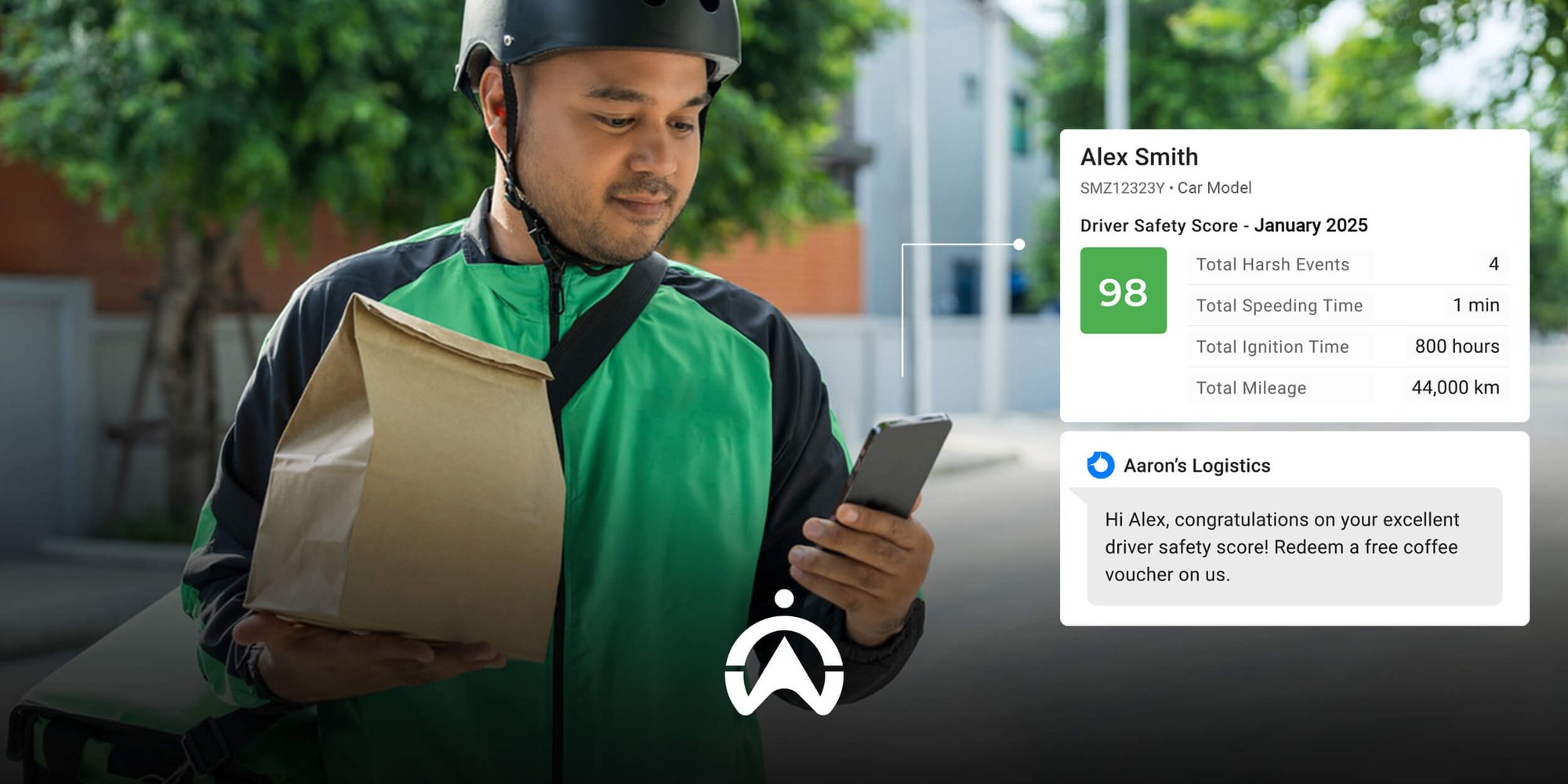
motorbike driver doing deliveries

Why are motorcycle riders at greater risk of accidents?

Motorcycle riders are at greater risk of accidents because of the demands of their work and their generally limited visibility on the roads. Drivers of other vehicles may not notice motorcycle riders on the road or in traffic, which can lead to collisions or right-of-way violations. In addition, the pressure to make deliveries on time tends to increase dangerous riding habits.

These are some of the specific risk factors:

  • Not being visible to other road users: Motorcycle riders are generally harder to see, especially as they ride smaller vehicles and can get caught in blind spots.
    ‍
  • Lack of physical protection: Motorcycle riders don’t really have much physical protection, particularly for the body. This means that even the smallest accidents can cause significant harm.
    ‍
  • Urban delivery pressure and time constraints:The pressure to deliver on time, combined with congested routes, leads riders to feel they have to take risks while out on the road.

What are the most common causes of motorcycle accidents in fleets?

The most common causes of motorcycle accidents include factors such as limited visibility and distracted riding.

Here are some of the most frequent explanations:

  • Speeding and aggressive manoeuvres: This is the result of the pressure to meet delivery deadlines, live up to customers’ expectations and weave aggressively through heavy traffic.
    ‍
  • Poor hazard anticipation: This is due to blind spots and complex areas with a high risk of accidents, such as four-way intersections.
    ‍
  • Distraction and fatigue: This is because motorcycle riders generally work long hours; this factor, together with the intense pressure to deliver results and satisfy customers’ growing demands, can lead to dangerous incidents.
    ‍
  • Poor route planning and unsafe delivery zones: These are the main factors that lead to motorcycle riders finding themselves in very high-risk zones and situations.

How does defensive riding apply to motorcycle riders?

Defensive riding for motorcycle riders is about staying alert at all times. Riders should make sure others see them and anticipate potential risks by watching the road ahead, positioning themselves correctly in the lane and keeping a safe distance. Defensive riding for motorcycle riders is a unique strategy, as a two-wheeled vehicle requires specific knowledge.

These concepts include:

  • Space and escape routes: It’s always important for the rider to keep a gap of 3 to 6 seconds from the vehicle travelling in front. A good tip is to pick a fixed object and start counting when the car in front passes it. If the rider reaches that object in less than 3 seconds, they are too close or going too fast.
    ‍
  • Anticipating other drivers’ blind spots: Motorcycle riders should always assume that other drivers can’t see them clearly, especially as they generally get caught in vehicle drivers’ blind spots.
    ‍
  • Reading traffic ahead: As with the first point, this is about the importance of riders staying attentive and alert on the road. It’s essential that they slow down on bends or when changing lanes and avoid sudden movements to ensure their own safety and that of other drivers.

The safety triangle for motorcycle riders: rider, route and real-time visibility

The motorcycle safety triangle is based on three interlinked factors: rider, route and real-time visibility. The likelihood of an accident increases when one of these factors fails. Motorcycle fleets that combine these three factors ultimately move from reactive incident management to a preventive safety strategy, reducing the chances of accidents on the road.

Safety should be a dynamic, constantly evolving system that adds value to your business and your customers, not a one-off session that doesn’t keep pace with your growth.

Let’s take a look:

  1. Rider: behaviour, skills and decisions
    Motorcycle riders are the biggest unpredictable factor when it comes to safety. Everything depends on their attention, reaction time and ability to keep a cool head in an emergency. The key for riders is to eliminate bad riding habits from the start. As a fleet manager, always focus on guiding with kindness rather than imposing harsh punishments.
    ‍
  1. Route: exposure to risk on the road
    At the end of the day, it doesn’t matter how safe and skilled your riders are if the routes they use aren’t optimised for safety and efficiency. The risks present, including blind spots, congestion and the pressure to meet deadlines, are factors that increase the likelihood of an accident happening.
    ‍
    Planning and optimising routes carefully
    improves overall safety, keeping your riders much safer and helping them make better, more sensible decisions throughout the day.
    ‍
  1. Real-time visibility: the view that connects everything
    Consistent, live visibility brings rider behaviour together with route risk, creating a simple, controllable system. Thanks to rider behaviour insights and pattern data, you can identify patterns and problems early and step in before they get worse. It’s about ensuring fair accountability and offering informed support, not managing everything from the top down.

How technology helps prevent accidents before they happen

Technology helps prevent accidents before they happen by giving you, the fleet manager, the ability to monitor carefully and gather information on rider behaviour. This comprehensive information lets you put preventive measures in place long before accidents occur, protecting your riders rather than dealing with the consequences of an unfortunate and dangerous event.

Technology contributes significantly to a safer environment, rather than creating a heavy-handed policing tool. Real-time GPS tracking capabilities not only let you see the location of each motorcycle and rider at any time, they also help with optimising routes and reassigning tasks if needed. Decisions are made instantly, without pressure or uncertainty.

As mentioned earlier, driver monitoring capabilities provide the context needed for rider behaviour. Repeated dangerous habits can be corrected quickly through training and coaching, before they turn into something potentially fatal.

The Compliance mechanisms can also contribute to prevention, providing reliable information for investigations or disputes with insurers. They also promote a culture in which safety expectations are clear and continually respected.
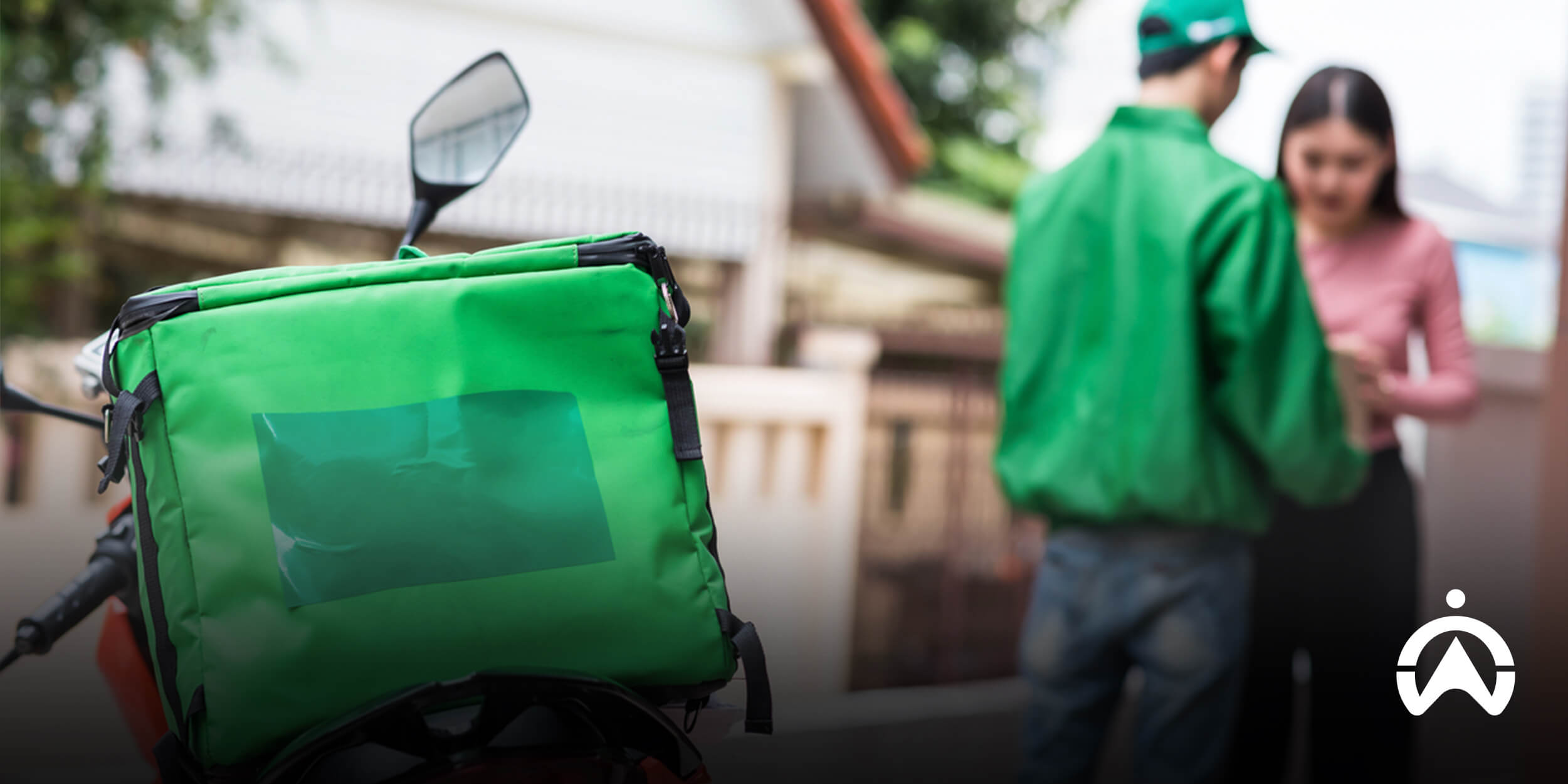
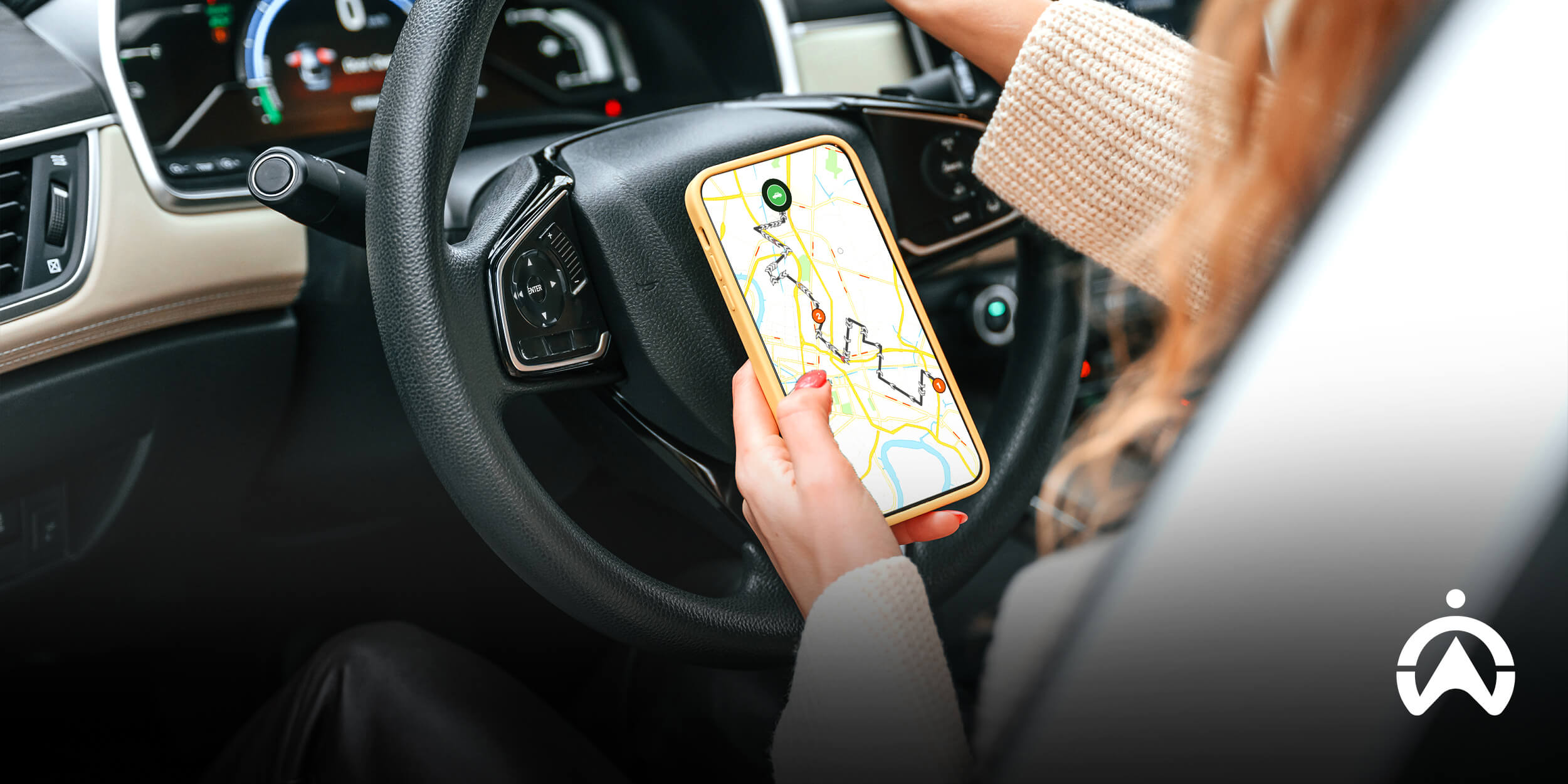
motorbike driver ensuring timely deliveries with Cartrack route optimisation software

Rider safety without data vs. rider safety with data

When you compare motorcycle safety without data to safety with data, it becomes clear that data is the key to achieving ideal safety, especially from a preventive point of view. Without data, you’re left in the dark, relying only on what you see and learn after a dangerous incident has already happened.

See the comparison below to better understand how each approach differs:

Safety approach Without data With data
Risk visibility Blind spots, guesswork and complaints after incidents Real-time information on rider behaviour and road conditions
Rider habits Unknown until something goes wrong Early alerts for speeding, harsh braking and other risky patterns
Intervention Reactive discipline after an accident Preventive training and improvements before incidents
Route planning Manual planning and greater exposure to congestion and danger zones Smart routing avoids dangerous areas and delivery pressure
Insurance and liability Limited evidence in disputes or claims Digital evidence, incident reconstruction and a stronger defence

How Cartrack contributes to safer motorcycle fleets

Cartrack contributes to safer motorcycle fleets, offering the right technology and tools to make sure safety is improved and maintained. We gather the necessary information, interpreting it and turning it into measurable feedback so that you can gain more effective control of your whole fleet.

Our driver behaviour tools show how your riders behave on the roads, monitoring their habits and where they ride. This means you can follow their movements (and check whether they are entering and leaving high-risk areas), as well as see whether they are riding aggressively. This encourages honest, fact-based conversations, promoting safer habits without assumptions.

Our insights into routes and their potential risks help your fleets reduce unnecessary exposure. By detecting congested areas, high-risk areas and unsuitable routes, Cartrack can ease the pressure on your couriers and help them avoid accident-prone areas.

Finally, our comprehensive reports bring the data together in a simple, easy-to-understand format. Clear information lets you make better, more informed decisions, and backs up any changes and training methods you introduce in future. And if an incident does occur, you’ll have the correct, accurate documentation to support insurance claims and investigations.

Through Cartrack, you can cultivate a working environment that embraces a safety culture that supports your riders, avoiding strict control and micromanagement.

Final takeaway: Safety is a system, not a single rule

Preventing motorcycle accidents doesn’t mean putting all your effort into a single strategy and relying on a single policy. It involves the right behaviour from riders, careful planning by managers and full visibility — all working together every day. With these multiple factors combined, risks will be identified earlier and the number of accidents will fall significantly.

Cartrack promotes safer, more responsible motorcycle operations, giving businesses information that helps them stay in control without the need for micromanagement. The result of this approach is a fleet that operates more safely and efficiently, and with greater accountability for both riders and managers.

Build a safer motorcycle fleet for your business. Speak to our team and start reducing the risks for riders with proactive monitoring and alerts.

FAQs

Who is at fault in most motorcycle accidents?

It depends and generally varies, but in most motorcycle accidents, other drivers are often at fault, simply because they generally can’t see motorcycle riders in their blind spots. That’s why it’s important for riders to make themselves visible to other drivers and to follow the 3 to 6 second rule.

Can telematics reduce insurance costs for motorcycle fleets?

Yes, telematics can reduce insurance costs for motorcycle fleets, by providing data that supports risk management and offers accurate information for reporting. Insurers generally favour fleets that demonstrate accountability and compliance with safety standards. However, a reduction in insurance is not guaranteed, so it’s always important to check with your insurer.

What is the biggest mistake businesses make when trying to improve rider safety?

The biggest mistake businesses make when trying to improve motorcycle safety is treating safety as a single, one-off task. Safety is an ongoing commitment that extends over time. Skills can fade with time, which is why riders should refresh their knowledge often and take every opportunity to practise all the safety measures.
Get a GPS Tracker with a Camera for Your Car Today

If you own a car in Mozambique, you should fit a GPS tracker with a camera to your vehicle today! With high crime rates, we all worry about the safety of our cars when we park them at the shopping centre, at a friend’s house or even on the trip to work.

That’s exactly why more and more Mozambicans are choosing a GPS tracker with a camera. It shows you not only where your car is, but also what is happening in and around it. With reliable options such as Cartrack’s real-time GPS tracking, the peace of mind you’ll have is unmatched.

Key takeaways:

  • GPS trackers with cameras give South Africans real-time visibility and greater protection for their vehicles
  • Cartrack Mozambique offers Live Vision video, fast recovery and accurate tracking
  • Camera footage helps settle insurance claims quickly and fairly
  • Fitting a tracking camera increases safety for you, your family and your car

A GPS tracker helps, but a camera makes all the difference

A GPS tracker pinpoints your car’s location, making fast recovery and real-time monitoring easier. By adding a camera, you can see exactly what is happening in and around your vehicle. This extra view increases security, provides evidence, helps with insurance claims and brings peace of mind in risky situations.

What to look for when buying a GPS device with a camera

When buying a device with GPS and a camera, the most important factor to consider is reliability. You need a tracker that updates quickly, connects consistently and gives accurate information whenever you check your phone. Delays or weak signals can make all the difference in an emergency.

The camera itself needs to be high quality, with good resolution, night vision and a wide field of view so that it can capture as much detail as possible. These features help clearly identify faces, number plates and actions that may show who tampered with your car.

Reliable storage is another key feature. Some devices store recordings on SD cards, while others offer cloud backups. Cloud storage is ideal because the recordings stay safe even if the device is removed or damaged. This ensures you won’t lose important evidence when you need it most.

Mozambique can present specific connectivity challenges, so the device needs to work well with local mobile networks. A reliable provider like Cartrack ensures a strong, consistent signal for accurate real-time tracking, in both urban and rural areas.

We also recommend having your device installed by a professional, to ensure discreet positioning and tamper-proof wiring. When it is installed correctly, thieves are much less likely to detect or disable it, which means you’ll enjoy better protection and functionality in the long term.

Checklist for choosing the right tracker

  • Real-time GPS tracking
  • High-resolution camera with night vision
  • Tamper alerts
  • Cloud or high-capacity storage
  • Reliable mobile app
  • Robust network connectivity
  • Professional installation
  • Local support and monitoring

The advantages of combining a GPS tracker with a camera

The biggest and most immediate benefit a GPS tracker with a camera offers is peace of mind. With a combined GPS and surveillance system, you’ll always know where your car is and what is going on around it. That alone can greatly reduce stress, especially when you depend on your car every day.

One big advantage is theft deterrence. Many criminals will think twice before stealing a car with a camera, as they don’t want to be caught on camera. For those who take the risk anyway, you’ll have recorded footage to help with recovering the vehicle.

So, if the worst happens and your car is stolen, you’ll have tracking and video evidence to help the police or recovery teams act quickly. With services like those from Cartrack, you have dedicated support 24 hours a day, 7 days a week, which significantly increases your chances of recovering your vehicle.

Another benefit is the long-term financial saving it provides. By preventing theft, reducing insurance paperwork and increasing the chances of recovery, the tracker pays for itself. It’s an investment that saves money, time and stress over the years.

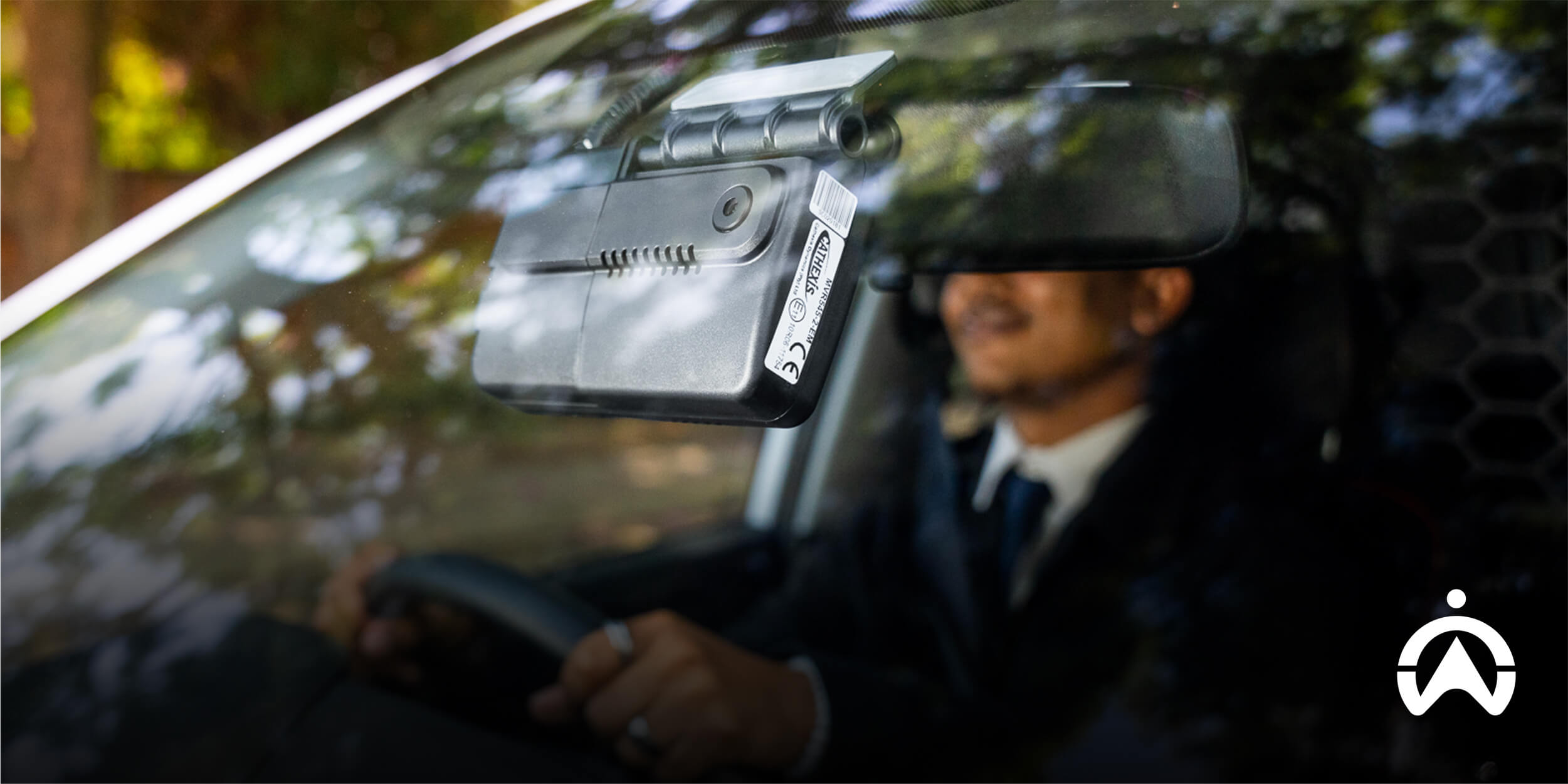
A driver in a suit holds the steering wheel, with camera with GPS tracker mounted on the windshield capturing the view ahead.

Why choosing a reliable provider matters

Choosing a trusted provider matters, as a poorly assembled device or an unstable platform will fail just when you need them most. Ultimately, you should choose a provider you can trust because, in reality, the quality of your tracking and your camera depends heavily on the reliability of the service.

Cartrack has earned its reputation for reliable real-time GPS tracking, tamper alerts, high availability and an intuitive mobile app, developed especially for the South African market. Our system is designed to cope with fluctuations in the local network, weather conditions and real-world security challenges.

Professional support is also essential. With Cartrack, in addition to the device itself, you have access to trained installation technicians, customer support 24 hours a day, 7 days a week, and even a team dedicated to stolen vehicle recovery. The combination of all these services offers more protection than buying a device from an online shop.

Make sure you ask about the technology each provider uses, from the installation process and response times to recovery rates and whether they offer cloud storage. The more transparent they are, the more confident you’ll be in your choice.

A trusted provider doesn’t just sell a device; it sells reliability, protection and support. That’s why investing in the right partner, such as Cartrack, makes all the difference.

The reality of car theft in Mozambique

The sad reality of car theft in Mozambique is that thousands of vehicle owners face this problem every year. It doesn’t matter whether you’re in Maputo, Inhambane, Beira, Nampula or any province of the country; the risk of theft is high and unpredictable.

Thieves don’t only act at night; car thefts, break-ins and hijackings can happen at any time of day. They are becoming more organised and bolder, targeting busy shopping centres, public car parks and even gated communities. It’s no longer enough just to lock the doors or set the alarm.

Another point is that losing your car has a huge emotional impact, especially when it affects your ability to get to work, school or other important commitments. And when you take into account the financial burden of extra payments, insurance delays and unexpected transport costs, it becomes clear why extra security is essential.

The impact of car theft lingers long after the incident. You can spend days or weeks trying to recover your vehicle, redo the paperwork or deal with disputes with the insurer. Nobody wants to waste their valuable time and energy when a reliable tracking solution could have prevented the loss in the first place.

Typical use cases in a Mozambican context

1. Daily commuters

If you’re the kind of person who parks in busy areas, in the city centre or in the underground car parks of commercial buildings, you probably know how unpredictable these places can be. With a GPS tracker with a camera attached, you can always keep an eye on your vehicle — even when you’re in a meeting, out shopping or at the gym.

2. Work pickups and company cars

Work vehicles often carry tools, equipment and valuable goods, making them prime targets for thieves. With a camera and GPS system, you can monitor your pickup’s movements and also capture footage when someone tries to break into it. It’s an essential investment for protecting your livelihood.

3. Long-distance and holiday trips

Mozambicans often travel between provinces, cities and tourist destinations. When your car is parked outside a hotel or in an unfamiliar neighbourhood, you want to be sure that everything is safe. A tracker with a camera gives you that security, wherever you are.

4. Family cars

Families depend on their cars to take the children to school, get to work, in an emergency and for weekend plans. Real-time monitoring helps protect family members and the car itself. Whether your teenager borrows the car or your spouse works late, you’ll feel more at ease knowing they are safe.

Tips for using your GPS and camera smartly

Having tips on how to use your GPS tracker and vehicle camera smartly will help keep you safer, capture clearer footage and make the most of real-time alerts. Simple steps, such as positioning the camera correctly, checking alerts often, keeping the app up to date and reviewing stored recordings, will go a long way towards increasing your visibility and protection.

Some smart tips include:

  • Position the camera to get the widest possible view of the cabin or the road.
  • Test the live stream regularly to make sure the angle and clarity are right.
  • Set up custom alerts for movement, speed or tampering.
  • Keep the Cartrack app up to date to make sure every feature keeps working smoothly.
  • Check the recordings stored in the cloud from time to time to confirm that important clips have been saved correctly.
  • Set up geofences to receive alerts when your car enters or leaves certain areas.
  • Keep your device clean and free of dust to ensure clear recordings at all times.

How a GPS tracker with a camera can help your insurance

Did you know that having a GPS tracker with a camera can help reduce what you pay for insurance? That’s because the footage can provide evidence to prove or disprove fault in an accident and can also help recover your vehicle if it is stolen.

Lower premiums over time

Insurers love drivers who can provide real-time data and footage. With clear video evidence and accurate tracking, you are generally seen as a lower-risk driver, which can lead to lower premiums in future.

Faster claims

Video recordings speed up insurers’ investigations into accidents or theft, as they don’t have to rely on witness statements alone. With a video, or even a simple screenshot, everything becomes much clearer and quicker.

Should you buy a GPS tracker with a camera today?

So, is it worth installing a GPS tracker with a camera? If you live in Mozambique… yes. With high theft rates, daily risks on the road and the high cost of insurance claims, adding a tracking system with a camera is one of the best ways to protect your car, your family and your finances.

And if you choose Cartrack, you get…

  • Stolen vehicle recovery 24 hours a day, 7 days a week
  • Live video streaming
  • Instant movement and tamper alerts
  • Accurate, reliable location
  • A powerful, easy-to-use app
Person holding a smartphone with Cartrack app showing map connected to a GPS tracker with a camera for a car.

Why is Cartrack the number one choice in Mozambique?

Cartrack Mozambique is the best choice because we go beyond basic tracking. Enjoy real-time GPS accuracy, access to Live Vision cameras, stolen vehicle recovery 24 hours a day, 7 days a week, and an intuitive app built specifically for South African drivers. People across the country trust us for our reliability, fast response and success in recovering vehicles.

The fastest recovery rate in the country

With its real-time GPS accuracy and dedicated recovery teams, Cartrack continues to boast one of the highest stolen vehicle recovery rates in Mozambique. That is a huge reassurance in a high-risk country like ours.

Live Vision lets you see your car while it’s being driven

Most tracking companies provide location data only, but Cartrack offers real-time video visibility. This lets you monitor your car like never before and stay connected from anywhere.

A user-friendly app experience

The platform’s simple, visual and easy-to-understand design makes this possible without requiring any technical knowledge. The idea is that you can access everything with just a few taps.

What to expect when a GPS tracker with a camera is installed

When you book the installation of a GPS tracker with a camera, you can expect a quick, professional process (especially if you are booking with Cartrack). The technicians fit the device securely, position the camera for perfect visibility and test everything with you. The process should be simple, clean and usually finished in under an hour.

Quick professional installation

Cartrack’s technicians install your device professionally, making sure the camera angle, wiring and set-up are perfect. It is a clean, tidy installation that does not interfere with your car’s electronics.

Testing and set-up

After installation, you will be shown how Live Vision and GPS tracking work, how to use the app and which alerts you can customise. It is simple and quick to learn.

Conclusion

In a country where vehicle theft is a daily problem, alarms and traditional methods are simply not enough. A GPS tracker with a camera offers full visibility and instant alerts, letting you manage your car’s security from anywhere in the world.

With real-time tracking and live or recorded footage, you gain a huge advantage in preventing theft, recovering your vehicle and handling claims with your insurer. It is one of the smartest and most practical investments you can make as a South African driver today.

If you are looking for an extra layer of protection, peace of mind and control, now is the perfect time to start. Discover Cartrack’s real-time GPS tracking solutions here!

Frequently asked questions

Does a GPS tracker with a camera use a lot of my car’s battery?

No, a GPS tracker with a camera should not drain your car’s battery. Modern tracking devices, such as Cartrack’s, are designed to use little power and do not interfere with the vehicle’s electrical system. Installation is done by professionals, which means all the wiring is fitted safely and efficiently to avoid unnecessary battery drain.

Does the camera record at night or in low light?

Yes, a camera can record at night or in low light. But only higher-quality tracking cameras, such as those in Cartrack’s Live Vision range, have low-light or infrared capability. This means you will get clear footage of the cabin or the road even when you park in dark areas, garages or poorly lit streets.

Can I view my car’s camera recordings while I am abroad?

Yes, you can view your car’s camera footage while you are abroad, as long as you have internet access. You can open the Cartrack app and instantly access the footage or check your car’s location from anywhere in the world. Your viewing is not limited by distance or national borders.

What Are 10 Ways to Save Fuel?

The cost of fuel is a constant worry for many vehicle owners, especially with frequent price fluctuations. Planning for this expense has brought its challenges, making it hard to keep fuel costs down. Many vehicle owners are feeling the pinch and are desperately looking for ways to save fuel.

In this article, we’ll explore ten simple ways to start saving fuel and how Cartrack Mozambique can help you monitor your fuel consumption.

Let’s get started.

In this article, you will:

  • Discover 10 ways to save fuel
  • Learn how driving habits and vehicle maintenance affect fuel consumption
  • Find out how Cartrack’s mobile app can help you save fuel

10 Ways to Save Fuel

Changing the way you look after your vehicle is an effective way to save fuel. This can range from adopting new driving habits to regular vehicle services. Learn these ways to make wasted fuel a thing of the past.

Here are ten effective ways to save fuel:

1. Adopt Efficient Driving Habits

Saving fuel starts with how you drive your vehicle. As a vehicle’s speed increases, the car experiences more air resistance. This is because the force of the resistance makes the engine work harder to accelerate, which uses more fuel. By driving at a more moderate speed, usually between 65-90 km/h, your vehicle will experience less resistance as it moves.

Other practices include avoiding congested roads that lead to excessive idling and keeping the engine at around 3000 rpm while driving. Another efficient driving habit to adopt is avoiding frequent lane changes and sudden stops in slow traffic.

2. Use engine braking and drive in higher gears

Engine braking and driving in high gears are underused methods that many drivers do not consider when trying to save fuel. Engine braking means taking your foot off the accelerator and letting the engine slow the vehicle down. This technique can be used instead of the brake when you are approaching a traffic light or stop sign. Fuel consumption is lower because the engine is able to slow the vehicle, requiring less braking force to stop it..

3. Choose fuel-efficient vehicles

If you are thinking of buying a new car, the ideal choice is a fuel-efficient model, such as vehicles with small-capacity engines or hybrid cars. These vehicles are designed to deliver an excellent driving experience while using less fuel.

When looking for a fuel-efficient vehicle, it is important to consider a few factors, such as the consumption rate, engine size and weight. Lighter cars with smaller engines use less fuel, maximising savings over time.

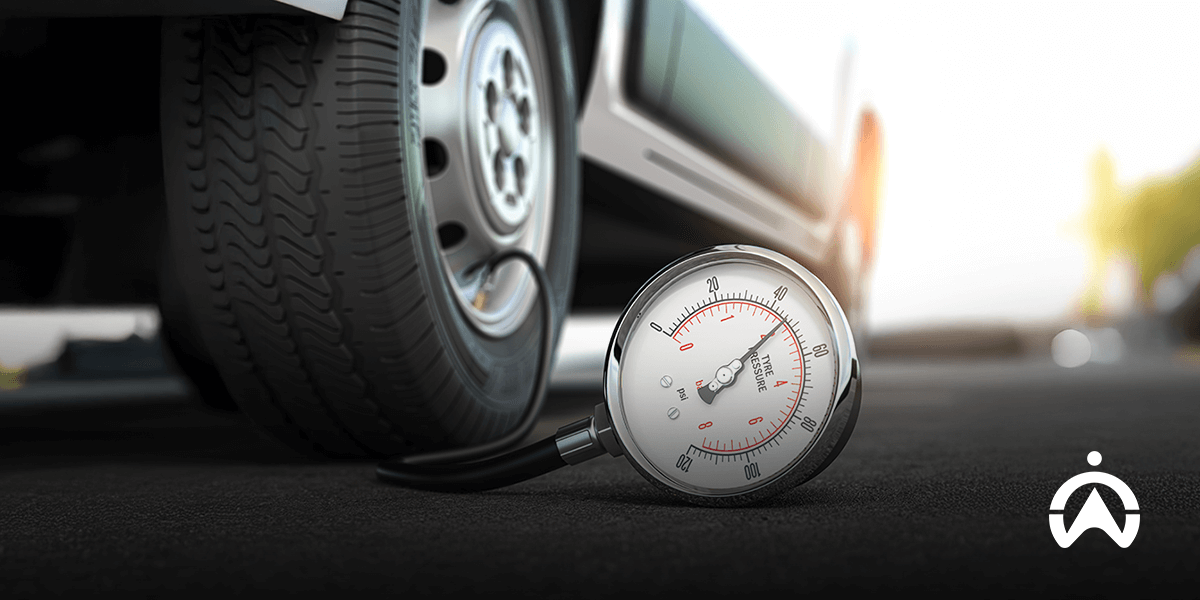
4. Maintain the Ideal Tyre Pressure

The right tyre pressure plays an important role in a vehicle’s performance and fuel economy. Keeping your tyres at the correct pressure, as recommended by the manufacturer, will bring great benefits in the long run.

Let’s discuss how:

  • Under-inflated tyres increase the car’s rolling resistance, forcing the engine to work harder and use more fuel. This also causes uneven tread wear on the edges of the tyres, which means they wear out sooner.
    ‍
  • Over-inflated tyres have a negative effect on the vehicle’s handling, making the drive unstable, causing uneven tread wear and increasing fuel consumption. In addition, uneven wear reduces the tyre’s ability to stay in contact with the road, which can be dangerous at high speeds.

To save fuel and reduce wear and tear on your vehicle, it is recommended that you check your tyre pressure at least once a month.

A tire pressure gauge on the ground next to a car tire.

5. Keep the windows closed at high speeds

I know what you’re thinking: driving with the window down at high speed is invigorating; however, it significantly affects fuel consumption. This usually happens when the vehicle goes above 80 km/h, the speed at which air resistance is greater. To save fuel, consider keeping the windows closed and using the vehicle’s ventilation system.

6. Avoid heavy loads

Unnecessary weight in your vehicle makes the engine work harder, increasing fuel consumption. This is especially true on long journeys. Another load that adds extra weight and uses more fuel is a roof box. Roof racks increase air resistance and reduce the vehicle’s aerodynamics at high speeds.
For better fuel economy and a smoother drive, consider packing light or storing heavy items inside the vehicle.

7. Use quality fuel

In Mozambique, each fuel affects a vehicle’s performance and fuel efficiency differently.
New-model vehicles with the latest technology require high-octane fuel, such as 95 octane, as it helps maintain the vehicle’s performance and fuel efficiency. Using lower-octane fuel can reduce the fuel efficiency of these vehicles and damage the engine or emission control systems.

8. Use cruise control on highways

Cruise control is an added feature found in most modern vehicles. As well as offering comfort and convenience when driving, it also helps save fuel. Cruise control helps the driver maintain a constant speed, allowing them to concentrate on steering alone. This makes for a smooth journey with fewer manoeuvres. Cruise control minimises fuel consumption by removing the need for constant acceleration and deceleration, which use more fuel.

9. Make the most of loyalty programmes

A great way to save fuel these days is to join the loyalty programmes offered by filling stations, banks and retailers. You earn points every time you fill up. These points can be accumulated over time and used to buy fuel or get discounts. Consider choosing a programme that suits your needs and lets you fill up at a filling station near you.

10. Combine trips

To save fuel day to day, consider combining errands and making fewer trips. Plan everything you need to do in advance and do it all in a single trip. This way you reduce the distance travelled, which not only saves valuable time but also cuts fuel consumption.
Another effective way to reduce trips is to set up a lift club. Each person in the group can take a turn driving for one week a month, saving the equivalent of up to three weeks of the fuel you would use if you were driving alone.

By putting these ten tips into practice, you can significantly reduce wasted fuel and save on fuel costs.

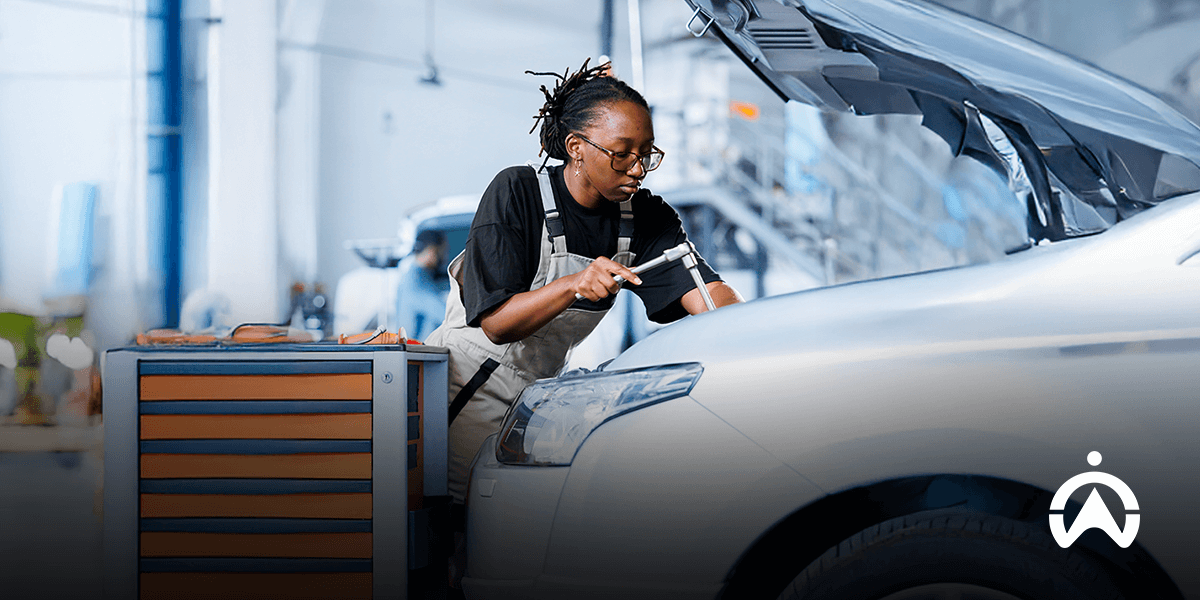
Mechanic with dreadlocks working on a car engine near a tool chest.

How Cartrack’s mobile app can help you save fuel

Now that you know the 10 ways to save fuel, let’s discuss how Cartrack’s mobile app can help you monitor your fuel consumption.

Here are some of the app’s reports that will help you save fuel:

  • Vehicle speed monitoring
    Constant increases in speed require the engine to work harder to keep it up. The map in the Cartrack app shows every point where you were speeding and how fast you were driving. This information helps you identify this behaviour so that you can adjust the way you drive and use less fuel.
  • Reducing harsh braking
    Harsh braking at high speed makes your vehicle use more fuel than necessary. This is because, after slowing down, the transmission has to shift down to regain the lost momentum. The Cartrack app records every instance of harsh braking, letting the driver know how often this mistake occurs.‍
  • Avoiding idle time
    Long periods of idling in traffic jams use fuel unnecessarily. The Cartrack app monitors your idle time during a trip, providing valuable information that shows where and when congestion is heaviest. This lets you identify less congested routes and plan smoother journeys.
  • Planning efficient routes
    Every time you drive your vehicle, the trip information is saved in the app’s history. This history gives details of the route taken, showing the distance and the fuel consumption. This is an effective way to plan each journey. You may use different routes to get to work and want to know which one uses the least fuel. You can use the report history for the different routes to look at your previous trips. It will show you how long the trip took, as well as the speeds you were able to reach, so you can compare them and see which is the most fuel-efficient.

Start saving fuel today with Cartrack!

Fuel costs don’t have to be a burden. By taking advantage of the advanced technology in Cartrack’s mobile app, you can reduce your fuel consumption and save money quickly.
Cartrack is committed to helping drivers drive smarter and more efficiently. Our mobile app isn’t just for tracking your vehicle; it provides practical information that lets you make fuel-saving decisions every day.

Why wait? Start applying these tips and let Cartrack help you save fuel. Contact us today to find out more.

Fleet Maintenance Software for Trucks

Every vehicle suffers wear and tear over time, which is why it is essential to follow a maintenance plan to reduce damage and preserve its value. This responsibility becomes more complex when there is more than one vehicle that needs maintenance; better still, an entire fleet of trucks. For this reason, a fleet maintenance plan is essential for every fleet business.

That said, a fleet maintenance plan without the right technology leaves room for countless setbacks and inconsistencies. It is therefore crucial for commercial trucking companies to invest in fleet maintenance software.

Today, we’ll discuss the key benefits of fleet management software for the trucking industry and why it is essential.

In this article, you will:

  • Learn what fleet management software is
  • Discover why it is essential for trucking companies
  • Find out how to manage fleet maintenance effectively
  • Get all the information on the Cartrack fleet management system

Understanding fleet maintenance software

Fleet maintenance software is a digital tool that helps companies in various sectors manage the maintenance and repair of company vehicles and equipment, reducing costs, minimising downtime and ensuring compliance. This technology integrates with telematics systems and other data sources to provide a comprehensive view of the fleet’s health and performance.

The amount of work involved in managing a fleet can lead to other essential tasks being neglected, such as making sure every vehicle is roadworthy and does not disrupt the workflow. As a fleet manager, you need technology that helps with this process, ensuring that your fleet stays compliant with regulations and that your workflow is not interrupted.

The different types of fleet maintenance solutions

There are several approaches to keeping a fleet healthy, some of which prove more effective than others. Let’s look at three of the most common approaches to fleet maintenance:

  • Preventive maintenance: A proactive approach to vehicle maintenance that involves carrying out regular inspections and scheduling periodic maintenance tasks, such as tyre rotation, oil changes and filter replacements, in order to prevent equipment failure. This approach allows damaged or worn parts to be replaced in good time, preventing problems before they occur.
  • Predictive maintenance: According to Gitnux’s Fleet Management Statistics 2025 report, maintenancecosts can be reduced byapproximately 15 to 20% withpredictive maintenance technology. Predictive maintenance refers to the use of advanced data analytics to predict when maintenance will be needed.
  • Corrective maintenance: This approach means fixing things only when they break. No tools or technology are used, which leads many fleet managers to believe they are saving money. However, corrective maintenance brings many unforeseen expenses that actually end up costing more in the long run. What’s more, it does not address the root cause of the problem, which is likely to lead to recurring failures

Why do trucking companies need maintenance software?

Commercial trucks often spend long hours on the road, facing all kinds of conditions and covering great distances. This makes them prone to wear and tear and to breakdowns, which can cause delays.

The maintenance and performance of each truck are often neglected because of tight deadlines, heavy workloads and the need to meet customers’ expectations. For this reason, fleet maintenance software is crucial for trucking companies to stay up to date and productive.

What are the real benefits of maintenance software

  • Reduced downtime: Using advanced technology helps you stay on top of fleet maintenance, making sure you are always aware of any faults or when vehicles need servicing. That way, you will know which vehicles are unavailable on which day, helping you plan ahead.
  • Lower repair and operating costs: Detecting problems early means they can be resolved sooner, before they get worse and become more expensive. This improves the fleet’s overall operating costs, as there will be fewer unexpected repairs.
  • Improved safety and compliance: The most important aspect of fleet maintenance is safety. Faulty vehicle parts can cause accidents, which can be fatal, result in costly lawsuits and damage the company’s reputation. By implementing fleet maintenance technology, you ensure your drivers’ safety and your fleet’s compliance with regulations.
  • Longer vehicle lifespan: As mentioned earlier, fixing small problems before they get worse can significantly extend the life of your vehicles. This ultimately improves the health of the vehicles and results in a longer-lasting fleet.
  • Easier audits and regulatory reporting: Digitising everything makes it easier to obtain detailed information for carrying out audits and creating reports.
  • Better fuel efficiency: Vehicle maintenance problems, such as worn spark plugs or incorrect tyre pressure, make the vehicle work harder than necessary, resulting in higher fuel consumption to maintain performance. Because fleet management software helps reduce wear and tear, it also reduces fuel consumption.
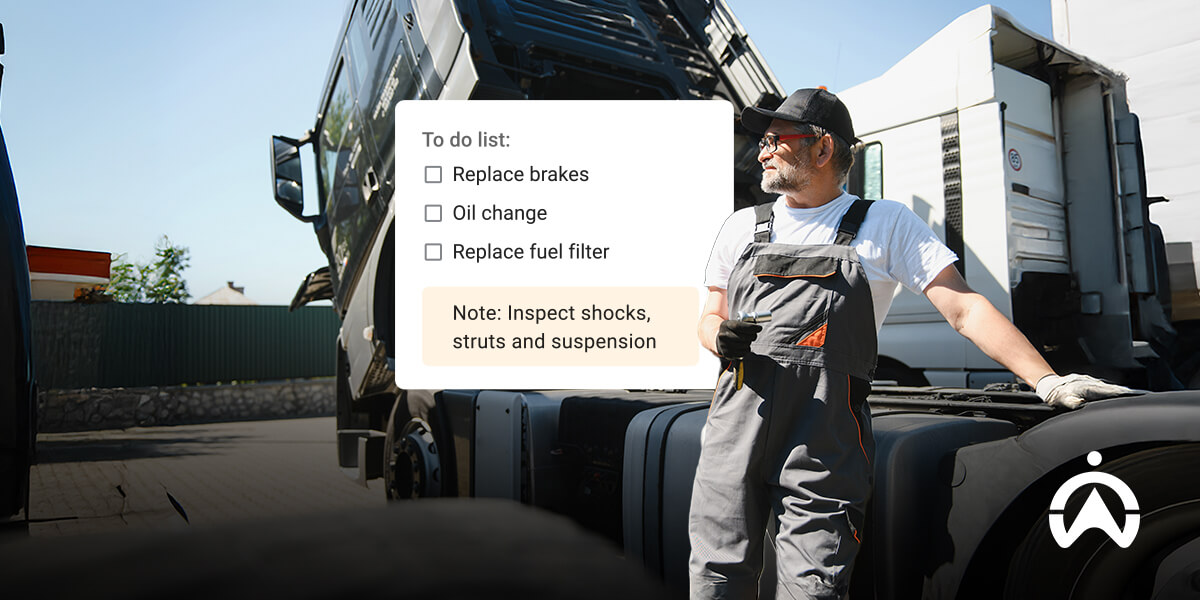
A mechanic stands beside a large truck, holding tools with a maintenance checklist for brakes, oil, and fuel filter replacement.

How to manage fleet maintenance

An effective fleet maintenance plan involves implementing several strategies. Here are some of the best practices for managing fleet maintenance:

  • Carry out a fleet audit: Regular fleet audits help identify hidden problems. Carry out monthly audits to check vehicle performance and schedule pre- and post-trip inspections, ensuring that vehicles are safe and roadworthy.
  • Involve mechanics and drivers from the start: Don’t wait until the last minute to tell the mechanic about repairs or replacements. They have other customers to attend to as well. Not telling them in advance puts your fleet’s vehicles at risk of being dealt with last, which can delay the process and overrun the planned deadline.
  • Set realistic deadlines: The estimated time for the repair or replacement should be realistic, to avoid disappointment.
  • Train your team thoroughly: It is important to monitor driver behaviour, as habits such as speeding can cause accidents, resulting in costly repairs or greater wear and tear on the vehicle. Coaching drivers on these behaviours helps improve their driving skills and, as a result, extends the life of the vehicle.
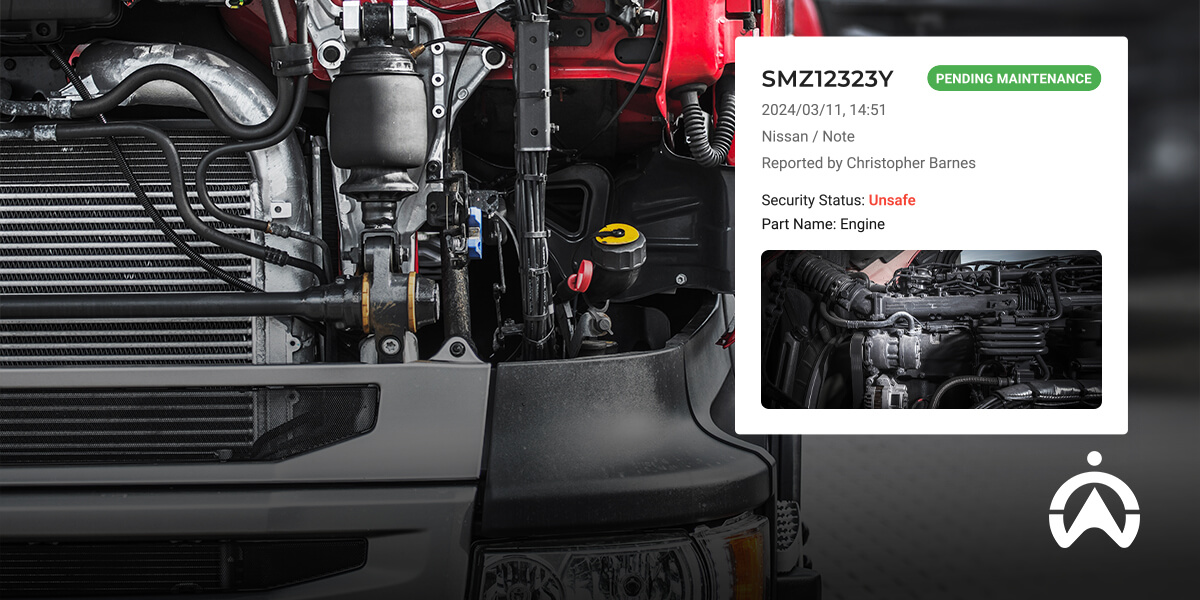
Close-up view of a Nissan Note engine with highlighted pending maintenance, marked as unsafe, and details displayed on the side.

Get ahead of costly repairs with Cartrack’s fleet management software

At Cartrack, we constantly strive to offer innovative solutions that are in line with the industry’s latest needs. Our maintenance solutions provide predictive analytics and preventive maintenance measures. With us, you can be sure that your trucks will always be in good working order. Here’s what we offer:

  • Real-time fault alerts
    Our automated preventive maintenance system provides real-time alerts when it detects problems such as engine faults, fluctuations in water and oil levels, worn brake pads and other diagnostics. This ensures you are aware of these problems before they get worse and can resolve them promptly to avoid this unexpected breakdowns.
    ‍
  • Scheduled service reminders
    Our platform lets you set reminders for service dates, so that you know which vehicles are available on specific dates and can build a schedule around them to meet delivery deadlines.
    ‍
  • Driver monitoring
    As already mentioned, aggressive driving habits such as speeding, harsh braking and sudden acceleration can cause premature damage to various vehicle parts, increasing the number of repairs and replacements needed. Through telematics technology, our platform provides alerts for these events, allowing you to take action and coach drivers towards more effective habits.

Smarter fleet maintenance starts here

In our many years of experience in the fleet management industry, we have seen the big difference maintenance software makes. By investing in our solution, your company will improve efficiency, safety and overall operating costs. Contact us today to speak to a fleet manager and let us take care of all your fleet maintenance needs.

Frequently Asked Questions About Fleet Maintenance Software

Q: What is a fleet maintenance planner? ‍

A: A fleet maintenance planner is someone who develops, organises and implements schedules for maintenance-related activities, such as repairs and inspections. Being a fleet planner involves creating detailed schedules for maintenance tasks, allocating resources and anticipating possible problems.

Q: What is a full maintenance plan?

A: A full maintenance plan normally involves using telematics systems to monitor vehicle use and obtain information about its condition, as well as receiving alerts about upcoming services.

Vehicle Tracking Devices for Parents and Their Loved Ones

Over the years, vehicle tracking devices have become essential for car owners. They serve several purposes and are very useful in a range of situations. One of the advantages of vehicle tracking devices is parental supervision.

Nothing is more important than keeping your family safe; knowing where they are is key. Vehicle tracking devices offer an easy and effective way to locate your loved ones and make sure they are safe.

Let’s explore the benefits of being a parent who invests in a vehicle tracking device.

In this article, you will:

  • Learn why parents need vehicle tracking devices
  • Discover the benefits of a vehicle tracking service for the whole family
  • Explore the key vehicle tracking features every family needs
  • Find out how Cartrack’s solutions meet families’ needs

Why are parents turning to vehicle tracking devices?

There are many reasons why parents use vehicle tracking technology to monitor family members. Whether it’s teenagers, the elderly or spouses, a vehicle tracking device is a smart way to deal with concerns about safety. Let’s look at some of the most common challenges:

Teenage drivers

The teenage years are when many people drive for the first time. New drivers are known to be high risk because of their limited experience behind the wheel. Many teenagers do not have the skills needed to deal with unexpected situations, which makes them more prone to accidents. In addition, peer pressure can strongly influence how teenagers behave behind the wheel. They are more likely to take risks when driving with friends.

Although not all teenagers are mischievous, parental supervision is still needed to keep them safe at all times. Vehicle tracking devices are the first step towards keeping your children safe on the road. This technology lets you track their location, monitor driving patterns and encourage responsible behaviour. Teenagers drive much better when they know they are being watched.

Elderly drivers

The benefits of a GPS tracking device are not limited to monitoring teenagers; they also help keep elderly relatives and spouses safe.

Watching parents, grandparents, uncles and aunts grow older is one of life’s most precious moments. However, as the years go by, some elderly people start to struggle with certain tasks because of health problems. One of them is driving. A tracking device is a great solution for keeping an eye on the elderly and making sure they are safe on the road, without them feeling deprived of their freedom and independence.

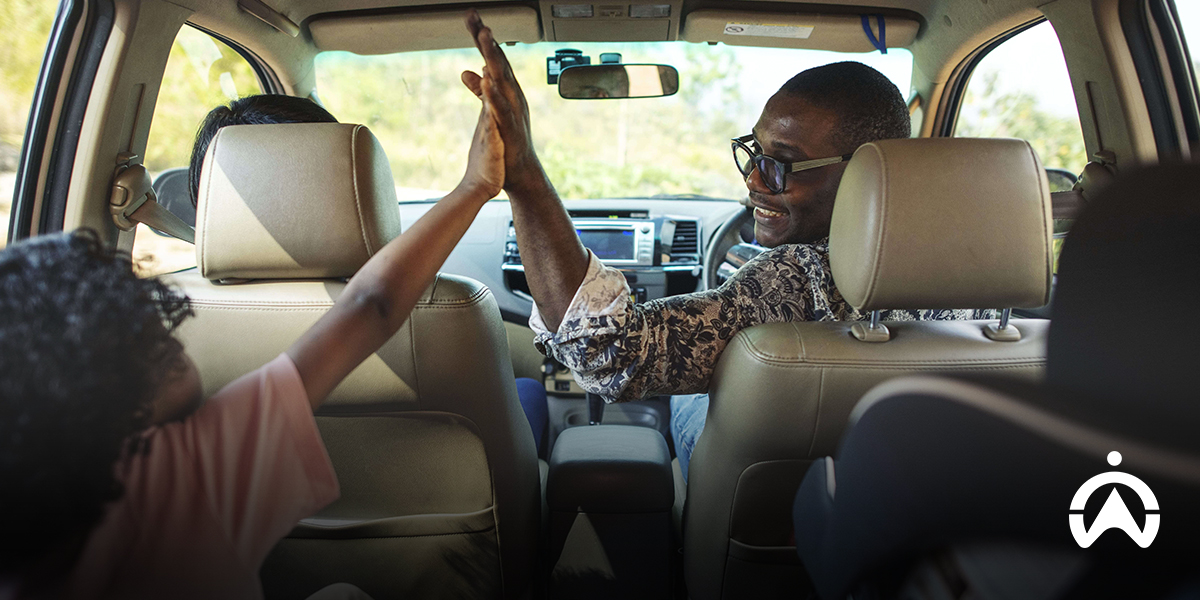
A man in the driver's seat and a child in the back seat high-five each other inside a car.

Key features of vehicle tracking devices for families

Keeping your loved ones safe starts with the right technology. Here are the key features of vehicle tracking technology for you and your family:

  • Real-time location tracking
    Know where your loved ones are at all times. Calling to check on a family member’s whereabouts is not safe, as they may be driving. With a GPS tracking system like Cartrack’s, you can view the vehicle’s location in real time directly in the mobile app. This also helps you check that teenagers and young adults really are where they said they would be, without having to keep asking. And let’s say the car is stopped at the roadside; you can call to check what is happening and send help if needed.
  • Geofence alerts
    Receive notifications if the vehicle leaves a predefined area. Cartrack’s geofencing solution helps parents make sure their children stay within safe, predefined zones. With this technology, you can create virtual fences around areas of your choice (for example, around the city or high-risk zones) and you will receive an alert if the car enters or leaves that specific area. This ensures your loved ones are never where they shouldn’t be, or at least not without your knowledge.
  • Accident detection
    Immediate response in the event of an accident. A GPS tracking device with IoT technology can detect sudden impacts, such as in an accident. So, one of Cartrack’s value-added services is the collision detection feature. Through it, our agents in the control centre can identify when a collision occurs. They will contact you to check what is happening and send help quickly. Because we already know the vehicle’s exact location, there is no need to direct the emergency services, ensuring a swift response.
  • Driver behaviour reports
    See driving patterns. A GPS tracking system also offers information on how someone is driving. Through this, you can identify risky driving habits such as speeding, harsh braking, rapid acceleration and sharp cornering. You can replay previous trips to make sure your loved ones are driving carefully. In addition, the Cartrack app includes driver scores, which families can use to encourage safer driving through a friendly competition to see who is the best driver.
  • Location sharing
    Easy sharing of the real-time location for greater safety. Through the Cartrack mobile app, you and your loved ones can easily share the vehicle’s live location. This feature ensures you can reach them quickly in an emergency or if they get lost.

Benefits of using vehicle tracking devices for your loved ones

Staying connected to your family’s daily journeys brings peace of mind. Here’s why vehicle tracking is a smart choice:

  • Avoid unnecessary worry: If someone is running late, there is no need to panic. Simply check the app on your phone, see how far away they are and take it from there. You may find that they have stopped at a local pizzeria and are just picking up something for the family to eat.
  • Balance safety and independence: Vehicle tracking helps parents balance supervision and independence. It lets teenagers and other family members go about their daily activities without feeling that their privacy and boundaries are being invaded.
  • Protection against theft: In the unfortunate event that your vehicle is stolen while someone else is driving it, be the first to know. Cartrack has specialist air and ground recovery teams available across the country. This ensures a quick recovery process and gives you peace of mind.
  • Promote responsible driving: By monitoring driver habits, a vehicle tracking device helps improve the overall behaviour of every member of the family. This helps minimise accidents, reduce insurance claims and avoid costly vehicle repairs.
  • Stress-free lending: Knowing where your vehicle is at all times will make you feel more at ease when lending it to a family member.

How to choose the right vehicle tracking device

Selecting the best vehicle tracking company for you can be a difficult task when you don’t know what to expect. Here are some important factors to consider when choosing a device:

  • Professional installation: There are many vehicle tracking options available; some can even be bought from online shops, where you will have to install the device yourself. Although this may seem convenient, self-installation often results in poorer performance or incorrect set-up. For the best results and value for money, it is important to get a vehicle tracking device from a company that offers professional installation.
  • Real-time tracking capability: There are different types of GPS trackers available; some do not have real-time tracking capability, which means the information is stored and can only be viewed after the trip has ended. This is called passive GPS tracking. When it comes to monitoring a loved one’s safety, you need an active GPS tracker that lets you view the vehicle’s location in real time, so that you can act quickly and get assistance in an emergency.
  • A reliable app interface: The mobile app should be intuitive and easy to navigate, so that every member of the family can understand how it works. There should also be a support team available at any time to resolve any technical difficulties.
  • Privacy and data security measures: Find out how the company uses and protects personal data. Learn what steps are taken to verify customers’ identity and grant access before personal changes are made. Also understand what information sub-users will have access to.
  • Device maintenance: Like any other electronic device, your tracking device needs maintenance to ensure optimal performance. Choose a vehicle tracking company that offers a maintenance guarantee, including replacements with no call-out fees or additional repair costs.
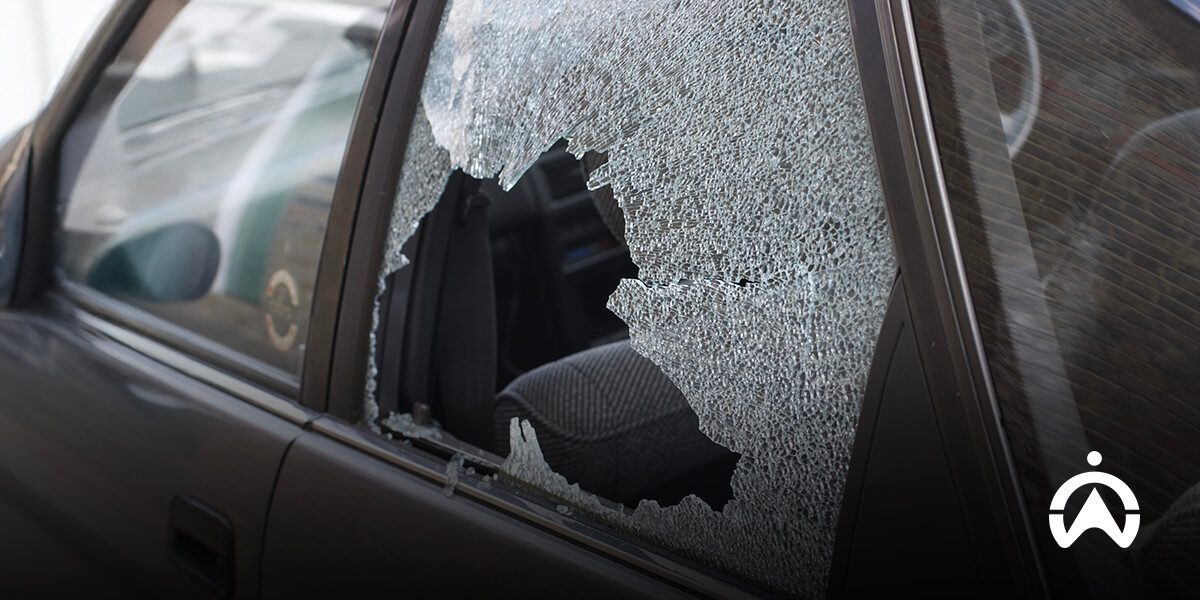
Close-up of a car window with a large hole in the shattered glass, revealing the interior seats and a blurred background.

More safety features from Cartrack for you and your family

Cartrack is one of the leading companies in the vehicle tracking industry. We are dedicated to bringing you cutting-edge technologies that improve family safety and provide peace of mind on the road. Here are some additional solutions for you to consider:

Dashcam

An extra pair of eyes on the road can help you in many ways. Cartrack offers a Road Vision camera solution that captures everything that happens in front of you on the road. This ensures that you and your loved ones can prove your innocence in the event of an accident and do not fall victim to false insurance claims. You can watch the live stream or download the footage at any time of day.

Roadside assistance

To make sure your loved ones are never left stranded on the road, Cartrack’s Protector feature offers roadside assistance 24 hours a day, 7 days a week, at the touch of a button in the mobile app. It includes refuelling, towing services, a locksmith, tyre changes and minor repairs.

CarWatch

Cartrack’s CarWatch feature is an add-on service that offers an extra layer of security when your car is parked. All you need to do is activate it in the mobile app after parking the vehicle. If the car moves without authorisation, you will be alerted and Cartrack’s response team will be dispatched immediately. This is an essential tool for parking at shopping centres or other public areas prone to vehicle theft.

Peace of mind for you and your family with Cartrack

Protect every journey, trip to the supermarket, school run and commute to work with Cartrack. We have recovered more than 100.000 vehicles in the last decade. Your vehicle is in good hands; invest in our devices today!

Video camera telematics: reducing driver negligence for safer fleets

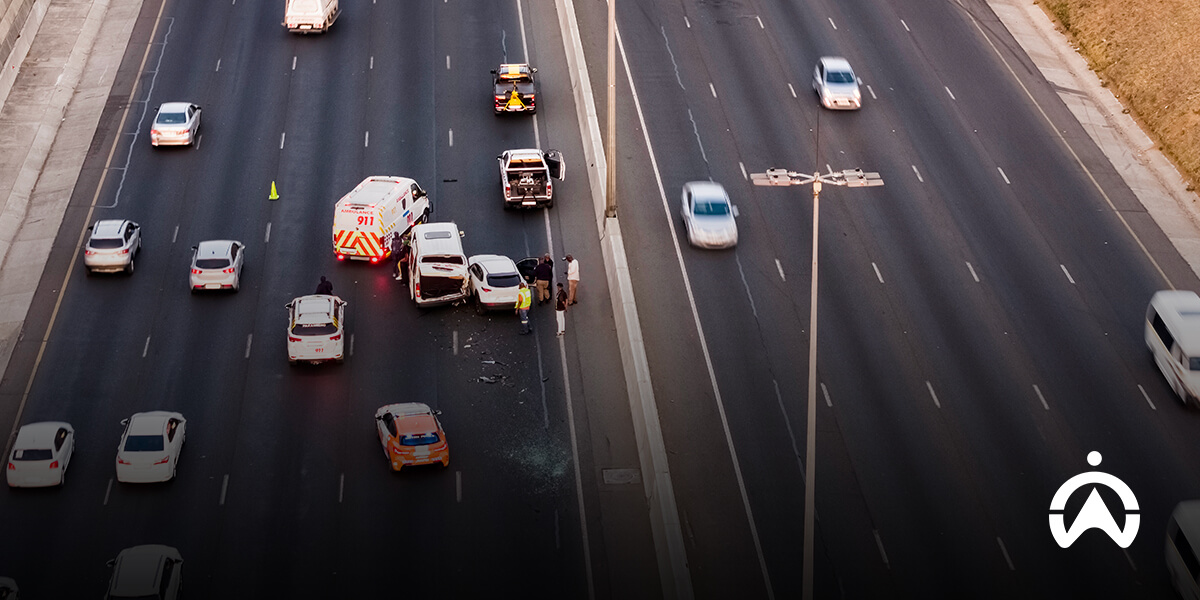
Many different factors, including human behaviour, cause road accidents. Risky behaviours such as speeding, using mobile phones while driving and overtaking other vehicles can have serious consequences.

When fleet drivers engage in these behaviours, it can significantly affect the business, resulting in costly accidents and operational downtime. To mitigate these risks, fleet managers can integrate video telematics into their fleet management strategies to gain valuable information about driver behaviour and vehicle performance.

This article explores how video camera telematics works and how it improves fleet safety and efficiency. We also discuss how Cartrack’s solutions can help reduce driver negligence, leading to safer fleets.

In this article, you will:

  • Understand how driver negligence affects fleet safety
  • Learn how video camera telematics reduces driver negligence
  • Explore how Cartrack can help improve driver and fleet safety with video camera telematics

How driver negligence affects fleet safety

Drivers can be negligent in various ways, from driving in a risky manner to neglecting basic vehicle maintenance checks. Driver negligence can have serious consequences, such as vehicle breakdowns, costly repairs, legal problems and potential damage to the company’s reputation. Let’s take a look at the types of driver negligence a fleet manager needs to watch out for.

Types of driver negligence

To keep the fleet safe, it is important to understand the different types of driver negligence.

These can be categorised as follows:

Negligence on the road

  • Speeding: When a driver exceeds the recommended speed limit for a particular road or area.
    ‍
  • Distracted driving: Driving while texting, talking on the phone, eating, smoking or engaging in any other behaviour that takes attention away from the road.
    ‍
  • Tailgating: Following another vehicle too closely.
    ‍
  • Disregarding the rules of the road: This includes ignoring road signs, disobeying traffic signals and breaking other essential road rules.
    ‍
  • Driving in hazardous conditions: speeding or driving recklessly in rain, snow, fog and other hazardous conditions.

Negligence in vehicle safety

  • Neglecting regular inspections: Failing to carry out pre- and post-trip inspections, such as checking tyre pressure, and ignoring any mechanical problems the vehicle may have.
    ‍
  • Ignoring warning signs: : Disregarding dashboard alerts, such as low oil level and brake system warnings, which require immediate attention to keep the vehicle safe.
    ‍
  • Delaying repairs: Putting off necessary repairs or ignoring signs of wear, such as slipping brakes, which can compromise the vehicle’s ability to operate safely.

Negligence regarding driver health and well-being

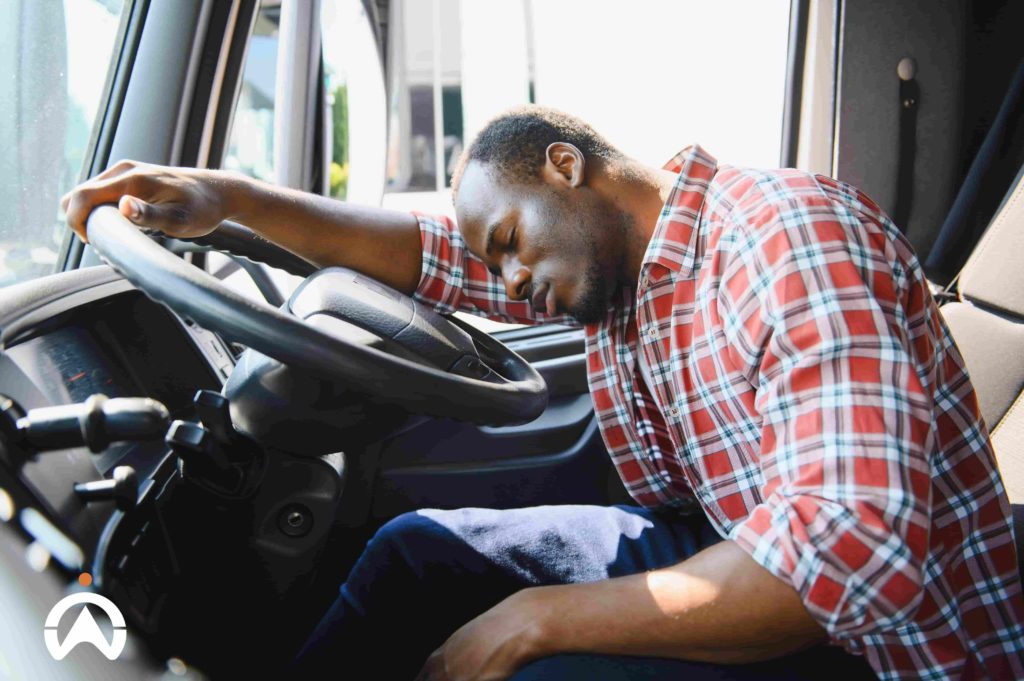
  • Driving while fatigued: driving when tired, sleepy or exhausted.
    ‍
  • Drink-driving: driving under the influence of alcohol or other substances.
    ‍
  • Driving under the influence of medication: driving while taking medication that impairs the ability to drive.
    ‍
  • Driving with a medical condition: when a driver does not disclose or manage a medical condition that affects their ability to drive.

Behavioural negligence

  • Driver complacency: when a driver is too relaxed behind the wheel, they tend to be less focused and not make the right decisions on the road. This complacency makes drivers more vulnerable to road hazards and increases the risk of accidents.
    ‍
  • Aggressive driving: driving aggressively, such as overtaking and weaving between lanes.
    ‍
  • Road rage: engaging in aggressive or violent behaviour while driving.

Consequences of driver negligence

Driver negligence can have serious repercussions for businesses; let’s explore some of them in more detail.

  • ‍Financial consequences
    Driver negligence can lead to significant financial consequences for businesses. Repeated claims due to unsafe driving often result in higher premiums. If your company car is involved in an accident, you will face costly repairs, medical expenses, lawsuits and property damage. Beyond these direct costs, accidents can cause lost productivity, as injured drivers may need sick leave and vehicles may be out of service. This downtime disrupts operations, which ultimately affects the company’s profitability.
    ‍
  • ‍Reputational consequences
    Accidents or incidents caused by driver negligence can damage the company’s reputation and brand image. This will also lead to a loss of customer trust in and loyalty to the company’s brand; they will question the company’s ability to deliver goods or services safely.
    ‍
  • Legal consequences
    Companies can face lawsuits and will have to pay exorbitant legal fees, penalties and fines when a driver is found to be negligent. Negligent driving is a criminal offence that will affect the driver personally as a legal person.
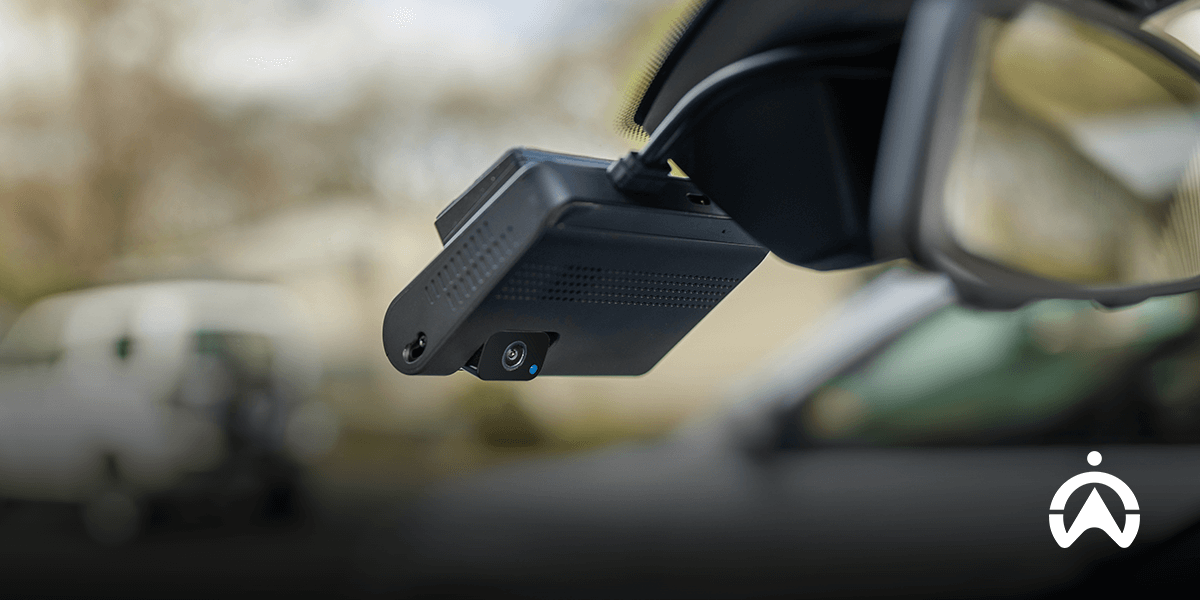
A mounted Cartrack dashcam, capturing the view through the windshield, with a blurred background of a vehicle and trees outside.

How video camera telematics reduces driver negligence

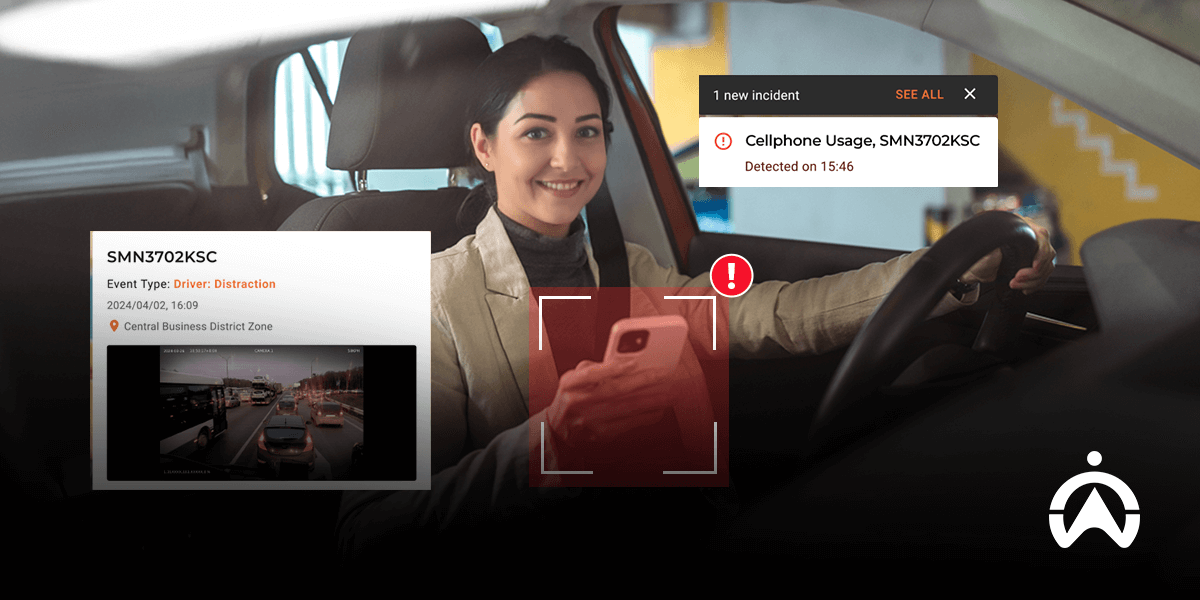
Not all video camera telematics systems are the same. Some have very basic functions and do no more than record footage, while others are more advanced and equipped with AI technology. The latter can significantly reduce driver negligence by detecting risky behaviours such as mobile phone use, speeding, harsh braking and driving too close to the vehicle in front. They can also identify signs of fatigue and seatbelt violations.

Here’s how businesses can benefit from implementing this technology:

Real-time monitoring and feedback

Advanced telematics systems send immediate alerts to drivers when these risky events are detected, allowing them to correct their actions straight away. This immediate feedback helps reduce accidents and encourages safer driving practices.

Event recording for accountability

Recorded footage plays a crucial role in identifying and resolving driver negligence. In the event of an accident or safety violation, managers can review the footage to determine the cause and take appropriate action.

Companies that invest in telematics systems advanced camera systems can use this data to coach drivers or take the necessary disciplinary action.

Choosing the right video camera telematics solution for your fleet

When choosing a video camera telematics solution for your fleet, consider features such as storage capacity, video quality, the installation process, real-time alerts, night vision capabilities and integration with the fleet management systems you already have.

Here are some important features to bear in mind when choosing a video camera telematics system that suits your fleet’s needs:

  • Video quality: the video footage must be clear so that fleet managers can see what is happening on the road and also see the driver. High-resolution footage provides clarity and ensures that important details are not missed, especially in accidents.
    ‍
  • Storage capacity:make sure the system offers cloud storage to make it easy to retrieve video footage and data. Cartrack’s multi-view AI cameras have up to 1 terabyte of storage.
    ‍
  • Real-time alerts:systems that offer real-time alerts can significantly improve driver behaviour. In-cab alerts notify drivers of risky behaviour so that they can correct themselves immediately.
    ‍
  • Easy installation: These cameras should be installed by a trusted service provider to ensure they work optimally and do not interfere with the vehicle’s wiring. At Cartrack, all our installations are carried out by a qualified technician to ensure the dashcams are fitted correctly.
    ‍
  • Compatibility with fleet management systems: look for solutions that allow easy access to video footage and telematics data from a single platform, such as a fleet management system’s web interface or app. This will allow easy access to analytics and reports.
    ‍
  • Cost considerations: Cost is an important factor to consider when thinking about investing in fleet cameras. There are different prices for different packages, depending on scalability and your fleet’s needs.

How Cartrack can help improve driver and fleet safety with camera video telematics

Our Cartrack’s camera video telematics offers powerful tools to increase driver and fleet safety. With a combination of artificial intelligence cameras, real-time alerts and driver performance monitoring, our solutions offer a comprehensive approach to reducing driver negligence and preventing fleet accidents.

We achieve this through the following solutions:

AI-powered cameras

Our AI-powered cameras detect risky events and send real-time alerts to drivers, including the following:

  • Distracted driving: when a driver does not look ahead for more than 3 seconds.
    ‍
  • Mobile phone use: Holding or using a mobile phone while driving.
    ‍
  • Fatigue:Yawning or other signs of drowsiness.
    ‍
  • Smoking: Triggered when a driver has long objects at their lips, which may indicate that they are smoking in the vehicle.
    ‍
  • Tailgating: Following other vehicles too closely.
    ‍
  • Not wearing a seatbelt: when the seatbelt is not visible across the driver’s body.
    ‍
  • Not looking at the camera: detected when the driver is not looking ahead.

Drivers receive in-cab alerts to correct their actions immediately, helping to prevent accidents and improve road safety.

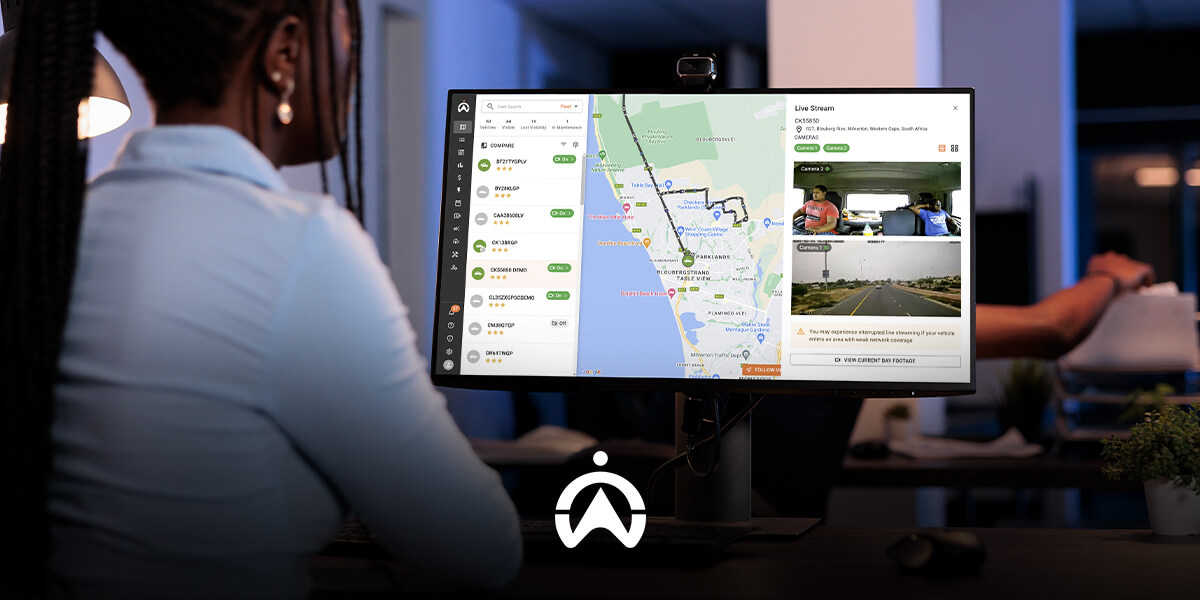
With up to 8 internal and external cameras, fleet managers will be able to access live footage, giving them full visibility of fleet operations.

In the event of an accident, this footage can help prove the driver’s innocence, ensuring they are not blamed for the accident. Video evidence can help speed up the insurance claim process, resulting in faster payouts and removing the need for legal disputes. This will not only save the company money, but will also help to retain drivers and foster a positive working environment, as drivers will know for certain that they are protected at all times.

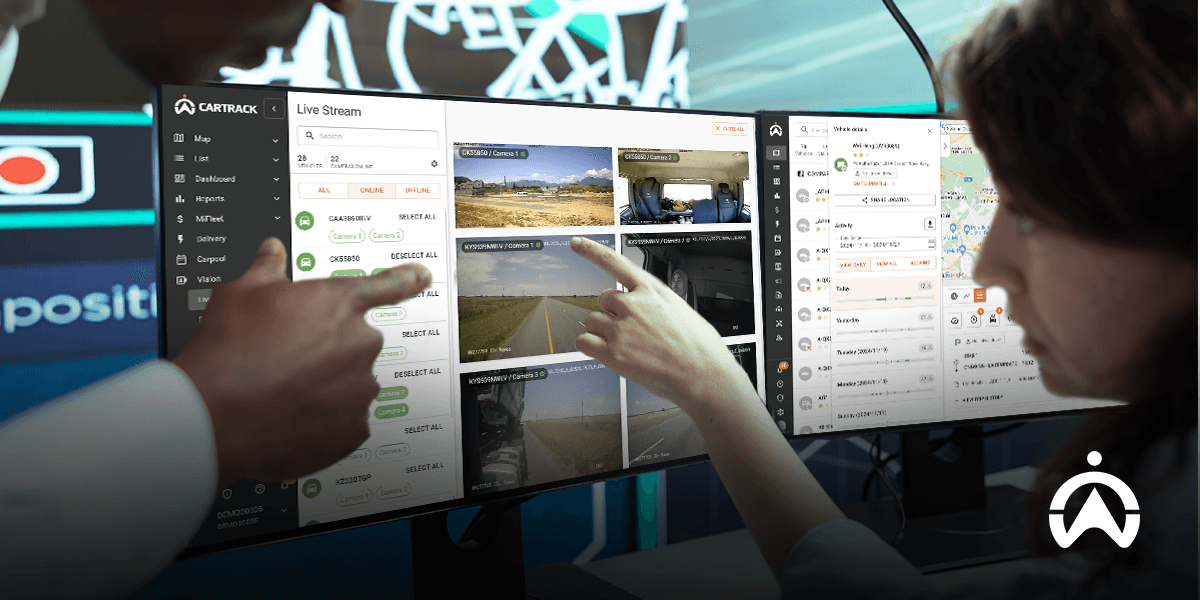
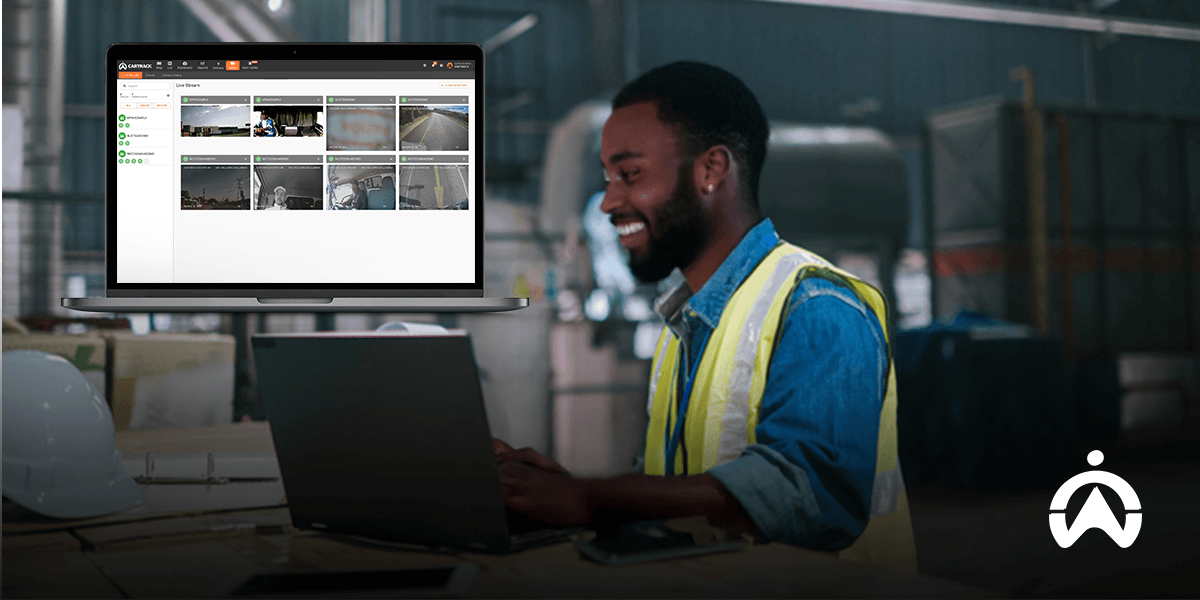
A user navigates Cartrack's live streaming interface on a monitor, showcasing multiple camera feeds and navigation options.

ADAS (Advanced Driver Assistance Systems)

The Cartrack’s Advanced Driver Assistance System (ADAS) improves fleet safety by using AI to detect potential hazards.

Features such as lane departure alerts, forward collision warnings and automatic braking help drivers avoid accidents.

By integrating real-time GPS data, ADAS ensures optimal driving speeds and provides collision avoidance warnings, giving fleet managers the tools to reduce driver negligence and improve overall safety.

The main ADAS features include:

  • Forward collision warning: alerts drivers when they are approaching another vehicle or obstacle too quickly, helping to avoid rear-end collisions.
    ‍
  • Blind spot detection: informs drivers about vehicles in their blind spots, reducing the chances of accidents when changing lanes.
    ‍
  • Automatic emergency braking: detects imminent collisions and automatically applies the brakes, reducing the impact or avoiding the collision altogether.

By incorporating ADAS into fleet management, Cartrack helps prevent risky driving behaviours that can lead to accidents, downtime and increased costs.

Driver coaching

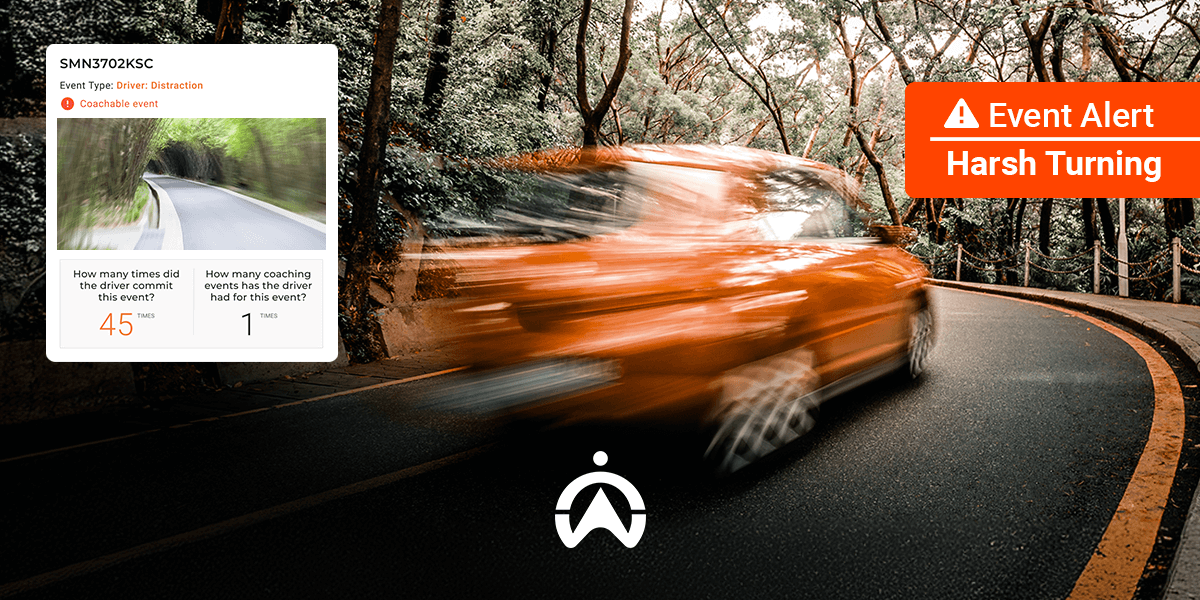
After reviewing the footage, managers can refer drivers to our coaching platform, which automatically logs all high-risk behaviours. The platform tracks how often drivers repeat offences and receive coaching.

All sessions are logged with timestamps and comments to ensure drivers are coached in line with company policy and to provide the necessary evidence in the event of disciplinary hearings.

In conclusion, reducing driver negligence is key to strengthening fleet safety, lowering operating costs and maintaining a solid reputation. Cartrack's video telematics solutions with AI-powered cameras offer a holistic approach to improving driver behaviour and minimising risk. Implementing these tools helps fleet managers promote safer driving habits, prevent accidents and protect business operations.

Contact us today to find out how you can empower your drivers and improve the safety of your fleet.

Frequently asked questions about video camera telematics

Q: Is it possible to get a customised report from Cartrack's camera system?

A: Yes, Cartrack offers features for customisable reports. Fleet managers can generate specific reports on driver behaviour, serious events and overall fleet safety performance, tailored to the company's needs and operations.

Q: How do managers ensure these cameras don't invade drivers' privacy?

A: To protect drivers' privacy, managers must set clear guidelines for camera use. They should allow only authorised personnel to access the footage and ensure the cameras are used solely for their intended purposes, such as monitoring driver behaviour and safety.

Q: Can video camera telematics be used in all types of vehicles?

A: Yes, fleet managers can install video camera telematics in cars, trucks, buses and vans to reduce driver negligence and improve road safety.

GPS Jamming: What You Need to Know

GPS tracking technology plays an important role in vehicle security and fleet management today. But with every security-related invention comes the development of systems to get around the technology. In this case, we are referring to signal interference through the use of GPS jamming devices.

GPS jamming devices have been around for many years and are used mainly by the government. Since then, the technology has become accessible to civilians, which poses a threat to vehicle owners, individuals and society at large.

Today, we give an overview of the general effects of GPS jamming and how we at Cartrack have tools to help mitigate this problem.

In this article, you will:

  • Get a detailed explanation of what GPS jamming is
  • Discover how GPS jammers are used by different people
  • Learn how businesses and individuals can protect themselves against GPS jamming
  • Discover the solutions Cartrack that help combat the problem of signal jammers

What is GPS jamming?

GPS jamming describes the process of using a radio frequency (RF) transmitting device to deliberately block or interfere with the GPS signals used for navigation, timing and positioning. These RF transmitting devices are called GPS jammers.

GPS jammers emit stronger signals on the same frequency as the signals from GPS satellites. Once emitted, they create noise to confuse the GPS receiver, leaving the GPS «blind», unable to see the satellites and provide accurate location data. Think of it as someone shouting during a quiet conversation. The device can't «hear» the GPS satellites because the jammer is «shouting» on the same frequency.

Initially, governments created these devices for use by the military and spy agencies, with the aim of confusing the enemy. Later, they were made available to the general public, and some people began using them to protect their privacy, preventing others from tracking them or hacking their data. However, in the wrong hands or in the hands of untrained people, signal jammers can cause serious communication disruptions, affecting businesses, vehicle tracking data, vehicle recovery or even airport radio towers.

The different types of GPS jammers

Signal jamming devices come in various shapes and sizes and are easy to operate. They vary according to their intended use and range.

Here is a brief description of the three common types of jammers:

  1. Portable jammers
    As the name suggests, portable jammers are small and fit in a pocket. They can look like everyday gadgets, such as mobile phones and USB chargers. They usually have one or two small antennas and are often used to block mobile phone signals.
  2. Vehicle jammers
    These are larger than portable jammers and are designed to hide the location of vehicles. They have internal or external antennas and can be connected to the vehicle's electrical system.
  3. Fixed jammers
    Fixed jammers were originally created for fixed locations and are the largest of the three. They look like routers and are weatherproof for outdoor use. They have several highly visible antennas and usually come with additional hardware for mounting the device.
A tall, red and white communications tower stands against a clear blue sky, featuring antennas and radar equipment.

Who uses GPS jammers and why?

GPS jammers are used by people with different motives. Let's take a look at the various reasons people get hold of them:

  • Car thieves
    It's no secret that vehicle theft is one of the main public safety concerns in Mozambique. Criminals are always finding new ways to get around security-focused technology. They use GPS jamming devices to hide the location of stolen vehicles, making recovery difficult for most vehicle tracking companies.
  • Employees and drivers
    In logistics, some operators may use jammers to manipulate route times or hide detours. This leaves the fleet manager unaware of unauthorised activities. These detours may be personal trips or side jobs to earn extra money while on the road.
    ‍
  • Personal privacy concerns
    Some people use GPS jamming devices to protect their privacy. One example is how GPS jammers can be used to prevent drone surveillance or data capture.
    ‍
  • Smuggling operations
    Criminals also use GPS jamming devices to hide the movement of illicit goods, such as illegal weapons. This prevents the authorities from tracking them and buys them time to get as far away as possible without being detected.
    ‍
  • Cybersecurity attack
    The world has become increasingly dependent on technology, leaving individuals and organisations vulnerable to cyberattacks. In April 2024, an article in Wired magazine reported that aircraft and ships operating in southern Sweden and Poland lost connectivity due to interference with their radio communications. This type of disruption poses a major threat to the maritime and air transport sectors, as it can result in fatal accidents on a large scale.  

How GPS jamming affects fleet management and vehicle tracking

Now that we know what people use GPS jammers for, let's focus mainly on their impact on fleet management and vehicle tracking:

  • Operational disruptions
    The loss of real-time tracking capabilities causes operational disruptions. Without correct location data, fleet managers can't see where vehicles are or whether drivers are following planned routes, and they can't allocate tasks effectively either. This results in low productivity, inaccurate delivery scheduling and dissatisfied customers.
  • Security risks
    The use of signal jamming devices poses a risk of vehicle and cargo theft. This results in significant business losses and compromises driver safety. Criminals target trucks that carry high-value goods and use these GPS jammers to commit the crimes.

Strategies to mitigate GPS jamming

To keep your vehicles safe and your business running smoothly, there are some steps you can take to minimise the risk. Here are a few of them:

  1. Technological solutions
    The best way for vehicle owners and fleet managers to mitigate GPS jamming is by implementing advanced tracking solutions that have anti-jamming technology. This ensures the vehicle's location is always visible despite jamming attempts, improving the overall security of vehicles and cargo.
  2. Employee training
    It is important that fleet managers train employees on the dangers of using GPS jamming devices and make them understand the legal implications of using them. Companies should establish clear policies against the use of GPS jammers and set out the consequences.
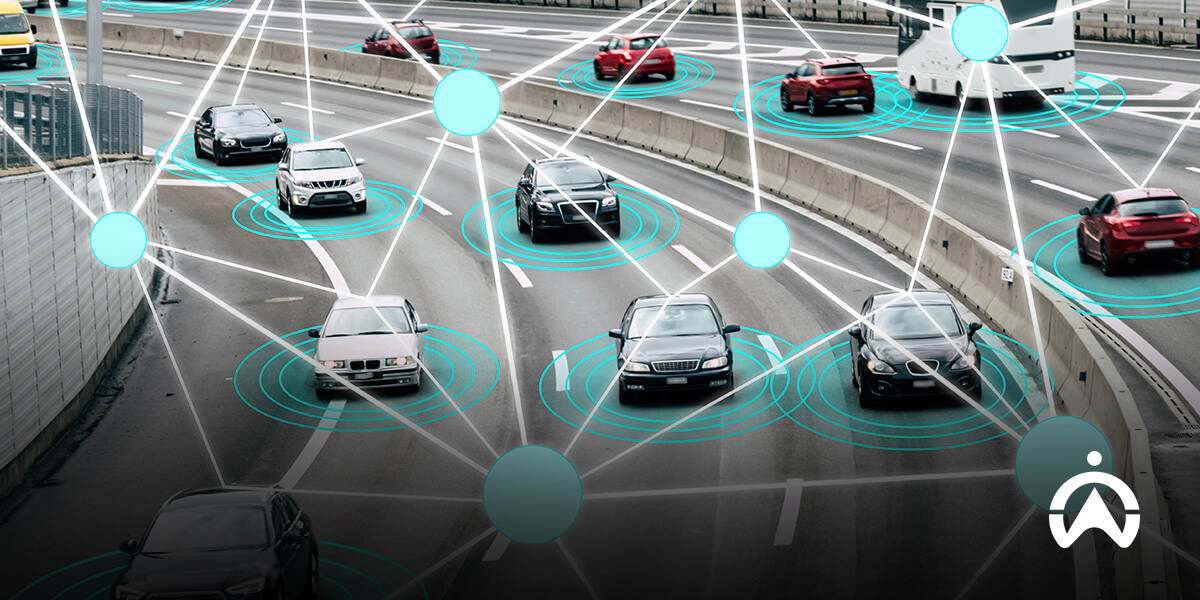
A busy highway with various cars connected by network lines, symbolizing vehicle communication and Cartrack anti-jamming technology..

GPS jamming protection with Cartrack

When you sign up with Cartrack, your vehicle is protected against GPS signal jamming by default, as our system is equipped with anti-jamming technology. When a vehicle is stolen, our control room agents and recovery teams are able to detect signal jamming attempts. They then use our advanced technology to locate your car and return it to you. We also have additional security measures you can add to your package, such as the following:

  • Cartrack tag
    The Cartrack tag is one of the newest products we offer. It is a wireless tracking unit that uses a different, non-GPS frequency, making it resistant to traditional jammers. It communicates with our control room agents and also gives our recovery team more time to find your vehicle in cases where criminals have identified and disabled the main tracking device. The Cartrack tag can also be used to protect assets in areas with little or no network coverage.
    ‍
  • ‍CarWatch 
    Even without a GPS signal, Cartrack offers additional security features to protect your vehicle. CarWatch is a system that sends you an alert whenever your parked car moves without your authorisation. It works through our mobile app, and all you need to do is activate it after parking your vehicle. This ensures a fast recovery, as we detect suspicious activity as soon as it happens.

Choose a reliable vehicle tracking service provider

Cartrack is proud to have recovered more than 100,000 vehicles over the past decade. We are committed to strengthening vehicle security for individuals and businesses by continually developing innovative solutions. Get in touch with us and invest in one of our units today!

Want to know more? Here are some frequently asked questions about GPS jamming

Is it possible to stop GPS jamming?

GPS jammers can be defeated in the following ways:

  1. You can invest in an advanced device for GPS tracking with built-in anti-jamming capabilities. These devices filter out unwanted signals to maintain the connection even when there is interference.
  2. Use GPS jamming detectors to identify the presence of signal jamming. These detectors can locate the source of the interference and provide details on the strength of the signal jamming tool.
  3. Finally, if you suspect jamming, try moving away from the area. Most GPS jammers operate within a limited range, so leaving the affected zone can help restore your connection.

Are GPS jammers illegal?
illegal to manufacture, sell or own GPS jammers without authorisation in Mozambique and in many other countries, as they pose a major threat to society.

What is the difference between GPS jamming and spoofing?
GPS jamming and spoofing are two different methods of disrupting navigation systems. Here is the difference:

  • GPS jamming involves generating a radio frequency to overpower the signal from the satellite constellation. When this happens, the receiver can't see the location or direction of the vehicle or asset.
  • GPS spoofing, on the other hand, is more complicated. It involves an entity sending false positions. The signals need to have the same magnitude as the authentic ones in order to deceive, so that the receiver becomes confused and unable to tell the difference.

Best practices for implementing AI camera systems

In recent years, Artificial Intelligence (AI) has been introduced to the general public, becoming one of the most talked-about innovative technology products. Many industries have adopted this new technology as a step towards digitalising all their processes.

Camera systems are no different; they too have been integrated with AI features and capabilities. This means cameras can now do more than just record and store footage.

Let's learn what the best practices are for implementing AI camera systems and how Cartrack is one of the leaders in this transformation, with its advanced solutions for AI-based video telematics.

In this article, you will:

  • Learn about AI cameras in fleet management
  • Discover the needs to consider before implementing them
  • Find out how to choose the right AI camera
  • Discover the best practices for implementing AI cameras
  • Discover future trends in AI cameras
  • Discover why Cartrack offers one of the best AI camera systems

Best practices for the successful implementation of AI camera systems

Successfully integrating AI cameras into your fleet requires a strategic and structured approach. Start by defining your operational and safety goals, and use that framework to find a compatible system. Installation, training for all your drivers and ongoing technical support are crucial to maximising the technology's impact. By following best practices, businesses can improve safety, efficiency and compliance, while minimising resistance and disruption.

Assessing fleet needs before implementing AI camera systems

Before incorporating AI cameras into a fleet, a company must first determine which challenges it wants to tackle and what the end goal will be. In South Africa's transport sector, the obstacles include a high incidence of accidents, cases of fuel theft and inconsistent road infrastructure.

Four questions to consider before implementing an AI camera system:

  1. Which risks faced by your fleet will AI cameras help reduce?
  2. How will AI cameras help reduce accidents and liability?
  3. How can real-time driver coaching and monitoring help with safety?
  4. Will camera systems help the company with compliance and reporting?

By addressing these questions, fleet managers can tailor their AI camera strategy to align with their operational goals.

Best practices for installing AI camera systems

AI camera system installation best practices Adding AI camera systems to your fleet requires some consideration. These considerations should be in line with industry best practices and should also serve the company's strategic goals. That is why implementing a camera system that can be integrated with a fleet management programme is vital. Integration with fleet management software ensures data flows seamlessly into operational dashboards, making it easier to navigate the system and see what is happening.

Let's look at some of the other recommended practices when implementing an AI camera system.

Data privacy and compliance considerations

Data privacy is one of the most important considerations when implementing AI camera systems in fleet management. In Mozambique, fleet managers must ensure their operations comply with the Data Protection Law to protect drivers' privacy and avoid penalties. Handling video data properly builds trust between employee and company, and protects the organisation against data breaches and regulatory issues.

Compliance measures you can consider include:

Access Control

Managing who has access to the footage is important if you want to maintain privacy. Fleet managers and compliance staff should be the only people authorised to retrieve and review videos. Basing access on role, as well as using secure login credentials, will prevent confidential information from leaking or being seen by unauthorised people.

Clear policies

Compliance with the Data Protection Law requires clear policies to be put in place, covering video footage, staff access and the conditions under which video should be retrieved and reviewed. Trust will be built with drivers when these policies are shared with them and explained.

Data encryption

Video footage should be encrypted to prevent breaches or unauthorised viewing. Having this technology ensures confidential information stays secure and is not used maliciously. Unfortunately, not all AI camera systems offer this capability, depending on the company's specific product offering.

A worker in a safety vest reviews live camera feeds on a laptop in a warehouse setting, with equipment and supplies in the background.

Training drivers and fleet managers

Understanding how these cameras work may require some team members to be trained, which is why proper training is essential to the successful adoption of AI camera systems. Adequate training will need to be provided to the system's operators and users, especially those who will use it regularly. Raising awareness of the ethical use of AI should also be considered, as there will be some legal guidelines to follow.

Run pilot tests

Before the AI camera system is installed across the board, a test will be needed to check how the system performs. This means testing the systems in controlled environments to identify potential problems and gaps in functionality. These tests can be carried out by managers and, in the case of fleet management, by drivers too. Feedback will need to be gathered from the pilot phase, and the implementation strategies then refined according to the results.

Leveraging AI for driver safety

AI cameras are revolutionising road safety by proactively identifying risky behaviour and alerting drivers to it. Using advanced algorithms and real-time monitoring, these systems detect potential hazards before they turn into accidents. This not only protects drivers but also reduces the operating costs associated with collisions and liability claims. Here is how AI cameras significantly improve driver safety:

  • Fatigue
    Driver fatigue is one of the leading causes of road accidents
    , often the result of long hours behind the wheel or inadequate rest. AI cameras can detect tiredness through indicators such as excessive blinking, yawning or nodding off. Once these behaviours are identified, the system generates an instant alert for the driver, telling them they need to stop. This helps prevent fatigue-related accidents while allowing fleet managers to enforce safe driving hours.
  • Distraction
    Distraction is another metric AI cameras measure, usually related to smoking or using a mobile phone while driving. It is these distractions that often lead to errors of judgement on the road, resulting in accidents or poor decisions. AI cameras help by flagging these behaviours as they happen and notifying the driver so they can self-correct.
  • Speeding and harsh braking
    Speeding and harsh braking are common causes of car accidents. Aggressive driving behaviours like these also contribute to higher fuel consumption and vehicle wear and tear. This leads to additional maintenance costs and, possibly, the purchase of new vehicles.

Using AI cameras for incident investigation

AI-powered cameras are a significant help in incident investigations, providing evidence in the event of accidents, theft or insurance disputes. AI camera systems automatically tag notable incidents, allowing important footage to be stored securely and retrieved easily. This reduces the risk of losing important details and speeds up the investigation process.

Here are a few more applications for AI cameras that benefit fleet operators:

  • Accident analysis: high-resolution footage accurately reconstructs events to determine fault.
  • Insurance claims: claims can be backed up with video evidence, speeding up processing and avoiding disputes.
  • Fraud prevention: good-quality footage of the incident can deter false claims and fraudulent conduct.

Integrating AI cameras with fleet management software

Fleet managers can now integrate an AI camera's telematics into their fleet management software, giving an integrated, real-time view of fleet operations. This will allow businesses to access a single platform for analysing driver behaviour and vehicle performance. This integration includes:

  • Live-streaming features: fleet managers can view live footage, improving situational awareness and enabling a rapid response to emergencies.
  • Comprehensive reporting: detailed dashboards provide insights into driving patterns, vehicle utilisation and safety trends, supporting data-driven decision-making.
  • Automated alerts: real-time notifications for risky behaviour, such as speeding or harsh braking, allow proactive intervention to prevent accidents.

This integration not only improves safety and overall operations, but also enhances compliance and reporting.

Continuous monitoring and improvement

The system's performance needs to be assessed regularly and adjusted where necessary, and this should become standard practice. It will help keep the system in check and running in optimal condition. Keeping up to date with technological advances and regulatory changes also helps ensure your camera system continues to comply with all legal requirements as they are amended or updated.

A driver holds a cellphone, displaying a notification about distracted driving events, while seated in a car.

Choosing the right AI camera system

Not all AI cameras are the same. Fleet management teams looking to adopt them need a solution that ensures safety and compliance while maximising operational efficiency. The ideal AI camera will provide quality video data, intelligent analytics and seamless integration with cloud applications, and will be flexible enough to adapt to the growing size of your fleet. Here are the factors that need to be considered when choosing the best AI camera system:

Video quality

Clarity is essential in incident analysis and driver oversight. High-resolution AI cameras provide sharp footage that lets fleet managers assess road conditions and external hazards with a keen eye for detail. Clear video also strengthens liability protection, helping businesses contest false claims and reduce insurance costs.

AI analytics

AI camera systems do more than just record footage. They analyse driver conduct in real time. These intelligent systems detect dangerous behaviours, including smoking, harsh braking, fatigue and mobile phone use. These events trigger alerts that notify the fleet manager in real time. Fleet managers use this information to identify risks early and take proactive steps to prevent accidents and improve driver performance.

Cloud integration

AI camera systems do more than just record footage. They analyse driver conduct in real time. These intelligent systems detect dangerous behaviours, including smoking, harsh braking, fatigue and mobile phone use. These events trigger alerts that notify the fleet manager in real time. Fleet managers use this information to identify risks early and take proactive steps to prevent accidents and improve driver performance.

Scalability

As your business grows, your AI camera system should grow too. It should connect easily to new vehicles, additional drivers and changing fleet needs in the future. Whether for a few vehicles or an entire fleet across the country, your AI camera system should be able to grow with you.

Key features of AI camera systems

AI-powered fleet cameras offer a range of advanced features, including:

Feature Benefit
Real-time monitoring Provides instant visibility of driver behaviour
AI-based alerts Notifies fleet managers of risky driving practices
Cloud storage Ensures secure storage and quick retrieval of footage
GPS integration Syncs with location tracking for better oversight of footage

By adopting these AI-based features, fleet operators gain access to useful insights that improve decision-making and reduce operational risks.

Benefits of AI camera systems

AI camera benefits Implementing AI cameras brings many benefits, both for the company and for drivers. These benefits apply to businesses and fleets of all sizes. Let's take a look at some of them:

  • Enhanced Safety:
    Enhanced safety Safety is an important part of running a business that has employees on the road. That safety may relate to the vehicle, the driver and the cargo being delivered. AI camera systems promote safer driving by detecting risky behaviour and instantly alerting fleet managers to possible safety violations. This leads to a safer journey overall.
  • Improved Incident Investigation:
    When vehicles collide, there is often a dispute over who is to blame for the accident. Most of that uncertainty stems from the conflicting statements of the drivers involved. AI cameras provide indisputable video evidence, reducing disputes and speeding up insurance claims.
  • Operational Efficiency:
    AI camera systems that include driver behaviour monitoring can track and measure how often the driver falls into bad driving habits. These habits, such as leaving the engine idling and harsh acceleration, can lead to high fuel costs, which can push up the company's operating expenses. Identifying these problems helps reduce the financial impact they have on the business in the long run.
  • Data-Driven Decision-Making:
    The information and analytics gathered by these AI camera systems can be compiled into a report that reflects fleet and driver performance. These reports can then be used to inform future business decisions relating to deliveries, driver safety and cargo control measures.
  • Cost Reduction:
    AI cameras have an indirect impact on business costs, reducing them when used correctly and sensibly. Managing fuel costs, lowering insurance premiums and mitigating legal disputes result in significant savings for the business. Otherwise, these expenses would have risen gradually over time, getting worse as the company grew and the fleet expanded. Redirecting that extra money to more meaningful expenses can become a reality when these camera solutions are put to good use.

Tackling the challenges of, and resistance to, AI cameras

Although AI cameras can bring safety and efficiency to fleets, some businesses and even drivers may be reluctant to adopt them. Privacy issues, cost factors and an inherent resistance to change are common concerns. These concerns are valid, but there are solutions to them. Let's take a look below:

Concern Solution
Privacy issues Transparent policies and driver education
High costs Long-term savings outweigh the initial investment
Driver resistance Highlighting the safety benefits and offering incentives

Addressing these concerns proactively ensures a smooth adoption and long-term success.

Measuring ROI and performance improvements

Whenever a new technology is implemented, the cost must be carefully considered, especially with return on investment in mind. The initial investment in the technology should be matched by the long-term benefits. In this case, AI cameras are well worth it. The upfront cost is marginal compared with the potential income recovered by reducing the expenses associated with poor driving.

An added advantage is that these camera systems have a very long lifespan and only occasionally need maintenance and repairs. This means the benefits can be reaped for many years while paying only an initial installation fee and an affordable monthly subscription.

Future trends in AI camera technology

AI-driven fleet monitoring is developing rapidly, with new technologies emerging every year. One of them is edge AI, a combination of artificial intelligence and edge computing that allows a standalone device to process data locally rather than on a cloud server. If businesses want to thrive in the future, they need to find ways to incorporate this advance into the management of their fleets, especially when using AI camera systems.

Another development in this field has been the integration of 5G with AI. AI algorithms can use 5G information to suggest the best networks to connect to; this means bandwidth can be allocated accordingly to resolve bottlenecks in internet usage. Having this innovation will be a great help to a company that has implemented this technology.

Why Cartrack is the ideal partner for AI-powered fleet monitoring

Cartrack offers AI-powered cameras and live-streaming technology. You can monitor your fleet with road-facing and in-cab AI dashcams, with up to 8 internal and external cameras to help keep your drivers, fleet and cargo safe. You can also detect high-risk driving behaviour in real time using artificial intelligence, as well as data from G-force and GPS.

Cartracks Vision dashcams are available in several solutions, from single-camera to dual-camera or multi-camera options. These cameras are AI-powered and use telematics to monitor events such as distraction, smoking and yawning, among others. When the ignition is switched off, the camera continues recording for 5 minutes before entering standby mode. Once in deep sleep mode, the camera stops recording and any footage and retrieval become unavailable.

With Cartrack's camera solutions, you can also keep your drivers safe with preventative in-cab voice alerts that warn them of possible safety violations so they can correct them immediately. You can also use recorded footage of your drivers to guide and coach them on how they can improve their behaviour behind the wheel and increase their safety on the road.

All these features will make it easier for drivers to comply with company policies and national road rules and regulations. The implementation of these cameras should comply with the POPI Act and other privacy regulations.

Take control of your fleet today

The world is changing, and so is technology. It is no longer enough to work with the bare minimum and expect excellent results. If you want to take your business to the next level and have peace of mind about your fleet and your drivers, then the best option is to get AI-powered cameras.

If you want to improve the safety and operations of your fleet, then you should consider Cartrack. Contact us today to get a quote or to find out more about our full range of AI cameras.

Frequently asked questions

Do AI cameras work in all weather and lighting conditions?

Yes, most advanced AI camera systems, including Cartrack's, are designed to work in a variety of weather conditions and low-light environments. You can expect sharp resolution in all circumstances.

Which industries can benefit from AI camera systems?

AI cameras can be used in sectors such as logistics, construction, public transport and last-mile deliveries. Any business that has a fleet of vehicles can benefit from using this technology.

How much storage space is typically needed for an AI camera system?

The AI cameras from Cartrack have up to 1 terabyte of storage, which equates to a capacity of 164 hours.

What should I do if my AI camera system malfunctions?

If you ever notice a fault in the footage or in the recording system itself, you will need to contact the service provider. They will repair or replace it, in line with the terms and conditions of the device's warranty. This will ensure the AI camera system works accurately.

How to avoid fatigue-related accidents

Fatigue is one of the most overlooked causes of road accidents. Drivers believe they are only at risk of crashing if they are distracted or under the influence of alcohol, but exhaustion can be just as dangerous.

When drivers are drowsy, they have slower reaction times and find it hard to make decisions, which increases the likelihood of accidents. Yet many underestimate their tiredness, leading to risky behaviour behind the wheel.

Today, we discuss ways to avoid fatigue-related accidents and explore how Cartrack's solutions can help keep drivers safe.

In this blog, you will:

  • Learn ways to prevent fatigue-related accidents
  • Recognise fatigue-related signs and symptoms
  • Explore how Cartrack's technology helps mitigate these accidents

Ways to prevent fatigue-related accidents

Driver fatigue can have serious consequences.

To avoid this, drivers should make small changes to their daily routines, significantly reducing fatigue. In this section, we will explore simple strategies to prevent these accidents from happening

Get enough rest before driving

Adults need roughly 7 to 8 hours of sleep to function at their best during the day. When you are well rested, you are more alert, concentrate better and make better decisions. However, it is not just about the amount of sleep; quality is key too.

Here are seven tips to help improve the quality of your sleep:

  1. Only take naps of 20 to 30 minutes during the day to avoid disrupting your night-time sleep cycle.
  2. Make sure your bedroom is at the right temperature and dark enough.
  3. Avoid using your mobile phone and watching television for at least two hours before going to bed.
  4. Exercise
  5. Invest in a comfortable mattress and pillow
  6. Avoid heavy meals, caffeinated drinks and smoking before bed.
  7. Keep to a fixed schedule.

It is important to make sure your drivers show no signs of exhaustion before they hit the road. Always plan trips in advance to give them time to rest properly and prepare for the journey.

Take regular breaks on long journeys

Sitting for long periods can reduce blood circulation and cause back pain, leg cramps and drowsiness. To avoid this, drivers should take short breaks every two hours, allowing them to stretch their muscles and refresh their minds.

These short breaks should be taken at designated rest areas, so fleet managers need to include these rest areas when planning routes. This helps drivers stay refreshed and alert throughout the journey.

Share the driving whenever possible

Consider driving with passengers to help you stay alert through conversation. If they can drive, share the driving to help reduce fatigue

This also applies to fleet drivers; having two drivers share a long journey can significantly reduce driver fatigue. Taking turns ensures each driver is well rested and alert, which makes the journey safer and more comfortable for everyone.

Stay hydrated and eat light food

Your eating habits contribute to road safety, especially if you spend hours behind the wheel. Choosing healthy snacks while on the road can help you stay focused and alert. Simply swap highly processed and fatty foods for nutrient-rich options for lasting energy.

Take a cooler bag with fresh fruit and light snacks, such as grapes, bananas, nuts and cheese. Remember that eating behind the wheel can be dangerous. To minimise distractions, eat meals and snacks only during breaks and not while you are driving.

Take a bottle of water to stay hydrated throughout the journey. Dehydration can make your muscles feel tired and stop them functioning well because of the imbalance of salts in the body. This will end up affecting your ability to drive and may result in accidents.

Avoid driving at peak fatigue times

Avoid driving at times when your body is naturally tired and ready to sleep, such as at midnight or in the early hours of the morning.

Fleet managers, as far as possible, plan trips during the day, since the body is naturally more alert at those times. This simple adjustment can significantly reduce the risk of accidents caused by fatigue.

Key signs of fatigue that can cause road accidents

Fatigue can affect physical, mental and cognitive abilities, making it harder to respond quickly to changing conditions. Recognising the signs and symptoms can help individual and fleet drivers significantly reduce the risk of road accidents.

Identify the physical signs

A fatigued person may show symptoms such as muscle weakness, slow reflexes, muscle aches, headaches, blurred vision and dizziness. If these symptoms appear before the trip, it is best to postpone it and get the rest you need. If these symptoms appear while driving, take breaks and stay hydrated to remain alert.

Identify mental and cognitive changes

Fatigue can affect your mind, which means you may struggle to concentrate, become forgetful and find it harder to process what is happening on the road. If you notice that you are missing exits, struggling to stay focused or reacting more slowly than usual, your ability to make quick, safe decisions is compromised. When these signs appear, it is crucial to pull over or swap drivers to avoid accidents.

Spot risky driving behaviour

If a driver is drifting between lanes, following the vehicle ahead too closely or responding slowly to traffic signals, it means they are experiencing dangerous levels of fatigue. Such behaviour indicates that they are not alert, which increases the risk of accidents. If you find yourself doing any of these things, you need to find a safe place to stop and rest before you carry on driving.

The Role of Fleet Managers in Tackling Fatigue-Related Accidents

While drivers are responsible for getting enough rest and following the tips above to combat fatigue, fleet managers also play a crucial role in preventing these accidents. Here's how:

  • Monitor drivers' driving hours: Fleet operators can use telematics to track and monitor driving hours. Investing in fleet management solutions will help them know which driver is on duty and for how many hours. This not only helps businesses comply with labour regulations, but also ensures drivers are not overworked.
    ‍
  • Enforce mandatory rest breaks: sometimes drivers may insist on working overtime, possibly for financial reasons, but managers must have rules about this. They should ensure drivers have mandatory time to rest.
    ‍
  • Plan efficient routes: choosing faster, less congested roads helps reduce driving hours, minimising fatigue.
Emergency responders assist at a multi-car accident on a busy highway, with damaged vehicles and a police presence visible.

How Cartrack helps reduce fatigue-related accidents in the fleet

Cartrack has a wide range of products and solutions that help keep drivers safe and minimise fatigue-related accidents. Through the use of telematics and advanced technology, our systems contribute significantly to safer roads.

AI-powered cameras

Our AI camera solutions with dual vision can detect signs of fatigue, such as yawning, and track the position and orientation of the driver's head. If these events are detected, the driver immediately receives audible in-cab alerts, prompting them to self-correct and avoid accidents

Fleet managers can review the recorded footage to provide guidance and support. This allows them to address any violations and offer the training needed to ensure drivers stay alert and safe on the road.

Advanced Driver Assistance System (ADAS)

ADAS uses camera-based sensors and AI technology to increase driver attention and prevent accidents. This system alerts drivers to potential hazards, which improves driver safety.

Cartrack's ADAS solutions include a range of advanced features, such as:

  • Forward collision warning: alerts drivers when their vehicle gets too close to another vehicle or obstacle. This helps avoid potential collisions.
    ‍
  • ‍Blind spot detection: warns drivers of vehicles in their blind spots, reducing the risk of accidents when changing lanes.
    ‍
  • ‍Automatic emergency braking: detects possible collisions and applies the brakes automatically to reduce the impact or avoid a collision altogether.

Driver Identification Tags

A driver identification tag is a small electronic device that allows fleet managers to identify exactly which driver is operating a vehicle at any time. This gives them full control over their drivers and fleet, tracking vehicle use, monitoring driver behaviour and ensuring only authorised drivers are behind the wheel.

These tags provide automated records of working hours, helping fleet managers comply with labour regulations and prevent driver fatigue by enforcing rest periods. Any additional hours require an overtime agreement. By monitoring working hours, driver identification tags help prevent fatigue and increase road safety.

Route Optimisation

Cartrack's fleet management software allows fleet operators to optimise their routes. This not only ensures on-time deliveries, as routes will be faster and shorter, but also keeps drivers from spending long periods on the road

In conclusion, fatigue is a serious yet underestimated factor in road accidents. By prioritising enough rest, taking regular breaks when driving and adopting a healthy lifestyle, drivers can reduce the risk of fatigue-related accidents. Cartrack's advanced solutions, such as AI cameras, real-time monitoring and route optimisation, play a crucial role in helping them stay safe. Using these tools can benefit individual and fleet drivers by managing fatigue effectively and improving road safety overall.

Contact us today to discover ways Cartrack's solutions can help you stay safe on the road

Frequently Asked Questions about Driver Fatigue

Q: Does fatigue only affect long-distance drivers?

A: No, fatigue affects all drivers, including those who drive short distances.

Q: How do sleep disorders, such as sleep apnoea, contribute to fatigue when driving?

A: Disorders such as sleep apnoea can interrupt sleep cycles, leading to chronic sleep deprivation. Drivers with untreated sleep disorders may feel extremely tired during the day, which affects their driving performance. This means they are more prone to road accidents caused by drowsiness.

Q: Can I rely on caffeine to keep me awake while I drive?

A: Caffeine can temporarily increase alertness; however, it should not be seen as a long-term solution for managing fatigue. Once its effects wear off, your body can crash, which may cause even greater fatigue. The best solution is to rest and take breaks rather than rely on stimulants.

Q: Can taking over-the-counter medication cause fatigue and affect driving?

A: Yes, many over-the-counter medicines, especially those for allergies or colds, can cause drowsiness as a side effect. Drivers should read medicine labels and avoid driving if they could impair their alertness or reaction time. It is also best to notify your fleet manager if you are taking any medication that could interfere with driving

Q: Can the weather contribute to driver fatigue?

A: Driving in adverse weather conditions, such as snow, heavy rain or intense heat, demands more concentration and can cause stress or discomfort, leading to increased fatigue.

Q: Can stress contribute to driver fatigue?

A: Yes, high stress levels can negatively affect a person's sleep patterns, resulting in fatigue.

Q: Can I play loud music to increase my alertness?

A: Playing loud music may make you temporarily alert, but it is not a reliable solution for dealing with fatigue.

What are the true costs of fleet accidents?

Many assume that accident-related costs are limited to vehicle repairs and insurance claims. However, these incidents involve hidden expenses that can hurt a company's bottom line.

When a company vehicle is involved in an accident and the driver or the vehicle's mechanics are found to be at fault, the company can be held liable for medical expenses and other related costs. In some cases, the company may also be responsible for property damage and legal fees. Over time, these costs can add up, creating a substantial financial burden for the company.

Beyond these direct costs, the company is more likely to suffer damage to its reputation, leading to a significant drop in customer trust and loyalty. A company with a reputation for unsafe driving practices may struggle to maintain long-term relationships with customers.

Let's explore the true costs of fleet accidents and how Cartrack's fleet management solutions can help businesses mitigate them.

In this article, you will:

  • Understand the implications of fleet accidents
  • Learn how to protect operations against losses from fleet accidents
  • Understand how technology can help prevent fleet accidents
  • Find out how fleet management solutions from Cartrack can help mitigate the costs of fleet accidents

What Are the Financial Implications of Fleet Accidents?

Fleet accidents have implications that go far beyond the immediate repair costs. Understanding these consequences is crucial, especially when seeking to mitigate financial losses and protect the company's reputation.

What are the real expenses associated with fleet accidents?

  • Vehicle repair and replacement costs: When a vehicle is involved in an accident, the first step is to repair it. This means buying new parts to replace the damaged ones and paying the mechanic who carries out the repair.
    ‍
  • Medical and liability expenses: Companies may cover the medical expenses of those injured and, depending on the situation, offer compensation for additional damage or losses.
    ‍
  • Higher insurance premiums: If fleet vehicles are frequently involved in accidents, insurers may classify the business as high risk, resulting in higher premiums, which can affect profitability over time. This highlights the elevated risk profiles of fleets, making them more likely to face higher insurance costs.

Beyond the immediate costs, fleet accidents also create substantial legal and reputational problems, putting the business under even more pressure.

Legal implications of fleet accidents

  • Legal consequences and liability: Fleet accidents can expose the company to lawsuits, whether for personal injury, death or property damage, creating substantial legal costs.
    ‍
  • Regulatory penalties: An accident involving a company vehicle is often investigated. If the authorities find fault with driver behaviour or the condition of the vehicle, the company may be held liable for fines and penalties for breaking traffic laws.
    ‍
  • Insurance disputes and legal fees: Insurance claim investigations can take months to resolve, especially in complex cases. This often requires legal assistance, which brings additional expenses that affect the company’s cash flow.

Reputational implications of fleet accidents

  • Public perception and brand damage: Frequent accidents, especially those with serious consequences, can harm a company’s reputation. In the digital age, a viral social media post about a company vehicle involved in an accident can damage the brand’s reputation and put customers off supporting the business.
    ‍
  • Customer loyalty and retention: Accidents can disrupt a company’s operations, resulting in lower customer satisfaction levels. Customers may question their association with a company that has frequent accidents and may look to other companies for their services.
    ‍
  • Employee morale and turnover: Witnessing or experiencing an accident can affect drivers’ well-being, leaving them traumatised and demotivated. Drivers may need time off work or even counselling, which will affect operations further. If accidents happen more often, employees may start to question the company’s commitment to safety and leave in search of better opportunities elsewhere.
A hand points to a "Fleet Insurance Policy" document on a table, accompanied by a pen and additional papers.

How to protect fleet operations against accident losses

To protect a business from the financial, legal and reputational losses caused by fleet accidents, managers must take a proactive approach. This means implementing strategies that can reduce the likelihood of accidents and ensure that operations run smoothly if they do occur. Here are the main ways to protect the fleet and the business from the consequences of accidents:

Implement Fleet Accident Management for Incident Response and Prevention

Our Fleet Accident Management (FAM) plays a key role in minimising the impact of accidents on the business. It allows fleet managers to respond quickly, manage claims efficiently and mitigate common causes of accidents, such as risky driver behaviour, distractions and poor road conditions. With FAM in place, these issues can be tackled head-on, ensuring better safety practices and reducing downtime as well as the financial and operational consequences of accidents.

Carry out regular maintenance and servicing

Carrying out regular maintenance on the fleet will significantly increase safety, reduce breakdowns and minimise downtime, helping to save costs in the long run.

Regular servicing and a structured maintenance schedule will cover critical aspects such as wear and tear, tyres, engine condition, lights and other important vehicle components. This will not only ensure the vehicle’s longevity but also minimise accidents caused by mechanical failures, faulty parts or poor vehicle handling. Regular inspections and timely repairs help to identify potential hazards before they become serious problems, ultimately improving driver safety and maintaining operational efficiency.

The systems will alert operators when maintenance is due, which will help prevent breakdowns and accidents caused by faulty equipment. Telematics also helps to optimise routes through real-time updates on traffic, weather and road conditions, ensuring that drivers stay away from potentially dangerous areas.

A mechanic inspects a truck's engine while reviewing the vehicle health report highlighting defective brakes and maintenance tasks.

How Cartrack helps mitigate the costs of fleet accidents

Cartrack offers comprehensive fleet management solutions that help businesses prevent and manage accidents, reducing costs.

We do this in the following ways:

  • Real-time tracking and alerts: Our GPS tracking devices allow managers to track their fleet in real time, giving them full visibility. In the event of an accident, instant alerts are sent to managers, allowing a rapid response in an emergency.
    ‍
  • Driver behaviour monitoring: Our system helps operators monitor driverof drivers, by sending alerts whenever adverse events occur, such as speeding, harsh braking and cornering. With this data, fleet managers can identify drivers who need training to improve their performance. This will significantly reduce the risk of accidents and promote safer driving habits.
    ‍
  •  Cartrack’s AI cameras: Our AI cameras offer real-time monitoring with audible in-cab alerts that notify drivers of distractions such as mobile phone use, fatigue, smoking, speeding and other risky behaviour. These alerts help drivers correct their actions immediately, which can help reduce accidents. If an accident does occur, the footage can be retrieved and used to prove the driver’s innocence and sent to insurers to speed up the claims process. Managers can use the footage to review what happened and provide targeted driver training where needed.
    ‍
  • Preventive maintenance: Cartrack’s system sends alerts to informmanagers of any engine faults and when vehicles need maintenance. By monitoring engine hours and usage, managers can easily keep track of maintenance needs. This proactive approach helps ensure that the fleet stays in good condition and operates efficiently.
    ‍
  • Accident detection: Our smart IoT device uses G-force technology to detect an accident in real time, allowing us to send emergency services immediately to the driver’s exact location so that help arrives as quickly as possible. Accident detection increases the confidence of drivers on the road, who know that protection is available at all times in the event of an accident. Businesses have the chance to be served faster during the claims process, as all the necessary information is readily available through this technology.
    ‍
  •  Advanced Driver Assistance System (ADAS): ADAS uses camera-based sensors, intelligent algorithms and AI technology to enhance the driver’s awareness, increasing the safety of both driver and vehicle. This system alerts drivers to blind spots and issues forward collision warnings.

In short, investing in a robust fleet management system can reduce accidents, helping to save on hidden costs such as financial, legal and reputational costs. Implementing driver training programmes and carrying out regular maintenance ensures that drivers and fleets are safe on the roads.

Ready to protect your fleet and save costs? Get in touch with us today to achieve your business’s bottom-line goals, leaving you with satisfied customers and improved profitability.

Frequently asked questions about accidents and fleet management systems

Q: What are the main causes of fleet accidents?

A: Factors such as driver behaviour, poor road conditions, adverse weather conditions and vehicle faults contribute to fleet accidents.

Q: How does the frequency of accidents affect a company’s ability to grow?

A: Frequent accidents can prevent a company from reaching its full potential because of all the costs it will have to bear as a result of those accidents. This means the company will be operating at a loss and its bottom line will be negatively affected.   

Q: How do fleet accidents affect customer satisfaction?

‍A: Fleet accidents can cause delivery delays and service interruptions and, in some cases, products can be lost and damaged during these accidents. This will negatively affect customers, leaving them dissatisfied and disappointed with the service.