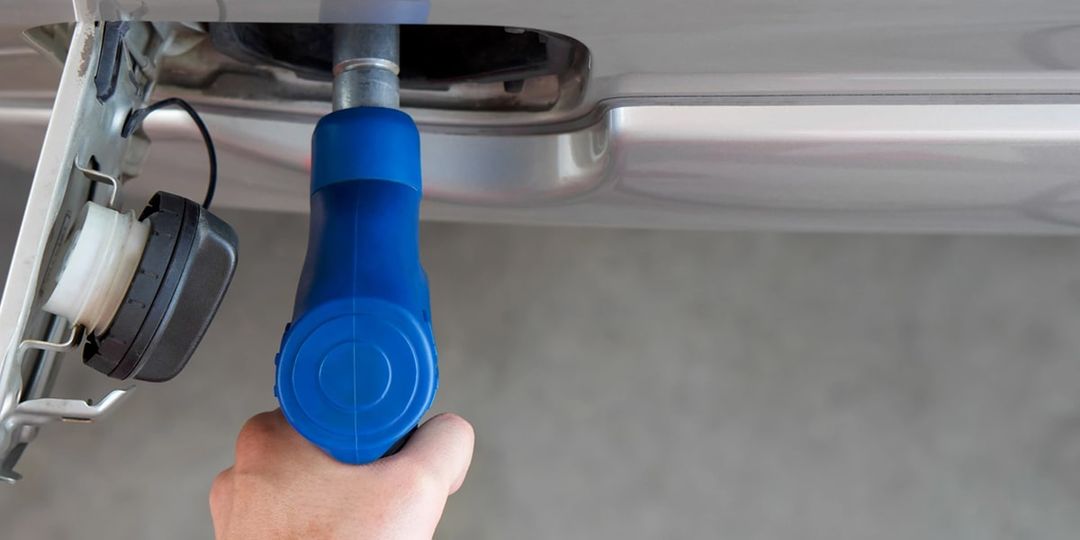
Managing vehicle fuel consumption doesn’t have to be a time-consuming task. For reliable fuel tracking, use fleet management systems to their full potential through fuel management and see the difference.
One of the biggest responsibilities managers take on is finding ways to minimise the costs associated with running a fleet. Fuel management makes this process much easier.
See how fuel management can help you calculate the average fuel consumption rate across your fleet.
Fleet management and your company’s fuel economy
Fleet management fully monitors vehicles and gathers data on each vehicle as it operates. With every trip made, the system automatically tracks fuel consumption levels and notes the rate at which fuel is burned.
With this information, telematics gathers all the vehicle data, translates it into easy-to-understand information and compiles it on the manager’s fleet platform.
The type of information collected for core fuel efficiency includes:
- Speed
- Full vehicle usage history
- Vehicle routes
- Maintenance issues
- Idle time
- Driving behaviour
Managers will now have full access to fleet diagnostics and valuable insights that allow them to make informed decisions on how to improve their fleet for a bigger, greener business.
How to boost vehicle performance
Managers are constantly looking for new and creative ways to keep track of their fleet and get the most out of their work operations. With fuel being one of the most valuable resources in use, managers need to take the necessary steps to make sure it is not being wasted.
Fuel management is a subdivision of a fleet management system that uses fleet telematics to:
- Read fuel levels in real time
- Track and improve fuel efficiency
- Reduce fuel consumption
- Instantly notify managers of a change in fuel
Fuel management systems can provide detailed information about your fleet’s fuel economy. You can determine whether fuel use has increased as a result of incorrect tyre pressure, misaligned tyres or vehicle weight.
All of this helps managers get a better handle on their fleets’ fuel consumption performance automatically, making fuel monitoring a crucial component of fleet management.
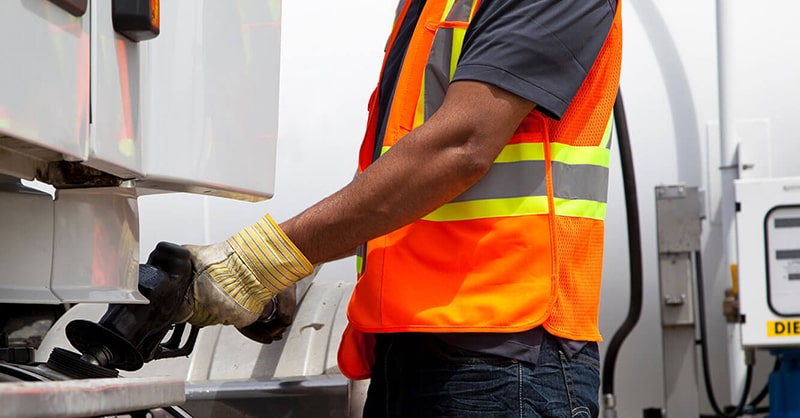
Definition of fuel economy
Fuel economy is the distance vehicles travel on a given amount of fuel, which means it is a form of vehicle thermal management that measures how much energy a vehicle takes in as fuel and turns into kinetic energy to travel.
Fuel economy technologies show that vehicles with reduced fuel consumption burn less fuel than other vehicles and produce lower levels of carbon emissions.
So how does a fuel management system work to conserve energy?
With GPS technology, fuel management systems automatically create different graphs comparing fuel use based on previous trips. These graphs give business owners operational insights that help identify a variety of technical and usage-related problems.
Fuel consumption management is extremely beneficial for fleet managers for the simple reason that it can reduce operating costs. Fleet management also provides a complete overview of transport, so you can manage your fleet operations and business logistics in today’s economy with ease.
A fuel management system provides accurate data on:
- Cost per mile
- Fuel theft
- Driver behaviour (risky driving, speeding, idling)
How to reduce fuel consumption with fuel monitoring
Fuel expenses seem to rise with every passing year, so when it comes to planning, budgeting and managing fuel costs, fleet managers use a few tips to give their tanks a rest.
- Driving behaviour
They look into how their team of drivers operate their vehicles and, through training, can change their driving behaviour for the better. Poorly driven vehicles use more fuel than expected and contribute to maintenance problems down the line.
- Vehicle inspections
Bad driving habits result in damaged vehicles, so frequent vehicle inspections are recommended for any maintenance issues that could contribute to excessive fuel use and higher maintenance costs.
- Route management
Finding the most fuel-efficient route prevents excessive fuel consumption and reduces overall delivery time.
For more fuel-saving tips, click here.

The cost impact of fluctuating fuel prices
Because fuel prices fluctuate, fleet managers may find it difficult to plan a fuel budget and manage costs, especially if they don’t have a strong tracking tool to help keep up with changes in the fuel price.
Benefits of fuel management
A great fleet manager can divide their focus between all the factors that affect their fleet. If you manage a fleet efficiently, you will notice that fuel economy is just one of the many obstacles you need to tackle.
There is also:
- Fuel consumption management
- Internal and external fuel fraud
- Unnoticed fuel leaks
- Complex and time-consuming fuel reports
How do fuel management tools help tackle these problems?
- Improve accuracy – Get the data on the distance travelled by your fleet and calculate the amount of fuel consumed with fuel monitoring systems. You can also save the data for later analysis with the help of an automated fuel control system.
- Improve fuel efficiency – With this, you can track your vehicle’s maintenance and your driver’s routes. Implementing efficient driving routes is necessary for making cost-effective decisions so that wasteful, excessive fuel consumption can be eliminated.
- Reduce fuel theft – Fuel theft is considered a major problem in the fleet industry. Using a fuel monitoring system can reduce fuel theft attempts by recording fuel consumption and fuel-related expenses, and by identifying security problems in your fleet so that solutions can be implemented.
- Automated reports – You can receive reports on real-time events such as fuel levels, unauthorised vehicle use and frequent engine idling, so you can look into your mileage as well as any irregular fuel economy.
- Stay compliant – Fuel consumption software will make sure your fleet meets emission standards. There are many places where CO2 emissions are heavily regulated.
Managers can access information from their laptops or phones, as the software allows remote use. With this and an Internet connection, you don’t have to deal with outdated inventory or tank management from the office. You can do it all from practically anywhere.
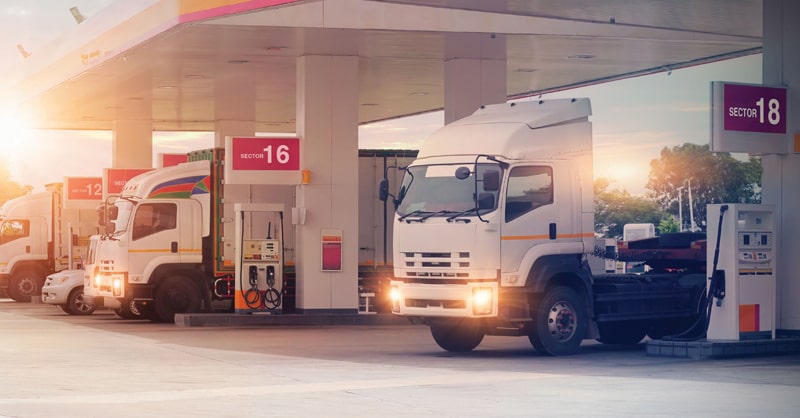
Reduce fleet costs with a reliable fleet management company
Cartrack’s smart dashboard provides fast fleet monitoring for your entire fleet and many other benefits for other managers.
Learn more about fuel consumption and use the fleet management solutions from Cartrack to fix it.
Visit us today to start saving fuel.
 South Africa
 Botswana
 Kenya
 Malawi
 Namibia
 Nigeria
 Swaziland
 Tanzania
 Zimbabwe
 Hong Kong
 Indonesia
 Singapore
 Malaysia
 Philippines
 Thailand
 New Zealand
 Vietnam
 Poland
 Portugal
 Spain
 United Arab Emirates

 PT