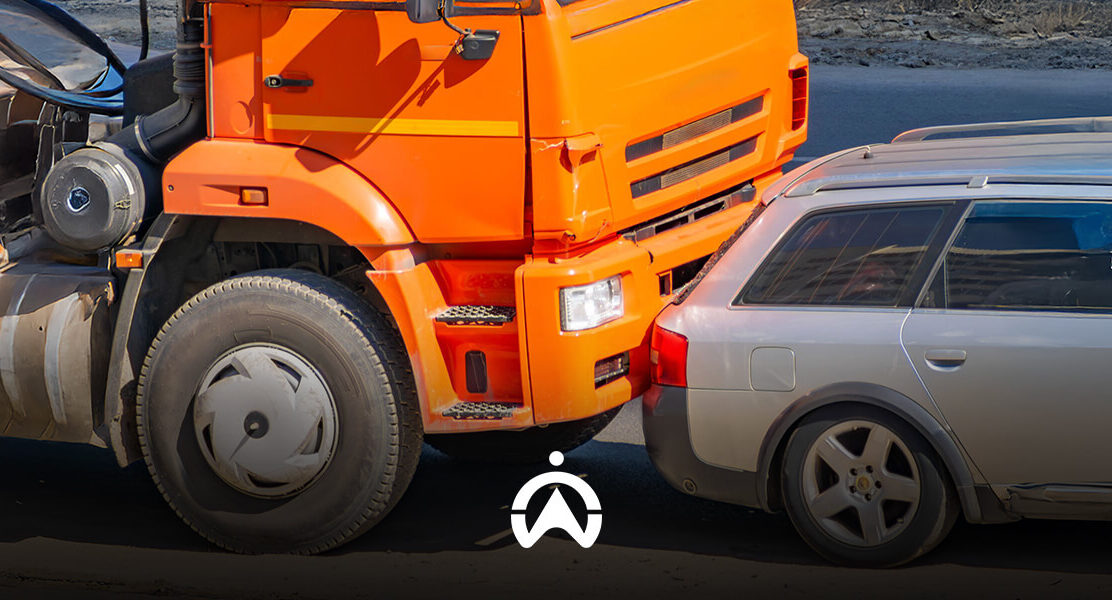
Many assume that accident-related costs are limited to vehicle repairs and insurance claims. However, these incidents involve hidden expenses that can hurt a company's bottom line.
When a company vehicle is involved in an accident and the driver or the vehicle's mechanics are found to be at fault, the company can be held liable for medical expenses and other related costs. In some cases, the company may also be responsible for property damage and legal fees. Over time, these costs can add up, creating a substantial financial burden for the company.
Beyond these direct costs, the company is more likely to suffer damage to its reputation, leading to a significant drop in customer trust and loyalty. A company with a reputation for unsafe driving practices may struggle to maintain long-term relationships with customers.
What Are the Financial Implications of Fleet Accidents?
Fleet accidents have implications that go far beyond the immediate repair costs. Understanding these consequences is crucial, especially when seeking to mitigate financial losses and protect the company's reputation.
What are the real expenses associated with fleet accidents?
Vehicle repair and replacement costs: When a vehicle is involved in an accident, the first step is to repair it. This means buying new parts to replace the damaged ones and paying the mechanic who carries out the repair.
Medical and liability expenses: Companies may cover the medical expenses of those injured and, depending on the situation, offer compensation for additional damage or losses.
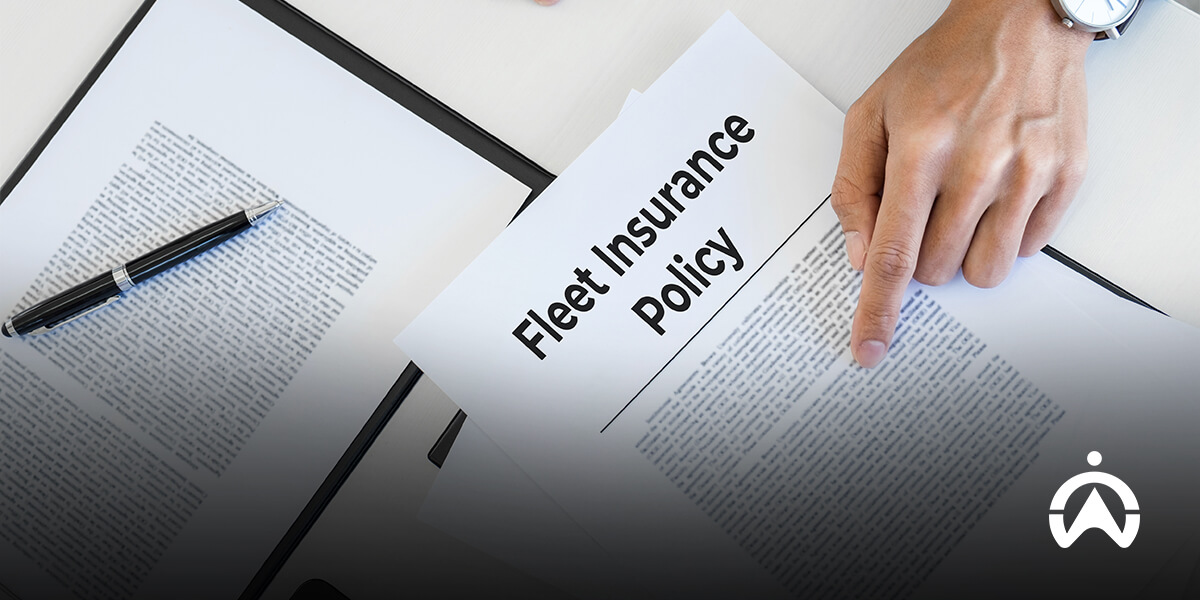
Higher insurance premiums: If fleet vehicles are frequently involved in accidents, insurers may classify the business as high risk, resulting in higher premiums, which can affect profitability over time. This highlights the elevated risk profiles of fleets, making them more likely to face higher insurance costs.
Beyond the immediate costs, fleet accidents also create substantial legal and reputational problems, putting the business under even more pressure.
Legal implications of fleet accidents
Legal consequences and liability: Fleet accidents can expose the company to lawsuits, whether for personal injury, death or property damage, creating substantial legal costs.
Regulatory penalties: An accident involving a company vehicle is often investigated. If the authorities find fault with driver behaviouror the condition of the vehicle, the company may be held liable for fines and penalties for breaking traffic laws.
Insurance disputes and legal fees: Insurance claim investigations can take months to resolve, especially in complex cases. This often requires legal assistance, which brings additional expenses that affect the company’s cash flow.
Reputational implications of fleet accidents
Public perception and brand damage: Frequent accidents, especially those with serious consequences, can harm a company’s reputation. In the digital age, a viral social media post about a company vehicle involved in an accident can damage the brand’s reputation and put customers off supporting the business.
Customer loyalty and retention: Accidents can disrupt a company’s operations, resulting in lower customer satisfaction levels. Customers may question their association with a company that has frequent accidents and may look to other companies for their services.
Employee morale and turnover: Witnessing or experiencing an accident can affect drivers’ well-being, leaving them traumatised and demotivated. Drivers may need time off work or even counselling, which will affect operations further. If accidents happen more often, employees may start to question the company’s commitment to safety and leave in searchof better opportunitieselsewhere.
How to protect fleet operations against accident losses
To protect a business from the financial, legal and reputational losses caused by fleet accidents, managers must take a proactive approach. This means implementing strategies thatcan reduce the likelihood of accidentsand ensure that operations run smoothly if they do occur. Here are the main ways to protect the fleet and the business from the consequences of accidents:
Implement Fleet Accident Management for Incident Response and Prevention
Our Fleet Accident Management (FAM) plays a key role in minimising the impact of accidents on the business. It allows fleet managers to respond quickly, manage claims efficiently and mitigate common causes of accidents, such as risky driver behaviour, distractions and poor road conditions. With FAM in place, these issues can be tackled head-on, ensuring better safety practices and reducing downtime as well as the financial and operational consequences of accidents.
Carry out regular maintenance and servicing
Carrying out regular maintenance on the fleet will significantly increase safety, reduce breakdowns and minimise downtime, helping to save costs in the long run.
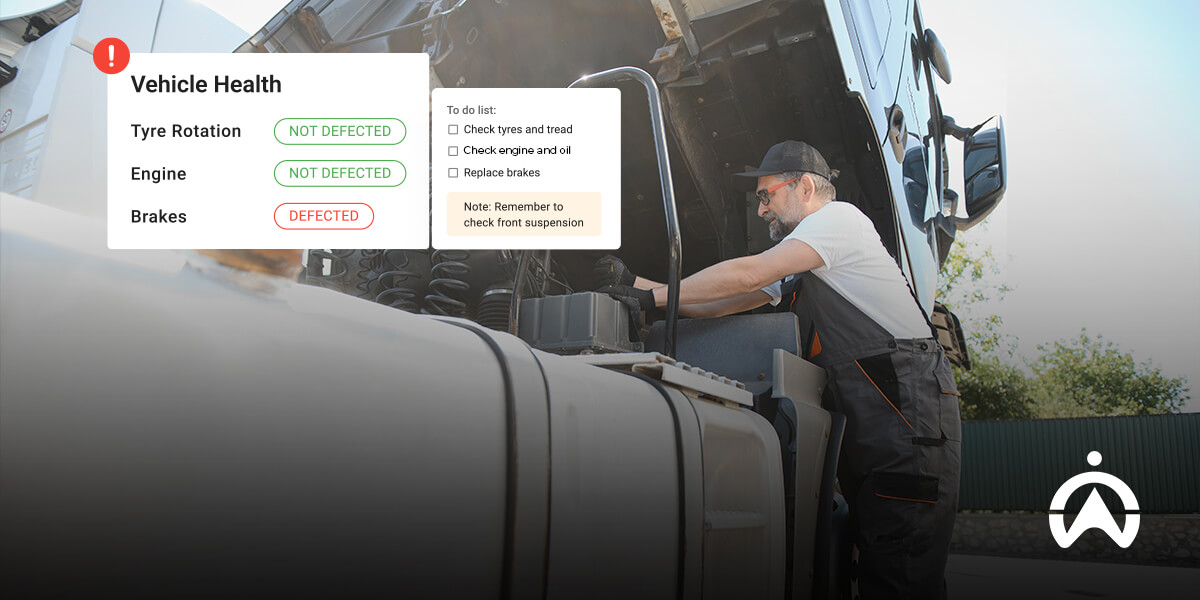
Regular servicing and a structured maintenance schedule will cover critical aspects such as wear and tear, tyres, engine condition, lights and other important vehicle components. This will not only ensure the vehicle’s longevity but also minimise accidents caused by mechanical failures, faulty parts or poor vehicle handling. Regular inspections and timely repairs help to identify potential hazards before they become serious problems, ultimately improving driver safety and maintaining operational efficiency.
The systems will alert operators when maintenance is due, which will help prevent breakdowns and accidents caused by faulty equipment. Telematics also helps to optimise routes through real-time updates on traffic, weather and road conditions, ensuring that drivers stay away from potentially dangerous areas.
How Cartrack helps mitigate the costs of fleet accidents
Cartrack offers comprehensive fleet managementsolutions that help businesses prevent and manage accidents, reducing costs.
We do this in the following ways:
Real-time tracking and alerts: Our GPS tracking devices allow managers to track their fleet in real time, giving them full visibility. In the event of an accident, instant alerts are sent to managers, allowing a rapid response in an emergency.
Driver behaviour monitoring: Our system helps operators monitor driverof drivers, by sending alerts whenever adverse events occur, such as speeding, harsh braking and cornering. With this data, fleet managers can identify drivers who need training to improve their performance. This will significantly reduce the risk of accidents and promote safer driving habits.
Cartrack’s AI cameras: Our AI cameras offer real-time monitoring with audible in-cab alerts that notify drivers of distractions such as mobile phone use, fatigue, smoking, speeding and other risky behaviour. These alerts help drivers correct their actions immediately, which can help reduce accidents. If an accident does occur, the footage can be retrieved and used to prove the driver’s innocence and sent to insurers to speed up the claims process. Managers can use the footage to review what happened and provide targeted driver training where needed.
Preventive maintenance: Cartrack’s system sends alerts to informmanagers of any engine faultsand when vehicles need maintenance. By monitoring engine hours and usage, managers can easily keep track of maintenance needs. This proactive approach helps ensure that the fleet stays in good condition and operates efficiently.
Accident detection: Our smart IoT device uses G-force technology to detect an accident in real time, allowing us to send emergency services immediately to the driver’s exact location so that help arrives as quickly as possible. Accident detectionincreases the confidence of drivers on the road, who know that protection is available at all times in the event of an accident. Businesses have the chance to be served faster during the claims process, as all the necessary information is readily available through this technology.
Advanced Driver AssistanceSystem (ADAS): ADAS uses camera-based sensors, intelligent algorithms and AI technology to enhance the driver’s awareness, increasing the safety of both driver and vehicle. This system alerts drivers to blind spots and issues forward collision warnings.
In short, investing in a robust fleet management system can reduce accidents, helping to save on hidden costs such as financial, legal and reputational costs. Implementing driver training programmes and carrying out regular maintenance ensures that drivers and fleets are safe on the roads.
Ready to protect your fleet and save costs? Get in touch with us today to achieve your business’s bottom-line goals, leaving you with satisfied customers and improved profitability.
Frequently asked questions about accidents and fleet management systems
Q: What are the main causes of fleet accidents?
A: Factors such as driver behaviour, poor road conditions, adverse weather conditions and vehicle faults contribute to fleet accidents.
Q: How does the frequency of accidents affect a company’s ability to grow?
A: Frequent accidents can prevent a company from reaching its full potential because of all the costs it will have to bear as a result of those accidents. This means the company will be operating at a loss and its bottom line will be negatively affected.
Q: How do fleet accidents affect customer satisfaction?
A: Fleet accidents can cause delivery delays and service interruptions and, in some cases, products can be lost and damaged during these accidents. This will negatively affect customers, leaving them dissatisfied and disappointed with the service.
Other articles for you
Food Transport Facts and What You Need to Know When Managing Your Fleet
Blogs
11 minute read •
Important facts about food transport in fleet management: keeping perishable goods fresh in transit directly affects your profits — and mixing food loads is a serious mistake. Other facts include the food distribution regulations in force in Mozambique, the challenges of electricity supply and the […]
7 Ways to Increase the Efficiency of Your Construction Fleet
Blogs
12 minute read •
The seven main ways to increase the efficiency of your construction fleet are: Use telematics and GPS tracking to keep everything under control. Keep vehicle maintenance up to date.. Implement a fuel monitoring solution. Offer your drivers ongoing training. Plan better routes between sites. Match the size of the fleet to […]
How to Manage Your Light Commercial Vehicles (LCVs) Effectively with Fleet Management Software
Blogs
12 minute read •
To manage your light commercial vehicles effectively with fleet software, you should invest in a platform that directly addresses the biggest challenges LCVs face. LCV fleets deal with unique vulnerabilities because of their frequent trips. Wear and tear, wasted fuel, unexpected downtime and more are some of the main concerns. LCVs are […]
 South Africa
 Botswana
 Kenya
 Malawi
 Namibia
 Nigeria
 Swaziland
 Tanzania
 Zimbabwe
 Hong Kong
 Indonesia
 Singapore
 Malaysia
 Philippines
 Thailand
 New Zealand
 Vietnam
 Poland
 Portugal
 Spain
 United Arab Emirates

 PT