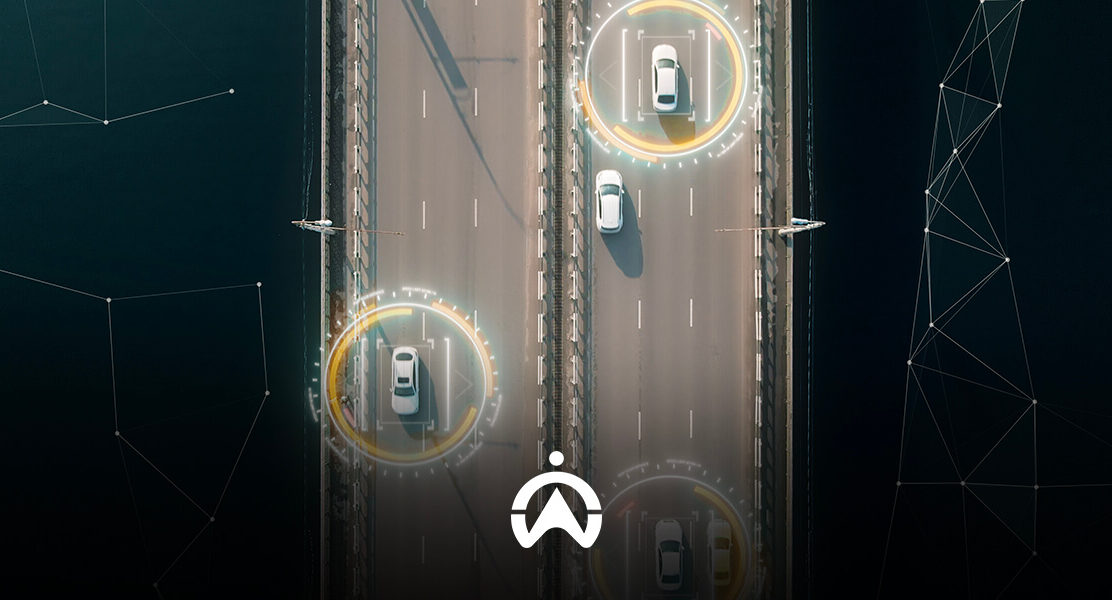
From mobile phones to smartwatches, digital cameras and real-time navigation, GPS technology is reaching incredible new levels. Many of our daily activities rely heavily on GPS technology. Think about it… when was the last time you called someone to ask for directions? I bet you just ask for a pinned location on WhatsApp.
The power of GPS isn't just essential for finding your way to your destination; paired with a good fleet management system, it will also save your fleet a fortune. Let's see how.
In this article, you will:
- Understand how a GPS works
- Learn about the benefits of GPS for your fleet
- Discover the hidden benefits of GPS
- See the importance of a GPS tracking device for your vehicle
- Find out how Cartrack uses GPS technology to boost fleet productivity
Global Navigation Satellite Systems (GNSS) are a global network of satellites that transmit radio signals. There are several well-known constellations that provide these services, such as GLONASS (operated by the Russian Federation), Galileo (operated by the European Union) and BeiDou (operated by China).
The GNSS satellite navigation system we are most familiar with is called the Global Positioning System, or GPS, and is developed and operated by the United States.
GPS is a constellation of 31 satellites orbiting the Earth. Each satellite emits signals that allow receivers, through a combination of signals from at least four satellites, to determine the time and location
The 3 main satellite segments
Let's break down the three main satellite segments to better understand how this technology works and how it is able to help us achieve real-time location tracking.
- The space segment: This segment includes all the satellites in the GPS constellation. They transmit signals to users based on geographical position and time of day, and are spaced so that four satellites are above the horizon from any point on Earth. The receiver needs three satellites to determine position; the fourth is there to refine the measurement and provide the ability to calculate a point's vertical height above sea level.
- Control segment: Also known as ground control, this segment is made up of monitoring stations that detect any errors that may occur due to radiation disturbances, electrical problems or wear and tear. From time to time, the satellites need instructions to correct these errors.
- The user segment: these are the GPS receivers and transmitters we use in our day-to-day lives, such as smartphones, cars, cameras and aeroplanes.
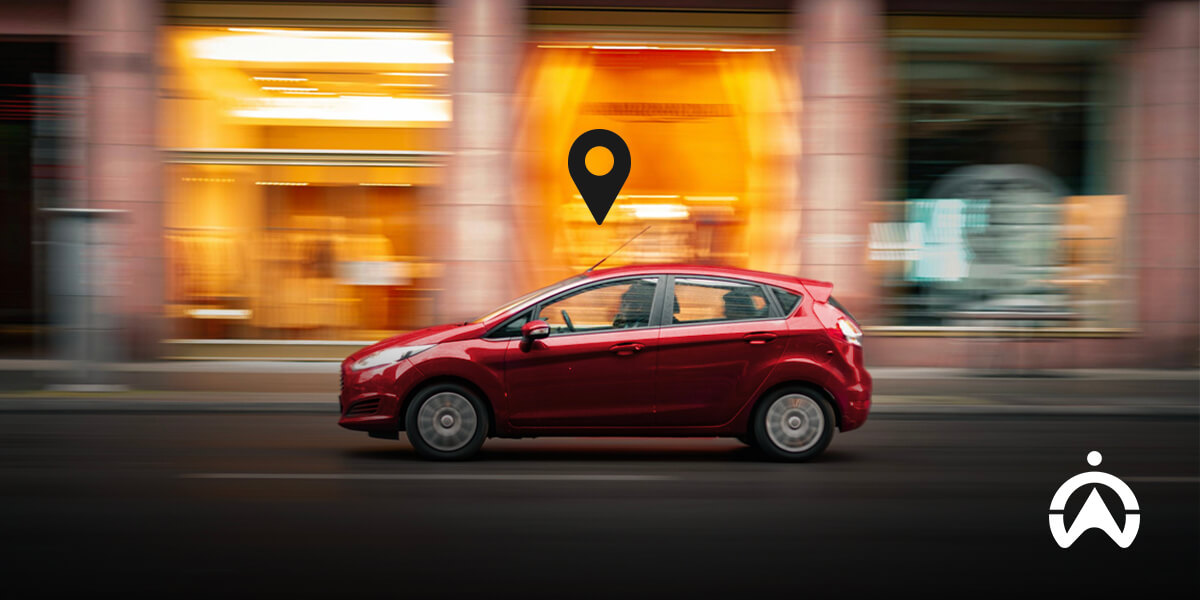
This is how GPS tracking works in a car
Satellites, signals and a GPS tracking device are the three components of the global tracking system commonly used today.
A GPS tracker uses a process called trilateration to determine latitude, longitude, elevation and time. Trilateration is simply the measurement of distance. Three satellites are used to calculate the distance from each one. With these three distances, trilateration can pinpoint your exact location. The tracking device is usually powered by an on-board diagnostics (OB-II) port, such as an accessory socket or internal battery, which collects information and transmits it to the software, allowing the data to be analysed.
Another interesting fact about GPS trackers is that there are two types: active and passive. Active trackers give users a real-time view of global positioning. This type of GPS tracking is the best option for individuals or businesses who want a real-time view of their vehicles.
A passive tracker, on the other hand, simply stores the GPS data to be viewed later. This is ideal for business fleet managers who are mainly interested in monitoring past activity.
The main GPS tracker benefits you probably already know
Using GPS technology has become the norm for many, and you probably already enjoy many of its benefits, but just to refresh your memory, here are a few:
- Always know where your vehicles are: a GPS tracker makes it easy to monitor your vehicles' whereabouts and check whether drivers are following the planned routes. It's also your best bet for recovering your vehicle if it is stolen.
- Detect risky driving behaviour: With event-based tracking, telemetry and input data are transmitted at regular intervals or when an event is detected. An event can be anything from a car door opening to sharp cornering, harsh acceleration or speeding. Fleet managers can receive alerts about any bad driving habits that can cause accidents, vehicle wear and tear and high repair costs.
- Reduce fuel expenses: By comparing multiple routes with GPS tracking and historical reports, fleet managers can optimise fuel usage and cut wasted costs. Fleet managers can conveniently compare multiple routes with historical reports and choose the most fuel-efficient routes. GPS trackers can also help reduce idling and speeding, which brings additional fuel-saving benefits.
- Better customer service: A GPS tracker improves dispatching and routing, reducing order delivery times. This will earn your business good reviews, as customers will always be confident that their orders will arrive on time.
The hidden benefits of GPS tracking systems
Take a look at some of the often overlooked and lesser-known benefits of a GPS tracking system:
- Emergency assistance for drivers: Fleet telematics combined with GPS tracking gives you instant access to the location of your fleet's vehicles, which can save lives. In the event of an accident, emergency services will be able to reach your drivers faster than usual.
- Accurate costing and invoicing: with a GPS tracking system, you can get a more detailed view of the areas that drain your budget and cut costs, as well as a better estimate of how much will be needed to keep the business running day to day. There is little or no room for human error, so you won't have any surprise expenses.
- Simplify tax compliance: thanks to the accuracy in recording your vehicles' movements, drivers no longer need to log their miles manually, helping you file your taxes hassle-free.
What about everyday drivers?
- Review your past trips and identify your best route: there are also many ways for you to get to work, your partner's house or your child's school. These daily trips can be expensive if you don't know which route uses the least fuel. A good GPS tracking system will save you all the trouble.
- Lower insurance premiums: Most insurance companies take vehicle tracking and theft prevention into account when determining premiums, as those without insurance are considered high risk.
- Easy monitoring of your teenager's safety: you'll know your child's whereabouts whenever they are on the road and can monitor their good or bad driving habits. They may see it as you being nosy, but at least you'll know they're safe.
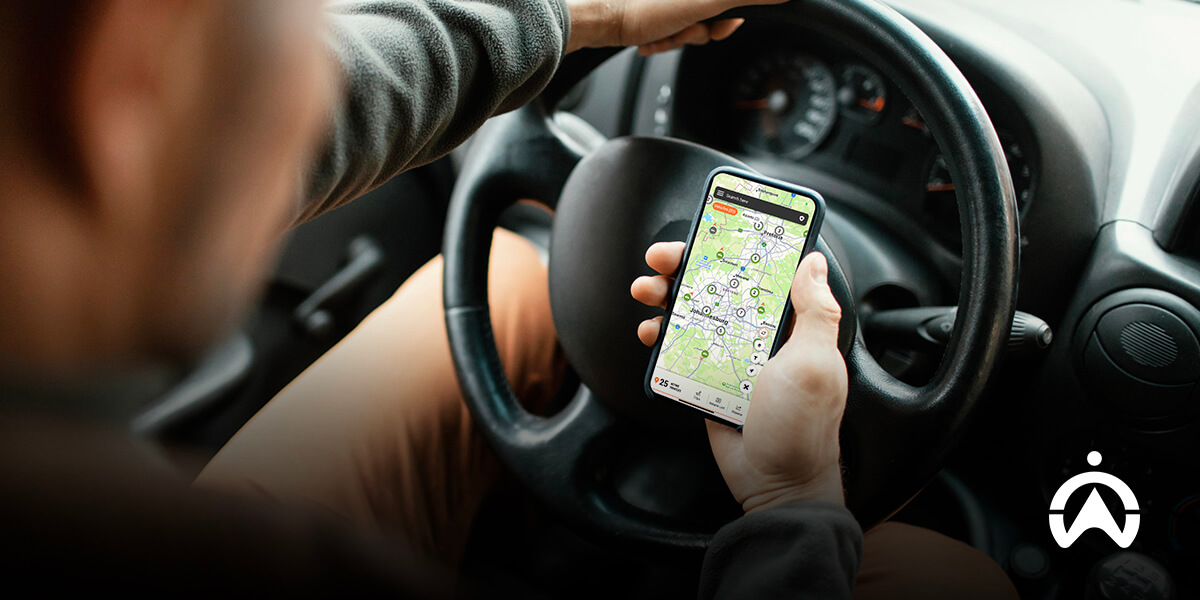
Discover the best GPS tracker for you, your family and your business
Whether for personal use or for your fleet. Cartrack has GPS tracking units to suit every vehicle need. We specialise in telematics that makes your life easier.
Cartrack has a stolen vehicle recovery rate of over 90%, more than 2 million subscribers and 20 years of experience. Here's a bonus: in the unlikely event that your vehicle is not recovered, you can claim a money-back guarantee of up to R150.000! Terms and Conditions apply.
The features our GPS tracking unlocks for fleets and drivers
- Real-time vehicle tracking
With Cartrack's real-time GPS tracking system, you can always know your fleet's real-time location, whether it's parked or on the move. You can also access your personal vehicle's real-time location at any time by downloading our easy-to-use mobile app.
- Stolen vehicle recovery
In the unfortunate event that your vehicle or one of your fleet's vehicles is stolen, rest assured that our skilled air and ground teams are always on standby, ready to return it to you.
- Delivery for fleets
Whatever your business, be it e-commerce or pharmaceuticals, our delivery fleet management software is here to give you the fastest and most orderly way to make deliveries with route and job optimisation. With this feature-packed tool:
O The process is paperless and therefore less time-consuming.
o You can easily manage jobs based on the route or change a job's priority, and drivers have access to the app.
o Drivers stay connected by getting access to the easy-to-use app that helps them complete tasks faster, reducing confusion.
o Drivers receive instant updates on any cancellations or priorities in the jobs assigned to them.
o Customers receive advance communication about any changes and accurate ETAs
- Route replay
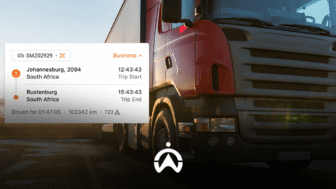
Get a complete view of your fleet vehicles' trip history, replay trips and know the distance and duration of every trip.
- Monitoring driver behaviour
Get access to our driver scorecards, which provide detailed reports on triggered events, such as speeding, idling, sharp cornering and harsh braking. These reports will help you identify areas for improvement for your drivers and provide training.
- Geofence
Create virtual boundaries around no-go areas you'd like your drivers to avoid or areas you'd prefer your vehicles to operate in exclusively, and receive alerts the minute your vehicles enter or leave these areas. This will further increase your fleet's safety. But wait… what about your personal car? We've got you covered!
The geofence feature applies to both fleet management and private vehicles. You can set the same virtual boundaries around areas of your choice, such as your workplace, your home or the places where you wouldn't want your child to drive. That way, you can receive alerts whenever your vehicle enters or leaves these areas.
- Fuel monitoring
Our GPS tracking system, paired with our fleet management platform, will help you detect fuel card fraud by calculating the distance travelled against the litres of petrol used. We have a Mifleet platform that can help you manage fleet costs based on the reports provided.
When it comes to smart vehicle devices, a GPS tracking device is certainly a game changer and a money saver. And it's no secret that Cartrack is an industry leader.
Contact us today and let us simplify your life with our comprehensive tracking solutions.
 South Africa
 Botswana
 Kenya
 Malawi
 Namibia
 Nigeria
 Swaziland
 Tanzania
 Zimbabwe
 Hong Kong
 Indonesia
 Singapore
 Malaysia
 Philippines
 Thailand
 New Zealand
 Vietnam
 Poland
 Portugal
 Spain
 United Arab Emirates

 PT