Picture yourself speeding along a busy road when, suddenly, your engine splutters and dies. You're stranded on the road, realising that a simple maintenance check could have prevented this costly delay.
Now, imagine this on a larger scale; across a fleet of vehicles, for example. Failing to encourage your drivers to carry out pre-trip inspections can result in vehicle problems, downtime and costly damage control.
Let's dive into some quick and easy pre-inspection safety steps that can save lives and cut costs.
In this article, you will:
- Discover the importance of pre-trip inspections for fleet safety and reliability
- Explore how pre-trip inspections can prevent accidents and costly breakdowns
- Learn about the essential pre-trip inspection checklist
- Understand the difference between pre-trip inspections and vehicle maintenance
- Find out how Cartrack solutions can elevate your pre-trip inspection programmes
A spluttering engine is just one example of the possible consequences of skipping a pre-trip inspection. In the worst case, a faulty braking system or a broken light on a dark road can lead to a devastating accident that puts your driver and other drivers at risk.
A pre-trip inspection checklist can help reduce problems with safety. It involves a series of vehicle checks that drivers carry out before setting off. These checks target essential elements, such as lights, tyres and brakes, to make sure the vehicle is working properly and is safe to drive.
It serves several main purposes:
- Early detection of problems: A thorough pre-trip inspection helps detect minor problems, such as flickering headlights or low tyre pressure, before they become a costly problem. Resolving these problems promptly stops them turning into serious breakdowns that could leave you or your drivers stranded on the road.
- Greater safety: By making sure all the vehicle's systems are working properly (brakes, lights, mirrors), pre-trip inspections significantly reduce the risk of accidents. This not only protects drivers and other road users, but also minimises potential legal liabilities for your business.
- Compliance with regulations: In South Africa, the National Road Traffic Act and the South African government set specific roadworthiness inspection requirements for commercial vehicles. Pre-trip inspections make sure your vehicles comply with these regulations, avoiding heavy fines and the potential impounding of vehicles.
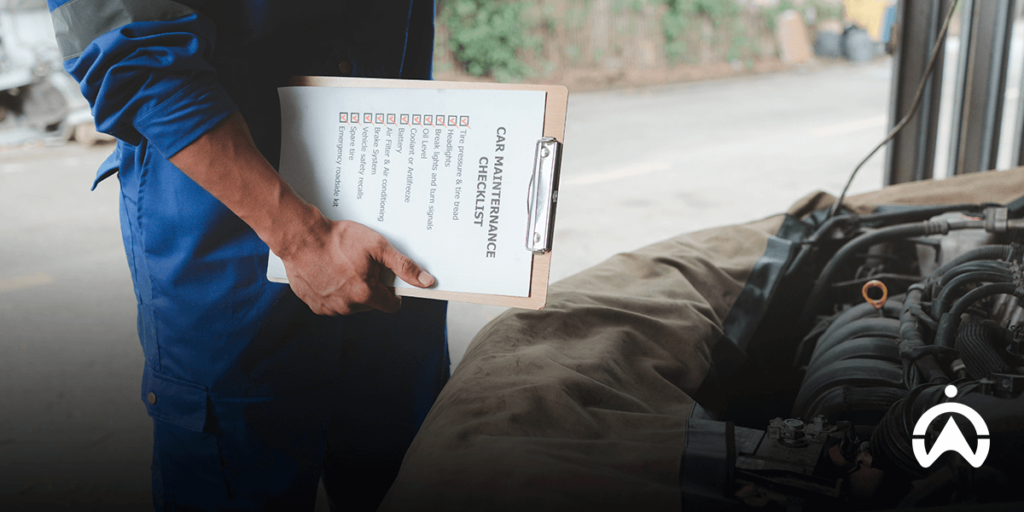
What should be on your pre-trip inspection checklist?
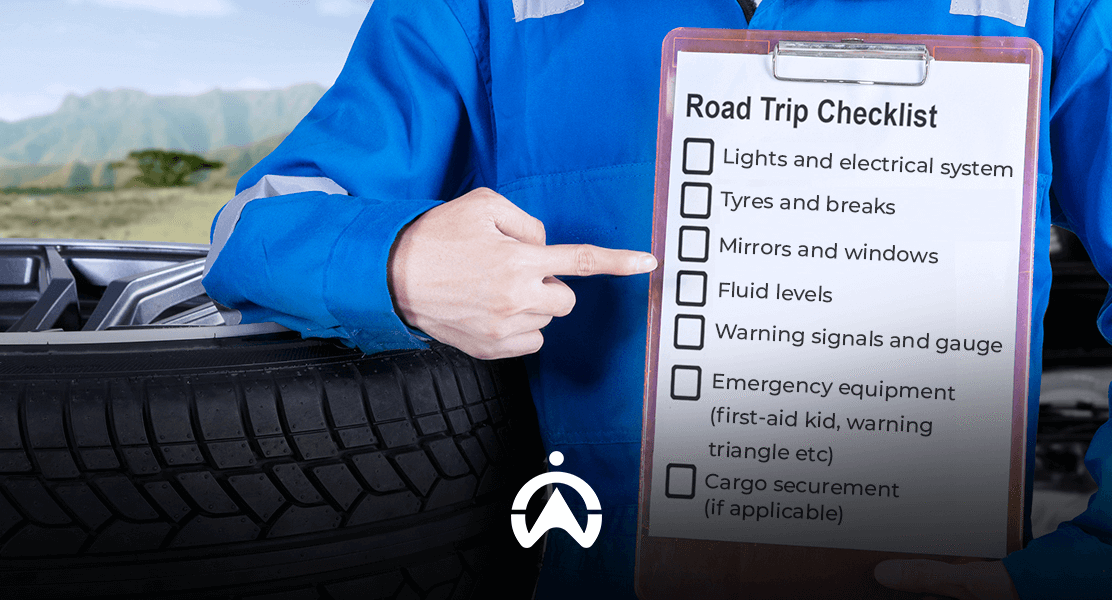
The specific items on your pre-trip inspection checklist vary depending on the type of vehicles in your fleet (trucks, buses and vans) and the sector you operate in. However, some general categories should be included in every checklist:
✓ Lights and electrical system:
Check that the headlights, tail lights, brake lights, indicators, hazard lights and clearance lights are working properly, and make sure the lenses are clean and undamaged.
✓ Tyres and brakes:
Inspect all tyres for proper inflation (see the manufacturer's recommendations) and visible damage (cuts, bulges and excessive wear). Make sure all the wheel nuts are secure. Carry out a gentle brake check to ensure proper operation (no pulling or pulsing).
✓ Mirrors and windows:
Adjust all mirrors (rear-view and side) for optimum visibility and make sure they are clean and free of obstructions. Inspect the windscreen for cracks, chips and anything obstructing the driver's view.
✓ Fluid levels:
Check the levels of engine oil, coolant, windscreen washer fluid and power steering fluid, topping them up if necessary.
✓ Warning signs and gauges:
Examine all the warning lights and gauges on the dashboard to check they are working properly. Note any unusual readings (oil pressure, temperature, battery).
✓ Emergency equipment:
Check that the vehicle has a fire extinguisher, first aid kit and warning triangles (reflectors) in good working order.
Cargo protection (if applicable):
✓ Cargo area:
Make sure the cargo area is clean and free of any remnants of previous loads. Check the proper operation and safety of the cargo door.
✓ Cargo security measures:
For vehicles carrying goods, check that all cargo is properly secured using appropriate restraints (tie-downs, straps, etc.) in line with the regulations of South Africa's National Road Traffic Act. Make sure the load is evenly distributed to prevent weight shifting in transit.
What is the purpose of a pre-inspection checklist?
Although the appeal of hitting the road and getting the job done quickly is understandable, neglecting pre-trip inspections can have significant consequences for your fleet. These inspections are the foundation of proactive safety measures and a strong maintenance strategy.
Which of the following is the most important reason to carry out a pre-trip inspection?
- To make sure your drivers are safe.
- To avoid costly stoppages and repairs.
- To maintain vehicle reliability and compliance.
The correct answer is… all of the above!
Besides having a pre-trip inspection checklist, there is more you can do to make sure every trip goes smoothly. To ensure safe driving to every destination, the following five proactive measures are essential:
- Regular vehicle maintenance:
Scheduled maintenance is the backbone of preventive maintenance practices, as it helps detect possible problems early, avoid breakdowns, make sure your fleet's vehicles are always roadworthy and minimise the overall risk of unexpected breakdowns.
- Driver training:
Providing safety training for drivers is crucial. This includes teaching defensive driving techniques, recognising hazards and responding effectively to emergencies.
- Driver monitoring and feedback:
Installing driver monitoring systems lets fleet managers keep an eye on driver behaviour, identify risky driving habits and provide personalised feedback and coaching. By addressing unsafe driving habits early, managers can minimise the risk of accidents and increase safety overall.
- Technology integration:
Advances in fleet management technology have revolutionised safety practices. Telematics systems, integrated cameras and GPS tracking devices provide real-time information on vehicle performance, driver behaviour and road conditions. By making use of these practical, high-tech tools, fleet managers can identify areas for improvement, proactively address risks to safety and monitor compliance with safety protocols.
Pre-trip inspections versus vehicle maintenance
Pre-trip inspections and vehicle maintenance are essential components of fleet management, each serving a different purpose in ensuring the safety and reliability of fleet vehicles.
- Pre-trip inspections
These are quick but thorough health checks carried out by drivers to detect any problems with their vehicles before starting a trip.
Pre-trip inspections are the first step in promoting proactive vehicle safety. They empower drivers to take responsibility for the condition of their vehicles by following a checklist of essential items to make sure everything is in working order for a safe trip.
In essence, preventive safety measures are the cornerstone of effective fleet management. By detecting and resolving problems before the vehicle is used, pre-trip inspections help prevent accidents, breakdowns and costly repairs on the road, and support the long-term longevity of the fleet by regularly checking the condition of its vehicles.
- Vehicle maintenance
This is a more comprehensive and formal process, carried out regularly as part of preventive maintenance practices.
Maintenance involves scheduled appointments with certified mechanics or service centres to carry out a series of tasks aimed at ensuring the vehicle's ongoing health and performance. Mechanics inspect and fix problems, change fluids and replace worn parts to keep your vehicle running perfectly. It is a more thorough and formal process carried out regularly to improve effectiveness and avoid bigger problems in the future.
Unlike pre-trip inspections, which focus on immediate issues of safety, vehicle maintenance addresses broader maintenance needs and helps extend the life of fleet vehicles.
Quick check or deep clean? Here's what your fleet needs
Here is a basic breakdown of the differences between pre-trip inspections and vehicle servicing. So, which is more important
| Essential questions |
Pre-trip inspection |
Vehicle maintenance |
| How often? |
Daily (before every trip) |
Scheduled (based on mileage or time) |
| Who does it? |
Drivers |
Trained mechanics |
| How long does it take? |
A short time (10-30 minutes) |
Longer, depending on the type of service (several hours or days) |
| How much does it cost? |
Minimal cost |
Costs vary depending on the type of service |
| Does it prevent problems? |
Yes. It detects problems early and helps prevent breakdowns |
Yes. It maintains your vehicle's health and prevents future problems |
The answer? Both!
Pre-trip inspections are a vital first step in identifying potential issues that could later develop into problems requiring professional maintenance. While both pre-trip inspections and vehicle maintenance play crucial roles in fleet upkeep, they serve different needs and complement each other to ensure the overall safety and reliability of fleet vehicles.
How does fleet management software help with vehicle inspections?
Gone are the days of paper checklists and manual record keeping. Fleet management software offers a digital solution to streamline pre-trip inspections and increase safety for the vehicle overall.
Here's how the software can help:
- Automated reminders: drivers receive automatic reminders on their mobile devices to carry out pre-trip inspections before every shift, promoting consistency and reducing the risk of skipped inspections.
- Accurate reports: Inspection results can be recorded electronically, allowing accurate data to be collected and analysed. This data can be used to identify recurring problems and improve maintenance practices.
- Accurate reports: Inspection results can be recorded electronically, allowing accurate data to be collected and analysed. This data can be used to identify recurring problems and improve maintenance practices.
Software for fleet management such as Cartrack makes pre-trip inspections more efficient by providing accurate data and real-time monitoring of vehicle condition and performance.
Take control of your fleet's safety
Don't let a skipped inspection put your drivers, vehicles and cargo at risk. Invest in proactive safety measures with Cartrack and make sure your fleet runs smoothly and efficiently.
Contact Cartrack today to learn more about our comprehensive fleet management solutions and how we can help you implement a robust pre-trip inspection programme.
 South Africa
 Botswana
 Kenya
 Malawi
 Namibia
 Nigeria
 Swaziland
 Tanzania
 Zimbabwe
 Hong Kong
 Indonesia
 Singapore
 Malaysia
 Philippines
 Thailand
 New Zealand
 Vietnam
 Poland
 Portugal
 Spain
 United Arab Emirates

 PT