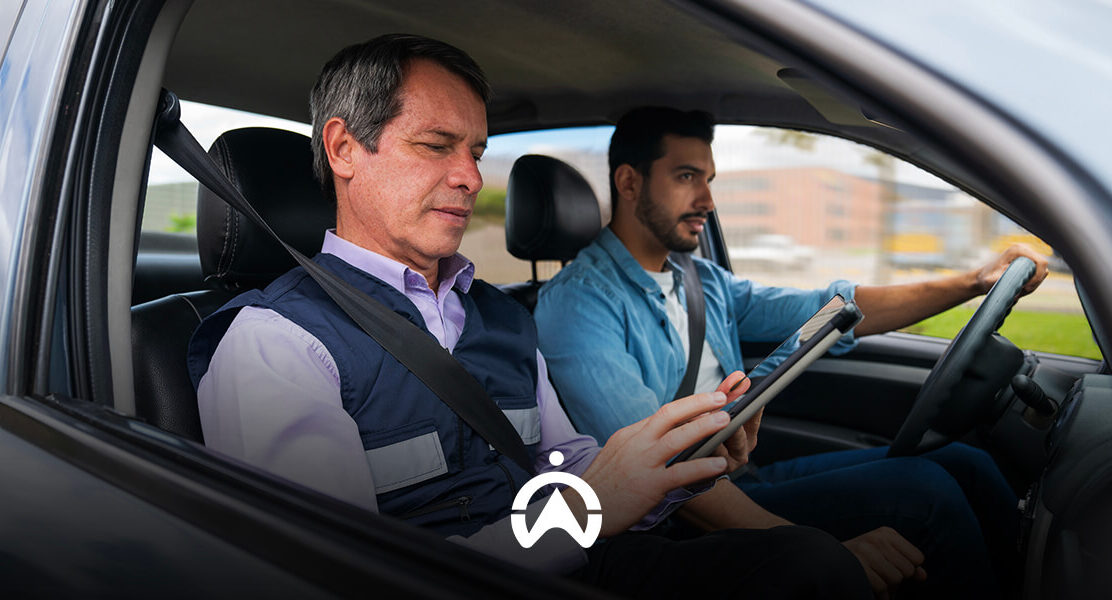
Fleet managers trust their drivers, but they still need to keep an eye on driving habits to avoid fuel drain, high repair costs or even fatalities. With the right coaching, better driving habits can be achieved, but the question is: what is the best way to coach drivers to improve their quality of service?
Let’s take a look at driver coaching.
In this article, you will:
- Understand the importance of driver coaching
- Discover the top four reasons why you need a driver coaching system
- Learn about the consequences of bad driving habits
- Get tips for effective driver coaching
- Discover how Cartrack makes driver coaching easier for you
Driver coaching explained: what is it?
Driver coaching is the process of teaching and engaging fleet drivers to improve their behaviour over time and increase road safety. It aims to save costs and increase productivity.
Why driver coaching can be challenging
Drivers come with a range of skills; some are experienced and others are at beginner level. For example, a new driver may need an in-depth explanation of compliance and regulations, while an experienced driver will probably only need refresher training on advanced defensive driving. This means that feedback needs to be tailored to each driver’s unique needs, but unfortunately, fleet and safety managers don’t have time to engage with every driver because of their ever-so-busy schedules, especially when running a large fleet.
Fleet managers can’t fix what they can’t see. They don’t know exactly what drivers get up to on the road, and this makes it hard to spot patterns or identify the real reason why the fuel doesn’t last, why the driver ended up in an accident or why vehicle parts always need repairing or replacing. Without data analysis from a fleet management system, coaching doesn’t work.
4 consequences of bad driver behaviour in fleet businesses that you need to know
Here is how problematic driving can cause a serious profit drain:
1. Fuel wastage
Fuel accounts for the biggest share of the budget for running a fleet, and it gets worse when it isn’t monitored. These are some driving habits that can drastically increase fuel consumption:
- Harsh braking: This usually happens when the driver doesn’t keep a safe following distance in traffic or is distracted. It uses more fuel because the vehicle’s transmission shifts to a lower gear to regain momentum.
- Long periods of idling: According to the North Carolina Environmental Quality, idling for 10 seconds uses more fuel than switching off the engine and restarting it. Idling also damages vehicle parts and causes pollution.
- Speeding: A higher speed requires more engine power to overcome the drag from wind resistance, tyres and transmission, which therefore burns more fuel.
2. Maintenance
Careless driving habits put a strain on the vehicle and shorten its lifespan through constant wear and tear. Here are some examples of careless driving habits that can cause maintenance problems:
- Revving a cold engine: usually done on cold winter mornings, when you are late and need to get going, excessive revving puts strain on the engine before the oil has had a chance to circulate properly, increasing wear.
- Riding the clutch: keeping your foot on the clutch is called riding the clutch, and it wears out the pressure plate and bearing sooner than expected.
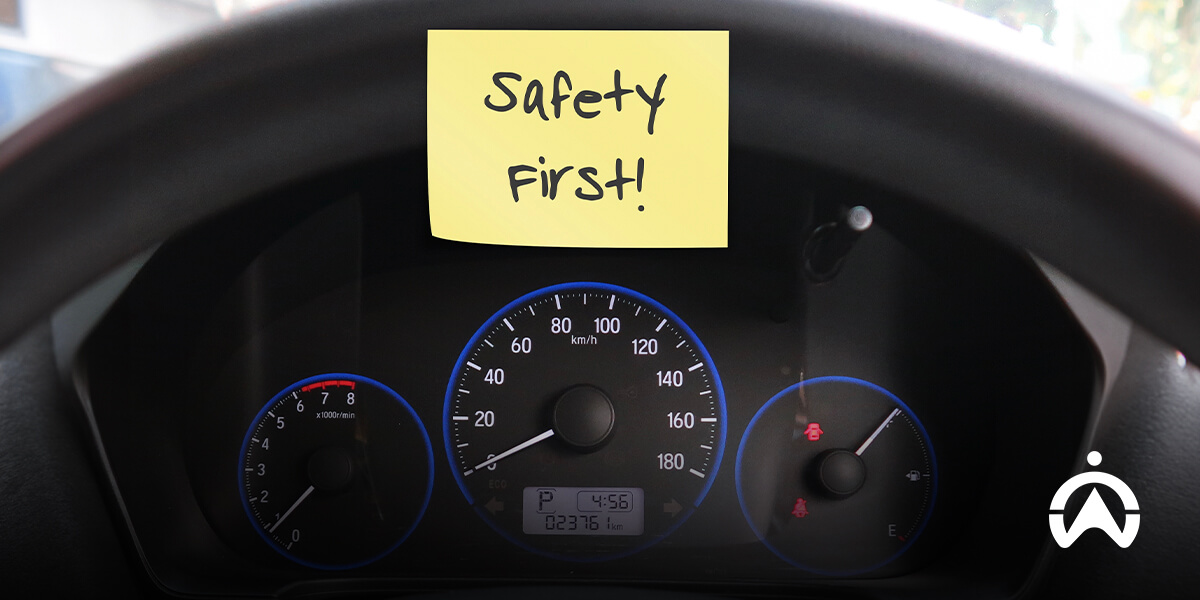
- Ignoring warning signs: drivers need to familiarise themselves with the symbols on the dashboard so that they know when to stop and act to avoid further damage or a breakdown. If you see any warning light related to the engine, braking, airbag, oil pressure or tyre pressure, stop and call for help immediately.
3. Safety concerns
This one is important and the most obvious. Reckless driving is one of the main causes of road accidents. Drivers are responsible not only for their own safety, but also for the safety of others. A small distraction or a higher speed can cause a huge collision, end lives and result in major lawsuits or prison for the driver. It can also cause loss of revenue due to unexpected downtime, repairs and replacements.
4. A bad company reputation
The purpose of the “How’s my driving” sticker on the back of a truck or car belonging to a fleet business is to promote safe driving, which is another good way of monitoring driver behaviour. If your drivers are not coached, they risk always being reported, damaging the company’s brand, as it will be known for bad driving. This becomes a bigger problem when more people notice, word spreads and customers start to avoid being associated with your fleet business. It gets even worse when drivers are caught up in accidents, and it is the same company that keeps coming up.
Tips for effective driver coaching
Driver coaching plays an important role in the overall revenue of the business, empowers drivers and helps them develop their skills. Your approach to doing it matters a great deal; here are some tips for successful coaching:
- Get a driver monitoring system: telematics closes the gap by providing real-time data on your fleet. This allows you to track drivers’ routes and monitor problematic driver behaviour.
- Build a relationship with your drivers: take a positive approach to every session, greet each driver, treat them with respect, ask how their day is going and how the family is, and tell them how much you appreciate them.
- Make time for your drivers: the most serious incidents should be resolved within a day or two, but it is advisable to give feedback at least weekly so that it becomes part of the company culture.
- Make communication a two-way street: coaching should be carried out as a conversation rather than just instructions. Ask the driver for their side of the story, listen to them, give instructions and make sure they understand the risk of continuing with the behaviour.
- Give recognition to the best drivers: those who do well should be rewarded, and those who show improvement should be recognised. This encourages the driver and boosts morale.
- Be positive when approaching drivers: all feedback should be seen as a way to improve, rather than an intimidation tactic.
- Get the driver’s commitment: drivers should be encouraged to take responsibility for their actions and complete the agreed follow-up actions.
It is clear that driver coaching is essential for every fleet business, and Cartrack undoubtedly has the best solutions for you and your drivers:
Cartrack’s driver coaching tools
- Advanced driver assistance systems (ADAS)
Increase driver awareness with Cartrack’s ADAS. This powerful tool uses camera-based sensors, smart algorithms, artificial intelligence and machine learning to alert drivers to blind spots and forward collisions.
- ADAS coaching tool
The driver coaching feature on Cartrack’s platform lets you view risk reports and videos of daily or monthly driving violations, such as seat belts not being worn, fatigue or mobile phone use. This valuable tool also shows the number of times a driver has repeated an incident, as well as how many times they have been coached on that specific violation. You can leave notes for each event, allowing you to keep track of what was discussed in the last coaching session.
- Driver scorecards
Our driver scorecards provide each driver’s ratings based on events such as harsh acceleration or braking. This helps you identify areas for improvement so that you know what kind of coaching they need, and it will also help you reward the drivers with the highest ratings.
- Driver risk reports
Easily monitor each driver’s progress and identify trends through the insight provided by detailed driver reports, so that you can make informed decisions based on real-time data.

Trust Cartrack to make you the best coach. Contact us today!
Here are some driver coaching answers to questions you may still have in mind
What is driver coaching?
The process of educating fleet drivers to improve driver behaviour so that you can save on fleet running costs and increase driver safety.
What is a coach driver?
An employee who drives a coach along a set route to pick up and drop off passengers. Usually for long-distance journeys.
How can the behaviour of bus and taxi drivers be improved?
You can boost the behaviour of bus and taxi drivers by providing training and education on road safety, customer service and driving techniques that can improve their behaviour on the road.
How important is a good driver?
A good driver reduces the risk of accidents and promotes safety on the road.
 South Africa
 Botswana
 Kenya
 Malawi
 Namibia
 Nigeria
 Swaziland
 Tanzania
 Zimbabwe
 Hong Kong
 Indonesia
 Singapore
 Malaysia
 Philippines
 Thailand
 New Zealand
 Vietnam
 Poland
 Portugal
 Spain
 United Arab Emirates

 PT