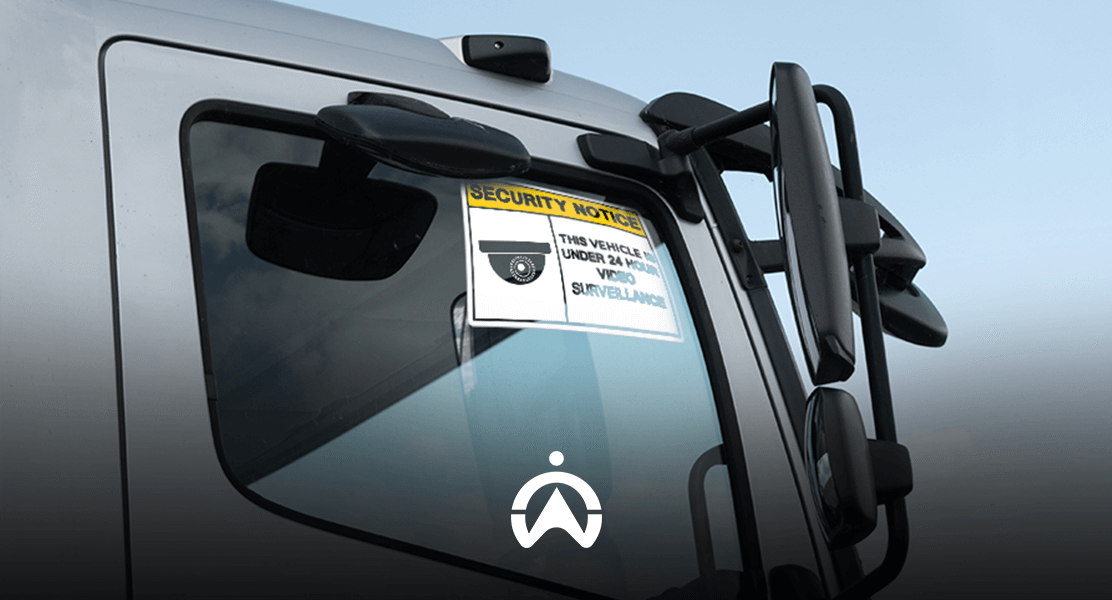
In recent years, Artificial Intelligence (AI) has been introduced to the general public, becoming one of the most talked-about innovative technology products. Many industries have adopted this new technology as a step towards digitalising all their processes.
Camera systems are no different; they too have been integrated with AI features and capabilities. This means cameras can now do more than just record and store footage.
Let's learn what the best practices are for implementing AI camera systems and how Cartrack is one of the leaders in this transformation, with its advanced solutions for AI-based video telematics.
In this article, you will:
- Learn about AI cameras in fleet management
- Discover the needs to consider before implementing them
- Find out how to choose the right AI camera
- Discover the best practices for implementing AI cameras
- Discover future trends in AI cameras
- Discover why Cartrack offers one of the best AI camera systems
Successfully integrating AI cameras into your fleet requires a strategic and structured approach. Start by defining your operational and safety goals, and use that framework to find a compatible system. Installation, training for all your drivers and ongoing technical support are crucial to maximising the technology's impact. By following best practices, businesses can improve safety, efficiency and compliance, while minimising resistance and disruption.
Before incorporating AI cameras into a fleet, a company must first determine which challenges it wants to tackle and what the end goal will be. In South Africa's transport sector, the obstacles include a high incidence of accidents, cases of fuel theft and inconsistent road infrastructure.
Four questions to consider before implementing an AI camera system:
- Which risks faced by your fleet will AI cameras help reduce?
- How will AI cameras help reduce accidents and liability?
- How can real-time driver coaching and monitoring help with safety?
- Will camera systems help the company with compliance and reporting?
By addressing these questions, fleet managers can tailor their AI camera strategy to align with their operational goals.
AI camera system installation best practices Adding AI camera systems to your fleet requires some consideration. These considerations should be in line with industry best practices and should also serve the company's strategic goals. That is why implementing a camera system that can be integrated with a fleet management programme is vital. Integration with fleet management software ensures data flows seamlessly into operational dashboards, making it easier to navigate the system and see what is happening.
Let's look at some of the other recommended practices when implementing an AI camera system.
Data privacy and compliance considerations
Data privacy is one of the most important considerations when implementing AI camera systems in fleet management. In Mozambique, fleet managers must ensure their operations comply with the Data Protection Law to protect drivers' privacy and avoid penalties. Handling video data properly builds trust between employee and company, and protects the organisation against data breaches and regulatory issues.
Compliance measures you can consider include:
Access Control
Managing who has access to the footage is important if you want to maintain privacy. Fleet managers and compliance staff should be the only people authorised to retrieve and review videos. Basing access on role, as well as using secure login credentials, will prevent confidential information from leaking or being seen by unauthorised people.
Clear policies
Compliance with the Data Protection Law requires clear policies to be put in place, covering video footage, staff access and the conditions under which video should be retrieved and reviewed. Trust will be built with drivers when these policies are shared with them and explained.
Data encryption
Video footage should be encrypted to prevent breaches or unauthorised viewing. Having this technology ensures confidential information stays secure and is not used maliciously. Unfortunately, not all AI camera systems offer this capability, depending on the company's specific product offering.
Training drivers and fleet managers
Understanding how these cameras work may require some team members to be trained, which is why proper training is essential to the successful adoption of AI camera systems. Adequate training will need to be provided to the system's operators and users, especially those who will use it regularly. Raising awareness of the ethical use of AI should also be considered, as there will be some legal guidelines to follow.
Run pilot tests
Before the AI camera system is installed across the board, a test will be needed to check how the system performs. This means testing the systems in controlled environments to identify potential problems and gaps in functionality. These tests can be carried out by managers and, in the case of fleet management, by drivers too. Feedback will need to be gathered from the pilot phase, and the implementation strategies then refined according to the results.
Leveraging AI for driver safety
AI cameras are revolutionising road safety by proactively identifying risky behaviour and alerting drivers to it. Using advanced algorithms and real-time monitoring, these systems detect potential hazards before they turn into accidents. This not only protects drivers but also reduces the operating costs associated with collisions and liability claims. Here is how AI cameras significantly improve driver safety:
- Fatigue
Driver fatigue is one of the leading causes of road accidents, often the result of long hours behind the wheel or inadequate rest. AI cameras can detect tiredness through indicators such as excessive blinking, yawning or nodding off. Once these behaviours are identified, the system generates an instant alert for the driver, telling them they need to stop. This helps prevent fatigue-related accidents while allowing fleet managers to enforce safe driving hours.
- Distraction
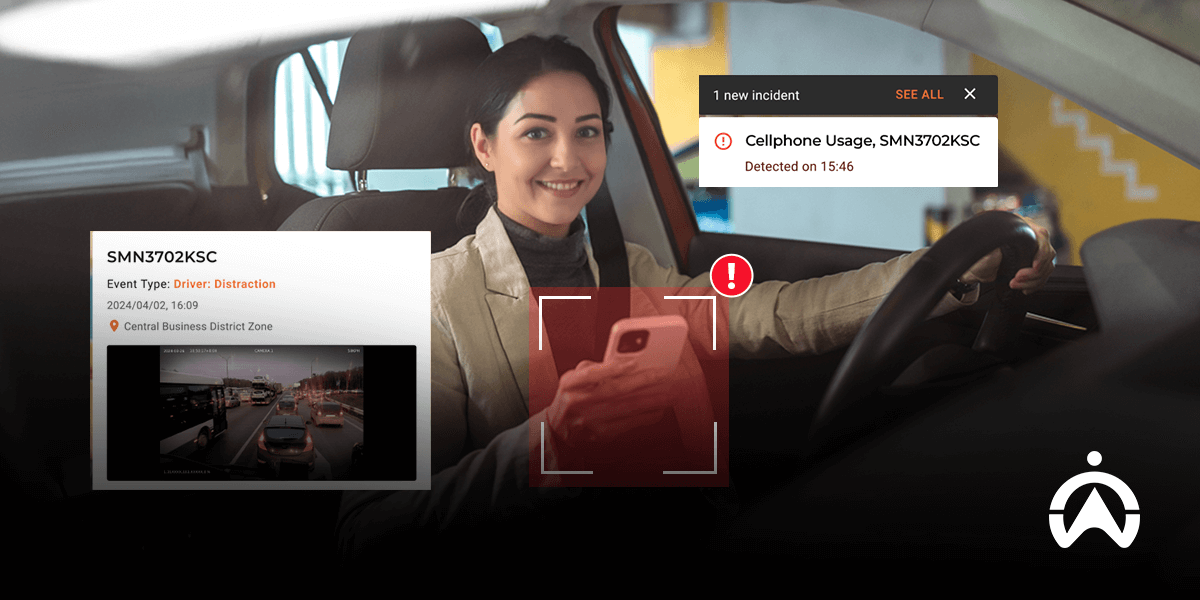
Distraction is another metric AI cameras measure, usually related to smoking or using a mobile phone while driving. It is these distractions that often lead to errors of judgement on the road, resulting in accidents or poor decisions. AI cameras help by flagging these behaviours as they happen and notifying the driver so they can self-correct.
- Speeding and harsh braking
Speeding and harsh braking are common causes of car accidents. Aggressive driving behaviours like these also contribute to higher fuel consumption and vehicle wear and tear. This leads to additional maintenance costs and, possibly, the purchase of new vehicles.
Using AI cameras for incident investigation
AI-powered cameras are a significant help in incident investigations, providing evidence in the event of accidents, theft or insurance disputes. AI camera systems automatically tag notable incidents, allowing important footage to be stored securely and retrieved easily. This reduces the risk of losing important details and speeds up the investigation process.
Here are a few more applications for AI cameras that benefit fleet operators:
- Accident analysis: high-resolution footage accurately reconstructs events to determine fault.
- Insurance claims: claims can be backed up with video evidence, speeding up processing and avoiding disputes.
- Fraud prevention: good-quality footage of the incident can deter false claims and fraudulent conduct.
Integrating AI cameras with fleet management software
Fleet managers can now integrate an AI camera's telematics into their fleet management software, giving an integrated, real-time view of fleet operations. This will allow businesses to access a single platform for analysing driver behaviour and vehicle performance. This integration includes:
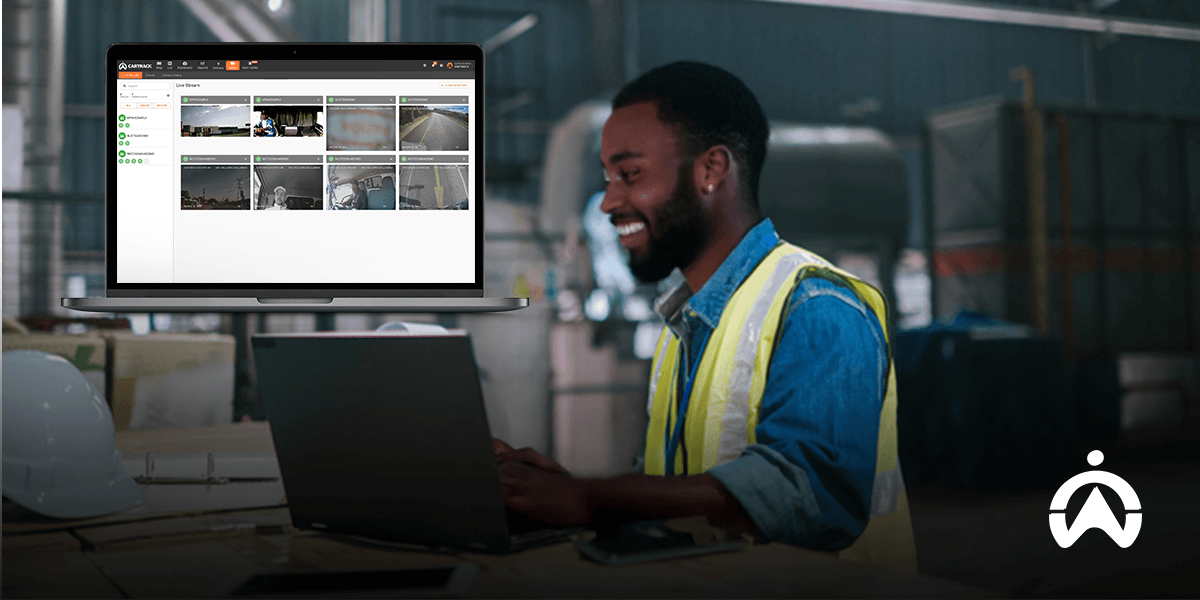
- Live-streaming features: fleet managers can view live footage, improving situational awareness and enabling a rapid response to emergencies.
- Comprehensive reporting: detailed dashboards provide insights into driving patterns, vehicle utilisation and safety trends, supporting data-driven decision-making.
- Automated alerts: real-time notifications for risky behaviour, such as speeding or harsh braking, allow proactive intervention to prevent accidents.
This integration not only improves safety and overall operations, but also enhances compliance and reporting.
Continuous monitoring and improvement
The system's performance needs to be assessed regularly and adjusted where necessary, and this should become standard practice. It will help keep the system in check and running in optimal condition. Keeping up to date with technological advances and regulatory changes also helps ensure your camera system continues to comply with all legal requirements as they are amended or updated.
Not all AI cameras are the same. Fleet management teams looking to adopt them need a solution that ensures safety and compliance while maximising operational efficiency. The ideal AI camera will provide quality video data, intelligent analytics and seamless integration with cloud applications, and will be flexible enough to adapt to the growing size of your fleet. Here are the factors that need to be considered when choosing the best AI camera system:
Video quality
Clarity is essential in incident analysis and driver oversight. High-resolution AI cameras provide sharp footage that lets fleet managers assess road conditions and external hazards with a keen eye for detail. Clear video also strengthens liability protection, helping businesses contest false claims and reduce insurance costs.
AI analytics
AI camera systems do more than just record footage. They analyse driver conduct in real time. These intelligent systems detect dangerous behaviours, including smoking, harsh braking, fatigue and mobile phone use. These events trigger alerts that notify the fleet manager in real time. Fleet managers use this information to identify risks early and take proactive steps to prevent accidents and improve driver performance.
Cloud integration
AI camera systems do more than just record footage. They analyse driver conduct in real time. These intelligent systems detect dangerous behaviours, including smoking, harsh braking, fatigue and mobile phone use. These events trigger alerts that notify the fleet manager in real time. Fleet managers use this information to identify risks early and take proactive steps to prevent accidents and improve driver performance.
Scalability
As your business grows, your AI camera system should grow too. It should connect easily to new vehicles, additional drivers and changing fleet needs in the future. Whether for a few vehicles or an entire fleet across the country, your AI camera system should be able to grow with you.
Key features of AI camera systems
AI-powered fleet cameras offer a range of advanced features, including:
| Feature |
Benefit |
| Real-time monitoring |
Provides instant visibility of driver behaviour |
| AI-based alerts |
Notifies fleet managers of risky driving practices |
| Cloud storage |
Ensures secure storage and quick retrieval of footage |
| GPS integration |
Syncs with location tracking for better oversight of footage |
By adopting these AI-based features, fleet operators gain access to useful insights that improve decision-making and reduce operational risks.
Benefits of AI camera systems
AI camera benefits Implementing AI cameras brings many benefits, both for the company and for drivers. These benefits apply to businesses and fleets of all sizes. Let's take a look at some of them:
- Enhanced Safety:
Enhanced safety Safety is an important part of running a business that has employees on the road. That safety may relate to the vehicle, the driver and the cargo being delivered. AI camera systems promote safer driving by detecting risky behaviour and instantly alerting fleet managers to possible safety violations. This leads to a safer journey overall.
- Improved Incident Investigation:
When vehicles collide, there is often a dispute over who is to blame for the accident. Most of that uncertainty stems from the conflicting statements of the drivers involved. AI cameras provide indisputable video evidence, reducing disputes and speeding up insurance claims.
- Operational Efficiency:
AI camera systems that include driver behaviour monitoring can track and measure how often the driver falls into bad driving habits. These habits, such as leaving the engine idling and harsh acceleration, can lead to high fuel costs, which can push up the company's operating expenses. Identifying these problems helps reduce the financial impact they have on the business in the long run.
- Data-Driven Decision-Making:
The information and analytics gathered by these AI camera systems can be compiled into a report that reflects fleet and driver performance. These reports can then be used to inform future business decisions relating to deliveries, driver safety and cargo control measures.
- Cost Reduction:
AI cameras have an indirect impact on business costs, reducing them when used correctly and sensibly. Managing fuel costs, lowering insurance premiums and mitigating legal disputes result in significant savings for the business. Otherwise, these expenses would have risen gradually over time, getting worse as the company grew and the fleet expanded. Redirecting that extra money to more meaningful expenses can become a reality when these camera solutions are put to good use.
Although AI cameras can bring safety and efficiency to fleets, some businesses and even drivers may be reluctant to adopt them. Privacy issues, cost factors and an inherent resistance to change are common concerns. These concerns are valid, but there are solutions to them. Let's take a look below:
| Concern |
Solution |
| Privacy issues |
Transparent policies and driver education |
| High costs |
Long-term savings outweigh the initial investment |
| Driver resistance |
Highlighting the safety benefits and offering incentives |
Addressing these concerns proactively ensures a smooth adoption and long-term success.
Measuring ROI and performance improvements
Whenever a new technology is implemented, the cost must be carefully considered, especially with return on investment in mind. The initial investment in the technology should be matched by the long-term benefits. In this case, AI cameras are well worth it. The upfront cost is marginal compared with the potential income recovered by reducing the expenses associated with poor driving.
An added advantage is that these camera systems have a very long lifespan and only occasionally need maintenance and repairs. This means the benefits can be reaped for many years while paying only an initial installation fee and an affordable monthly subscription.
AI-driven fleet monitoring is developing rapidly, with new technologies emerging every year. One of them is edge AI, a combination of artificial intelligence and edge computing that allows a standalone device to process data locally rather than on a cloud server. If businesses want to thrive in the future, they need to find ways to incorporate this advance into the management of their fleets, especially when using AI camera systems.
Another development in this field has been the integration of 5G with AI. AI algorithms can use 5G information to suggest the best networks to connect to; this means bandwidth can be allocated accordingly to resolve bottlenecks in internet usage. Having this innovation will be a great help to a company that has implemented this technology.
Cartrack offers AI-powered cameras and live-streaming technology. You can monitor your fleet with road-facing and in-cab AI dashcams, with up to 8 internal and external cameras to help keep your drivers, fleet and cargo safe. You can also detect high-risk driving behaviour in real time using artificial intelligence, as well as data from G-force and GPS.
Cartracks Vision dashcams are available in several solutions, from single-camera to dual-camera or multi-camera options. These cameras are AI-powered and use telematics to monitor events such as distraction, smoking and yawning, among others. When the ignition is switched off, the camera continues recording for 5 minutes before entering standby mode. Once in deep sleep mode, the camera stops recording and any footage and retrieval become unavailable.
With Cartrack's camera solutions, you can also keep your drivers safe with preventative in-cab voice alerts that warn them of possible safety violations so they can correct them immediately. You can also use recorded footage of your drivers to guide and coach them on how they can improve their behaviour behind the wheel and increase their safety on the road.
All these features will make it easier for drivers to comply with company policies and national road rules and regulations. The implementation of these cameras should comply with the POPI Act and other privacy regulations.
Take control of your fleet today
The world is changing, and so is technology. It is no longer enough to work with the bare minimum and expect excellent results. If you want to take your business to the next level and have peace of mind about your fleet and your drivers, then the best option is to get AI-powered cameras.
If you want to improve the safety and operations of your fleet, then you should consider Cartrack. Contact us today to get a quote or to find out more about our full range of AI cameras.
Frequently asked questions
Do AI cameras work in all weather and lighting conditions?
Yes, most advanced AI camera systems, including Cartrack's, are designed to work in a variety of weather conditions and low-light environments. You can expect sharp resolution in all circumstances.
Which industries can benefit from AI camera systems?
AI cameras can be used in sectors such as logistics, construction, public transport and last-mile deliveries. Any business that has a fleet of vehicles can benefit from using this technology.
How much storage space is typically needed for an AI camera system?
The AI cameras from Cartrack have up to 1 terabyte of storage, which equates to a capacity of 164 hours.
What should I do if my AI camera system malfunctions?
If you ever notice a fault in the footage or in the recording system itself, you will need to contact the service provider. They will repair or replace it, in line with the terms and conditions of the device's warranty. This will ensure the AI camera system works accurately.
 South Africa
 Botswana
 Kenya
 Malawi
 Namibia
 Nigeria
 Swaziland
 Tanzania
 Zimbabwe
 Hong Kong
 Indonesia
 Singapore
 Malaysia
 Philippines
 Thailand
 New Zealand
 Vietnam
 Poland
 Portugal
 Spain
 United Arab Emirates

 PT