Every vehicle suffers wear and tear over time, which is why it is essential to follow a maintenance plan to reduce damage and preserve its value. This responsibility becomes more complex when there is more than one vehicle that needs maintenance; better still, an entire fleet of trucks. For this reason, a fleet maintenance plan is essential for every fleet business.
That said, a fleet maintenance plan without the right technology leaves room for countless setbacks and inconsistencies. It is therefore crucial for commercial trucking companies to invest in fleet maintenance software.
Fleet maintenance softwareis a digital tool that helps companies in various sectors manage the maintenance and repair of company vehicles and equipment, reducing costs, minimising downtime and ensuring compliance. This technology integrates with telematics systemsand other data sources to provide a comprehensive view of the fleet’s health and performance.
The amount of work involved in managing a fleet can lead to other essential tasks being neglected, such as making sure every vehicle is roadworthy and does not disrupt the workflow. As a fleet manager, you need technology that helps with this process, ensuring that your fleet stays compliant with regulations and that your workflow is not interrupted.
The different types of fleet maintenance solutions
There are several approaches to keeping a fleet healthy, some of which prove more effective than others. Let’s look at three of the most common approaches to fleet maintenance:
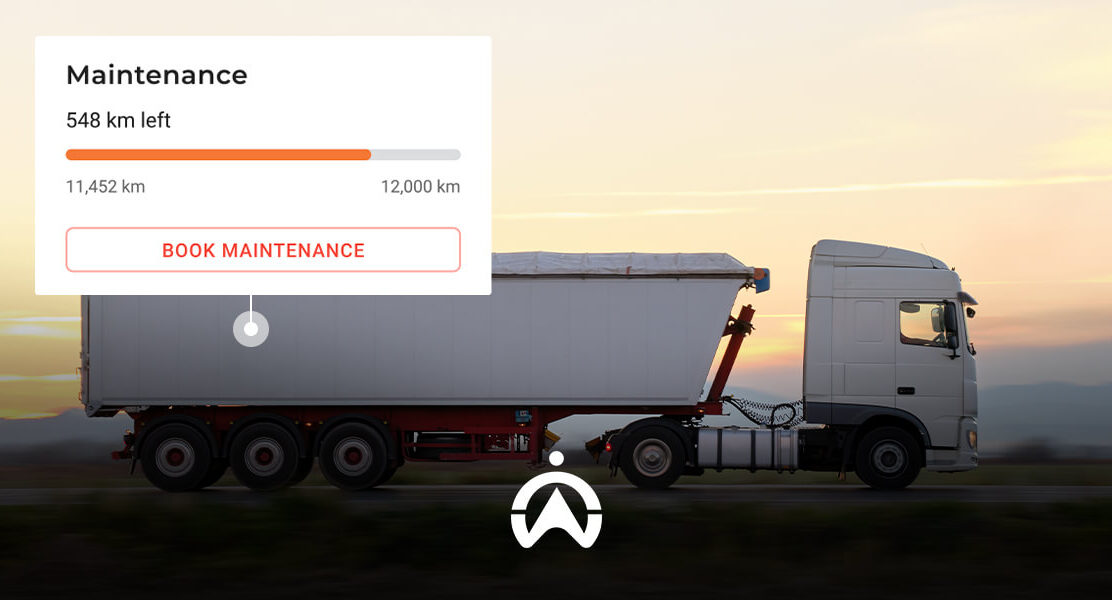
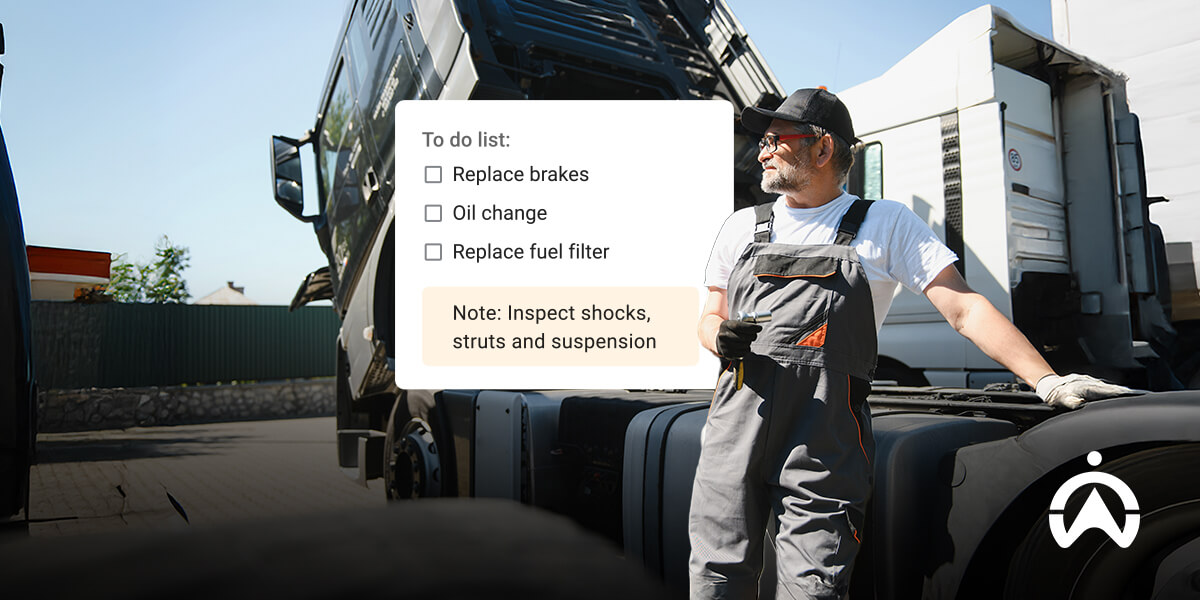
Preventive maintenance: A proactive approach to vehicle maintenance that involves carrying out regular inspections and scheduling periodic maintenance tasks, such as tyre rotation, oil changes and filter replacements, in order to prevent equipment failure. This approach allows damaged or worn parts to be replaced in good time, preventing problems before they occur.
Corrective maintenance: This approach means fixing things only when they break. No tools or technology are used, which leads many fleet managers to believe they are saving money. However, corrective maintenance brings many unforeseen expenses that actually end up costing more in the long run. What’s more, it does not address the root cause of the problem, which is likely to lead to recurring failures
Why do trucking companies need maintenance software?
Commercial trucks often spend long hours on the road, facing all kinds of conditions and covering great distances. This makes them prone to wear and tear and to breakdowns, which can cause delays.
The maintenance and performance of each truck are often neglected because of tight deadlines, heavy workloads and the need to meet customers’ expectations. For this reason, fleetmaintenance software is crucial fortrucking companiesto stay up to date and productive.
What are the real benefits of maintenance software
Reduced downtime: Using advanced technology helps you stay on top of fleet maintenance, making sure you are always aware of any faults or when vehicles need servicing. That way, you will know which vehicles are unavailable on which day, helping you plan ahead.
Lower repair and operating costs: Detecting problems early means they can be resolved sooner, before they get worse and become more expensive. This improves the fleet’s overall operating costs, as there will be fewer unexpected repairs.
Improved safety and compliance: The most important aspect of fleet maintenance is safety. Faulty vehicle parts cancause accidents, which can be fatal, result in costly lawsuits and damage the company’s reputation. By implementing fleet maintenance technology, you ensure your drivers’ safety and your fleet’s compliance with regulations.
Longer vehicle lifespan: As mentioned earlier, fixing small problems before they get worse can significantly extend the life of your vehicles. This ultimately improves the health of the vehicles and results in a longer-lasting fleet.
Easier audits and regulatory reporting: Digitising everything makes it easier to obtain detailed information for carrying out audits and creating reports.
Better fuel efficiency: Vehicle maintenance problems, such as worn spark plugs or incorrect tyre pressure, make the vehicle work harder than necessary, resulting in higher fuel consumption to maintain performance. Because fleet management software helps reduce wear and tear, italso reduces fuelconsumption.
How to manage fleet maintenance
An effective fleet maintenance plan involves implementing several strategies. Here are some of the best practices for managing fleet maintenance:
Carry out a fleet audit: Regular fleet audits help identify hidden problems. Carry out monthly audits to check vehicle performance and schedulepre- and post-trip inspections, ensuring that vehicles are safe and roadworthy.
Involve mechanics and drivers from the start: Don’t wait until the last minute to tell the mechanic about repairs or replacements. They have other customers to attend to as well. Not telling them in advance puts your fleet’s vehicles at risk of being dealt with last, which can delay the process and overrun the planned deadline.
Set realistic deadlines: The estimated time for the repair or replacement should be realistic, to avoid disappointment.
Train your team thoroughly: It is important to monitor driverbehaviour, as habits such as speeding can cause accidents, resulting in costly repairs or greater wear and tear on the vehicle. Coaching drivers on these behaviours helps improve their driving skills and, as a result, extends the life of the vehicle.
Get ahead of costly repairs with Cartrack’s fleet management software
At Cartrack, we constantly strive to offer innovative solutions that are in line with the industry’s latest needs. Our maintenance solutions provide predictiveanalytics and preventive maintenancemeasures. With us, you can be sure that your trucks will always be in good working order. Here’s what we offer:
Real-time fault alerts
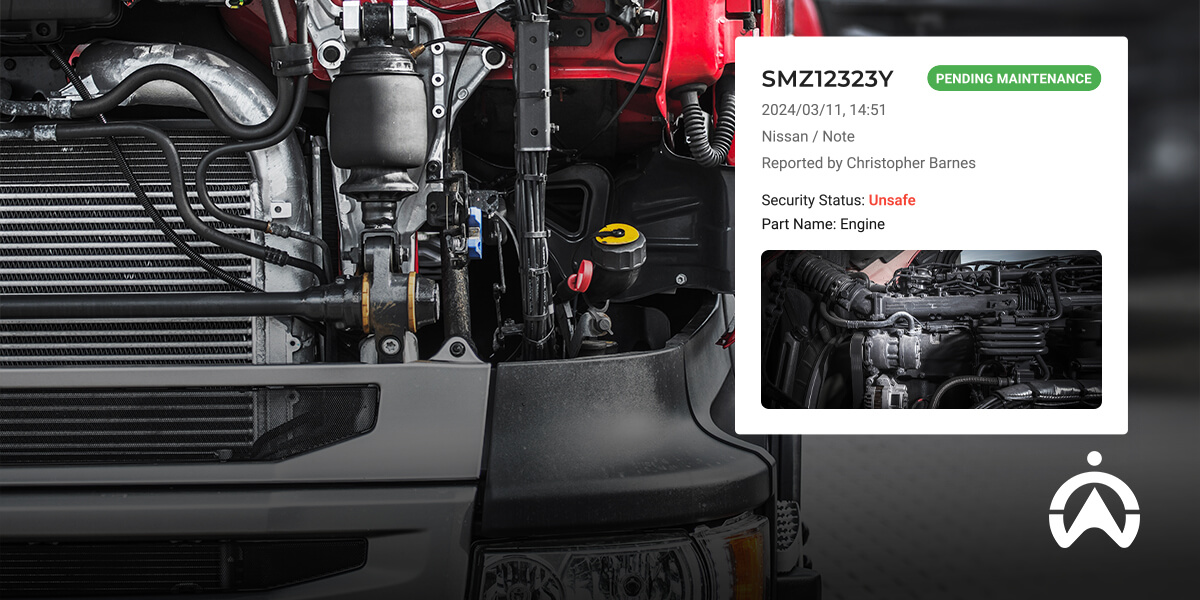
Our automated preventive maintenance system provides real-time alerts when it detects problems such as engine faults, fluctuations in water and oil levels, worn brake pads and other diagnostics. This ensures you are aware of these problems before they get worse and can resolve them promptly toavoid thisunexpected breakdowns.
Scheduled service reminders
Our platform lets you set reminders for service dates, so that you know which vehicles are available on specific dates and can build a schedule around them to meet delivery deadlines.
Driver monitoring
As already mentioned, aggressive driving habits such as speeding, harsh braking and sudden acceleration can cause premature damage to various vehicle parts, increasing the number of repairs and replacements needed. Through telematics technology, our platformprovides alerts for these events, allowing you to take action and coach drivers towards more effective habits.
Smarter fleet maintenance starts here
In our many years of experience in the fleet management industry, we have seen the big difference maintenance software makes. By investing in our solution, your company will improve efficiency, safety and overall operating costs. Contact us todayto speak to a fleet managerand let us take care of all your fleet maintenance needs.
Frequently Asked Questions About Fleet Maintenance Software
Q: What is a fleet maintenance planner?
A: A fleet maintenance planner is someone who develops, organises and implements schedules for maintenance-related activities, such as repairs and inspections. Being a fleet planner involves creating detailed schedules for maintenance tasks, allocating resources and anticipating possible problems.
Q: What is a full maintenance plan?
A: A full maintenance plan normally involves using telematics systems to monitor vehicle use and obtain information about its condition, as well as receiving alerts about upcoming services.
Other articles for you
Food Transport Facts and What You Need to Know When Managing Your Fleet
Blogs
11 minute read •
Important facts about food transport in fleet management: keeping perishable goods fresh in transit directly affects your profits — and mixing food loads is a serious mistake. Other facts include the food distribution regulations in force in Mozambique, the challenges of electricity supply and the […]
7 Ways to Increase the Efficiency of Your Construction Fleet
Blogs
12 minute read •
The seven main ways to increase the efficiency of your construction fleet are: Use telematics and GPS tracking to keep everything under control. Keep vehicle maintenance up to date.. Implement a fuel monitoring solution. Offer your drivers ongoing training. Plan better routes between sites. Match the size of the fleet to […]
How to Manage Your Light Commercial Vehicles (LCVs) Effectively with Fleet Management Software
Blogs
12 minute read •
To manage your light commercial vehicles effectively with fleet software, you should invest in a platform that directly addresses the biggest challenges LCVs face. LCV fleets deal with unique vulnerabilities because of their frequent trips. Wear and tear, wasted fuel, unexpected downtime and more are some of the main concerns. LCVs are […]
 South Africa
 Botswana
 Kenya
 Malawi
 Namibia
 Nigeria
 Swaziland
 Tanzania
 Zimbabwe
 Hong Kong
 Indonesia
 Singapore
 Malaysia
 Philippines
 Thailand
 New Zealand
 Vietnam
 Poland
 Portugal
 Spain
 United Arab Emirates

 PT