Video camera telematics: reducing driver negligence for safer fleets
Published
Reading time
12 minutes
Blogs
Many different factors, including human behaviour, cause road accidents. Risky behaviours such as speeding, using mobile phones while driving and overtaking other vehicles can have serious consequences.
When fleet drivers engage in these behaviours, it can significantly affect the business, resulting in costly accidents and operational downtime. To mitigate these risks, fleet managers can integrate video telematics into their fleet management strategies to gain valuable information about driver behaviour and vehicle performance.
Understand how driver negligence affects fleet safety
Learn how video camera telematics reduces driver negligence
Explore how Cartrack can help improve driver and fleet safety with video camera telematics
How driver negligence affects fleet safety
Drivers can be negligent in various ways, from driving in a risky manner to neglecting basic vehicle maintenance checks. Driver negligence can have serious consequences, such as vehicle breakdowns, costly repairs, legal problems and potential damage to the company’s reputation. Let’s take a look at the types of driver negligence a fleet manager needs to watch out for.
Types of driver negligence
To keep the fleet safe, it is important to understand the different types of driver negligence.
These can be categorised as follows:
Negligence on the road
Speeding: When a driver exceeds the recommended speed limit for a particular road or area.
Distracted driving: Driving while texting, talking on the phone, eating, smoking or engaging in any other behaviour that takes attention away from the road.
Tailgating: Following another vehicle too closely.
Disregarding the rules of the road: This includes ignoring road signs, disobeying traffic signals and breaking other essential road rules.
Driving in hazardous conditions: speeding or driving recklessly in rain, snow, fog and other hazardous conditions.
Ignoring warning signs:: Disregarding dashboard alerts, such as low oil level and brake system warnings, which require immediate attention to keep the vehicle safe.
Delaying repairs: Putting off necessary repairs or ignoring signs of wear, such as slipping brakes, which can compromise the vehicle’s ability to operate safely.
Negligence regarding driver health and well-being
Driving while fatigued: driving when tired, sleepy or exhausted.
Drink-driving: driving under the influence of alcohol or other substances.
Driving under the influence of medication: driving while taking medication that impairs the ability to drive.
Driving with a medical condition: when a driver does not disclose or manage a medical condition that affects their ability to drive.
Behavioural negligence
Driver complacency: when a driver is too relaxed behind the wheel, they tend to be less focused and not make the right decisions on the road. This complacency makes drivers more vulnerable to road hazards and increases the risk of accidents.
Aggressive driving: driving aggressively, such as overtaking and weaving between lanes.
Road rage: engaging in aggressive or violent behaviour while driving.
Consequences of driver negligence
Driver negligence can have serious repercussions for businesses; let’s explore some of them in more detail.
Financial consequences
Driver negligence can lead to significant financial consequences for businesses. Repeated claims due to unsafe driving often result in higher premiums. If your company car is involved in an accident, you will face costly repairs, medical expenses, lawsuits and property damage. Beyond these direct costs, accidents can cause lost productivity, as injured drivers may need sick leave and vehicles may be out of service. This downtimedisrupts operations, which ultimately affects the company’s profitability.
Reputational consequences
Accidents or incidents caused by driver negligence can damage the company’s reputation and brand image. This will also lead to a loss of customer trust in and loyalty to the company’s brand; they will question the company’s ability to deliver goods or services safely.
Legal consequences
Companies can face lawsuits and will have to pay exorbitant legal fees, penalties and fines when a driver is found to be negligent. Negligent driving is a criminal offence that will affect the driver personally as a legal person.
How video camera telematics reduces driver negligence
Not all video camera telematics systems are the same. Some have very basic functions and do no more than record footage, while others are more advanced and equipped with AI technology. The latter can significantly reduce driver negligence by detecting risky behaviours such as mobile phone use, speeding, harsh braking and driving too close to the vehicle in front. They can also identify signs of fatigue and seatbelt violations.
Here’s how businesses can benefit from implementing this technology:
Real-time monitoring and feedback
Advanced telematics systems send immediate alerts to drivers when these risky events are detected, allowing them to correct their actions straight away. This immediate feedback helps reduce accidents and encourages safer driving practices.
Event recording for accountability
Recorded footage plays a crucial role in identifying and resolving driver negligence. In the event of an accident or safety violation, managers can review the footage to determine the cause and take appropriate action.
Choosing the right video camera telematics solution for your fleet
When choosing a video camera telematics solution for your fleet, consider features such as storage capacity, video quality, the installation process, real-time alerts, night vision capabilities and integration with the fleet management systemsyou already have.
Here are some important features to bear in mind when choosing a video camera telematics system that suits your fleet’s needs:
Video quality: the video footage must be clear so that fleet managers can see what is happening on the road and also see the driver. High-resolution footage provides clarity and ensures that important details are not missed, especially in accidents.
Storage capacity:make sure the system offers cloud storage to make it easy to retrieve video footage and data. Cartrack’s multi-view AI cameras have up to 1 terabyte of storage.
Real-time alerts:systems that offer real-time alerts can significantly improve driver behaviour. In-cab alerts notify drivers of risky behaviour so that they can correct themselves immediately.
Easy installation: These cameras should be installed by a trusted service provider to ensure they work optimally and do not interfere with the vehicle’s wiring. At Cartrack, all our installations are carried out by a qualified technician to ensure the dashcams are fitted correctly.
Compatibility with fleet management systems: look for solutions that allow easy access to video footage and telematics data from a single platform, such as a fleet management system’s web interface or app. This will allow easy access to analytics and reports.
Cost considerations: Cost is an important factor to consider when thinking about investing in fleet cameras. There are different prices for different packages, depending on scalability and your fleet’s needs.
How Cartrack can help improve driver and fleet safety with camera video telematics
Our Cartrack’s camera video telematicsoffers powerful tools to increase driver and fleet safety. With a combination of artificial intelligence cameras, real-time alerts and driver performance monitoring, our solutions offer a comprehensive approach to reducing driver negligence and preventing fleet accidents.
We achieve this through the following solutions:
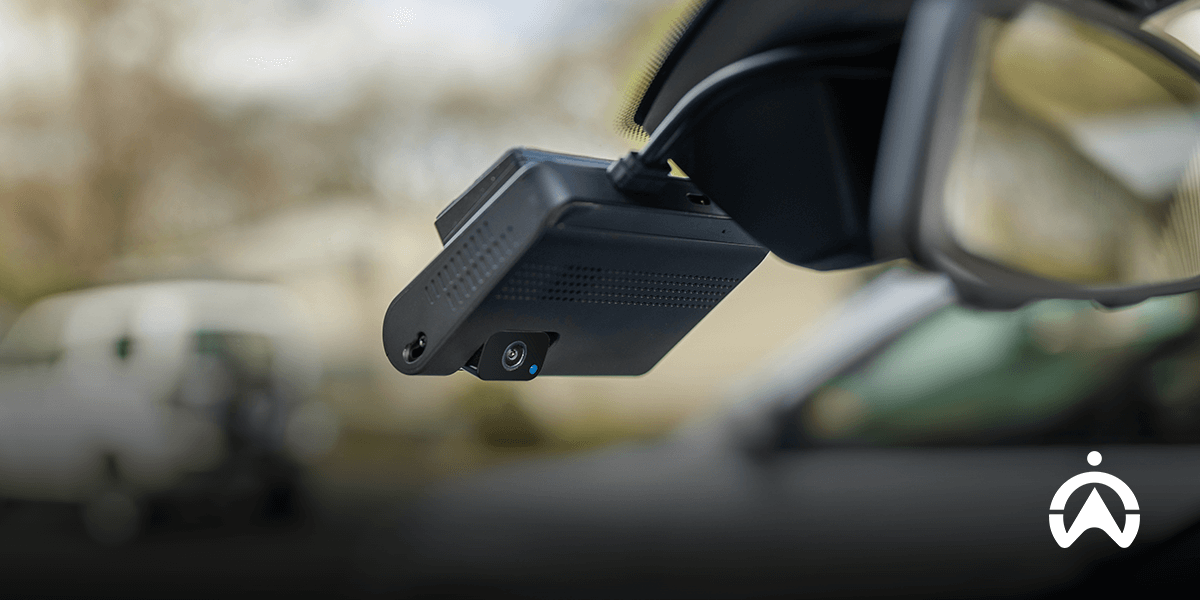
AI-powered cameras
Our AI-powered cameras detect risky events and send real-time alerts to drivers, including the following:
Distracted driving: when a driver does not look ahead for more than 3 seconds.
Mobile phone use: Holding or using a mobile phone while driving.
Fatigue:Yawning or other signs of drowsiness.
Smoking: Triggered when a driver has long objects at their lips, which may indicate that they are smoking in the vehicle.
Tailgating: Following other vehicles too closely.
Not looking at the camera: detected when the driver is not looking ahead.
Drivers receive in-cab alerts to correct their actions immediately, helping to preventaccidentsand improve road safety.
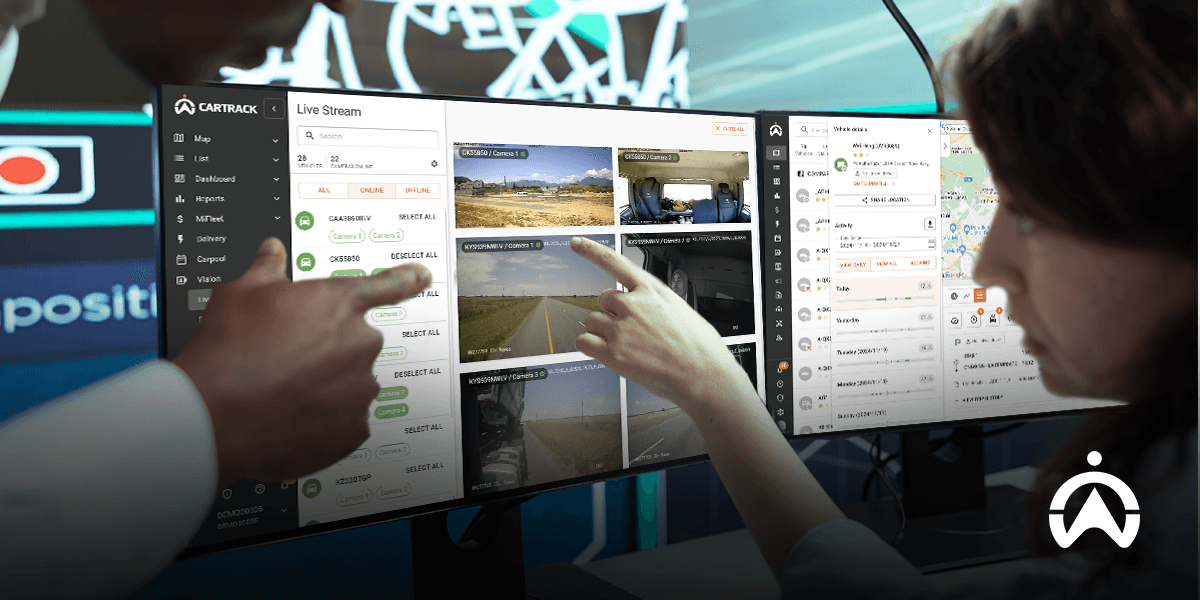
With up to 8 internal and external cameras, fleet managers will be able to access live footage, giving them full visibility of fleet operations.
In the event of an accident, this footage can help prove the driver’s innocence, ensuring they are not blamed for the accident. Video evidence can help speed up the insurance claim process, resulting in faster payouts and removing the need for legal disputes. This will not only save the company money, but will also help to retain driversand foster a positive working environment, as drivers will know for certain that they are protected at all times.
Features such as lane departure alerts, forward collision warnings and automatic braking help drivers avoid accidents.
By integrating real-time GPS data, ADAS ensures optimal driving speeds and provides collision avoidance warnings, giving fleet managers the tools to reduce driver negligence and improve overall safety.
The main ADAS features include:
Forward collision warning: alerts drivers when they are approaching another vehicle or obstacle too quickly, helping to avoid rear-end collisions.
Blind spot detection: informs drivers about vehicles in their blind spots, reducing the chances of accidents when changing lanes.
Automatic emergency braking: detects imminent collisions and automatically applies the brakes, reducing the impact or avoiding the collision altogether.
By incorporating ADAS into fleet management, Cartrack helps prevent risky driving behaviours that can lead to accidents, downtime and increased costs.
Driver coaching
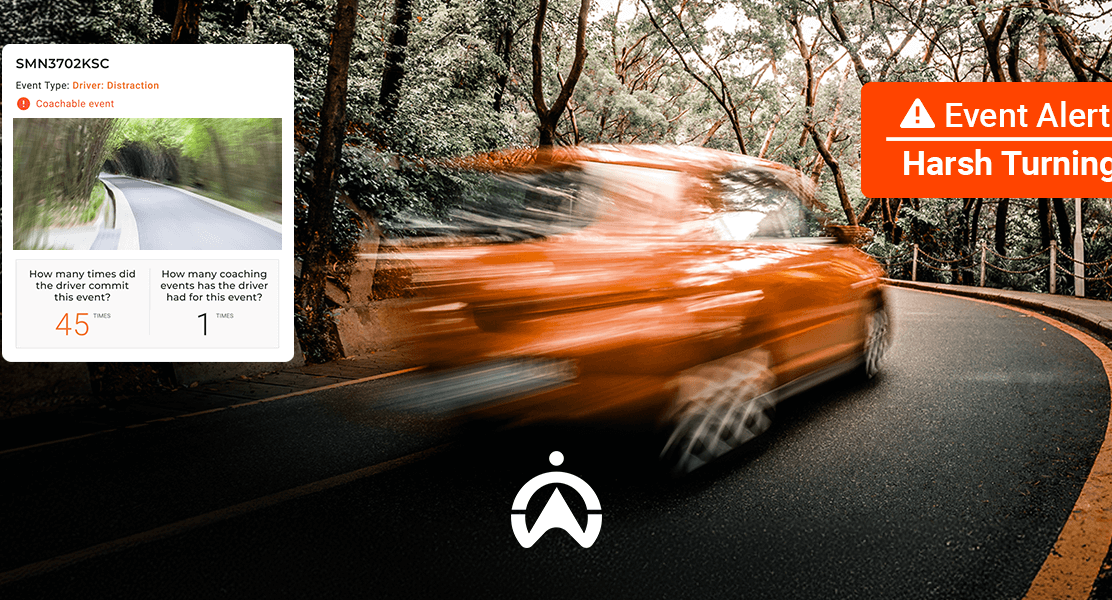
After reviewing the footage, managers can refer drivers to our coaching platform, which automatically logs all high-risk behaviours. The platform tracks how often drivers repeat offences and receive coaching.
All sessions are logged with timestamps and comments to ensure drivers are coached in line with company policy and to provide the necessary evidence in the event of disciplinary hearings.
In conclusion, reducing driver negligence is key to strengthening fleet safety, lowering operating costs and maintaining a solid reputation. Cartrack's video telematics solutions with AI-powered cameras offer a holistic approach to improving driver behaviour and minimising risk. Implementing these tools helps fleet managers promote safer driving habits, prevent accidents and protect business operations.
Contact us todayto find out how you can empower your drivers and improve the safety of your fleet.
Frequently asked questions about video camera telematics
Q: Is it possible to get a customised report from Cartrack's camera system?
A: Yes, Cartrack offers features forcustomisable reports. Fleet managers can generate specific reports on driver behaviour, serious events and overall fleet safety performance, tailored to the company's needs and operations.
Q: How do managers ensure these cameras don't invade drivers' privacy?
A: To protect drivers' privacy, managers must set clear guidelines for camera use. They should allow only authorised personnel to access the footage and ensure the cameras are used solely for their intended purposes, such as monitoring driver behaviour and safety.
Q: Can video camera telematics be used in all types of vehicles?
A: Yes, fleet managers can install video camera telematics in cars, trucks, buses and vans to reduce driver negligence and improve road safety.
Other articles for you
Food Transport Facts and What You Need to Know When Managing Your Fleet
Blogs
11 minute read •
Important facts about food transport in fleet management: keeping perishable goods fresh in transit directly affects your profits — and mixing food loads is a serious mistake. Other facts include the food distribution regulations in force in Mozambique, the challenges of electricity supply and the […]
7 Ways to Increase the Efficiency of Your Construction Fleet
Blogs
12 minute read •
The seven main ways to increase the efficiency of your construction fleet are: Use telematics and GPS tracking to keep everything under control. Keep vehicle maintenance up to date.. Implement a fuel monitoring solution. Offer your drivers ongoing training. Plan better routes between sites. Match the size of the fleet to […]
How to Manage Your Light Commercial Vehicles (LCVs) Effectively with Fleet Management Software
Blogs
12 minute read •
To manage your light commercial vehicles effectively with fleet software, you should invest in a platform that directly addresses the biggest challenges LCVs face. LCV fleets deal with unique vulnerabilities because of their frequent trips. Wear and tear, wasted fuel, unexpected downtime and more are some of the main concerns. LCVs are […]
 South Africa
 Botswana
 Kenya
 Malawi
 Namibia
 Nigeria
 Swaziland
 Tanzania
 Zimbabwe
 Hong Kong
 Indonesia
 Singapore
 Malaysia
 Philippines
 Thailand
 New Zealand
 Vietnam
 Poland
 Portugal
 Spain
 United Arab Emirates

 PT