The price of car insurance in Mozambique is rising. This is due to the increasing cost of vehicle replacement parts and repairs, driven mainly by inflation. Insurers need to account for the increase in claim payouts and, as a result, these costs are offset through higher premiums.
Insurance costs can account for a significant part of running a fleet, so it is important to keep them as low as possible.
As the world continues to go through innovation and technological advances, the insurance sector is also embracing this change by making use of telematics technology. Insurers now use this powerful technology for risk assessment, pricing and claims management.
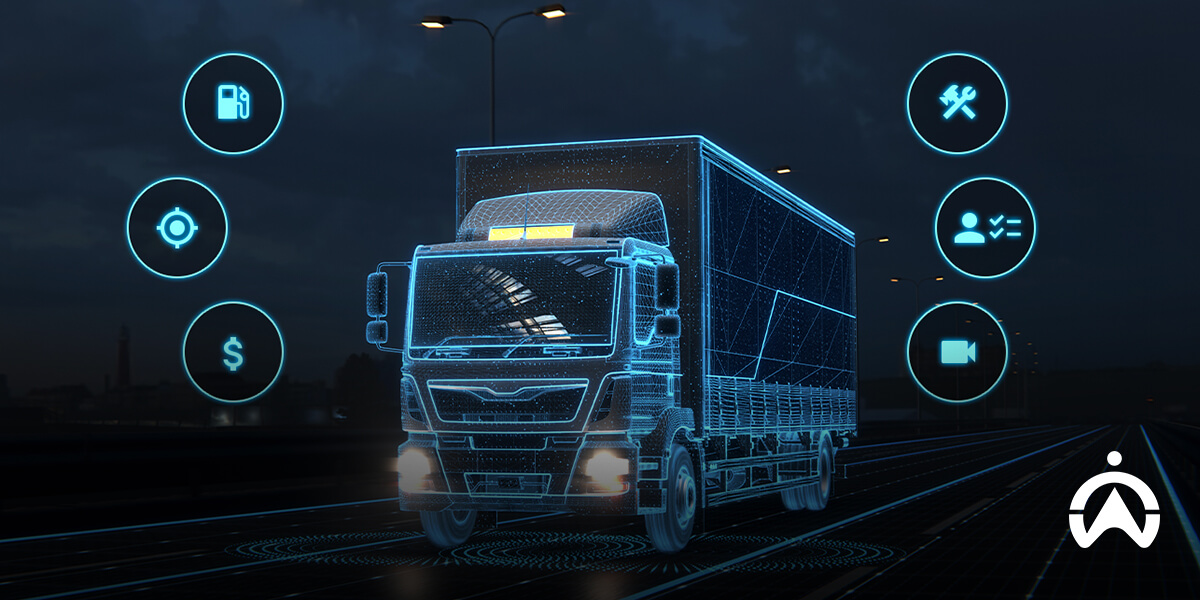
To understand this better, you first need to know how telematics works. Telematics involves tracking and monitoring vehicles by means of navigation systems, sensors and, sometimes, cameras. This tool usually comes in the form of a GPS-enabled device installed in a vehicle to collect data. These devices provide large amounts of data on driver behaviour, vehicle use, vehicle health and location. This information is essential for insurers to assess risk more accurately.
How insurers use telematics data
Insurers use telematics to collect data on driving habits, such as speed and harsh braking, to determine risk levels, build a profile for the fleet and set premiums. The open sharing of telematics data builds trust between fleet owners and insurers, ensuring more accurate and fairer pricing based on actual driving behaviour.
What fleet insurers assess to determine premiums
Commercial vehicle insurance requires the insurer to understand the operational demands on the vehicles. Insurers carry out thorough assessments of the whole fleet, taking into account its specific needs and the associated risks.
Here are some of the factors that fleet insurers consider when determining your premium:
Number of vehicles: the larger the fleet, the greater the possibility of claims. However, insurers often offer bigger discounts for larger fleets because of the lower administrative costs, as they often calculate premiums using a single risk profile, instead of having to assess the risk of each vehicle separately for each individual insurance policy.
Usage and mileage: the more time vehicles spend on the road, the more exposed they are to accidents and the greater the chances of wear and tear. For this reason, insurers want to know the distance the vehicles travel each day.
Travel zones: Vehicles that cross borders pay higher premiums because of the risks associated with being outside the country. Vehicles that operate in high-risk areas attract higher premiums.
Type and value of the vehicles: Assess the age, condition, model and make of the vehicles, as well as the current cost of each one. Some vehicles carry a higher risk than others.
Driver record: Having more experienced drivers reduces the chances of accidents. For this reason, insurers also check the type of drivers you have in your fleet.
Claims history: A company with a history of frequent claims is more likely to pay higher premiums.
Type of goods carried: Insurers generally include the cargo being carried. If it is of high value, there are more risks associated with the fleet. Taxi and transport companies must have liability cover, given the risk of personal injury and death when carrying people.
The presence of safety measures: A fleet equipped withdevices foraccurateand telematics features reduces the risk of accidents, resulting in fewer claims. This, in turn, results in lower premiums.
Main ways telematics affects fleet insurance
There are several ways in which telematics affects fleet insurance. Here are four of the most impactful:
Usage-based insurance (UBI) options «Pay as you drive» or «pay how you drive» models are growing in South Africa. Usage-based insurance is when insurers use telematics data to personalise premiums, leading to potential savings; in other words, the better the driver’s behaviour, the greater the chances of getting lower premiums.
Improved risk assessment Telematics data gives insurers detailed information on where vehicles travel, the road conditions and the level of safety. This allows for more personalised and fairer premium pricing.
Accident mitigation
Monitoring driver behaviour and vehicle condition allows fleet managers to quickly identify poor driving patterns and mechanical problems. This allows them to take action before drivers andvehicles cause accidents.
Faster claims settlement Because telematics devices can capture driving habits and impacts, businesses can prove their innocence in cases of fraudulent claims with accurate data. This speeds up the claims process and reduces the delays caused by disputes.
Using fleet technology as a risk management tool
As already mentioned, investing in software forfleet management is the best way to mitigate risks and, as a result, reduce insurance costs.
Preventive maintenance: A fleet management systemalerts managers tomaintenance issuesbefore they become serious problems, so that they can schedule maintenance, avoid unplanned stoppages and avoid costly repairs. This information reduces fleet expenses while minimising the fleet’s safety risks.
Driver behaviour alerts: Real-time alerts and reportson the behaviour of thedriverallow managers and supervisors to address concerns and send fleet operators for training based on the specific help they need.
Route monitoring: GPS tracking technology allows fleet coordinators toidentifydetoursand when drivers are in high-risk zones or accident-prone areas in real time. This makes it possible for them to contact the driver and check whether there is a problem.
Data protection and compliance with the Data Protection Act in telematics
Telematics systems collect a significant amount of sensitive business information. Data security is an essential aspect of fleet management software and, therefore, your fleet’s data must always be protected. Insurers must comply with the Data Protection Act when accessing your telematics data. There must be no misuse or unauthorised sharing of data, and there must be transparency about the data collected. This ensures that your fleet’s records are not shared with third parties.
Improve your fleet insurance with Cartrack’s advanced solutions
Businesses can reduce theirinsurancepremiums by implementing robust risk management practices and maintaining a good safety record. At Cartrack, we offer services that help with safe driving, vehicle maintenance, route planning and vehicle recovery. Here is how they work:
Maintenance scheduling Our fleet management system lets you set reminders forvehicle service dates, , ensuring that they are always in perfect condition and that you plan ahead for periods of downtime. In addition, you can also receive real-time alerts on engine faults, worn brake pads, changes in oil and water levels and other diagnostics.
Risk management (Stolen vehicle recovery) At Cartrack, we pride ourselves on the impressive figure of more than 100,000 vehicles recovered in the last decade. We have a large team of skilled recovery agents across the country and a call centre available 24 hours a day, 7 days a week. Should the unexpected happen, our teams are always on standby to recover what belongs to you. The stolen vehicle recovery service is also highly recommended by insurers, especially for fleets thatcarry high-value goods, with some insurers going as far as refusing cover without it.
Driver monitoring
Keeping drivers safe and monitoring how they operate fleet vehicles is one of the best ways to avoid frequent claims. Our telematics devices provide reports and alerts on driving behaviour such as excessive idling, speeding, harsh braking, sharp cornering and harsh acceleration. This allows you to identify risky driving patterns, talk to drivers and send them for training.
As an additional precaution, you can invest in our artificial intelligencecamerasto monitor drivers. These cameras can detect when drivers are distracted, using their mobile phones, drowsy or smoking. The system then issues audible alerts so that drivers can correct their actions quickly. In this way, drivers avoid collisions that could be fatal or result in high insurance and repair costs.
Live tracking The Cartrack fleet management system lets you track the location of your fleet vehicles at any time, ensuring that drivers are using the correct routes and that they are safe.
Geofencing
Cartrack’s geofencing feature ensures that drivers always stay within the stipulated zone. Through this software, you can create virtual boundaries around areas of your choice and receive alerts whenever vehicles enter or leave those areas. This ensures that you are always aware of when vehicles are in high-risk zones, which may indicate theft or detours.
Route optimisation Our route optimisation featureis a smart tool that helps you plan your trips, allowing you to choose the most efficient routes for drivers to reach their destinations. This is done by analysing road conditions and traffic patterns, helping to avoid delays, reduce mileage and minimise exposure to extreme road conditions that increase vehicle wear and tear.
Improve your fleet’s insurability with Cartrack’s data-driven management tools
Insurance is essential, and so is a fleet management system. Our solutions give you a more complete view of your fleet, allowing you to make better-informed decisions and avoid higher insurance costs. Get in touchtodayand save on your fleet!
Frequently Asked Questions about Telematics and Insurance
A black box is a telematics device that tracks driver behaviour, such as speeding, sharp cornering and braking patterns. Insurers use it to accurately assess the driver’s risk and determine the insurance premium.
What type of insurance uses telematics to help make decisions about premiums?
Usage-based insurance (UBI) is a type of insurance in which insurers use telematics technology to determine premiums. They monitor mileage, speed, time of day, braking patterns and acceleration. This information is then used to personalise your vehicle’s monthly premiums. For example, people who work from home can argue that they hardly use their vehicles and should therefore pay less. UBI makes this possible through telematics technology.
Other articles for you
Food Transport Facts and What You Need to Know When Managing Your Fleet
Blogs
11 minute read •
Important facts about food transport in fleet management: keeping perishable goods fresh in transit directly affects your profits — and mixing food loads is a serious mistake. Other facts include the food distribution regulations in force in Mozambique, the challenges of electricity supply and the […]
7 Ways to Increase the Efficiency of Your Construction Fleet
Blogs
12 minute read •
The seven main ways to increase the efficiency of your construction fleet are: Use telematics and GPS tracking to keep everything under control. Keep vehicle maintenance up to date.. Implement a fuel monitoring solution. Offer your drivers ongoing training. Plan better routes between sites. Match the size of the fleet to […]
How to Manage Your Light Commercial Vehicles (LCVs) Effectively with Fleet Management Software
Blogs
12 minute read •
To manage your light commercial vehicles effectively with fleet software, you should invest in a platform that directly addresses the biggest challenges LCVs face. LCV fleets deal with unique vulnerabilities because of their frequent trips. Wear and tear, wasted fuel, unexpected downtime and more are some of the main concerns. LCVs are […]
 South Africa
 Botswana
 Kenya
 Malawi
 Namibia
 Nigeria
 Swaziland
 Tanzania
 Zimbabwe
 Hong Kong
 Indonesia
 Singapore
 Malaysia
 Philippines
 Thailand
 New Zealand
 Vietnam
 Poland
 Portugal
 Spain
 United Arab Emirates

 PT