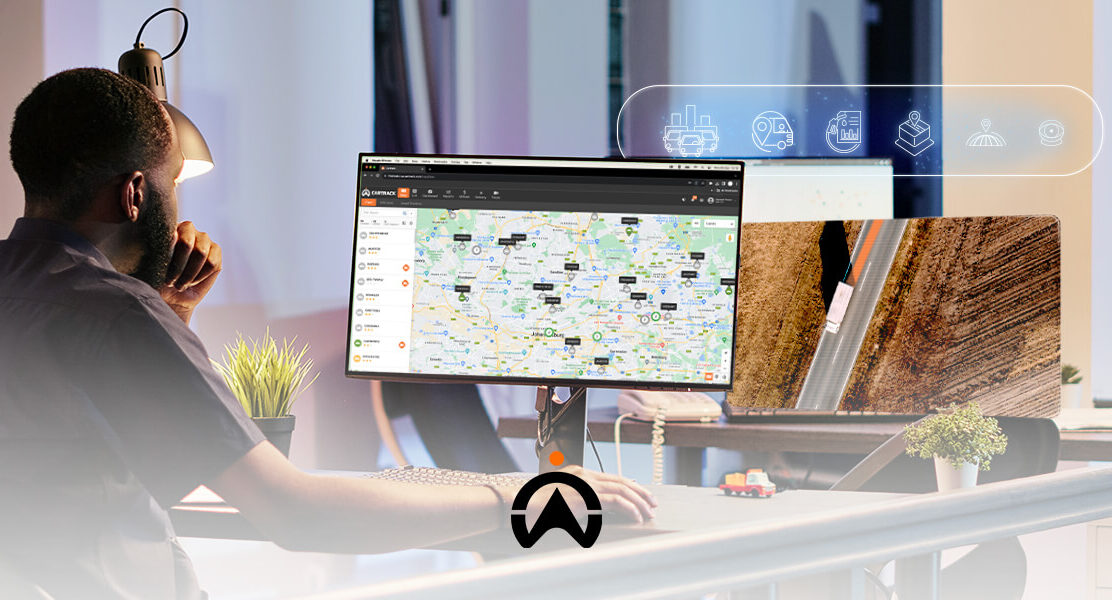
Dismissing the occasional noise coming from your vehicle’s engine can do more harm than you think. When it comes to your fleet, ignorance isn’t bliss; it means higher operating costs for your fleet.
Keeping one vehicle in perfect condition isn’t easy; now imagine an entire fleet.
Effective fleet maintenance is the one key you need for long-lasting vehicles, lower costs and less fleet stress. It’s time to turn to modern fleet management and maintenance tools that really work.
In this article, you will:
- Understand modern fleet management
- Understand fleet management responsibilities
- Learn why fleet maintenance is crucial to improving your fleet
- Equip yourself with a guide to the best fleet maintenance software for your business
- Understand how Cartrack Mozambique provides a complete solution for fleet maintenance
What is modern fleet management?
Before technology was used, fleet management typically involved manual, paper-based processes in which fleet managers themselves had to carry out tasks such as scheduling vehicle maintenance, planning routes and monitoring fuel consumption. All fleet decisions were therefore made on the basis of experience and periodic reports.
Although this method is still effective in many businesses, it can be more time-consuming and less adaptable for some organisations with larger fleets. With more information to process and constant real-time changes that managers need to stay on top of, this is the point at which most businesses switch to modern fleet management to lighten their load of responsibilities.
Modern fleet management is characterised by the integration of advanced technologies to streamline fleet operations and make them more efficient. It draws on telematics, GPS and real-time data analytics to provide accurate, up-to-date insights into various aspects of fleet performance. Fleet managers can monitor vehicle location, fuel consumption, driver behaviour and maintenance needs in real time.
Using technology-driven solutions improves decision-making processes, increases data accuracy and contributes to overall cost savings in fleet operations.
Fleet management responsibilities
Your business relies on its vehicles as a fundamental component, which makes their reliability very important. To improve and manage your fleet and have it operating at its best, managers need to go beyond mere supervision; they have to practise the art of precisely coordinating and overseeing all their fleet responsibilities.
Let’s explore some key responsibilities and aspects of fleet management:
- Regular maintenanceManagers implement regular maintenance, as it helps prevent breakdowns and extends the life of their vehicles. Schedule regular inspections, repairs and services to keep your fleet running smoothly and minimise downtime.
- Route optimisationOptimise your routes to reduce travel time, fuel consumption and overall fleet operating costs. Make use of advanced technologies such as GPS and traffic data to plan efficient routes that minimise travel time and fuel consumption.
- Fuel managementPromote fuel-efficient driving practices among your drivers, including eco-driving incentives and real-time fuel consumption data. Optimise routes and tackle fuel-wasting habits to significantly reduce fuel spend and improve your bottom line.
- Security measuresImplement comprehensive safety measures to protect drivers, passengers and third parties. This includes driver training programmes that emphasise safe driving practices, continuous monitoring of driver behaviour and strict adherence to safety regulations.
- Technology integrationIf you need extra help, make use of advanced technologies such as GPS, telematics and real-time data analytics to gain valuable information on vehicle use, performance, diagnostics and driver behaviour. This information allows fleet managers to make better, informed decisions to optimise their fleet and identify areas for improvement.
- Cost controlMonitor expenses carefully, negotiate favourable rates with suppliers and implement cost-cutting measures to ensure your fleet operates within its budget constraints. This proactive approach safeguards the company’s financial health and ensures sustainable fleet operations in the long term.
- Compliance and regulationsStay informed about the applicable laws and regulations on vehicle operation to ensure compliance and avoid possible penalties. This includes adhering to fuel-efficiency standards, keeping vehicle records and following traffic rules.
- Environmental considerationsEncourage eco-friendly driving practices, introduce fuel-efficient or alternative-fuel vehicles and, where possible, explore sustainable initiatives to reduce your environmental impact. These efforts contribute to a greener environment, reduce your company’s carbon footprint and demonstrate a commitment to responsible business practices.
- Data analysis and reporting
Analyse data trends to proactively address emerging problems, implement cost-cutting measures and continuously improve fleet performance. By analysing data insights, businesses can make informed decisions that drive business growth.
- Insurance management
Carry out regular risk assessments, implement driver safety programmes and work closely with insurers to secure the most favourable terms and cover. This ensures your fleet is properly protected against potential risks and liabilities.
To stay on top of all these responsibilities, most fleet managers look to the helping hand of modern fleet management.

What are the modern components of a good fleet system?
To move from traditional to modern fleet management, a fleet manager needs to equip their arsenal with a comprehensive set of smart tools.
An effective fleet management system integrates multiple features, each playing an important part in ensuring the fleet operates effectively.
Let’s explore the top ten essential components that will make for a smooth transition to the modern way of fleet management.
- Advanced telematics:Integrate a robust telematics system into your fleet and be able to actively watch over it with GPS tracking, vehicle diagnostics and driver behaviour information.
Telematics systems track vehicle location and provide data on engine status and much more, allowing fleet managers to make data-driven decisions to optimise routes and maintenance schedules.
- Fleet management software:Invest in an advanced fleet management software package that goes beyond basic fleet management. These platforms offer centralised dashboards, analytics and reporting tools, empowering fleet managers with data-driven decision-making capabilities.
- State-of-the-art vehicle tracking devices:Upgrade your fleet by installing vehicle tracking devices that not only tell you where your fleet is at all times but also provide detailed data on fuel consumption, engine health and other critical parameters, ensuring fleet visibility 24 hours a day, 7 days a week.
- Fuel management system excellence:Implement an advanced fuel management system that monitors consumption patterns, optimises routes and puts strategies in place to reduce fuel costs in real time.
- Predictive maintenance solutions:Adopt predictive maintenance tools to proactively manage vehicle health, using real-time data and analytics to predict possible problems and minimise unexpected downtime.
- Driver behaviour monitoring tools:Improve safety and efficiency with tools that monitor driver behaviour, offering information to improve fuel efficiency, mitigate risks and promote a culture of safe driving.
- Efficient route optimisation software:Integrate route optimisation software that takes dynamic factors into account, such as heavy-traffic areas and road and weather conditions, to suggest the most efficient routes, minimising travel time and fuel consumption.
- Use the Internet of Things (IoT)Use IoT sensors for a range of industry needs. To transport perishable goods such as meat, use temperature sensors to maintain ideal storage conditions. Monitor the cargo status of valuable goods, ensuring real-time information on its safety. Tailoring IoT sensors to specific industries enhances monitoring capabilities, enabling proactive maintenance strategies.
- Mobile apps for simplified communication:Give drivers mobile apps that streamline communication and task management, making electronic logging easier and offering a direct channel for reporting problems or emergencies.
- Data security measures:Prioritise data security by implementing robust cybersecurity measures to protect confidential information, ensuring secure data transmission, access controls and regular safety audits.
- Training and change management approaches:Recognise the importance of training your team to use these new tools effectively and of implementing change management strategies to ensure a smooth transition.
- Integration with business systems:Promote integration with other business systems, such as supply chain management or customer relationship management, ensuring seamless operations and an efficient flow of data.
At the heart of successful fleet management is the essential component of fleet maintenance. Navigating the landscape of modern fleet management seamlessly extends naturally into the realm of maintenance, creating a holistic approach dedicated to optimising operational efficiency.
What is fleet maintenance?
Fleet maintenance refers to the systematic approach of ensuring that company vehicles are kept in good working order for maximum safety, reliability and longevity. This process involves inspecting, servicing and repairing the vehicles in a fleet, and much more that fleet managers have to oversee.
The fundamental aim of fleet maintenance is to solve existing problems and prevent potential ones, such as breakdowns and operational risks, from arising.
Why is fleet maintenance important to fleet success?
To keep operations running, you have to keep your fleet running. Simple, right?
Everything needs to be in good condition to ensure your fleet never runs into problems on the road. Fleet maintenance is the key to smoother operations, saving money and reducing managers’ stress.
Here is a list of technology solutions and benefits that fleet managers can gain from a well-maintained fleet.
- Receive instant updates on your vehicle’s health
Nowadays, fleet management software offers real-time information about your vehicle’s well-being, enabling proactive maintenance. This data-driven approach helps identify and resolve potential problems quickly, ensuring your vehicles perform at their best to maximise fleet efficiency.
- Enjoy worry-free fleets with predictive maintenance
Say goodbye to unexpected breakdowns and costly repairs. Modern software uses predictive maintenance tools to detect potential problems early. This means you can fix minor problems before they become major headaches, saving time, money and the stress of unforeseen problems.
- Optimise resource allocation intelligently
Modern software provides accurate data on maintenance needs, helping you prioritise tasks by urgency. This ensures your maintenance efforts are focused where they are needed most, maximising operational efficiency.
- Extend the life of your fleet with regular maintenance
Maintenance isn’t just about preventing breakdowns; it’s about preserving the life of your fleet. Modern fleet management software helps schedule routine checks, inspections and services, extending your vehicle’s lifespan and reducing the need for costly replacements. This proactive approach ensures long-term value and minimises depreciation costs.
- Drive more fuel-efficiently
Fleet management provides information on fuel consumption patterns and offers strategies for efficient driving. By keeping vehicles in optimal condition, fleet managers can improve fuel efficiency, leading to significant cost savings over time.
- Stay compliant and avoid penalties
Forget about navigating complex regulations. Fleet management software ensures your vehicles meet legal and regulatory standards. By keeping track of maintenance records and resolving problems promptly, businesses can operate within compliance parameters, avoiding possible penalties and disruptions.

Generally, it is a good idea to schedule basic maintenance or minor repairs every 10,000 km to 15,000 km. Beyond this rule of thumb, many factors contribute to how often your vehicles need servicing.
The type of vehicle is a major consideration: is it a small delivery truck or a long-haul freight truck? The vehicle’s age, its daily use and the surface of the roads it travels on also play an important part. From there, fleet managers have to decide whether the vehicle needs more than just the routine maintenance repairs that focus on oil changes, tyre rotations and basic inspections, or major repairs.
For more in-depth maintenance, such as comprehensive inspections, spark plug and filter checks, brake system assessments and so on, businesses should carry out servicing every 30,000 km to 45,000 km.
Every experienced fleet manager knows that it is better to take a preventive approach to any maintenance setbacks than to fix vehicles only after maintenance problems have occurred, in order to save on fleet costs, reduce downtime, increase safety and extend the vehicle’s lifespan. Closely monitoring each vehicle’s performance and resolving any problems promptly can go a long way towards extending the life of your fleet and minimising unexpected breakdowns.
How do you get the best fleet maintenance software for your business?
Now that you have delved into the fundamentals of running a modern fleet and mastered the art of keeping it in excellent condition with effective maintenance, the next crucial step is selecting the best fleet maintenance software for your business.
This software isn’t just a tool. It’s your strategic partner in ensuring seamless operations, reducing downtime and maximising the longevity of your fleet’s valuable assets.
Here is a step-by-step guide to making a well-informed decision on the ideal fleet maintenance software, tailored to your business needs.
Step 1 – Understand your business needs
Start by gaining a solid understanding of your business’s unique requirements and challenges. Dig into factors such as the size of the fleet, the variety of vehicles you operate and the day-to-day complexities of your operations. This initial assessment lays the foundation for finding software that aligns perfectly with your business goals.
Step 2 – Outline the key features your business needs
Once you have defined your needs, it’s time to create a wish list of essential features for your fleet maintenance software. Consider elements such as preventive maintenance scheduling, efficient work order management, accurate fuel tracking and a robust reporting system. Prioritise these features according to their importance to your business, ensuring the software you choose meets your key operational requirements.
Step 3 – Does your business require mobile accessibility?
In today’s fast-paced business environment, being able to manage tasks from anywhere is a game changer. Check whether the fleet maintenance system you are looking at offers mobile accessibility, allowing your team to stay on top of their responsibilities while out in the field. This feature improves real-time tracking and communication and adds a layer of agility to your fleet management.
Step 4: Assess the level of security measures
The security of your fleet’s data is non-negotiable. When exploring software options, pay close attention to the security measures in place. Look for features that guarantee the protection of sensitive information and meet the standards of data protection regulations. A secure system not only protects your data but also builds confidence in the reliability of the fleet maintenance software you choose.
With this, you can set the stage for selecting fleet maintenance software that integrates seamlessly with your business processes and helps improve operational efficiency.
How can you prepare your fleet for the future of fleet management?
Now that you have upgraded your fleet management to modern practices, are you ready to prepare your fleet for the future?
Modern fleet management opens the door to endless possibilities. With continuous innovation, your fleet can seize new opportunities every day that could potentially propel it to the next level.
Interested? Here is a list of fleet management trends that are taking over the industry.
Predictive analytics: anticipating and tackling challenges
Predictive analytics, powered by artificial intelligence (AI), plays a key role in transforming fleet management. This technology allows managers to predict and resolve possible problems before they escalate. By analysing large amounts of data, including vehicle performance, driver behaviour and traffic patterns, AI algorithms can predict challenges such as breakdowns, fuel inefficiencies or unexpected delays. This proactive approach allows fleet managers to take timely action, such as scheduling maintenance, optimising fuel use and preventing disruptions that could affect business operations.
Autonomous vehicles: increasing operational efficiency and safety
The emergence of autonomous vehicles and Advanced Driver Assistance Systems (ADAS) is reshaping the way fleets operate. These vehicles can handle routine tasks, freeing drivers to focus on more complex aspects of their roles, such as customer interactions or route optimisation. ADAS features, including lane departure warnings and automatic emergency braking, contribute to increasing safety and reducing the risk of human error. Integrating autonomous vehicles and ADAS into fleets allows businesses to improve operational efficiency, reduce accidents and increase driver productivity.
Electric vehicle integration: Embracing sustainability in mobility
As electric vehicles (EV) gain popularity, fleet management is adapting to meet their specific needs. Customised solutions optimise battery use, identify ideal charging stations and integrate EVs seamlessly into existing fleet operations. Using fleet software to locate the nearest charging stations ensures that EVs stay charged and ready for operation, contributing to a smoother transition to electric mobility and minimising a fleet’s environmental impact.
Mobility as a service: flexible, cost-effective transport
Mobility as a service (MaaS) gives businesses the flexibility to plan, book and pay for a fleet they do not own. This innovative model removes the need for individual ownership and maintenance of a fleet, offering a cost-effective and adaptable transport solution. Through partnerships with MaaS providers, businesses can share fleets for occasional deliveries or other transport needs, instead of being responsible for a full-time fleet, resulting in cost savings and efficient use of resources.
In short, these advances in fleet management technology offer several benefits:
- Predictive analytics allows fleet managers to anticipate possible problems and take proactive steps to avoid them, reducing downtime, minimising costs and improving overall fleet efficiency.
- Autonomous vehicles increase operational efficiency by handling routine tasks and freeing drivers to focus on more complex aspects of their roles, while ADAS features promote safety by reducing the risk of human error.
- Electric vehicle integration contributes to environmental sustainability by optimising battery use and minimising emissions, in line with the growing demand for eco-friendly transport solutions.
- Mobility as a service offers businesses a flexible, cost-effective transport solution, removing the need for individual fleet ownership and maintenance and leading to cost savings and efficient use of resources.
Now, imagine a fleet management system that easily integrates these innovations, whatever the industry, and provides smart fleet maintenance solutions to improve your fleet. A system that not only embraces the latest trends but also anticipates them, providing a harmonious blend of innovation and smart solutions for your fleet’s maintenance needs.
A fleet management system that does not offer a one-size-fits-all approach; but rather a customised solution designed to elevate your fleet maintenance strategy.
No need to imagine, just choose Cartrack Mozambique
Cartrack Mozambique is not just a fleet management system; it is your ultimate solution for modernising and elevating your fleet maintenance. With a multifaceted approach, Cartrack is designed to empower businesses not only to manage their fleets efficiently but also to raise the overall performance, longevity and cost-effectiveness of their valuable assets.
We do this through our smart features, built to elevate your fleet maintenance and much more:
Predictive maintenance with AI-driven insights:
Cartrack’s predictive maintenance goes beyond traditional approaches. Powered by artificial intelligence, it analyses vast data sets, including vehicle performance and driver behaviour, and sends maintenance alerts. This advanced analysis helps identify possible maintenance problems before they escalate, making proactive measures possible. With Cartrack Mozambique , you can schedule maintenance strategically, optimise fuel efficiency and avoid disruptions that could affect your business.
Real-time fleet monitoring and tracking:
With our GPS units installed, Cartrack Mozambique provides a comprehensive real-time view of your entire fleet through our fleet management platform, accessed via our web or mobile app. Monitor individual vehicle performance, track routes and receive instant updates. This level of visibility lets you stay informed about the status of each vehicle, allowing timely maintenance interventions and ensuring optimal performance across your fleet.
Driver behaviour monitoring:
Cartrack goes further by monitoring driver behaviour. Receive insights into driving patterns, identify areas for improvement and implement strategies to increase safety and reduce vehicle wear and tear through our Driver Scorecards and reports such as risk reports, vehicle usage reports and speed reports. This proactive approach contributes to long-term fleet health
Case study: How Cartrack Mozambique's fleet management solutions benefit Concord Crane
Concord Cranes specialises in crane hire solutions with a fleet of more than 180 cranes. They offer mobile crane hire, specialised rigging, transport and specialised lifting services through their network of 15 branches.
When it comes to maintaining their many cranes, Concord Cranes uses IoT devices from Cartrack Mozambique and specialised power take-off sensors to monitor their numerous cranes accurately. This technology tracks working hours, mileage and on-site equipment usage, providing valuable data for assessing the condition of each crane. Using this information, they can implement preventive maintenance strategies to extend the life of their fleet.
Cartrack's preventive maintenance insights allow Concord Cranes to optimise their maintenance costs, minimising expensive and avoidable repairs caused by breakdowns. Cartrack helps them hire out their equipment properly and ensure it is readily available and in good working order for customers. This also helps to mitigate premature service downtime and ensure their crane fleet runs more efficiently.
“By using Cartrack's advanced fleet management, we have been able to increase our operational efficiency to offer our customers a better service, as well as effortlessly establish a maintenance cycle that reduces our costs and extends the life of our fleet” Gareth Langley, Concord Cranes – Operations Manager.
Choose our modern fleet management for your fleet maintenance needs
Get your complete solution for modernising and improving your fleet maintenance with Cartrack. Whatever the size of your fleet or the industry you operate in, Cartrack offers all the features you need to stay on top of your fleet maintenance and change it for the better.
Contact Cartrack Mozambique and get started today.
 South Africa
 Botswana
 Kenya
 Malawi
 Namibia
 Nigeria
 Swaziland
 Tanzania
 Zimbabwe
 Hong Kong
 Indonesia
 Singapore
 Malaysia
 Philippines
 Thailand
 New Zealand
 Vietnam
 Poland
 Portugal
 Spain
 United Arab Emirates

 PT