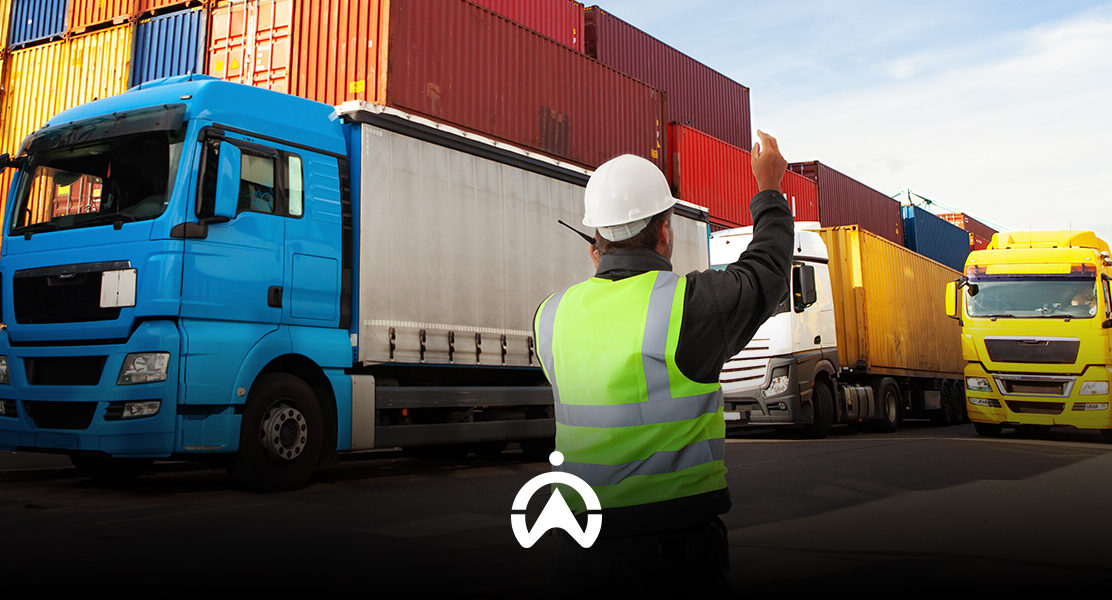
Transporting high-value items is important for many industries today, from luxury goods to medicines. However, this value brings significant risks, including theft, damage and delays, which can lead to major financial losses and ruin a company's reputation. Fortunately, technology can help reduce these risks.
So, how can we effectively track and protect high-value freight? The main strategies include careful route planning, sturdy packaging, reliable carriers, secure storage and, at times, escorts. It is also essential to comply with customs regulations, train employees on security procedures and have adequate insurance.
This blog will cover the best strategies, technologies and practices for protecting your high-value freight. Whether you're a logistics manager, a supply chain professional or a business owner, knowing how to protect your valuable shipments is crucial in today's competitive market.
In this article, you will:
- Understand what High-Value Freight means
- Know the risks associated with transporting high-value freight
- Learn how to protect your valuable goods
- Find Cartrack solutions to keep your cargo safe
What is high-value freight?
High-value freight refers to goods with a significant monetary value that require special handling and insurance.
Goods valued at more than one million Rands are considered high-value freight. These items are in high demand, which makes them more likely to be stolen, and they usually have strict regulatory controls.
High-value items include luxury goods such as jewellery and designer items, medicines, banknotes, gold coins, metals, precious stones, electronics, livestock, diamonds and art. Premium cigars, cigarettes and alcoholic drinks, especially in large quantities, are also classed as high-value freight.
There are four main types of freight transport: land (road), rail, sea and air.
Cartrack mainly uses land freight transport, which has two types of load: Less-than-Truckload and Full Truckload .
- Less-than-truckload : this involves shipments that don't fill an entire truck. Different shippers can share the truck to save money, but it may take longer because the cargo is handled several times.
- Full truckload : in this case, one shipper uses the whole truck. This provides more space for high-value items and usually means faster delivery.
Why do you need high-value freight tracking?
Tracking high-value freight is essential because it can face serious risks of theft, damage or loss. You need to monitor your goods from the point of departure until the moment they are delivered. GPS tracking lets you follow the location of your goods in real time.
Mozambique witnessed thousands of crimes that affected supply chains last year, based on data from SERNIC . These incidents happen at the ports, but also on the roads.
Organised crime groups are always looking for new ways to get to your cargo. Here are some common methods used to steal high-value goods:
The six most common methods of high-value freight theft
- º Identity theft and fraud: sometimes, thieves use identity theft to pose as legitimate transport companies. By creating false documents and credentials, they can convince carriers to release valuable cargo, which causes significant losses for transport companies.
- º Truck hijackings and robberies: this involves the theft of entire trucks, usually when they are left unattended at rest stops or during deliveries. Thieves usually monitor trucks from a distance, waiting for an opportunity to strike.
- º Fake emergencies and forced stops: criminals flag drivers down and steal the cargo while the driver is distracted.
- º Commercial burglaries: criminals break into containers or trucks at facilities such as truck parks, warehouses or businesses close to transport hubs. Cargo theft at these sites usually happens because goods are left unattended for long periods.
- º Employee involvement: Internal theft occurs when employees help criminals by providing access or staging hijackings for financial gain.
- º Use of technology: criminals may use GPS jamming to prevent goods from being tracked, or use hacking techniques such as phishing, which allows them to create fake shipments and steal goods.
Tracking high-value freight is crucial to protecting your cargo, especially in a high-risk country like Mozambique . Find out more about how to prevent your goods from being stolen.
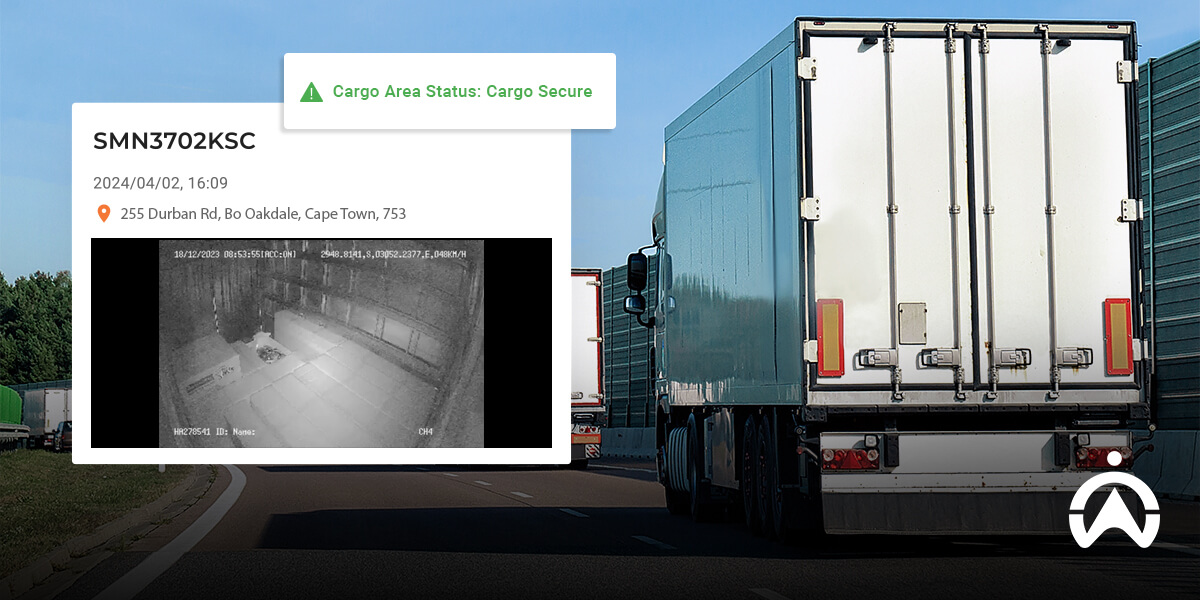
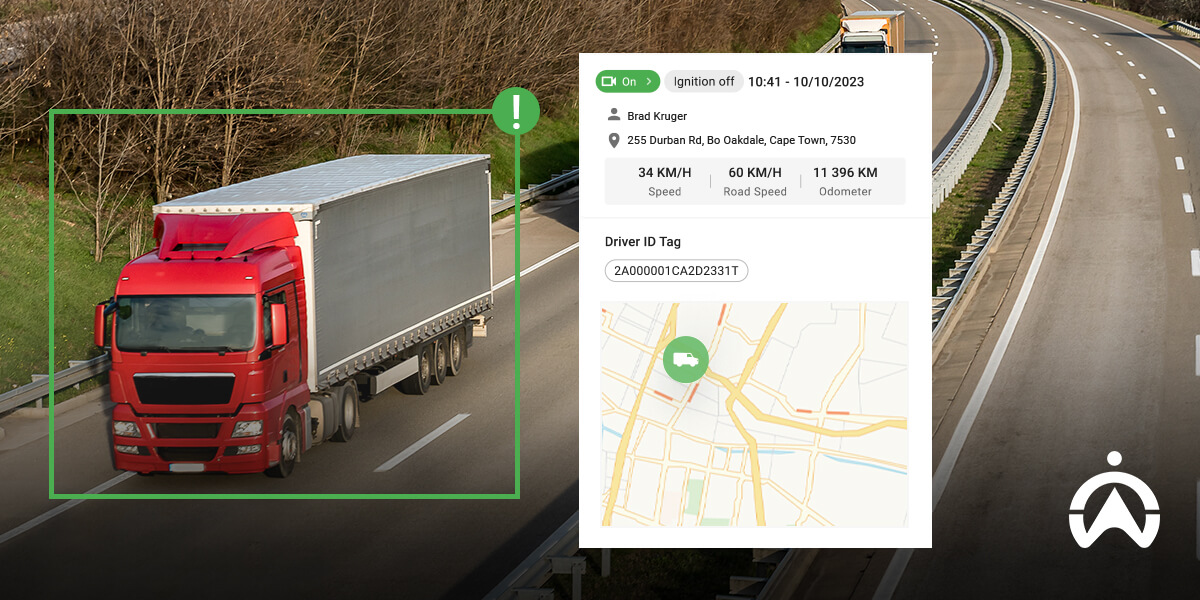
Cartrack's fleet management system helps you manage your freight transport smartly and securely. This complete solution makes fleet management easier and more convenient.
Here's how Cartrack can protect your high-value goods:
- GPS tracking:
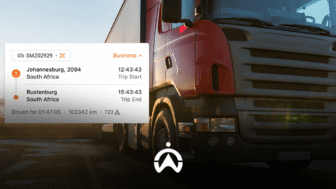
With Cartrack's live GPS tracking, you can see where your valuable goods are at all times. We have designed a tracking unit that can be easily attached to most mobile assets to help you improve the utilisation of your assets and reduce costs. This way, you can keep an eye on your cargo.
- Temperature monitoring:
You can install up to four temperature sensors in your truck and trailer. This lets you check the temperature of your cargo from anywhere, which is especially important for things like livestock. You can set alerts for any temperature changes, helping to ensure the goods reach your customers in the right condition.
- º Ignition sensor:
This sensor tracks whether the vehicle's ignition is on or off. It provides important information about the vehicle's status and can help detect different theft situations.
- º Geofence:
Set up virtual boundaries around certain areas to monitor your drivers, vehicles and equipment in real time. Once a geofence has been created, you will receive instant notifications whenever a vehicle enters or leaves that area. It helps you monitor fleet activity and avoid high-risk zones.
- Driver behaviour monitoring:
Increase driver safety with Cartrack's fleet driver monitoring system. This system uses advanced hardware and software to track driver behaviour.
Cartrack's AI LiveVision cameras alert drivers to distracted and risky actions, such as smoking or speeding, allowing them to correct their behaviour quickly. This helps create a safer driving culture and reduces the risk of accidents. High-priority alerts can be sent for coaching, a value-added service that helps businesses keep a record of repeat offences and provide targeted training for drivers.
- Jamming detection:
If a thief uses a jamming device to interrupt communication between the tracking system and the cellular network, Cartrack can switch to RF frequency. This ensures we can keep communicating with your vehicle, increasing security and the chances of recovery.
- º Routing:
Routing is a software tool that helps you set and manage planned routes for your fleet vehicles. You will receive real-time alerts for any deviations from these routes. Keeping vehicles on their intended paths reduces operating costs and ensures drivers stay focused and the cargo stays on track.
Cartrack's fleet management system offers much more than just tracking. It provides peace of mind that your high-value freight is well protected. With our comprehensive features, you can trust that your valuable assets are in good hands.
Take control of your high-value freight at all times
Cartrack offers customised security features to protect your drivers, fleet and cargo against theft, hijacking and accidents. Trust us to protect your valuable goods.
Frequently asked questions about high-value freight in
Q: How can I pack my high-value freight to prevent damage?
A: Use strong, sturdy boxes or containers and protect the contents with bubble wrap. Consider tamper-evident packaging to ensure the items are not tampered with in transit.
Q: Can I insure my fleet with Cartrack?
A: Although we don't provide insurance directly, our insurance agency can help you find the right cover to suit your needs and budget.
Q: What are the common risks in HVF (High-Value Freight)?
A: Theft and hijacking.
 South Africa
 Botswana
 Kenya
 Malawi
 Namibia
 Nigeria
 Swaziland
 Tanzania
 Zimbabwe
 Hong Kong
 Indonesia
 Singapore
 Malaysia
 Philippines
 Thailand
 New Zealand
 Vietnam
 Poland
 Portugal
 Spain
 United Arab Emirates

 PT