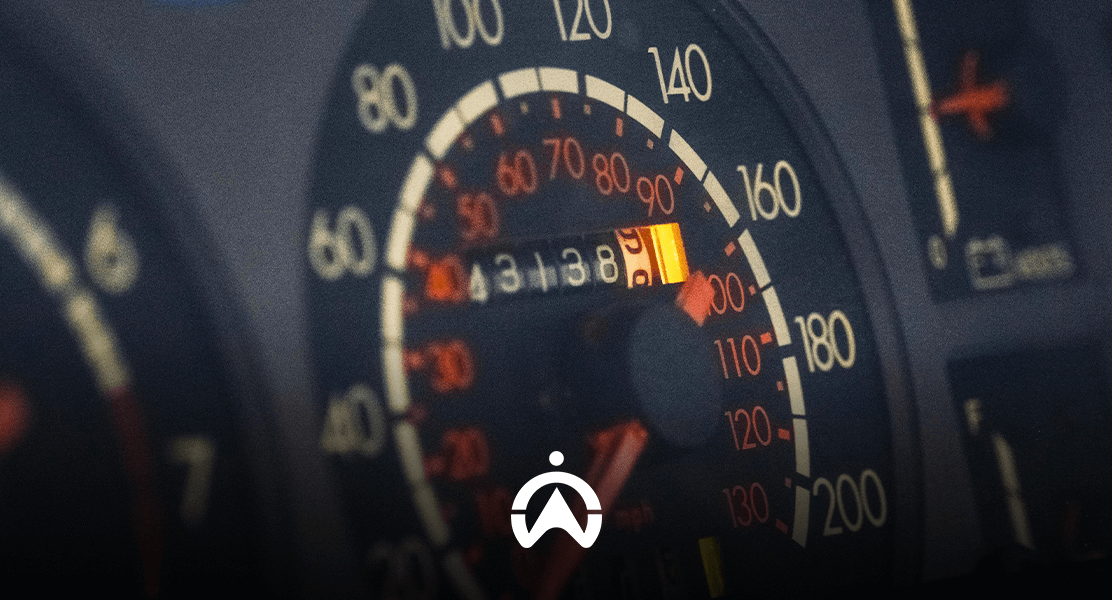
Unexpected problems always crop up when managing a fleet: fluctuating fuel costs, vehicle breakdowns and, sometimes, deliveries that take longer than expected.
Sound familiar? The culprit may be hiding in the dashboard – an inaccurate odometer reading. The odometer reading can tell you far more about your fleet than you might think.
Let's dig in and find out how accurate odometer readings can benefit your fleet.
In this article, you will:
- Understand the importance of odometer tracking for fleet management
- Explore eight compelling reasons to accurately monitor your fleet's odometer readings
- Learn about the risks and challenges of odometer tampering
- Discover important tips for maintaining accurate odometer readings and preventing fraud
- Find out how Cartrack can streamline odometer tracking for your business
Understanding odometer tracking
Let's start with the basics. What exactly is an odometer and why does it matter? Put simply, an odometer is a device found in a vehicle that measures and displays the total distance that vehicle has travelled. It is like the car's personal mileage tracker, counting every mile or kilometre covered over its lifetime.
Odometers are normally located on a vehicle's dashboard. The odometer is an essential instrument for keeping track of the vehicle's usage and maintenance needs. These handy instruments can be mechanical, where they physically track the rotations of the vehicle's wheels, or digital, where they measure distances.
Accurate odometer readings are crucial for several purposes, including:
- Maintenance scheduling
- Fuel efficiency analysis
- Accurate billing for vehicle use
- Monitoring driver behaviour
Here are eight reasons why accurately tracking your fleet's odometer readings can make a huge difference to your fleet operations.

Effective fleet management depends on accurate, data-driven insights. Odometers may not be as flashy as a GPS tracker or an IoT device, but those small numbers displayed on the dashboard hold a wealth of information that is crucial for saving time, money and plenty of headaches.
Here are eight reasons why you should use accurate odometer data:
- Reliable mileage monitoring
Keeping a close eye on odometer readings provides accurate information on the distance covered by each vehicle in the fleet. This data is crucial in several respects, such as efficient maintenance scheduling, fuel efficiency analysis and billing customers based on accurate distance measurements.
- Efficient maintenance planning
Analysing mileage trends and historical maintenance records lets fleet managers anticipate when maintenance tasks are likely to be needed. Regular mileage-based maintenance helps prevent breakdowns, extend vehicle life and reduce overall operating costs.
- Fuel efficiency insights
Odometer data lets fleet managers analyse fuel efficiency trends across the whole fleet. This analysis can identify inefficiencies, optimise routes and implement strategies to reduce fuel consumption and the associated costs.
- Cost control
Accurate odometer readings help with precise calculations of costs related to vehicle use, including expenses such as fuel consumption, maintenance, depreciation and insurance. This helps fleet managers manage costs effectively and allocate resources efficiently.
- Regulatory compliance assurance
Odometer monitoring also helps ensure compliance with regulatory requirements on vehicle use and reporting. Many jurisdictions have regulations governing odometer readings for purposes such as tax reporting and vehicle inspections.
- Holistic asset tracking:
Odometer readings play a key role in comprehensive asset tracking and management. By monitoring mileage, fleet managers can keep track of vehicle use, identify underused assets and make informed decisions about the size and make-up of the fleet.
- Effective warranty management
Accurate tracking of odometer readings is essential for managing vehicle warranties. Fleet managers can make sure vehicles receive repairs and services covered by the warranty within the specified mileage limits, maximising warranty benefits and minimising out-of-pocket expenses.
- Insurance premium consideration
Accurate odometer data plays a crucial role in ensuring smooth warranty claims. Some insurers take odometer readings into account when determining insurance premiums. Reliable mileage data can help fleet managers negotiate favourable insurance rates based on actual vehicle usage patterns.
Having explored all the important factors in accurate odometer tracking, it is crucial that we address the potential odometer risks you may face, such as odometer tampering. This and other deceptive practices can undermine the reliability of your fleet's mileage data and lead to a range of complications.
Odometer tampering, also known as odometer fraud, involves illegally altering a vehicle's odometer reading to show a lower mileage than the actual distance travelled.
Several methods are used for odometer tampering, from physically altering the odometer mechanism by manually rolling the odometer back to using electronic devices that manipulate odometer readings. The latter method is for newer vehicle models with digital or electronic odometers.
This is normally done to deceive potential buyers or lessees, making vehicles appear to have lower mileage than they really do and seem more valuable.
In the context of fleet management, odometer tampering can have significant implications both for the fleet owner and for later users of these vehicles, as it can lead to inflated purchase prices for unsuspecting buyers, who may later discover the true mileage discrepancy and face unexpected repair costs and depreciation problems, or customers who rent a company's vehicles may alter the reading, reducing the vehicle's usage charge.
To avoid this, consider a physical inspection of the odometer during routine maintenance. Look for signs of tampering, such as misaligned digits, scratches or loose components around the instrument panel. Here are other concerns every fleet manager should watch for when it comes to odometer monitoring:
- Digital odometers: Many modern vehicles are fitted with digital odometers, which can be susceptible to tampering techniques different from those used on traditional mechanical odometers. Fleet managers should stay informed about the latest methods used for digital odometer fraud and take precautions to prevent them.
- Non-driver events: Odometer readings can sometimes be influenced by factors other than actual vehicle use, such as towing, transporting the vehicle or certain types of maintenance procedure. Fleet managers should be aware of these non-driver events that can affect odometer readings and take them into account when analysing vehicle data.
- Odometer rollback detection: Detecting odometer rollback can be challenging, but the right technologies and services can help fleet managers identify suspicious odometer readings. Implementing systems or partnering with providers that offer odometer rollback detection can help protect fleet assets against fraud and ensure accurate mileage records.
- Legal implications: Tampering with odometers or intentionally misrepresenting vehicle mileage can have serious legal consequences, including possible fines or criminal charges. To avoid these problems, fleet managers should be familiar with the relevant laws and regulations on odometer readings in their area of operation.
- Data security: Odometer readings, like other vehicle data, must be handled with care to ensure data safety and privacy. Fleet managers should put appropriate measures in place to protect odometer data against unauthorised access or manipulation, especially when using telematics systems or cloud-based fleet management platforms.
By staying informed about these lesser-known aspects of odometer readings, fleet managers can better protect their fleet assets, keep accurate records and ensure compliance with regulations.
Important tips for maintaining accurate odometer readings
To reduce the chances of odometer tampering and other problems that can produce false readings, fleet owners and managers can follow these tips to keep track of true odometer readings:
Partner/lease wisely: Work with reliable suppliers and dealerships, and rent vehicles to trustworthy customers, to make sure vehicle records are reliable and accurate.
Pre-trip inspections: add a quick odometer check to your pre-trip inspection routine. This lets drivers spot any discrepancies or malfunctions and report them for timely repairs or adjustments.
Keep detailed maintenance records: Keeping meticulous maintenance records alongside odometer readings goes a long way towards ensuring data accuracy. It lets you cross-check mileage data against maintenance history and identify possible inconsistencies.
Schedule regular calibration: like any measuring tool, odometers can develop small inaccuracies over time. To make sure they stay reliable, schedule regular calibrations with a qualified technician.
Use GPS tracking technology: opt for a fleet management system that integrates seamlessly with your vehicles' odometers. Although they are not a direct replacement for odometer tracking, GPS tracking systems can be beneficial and offer valuable information where there are odometer differences. By comparing historical location data with the reported mileage, you can identify possible inconsistencies.
Invest in a reliable fleet management system: look for a fleet management solution with features such as real-time odometer readings, data verification and automatic alerts for suspicious activity. A product like Cartrack helps you quickly identify any errors and take steps to correct them.
By following our tips, your fleet's odometer readings will always be honest, resulting in better decision-making, a smoother-running fleet and, ultimately, more money in your pocket!
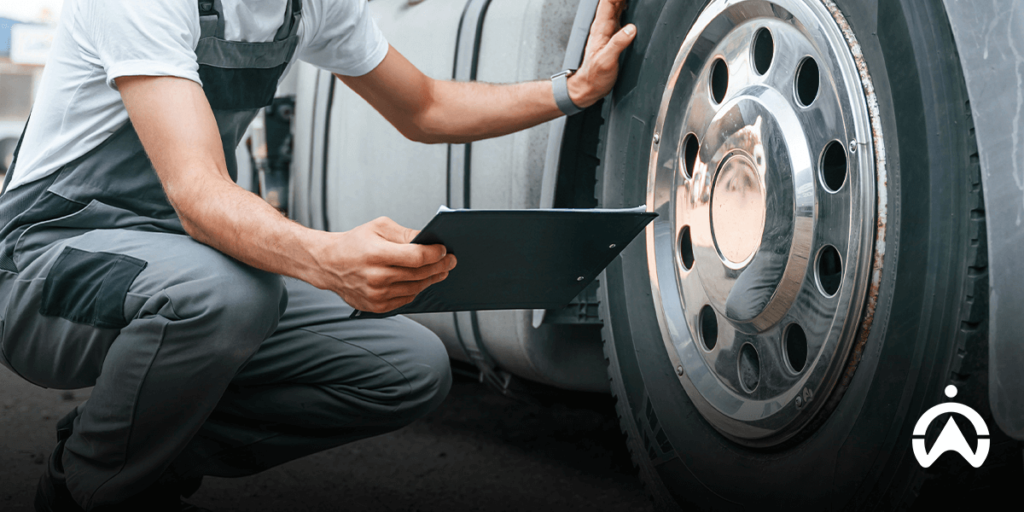
Maintaining accurate odometer readings can be a challenge, whatever the size of your fleet. Cartrack, a leading provider of fleet management, has the solutions to automate your fleet's odometer reading process and give you valuable insights to improve your operations and save money.
Let's explore Cartrack's reliable solutions:
- Real-time data and reports
You get access to historical and real-time odometer data through the easy-to-use Cartrack platform. This lets you monitor mileage trends, identify possible problems and make informed decisions quickly.
In addition, Cartrack's fleet management platform generates comprehensive reports that summarise the mileage data of individual vehicles, allowing easy analysis and identification of areas for improvement.
- Automated alerts and reminders
The software for fleet management from Cartrack can be set up to send automated alerts and reminders based on predetermined mileage thresholds. This ensures timely preventive maintenance based on the manufacturer's recommendations or industry best practice, preventing breakdowns and extending the life of your vehicles.
- Monitoring driver behaviour
By integrating odometer data with driver scorecards, Cartrack can help you monitor driver behaviour. This can identify instances of inefficient driving habits, such as excessive idling or harsh acceleration, which can contribute to higher fuel consumption and greater wear and tear on vehicles.
With Cartrack, you can confidently say goodbye to inaccurate odometer readings and welcome efficiency and cost savings.
Keep your odometer readings honest and your profits high with Cartrack
Maintaining accurate odometer readings can be a challenge, especially for large fleets, but with Cartrack integrating seamlessly with your vehicle's odometer readings, automatically collecting data and monitoring every other event that affects your mileage, this challenge meets its solution.
Contact Cartrack today for a free quote.
 South Africa
 Botswana
 Kenya
 Malawi
 Namibia
 Nigeria
 Swaziland
 Tanzania
 Zimbabwe
 Hong Kong
 Indonesia
 Singapore
 Malaysia
 Philippines
 Thailand
 New Zealand
 Vietnam
 Poland
 Portugal
 Spain
 United Arab Emirates

 PT