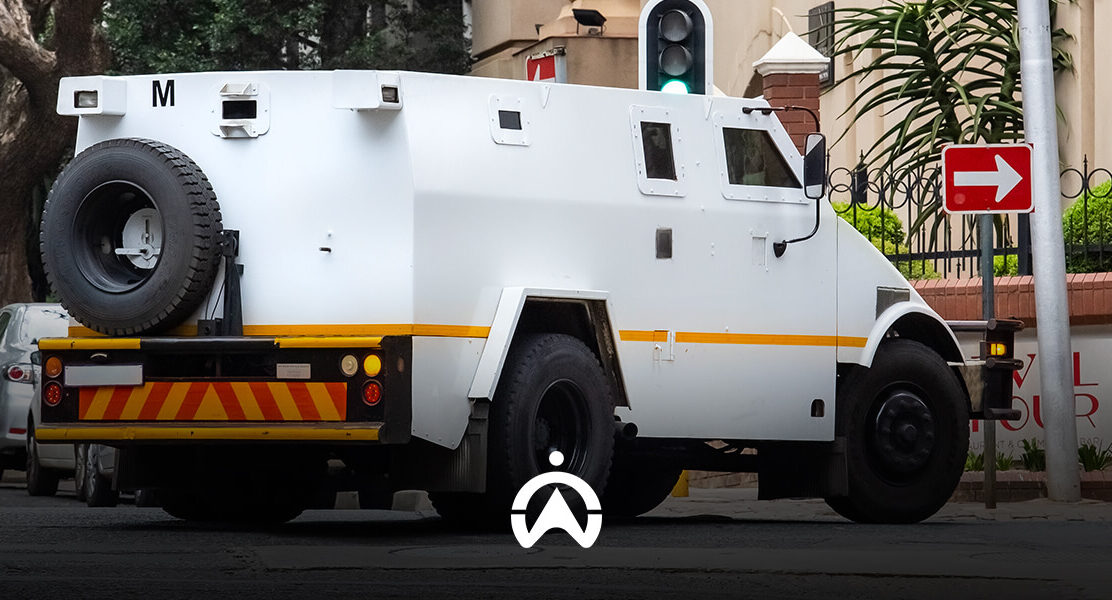
High-value goods range from luxury items and electronics to sensitive medicines, premium cigars, alcoholic drinks, livestock and fine art. These goods are highly valuable, making them prime targets for criminals and more susceptible to theft and hijacking than ordinary goods.
Given their importance, high-value goods require exceptional care and attention in transit. A single security lapse can lead to substantial financial losses, damage a company’s reputation and harm a range of sectors.
Let’s discuss the risks involved in transporting these valuable items and explore how advanced technologies, such as Cartrack’s fleet management solutions, can help protect them on the journey.
In this article, you will:
-
Learn more about the risks associated with transporting high-value goods
-
Understand how technology can help mitigate these risks
-
Explore the key best practices for protecting your products in transit
-
Learn how Cartrack solutions can help you protect your cargo
What are the risks of transporting high-value goods?
High-value items are at greater risk of theft because of their appeal. These goods can also be easily damaged and often come with strict regulations that must be taken into account during transport. Let’s look at these risks in more detail:
Theft or hijacking
High-value goods are highly vulnerable to theft and hijacking in transit, as they pass through several handover stages, such as drivers, logistics companies and warehouse teams. These goods are often left unprotected at unsecured stopping points or while being moved between locations. With each handover, the risk of theft increases, as security can be inconsistent. Unlike warehouses, which have strict security, the lack of continuous protection in transit makes it easier for criminals to target the shipment.
Accidental damage
Because of the delicate nature of most high-value products, they are more likely to be damaged in transit. This can result from poor handling, incorrect storage, inadequate packaging, accidents, adverse weather conditions and roads in poor condition. For temperature-sensitive products, the temperature may have been wrong during the journey, causing the items to spoil and compromising their quality.
Accidental damage causes significant harm to cargo, resulting in financial losses and customer dissatisfaction.
Regulatory and compliance risks
Non-compliance is a significant risk when transporting high-value cargo, especially for items such as pharmaceutical products or international shipments. Failure to comply with legal and safety regulations can result in heavy fines, legal action and reputational damage. It is important to ensure that all regulations are met to avoid these risks during transport.
How can technology mitigate the risks of transporting high-value goods?
Technology plays an important role in mitigating the risks associated with transporting high-value goods. With GPS tracking and telematics, you can be in control of your fleet at all times and act quickly before anything happens to your cargo.
Here are some ways in which technology can improve security:
- Real-time GPS tracking: you will know the location of your cargo through continuous tracking.
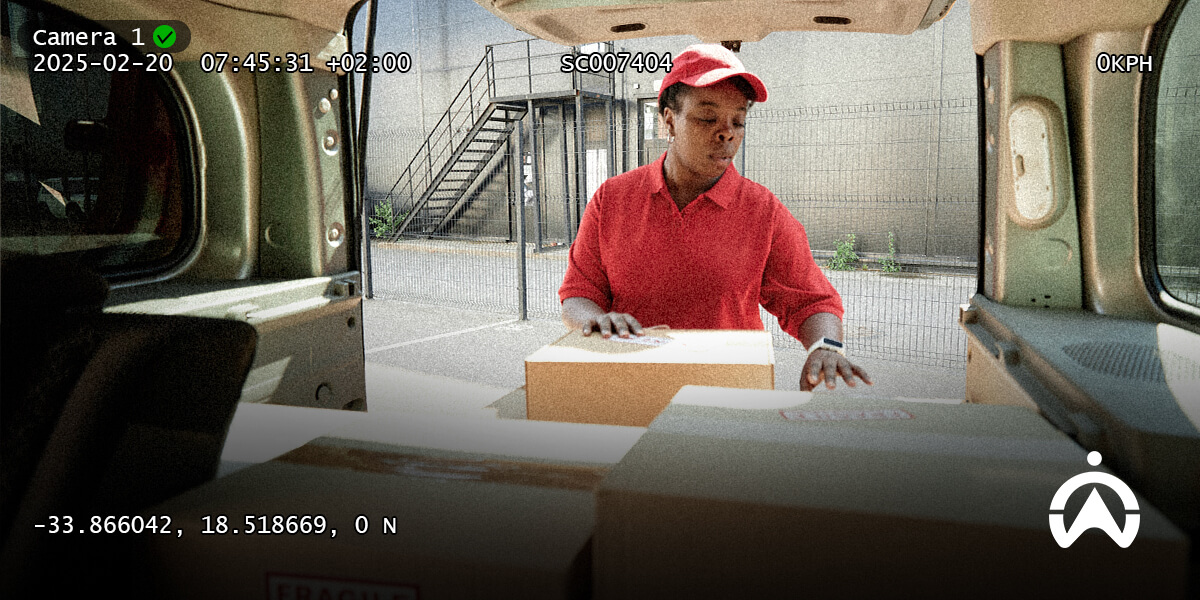
- Vehicle surveillance: Cameras and an alarm system add an extra layer of security to your fleet, deterring theft. Cameras equipped with AI technology allow you to monitor driver behaviour and provide training where needed.
- Temperature monitoring for sensitive products: having temperature sensors will ensure that your sensitive cargo stays in good condition in transit, avoiding spoilage and waste.
- Automated alerts: instant notifications and alerts allow fleet operators to take action if anything changes in the fleet. This includes vehicle detours or temperature changes.
- Remote immobilisation: Many tracking systems have immobilisation options, allowing fleet managers to disable the vehicle remotely in the event of theft. This increases the chances of recovery and ensures greater protection for the vehicle.
What are the best practices for protecting high-value goods in transit?
When protecting high-value cargo in transit, you need to have a comprehensive strategy. This means stepping up your security, carrying out regular inspections and maintenance and minimising stops along the way.
Here are some important best practices to help you get it right:
Strengthening Security Protocols for Drivers
Fleet operators should train drivers in secure cargo handling protocols and emergency response. These training programmes will equip drivers to recognise when something is wrong and to act quickly in an emergency. Drivers must make sure they know which protocols to follow while on the move; this includes checking for tampering, knowing how to use panic buttons and reporting incidents immediately. Drivers are essentially responsible for their cargo and vehicles, so they must be protected at
all times to ensure the goods are delivered safely.
Carrying out regular vehicle inspections and maintenance
It goes without saying that the vehicles used to transport these high-value goods need to be properly maintained to avoid unnecessary breakdowns on the road. Managers should schedule regular inspections and make sure vehicles are serviced whenever necessary to prevent breakdowns. These inspections include checking security systems, such as alarms and GPS tracking devices, to confirm they are still working properly.
Regular checks can help identify and resolve issues before they become major problems that pose potential threats to the cargo.
Minimising stops and delays in transit
To make on-time deliveries, fleet operators should ensure routes have as few stops as possible. Fewer stops reduce the risk of unauthorised access or tampering, while also improving fuel efficiency and delivery times.
How can Cartrack Solutions help protect high-value goods?
Cartrack’s fleet management solutions ensure your high-value cargo is protected throughout the journey, so that products are delivered in the right condition. Here’s how:
- GPS tracking: Fleet managers have full visibility of the fleet through real-time GPS tracking, which lets them monitor vehicle locations, track routes and respond quickly to any problems or delays.
- Route optimisation: Cartrack’s fleet management software lets operators optimise routes, ensuring on-time deliveries. This feature lets drivers take the fastest routes with the least congestion to avoid delays. You will receive alerts if the vehicle deviates from these planned routes.
- Geofencing: Operators can identify dangerous areas, such as hijacking hotspots, and set up geofences around these zones. They will be notified by SMS or email if the vehicle enters these zones.
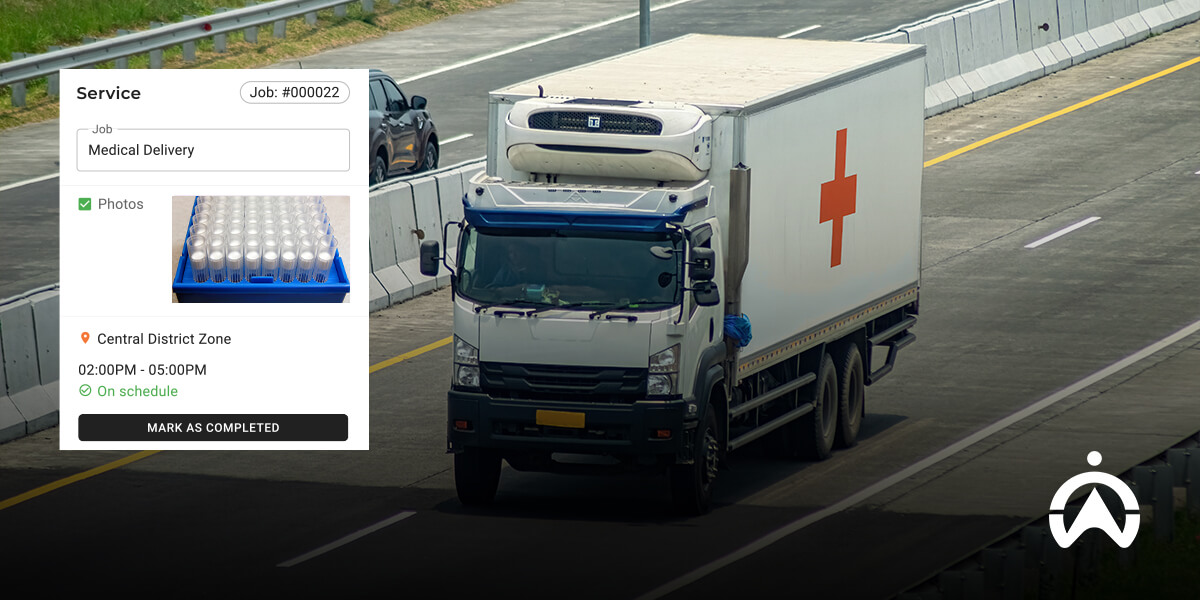
- Temperature sensor: Cartrack’s temperature monitoring solution supports up to four sensors per vehicle, ensuring real-time oversight of perishable goods.
- AI cameras: AI cameras from Cartrack act as an extra pair of eyes on the road, helping operators monitor driver behaviour. The cameras detect unsafe behaviour such as harsh braking, speeding, smoking or mobile phone use. Our dual-view AI cameras send audible alerts to the driver in real time so they can correct their behaviour.
- Panic button: If drivers find themselves in a compromising situation, such as an emergency or hijacking, they simply need to press the panic button, which instantly sends a silent alert to our control room. An operator will immediately alert the fleet manager and coordinate the emergency response if needed.
- Start Prevent : Fleet managers can immobilise a vehicle from the fleet management web interface. The vehicle will be immobilised as soon as the ignition is switched off, keeping both the vehicle and the driver safe.
- Driver scorecards: Our driver scorecards monitor high-risk behaviour such as speeding or harsh cornering. Each driver receives a score, allowing fleet operators to identify areas for improvement and giving them the opportunity to coach drivers and improve their driving habits.
Cartrack offers solutions to better protect your cargo, keeping your customers happy. Get in touch with us today for a tailored security solution.
Frequently asked questions about high-value goods
Q: What type of insurance is needed to transport high-value goods?
A: To cover your high-value goods, take out all-risks insurance, which offers the most comprehensive cover. It protects your goods against a wide range of risks, including damage, theft, loss and accidents.
Q: Does Cartrack offer any solutions to improve the security of high-value goods during night-time transport?
A: Yes, we do. Importantly, our GPS trackers track your vehicles continuously, 24 hours a day, 7 days a week, and our operators are also on hand to help with whatever you need. Our cameras are designed to work well in low-light conditions, which means they can capture clear, reliable footage even at night.
Q: Can a fleet management system help recover stolen high-value goods?
Yes, Cartrack’s fleet management system can help recover stolen high-value goods . With real-time GPS tracking, geofencing and instant alerts, fleet managers can quickly locate stolen vehicles and coordinate with law enforcement and Cartrack’s recovery team to recover the vehicle carrying the goods.
 South Africa
 Botswana
 Kenya
 Malawi
 Namibia
 Nigeria
 Swaziland
 Tanzania
 Zimbabwe
 Hong Kong
 Indonesia
 Singapore
 Malaysia
 Philippines
 Thailand
 New Zealand
 Vietnam
 Poland
 Portugal
 Spain
 United Arab Emirates

 PT