South Africa
 Botswana
 Kenya
 Malawi
 Namibia
 Nigeria
 Swaziland
 Tanzania
 Zimbabwe
 Hong Kong
 Indonesia
 Singapore
 Malaysia
 Philippines
 Thailand
 New Zealand
 Vietnam
 Poland
 Portugal
 Spain
 United Arab Emirates

 PT

2024 was a very turbulent year in the business world, with geopolitical conflicts affecting supply chains globally. The fleet management sector has had to adapt significantly to keep up with these events.
As we approach the new year, it is important to plan ahead and prepare for the industry changes that are anticipated.
In this article, you will:
- Learn about the current state of the fleet management sector
- Discover the fleet management trends for 2025
- See which solutions Cartrack offers
The current state of the fleet management sector
The fleet management sector is undergoing tremendous change, with new markets growing in the space globally. This is no different in Mozambique, a country full of businesses that produce goods and raw materials. This fact is compounded by growing global interest in Mozambique as an emerging market. With countless new mineral discoveries, Mozambique is now part of a larger federation of logistics and trade, which calls for reliable fleet management systems to optimise supply chains.
For many businesses operating in Mozambique, an effective fleet management system is vital, as it mitigates many logistical problems caused by weak infrastructure, poor planning and other procedural variables.
With this system in place, businesses can monitor driver behaviour, keep vehicle maintenance records, track their vehicles and manage fuel expenses, while remaining compliant with local laws and regulations.
In South Africa, fleet management systems must comply with the rules and regulations set by the South African Department of Transport. These regulations include, but are not limited to, ensuring that driving licences are valid, vehicle registrations are up to date and all necessary safety features are installed.
These regulations are coupled with the Occupational Health and Safety Act, which sets out the conditions required for a safe workplace for employees. It is the confluence of these factors that brings us to where we are as an industry in South Africa today.
However, new trends have emerged that are sure to shake up the fleet management industry. Let's explore what they are and how they will affect you and your business in the coming years.
Seven fleet management trends for 2025
As the world moves ever closer to complete digitalisation, businesses globally are looking for ways to enhance their processes and optimise efficiency. It is usually these considerations that can have a significant impact on a company's bottom line and overall value to stakeholders.
In the fleet management sector, the best way to achieve these goals is by adopting emerging technologies that improve how the sector as a whole works. These new developments and innovations combine current processes and protocols with new technologies and software.
Let's explore some of the new trends in fleet management in 2025.
- AI-powered route optimisation
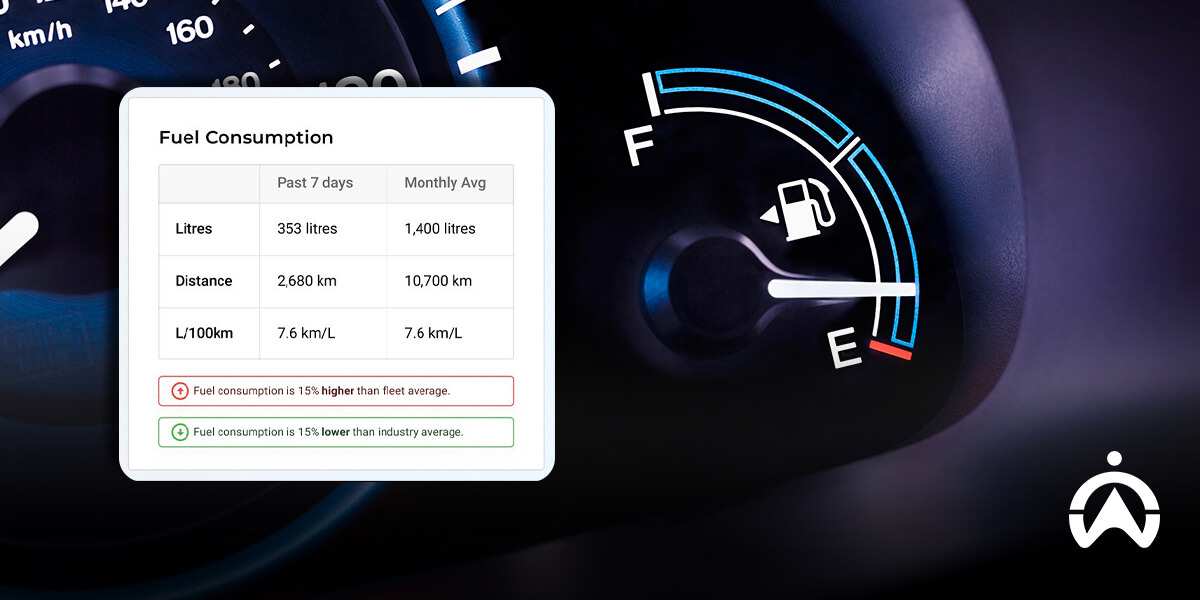
Artificial intelligence (AI) made a big impact on the world last year, with many sectors looking for ways to apply it to their business models. The expansive use and application of AI seeks to reshape how the world works, and the fleet management sector is part of that change. AI-based algorithms are getting better at predicting accidents, traffic patterns and even changes in the weather, all in real time. The benefits of this type of technology in fleet management are clear and point to greater reliability in the software used. The future of AI in fleet management points to developments in detecting traffic delays, reducing fuel consumption and adaptive rerouting. This is geared towards increasing efficiency and cutting down decision-making protocols, enabling faster, more streamlined processes.This data-driven approach will dramatically improve delivery times and optimise the whole process, giving the manager a holistic overview of all operations before, during and after delivery.
- Advanced driver assistance systems (ADAS)
Accidents are very costly and dangerous, and often lead to delays, loss of life and lawsuits. With ADAS, high-definition mapping and real-time data increase drivers' situational awareness, reducing the likelihood of accidents and dangerous incidents on the road. ADAS will become increasingly common in fleet management systems as we move into the future. Automatic braking, adaptive cruise control, lane-keeping assistance and collision avoidance are all features that come with ADAS technology, which means any vehicle with this system is better equipped to deal with unexpected events on the road. These measures protect the driver and the vehicle and, in addition, centralise all emergency protocols in one system that assesses each incident appropriately. - 5G connectivity for fleets
Fast, reliable internet connectivity is a vital part of communication systems, especially when managing a fleet of vehicles. With developments in 5G internet connection expanding ever further, this is sure to benefit the sector greatly. Enabling this capability will lead to improved real-time monitoring, better communication between drivers and dispatchers, and faster updates from vehicles that are on the road. Another benefit is that faster connectivity will also enable quicker response services, such as real-time tracking, instant alerts and dynamic route changes.In addition, fleet managers who use a range of management apps will have faster communication channels and more reliable reporting tools.
- Predictive maintenance with IoT sensors
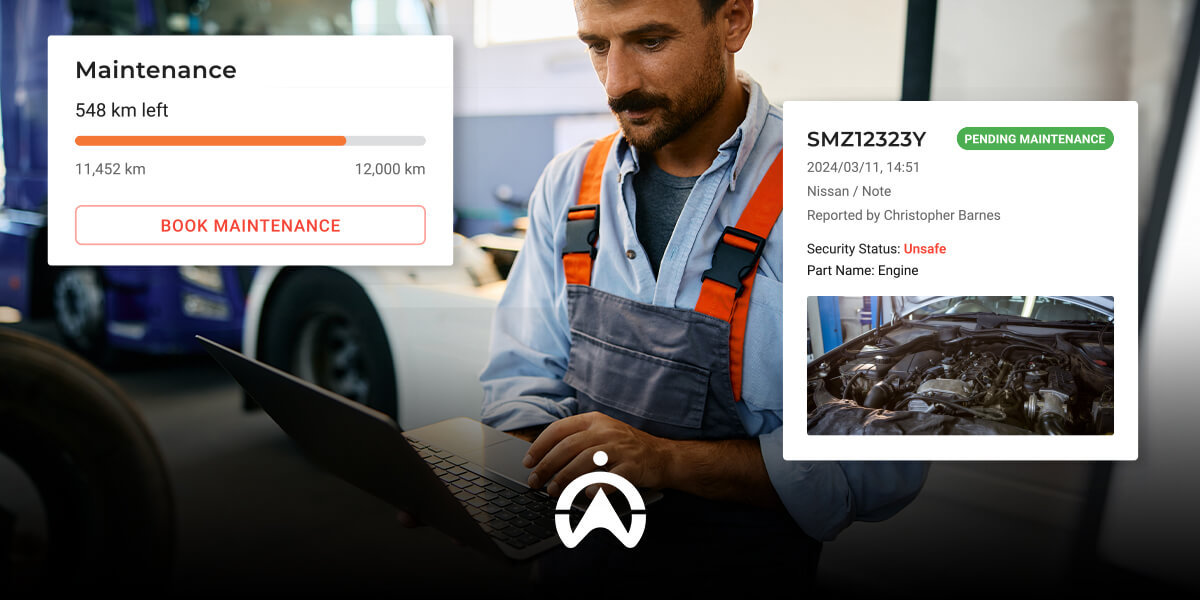
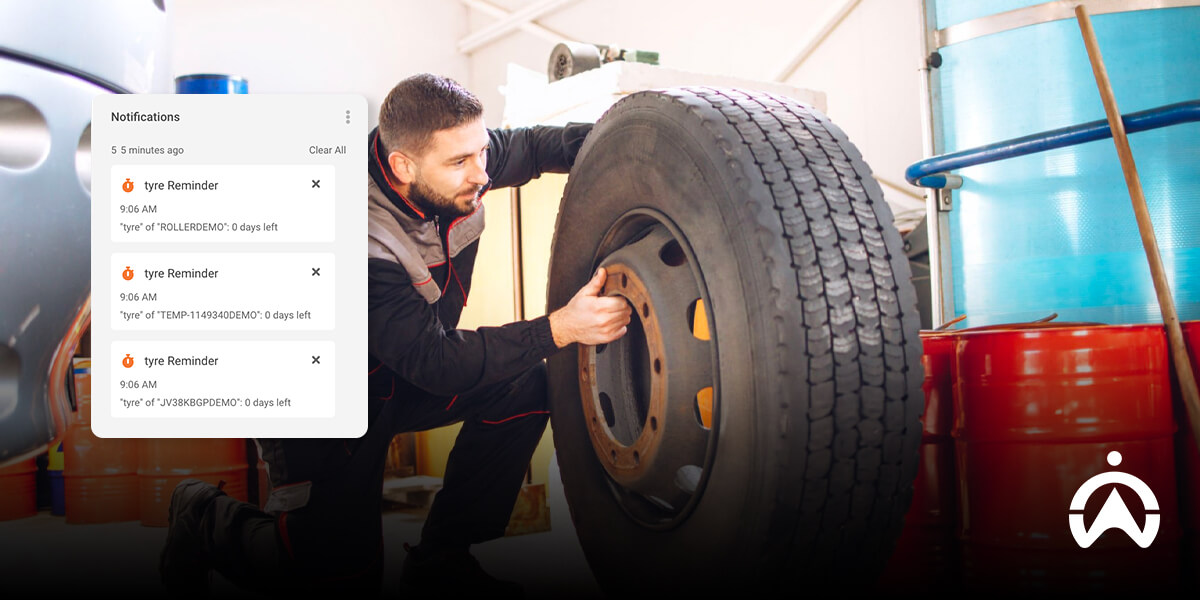
Vehicle maintenance is a necessary part of fleet management and is usually done at the end of the vehicle's service life or when an emergency arises that requires immediate repairs. These maintenance routines can disrupt business operations, leading to delays and interrupted workflows. The solution to this in 2025 will be predictive maintenance using IoT (the Internet of Things). IoT is an internet connection for physical things, which allows them to share data and information with other devices and systems. IoT sensors can be installed in vehicles, where they measure all vital components and track their performance. Vehicles fitted with sensors can transmit real-time data on engine performance, brake condition and other critical systems. This capability allows potential wear-and-tear problems to be detected and dealt with early, before they become too serious and require extensive servicing. With this system, businesses can expect to reduce costs and vehicle downtime, which means overall performance increases. - Driver-focused telematics
A fleet's team of drivers is an essential part of the delivery process and forms the backbone of a business, which means their well-being is fundamental to operations. Telematics systems that focus on the well-being of the driver and the vehicle are set to become a critical component of fleet management in 2025. This is because the system provides real-time feedback on driver activity, such as poor driving, speeding, harsh braking and any other driver behaviour that could be harmful to the vehicle and the delivery. With driver safety becoming a bigger priority, telematics systems like this should reduce accidents and improve overall fleet performance. Route planning software with telematics integration will make driving a safer endeavour, making tracking easier and improving driver performance. - Carbon footprint tracking
The general public is now more environmentally conscious than ever and expects the same of the companies it supports. Any environmentally conscious efforts made by a company that show it is considering its contribution to global warming are sure to reflect well with the public. In addition, global agencies now rank and score companies based on their carbon footprint, measuring their impact and often advising consumers to divest from those that score poorly.Sustainability remains a priority for many companies with a large fleet, especially considering the large carbon footprint caused by combustion-engine vehicles. The world is moving towards finding greener solutions to minimise its impact on global warming. For this reason, carbon footprint tracking will be a factor that many fleet management systems will want to monitor. Tools that monitor carbon emissions will become essential, especially apps that integrate carbon tracking features, allowing businesses to measure and reduce their carbon footprint.
- Increased adoption of electric vehicles
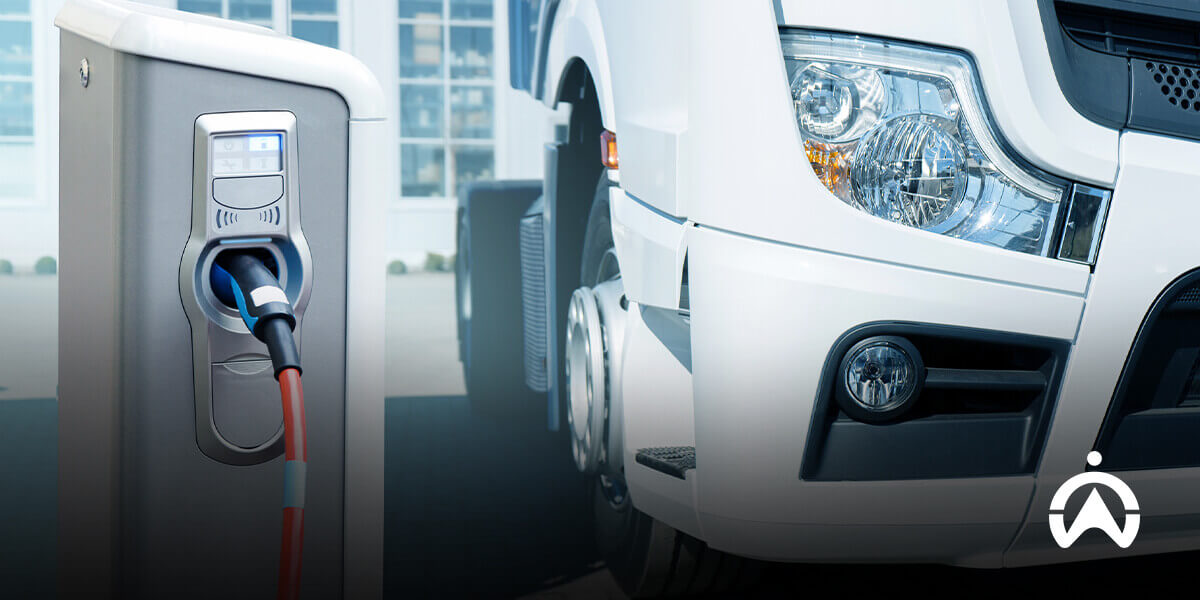
In line with sustainability goals, the adoption of electric vehicles is set to increase in many companies with large fleets. Electric vehicles have lower carbon emissions and are less costly overall to run and maintain compared with traditional vehicles. This poses a significant logistical problem, as electric vehicles require specific infrastructure to be charged while on the road. Route planning must then be considered, factoring in the distances between charging stations and optimal travel routes. As this is expected to become the norm in the coming years, government agencies and the private sector will need to align on what this future will look like in terms of infrastructure.
Cartrack's fleet management solutions
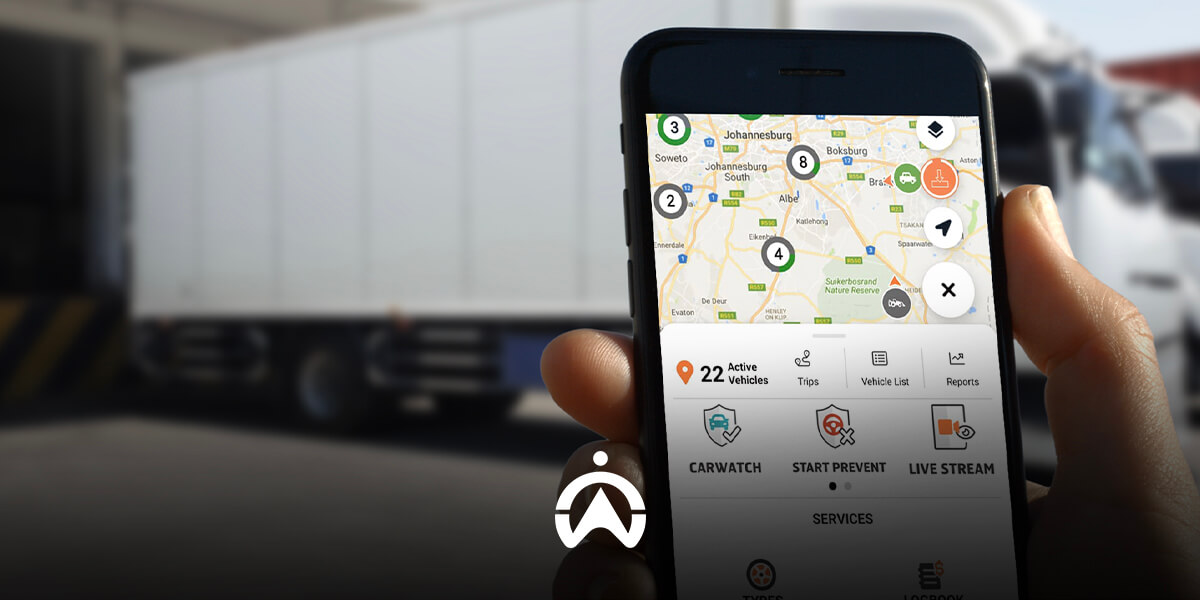
Cartrack is a leading fleet management company in South Africa, ranked among the top 5 in the country. It is a trusted and highly specialised fleet management company with customers in various sectors globally. Cartrack is at the forefront of vehicle tracking technology, with developments in fleet management systems for a diverse business clientele. The company is well equipped for 2025, with many industry trends already applied in the solutions it offers.
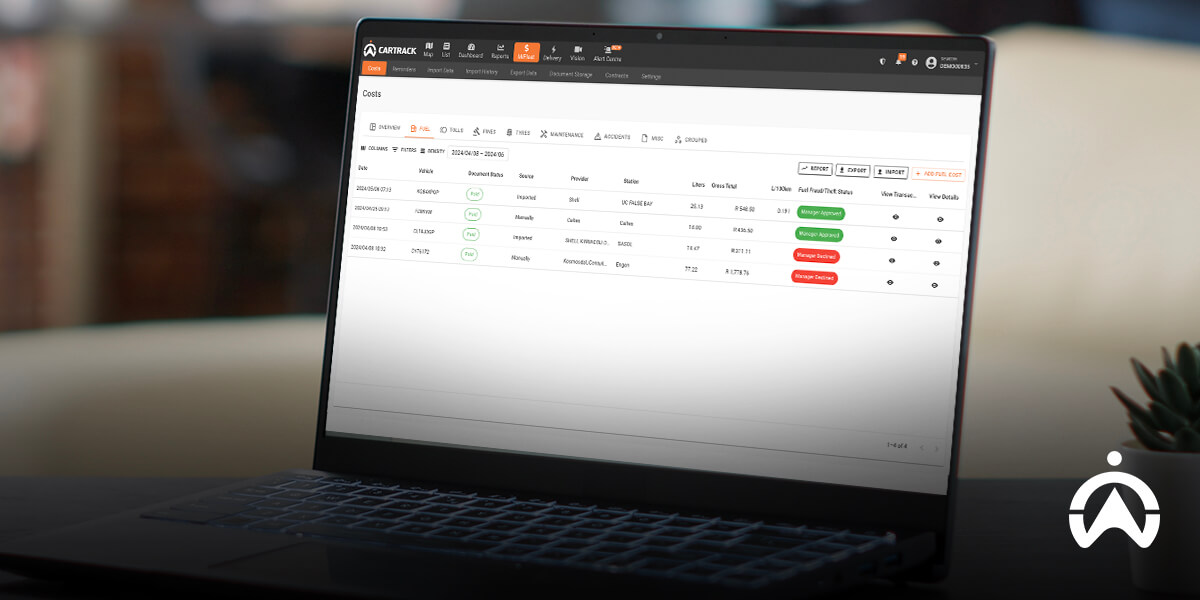
These solutions can be customised for each customer to increase productivity, reduce costs and improve overall efficiency. The reports from Cartrack's solutions are accurate and highly detailed, offering insights into how best to optimise your business. These reports give the business owner peace of mind and assurance about how overall fleet operations are going.
The fleet management solutions available from Cartrack come with a number of features and adaptations that are necessary for any business heading into 2025. Here are a few below.
Standard features
- Internet-based access with no additional software required
- Motion detection
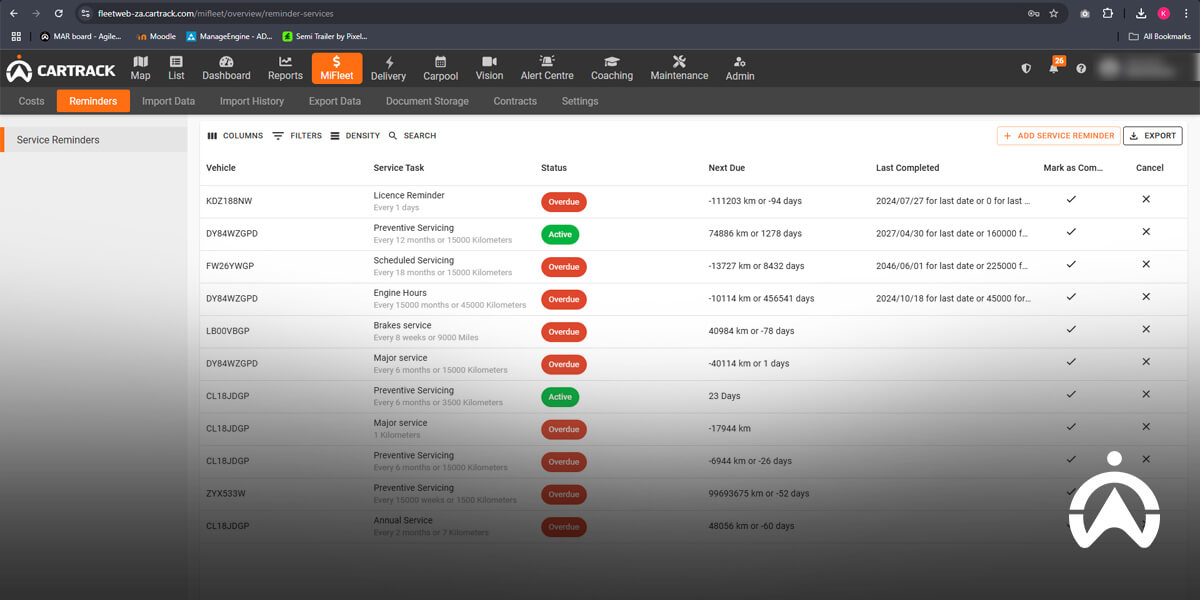
- Alerts on harsh acceleration, braking, cornering and excessive idling
- Speed limit exceeded alerts
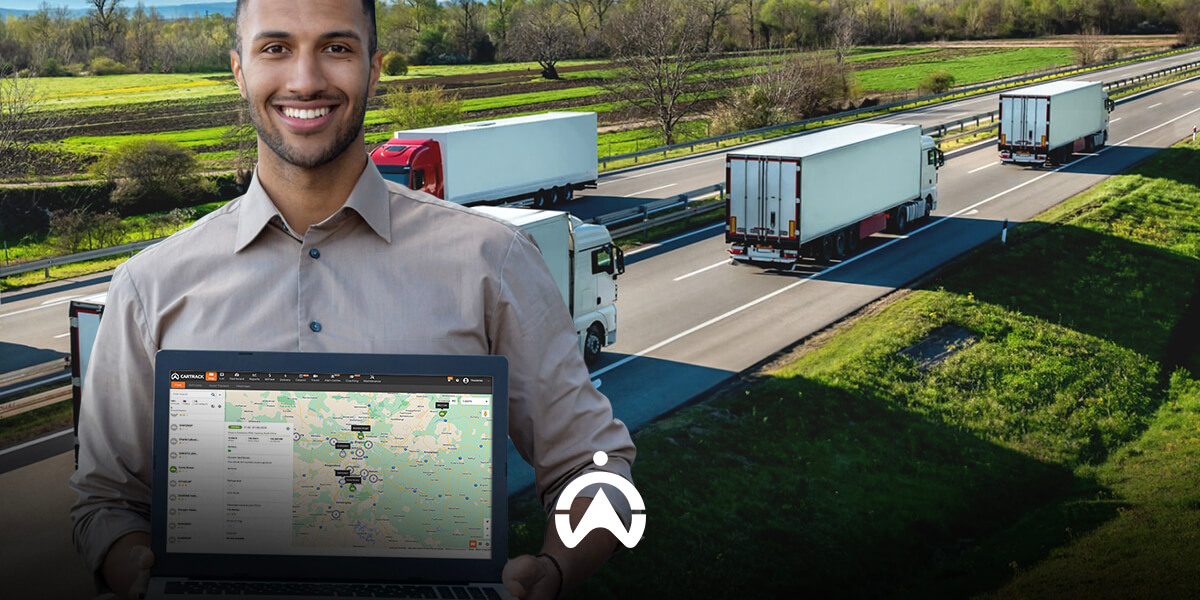
- Accurate GPS positioning and routing
- Mapping
- Geofence creation and management
- Live positioning streaming
- Management report generation
- Odometer reports
- Playback of all routes travelled
Looking to the near future, fleet management systems will become more sophisticated and efficient. This is amplified by the introduction of advanced technologies such as 5G, AI and machine learning. South African businesses will have access to powerful solutions that will optimise their unique fleet management needs. Ultimately, these developments will optimise operations and improve overall safety and customer service. Harnessing these innovations will give businesses greater insights into the performance of their fleets, while complying with regulations.
With South Africa's emerging market status on the rise, it is natural to expect more business to be directed here. This means there will be a greater need for an efficient, reliable and effective solution for the import and export of goods. As more and more businesses move online, this will only become more complex, requiring solutions that can be adapted to various business structures and industries.
Cartrack is best equipped to take you and your business there. Get in touch with us today to find out more about our fleet management solutions and how they can be tailored to your business's unique needs.