South Africa
 Botswana
 Kenya
 Malawi
 Namibia
 Nigeria
 Swaziland
 Tanzania
 Zimbabwe
 Hong Kong
 Indonesia
 Singapore
 Malaysia
 Philippines
 Thailand
 New Zealand
 Vietnam
 Poland
 Portugal
 Spain
 United Arab Emirates

 PT


Predictive analytics is a powerful tool businesses use to improve their operations, which is why predictive analytics is essential in the workplace. Essentially, it helps simplify business insights while playing a key role in speeding up a company’s path to success.
Whether you need a forecast of the next day’s sales or want to determine which branch or distribution centre has the highest demand at a specific time, predictive analytics tools give you the edge you need for insightful decision-making.
Stay with us as we show you how predictive analytics works, its crucial role in supply chain success and fleet operations, and how you can implement this powerful tool in your business.
In this article, you will:
- Get to know the different types of data analytics and their uses
- Take a closer look at predictive analytics in supply chain and fleet businesses
- Learn about the three steps of predictive analytics technology
- Understand the benefits of predictive analytics in the supply chain and fleet industries
- Find out why predictive analytics is essential for your business
- Discover how technology from Cartrack Mozambique can meet your business’s predictive analytics needs
The different types of data analytics
Examining data to identify trends, gain insights and answer questions is what underpins data analytics. However, there is more than one type, each with its own benefits.
Here is everything you need to know about the different types of data analytics and where predictive analytics fits into the bigger picture.
Descriptive analytics: what happened?
So, let’s say you want to analyse the productivity of your fleet drivers over the last business quarter. By running a descriptive analytics process, you can gain valuable insights that support smart decisions to improve future driver productivity. Descriptive analytics is an excellent starting point if you want to turn data into a powerful tool that delivers actionable insights.
In addition, being able to use basic statistical software such as Google Charts or Microsoft Excel to identify different trends and relationships makes descriptive analytics an accessible, easy-to-use tool.
Diagnostic analytics: why did it happen?
Most fleet managers would like to determine what is causing their fleet vehicles to age prematurely. After using descriptive analytics to identify trends related to premature vehicle ageing, diagnostic analytics is the logical next step to identify why those trends exist.
For example, information on harsh braking can point to the reason tyres are wearing out prematurely, giving fleet managers a solid basis for solving the problem and saving on the cost of replacing tyres too early.
Concepts closely linked to diagnostic analytics, such as hypothesis testing, diagnostic regression analysis, correlation and causation, make the process more complex than descriptive analytics, but using algorithms and basic statistics software such as Excel makes the process more straightforward.
Prescriptive analytics: what comes next?
Want to take some of the guesswork out of your fleet budget? Prescriptive analytics is an ideal tool for getting data-driven answers to those “what if” questions that can keep you awake at night. Running prescriptive analytics lets your business analyse crucial factors, such as future revenue, and maximise your budget by determining the best course of action. And the more data you have available, the better the results you will get from the process.
Machine learning algorithms are a popular way to efficiently analyse large amounts of data and get refined, accurate results. Simply by using statements containing the words “if” and “else” as part of the analytics process, you can start getting valuable recommendations based on your specific business needs.
Predictive analytics: what might happen in the future?
One of the most challenging tasks for businesses is identifying the best course of action. In both fleet management and supply chain businesses, it is essential to make sure your vehicles stay on the road as much as possible. By bringing together a range of data, the predictive analytics process helps forecast future events that could contribute to vehicle downtime, so that you can develop innovative strategies to avoid them.
There are different predictive analytics tools you can use to get the insights you need. Regression analysis, for example, determines the relationship between two variables, also known as single linear regression. In comparison, multiple regression refers to three or more variables. Ultimately, predictive analytics helps your business formulate solid, data-driven strategies and drives smart choices, supporting proactive decision-making.
The place of predictive analytics in the fleet management and supply chain industries
If you agree with the expression “why fix something that isn’t broken”, predictive analytics will change the way you think about running a business. The new and improved version has evolved from “Why fix something that isn’t broken” to “Why wait for something to break before you start fixing it?” This updated perspective is a more proactive approach that helps you truly stay in charge of your business.
If you agree with the expression “why fix something that isn’t broken”, predictive analytics will change the way you think about running a business. The new and improved version has evolved from “Why fix something that isn’t broken” to “Why wait for something to break before you start fixing it?” This updated perspective is a more proactive approach that helps you truly stay in charge of your business.
In the supply chain industry, predictive analytics supports many smart approaches, including determining optimal inventory levels, which in turn helps minimise stock while still meeting demand. For fleet-based businesses, predictive analytics helps support proactive vehicle maintenance, allowing you to schedule preventive checks. In both cases, you can make significant savings by cutting unnecessary costs.
In addition, the use of predictive analytics tools in supply chain businesses has increased significantly, with the 2020 MHI Annual Industry Survey reporting growth from 17% in 2017 to 30% in 2019 – an impressive 76% increase in just two years.
More and more businesses are looking to adopt this transformative technology, with 57% of the companies that do not yet use predictive analytics planning to make this proactive change in the next five years. So, if you want to find out how predictive analytics can be applied to improve an organisation’s performance, you are in the right place, as we are about to reveal crucial details on how this tool is used in the fleet and supply chain industries.
What is predictive maintenance for fleet management?
With statistics, algorithms, data, machine learning and even AI, predictive analytics can anticipate future challenges in fleet management, including safety, maintenance costs, problematic driver behaviour, fuel spend and much more.
Instead of picking up the pieces after a workplace accident, having this powerful data at your fingertips allows innovative, proactive decision-making that helps predict and prevent these kinds of crises. Here are some examples of how data-driven decision-making with predictive analytics can improve your business:
- The Fleet managers can proactively identify potentially dangerous driving behaviour in their fleets, helping them tackle it promptly and even use this information to improve the training of new drivers.
- Getting accurate information on fuel use is the key to identifying the main contributors to fuel wastage. Using this data to implement tailored solutions will help you save significantly on fuel costs. Collecting business data and ownership costs helps fleet managers reduce manual expenses and optimise workforce utilisation for more efficient customer service.
- With accurate, detailed fleet data that ensures your fleet vehicles are maintained and in top shape, putting you in control.
How can predictive analytics be applied to improve performance in a supply chain organisation?
A fleet is also a significant component of a supply chain that runs at its best; however, there are even more ways in which predictive analytics can make a notable contribution by providing valuable insights.
With access to detailed analysis of data from different areas of the business, such as orders, invoices and delivery notes, supply chain businesses can make useful forecasts not only for their fleet, but also for other crucial aspects of supply chain operations:
- Predictive analytics helps supply chain businesses outperform their competitors with more innovative risk management. A steady supply of accurate data helps businesses identify possible bottlenecks in their supply process that could negatively affect overall efficiency. Mitigating this risk effectively helps streamline the whole process, leading to greater savings and customer satisfaction.
- Zooming in on customer service and satisfaction reveals even more benefits. Collecting a steady stream of data showing how customers interact and what they prefer makes it easier to decode your customers’ minds and work out how to keep them coming back.
- Knowing the demand in the locations you supply is a great help in making sure you never over-deliver or under-deliver. Predictive analytics tools take things up a notch, helping supply chain managers forecast demand for more efficient stock supply and delivery strategies
Considering the growing adoption of predictive analytics technology in businesses, there is little room left for doubt about its efficiency.
Three crucial steps to the success of predictive analytics technology
What better way to understand predictive analytics than through its inner workings? The process can be broken down into three crucial steps that show how it works its magic for fleet and supply chain ventures. Here is a summary of how the process works:
- Collection: To kick things off, IoT devices need to capture the available telematics data. The more data that is captured, the more comprehensive and useful the future insights will be.
- Transmission: Once the data has been collected, it is shared with analytics software to make sure it is sorted into smaller, more specific categories.
- Processing and analysis: Finally, now that the data is ready for processing, it is analysed to optimise its usefulness. This final process allows the data to reveal implicit and explicit dependencies between relevant events, followed by solid future insights that help you manage your business.
How these steps take your supply chain business to the next level
When it comes to your business, every step that makes up practical predictive analytics feeds into developing workable strategies and optimising your operations.
- Data collection helps you define areas for improvement more broadly. Think about it. Without a range of data, it will be much harder to analyse every area of your supply chain’s effectiveness and where improvements need to be made.
- Data transmission helps connect the dots, allowing an effective sorting process. Knowing that the data is shared with the right analytics software, you can be sure that all the information will be standardised and processed correctly, taking a lot of tedious work off your plate.
- The final step, data processing and analysis, lets you build predictive analytics models that really work. Nobody can make a 100% accurate prediction of the future, but using carefully sorted and processed data will get you very close to it.
It’s as easy as that: start creating guidelines and implementing changes directly linked to improving efficiency, and reap the rewards. The sooner you start, the more data you will have over time to fine-tune your processes and set them up for ultimate success.

Five critical reasons why you can’t ignore predictive analytics for your supply chain business
Here is why, if you haven’t yet invested in predictive analytics technology for your business, there is no time like the present to get what you deserve from your business ventures.
- Less spending
Cutting unnecessary costs should be a top priority in every industry, as it increases ROI and lets you put that money to better use. Having comprehensive insights at your fingertips can help you reduce supply chain costs, identify any inefficiencies in the production process and minimise waste, reducing overall spend.
- Demand forecasting
Imagine how effectively you can optimise your business if you have a solid idea of what your customers want and when they want it. Forecast customer demand is one of the highly practical contributions predictive analytics brings to your business, helping you act before a rise in demand occurs.
- Optimised pricing
Product demand doesn’t only help make sure you have enough stock on its way to the designated locations. It can serve as expert guidance on how to optimise prices for maximum profitability. Also known as predictive pricing, it involves dynamically adjusting product prices according to forecast demand, applicable exchange rates and inflation. In addition, predictive pricing helps control the element of human error, reducing the risk of pricing mistakes.
- Smart inventory management
If you are in the supply chain business, inventory management and resource planning are crucial components that affect how much you can save by avoiding unnecessary waste. Predictive analytics helps establish an optimal stock level for each destination, helping you meet demand with minimal spend. It is the best tool to help you decide whether keeping most of your stock centrally or regionally is more profitable.
- Maximised customer buying potential
With the ability to predict what customers will want to buy in the future, your business can magically stock what they need, when they need it, which is one of the critical points for customer satisfaction. You can go even further by recommending products accurately and providing individualised pricing based on your customers’ data, ensuring you retain enthusiastic customers who keep coming back.
Let Cartrack Mozambique meet all your fleet’s predictive analytics needs
No matter which industry you are in, predictive analytics can take the guesswork out of planning and decision-making by providing reliable, data-driven insights. Studying how to use predictive analytics in supply chain management and other industries can leave you with a lot of questions if you do it completely on your own.
Let Cartrack Mozambique contribute to your success with a comprehensive telematics-based solution that offers powerful predictive analytics tools and insights. Here is how you can start benefiting from accurate, data-driven insights today:
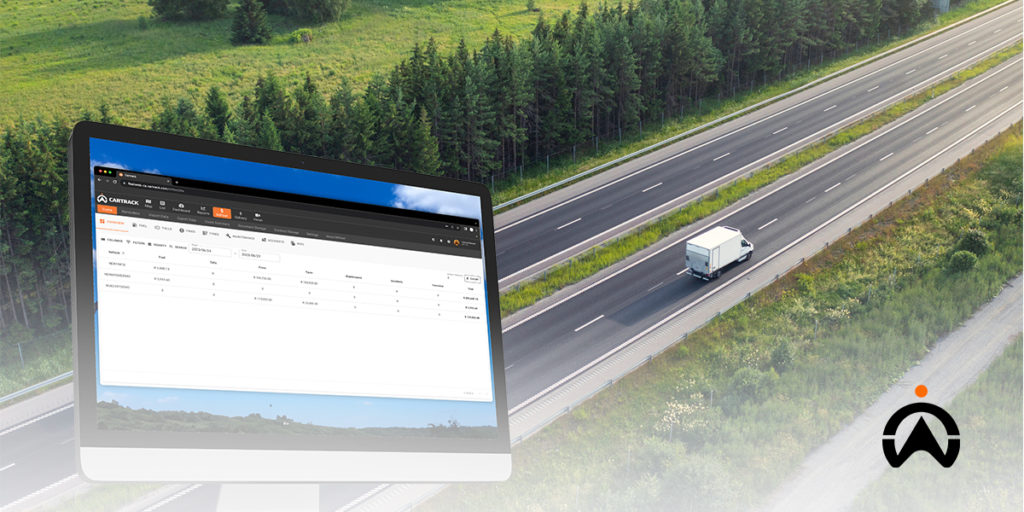
- Identify why and how your business is overspending with the advanced cost accounting software from Cartrack Mozambique, MiFleet. Its contextualised metrics help reduce overheads, minimise operating costs and identify lost profits. Now you will know exactly whether risky driving behaviour or unauthorised detours are pushing up those unwanted fuel costs, and you will have the insights to eradicate them for good.
- Maintain the freshness and quality of refrigerated products with the real-time temperature monitoring solution from Cartrack Mozambique. You can be sure that our instant temperature fluctuation alerts will tell you the moment your cold chain cargo is at risk of not meeting the industry’s temperature standards, making proactive decision-making easier on your side and sustaining customer satisfaction.
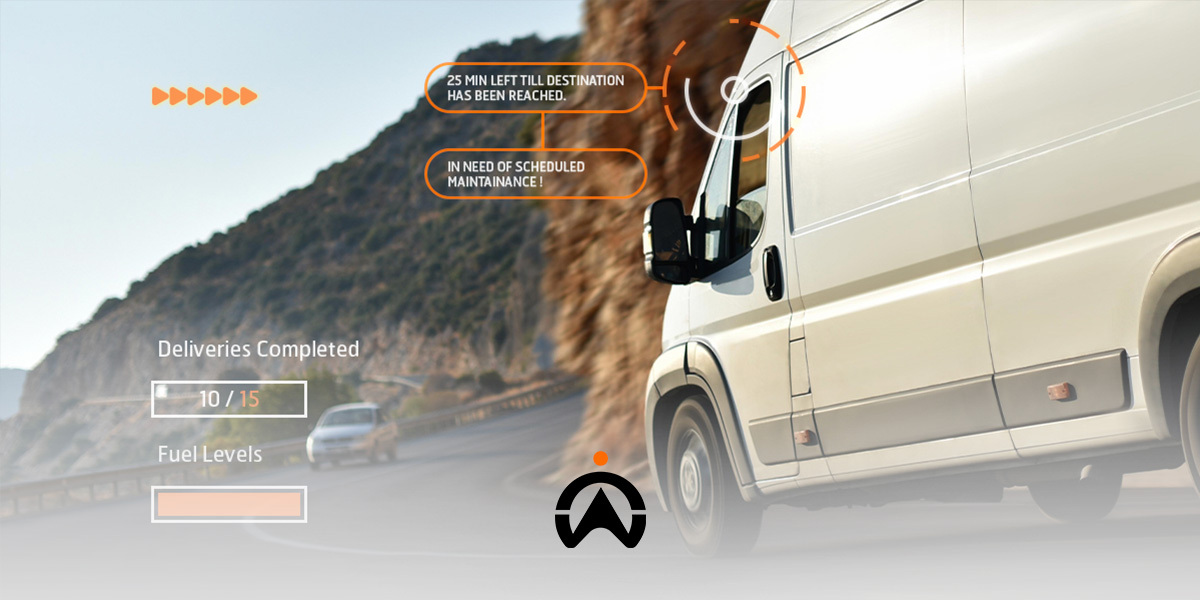
- Take maintenance planning to the next level with our smart vehicle diagnostics technology. Smart insights let you minimise unplanned vehicle downtime and streamline operations with scheduled preventive fleet maintenance. But it doesn’t stop there: our smart solution also simplifies proactive fleet management with real-time alerts on oil and water fluctuations, engine faults and a range of other vehicle diagnostics, increasing the longevity of your fleet.
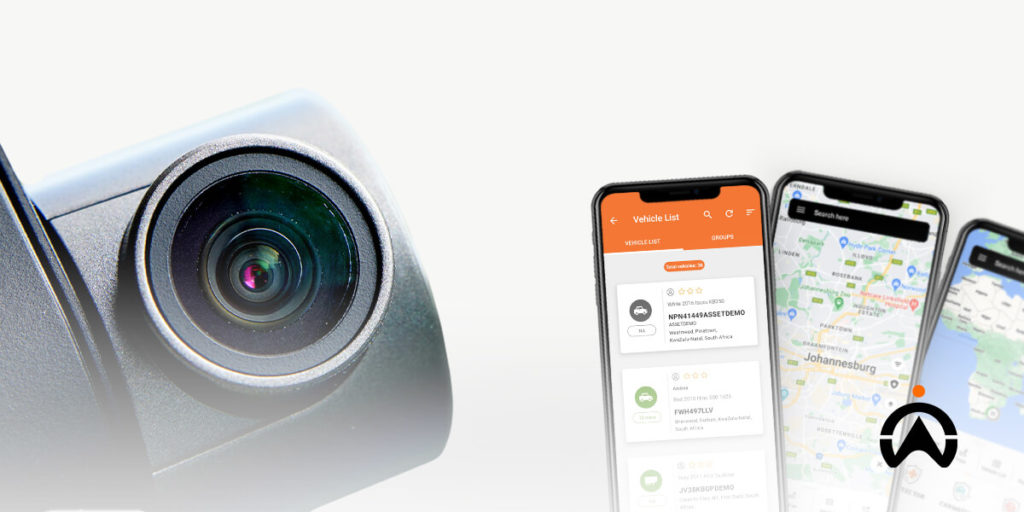
- Achieve unmatched efficiency by proactively monitoring your operations with our live-stream and AI-powered camera technology. With advanced driver behaviour recognition and real-time audible alerts, our smart camera technology addresses problems audibly and without delay, making it easier to proactively protect your fleet and cargo while minimising risky behaviour and unnecessary accidents.
Connect with us today
The predictive analytics-based solutions from Cartrack Mozambique allow you to prepare for and anticipate a better future for your business.
Contact Cartrack Mozambique and take control of your business today, tomorrow and beyond.