Powerful benefits of using the right vehicle tracking systems for your business
Published
Reading time
12 minutes
Blogs
Managing a fleet is about more than just tracking vehicles from A to B – see the bigger picture. Reliable vehicle tracking software can help you easily oversee a large group of vehicles, optimise management operations and drastically reduce fleet costs.
It's time to make the crushing weight that every fleet manager carries much lighter.
In this article, you will:
Learn what vehicle tracking is, how it works and how it benefits businesses
See how vehicle tracking technology improves the safety of your fleet
Discover how GPS technology works hand in hand with systems for fleet management
Discover how vehicle tracking technology helps recover stolen vehicles
Discover the industry-leading vehicle tracking technology of Cartrack Mozambique the highly skilled fleet management services
Vehicle tracking systems explained
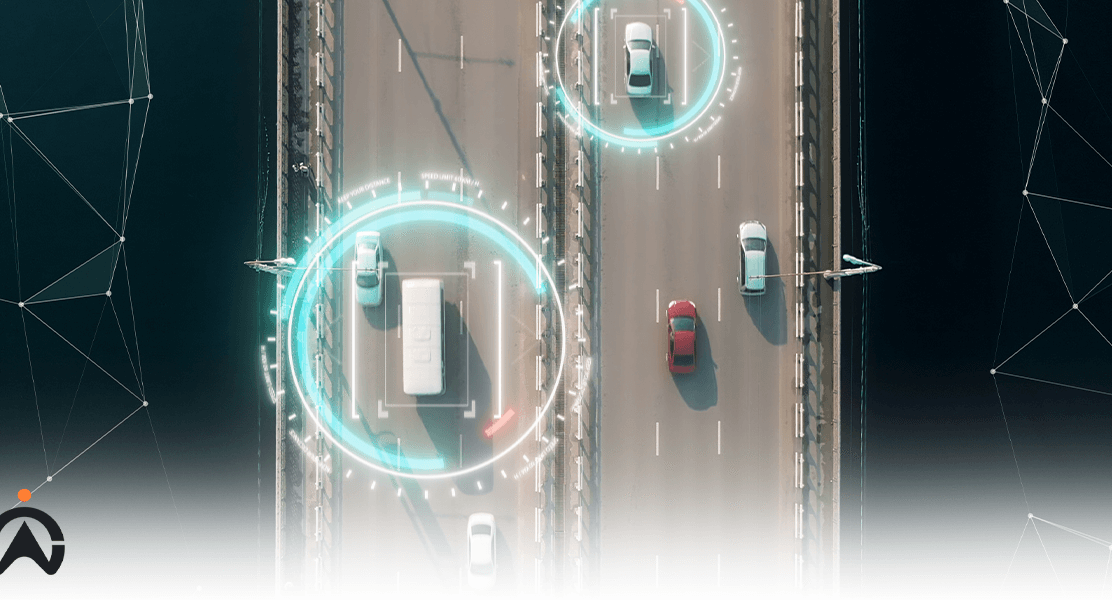
Vehicle tracking is the technology that keeps you informed of your vehicle's whereabouts at all times, increasing your safety. Thanks to satellites, signals and a tracking unit, you get a global GPS tracking system that can pinpoint the exact geolocation of your mobile assets at any moment. Simply being able to view the live status and location of your vehicles in real time is a big win.
Manually managing a large fleet of vehicles is often a daunting task. Fortunately, with location-based technology, fleet managers can receive interactive, analytical reports in real time and gain an edge by using smart tracking solutions.
So, what is location-based technology? It is GPS – also known as the global positioning system. It is used to track trucks, cars and other mobile assets you own, such as generators, trailers and concrete mixers, all by means of a small GPS tracking unit installed in a discreet place on the company asset.
A tracking unit offers a range of advantages for fleet managers and their businesses, such as:
Seeing the exact location of the vehicles in your fleet
Reducing the threat of vehicle theft
Increasing the chances of stolen vehicle recovery
Knowing exactly who is driving your vehicles and how they are driving them
Ensuring that your fleet stays in authorised locations
Increasing productivity through task management
More than locating your assets, GPS units ensure that vehicles are used properly and left in safe places when not in use. If a vehicle is stolen, this GPS equipment often ensures its return in safety.
So, how are vehicles tracked?
The GPS technology we have just discussed above is a satellite-based radio navigation system that relies on ground stations, satellites and receivers to provide real-time data, such as a vehicle's:
Live location
Distance travelled
Travel speed
Time and direction
The data is transmitted instantly using a cellular or wireless network.
This type of technology is mainly used to increase the safety of vehicles and is effective for the smooth running of fleet operations. It helps businesses save money and reduce dangerous driver behaviour, such as speeding or harsh braking.
Knowing the types of drivers in your business also helps, as employing safe drivers can lead to lower vehicle repair costs, which in turn can increase business profits and make your business more efficient, while reckless ones need more training or management and contribute to higher fleet operating costs for your business.
Types of tracking methods
Want to invest in tracking features? It is important first to identify which type of GPS fleet tracking system is ideal for your business.
Here are the two ways to track your assets:
Active tracking or two-way GPS: This is an on-the-move tracking system that automatically sends information to a central tracking system as it happens, to allow continuous monitoring and immediate action. This technology can be used to track employee behaviour, providing real-time updates and information on their whereabouts. Another example of active tracking is the GPS tracking used in ride-hailing apps such as Uber and Lyft, where the location of the driver and the passenger is continuously transmitted to the app's central system to show pick-up and drop-off.
2. Passive tracking: stores information within the device itself, gathering the data internally or on a memory card, showing the device's exact location history. This type of GPS fleet tracking is used in passive RFID tags on containers or cargo and can give businesses the same valuable insights into their operations as above, such as identifying routes, but with the extra safety measure of manually downloading the data or collecting the memory card instead of having a third-party platform analyse it. When deciding which type of tracking device will best meet your business needs, there are a few questions you can ask yourself. Do you prefer internally stored data that can be downloaded whenever you want, or do you want to receive reports and live vehicle tracking directly on your device?
Whichever tracking systems you choose for your business or personal needs, GPS information is always accurate, whatever the situation.
Sought-after GPS fleet tracking benefits
Fleet operators can benefit greatly from sophisticated GPS vehicle tracking systems. Installing a GPS tracking device encourages the fleet to increase its productivity and delivery efficiency, staying ahead of the competition.
When evaluating tracking systems, keep the following must-have features in mind:
Real-time tracking – First and foremost, GPS tracking systems should provide real-time tracking to monitor the vehicle's position and activities. This feature is useful for helping customers locate their valuable cargo quickly, for safety. The data can also be used to recover stolen assets or vehicles.
Monitoring driver behaviour – This feature tracks negative driving habits, such as harsh braking, speeding and distracted driving behaviour. This data is then translated into driver scorecards, which fleet managers can use to educate employees on the right way to drive and reward them for driving well
Alerts – Customers can monitor vehicle-related information, such as long periods of inactivity, wasted fuel and vehicle maintenance. Alerts are used to notify managers of errors so that they can resolve problems more quickly. This can effectively improve fleet management and visibility, leading to better safety of your drivers.
Why do businesses need a vehicle tracking system?
If you want to manage your fleet operations successfully, you need a vehicle tracking system. Tracking systems can improve factors such as route optimisation, operating cost management, fleet visibility, employee management and reduced fuel spending, among others.
Optimise resources – Monitor the daily utilisation of each resource and use them more efficiently in real time with the powerful reports and analytics that tracking technology and telematics offer.
Optimise the route – Access daily routes to see how much time employees spend on the road and use information on live traffic and road conditions to offer alternative route options that ensure faster delivery and safer transit.
Improve customer service – Provide better customer service by offering real-time information on your company's vehicles and cargo, calming customers' fears and, ultimately, providing well-managed services in good time.
Increase safety on the roads – Use GPS tracking systems to replay routes, show speeding locations, empower employees to practise safe driving and create a positive culture of safety within the fleet.
Reduce operating costs – You can reduce operating costs, which can cut expenses such as unnecessary overtime, excessive fuel consumption, distractions on the road, unauthorised use of company vehicles and billing problems.
Improve employee performance reviews – Use driving behaviour data to assess time spent on diverted routes and on unauthorised stops and breaks, to improve the team's work ethic through training And the safety of fleet vehicles?
Yes, GPS vehicle tracking can help pinpoint the location of your drivers and fleet at any time, but what about hijacking attempts and criminal technologies, such as signal jammers that stop the GPS device from transmitting its whereabouts?
This is when stolen vehicle recovery services are used – quality tracking systems exponentially increase the chance of stolen vehicles being recovered and even reduce the risk of theft in the first place. Vehicle tracking has certain triggers that send alerts if a vehicle is being tampered with or may have been stolen.
Here are some examples of how alerts can be triggered to increase the safety of the vehicle:
If the vehicle is moving but there is no record of the engine being started (this is done by monitoring all engine activity)
Pressure sensors in the seats can trigger alerts if there are more people in the vehicle than there should be. This would need to be linked through the CAN Bus to the tracking device
Depending on the predetermined routes, entering specific risk areas can trigger an alert, for example if a vehicle is crossing into an area that is not part of the planned route or is a known hijacking hotspot
In addition, geofences can be created to keep the fleet inside or outside specific areas. This is a feature used to create virtual fences around any area, and notifications can be sent to you when vehicles enter or leave these areas.additional or productivity bonuses.
Fleet management platform
Where do you find and manage all the information that GPS vehicle tracking technology offers?
On a fleet platform of your choice.
A fleet management system is an all-in-one management solution for all your fleet problems. It is a combination of connected software and hardware that fleet managers or hauliers use to manage their vehicles and oversee tasks more quickly, allowing them to reach their business goals fast.
The complete collection of data, from your vehicles to your drivers, will be available to you at the click of a button on a fleet management platform – the ultimate fleet management tool that offers instant access to all the vital information you need about your fleet.
Think of it as a big cloud where you can store important business-related information, such as:
Documentation on purchased or leased vehicles
Vehicle specifications and their current condition
Besides GPS tracking technology, two other vital elements make this platform work:
Fleet management system
This is a large database that stores all your fleet's records, such as vehicle tracking history, fuel consumption monitoring per trip and vehicle diagnostics tracking, to ensure that your vehicles are operating in perfect condition.
Fleet managers use this interface to access all the vehicle data collected and gain insights into how to optimise their fleet's performance. This allows them to recognise potential fleet problems early and implement solutions quickly.
Cameras
Fleet vehicles can be fitted with several camera systems: one, front-facing cameras that monitor how the vehicle is being driven, as well as the movements of the vehicles around it; and two, driver-facing cameras that monitor drivers' behaviour and record their actions while driving.
Some fleets may also require the extra safety measure of cameras that have a full view of the cargo being transported and the doors around it. These can be standard cameras or an AI camera system that provides information on any road-related incidents, ensuring that your cargo arrives safe and sound.
Powerful tracking companies
Depending on the corner of the world you live in, there are a number of vehicle tracking companies to choose from. As each country has its own challenges in safety and logistics, compare vehicle tracking companies and choose the one that best suits your needs and offers the kind of services and benefits you are looking for.
Depending on the corner of the world you live in, there are a number of vehicle tracking companies to choose from. As each country has its own challenges in safety and logistics, compare vehicle tracking companies and choose the one that best suits your needs and offers the kind of services and benefits you are looking for.
Our Cartrack Mozambique is a global leader in connected vehicle technology and world-class fleet management solutions that put you in control. Located in 23 countries worldwide and loved by more than 1.7 million subscribers who trust its impressive recovery rate of over 90% – Cartrack is a company that devotes its time to putting you in control so that you can keep your vehicles:
Tracked✔
Monitored✔
Productive✔
Safe✔
Cartrack Mozambique is constantly looking for innovative ways to help people and businesses excel. Its advanced software can equip small and large businesses with the tools to adapt to ever-changing market trends, such as insurance consulting, so that they can stay competitive, make money and keep growing.
Partner your business with the experts
Keeping an eye on your fleet is easier than ever, thanks to our expert fleet management and individual customer solutions.
Match your business with its perfect fleet management system and take your fleet management skills to the next level.
Food Transport Facts and What You Need to Know When Managing Your Fleet
Blogs
11 minute read •
Important facts about food transport in fleet management: keeping perishable goods fresh in transit directly affects your profits — and mixing food loads is a serious mistake. Other facts include the food distribution regulations in force in Mozambique, the challenges of electricity supply and the […]
7 Ways to Increase the Efficiency of Your Construction Fleet
Blogs
12 minute read •
The seven main ways to increase the efficiency of your construction fleet are: Use telematics and GPS tracking to keep everything under control. Keep vehicle maintenance up to date.. Implement a fuel monitoring solution. Offer your drivers ongoing training. Plan better routes between sites. Match the size of the fleet to […]
How to Manage Your Light Commercial Vehicles (LCVs) Effectively with Fleet Management Software
Blogs
12 minute read •
To manage your light commercial vehicles effectively with fleet software, you should invest in a platform that directly addresses the biggest challenges LCVs face. LCV fleets deal with unique vulnerabilities because of their frequent trips. Wear and tear, wasted fuel, unexpected downtime and more are some of the main concerns. LCVs are […]
 South Africa
 Botswana
 Kenya
 Malawi
 Namibia
 Nigeria
 Swaziland
 Tanzania
 Zimbabwe
 Hong Kong
 Indonesia
 Singapore
 Malaysia
 Philippines
 Thailand
 New Zealand
 Vietnam
 Poland
 Portugal
 Spain
 United Arab Emirates

 PT