The best fleet compliance checklist you'll actually need

Managing a fleet involves many responsibilities, and one of the most important is ensuring that fleet vehicles and drivers meet the required compliance standards.

As well as ensuring a safe working environment for drivers and their assigned vehicles, adhering to compliance also helps businesses avoid negative impacts on productivity and budgets from fines, penalties and even unnecessary accidents.

A detailed compliance checklist ensures that businesses and fleet managers cover all their bases. Luckily for you, we've compiled a guide that comprehensively outlines everything you need for the ultimate compliance checklist.

In this article, you will:

  • Get familiar with the concept of compliance in fleet management
  • Understand the importance of ensuring your fleet stays compliant
  • Discover the different compliance documents and checklists used in fleet management
  • Learn more about fleet management compliance in Mozambique
  • Get the best fleet management compliance checklist for your convenience
  • Discover how Cartrack Mozambique can help you stay compliant with minimal effort

The basics of fleet management compliance

It's important to understand compliance in fleet management and why it is crucial for safe and effective fleet management. It helps businesses understand how much they will benefit from implementing a solid compliance checklist.

One of the most important goals of fleet compliance is to ensure the safety of drivers, assets and members of the public. Staying fully compliant involves implementing measures that promote the safety of the fleet and driver compliance. Compliance requirements and an advanced telematics platform help businesses determine their standards of safety and how to maintain them.

How important is compliance in fleet management?

Fleet compliance goes hand in hand with fleet risk management. Both are crucial for identifying problems that can make a fleet unsafe or non-compliant, and then finding ways to avoid those problems and make the necessary improvements.

Qual_é_a_importância_da_conformidade_na_gestão_de_frota

How fleet management procedures tie in with compliance

Foolproof fleet management software is a great way to identify compliance-related issues that need attention. It's also a smart guideline for creating a compliance guide tailored to your business. Here are some of the key fleet management components you can use to create yours.

  • Vehicle management: Regular inspections ensure that vehicles are always roadworthy and working as they should, contributing to a safe working environment.
  • Driver management: tracking driver behaviour and managing an organised roster helps identify unproductive driving habits while ensuring that drivers are well rested, contributing to compliance related to safety.
  • Movement tracking: Ensuring vehicle movements are always efficient with optimised routes is part of efficient fleet management. Tracking your fleet's movements helps fleet managers identify and proactively deal with any compliance issues.
  • Workflow monitoring: Monitoring individual and fleet-related workflows helps create efficient fleet management systems. This allows fleet managers to identify the need for workflow adjustments and implement them accordingly.
  • Administrative management: admin isn't every fleet manager's favourite part of the job, but leaving a paper trail of detailed reports supports any compliance-related claims and is a valuable source of information for future improvements.

A solid telematics system simplifies fleet management and drastically reduces the admin burden.

What types of fleet management documents are used?

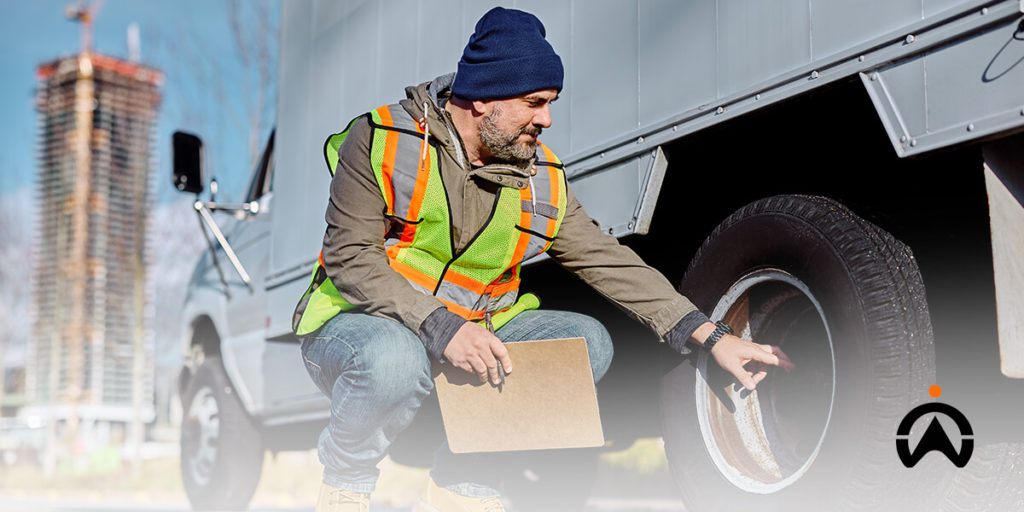
Fleet owners or managers use fleet management documents to record information about fleet vehicles. These documents usually take the form of checklists for specific procedures to simplify the compliance process.

Businesses often use a fleet vehicle inspection checklist in PDF format. This ensures that all fleet vehicles are roadworthy, contain the necessary equipment and are generally free of problems. Using a daily vehicle inspection checklist in Excel format can add more functionality to the way the form is used.

If in doubt, it's easy to download free daily truck inspection checklists or vehicle inspection checklist forms as a basis for creating customised versions that meet the needs of your business.

What all these documents and checklists have in common is that they are used to monitor fleet-related movements and ensure that fleet drivers and vehicles meet compliance standards.
Que_tipos_de_documentos_de_gestão_de_frota_são_utilizados

What fleet managers need to know: the only compliance checklist you'll ever really need

With a streamlined compliance process where fleet managers can keep track of every aspect of their fleets, including tax compliance, internal audits and inspections, you can avoid potential penalties while keeping your books up to date and your drivers safe

With a streamlined compliance process where fleet managers can keep track of every aspect of their fleets, including tax compliance, internal audits and inspections, you can avoid potential penalties while keeping your books up to date and your drivers safe

  1. Prioritise tax compliance

    Benjamin Franklin famously said that death and taxes are the two certainties in life. When it comes to compliance in fleet management platform, the latter certainly rings true. Businesses must follow local tax laws to avoid fines and meet legal compliance standards.

    These essential tax streams can be added to your compliance to-do list:

    VAT: Value Added Tax
    PAYE: Pay As You Earn
    UIF: Unemployment Fund
    SDL: Skills Development Levies of the fleet meet compliance standards.

    In the USA and Canada, fuel tax is an essential component of business tax compliance, as fleet managers must be able to show where fuel taxes go. They do this by monitoring fuel usage.

    IFTA, or the International Fuel Tax Agreement, allows 48 US states and ten CA provinces to collect data including miles travelled, fuel purchased and places of purchase.

    Although different countries may have different tax laws and compliance requirements, tax compliance remains an integral part of overall compliance in fleet management, and using a sophisticated SaaS platform helps businesses collect the data they need to stay compliant.

  2. Carry out regular vehicle inspections

    As part of your overall compliance checklist, a fleet vehicle maintenance checklist can help you ensure that your fleet vehicles are roadworthy and in perfect condition. Regular vehicle inspections contribute to compliance with best practice and help identify crucial defects, while raising the standards of safety for the fleet and extending fleet longevity.

    Keep your fleet on the road with an expert vehicle inspection checklist.

    Start the process by noting the vehicle's odometer reading, the last six digits of its VIN, number plate details, make and model, and the first name and surname of the assigned driver.

    These details help you keep track of the vehicle's mileage, age, identifying markers and assigned driver during an inspection.

    When you've finished, follow the five-step checklist below to carry out a comprehensive inspection:

    1. Pre-start: Check the oil, transmission and washer fluids

    2. Interior: After starting the engine, check that the following are working: fuel level, horn, air conditioning, interior lights, brake pedals. Then check the safety belts and the upholstery. Make sure the first aid kit is stocked and that the vehicle has emergency tools such as flares, torches and spare wheels.

    3. Mirrors/windows: Test the windscreen wipers and make sure the mirrors are clean.

    4. Exterior: Start by checking the headlights and tail lights, indicators and hazard lights. Then move on to the tyres and check the wear and the pressure of the spare tyre.

    5. Undercarriage: Check for fluid leaks and any loose or hanging objects

    This checklist helps identify problems that can affect the fleet's compliance status. By flagging these problems and taking immediate action, businesses can avoid further compliance and safety issues.

  3. Keep on top of licence and permit validity

    Staying within the limits of the law is a non-negotiable part of fleet compliance. This can include ensuring that registrations and licences are up to date and valid to keep fleet cars on the road and avoid related fines. Staying up to date with the following fleet-related admin helps fleet managers remain compliant:

    – Obtain and keep in order the proper licences for your vehicles
    – Register vehicles with the relevant authorities
    – Stay on top of driving licence renewals
    – Make sure vehicle registration renewals are done on time

  4. Run internal auditsrelevant company authority.

    So, let's say you're implementing a new fleet management system or looking to identify pain points in the current one. Carrying out internal audits can help you do both, while also being a great help with fleet compliance

    A comprehensive audit not only assesses every aspect of fleet management, but also gives better insight into whether a business's processes comply with government regulations, fleet management requirements and best practice. What's not to like about killing two birds with one stone?

    The ultimate fleet management audit checklist:

    To help fleet managers and businesses benefit from compliance, here is a detailed audit checklist for fleet management:

    Fleet Management Policy – Review fleet security and health and safety policies.

    Vehicles – Review vehicle inspections and plan vehicle replacement. Assess vehicle monitoring procedures. Analyse fuel usage.

    Drivers – Assess drivers and review staff training. Review licence validity and insurance agreements. Retrain drivers where necessary.

    Third parties – Review and assess third-party suppliers.

    Fleet Safety – Review and assess safety of the fleet.

    Operational – Assess and review inventory.

    Once all the data has been assessed and reviewed, it's important to carry out three final steps:

    – Review and assess recommendations from previous audits
    – Review the findings of the current audit
    – Get the findings approved by the relevant company authority

    Once you've completed all these steps, you will have carried out an in-depth audit of your fleet on the most important aspects.

  5. Know your fleet drivers' hours of service

    Even if a business has only a few fleet drivers, knowing their exact hours of service, or HOS, on top of everything else that needs to be done is virtually impossible. However, keeping track of each driver's HOS is crucial for staying compliant with health, safety and environmental requirements. Here's why.

    Even if a business has only a few fleet drivers, knowing their exact hours of service, or HOS, on top of everything else that needs to be done is virtually impossible. However, keeping track of each driver's HOS is crucial for staying compliant with health, safety and environmental requirements. Here's why.

    Even if a business has only a few fleet drivers, knowing their exact hours of service, or HOS, on top of everything else that needs to be done is virtually impossible. However, keeping track of each driver's HOS is crucial for staying compliant with health, safety and environmental requirements. Here's why.

    Managing HOS leads to better driver fatigue management and a safer fleet.

O_que_os_gerentes_de_frota_precisam_saber

‍Experience effortless compliance with Cartrack Mozambique

See how the advanced telematics-based features from Cartrack Mozambique can help make keeping on top of compliance, safety and risk management a seamless, painless process:

  • Receive automated updates on licence renewal, permit and registration compliance with MiFleet accounting software, which is seamlessly integrated into the fleet management platform Cartrack Mozambique.
  • Receive automated updates on licence renewal, permit and registration compliance with MiFleet accounting software, which is seamlessly integrated into the Cartrack fleet management platform.

Achieving compliance across the whole fleet can be a difficult, if not impossible, task. To make meeting compliance as easy as possible, especially when it comes to accurate data acquisition and reporting – a sophisticated telematics system is every fleet manager's best friend. Cartrack Mozambique is a dominant SaaS provider, with more than half a million fleet management units active in Mozambique alone

Speak today to an agent from Cartrack Mozambique to get a smart, customised solution for all your fleet's compliance needs.
Fleet risk management: secrets revealed to make your fleet thrive

Are you ready to discover the hidden ingredient that separates successful fleets from the rest? Successfully identify, assess and mitigate potential problems in your commercial fleet that could affect your organisation's goals and objectives with fleet risk management.

How can risk management achieve all this? Let's get started.

In this article, you will:

  • Understand fleet risk management and how safety procedures quickly reduce risks
  • Discover the benefits of fleet risk management, from cost reduction to driver safety
  • Explore the key areas of risk management, such as insurance, compliance and the use of technology
  • Identify fleet risks and how fleet managers develop strategies to overcome them
  • Find out how advanced telematics and fleet management solutions from Cartrack Mozambique services can reduce fleet risks

What makes a fleet safe? – Risk management

You've probably heard the saying “better safe than sorry”. It's the principle behind risk management. Fleet risk management is the secret weapon businesses use to make sure their drivers, other employees and vehicles are always safe and secure. We know that life happens, so having a backup plan is important for mitigating these risks. This is where your plan B, or risk management, comes in. This hidden gem helps you predict and prevent bad things from happening, such as accidents, breakdowns or theft. But effective risk management isn't just about avoiding problems, it's also about creating value.

How? Well, if you own or manage a fleet of vehicles, you want to be sure they are operating at their best and, ultimately, working hard for the business, right? Managers must minimise the risk of breakdowns or accidents to avoid costly repairs and downtime. By implementing policies on safety, providing driver training and maintaining vehicles regularly, you are not only reducing risk but also improving fleet performance and reducing fleet costs in the long term.

What is the role of a fleet risk manager?

The fleet risk manager plays a crucial role in overseeing and managing the risks associated with operating a fleet of vehicles. They are responsible for identifying potential risks and implementing strategies to mitigate them.

Their duties may include:

  • Developing and implementing policies and procedures on safety to promote driver safety and minimise the risk of accidents.
  • Providing driver training to improve their skills and ensure compliance with policies and regulations on safety.
  • Monitoring vehicle performance and maintenance to reduce the risk of breakdowns and improve fleet efficiency.
  • Implementing telematics technology to monitor driver behaviour and vehicle performance, using the data collected to identify areas for improvement.
  • Managing insurance and claims processes to minimise financial risks.
  • Staying up to date with industry regulations and best practice to ensure compliance with the latest laws.
Qual_é_o_papel_de_um_gestor_de_risco_de_frota

Fleet managers work tirelessly to protect their fleet at all times. They not only protect their vehicles and the business's bottom line, but also prioritise the safety of their employees. After all, it's the drivers who are behind the wheel, interacting with customers, delivering services and moving assets from one place to another.

Unlock the hidden benefits of proper fleet risk management

See immediate results in your fleet with risk management. Unlike hidden secrets that take ages to reveal their benefits, risk management delivers instant advantages from the moment it is implemented.

Reap the benefits:

  1. Greater return on investment: By keeping your fleet in perfect condition, you can avoid unexpected downtime and other costly problems, ultimately leading to greater returns on your investment. This can help you save money and invest in other important areas of your business.
  2. Lower insurance premiums: By managing fleet risks, you show your insurer that you are committed to safety. This can lead to lower insurance premiums, which can save you money.
  3. Reduced business liability: If one of your drivers causes an accident, it could spell disaster for your business. By taking steps to reduce risks and improve safety, you can protect your business from legal battles and maintain a positive reputation in the market.
  4. Greater focus on the job: By prioritising the safety of the fleet, you create a culture that encourages your employees to take extra precautions in their tasks. This can help keep everyone in your organisation safer and focused on the task at hand.
  5. Less guesswork: with a risk strategy in place, you can predict and prevent potential problems before they happen. This helps you make better-informed decisions, leading to better results for your business.

Why is fleet risk management important?

The risk management software market was reportedly valued at 27.80 billion dollars just two years ago, in 2021, and is now forecast to reach 86.53 billion dollars by 2030. Many businesses are getting on board with investing in the safety of their fleets.

If you're still not convinced that your business needs a fleet risk manager, here are some important aspects that may make you rethink your approach. Risk managers help:

Reduce costs – By preventing accidents, vehicle downtime and legal issues, fleet risk management can save your business money in the long term. It also helps you optimise your resources and allocate them to other priorities.

Reduce costs – By preventing accidents, vehicle downtime and legal issues, fleet risk management can save your business money in the long term. It also helps you optimise your resources and allocate them to other priorities.

Improve safety of drivers – Fleet risk management helps you promote a safety-first culture in your organisation, reducing the risk of accidents and injuries. This can also lead to lower insurance premiums and a more favourable risk profile.

Improve productivity – By minimising operational disruptions, fleet risk management can improve your fleet's performance and productivity, leading to greater savings and better allocation of resources.

Por_que_a_gestão_de_riscos_da_frota_é_importante

Areas risk management focuses on

Fleet risk management covers a wide range of areas related to operating a fleet of vehicles. Here are five areas that fleet risk management covers:

  1. Driver safety

    This involves implementing policies and procedures on safety to promote driver safety and reduce the risk of accidents. This can include driver training, monitoring driver behaviour and implementing telematics technology to monitor driver performance with AI cameras and audible alerts.

    Monitoring drivers through telematics data can provide behavioural insights such as unauthorised use, late braking or speeding. This can then be addressed through safe-driving training and result in a dramatic improvement in the safety of the fleet and the driver.

  2. Insurance and claims management:

    Fleet risk management includes managing insurance policies and claims processes to minimise the business's financial risk. This can include working with insurers to secure adequate cover and managing claims processes to minimise downtime and costs.

    Fleet managers regularly review the terms of their policies with insurers to ensure that the fleet's insurance cover is up to date and aligned with the needs of the business. This helps explore opportunities to optimise cover while minimising costs.

  3. Compliance and regulations

    One of the biggest headaches fleet managers face is keeping up with the rules that govern commercial fleet operations and the related paperwork.

    Fleet vehicles must be fit for purpose, inspected regularly and follow a planned maintenance schedule. All drivers must be fully trained to operate the vehicles assigned to them, be fully aware of the company's safety policies and know the wider compliance regulations it operates under. In addition, drivers must be in good health and hold a valid driving licence.

  4. Fleet maintenance

    Maintenance is a vital part of fleet risk management, as it directly affects the safety of the driver and the efficiency of the fleet. Fleet risk management involves developing and implementing maintenance schedules, monitoring vehicle performance and carrying out regular inspections.

    With fleet technology, managers can maintain their vehicles efficiently by monitoring engine data, tyre pressure and braking systems, which ensures optimal fleet performance and extends vehicle longevity.

  5. Asset management

    Fleet risk management involves managing fleet assets, including vehicles, equipment and facilities. This can include developing asset management plans, monitoring asset performance and implementing strategies to reduce loss of or damage to assets.

    Take a construction company, for example: managers oversee a fleet of excavators, bulldozers, loaders, etc. and can accurately monitor the use of each piece of equipment and identify unusual downtime or underused assets.

  6. Telematics and GPS technology:

    Using telematics and technology can help fleet managers identify potential risks, monitor driver behaviour and improve overall fleet performance. This includes GPS tracking, driver scorecards and real-time monitoring of vehicle data.

    Fleet managers can use this type of technology to improve equipment visibility, seeing the real-time location of their assets without relying on their drivers to tell them where they are.

Everyday fleet risks

In the world of risk mitigation, every day brings its own set of challenges. From unexpected accidents to rising fuel costs, being aware of these everyday risks is the first step towards developing strategies that can overcome these challenges.

Here are some potential fleet risks you may encounter:

  • Vehicle collisions and other accidents
  • Expensive vehicle repairs
  • Driver and motorist injuries and deaths
  • Legal, medical and other liabilities
  • Damage to property and assets
  • Fines and other penalties for breaching regulations
  • Vehicle theft and highway robberies
  • Vehicles catching fire (for example, when transporting highly flammable items)
  • Cargo loss and damage
  • Theft and vandalism
  • Insurance and liability

This long list still doesn't cover the full extent of what fleet risk managers have to oversee and control. Depending on the specific industry, such as food and pharmaceuticals, risk managers come across unique elements they have to take care of to make sure everything runs smoothly every day.

Fortunately, fleet management systems are equipped to help.

How fleet management systems keep risks under control

Advanced technology, such as smart telematics from Cartrack Mozambique, has given fleets the ability to harness millions of data points to make better risk management decisions. Managers can employ a range of telematics to reduce risks and make operations safer and more efficient.

Riscos_diários_da_frota

Our fleet management can be an effective solution for keeping fleet risks under control for several reasons:

Telematics: Telematics technology uses GPS tracking and other sensors to collect data on vehicle performance, driver behaviour and other key metrics. Fleet managers can use this data to identify areas of risk, such as speeding or aggressive driving, and implement strategies to improve driver behaviour and reduce accidents.

Data-driven decision-making: Our fleet management relies on data to make informed decisions about risk management. By collecting and analysing data on driver behaviour, vehicle performance and other key metrics, fleet managers can identify areas of risk and develop targeted solutions to address them, as well as track improvements over time.

Proactive approach: fleet management takes a proactive approach to risk management, which means potential problems are identified and resolved before they become serious. By implementing preventive maintenance programmes, driver safety training and other proactive measures, fleet managers can reduce the likelihood of accidents and breakdowns.

‍Compliance: Fleet management solutions can help fleet managers ensure compliance with regulatory requirements relating to vehicle safety and maintenance. By staying up to date with the latest regulations and implementing strategies to meet these requirements, fleet managers can reduce the risk of fines, penalties and other legal issues.

Additional devices include:

  • GPS tracking devices offer real-time location tracking and other vehicle data on powered and non-powered assets. They also support better routing decisions based on the latest information on roads, weather and traffic conditions
  • ELDs (Electronic Logging Devices) give fleets the ability to collect and transmit the reports needed to meet compliance mandates
  • Dashcams offer real-time images/footage of what is happening inside and outside a vehicle
  • Fuel cards give managers control over when and where fuel is bought and by which driver
Dispositivos_adicionais_incluem

The final secret revealed: Cartrack Mozambique fleet technology

With the ever-growing number of vehicles on the roads, fleet risk management has become harder to manage.

Our Cartrack Mozambique provides technology and services designed to help fleet managers make this process easier with its fleet solutions.

Real-time monitoring: With tracking units installed and Cartrack Mozambique's fleet management platform, vehicle tracking technology allows fleet managers to stay connected to their fleet at all times with accurate vehicle location and instant notifications. Cartrack Mozambique also offers a Geofence feature that lets you set virtual boundaries around areas and receive real-time alerts whenever your vehicle enters or leaves those areas.

Driver behaviour analysis: Cartrack Mozambique's technology also includes driver behaviour analysis through driver scorecard reports that flag unsafe driving behaviours, such as speeding, braking and cornering, and AI cameras with in-cab audio alerts that are triggered when drivers show signs of fatigue or distraction. This can help fleet managers provide targeted training and coaching to unfocused drivers, ultimately improving the safety of the driver and reducing the risk of accidents.

Maintenance tracking: The fleet management system from Cartrack Mozambique monitors each vehicle's mileage, engine hours and time intervals between services to help ensure that vehicles are properly maintained and serviced on schedule. Managers are informed of an upcoming vehicle service through automatically generated reminders when a vehicle reaches its maintenance threshold. This can reduce the risk of breakdowns and other problems that lead to downtime.

‍Accident management: In the event of an accident, Cartrack Mozambique's telematics technology can detect sudden impacts or collisions and instantly send a notification of the event to fleet managers, while its tracking units help further by quickly locating the vehicle and prompting a rapid response to send emergency personnel to the incident. This can help save the driver's life and reduce the risk of harm to other drivers and damage to your vehicle.

Stay compliant: easily manage and automate your regulatory compliance across all your operations with these Cartrack tools:

  • Time tracking: lets you monitor drivers' working and break times, preventing the vehicle from being operated if the driver has not taken the full break, ensuring that drivers get the rest periods they need.
  • Automated compliance management: automate regulatory compliance and keep track of fleet requirements, such as insurance, licences and contracts, through reminders Cartrack Mozambique.
  • Automated compliance management: automate regulatory compliance and keep track of fleet requirements, such as insurance, licences and contracts, through Cartrack Mozambique reminders.

Specialised sensors: Cartrack Mozambique offers a range of specialised sensors that serve a variety of industries. With sensors such as CANBus vehicle diagnostics, cargo door monitoring, temperature monitoring and seat pressure sensors, Cartrack Mozambique empowers various sectors such as transport, logistics, construction, safety and perishable goods to increase efficiency, safety and security.

All these smart Catrack features and services help fleet managers stay more alert to potential risk events and relieve, or at least reduce, their daily stress with top-class fleet management solutions that can help identify and mitigate risks and keep their fleets running safely and efficiently.

A fleet management company that can reduce fleet risks

Looking for a reliable solution to help manage and mitigate fleet risks? Cartrack Mozambique offers a comprehensive suite of telematics and fleet management services that can help keep your vehicles, drivers and assets safe and secure.

Get in touch with us today to find out more about how we can help your business!

5 fuel-saving tips that really don't work: find out the truth now

Have you ever tried unproven fuel-saving tips that produced no results? Don't blame yourself for being intrigued. As a fleet manager, it's your job to look for any and every opportunity to cut costs.

Well, this isn't one of those time-wasting articles. After reading this, you'll know exactly which fuel tips work and which are just a waste of fuel.

Let's dig in!

In this article, you will:

  • Debunk common fuel-saving myths that may be costing you money
  • Learn about the top five fuel-saving tips that are proven to work
  • Get insight into the factors that affect your fleet's fuel consumption
  • Explore the benefits of using fuel-saving technologies and smart tools for fleet management
  • Learn how advanced telematics and tracking solutions from Cartrack Mozambique can reduce your fuel costs

Why is saving petrol important?

It's a question many vehicle owners and fleet managers ask themselves. The answer lies in ever-higher fuel prices and the need to manage fuel costs effectively to save money.

Although fuel prices are out of our control, finding ways to use fuel efficiently and minimise costs has become a crucial priority.

As a fleet manager, fuel is one of the issues at the top of your list. Managing fuel expenses is essential for businesses, as it often takes up a large share of the budget, so keeping that figure as low as possible and making fuel last longer benefits the whole business.

Whether your vehicles run on petrol or diesel, finding ways to use fuel efficiently and manage costs has become more important than ever.

But how do you separate fact from fiction when it comes to saving fuel?

Por_que_é_que_poupar_gasolina_é_importante

Five petrol and diesel saving tips that don't work

Let me help you separate fact from fiction and debunk the tips that promise to stretch your petrol or diesel further but don't actually work.

  1. Tailgating trucks to cut the wind

    Pulling up close behind a large truck, thinking you're cleverly reducing wind resistance and saving fuel, is not only unsafe but also won't do much for your fuel-saving goals. Keep a safe distance, drive responsibly and focus on other proven and much safer fuel-saving techniques.

  2. Coasting in neutral or switching off the engine

    Do you tend to coast or switch off the engine when slowing down to save petrol? Well, you don't need to. Modern commercial vehicles are designed to use minimal fuel during deceleration anyway, and switching off the engine can actually interfere with essential systems for control and safety. So keep the car in gear and enjoy the ride without worrying about switching it on and off.

  3. Filling up with petrol in the morning to save fuel

    Ah, the classic myth that lives on in drivers' minds. As the temperature rises through the day, petrol expands, so you'll get less fuel for the same amount of money later in the day, right? Well, in reality, petrol stations store their fuel underground, where the temperature stays relatively stable, and as soon as the petrol reaches your tank, the liquid quickly reaches ambient temperature, whatever the time of day, so the number of litres you pay for in the morning would be the same number of litres in the evening.

  4. Warm up your car for several minutes

    We're all familiar with the common belief in warming up the car for several minutes before driving, especially in cold weather. However, there's no need for a long warm-up. A few seconds of idling is all that's preferred before setting off. Excessive idling not only wastes fuel but also adds unnecessary wear to the engine. So save fuel and reduce emissions by avoiding unnecessary idling.

  5. Keep the windows open to reduce drag

    You may have heard that keeping the windows closed while driving reduces drag and therefore improves fuel efficiency, but at normal driving speeds open windows have little effect on economy The top five fuel tips that actually work

Cinco_dicas_para-poupar_gasolina_e_gasóleo_que_não_funcionam

Now that we know what doesn't work, let's talk about some proven fuel-saving tips that make a difference to your monthly fuel spend.

  1. Smooth and steady driving

    Risky driving habits such as rapid acceleration and sudden braking can significantly affect fuel use. Instead, encourage smooth, steady driving, accelerating gradually and maintaining a consistent speed. This will not only save you fuel but also provide a more relaxed and enjoyable driving experience.

  2. Proper vehicle maintenance

    Make sure you maintain your vehicle by keeping the engine properly tuned, ensuring the tyres are inflated to the recommended pressure and changing the air filters and spark plugs at the recommended intervals. Keeping your vehicle in top shape will help you save dramatically on fuel consumption.

  3. Lighten the load

    With fleet vehicles this can be a little hard to keep track of, but carrying unnecessary weight by having cargo that exceeds the vehicle's recommended weight can increase fuel consumption. Take some time to plan weight distribution properly and remove any items that aren't needed for your trip. Every kilogram counts when it comes to fuel efficiency, so lighten the load and watch your fuel savings grow.

  4. Plan efficient routes

    Planning your routes in advance can help you avoid congested areas and heavy traffic, saving time and fuel. Take advantage of navigation apps or devices that provide real-time traffic updates and suggest the most efficient routes. In addition, grouping several tasks or trips in a logical order can minimise the distance travelled and optimise fuel use.

  5. Use fuel-saving technologies

    Invest in fleet management software that uses GPS and telematics systems to capture real-time data such as vehicle usage, refuelling patterns and general vehicle diagnostics that tell you about the water, oil and health of the engine.

Factors that affect fuel consumption

Running a fleet of vehicles comes with its challenges, and one of the biggest is fuel. Many businesses depend on their fleets to transport goods and cover long distances every day. All those miles on the road add up when it comes to fuel costs.

To optimise efficiency and reduce fuel consumption, fleet managers strive to understand the factors that affect fuel use. By considering these factors, managers can make better-informed decisions about their fleet and implement strategies to maximise fuel economy.

Take a look at these key factors that heavily affect fleet fuel consumption and see what you can do to dramatically improve your fuel costs:

  • Road conditions and terrain – Road conditions, including potholes and uneven surfaces, can significantly affect fuel consumption. Trucks typically travel on different surfaces, from tar to gravel – these present various challenges to fuel efficiency. For example, rough and uneven road surfaces, such as cobbled or unpaved roads, can increase resistance and make the engine work harder, resulting in higher fuel consumption.
  • Traffic congestion – Traffic congestion and stop-start situations can lead to more idling, which uses more fuel. Scheduling deliveries around peak traffic times and planning routes to avoid congestion can help optimise fuel efficiency. Keeping your fleet off local roads and choosing routes that have highways can save a few drops of petrol.
  • Vehicle maintenance – Regular maintenance and servicing play a vital role in maintaining optimal fuel efficiency. The better you look after your vehicles, the longer they will last. Neglecting maintenance by not fixing/replacing dirty air filters or worn spark plugs can lead to increased fuel consumption with every use.
  • Fuel quality – Use the right fuel: the quality of the fuel used can affect both engine performance and fuel economy. Clean, quality fuel from reputable sources such as Engen and Sasol can help optimise fuel efficiency and keep your engine healthy.
  • Driver training and education – After assessing your drivers' driving behaviour with telematics and tracking systems, fleet managers can monitor various aspects of driver performance, such as speed, acceleration, braking and idling patterns, and provide drivers with proper training and education on fuel-saving driving habits. Raising awareness of the importance of fuel efficiency and offering incentives for meeting fuel-saving targets can motivate drivers to adopt fuel-efficient practices.
Fatores_que_afetam_o_consumo_de_combustível

Petrol-saving habits a fleet management system can provide

Fleet management software has a range of smart fleet technologies created to help fleet managers optimise fuel efficiency, reduce costs and contribute to environmental sustainability. Most fleet managers use companies that can track their vehicles and provide software features for fleet management to monitor their fleet efficiently, such as Cartrack Mozambique.

How?

Cartrack Mozambique's fleet management solutions can help you monitor driver behaviour, identify maintenance issues, provide real-time updates on vehicle performance through comprehensive reports and analytics, and monitor your fleet's fuel consumption rate.

Here's how Cartrack can help make your fuel last:

  • Route optimisation and planning:

    Fleet managers use sophisticated route planning tools to optimise driving routes. With Cartrack's Delivery feature, factors such as traffic conditions, route history, road conditions and fuel consumption data are taken into account. It can give drivers the fastest and shortest route options that avoid detours and unnecessary trips, resulting in lower fuel consumption per trip, a reduction in the harmful CO2 emissions released by your fleet and significant overall savings on fuel costs.‍

  • Monitor and analyse fuel consumption:

    The fleet management solutions from Cartrack Mozambique provide real-time monitoring of fuel consumption through the use of data analytics. With this, fleet managers gain insight into individual vehicle performance, driver behaviour and fuel efficiency trends for each of their vehicles. Cartrack Mozambique's MiFleet fuel validation feature can also help with fuel monitoring by connecting to fuel sensors or CANBus integration to monitor and analyse fuel consumption data, accurately track fuel usage and identify inefficiencies. This data allows managers to address fuel consumption patterns, implement targeted training programmes for drivers and maximise fuel efficiency across the whole fleet.

  • ‍Driver training and incentive programmes:

    Drivers play a key role in increasing fuel efficiency. Some managers run comprehensive training programmes to educate drivers on effective fuel-saving techniques. These programmes can cover the driving benefits of smooth acceleration, maintaining consistent speeds, reducing idle time and more. Fleet managers can access detailed reports and analytics on the fleet platform to assess each driver's performance and identify critical areas that need improvement. Providing more targeted training and instilling a culture of fuel efficiency helps encourage drivers to adopt environmentally conscious driving habits. Cartrack Mozambique's incentive programmes and performance monitoring (driver scorecards) can be used to monitor driver behaviour and reward safe driving, further motivating drivers to drive more safely and use fuel more responsibly.

  • Vehicle maintenance and performance:

    Our Cartrack Mozambique helps fleet managers keep track of vehicle health with preventive maintenance alerts and notifies them of scheduled maintenance and inspections to ensure vehicles run optimally and avoid costly breakdowns. By addressing problems promptly, fleet managers avoid fuel consumption issues, such as engine misfires that can waste fuel, and ensure that vehicles maintain maximum efficiency and avoid unnecessary downtime.

  • Environmental sustainability initiatives:‍

    Cartrack Mozambique provides tools and features that allow fleet managers to optimise vehicle use and fuel consumption, such as asset management, fuel monitoring and route optimisation.

If a business has electric vehicles in its fleet that need tracking and telematics technology installed, the leading SaaS platform from Cartrack Mozambique offers seamless integration with EVs, gives fleet managers battery management for real-time monitoring of charge status and temperature, and has preventive maintenance solutions to monitor battery health and notify managers when the battery needs to be replaced.

Hábitos_de_economia_de_gasolina_que_um_sistema_de_gerenciamento_de_frota_pode_fornecer

Fuel tracking with Cartrack

Look no further, Cartrack Mozambique for your ultimate solution for efficient fleet management.

Use advanced telematics and tracking solutions from Cartrack Mozambique to give you real-time information on your commercial fleet's fuel consumption and unlock substantial fuel savings.

Boost your fuel savings with Cartrack Mozambique today!