South Africa
 Botswana
 Kenya
 Malawi
 Namibia
 Nigeria
 Swaziland
 Tanzania
 Zimbabwe
 Hong Kong
 Indonesia
 Singapore
 Malaysia
 Philippines
 Thailand
 New Zealand
 Vietnam
 Poland
 Portugal
 Spain
 United Arab Emirates

 PT

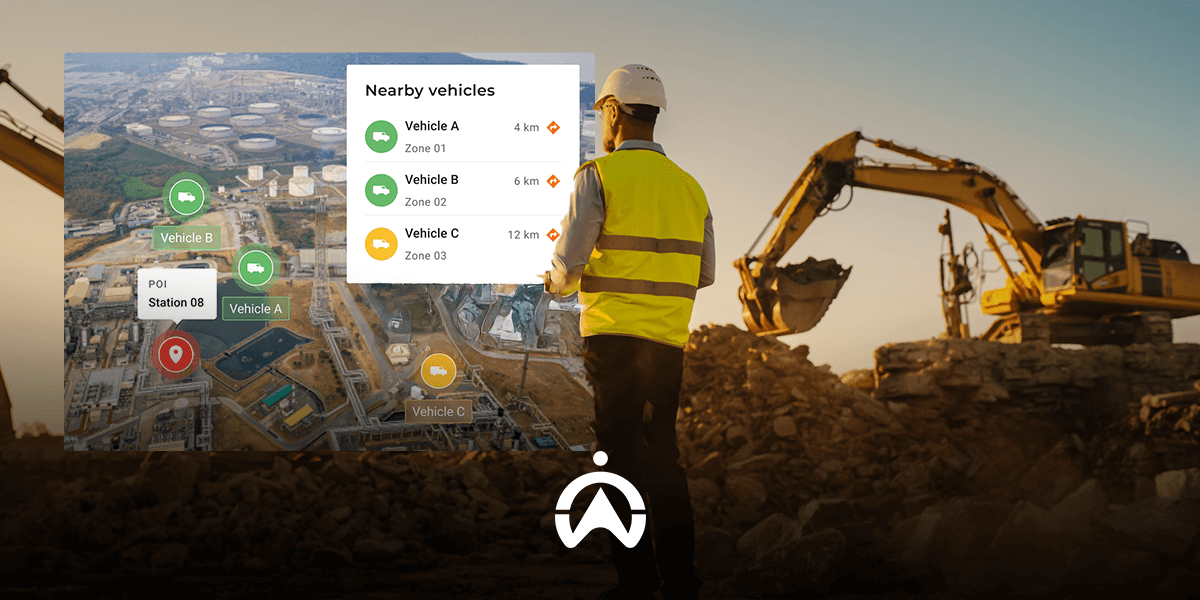
GPS tracking is a must for many business owners who have a fleet of vehicles. Keeping track of these assets is a critical task that often has a dedicated team behind it. This shows how complicated the process can be at times and how essential it is for efficiency and productivity.
Today, we’ll share which sectors benefit most from GPS tracking and why Cartrack is the ideal provider of this service.
This blog will cover:
- Which industries benefit from GPS tracking
- How to choose the right GPS tracking system
- The business value it brings
- Why you should choose Cartrack
Sectors that benefit most from GPS tracking
GPS tracking is a versatile service that can work for many types of business across a range of sectors, fitting seamlessly into day-to-day operations.
Some may believe that GPS tracking is exclusively for long-haul fleet vehicles; however, this is not true. Various other commercial vehicles and assets can also use this technology, from off-road vehicles and heavy equipment to a company’s other fixed assets.
Let’s explore some of the benefits of GPS tracking for industries and how it is used in each sector:
Logistics
With GPS tracking, fleet managers can optimise delivery routes in real time, avoid traffic congestion and ensure on-time deliveries. This not only reduces fuel costs and vehicle wear and tear, but also increases delivery efficiency.
Another important advantage is accurate estimated time of arrival (ETA) updates. Customers can receive real-time updates on their delivery, which significantly increases satisfaction and trust.
In addition, businesses can reduce costly downtime by monitoring idle time and vehicle performance.
Sales
GPS tracking plays a vital role in the sales environment, especially for external, field and travelling sales teams. It helps employers confirm that salespeople are where they should be, provides accurate mileage tracking for travel reimbursements or tax purposes and adds an extra layer of safety for employees on the road.
Field services
This sector includes professionals such as plumbers, electricians and HVAC (heating, ventilation and air conditioning) technicians. Business owners in this sector can assign jobs faster, track employee movements and improve on-site arrival times.
Another advantage is that the system will make it easier to reduce travel-related claims, thanks to route verification.
Agriculture & Farming
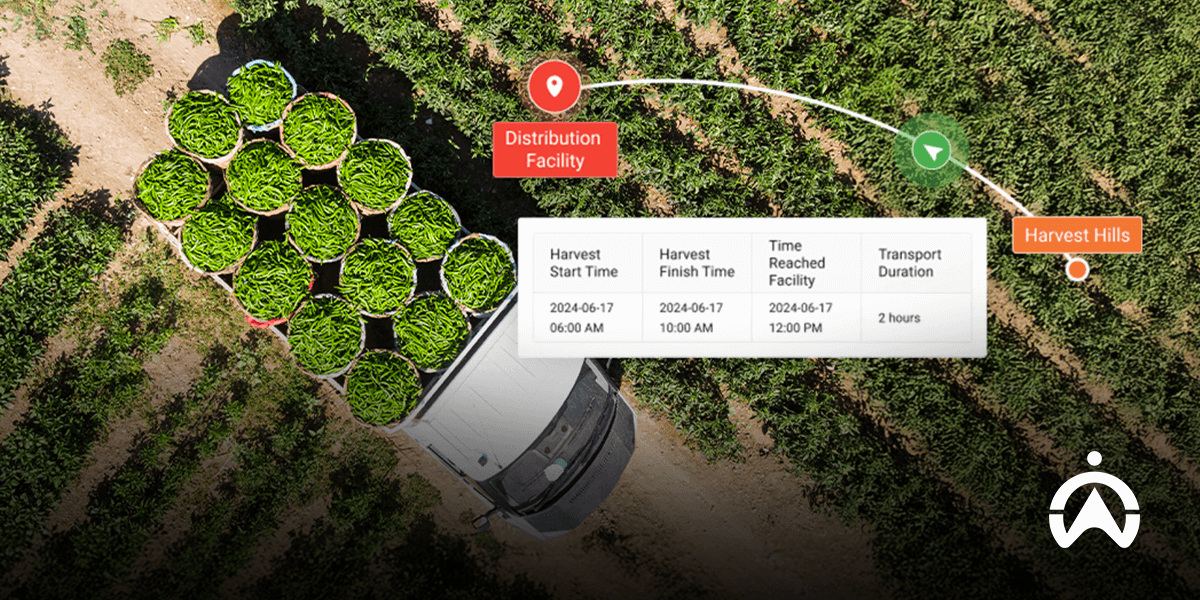
In this sector, GPS tracking helps to monitor tractors and combine harvesters in real time. It also makes it possible to manage fuel use during long working days across vast areas of land, while preventing the theft of agricultural vehicles and equipment that are expensive.
Waste management
GPS tracking plays a key role in the waste management industry, where it is used to monitor the location of the company’s tipper trucks and optimise daily operations. From refuse collection and recycling to the safe disposal of hazardous chemicals, these services depend on efficient route planning and real-time visibility to meet environmental standards and customer expectations.
Security and Armed Response
For businesses in the security sector, every second counts. GPS tracking ensures that armed response teams are always visible and can be dispatched to emergencies without delay.
Real-time vehicle tracking allows control centres to identify the nearest patrol car and direct it to the scene, cutting response times and potentially saving lives.
Post-incident GPS history is invaluable for incident analysis, team accountability and reporting.
Vehicle rental and leasing
The vehicle rental and leasing sector can be complicated, since all of the company’s vehicles are available for use by the paying public. This means there is a risk attached to every vehicle rented by an individual. GPS tracking ensures the proper use of rented vehicles by monitoring how they are used, protecting the fleet against theft and providing a safer customer experience.
In the event of theft, the tracking service provider can recover stolen or abandoned vehicles more quickly.
Public sector and municipal fleets
From refuse trucks to public transport fleets and other government vehicles, GPS tracking is useful. Municipalities can use data from their vehicles’ previous trips to plan efficient routes, monitor progress and improve overall service delivery.
In addition, the system can be used to reduce the misuse of government vehicles, since driver and location data will expose improper use.
What to look for in a GPS tracking system for your sector
A reliable GPS tracking system provider should offer more than just location tracking. Modern GPS tracking devices offer a range of other benefits that can be used to optimise a fleet’s operations and improve overall safety.
It is important to have the right tools and services in your GPS tracker, and it is essential to know which features to look for so that you can make the best decision.
Here are some essentials that a GPS tracking system should have:
Savings on fuel and maintenance
Fuel is a significant expense for many businesses that have a fleet of vehicles. With GPS tracking, a business owner can detect the causes of fuel wastage, such as poor driver behaviour and inefficient routes. In addition, other factors, such as the condition of the vehicles, should be monitored to enable predictive maintenance.
All of these factors, when dealt with in good time, can lead to significant cost savings.
Driver Behaviour Monitoring
The way drivers drive company vehicles contributes significantly to the fleet’s overall performance. driver behaviour monitoring is an essential feature of a GPS tracking solution and a key component of a successful system. With this tool, the fleet manager can improve road safety, reduce the risk of accidents and enforce the company’s driving policies.
Vehicle and Asset Protection
Protecting your company’s assets is very important, which is why the rapid recovery of stolen vehicles or machinery is essential, especially in Mozambique’s high-theft areas. Having a GPS tracking system that provides security measures for your assets can significantly improve operational continuity and business growth. These measures can include security features such as geofences, panic buttons and many others.
The Business Value of GPS Tracking
As a business owner, efficiency and productivity are crucial to success. This means that finding the best tools to help with that goal is a priority. This is especially relevant when managing a company’s fleet operations.
That is where the real value of a GPS tracking system comes in. The benefits it brings to a business make it easier to identify inefficiencies and reduce the causes of high and unnecessary costs.
Here is how you can expect to benefit from a GPS tracking system:
Cost savings
This is the biggest benefit of implementing a GPS tracking system in a business fleet. The business owner can oversee all fleet operations and identify inefficiencies that push up costs. These can be caused by fuel consumption, long routes, downtime and poor vehicle maintenance.
Better visibility
With the right GPS tracking system, a business can have full visibility of all its assets. This provides a greater sense of certainty about what is happening with the fleet while it is on the road. It removes all the guesswork and provides hard facts on which future plans can be based.
Greater safety and accountability
When you know where your vehicles are and how your drivers are performing, it becomes easier to manage safety protocols and keep drivers accountable. This can relate to reckless behaviour behaviour, unsuitable routes and vehicle condition. Having complete visibility of trips provides valuable information that can improve the fleet’s approach to operations.
Theft prevention and recovery
The safety of your fleet and your drivers need not be limited to internal processes. A major advantage of having GPS tracking is that it usually comes with theft prevention measures and stolen vehicle recovery services. Knowing that your vehicles are being monitored and that a dedicated team of specialists is ready to come to the rescue proves that GPS tracking is vital, especially in Mozambique, where vehicle crime is a reality. These features can help reduce insurance premiums and give your drivers peace of mind, two value propositions that do not normally go hand in hand.
Why Cartrack is the ideal partner for GPS tracking
When choosing a GPS tracking system for your business, make sure you choose one of the best, in this case, Cartrack. With us as your provider, you can expect world-class service and cutting-edge technology. Our presence extends across the world, with offices in 24 countries and counting, where we continue to work with businesses of all sizes.
Cartrack has an excellent reputation as a vehicle security provider and is consistently ranked as the leading company in Mozambique. Here are some other reasons to choose us as your GPS tracking provider:
Sector-specific solutions
Our solutions are extremely adaptable and can work for any type of business in any sector, from cold chain logistics to construction. We can tailor our solutions and services to the needs of your business, taking into account the type of assets and your operational goals.
We offer everything from driver ID tags, fuel management and trip reports to vehicle diagnostics and predictive maintenance alerts. All of these features can help a business achieve specific goals related to its sector.
Local support
Cartrack has a long history and a deep understanding of Mozambique’s road and business challenges. We understand the challenges that Mozambican businesses and drivers face on the roads and have drawn up action plans to help in times of danger.
We have support teams and response teams available anywhere in the country, ready and equipped for any emergency. One call to our control room guarantees an immediate response, whether it is a robbery or a need for roadside assistance
Real-time data
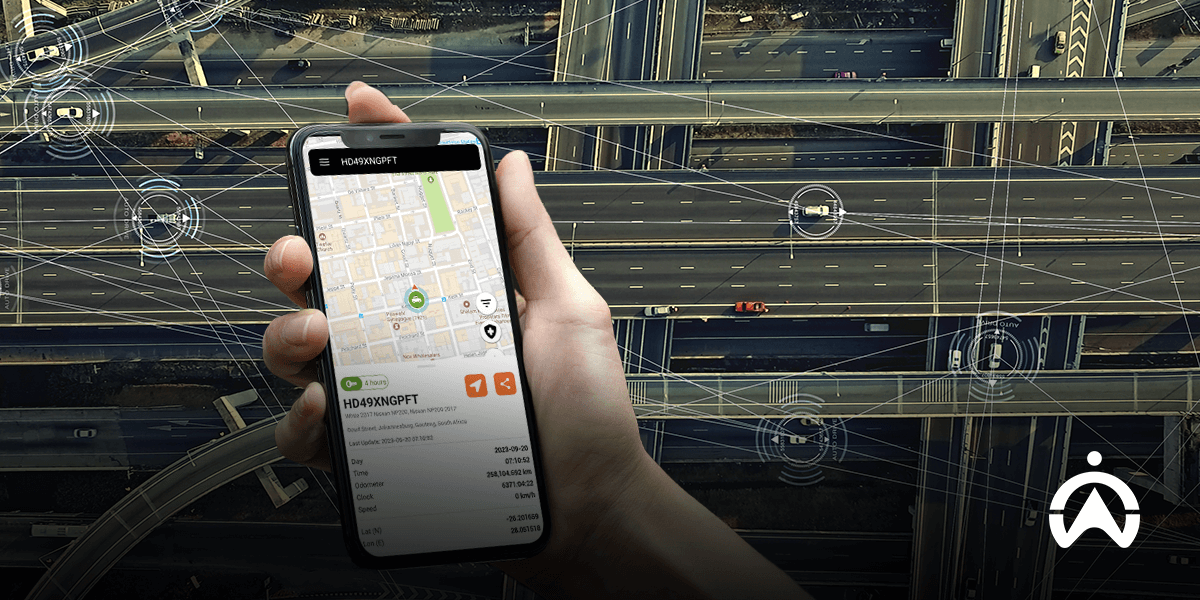
The main advantage of having us as your business GPS tracking provider is having access to your fleet’s location 24 hours a day, 7 days a week. This is made easy by our mobile app and online platform, both of which are easy to use and very accurate in their reporting. This data can be viewed by the fleet manager anywhere, whether on site or working with a remote or hybrid workforce.
Scalable
We care about the growth of your business and are committed to ensuring your fleet performs at its best. We can easily keep pace with your fleet’s growth and its increasing demands through our wide range of products and services. Whether you are an SME or a large company, our solutions can work for your fleets.
Cartrack is an industry leader and is trusted by more than 115 000 businesses across a range of sectors and niches. Our high stolen vehicle recovery rate speaks for itself and is proof of our experience and track record in fleet management and security. Whatever your sector or company size, we are ready to help you.
Contact us today and take your GPS tracking solutions to another level.
Frequently asked questions
What blocks a GPS tracker?
There are technologies capable of interfering with GPS signals. This is not a widespread problem, but it is significant enough to be a cause for concern for customers. Cartrack’s devices come equipped with anti-jamming technology that allows the vehicle to keep being located even when the GPS signal is compromised.
How big is the GPS tracker market?
According to Markets and Markets, a competitive intelligence and market research platform, the size of the global GPS tracking device market in terms of revenue was estimated at 3.1 billion dollars in 2023 and is expected to reach 5.7 billion dollars by 2028.