South Africa
 Botswana
 Kenya
 Malawi
 Namibia
 Nigeria
 Swaziland
 Tanzania
 Zimbabwe
 Hong Kong
 Indonesia
 Singapore
 Malaysia
 Philippines
 Thailand
 New Zealand
 Vietnam
 Poland
 Portugal
 Spain
 United Arab Emirates

 PT

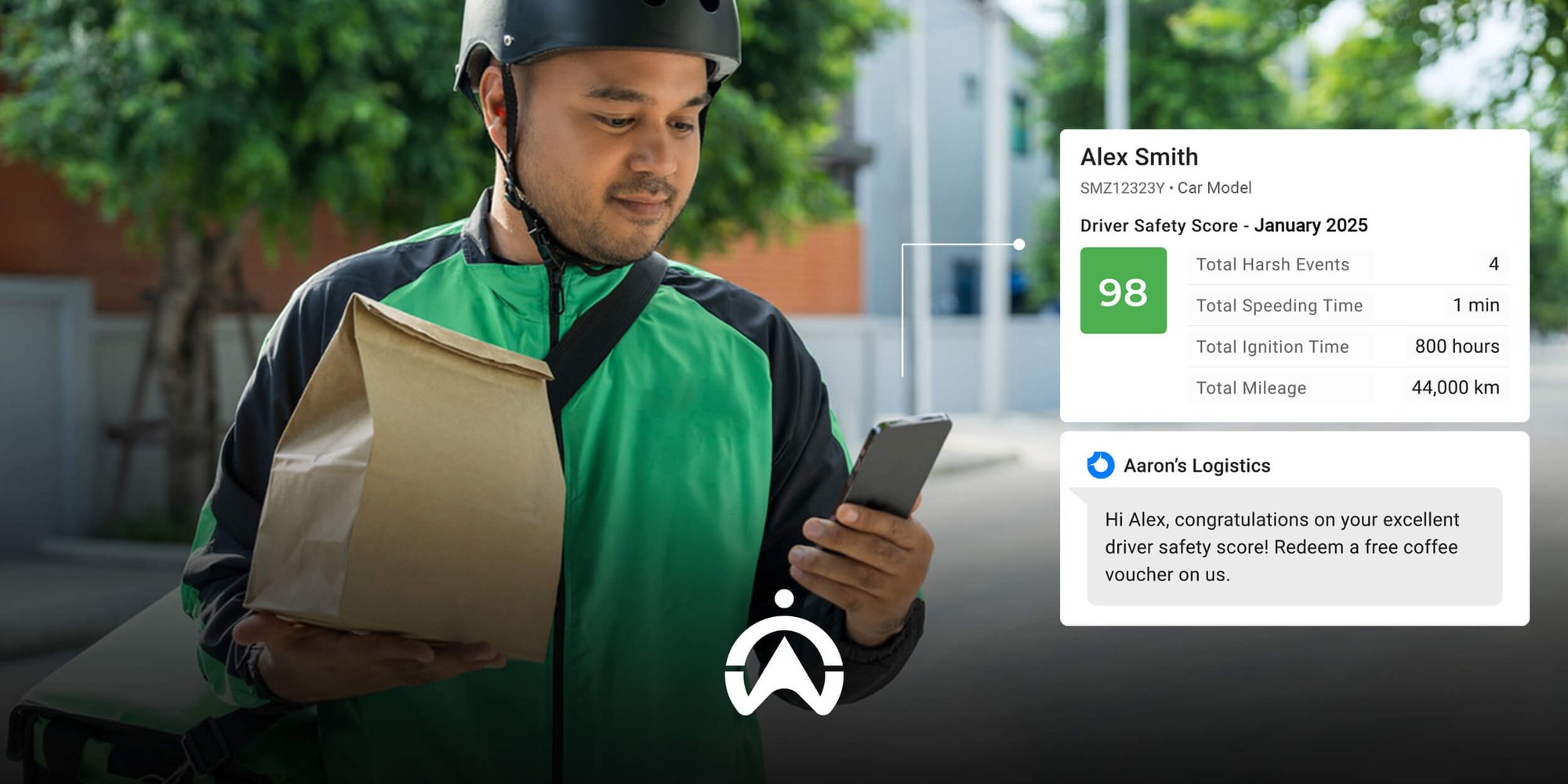
To prevent accidents among motorcycle riders, you need to tackle careless riding habits and put effective strategies in place to improve the safety of riders and of businesses in the sector. Motorcycle riders are among the most vulnerable on the roads, as they are far more exposed and at risk than the driver of an ordinary car.
In Mozambique, motorcycle riders account for a substantially high number of accidents and deaths, despite making up around 2% of all registered vehicles. Road accidents remain one of the leading causes of death worldwide, with motorcycle riders and other vulnerable road users accounting for a significant share of these fatalities.
For fleet managers like you, there is a clear need for a safety strategy and smart technology that anticipates risks, rather than only reacting to them. In this blog, we’ll look at useful steps and management techniques, as well as the role of the fleet visibility tools offered by Cartrack Mozambique, which can help your business achieve its daily safety goals.
Key takeaways:
- Motorcycle riders face greater risks on the road, so fleets need robust safety systems that prevent accidents early
- Spotting risky riding habits early helps managers act quickly and avoid serious accidents later
- Safer routes, regular training and clear accountability reduce pressure and improve rider behaviour
- Data and real-time visibility help fleets move from reacting to accidents to preventing them before they happen
Practical ways to reduce motorcycle accidents in your business
Practical ways to reduce motorcycle accidents in your business include improving rider awareness and accountability, managing risks and identifying risky riding patterns. Dealing with the problems of carelessness and accidents requires a careful, consistent and gradual approach that solves small problems before they become big ones.
Identify unsafe riding patterns early
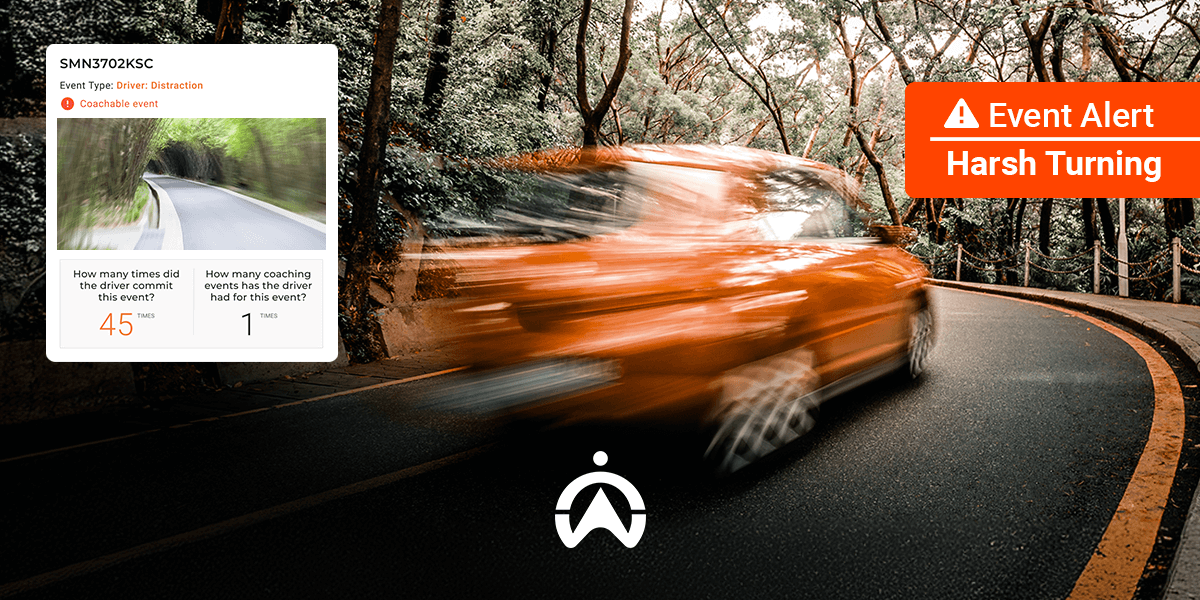
Identify the dangerous riding habits that keep recurring, including behaviours such as constant speeding and hard cornering. Stopping these habits right at the start, especially when they become a pattern, lets you take proactive steps to avoid costly consequences.
It’s better to act immediately and potentially save time and money than to deal with the chaotic aftermath of an accident later.
Increase rider awareness and accountability
The most important thing is to approach corrective conversations and dialogue with coaching, not punishment. This encourages better, more constructive growth among riders and prompts them to adopt safer riding habits quickly. With recorded events and insights, you can also easily back up your coaching efforts.
The key to maintaining safer habits is to hold regular check-ins and follow-up sessions when needed.
Manage risk through smarter route planning
A Smarter route planning means preparing routes that avoid congestion, high accident-risk zones and dangerous areas wherever possible, to keep riders safe. This also eases the pressure of urgent deliveries, allowing riders to stay realistic and prioritise safety without sacrificing efficiency.

Why are motorcycle riders at greater risk of accidents?
Motorcycle riders are at greater risk of accidents because of the demands of their work and their generally limited visibility on the roads. Drivers of other vehicles may not notice motorcycle riders on the road or in traffic, which can lead to collisions or right-of-way violations. In addition, the pressure to make deliveries on time tends to increase dangerous riding habits.
These are some of the specific risk factors:
- Not being visible to other road users: Motorcycle riders are generally harder to see, especially as they ride smaller vehicles and can get caught in blind spots.
- Lack of physical protection: Motorcycle riders don’t really have much physical protection, particularly for the body. This means that even the smallest accidents can cause significant harm.
- Urban delivery pressure and time constraints:The pressure to deliver on time, combined with congested routes, leads riders to feel they have to take risks while out on the road.
What are the most common causes of motorcycle accidents in fleets?
The most common causes of motorcycle accidents include factors such as limited visibility and distracted riding.
Here are some of the most frequent explanations:
- Speeding and aggressive manoeuvres: This is the result of the pressure to meet delivery deadlines, live up to customers’ expectations and weave aggressively through heavy traffic.
- Poor hazard anticipation: This is due to blind spots and complex areas with a high risk of accidents, such as four-way intersections.
- Distraction and fatigue: This is because motorcycle riders generally work long hours; this factor, together with the intense pressure to deliver results and satisfy customers’ growing demands, can lead to dangerous incidents.
- Poor route planning and unsafe delivery zones: These are the main factors that lead to motorcycle riders finding themselves in very high-risk zones and situations.
How does defensive riding apply to motorcycle riders?
Defensive riding for motorcycle riders is about staying alert at all times. Riders should make sure others see them and anticipate potential risks by watching the road ahead, positioning themselves correctly in the lane and keeping a safe distance. Defensive riding for motorcycle riders is a unique strategy, as a two-wheeled vehicle requires specific knowledge.
These concepts include:
- Space and escape routes: It’s always important for the rider to keep a gap of 3 to 6 seconds from the vehicle travelling in front. A good tip is to pick a fixed object and start counting when the car in front passes it. If the rider reaches that object in less than 3 seconds, they are too close or going too fast.
- Anticipating other drivers’ blind spots: Motorcycle riders should always assume that other drivers can’t see them clearly, especially as they generally get caught in vehicle drivers’ blind spots.
- Reading traffic ahead: As with the first point, this is about the importance of riders staying attentive and alert on the road. It’s essential that they slow down on bends or when changing lanes and avoid sudden movements to ensure their own safety and that of other drivers.
The safety triangle for motorcycle riders: rider, route and real-time visibility
The motorcycle safety triangle is based on three interlinked factors: rider, route and real-time visibility. The likelihood of an accident increases when one of these factors fails. Motorcycle fleets that combine these three factors ultimately move from reactive incident management to a preventive safety strategy, reducing the chances of accidents on the road.
Safety should be a dynamic, constantly evolving system that adds value to your business and your customers, not a one-off session that doesn’t keep pace with your growth.
Let’s take a look:
- Rider: behaviour, skills and decisions
Motorcycle riders are the biggest unpredictable factor when it comes to safety. Everything depends on their attention, reaction time and ability to keep a cool head in an emergency. The key for riders is to eliminate bad riding habits from the start. As a fleet manager, always focus on guiding with kindness rather than imposing harsh punishments.
- Route: exposure to risk on the road
At the end of the day, it doesn’t matter how safe and skilled your riders are if the routes they use aren’t optimised for safety and efficiency. The risks present, including blind spots, congestion and the pressure to meet deadlines, are factors that increase the likelihood of an accident happening.
Planning and optimising routes carefully improves overall safety, keeping your riders much safer and helping them make better, more sensible decisions throughout the day.
- Real-time visibility: the view that connects everything
Consistent, live visibility brings rider behaviour together with route risk, creating a simple, controllable system. Thanks to rider behaviour insights and pattern data, you can identify patterns and problems early and step in before they get worse. It’s about ensuring fair accountability and offering informed support, not managing everything from the top down.
How technology helps prevent accidents before they happen
Technology helps prevent accidents before they happen by giving you, the fleet manager, the ability to monitor carefully and gather information on rider behaviour. This comprehensive information lets you put preventive measures in place long before accidents occur, protecting your riders rather than dealing with the consequences of an unfortunate and dangerous event.
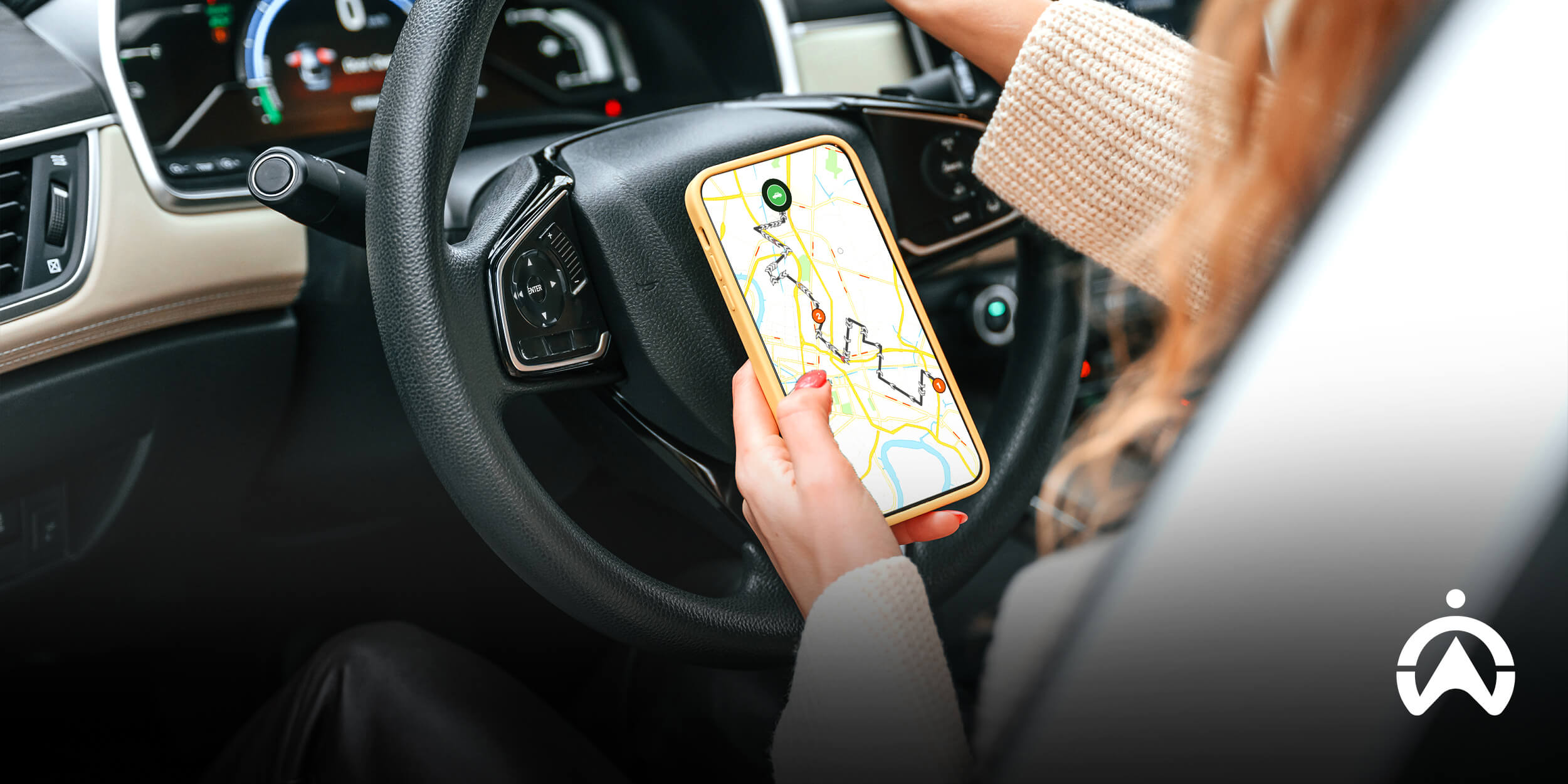
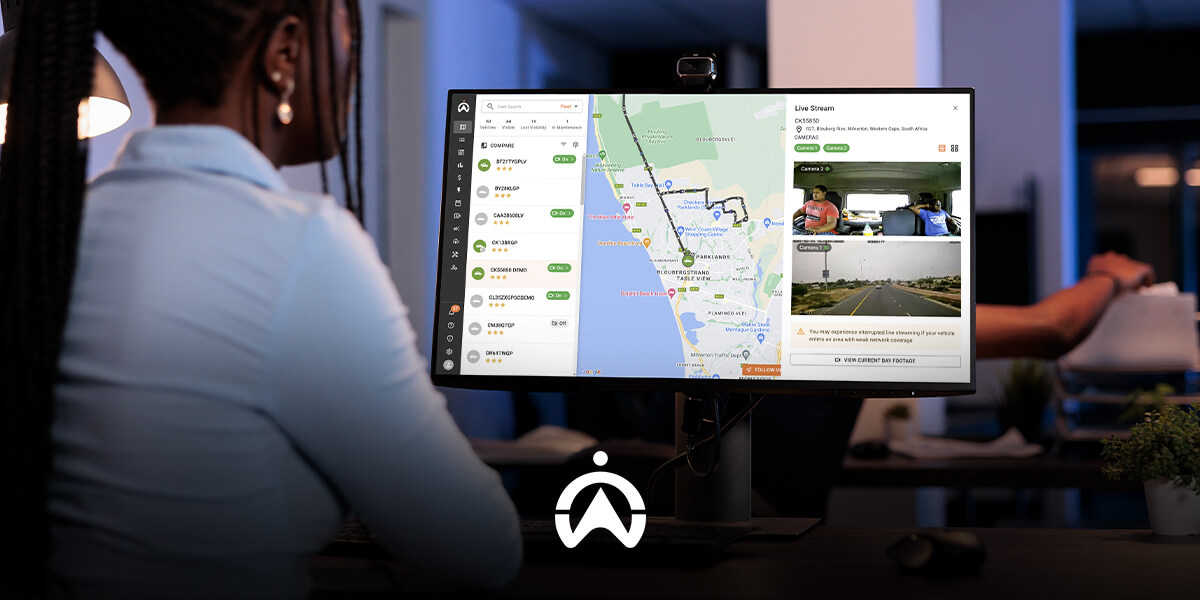
Technology contributes significantly to a safer environment, rather than creating a heavy-handed policing tool. Real-time GPS tracking capabilities not only let you see the location of each motorcycle and rider at any time, they also help with optimising routes and reassigning tasks if needed. Decisions are made instantly, without pressure or uncertainty.
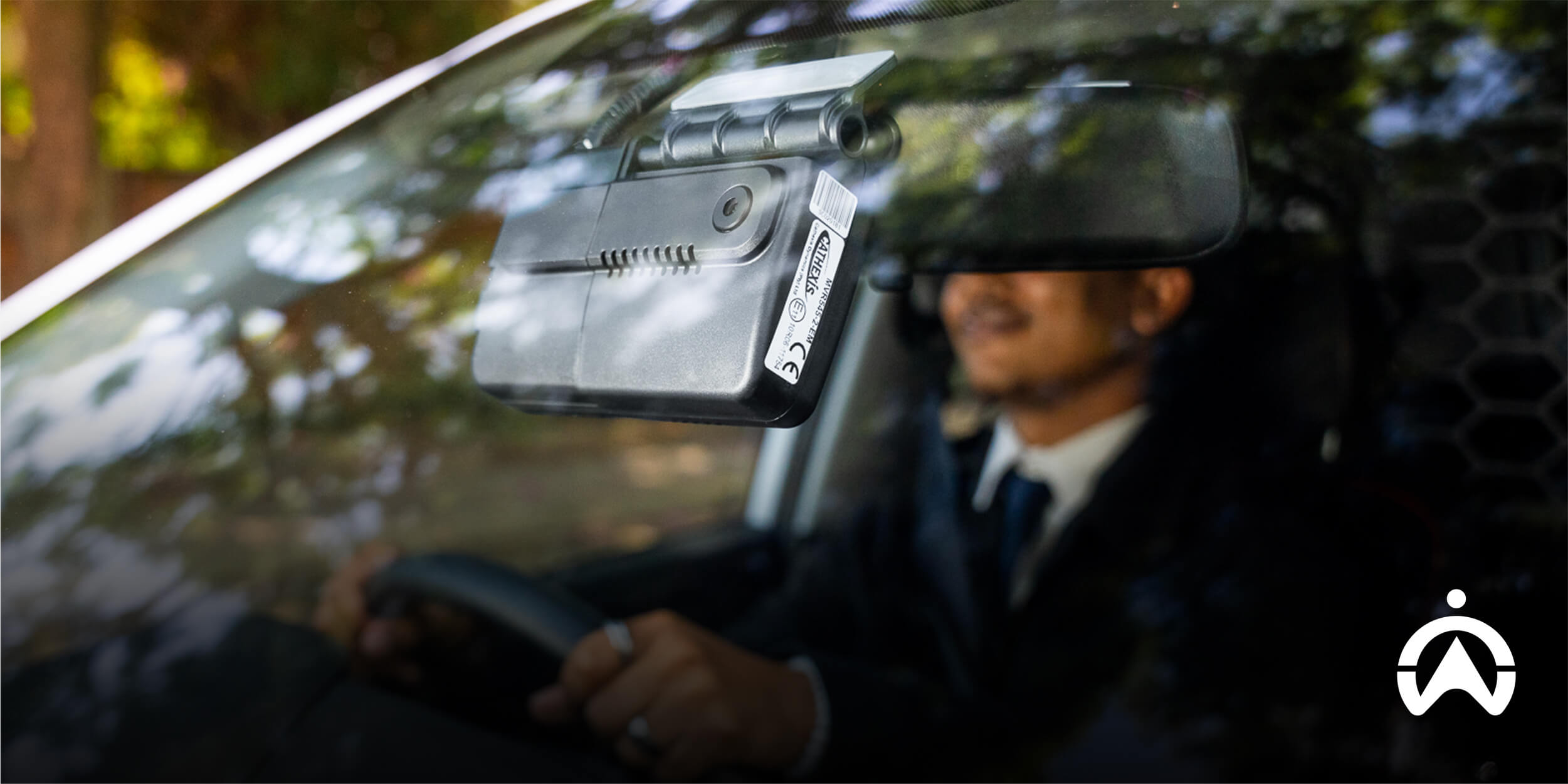
As mentioned earlier, driver monitoring capabilities provide the context needed for rider behaviour. Repeated dangerous habits can be corrected quickly through training and coaching, before they turn into something potentially fatal.
The Compliance mechanisms can also contribute to prevention, providing reliable information for investigations or disputes with insurers. They also promote a culture in which safety expectations are clear and continually respected.
Rider safety without data vs. rider safety with data
When you compare motorcycle safety without data to safety with data, it becomes clear that data is the key to achieving ideal safety, especially from a preventive point of view. Without data, you’re left in the dark, relying only on what you see and learn after a dangerous incident has already happened.
See the comparison below to better understand how each approach differs:
| Safety approach | Without data | With data |
|---|---|---|
| Risk visibility | Blind spots, guesswork and complaints after incidents | Real-time information on rider behaviour and road conditions |
| Rider habits | Unknown until something goes wrong | Early alerts for speeding, harsh braking and other risky patterns |
| Intervention | Reactive discipline after an accident | Preventive training and improvements before incidents |
| Route planning | Manual planning and greater exposure to congestion and danger zones | Smart routing avoids dangerous areas and delivery pressure |
| Insurance and liability | Limited evidence in disputes or claims | Digital evidence, incident reconstruction and a stronger defence |
How Cartrack contributes to safer motorcycle fleets
Cartrack contributes to safer motorcycle fleets, offering the right technology and tools to make sure safety is improved and maintained. We gather the necessary information, interpreting it and turning it into measurable feedback so that you can gain more effective control of your whole fleet.
Our driver behaviour tools show how your riders behave on the roads, monitoring their habits and where they ride. This means you can follow their movements (and check whether they are entering and leaving high-risk areas), as well as see whether they are riding aggressively. This encourages honest, fact-based conversations, promoting safer habits without assumptions.
Our insights into routes and their potential risks help your fleets reduce unnecessary exposure. By detecting congested areas, high-risk areas and unsuitable routes, Cartrack can ease the pressure on your couriers and help them avoid accident-prone areas.
Finally, our comprehensive reports bring the data together in a simple, easy-to-understand format. Clear information lets you make better, more informed decisions, and backs up any changes and training methods you introduce in future. And if an incident does occur, you’ll have the correct, accurate documentation to support insurance claims and investigations.
Through Cartrack, you can cultivate a working environment that embraces a safety culture that supports your riders, avoiding strict control and micromanagement.
Final takeaway: Safety is a system, not a single rule
Preventing motorcycle accidents doesn’t mean putting all your effort into a single strategy and relying on a single policy. It involves the right behaviour from riders, careful planning by managers and full visibility — all working together every day. With these multiple factors combined, risks will be identified earlier and the number of accidents will fall significantly.
Cartrack promotes safer, more responsible motorcycle operations, giving businesses information that helps them stay in control without the need for micromanagement. The result of this approach is a fleet that operates more safely and efficiently, and with greater accountability for both riders and managers.
Build a safer motorcycle fleet for your business. Speak to our team and start reducing the risks for riders with proactive monitoring and alerts.
FAQs
Who is at fault in most motorcycle accidents?
It depends and generally varies, but in most motorcycle accidents, other drivers are often at fault, simply because they generally can’t see motorcycle riders in their blind spots. That’s why it’s important for riders to make themselves visible to other drivers and to follow the 3 to 6 second rule.
Can telematics reduce insurance costs for motorcycle fleets?
Yes, telematics can reduce insurance costs for motorcycle fleets, by providing data that supports risk management and offers accurate information for reporting. Insurers generally favour fleets that demonstrate accountability and compliance with safety standards. However, a reduction in insurance is not guaranteed, so it’s always important to check with your insurer.
What is the biggest mistake businesses make when trying to improve rider safety?
The biggest mistake businesses make when trying to improve motorcycle safety is treating safety as a single, one-off task. Safety is an ongoing commitment that extends over time. Skills can fade with time, which is why riders should refresh their knowledge often and take every opportunity to practise all the safety measures.