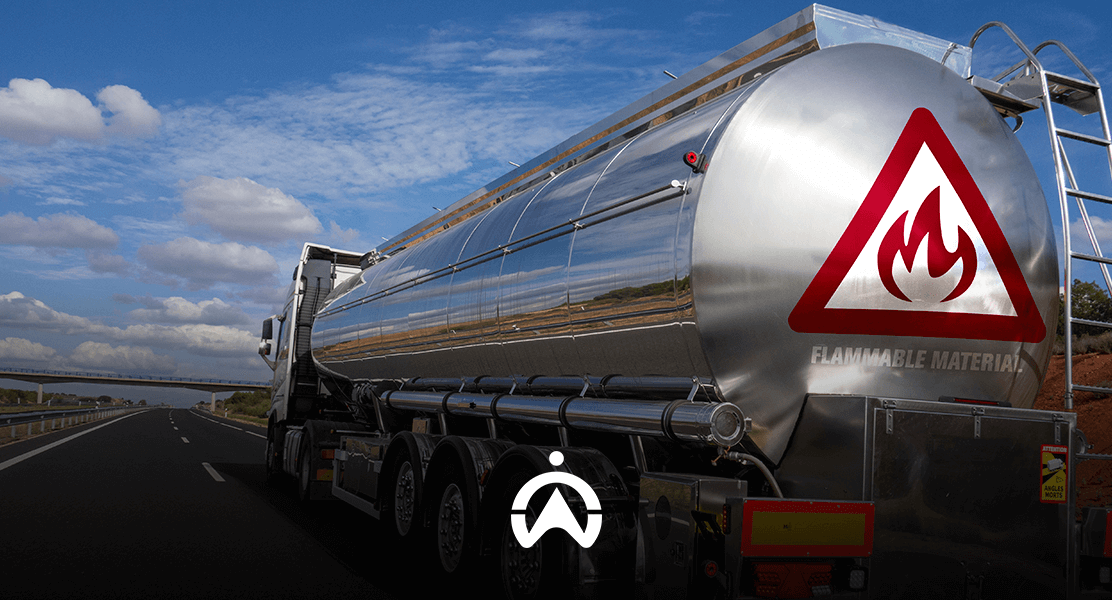
We always see delivery trucks and other vehicles moving through our cities, carrying everything from groceries to furniture. But what about the things we don't always see, things that could harm us?
Hazardous materials in transit can be extremely harmful to you, to me and to a business if they are not handled with care. That's where hazardous waste management comes in.
Read on to discover smarter ways to manage your waste and make sure it is always handled with safety.
In this article, you will:
Learn about the impact hazardous waste has on society and the environment
Understand the importance of proper waste classification for safe handling
Get to know the various types of hazardous waste and their characteristics
Discover how advanced fleet software can benefit waste management
Find out how Cartrack's solutions can empower your waste management operations
Hazardous waste and its impact on society
We all know that waste is part of life, but when it comes to hazardous materials, things get a lot more serious.
Hazardous waste can be anything from used batteries and paint to medical waste and even certain household cleaning products. These materials seriously threaten our health and the environment if they are not handled properly.
So how can we make sure hazardous waste is transported with safety from its source to treatment facilities, without causing harm?
The answer: with good fleet management.
The fleet management use integrated technology and expertise to ensure that waste transport is efficient, safe and compliant with regulations.
Understanding waste classification for safe and responsible handling
Knowing what type of waste your business deals with isn't just a box-ticking exercise; it's crucial to ensuring the safety of everyone involved.
Accurate waste characterisation lets you implement the safety measures best suited to your drivers and employees, avoiding accidents and potential harm to your team.
Why is proper waste classification crucial?
- Ensuring safety: Different types of waste require specific handling protocols to protect your drivers, the staff at waste facilities and the environment. Incorrect identification can lead to exposure to harmful toxins, fires or even explosions.
- Optimising Efficiency: Knowing the type of waste lets you assign the right vehicles and equipment in your fleet. This ensures efficient transport and avoids the unnecessary costs associated with over- or under-equipped vehicles.
- Regulatory compliance: Failing to classify and handle hazardous waste properly can result in heavy fines, legal repercussions and reputational damage. Different regulations govern the transport and disposal of the various categories of waste, and compliance is essential.
Common types of hazardous waste
This covers any waste that poses a potential threat to human health or the environment because of its physical, chemical or biological properties.
- Ignitability: This waste can easily catch fire or cause fires when exposed to heat, sparks or flames.
– Flammable liquids: petrol, paint thinner, solvents
– Flammable solids: lithium batteries, fireworks, magnesium
– Flammable gases: propane, butane, natural gas
- Reactive: This waste can undergo violent or dangerous reactions, such as exploding when mixed with other waste or exposed to air or water.
– Explosives: ammunition, fireworks, blasting agents
– Organic peroxides: used in curing plastics and resins
– Unstable chemicals: nitroglycerine, picric acid
- Corrosivity: These are prone to rusting or decomposing and can corrode or damage living tissue and materials such as plastic and metal.
– Acids: sulphuric acid, hydrochloric acid, muriatic acid
– Bases: sodium hydroxide, potassium hydroxide, caustic soda
– Oxidising agents: bleach, hydrogen peroxide, peroxides
- Toxicity: These materials can be poisonous when inhaled and cause serious health problems, such as cancer or organ damage, in people exposed to them.
– Heavy metals: lead, mercury, arsenic, chromium
– Pesticides: herbicides, insecticides, fungicides
– PCBs (polychlorinated biphenyls): used in coolants and lubricants
While these are the recognised types, there is other waste that doesn't fit into just one category or whose effects differ from those listed for that category.
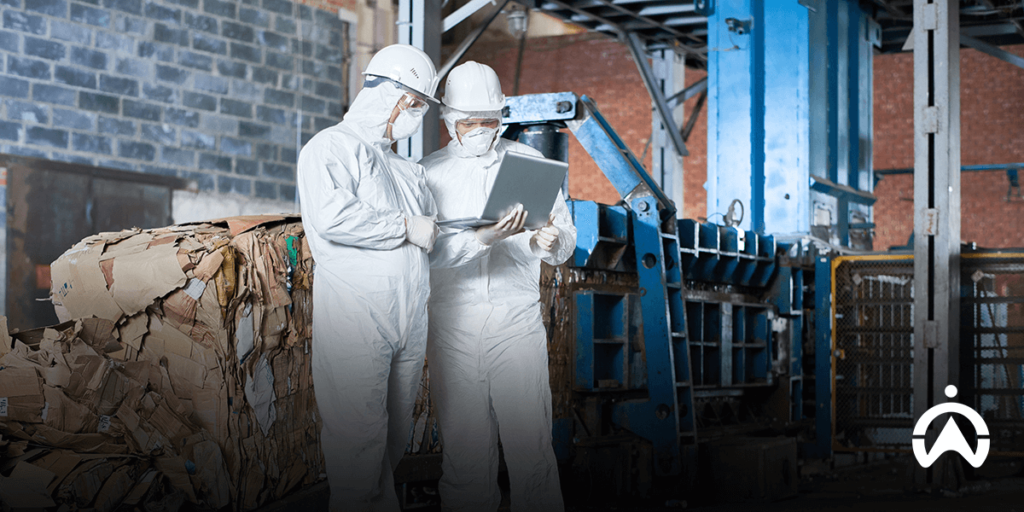
The real risks of poor waste management
Hazardous waste isn't just a buzzword; it's a real concern with potentially devastating consequences.
Even small oversights in handling and transporting waste can turn into significant problems. If a truck carrying hazardous waste hits a pothole and spills its contents, everyone around it is at serious risk. Yikes!
Improper handling can create a domino effect, leading to these negative outcomes:
- Risks to worker/human safety: Improper handling of hazardous waste, such as chemicals or biohazardous materials, can expose the public to toxins or pathogens that may cause a negative or even deadly reaction, from breathing problems and skin irritation to more serious illnesses such as cancer.
- Environmental damage: During transport, if hazardous waste containers are not properly secured or leak because of improper handling, they can contaminate the environment. Spills and leaks can contaminate soil and water resources, harming ecosystems and wildlife.
- Financial penalties: Poor waste management can lead to unexpected costs, such as spill clean-up efforts and additional training for non-compliance issues.
Failure to comply with hazardous waste regulations, such as proper waste classification and disposal procedures, can result in heavy fines, legal repercussions and even licence suspension.
- Operational inefficiencies: Where waste has been classified incorrectly, drivers may be forced to reroute to appropriate disposal facilities, leading to delays, affecting efficiency and increasing fuel costs.
What is the best way to mitigate hazardous waste risks?
For a fleet manager, proper handling, using suitable vehicles and making sure safety measures are followed when disposing of and transporting harmful materials is a high priority. Trying to prevent the negative outcomes listed above can be a stressful task to take on alone; fortunately, there are ways to prevent these scenarios – through efficient waste management.
Picture your home. Every day, you create rubbish such as food scraps, used tissues and empty packaging. To keep your home clean and healthy, you need to manage this waste properly. Proper waste management is similar, but on a much larger scale, applied to businesses, communities and even entire countries.
It covers a range of activities aimed at reducing the environmental and health impacts of waste.
Waste collection: Collecting waste from homes, businesses and public areas using bins, skips or specialised collection vehicles.
Transport: Transporting collected waste to processing facilities or disposal sites using waste management fleets, such as trucks or vans.
Processing: Processing waste through methods such as sorting, shredding, composting or recycling to recover valuable materials and reduce the volume of waste sent to landfill.
Recycling: Separating and reprocessing waste such as paper, plastic, glass and metal to make new products, conserving natural resources and reducing energy consumption.
Disposal: Safe disposal of non-recyclable or hazardous waste in landfills, incinerators or other appropriate facilities to minimise environmental and health risks. To make this process flow more efficiently, businesses need software to keep track of the transport and handling of their waste.
5 ways fleet management software helps the waste and recycling industries
Just like using apps that manage your finances or fitness, businesses can use fleet management software to help with waste management. This software helps companies in the waste management sector run their operations more efficiently and effectively.
Our fleet management specifically serves as a valuable tool in the transport of hazardous waste, addressing several important challenges:
- Improved tracking and real-time visibility:
Real-time GPS tracking lets fleet managers accurately locate and monitor the movement of vehicles carrying hazardous materials. This allows them to ensure drivers stick to designated routes, minimising the risk of getting lost or straying from safe paths.
In addition, this real-time visibility makes it easier for managers to respond quickly in emergencies, allowing the authorities to locate vehicles involved in accidents or unforeseen situations and to contain and handle the waste quickly.
If a tanker carrying hazardous waste meets unexpected traffic congestion on its designated route, the fleet manager or dispatcher can immediately redirect the vehicle to a less congested path, ensuring timely delivery and minimising the risk of accidents caused by traffic delays.
- Proactive safety measures through sensor integration:
Hazardous materials are prone to spills and leaks during transport, which can cause significant environmental damage. Specialised sensors can monitor vital parameters such as temperature, pressure and door opening. Any sudden change from the pre-set values can trigger immediate alerts, prompting swift intervention to prevent accidents and environmental contamination.
Once alerted, managers can instruct drivers to pull over and start safety measures and containment procedures, preventing the hazardous material from escaping and affecting the public.
- Empowering drivers with training and awareness:
Well-trained, well-informed drivers play a crucial role in ensuring the safe transport of hazardous materials. Systems for fleet management can give managers training modules and resources to properly educate their drivers about the specific risks associated with hazardous waste, safe driving practices and emergency response procedures.
After training, managers can issue a checklist of safety measures or carry out a thorough inspection as part of their pre-trip routine, so that drivers follow their training when loading or transporting waste and the knowledge they have gained is put into practice regularly.
Taking steps such as paying special attention to securing hazardous waste containers safely and making sure the proper labelling and documentation are readily available. This ongoing awareness fosters a culture of safety and compliance among drivers.
- Simplifying regulatory compliance:
The regulations governing the transport of hazardous waste are complex and constantly evolving. Non-compliance can result in significant fines and legal repercussions. Systems for fleet management offer valuable tools and resources to help businesses comply with the relevant regulations.
The system automatically generates comprehensive reports on driver hours of service, vehicle inspections and waste handled, ensuring that all the necessary documentation is meticulously kept and readily accessible for audits.
- Optimising costs and increasing efficiency:
Although essential for environmental protection, transporting hazardous waste can be a costly undertaking. Fleet management systems offer features that can optimise routes, minimise fuel consumption and reduce wear and tear on vehicles, leading to substantial cost savings in the long term.
This is done by analysing historical data, such as previous routes, and real-time traffic patterns to present the most efficient route for a truck carrying hazardous waste. This not only reduces fuel consumption but also minimises the chance of accidents caused by time pressure when navigating congested roads.
Keeping everyone safe is a team effort. While fleet management is a powerful tool, managers still need to ensure that their drivers and the employees in contact with the waste are well trained in proper waste management and follow the guidelines on safety.
Together, they can ensure that hazardous waste journeys are safe and responsible.
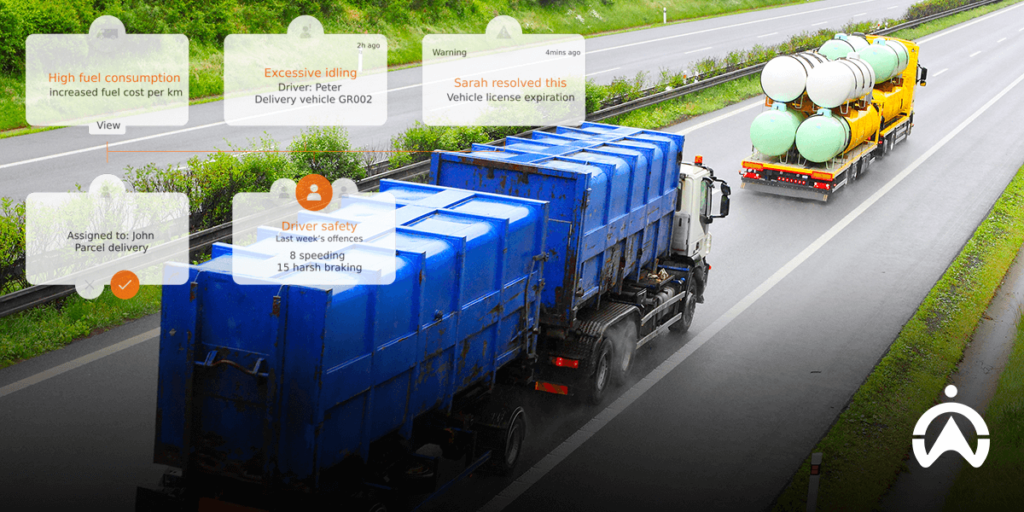
Benefits to reap from using fleet management software for hazardous waste management
While traditional fleet management software offers many advantages, specific features and benefits directly address the unique needs of hazardous waste management:
- Accurate waste classification for safe management:
Fleet management software meticulously tracks every aspect of hazardous waste, such as its origin, type, quantity and disposal destination, ensuring complete management right through to disposal.
- Ensures proper regulatory compliance:
By integrating data on regulatory requirements and industry standards, the software acts as a compliance ally, ensuring strict adherence to all the regulations governing the handling and disposal of hazardous waste. This feature is important for avoiding legal complications and penalties.
- Streamlines the waste removal process:
The software optimises waste collection routes and schedules to maximise efficiency and minimise environmental impact. With the software's features, businesses can plan and carry out the most efficient routes for hazardous waste collection. This ensures timely and safe removal, in line with regulatory deadlines and standards of safety.
- Fast and accurate data entry:
The software makes data entry fast and accurate for every aspect of hazardous waste. Using features such as barcode scanning and electronic forms minimises errors and speeds up the process of recording information, saving businesses valuable time and resources.
Rely on Cartrack's software for seamless and sustainable waste management in your fleet
Building on the benefits listed above, Cartrack offers specific fleet management solutions that can be tailored to meet specific needs and further empower your waste management operations.
How Cartrack helped Compass Medical Waste successfully manage its high-risk waste
Compass Medical Waste Services provides a professional healthcare risk waste management service, specialising in the containment, collection, treatment and disposal of healthcare risk waste in an environmentally responsible manner.
Healthcare waste management is a highly regulated industry and, as a result, it is crucial to have the best traceability system in place. Compass Medical Waste chose Cartrack as a trusted partner to help track its waste, ensuring 100% compliance for every kilometre travelled.
“We chose to partner with Cartrack because of the highly regulated industry we operate in. In the healthcare risk environment, your waste needs to be tracked from cradle to grave. One of the main challenges in a distribution or logistics environment is the fact that driver behaviour needs to be monitored and managed. With Cartrack, drivers can be monitored.
As you know, distribution is one of the main cost drivers in any operation and we wanted to have more control over it. With Cartrack, we have found that we have put the necessary controls and risk management in place.”
Jan van den Berg, Sales Director, Compass Medical Waste Services
Navigate hazardous waste management with confidence with Cartrack
Choose a company that always puts safety and efficiency first, especially when it comes to hazardous waste management. Elevate your waste operations with Cartrack's industry-leading fleet management solutions.
Contact Cartrack and start protecting your employees today.
 South Africa
 Botswana
 Kenya
 Malawi
 Namibia
 Nigeria
 Swaziland
 Tanzania
 Zimbabwe
 Hong Kong
 Indonesia
 Singapore
 Malaysia
 Philippines
 Thailand
 New Zealand
 Vietnam
 Poland
 Portugal
 Spain
 United Arab Emirates

 PT