Looking for fleet management software solutions for oil, gas and mining?
Published
Reading time
16 minutes
Blogs
Managing fleets of vehicles, heavy machinery and mobile teams in the oil, gas and mining sectors is no simple task. These industries operate in tough conditions, rely on multiple fleets and face constant pressure to reduce risk while keeping costs under control. This is where the right fleet management software can transform your operations.
Fleets that use these systems see improvements of up to 20% in fuel efficiency and savings on maintenance costs through data analysis. This shows just how crucial fleet management software solutions are when you work with remote sites and high-value assets — this kind of information isn't just useful; it's essential.
Before choosing a solution, it's worth understanding your fleet's daily challenges and seeing how modern fleet management tools (such as Cartrack Mozambique's ) can simplify, protect and improve every aspect of your operation.
Key takeaways:
Oil, gas and mining fleets need real-time visibility to operate safely and efficiently
Predictive maintenance reduces downtime and prevents costly equipment failures
Software buying checklist for your oil, gas and mining fleet
When looking for fleet management solutions for oil, gas and mining, you need a buying checklist. Your list of criteria should start with the basics: visibility, reliability, accuracy and remote-site capability. You should also assess ease of integration, automation capabilities, reporting needs and the ability to scale.
These points are basic, but they help you compare solutions with confidence. You'll quickly be able to spot anything that falls below your standards. Even so, before buying your fleet management software, you need to know and understand the specific challenges these fleets face.
The specific challenges of oil, gas and mining fleets
From extremely remote sites to high fuel consumption and frequent maintenance, these are some of the unique challenges faced by oil, gas and mining fleets. However, once you understand the cost of these challenges, you'll see why relying on outdated methods is simply no longer enough.
Remote sites and wide geographical spread
Oil fields, drilling sites and mines are usually far from major urban centres, which makes managing a dispersed fleet extremely difficult. With long distances, limited visibility and communication channelsin short supply, it becomes hard to keep track of vehicles, equipment and drivers in real time.
High fuel consumption and risk of waste
Fuel is one of the biggest operating expenses, and the chances of waste, idling or theft rise sharply in remote areas. Without detailed reports, detecting suspicious fuel drops, tank siphoning or waste caused by poorly planned routes becomes almost impossible.
Wear and tear, harsh conditions and frequent maintenance
Mining, gas and oil vehicles aren't just heavily used; they operate every day in dust, heat, mud and harsh terrain. These conditions accelerate wear and make unplanned breakdowns a serious risk. When a vehicle or machine stops, it's not just lost time — it's lost production.
Safety, compliance and operator risk
The oil, mining and gas industries have extremely demanding safety standards. Without proper monitoring, drivers may speed, choose unsafe routes, skip safety checks or enter restricted zones. This exposes the operation to heavy liabilities, compliance failures and avoidable accidents.
Cost control and pressure on profitability
Fluctuating oil prices, rising operating costs and strict investor demands mean that every wasted litre and every hour of downtime directly affects profitability. This is where fleet data becomes an essential tool for faster, smarter financial decisions.
The cost of inefficiency in harsh industrial environments
You've probably seen it happen: unplanned downtime causes operational delays. When haul trucks break down or drilling support vehicles fail, sites slow down or even stop. These delays affect production schedules, contractor timetables and on-site safety. Advanced predictive maintenance tools (such as Cartrack's) let you act early and stop downtime from affecting the operation.
Losing fuel means losing profit margin
One of the most overlooked impacts on profitability is fuel loss. Whether through theft, idling, unauthorised trips or inefficient routes, many companies only spot discrepancies at the end of the month — when it's already too late to recover the loss. Real-time reports solve this problem straight away.
Poor asset allocation drives up costs
Inefficient asset allocation also sends costs soaring. Without reliable utilisation data, some vehicles are overworked while others sit idle. This poor distribution causes uneven wear, extra maintenance and higher replacement costs. The right fleet management tools, such as Cartrack's, optimise utilisation and ensure every asset is used effectively.
What fleet management software can do
Fleet management software does far more than simple GPS tracking. It gives you full operational visibility, cost control, safety improvements and predictive planning tools that maximise the value of every vehicle and asset.
Real-time GPS tracking and visibility
The real-time tracking shows where every truck, pick-up, loader, drilling rig or support vehicle is at any moment. This becomes critical when you manage dozens of vehicles across several remote sites. Live tracking lets you assign tasks faster, choose safer routes and reduce delays.
Fuel monitoring and consumption analysis
The fuel monitoring tools track consumption in real time, letting you identify abnormal drops, potential theft, fuel card fraud and inefficient driving behaviour. With comprehensive reports, you can eliminate idling, optimise routes and save thousands of rand a month by reducing unnecessary consumption.
Predictive maintenance and equipment health monitoring
Our predictive maintenance uses real-time engine data, hours of use, temperature readings and fault codes to alert you before a breakdown happens. This proactive approach helps avoid unplanned stoppages, costly repairs and safety incidents caused by equipment failure. In heavy industries, this kind of visibility can prevent serious operational losses.
Safety, compliance and driver behaviour monitoring
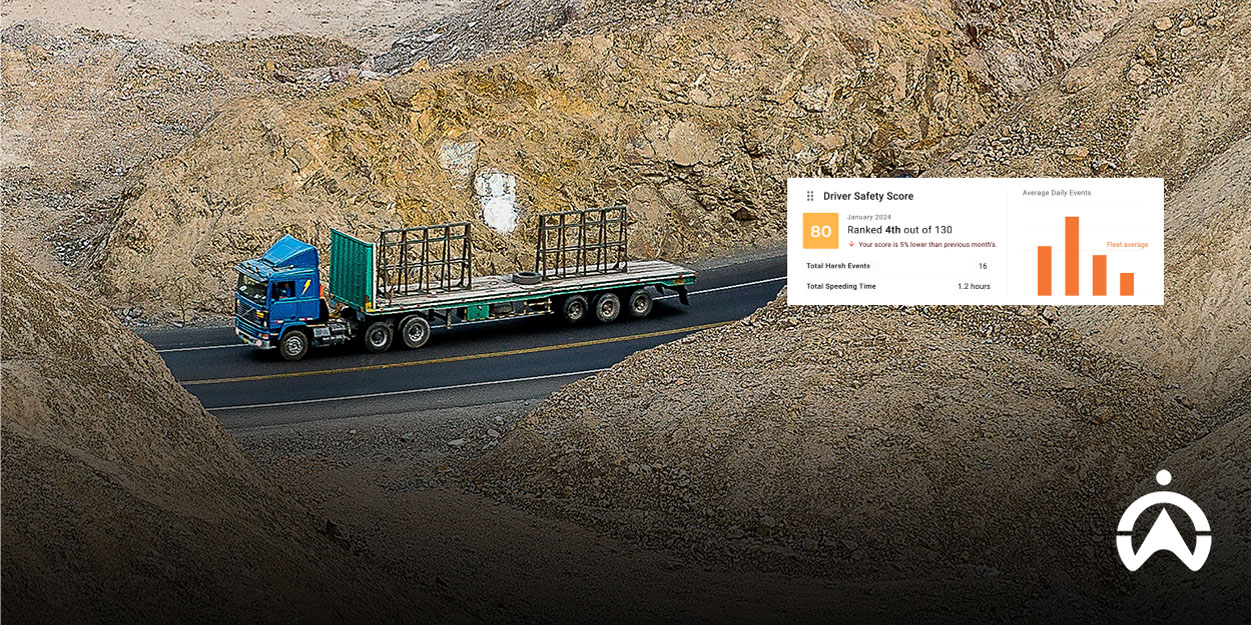
The driver behaviour monitoring alerts you to speeding, harsh braking, sudden acceleration, signs of fatigue and risky driving patterns. This helps prevent accidents and protect operators. Geofencing also keeps vehicles out of unsafe, restricted or high-risk zones, strengthening compliance.
Centralised fleet analytics and cost control
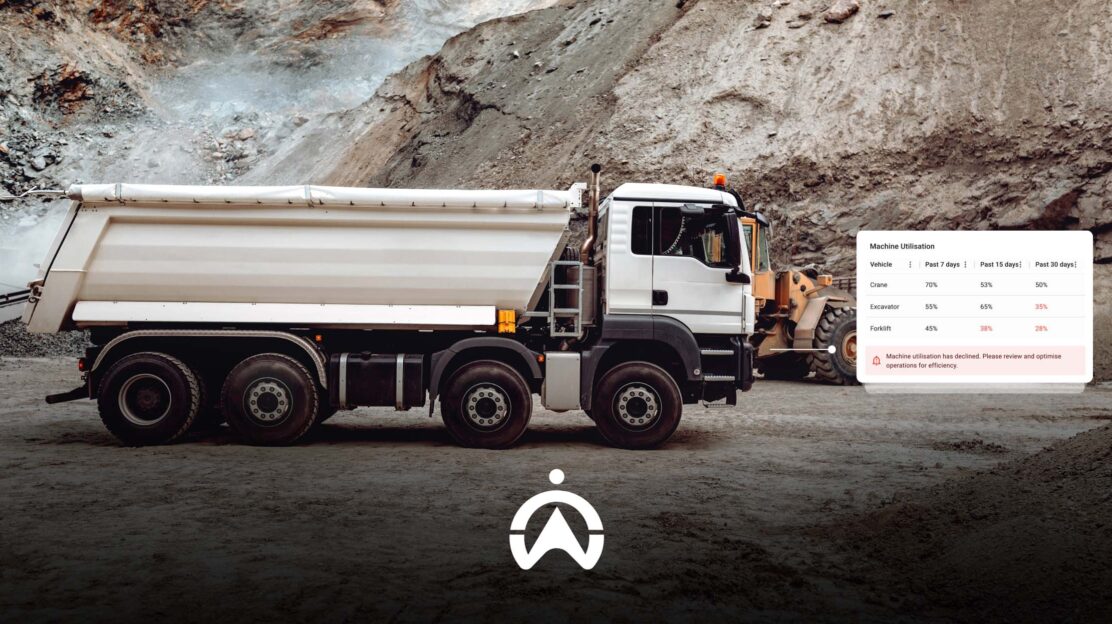
A unified dashboard gives you a clear view of fuel consumption, maintenance needs, utilisation rates, safety alerts, tyre wear and cost trends — all in one place. This central view lets operations, safety and finance teams work together, plan better and cut unnecessary spending.
Common mistakes companies make when managing industrial fleets
There are common mistakes in industrial fleet management, such as outdated processes, manual tracking or fragmented systems. These mistakes can limit efficiency without the company realising it. Being aware of these shortcomings prevents costly operational setbacks.
Manual reporting
Manual records are slow, inconsistent and prone to error. Often, problems are only detected after they have already cost money. Automated data , on the other hand, ensures decisions are based on current, reliable information.
Having no real-time fuel tracking
Seeing fuel figures only at the end of the month leaves the fleet manager unaware of theft or waste. Real-time tracking detects discrepancies instantly and allows immediate investigation.
Postponing maintenance based on assumptions
Carrying out maintenance based on guesswork or a fixed schedule ignores the engine's actual condition. Predictive tools use real-time data to recommend the exact moment to step in, preventing breakdowns and extending asset life. This is particularly valuable in oil, gas and mining, where an unexpected breakdown can mean a direct loss of profit.
Benefits for oil, gas and mining operators
The benefits that fleet management software offers operators in these sectors are many. The right software helps you run a safer, leaner and more efficient operation. From cost control to compliance, the impact is immediate and measurable.
Lower operating costs and better fuel efficiency
Fuel often accounts for a significant share of operating expenses, especially in fleets that cover long distances or spend a lot of time idling on site. Fleet management software helps minimise waste, optimise routes and identify theft, allowing you to cut fuel costs significantly without changing the size of your fleet.
Less downtime and lower maintenance costs
With predictive maintenance and real-time diagnostics, you can identify problems before they turn into costly breakdowns. Early alerts let you schedule repairs for planned periods instead of scrambling to limit the damage in an emergency. This improves uptime and keeps critical machinery productive.
More safety and less exposure to risk
By monitoring operator performance, you can correct dangerous driving behaviour before accidents happen. Incident logging and maintaining compliance records create reliable audit trails. This proactive approach reduces the likelihood of injuries, equipment damage and costly claims or penalties.
More visibility across remote and dispersed sites
When you manage assets across several mines or oil fields, real-time tracking enables faster responses, prevents delays and strengthens team accountability. Centralised visibility is vital, especially in areas with poor network coverage, and it improves overall asset utilisation.
Data-driven decisions and long-term planning
By analysing historical fleet data, you uncover trends that would otherwise go unnoticed. This lets you forecast fuel budgets, plan maintenance cycles, estimate asset life and prepare for regulatory audits. The result: faster, smarter decisions with less risk to your operating margin.
If you're ready to take advantage of the benefits of fleet management software, contact us today!
How telematics improves environmental compliance
Telematics can help companies improve their compliance with sustainability standards and reduce their environmental impact through measurable improvements. Environmental requirements are becoming ever stricter across all industrial sectors, from both government and the public.
Lower emissions through reduced idling
Idling is one of the biggest causes of unnecessary CO₂ emissions. Telematics helps identify excessive idling periods, which lets you reduce fuel waste and, as a result, emissions.
A well-maintained engine uses less fuel and emits fewer pollutants. Predictive maintenance helps keep the vehicles in your fleet in ideal working condition.
Why choose Cartrack for your oil, gas and mining fleet
You should choose Cartrack for your fleet because the solution was designed specifically for these industries. Sectors with heavy vehicles, remote sites and strict safety standards benefit directly from our fleet management software. Our telematics, tracking and analytics were designed specifically to perform well in demanding operating environments.
Industry-specific tools for extreme conditions
Cartrack Mozambique has a deep understanding of the unique challenges of mining, gas and oil operations. That's why the tracking units and sensors are built to withstand heat, dust, vibration and rough use, ensuring reliable data even in the most extreme environments.
Much more than a GPS tracker
Our Cartrack offers a complete fleet management ecosystem, including fuel reports, maintenance scheduling, cost and utilisation analysis, driver behaviour tracking, alerts, operational insights and full telematics visibility. You have everything you need on a single, easy-to-use platform.
Did you know that Cartrack has driver identification (DID) tags so that you can control who may use specialised vehicles based on the driving licences they hold?
Greater safety and compliance support
From in-vehicle fatigue alerts to geofencing and driver risk monitoring, Cartrack offers a complete set of safety tools to reduce accidents and maintain compliance. These features also support audits, insurance processes and investigations when incidents occur.
Did you know that many mining, oil and gas companies that have Cartrack's fleet management software solutions have won CCMA cases thanks to the evidence the software provided?
Flexible and scalable for mixed fleets
Mining and oil operators often manage several types of asset — from heavy equipment to supervisors' pick-ups. Cartrack lets you monitor all these assets in the same place and scale the operation without switching platforms as the company grows.
Local support and infrastructure
Cartrack operates in Mozambique and in several international markets, which ensures fast responses, good network coverage, shorter installation times and regional knowledge. This local presence is critical for remote operations, where uptime is vital and problems have to be resolved quickly.
Did you know that Cartrack has a response time of under two minutes after an incident is reported?
How to start implementing fleet management in your operation
To start implementing fleet management in your oil, gas or mining operation, you need to assess your fleet, set goals and KPIs, test the system with a few vehicles, scale the solution to the whole fleet and, finally, integrate it across the entire team.
Implementing a reliable fleet management system is simpler than many companies imagine. With the right approach, you can start optimising your fleet within days.
Assess your fleet and operational needs
Start by identifying your biggest challenges: fuel losses, downtime, safety problems, inefficient routes or lack of visibility. These points will guide the setting of clear goals and the choice of the right features to prioritise during implementation.
Set your goals and KPIs
Set measurable targets, such as reducing fuel consumption by a given percentage, cutting hours of downtime, improving safety scores or increasing utilisation. These KPIs will guide the implementation and keep teams focused on real results.
Run a trial with a sample of vehicles
A pilot test shows how the system works in the real conditions of your operation. Choose a representative mix of haul trucks, service vehicles or maintenance pick-ups and track the improvements in fuel, maintenance and safety over the trial period.
Scale the system to the whole fleet
Once the pilot test has proved its worth, you can roll the system out to all vehicles and equipment. Use what you learned in the pilot test to adjust alerts, reporting tools, settings and maintenance schedules by asset type.
Integrate the system with operations, safety and finance
To get the most out of your fleet data, make sure it reaches the right people: operations can raise productivity, safety can reduce risks and finance can control costs more effectively. This collaborative approach delivers benefits on several fronts and creates sustainable success.
Conclusion
The oil, gas and mining sectors operate in high-pressure, high-risk, high-cost environments. You need clear visibility of the operation, real-time data and predictive tools — all integrated into a solid system for managing assets across several work sites. Fleet management software puts all of this on a single platform.
Does tracking software keep working in remote locations with poor network coverage?
Yes. Modern fleet tracking systems are designed for remote operations and can store data when the connection drops. When the vehicle or asset reconnects, all the stored data is uploaded automatically. Some platforms even use satellite communication, ensuring visibility and operational continuity even in difficult, off-grid environments.
How do I manage heavy machinery and light utility vehicles on the same platform?
An advanced fleet management platform lets you monitor heavy machinery and light vehicles from a single dashboard. You'll have specific metrics, such as engine hours, payload and idling for machinery, and trip and driver behaviour data for utility vehicles. This gives you a unified view that simplifies reporting, maintenance planning and operational control.
What formats are available for exporting reports for audits, compliance and stakeholder presentations?
Advanced systems let you export reports in several formats, including PDF, Excel and CSV, which makes it easier to create and share audit-ready fuel logs, maintenance histories, safety records and compliance summaries. You can quickly tailor reports for internal reviews, external regulators and stakeholders who need clarity and operational visibility.
Other articles for you
Food Transport Facts and What You Need to Know When Managing Your Fleet
Blogs
11 minute read •
Important facts about food transport in fleet management: keeping perishable goods fresh in transit directly affects your profits — and mixing food loads is a serious mistake. Other facts include the food distribution regulations in force in Mozambique, the challenges of electricity supply and the […]
7 Ways to Increase the Efficiency of Your Construction Fleet
Blogs
12 minute read •
The seven main ways to increase the efficiency of your construction fleet are: Use telematics and GPS tracking to keep everything under control. Keep vehicle maintenance up to date.. Implement a fuel monitoring solution. Offer your drivers ongoing training. Plan better routes between sites. Match the size of the fleet to […]
How to Manage Your Light Commercial Vehicles (LCVs) Effectively with Fleet Management Software
Blogs
12 minute read •
To manage your light commercial vehicles effectively with fleet software, you should invest in a platform that directly addresses the biggest challenges LCVs face. LCV fleets deal with unique vulnerabilities because of their frequent trips. Wear and tear, wasted fuel, unexpected downtime and more are some of the main concerns. LCVs are […]
 South Africa
 Botswana
 Kenya
 Malawi
 Namibia
 Nigeria
 Swaziland
 Tanzania
 Zimbabwe
 Hong Kong
 Indonesia
 Singapore
 Malaysia
 Philippines
 Thailand
 New Zealand
 Vietnam
 Poland
 Portugal
 Spain
 United Arab Emirates

 PT