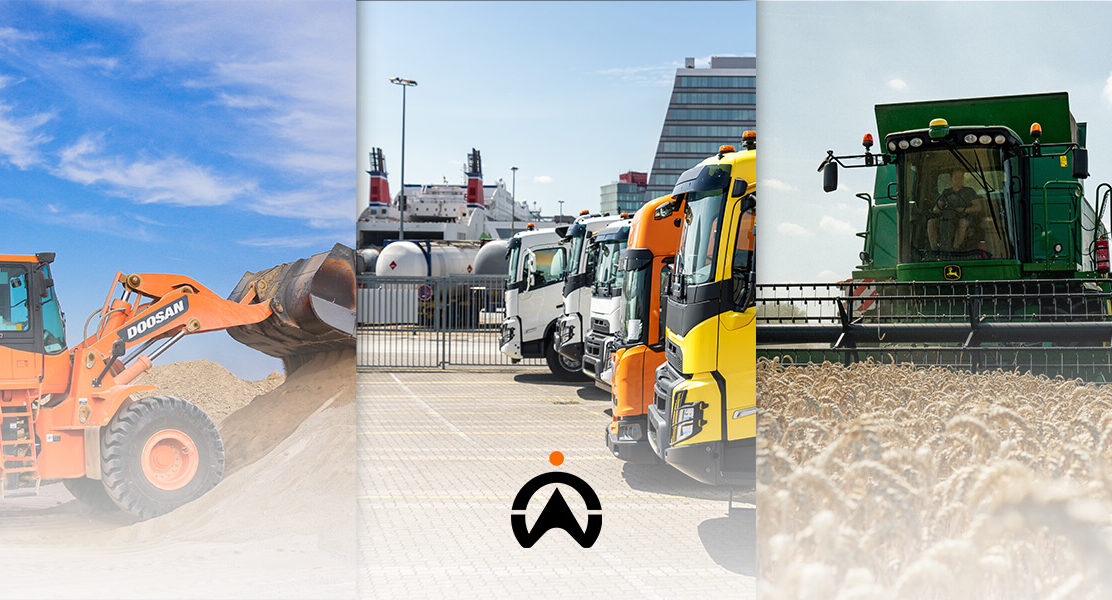
Late deliveries, time-wasting hunts for equipment, underused assets, maintenance downtime delays and endless paperwork – the cost-draining world without a fleet asset management system.
Uncover the importance of fleet asset management software and how it will transform your fleet operations like never before.
In this article, you will:
- Understand the critical role of fleet asset management in your operations
- Explore the definition and significance of fleet asset management
- Learn the benefits of using fleet asset management software
- Gain insights into how to create a comprehensive asset management plan
- Revolutionise your fleet’s asset operations with Cartrack Mozambique solutions
What is fleet asset management?
Whereas “asset management” generally refers to the wealth and acquired property belonging to a person or organisation, fleet asset management is a method fleet managers use to properly oversee all of their business’s assets, ensuring they are all accounted for, in good working order and all equally utilised, so that they keep delivering a positive return and don’t cost the business more than they should.
This involves monitoring, maintaining and strategically using every vehicle in the fleet. All of this is necessary to increase operational efficiency, reduce costs and extend the lifespan of assets.
What is classed as a business asset?
The assets referred to here can be divided into tangible assets, such as physical tools, vehicles and so on, and intangible assets, such as the software used.
Tangible assets consist of various objects; here are some types:
Vehicles
- Cars, trucks, vans, buses, motorcycles, etc.
- Trailers, semi-trailers and other towed equipment
- Construction equipment, such as tractors, excavators and cranes
- Material handling equipment, such as forklifts and pallet jacks
Equipment
- Tools used for maintenance, repairs and various tasks
- Mobile technology devices, such as tablets and scanners
- Communication tools, including radios and GPS trackers
- Office equipment, such as computers and printers
Infrastructure
- Garages, workshops and other facilities, such as work sites
- Own storage and fuelling stations
- Car parks and loading docks
- Offices and administrative building
Intangible assets are those that have no physical form but still hold significant value for the business:
- Software and technology such as the fleet management software used
- Data and analytics acquired from vehicle telematics, fuel card transactions, etc
- Intellectual property (IP), such as trademarks and patents
How important is fleet asset management?
It all starts with your vehicles, equipment and machinery, the essential assets that keep your business moving forward. Fleet asset management ensures that every vehicle in your fleet operates perfectly, that your equipment is in excellent condition and that your machinery runs continuously without problems.
Managing these assets properly is not just a task, it is an important part of steering your fleet to success. Without it, the rhythm of your operations could become chaotic, with breakdowns, delays, rising costs and many other factors that hit profits.
The benefits of using fleet asset management software
- Oversight of all assets
- Asset management from any location
- Offers insights for strategic planning for fleet risks
- Improved time management
- Fleet performance monitoring
- Tracking of the fleet asset life cycle and the costs incurred

How does fleet asset management differ from general fleet management?
Let’s think of fleet asset management as the guardian that oversees all your valuable resources, and fleet management as the skilled specialist that deals with the specific challenges of your vehicles and machines.
Asset management takes a broader view, looking after everything from vehicles to machines and even office tools. It ensures that everything is in the right place, performing optimally and contributing to your overall success.
On the other hand, fleet management focuses on the unique challenges of your vehicles and machines. It ensures that your fleet operates smoothly, dealing with matters such as maintenance, fuel efficiency and driver behaviour.
Together, they create a powerful duo for your fleet, where one guides the other.
How do you put together an asset management plan?
To manage your assets better, you first need to create an asset management plan. Drawing up a carefully considered plan to manage your fleet’s assets can increase productivity and extend the lifespan of your resources. This strategy allows you to create a more sustainable and effective business model and unlock the full potential of your assets.
Here is a simple six-step guide to optimising asset performance:
- First, clearly define your fleet’s objectives and make sure they are specific, measurable, achievable and time-bound. This lays the foundation for your plan.
- Next, take a good look at your current fleet, considering things like vehicle types, age, condition and how they are used. This assessment helps you find areas for improvement and chances to save money.
- It is essential to track your vehicles, equipment, machines and so on, and to make a detailed inventory of them all. To do this, use technologies such as GPS, telematics and the Internet of Things (IoT) to monitor them in real time.
- Plan regular fleet maintenance to keep your vehicles in good condition and avoid unexpected breakdowns with preventive maintenance. Train your drivers in safe, economical driving and make sure they follow the rules of the road.
- Control your operating costs by monitoring fuel use, maintenance and fleet costs, such as speeding fines and insurance expenses.
- Be prepared for emergencies with contingency plans. Regularly review and update your fleet’s asset management plan to adapt to changes and improve it over time to suit the current state of your fleet.
Define the types of fleet asset management
To put this into better perspective, there are several types of fleet asset management, including physical asset management, financial asset management, human asset management and contractual asset management.
Let’s break them down in more detail:
- Physical asset management:
Focuses on overseeing tangible assets, such as vehicles and equipment, to ensure longevity and efficiency.
- Financial asset management:
Involves managing financial instruments such as shares, bonds and cash to optimise investment portfolios.
- Human asset management:
Covers the administration of human resources, including employees or contractors, and skills within an organisation to improve workforce performance and development
What factors contribute to effective fleet asset management?
Effective asset management is the foundation of a successful business, covering the strategic oversight of your vehicles, equipment and machinery. This comprehensive approach ensures that these assets are not just operational tools, but vital components that contribute to your company’s overall success and sustainability.
- Operational efficiency: Skilfully organising and overseeing your vehicles and machines ensures seamless daily activities. Whether it is delivery trucks or heavy equipment, a well-structured system minimises downtime and maximises productivity.
- Cost savings: By implementing preventive maintenance schedules, monitoring fuel consumption and proactively addressing possible problems such as risky driver behaviour, you can significantly reduce operating expenses.
- Asset longevity: Regular maintenance and timely repairs help extend the lifespan of your assets. This not only safeguards your initial investment, but also reduces the need for frequent replacements, resulting in long-term savings.
- Safety compliance: Asset management involves ensuring compliance with regulations on safety. From regular inspections to implementing features for safety, adherence to standards protects your assets, employees and your company’s reputation.
- Data-driven decision-making: Using technology for asset management produces valuable data insights. Real-time tracking, performance analysis and predictive maintenance allow you to make informed decisions, enriching your overall business strategy.
- Resource optimisation: Allocate resources effectively by understanding your assets’ usage patterns. Whether it is deploying vehicles on optimal routes or scheduling maintenance outside peak hours, resource optimisation increases operational efficiency.
What is the ultimate fleet asset management for your fleet operations?
The software for fleet management from industry leader Cartrack Mozambique is the perfect solution for any type of business that wants to manage its assets seamlessly.
Our comprehensive solution is tailored to meet all your needs and take your fleet management to new heights.
Here are five ways Cartrack Mozambique will help you gain full visibility and control of all your assets:
- Proactive maintenance: say goodbye to unexpected breakdowns and unnecessary downtime. Cartrack Mozambique’s predictive maintenance anticipates potential problems before they become critical. Through advanced analytics, all equipment data is analysed to predict when maintenance will be needed and let you know quickly. For example, predictive maintenance can identify a worn part on a forklift and immediately tell you to arrange a replacement. This prevents costly, unexpected breakdowns, minimises downtime and maximises asset lifespan.
- Fleet management platform: See asset usage patterns with the platform for fleet management from Cartrack Mozambique and ensure assets are used evenly by remotely scheduling your assets at the project site. With this, you can see which crane or any other asset is being underused and promptly reallocate it to a more active project.
- ID tags: Our driver ID tags help restrict machine use to authorised operators only. This gadget uniquely identifies drivers to fleet managers, letting them know which of their drivers is operating their vehicles/machines, to ensure that only trained, authorised personnel operate the equipment and to increase the safety and security of assets.
- Asset tracking: Cartrack Mozambique uses GPS and IoT sensors to obtain real-time location data and information on equipment condition. This improves inventory management, increases safety against theft and assists with preventive maintenance.
- Geofences: Create virtual perimeters around your work sites, no-go zones or any other area of interest with our geofencing technology. Alerts are sent to you whenever assets enter or leave the digitally defined boundaries. This prevents possible theft and helps monitor vehicle activity.
Turn your assets into profit-boosting machines with Cartrack Mozambique
Get complete control and visibility over all the vehicles, equipment and machines in your fleet. Choose Cartrack Mozambique for fleet asset management and experience a new era of efficiency, cost savings and peace of mind.
Get started today with Cartrack Mozambique.
 South Africa
 Botswana
 Kenya
 Malawi
 Namibia
 Nigeria
 Swaziland
 Tanzania
 Zimbabwe
 Hong Kong
 Indonesia
 Singapore
 Malaysia
 Philippines
 Thailand
 New Zealand
 Vietnam
 Poland
 Portugal
 Spain
 United Arab Emirates

 PT