Active Tracking for Emergency Services Fleets Keeps Your First Responders Safe
Published
Reading time
10 minutes
Blogs
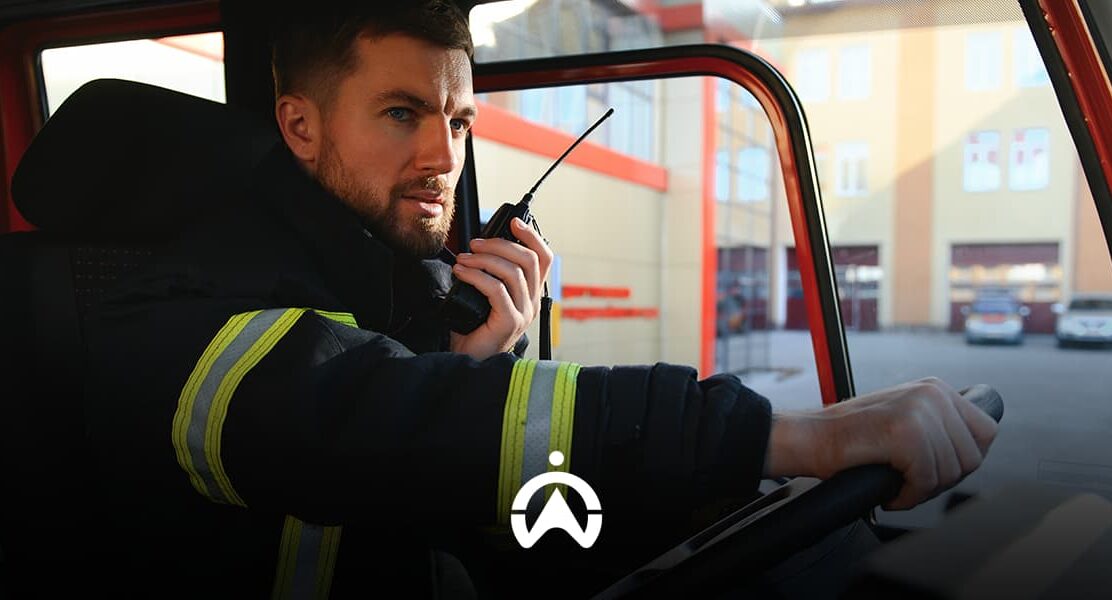
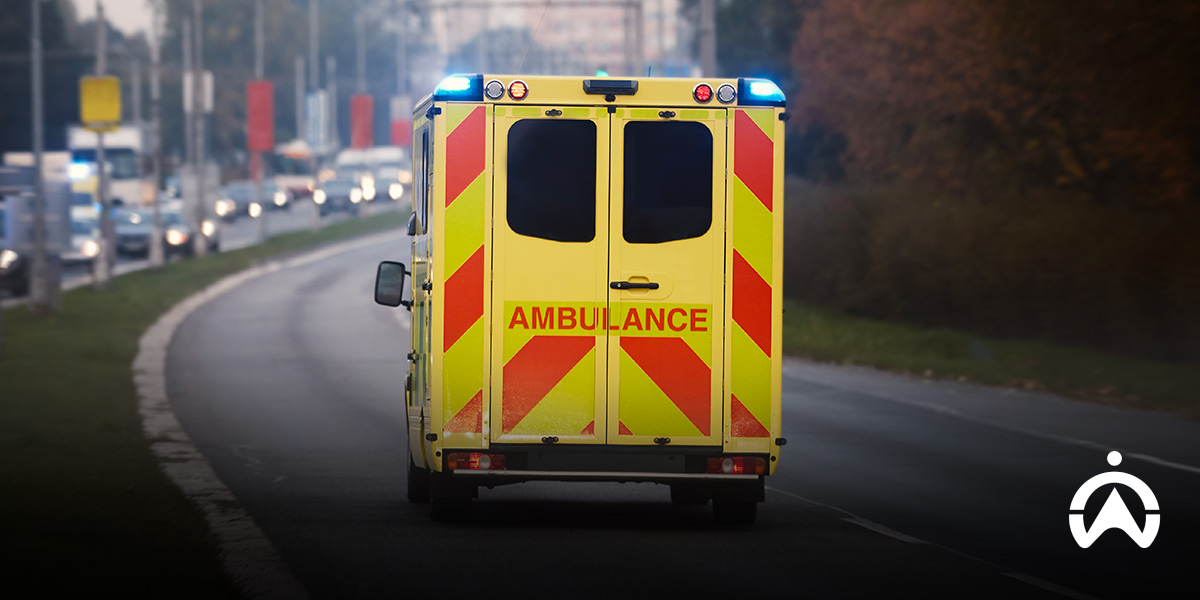
Active tracking for emergency fleets keeps your first responders safe with real-time visibility and location data, optimising routes and response times. Emergency vehicles operate under great pressure every day. Whether it's ambulances racing to medical emergencies, fire engines weaving through traffic or police vehicles responding to crises, these vehicles need to move quickly and safely.
In Mozambique, emergency teams face a range of dangers on the roads every day and, with thousands of road accidents recorded each year, the importance of real-time vehicle tracking is clear. Cartrack supports emergency teams with state-of-the-art active tracking, camera connectivity and smart vehicle analytics, ensuring a safe response from start to finish.
Key takeaways:
Active tracking increases emergency fleet safety by providing real-time visibility and behavioural insights
Connected cameras and sensors improve situational awareness for both control rooms and crews
Smart routing and alerts reduce response times, helping to save lives and improve outcomes
Cartrack offers an integrated platform that keeps emergency fleets connected, protected and ready for action
What is active tracking in emergency fleet management?
Active tracking monitors vehicles in real time using live telematics data, such as GPS location, vehicle movement and driver behaviour (all essential for fleet management in emergency situations). So, unlike passive systems that only store data, active tracking continuously transmits information to a central platform. This allows fleet managers and control rooms to react instantly to situations as they unfold.
So, what role does active tracking play in emergency fleet management? Active tracking uses GPS trackers to send vehicle data to a cloud platform that fleet managers and control teams can easily access. In this way, operators can monitor each vehicle's position, speed and direction in real time, receiving instant alerts for critical events such as speeding, harsh braking and route changes.
Active tracking is crucial for emergency fleets because:
It provides real-time updates that let operators coordinate faster responses.
It ensures safety is monitored during high-speed driving.
It improves your awareness and helps you make better decisions.
The role of the accelerometer in Cartrack's fleet ecosystem
Cartrack doesn't just collect data; it turns accelerometer information into clear, actionable data. Forget the days when you had to guess what happened on the road — this tool reveals exactly how drivers behave, letting you respond in real time and manage your fleet with confidence.
Why emergency services need active tracking now more than ever
Emergency services need active tracking now more than ever because of factors such as the constant congestion in cities like Maputo and Matola. Unpredictable traffic jams and critical calls mean emergency response teams have no time to lose. A second, or even a thousandth of a second, can be crucial when lives are at risk.
Faster, smarter dispatch
Active tracking lets operators see the nearest unit in real time, so they can assign it to an incident immediately. This technology speeds up response times and improves coverage in busy areas.
Enhanced safety for first responders during high-risk driving
Emergency response vehicles operate under intense pressure, travelling at high speed along congested roads to deal with life-threatening situations. Cartrack's active tracking system increases safety by monitoring speed, braking and cornering during these emergencies. This allows control rooms to respond effectively to any unsafe driving that is detected.
With the help of data-driven insights, emergency services can promote safe driving practices and prevent accidents, ultimately keeping emergency services personnel and the public safe, without slowing down emergency response times.
Protecting the crew inside the vehicle
Active tracking goes beyond simply locating the vehicle. By using AI-powered cameras, you can improve safety both inside and outside the vehicle. These systems can deliver live footage to your platform, letting managers make quick assessments in real time. This is particularly useful in emergencies, when circumstances can change rapidly.
The role of connected cameras in emergency fleet safety
Connected cameras improve emergency fleet safety because they give real-time access to what is happening in and around the vehicle. Although GPS tracking systems can share information about a vehicle's location, cameras let control centres see exactly what is happening.
Real-time visibility
The cameras stream live footage straight to your control room. This lets operations managers identify any distracted driving and monitor the distance to the vehicle travelling ahead of the emergency vehicle, preventing possible accidents.
Protecting first responders from public threats
Paramedics, emergency medical services personnel and police officers often face risks in situations that go beyond road safety. Situations such as assault, obstruction or civil unrest can arise during emergencies. In these cases, video footage not only serves as a preventive measure but is also vital in post-emergency investigations.
Automatic incident detection
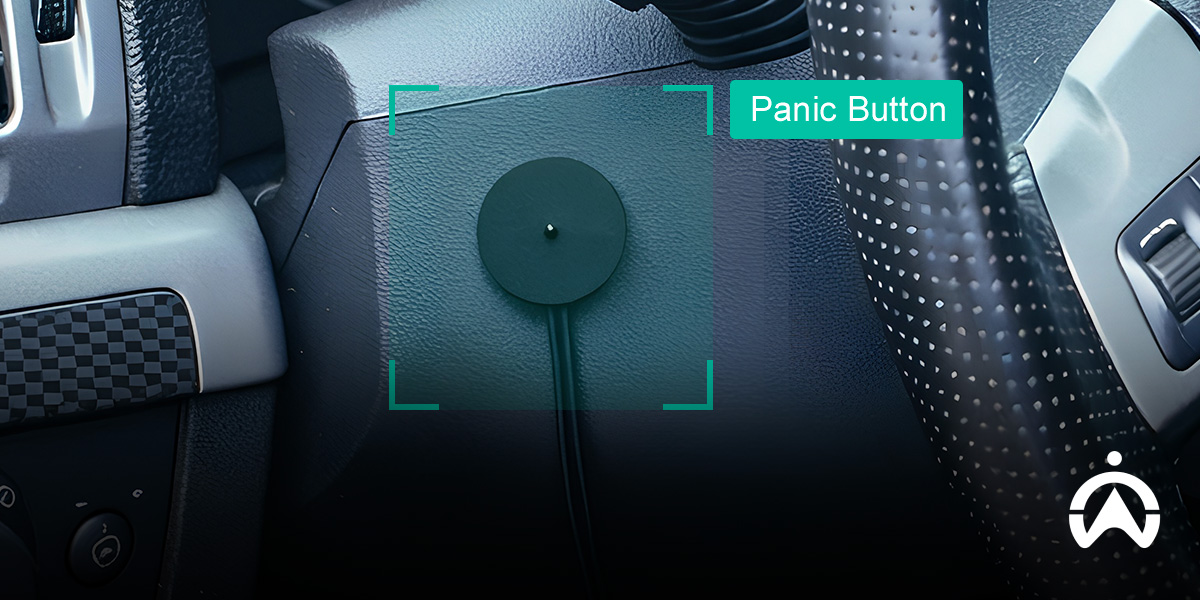
The most modern systems (such as those used at Cartrack) use sensors and AI technology to capture real-time data, such as collisions and sudden movements. These systems speed up support response times and provide solid evidence if something goes wrong.
With these features, active tracking becomes a comprehensive safety monitoring service, ensuring first responders are protected both in the field and away from it.
Smarter routing
Smart routing reduces emergency response times by using real-time data on vehicle location and traffic conditions to prioritise the fastest route. The control room team can quickly reroute vehicles during emergencies such as congestion, accidents or road closures, ensuring they reach the scene as quickly as possible.
In short, real-time tracking not only shows where vehicles are, it also helps fleets get there faster.
Real-time traffic data
Active tracking systems combine real-time traffic data with GPS, allowing your emergency vehicles to be rerouted instantly, avoiding congestion, road closures or other delays. This optimisation is crucial in cities like Maputo and Matola, where every second counts in life-or-death situations.
Geofencing for faster operations
Geofencing creates virtual boundaries around specific areas, sending alerts when vehicles enter or leave those zones. This technology helps optimise the allocation of resources to the areas that need them, making your operations more efficient.
How active tracking improves accountability and reporting
Active tracking improves accountability by recording trip details, driver behaviour and incident times. This information is vital because it helps emergency services create accurate reports, which can assist investigations. Keeping a complete database helps to continuously improve safety policies and training programmes.
These records can:
Automate trip logs with dates.
Provide an efficient way to report incidents.
Assist with insurance claims processes and the preparation of legal documentation.
Active tracking helps control rooms respond to emergencies in real time
Active tracking helps control room operators respond to emergencies with real-time alerts, vehicle data and driver behaviour information. This means they can respond quickly to crises, reroute vehicles as needed, collaborate with emergency teams and keep a complete record of all vehicle activity.
Real-time alerts for the control room team
The control room can send alerts for speeding, sudden manoeuvres or triggered sensors. These alerts allow quick action or the reassignment of tasks, keeping the fleet safe and organised.
Two-way communication
Enhanced systems enable real-time communication between control rooms and response teams. Dispatchers and fleet managers can not only issue commands but also adjust routes or give instructions based on the latest information about road conditions.
How Cartrack supports emergency services fleets
Cartrack equips emergency vehicles with smart active tracking, camera connectivity and fleet intelligence capabilities. All these tools can help increase the safety of emergency response teams and ensure control rooms have enough information to manage safety-critical tasks effectively.
Monitoring and support 24 hours a day, 7 days a week, 365 days a year
At Cartrack, we offer continuous monitoring and support for you and your team. Our control room agents are available to assist you 24 hours a day, 7 days a week, 365 days a year.
Seamless integration with existing emergency systems
Cartrack's technology integrates seamlessly with dispatch tools, communication apps and command centre solutions, improving emergency response services without disrupting your current operations.
Active tracking plays a vital role in emergency services fleets, as it increases the safety of rescue teams, improves coordination and ensures a rapid response to emergencies.
Contact Cartrack today to set up active tracking for your emergency services fleets and keep your first responders safe!
FAQs
How does active tracking improve emergency response times?
Active tracking improves emergency response times by providing vehicles' real-time location, traffic conditions and availability. This helps control rooms always know where the nearest unit is, instantly rerouting the vehicle around congestion and eliminating wasted time during critical emergencies.
Which types of emergency fleet benefit most from active tracking?
The types of emergency fleet that benefit most from active tracking are ambulances, fire service vehicles, police vehicles, rescue teams, disaster response vehicles and private medical fleets. These fleets have to operate under time pressure and high risk, which makes real-time visibility a crucial part of their safety and efficiency.
What is the difference between active tracking and GPS navigation?
The difference between active tracking and GPS navigation is that active tracking provides real-time location updates, driver behaviour information and event alerts, while GPS navigation offers only turn-by-turn directions. Control rooms can view, manage and respond to fleet events in real time, something GPS navigation doesn't allow.
Other articles for you
Food Transport Facts and What You Need to Know When Managing Your Fleet
Blogs
11 minute read •
Important facts about food transport in fleet management: keeping perishable goods fresh in transit directly affects your profits — and mixing food loads is a serious mistake. Other facts include the food distribution regulations in force in Mozambique, the challenges of electricity supply and the […]
7 Ways to Increase the Efficiency of Your Construction Fleet
Blogs
12 minute read •
The seven main ways to increase the efficiency of your construction fleet are: Use telematics and GPS tracking to keep everything under control. Keep vehicle maintenance up to date.. Implement a fuel monitoring solution. Offer your drivers ongoing training. Plan better routes between sites. Match the size of the fleet to […]
How to Manage Your Light Commercial Vehicles (LCVs) Effectively with Fleet Management Software
Blogs
12 minute read •
To manage your light commercial vehicles effectively with fleet software, you should invest in a platform that directly addresses the biggest challenges LCVs face. LCV fleets deal with unique vulnerabilities because of their frequent trips. Wear and tear, wasted fuel, unexpected downtime and more are some of the main concerns. LCVs are […]
 South Africa
 Botswana
 Kenya
 Malawi
 Namibia
 Nigeria
 Swaziland
 Tanzania
 Zimbabwe
 Hong Kong
 Indonesia
 Singapore
 Malaysia
 Philippines
 Thailand
 New Zealand
 Vietnam
 Poland
 Portugal
 Spain
 United Arab Emirates

 PT