The accelerometer in your fleet management: what it is and why you need it
Published
Reading time
8 minutes
Blogs
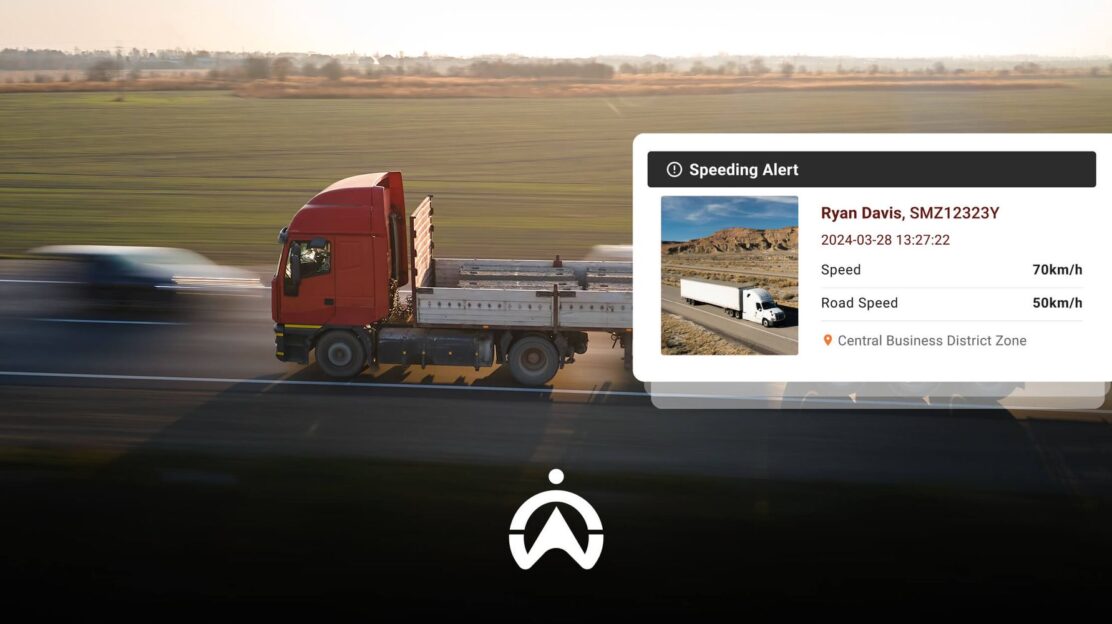
Most fleet owners understand that GPS tracking is crucial, but few realise the power of the accelerometer, the small sensor inside modern tracking units. This sensor tracks movement in three directions: up/down, left/right and forwards/backwards. This matters because the way your vehicles move reveals how your drivers behave — something GPS alone cannot provide.
Accident statistics show that 87% of fatal road accidents result from human behaviour, such as fatigue, speeding, reckless driving and so on. That is why getting accurate, real-time driving information is essential.
This is where a quality accelerometer — like the one in Cartrack's tracking unit — really stands out. It gives fleet managers and owners clarity, safety data and practical insights that help protect their drivers, reduce operating costs and shield their fleet from unnecessary risks.
Key takeaways:
An accelerometer shows how your vehicles are being driven, not just where they are
This helps reduce accidents by identifying risky driving behaviour early
Accurate motion data speeds up insurance claims and incident investigations
An accelerometer is a compact electronic sensor that tracks a vehicle's movement in three directions. It detects every jolt, braking event, turn and impact. For fleet managers, this motion data serves as a powerful safety tool, as it reveals exactly how the driver handled the vehicle before and during any incident.
How an accelerometer works — in plain language
It tracks movement in three directions: up/down, left/right and forwards/backwards.
The system detects sudden changes, such as harsh braking, rapid acceleration or sharp cornering.
It then converts physical movement into simple data for you to analyse.
These records can then help you reconstruct what happened in the seconds before and during the event.
Why the accelerometer matters in fleet management
The accelerometer matters in fleet management because simply knowing where your vehicles are isn't enough; you need to understand how they are being driven. The accelerometer fills this gap, providing accurate, real-time information about driver behaviour, enabling early intervention and increasing overall fleet safety.
It helps you understand driver behaviour
Identify high-risk actions, such as harsh braking or harsh acceleration.
Promote a strong safety culture across your fleet.
It plays a crucial role in accident reconstruction
Detect sudden spikes in force during a collision.
Record the vehicle's exact movements before impact.
Help fleet managers and insurers uncover the truth about what really happened.
It reduces the costs of wear and tear
Find out which driving habits put unnecessary strain on vehicles.
Coach drivers to avoid costly repairs.
Maintain long-term vehicle health and reduce operating costs.
It supports your safety and compliance strategy
Meet internal safety standards
Help fleet owners meet Mozambique's environmental responsibility requirements
Present documented evidence of safe or unsafe driving behaviour
How the accelerometer keeps your drivers safe on the road
The accelerometer keeps your drivers safe on the road by detecting sudden changes in the vehicle's movement and position. It lets you, as a fleet manager, take proactive action against harsh movements and potential hazards, ensuring your drivers' safety and showing that you care about their well-being.
Instantly alerts fleet managers when dangerous driving occurs.
Helps correct habits that can lead to accidents.
Provides hard evidence to support drivers against false claims.
Promotes a safer, more confident driving environment for your whole fleet.
The role of the accelerometer in Cartrack's fleet ecosystem
Cartrack doesn't just collect data; it turns accelerometer information into clear, actionable data. Forget the days when you had to guess what happened on the road — this tool reveals exactly how drivers behave, letting you respond in real time and manage your fleet with confidence.
Real-time driver safety alerts
Receive instant notifications about harsh braking, sudden acceleration, sharp cornering and impacts. Be the first to know when something serious happens. Take proactive steps to prevent future accidents.
Detailed, accurate information for analysis and reporting
Get valuable, accurate insights that power your analysis and reporting. Easily view driver behaviour trends on intuitive dashboards. Access historical data for in-depth investigations. Track performance improvements and training results over time.
Works seamlessly with AI camera solutions (if installed)
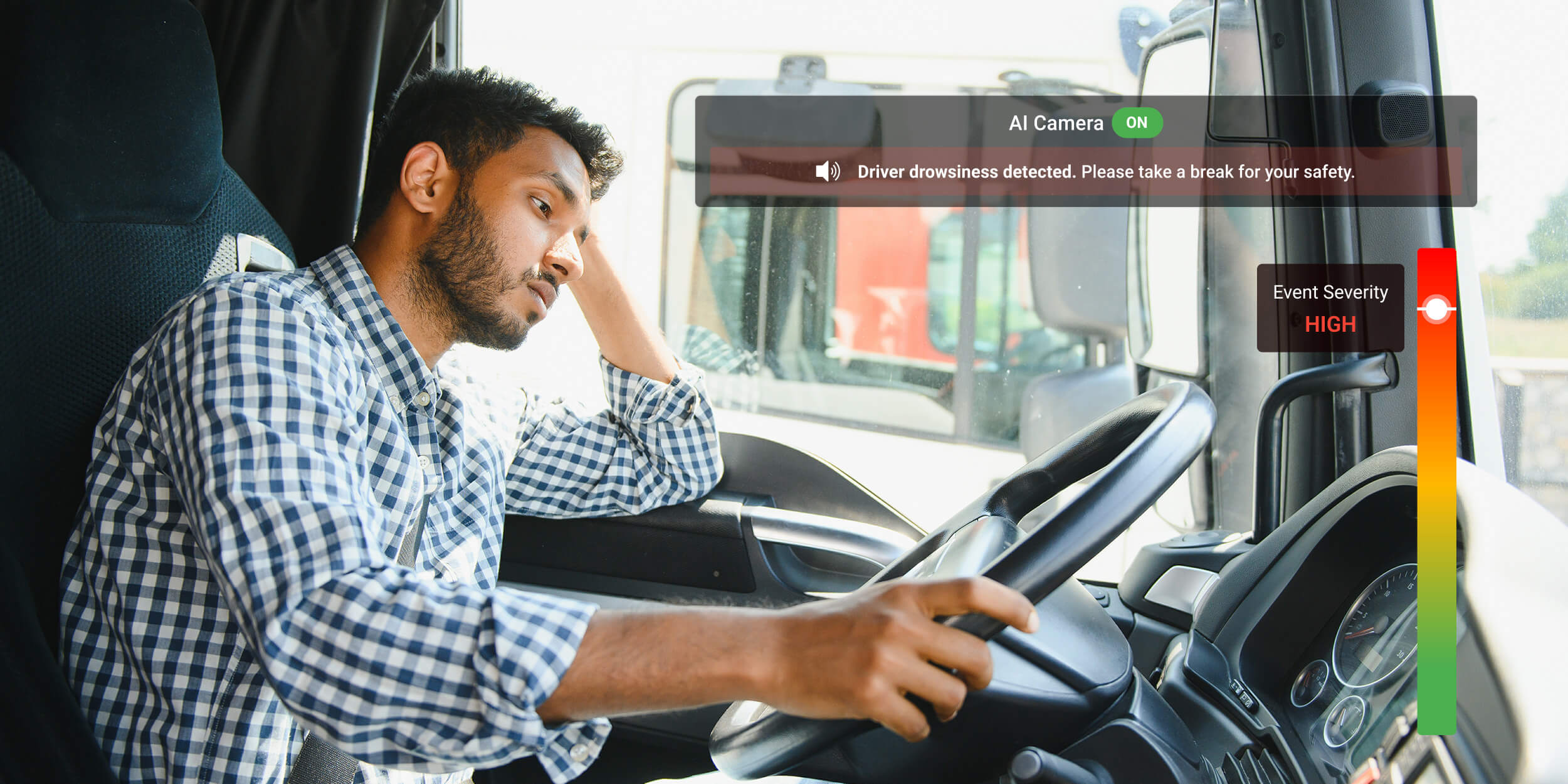
It integrates seamlessly with AI camera solutions, if you have them installed. Add context to events with an accelerometer and a vehicle camera. Find out what caused sudden braking or swerving and gather indisputable evidence for insurers and incident reviews.
Why does your fleet need an accelerometer today?
Your fleet needs an accelerometer today because the roads can be a real nightmare. With potholes, harsh braking and reckless drivers, fleet managers need a clearer view of what their teams face every day. That's where accelerometer data comes in, providing valuable information to reduce accidents, keep drivers safe and lower operating costs.
In practice, accelerometer data reveals what happened on the road. Often, it is the only reliable way to understand why the vehicle reacted the way it did. Here's how these events show up in real driving situations in Mozambique.
Examples:
Harsh braking: A driver brakes hard to avoid a taxi that stops suddenly.
Harsh acceleration: Pulling away too quickly at a busy intersection.
Sharp cornering:Taking a bend at high speed on a rural road.
Impact detection:crash forces are recorded instantly and accurately.
Vehicle tilt: Reports the risk of tipping or rolling over on uneven surfaces.
What to expect when using Cartrack's accelerometer features
Using Cartrack's accelerometer data is very easy; it works seamlessly in the background. There are no extra settings or technical complications. Once installed, the data flows straight to your platform, providing immediate information about driver behaviour and event history.
What to expect:
No additional hardware is needed — it's already built into your tracking unit.
Instant synchronisation with the Cartrack platform.
Real-time event notifications.
Reports that are easy to download for insurers or managers.
More detailed information when used together with vehicle cameras.
Final thoughts — it's a small device with a big impact.
Although compact, the accelerometer significantly increases fleet safety. It gives fleet owners the tools they need to minimise risks, improve behaviour behind the wheel and protect their businesses. Combined with Cartrack's powerful platform, it becomes an indispensable tool for safer, smarter fleet management.
Frequently asked questions
Can an accelerometer detect whether a driver is using a mobile phone while driving?
No, an accelerometer cannot directly detect mobile phone use, as it only measures movement. However, it may show a pattern — such as swerving or late braking — that can suggest distraction. Confirmed detection of mobile phone use would require an AI-powered vehicle camera combined with your accelerometer data.
Will the accelerometer drain my vehicle's battery?
No, an accelerometer doesn't drain your car's battery. It is a low-power sensor built into a tracking device and is designed to operate efficiently without having much impact on the vehicle's electrical system, even with the engine off.
Can accelerometer data help with driver training programmes?
Yes, in fact, accelerometer data proves very effective in driver training. It identifies all of a driver's risky habits, such as harsh braking, aggressive acceleration and sharp cornering, showing exactly where drivers need guidance. This makes training more targeted and easier to measure over time.
Other articles for you
Food Transport Facts and What You Need to Know When Managing Your Fleet
Blogs
11 minute read •
Important facts about food transport in fleet management: keeping perishable goods fresh in transit directly affects your profits — and mixing food loads is a serious mistake. Other facts include the food distribution regulations in force in Mozambique, the challenges of electricity supply and the […]
7 Ways to Increase the Efficiency of Your Construction Fleet
Blogs
12 minute read •
The seven main ways to increase the efficiency of your construction fleet are: Use telematics and GPS tracking to keep everything under control. Keep vehicle maintenance up to date.. Implement a fuel monitoring solution. Offer your drivers ongoing training. Plan better routes between sites. Match the size of the fleet to […]
How to Manage Your Light Commercial Vehicles (LCVs) Effectively with Fleet Management Software
Blogs
12 minute read •
To manage your light commercial vehicles effectively with fleet software, you should invest in a platform that directly addresses the biggest challenges LCVs face. LCV fleets deal with unique vulnerabilities because of their frequent trips. Wear and tear, wasted fuel, unexpected downtime and more are some of the main concerns. LCVs are […]
 South Africa
 Botswana
 Kenya
 Malawi
 Namibia
 Nigeria
 Swaziland
 Tanzania
 Zimbabwe
 Hong Kong
 Indonesia
 Singapore
 Malaysia
 Philippines
 Thailand
 New Zealand
 Vietnam
 Poland
 Portugal
 Spain
 United Arab Emirates

 PT