Which sectors benefit from GPS tracking

GPS tracking is a must for many business owners who have a fleet of vehicles. Keeping track of these assets is a critical task that often has a dedicated team behind it. This shows how complicated the process can be at times and how essential it is for efficiency and productivity.

Today, we’ll share which sectors benefit most from GPS tracking and why Cartrack is the ideal provider of this service.

This blog will cover:

  • Which industries benefit from GPS tracking
  • How to choose the right GPS tracking system
  • The business value it brings
  • Why you should choose Cartrack

Sectors that benefit most from GPS tracking

GPS tracking is a versatile service that can work for many types of business across a range of sectors, fitting seamlessly into day-to-day operations.

Some may believe that GPS tracking is exclusively for long-haul fleet vehicles; however, this is not true. Various other commercial vehicles and assets can also use this technology, from off-road vehicles and heavy equipment to a company’s other fixed assets.

Let’s explore some of the benefits of GPS tracking for industries and how it is used in each sector:

Logistics

With GPS tracking, fleet managers can optimise delivery routes in real time, avoid traffic congestion and ensure on-time deliveries. This not only reduces fuel costs and vehicle wear and tear, but also increases delivery efficiency.

Another important advantage is accurate estimated time of arrival (ETA) updates. Customers can receive real-time updates on their delivery, which significantly increases satisfaction and trust.

In addition, businesses can reduce costly downtime by monitoring idle time and vehicle performance.

Sales

GPS tracking plays a vital role in the sales environment, especially for external, field and travelling sales teams. It helps employers confirm that salespeople are where they should be, provides accurate mileage tracking for travel reimbursements or tax purposes and adds an extra layer of safety for employees on the road.

Field services

This sector includes professionals such as plumbers, electricians and HVAC (heating, ventilation and air conditioning) technicians. Business owners in this sector can assign jobs faster, track employee movements and improve on-site arrival times.

Another advantage is that the system will make it easier to reduce travel-related claims, thanks to route verification.

Agriculture & Farming

In this sector, GPS tracking helps to monitor tractors and combine harvesters in real time. It also makes it possible to manage fuel use during long working days across vast areas of land, while preventing the theft of agricultural vehicles and equipment that are expensive.
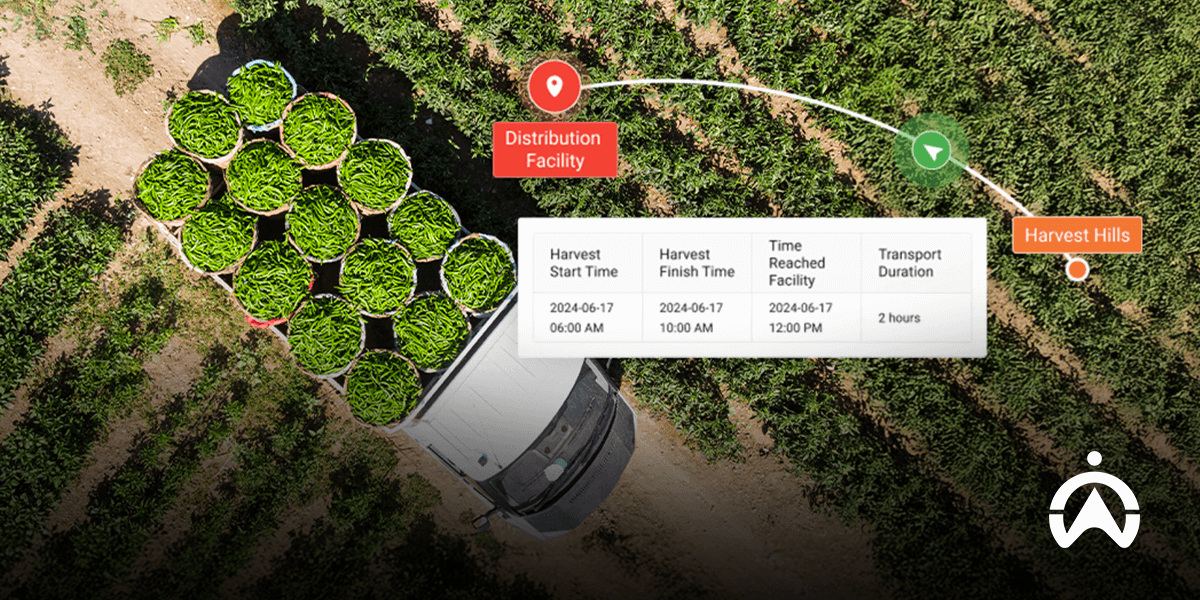
GPS Tracking benefit for Agriculture Industry

Waste management

GPS tracking plays a key role in the waste management industry, where it is used to monitor the location of the company’s tipper trucks and optimise daily operations. From refuse collection and recycling to the safe disposal of hazardous chemicals, these services depend on efficient route planning and real-time visibility to meet environmental standards and customer expectations.

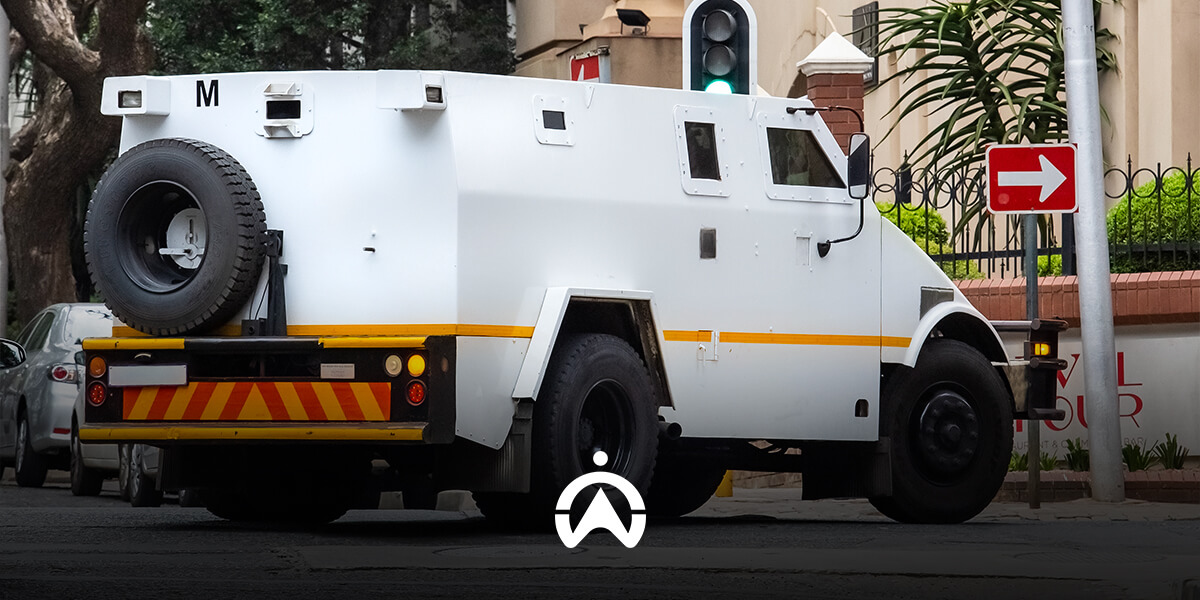
Security and Armed Response

For businesses in the security sector, every second counts. GPS tracking ensures that armed response teams are always visible and can be dispatched to emergencies without delay.

Real-time vehicle tracking allows control centres to identify the nearest patrol car and direct it to the scene, cutting response times and potentially saving lives.

Post-incident GPS history is invaluable for incident analysis, team accountability and reporting.

Vehicle rental and leasing

The vehicle rental and leasing sector can be complicated, since all of the company’s vehicles are available for use by the paying public. This means there is a risk attached to every vehicle rented by an individual. GPS tracking ensures the proper use of rented vehicles by monitoring how they are used, protecting the fleet against theft and providing a safer customer experience.

In the event of theft, the tracking service provider can recover stolen or abandoned vehicles more quickly.

Public sector and municipal fleets

From refuse trucks to public transport fleets and other government vehicles, GPS tracking is useful. Municipalities can use data from their vehicles’ previous trips to plan efficient routes, monitor progress and improve overall service delivery.

In addition, the system can be used to reduce the misuse of government vehicles, since driver and location data will expose improper use.

What to look for in a GPS tracking system for your sector

A reliable GPS tracking system provider should offer more than just location tracking. Modern GPS tracking devices offer a range of other benefits that can be used to optimise a fleet’s operations and improve overall safety.

It is important to have the right tools and services in your GPS tracker, and it is essential to know which features to look for so that you can make the best decision.

Here are some essentials that a GPS tracking system should have:

Savings on fuel and maintenance

Fuel is a significant expense for many businesses that have a fleet of vehicles. With GPS tracking, a business owner can detect the causes of fuel wastage, such as poor driver behaviour and inefficient routes. In addition, other factors, such as the condition of the vehicles, should be monitored to enable predictive maintenance.

All of these factors, when dealt with in good time, can lead to significant cost savings.

Driver Behaviour Monitoring

The way drivers drive company vehicles contributes significantly to the fleet’s overall performance. driver behaviour monitoring is an essential feature of a GPS tracking solution and a key component of a successful system. With this tool, the fleet manager can improve road safety, reduce the risk of accidents and enforce the company’s driving policies.

Vehicle and Asset Protection

Protecting your company’s assets is very important, which is why the rapid recovery of stolen vehicles or machinery is essential, especially in Mozambique’s high-theft areas. Having a GPS tracking system that provides security measures for your assets can significantly improve operational continuity and business growth. These measures can include security features such as geofences, panic buttons and many others.

The Business Value of GPS Tracking

As a business owner, efficiency and productivity are crucial to success. This means that finding the best tools to help with that goal is a priority. This is especially relevant when managing a company’s fleet operations.

That is where the real value of a GPS tracking system comes in. The benefits it brings to a business make it easier to identify inefficiencies and reduce the causes of high and unnecessary costs.

Here is how you can expect to benefit from a GPS tracking system:

Cost savings

This is the biggest benefit of implementing a GPS tracking system in a business fleet. The business owner can oversee all fleet operations and identify inefficiencies that push up costs. These can be caused by fuel consumption, long routes, downtime and poor vehicle maintenance.

Better visibility

With the right GPS tracking system, a business can have full visibility of all its assets. This provides a greater sense of certainty about what is happening with the fleet while it is on the road. It removes all the guesswork and provides hard facts on which future plans can be based.

Greater safety and accountability

When you know where your vehicles are and how your drivers are performing, it becomes easier to manage safety protocols and keep drivers accountable. This can relate to reckless behaviour behaviour, unsuitable routes and vehicle condition. Having complete visibility of trips provides valuable information that can improve the fleet’s approach to operations.

Theft prevention and recovery

The safety of your fleet and your drivers need not be limited to internal processes. A major advantage of having GPS tracking is that it usually comes with theft prevention measures and stolen vehicle recovery services. Knowing that your vehicles are being monitored and that a dedicated team of specialists is ready to come to the rescue proves that GPS tracking is vital, especially in Mozambique, where vehicle crime is a reality. These features can help reduce insurance premiums and give your drivers peace of mind, two value propositions that do not normally go hand in hand.
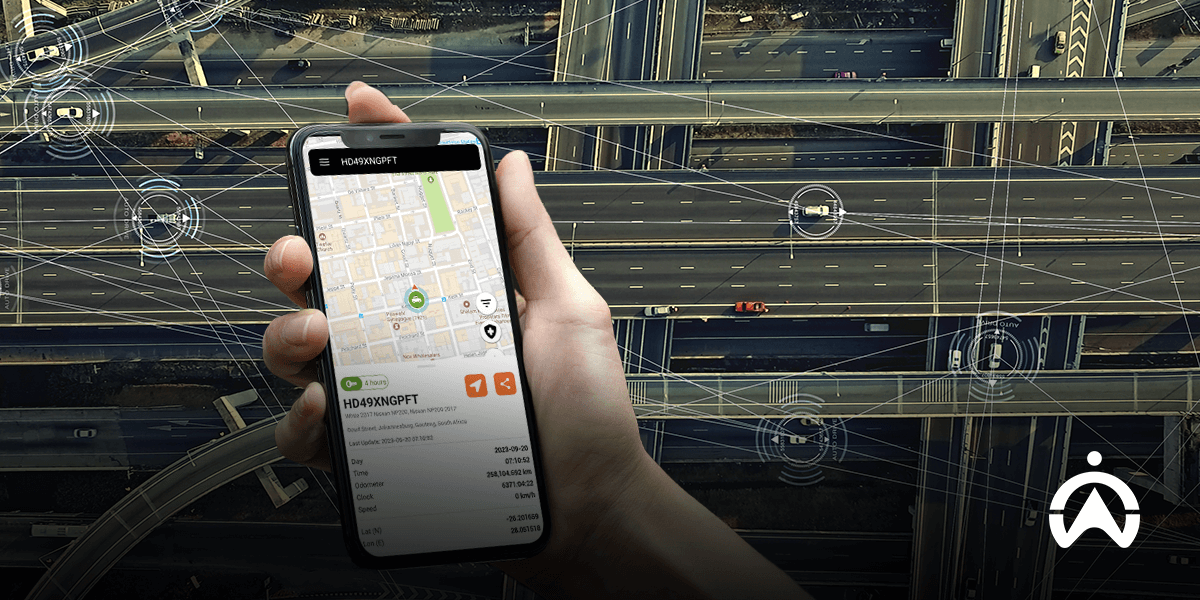
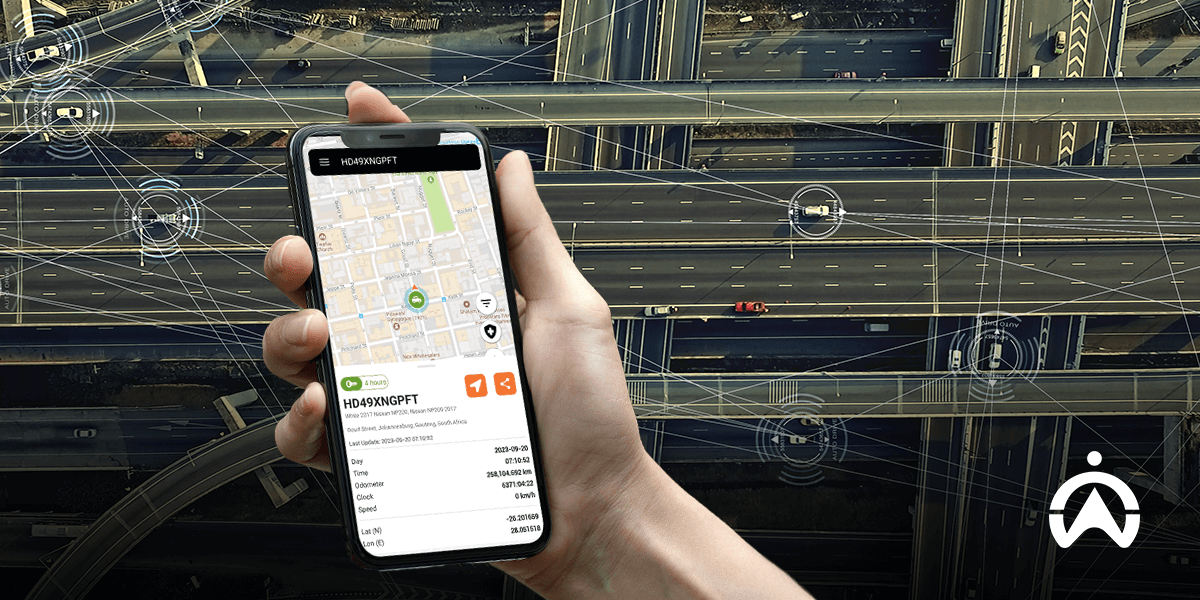
A person holding a smartphone displaying a Cartrack GPS Tracking App

Why Cartrack is the ideal partner for GPS tracking

When choosing a GPS tracking system for your business, make sure you choose one of the best, in this case, Cartrack. With us as your provider, you can expect world-class service and cutting-edge technology. Our presence extends across the world, with offices in 24 countries and counting, where we continue to work with businesses of all sizes.

Cartrack has an excellent reputation as a vehicle security provider and is consistently ranked as the leading company in Mozambique. Here are some other reasons to choose us as your GPS tracking provider:

Sector-specific solutions

Our solutions are extremely adaptable and can work for any type of business in any sector, from cold chain logistics to construction. We can tailor our solutions and services to the needs of your business, taking into account the type of assets and your operational goals.

We offer everything from driver ID tags, fuel management and trip reports to vehicle diagnostics and predictive maintenance alerts. All of these features can help a business achieve specific goals related to its sector.

Local support

Cartrack has a long history and a deep understanding of Mozambique’s road and business challenges. We understand the challenges that Mozambican businesses and drivers face on the roads and have drawn up action plans to help in times of danger.

We have support teams and response teams available anywhere in the country, ready and equipped for any emergency. One call to our control room guarantees an immediate response, whether it is a robbery or a need for roadside assistance

Real-time data

The main advantage of having us as your business GPS tracking provider is having access to your fleet’s location 24 hours a day, 7 days a week. This is made easy by our mobile app and online platform, both of which are easy to use and very accurate in their reporting. This data can be viewed by the fleet manager anywhere, whether on site or working with a remote or hybrid workforce.

Scalable

We care about the growth of your business and are committed to ensuring your fleet performs at its best. We can easily keep pace with your fleet’s growth and its increasing demands through our wide range of products and services. Whether you are an SME or a large company, our solutions can work for your fleets.

Cartrack is an industry leader and is trusted by more than 115 000 businesses across a range of sectors and niches. Our high stolen vehicle recovery rate speaks for itself and is proof of our experience and track record in fleet management and security. Whatever your sector or company size, we are ready to help you.

Contact us today and take your GPS tracking solutions to another level.

Frequently asked questions

What blocks a GPS tracker?

There are technologies capable of interfering with GPS signals. This is not a widespread problem, but it is significant enough to be a cause for concern for customers. Cartrack’s devices come equipped with anti-jamming technology that allows the vehicle to keep being located even when the GPS signal is compromised.

How big is the GPS tracker market?

According to Markets and Markets, a competitive intelligence and market research platform, the size of the global GPS tracking device market in terms of revenue was estimated at 3.1 billion dollars in 2023 and is expected to reach 5.7 billion dollars by 2028.
How Does Telematics Affect Fleet Insurance?

The price of car insurance in Mozambique is rising. This is due to the increasing cost of vehicle replacement parts and repairs, driven mainly by inflation. Insurers need to account for the increase in claim payouts and, as a result, these costs are offset through higher premiums.

Insurance costs can account for a significant part of running a fleet, so it is important to keep them as low as possible.

Telematics helps insurers assess and price risk; it is also key to saving on premiums. Today, we explore how telematics affects fleet insurance and why investing in a fleet management system can reduce the number of claims and, therefore, lower your premiums.

In this article, you will:

  • Learn more about the relationship between telematics and insurance
  • Find out how insurers use telematics to assess your fleet
  • Discover the solutions Cartrack that will help reduce the risk your fleet poses to insurers

The link between telematics and insurance

As the world continues to go through innovation and technological advances, the insurance sector is also embracing this change by making use of telematics technology. Insurers now use this powerful technology for risk assessment, pricing and claims management.

To understand this better, you first need to know how telematics works. Telematics involves tracking and monitoring vehicles by means of navigation systems, sensors and, sometimes, cameras. This tool usually comes in the form of a GPS-enabled device installed in a vehicle to collect data. These devices provide large amounts of data on driver behaviour, vehicle use, vehicle health and location. This information is essential for insurers to assess risk more accurately.

How insurers use telematics data

Insurers use telematics to collect data on driving habits, such as speed and harsh braking, to determine risk levels, build a profile for the fleet and set premiums. The open sharing of telematics data builds trust between fleet owners and insurers, ensuring more accurate and fairer pricing based on actual driving behaviour.

What fleet insurers assess to determine premiums

Commercial vehicle insurance requires the insurer to understand the operational demands on the vehicles. Insurers carry out thorough assessments of the whole fleet, taking into account its specific needs and the associated risks. ‍

Here are some of the factors that fleet insurers consider when determining your premium:

  • Number of vehicles: the larger the fleet, the greater the possibility of claims. However, insurers often offer bigger discounts for larger fleets because of the lower administrative costs, as they often calculate premiums using a single risk profile, instead of having to assess the risk of each vehicle separately for each individual insurance policy.
  • Usage and mileage: the more time vehicles spend on the road, the more exposed they are to accidents and the greater the chances of wear and tear. For this reason, insurers want to know the distance the vehicles travel each day.
  • Travel zones: Vehicles that cross borders pay higher premiums because of the risks associated with being outside the country. Vehicles that operate in high-risk areas attract higher premiums.
  • Type and value of the vehicles: Assess the age, condition, model and make of the vehicles, as well as the current cost of each one. Some vehicles carry a higher risk than others.
  • Driver record: Having more experienced drivers reduces the chances of accidents. For this reason, insurers also check the type of drivers you have in your fleet.
  • Claims history: A company with a history of frequent claims is more likely to pay higher premiums.
  • Type of goods carried: Insurers generally include the cargo being carried. If it is of high value, there are more risks associated with the fleet. Taxi and transport companies must have liability cover, given the risk of personal injury and death when carrying people.
  • The presence of safety measures: A fleet equipped with devices for accurate and telematics features reduces the risk of accidents, resulting in fewer claims. This, in turn, results in lower premiums.
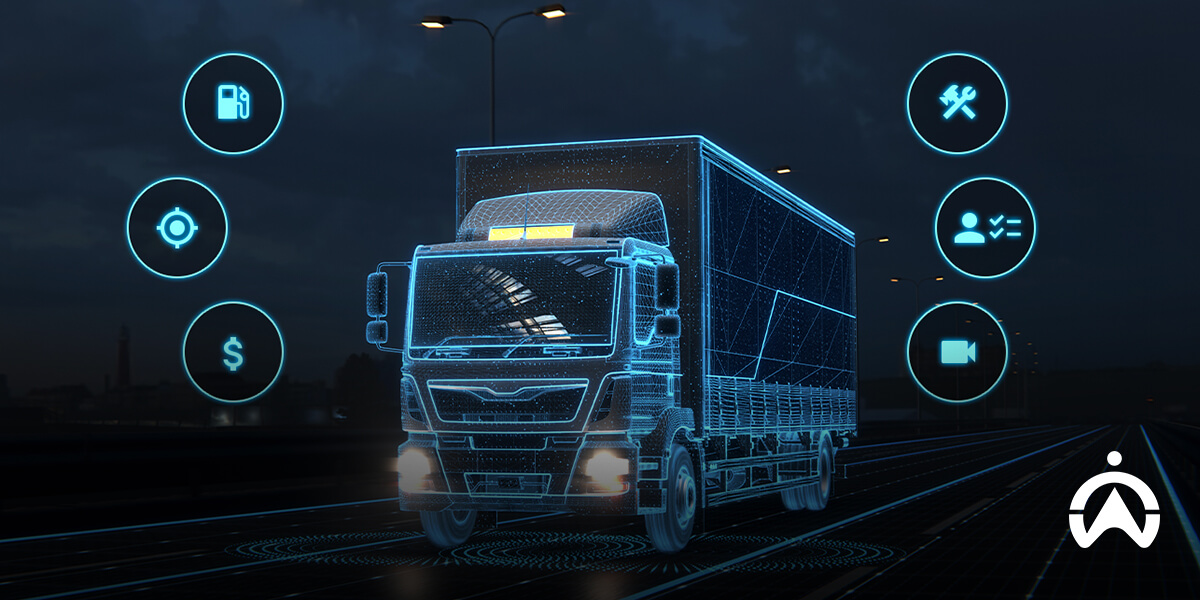
A digital hologram of a truck surrounded by icons for fuel, tools, user management, budget, and video, reflecting vehicle telematic data.

Main ways telematics affects fleet insurance

There are several ways in which telematics affects fleet insurance. Here are four of the most impactful:

  1. Usage-based insurance (UBI) options
    «Pay as you drive» or «pay how you drive» models are growing in South Africa. Usage-based insurance is when insurers use telematics data to personalise premiums, leading to potential savings; in other words, the better the driver’s behaviour, the greater the chances of getting lower premiums.
  2. Improved risk assessment
    Telematics data gives insurers detailed information on where vehicles travel, the road conditions and the level of safety. This allows for more personalised and fairer premium pricing.
  3. Accident mitigation
    Monitoring driver behaviour and vehicle condition allows fleet managers to quickly identify poor driving patterns and mechanical problems. This allows them to take action before drivers and vehicles cause accidents.
  4. Faster claims settlement
    Because telematics devices can capture driving habits and impacts, businesses can prove their innocence in cases of fraudulent claims with accurate data. This speeds up the claims process and reduces the delays caused by disputes.

Using fleet technology as a risk management tool

As already mentioned, investing in software for fleet management is the best way to mitigate risks and, as a result, reduce insurance costs.

  • Preventive maintenance: A fleet management system alerts managers to maintenance issues before they become serious problems, so that they can schedule maintenance, avoid unplanned stoppages and avoid costly repairs. This information reduces fleet expenses while minimising the fleet’s safety risks.
  • Driver behaviour alerts: Real-time alerts and reports on the behaviour of the driver allow managers and supervisors to address concerns and send fleet operators for training based on the specific help they need.
  • Route monitoring: GPS tracking technology allows fleet coordinators to identify detours and when drivers are in high-risk zones or accident-prone areas in real time. This makes it possible for them to contact the driver and check whether there is a problem.

Data protection and compliance with the Data Protection Act in telematics

Telematics systems collect a significant amount of sensitive business information. Data security is an essential aspect of fleet management software and, therefore, your fleet’s data must always be protected. Insurers must comply with the Data Protection Act when accessing your telematics data. There must be no misuse or unauthorised sharing of data, and there must be transparency about the data collected. This ensures that your fleet’s records are not shared with third parties.

A worker in a high-visibility vest holds a clipboard, conducting vehicle maintenance checks on a shiny blue vehicle in a well-lit industrial area.

Improve your fleet insurance with Cartrack’s advanced solutions

Businesses can reduce their insurance premiums by implementing robust risk management practices and maintaining a good safety record. At Cartrack, we offer services that help with safe driving, vehicle maintenance, route planning and vehicle recovery. Here is how they work:

  • Maintenance scheduling
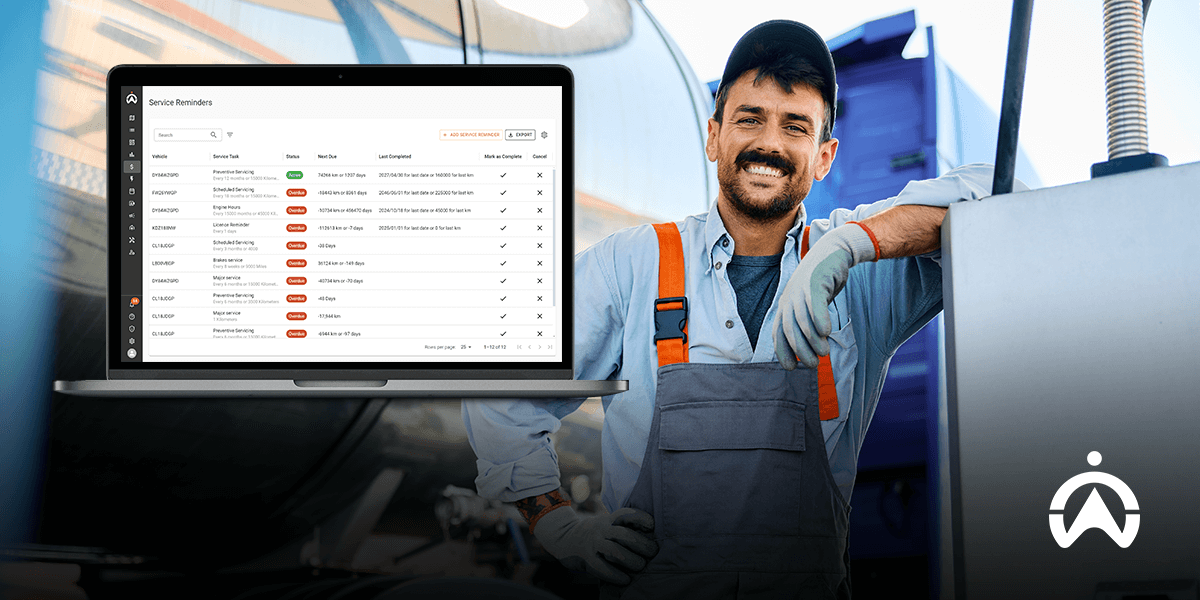
    Our fleet management system lets you set reminders for vehicle service dates, , ensuring that they are always in perfect condition and that you plan ahead for periods of downtime. In addition, you can also receive real-time alerts on engine faults, worn brake pads, changes in oil and water levels and other diagnostics.
    ‍
  • Risk management (Stolen vehicle recovery)
    At Cartrack, we pride ourselves on the impressive figure of more than 100,000 vehicles recovered in the last decade. We have a large team of skilled recovery agents across the country and a call centre available 24 hours a day, 7 days a week. Should the unexpected happen, our teams are always on standby to recover what belongs to you. The stolen vehicle recovery service is also highly recommended by insurers, especially for fleets that carry high-value goods, with some insurers going as far as refusing cover without it.
  • Driver monitoring
    Keeping drivers safe and monitoring how they operate fleet vehicles is one of the best ways to avoid frequent claims. Our telematics devices provide reports and alerts on driving behaviour such as excessive idling, speeding, harsh braking, sharp cornering and harsh acceleration. This allows you to identify risky driving patterns, talk to drivers and send them for training.
    ‍
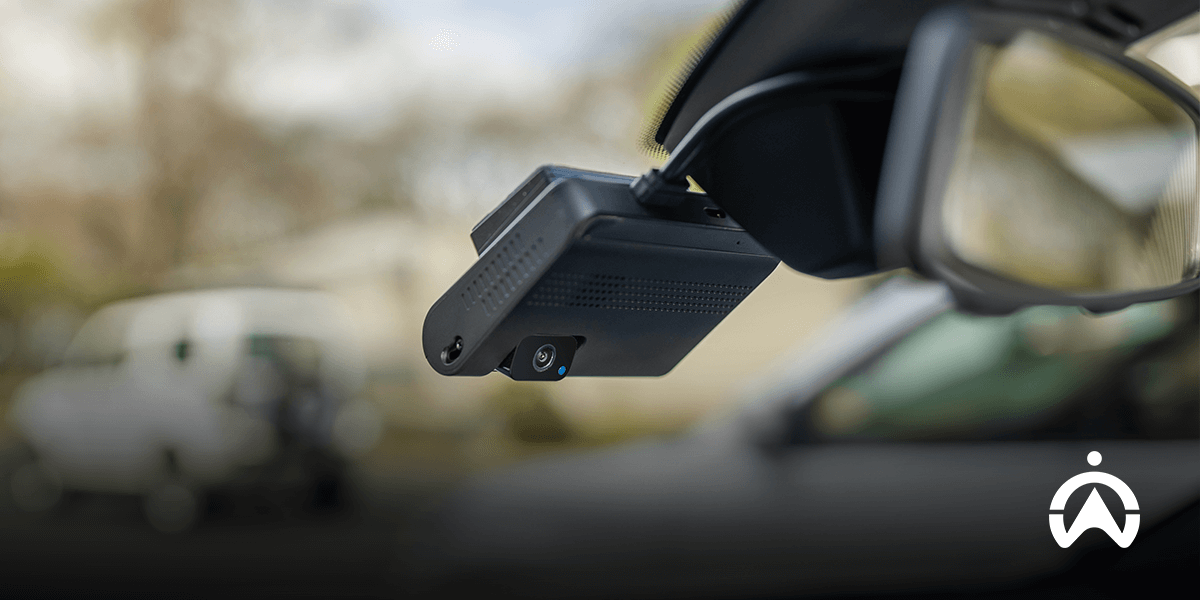
    As an additional precaution, you can invest in our artificial intelligence cameras to monitor drivers. These cameras can detect when drivers are distracted, using their mobile phones, drowsy or smoking. The system then issues audible alerts so that drivers can correct their actions quickly. In this way, drivers avoid collisions that could be fatal or result in high insurance and repair costs.
    ‍
  • Live tracking
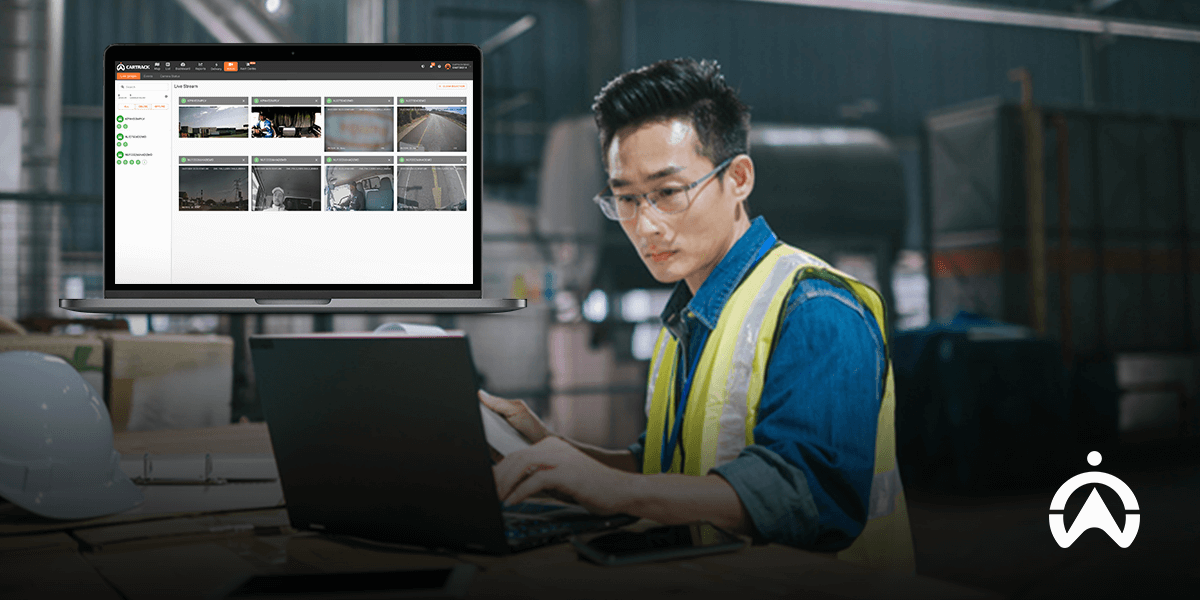
    The Cartrack fleet management system lets you track the location of your fleet vehicles at any time, ensuring that drivers are using the correct routes and that they are safe.
    ‍
  • Geofencing
    Cartrack’s geofencing feature ensures that drivers always stay within the stipulated zone. Through this software, you can create virtual boundaries around areas of your choice and receive alerts whenever vehicles enter or leave those areas. This ensures that you are always aware of when vehicles are in high-risk zones, which may indicate theft or detours.
    ‍
  • Route optimisation
    Our route optimisation feature is a smart tool that helps you plan your trips, allowing you to choose the most efficient routes for drivers to reach their destinations. This is done by analysing road conditions and traffic patterns, helping to avoid delays, reduce mileage and minimise exposure to extreme road conditions that increase vehicle wear and tear.

Improve your fleet’s insurability with Cartrack’s data-driven management tools

Insurance is essential, and so is a fleet management system. Our solutions give you a more complete view of your fleet, allowing you to make better-informed decisions and avoid higher insurance costs. Get in touch today and save on your fleet!

Frequently Asked Questions about Telematics and Insurance

What is telematics in fleet management?

In one of our blogs, we explained how “a telematics system is used to collect fleet GPS tracking data, along with a range of information specific to the vehicle, and store it in a database. It integrates wireless telecommunications and information technology (informatics) to process and deliver actionable data and transmit information efficiently across vast networks.”

How does a black box affect insurance?

A black box is a telematics device that tracks driver behaviour, such as speeding, sharp cornering and braking patterns. Insurers use it to accurately assess the driver’s risk and determine the insurance premium.

What type of insurance uses telematics to help make decisions about premiums?

Usage-based insurance (UBI) is a type of insurance in which insurers use telematics technology to determine premiums. They monitor mileage, speed, time of day, braking patterns and acceleration. This information is then used to personalise your vehicle’s monthly premiums. For example, people who work from home can argue that they hardly use their vehicles and should therefore pay less. UBI makes this possible through telematics technology.

Tracking Device: Motorbikes, Cars and More

Vehicle crime in Mozambique remains a problem for many car and motorbike owners. This is a reality most of us have had to deal with, finding ways to reduce the likelihood of becoming a victim.

Given their importance, high-value goods require exceptional care and attention in transit. A single security lapse can lead to substantial financial losses, damage a company’s reputation and harm a range of sectors.

Investing in a tracking device is one of the most effective steps a vehicle owner can take. A GPS tracking device is no longer just for cars, but for anything on wheels that may be at risk.

Discover the compelling reasons to invest in a tracking device and see why Cartrack stands out as a leading provider in this essential market.

This blog will discuss:

  • Why you need a GPS tracking device
  • What to consider before getting one
  • The What can be tracked with this device
  • The value-added services you can get
  • Why Cartrack is the best tracking device for you

Why a GPS tracking device is essential

For some people, a car or a bike is not just a means of transport; it is a symbol of achievement, an investment, a potential business asset and much more. The attachment people have to their vehicles can sometimes run deeper than to most of the other things they own, so it is essential to make sure they are properly protected.

There are many other important reasons to get a tracking device. Let’s explore some of them.

Discounts on insurance premiums

One of the proactive steps you can take to secure better insurance rates and maximise your savings is to get a tracking device.

Suppose there are two owners of vehicles of the same model with the same driver profile. One of them has a tracking device installed and the other does not. The driver with a tracking device will be considered a lower-risk customer and is likely to benefit from reduced insurance premiums. Fitting a tracking device is a smart way to reduce your premium.

Mixed-use vehicles

The current state of the economy has many more people running small businesses in their spare time, with vehicles that do not serve a purely personal purpose. They use their cars, vans, motorbikes and scooters for transport and delivery services to earn extra income.

These vehicles usually need extra protection and cover, as they will spend more time on the road, going to all sorts of places. In addition, they will not always be driven by the owner, but by hired drivers and riders.

Knowing where these vehicles are and that they are covered should a hijacking occur gives peace of mind to a person who is already busy and focused on their 9-to-5 job.

Peace of mind for personal or family use

Sometimes the person driving the car or motorbike is not the owner of the vehicle. It is very common for people to add their spouses or children as official secondary drivers, especially if there is only one vehicle in the household.

It can be stressful for some parents when their children borrow a car for a night out with friends, or for a spouse when their partner is driving long distances in a potentially high-risk area. In these cases, safety and visibility matter: an assurance that these loved ones can be located in an emergency or in the event of vehicle crime.

That peace of mind is priceless and can turn an extremely stressful situation into a comfortable one. A tracking device in your vehicle can make all of this possible; it is essential for anyone looking to worry less about their loved ones.

Commercial use

For commercial vehicles, tracking devices are an essential part of the business. A device from a reliable provider makes it easier to manage logistics, asset management and real-time trip tracking.

Full visibility of all your company’s cars and motorbikes is essential for optimising operations and making sure everything goes according to plan. Not only will your vehicles be safe, but so will your drivers, with comprehensive cover for vehicle operations and security incidents.

Cartrack Tracking device for trucks and cars

Carwatch/Bikewatch

Do you always park in public areas and want more security for your car? CarWatch can be that extra security for you. When activated, it works like a bodyguard for your car. If your car moves without permission, you will receive an alert on your mobile phone immediately, followed by a quick call from our control centre, which operates 24 hours a day, 7 days a week, to confirm that you are safe.

Data analysis

Cartrack’s tracking device with advanced telematics features collects data from your vehicle and stores it in our database.

The data collected helps you monitor how you use your car. This information includes:

  • The position of your vehicle
  • Vehicle information
  • Fuel consumption
  • Trip events, such as speeding, harsh braking and cornering

Collision detection

With Cartrack by your side, you will feel that there is always someone looking out for you. Crash detection is our emergency assistance offering that sends an alert when you are involved in a collision with another vehicle. As soon as our control room receives the alert, we will immediately check what kind of assistance you need.

Roadside assistance

Cartrack’s tracking solutions include Protector, our roadside assistance offering, which provides support if you have problems with your vehicle. Whether it is a breakdown or a flat tyre, get in touch with us and we will send roadside assistance immediately to your exact location, anywhere in the country.

Cartrack Driver monitoring system

Why Cartrack leads the way

Cartrack stands out as one of the industry leaders in vehicle tracking. Whether you are a self-employed driver, a small business owner or the manager of a national fleet, the right tracking partner can make all the difference, not only in protecting your vehicles, but also in saving time, reducing costs and optimising operations.

If you are looking for the peace of mind of knowing that your car or motorbike is safe, we are the right choice for you. With a strong presence in South Africa and a growing footprint, millions of people trust us to provide reliable, round-the-clock protection as well as industry-leading service.

Here is a better look at the value we can bring you:

Cartrack stands out as one of the industry leaders in vehicle tracking. Whether you are a self-employed driver, a small business owner or the manager of a national fleet, the right tracking partner can make all the difference, not only in protecting your vehicles, but also in saving time, reducing costs and optimising operations.

If you are looking for the peace of mind of knowing that your car or motorbike is safe, we are the right choice for you. With a strong presence in South Africa and a growing footprint, millions of people trust us to provide reliable, round-the-clock protection as well as industry-leading service.

Trusted in more than 23 countries

Cartrack has a proven track record in South Africa and a global presence in more than 23 countries. This proves the reliability and effectiveness of our product offering. It also means that our services are available for cross-border tracking and recovery for people looking for international cover and protection.

Easy-to-use app

We offer a mobile app with an intuitive, easy-to-use interface, available on the iOS and Android app stores.

Our app is capable of:

  • Real-time tracking
  • Trip history replay
  • Instant alerts
  • Remote engine shutdown

Scalable solutions for your needs

Tracking devices are versatile and can be used in a variety of vehicles, which makes them adaptable enough for individual vehicles and fleets. This means that if you already have a tracking contract with us and decide to buy a new vehicle, our services can cover that too. It could be a new car for the family or an additional motorbike for your fleet of commercial vehicles.

Protect your bikes, cars and more with us

When it comes to the security of your vehicles, Cartrack is fully prepared and equipped. Our advanced technology is the foundation of our comprehensive tracking and recovery solutions. We have more than 100,000 vehicle recoveries in the last decade, so, with us by your side, you can rest easy knowing that, should anything happen, we will be there for you.

Get in touch with us today to protect your vehicles and see how our tracking solutions can help you.

Frequently asked questions about Cartrack

How does a GPS tracking device work in different types of vehicle?

It works in the same way in all vehicles and offers the same features. The power source, the accuracy range and the mobile app features are identical. The only difference is where the device is installed, which varies according to the type of vehicle and at the technician’s discretion.

How accurate is Cartrack’s real-time GPS tracking?

It is very accurate and meets the standard accuracy radius of two metres. Our system updates every three seconds as the vehicle moves. The system keeps location data stored in areas with no signal and restores the missing route data on reaching a connectivity zone.

What happens if the tracking device is tampered with or disconnected?

Your tracking unit has tamper alerts, which are triggered when someone interferes with it or disconnects it. Our control room will be notified and you will be informed of the incident. A recovery team will then be sent to locate the car.

How long does it take to install a Cartrack device?

Installing a tracking device is a quick and simple process. It usually takes 2 to 4 hours to complete. Some delays and technical problems can extend the time, but these situations are unlikely.

Can I move my tracking to another vehicle if I sell my car or motorbike?

Yes, we offer this service to our customers. We can deregister your current device and reinstall it in the new vehicle. Your contract will remain unchanged throughout this process.

Is there a warranty on Cartrack devices?

Yes, you can get a one-year warranty for your device or upgrade to a lifetime warranty. This will be a value-added service with a small fee added to your premiums.

How to protect high-value goods in transit

High-value goods range from luxury items and electronics to sensitive medicines, premium cigars, alcoholic drinks, livestock and fine art. These goods are highly valuable, making them prime targets for criminals and more susceptible to theft and hijacking than ordinary goods.

Given their importance, high-value goods require exceptional care and attention in transit. A single security lapse can lead to substantial financial losses, damage a company’s reputation and harm a range of sectors.

Let’s discuss the risks involved in transporting these valuable items and explore how advanced technologies, such as Cartrack’s fleet management solutions, can help protect them on the journey.

In this article, you will:

  • Learn more about the risks associated with transporting high-value goods
  • Understand how technology can help mitigate these risks
  • Explore the key best practices for protecting your products in transit
  • Learn how Cartrack solutions can help you protect your cargo

What are the risks of transporting high-value goods?

High-value items are at greater risk of theft because of their appeal. These goods can also be easily damaged and often come with strict regulations that must be taken into account during transport. Let’s look at these risks in more detail:

Theft or hijacking

High-value goods are highly vulnerable to theft and hijacking in transit, as they pass through several handover stages, such as drivers, logistics companies and warehouse teams. These goods are often left unprotected at unsecured stopping points or while being moved between locations. With each handover, the risk of theft increases, as security can be inconsistent. Unlike warehouses, which have strict security, the lack of continuous protection in transit makes it easier for criminals to target the shipment.

Accidental damage

Because of the delicate nature of most high-value products, they are more likely to be damaged in transit. This can result from poor handling, incorrect storage, inadequate packaging, accidents, adverse weather conditions and roads in poor condition. For temperature-sensitive products, the temperature may have been wrong during the journey, causing the items to spoil and compromising their quality.

Accidental damage causes significant harm to cargo, resulting in financial losses and customer dissatisfaction.

Regulatory and compliance risks

Non-compliance is a significant risk when transporting high-value cargo, especially for items such as pharmaceutical products or international shipments. Failure to comply with legal and safety regulations can result in heavy fines, legal action and reputational damage. It is important to ensure that all regulations are met to avoid these risks during transport.

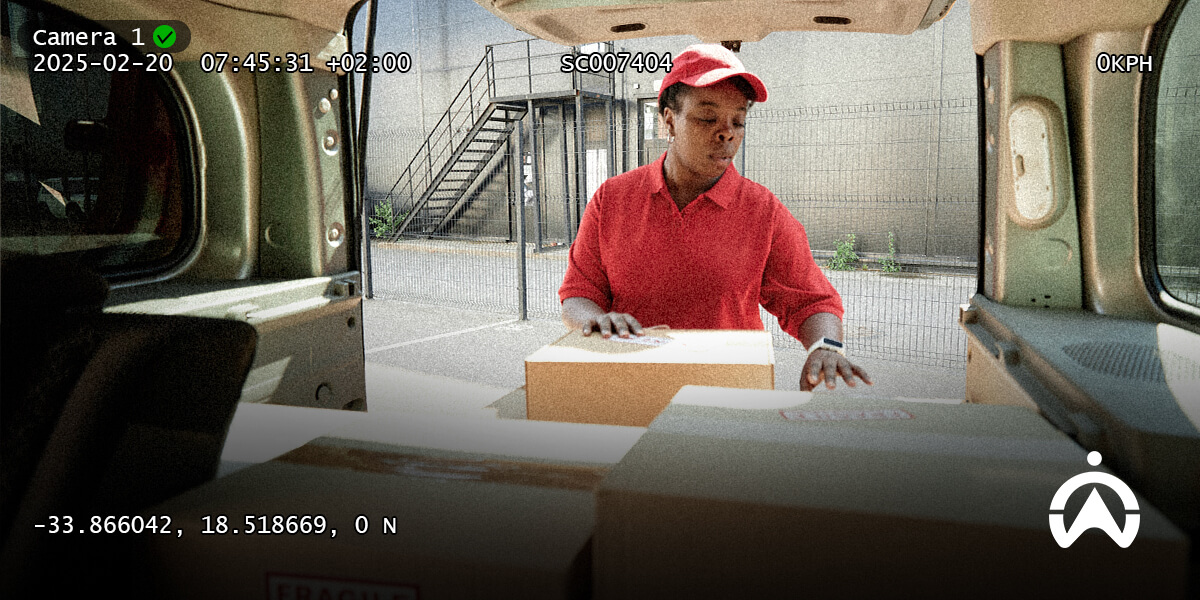
A delivery person wearing a red uniform and cap stands outside a van, preparing to handle cardboard boxes in a parking area.

How can technology mitigate the risks of transporting high-value goods?

Technology plays an important role in mitigating the risks associated with transporting high-value goods. With GPS tracking and telematics, you can be in control of your fleet at all times and act quickly before anything happens to your cargo.

Here are some ways in which technology can improve security:

  • Real-time GPS tracking: you will know the location of your cargo through continuous tracking.
  • Vehicle surveillance: Cameras and an alarm system add an extra layer of security to your fleet, deterring theft. Cameras equipped with AI technology allow you to monitor driver behaviour and provide training where needed.
  • Temperature monitoring for sensitive products: having temperature sensors will ensure that your sensitive cargo stays in good condition in transit, avoiding spoilage and waste.
  • Automated alerts: instant notifications and alerts allow fleet operators to take action if anything changes in the fleet. This includes vehicle detours or temperature changes.
  • Remote immobilisation: Many tracking systems have immobilisation options, allowing fleet managers to disable the vehicle remotely in the event of theft. This increases the chances of recovery and ensures greater protection for the vehicle.

What are the best practices for protecting high-value goods in transit?

When protecting high-value cargo in transit, you need to have a comprehensive strategy. This means stepping up your security, carrying out regular inspections and maintenance and minimising stops along the way.

Here are some important best practices to help you get it right:

Strengthening Security Protocols for Drivers

Fleet operators should train drivers in secure cargo handling protocols and emergency response. These training programmes will equip drivers to recognise when something is wrong and to act quickly in an emergency. Drivers must make sure they know which protocols to follow while on the move; this includes checking for tampering, knowing how to use panic buttons and reporting incidents immediately. Drivers are essentially responsible for their cargo and vehicles, so they must be protected at
all times to ensure the goods are delivered safely.

Carrying out regular vehicle inspections and maintenance

It goes without saying that the vehicles used to transport these high-value goods need to be properly maintained to avoid unnecessary breakdowns on the road. Managers should schedule regular inspections and make sure vehicles are serviced whenever necessary to prevent breakdowns. These inspections include checking security systems, such as alarms and GPS tracking devices, to confirm they are still working properly.

Regular checks can help identify and resolve issues before they become major problems that pose potential threats to the cargo.

Minimising stops and delays in transit

To make on-time deliveries, fleet operators should ensure routes have as few stops as possible. Fewer stops reduce the risk of unauthorised access or tampering, while also improving fuel efficiency and delivery times.

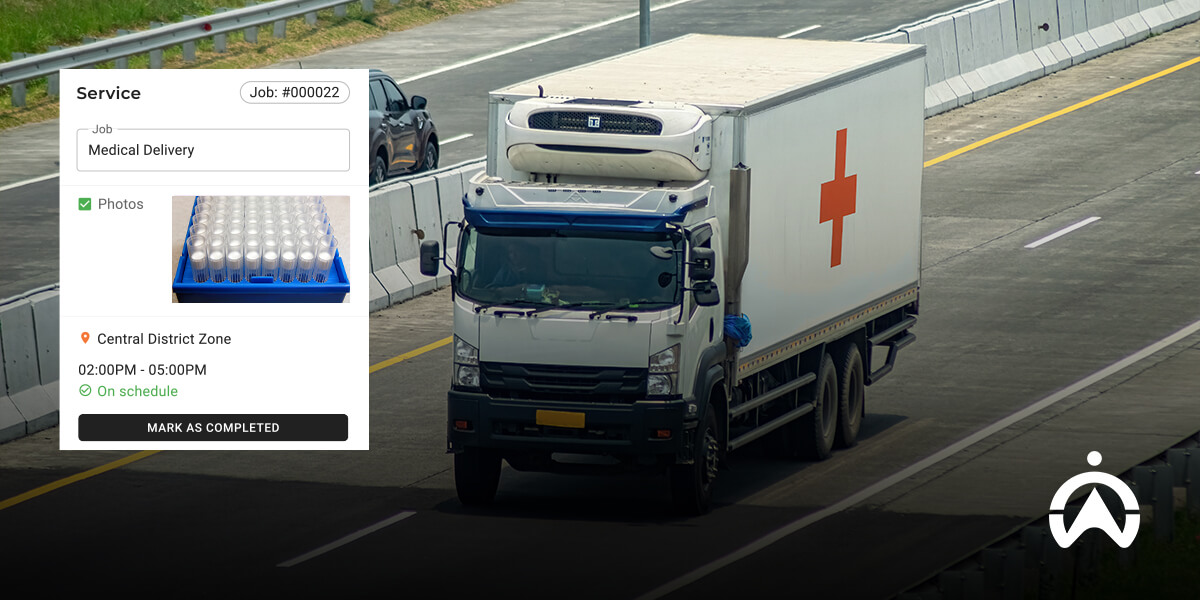
A medical delivery truck drives along a highway, accompanied by a job summary for scheduled deliveries.

How can Cartrack Solutions help protect high-value goods?

Cartrack’s fleet management solutions ensure your high-value cargo is protected throughout the journey, so that products are delivered in the right condition. Here’s how:

  • GPS tracking: Fleet managers have full visibility of the fleet through real-time GPS tracking, which lets them monitor vehicle locations, track routes and respond quickly to any problems or delays.
  • Route optimisation: Cartrack’s fleet management software lets operators optimise routes, ensuring on-time deliveries. This feature lets drivers take the fastest routes with the least congestion to avoid delays. You will receive alerts if the vehicle deviates from these planned routes.
  • Geofencing: Operators can identify dangerous areas, such as hijacking hotspots, and set up geofences around these zones. They will be notified by SMS or email if the vehicle enters these zones.
  • Temperature sensor: Cartrack’s temperature monitoring solution supports up to four sensors per vehicle, ensuring real-time oversight of perishable goods.
  • AI cameras: AI cameras from Cartrack act as an extra pair of eyes on the road, helping operators monitor driver behaviour. The cameras detect unsafe behaviour such as harsh braking, speeding, smoking or mobile phone use. Our dual-view AI cameras send audible alerts to the driver in real time so they can correct their behaviour.
  • Panic button: If drivers find themselves in a compromising situation, such as an emergency or hijacking, they simply need to press the panic button, which instantly sends a silent alert to our control room. An operator will immediately alert the fleet manager and coordinate the emergency response if needed.
  • Start Prevent : Fleet managers can immobilise a vehicle from the fleet management web interface. The vehicle will be immobilised as soon as the ignition is switched off, keeping both the vehicle and the driver safe.
  • Driver scorecards: Our driver scorecards monitor high-risk behaviour such as speeding or harsh cornering. Each driver receives a score, allowing fleet operators to identify areas for improvement and giving them the opportunity to coach drivers and improve their driving habits.

Cartrack offers solutions to better protect your cargo, keeping your customers happy. Get in touch with us today for a tailored security solution.

Frequently asked questions about high-value goods

Q: What type of insurance is needed to transport high-value goods?

A: To cover your high-value goods, take out all-risks insurance, which offers the most comprehensive cover. It protects your goods against a wide range of risks, including damage, theft, loss and accidents.

Q: Does Cartrack offer any solutions to improve the security of high-value goods during night-time transport?

A: Yes, we do. Importantly, our GPS trackers track your vehicles continuously, 24 hours a day, 7 days a week, and our operators are also on hand to help with whatever you need. Our cameras are designed to work well in low-light conditions, which means they can capture clear, reliable footage even at night.

Q: Can a fleet management system help recover stolen high-value goods?

Yes, Cartrack’s fleet management system can help recover stolen high-value goods . With real-time GPS tracking, geofencing and instant alerts, fleet managers can quickly locate stolen vehicles and coordinate with law enforcement and Cartrack’s recovery team to recover the vehicle carrying the goods.

Car tracking services and solutions

The need for car tracking services has grown over the years. This is down to several factors, such as rising concern about vehicle theft, growing demand for advanced technology that improves driver safety, the growth of the fleet management sector and the convenience of it all.

There are many car tracking services and solutions available in Mozambique, but finding the right one can be a real challenge. Today, we’ll look at the various car tracking services and solutions we have to offer and give you an idea of how they work. Let’s dive in!

In this article, you will:

  • Get a detailed explanation of what car tracking services do
  • Discover the benefits of car tracking services
  • Find out what to expect from a tracking service provider
  • Learn more about our car tracking solutions

Car tracking services explained

Car tracking services are companies that offer GPS and cellular technology so users can monitor their vehicles in real time. GPS is primarily responsible for determining the vehicle’s exact location, while cellular network systems are used for accuracy, fast data transmission and other information such as speed and direction.

GPS tracking technology continues to thrive thanks to its advances, new features and functionality. Cartrack is listed as one of the leading companies in the African vehicle tracking systems market. Let’s explore the different types of car tracking services and why you need one.

Exploring the different approaches to car tracking

Not all vehicle tracking systems work in the same way. Some offer live updates, others store information for later use, and some use radio signals instead of GPS. Here’s a quick overview:

  • Passive tracking (data loggers): passive tracking systems work like logbooks. They record GPS locations, speed and the direction the vehicle is moving in, then store the information. The data can be retrieved later by connecting the device to a computer.
  • Active tracking: active tracking, on the other hand, provides vehicle data updates such as location, direction and speed in real time. This is made possible by cellular technology, satellites and a cloud platform.

Although GPS trackers are the main devices used in vehicle tracking, there are several other types of tracking technology that can be used depending on the purpose. A good example is Radio Frequency Identification (RFID). This is a wireless tracking method that uses radio waves to identify and track objects automatically. In the fleet management sector, RFID technology is used for driver identification.

The real benefits of using car tracking services

There are many benefits to having a vehicle tracking service, including:

  • Improved vehicle security and theft recovery
    It’s no secret that vehicle theft is a growing concern in Mozambique, with criminals constantly devising new methods to steal vehicles and cargo, making vehicle security the main benefit of having a car tracking service. With this service, you get theft recovery benefits as well as other tools that help prevent theft from happening.
  • Safer driving habits
    GPS tracking devices usually feature IoT technology. This powerful technology is what allows the device to go beyond providing location information. IoT-enabled devices can detect driver behaviour such as speeding or sudden braking. With this, businesses and individuals can see which driving habits need to improve, encouraging safer driving.
  • Fuel efficiency
    Fuel accounts for one of the costliest expenses in fleet operations. Every drop of fuel saved makes a big difference, especially at a time when fuel prices are constantly fluctuating. Using a GPS tracker with telematics capabilities, you can monitor driving habits that increase fuel consumption, such as idling and speeding. A tracking device with telematics capabilities can also detect mechanical problems that increase fuel consumption, such as engine inefficiencies.
  • Proactive maintenance
    Speaking of vehicle wear and tear, telematics devices can also detect engine problems and give fleet managers alerts that help with vehicle health checks, such as service reminders, battery warnings and engine diagnostics. This prevents unexpected breakdowns, as fleet managers can address potential problems before they get worse.
  • Insight into routes and driver behaviour
    Vehicle tracking services help fleet managers monitor drivers’ routes in real time. With this, fleet managers can see when drivers are deviating from planned routes or making too many unplanned stops.
  • Potential insurance discounts
    Insurance premiums are determined by the level of risk you pose to the broker. Without a tracking unit, your car is at greater risk of being stolen and not recovered. For this reason, insurers may charge more on your monthly premiums or refuse to cover your vehicle. In addition, frequent insurance claims lead to premium increases. With the safer driving encouraged by tracking data, you’re likely to make fewer claims, reducing the chances of prices going up.

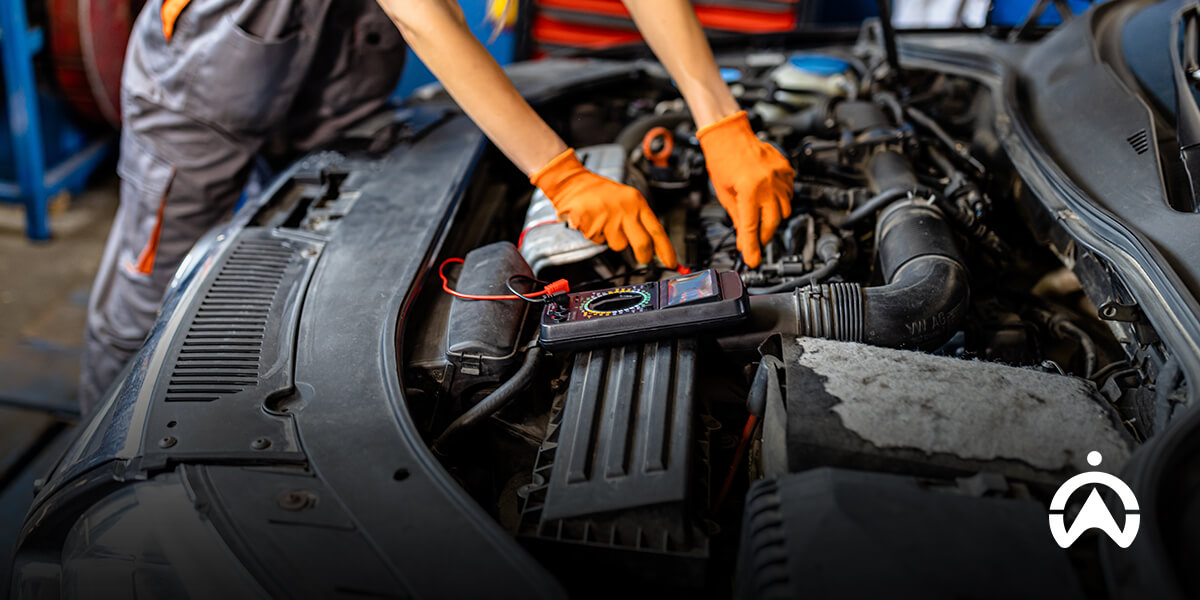
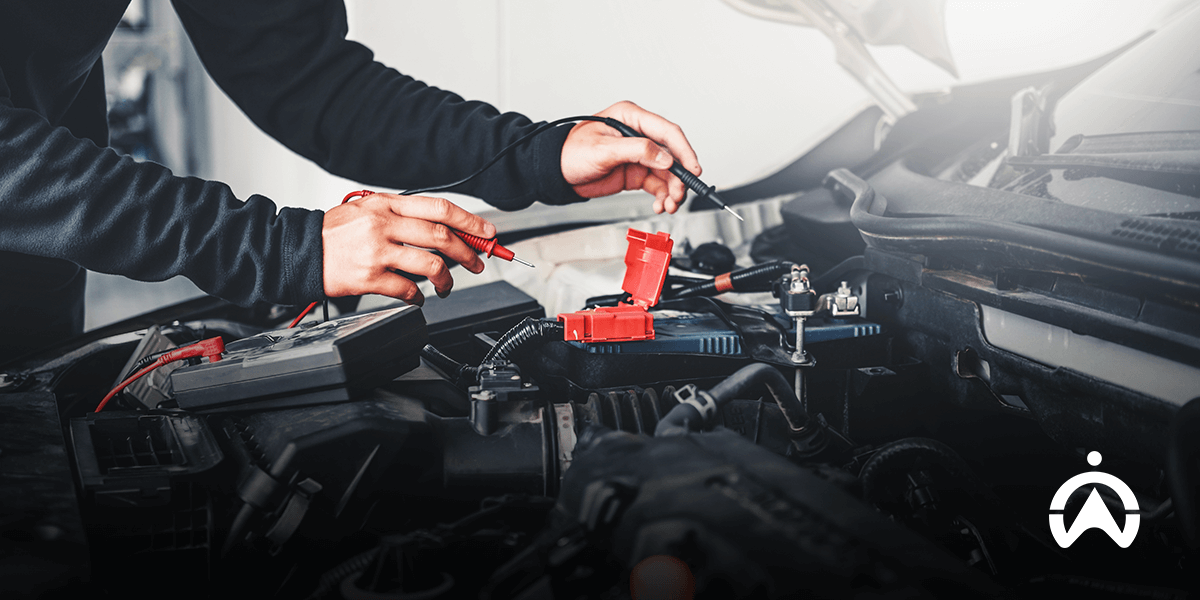
A mechanic in orange gloves uses a multimeter to diagnose a car's engine, focusing on underlying components.

Who can benefit from car tracking solutions?

A wide range of users can benefit from these services. From private car owners to small businesses, e-hailing drivers, construction companies and, of course, those in logistics. Take a look at these two examples that show the advantages of having a vehicle tracking service:

  1. Parents monitoring young drivers: if you’re the parent of a teenager, a car tracking service will help you check their location at any time. You’ll know when they reach their destination and also see whether they’re driving responsibly.
  2.  Delivery business: delivery companies can benefit significantly from GPS tracking services. The technology eliminates time-consuming procedures, such as constant phone calls to check where drivers are, and cuts down on paperwork. Fleet managers can use the software to optimise routes, finding the best way to reach a delivery destination and get accurate delivery ETAs. This reduces fuel costs and promotes a better customer experience.

Costs, installation and what to expect from a tracking provider

  • Cash vs rental
    It’s important to know the payment options a company offers. At Cartrack, we have cash and rental payment options. With a cash contract, you pay for the device upfront, get full ownership and lower monthly service fees. A rental contract, on the other hand, is a more affordable option that offers flexible payments with lower upfront costs. Your budget and intended use will determine which payment option suits you best.
  • Stolen vehicle recovery (SVR)
    Not all tracking services include stolen vehicle recovery, so it’s essential to confirm whether your provider offers this vital service. Without it, you’ll only be able to view your vehicle’s location, and if it’s stolen, no recovery team will help you get the car back. It’s important to know exactly what your package includes to avoid signing up for a service that doesn’t cover the basics of vehicle tracking.
  • Installation
    What you should look for is a smooth, professional installation. Some providers supply self-install kits; however, installation by a qualified technician ensures it’s done correctly, reduces the chances of vehicle parts being damaged in the process and ensures the device works without problems.
  • What tools do you get access to?
    When you sign up for a GPS tracking service, you should expect access to a mobile app and a website to simplify monitoring the vehicle’s movements in real time. Features should include live location sharing, trip replay, vehicle health reports and scores based on driving habits. The software should also provide historical data that lets you review past trips so you can identify areas for improvement. In addition, you should be able to set up alerts that notify you of security issues, such as when vehicles cross into restricted areas.
  • Warranty and support
    Make sure your service provider is reliable and trustworthy. Customer support should be readily available for all your queries. There should also be a device warranty to ensure your unit is fully functional and will be repaired or replaced if there is a fault.

How to choose the right tracking solution for you

  1. Purpose
    Having a clear view of your vehicle tracking needs will make it easier to find the best solution for you. Ask yourself what the most important things you’ll use it for are. Do you just want the car security service, or will you need additional features to manage a fleet? Once you understand your specific needs, you can identify the solutions that best suit you or your business.
  2. Cost
    Assess the upfront costs and subscription fees. Read the terms and conditions to better understand the costs you may encounter along the way. Whether it’s a budget or a premium service, the price you pay should be worth the service you receive. There should be a good return on investment.

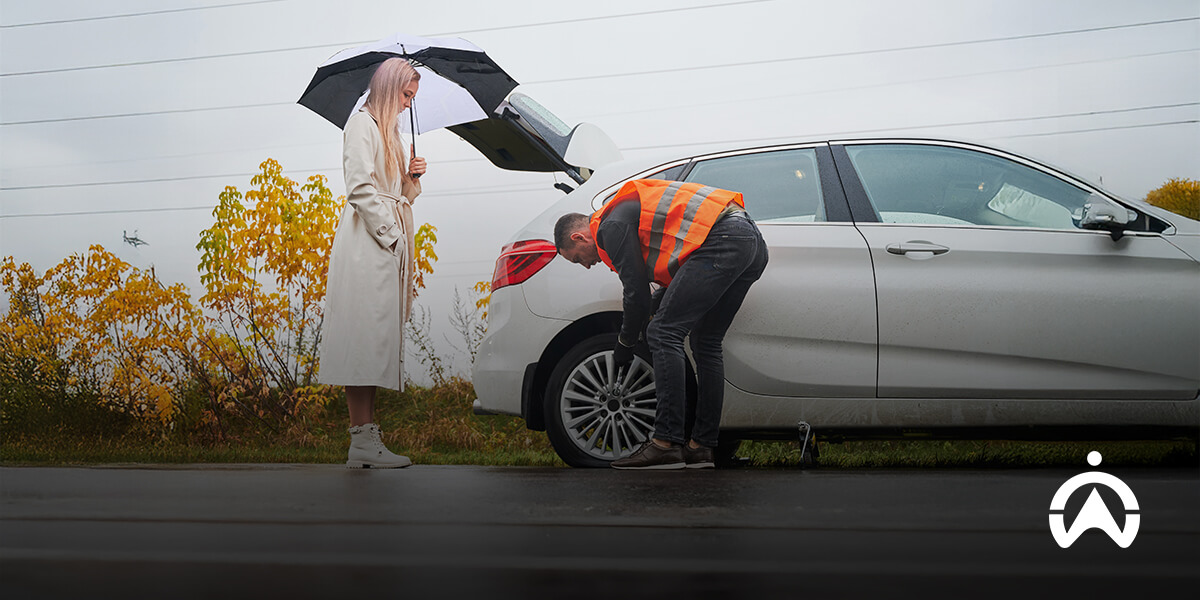
A person in a safety vest fixes a car tire while another individual holds an umbrella, surrounded by autumn foliage.

Why choose Cartrack for your vehicle tracking needs

Cartrack is a trusted vehicle tracking company that has been around for more than 20 years. We offer affordable options that give individuals and businesses peace of mind. Our key features include:

  • Real-time tracking
    Track your vehicle’s location in real time on the Cartrack mobile app or website. Get satellite views and smart map overlays for the view that suits you best. Access your full trip history, replay trips and see the distance and duration of each one.
  • Stolen Vehicle Recovery
    Cartrack’s control room service is available 24 hours a day, 7 days a week. We have nationwide coverage and a highly trained recovery team that is always on standby, ready to return your car(s).
  • Lifetime maintenance warranty
    All Cartrack units come with a one-year maintenance warranty to ensure your device works without problems. You also have the option to extend to lifetime cover under specific terms.
  • Crash detection
    We have technology that detects collisions automatically. When this happens, we’ll call you or a loved one to find out what’s happening and send help immediately. This speeds up the arrival of emergency services, as we’ll have your exact location. This is a value-added service.
  • Breakdown assistance
    To make sure your car is never left stranded on the road, Cartrack has a value-added service called Protector, which provides roadside assistance if your vehicle breaks down. Once again, help will arrive faster, as we’ll already have access to your current location.
  • A virtual car guard
    As an extra layer of protection against vehicle theft, Cartrack has the CarWatch value-added service. All you have to do is tap the option after parking your car, and you’ll receive an alert if it moves without your permission.
  • Driver behaviour insights
    Our IoT-enabled devices allow individuals and fleet managers to monitor aggressive driving habits such as harsh acceleration, harsh braking, sharp cornering and speeding. This encourages driver accountability and safer driving habits.

    In addition, using RFID tracking technology, we have driver identification tags that fleet managers can use to see immediately who is driving each vehicle. This ensures the company stays compliant by assigning certain vehicle types to qualified drivers, and makes it easier to monitor driving habits, as you’ll know which driver needs training.

  • Route optimisation
    Using historical traffic patterns, trip trends and real-time data, our route optimisation tool suggests the most efficient routes your vehicles can take. This cuts out long routes that increase fuel costs and improves delivery times.

Let us take care of your car tracking needs

Car tracking services are essential for every driver and, as one of the leading vehicle tracking service providers in Mozambique, we pride ourselves on offering solutions that meet all your vehicle’s needs. Get in touch with us and find out why we offer one of the best vehicle tracking services and solutions.

7 most common GPS tracking problems

7 most common GPS tracking problems

GPS tracking systems are essential for every driver or fleet business. They offer numerous benefits, such as personal safety and continuous updates that help businesses monitor productivity. However, reliable as they are, and just like any other form of technology, GPS tracking systems also come with some challenges that can have significant implications. It’s essential to understand these issues and how they can affect you.

Today, we’ll explore the most common GPS tracking problems and how Cartrack solves each one effectively to give you the best possible service.

In this article, you will:

  • Learn about 7 common GPS tracking problems
  • See how Cartrack solves each problem
  • Find out why our solutions stand out from the rest

Discovering the 7 common GPS tracking problems and how to solve them

GPS tracking problems can lead to a wide range of consequences, such as delayed emergency responses, wasted resources, lost revenue and legal implications. Before choosing a service provider, you should know the possible challenges and what solutions they have to overcome these obstacles.

Here are 7 common GPS tracking problems and the steps we take to overcome them:

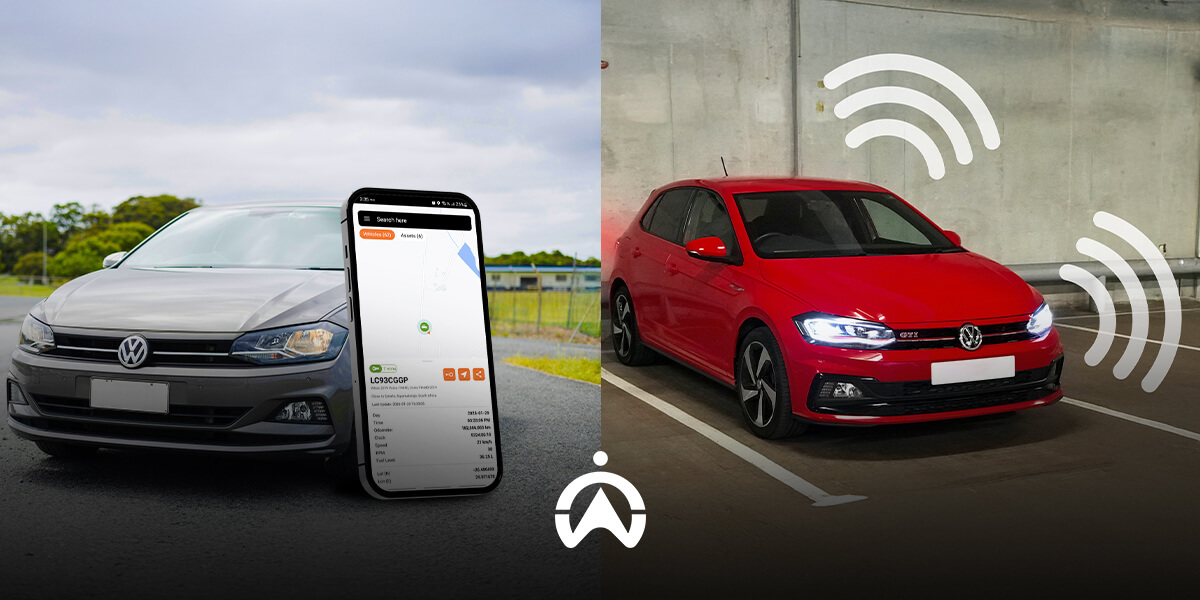
1. Connectivity and signal problems

Cause:

GPS tracking devices generally consist of two modules. A GPS module that connects to satellites to determine the vehicle’s location, and a GSM module that relies on a SIM card and a cellular network to send location information to the GPS tracking platform. This means that if you’re in a remote area where mobile signal is weak, some updates may be lost or badly delayed.

In addition, GPS signals can pass through materials such as glass and plastic, but are obstructed by dense structures such as concrete and metal. For a GPS module to work properly, there must be a clear view of the sky. For this reason, signal loss can occur when vehicles pass through tunnels or past tall buildings. Severe weather, such as heavy rain, can also affect the signal.

Solution:

Cartrack’s GPS system uses cloud-based technology to provide accurate, real-time location updates, ensuring continuous monitoring even in challenging environments. Our vehicle tracking system offers nationwide network coverage.

When you’re in an area with little or no coverage, no updates will be lost, as the unit will continue to record up to 5.000 data points (location, speed, etc.). This ensures continuous tracking even in challenging environments. When the signal returns, you’ll receive all the data you need about what was happening in that area.

2. Cross-border tracking problems

Cause:

As mentioned in the previous point, a GPS tracking system relies heavily on cellular and satellite communication to work effectively. Because of international roaming restrictions, many GPS tracking systems stop working or offer limited functionality when vehicles are outside the country. This can be a problem for businesses such as logistics companies whose drivers frequently travel in and out of the country.

Solution:

The Cartrack GPS tracking system is globally compatible and supports international roaming. This feature ensures continuous, accurate tracking across borders for individuals and businesses if you choose this package. It also allows us to recover vehicles that have been stolen and smuggled out of the country.

3. GPS device malfunction or hardware failures

Cause:

Some tracking devices are built using low-quality materials. This makes them fragile and vulnerable to external factors such as extreme temperatures, blown fuses and general wear and tear, which can affect functionality. It also means they have to be replaced constantly, which can be costly. In addition, faulty wiring during installation can cause the device to malfunction.

Solution:

A tracking unit with durable hardware. Cartrack’s GPS tracking devices are built with robust, weatherproof hardware that can withstand wear and tear. We produce devices manufactured in-house with high-quality materials to ensure you get the most out of your device and to prevent hardware failures. Our qualified technicians ensure smooth, professional installations to avoid inaccuracies caused by faulty wiring.

We also offer a Lifetime Maintenance Warranty as a value-added service. This option includes unlimited repairs and no call-out fees on our tracking unit. Customers can also call at any time to test their devices and make sure everything is still working well. We monitor device performance in real time, alerting users to any potential problems.

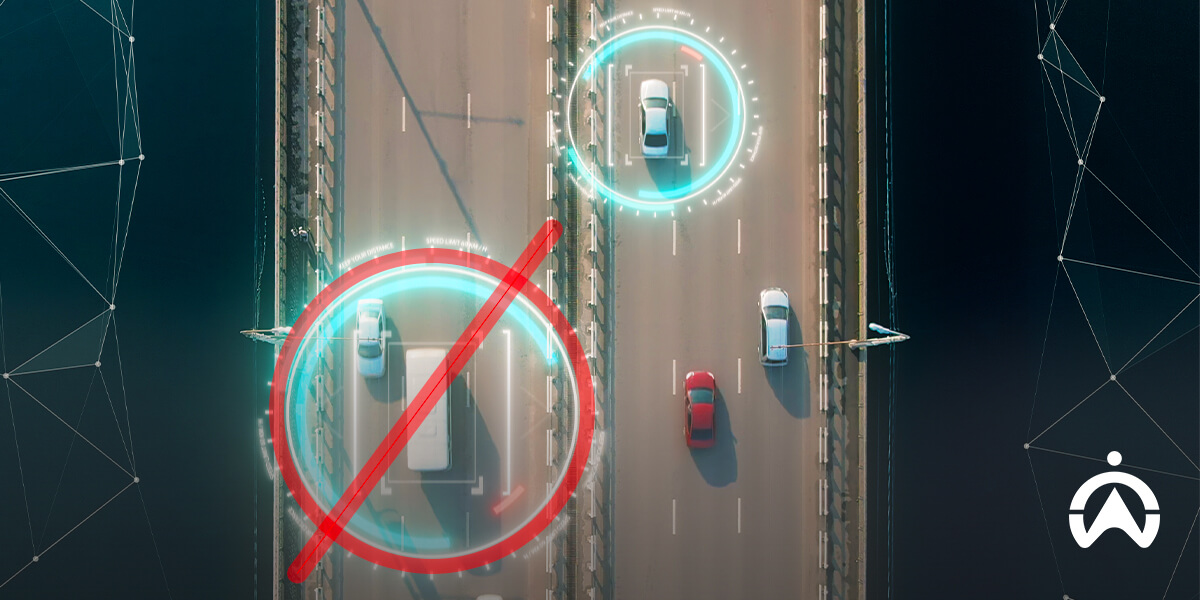
4. Signal jamming and interference

Cause:

In an attempt to prevent a vehicle from being located, criminals use signal jamming devices to block or interfere with radio communications such as GPS tracking systems. As a result, if your vehicle is stolen, the recovery service won’t see where it is and therefore won’t be able to recover it. It also gives criminals more time to look for the device and throw it away.

Solution:

One of our latest innovations to solve this problem is the Cartrack-Tag. When paired with a Cartrack tracking device, the Cartrack-Tag can detect any signal jamming that may occur when a vehicle is stolen and alert our control room services. Thanks to this powerful technology, we can still find your vehicle despite criminals’ attempts to stop us receiving information.

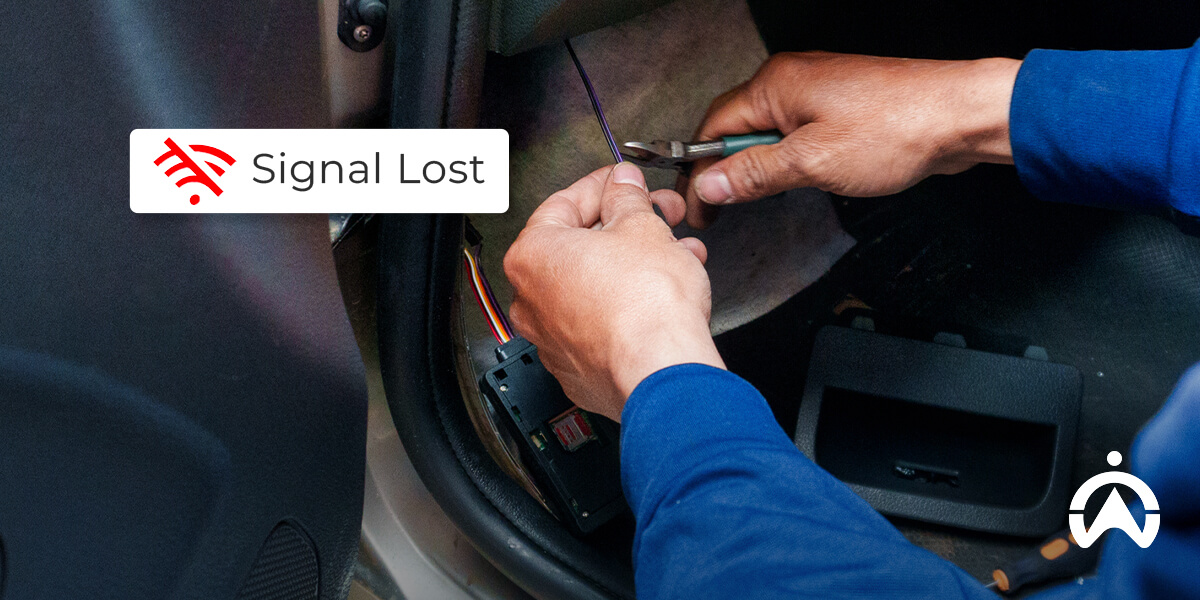
5. GPS device tampering

Causes:

GPS tracking devices that aren’t strategically hidden can easily be found and tampered with. Common reasons for tampering are: employees trying to evade monitoring, criminals trying to steal vehicles, or hackers manipulating GPS tracking data for illegal activities.

Solution:

Cartrack’s devices are designed for discreet installation in hard-to-reach areas, reducing the risk of tampering. Our technicians are trained to carry out installations that are as close to tamper-proof as possible. As an extra layer of protection, we also have power event notifications that send an alert if your vehicle’s battery is disconnected, which may indicate some form of tampering.

Our control room agents will receive instant notifications, call you immediately and take the necessary steps to protect your vehicle.

6. Software glitches and compatibility problems

Causes:

Technical glitches are common in any software. In the vehicle tracking sector, they can lead to data inconsistencies and long delays. These glitches are caused by outdated software, fleet management tools that don’t work directly together, or technical bugs that can cause system failures. For example, if the data on a fleet management platform is out of date, fleet dispatchers may not receive real-time updates. This results in drivers being dispatched to deliveries that are further away than the ones they are closest to.

Solution:

Cartrack ensures that all devices and software are updated regularly for optimal performance. Cartrack’s software receives regular updates to maintain optimal performance, prevent glitches and ensure seamless fleet operations. 

Our fleet management solutions are integrated, which means all our solutions can be found on a single platform. We also have technical support and a customer helpline available all day to troubleshoot and resolve any software or compatibility problems you may encounter.

7. Too much data or too many alerts

Cause:

Constant GPS tracking updates can result in data overload. This makes it hard for users to manage and prioritise information. Some alerts are irrelevant to a particular user, which leads the person to ignore all notifications and miss the most important ones.

Solution:

Our platform lets users customise alerts so they receive notifications and updates specific to their concerns. For example, a major concern in fleet management is driver behaviour. Fleet managers can set up speeding alerts to ensure drivers practise safe driving habits on the road. We also have a user-friendly dashboard that helps our customers filter and prioritise data easily, making tracking more manageable.

An additional GPS tracking problem that service providers need to look at is privacy concerns

As GPS tracking data has become more advanced over the years, so has the amount of information it can reveal about people’s personal lives. Many users worry about how their confidential information is collected, stored and used. Improper handling of tracking data can lead to privacy breaches and security risks.

Cartrack prioritises your privacy. We are fully compliant with POPIA, ensuring your personal data stays secure. We use end-to-end encryption and maintain a strict policy against sharing your information with third parties.

Avoid common GPS tracking problems with Cartrack solutions

In conclusion, a GPS tracking device is an invaluable tool for improving vehicle security and operational efficiency, but common problems can cause disruptions that may compromise the safety of people and vehicles in critical situations.

These drawbacks can also lead to costly mistakes for businesses. It’s important to choose a vehicle tracking service that can manage and overcome these challenges so that you get the best possible experience and the best value for money.

Cartrack’s advanced GPS tracking solutions solve these problems, providing reliable real-time tracking, secure installations and cost-effective preventive measures to keep vehicles safe and business operations running smoothly. Join our more than 2 million subscribers and experience unrivalled vehicle security and tracking reliability.

Want to know more about common GPS tracking problems? Take a look at these frequently asked questions

What is the most common cause of a GPS tracking error?

The most common GPS tracking error is satellite blockage caused by obstructions such as trees, tall buildings and mountains. They prevent satellite signals from reaching the receiver (for example, a vehicle tracking unit) directly. This causes delays in location updates and inaccuracies.

Why isn’t my GPS tracker sending its location?

A GPS tracking device may fail to send a location update because of a weak signal, such as in a remote area. Other reasons may be device malfunction, battery failure or software updates. Contact your service provider as soon as possible to find the root cause.

How can GPS tracking be improved?

Choose a GPS tracking service that provides high-quality devices and has backup plans for problems that may arise. Update your software regularly to make sure the information is always accurate, and filter your alerts to monitor only what matters to you.

Cartrack offers GPS tracking solutions you can rely on

Make sure you protect your vehicle(s) with a trusted GPS tracking service provider that can solve any problem. Contact us today!

Car tracking devices vs. traditional car alarms: which is better?

Did you know that approximately 93 cars are stolen every day in Mozambique? This alarming statistic proves that vehicle security is now more critical than ever. At this rate, investing in a car security system, such as a tracker or a car alarm, is non-negotiable. Although most vehicles already come fitted with alarms, the big question is: are they enough to protect your vehicle?

We’ll discuss these two main car security solutions, compare their effectiveness and help you determine which system best suits your needs. You’ll also discover how Cartrack solutions can help protect you and your loved ones on the road.

In this article, you will:

  • Learn the key differences between car tracking devices and traditional alarms
  • Understand the benefits of car tracking devices
  • Find out why Cartrack stands out as the best vehicle tracking partner

Car tracking devices vs traditional alarms: a comparison

Car tracking devices and alarms both aim to protect your vehicle, but they achieve that goal in different ways. The table below outlines the main features, benefits and drawbacks of each system, giving a clear overview to help you make an informed decision when choosing the right security solution for your needs.

Aspect Car tracking device Traditional car alarm
Primary function Vehicle tracking and recovery Deterrent, Intrusion Alerts
Effectiveness Highly effective for locating and recovering a stolen vehicle Mainly effective at deterring theft or alerting to attempted theft
Technology GPS, cellular, Wi-Fi Sensors, Sirens, Motion Detectors
Features Real-time tracking Geofencing, Speed alerts, Driver behaviour monitoring, Remote engine immobilisation Loud siren Motion detection, Tilt sensors, Glass-break sensors
Installation Often hidden and professionally installed Usually visible, generally professionally installed
False alarm Less prone to false alarms More prone to false alarms (for example, loud noises, animals)
Additional benefits Valuable for fleet management, parental controls, emergency services and potential insurance discounts Limited beyond basic theft prevention

Key differences between car trackers and alarm systems

When it comes to car security, owners often consider tracking devices and alarms. Although both offer protection for cars, they take different approaches to it. Let’s explore how different they really are by looking at their primary function, installation, technology and limitations.

Key differences between traditional car alarms and tracking devices:

Primary function

Traditional car alarms

The main function of a traditional car alarm is to deter theft. If someone tries to steal your vehicle or break in to take your belongings, the car alarm’s sensors will detect this and a sound will go off. In some cases, the vehicle’s headlights will also flash. These alerts serve to notify people nearby and put the criminal off continuing with the act.

This makes car alarms effective in theft situations.

Car tracking devices

The main function of a car tracking device is to assist in recovering a stolen vehicle by tracking its location using GPS technology.

Tracking devices don’t prevent theft, which makes them ineffective during a theft but highly effective after it.

Technology

Traditional car alarms

Traditional car alarms rely on sensors to detect unauthorised access or disturbances, triggering the alarm when activated. Below is a list of common sensors an alarm system typically has:

  • Tilt sensors: These are used to detect any change in the vehicle’s tilt relative to the ground. The alarm will be triggered if the car suddenly tilts. This feature protects against unauthorised towing or lifting of the car.
  • Motion detection: if there is any movement near the car, it will set off the alarm. This can include even a light touch on the vehicle.
  • Glass-break sensors: if someone is trying to break your window, for example, and the glass shatters, this will be detected and the alarm will go off.

Car tracking devices

Trackers are equipped with advanced GPS technology . These devices use GPS receivers to communicate with satellites, pinpointing your car’s location in real time. The location data is then transmitted over cellular networks (such as 4G/LTE) to secure servers, allowing users to track their vehicles remotely. This can be done through apps or online platforms.

Installation

Traditional car alarms

Original equipment manufacturer (OEM) alarm systems are installed by the vehicle manufacturer during the manufacturing process. Aftermarket alarm systems are bought separately and are usually installed by a qualified technician.

Car tracking devices

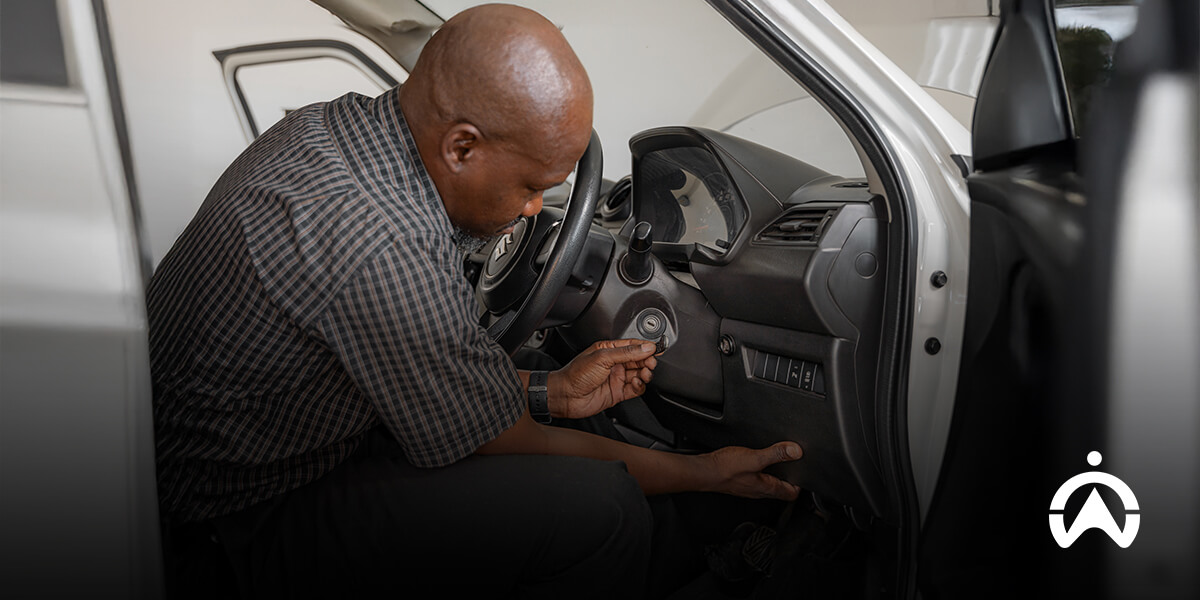
GPS trackers should be installed by a qualified technician to ensure they are fitted correctly and discreetly.

It isn’t advisable to buy tracking devices from online or off-the-shelf stores and try to install them yourself. Not only do you risk damaging your vehicle’s wiring and other important components, you’re also putting yourself in danger by buying from these untrustworthy companies. These systems can easily be hacked, posing a risk to users.

A Cartrack technician inspects the dashboard and ignition of a car while seated in the driver's seat, focused on installing Cartrack tracking device.

Limitations

Traditional car alarms

These days, criminals use sophisticated devices that, unfortunately, can easily disable car alarms. These systems are also more prone to false alerts, which undermines their reliability.

False alarms can be caused by the following:

  • Overly sensitive sensors: if a vehicle’s sensors are overly sensitive, they can be triggered easily. This means your vehicle’s alarm may go off even when a small animal, such as a bird, is on the roof of your car.
  • Faulty key fob: a faulty key fob or remote can send erratic signals to your car’s alarm system. Most remotes have panic buttons, so if they are faulty, the panic button is likely to be activated at random, setting off the alarm.
  • Wiring problems: if you have an aftermarket alarm system and decided to install it yourself, you may have damaged the wiring system. That’s why doing it yourself isn’t advisable. You should always use a qualified technician to do the installation.
  • Low battery levels: a weak or flat battery can set off the car alarm. If your vehicle’s battery is too old, make sure you replace it to avoid this.

Car tracking devices:

The Tracking devices are much harder for criminals to disable, as they are installed in discreet locations, which makes them hard to find. This forces criminals to waste time looking for the device, giving the authorities a crucial window to track the vehicle and recover it before it disappears for good. These devices won’t send false alerts thanks to their advanced GPS technology.

The real benefits of GPS car trackers

Because traditional car systems were created with theft deterrence as their main function, they don’t offer many additional benefits compared with GPS trackers. Car tracking systems have more additional benefits, such as emergency assistance, fleet management capabilities and parental controls.

Let’s explore these additional benefits below:

Emergency Assistance

This feature ensures that you and your loved ones get the support you need in difficult situations on the road. Most tracking companies offer emergency assistance, such as medical or roadside assistance. You will have peace of mind knowing you are always protected.

Fleet management

Vehicle tracking devices can help fleet managers run their daily operations smoothly. Here is how:

  • Efficiency: real-time tracking lets fleet managers optimise routes, minimise downtime and improve overall efficiency.
  • Security: They can help monitor driver behaviour and identify potential safety risks, such as speeding or harsh braking.
  • Maintenance: tracking data can be used to schedule vehicle maintenance and ensure timely servicing.
  • Asset tracking: GPS trackers can be used to monitor the location and movement of valuable assets in your business.

Parental control

If you are the parent of a teenager who is new behind the wheel, you can make sure they are always protected on the road by using GPS tracking systems. Geofencing lets parents set virtual boundaries and receive alerts if their children enter or leave specific areas. They can also monitor their children's behaviour on the road, reviewing harsh events and offering the coaching that is needed.

Potential insurance discounts

Insurers tend to offer lower insurance premiums to customers who have security systems such as GPS trackers. That is because they know that, in the event of theft, the high likelihood of recovering the vehicle reduces the need for a payout.

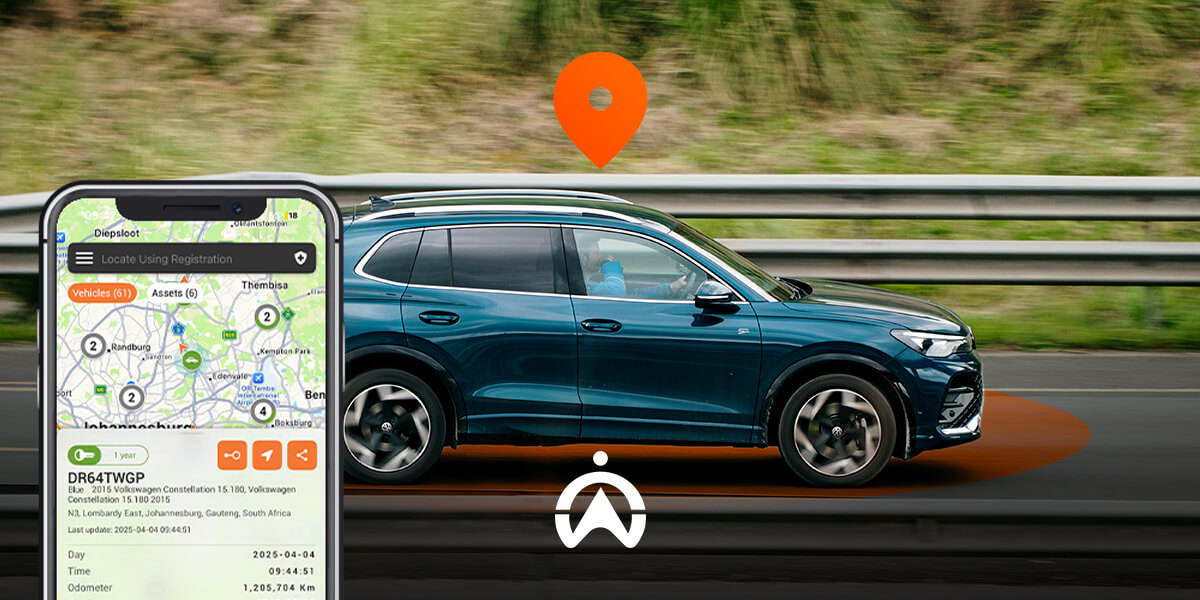
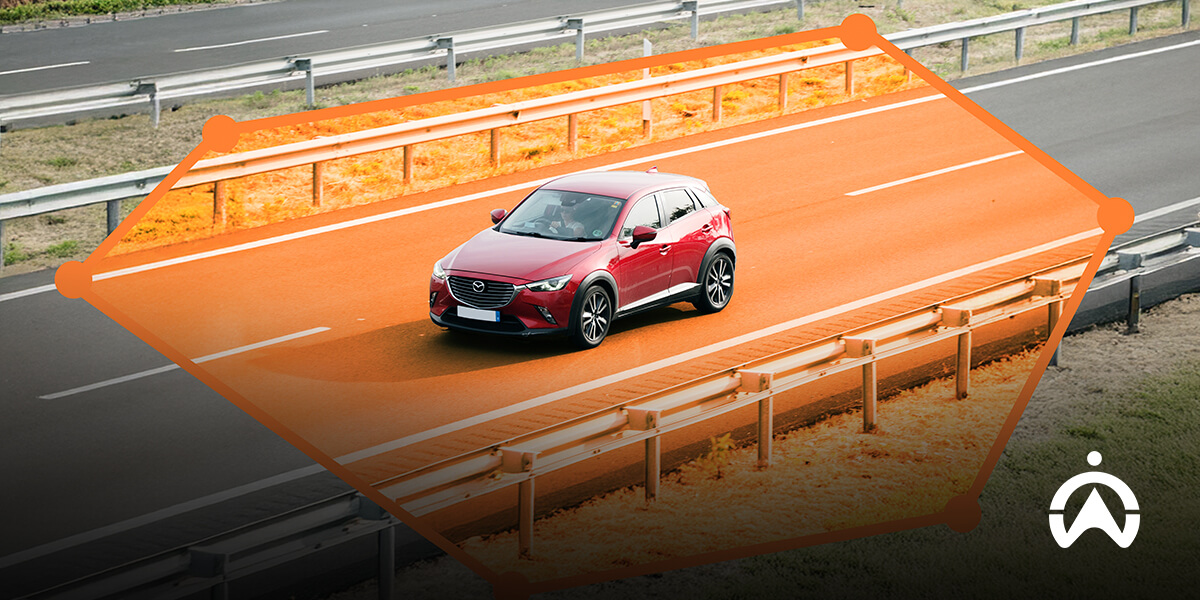
A red SUV drives on Cartrack geofence area mark, surrounded by green grass and a metal guardrail, showcasing a vibrant outdoor scene.

Why Cartrack stands out as your vehicle tracking partner

From the above, it is clear that having a car tracking device is essential for your security. However, it is not just a matter of finding and fitting a GPS tracker and calling it a day; you need to be sure you are getting the device from a trustworthy company. Cartrack is one such company.

Cartrack offers the following features and solutions to help ensure your vehicle is secure and has a better chance of being recovered if it is stolen:

  • Advanced fitment technique
    Our highly trained technicians are responsible for installing our tracking devices, making sure they are fitted correctly and do not interfere with other important components of your vehicle.
  • Air and ground recovery teams
    If a vehicle theft is in progress, our highly trained recovery team will be called out immediately. This is usually carried out by air and ground teams to ensure the fastest, safest and most efficient tactical response.
  • Cartrack mobile app
    Our tracking devices are integrated with the mobile app, giving you full control of your vehicle and fleet. You can also access our wide range of features at the touch of a button. Our app lets you:
    -View your vehicle's live location and past trips
    -Activate Carwatch, which alerts you if your vehicle moves after it has been parked
    -Activate Protector, which provides medical, roadside assistance, legal, accommodation and car hire services
    -Share your live location with your loved ones
    -View the last position report, which shows the vehicle's last known position
    -View driving reports to monitor driving behaviour and reduce fuel and maintenance costs
  • Carwatch
    Carwatch is a value-added service we offer our customers. Think of it as a virtual car guard; it watches over your car when you activate it. You will receive instant alerts if your vehicle moves without your knowledge, so you can take the necessary action.
  • Jamming detection
    Cartrack offers signal jamming detection as a value-added product feature. This ensures that if criminals use signal jammers to block the tracking system's cellular connection, we can still track your vehicle. We switch to RF frequency, which lets us keep communicating with the vehicle.
  • Protector
    Cartrack Protector is a value-added service, available for an additional fee. With just the touch of a button on the Cartrack app or website, you will have access to a range of services to make your journey as comfortable as possible. A call centre agent will contact you immediately to help with the following:
    -Medical assistance
    -Roadside assistance
    -Legal assistance
    -Accommodation and car hire services
  • Geofence
    You can set virtual boundaries around high-risk areas. This means you will be notified instantly if your drivers or loved ones using your vehicle enter those zones. You can then call them and have them turn around immediately.
  • Panic button
    In an emergency, you can simply press a panic button, which will instantly send a silent alert to our Cartrack control room, available 24 hours a day, 7 days a week. An operator will provide the assistance you need.
  • Tamper alert
    If your tracking unit is tampered with, which usually indicates that a theft is in progress, our control room will receive an alert and contact you immediately to investigate.
  • Power event notification
    You will receive an alert if your vehicle's battery is disconnected. This may indicate some form of tampering with your vehicle.

In conclusion, it is important to protect your vehicle, especially with the rising number of thefts and hijackings in South Africa. Make sure your car is fitted with alarms and GPS tracking devices for optimal security. Get in touch with us today to find out more about all our offerings and enjoy peace of mind.

Frequently asked questions about alarms and tracking devices

Q: Is it possible to combine a traditional alarm and a car tracking device?

A: Yes, many vehicle owners use the two systems together to increase their car's security: alarms to prevent theft and trackers for recovery.

Q: Can I transfer a car tracking device to a new vehicle?

A: Yes, you can transfer a tracking device from one vehicle to another. We will send a Cartrack technician to uninstall and reinstall the unit for a nominal fee. This is done at a time and place that suits you. Simply get in touch with us to arrange it.

Q: Do car alarms or tracking devices drain the vehicle's battery?

A: Both systems use minimal power and are unlikely to drain the battery under normal conditions.

Q: Can GPS tracking devices locate my car if it is stolen and taken to another country?

A: Our tracking units have international roaming, allowing both local and international tracking. In areas without GPRS/GSM coverage, the unit can store up to 5,000 positions and events, such as ignition changes, every 3 km travelled or on deviations of 10 degrees or more. These data points are transmitted once GPRS/GSM communication is restored.

How long do car trackers last

When you think about investing in a vehicle tracking device, it is natural to ask: “How long will the tracking device last?” After all, a high-quality tracking unit is an investment, and you want to be sure you are getting the most for your money.

Nobody wants to invest in technology only to see it fail a few years later. That is why it is important to know the factors that influence a tracker's lifespan, so you can make an informed decision when choosing one.

The good news is that modern GPS trackers designed for fleet management and personal vehicle tracking are built to last. Like any technology product, how long these devices last depends on their durability and several other factors.

In this blog, we take a closer look at these factors and explain why Cartrack’s solutions are designed to stand the test of time.

Let's dive in!

By the end of this read, you will have a clear understanding of:

  • What affects the lifespan of a vehicle tracker
  • How to get the most out of your tracking device
  • Why Cartrack's tracking units offer reliability and durability

What affects how long a tracking unit lasts

Have you ever wondered how long a tracking unit really lasts? The answer depends on several factors, including the quality of the device, how often the vehicle is used and how the device is installed.

Here are some of the factors that can affect the lifespan of a tracking device:

  • Quality of the tracking device
    Vehicle tracking companies offer different tracking units that vary in quality, and the quality of the device plays an important part in its durability. Of course, you can find a cheaper device from another brand that promises to do the same job, but the truth is that cheaper car tracking units generally lack the durability needed for long-term use. Over time, they may start to show signs of wear, and you may need to replace them sooner than expected. On the other hand, a high-quality tracking unit from a trusted provider such as Cartrack is built with premium materials designed to last.
  • How often the vehicle is used
    As with any device, how often the vehicle is used can affect the lifespan of the tracking unit. If you are monitoring a fleet of vehicles that are on the road every day, the device will naturally see more wear and tear. But rest assured, Cartrack's tracking units are designed to handle this constant use with ease. Regardless of how often they are used, Cartrack's devices are built to deliver reliable service for years, whether for a single vehicle or an entire fleet.
  • Installation and Maintenance of Tracking Devices
    As with any piece of technology, proper installation and maintenance can go a long way towards extending its lifespan. If the tracking device is installed correctly by a professional installation technician, it is far more likely to work well for a long time. Cartrack assigns well-trained technicians to every tracking device installation and to any repairs or maintenance.
  • Keeping up with new technology
    Technology is always changing and, although the physical tracking unit may last several years, keeping it up to date with new technological advances is what keeps it relevant. This is particularly crucial as the tracking sector evolves, introducing new features and innovations. At Cartrack, we make sure our tracking devices are up to date with the latest innovations to keep them performing at their best. This ensures our tracking devices remain compatible with new systems and features, which means you do not have to worry about your tracking device becoming obsolete any time soon.

Person using multimeter on car battery under open hood.

What is the lifespan of a tracking device?

Expected lifespan of the tracking device

When it comes to high-quality tracking devices like Cartrack's, you can generally expect them to last a good few years, depending on the factors we have discussed. And, with the device's durability and expert maintenance, many tracking devices from a reliable tracking service provider come with a long-term warranty.

The right time to upgrade a tracking device

Eventually, even the best tracking units will need to be replaced. If your tracking device starts to show signs of wear or seems outdated compared with newer models, it may be time to upgrade. The good news is that, with Cartrack, this process is smooth and simple. Our customer support teamand is always on hand to guide you through the process.

Why Cartrack is the best choice for long-lasting performance

By now, you may be wondering: “What makes Cartrack different from other tracking providers?” The answer is simple: Cartrack prioritises quality, reliability and customer satisfaction.

Here is what makes Cartrack stand out:

  1. Real-time GPS tracking
    Cartrack's real-time tracking system provides accurate, up-to-date information on your vehicle's location, speed and other driver behaviour. Whether you manage one vehicle or an entire fleet, our tracking system ensures you are always in control. 
  2. Fleet management features
    Cartrack doesn't just provide basic tracking; we offer a complete fleet management system that helps you monitor fuel consumptionl and vehicle maintenance schedules. This gives you valuable insights that help improve efficiency and reduce costs. 
  3.  Improved safety with dashcams
    Cartrack's vehicle cameras add an extra layer of security and are the perfect complement to your tracking system. By integrating video footage with GPS data, you get a complete view of your vehicle's journey. This is invaluable for resolving disputes, improving driver safety and protecting your assets. 
  4. Fuel Management
    Fuel wastage is a major concern for many businesses. Cartrack's fuel management system helps you monitor fuel consumption in real time, identifying problems that lead to unnecessary waste and helping you save money. 
  5. Stolen Vehicle Recovery
    In the unfortunate event that your vehicle is stolen, Cartrack offers a stolen vehicle recovery service that works closely with law enforcement to recover your vehicle as quickly as possible, reducing downtime and financial losses.

Hand holding a smartphone with a Cartrack app over a stylized city traffic background.

Why settle for less?

By choosing Cartrack, you are not just investing in a tracking device, but also in peace of mind. Our tracking units are designed to be reliable, durable and packed with features that go far beyond simple location tracking.

Choose Cartrack and experience a feature-rich tracking solution that is built to last!

Frequently asked questions

  • How can I check that my Cartrack device is working properly?
    With Cartrack, there is no need to wonder. You can easily check the status of your device at any time through the Cartrack app or website. It will show whether it is connected and tracking your car correctly. If something is wrong, you will know straight away. 
  • Can I track several cars with my Cartrack account?
    Absolutely! Whether you are monitoring a fleet or just your family's vehicles, Cartrack makes it simple to monitor several cars with a single account. Switching between vehicles is quick and easy, so you can see where each car is and what it is doing in real time.
  • What happens if my car's battery is disconnected? Will the tracking device still work?
    Yes, it will! Cartrack devices come with a built-in backup battery. If your car's main battery is disconnected, the extra battery will keep the device running for hours, ensuring we can still track the car in the event of theft or tampering.
  • Can I set up notifications for things like speeding or my car leaving a certain area?
    Of course! Cartrack lets you set up custom alerts for a range of situations, such as speeding or when your car enters or leaves a specific area. These notifications are sent directly to you, so you are always informed when it matters most.

Predictive maintenance: how to reduce unplanned downtime

These days, with business developing rapidly and competition fierce, the working condition of your fleet or machinery is a vital factor to consider. For most companies, unplanned downtime is costly, bringing challenges such as lost productivity and repairs.

Predictive maintenance is the most important way to reduce unplanned downtime, optimise fleet management and improve overall operational performance. This innovative approach relies on advanced technology, together with data-driven insights, to predict incidents early and keep assets running in their best condition with minimal disruption.

In this blog, we look at how predictive maintenance can help you get real-time vehicle diagnostics and set up effective maintenance schedules for your fleet.

In this article, you will:

  • Learn about predictive maintenance
  • Discover the impact predictive maintenance has on fleet operations
  • Find out why Cartrack is the ideal partner for predictive maintenance solutions

What is predictive maintenance and how does it work?

Predictive maintenance uses data analysis to identify operational problems and possible equipment defects, allowing timely repairs before failures occur. The aim is to minimise how often maintenance is needed, avoiding unplanned breakdowns and unnecessary preventive maintenance costs.

The basics of predictive maintenance

Predictive maintenance depends on several technologies to work effectively, including:

  • The Internet of Things (IoT)
  • Predictive analytics
  • Artificial intelligence (AI)
  • Connected sensors

These components collect data from assets such as machines and equipment. Here is how the components of predictive maintenance work:

Data collection:

  • The components collect data from assets (machines, equipment).
  • The data is gathered in the cloud within an AI-enabled EAM or CMMS.

AI analysis:

  • AI and machine learning analyse data in real time.
  • This analysis provides an understanding of the equipment's current condition.

Defect detection and alerting:

  • Alerts are triggered for possible defects.
  • The alerts are delivered to the maintenance team.

Predictive capabilities:

  • Machine learning algorithms predict the equipment's future condition.
  • This enables efficient maintenance workflows (scheduling, labour, parts).

Continuous Improvement:

  • More data collection leads to more insights and better predictions.
  • It gives confidence that equipment is performing at its best.

Mechanic in overalls rolling a large tire with a blue truck in the background.

Data sources in predictive fleet maintenance

In predictive maintenance, it is only through rich, accurate data that problems can be predicted before they cause unexpected stoppages. With advanced and effective fleet management solutions from Cartrack, we draw on different sources to give a complete picture of a vehicle's performance. This data is captured in real time through telematics devices, sensors and on-board diagnostics, allowing fleet managers to monitor critical metrics and receive alerts about possible problems. Below are some of the data sources that are critical for effective predictive maintenance:

  1. Engine health
    The heart of any vehicle is its engine, and its components need to be monitored to avoid any chance of failure. Keeping track of engine temperature, oil pressure, fuel consumption and engine load makes it possible to flag early signs of trouble. Take rising engine temperature or abnormal oil pressure, for example, which can point to possible faults in the cooling system or an oil leak, respectively. All of these parameters are monitored continuously by Cartrack's telematics systems, giving fleet managers real-time information on when engine health starts to decline and enabling timely action before more serious damage occurs.
  2. Braking patterns
    Brakes are the most important safety feature on a vehicle. Worn or inefficient brakes often cause fatal accidents and very costly repairs. Monitoring braking behaviour, including braking force, frequency and response time, will help identify possible problems at an early stage. For example, excessive braking, especially harsh or sudden braking, can lead to faulty brake pads or adversely affect the systems linked to the brake fluid. With the help of Cartrack's telematics system, fleet managers can monitor and analyse braking behaviour, providing analysis that can lead to action being taken.
  3. Fuel efficiency
    A drastic drop in fuel efficiency can be a sign of engine-related problems, under-inflated tyres or a faulty fuel system. Constantly monitoring average fuel consumption over time can help identify and resolve inefficiencies, which can add up to significant costs. Cartrack tracks a vehicle's fuel usage in real time so that fleet managers can study fuel consumption patterns. This is used in route planning, in optimising driver behaviour and in picking up any mechanical problem that affects fuel efficiency.
  1. Tyre wear
    Tyres have a great deal to do with a vehicle's safety and performance. The factors to consider include various forms of wear, such as excessive and uneven wear. This can point to misalignment, incorrect inflation or some other mechanical fault. Monitoring tyre pressure, as well as tread depth, tells you when the tyres will reach the point of needing replacement. Cartrack has sensors that continuously monitor tyre health and notify the fleet monitoring team when the pressure falls below ideal levels or when physical wear patterns show that replacement is needed. By putting early preventive measures in place, you will minimise blowouts and increase safety.

Why predictive maintenance matters for fleet businesses

Predictive maintenance matters most to fleet businesses because of the cost savings it delivers. Another key reason is that efficiency increases, since vehicles are rarely off the road for repairs. Most importantly, it makes driver safety far more achievable, since vehicles will almost always be in excellent condition.

The Impact of Predictive Maintenance on Fleet Operations

Predictive maintenance has had a huge impact on the fleet management sector. Fleet managers can now foresee many problems that would otherwise affect fleet performance. Many benefits have come from this way of planning maintenance. Let's take a look at some of them.

Key benefits of predictive maintenance

Minimising downtime and repair costs is the biggest benefit of predictive maintenance. Servicing vehicles early means repairs are reduced and, in some cases, eliminated altogether.

Another benefit is extending the life of vehicles and improving asset utilisation. When vehicles are repaired early, they have significantly less downtime and are not prone to breaking down at random, maximising operating time.

Reduced fuel wastage is a by-product of vehicles running at their best. An engine that is running well and in good condition is more fuel-efficient than one that is not. This means you can expect fuel costs to come down overall. An added benefit is the reduced environmental impact thanks to lower fuel use.

Operational Efficiency

Operational efficiency is the greatest advantage of predictive maintenance, as it allows better planning of vehicle availability. Managing vehicles becomes very easy when few of them are in for maintenance or being serviced. Smarter resource allocation with accurate maintenance scheduling will be the norm from here on.

Cartrack: A game changer in predictive maintenance

Cartrack is a provider of advanced telematics solutions for fleet management. Its services include GPS tracking, vehicle diagnostics and vehicle data analysis. All of this is provided in real time and in scheduled reports. All of these features support predictive maintenance. Here is how.

How Cartrack improves predictive maintenance

Cartrack's telematics technology detects performance anomalies and warns you well in advance of possible critical problems. The management software then gives operators actionable information on how to resolve each vehicle's problems, reducing unplanned downtime and ensuring vehicles stay operational.

Fleet managers using a Cartrack platform are able to:

  • Monitor KPIs across the entire fleet.
  • Receive predictive alerts about components that are close to failing.
  • Assess historical data to anticipate future maintenance activities.
  • Schedule maintenance activities based on data-driven insights.
  • Avoid unnecessary fuel consumption.
  • Improve driver behaviour and route optimisation.

Features of Cartrack's Solutions

At Cartrack, we pride ourselves on offering a comprehensive set of features designed to make predictive maintenance more effective, improve fleet management and, ultimately, reduce unplanned downtime. Our solutions are built with flexibility, reliability and real-time data at their core, ensuring fleet managers have all the tools they need to keep their vehicles operating at their best. Here are some of the standout features that set Cartrack apart:

  1. Customisable maintenance schedules and automated reminders
    Cartrack understands that every fleet has unique needs, which is why we offer customisable maintenance plans tailored to your fleet's specific profile. Our system takes into account the type of vehicle you operate, its usage patterns and the manufacturer's recommendations, ensuring maintenance is scheduled at the ideal time for each asset. In addition, we provide automated reminders for scheduled maintenance tasks, such as oil changes, tyre rotation or filter changes. These reminders are sent by email or through the Cartrack mobile app, ensuring no important maintenance task is forgotten
  2. Proven results in reducing downtime and cutting costs
    Cartrack's predictive maintenance technology has consistently delivered tangible results in reducing unplanned downtime and cutting maintenance costs for fleets of all sizes. By providing accurate, real-time data on vehicle health, we enable businesses to move from reactive maintenance strategies to a more proactive, data-driven approach. Our predictive insights allow fleet managers to resolve small problems before they escalate, avoiding costly breakdowns and repairs.

    Our customers have reported significant improvements in both vehicle uptime and cost reduction through Cartrack's predictive maintenance solutions. By avoiding unexpected repairs and optimising maintenance schedules, businesses can reduce repair costs, extend the life of their assets and improve fleet performance.

  3. Real-time alerts and predictive insights
    Cartrack's advanced alert system provides immediate notifications when a vehicle needs attention. This helps ensure problems are resolved before they result in a breakdown. Whether it is an engine anomaly, a critical component failure or unusual driving behaviour, fleet managers receive predictive alerts through the Cartrack app or other communication channels. These insights allow a proactive approach, enabling quick fixes or adjustments to maintenance schedules to avoid disruption.

    With Cartrack's real-time alerts and insights, you can stay ahead of potential problems and significantly reduce the risk of unplanned downtime.

  4. Data-driven performance optimisation
    Cartrack's system also provides performance analytics that go beyond predictive maintenance. By monitoring trends in fuel efficiency, driving patterns and vehicle health, fleet managers can identify inefficiencies and make data-driven decisions to improve overall fleet performance. Optimising routes, adjusting driver behaviour and managing fuel consumption not only contribute to vehicle longevity, but also increase operational efficiency and reduce costs across the fleet.
  5. Comprehensive reporting and fleet insights
    Our Cartrack's platform offers comprehensive reporting tools that allow fleet managers to track and analyse data on every aspect of fleet performance, from maintenance schedules to fuel consumption. These reports can be customised to your specific needs, offering detailed information on the health and status of each vehicle. With Cartrack, you can monitor the progress of maintenance tasks, compare fleet performance over time and gain a deeper understanding of which vehicles or components are most likely to need attention.
  1. Vehicle monitoring 24 hours a day, 7 days a week
    One of the main advantages of using Cartrack's telematics system is round-the-clock vehicle monitoring. Our platform continuously collects and analyses data from every vehicle in the fleet, providing real-time information on its performance, status and location. This 24-hours-a-day, 7-days-a-week watch ensures fleet managers are always informed, whether they are on the move or managing their fleets from the office. With Cartrack, fleet operators can detect problems as soon as they arise, allowing immediate action to prevent failures and keep operations running smoothly.

Worker in overalls presenting a laptop screen displaying service reminders.

The future of predictive maintenance

The evolution of technology will continue to open more doors for predictive maintenance. Future advances promise ever smarter machine learning algorithms, closer integration of Internet of Things (IoT) devices and more instant monitoring capabilities. This will allow businesses to get more accurate predictions of failures and improved operational efficiency.

Predictive maintenance, in short, is a dramatic shift in strategy for an organisation with a fleet of vehicles or heavy equipment. For organisations trying to stay competitive, predictive maintenance is no longer optional but a strategic necessity. To optimise fleets, reduce unplanned downtime and increase productivity, Cartrack's advanced telematics solutions are the best option.

Cartrack is at the forefront of this technological evolution, helping businesses shine with smarter, safer and more cost-effective fleet management practices.

Contact us today to find out more about how Cartrack can help you and your fleet stay ahead.

Frequently asked questions

What is the ROI of predictive maintenance?

ROI depends on factors such as the sector, the complexity of the equipment and the scale of implementation. However, businesses generally see significant savings through reduced downtime, lower repair costs and greater operational efficiency.

Can small businesses implement predictive maintenance?

Yes, with the growing affordability of IoT devices and scalable cloud-based platforms, even small businesses can take advantage of predictive maintenance to improve efficiency and reduce costs.

What is the difference between predictive maintenance and preventive maintenance?

Yes, with the growing affordability of IoT devices and scalable cloud-based platforms, even small businesses can take advantage of predictive maintenance to improve efficiency and reduce costs.

Which sectors benefit most from predictive maintenance?

Predictive maintenance is widely used in sectors such as manufacturing, transport, energy, healthcare and utilities, where equipment reliability and uptime are essential.

Driver incentive programmes: how dashcams can help you coach your drivers

When you manage a fleet, no resource matters more than your drivers. Managing them takes efficiency and good planning, which makes for safer trips and optimised delivery of goods and services. For that efficiency and optimisation to happen, drivers must perform at their best at all times.

A good way to encourage best practice and good behaviour behind the wheel is to implement a driver incentive programme. One way to do this is to use dashcams to record trips and overall driver performance.

This blog will discuss how driver incentive programmes and dashcams can help improve driver safety through training.

Let's get started.

In this article, you will:

  • Learn more about driver incentive programmes
  • Discover the role dashcams play in driver training
  • Learn how to implement an incentive programme
  • Understand the legal considerations around using dashcams
  • Learn how Cartrack's dashcams can work for you and your coaching programme

What driver incentive programmes are

An incentive programme is a reward-based method of motivating someone to complete an action. These programmes harness the power of rewards to align behaviour with business goals. When incentives are used in a workplace as part of a formalised system with business objectives, this is called an incentive programme.

The aim of an employee engagement programme is to improve performance and workplace culture, while retaining employees through rewards and recognition. One of the biggest benefits of incentive programmes is their flexibility, since they can be tailored to fit the company's goals, with enough room for occasional adjustments.

There are many types of incentive programme, each with its own process and reward structure. Here are some of the types of incentive on offer:

  • Monetary bonuses: The most common incentive programme is bonuses for good or excellent performance. This comes in the form of a cash reward, usually based on a percentage of the driver's salary. 
  • Recognition: Earning official recognition is another popular incentive used by employers. This could be an award given at the end of the year or any other public acknowledgement of the driver's great performance. The most common version of this is the Employee of the Month programme, which rewards one driver each month for meeting or exceeding the company's goals. 
  • Career development: Creating a reward structure that promises high-performing employees a chance at career development is a very effective incentive programme. It offers drivers a clear path to see how they can progress in their careers. This progression can take the form of a promotion or skills development.

These incentive programmes benefit both businesses and drivers, since they deliver lower costs, higher morale and better customer service overall.

The role of Dashcams in driver training

When it comes to monitoring driver behaviour, few other technologies work as well as dashcams. They provide comprehensive trip recordings, with alerts for distracted driving and other violations. Let's learn more about modern dashcams in a business setting.

How dashcams provide insights into driver behaviour

As a fleet manager, monitoring drivers while they make their deliveries is important. That is why using dashcams is highly recommended. They provide real-time video recordings of the trip and give the fleet manager an overview of how the route generally goes, pointing to areas that can be improved.

Modern dashcams offer a range of AI-powered solutions that help reduce accidents. One of these is event-triggered alerts that inform the driver and the fleet manager about specific behaviours, such as smoking and distracted driving.

Using AI to analyse driving patterns is now an industry standard for most fleet management software. The main features of AI-powered dashcams include:

  • Real-time behaviour analysis: this feature identifies incidents of distracted driving, driver fatigue and forward collisions. 
  • In-cab alerts: provide instant feedback to drivers to prevent an incident or accident. 
  • Data integration: Built-in connectivity with fleet management platforms to improve organisational procedures.

Why use dashcams to coach and train drivers

Dashcams are reliable tools that have been in use for several years. Using them for driver training and coaching is ideal, as they provide objective feedback that cannot easily be disputed. The biggest benefit of using dashcams for driver training and coaching is that they help identify areas for improvement. This can often be hard to uncover and pinpoint without actual footage of the incident. Some common types of incident you may want to address in coaching include:

  • Smoking
  • Fatigue
  • Forward collisions
  • Camera covering or tampering
  • Mobile phone use
  • Seatbelt compliance
  • Distracted driving

Monitoring these incidents and using them as training material is highly beneficial, as it gives drivers real-world context. Failing to follow the rules earns drivers penalties, which can escalate over time. This is useful not only for drivers but also for businesses, since you will have a comprehensive catalogue of the violations most drivers commit. Done properly, this can result in safer trips overall. There are three main occasions when it is best to coach drivers, including:

  • Onboarding new employees
  • In response to incidents
  • On an ongoing, scheduled basis

Following this process is useful, as it will help reduce liability and the frequency of incidents. In addition, this footage can help reduce the cost of insurance claims and protect your brand. Dashcam footage can also significantly speed up and simplify the resolution of disputes arising from road incidents. By offering an objective, first-hand account of the events leading up to an accident, these devices can help establish fault and make fair compensation easier for the parties involved.

Dashcam attached to a car's windshield with blurred background.

How to implement Dashcam-based coaching programmes

To get the most out of your dashcam footage and create incentives, you need to implement a training programme. This will serve as a system to encourage better driving and make overall driver management easier. This coaching programme can be delivered during the trip, after a trip and even during performance review sessions. The aim is to encourage better driving habits among drivers and improve fleet performance holistically.

Here is a step-by-step guide to creating the right programme for you and your drivers.

Step-by-step guide to implementing a dashcam-based training programme:

  1. Selecting the right dashcam solution for your fleet.
    The first step is to choose the best vehicle camera solutions for your business. This should be a solution that is aligned with your company's goals and with the programme you are setting up. 

    You should consider whether you will need just one camera or more; whether it will have AI-based features; and how much storage and recording capacity it will have.

  2. Integrating dashcams with fleet management systems.
    For this process to run smoothly, dashcams should be integrated with whatever fleet management system your company has. This is essential, as it will simplify the monitoring and reporting process. The tools in the system should support the capabilities of the dashcam solution so that the two integrate seamlessly. 
  3. Developing clear training and feedback protocols.
    Once the system is integrated, the next step is to establish clear training and feedback protocols. This means drivers will need to know how and when training happens, who it will come from and how to give feedback on the training. This will help measure the incentives and decide who should receive them.
  4. Aligning coaching sessions with incentive programmes.
    The aim of the coaching sessions should be clearly defined and aligned with how the incentive programme will be run. This may mean stating explicitly which goal leads to which incentive, or creating a points system that accumulates over a set period of time. A driver should find it easy to understand where coaching ties in with specific rewards from the incentive programme.

Tips for a successful coaching programme

For the coaching and rewards programme to work successfully, there are a few essential aspects to consider. Consistent feedback is essential to coaching, especially when people's careers are at stake. Feedback should not go in one direction only: drivers should be able to give feedback on their coaches' performance just as much as coaches do on theirs.

This brings us to the next component to consider: fairness. A programme like this demands transparency so that drivers do not feel there is bias or favouritism in how the training works and how incentives are awarded. It is this fairness that will keep drivers committed to the programme; unfairness will lead to dissatisfied drivers and a drop in performance.

Celebrating improvement is just as important, not only celebrating the highest achievers. This kind of recognition will make everyone taking part in the programme feel seen, even when they are not receiving rewards from the incentive programme.

Future trends in driver incentives and dashcam technology

Many emerging advances in vehicle camera technology are sweeping the fleet management sector. The most prevalent of all is the integration of AI into camera systems. This involves development in other areas, such as machine learning and cloud storage capabilities. All of these elements work together to form Advanced Driver Assistance Systems (ADAS), that aim to increase driver safety.

Integration with telematics and predictive analytics is the direction the sector is taking, with most fleet management systems already using these technologies. This is especially true of dashcams and driver behaviour monitoring.

The development of these technologies has made it easier to implement and run driver incentive programmes. The evolving role of incentive programmes in businesses is a sign of how many drivers prefer them. Most driver job offers now include this as part of the employment package, making it a deciding factor for many in a competitive market.

Person in a hi-vis vest working on a laptop with security camera feeds displayed on the monitor.

Cartrack's Dashcams and coaching solutions

At Cartrack, we offer a range of camera solutions that let you monitor your fleet with AI-powered road-facing and cab-facing dashcams. You can have up to 8 interior or exterior cameras to help keep your drivers, fleet and cargo safe.

This solution comes with preventive in-cab voice alerts that inform drivers of possible safety violations so they can correct them immediately. Our event-based footage instantly gives you the exact footage you need, when you need it. Our AI-powered cameras analyse the environment inside and outside the vehicle, allowing you to detect high-risk behaviour and alert drivers to it in real time so they can avoid accidents. All footage of any incidents is stored on our cloud platform and can be used to coach drivers on how to improve their driving behaviour.

You will no longer lose hours trawling through hours of footage in the hope of finding what you are looking for. You can live-stream recordings from any active vehicle using Android, Apple or Huawei. View footage categorised by the safety events captured, request footage by time and date, or live-stream footage from any active vehicle.

As we move into a new technological era in fleet management, it makes sense to use the tools currently available, such as dashcams. Combining driver incentive programmes with dashcam-based training is one of the ways to optimise your business and increase overall driver safety.

If you are looking for a reliable dashcam and an AI-powered camera system, contact us to find out more about what we offer.

Frequently asked questions

How much does it cost to roll out dashcams across a fleet?

Get in touch with us at Cartrack for a quote on our range of cameras and dashcams.

Are there privacy concerns about using dashcams in Mozambique?

There is no specific law that clarifies their legality or how the footage may be used. This means that recording people in public without their knowledge could potentially raise privacy issues, especially if the footage is shared without proper justification; however, dashcams are generally considered legal to use when recording public spaces, such as roads.

What types of incentive work best for drivers?

The most effective incentive programmes are cash bonuses and career development opportunities. These two options offer drivers real benefits that can have a positive impact on their lives.

How quickly can results be seen after implementing these programmes?

This will depend on the type of reward structure put in place, but it is common to see results in the first month after implementation.