What Are the 5 Cameras Cartrack Offers for Business and Personal Use?

The 5 cameras (dashcams) that Cartrack Mozambique offers for business and personal use are Road Vision, Dual Vision, MultiVision, AI Dash Pro and AI MultiVision. These solutions meet a wide range of needs and keep you protected on the road at all times. Whether you run a complex fleet or simply want to protect your personal vehicle, Cartrack has the right solution for you.

In Mozambique, road safety is a growing concern. The country records thousands of road accidents every year, many of which could be avoided or resolved more quickly with the help of video evidence. At the same time, the growth of the business, transport and logistics sectors makes it increasingly essential to have full visibility of what happens inside and outside vehicles. The use of dashcams is growing, and the companies and private drivers who adopt this technology are clearly ahead of the pack.

In this article, you will get to know our camera solutions (Vision), find the one that suits you best and understand why Cartrack Mozambique should be your go-to choice.

Key takeaways:

  • Cartrack offers five different dashcam configurations, catering for everyone from individual drivers to large delivery fleets
  • You can start with a basic dashboard camera for a small monthly fee or invest in smart AI-powered systems
  • Personal dashcams are excellent for proving what happened in an accident and may even help lower the cost of your insurance
  • Business owners can use AI features to monitor tired drivers and protect their cargo with additional camera angles

What are the different types of dashcams Cartrack offers?

Cartrack’s different types of dashcams are Road Vision, Dual Vision, MultiVision, AI Dash Pro and AI MultiVision. All our Vision options are varied and able to meet your specific needs, which is why so many businesses and families trust us.

1. Road Vision

  • Quick overview: A single road-facing camera.
    ‍
  • Key features: Telematics, real-time tracking updated every 10 seconds, 128 GB of storage (approximately 72 hours), and live streaming and recording.
    ‍
  • Who it is for: Personal safety, or small businesses and fleets that only need straightforward recording.
    ‍
  • Why this option: This solution is an excellent option for private vehicle owners or small businesses looking for basic accident evidence and faster insurance processes, which is especially useful in Mozambique, where claims processes can be slow without concrete evidence.
2. Dual Vision

  • Quick overview: A dual camera system, facing the road and the inside of the cab.
    ‍
  • Key features: Telematics, real-time tracking updated every 10 seconds, 256 GB of storage (approximately 194 hours), and live streaming and recording.
    ‍
  • Who it is for: Business owners and fleet managers who want greater visibility and an extra layer of security, without relying heavily on AI features.
    ‍
  • Why this option: This solution works well for accidents and insurance claims, while also encouraging your drivers to behave safely and responsibly on the road, since they know they are being monitored.

3. MultiVision

  • Quick overview: A single road-facing camera.
    ‍
  • Key features: Telematics, real-time tracking updated every 10 seconds, 128 GB of storage (approximately 72 hours), and live streaming and recording.
    ‍
  • Who it is for: Personal safety, or small businesses and fleets that only need straightforward recording.
    ‍
  • Why this option: This solution is an excellent option for private vehicle owners or small businesses looking for basic accident evidence and faster insurance processes, which is especially useful in Mozambique, where claims processes can be slow without concrete evidence.
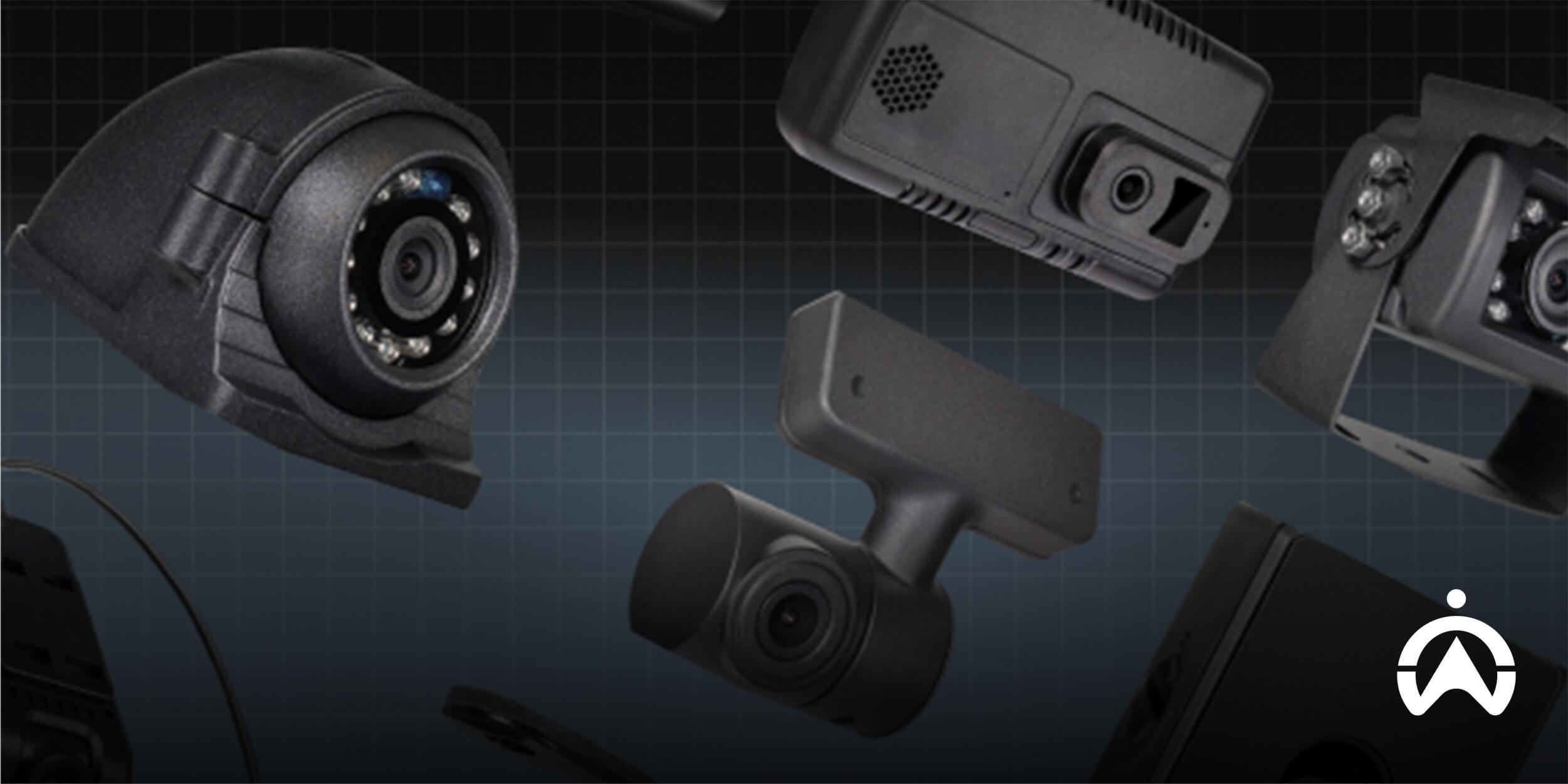
Cartrack dashcams lineup showcasing five models for business and personal use.

4. AI Dash Pro

  • Quick overview: A dual camera system (road and cab) with 2 additional camera channels and the option of an extra view (fuel tank, cargo, etc.). It also includes AI features for driver behaviour monitoring.
    ‍
  • Key features: Telematics, real-time tracking updated every 10 seconds, 512 GB of storage (approximately 100 hours), in-cab calls, AI features to track disruptive driving events, night vision for the cab-facing camera, and live streaming and recording. Seat vibration is available as an add-on for fatigue and distraction, prompting an immediate physical response from the driver. An AI monitor can be included so that drivers can see what they did (audible event alerts are sometimes ignored). The cargo door sensor can also be connected.
    ‍
  • Who it is for: Business fleets focused on total safety, complete visibility and improving driver behaviour on the road.
    ‍
  • Why this option: This solution is ideal for fleet managers who want to improve driver and vehicle safety by preventing costly accidents before they happen, and for those who want to implement driver training programmes based on real data.

5. AI MultiVision

  • Quick overview: Up to 8 cameras: road-facing, cab-facing, interior and exterior.
    ‍
  • Key features: Telematics, real-time tracking updated every 10 seconds, several hardware options, 1 TB of storage (approximately 291 hours), AI features to track disruptive driving events, and high-quality live streaming and recording. Seat vibration is available as an add-on for fatigue and distraction. An AI monitor can be included so that drivers can see what they did.
    ‍
  • Who it is for: Best for companies with large fleets, as well as fleets carrying valuable or high-risk cargo, a common reality where moving goods between provinces demands maximum security.
    ‍
  • Why this option: This solution works well for fleet owners and managers looking for total visibility and complete security for their fleet vehicles, with a strong focus on operational compliance.

What makes a dashcam ideal for personal use?

A dashcam is ideal for personal use when it covers the basics of added safety, fraud prevention and potential insurance-related benefits. Many drivers have not yet considered the absolute importance of having a dashcam, but it is becoming increasingly clear that it is a necessity.

Let’s start with the most common point: evidence. If an accident happens, the dashcam gives you a completely objective view and ends the argument about what really happened. By the same logic, dashcams help protect you from potential scammers and fraudsters, and where staged accidents or attempted extortion on the road can occur, having video footage is valuable protection.

One of the main benefits is the potential for lower insurance premiums. We cannot guarantee that this will happen, but many insurers look favourably on steps taken to add extra security to your vehicle. Beyond this benefit, there is simply the peace of mind of knowing you have an ally watching the road for you, especially at the busiest and most chaotic times.

What makes a dashcam ideal for business use?

A dashcam is ideal for business use when it covers the basics of visibility, monitoring, and reporting and analytics. There may be some flexibility with dashcams for personal use, but for your fleet they are absolutely non-negotiable. Your business is responsible for people’s lives and for the cargo it carries, which makes tight security a must.

Total visibility and complete control are the biggest benefits, as they allow you to respond quickly in urgent situations and keep track of your entire fleet. The option of multiple camera angles and connected sensors provides even greater security for cargo and containers.

An AI-supported dashcam is also the key to safer driving. When drivers display dangerous behaviour, you can coach and correct them using real footage to back up your feedback. You can also improve inefficient routes to maximise operations and save on time, fuel and resources, critical factors in a country with Mozambique’s distances and infrastructure challenges.
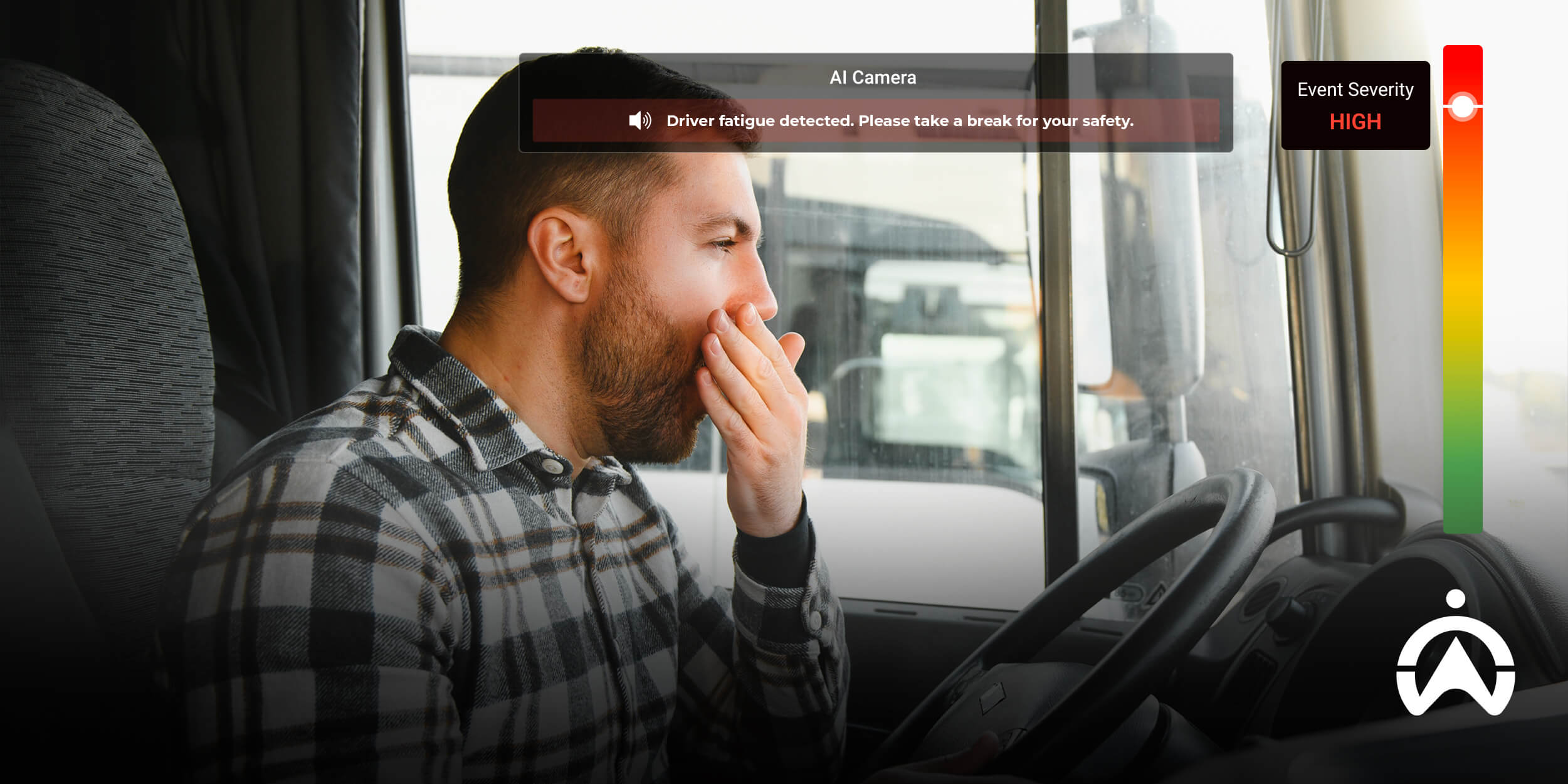
Driver receiving fatigue alert from Cartrack dashcam, one of the five dashcams Cartrack offers for business and personal use.

How does Cartrack stand out from other dashcam providers?

Cartrack stands out from other dashcam providers because it offers truly advanced and intelligent camera features. We consistently update our technologies and, with our AI-supported tools and telematics connection, we make sure we stay at the industry benchmark.

It all comes together in our ADAS (Advanced Driver Assistance System). ADAS offers features such as blind spot detection, forward collision warning (alerting your driver when they get too close to another vehicle or object) and automatic emergency braking (braking automatically when a collision is possible). The AI-enabled features make it possible to detect distracted or fatigued driving, and there are live streaming and footage retrieval options.

Overall, we meet the needs of every person and business. Whatever you do, whatever vehicle you have (including electric vehicles!) and whatever your specific needs, we give you the freedom to build your dashcam package the way you want.

What to look for when choosing a Cartrack dashcam

When choosing a Cartrack system, you should look for advanced technologies, robust and reliable hardware, and features that cover what you are looking for. This includes qualities such as smart cameras, secure storage and access to footage, and strong GPS tracking that does not fail even in areas with poor network coverage or in remote areas, which is particularly relevant in Mozambique, given its vast territory and the variable network coverage in rural areas and inland provinces.

For businesses, it is important to prioritise features such as event tracking, adequate storage space, detailed vehicle reports and analysis, and seamless integration with other systems, such as fuel cards or accounting tools. For personal use, always consider clear video quality, potential insurance incentives, and the chance to keep yourself and your loved ones safe.

Because your Vision solutions can be customised, you can build your package the way you want. At the same time, you are guaranteed the best service and round-the-clock support from our specialised, professional teams.

Final thoughts: Why Cartrack dashcams are the right choice for you

Cartrack dashcams offer a huge variety of reliable options. We meet the needs of everyone from parents who want a simple dashcam to keep their children’s journeys safe to the business owner who wants to be sure that their drivers and assets are protected.

Combine our technology features with the benefits they bring, and you get total security, ongoing support from our team and savings that go far beyond your journeys.

No matter who you are or where you are going, your journey deserves protection. Get in touch with one of our Cartrack professionals and set up your Vision solution today!

FAQs

Which is the best company for dashcams?

The best company for dashcams generally depends on several factors, such as what the camera is for, budget plans and other aspects. Not all dashcams are the same, so your decision should be based on your particular needs. In any case, Cartrack is considered a top choice thanks to its advanced technologies and high-quality devices.

Do I need to notify my insurer if I install a dashcam?

Yes, you should notify your insurer if you install a dashcam. One of the most important reasons is that your insurer may reduce your premiums. It is not guaranteed, but many insurers favour drivers who have taken extra security measures for their vehicle.

Is fleet management software really worth it?

Yes, fleet management software is definitely worth it. It helps you save on operating costs, prevent accidents and stay compliant. With a fleet management system, you will have full control over your fleet and make smarter decisions based on the data you receive.

Why do I have to pay a monthly fee for the dashcam?

You have to pay a monthly fee for the dashcam because of the services and add-ons provided. Naturally, it will depend on the provider and the package you choose, but most providers charge a monthly fee for the ongoing service, the features and access to a companion mobile app.
How to Move from Reactive to Proactive Fleet Management

To move from reactive to proactive safety in your fleet, you need to invest in an advanced telematics system with artificial intelligence cameras. An advanced telematics system uses predictive maintenance to keep you informed about the mechanical condition of your vehicles, while AI cameras show you how your drivers behave behind the wheel.

It is Monday morning and, before you have even taken the first sip of your coffee, your phone rings: one of your trucks carrying high-value cargo has just had an accident because the brakes failed. And that is where the nightmare begins: the customer waiting for the goods, making sure the driver is all right, calling the insurer and dealing with the police.

Now the real nightmare begins: your customer is waiting for the delivery, you need to make sure your driver is all right, you contact the insurer and you deal with the police. If this sounds familiar or is something that causes you constant anxiety, it is time for you to move from a reactive approach to a proactive approach to your fleet’s safety.

If this sounds familiar or is something that constantly worries you, it is time to switch from reactive to proactive management of your fleet.

In Mozambique, road accidents have a devastating economic and human impact. According to the Instituto Nacional de Estatística (INE) and reports from the Ministry of Transport and Communications, traffic accidents represent an enormous cost for businesses and for the country, between cargo losses, vehicle downtime, legal proceedings and higher insurance premiums. For transport and logistics companies, this translates directly into losses.

So, if you are interested in transforming your fleet from a reactive mindset to a proactive one, you need to focus on three things:

  1. Real-time visibility
  2. Predictive technology
  3. A coaching culture

This article explains exactly how to move from the “wait and see what happens” method to making sure problems are solved before they cause damage.

Key takeaways:

  • You can stop worrying about accidents by switching from a reactive mindset to a proactive one
  • Smart technology such as AI cameras and sensors lets you get ahead of problems
  • Don’t use the data to punish your team, but to coach them towards safer habits
  • Investing in proactive safety not only saves lives but also increases your profits in the long term

The reactive cycle

Companies without proactive safety measures are often stuck in this reactive cycle. The cycle starts with an incident, the team tries to work out what happened, managers reprimand the drivers and, at the end of the day, the root of the problem has not been solved and the cycle starts again.

What fleet managers and business owners need to understand is that the main risk to the business is not higher insurance premiums, unexpected maintenance costs or downtime. The biggest risk of having only reactive safety is the damage it does to your brand’s image and to your drivers’ well-being.

What is the proactive safety approach?

The proactive safety approach means having technology such as cameras and advanced telematics installed in your fleet, which helps prevent accidents or unexpected breakdowns. This approach is the best way to keep your business profitable, your drivers safe and your customers satisfied.

Imagine you are at work on a Friday afternoon, already counting the minutes until the end of the day, when your phone rings. You hope it is your family calling. But it is the police, informing you that your 18-wheeler has just been in a serious accident and your driver, who has worked with you for 6 years, has lost his life.

The brakes failed. The truck lost control on a downhill stretch and crashed into other vehicles, with several fatalities. The worst that could happen has happened, and it could have been avoided, but your fleet was not equipped with proactive safety technology. Now you are dealing with the insurer, the police, a court case, a grieving family and a devastated team.

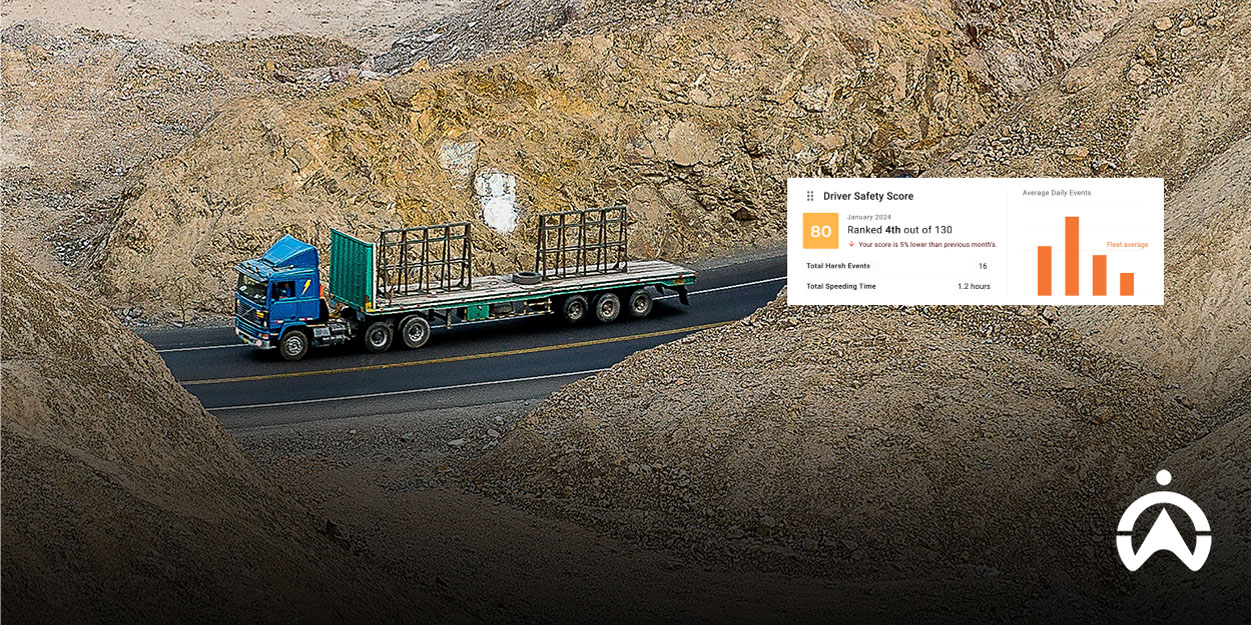
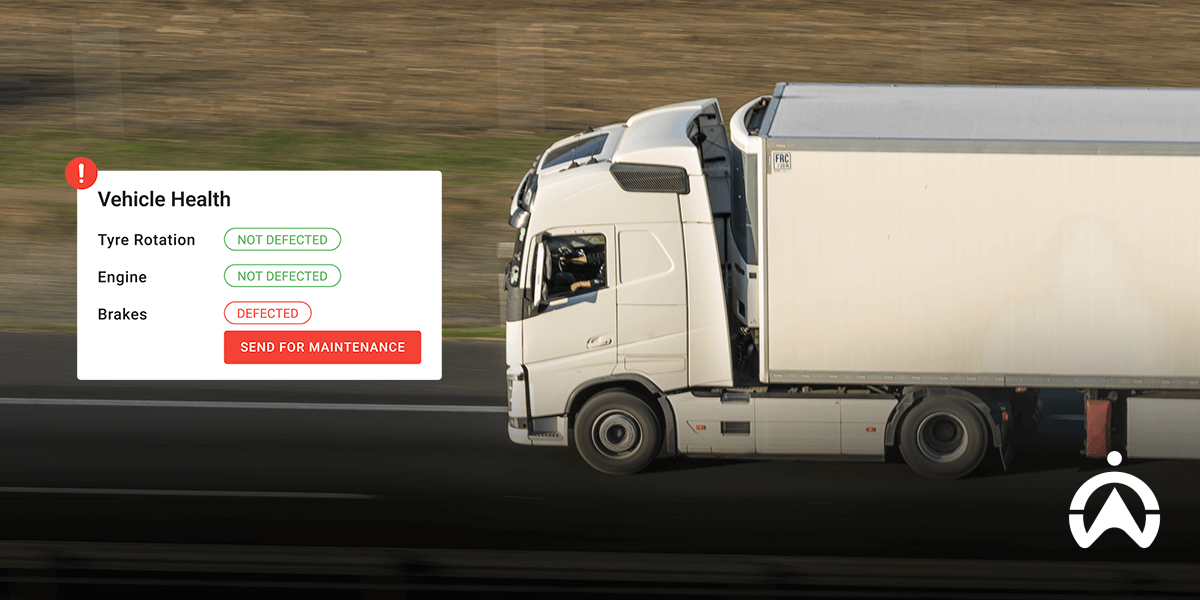
Having a telematics device installed could have alerted you two weeks earlier that the truck’s brakes needed replacing and that your driver was constantly speeding. You would have had time to replace the brakes and coach the driver on the habit of speeding, avoiding everything that followed.

The 3 characteristics of a proactive fleet

There are three main characteristics of a proactive fleet: predictive intelligence, condition-based maintenance and a coaching culture. When you implement these three things in your fleet, you improve vehicle and driver safety and, overall, you improve your ROI.

1. Predictive intelligence (anticipation)

Instead of analysing the GPS history to see where the driver was when they accelerated harshly, a proactive fleet uses AI to monitor micro-behaviours.

  • Goal: To detect a yawn (fatigue) or a downward glance (distraction) seconds before it results in a lane departure.
  • Technology: AI sensors and real-time vision cameras that process data directly on the device to provide instant feedback.

2. Vehicle condition-based maintenance

A proactive fleet does not wait for the warning light to come on or for the driver to report a “strange noise”.

  • Goal: To eliminate unplanned breakdowns that cause delivery delays and safety risks.
  • Technology: Integration with CAN-bus that monitors engine health, tyre pressure and brake wear in real time, generating a maintenance alert the moment a part starts to deviate from normal performance.

3. A coaching-first culture

Instead of handing out warnings left, right and centre to drivers who make mistakes, use the data to proactively coach them to develop better driving habits.

  • Goal: To reduce insurance premiums and boost employee motivation.
  • Technology: Driver scorecards and gamification that motivate your drivers to adopt safer driving habits.
White truck with brake defect alert, enabling reactive safety to proactive in your fleet with Cartrack predictive maintenance insights.

Overcoming resistance to change: “big brother”

The biggest obstacle you are likely to face when introducing proactive safety measures is resistance from drivers. They may feel that you do not trust them or feel uncomfortable about being constantly “watched”. The solution to this is transparency.

  • Proof of innocence: Show drivers footage in which the AI cameras proved that the driver was not at fault in a dispute.
  • Privacy: Make it clear that AI fatigue monitoring is not spying — it is a life-saving tool that only records high-risk events.

How can Cartrack Mozambique help you with proactive fleet safety?

Cartrack Mozambique can help you 100% with proactive fleet safety, thanks to years of experience and world-class technology. Features such as AI visibility, real-time coaching, predictive maintenance and driver scorecards help transform your fleet from reactive to proactive.

Real-time visibility and coaching

At Cartrack we have high-tech AI cameras that will be the backbone of your shift to a proactive approach to safety. Our cameras process information extremely quickly and can not only alert fleet managers to risky events, but also alert the driver immediately so that they can correct their behaviour.

Why is this proactive?

If you do not receive real-time alerts about risky driving behaviour and the system only gives you that information when you pull a report, you can only coach the driver after they have already put their own life and the lives of others at risk. Having a system that immediately alerts both the manager and the driver gives both of them the chance to solve the problem while it is happening.

For example: when reviewing footage and reports, you notice that every Wednesday for the last three weeks your driver David has been constantly yawning and showing signs of exhaustion (which is a safety risk). You can talk to him about this pattern and work out together a solution that suits you both.

The result? An employee who feels valued and cared for, and the peace of mind of knowing that no accidents will happen because David fell asleep at the wheel.

Driver scorecards and gamification

One of the biggest challenges of a reactive strategy is getting drivers to develop safer habits on the road. A proactive approach helps with exactly that. At Cartrack we will give you a practical tool called “driver scorecards”, which lets you see where your drivers are going wrong and lets the drivers themselves see how often they make the same mistakes.

How do scorecards work?

Every driver starts with a score of 100, and points are deducted based on the offence committed. A driver with a low score is your highest-risk driver and poses a danger to your operations.

As a fleet manager, you have the power to create your own scoring system: if you consider distracted driving (such as using a mobile phone or eating at the wheel) to be a very high-risk event, you can give it a rating of 35, while harsh acceleration gets just 1 point.

What is the benefit?

These scorecards should not be used to pressure or punish; they should work as a tool that raises awareness of bad driving habits and encourages the team to want to be safer on the road.

In Mozambique, where a culture of recognition and belonging at work is highly valued, using the data to recognise those who are improving can be a powerful motivator.

How does gamification work?

People love rewards. When you incentivise good driving, you will have more good drivers. Think of an incentive that works for your team and let the healthy competition begin.

Some examples of incentives:

  • Cash bonuses
  • Half a day off
  • A meal paid for by the company
  • Public recognition within the company (highly valued in Mozambican culture)

Fun fact: the scorecard is free with all our fleet management systems!

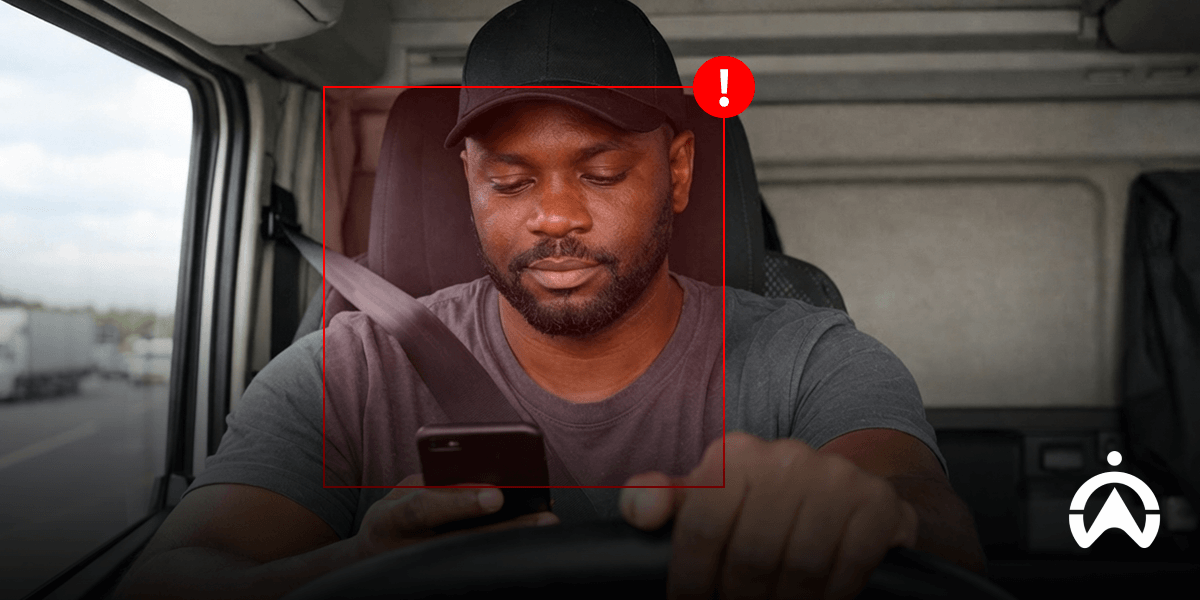
Driver holding phone while driving, highlighting shift from reactive safety to proactive fleet safety with Cartrack driver monitoring system.

How does being proactive improve your business’s ROI?

Being proactive can improve your business’s ROI by reducing the likelihood of accidents and breakdowns that drain profits. According to industry data, reactive fleets are 65% more likely to have an accident compared with those that have proactive safety systems installed.

To picture this better, think of Heinrich’s Pyramid. This pyramid is based on the law of probability: “In a workplace, for every accident that causes a major injury, there are 29 accidents that cause minor injuries and 300 that cause no injuries.” Applied to your fleet: for every serious accident that happened, there were 300 near misses.

The competitive advantage of certainty

Having a proactive safety system in your fleet is a sure way to gain a competitive advantage. If your fleet is waiting to react to problems as they arise, there will be an endless list of problems every day.

But when you manage your fleet’s safety proactively, that list practically disappears — because you can see the problem before it happens and stop it in time.

So don’t wait for the next incident call. Contact Cartrack and let us help your fleet see around the corner.

Frequently asked questions

Will proactive safety technology increase driver turnover?

No. Proactive safety technology should not increase driver turnover, in fact it should help you retain them. But this depends on you as the fleet manager or owner. If you use the information to coach your team positively and not to punish them, drivers should feel safer and better cared for.

Is proactive safety only for large enterprise fleets?

No. In fact, small and medium-sized businesses benefit the most, as they do not have the financial margin to absorb the costs of a serious accident or unexpected downtime caused by a mechanical breakdown. In Mozambique, where access to credit and replacing vehicles can be slow and expensive, prevention is even more critical.

How do we make sure fleet data does not become a cybersecurity risk?

To make sure your fleet’s data does not become a cybersecurity risk, choose a provider (such as Cartrack) that uses end-to-end encryption and stores data on secure, high-grade servers. Proactive systems let you restrict access to sensitive driver footage or vehicle locations to authorised personnel only, keeping your operational intelligence protected.

What Is Short-Haul Trucking?

Short-haul trucking is the transport of goods by truck over comparatively shorter distances than long-haul transport. It generally refers to road transport over distances of between 100 km and 250 km, normally within a single province or between neighbouring provinces of Mozambique.

Data from Mozambique’s road transport sector points to a worrying number of accidents involving trucks on the national roads, with a significant impact on pedestrians, especially in rural and suburban areas. Can accidents like these be reduced without compromising speed and efficiency? That is what we will explore in this guide.

In this article, Cartrack goes beyond answering the question “What is short-haul trucking?”. We will create a comprehensive guide to the sector and help you grow your operations in a more profitable, more reliable and more efficient way.

Key takeaways:

  • Short-haul trucking covers any delivery within a radius of three hundred kilometres
  • Drivers stay close to home and make multiple stops, unlike long-haul drivers who travel the length of the country
  • Drivers face challenges such as heavy traffic, tight deadlines and keeping the cargo in good condition
  • Cartrack uses advanced technology such as cameras and sensors to help drivers save fuel and travel safely

What is short-haul trucking?

Short-haul trucking in Mozambique refers to any transport by truck that covers less than 300 kilometres. It is a huge and essential sector that includes last-mile deliveries, retail distribution and supplying manufacturing industries. Construction and infrastructure logistics also rely heavily on this type of transport, as does the cold chain that regularly supplies our supermarkets and markets.

How does short-haul trucking differ from long-haul?

Short-haul trucking differs from long-haul in distance, duration and, generally, the type of vehicle used. The big trucks you see on the national roads between provinces are normally driven by long-haul drivers, while short-haul trucking often (but not always) uses smaller vehicles.

Distance

Long-haul trucking covers great distances, crossing from one province to another, and sometimes even crosses borders into neighbouring countries such as Tanzania, Zimbabwe or South Africa. Short-haul drivers, as a rule, stay within their region and distribute goods to relatively nearby destinations.

Duration

A big difference between the two types is how long the delivery takes. Long-haul drivers work long, demanding hours on the road, and it is common to see them pulled over at the roadside to rest or eat before continuing their journey.

Vehicles

Because logistics companies want to move as much cargo as possible from one place to another (to save on fuel), long-haul drivers normally work with large, heavily loaded trucks. Short-haul drivers do too, but it is more common for them to use smaller trucks with a lower load capacity.

Regulations

Both long-haul and short-haul drivers must comply with the applicable regulations, which may differ slightly. For example, long-haul drivers may have to secure and stow loads in a certain way, while short-haul drivers, because they cover shorter distances, have less strict requirements in this respect.

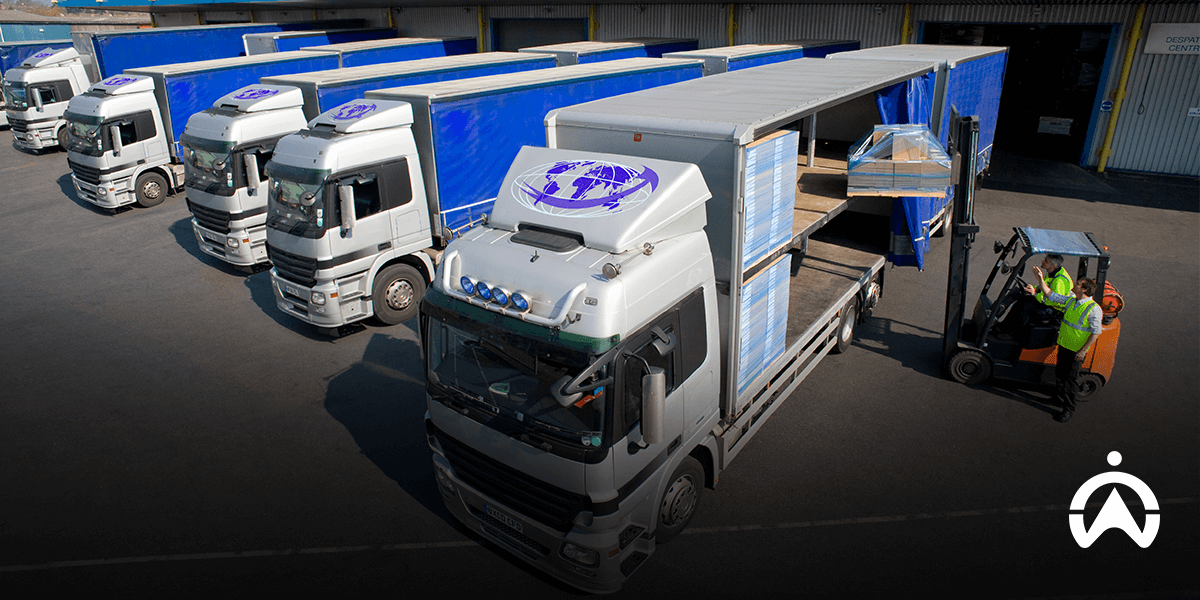
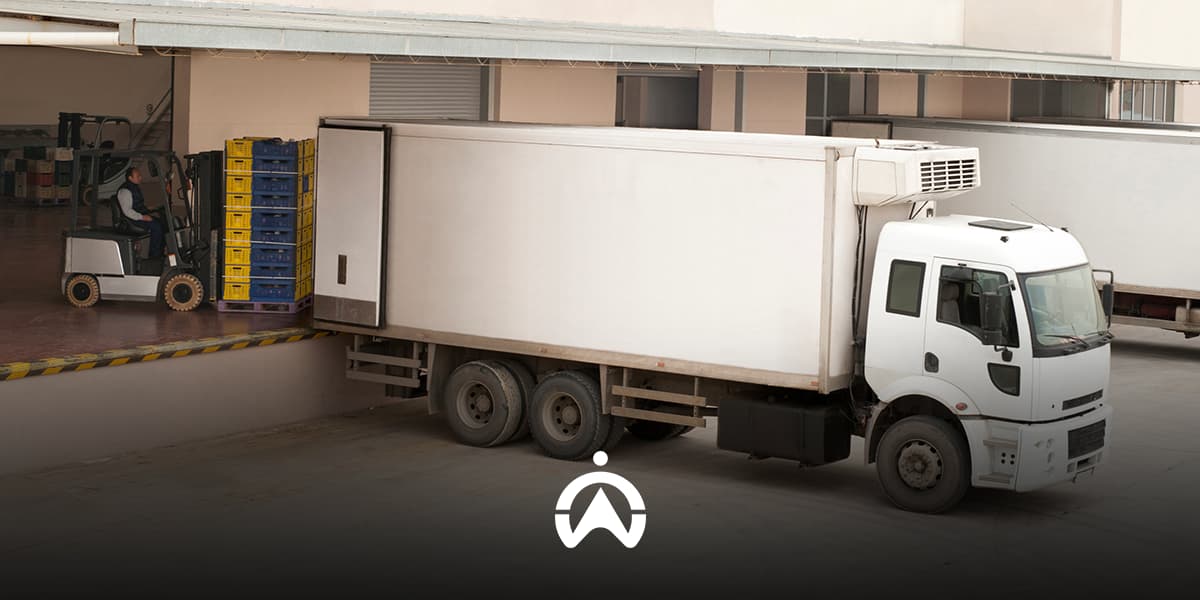
Short haul trucking fleet loading cargo at warehouse dock with forklift unloading crates.

A day in the life of a short-haul driver

A day in the life of a short-haul driver has its own particularities, challenges and unique advantages. It is different for everyone, but most work long hours that start early and finish late. They also have a range of responsibilities relating to their vehicles, their behaviour on the road and meeting deadlines.

What challenges do short-haul drivers face?

Next time you see a short-haul truck driver on the road, consider the challenges they deal with every day:

  • Truck maintenance and compliance with road regulations
  • Tight deadlines to reach the destination (without breaking traffic laws)
  • Keeping the cargo in good condition along the way
  • Keeping the vehicle secure when parked
  • Managing multiple stops in a single day
  • Dealing with traffic and the deterioration of road infrastructure in Mozambique

How is technology shaping the short-haul trucking sector?

The fleet management companies have been trying to solve many of these problems, and Cartrack has managed to be at the forefront of solving ALL of them. Technology, in the form of telematics, AI fleet software and IoT (the Internet of Things), is evolving rapidly, and we are the company in Mozambique that is leading this evolution!

Here are the ways we have made short-haul trucking more efficient, safer and more profitable:

  • Cartrack has developed predictive maintenance scheduling to keep trucks in peak condition, reducing downtime and fuel consumption and increasing overall vehicle efficiency.
    ‍
  • We have developed route optimisation software that is the most refined on the market, taking traffic, road conditions and temporary closures into account.
    ‍
  • Our vehicle security cameras keep an eye on your cargo, switching on and off automatically based on your settings (door open, engine running, etc.).
    ‍
  • Cartrack’s temperature monitoring sensors are ideal for short-haul trips where perishable goods are transported.
    ‍
  • Our vehicle cameras have a “parking mode” setting, switching on automatically if the cameras or the vehicle are tampered with.
    ‍
  • Short-haul fleet owners will love our fuel management software, which monitors consumption and lets you make adjustments that can save up to 24% on fuel expenses.

Imagine having these features in your short-haul trucking company. Imagine the increase in profits, the satisfaction of your drivers and the boost to your reputation with customers!

Call us to discuss implementing these features in your short-haul fleet.

Why is short-haul trucking vital to Mozambique’s economy?

Short-haul trucking is vital to the Mozambican economy because it forms the backbone of construction, infrastructure and last-mile deliveries. It is short-haul trucks that stock our shops, deliver essential materials for construction and distribute e-commerce orders. Without this supply chain, our economy would practically grind to a halt.

It would be hard to think of an industry in Mozambique that is not supported by short-haul trucking. But for the purposes of this read, let’s look at just a few examples.

The last-mile connection

Online shopping is just a drop in the ocean of the countless industries that depend on last-mile deliveries. This is the final part of any delivery before it reaches the end consumer, and it includes retail, manufacturing, printing, the cold chain, household appliances and much more.

Experimenting with electric vehicles in short-haul trucking

The interesting thing about short-haul trucking is that it is the ideal sector for trying out electric vehicles (EVs). Why? Because the distances are relatively short, and troubleshooting is much easier. Globally, EV trucks are being seriously considered for this segment. In Mozambique, delivery motorbikes and electric bicycles are already starting to be used to bypass fuel costs completely in urban centres such as Maputo and Matola. Imagine the savings if this could be extended to small and large trucks!

Small businesses and local trade

Plumbers, electricians, carpenters, roofers and other tradespeople depend on short-haul trucking for their materials, supplies and tools. Imagine how your area would come to a standstill if there were no one to repair the essentials in your home!

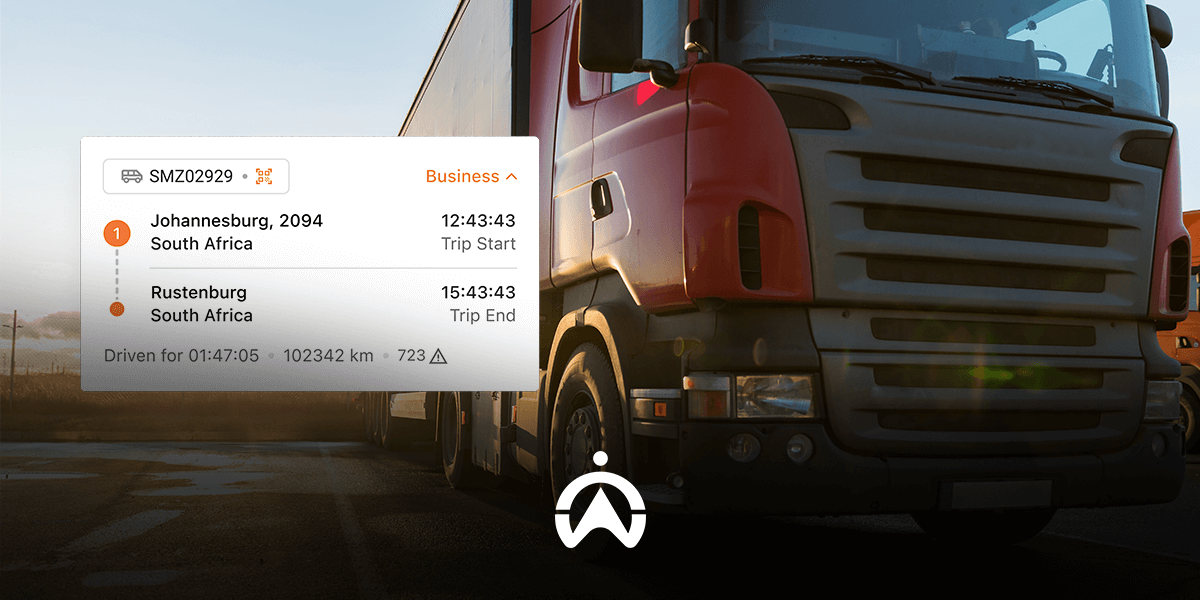
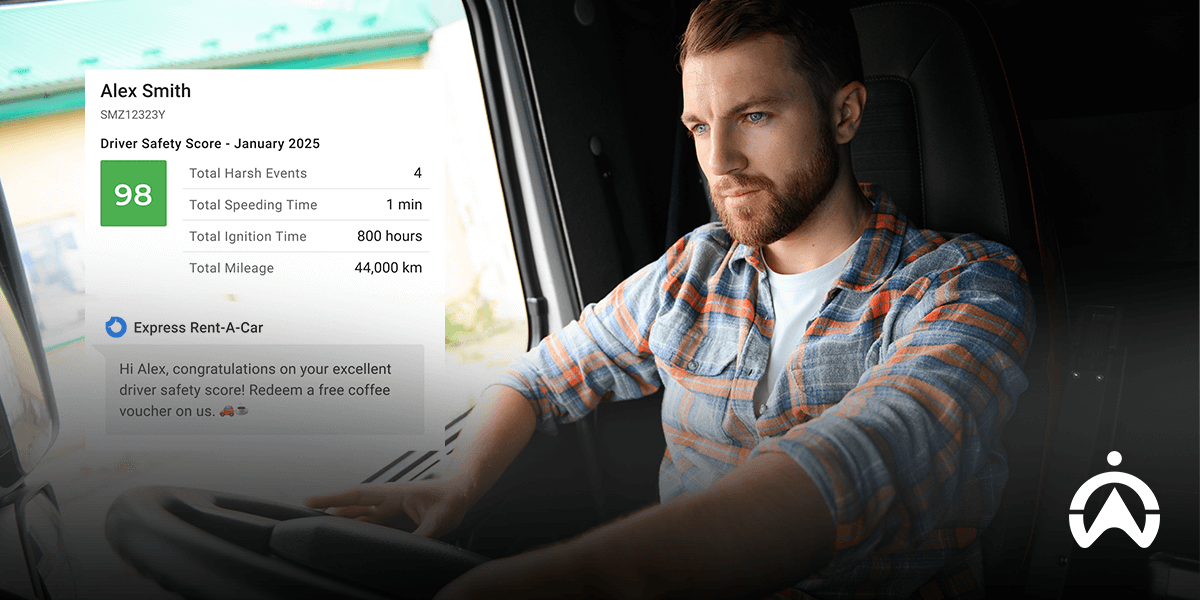
Truck driver reviewing safety score and mileage report on dashboard, representing short haul trucking performance metrics.

Tips for short-haul drivers in Mozambique’s demanding working environment

At Cartrack Mozambique, we talk to truck drivers of every kind. We listen. We learn. We put ourselves in their shoes. As fleet software developers, we are always trying to make their lives easier and safer, while optimising operations for their managers.

Here are some tips for short-haul drivers (and for those who manage them):

Tip No. 1: Focus on strategic route planning rather than speed

Tip No. 2: Stay safe and drive responsibly

Tip No. 3: Know your vehicle and how to keep it in good condition

Tip No. 4: Be prepared: rest well and eat before you start your day

Strategy vs. speed

A maps app on your phone can give you the fastest way to a destination. But only route optimisation software offers optimisation based on the weather, road conditions and real-time events, applied to each driver as they work.

Responsible driving

Cartrack has simplified driver training with AI cameras and GPS tracking that detect behaviours such as:

  • Harsh Cornering
  • Sudden braking
  • Distracted driving
  • Seat belt use
  • Fatigue at the wheel

If there are flaws in the way you drive your truck, managers can focus training on exactly the areas where the driver struggles most.

Vehicle health

AI has come a long way in making vehicle maintenance a simpler task. A calendar app can schedule the truck’s maintenance, but only AI fleet software can PREDICT when the vehicle needs its next service.

Driver health

You will be the best version of yourself if you are well rested and have energy for the day. Have a nutritious meal before you start, and make sure you go to bed at a reasonable hour. Remember that eating, drinking, smoking and falling asleep have no place in a driver’s working life. Stay safe and, whenever possible, rely on technology that detects these warning signs and alerts you while you drive.

Partner with the company that prioritises driver safety and vehicle health. Our consultants are available to help you put together the ideal fleet management package for your operation.

Frequently Asked Questions about Short-Haul Trucking and Fleet Management

How many hours does a short-haul trip take?

A short-haul trip can take between 1 and 5 hours, depending on the area covered, road conditions and traffic. Short-haul trucks are designed to cover relatively short distances, so suitable speed, cargo space and manoeuvrability are key factors in choosing the right vehicle.

What is the correct method for transporting food?

The correct way to transport food must comply with the MISAU and MADER standards in Mozambique, which set requirements for hygiene, temperature control and handling. Food must NOT come into contact with the floor, and must be stacked in a way that preserves its quality, ensuring air circulation, sealing or correct stacking.

What is the average salary of a truck driver in Mozambique?

A truck driver’s salary in Mozambique varies according to experience, working hours, the type of cargo carried and the employer. For up-to-date information on salaries in Mozambique’s road transport sector, consult the Instituto Nacional de Emprego e Formação Profissional (INEFP) or the pay scales set by the sector’s collective agreements.

What is the difference between trucking and freight?

Trucking refers to the mode of transport, while freight refers to the cargo itself. When people talk about trucking, they mean road travel with a loaded truck. When they talk about freight, they may be referring to any load of goods in the context of ships, trains, planes or road vehicles.

What are the challenges of long-haul trucking?

The challenges of long-haul trucking include long driving hours, limited vehicle manoeuvrability and pressure to meet delivery deadlines. Long-haul drivers also need to manage their time well, as they have little room to eat, rest and recharge. In Mozambique, added to this are the condition of some national roads and the risk of robbery on certain routes.

Food Transport Facts and What You Need to Know When Managing Your Fleet

Important facts about food transport in fleet management: keeping perishable goods fresh in transit directly affects your profits — and mixing food loads is a serious mistake. Other facts include the food distribution regulations in force in Mozambique, the challenges of electricity supply and the condition of the country’s transport infrastructure.

That is a lot of information. But Cartrack is here to guide you through the requirements of food transport and show you the most effective ways to comply with regulations, protect your profits and keep operations running smoothly. But first, the bad news: according to data from the FAO and Mozambique’s Ministry of Agriculture and Rural Development, significant food losses occur along the entire value chain, and a large share of those losses happens during transport and distribution, before the products reach the end consumer. This is a clear warning: food logistics MUST be taken more seriously.

Cartrack knows the facts of food transport and fleet management well, which is why many of our software solutions serve this sector specifically. Here is everything you need to know.

Key takeaways:

  • You must comply with the food regulations in force, as major retailers and insurers demand compliance
  • Power cuts still affect warehouses and depots in Mozambique — you need your own power sources to keep food refrigerated during stoppages
  • Road transport is the main option in Mozambique, given the state of the rail and port infrastructure
  • Technology such as door sensors and GPS protects your profits by preventing food from spoiling in transit

What are 4 important facts about food transport that you should know?

4 important facts about food transport in Mozambique are:

  • GPS tracking in food trucks is becoming an increasingly expected market standard
  • Food transport in Mozambique is subject to the food safety standards of the Ministry of Health (MISAU) and the Ministry of Agriculture (MADER)
  • Food logistics companies that do not tackle the challenges of electricity supply risk losing business
  • Road logistics will continue to grow in view of the problems with rail and port infrastructure

Is GPS tracking mandatory for food transport in Mozambique?

GPS tracking is not yet formally required by law for all food transport companies in Mozambique, but in practice those who do not adopt this technology will find it increasingly difficult to work with major retailers, distributors and insurers. Insurers and the main customers in the food sector increasingly demand proof of compliance, temperature control and fleet monitoring.

Regular analysis of fleet data helps identify inefficiencies, and it is easy when you have fleet management software, as it provides a detailed analysis of the various aspects of the operation.

What are the standards that regulate food transport in Mozambique?

In Mozambique, food transport and food safety are regulated by the Ministry of Health (MISAU) and the Ministry of Agriculture and Rural Development (MADER), in line with the standards of the FAO/WHO Codex Alimentarius. These standards impose requirements for hygiene, temperature control and proper handling on all vehicles involved in the transport of bulk food.

NOTE: If you have not yet implemented GPS tracking and cold chain management in your trucks, don’t panic. A Cartrack consultant can guide you on what you need and how to get it in a short space of time.

Are power cuts still a problem for food logistics in Mozambique?

Yes. Power interruptions (load shedding) remain a real challenge in Mozambique, in both urban and rural areas. Warehouses and depots that rely exclusively on the public electricity grid are exposed to losses of perishable goods during unscheduled stoppages.

That is why many logistics companies in Mozambique are investing in independent cooling units, solar power systems and diesel generators — especially for the stationary part of logistics, which is where much of the food is lost when no power is available.

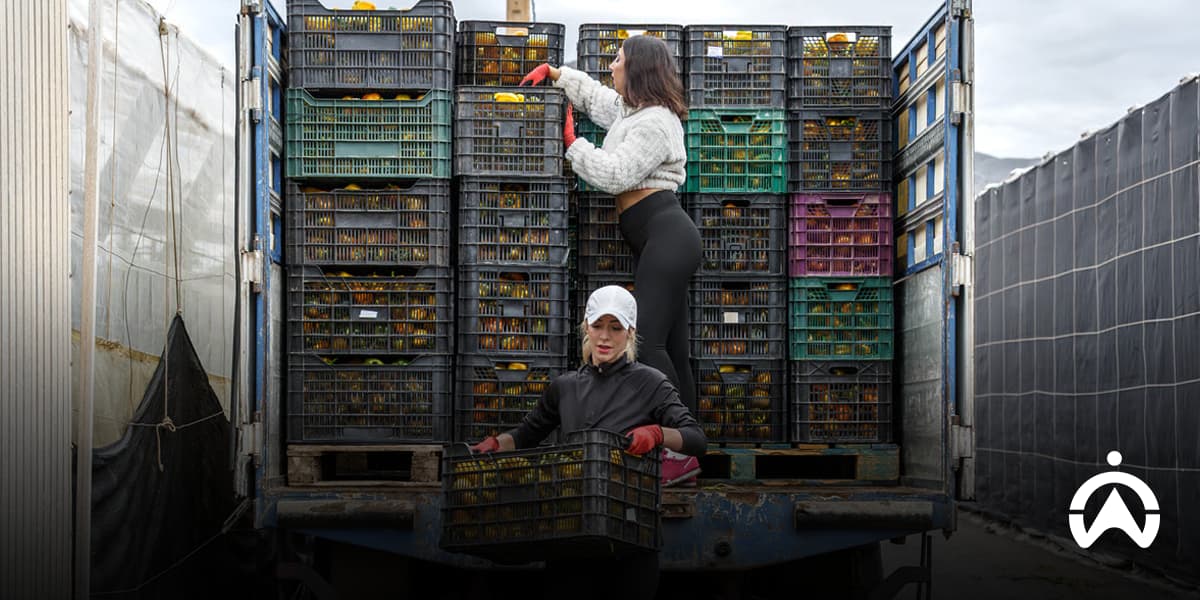
Workers handling crates of yellow fruits in a truck, demonstrating careful loading and organization practices, highlighting key food transportation facts and fleet management strategies.

Why is road transport so prominent compared with rail and ports?

In Mozambique, road transport is the predominant option for food distribution, especially for destinations away from the main rail or port routes. The country’s rail and port infrastructure — although important for exports — has limitations in terms of reliability, capacity and coverage for domestic distribution.

Mozambican distributors and farmers choose road transport because it gives them more control over their products. But this mode of transport is not without its challenges:

  • Risk of road accidents, especially on national roads in rural areas
  • Excessive opening of the cargo doors
  • Constantly rising fuel costs
  • Vehicle theft and hijacking
  • Vehicle wear and tear and maintenance costs
  • Risk of vehicle downtime with no replacement plan
  • Cargo theft
  • Insurance costs

Can technology save companies from these challenges? Let’s take a look.

How is technology shaping the future of food logistics?

Technology is shaping the future of food logistics through telematics, artificial intelligence (AI) and IoT (Internet of Things) devices. The aim of fleet management companies is to protect the profits of transport companies by eliminating food waste through fleet management strategies geared towards efficiency.

How do we do it? It’s simple. Here is how Cartrack solves each of the challenges above:

Risk of road accidents

A truck loaded with food and perishable goods that is involved in an accident loses practically its entire load. This is especially true of long-haul logistics, where recovering the goods is practically impossible.

Cartrack helps reduce truck accidents as far as possible by offering:

  • Driver coaching solutions
  • AI security cameras for vehicles
  • Predictive vehicle maintenance solutions

Excessive opening of the cargo doors

This is one of the biggest culprits of food waste. Perishable food must be kept at a set temperature in transit, but even the best cooling units cannot cope with too much warm air getting in. If drivers and staff are constantly opening the unit’s door, the food may be rejected by the receiving retailer because it has spoiled.

Cartrack helps prevent this with IoT door sensors and cargo unit cameras. These sensors alert you to frequent openings so that you can act in real time. The cargo cameras switch on automatically whenever the cargo door is opened, so you can always see what is happening to your food load.

Constantly rising fuel costs

Fuel is an often underestimated cost that food transporters in Mozambique have to face. Cartrack helps companies like yours save on fuel costs by:

Vehicle theft and hijacking

If your food transport truck is stolen, you do not just lose the vehicle, you lose everything it was carrying! In Mozambique, vehicle theft and truck hijacking are real risks, especially on certain roads and in peri-urban areas. Having a Cartrack GPS tracker in every truck is a powerful layer of security, as Cartrack has a very high vehicle recovery rate.

Vehicle wear and tear and maintenance costs

One of the latest additions to Cartrack’s offering is the ability to PREDICT vehicle maintenance and schedule it based on those predictions. We do this by always keeping track of important factors about your food distribution vehicles:

  • How old is the vehicle?
  • How long ago was the last service?
  • What is the current condition of the brakes, engine, lights, tyres, etc.?

Risk of vehicle downtime with no replacement plan

Our predictive vehicle maintenance has another benefit: it lets you plan stoppages in advance and anticipate the need for a replacement vehicle. This also protects the food load, because a truck standing still is probably wasting the food on board.

Cargo theft

Some thieves are not interested in the vehicles, only in the food they carry. In the past, cargo theft left fleet managers with many unanswered questions. Today we have security cameras in the vehicles that show us exactly what happened.

Insurance costs

Insurers assess your fleet’s risk based on how you manage it. By reducing the risk of theft and accidents for every food delivery vehicle, you can negotiate lower insurance rates.

That is why investing in Cartrack software pays off, as you end up saving in many areas.

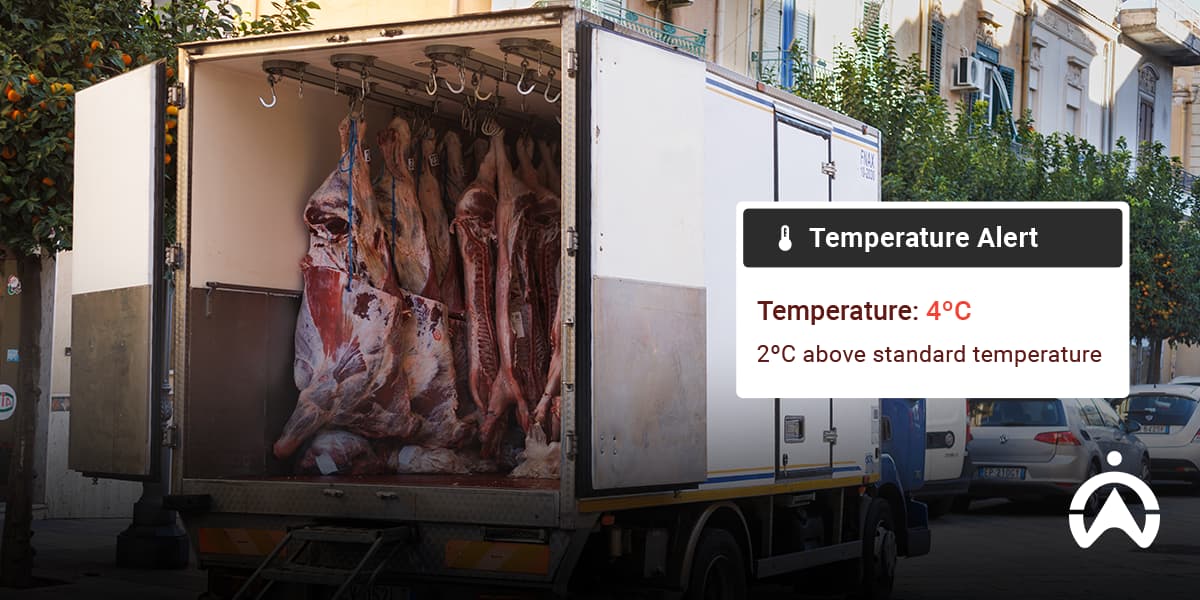
A refrigerated truck transporting hanging meat carcasses with a visible temperature alert showing 4°C, illustrating critical food transportation facts and efficient fleet management practices.

What are some unexpected ways food is wasted in transit?

Unexpected ways in which food is wasted during the transport process include:

  • Vehicle accidents
  • Cargo theft
  • Broken-down vehicles
  • Irresponsible stops by drivers
  • Frequent opening of the cargo doors (also called “thermal shock”)
  • Poor packaging (air circulation problems or collapsed pallets/containers)
  • Poor route management or slow driving

How can food waste be prevented in Mozambique?

Food waste can be prevented in Mozambique by intervening at the point in the logistics chain where most waste occurs: final distribution. This is the point at which food trucks travel from warehouses to shops to deliver products for sale. Through cold chain management, route efficiency and temperature monitoring in transit, more food will reach its destination without spoiling.

What is the best fleet management software for food logistics companies?

The best fleet management software for food logistics companies is a package that includes GPS tracking, route optimisation, cold management in transit, vehicle cameras and door sensors. Logistics companies can also benefit from fuel management software, vehicle recovery services and driver coaching to protect their profits even further.

Fleet management software has a direct impact on the food logistics sector. At Cartrack, you can create your OWN package and build a comprehensive service that fits your fleet perfectly.

FAQs

What are the 4 types of logistics?

The four types of logistics are:

  • Inbound logistics: Receiving raw materials for processing.
  • Outbound logistics: Shipping finished products to customers.
  • Reverse logistics: Managing product returns or recycling.
  • Third-party logistics (3PL): Outsourcing the supply chain to specialists.

What is the correct method for transporting food in Mozambique?

The correct way to transport food must comply with the MISAU and MADER regulations, which set standards for hygiene, temperature control and handling. Food must NOT come into contact with the floor, and it must be stacked in a way that preserves its quality, whether by ensuring air circulation, sealing or correct stacking.

What are the 3 types of food safety?

The 3 types of food safety refer to preventing the 3 main hazards that can compromise food products before they reach retailers: (1) keeping wood and glass out of food, (2) ensuring that chemicals do not contaminate food, and (3) protecting food from fungi and/or mould.

What is the ideal temperature for transporting food in Mozambique?

The ideal temperature for transporting food depends on the type of product, but here is a quick guide:

  • For frozen products: the unit must maintain -18 degrees Celsius.
  • For fresh products: between 1 and 7 degrees Celsius.
  • In Mozambique, given the hot climate, maintaining these temperatures during transport is especially critical and requires quality refrigeration equipment.

7 Ways to Increase the Efficiency of Your Construction Fleet

The seven main ways to increase the efficiency of your construction fleet are:

  1. Use telematics and GPS tracking to keep everything under control.
  2. Keep vehicle maintenance up to date..
  3. Implement a fuel monitoring solution.
  4. Offer your drivers ongoing training.
  5. Plan better routes between sites.
  6. Match the size of the fleet to your real needs.
  7. Regularly analyse key performance indicators.

Fleet efficiency is essential for construction companies in Mozambique, as it directly affects project deadlines, safety and operating costs. Without a solid strategy and the right technology, your business faces challenges such as high fuel costs, unexpected downtime and poor driving behaviour, which compromise the health of your vehicles and equipment.

With the growth of the construction sector in Mozambique, driven by infrastructure, housing and energy projects, companies are increasingly investing in telematics, IoT sensors and mobile platforms to improve fleet monitoring. To stay ahead of the competition, you need an effective approach — which is why we present the seven ways to improve your construction fleet operations.

Key takeaways:

  • Telematics and GPS tracking let you know where your vehicles and equipment are, improving productivity
  • Regular maintenance and fleet system alerts prevent breakdowns and extend the life of your vehicles
  • Fuel management and driver training save money, reduce waste and improve safety
  • Route planning, right-sizing the fleet and performance analysis keep the fleet running efficiently

7 Key strategies to improve construction fleet efficiency

The 7 key strategies to improve the efficiency of your construction fleet are:

  1. Invest in telematics and GPS tracking
  2. Regular maintenance
  3. Implement a fuel management system
  4. Driver training
  5. Route planning
  6. Fleet size optimisation
  7. KPI analysis

Together, these strategies help to reduce costs, minimise downtime and ensure your construction fleet performs at its best.

Below is a summary of each point:

‍1. Implement telematics and GPS tracking

Telematics features have become essential in construction fleet management, as most companies already make data-driven decisions to increase operational efficiency. To keep pace with or stay ahead of the competition in Mozambique, you also need to invest in telematics technology.

With telematics, you can monitor the location of your vehicles, equipment, machinery and other tools. This helps to prevent theft, a real problem on sites in Maputo, Matola and other cities… and makes it easier to locate your resources. You will also be able to see how productive your employees are, such as whether equipment is actually working or just idling.

2. Schedule regular maintenance

Your fleet is only as good as its maintenance, and with telematics technology, you can digitise maintenance-related tasks. To reduce unexpected downtime and increase efficiency, use the maintenance features of your fleet management platform. Set up reminders with the service intervals recommended by the manufacturer, so that you can schedule services in advance and plan operations better.

Through telematics, you will also receive early alerts of maintenance needs and identify potential mechanical failures before they occur. Fix problems before they cause breakdowns: this reduces downtime, increases safety and extends the life of your vehicles.

3. Implement a fuel management system

Make sure you add a fuel management system to your fleet software package, to monitor consumption per vehicle and piece of equipment. A fuel management system is made up of hardware and software tools that help you use fuel more efficiently and reduce costs. In Mozambique, where fuel prices are regulated but fuel diversion and siphoning are frequent problems on sites, this system is especially important.

With fuel level sensors, you can quickly detect sudden drops in tanks, a sign of theft or a leak. The system also makes it easier to monitor fuel cards and can flag fraud.

4. Train drivers for greater efficiency

Drivers perform better when they receive regular training. Hold regular training sessions to educate drivers about behaviours that affect fuel costs and vehicle health. Fleet operators should be trained in defensive driving, vehicle safety checks, equipment handling, the rules of the road and the use of fleet management software. Better driver behaviour improves safety and compliance, reduces operating costs and lowers the number of accidents.

Construction fleet productivity improvements using smarter vehicle and equipment management

5. Improve job and route planning between sites

Poor planning between depots, suppliers and construction sites can result in wasted time and fuel. In Mozambique, where road conditions vary significantly, route planning is even more critical.
Use route optimisation software to plan stops better, so that your vehicles arrive on time and complete the job as quickly as possible without compromising service quality. Better route planning also reduces last-minute changes, which can disrupt other jobs, increase fuel consumption and put drivers under stress.

6. Optimise fleet size and equipment allocation

Right-sizing the fleet means making sure the number of vehicles and pieces of equipment matches your real operational needs. It is important to assess the size of your fleet regularly. You may find that your vehicles/equipment are overworked and worn out because there are too few of them, or that you have more than you need and should downsize and reallocate assets to save costs.

7. Monitor and analyse key performance indicators

Measuring your fleet's performance requires you to regularly check important metrics such as:

  • Total Cost of Ownership (TCO)
  • Fuel cost per route
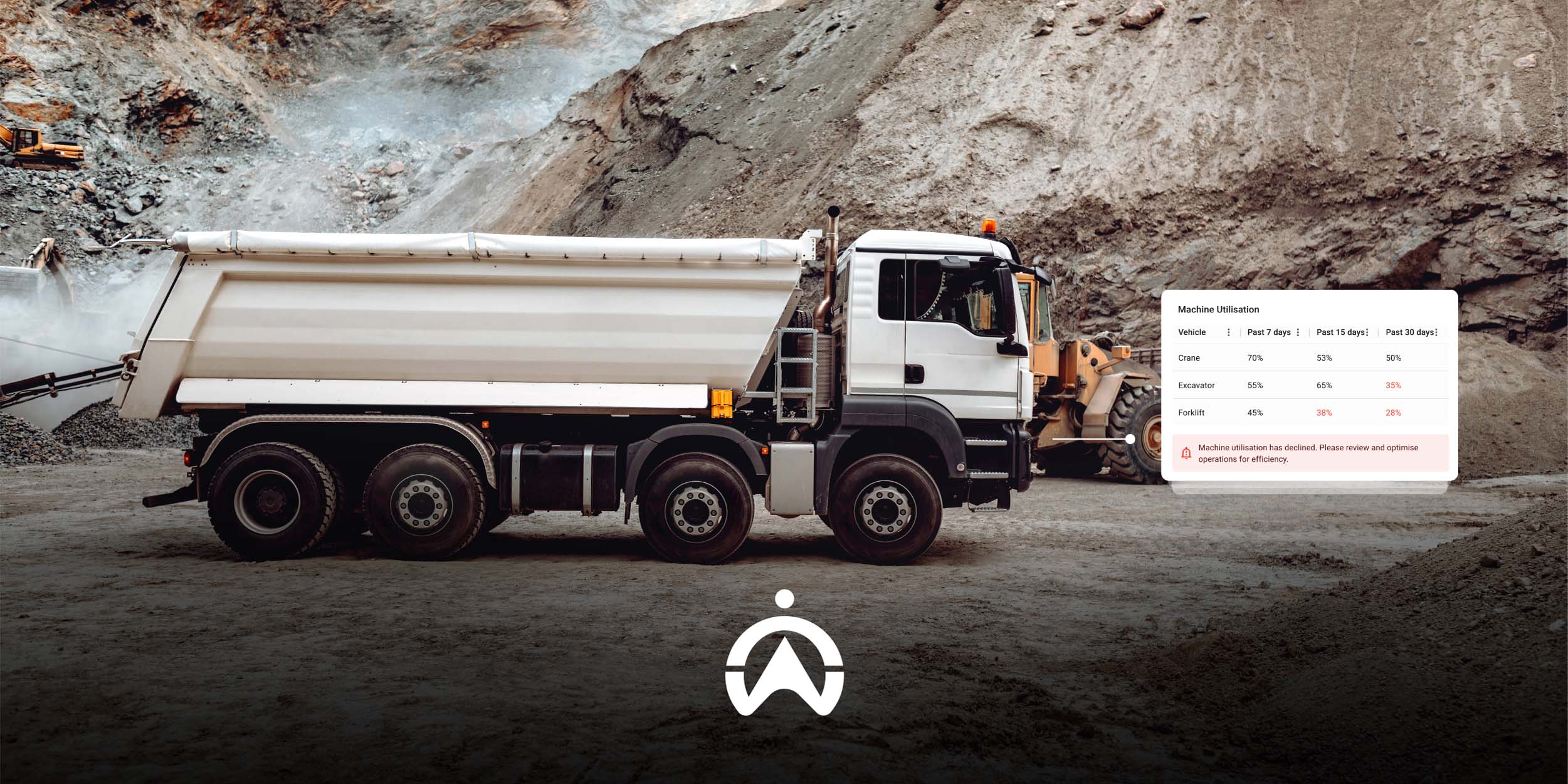
  • Vehicle utilisation rate
  • Maintenance costs
  • Downtime rate
  • Driver behaviour

Regular analysis helps to identify inefficiencies and is easy when you have fleet management software, as it provides a detailed analysis of the various aspects of the operation.

Explore our fleet management solutions to take your construction fleet to the next level

Our fleet management solutions take your construction fleet to the next level, providing detailed insights into your operations and protecting your assets. We offer solutions such as GPS trackers, preventive maintenance alerts and a fuel monitoring system. These solutions help to reduce expenses, improve productivity and, as a result, make you more efficient.

Real-time GPS tracking

Always know where your vehicles and machinery are with our GPS trackers. This makes it harder for your assets to go missing and ensures you can see what drivers are doing and whether they arrive on time. Our GPS trackers have telematics capabilities, which means you can also see when drivers are idling for too long or engaging in risky behaviour. You will receive reports on these behaviours so that you can act quickly.

Non-powered asset tracking

Some of your assets have no power source and are therefore not compatible with conventional GPS tracking devices. For these, we have non-powered asset trackers. They can be used to monitor trailers, storage containers and other site equipment. They help to protect your assets against possible theft and reduce the time your team spends looking for equipment on site.

We have three main types of non-powered asset trackers:

  1. Asset Tracker
  2. Track & Go
  3. TAG

How they work:

The Asset Tracker can be installed on non-powered assets, such as trailers, purely to locate them. It lasts up to four years without needing to be recharged. It provides up to two updates a day, ideal for assets that do not need constant monitoring.

The Track & Go is exactly what the name suggests: a portable magnetic tracking device that can easily be moved from one asset to another. It provides not only location data, but also detailed telematics data on how operators use it. It gives real-time updates and needs occasional recharging. Ideal for tracking rented assets — you can remove it once the project is over.

The TAG is another permanently installed device that provides location data by radius. You can set a circle (radius) at any point on the map and see where the asset is within that area, ideal for tracking industrial equipment on large sites. It is portable, does not need recharging and provides frequent updates, mainly in urban areas.

Geofencing (Virtual Fences)

Our geofencing feature lets you create virtual boundaries and receive alerts when drivers enter or leave those areas. You can use this to make sure your vehicles or equipment do not leave the site without authorisation. This feature can also be used to check whether vehicles arrive at the various sites on time and how long they take to get there.

Power Take-Off (PTO) sensors

The Power Take-Off sensors from Cartrack are IoT devices that monitor engine activity to help you see when your machinery is being used efficiently. With this, you can tell productive idling from unproductive idling, helping to save on fuel costs and improve operations.

Optimized construction equipment fleet supporting faster project delivery and reduced downtime

Preventive maintenance

Our preventive maintenance solution provides features that help you maintain your vehicles and machinery better. You can add the recommended service dates to our platform and receive reminders as the date approaches. That way, you won't skip any maintenance, which improves the life of your vehicles and lets you plan operations with fewer unexpected interruptions.

Through our maintenance platform, you can also create digital vehicle inspection checklists for drivers to use before and after trips. The feedback from these checklists will help you identify which vehicles have worn parts that need repairing or replacing, reducing the chances of disruption from unexpected breakdowns.

Another great benefit of our preventive maintenance software is that it can provide early alerts of engine faults, worn brakes and the need for an oil change. The system analyses certain components, allowing mechanical failures to be detected in advance.

Fuel management

Fuel is one of the biggest contributors to high operating costs, and with our fuel management system, you will make significant savings. We have several solutions that ensure close monitoring of fuel consumption, such as MiFleet and Fuel Probes.

MiFleet is a cost management platform that helps you manage the expenses of various aspects of your fleet, including fuel. This feature monitors distances travelled, fuel receipts, litres and location — and flags suspicious activity that may indicate theft or fraud.

The fuel probes are sensors installed in vehicle tanks or in site tanks to measure fuel levels in real time. You will receive alerts of sudden drops, which may indicate fuel siphoning or a leak. These tools help to monitor fuel use closely and detect theft quickly.

Driver management

The way your drivers treat vehicles and equipment directly affects the health and efficiency of your fleet. For this, we have driver management solutions such as DID tags and fleet cameras.

Our Driver Identification (DID) tags help to maintain compliance and to know who is driving. You can assign each tag to a specific vehicle or machine that the driver is qualified for. If someone tries to operate a vehicle or machine they are not qualified for, the vehicle will not start.

Our AI Multi Vision camera solution ensures you see everything that happens with your fleet in real time. You can install up to eight cameras in and around your vehicles to monitor operations and live-stream from anywhere at any time. Our on-board cameras (dashcam) also identify distracted driving such as drowsiness, mobile phone use and smoking, and sound audible alerts so that drivers can correct their behaviour immediately.

Your trusted solution for construction fleet efficiency | Cartrack Mozambique

At Cartrack, we offer our services to fleets of different types, including those in the construction sector in Mozambique. Over the years, we have helped many companies transform their fleet operations through our sector-specific features. With us, you are guaranteed smooth operations and optimum efficiency. Contact us and start seeing the difference!

FAQs

What factors contribute to successful fleet operations?

The factors that contribute to successful fleet operations are safety and compliance, driver management and proper cost analysis. This is done effectively through fleet management software, which provides smart solutions to better manage the various aspects of your fleet's operation.

What skills are needed to be a fleet manager?

To become a fleet manager, you need a combination of leadership skills, financial skills, effective communication, technical knowledge and problem-solving ability. You need to lead, communicate effectively with your drivers and motivate them around a shared vision, all while managing costs and identifying inefficiencies.

What is the biggest challenge in fleet management in Mozambique?

The biggest challenge in fleet management in Mozambique is managing rising operating costs caused by factors such as fuel, maintenance and asset theft. You can overcome this challenge by investing in a fleet management system such as Cartrack's, which gives you more visibility over your fleet's operations and helps to identify what needs to be improved to reduce costs.

Defensive driving techniques

Driving defensively on Mozambique's roads starts with something simple: staying focused on the road, keeping a safe following distance and anticipating hazards. By obeying the rules of the road and treating other drivers with respect, you protect yourself and those travelling with you.

In this article, we will present 12 defensive driving techniques that are easy to memorise, explain why they work and show how you can turn them into habits. Keep the word F.U.N.D.A.M.E.N.T.A.L in your head as you read — it is the way to remember everything once you have finished this article.

Key Takeaways:

  • Defensive driving in Mozambique means staying focused, respecting the rules and anticipating what other drivers might do wrong
  • You need to take extra care near trucks, chapas, intersections, pedestrians, animals and roads in poor condition
  • Keeping your distance, staying calm and being alert when stopped helps to avoid accidents and risky situations
  • Technology such as GPS, cameras and driver coaching helps to identify risky behaviour before it causes harm

F.U.N.D.A.M.E.N.T.A.L tips for defensive driving in Mozambique:

  • Full focus on the road
  • Obey the rules of the road
  • Never react to aggression
  • Safe following distance at all times
  • Watch out for trucks
  • Poor road conditions — slow down
  • Mirrors checked frequently
  • Night-time calls for extra care
  • Taxis and chapas are unpredictable
  • Stay alert when stopped
  • Width — take up more space

These are not generic tips you have heard a thousand times. They are techniques backed by accident data, crash reconstruction specialists, professional drivers and law enforcement. Throughout the article, think about how YOU can be a defensive driver in Mozambique — even when others are not driving well.

1. Full focus on the road

The foundation of safer driving is eliminating distractions. When you are behind the wheel, all your attention should be on the road. People who have been driving for many years tend to slip into “autopilot”, and that is when distractions creep in and hazards go unnoticed.

How to stay focused:

  • Eyes on the road at all times
  • Be aware of your gear changes
  • Check your rear-view mirror frequently
  • Watch the road signs around you
  • Be aware of other drivers
  • Ignore your mobile phone
  • Prioritise driving over chatting to passengers

The main cause of road accidents in Mozambique is distraction, especially using a mobile phone at the wheel. Make a habit of putting your phone away before you set off.

2. Obey the rules of the road

The rules of the road exist for a reason. Obeying them is the most direct way to stay safe. Even if other drivers do not respect them, those rules are there to give you the time and space to spot dangerous situations before it is too late.

The most common offences that cause accidents in Mozambique:

  • Ignoring stop signs and traffic lights
  • Driving under the influence of alcohol or substances
  • Speeding
  • Drifting out of lane
  • Not indicating

Did you know?: Fleet companies invest in regular driver training and monitoring via fleet management software precisely to ensure the rules of the road are obeyed.

3. Use your mirrors frequently

Your vehicle's three mirrors are there to give you the greatest possible view of what is around you. Checking them regularly is a habit we learn when getting our driving licence — and with good reason. Knowing what is going on around you at all times makes you more aware and able to move more safely.


4. Never react to aggression on the road

If you have been driving in Mozambique for a few years, you will already have come across aggression on the road. The most important rule: do not react. Someone in an aggressive state can lose the ability to think straight and go as far as damaging your vehicle to provoke a reaction.

What to do in an aggressive situation:

  • Lock the doors and keep the windows closed
  • Stay calm
  • Record the incident if possible
  • Call someone you trust

5. Drive defensively near trucks

Trucks take up more space on the road and cannot react as quickly as a car or pick-up. Even if truck fleets take every possible precaution, drivers can suffer from fatigue, distraction or mechanical failure.

When you are near a truck, whether in front, alongside or behind, always be on maximum alert. Watch its lights, follow its movements and overtake as quickly as possible when it is safe to do so.

6. Adjust your speed to the road conditions

In Mozambique, drivers are well acquainted with potholes, roadworks and obstacles on the roads, especially on the outskirts of Maputo and Matola and on the national roads. Many accidents happen because drivers keep to their normal speed despite these hazards.

How to protect yourself:

  • Slow down to give yourself time to spot obstacles
  • Keep a safe following distance to see potholes in time
  • Slow down in the rain to keep control of the vehicle
  • Make a habit of constantly checking the road ahead

Invest in a dashboard camera (dashcam) to record what happens in the event of an accident or unexpected obstacle.

7. Chapas and taxis are unpredictable

Chapa and taxi drivers in Mozambique are under enormous pressure to carry as many passengers as possible throughout the day. That does not justify dangerous driving — but the reality is that they have a reputation for unpredictable behaviour on the road.

They may stop suddenly, turn without indicating or change lanes without warning. Be aware of this unpredictability, keep your distance where possible, avoid confrontations, be patient and take extra care when you are near them.

8. Scan intersections carefully

Defensive driving includes the ability to spot hazards early. Many accidents happen at intersections. This is where collisions are most likely, because several vehicles are crossing paths at the same time.

This is where you should be most cautious, especially when the traffic lights are out of order or the intersection is very busy.

Remember: every traffic light has its own cycle. Do not move off until you have the green light that shows it is your turn.

9. Take up more space

An important part of defensive driving is always having a way out if something goes wrong. It is a habit worth developing: always stop with enough space between you and the car in front and the vehicles alongside.

Vehicle theft and hijacking are a reality in Mozambique, especially in Maputo. Having room to manoeuvre can be decisive if someone approaches your vehicle. It also avoids scrapes and scratches when the traffic starts moving again.

10. Night driving calls for extra care

At night, visibility is limited. Not only of the road, but also of signs and markings. In Mozambique, power failures (power cuts) make the situation even worse, leaving certain areas in complete darkness. Take extra care when driving at night or in poorly lit areas.


11. Maximum alert when stopped

Hijacking remains a real problem in Mozambique — especially in Maputo and the surrounding areas. Defensive driving includes being aware of this risk and being extra vigilant whenever you stop. Prevention is always better than cure.

It is better to avoid a hijacking situation than to try to get out of one. If you do find yourself in that situation, see the frequently asked questions section at the end of this article.

12. Watch out for pedestrians and animals

In Mozambique, a large part of the population gets around on foot — to work, to the market, to school. There are millions of pedestrians on the roads every day. That is why it is essential for Mozambican drivers to always watch out for pedestrians, especially in suburban areas, in the city centre and on rural roads. On national roads and in rural areas, animals on the road are also a real danger, especially at night. Slow down and stay alert at all times.

BONUS TIP: Blind spots at the wheel

There are always two small areas you cannot see while driving: behind you to the left and behind you to the right. These are known as blind spots. The mirrors do not show them unless you lean forward. When changing lanes, turning or joining a road, always lean forward to check these blind spots before moving.

How is technology making driving safer in Mozambique?

Technology is transforming road safety through telemetry, the collection of data on the vehicle and driver behaviour. With GPS tracking, fleet management software, driver coaching and vehicle cameras, bad driving habits are identified, corrected and eliminated over time, and vehicle crime is reduced.

What this means in practice:

  • Real-time GPS tracking: You know where every vehicle is at any moment.
  • AI cameras: They detect risky behaviour and record incidents automatically.
  • Driver training: Identifies dangerous driving patterns and allows targeted training.
  • Behaviour alerts: Real-time notifications for speeding, harsh braking and other risks.
  • Remote immobilisation: In the event of theft, the vehicle can be immobilised remotelywill make your life easier and save you money.

At Cartrack, we are constantly thinking about how our technology can make driving safer for private drivers and business fleets. Whether you are a private driver commuting to work every day or a logistics driver, we have a solution that makes your life easier and saves you money.

Talk to us today and find the right solution for you.

Frequently Asked Questions about Defensive Driving

What are the main distractions at the wheel in Mozambique?

The most common distractions are using a mobile phone at the wheel, conversations with passengers, and eating or drinking while driving. Using mobile devices at the wheel is prohibited by law. As it is the main cause of accidents, the best thing is to make a habit of putting your phone away before you set off.

What should you do if your vehicle is hijacked?

6 ways to protect yourself in a hijacking:

  • Always check that you are not being followed
  • Be MORE vigilant in your driveway or garage
  • Scan your surroundings as you approach home or a stop
  • Park in safe areas with visible cameras
  • Be alert when getting back into the vehicle
  • Keep your eyes on the mirrors while driving

How to Manage Your Light Commercial Vehicles (LCVs) Effectively with Fleet Management Software

To manage your light commercial vehicles effectively with fleet software, you should invest in a platform that directly addresses the biggest challenges LCVs face. LCV fleets deal with unique vulnerabilities because of their frequent trips. Wear and tear, wasted fuel, unexpected downtime and more are some of the main concerns.

LCVs are some of the most widely used vehicles in Mozambique, typically used for deliveries, service work and other activities. In Mozambique, road transport is the main means of moving goods and people, with most freight travelling by road — which underlines the need for effective fleet management to ensure better control of vehicles and greater safety.

In this article, we will discuss how using fleet software can completely change the way you manage your LCV fleet. Get more clarity, efficiency and cost control for your business — all with the help of Cartrack Mozambique.

Key Takeaways:

  • LCV fleets face more intense daily demands, so they need software that helps to reduce costs, cut wear and tear and improve safety
  • Fleet software offers real-time tracking, smart maintenance alerts and fuel insights to manage your vehicles with ease
  • Cartrack helps you save money, coach drivers, prevent downtime and improve delivery times with a single, intuitive platform
  • Using clear data and real-time updates lets you run a safer, more reliable LCV fleet every day

Why do LCV fleets need a different management approach?

LCV fleets need a different management approach because they generally deal with different conditions compared with larger fleets, which points to the need for a new and unique perspective. Fleet management software allows LCV operators to monitor and tackle these specific challenges, ensuring trouble-free operations.

These are some of the key points to consider:

  • Higher daily mileage: Because of their urban nature, LCVs tend to cover more distance per day with all the deliveries and quick trips, which can lead to additional wear and tear.
  • Stop-start driving: Multi-stop trips are common, which means a lot of pulling away and braking. This puts more strain on the engine and on fuel consumption.
  • Higher driver turnover: Most of the time, drivers rotate between LCVs, which can be confusing when driver behaviour monitoring is a consideration.
  • Accelerated wear and tear: Daily trips with frequent pulling away and braking increase wear and tear, affecting the life of the vehicle.
  • Greater exposure to urban traffic: Heavy traffic and traffic jams in the cities of Maputo and Matola can put a lot of pressure on vehicles and their drivers.
  • Pressure of delivery deadlines: High customer expectations and tight delivery windows add extra pressure to deliver and provide good service.

What is a light commercial vehicle (LCV)?

A light commercial vehicle is a vehicle that normally includes vans, pick-ups, small trucks and other vehicles weighing less than 3.500 kg. They are used for jobs such as deliveries, repairs and similar services.

These are the industries in which LCVs are normally used:

  • Deliveries (courier services, retail and e-commerce)
  • Repairs and field services
  • Transport (of people/passengers)

What does fleet management software help to manage in an LCV fleet?

Fleet management software helps to manage aspects such as compliance, safety and overall operational efficiency.

These are the main benefits of fleet management software:

  • Tracking: See where your vehicles are at any time and how they are being driven.
  • Maintenance: Plan regular services to avoid costly downtime.
  • Fuel management: Analyse fuel consumption and reduce waste.
  • Driver management: Encourage better driver behaviour, accountability and safety.
  • Safety and compliance: Make sure vehicles comply with the rules and regulations in force.
  • Productivity and cost control: Plan the best routes, minimise delays and improve business performance.

How much does fleet management software for LCVs cost?

The cost of fleet management software depends on several factors, such as the service provider, the features chosen, the needs of the business, the hardware and more. In Mozambique, prices vary according to the package and the number of vehicles. The return on investment (ROI) generally outweighs the initial costs, whatever the amount.

Cartrack can offer you a package that best suits the specific needs of your business, with no surprise fees or unclear pricing.


Main challenges for LCV fleet managers (and how software solves them)

The main challenges for LCV fleet managers include wear and tear and high fuel costs. Software solves these problems by providing the tools needed to tackle them. Features such as GPS tracking, driver monitoring and fuel consumption reports are just some of the tools that can transform the management of your LCV fleet.

Here is a breakdown:

‍LCV challenge: Rising fuel costs

How fleet software helps: LCVs generally have many routes with frequent stops, idle often and travel mainly in urban areas — all of which contributes to higher fuel consumption. The fleet software helps by tracking fuel consumption, analysing usage and issuing idling alerts. That way, you can identify where fuel is being wasted, avoid inefficient routes and much more.

LCV challenge: Above-normal wear and tear

How fleet software helps: On top of the multiple stops, frequent trips contribute to the vehicle's deterioration. Fleet software helps by offering notifications for predictive maintenance, which can help to prevent costly, unexpected downtime.

LCV challenge: Route delays

How fleet software helps: Working in urban areas such as Maputo and Matola means there will inevitably be congestion during trips, which affects delivery times. Fleet software helps not only to optimise routes for the fastest, most efficient trips, but also to share real-time route updates to keep drivers on the fastest routes.

LCV challenge: Dangerous driving

How fleet software helps: On top of the multiple stops and possible route delays, the pressure to deliver on time can lead to reckless behaviour on the road. Fleet software helps by monitoring drivers' habits, scoring behaviour and providing feedback for training. This can help you improve safety among your drivers.

LCV challenge: Unauthorised use or theft

How fleet software helps: With LCVs, there are generally many people using or sharing a vehicle. But beyond that, after-hours use and theft can seriously harm your business through increased liability. Fleet software helps by bringing together real-time GPS tracking, movement alerts and remote vehicle immobilisation to prevent misuse and help recover stolen vehicles quickly.

LCV challenge: Lack of visibility

How fleet software helps: LCVs are constantly on the move between sites, customers and depots, so it can be hard to keep track of them without solid management control. Fleet software helps by presenting vehicle locations, fuel data, driving habits and other features on a single dashboard, giving managers the complete overview they need.

How to manage your LCV fleet more efficiently with Cartrack's fleet software

You can manage your LCV fleet more efficiently with Cartrack's fleet software, which has the tools that directly address your business's challenges. Some of these tools include smart insights into fuel use, proactive maintenance alerts and in-depth driver analytics that help to reduce operating costs:

These are some practical, actionable steps:

Monitor fuel consumption and cut unnecessary costs

Fuel tends to be the biggest daily expense for most fleets, especially LCV fleets with intensive city trips. Our real-time fuel tracking gives you a clear view of how much fuel each trip and vehicle uses, and alerts you when a vehicle has been idling for too long.

Our fuel card integration can also help you detect irregular spending, allowing you to take specific steps to reduce fuel waste.

Improve driver behaviour and safety

Drivers' habits on the road have a significant impact on fuel consumption and the risk of accidents. Our artificial intelligence camera systems and driver scorecards assess behaviour and highlight aggressive driving.

Analytics and insights can also highlight recurring patterns, so that you can train drivers to help them drive better. All of this contributes to a safer, more economical fleet.

Keep every LCV in good condition with predictive maintenance

LCVs work hard every day, and our predictive maintenance features track mileage, engine diagnostics and service history to predict when they may need attention. Our software will send automatic service reminders to catch problems early, preventing breakdowns and saving you further worry.

Increase delivery and service efficiency with route optimisation

For delivery companies, technicians and other businesses that depend on LCVs, fast, efficient trips are vital. Our system uses real-time traffic data and trip patterns to suggest the best routes. This helps drivers to reach their destinations faster, spend less time in traffic and improve customer service.

Protect your vehicles with real-time GPS tracking

Between theft and unauthorised use, our GPS tracking keeps you informed about your LCVs in real time. You will receive alerts for vehicles that leave defined zones or are parked suspiciously. In high-risk cases, you can even immobilise the vehicle remotely, keeping your assets safe.

Consolidate all your LCV data on a single dashboard

Our system combines all your data on a single dashboard, so that you can quickly see driver behaviour, vehicle locations, fuel consumption and other features. This clarity helps you compare performance, make informed decisions quickly and streamline your operations overall.


Which KPIs should LCV fleet managers track?

The KPIs managers need to track fall into five main categories: financial, maintenance, operational efficiency, compliance and customer satisfaction. Measuring KPIs is the best way to reduce costs and easily identify gaps in performance.

These are measurable indicators relevant to light commercial operations:

  • Fuel consumption per trip or vehicle
  • Idling time
  • Driver behaviour score
  • Delivery and service completion times
  • Vehicle utilisation
  • Maintenance and services
  • Frequency of downtime and breakdowns
  • Cost per kilometre

Final Conclusion

Light commercial vehicles work hard and they are not cheap! Keeping everything under control is a priority. With smart software, getting your LCV fleet to peak performance is simple, making the roads a safer place and keeping maintenance costs under control. This keeps your bottom line healthy.

Cartrack brings all this functionality together in a single package, so that you can spend your time managing a fleet that performs at its best for your business and your customers, instead of wasting time trying to solve the latest problem.

Cartrack's GPS tracking and telematics system can help your fleet reduce costs and downtime, while increasing safety, compliance and daily productivity.

Manage your vans and light commercial vehicles with confidence. Talk to a Cartrack specialist and start optimising your fleet today.

FAQs

Do LCV drivers need special training to use fleet systems?

No, LCV drivers do not need special training to use fleet systems, but some basic onboarding training from your provider can really help to speed up the process. Fleet systems should be easy enough to use comfortably, but a little training helps everyone get familiar with the features that increase safety and performance.

Does fleet software help to improve delivery times or customer service?

Yes, fleet software helps to improve delivery times or customer service, as it provides all the necessary features that support real-time GPS tracking and direct communication. Having these tools means you can handle any unexpected, urgent changes quickly, which keeps that relationship with your customers solid and reliable.

How quickly can an LCV fleet be onboarded onto Cartrack's platform?

An LCV fleet can be onboarded onto Cartrack's platform very quickly, but it depends on the size of your fleet and on when you ask our technicians to come and carry out the installations. Once everything is complete, the system starts working immediately and the information starts coming in.

Advanced Vehicle Tracking System with Cartrack: What Sets Us Apart

An advanced vehicle tracking system goes far beyond showing your vehicle's position on a map. What really sets an advanced platform apart are the extra security, response and control features. Cartrack combines GPS tracking, telematics and round-the-clock support to offer real protection and not just location.

In the Mozambican context, this need is even clearer. Road accident rates remain high: in 2024, Mozambique recorded 687 road accidents and 825 deaths, according to data published by the Agência de Informação de Mozambique. In 2025, the country recorded 611 road accidents and 830 deaths, according to data reported by the Public Prosecutor's Office. This shows an objective reality: having visibility, immediate alerts and rapid support is no longer a luxury but risk management.

In this blog, you will see why modern tracking systems matter, what makes them truly advanced and why Cartrack's technologies make sense for drivers and businesses in Mozambique.

Key Takeaways:

  • Professional tracking offers real-time location, advanced security features and faster support than basic GPS solutions
  • In Mozambique, road and operational risks reinforce the need for modern tracking and response systems
  • Cartrack stands out with continuous visibility, dedicated support, anti-tamper features and a proven recovery track record
  • Cartrack Mozambique's local presence, together with the app, the support and the operational infrastructure, makes the solution more practical for the local market

What is an advanced vehicle tracking system?

A advanced vehicle tracking system combines GPS technology with smart features to keep your vehicle protected continuously. A basic system may show the vehicle's position with a delay or with little depth of information. An advanced solution such as Cartrack's, on the other hand, offers real-time visibility, immediate alerts and additional security tools.

It is precisely this “advanced” side that makes the difference for the modern driver. The aim is not just to see where the vehicle is, but to know at once when something is wrong, react faster and increase the chances of recovery or assistance.

With precise GPS tracking, tamper detection, trip history and emergency support, everything can be followed from your mobile phone.

How much does vehicle tracking cost?

The cost of vehicle tracking normally depends on the package chosen, the installation and the services included. In the market, the price varies according to the level of protection, access to the app, the reports and the additional features.

At Cartrack, the best approach is to confirm the available package directly with the local sales team, because the configuration can vary according to the type of vehicle, private or business use and the additional services required.

The practical advantage is this: when the service structure is clear and the support is local, it is easier to understand exactly what is included and avoid hidden costs.


Does GPS tracking improve safety and peace of mind?

Yes. GPS tracking improves safety because it lets you know where the vehicle is at all times and act quickly in the event of unauthorised movement, emergencies or operational failures.

Beyond the practical impact, there is also the emotional side: when there is visibility and support, the stress associated with unexpected incidents, misuse of the vehicle or delays in response is reduced.

Why do drivers need an advanced system today?

Today, drivers and fleet managers need an advanced system because the risks are no longer simple. It is not enough to know where the vehicle has been; you need to know what is happening now, have relevant alerts and respond fast.

There are four central reasons for this:

  • High road risk: the accident figures in Mozambique show that road safety remains a serious concern.
    ‍
  • Growing expectations of control and compliance: companies and managers need reliable information to protect assets, teams and operations.
    ‍
  • Need for constant visibility: whether the vehicle is parked, on the move or in operation, remote control makes a difference.
    ‍
  • Peace of mind for families and businesses: whether you are keeping track of a family vehicle, or monitoring a fleet, real-time visibility reduces uncertainty.

How to choose the right advanced system for you

To choose the right system, don't just look at the tracker. Assess coverage, support, accuracy, ease of use and real response capability.

Check this simple, complete evaluation checklist:

  • Coverage and recovery support: Look for a company with a real operational presence and response capability.
    ‍
  • Tracking accuracy: the system must transmit the location reliably and without unnecessary delays.
    ‍
  • Usability of the app and the platform:the information has to be accessible and simple to interpret.
    ‍
  • Commercial transparency: confirm what is included in the package and what depends on extra services.
    ‍
  • Track record and trust: look for a provider with proof of delivery, consistent support and a local reputation.
  • Layers of security: alerts, tamper detection, geofencing and complementary features make a difference.
    ‍
  • Customisable notifications: being able to tailor alerts to your risk profile is a real advantage.

What makes Cartrack's smart solution different?

Our Cartrack smart solution stands out by combining precise tracking, telematics and more complete security features. It is not just about locating the vehicle; it is about protecting it better, acting faster and giving the user real control.

These are the points that make it stand out:

  • ‍24/7 real-time visibility: location is continuous and designed to support immediate decisions.
    ‍
  • Round-the-clock monitoring and support: the support structure is one of the critical factors in a security solution.
    ‍
  • Tamper detection and extra layers of security: features such as Cartrack Tag anti-jamming and alerts increase protection.
    ‍
  • Stolen vehicle recovery: Cartrack reports a recovery rate of 98%.
    ‍
  • ‍Precise positional data backed by telematics: this improves both day-to-day control and the response in critical situations.
    ‍
  • ‍International infrastructure with a local presence: Cartrack operates in 23 countries and has more than 2.675.000 active vehicles.

Comparison: basic system vs. Cartrack's smart solution

This table shows how an advanced system offers greater security, improved accuracy and superior control compared with a basic tracker. It highlights how Cartrack's smart tracking differs from a standard GPS tracker:

Features Basic GPS system Cartrack's smart solution
Real-time visibility Often with delays Continuous and in real time
Support and response Limited or outsourced Dedicated support and operations structure
Tamper alerts Basic More complete and multi-layered
Platform Access Limited App and Platform with more control
Operational information Reduced More data, reports and visibility
Remote functions Low Suitable for private and business use

Main features of the Cartrack platform

The main features of Cartrack's tracking platform include trip reports, SVR (Vehicle Registration System) and a user-friendly interface that makes vehicle security easy and stress-free for everyone. Instead of overwhelming drivers with technical jargon, the app brings everything together in one place, offering complete visibility and control whenever you need it.

Below is a summary of our platform-based features:

  • Live tracking: Quickly see where your vehicle is.
    ‍
  • Trip history: Review journeys and usage patterns.
    ‍
  • Geofencing and instant alerts: Receive notifications when the vehicle enters or leaves defined zones.
    ‍
  • Location sharing: Useful for family safety or operational coordination.
    ‍
  • Stolen vehicle recovery: Quick access to support in the event of an incident.
  • Assistance and support features: Depending on the package and the configuration contracted.
    ‍
  • Easy-to-use interface: The platform was designed to make access to information easier.

Conclusion

A smart tracking solution should actively protect the vehicle, alert you when something is wrong and ensure rapid support when needed. That is what separates an advanced solution from a simple GPS.

In Mozambique, where road and operational risks remain high, it makes sense to choose a solution with a local presence, response capability and technology that goes beyond basic location.

Cartrack presents itself as a solid solution for this scenario, combining real-time tracking, continuous support, vehicle recovery and a more complete platform for private and business users.

If you want more control, more security and a solution suited to local conditions, it is worth speaking directly to the Cartrack Mozambique team.

Frequently asked questions

How can I tell if my vehicle is being tracked?

You can confirm this through the app or the platform associated with the service. If you have doubts about an installed or active device, the best thing is to contact the support team for technical validation.

How accurate is Cartrack's real-time tracking?

The solution relies on GPS and telematics to provide real-time positional data with a high level of accuracy, which is especially useful in rapid response situations and operational management.

Can a tracker prevent the vehicle from starting?

In some cases, yes, but it depends on the model and the features you have signed up for. Not all devices include remote immobilisation, and this capability should be confirmed with the sales team.

Looking for fleet management software solutions for oil, gas and mining?

Managing fleets of vehicles, heavy machinery and mobile teams in the oil, gas and mining sectors is no simple task. These industries operate in tough conditions, rely on multiple fleets and face constant pressure to reduce risk while keeping costs under control. This is where the right fleet management software can transform your operations.

Fleets that use these systems see improvements of up to 20% in fuel efficiency and savings on maintenance costs through data analysis. This shows just how crucial fleet management software solutions are when you work with remote sites and high-value assets — this kind of information isn't just useful; it's essential.

Before choosing a solution, it's worth understanding your fleet's daily challenges and seeing how modern fleet management tools (such as Cartrack Mozambique's ) can simplify, protect and improve every aspect of your operation.

Key takeaways:

  • Oil, gas and mining fleets need real-time visibility to operate safely and efficiently
  • Predictive maintenance reduces downtime and prevents costly equipment failures
  • Fuel monitoring helps prevent theft, reduce idling and cut operating costs
  • Fuel monitoring helps prevent theft, reduce idling and cut operating costs

Software buying checklist for your oil, gas and mining fleet

When looking for fleet management solutions for oil, gas and mining, you need a buying checklist. Your list of criteria should start with the basics: visibility, reliability, accuracy and remote-site capability. You should also assess ease of integration, automation capabilities, reporting needs and the ability to scale.

These points are basic, but they help you compare solutions with confidence. You'll quickly be able to spot anything that falls below your standards. Even so, before buying your fleet management software, you need to know and understand the specific challenges these fleets face.

The specific challenges of oil, gas and mining fleets

From extremely remote sites to high fuel consumption and frequent maintenance, these are some of the unique challenges faced by oil, gas and mining fleets. However, once you understand the cost of these challenges, you'll see why relying on outdated methods is simply no longer enough.

Remote sites and wide geographical spread

Oil fields, drilling sites and mines are usually far from major urban centres, which makes managing a dispersed fleet extremely difficult. With long distances, limited visibility and communication channels in short supply, it becomes hard to keep track of vehicles, equipment and drivers in real time.

High fuel consumption and risk of waste

Fuel is one of the biggest operating expenses, and the chances of waste, idling or theft rise sharply in remote areas. Without detailed reports, detecting suspicious fuel drops, tank siphoning or waste caused by poorly planned routes becomes almost impossible.

Wear and tear, harsh conditions and frequent maintenance

Mining, gas and oil vehicles aren't just heavily used; they operate every day in dust, heat, mud and harsh terrain. These conditions accelerate wear and make unplanned breakdowns a serious risk. When a vehicle or machine stops, it's not just lost time — it's lost production.

Safety, compliance and operator risk

The oil, mining and gas industries have extremely demanding safety standards. Without proper monitoring, drivers may speed, choose unsafe routes, skip safety checks or enter restricted zones. This exposes the operation to heavy liabilities, compliance failures and avoidable accidents.

Cost control and pressure on profitability

Fluctuating oil prices, rising operating costs and strict investor demands mean that every wasted litre and every hour of downtime directly affects profitability. This is where fleet data becomes an essential tool for faster, smarter financial decisions.

The cost of inefficiency in harsh industrial environments

You've probably seen it happen: unplanned downtime causes operational delays. When haul trucks break down or drilling support vehicles fail, sites slow down or even stop. These delays affect production schedules, contractor timetables and on-site safety. Advanced predictive maintenance tools (such as Cartrack's) let you act early and stop downtime from affecting the operation.

Losing fuel means losing profit margin

One of the most overlooked impacts on profitability is fuel loss. Whether through theft, idling, unauthorised trips or inefficient routes, many companies only spot discrepancies at the end of the month — when it's already too late to recover the loss. Real-time reports solve this problem straight away.

Poor asset allocation drives up costs

Inefficient asset allocation also sends costs soaring. Without reliable utilisation data, some vehicles are overworked while others sit idle. This poor distribution causes uneven wear, extra maintenance and higher replacement costs. The right fleet management tools, such as Cartrack's, optimise utilisation and ensure every asset is used effectively.

Industrial fleet monitoring for mining and energy sectors

What fleet management software can do

Fleet management software does far more than simple GPS tracking. It gives you full operational visibility, cost control, safety improvements and predictive planning tools that maximise the value of every vehicle and asset.

Real-time GPS tracking and visibility

The real-time tracking shows where every truck, pick-up, loader, drilling rig or support vehicle is at any moment. This becomes critical when you manage dozens of vehicles across several remote sites. Live tracking lets you assign tasks faster, choose safer routes and reduce delays.

Fuel monitoring and consumption analysis

The fuel monitoring tools track consumption in real time, letting you identify abnormal drops, potential theft, fuel card fraud and inefficient driving behaviour. With comprehensive reports, you can eliminate idling, optimise routes and save thousands of rand a month by reducing unnecessary consumption.

Predictive maintenance and equipment health monitoring

Our predictive maintenance uses real-time engine data, hours of use, temperature readings and fault codes to alert you before a breakdown happens. This proactive approach helps avoid unplanned stoppages, costly repairs and safety incidents caused by equipment failure. In heavy industries, this kind of visibility can prevent serious operational losses.

Safety, compliance and driver behaviour monitoring

The driver behaviour monitoring alerts you to speeding, harsh braking, sudden acceleration, signs of fatigue and risky driving patterns. This helps prevent accidents and protect operators. Geofencing also keeps vehicles out of unsafe, restricted or high-risk zones, strengthening compliance.

Centralised fleet analytics and cost control

A unified dashboard gives you a clear view of fuel consumption, maintenance needs, utilisation rates, safety alerts, tyre wear and cost trends — all in one place. This central view lets operations, safety and finance teams work together, plan better and cut unnecessary spending.

The Cartrack's fleet management software can help your team with all this and much more!

Common mistakes companies make when managing industrial fleets

There are common mistakes in industrial fleet management, such as outdated processes, manual tracking or fragmented systems. These mistakes can limit efficiency without the company realising it. Being aware of these shortcomings prevents costly operational setbacks.

Manual reporting

Manual records are slow, inconsistent and prone to error. Often, problems are only detected after they have already cost money. Automated data , on the other hand, ensures decisions are based on current, reliable information.

Having no real-time fuel tracking

Seeing fuel figures only at the end of the month leaves the fleet manager unaware of theft or waste. Real-time tracking detects discrepancies instantly and allows immediate investigation.

Postponing maintenance based on assumptions

Carrying out maintenance based on guesswork or a fixed schedule ignores the engine's actual condition. Predictive tools use real-time data to recommend the exact moment to step in, preventing breakdowns and extending asset life. This is particularly valuable in oil, gas and mining, where an unexpected breakdown can mean a direct loss of profit.

Benefits for oil, gas and mining operators

The benefits that fleet management software offers operators in these sectors are many. The right software helps you run a safer, leaner and more efficient operation. From cost control to compliance, the impact is immediate and measurable.

Lower operating costs and better fuel efficiency

Fuel often accounts for a significant share of operating expenses, especially in fleets that cover long distances or spend a lot of time idling on site. Fleet management software helps minimise waste, optimise routes and identify theft, allowing you to cut fuel costs significantly without changing the size of your fleet.

Less downtime and lower maintenance costs

With predictive maintenance and real-time diagnostics, you can identify problems before they turn into costly breakdowns. Early alerts let you schedule repairs for planned periods instead of scrambling to limit the damage in an emergency. This improves uptime and keeps critical machinery productive.

More safety and less exposure to risk

By monitoring operator performance, you can correct dangerous driving behaviour before accidents happen. Incident logging and maintaining compliance records create reliable audit trails. This proactive approach reduces the likelihood of injuries, equipment damage and costly claims or penalties.

More visibility across remote and dispersed sites

When you manage assets across several mines or oil fields, real-time tracking enables faster responses, prevents delays and strengthens team accountability. Centralised visibility is vital, especially in areas with poor network coverage, and it improves overall asset utilisation.

Data-driven decisions and long-term planning

By analysing historical fleet data, you uncover trends that would otherwise go unnoticed. This lets you forecast fuel budgets, plan maintenance cycles, estimate asset life and prepare for regulatory audits. The result: faster, smarter decisions with less risk to your operating margin.

If you're ready to take advantage of the benefits of fleet management software, contact us today!

How telematics improves environmental compliance

Telematics can help companies improve their compliance with sustainability standards and reduce their environmental impact through measurable improvements. Environmental requirements are becoming ever stricter across all industrial sectors, from both government and the public.

Lower emissions through reduced idling

Idling is one of the biggest causes of unnecessary CO₂ emissions. Telematics helps identify excessive idling periods, which lets you reduce fuel waste and, as a result, emissions.

Optimised routes reduce fuel consumption

A accurate route planning means less fuel burned by engines. This helps your mining, oil or gas fleet meet sustainability targets without compromising productivity.

Better maintenance increases efficiency

A well-maintained engine uses less fuel and emits fewer pollutants. Predictive maintenance helps keep the vehicles in your fleet in ideal working condition.

Tracking heavy-duty vehicles across remote industrial sites

Why choose Cartrack for your oil, gas and mining fleet

You should choose Cartrack for your fleet because the solution was designed specifically for these industries. Sectors with heavy vehicles, remote sites and strict safety standards benefit directly from our fleet management software. Our telematics, tracking and analytics were designed specifically to perform well in demanding operating environments.

Industry-specific tools for extreme conditions

Cartrack Mozambique has a deep understanding of the unique challenges of mining, gas and oil operations. That's why the tracking units and sensors are built to withstand heat, dust, vibration and rough use, ensuring reliable data even in the most extreme environments.

Much more than a GPS tracker

Our Cartrack offers a complete fleet management ecosystem, including fuel reports, maintenance scheduling, cost and utilisation analysis, driver behaviour tracking, alerts, operational insights and full telematics visibility. You have everything you need on a single, easy-to-use platform.

Did you know that Cartrack has driver identification (DID) tags so that you can control who may use specialised vehicles based on the driving licences they hold?

Greater safety and compliance support

From in-vehicle fatigue alerts to geofencing and driver risk monitoring, Cartrack offers a complete set of safety tools to reduce accidents and maintain compliance. These features also support audits, insurance processes and investigations when incidents occur.

Did you know that many mining, oil and gas companies that have Cartrack's fleet management software solutions have won CCMA cases thanks to the evidence the software provided?

Flexible and scalable for mixed fleets

Mining and oil operators often manage several types of asset — from heavy equipment to supervisors' pick-ups. Cartrack lets you monitor all these assets in the same place and scale the operation without switching platforms as the company grows.

Local support and infrastructure

Cartrack operates in Mozambique and in several international markets, which ensures fast responses, good network coverage, shorter installation times and regional knowledge. This local presence is critical for remote operations, where uptime is vital and problems have to be resolved quickly.

Did you know that Cartrack has a response time of under two minutes after an incident is reported?

How to start implementing fleet management in your operation

To start implementing fleet management in your oil, gas or mining operation, you need to assess your fleet, set goals and KPIs, test the system with a few vehicles, scale the solution to the whole fleet and, finally, integrate it across the entire team.

Implementing a reliable fleet management system is simpler than many companies imagine. With the right approach, you can start optimising your fleet within days.

Assess your fleet and operational needs

Start by identifying your biggest challenges: fuel losses, downtime, safety problems, inefficient routes or lack of visibility. These points will guide the setting of clear goals and the choice of the right features to prioritise during implementation.

Set your goals and KPIs

Set measurable targets, such as reducing fuel consumption by a given percentage, cutting hours of downtime, improving safety scores or increasing utilisation. These KPIs will guide the implementation and keep teams focused on real results.

Run a trial with a sample of vehicles

A pilot test shows how the system works in the real conditions of your operation. Choose a representative mix of haul trucks, service vehicles or maintenance pick-ups and track the improvements in fuel, maintenance and safety over the trial period.

Scale the system to the whole fleet

Once the pilot test has proved its worth, you can roll the system out to all vehicles and equipment. Use what you learned in the pilot test to adjust alerts, reporting tools, settings and maintenance schedules by asset type.

Integrate the system with operations, safety and finance

To get the most out of your fleet data, make sure it reaches the right people: operations can raise productivity, safety can reduce risks and finance can control costs more effectively. This collaborative approach delivers benefits on several fronts and creates sustainable success.

Conclusion

The oil, gas and mining sectors operate in high-pressure, high-risk, high-cost environments. You need clear visibility of the operation, real-time data and predictive tools — all integrated into a solid system for managing assets across several work sites. Fleet management software puts all of this on a single platform.

The Cartrack's GPS tracking and telematics system can help your mining, oil and gas fleet reduce costs and downtime while increasing safety, compliance and daily productivity.

If you really want to get more value out of your fleet, now is the right time to move forward. Speak to one of our consultants today and ask for your quote!

FAQs

Does tracking software keep working in remote locations with poor network coverage?

Yes. Modern fleet tracking systems are designed for remote operations and can store data when the connection drops. When the vehicle or asset reconnects, all the stored data is uploaded automatically. Some platforms even use satellite communication, ensuring visibility and operational continuity even in difficult, off-grid environments.

How do I manage heavy machinery and light utility vehicles on the same platform?

An advanced fleet management platform lets you monitor heavy machinery and light vehicles from a single dashboard. You'll have specific metrics, such as engine hours, payload and idling for machinery, and trip and driver behaviour data for utility vehicles. This gives you a unified view that simplifies reporting, maintenance planning and operational control.

What formats are available for exporting reports for audits, compliance and stakeholder presentations?

Advanced systems let you export reports in several formats, including PDF, Excel and CSV, which makes it easier to create and share audit-ready fuel logs, maintenance histories, safety records and compliance summaries. You can quickly tailor reports for internal reviews, external regulators and stakeholders who need clarity and operational visibility.

What's New in Carjacking and What Should You Know?

Security reports in Mozambique indicate that, despite the authorities' efforts, vehicle theft and carjacking remain an alarming concern in the main urban centres. Although the numbers fluctuate, the criminals' boldness and use of violence make this crime a constant threat.

Carjacking remains a security priority in Mozambique, and it's essential to stay up to date on the trends so you know what to expect and how to protect yourself. In today's article, we present recent hijacking statistics as well as emerging trends, and we also highlight the difference a vehicle tracking device can make.

Key points:

  • Carjacking is still common in Mozambique, with new risk zones emerging in metropolitan and outlying areas
  • Criminals target various types of vehicle and use tactics such as boxing drivers in in traffic or staging accidents
  • Many attacks happen during routine moments, when drivers let their guard down (such as at their front gate or in slow traffic
  • Cartrack offers tools such as recovery teams, dashcams and crash alerts to ensure your safety and the recovery of your asset

Risk Zones

The Provinces of Maputo (City and Province), Sofala and Nampula record the highest incident rates. The highest-risk zones are concentrated around strategic escape points:

  • Maputo/Matola: The Machava and Brigada junctions, outlying areas along the EN4, the access road to Katembe and the area around the Airport
  • Sofala: Entrances to the City of Beira and poorly lit areas

Targeted Vehicles

The most targeted vehicles in Mozambique continue to be open-bed light trucks (Pick-ups) and SUVs (such as 4×4 models), because of the high demand for them and how easily they handle different terrain. However, sedans and hatchbacks are frequently stolen to be used in other crimes. The growth of delivery services has also sent motorcycle theft soaring, with riders often lured by fake orders to remote locations

The growth of delivery services has led to an increase of more than 20% in motorbike thefts, with criminals luring couriers with fake orders.

Trucks over 3500 kg are also among the new theft targets because of the valuable cargo they often carry and their use in other criminal activities.


Common Tactics You Should Know

The common car theft tactics you should know about include:

  • Taking advantage of traffic congestion
  • Staged emergencies/breakdowns
  • The blocking method
  • The tap-tap method

Criminals are constantly trying to find better ways to attack people, and knowing how these common tactics work can help you avoid becoming a victim

Here's how they work:

Exploiting Traffic Congestion

This is where criminals move into slow-moving roads or busy intersections, knowing that victims will have no chance to accelerate or change lanes. The thieves surround the target car by stopping in front of or behind the driver.

Fake Emergencies

They stage breakdowns or injured people at the side of roads such as the EN1, hoping you will stop to help.

The Blocking Method

Common at front gates or toll plazas, where one car blocks the front and another the rear.

The “Tap-Tap”

They bump lightly into your vehicle. When you get out to check the damage, the attackers overpower you.


What Cartrack can do in these situations

Cartrack is a leading vehicle tracking services company. Our solutions are designed specifically to help you in vehicle theft situations, ensuring rapid assistance and the recovery of your car.

Cartrack Mozambique's solutions are designed for immediate response:

  • Vehicle Recovery
  • Panic Button
  • Road Vision Camera
  • Crash Detection

Here's how they work:

Vehicle Recovery

A 24-hour control room and specialised recovery teams across the whole country.

Road Vision Camera

Our Road Vision camera is a front-facing vehicle camera that records everything that happens ahead of you while you drive. This can serve as evidence of the incident, helping to identify details such as the number plates of the offenders' vehicles, as well as their faces.

Panic Button

As an additional safety measure, our Road Vision camera also has what we call an “action button“, which you can press to call for help silently in an emergency. This lets you ask for help as soon as you suspect you are about to become the victim of an express kidnapping.

Crash Detection

As thieves often hit your car or other objects when you try to get away, our Crash Detection solution can help. This is an add-on service that detects impact to your vehicle. We will then contact you or your loved one to understand the kind of help needed and arrange assistance.

Protect yourself on every journey — have Cartrack by your side

Crime evolves over time, and vehicle theft remains a major concern in Mozambique. It's important to stay up to date on the latest vehicle theft trends and also to invest in technology that helps you in these situations. By partnering with us, you increase the chances of recovering your vehicle, as well as your driving safety. Get in touch with us and protect your car today!

Frequently asked questions

When is the best time to travel safely?

Avoid deserted or outlying areas after sunset. Stay alert when arriving home.

How do you keep thieves away?

You can scare off car thieves by using visible anti-theft devices, such as steering wheel and gear locks. Thieves want to act as quickly as possible, so trying to remove these devices will take time, which will put them off stealing your car.

Another great theft deterrent is a vehicle camera, as thieves don't want to be recognised.

Which parts are most targeted?

Batteries, headlights, mirrors and spare tyres are in high demand on the local black market. Tracking helps locate the car before it is stripped.