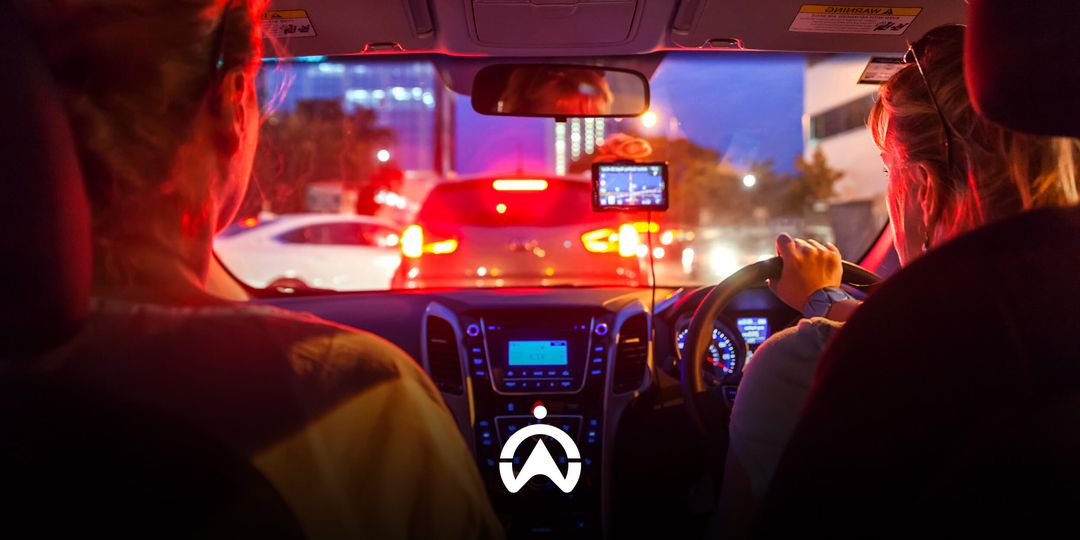
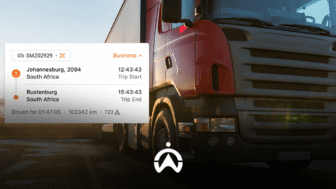
Driving defensively on Mozambique's roads starts with something simple: staying focused on the road, keeping a safe following distance and anticipating hazards. By obeying the rules of the road and treating other drivers with respect, you protect yourself and those travelling with you.
In this article, we will present 12 defensive driving techniques that are easy to memorise, explain why they work and show how you can turn them into habits. Keep the word F.U.N.D.A.M.E.N.T.A.L in your head as you read — it is the way to remember everything once you have finished this article.
Key Takeaways:
Defensive driving in Mozambique means staying focused, respecting the rules and anticipating what other drivers might do wrong
You need to take extra care near trucks, chapas, intersections, pedestrians, animals and roads in poor condition
Keeping your distance, staying calm and being alert when stopped helps to avoid accidents and risky situations
Technology such as GPS, cameras and driver coaching helps to identify risky behaviour before it causes harm
F.U.N.D.A.M.E.N.T.A.L tips for defensive driving in Mozambique:
Full focus on the road
Obey the rules of the road
Never react to aggression
Safe following distance at all times
Watch out for trucks
Poor road conditions — slow down
Mirrors checked frequently
Night-time calls for extra care
Taxis and chapas are unpredictable
Stay alert when stopped
Width — take up more space
These are not generic tips you have heard a thousand times. They are techniques backed by accident data, crash reconstruction specialists, professional drivers and law enforcement. Throughout the article, think about how YOU can be a defensive driver in Mozambique — even when others are not driving well.
1. Full focus on the road
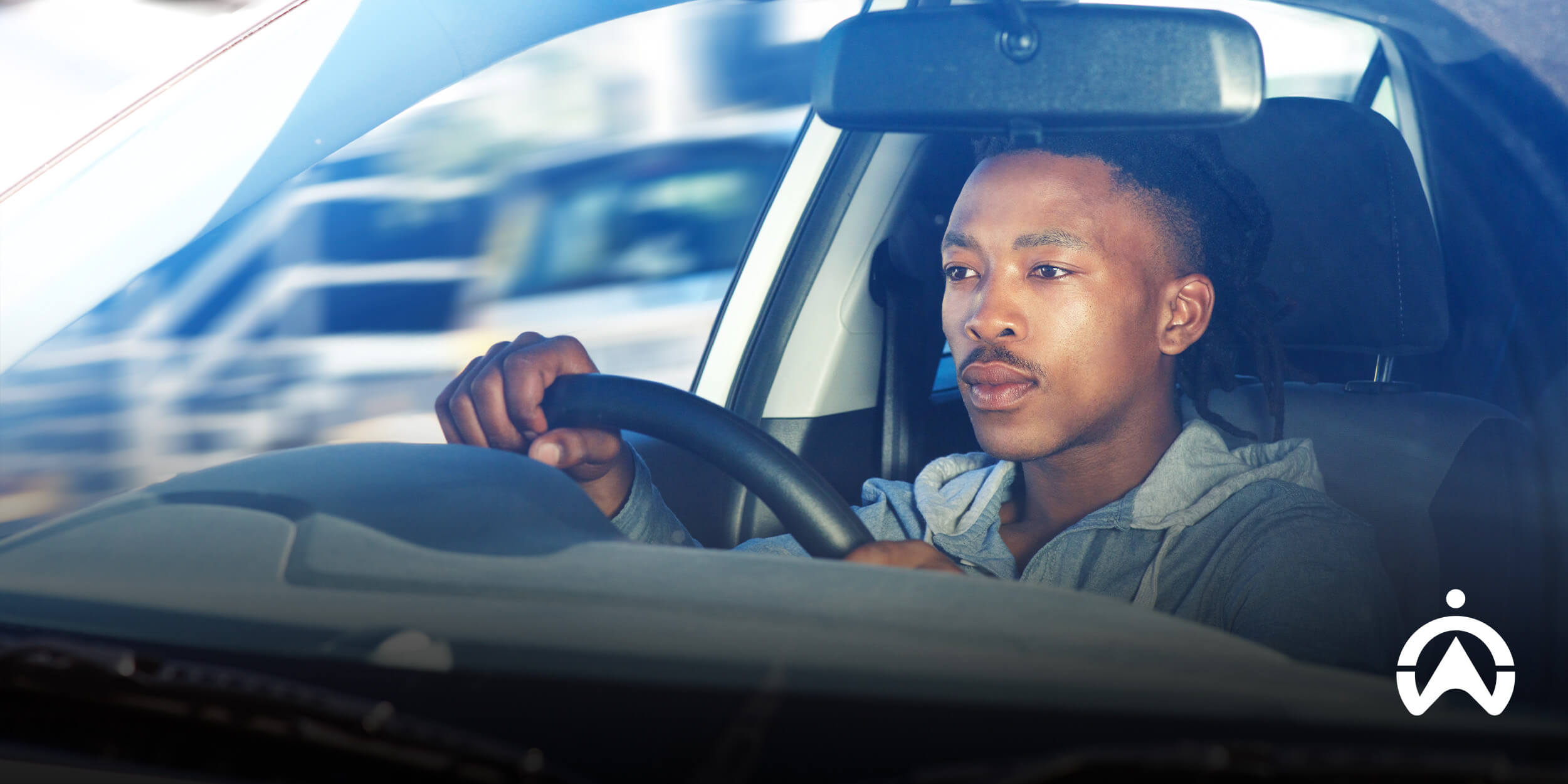
The foundation of safer driving is eliminating distractions. When you are behind the wheel, all your attention should be on the road. People who have been driving for many years tend to slip into “autopilot”, and that is when distractions creep in and hazards go unnoticed.
How to stay focused:
Eyes on the road at all times
Be aware of your gear changes
Check your rear-view mirror frequently
Watch the road signs around you
Be aware of other drivers
Ignore your mobile phone
Prioritise driving over chatting to passengers
The main cause of road accidents in Mozambique is distraction, especially using a mobile phone at the wheel. Make a habit of putting your phone away before you set off.
2. Obey the rules of the road
The rules of the road exist for a reason. Obeying them is the most direct way to stay safe. Even if other drivers do not respect them, those rules are there to give you the time and space to spot dangerous situations before it is too late.
The most common offences that cause accidents in Mozambique:
Ignoring stop signs and traffic lights
Driving under the influence of alcohol or substances
Speeding
Drifting out of lane
Not indicating
Did you know?: Fleet companies invest in regular driver training and monitoring via fleet management software precisely to ensure the rules of the road are obeyed.
3. Use your mirrors frequently
Your vehicle's three mirrors are there to give you the greatest possible view of what is around you. Checking them regularly is a habit we learn when getting our driving licence — and with good reason. Knowing what is going on around you at all times makes you more aware and able to move more safely.
4. Never react to aggression on the road
If you have been driving in Mozambique for a few years, you will already have come across aggression on the road. The most important rule: do not react. Someone in an aggressive state can lose the ability to think straight and go as far as damaging your vehicle to provoke a reaction.
What to do in an aggressive situation:
Lock the doors and keep the windows closed
Stay calm
Record the incident if possible
Call someone you trust
5. Drive defensively near trucks
Trucks take up more space on the road and cannot react as quickly as a car or pick-up. Even if truck fleets take every possible precaution, drivers can suffer from fatigue, distraction or mechanical failure.
When you are near a truck, whether in front, alongside or behind, always be on maximum alert. Watch its lights, follow its movements and overtake as quickly as possible when it is safe to do so.
6. Adjust your speed to the road conditions
In Mozambique, drivers are well acquainted with potholes, roadworks and obstacles on the roads, especially on the outskirts of Maputo and Matola and on the national roads. Many accidents happen because drivers keep to their normal speed despite these hazards.
How to protect yourself:
Slow down to give yourself time to spot obstacles
Keep a safe following distance to see potholes in time
Slow down in the rain to keep control of the vehicle
Make a habit of constantly checking the road ahead
Chapa and taxi drivers in Mozambique are under enormous pressure to carry as many passengers as possible throughout the day. That does not justify dangerous driving — but the reality is that they have a reputation for unpredictable behaviour on the road.
They may stop suddenly, turn without indicating or change lanes without warning. Be aware of this unpredictability, keep your distance where possible, avoid confrontations, be patient and take extra care when you are near them.
8. Scan intersections carefully
Defensive driving includes the ability to spot hazards early. Many accidents happen at intersections. This is where collisions are most likely, because several vehicles are crossing paths at the same time.
This is where you should be most cautious, especially when the traffic lights are out of order or the intersection is very busy.
Remember: every traffic light has its own cycle. Do not move off until you have the green light that shows it is your turn.
9. Take up more space
An important part of defensive driving is always having a way out if something goes wrong. It is a habit worth developing: always stop with enough space between you and the car in front and the vehicles alongside.
Vehicle theft and hijacking are a reality in Mozambique, especially in Maputo. Having room to manoeuvre can be decisive if someone approaches your vehicle. It also avoids scrapes and scratches when the traffic starts moving again.
10. Night driving calls for extra care
At night, visibility is limited. Not only of the road, but also of signs and markings. In Mozambique, power failures (power cuts) make the situation even worse, leaving certain areas in complete darkness. Take extra care when driving at night or in poorly lit areas.
11. Maximum alert when stopped
Hijacking remains a real problem in Mozambique — especially in Maputo and the surrounding areas. Defensive driving includes being aware of this risk and being extra vigilant whenever you stop. Prevention is always better than cure.
It is better to avoid a hijacking situation than to try to get out of one. If you do find yourself in that situation, see the frequently asked questions section at the end of this article.
12. Watch out for pedestrians and animals
In Mozambique, a large part of the population gets around on foot — to work, to the market, to school. There are millions of pedestrians on the roads every day. That is why it is essential for Mozambican drivers to always watch out for pedestrians, especially in suburban areas, in the city centre and on rural roads. On national roads and in rural areas, animals on the road are also a real danger, especially at night. Slow down and stay alert at all times.
BONUS TIP: Blind spots at the wheel
There are always two small areas you cannot see while driving: behind you to the left and behind you to the right. These are known as blind spots. The mirrors do not show them unless you lean forward. When changing lanes, turning or joining a road, always lean forward to check these blind spots before moving.
How is technology making driving safer in Mozambique?
Technology is transforming road safety through telemetry, the collection of data on the vehicle and driver behaviour. With GPS tracking, fleet management software, driver coaching and vehicle cameras, bad driving habits are identified, corrected and eliminated over time, and vehicle crime is reduced.
What this means in practice:
Real-time GPS tracking: You know where every vehicle is at any moment.
AI cameras: They detect risky behaviour and record incidents automatically.
Driver training: Identifies dangerous driving patterns and allows targeted training.
Behaviour alerts: Real-time notifications for speeding, harsh braking and other risks.
Remote immobilisation: In the event of theft, the vehicle can be immobilised remotelywill make your life easier and save you money.
At Cartrack, we are constantly thinking about how our technology can make driving safer for private drivers and business fleets. Whether you are a private driver commuting to work every day or a logistics driver, we have a solution that makes your life easier and saves you money.
Frequently Asked Questions about Defensive Driving
What are the main distractions at the wheel in Mozambique?
The most common distractions are using a mobile phone at the wheel, conversations with passengers, and eating or drinking while driving. Using mobile devices at the wheel is prohibited by law. As it is the main cause of accidents, the best thing is to make a habit of putting your phone away before you set off.
What should you do if your vehicle is hijacked?
6 ways to protect yourself in a hijacking:
Always check that you are not being followed
Be MORE vigilant in your driveway or garage
Scan your surroundings as you approach home or a stop
Park in safe areas with visible cameras
Be alert when getting back into the vehicle
Keep your eyes on the mirrors while driving
Other articles for you
What Are the 5 Cameras Cartrack Offers for Business and Personal Use?
Blogs
11 minute read •
The 5 cameras (dashcams) that Cartrack Mozambique offers for business and personal use are Road Vision, Dual Vision, MultiVision, AI Dash Pro and AI MultiVision. These solutions meet a wide range of needs and keep you protected on the road at all times. Whether you run a complex fleet or simply want to protect your personal vehicle, Cartrack has the […]
How to Move from Reactive to Proactive Fleet Management
Blogs
11 minute read •
To move from reactive to proactive safety in your fleet, you need to invest in an advanced telematics system with artificial intelligence cameras. An advanced telematics system uses predictive maintenance to keep you informed about the mechanical condition of your vehicles, while AI cameras show you how your drivers behave behind the […]
Short-haul trucking is the transport of goods by truck over comparatively shorter distances than long-haul transport. It generally refers to road transport over distances of between 100 km and 250 km, normally within a single province or between neighbouring provinces of Mozambique. Data from Mozambique’s road […]
 South Africa
 Botswana
 Kenya
 Malawi
 Namibia
 Nigeria
 Swaziland
 Tanzania
 Zimbabwe
 Hong Kong
 Indonesia
 Singapore
 Malaysia
 Philippines
 Thailand
 New Zealand
 Vietnam
 Poland
 Portugal
 Spain
 United Arab Emirates

 PT