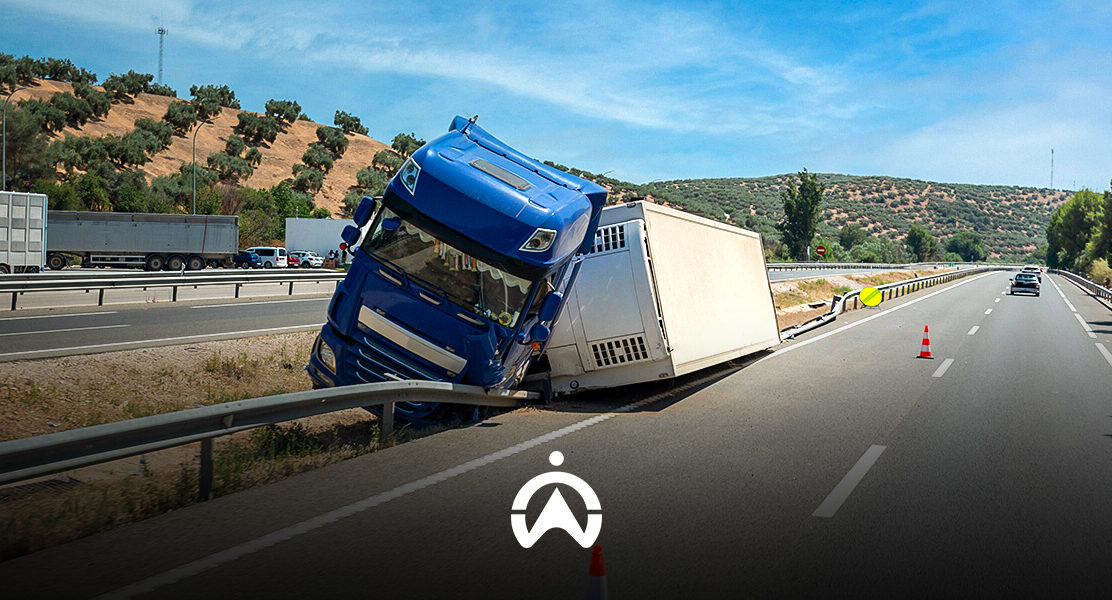
To ensure the safety, compliance and efficiency of their fleet, managers face various risks that can significantly affect operations.
Fortunately, they don't have to fight this battle alone; effective risk management and Cartrack's solutions are here to quickly identify and eliminate all the risks that can affect operations.
Let's see what Cartrack risk management has to offer.
In this article, you will:
- Learn about the biggest risks affecting fleet operations
- Understand the causes and outcomes of these risks
- Discover effective risk management practices
- Gain insights into maintaining operational efficiency and compliance
- Explore Cartrack's advanced solutions for risk mitigation
Understand the biggest risks associated with our fleet operations by first understanding fleet operations
Fleet managers often wear many hats. They are the engine of fleet operations, with huge responsibilities in ensuring that the fleet achieves its goals within the business, whether that's delivering parcels, transporting people or simply providing a service such as vehicles for mining and construction.
It doesn't end there; managers need to effectively monitor vehicle and driver performance, ensure safety is maintained in operations, manage the fleet's finances and expenses, maintain the vehicles and much more. Manually organising, managing and tracking all these different moving parts can bring even the most experienced fleet managers to tears.
Fortunately for managers and business owners around the world, technology is always on hand to help with the workload. For fleet managers, it's telematics, GPS technology, tools such as dashcams, fleet management software and the many features it comes with.
These technologies simplify the fleet management process, provide easy access to vital information and allow managers to make sense of the chaos of fleet operations, overseeing their fleet's life cycle from a single platform.
What are the biggest risks affecting fleet operations?
Risks differ depending on the business and the sector it operates in. Fleet management doesn't just ensure that vehicles travel safely from one point to another and monitor their drivers; it also mitigates the many risks that can occur on a daily basis.
Here is a list of risks that can mainly affect fleet operations:
- Accidents and safety issues
Causes: Driver fatigue, poor vehicle maintenance, risky driving behaviour.
Outcome: Poor driver safety, liability issues, vehicle damage, legal problems.
- Vehicle theft and damage
Causes: Little or no vehicle security, operating/driving in dangerous areas.
Outcome: Loss of assets, higher insurance premiums.
- Vehicle breakdowns
Causes: Failure to keep to the vehicle maintenance schedule, mechanical failure.
Outcome: Delays, increased costs, reduced customer satisfaction.
- Poor management of consumption
Causes: Use of inefficient routes, burning unnecessary fuel, fuel theft, unmonitored poor driving behaviour.
Outcome: Greater inefficiency in operating costs.
- Non-compliance
Causes: Ignoring or failing to follow legal safety standards.
Outcome: Fines, legal action, operational shutdowns, poor business reputation.
Introducing risk management
Larger fleets are often more exposed to risks that can result from technological issues, accidents and natural disasters. Even incidents that affect the company's finances, compliance or brand can be seen as risks.
With this range of concerns, it can be challenging to foresee every potential problem. Unfortunately, problems sometimes go unnoticed and are ignored until they begin to negatively affect fleet operations.
That's where risk management practices come into play.
Using risk management, businesses can use its five-step process to manage risks and start effectively implementing actions to reduce them. These steps are essential for successful risk management, addressing:
Step 1. Identifying the risk
Every fleet-related industry has its own challenges and risks. This step focuses on identifying the risks your business is facing or will potentially be exposed to.
These risks may fall into these categories:
- Market risks
- Legal risks
- Environmental risks
- Compliance risks
It's better to be prepared than to be caught off guard. Listing the risks makes you more aware of them and better prepared to deal with them as soon as they occur. You'll be able to spot the signs of the risk and start planning ahead before it affects your operating environment.
Step 2. Risk analysis
Next, you must determine the scope of the risk. Does the risk affect other departments of the business or is it confined to one? A serious risk, such as a case of fraud, for example, can affect the whole company and its image, while others would be seen as a minor inconvenience. Risk analysis helps you understand the extent of the risk and whether it needs your immediate attention.
Step 3. Mitigating the risk
You have noticed the risk and seen how much it can affect the business; this is where you find the solution. Depending on the extent of the risk, you may need to find a solution to stop the risk from growing or simply to contain it. It could be hiring a maintenance team for your fleet if the risk is vehicle health problems, or installing Cartrack's infrared cameras for night-time security if the risk is theft of equipment on site.
Step 4. Monitor the risk to demonstrate effectiveness
Resolving the risk doesn't guarantee that it won't occur again; keep the risk and the solution on record for future use and monitor how the solution is working.
Unfortunately, not all risks can be fixed, such as environmental risks or inflation risks that affect your budget; their effects only need to be monitored so that you can adjust your operations accordingly.
Our GPS Insights conducted a fleet safety report in 2022, showing how 3.400 people active in fleet businesses successfully reduced risks, focusing specifically on safety and compliance.
These were the key findings:
- Of the 3.400 professionals surveyed, 65% of them believed that improving driver training was the key method for reducing the risks associated with poor driver behaviour and fleet safety.
- 57% prefer to focus on using GPS vehicle tracking technology to effectively improve safety while travelling. With increased fleet visibility comes real-time knowledge of the fleet's whereabouts, schedule adherence and a rapid response to vehicle theft or other emergencies.
- When it comes to tackling the risks associated with their fleet, 41% of participants implemented a camera/video solution to monitor driver behaviour live, stay compliant with fleet rules and regulations, and collect video evidence of any events that occur, for example, proof of compliance with safety measures or road accidents.
This is a clear and comprehensive view of how different managers use risk management practices to see the full range of problems their team faces.
Be smart: Do fleet risk management solutions the Cartrack way
Now that you've seen what risk management can do, how about partnering with Cartrack? Cartrack is an industry-leading company offering fleet management solutions and vehicle tracking technology that is ready to help address and mitigate the various risks affecting operations.
Here's how Cartrack can help manage your fleet and its risks:
- Security
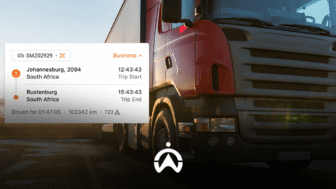
Some drivers may take shortcuts and deviate from set routes to complete their tasks quickly, but this can lead to fuel or vehicle theft, putting the vehicle in unnecessary danger. Tracking technology can do more than just tell you where your fleet is. With vehicle tracking units installed, you can see detours, access your fleet's trip history and see the routes where thefts frequently occur. If an emergency occurs, managers can act quickly and send assistance directly to the vehicle's location.
As part of the solution for using only safe, visible and fuel-efficient routes, managers can use route optimisation technology to choose a route that improves travel time and fuel usage, and geofences to create digital boundaries around no-go areas for their fleet. A notification will be sent whenever your vehicle enters or leaves these areas, prompting you to communicate with drivers to correct their actions and keep the fleet safe.
- Driver management
Fleet managers are responsible for establishing safety measures, such as carrying out pre-trip checks to ensure vehicles are safe to drive, setting mandatory speed limits for vehicles to follow and ensuring their drivers follow safety rules, such as no texting and driving, no speeding or reckless driving practices of any kind, etc., to achieve optimal driver safety.
With the help of fleet management companies like Cartrack, a business can achieve its safety-first approach. Managers can take advantage of Cartrack's driver behaviour management tools, such as driver scorecards that assess driver performance and behaviour and risk reports that show all risk events, such as harsh braking, rapid acceleration, speeding beyond set limits, sharp cornering and idling, to monitor driving habits and use the information gathered by these reports to motivate their team to adopt safer driving habits.
One of the top ten causes of truck accidents is distracted driving. Cartrack's smart cameras can combat the risk of truck accidents caused by drowsy, tired or distracted drivers by recording these behaviours and alerting drivers audibly. This allows the driver to quickly correct their behaviour and be more alert on the road.
If an incident occurs, don't just focus on the solution; take the time to review the driver's behaviour, analyse the data and find the cause so that you know the next steps to take to prevent the incident from happening again.
- Operational efficiency
Sometimes, risks come from poor vehicle health. Proper planning and scheduling can minimise the costly risk of your vehicle breaking down at random and being out of action for a while. This can affect the safety of your drivers and cost the business valuable time and profits.
Unplanned downtime of an asset can be avoided by monitoring vehicle health in real time to schedule preventive maintenance. Cartrack can keep track of your fleet's health and performance with maintenance history reports. And help you keep up with servicing your vehicles at regular intervals with maintenance alerts.
This:
o Reduces downtime
o Provides better fuel efficiency
o Reduces long-term maintenance costs
o Extends the lifespan of assets and increases resale value
o Increases fleet safety and ensures compliance with regulations
- Fuel theft and misuse
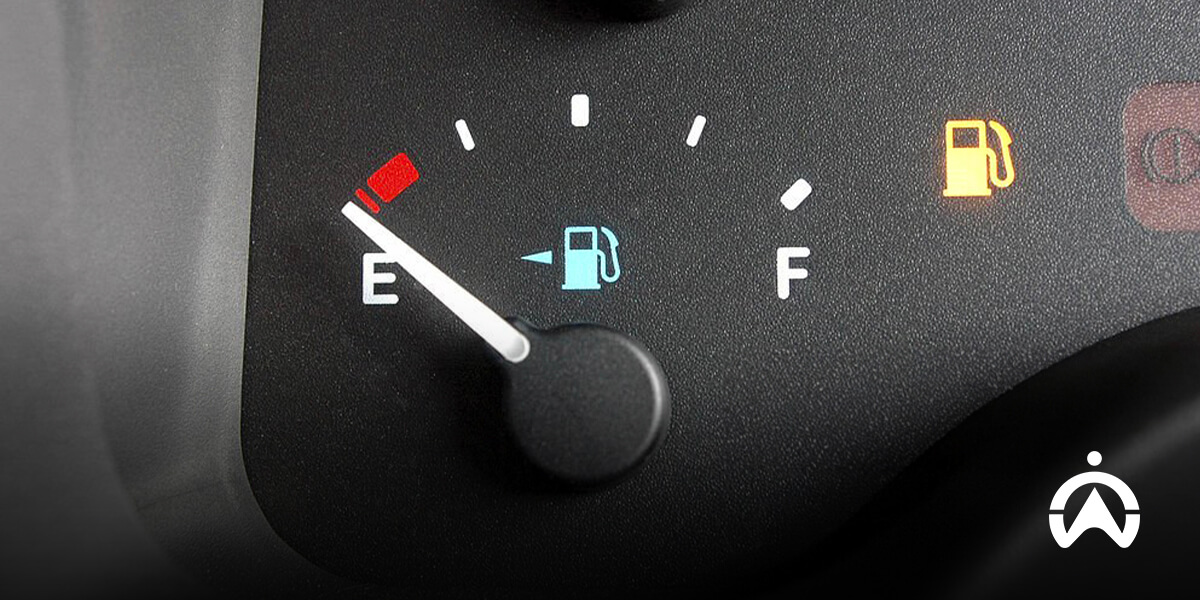
Fuel is a precious resource that powers vehicles' ability to deliver cargo, goods, materials and people. A lack of fuel can halt production and disrupt fleet operations, affecting fleet efficiency. To reduce fuel theft and minimise the risk of inefficient fuel use, managers can monitor the fuel levels in their tanks using Cartrack fuel sensors and CAN Bus for a more accurate reading.
When it comes to keeping an eye on fuel expenses, MI Fleet, Cartrack's cost management tool, tracks all fuel costs, from high payments, maintenance and speeding fines to fuel purchases. With its three-step transaction approval process, managers can prevent fuel theft and ensure that fuel cards are used efficiently.
- Compliance
If an accident occurs due to poor vehicle maintenance or a failure to replace or repair vehicle parts to keep a fleet healthy, the business can be held liable for the accident and found to be in default, which can result in heavy fines, among other penalties.
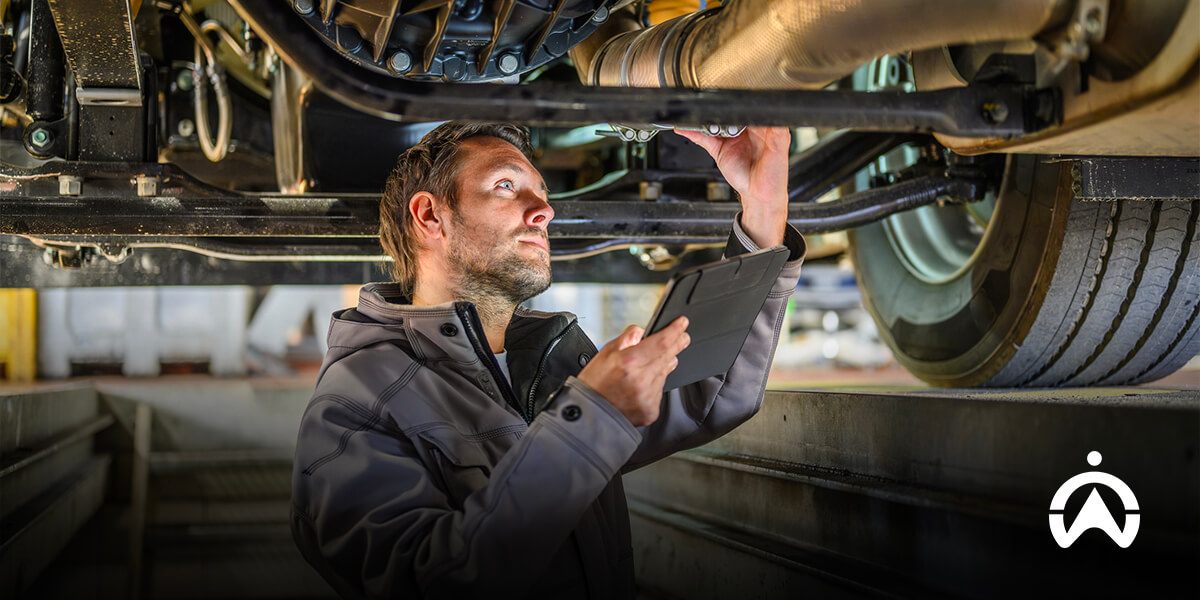
Carrying out short pre-trip inspections on your fleet can go a long way towards ensuring that your vehicles are roadworthy and able to travel and carry out tasks. Inspections can identify issues or problems, such as faulty wiring or loose bolts, that could turn into major problems, and fix them. What's more, vehicle inspections don't interrupt the flow of operations and take only a few minutes to carry out.
For a smarter solution, Cartrack can help your team stay compliant with advanced solutions.
- Automatically keep track of all your regulatory contracts, insurance documents, licences, etc.
- Receive alerts about payments for important documents, such as vehicle licences, speeding fines and licence renewals.
- Use work logs or vehicle usage reports to monitor the working hours your team spends on site and ensure that your drivers have mid-shift breaks and are well rested.
Take control of fleet risks with Cartrack
Make your fleet risk-free with Cartrack. From driver behaviour monitoring tools to fleet expense tracking and maintaining compliance, our advanced features and services are the solutions you need to fight the biggest risks associated with your business operations. Contact Cartrack today
 South Africa
 Botswana
 Kenya
 Malawi
 Namibia
 Nigeria
 Swaziland
 Tanzania
 Zimbabwe
 Hong Kong
 Indonesia
 Singapore
 Malaysia
 Philippines
 Thailand
 New Zealand
 Vietnam
 Poland
 Portugal
 Spain
 United Arab Emirates

 PT