Why starting a transport logistics business and a trucking company will benefit you
Published
Reading time
12 minutes
Blogs
Trucking logistics plays a significant role in our economy and daily life.
In this article:
Get an overview of what trucking logistics involves
Learn how to start a trucking logistics business step by step
Why trucking logistics is such a rewarding business to venture into
How Cartrack's fleet management platform can help run an efficient, safe and compliant transport and trucking company
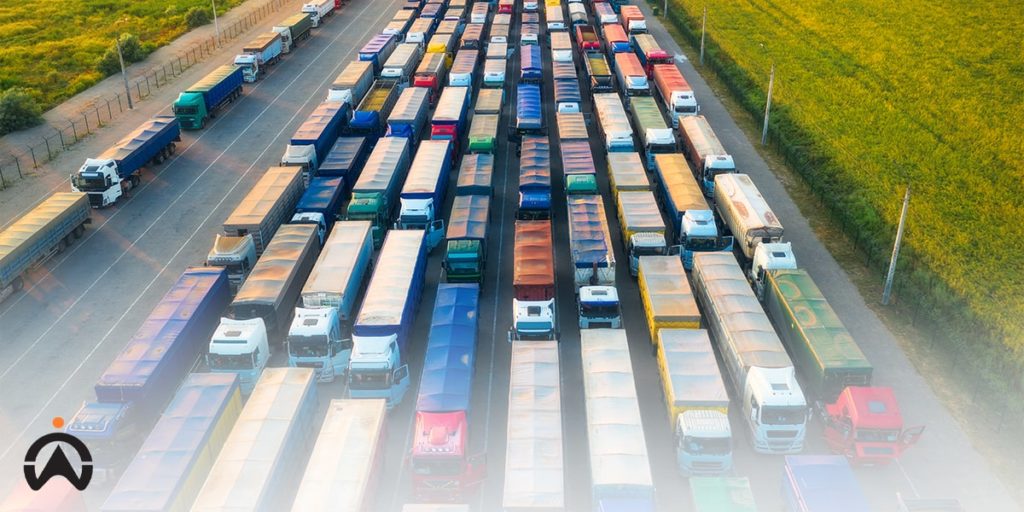
According to the commodity flow survey (CFS), trucks carried 71,6% or $ 10,4 trillion of the $ 14,5 trillion of all goods shipped in the United States in 2017. Clearly, starting a trucking logistics business brings many rewards, but it is hard work too.
What is logistics and how did it evolve into trucking logistics?
The word logistics comes from the French term loger or logistique, which means scarcity. Historically, logistics was a term associated with the military, where the role of logistics was to supply troops with adequate equipment for war.
With the rise of consumerism and the growth and complexity of supply chains, the word logistics evolved in the 1950s. Logistics became a term used in the business sector to refer to the process of planning, implementing and controlling the transport of goods, resources and information from the point of origin to the customer's point of consumption. The focus of logistics shifted from war to meeting customer expectations and achieving customer satisfaction in the most timely and cost-effective way.
Today, industry logistics markets have developed further as a concept used for business analysis and planning to help companies gain a strategic competitive advantage, considering every possible factor involved in the business operation.
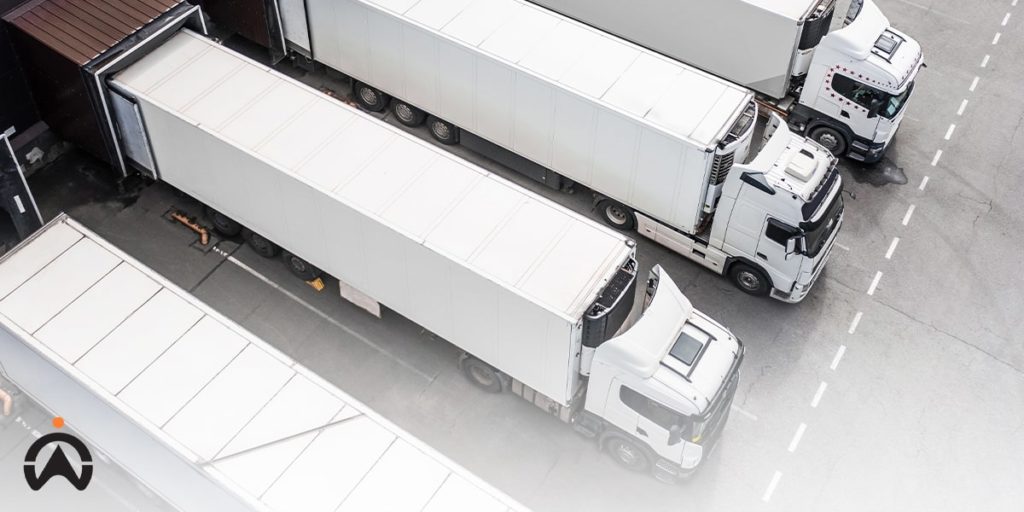
Trucking logistics therefore refers to the research and planning of trucking operations. Trucking logistics takes into account all the factors involved in transporting goods and resources by truck, to increase productivity and efficiency. Trucking logistics includes:
Planning and optimising the most efficient routes for truck drivers
Improving fuel consumption through fuel management
Ensuring that trucks are in good condition to complete jobs
Hiring an excellent team of truck drivers
Applying effective fleet management
In today's industrialised world, trucks are one of the main means of commercial and goods transport. Efficient trucking logistics not only helps a trucking company achieve success, but also contributes positively to the economy. So it is safe to say that the trucking industry plays a big role in the economy.
Let's take a look at how this large and important industry operates.
How does the transport business sector work?
A trucking logistics company falls within the transport business sector, which is made up of companies that move goods, resources or even passengers from one place to another. These companies provide services for different target markets, from individuals to businesses and even global trading partners. This means that companies in the transport sector can specialise in various niches and activities, from e-hailing or transporting customers' goods to international shipping of supplies and products.
Companies in the transport sector are commonly classified into different categories based on the target customer, the type of routine and the service provided, namely:
Personal transport: this is provided for individuals and small groups of people and includes individual services, such as taxi services, bus services and, more recently, e-hailing services.
Local transport: this category provides services for regional markets, transporting loads such as livestock, materials, consumer goods and much more. Local transport can be commercial or private, depending on the materials distributed.
Global transport: Global transport offers sea freight or air cargo delivery services. These services consist of aspects of the personal and local categories, but on an international scale.
Trucking logistics focuses on local services. In providing these services, trucking logistics prioritises road safety to ensure the safe transport of loads and the safety of drivers and individuals, as well as the preservation of goods, products and specific cargo. What trucking logistics does is examine factors such as truck routes, load types and delivery times to better facilitate the different types of transport services and determine the best means of transport. For example, heavy haulage and long-haul are more demanding aspects of road transport than personal e-haO
The role of trucking logistics in the transport supply chain business
A supply chain refers to a network of individuals and companies that are involved in creating a product and delivering it to the consumer. Trucking logistics is one aspect of the supply chain that plays a role in delivering goods or services to customers, manufacturers, distributors or consumers.
Simply put, the supply chain covers the production and distribution of goods and services to all types of customers, while trucking logistics focuses on the movement and storage of products in the supply chain. When implemented efficiently, supply chain management and trucking logistics work together to give companies a competitive advantage and add value for their customers.
The goal of trucking logistics is to get goods and services delivered on time. To achieve this goal, trucking logistics follows a logistics flow that involves the movement and direction of goods, resources, products or information within a supply chain network, from the point where the goods, resources, products or information originate to where they are consumed by customers.
The three types of logistics flows are:
Inbound logistics: Raw materials, tools, machinery used for manufacturing, consumable items needed for fuel or various spare parts and other elements for production inputs are moved, transported or stored from suppliers to manufacturers for processing and production. As the first stop in the supply chain, effective inbound logistics enables a fast, integrated supply chain.
Outbound logistics: finished products from manufacturing are moved to the next stop in the supply chain. These finished products are shipped and delivered from the warehouse to the logistics business's customers. All products that pass through this outbound logistics flow are intended for consumption and consumer satisfaction – this is also called the order fulfilment process.
Reverse logistics: this involves the return, maintenance, repair, refurbishment, resale, recycling, recovery or proper disposal of products. Reverse logistics therefore refers to the movement of items or goods from consumers back into the supply chain. This process is most common in the automotive and electronics industries.
3 reasons why you should start a road transport company
With the current shortage in the logistics sector, starting a trucking logistics business can be rewarding. Here are three reasons why you should start a trucking logistics business:
You can make money
Among other reasons, people start businesses to make money. So yes, you can make money with a trucking logistics business, but only if you manage it efficiently. This is because the profit made in the trucking logistics business is heavily affected by costs. Fuel costs are one of the factors that can lead to high costs, especially in road transport and logistics – fuel costs eat into your profits.
You can work from home
Working from home has become a new norm. Today, the basic needs for managing a trucking logistics company are a computer, a phone and the internet. With these gadgets, it is possible to start, own and manage a trucking logistics business from home. The trucks can be busy on the road all day while you use fleet management software to monitor your fleet's activity using GPS location software.
You don't need to own trucks
Most people assume that, to start your own trucking business, you need to invest in a truck or trucks – that isn't the case. As the owner of a trucking logistics company, you don't need to be the owner of the truck or trucks. A start-up trucking business can be started with someone else's truck – just like Uber and Bolt. This is called an owner-operator, and you can simply register the owner-operator's truck under your authority.
Thinking of starting your own logistics company? Let's get started with the following steps!
Complete the necessary training
Trucking logistics requires the right set of training and skills, so it is important to get the right, suitable training for the job. The form of training varies according to the type of service the road transport company will provide – whether global transport, local or both. The following are some of the training requirements:
– Transport management systems: this training provides an understanding of how transport management systems (TMS) work and why they are vital to transport systems. The training prepares you to manage and track all the different aspects of transport management, such as vehicle maintenance, warehousing, communications, cargo handling and much more.
– Management and inventory operations: The ability to handle and control inventory plays a vital role in the transport and logistics business. Inventory management is integrated with warehouse management to inform and educate you about how products move through your operation.
– Transport regulations and laws: to run a trucking logistics business that provides domestic and international services, the training should include regulations on interstate commerce and on global shipments and carriers.
There may be additional training or courses that have to be completed, depending on the type of service your trucking logistics offers and local government regulations.
Do your research
Before getting into trucking logistics, it is important to research the sector. Research helps you understand the business and its viability, before you even enter the market. Here are a few research points that can give you an overview of the business:
– Costs: As mentioned above, the purpose of owning a business is to make a profit. It is important to find out the costs of the business and whether the business is profitable.
– Competitors: researching competitors will help you understand what other service providers are doing right or wrong. That way, you'll understand what the customer's expectations are.
– Niche: The trucking logistics business is a large industry. Find out which goods and services you would like your company to specialise in. Successful companies choose a path.
Set it up
Starting a trucking logistics business will take a lot of time, money and energy, because it involves planning, making important financial decisions and completing a series of legal activities. Here is a guide to setting up your trucking logistics business:
– Create a business plan – Choose a business entity – Open a business account – Ensure fleet compliance
Get financing
Trucking equipment and the various road haulage and freight requirements are some of the capital outlays needed to start a trucking logistics business. So you need start-up capital to launch a trucking logistics business. Fortunately, there are many funding and financing options available, based on the type of service a trucking logistics company offers, as well as the company’s geographical location. There are traditional financing options, such as loans and private financial aid. However, if you have no money, you can opt for financing that can help you start a trucking logistics business with no money. The trick is to do your research and find the financing that is right for you.
In South Africa, trucking logistics presents a great business opportunity with some good financing options – including government funding options as well as private financing.
Put together a team to operate your fleet
A trucking logistics business without truck drivers is not functional. There are many things to take into consideration when hiring staff:
– Do they have a safe driving record? – Check the applicant’s compliance, safety and accountability (CSA) profile – They must have a commercial driver’s licence (CDL) or road test certificate – Make sure the applicant’s medical certification is up to date – Carry out a road test
Finding a suitable employee will take a lot of time and effort, but hiring the right candidate for the job will have a positive impact on the business.
Invest in fleet management software
Finding the best fleet management software will help you ensure the success of your business. Good fleet management software will help you optimise routes, track truck drivers and loads, ensure your fleet is compliant, help you manage fleet-related costs, protect you against fuel fraud and ensure the safety of your truck drivers.
Oversee your logistics company and save time with Cartrack’s software as a service (SAAS)
Cartrack’s fleet management software lets you optimise your entire fleet operation, from monitoring driver behaviour and using GPS tracking to identify drivers and assets to managing vehicle use and fuel consumption.
Get in touch with Cartrack today and kick-start your successful trucking company with us.
Other articles for you
What Are the 5 Cameras Cartrack Offers for Business and Personal Use?
Blogs
11 minute read •
The 5 cameras (dashcams) that Cartrack Mozambique offers for business and personal use are Road Vision, Dual Vision, MultiVision, AI Dash Pro and AI MultiVision. These solutions meet a wide range of needs and keep you protected on the road at all times. Whether you run a complex fleet or simply want to protect your personal vehicle, Cartrack has the […]
How to Move from Reactive to Proactive Fleet Management
Blogs
11 minute read •
To move from reactive to proactive safety in your fleet, you need to invest in an advanced telematics system with artificial intelligence cameras. An advanced telematics system uses predictive maintenance to keep you informed about the mechanical condition of your vehicles, while AI cameras show you how your drivers behave behind the […]
Short-haul trucking is the transport of goods by truck over comparatively shorter distances than long-haul transport. It generally refers to road transport over distances of between 100 km and 250 km, normally within a single province or between neighbouring provinces of Mozambique. Data from Mozambique’s road […]
 South Africa
 Botswana
 Kenya
 Malawi
 Namibia
 Nigeria
 Swaziland
 Tanzania
 Zimbabwe
 Hong Kong
 Indonesia
 Singapore
 Malaysia
 Philippines
 Thailand
 New Zealand
 Vietnam
 Poland
 Portugal
 Spain
 United Arab Emirates

 PT