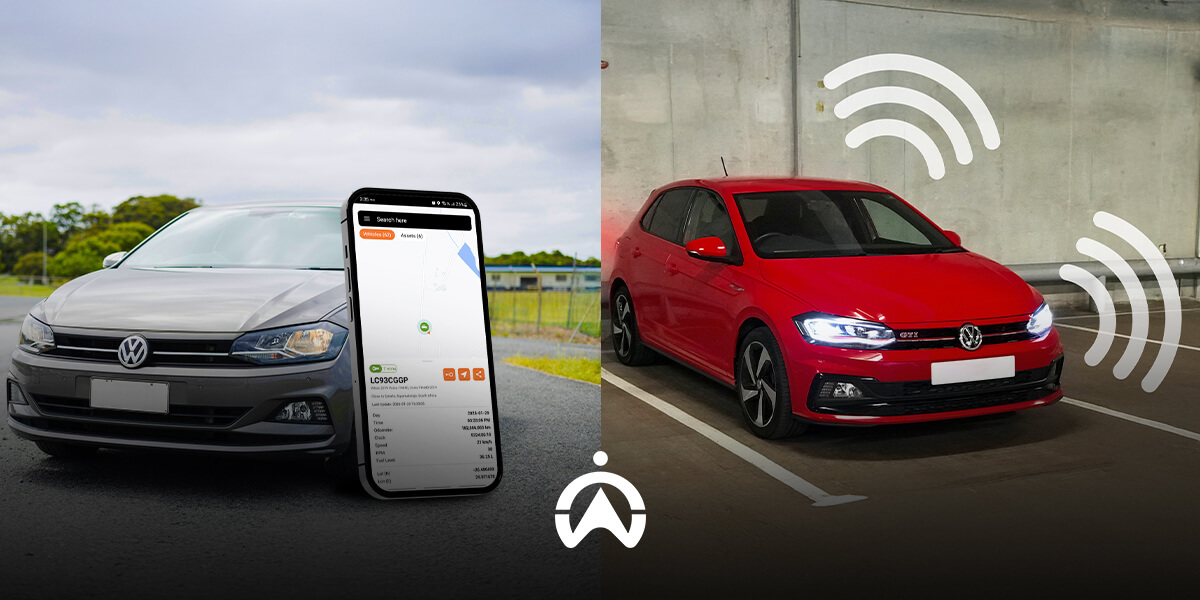
Car tracking devices vs. traditional car alarms: which is better?

Did you know that approximately 93 cars are stolen every day in Mozambique? This alarming statistic proves that vehicle security is now more critical than ever. At this rate, investing in a car security system, such as a tracker or a car alarm, is non-negotiable. Although most vehicles already come fitted with alarms, the big question is: are they enough to protect your vehicle?

We’ll discuss these two main car security solutions, compare their effectiveness and help you determine which system best suits your needs. You’ll also discover how Cartrack solutions can help protect you and your loved ones on the road.

In this article, you will:

  • Learn the key differences between car tracking devices and traditional alarms
  • Understand the benefits of car tracking devices
  • Find out why Cartrack stands out as the best vehicle tracking partner

Car tracking devices vs traditional alarms: a comparison

Car tracking devices and alarms both aim to protect your vehicle, but they achieve that goal in different ways. The table below outlines the main features, benefits and drawbacks of each system, giving a clear overview to help you make an informed decision when choosing the right security solution for your needs.

Aspect Car tracking device Traditional car alarm
Primary function Vehicle tracking and recovery Deterrent, Intrusion Alerts
Effectiveness Highly effective for locating and recovering a stolen vehicle Mainly effective at deterring theft or alerting to attempted theft
Technology GPS, cellular, Wi-Fi Sensors, Sirens, Motion Detectors
Features Real-time tracking Geofencing, Speed alerts, Driver behaviour monitoring, Remote engine immobilisation Loud siren Motion detection, Tilt sensors, Glass-break sensors
Installation Often hidden and professionally installed Usually visible, generally professionally installed
False alarm Less prone to false alarms More prone to false alarms (for example, loud noises, animals)
Additional benefits Valuable for fleet management, parental controls, emergency services and potential insurance discounts Limited beyond basic theft prevention

Key differences between car trackers and alarm systems

When it comes to car security, owners often consider tracking devices and alarms. Although both offer protection for cars, they take different approaches to it. Let’s explore how different they really are by looking at their primary function, installation, technology and limitations.

Key differences between traditional car alarms and tracking devices:

Primary function

Traditional car alarms

The main function of a traditional car alarm is to deter theft. If someone tries to steal your vehicle or break in to take your belongings, the car alarm’s sensors will detect this and a sound will go off. In some cases, the vehicle’s headlights will also flash. These alerts serve to notify people nearby and put the criminal off continuing with the act.

This makes car alarms effective in theft situations.

Car tracking devices

The main function of a car tracking device is to assist in recovering a stolen vehicle by tracking its location using GPS technology.

Tracking devices don’t prevent theft, which makes them ineffective during a theft but highly effective after it.

Technology

Traditional car alarms

Traditional car alarms rely on sensors to detect unauthorised access or disturbances, triggering the alarm when activated. Below is a list of common sensors an alarm system typically has:

  • Tilt sensors: These are used to detect any change in the vehicle’s tilt relative to the ground. The alarm will be triggered if the car suddenly tilts. This feature protects against unauthorised towing or lifting of the car.
  • Motion detection: if there is any movement near the car, it will set off the alarm. This can include even a light touch on the vehicle.
  • Glass-break sensors: if someone is trying to break your window, for example, and the glass shatters, this will be detected and the alarm will go off.

Car tracking devices

Trackers are equipped with advanced GPS technology . These devices use GPS receivers to communicate with satellites, pinpointing your car’s location in real time. The location data is then transmitted over cellular networks (such as 4G/LTE) to secure servers, allowing users to track their vehicles remotely. This can be done through apps or online platforms.

Installation

Traditional car alarms

Original equipment manufacturer (OEM) alarm systems are installed by the vehicle manufacturer during the manufacturing process. Aftermarket alarm systems are bought separately and are usually installed by a qualified technician.

Car tracking devices

GPS trackers should be installed by a qualified technician to ensure they are fitted correctly and discreetly.

It isn’t advisable to buy tracking devices from online or off-the-shelf stores and try to install them yourself. Not only do you risk damaging your vehicle’s wiring and other important components, you’re also putting yourself in danger by buying from these untrustworthy companies. These systems can easily be hacked, posing a risk to users.
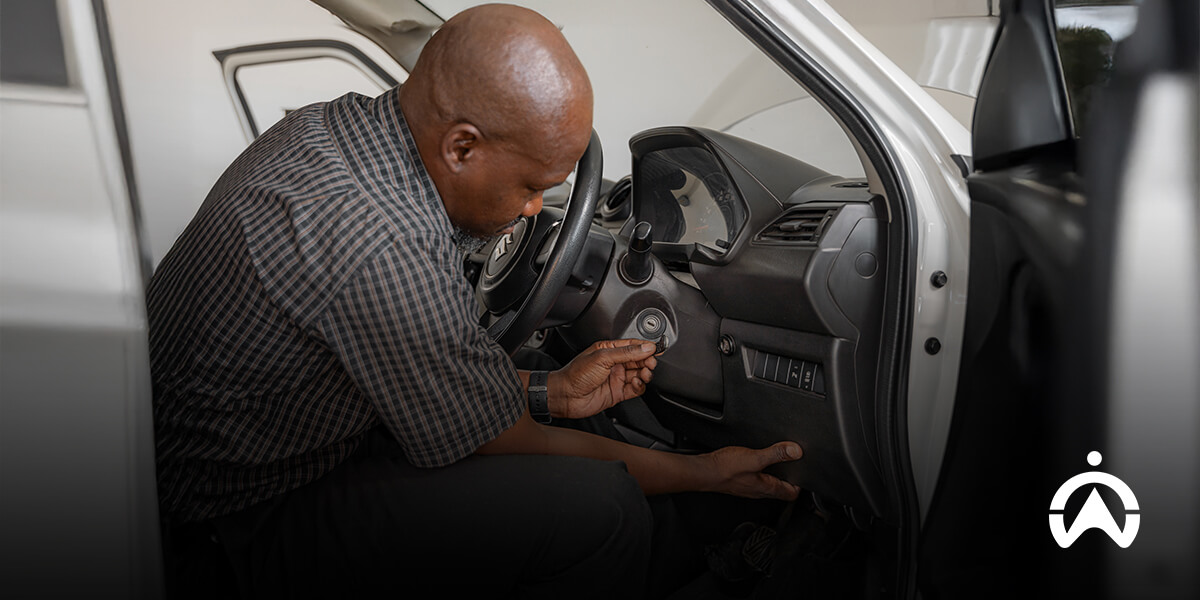
A Cartrack technician inspects the dashboard and ignition of a car while seated in the driver's seat, focused on installing Cartrack tracking device.

Limitations

Traditional car alarms

These days, criminals use sophisticated devices that, unfortunately, can easily disable car alarms. These systems are also more prone to false alerts, which undermines their reliability.

False alarms can be caused by the following:

  • Overly sensitive sensors: if a vehicle’s sensors are overly sensitive, they can be triggered easily. This means your vehicle’s alarm may go off even when a small animal, such as a bird, is on the roof of your car.
  • Faulty key fob: a faulty key fob or remote can send erratic signals to your car’s alarm system. Most remotes have panic buttons, so if they are faulty, the panic button is likely to be activated at random, setting off the alarm.
  • Wiring problems: if you have an aftermarket alarm system and decided to install it yourself, you may have damaged the wiring system. That’s why doing it yourself isn’t advisable. You should always use a qualified technician to do the installation.
  • Low battery levels: a weak or flat battery can set off the car alarm. If your vehicle’s battery is too old, make sure you replace it to avoid this.

Car tracking devices:

The Tracking devices are much harder for criminals to disable, as they are installed in discreet locations, which makes them hard to find. This forces criminals to waste time looking for the device, giving the authorities a crucial window to track the vehicle and recover it before it disappears for good. These devices won’t send false alerts thanks to their advanced GPS technology.

The real benefits of GPS car trackers

Because traditional car systems were created with theft deterrence as their main function, they don’t offer many additional benefits compared with GPS trackers. Car tracking systems have more additional benefits, such as emergency assistance, fleet management capabilities and parental controls.

Let’s explore these additional benefits below:

Emergency Assistance

This feature ensures that you and your loved ones get the support you need in difficult situations on the road. Most tracking companies offer emergency assistance, such as medical or roadside assistance. You will have peace of mind knowing you are always protected.

Fleet management

Vehicle tracking devices can help fleet managers run their daily operations smoothly. Here is how:

  • Efficiency: real-time tracking lets fleet managers optimise routes, minimise downtime and improve overall efficiency.
  • Security: They can help monitor driver behaviour and identify potential safety risks, such as speeding or harsh braking.
  • Maintenance: tracking data can be used to schedule vehicle maintenance and ensure timely servicing.
  • Asset tracking: GPS trackers can be used to monitor the location and movement of valuable assets in your business.

Parental control

If you are the parent of a teenager who is new behind the wheel, you can make sure they are always protected on the road by using GPS tracking systems. Geofencing lets parents set virtual boundaries and receive alerts if their children enter or leave specific areas. They can also monitor their children's behaviour on the road, reviewing harsh events and offering the coaching that is needed.

Potential insurance discounts

Insurers tend to offer lower insurance premiums to customers who have security systems such as GPS trackers. That is because they know that, in the event of theft, the high likelihood of recovering the vehicle reduces the need for a payout.
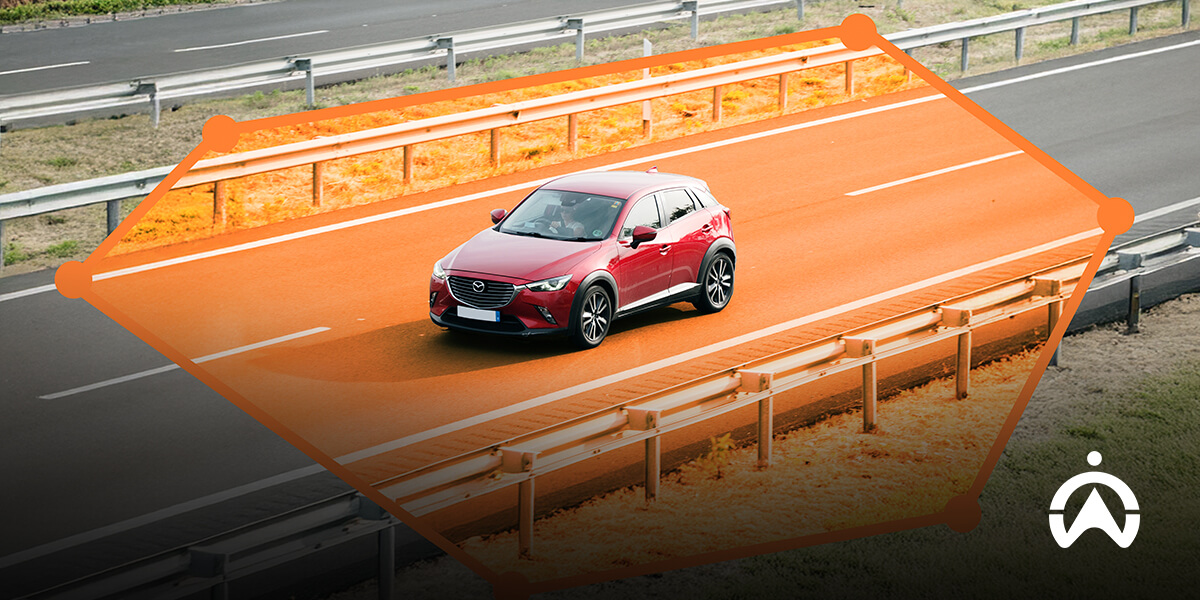
A red SUV drives on Cartrack geofence area mark, surrounded by green grass and a metal guardrail, showcasing a vibrant outdoor scene.

Why Cartrack stands out as your vehicle tracking partner

From the above, it is clear that having a car tracking device is essential for your security. However, it is not just a matter of finding and fitting a GPS tracker and calling it a day; you need to be sure you are getting the device from a trustworthy company. Cartrack is one such company.

Cartrack offers the following features and solutions to help ensure your vehicle is secure and has a better chance of being recovered if it is stolen:

  • Advanced fitment technique
    Our highly trained technicians are responsible for installing our tracking devices, making sure they are fitted correctly and do not interfere with other important components of your vehicle.
  • Air and ground recovery teams
    If a vehicle theft is in progress, our highly trained recovery team will be called out immediately. This is usually carried out by air and ground teams to ensure the fastest, safest and most efficient tactical response.
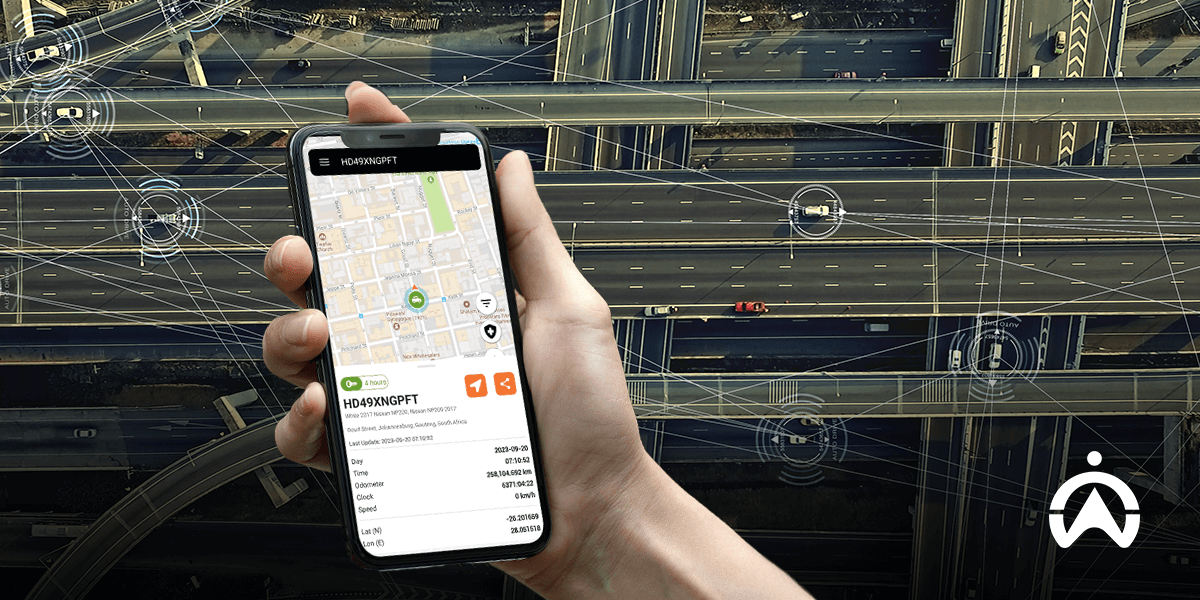
  • Cartrack mobile app
    Our tracking devices are integrated with the mobile app, giving you full control of your vehicle and fleet. You can also access our wide range of features at the touch of a button. Our app lets you:
    -View your vehicle's live location and past trips
    -Activate Carwatch, which alerts you if your vehicle moves after it has been parked
    -Activate Protector, which provides medical, roadside assistance, legal, accommodation and car hire services
    -Share your live location with your loved ones
    -View the last position report, which shows the vehicle's last known position
    -View driving reports to monitor driving behaviour and reduce fuel and maintenance costs
  • Carwatch
    Carwatch is a value-added service we offer our customers. Think of it as a virtual car guard; it watches over your car when you activate it. You will receive instant alerts if your vehicle moves without your knowledge, so you can take the necessary action.
  • Jamming detection
    Cartrack offers signal jamming detection as a value-added product feature. This ensures that if criminals use signal jammers to block the tracking system's cellular connection, we can still track your vehicle. We switch to RF frequency, which lets us keep communicating with the vehicle.
  • Protector
    Cartrack Protector is a value-added service, available for an additional fee. With just the touch of a button on the Cartrack app or website, you will have access to a range of services to make your journey as comfortable as possible. A call centre agent will contact you immediately to help with the following:
    -Medical assistance
    -Roadside assistance
    -Legal assistance
    -Accommodation and car hire services
  • Geofence
    You can set virtual boundaries around high-risk areas. This means you will be notified instantly if your drivers or loved ones using your vehicle enter those zones. You can then call them and have them turn around immediately.
  • Panic button
    In an emergency, you can simply press a panic button, which will instantly send a silent alert to our Cartrack control room, available 24 hours a day, 7 days a week. An operator will provide the assistance you need.
  • Tamper alert
    If your tracking unit is tampered with, which usually indicates that a theft is in progress, our control room will receive an alert and contact you immediately to investigate.
  • Power event notification
    You will receive an alert if your vehicle's battery is disconnected. This may indicate some form of tampering with your vehicle.

In conclusion, it is important to protect your vehicle, especially with the rising number of thefts and hijackings in South Africa. Make sure your car is fitted with alarms and GPS tracking devices for optimal security. Get in touch with us today to find out more about all our offerings and enjoy peace of mind.

Frequently asked questions about alarms and tracking devices

Q: Is it possible to combine a traditional alarm and a car tracking device?

A: Yes, many vehicle owners use the two systems together to increase their car's security: alarms to prevent theft and trackers for recovery.

Q: Can I transfer a car tracking device to a new vehicle?

A: Yes, you can transfer a tracking device from one vehicle to another. We will send a Cartrack technician to uninstall and reinstall the unit for a nominal fee. This is done at a time and place that suits you. Simply get in touch with us to arrange it.

Q: Do car alarms or tracking devices drain the vehicle's battery?

A: Both systems use minimal power and are unlikely to drain the battery under normal conditions.

Q: Can GPS tracking devices locate my car if it is stolen and taken to another country?

A: Our tracking units have international roaming, allowing both local and international tracking. In areas without GPRS/GSM coverage, the unit can store up to 5,000 positions and events, such as ignition changes, every 3 km travelled or on deviations of 10 degrees or more. These data points are transmitted once GPRS/GSM communication is restored.
How long do car trackers last

When you think about investing in a vehicle tracking device, it is natural to ask: “How long will the tracking device last?” After all, a high-quality tracking unit is an investment, and you want to be sure you are getting the most for your money.

Nobody wants to invest in technology only to see it fail a few years later. That is why it is important to know the factors that influence a tracker's lifespan, so you can make an informed decision when choosing one.

The good news is that modern GPS trackers designed for fleet management and personal vehicle tracking are built to last. Like any technology product, how long these devices last depends on their durability and several other factors.

In this blog, we take a closer look at these factors and explain why Cartrack’s solutions are designed to stand the test of time.

Let's dive in!

By the end of this read, you will have a clear understanding of:

  • What affects the lifespan of a vehicle tracker
  • How to get the most out of your tracking device
  • Why Cartrack's tracking units offer reliability and durability

What affects how long a tracking unit lasts

Have you ever wondered how long a tracking unit really lasts? The answer depends on several factors, including the quality of the device, how often the vehicle is used and how the device is installed.

Here are some of the factors that can affect the lifespan of a tracking device:

  • Quality of the tracking device
    Vehicle tracking companies offer different tracking units that vary in quality, and the quality of the device plays an important part in its durability. Of course, you can find a cheaper device from another brand that promises to do the same job, but the truth is that cheaper car tracking units generally lack the durability needed for long-term use. Over time, they may start to show signs of wear, and you may need to replace them sooner than expected. On the other hand, a high-quality tracking unit from a trusted provider such as Cartrack is built with premium materials designed to last.
  • How often the vehicle is used
    As with any device, how often the vehicle is used can affect the lifespan of the tracking unit. If you are monitoring a fleet of vehicles that are on the road every day, the device will naturally see more wear and tear. But rest assured, Cartrack's tracking units are designed to handle this constant use with ease. Regardless of how often they are used, Cartrack's devices are built to deliver reliable service for years, whether for a single vehicle or an entire fleet.
  • Installation and Maintenance of Tracking Devices
    As with any piece of technology, proper installation and maintenance can go a long way towards extending its lifespan. If the tracking device is installed correctly by a professional installation technician, it is far more likely to work well for a long time. Cartrack assigns well-trained technicians to every tracking device installation and to any repairs or maintenance.
  • Keeping up with new technology
    Technology is always changing and, although the physical tracking unit may last several years, keeping it up to date with new technological advances is what keeps it relevant. This is particularly crucial as the tracking sector evolves, introducing new features and innovations. At Cartrack, we make sure our tracking devices are up to date with the latest innovations to keep them performing at their best. This ensures our tracking devices remain compatible with new systems and features, which means you do not have to worry about your tracking device becoming obsolete any time soon.

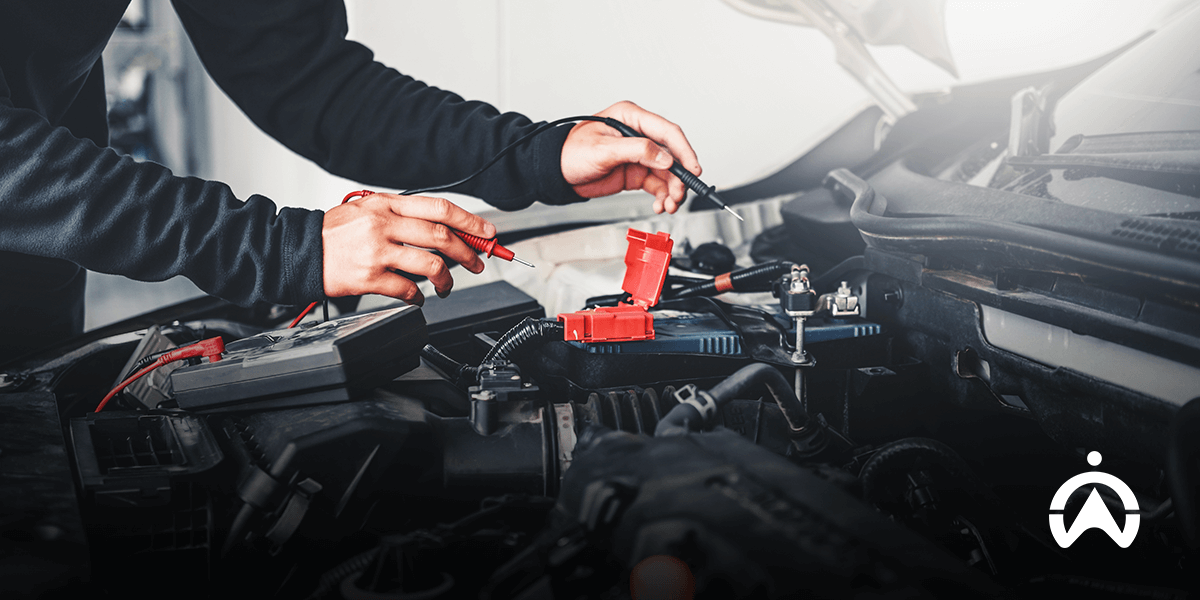
Person using multimeter on car battery under open hood.

What is the lifespan of a tracking device?

Expected lifespan of the tracking device

When it comes to high-quality tracking devices like Cartrack's, you can generally expect them to last a good few years, depending on the factors we have discussed. And, with the device's durability and expert maintenance, many tracking devices from a reliable tracking service provider come with a long-term warranty.

The right time to upgrade a tracking device

Eventually, even the best tracking units will need to be replaced. If your tracking device starts to show signs of wear or seems outdated compared with newer models, it may be time to upgrade. The good news is that, with Cartrack, this process is smooth and simple. Our customer support teamand is always on hand to guide you through the process.

Why Cartrack is the best choice for long-lasting performance

By now, you may be wondering: “What makes Cartrack different from other tracking providers?” The answer is simple: Cartrack prioritises quality, reliability and customer satisfaction.

Here is what makes Cartrack stand out:

  1. Real-time GPS tracking
    Cartrack's real-time tracking system provides accurate, up-to-date information on your vehicle's location, speed and other driver behaviour. Whether you manage one vehicle or an entire fleet, our tracking system ensures you are always in control. 
  2. Fleet management features
    Cartrack doesn't just provide basic tracking; we offer a complete fleet management system that helps you monitor fuel consumptionl and vehicle maintenance schedules. This gives you valuable insights that help improve efficiency and reduce costs. 
  3.  Improved safety with dashcams
    Cartrack's vehicle cameras add an extra layer of security and are the perfect complement to your tracking system. By integrating video footage with GPS data, you get a complete view of your vehicle's journey. This is invaluable for resolving disputes, improving driver safety and protecting your assets. 
  4. Fuel Management
    Fuel wastage is a major concern for many businesses. Cartrack's fuel management system helps you monitor fuel consumption in real time, identifying problems that lead to unnecessary waste and helping you save money. 
  5. Stolen Vehicle Recovery
    In the unfortunate event that your vehicle is stolen, Cartrack offers a stolen vehicle recovery service that works closely with law enforcement to recover your vehicle as quickly as possible, reducing downtime and financial losses.

Hand holding a smartphone with a Cartrack app over a stylized city traffic background.

Why settle for less?

By choosing Cartrack, you are not just investing in a tracking device, but also in peace of mind. Our tracking units are designed to be reliable, durable and packed with features that go far beyond simple location tracking.

Choose Cartrack and experience a feature-rich tracking solution that is built to last!

Frequently asked questions

  • How can I check that my Cartrack device is working properly?
    With Cartrack, there is no need to wonder. You can easily check the status of your device at any time through the Cartrack app or website. It will show whether it is connected and tracking your car correctly. If something is wrong, you will know straight away. 
  • Can I track several cars with my Cartrack account?
    Absolutely! Whether you are monitoring a fleet or just your family's vehicles, Cartrack makes it simple to monitor several cars with a single account. Switching between vehicles is quick and easy, so you can see where each car is and what it is doing in real time.
  • What happens if my car's battery is disconnected? Will the tracking device still work?
    Yes, it will! Cartrack devices come with a built-in backup battery. If your car's main battery is disconnected, the extra battery will keep the device running for hours, ensuring we can still track the car in the event of theft or tampering.
  • Can I set up notifications for things like speeding or my car leaving a certain area?
    Of course! Cartrack lets you set up custom alerts for a range of situations, such as speeding or when your car enters or leaves a specific area. These notifications are sent directly to you, so you are always informed when it matters most.

Predictive maintenance: how to reduce unplanned downtime

These days, with business developing rapidly and competition fierce, the working condition of your fleet or machinery is a vital factor to consider. For most companies, unplanned downtime is costly, bringing challenges such as lost productivity and repairs.

Predictive maintenance is the most important way to reduce unplanned downtime, optimise fleet management and improve overall operational performance. This innovative approach relies on advanced technology, together with data-driven insights, to predict incidents early and keep assets running in their best condition with minimal disruption.

In this blog, we look at how predictive maintenance can help you get real-time vehicle diagnostics and set up effective maintenance schedules for your fleet.

In this article, you will:

  • Learn about predictive maintenance
  • Discover the impact predictive maintenance has on fleet operations
  • Find out why Cartrack is the ideal partner for predictive maintenance solutions

What is predictive maintenance and how does it work?

Predictive maintenance uses data analysis to identify operational problems and possible equipment defects, allowing timely repairs before failures occur. The aim is to minimise how often maintenance is needed, avoiding unplanned breakdowns and unnecessary preventive maintenance costs.

The basics of predictive maintenance

Predictive maintenance depends on several technologies to work effectively, including:

  • The Internet of Things (IoT)
  • Predictive analytics
  • Artificial intelligence (AI)
  • Connected sensors

These components collect data from assets such as machines and equipment. Here is how the components of predictive maintenance work:

Data collection:

  • The components collect data from assets (machines, equipment).
  • The data is gathered in the cloud within an AI-enabled EAM or CMMS.

AI analysis:

  • AI and machine learning analyse data in real time.
  • This analysis provides an understanding of the equipment's current condition.

Defect detection and alerting:

  • Alerts are triggered for possible defects.
  • The alerts are delivered to the maintenance team.

Predictive capabilities:

  • Machine learning algorithms predict the equipment's future condition.
  • This enables efficient maintenance workflows (scheduling, labour, parts).

Continuous Improvement:

  • More data collection leads to more insights and better predictions.
  • It gives confidence that equipment is performing at its best.

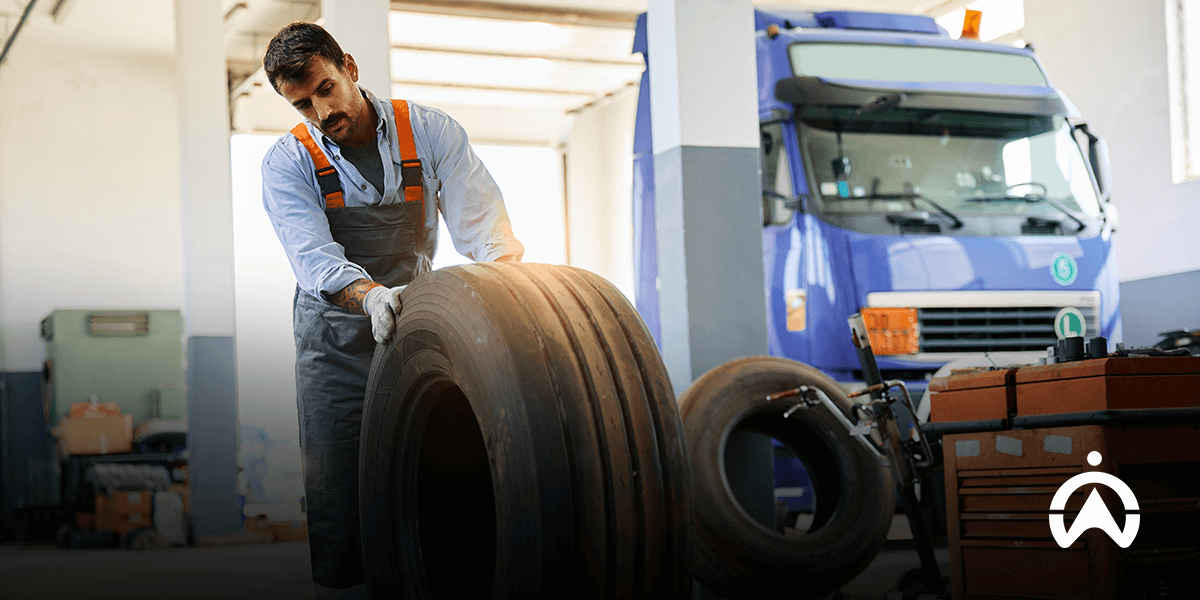
Mechanic in overalls rolling a large tire with a blue truck in the background.

Data sources in predictive fleet maintenance

In predictive maintenance, it is only through rich, accurate data that problems can be predicted before they cause unexpected stoppages. With advanced and effective fleet management solutions from Cartrack, we draw on different sources to give a complete picture of a vehicle's performance. This data is captured in real time through telematics devices, sensors and on-board diagnostics, allowing fleet managers to monitor critical metrics and receive alerts about possible problems. Below are some of the data sources that are critical for effective predictive maintenance:

  1. Engine health
    The heart of any vehicle is its engine, and its components need to be monitored to avoid any chance of failure. Keeping track of engine temperature, oil pressure, fuel consumption and engine load makes it possible to flag early signs of trouble. Take rising engine temperature or abnormal oil pressure, for example, which can point to possible faults in the cooling system or an oil leak, respectively. All of these parameters are monitored continuously by Cartrack's telematics systems, giving fleet managers real-time information on when engine health starts to decline and enabling timely action before more serious damage occurs.
  2. Braking patterns
    Brakes are the most important safety feature on a vehicle. Worn or inefficient brakes often cause fatal accidents and very costly repairs. Monitoring braking behaviour, including braking force, frequency and response time, will help identify possible problems at an early stage. For example, excessive braking, especially harsh or sudden braking, can lead to faulty brake pads or adversely affect the systems linked to the brake fluid. With the help of Cartrack's telematics system, fleet managers can monitor and analyse braking behaviour, providing analysis that can lead to action being taken.
  3. Fuel efficiency
    A drastic drop in fuel efficiency can be a sign of engine-related problems, under-inflated tyres or a faulty fuel system. Constantly monitoring average fuel consumption over time can help identify and resolve inefficiencies, which can add up to significant costs. Cartrack tracks a vehicle's fuel usage in real time so that fleet managers can study fuel consumption patterns. This is used in route planning, in optimising driver behaviour and in picking up any mechanical problem that affects fuel efficiency.
  1. Tyre wear
    Tyres have a great deal to do with a vehicle's safety and performance. The factors to consider include various forms of wear, such as excessive and uneven wear. This can point to misalignment, incorrect inflation or some other mechanical fault. Monitoring tyre pressure, as well as tread depth, tells you when the tyres will reach the point of needing replacement. Cartrack has sensors that continuously monitor tyre health and notify the fleet monitoring team when the pressure falls below ideal levels or when physical wear patterns show that replacement is needed. By putting early preventive measures in place, you will minimise blowouts and increase safety.

Why predictive maintenance matters for fleet businesses

Predictive maintenance matters most to fleet businesses because of the cost savings it delivers. Another key reason is that efficiency increases, since vehicles are rarely off the road for repairs. Most importantly, it makes driver safety far more achievable, since vehicles will almost always be in excellent condition.

The Impact of Predictive Maintenance on Fleet Operations

Predictive maintenance has had a huge impact on the fleet management sector. Fleet managers can now foresee many problems that would otherwise affect fleet performance. Many benefits have come from this way of planning maintenance. Let's take a look at some of them.

Key benefits of predictive maintenance

Minimising downtime and repair costs is the biggest benefit of predictive maintenance. Servicing vehicles early means repairs are reduced and, in some cases, eliminated altogether.

Another benefit is extending the life of vehicles and improving asset utilisation. When vehicles are repaired early, they have significantly less downtime and are not prone to breaking down at random, maximising operating time.

Reduced fuel wastage is a by-product of vehicles running at their best. An engine that is running well and in good condition is more fuel-efficient than one that is not. This means you can expect fuel costs to come down overall. An added benefit is the reduced environmental impact thanks to lower fuel use.

Operational Efficiency

Operational efficiency is the greatest advantage of predictive maintenance, as it allows better planning of vehicle availability. Managing vehicles becomes very easy when few of them are in for maintenance or being serviced. Smarter resource allocation with accurate maintenance scheduling will be the norm from here on.

Cartrack: A game changer in predictive maintenance

Cartrack is a provider of advanced telematics solutions for fleet management. Its services include GPS tracking, vehicle diagnostics and vehicle data analysis. All of this is provided in real time and in scheduled reports. All of these features support predictive maintenance. Here is how.

How Cartrack improves predictive maintenance

Cartrack's telematics technology detects performance anomalies and warns you well in advance of possible critical problems. The management software then gives operators actionable information on how to resolve each vehicle's problems, reducing unplanned downtime and ensuring vehicles stay operational.

Fleet managers using a Cartrack platform are able to:

  • Monitor KPIs across the entire fleet.
  • Receive predictive alerts about components that are close to failing.
  • Assess historical data to anticipate future maintenance activities.
  • Schedule maintenance activities based on data-driven insights.
  • Avoid unnecessary fuel consumption.
  • Improve driver behaviour and route optimisation.

Features of Cartrack's Solutions

At Cartrack, we pride ourselves on offering a comprehensive set of features designed to make predictive maintenance more effective, improve fleet management and, ultimately, reduce unplanned downtime. Our solutions are built with flexibility, reliability and real-time data at their core, ensuring fleet managers have all the tools they need to keep their vehicles operating at their best. Here are some of the standout features that set Cartrack apart:

  1. Customisable maintenance schedules and automated reminders
    Cartrack understands that every fleet has unique needs, which is why we offer customisable maintenance plans tailored to your fleet's specific profile. Our system takes into account the type of vehicle you operate, its usage patterns and the manufacturer's recommendations, ensuring maintenance is scheduled at the ideal time for each asset. In addition, we provide automated reminders for scheduled maintenance tasks, such as oil changes, tyre rotation or filter changes. These reminders are sent by email or through the Cartrack mobile app, ensuring no important maintenance task is forgotten
  2. Proven results in reducing downtime and cutting costs
    Cartrack's predictive maintenance technology has consistently delivered tangible results in reducing unplanned downtime and cutting maintenance costs for fleets of all sizes. By providing accurate, real-time data on vehicle health, we enable businesses to move from reactive maintenance strategies to a more proactive, data-driven approach. Our predictive insights allow fleet managers to resolve small problems before they escalate, avoiding costly breakdowns and repairs.

    Our customers have reported significant improvements in both vehicle uptime and cost reduction through Cartrack's predictive maintenance solutions. By avoiding unexpected repairs and optimising maintenance schedules, businesses can reduce repair costs, extend the life of their assets and improve fleet performance.

  3. Real-time alerts and predictive insights
    Cartrack's advanced alert system provides immediate notifications when a vehicle needs attention. This helps ensure problems are resolved before they result in a breakdown. Whether it is an engine anomaly, a critical component failure or unusual driving behaviour, fleet managers receive predictive alerts through the Cartrack app or other communication channels. These insights allow a proactive approach, enabling quick fixes or adjustments to maintenance schedules to avoid disruption.

    With Cartrack's real-time alerts and insights, you can stay ahead of potential problems and significantly reduce the risk of unplanned downtime.

  4. Data-driven performance optimisation
    Cartrack's system also provides performance analytics that go beyond predictive maintenance. By monitoring trends in fuel efficiency, driving patterns and vehicle health, fleet managers can identify inefficiencies and make data-driven decisions to improve overall fleet performance. Optimising routes, adjusting driver behaviour and managing fuel consumption not only contribute to vehicle longevity, but also increase operational efficiency and reduce costs across the fleet.
  5. Comprehensive reporting and fleet insights
    Our Cartrack's platform offers comprehensive reporting tools that allow fleet managers to track and analyse data on every aspect of fleet performance, from maintenance schedules to fuel consumption. These reports can be customised to your specific needs, offering detailed information on the health and status of each vehicle. With Cartrack, you can monitor the progress of maintenance tasks, compare fleet performance over time and gain a deeper understanding of which vehicles or components are most likely to need attention.
  1. Vehicle monitoring 24 hours a day, 7 days a week
    One of the main advantages of using Cartrack's telematics system is round-the-clock vehicle monitoring. Our platform continuously collects and analyses data from every vehicle in the fleet, providing real-time information on its performance, status and location. This 24-hours-a-day, 7-days-a-week watch ensures fleet managers are always informed, whether they are on the move or managing their fleets from the office. With Cartrack, fleet operators can detect problems as soon as they arise, allowing immediate action to prevent failures and keep operations running smoothly.

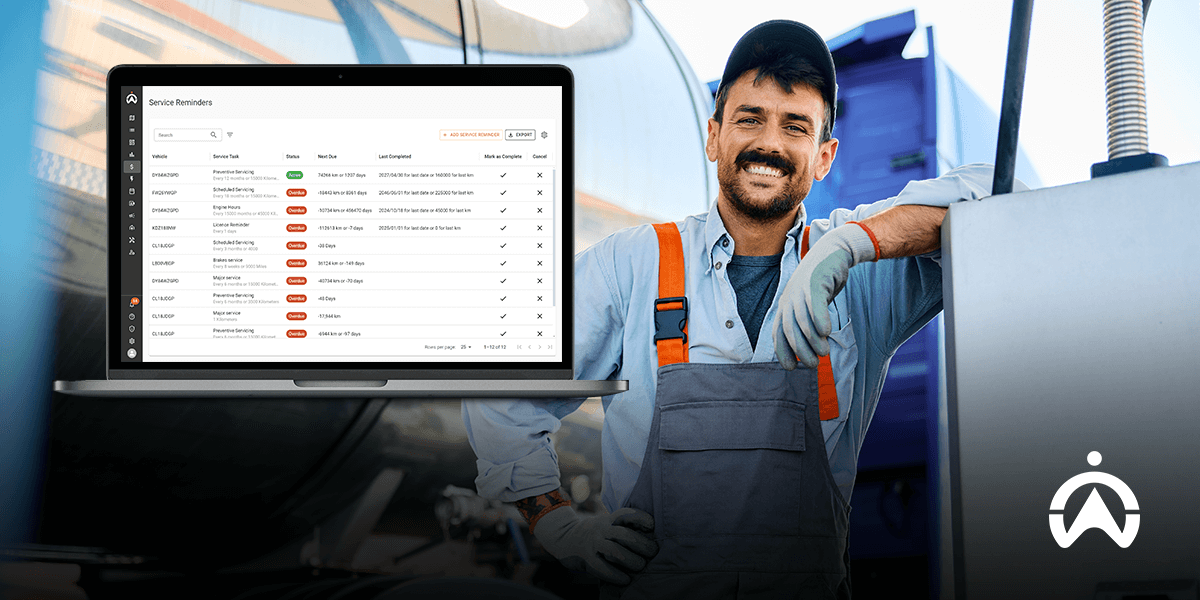
Worker in overalls presenting a laptop screen displaying service reminders.

The future of predictive maintenance

The evolution of technology will continue to open more doors for predictive maintenance. Future advances promise ever smarter machine learning algorithms, closer integration of Internet of Things (IoT) devices and more instant monitoring capabilities. This will allow businesses to get more accurate predictions of failures and improved operational efficiency.

Predictive maintenance, in short, is a dramatic shift in strategy for an organisation with a fleet of vehicles or heavy equipment. For organisations trying to stay competitive, predictive maintenance is no longer optional but a strategic necessity. To optimise fleets, reduce unplanned downtime and increase productivity, Cartrack's advanced telematics solutions are the best option.

Cartrack is at the forefront of this technological evolution, helping businesses shine with smarter, safer and more cost-effective fleet management practices.

Contact us today to find out more about how Cartrack can help you and your fleet stay ahead.

Frequently asked questions

What is the ROI of predictive maintenance?

ROI depends on factors such as the sector, the complexity of the equipment and the scale of implementation. However, businesses generally see significant savings through reduced downtime, lower repair costs and greater operational efficiency.

Can small businesses implement predictive maintenance?

Yes, with the growing affordability of IoT devices and scalable cloud-based platforms, even small businesses can take advantage of predictive maintenance to improve efficiency and reduce costs.

What is the difference between predictive maintenance and preventive maintenance?

Yes, with the growing affordability of IoT devices and scalable cloud-based platforms, even small businesses can take advantage of predictive maintenance to improve efficiency and reduce costs.

Which sectors benefit most from predictive maintenance?

Predictive maintenance is widely used in sectors such as manufacturing, transport, energy, healthcare and utilities, where equipment reliability and uptime are essential.

Driver incentive programmes: how dashcams can help you coach your drivers

When you manage a fleet, no resource matters more than your drivers. Managing them takes efficiency and good planning, which makes for safer trips and optimised delivery of goods and services. For that efficiency and optimisation to happen, drivers must perform at their best at all times.

A good way to encourage best practice and good behaviour behind the wheel is to implement a driver incentive programme. One way to do this is to use dashcams to record trips and overall driver performance.

This blog will discuss how driver incentive programmes and dashcams can help improve driver safety through training.

Let's get started.

In this article, you will:

  • Learn more about driver incentive programmes
  • Discover the role dashcams play in driver training
  • Learn how to implement an incentive programme
  • Understand the legal considerations around using dashcams
  • Learn how Cartrack's dashcams can work for you and your coaching programme

What driver incentive programmes are

An incentive programme is a reward-based method of motivating someone to complete an action. These programmes harness the power of rewards to align behaviour with business goals. When incentives are used in a workplace as part of a formalised system with business objectives, this is called an incentive programme.

The aim of an employee engagement programme is to improve performance and workplace culture, while retaining employees through rewards and recognition. One of the biggest benefits of incentive programmes is their flexibility, since they can be tailored to fit the company's goals, with enough room for occasional adjustments.

There are many types of incentive programme, each with its own process and reward structure. Here are some of the types of incentive on offer:

  • Monetary bonuses: The most common incentive programme is bonuses for good or excellent performance. This comes in the form of a cash reward, usually based on a percentage of the driver's salary. 
  • Recognition: Earning official recognition is another popular incentive used by employers. This could be an award given at the end of the year or any other public acknowledgement of the driver's great performance. The most common version of this is the Employee of the Month programme, which rewards one driver each month for meeting or exceeding the company's goals. 
  • Career development: Creating a reward structure that promises high-performing employees a chance at career development is a very effective incentive programme. It offers drivers a clear path to see how they can progress in their careers. This progression can take the form of a promotion or skills development.

These incentive programmes benefit both businesses and drivers, since they deliver lower costs, higher morale and better customer service overall.

The role of Dashcams in driver training

When it comes to monitoring driver behaviour, few other technologies work as well as dashcams. They provide comprehensive trip recordings, with alerts for distracted driving and other violations. Let's learn more about modern dashcams in a business setting.

How dashcams provide insights into driver behaviour

As a fleet manager, monitoring drivers while they make their deliveries is important. That is why using dashcams is highly recommended. They provide real-time video recordings of the trip and give the fleet manager an overview of how the route generally goes, pointing to areas that can be improved.

Modern dashcams offer a range of AI-powered solutions that help reduce accidents. One of these is event-triggered alerts that inform the driver and the fleet manager about specific behaviours, such as smoking and distracted driving.

Using AI to analyse driving patterns is now an industry standard for most fleet management software. The main features of AI-powered dashcams include:

  • Real-time behaviour analysis: this feature identifies incidents of distracted driving, driver fatigue and forward collisions. 
  • In-cab alerts: provide instant feedback to drivers to prevent an incident or accident. 
  • Data integration: Built-in connectivity with fleet management platforms to improve organisational procedures.

Why use dashcams to coach and train drivers

Dashcams are reliable tools that have been in use for several years. Using them for driver training and coaching is ideal, as they provide objective feedback that cannot easily be disputed. The biggest benefit of using dashcams for driver training and coaching is that they help identify areas for improvement. This can often be hard to uncover and pinpoint without actual footage of the incident. Some common types of incident you may want to address in coaching include:

  • Smoking
  • Fatigue
  • Forward collisions
  • Camera covering or tampering
  • Mobile phone use
  • Seatbelt compliance
  • Distracted driving

Monitoring these incidents and using them as training material is highly beneficial, as it gives drivers real-world context. Failing to follow the rules earns drivers penalties, which can escalate over time. This is useful not only for drivers but also for businesses, since you will have a comprehensive catalogue of the violations most drivers commit. Done properly, this can result in safer trips overall. There are three main occasions when it is best to coach drivers, including:

  • Onboarding new employees
  • In response to incidents
  • On an ongoing, scheduled basis

Following this process is useful, as it will help reduce liability and the frequency of incidents. In addition, this footage can help reduce the cost of insurance claims and protect your brand. Dashcam footage can also significantly speed up and simplify the resolution of disputes arising from road incidents. By offering an objective, first-hand account of the events leading up to an accident, these devices can help establish fault and make fair compensation easier for the parties involved.

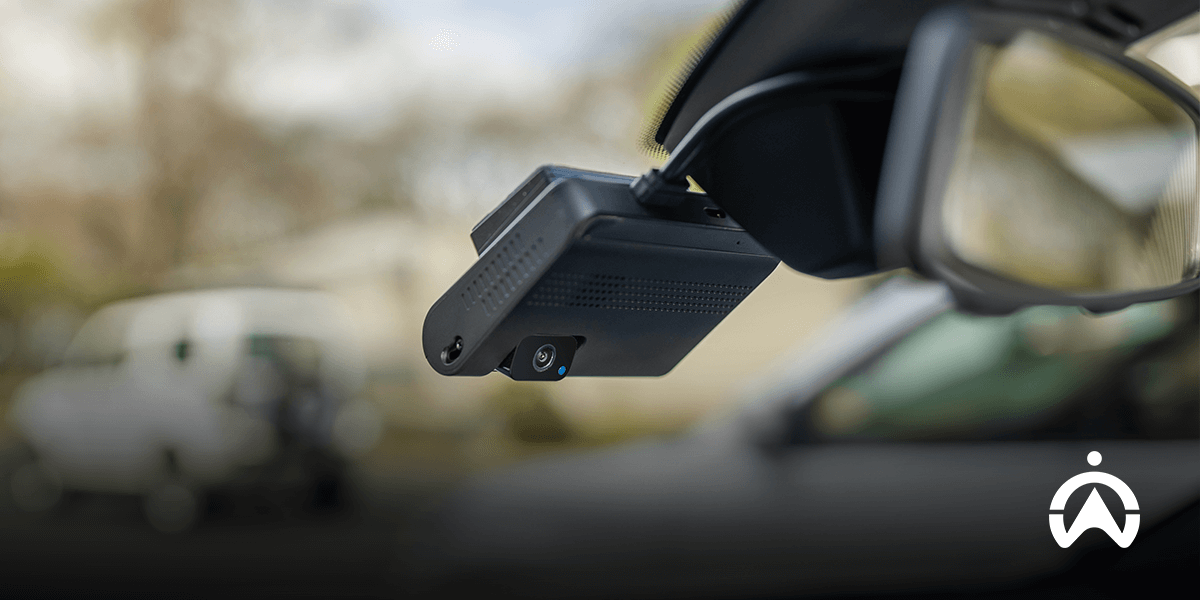
Dashcam attached to a car's windshield with blurred background.

How to implement Dashcam-based coaching programmes

To get the most out of your dashcam footage and create incentives, you need to implement a training programme. This will serve as a system to encourage better driving and make overall driver management easier. This coaching programme can be delivered during the trip, after a trip and even during performance review sessions. The aim is to encourage better driving habits among drivers and improve fleet performance holistically.

Here is a step-by-step guide to creating the right programme for you and your drivers.

Step-by-step guide to implementing a dashcam-based training programme:

  1. Selecting the right dashcam solution for your fleet.
    The first step is to choose the best vehicle camera solutions for your business. This should be a solution that is aligned with your company's goals and with the programme you are setting up. 

    You should consider whether you will need just one camera or more; whether it will have AI-based features; and how much storage and recording capacity it will have.

  2. Integrating dashcams with fleet management systems.
    For this process to run smoothly, dashcams should be integrated with whatever fleet management system your company has. This is essential, as it will simplify the monitoring and reporting process. The tools in the system should support the capabilities of the dashcam solution so that the two integrate seamlessly. 
  3. Developing clear training and feedback protocols.
    Once the system is integrated, the next step is to establish clear training and feedback protocols. This means drivers will need to know how and when training happens, who it will come from and how to give feedback on the training. This will help measure the incentives and decide who should receive them.
  4. Aligning coaching sessions with incentive programmes.
    The aim of the coaching sessions should be clearly defined and aligned with how the incentive programme will be run. This may mean stating explicitly which goal leads to which incentive, or creating a points system that accumulates over a set period of time. A driver should find it easy to understand where coaching ties in with specific rewards from the incentive programme.

Tips for a successful coaching programme

For the coaching and rewards programme to work successfully, there are a few essential aspects to consider. Consistent feedback is essential to coaching, especially when people's careers are at stake. Feedback should not go in one direction only: drivers should be able to give feedback on their coaches' performance just as much as coaches do on theirs.

This brings us to the next component to consider: fairness. A programme like this demands transparency so that drivers do not feel there is bias or favouritism in how the training works and how incentives are awarded. It is this fairness that will keep drivers committed to the programme; unfairness will lead to dissatisfied drivers and a drop in performance.

Celebrating improvement is just as important, not only celebrating the highest achievers. This kind of recognition will make everyone taking part in the programme feel seen, even when they are not receiving rewards from the incentive programme.

Future trends in driver incentives and dashcam technology

Many emerging advances in vehicle camera technology are sweeping the fleet management sector. The most prevalent of all is the integration of AI into camera systems. This involves development in other areas, such as machine learning and cloud storage capabilities. All of these elements work together to form Advanced Driver Assistance Systems (ADAS), that aim to increase driver safety.

Integration with telematics and predictive analytics is the direction the sector is taking, with most fleet management systems already using these technologies. This is especially true of dashcams and driver behaviour monitoring.

The development of these technologies has made it easier to implement and run driver incentive programmes. The evolving role of incentive programmes in businesses is a sign of how many drivers prefer them. Most driver job offers now include this as part of the employment package, making it a deciding factor for many in a competitive market.

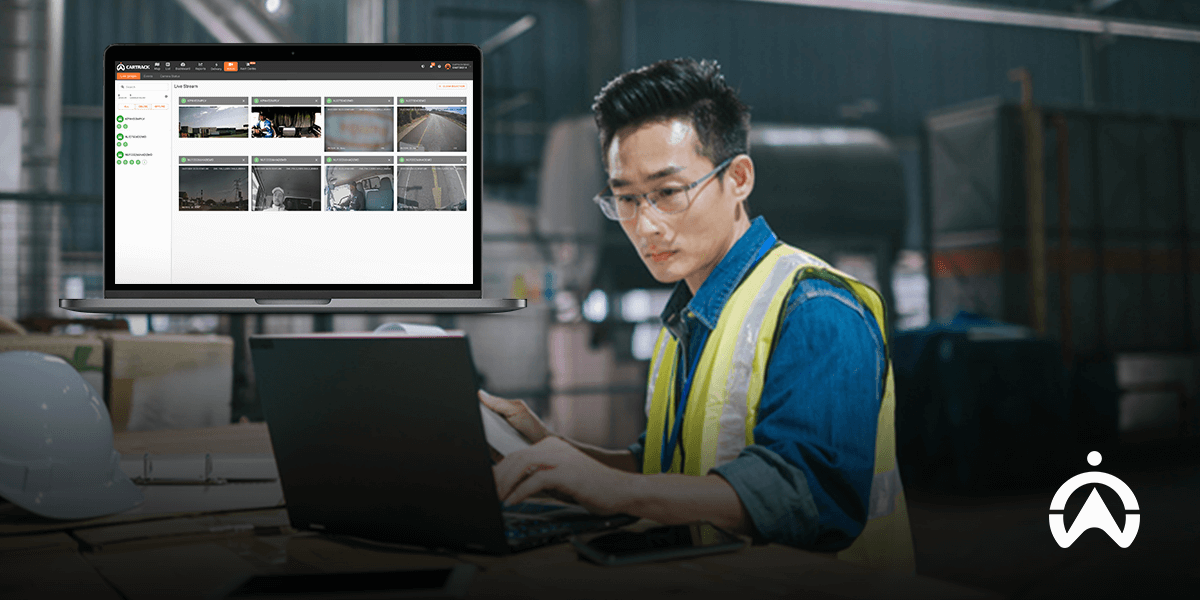
Person in a hi-vis vest working on a laptop with security camera feeds displayed on the monitor.

Cartrack's Dashcams and coaching solutions

At Cartrack, we offer a range of camera solutions that let you monitor your fleet with AI-powered road-facing and cab-facing dashcams. You can have up to 8 interior or exterior cameras to help keep your drivers, fleet and cargo safe.

This solution comes with preventive in-cab voice alerts that inform drivers of possible safety violations so they can correct them immediately. Our event-based footage instantly gives you the exact footage you need, when you need it. Our AI-powered cameras analyse the environment inside and outside the vehicle, allowing you to detect high-risk behaviour and alert drivers to it in real time so they can avoid accidents. All footage of any incidents is stored on our cloud platform and can be used to coach drivers on how to improve their driving behaviour.

You will no longer lose hours trawling through hours of footage in the hope of finding what you are looking for. You can live-stream recordings from any active vehicle using Android, Apple or Huawei. View footage categorised by the safety events captured, request footage by time and date, or live-stream footage from any active vehicle.

As we move into a new technological era in fleet management, it makes sense to use the tools currently available, such as dashcams. Combining driver incentive programmes with dashcam-based training is one of the ways to optimise your business and increase overall driver safety.

If you are looking for a reliable dashcam and an AI-powered camera system, contact us to find out more about what we offer.

Frequently asked questions

How much does it cost to roll out dashcams across a fleet?

Get in touch with us at Cartrack for a quote on our range of cameras and dashcams.

Are there privacy concerns about using dashcams in Mozambique?

There is no specific law that clarifies their legality or how the footage may be used. This means that recording people in public without their knowledge could potentially raise privacy issues, especially if the footage is shared without proper justification; however, dashcams are generally considered legal to use when recording public spaces, such as roads.

What types of incentive work best for drivers?

The most effective incentive programmes are cash bonuses and career development opportunities. These two options offer drivers real benefits that can have a positive impact on their lives.

How quickly can results be seen after implementing these programmes?

This will depend on the type of reward structure put in place, but it is common to see results in the first month after implementation.

Fleet management for the mining industry

Are you a fleet manager looking for more effective ways to tackle the specific challenges mining companies face? If so, you have come to the right place.

Cartrack, known for its exceptional recovery rate, has developed fleet management solutions that you can tailor to the specific needs of your business. Explore how fleet management tackles the mining sector's most complex problems.

In this article, you will:

  • Discover the main functions of fleet management systems
  • Learn about the importance of ADAS in the mining industry
  • Get to know the benefits of Cartrack's fleet management systems
  • Find out how fleet management is changing to save our environment
  • Read about future trends in fleet management

The role of fleet management systems in mining operations

Fleet management is not just about tracking vehicles. It is about addressing the most challenging problems fleet managers face on mines. Beyond that, it focuses on maximising productivity, minimising costs and ensuring your employees are safe.

To meet the demands of the mine, here are the main fleet management functions that are essential to mining operations.

Real-time asset tracking and monitoring

Real-time tracking for mining is like having a bird's-eye view of your entire fleet, and it is an essential part of mining. Telematics systems allow fleet managers to monitor their fleets across vast and very remote mining sites. It works like a live feed that lets you know what is happening in real time. This allows fleet managers to respond quickly to theft attempts, delays or safety problems. Real-time tracking also ensures you have constant visibility of your drivers' behaviour and the health of your fleet.

Improved safety measures

Being on a mining site can be very dangerous, even for the most experienced mining operators. It is highly unpredictable, which can be a challenge for mining companies. Many of the alerts that reach Cartrack's control room show that fatigue and distraction are major factors in collisions and damage to company assets. That is where fleet management systems can make the difference.

Operational Efficiency

Cartrack's fleet management systems help mining operations stay ahead, streamlining fleet operations by optimising daily tasks and through predictive maintenance systems. These tools reduce each machine's fuel consumption and lower maintenance costs, which increases your team's productivity and the profitability of your operation.

Optimising Asset Maintenance

Imagine your fleet working tirelessly in harsh conditions. These vehicles are needed to run and sustain a mining operation for long hours and therefore require frequent maintenance. Advanced telematics tools collect data from the machines using sensors, GPS and engine diagnostics to determine wear and tear, and then recommend maintenance based on the data. This prevents unexpected stoppages and extends the life of your vehicles and equipment.

Construction site with backhoe loader and concrete columns in the background.

Benefits of fleet management systems in the mining sector

Integrating a fleet management system like Cartrack's can bring numerous benefits to your mining operation. Let's explore the five main advantages:

Cost Control

Cartrack's MiFleet system is a fleet administration and costing tool. It gives managers detailed information on fuel consumption, toll fees, maintenance contracts and insurance, as well as tyre information such as type, scheduled appointments and offers. Cartrack understands that time is money. Real-time data opens up better cost-saving opportunities, such as reducing fuel wastage and preventing vehicle downtime, which could delay operations.

Protection against false claims

Imagine a scenario in which one of your drivers is operating an excavator and has left one mining site to drive to another, and a false claim is made against your driver. The driver was involved in an accident and the other driver involved said it was your driver's fault. Fleet management systems provide data that helps mining companies protect themselves against these claims. With detailed records of your vehicle's location history, driver behaviour and AI video footage, managers can easily verify what happened. This protects the company from being forced to pay large insurance claims and protects the company's reputation.

Accident Reduction

Anything can happen behind the wheel on a mine. No matter how experienced or attentive a driver is, anything can happen in the blink of an eye. Fleet management systems act as a preventive measure to compensate for a driver's momentary distraction, especially in high-risk mining areas with rough terrain and uneven surfaces.

Driver monitoring and training

Keeping drivers alert in high-risk mining areas can be a difficult task. With Cartrack's AI camera systems, your drivers can receive in-cab coaching to help them correct unsafe driving practices. For example, if a driver is distracted and not looking at the road, the AI camera detects that the driver is not focused on the road. An alert is then sent to the control room, where an agent will respond by coaching the driver directly through the in-cab speaker. This encourages safer driving habits and promotes a more responsible culture within your company.

Operational efficiency

Keeping a fleet efficient and effective can be challenging without the right tools. Cartrack's telematics and GPS tracking help mining operations maximise their productivity by optimising routes and tasks, reducing downtime and, as a result, lowering mileage.

How fleet management systems reduce costs in the mining industry

Let's talk money! Fleet management is not just about safety and efficiency. It is also a powerful tool for keeping costs down. By implementing Cartrack's fleet management solution, mining companies can drastically reduce their operating expenses. Here's how:

  • Fuel efficiency: by monitoring the amount of fuel used and optimising routes for transporting ore and materials, you can identify inefficiencies in the way your vehicles are used and reduce fuel costs. 
  • Reduced maintenance costs: The advanced technologies in fleet management systems collect data to predict and prevent machine breakdowns. The data received lets managers see driver behaviour such as harsh braking, harsh acceleration and periods of idling, which increase wear and tear on vehicles. The fleet management system can be used to determine the corrective measures needed to reduce costs. It also alerts managers to schedule repairs in time to avoid downtime. 
  • Improved driver safety: improve worker safety using advanced safety features that help reduce the likelihood of accidents and injuries on the mine. 
  • Longer vehicle life: by monitoring the health of your machines and scheduling maintenance on time, you can extend the life of your fleet. 
  • Improve security: using real-time tracking and geofencing around the mining site can notify you of the location and movement of your machines at night, so that you can respond in time to prevent the loss of your machines and vehicles.

By implementing these cost-saving methods, you can lower operating costs and keep your mining operation running for the long term.

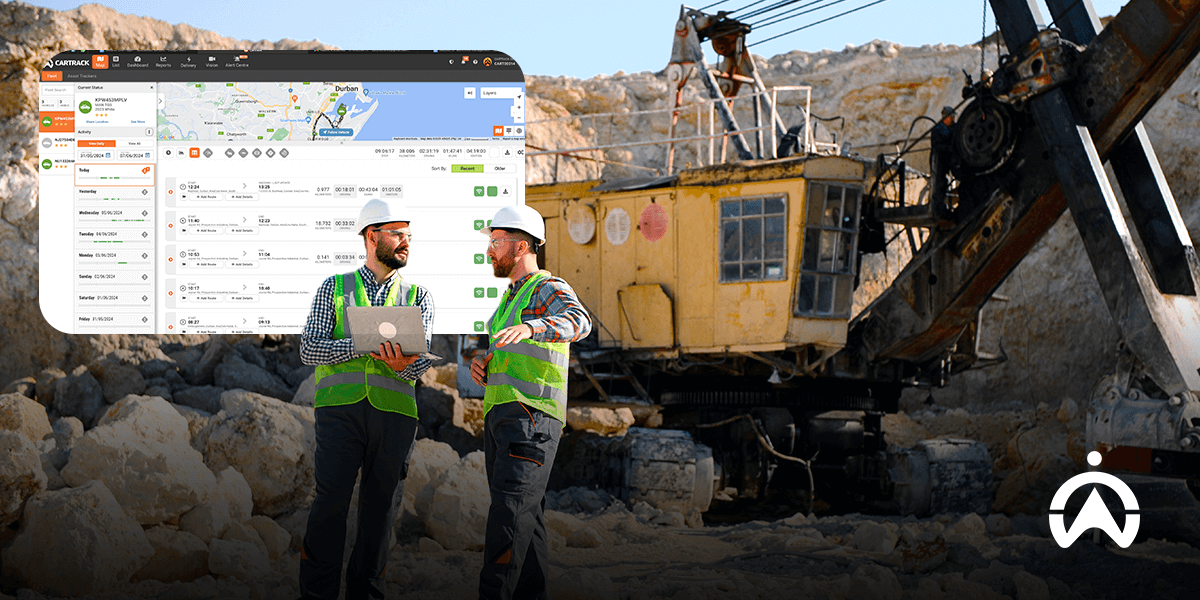
Two workers with vests and helmets using a laptop at a mining site with heavy machinery.

Improving safety standards with fleet management systems in mining

Safety is a top priority for mining companies because employees face dangerous situations regularly. Cartrack recognised this need and developed customised fleet management solutions for the mining sector, known as ADAS (Advanced Driver Assistance Systems). ADAS combines technologies that improve driver safety, helping drivers to prevent accidents.

The importance of ADAS in mining fleet management

The integration of ADAS into fleet management has completely changed the landscape of the mining sector. It was designed primarily to prevent accidents and collisions on the mine and on the road. In fact, investment in integrating AI into the mining sector is estimated to reach 7.264 billion dollars by 2033, as companies look to improve efficiency and productivity. Now, let's take a closer look at what ADAS has to offer.

  • Camera and Sensors
    Cameras and sensors are the eyes and ears of ADAS systems. They play a crucial role in collecting real-time data from a vehicle's surroundings. The data can include vehicles, pedestrians and obstacles around the vehicle. The cameras are placed strategically around the vehicle for better visibility.
  • Data Processing
    The main function of the sensors installed in the vehicle is to understand and interpret the environment around the vehicle. This data is processed quickly and provides the split-second information needed to avoid dangerous situations
  • Driver assistance features
    ADAS uses analysed data to provide driver assistance features that increase safety, including:
    -Forward collision warning
    -Lane departure warning
    -Adaptive cruise control
    -Blind spot detection
    -Automatic Emergency Braking
  • Audible and visual alerts
    Combined, Cartrack's fleet management systems and ADAS technologies provide an effective way to monitor driver behaviour through the use of audible alerts inside the vehicles. These alerts are received by the control room, where an agent promptly contacts the vehicle's driver about the possible dangers. These alerts prompt immediate corrective action, keeping employees and company assets safe.

Future trends in fleet management systems in the mining industry

The mining industry is forecast to grow rapidly in the coming years after a period of recovery due to the pandemic. As a result, innovation within the industry is gaining momentum. The mining sector is increasing its investment in innovative new technologies that automate the tasks a manager is responsible for.

As we look to the future, the combination of advanced AI, IoT (Internet of Things) and data analytics is set to change the game for fleet management in mining. AI systems are poised to go beyond just analysing and storing data. Fleet management solutions help fleet managers transform their operations.

Imagine having all the engine data from your mining machines integrated into a single platform. This would make it easier for fleet managers to monitor specific data much more quickly. This ranges from monitoring vehicles, equipment and machinery to analysing vehicle health and fuel usage.

This integration of new technologies makes it easier for fleet managers to monitor every aspect of the business in real time. In the long term, a fleet management system has a profound effect on the company's bottom line.

The environmental impact of mining and the journey towards sustainability

Mining companies play a crucial role in driving economic growth and supplying valuable resources. Although extracting these minerals can pose challenges for our environment and surrounding communities, an exciting shift is taking place.

With advances in technology, the focus is shifting to green mining technologies to mitigate the impact of mining on the environment. The main goal is to reduce energy consumption and minimise environmental damage.

In a recent report on emissions, it was estimated that transport contributes 20% of global carbon dioxide (CO2) emissions. 15% of this is said to come from vehicles such as cars, buses and trucks carrying freight.

Here are 3 ways fleet management helps make your fleet greener

  1. Reduce carbon emissions by monitoring fuel usage and creating optimised routes to improve travel time.
  2. Monitor driver behaviour to improve driving habits that cause high fuel consumption, such as speeding and idling.
  3. Keep your vehicle in top condition by monitoring its wear and tear so that regular, timely maintenance is carried out to extend the life of your fleet vehicles.

The role of AI and machine learning in fleet management

There are many fears surrounding AI and machine learning. Many fear that it will take over! However, we see it as a powerful ally for the mining industry.

AI and machine learning (ML) have been rapidly integrated into fleet management systems and have automated many tasks for more efficient mining operations. AI and ML can analyse large amounts of data at very high speeds from telematics systems, cameras and sensors. This gives ML algorithms the data to identify patterns and predict outcomes. For example, AI-powered cameras can predict the possibility of an accident based on the driver's behaviour and actions behind the wheel. It saves lives and saves money at the same time.

AI technologies such as dynamic traffic mapping and computer vision analyse traffic and vehicle conditions to optimise the most favourable routes for a specific trip. Cartrack has embraced innovations in technology to ensure that mining companies are empowered with world-class systems that improve safety and reduce costs.

Maximise the safety and efficiency of your fleet with Cartrack's solutions

Are you ready for a higher level of connectivity and protection for your fleet? Combining ADAS and fleet management technologies with your business provides a more proactive approach to managing your fleet. Get in touch with Cartrack today to find out how our customisable solutions can take your business to the next level!

How to save petrol when driving long distances

Let's face it, fuel costs are a constant headache. And those who love the open road know that driving long distances can easily get expensive. But the good news is that with a few simple adjustments, you can save more fuel, save money and enjoy every moment of your journey.

This blog will share useful tips for using less fuel on long trips while keeping your driving experience stress-free.

We'll also highlight how Cartrack's smart features can make saving petrol even easier.

Ready? Let's hit the road, efficiently!

In this article, you will:

  • Be able to identify the factors that affect fuel usage on long trips
  • Learn simple ways to use less fuel
  • Find out how Cartrack's products can help you drive smarter and save money

How to save fuel on long trips

Taking long trips, whether for family fun, work or a short break, can be exciting, but it usually uses a lot of fuel. The upside is that by making a few simple changes to the way you drive, you can save a lot on fuel. Here's how:

Drive at an optimal speed

Have you ever noticed how your fuel gauge seems to hold steady when you're driving on the motorway at a smooth pace? That's because every car has an “ideal speed” for fuel efficiency. Typically, the ideal driving speed is between 90 km/h and 110 km/h.

Driving too fast makes your engine burn fuel as if it were in a race, while going too slowly forces it to work overtime just to keep moving. Finding the right balance not only saves fuel but also makes your drive smoother and more enjoyable.

Check your tyre pressure

When was the last time you checked your tyre pressure? Under-inflated tyres are a leading cause of increased fuel consumption. They create more resistance, forcing the engine to work overtime just to keep the car moving.

Before any long trip, take a few minutes to check and adjust your tyre pressure to the levels recommended by the manufacturer. It's a quick win that makes your car safer, your journey smoother and your fuel last longer.

Lighten your load

We've all done it, packing for a trip and adding extra things “just in case”. But every extra kilo in your car makes the engine work harder and use more fuel. The heavier your car, the harder the engine has to work to keep it moving. Removing unnecessary items, such as extra luggage or unused equipment, can make a big difference. A lighter car not only uses less fuel but also reduces wear and tear, which helps it last longer.

Practise smooth driving

Your driving habits have a bigger impact on fuel consumption than you might think. Harsh acceleration, harsh braking and excessive idling burn fuel unnecessarily. Instead, aim for a smooth, steady rhythm: gradual acceleration, gentle braking and a consistent speed. This not only saves fuel but also makes your drive more relaxing and enjoyable.

Keep your car in good condition

A well-looked-after car runs better. If you neglect important things such as changing a dirty air filter, using clean engine oil or repairing old parts, it can hurt your car's fuel consumption. Small problems can grow over time, making your car less efficient and using more fuel. Carry out regular checks and fix small problems to keep your car running well. This can save money on fuel and avoid major repairs.

Person sitting in car trunk with two suitcases near the ocean.

Why smart fuel use matters

Besides cutting expenses, using less fuel offers several other significant benefits that have a positive impact on both individuals and the environment.

  • Better for the environment
    Using less fuel is an easy way to help protect the Earth. When we use less fuel, we release fewer gases that can pollute the air, and that helps slow down climate change. Whether you're heading to work or going on a long trip, saving even a little fuel helps make the air cleaner and the environment better.
  • Better habits for a longer car life
    Driving in a way that uses less fuel also helps keep your car in good condition. Pulling away gently, braking smoothly and driving at steady speeds mean the engine and other parts of the vehicle work less. This lowers the chance of mechanical damage, making your car last longer and need fewer costly repairs. Over time, this can mean fewer visits to the car repair specialist and a vehicle that runs well for many years.
  • Better Financial Management
    Fuel costs make up a large part of most household or business budgets. By using less fuel, you can save money for important things, such as having an emergency fund, expanding your business or simply looking after yourself. Cutting fuel costs makes it easier to manage your money and helps you stay in control of your budget.

How Cartrack makes saving petrol easier

Now that you know a few ways to save fuel, let's see how Cartrack can help you do even better. With special features tailored to improve your driving, Cartrack can help you save money, time and fuel.

  1. Live GPS vehicle tracking
    Imagine being able to see exactly where your car is. Cartrack's GPS system does exactly that. It helps you avoid traffic, roadworks and extra detours, saving fuel and getting you to your destination faster. 
  2. Automated maintenance alerts
    Never miss an oil change or tyre rotation again. Cartrack sends timely reminders about maintenance tasks, ensuring your vehicle runs at peak efficiency. After all, a well-maintained car is a fuel-efficient car. 
  3. Driver behaviour insights
    Do you drive too fast or brake suddenly? Cartrack's solutions let you see how you can drive better. By changing your habits, you will use less fuel, cause less damage to your car and become a safer driver. 
  4. Route Optimisation
    Are you taking the most economical routes? The Cartrack app helps you find the fastest and most economical routes to your destination. By avoiding traffic and unnecessary detours, you will save fuel, cut travel time and reduce wear and tear on your vehicle.

View of a road through rolling countryside from a car's interior.

Now that you have a few simple tips for saving fuel, you can hit the road knowing you're driving smarter. With Cartrack's tools keeping you on track, you'll save money and make the most of every journey.

So, why not let Cartrack help you save fuel? Get in touch with us today to find out more.

Safe travels and remember: a few simple changes can make all the difference!

Frequently asked questions about saving petrol

Q: Can using cruise control save fuel?

A: Yes, especially on motorways, as it helps maintain a constant speed and reduces unnecessary acceleration and braking.

Q: How can Cartrack's tools improve fuel management?

A: Cartrack offers real-time information on fuel consumption, the best routes and driver behaviour, helping you make smart choices to use less fuel.

Q: Should you drive with the windows open or use the air conditioning?

A: At lower speeds, open windows are more efficient. At higher speeds, use the air conditioning to reduce drag.

Q: How do you fix high fuel consumption?

A: There are several ways to “fix” your fleet's high fuel consumption, here are a few:

  • Don't speed
  • Take your vehicle for regular maintenance checks
  • Make use of fuel additives
  • Keep an eye on your RPMs
  • If you drive a modern vehicle – use the cruise control function

Q: Why is my car using so much fuel?

A: There isn't just one answer, some causes could be:

  • Aggressive driving behaviour – harsh acceleration and braking
  • Excessive idling
  • Getting stuck in traffic or regular stop-start driving
  • Not having the correct oil and filters
  • Your clutch may be worn

Q: What are the possible causes of high fuel consumption?

A: High fuel consumption can have different causes, such as:

  • Aggressive driving
  • Driving in the wrong gear
  • Idling too often and for too long
  • Not changing the oil regularly
  • Using the air conditioning too often

Q: Can injectors cause high fuel consumption?

A: Yes, injectors can cause high fuel consumption. If your injectors are dirty or worn, they can burn fuel more quickly, which increases fuel consumption.

How to Manage Mixed Fleets

Managing a mixed fleet has transformed the way businesses operate. Whether you're overseeing compact delivery vans, heavy trucks or an eco-friendly mix of electric vehicles, handling this diversity offers unique opportunities and significant challenges.

The reality is that managing a mixed fleet involves more than just monitoring mileage or scheduling maintenance. It is a balancing act that demands strategic planning and precise coordination, and it takes considerable time and effort to master completely.

In this blog, we explore the pros and cons of mixed fleet management, offering practical strategies and actionable insights to help you optimise your operations.

We'll also show you how Cartrack's innovative solutions can be the turning point your fleet needs to run like a well-oiled machine.

Let's dive in.

By the end, you will understand:

  • Why managing a mixed fleet is a unique challenge
  • Simple, practical steps you can take to make fleet management easier
  • How Cartrack's innovative solutions can help you take control and keep your operations running smoothly

What exactly is a mixed fleet?

A mixed fleet is exactly what it sounds like; a group of vehicles with different characteristics, fuel systems or purposes. You might have a mix of petrol and diesel vehicles, a few hybrid or electric vehicles (EVs) and perhaps some specialised trucks for heavy-duty work.

Although this variety can be a strength for a fleet, it requires you to handle a range of tasks and can also bring a unique set of challenges. Different vehicles mean different maintenance schedules, performance monitoring needs and varying operating costs.

Why managing a mixed fleet can be complex

Let's be realistic. If you've ever tried to juggle the needs of a mixed fleet, you know it's not for the faint-hearted. Here are a few reasons:

  1. Diverse maintenance requirements: a diesel truck doesn't need the same care as an electric saloon. Keeping up with all the specific schedules and needs can feel like solving a Rubik's cube blindfolded.
  2. Fuel management: with several vehicles consuming fuel at different rates, monitoring and optimising fuel consumption is tricky. Add rising fuel costs to the mix and you have a recipe for budget stress.
  3. Driver challenges: not every driver is comfortable switching between vehicle types. Some may excel at driving a compact car but struggle with a bulky pick-up truck or with the nuances of an electric vehicle.
  4. Regulatory compliance: different types of vehicle usually come with their own safety and emissions rules. Keeping up to date with all of this is essential, but time-consuming.

Sound familiar? If you're nodding along, don't worry, you're not alone. Many fleet managers face these obstacles daily. Fortunately, Cartrack has practical solutions for you and your business to optimise these operations.

Worker in orange overalls repairing the interior of a yellow truck cabin.

Mastering the art of mixed fleet management

Mastering mixed fleet management doesn't have to be complicated. All it takes is a dedicated fleet manager and a reliable fleet management system. Here are a few ways to get started:

  • Centralise your fleet management
    Imagine having one dashboard where you can see everything, from maintenance schedules and performance data to compliance documents for all your vehicles. A centralised system changes everything. It removes the need to switch between spreadsheets and makes it easy to get an overview of your fleet.
  • Invest in GPS tracking
    Real-time GPS tracking is like having a crystal ball for your fleet. You can see where each vehicle is, how it is being driven and whether it is following the most efficient route. Besides improving efficiency, GPS tracking also adds an extra layer of safety by deterring reckless driving.
  • Standardise maintenance procedures
    Yes, your vehicles are different, but certain processes can be standardised. For example, you can create a master maintenance plan that includes buffer periods for greater flexibility. This way, you reduce the risk of missed appointments, delays and unplanned adjustments, while still meeting each vehicle's specific needs.
  • Empower your drivers
    A mixed fleet is only as good as the people behind the wheel. Make driver training a priority, ensuring that every team member is comfortable handling the different vehicles they are licensed to drive. Knowledge drives progress, whether that means teaching them the nuances of charging electric vehicles, the art of handling a heavy truck in heavy rain or knowing how to drive on steep terrain.
  • Embrace fuel efficiency
    Fuel is often one of a fleet's biggest expenses and, with a mix of vehicles, inefficiencies can add up quickly. Start by monitoring fuel use closely. Look for trends to identify whether certain vehicles are using more fuel than they should, or to spot a driver who seems to be heavy-footed. Addressing these issues can lead to substantial savings in fuel and other operating costs.
  • Make compliance a habit
    Instead of scrambling to meet regulatory requirements at the last minute, build compliance checks into your regular processes. This is especially important for mixed fleets, where vehicles may be subject to different rules.

Why Cartrack is your ideal fleet management partner

Managing a mixed fleet is not just about working hard, but also about working smart. And that's where Cartrack comes in.

What Cartrack offers

  1. Real-time GPS tracking
    With Cartrack, you will always know where your vehicles are and how they are being used. Whether it's a fuel-efficient hybrid or a heavy-duty diesel truck, our GPS tracking provides real-time information to optimise routes, monitor performance and improve safety.
  2. Automated maintenance reminders
    Forget sticky notes and calendar alerts. Cartrack's system sends automated maintenance reminders based on mileage, time or other important factors. This ensures that no vehicle slips through the cracks.
  3. Fuel management tools
    Fuel costs don't have to be a guessing game. Our fuel management solutions help you monitor usage across all vehicle types, identify inefficiencies and take corrective action.
  4. Driver behaviour monitoring
    Reckless driving can cause accidents and increase wear and tear. Cartrack offers tools to monitor driving habits, helping you encourage safer behaviour and cut unnecessary costs.
  5. Compliance tracking
    Whether it's emissions standards, licensing or safety inspections, Cartrack simplifies compliance. All your documents and deadlines are stored in one place, so you are always audit-ready.

Person at a desk pointing at a computer monitor displaying a vehicle tracking application.

So, why wait?

Managing a mixed fleet doesn't have to be a full-time juggling act. With Cartrack, you'll have the tools you need to simplify operations, reduce costs and keep your drivers happy.

Ready to see how Cartrack can transform your fleet? Let's talk.

Frequently asked questions about managing a mixed fleet

  • What are the benefits of integrating electric vehicles into a mixed fleet, and how can Cartrack support this transition?
    Integrating electric vehicles can reduce fuel costs and emissions. Cartrack makes it easy to monitor charging, maintenance and performance to ensure smooth operation.
  • Can Cartrack help optimise routes for heavy trucks and compact vehicles in a mixed fleet?
    Yes! Cartrack's GPS system optimises routes for all vehicle types, ensuring each one takes the most efficient path and reducing fuel costs.
  • What role does driver training play in managing a mixed fleet, and how can Cartrack's tools support it?
    Driver training is essential. Cartrack's monitoring tools highlight areas for improvement, so you can provide targeted training to increase safety and efficiency.
  • How can Cartrack help businesses monitor the ROI of electric vehicle investments for a mixed fleet?
    Cartrack's reports track fuel savings and maintenance costs, helping you easily calculate the ROI of electric vehicles and understand their financial impact.

Why it's important to measure the fuel flow to your engine

Fleet-related industries depend on efficiency and precision to keep operations running smoothly. And when it comes to potential profit drains such as fuel inefficiency, you need a fuel monitoring tool that provides accurate data for informed decision-making.

Discover why it's important to measure the fuel flow in your engine and how fuel probes can boost your business.

In this article, you will:

  • Understand the real reasons for measuring the fuel flow in your engine
  • Learn the differences between fuel level sensors and fuel probes
  • Understand how a fuel probe works
  • Discover the benefits of fuel probes
  • See how Cartrack's technology can help you optimise fuel tracking
  • Get answers to the most frequently asked questions

Understand the real reasons for measuring the fuel flow in your engine

  1. Fuel efficiency: monitoring fuel flow helps identify inefficiencies in how the engine is running.
    By identifying the areas where fuel is being wasted, you can take steps to improve fuel economy and reduce your overall fuel consumption.
  2. Engine performance: fuel flow data provides valuable information about your engine's performance.
    By analysing the fuel flow rate under different operating conditions, you can detect possible problems, such as fuel leaks, injector problems or faulty sensors that may be affecting your engine's power and responsiveness.
  3. Maintenance: monitoring fuel flow helps you stay on top of your engine's maintenance needs.
    Unusual spikes or drops in fuel flow can indicate potential problems that need attention before they become more serious. Regular monitoring can help avoid costly breakdowns and ensure the longevity of your engine.
  4. Emissions: fuel flow data can be used to assess your engine's emission levels. By optimising fuel delivery and combustion, you can reduce harmful emissions and contribute to cleaner air.

Know the differences between fuel level sensors and fuel probes

When it comes to measuring fuel level and flow, we can see the benefits; especially when you manage or run a fleet-based business and fuel economy is crucial. Let's discuss this in detail, looking first at the difference between fuel level sensors and the fuel probes that help measure fuel flow.

If you want to understand the difference between measuring fuel levels and fuel flow, it's important to understand how both are measured and which tools are used to measure each. First, let's take a look at fuel level sensors, how they work and the different types.

A quick overview of fuel level sensors

Fuel level sensors, telematics and IoT devices collect different types of data that help you understand the real-time fuel levels in the tanks of your fleet vehicles. Using a fuel sensor, our MiFleet Fuel solution provides the following:

  • Validation of the fuel tank's capacity
  • Validation of how many litres are in the tank
  • The ability to detect fuel theft
  • Fuel consumption

Our MiFleet Fuel solution is multifaceted. It can be used in a variety of sectors, such as automotive, marine and industrial fleets.

Close-up of an engine with pistons and flames inside cylinders, illustrating combustion.

How a fuel probe works

These devices measure the amount of fuel flowing in your fuel tank. They give fleet managers and operators fuel flow data with 98% accuracy, helping to optimise the performance of the vehicle, vessel or equipment and increase efficiency.

One of the main reasons fuel probes are so valuable is the real-time data they provide on the fuel levels in your vehicle, which helps operators, drivers and fleet managers to manage proactively and make informed decisions about fuel management.

Why you need fuel probes in your fleet vehicles and equipment

The most important reason to measure the fuel flow to your engine with a fuel probe is that it provides almost perfectly accurate data on your fleet's fuel consumption, which can help you optimise your operations in several ways and contribute to increasing your ROI.

Here are some of the benefits you get from monitoring your fuel consumption with a fuel probe:

Lower fuel expenses and better fuel economy

Monitoring fuel consumption in real time is one of the most effective ways for businesses to identify excessive fuel consumption and other fuel-related inefficiencies. Checking your fleet's fuel usage in real time also gives fleet managers the power to make proactive decisions, such as immediately looking for the causes of fuel loss and fixing them. This helps keep budgets stable instead of causing reduced profits and costly vehicle repairs. Keeping vehicles healthy improves your fleet's fuel consumption and economy, making it an advantage for your business in the long term.

Reduced vehicle downtime and better performance

A well-maintained vehicle is a fuel-efficient vehicle. A vehicle running at peak performance uses less fuel than one with mechanical problems. Detecting possible problems early can significantly reduce downtime and improve fuel efficiency.

Accurate ESG reporting tool

Providing an accurate environmental, social and governance (ESG) report is crucial to instilling and maintaining confidence among investors and stakeholders. Fuel probes help you generate data and accurately document the sustainability of your business to meet the ESG Fuel Management 2024 criteria, so that you can increase transparency. And, because accuracy is crucial, these probes are the way to go.

Accurate fuel cost analysis

Fuel probes raise your fuel budgeting ability with their exceptional accuracy. Every cent counts, and accurate fuel data lets you maximise savings, increase budget flexibility and improve your bottom line.

Car exhaust pipe emitting dark smoke on a road.

Other ways Cartrack helps you improve your fleet's fuel efficiency

Fuel probes help you get near-accurate data on your fleet's fuel consumption. Cartrack can take your operations even further by tackling fuel inefficiencies from every angle and helping you optimise your profits intelligently.

  1. Risk reports
    Regular reports on your drivers' behaviour on the road can help you identify bad driving habits that lead to increased fuel consumption, such as speeding and harsh acceleration. These detailed reports also serve as a basis for targeted training material, helping you deal with problem behaviour more quickly to get better results from your drivers and enjoy better fuel economy across your fleet.
  2. Fuel graphs and reports
    To help you locate other fuel drains and support the fuel flow data, Cartrack's Fleet Web platform lets you view fuel usage graphs. A sudden drop in fuel may indicate siphoning. MiFleet reports are also available in the Report function. This function lets you see where and when the car was refuelled and the tank capacity. The fuel sensor pre-installed in the vehicle lets you see how much fuel has been put into the tank to detect any inconsistencies.
  3. CANBus
    Our CANBus-enabled diagnostics work brilliantly with fuel probes, providing real-time data and even more metrics to improve your fleet's fuel efficiency. Besides getting information on fuel usage, you also get accurate odometer readings to help schedule timely maintenance for peak vehicle management, and real-time alerts for engine faults, so that you can make smart decisions before parts start to deteriorate and cause increased fuel consumption.

Let Cartrack optimise your fuel flow data and pave the way to success

Cartrack knows how important it is to monitor your fleet's fuel to increase efficiency and profits. Contact us today today and find out how we can optimise your operations.

Let us answer your frequently asked questions:

  • Why is fuel flow important?
    A vehicle's fuel flow accurately indicates whether the engine is running as it should, which can help fleet managers identify problems early and avoid a build-up of maintenance issues.
  • Why is it important to monitor the fuel flow to an engine?
    The benefits include improving fuel economy, identifying fuel theft, reducing emissions and reducing your fleet's total fuel expenses.
  • What is fuel flow measured in?
    Fuel flow is usually measured in litres per minute.