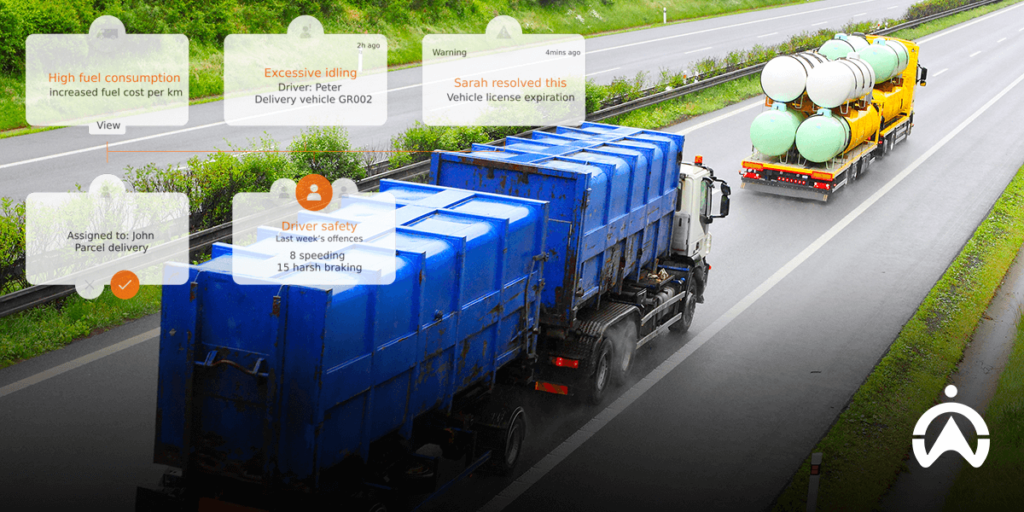
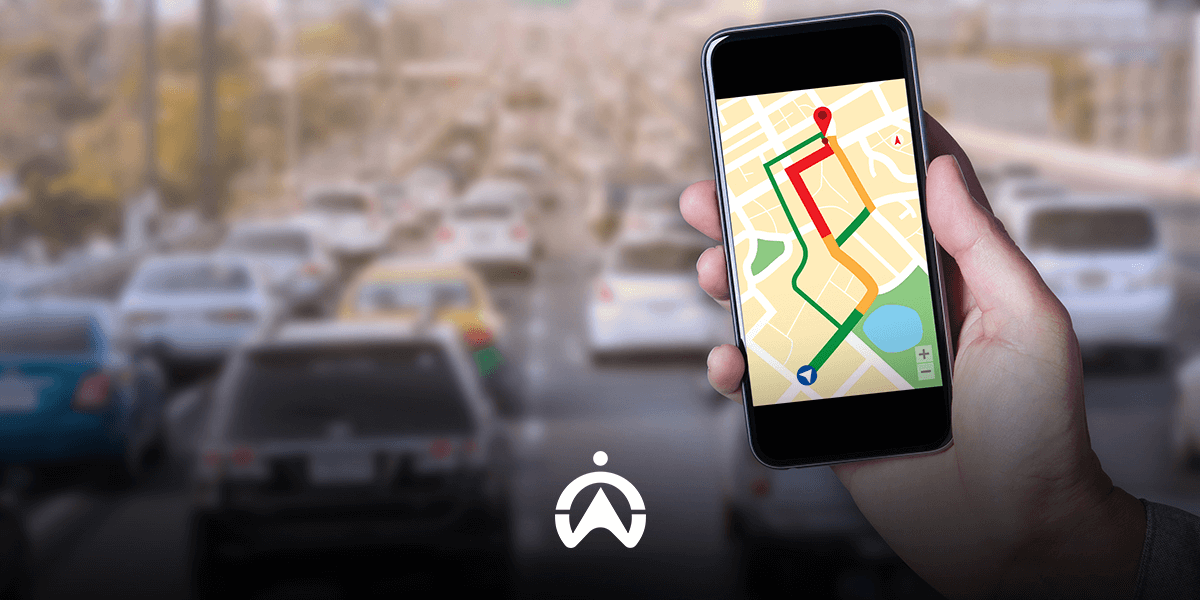
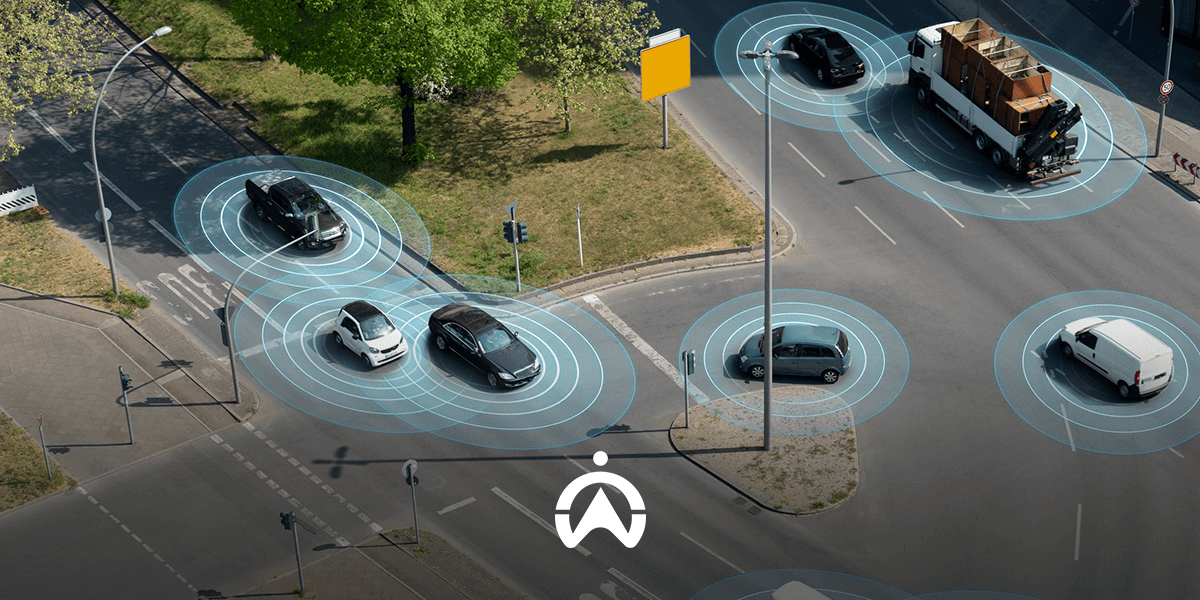
Enterprise fleet management: how to manage large fleets successfully

Large fleets can bring big returns, but also big headaches. From fuel costs to driver safety, keeping everything running smoothly can feel like an impossible task.

The secret is enterprise fleet management – your large fleet’s solution for maximum efficiency, safety and control.

Let’s find out what makes fleet management the key to a large fleet’s success.

In this article, you will:

  • Learn the secrets to running a successful fleet
  • Discover the challenges large fleets face
  • Take a deep dive into enterprise fleet management
  • Explore how a fleet management system is the solution for a successful large fleet
  • Discover how Cartrack’s solutions make managing a large fleet a breeze

What is an enterprise fleet?

A fleet is a group of vehicles usually owned by a company. These vehicles, which can be anything from trucks and taxis to bakkies, are used for transport, logistics or business operations. Fleets come in all sectors, shapes and sizes, but what makes an enterprise fleet stand out is its size. Although the size of an enterprise fleet can vary, it is usually defined as having at least 15 vehicles. But what are the main differences between a small fleet and an enterprise fleet? Let’s explore that.

Proactive Management Reactive Management
Approach Anticipates problems and takes steps to prevent them before they occur Responds to problems once they occur
Planning Relies on planning and strategy Relies on improvisation and quick fixes for problems
Decision-Making Based on needs anticipated through data and analysis Based on immediate needs and urgency
Results Aims to minimise problems and optimise performance Deals with the consequences of a problem

Whether it is 5 or 500 vehicles, fleets come in all sectors, shapes and sizes. One thing small and large fleets have in common is the key components needed for successful management.

The keys to successful enterprise fleet management

Although no two fleets are exactly alike, there are essential tools that every fleet should use to ensure its success.

Let’s take a look at them:

  1. Proactive, not reactive, management:
    Proactive management is a crucial part of running a successful fleet, as it allows you to resolve issues before they turn into costly problems. You should adopt a proactive rather than a reactive management style, as the latter can have a negative impact on fleet efficiency, profitability and productivity. Let’s look at a quick comparison of the two.

    Proactive Management Reactive Management
    Approach Anticipates problems and takes steps to prevent them before they occur Responds to problems once they occur
    Planning Relies on planning and strategy Relies on improvisation and quick fixes for problems
    Decision-Making Based on needs anticipated through data and analysis Based on immediate needs and urgency
    Results Aims to minimise problems and optimise performance Deals with the consequences of a problem
  2. Data-driven decision-making:
    Relying on intuition and playing the guessing game when it comes to running your fleet does more harm than good. This is where data-driven decision-making comes in – the process of using information gathered from various sources to make informed choices about your fleet’s operations.Data-driven decision-making is based on the following concepts:

    – Data collection: Acting as the foundation for data-driven decision-making, data collection refers to gathering data from various sources, such as vehicle telematics, maintenance records and dispatch information, with the data collected serving as the raw material for insights.

    – Data analysis: analysing the collected data to identify trends and patterns in your fleet.

    – Actionable insights: Turning the collected data into actions that can be used to improve fleet efficiency through data-driven decision-making.

  3. Adaptability:
    Adaptability is important for running a successful fleet in the ever-changing world of fleet management. It means being flexible and resourceful in the face of unexpected situations or evolving needs. Customer demands and industry trends can change quickly, so a fleet must adapt its services or offerings to these trends. John, for example, has customers who now require estimated arrival times for deliveries. If John cannot adapt and meet this demand, he risks losing his customers, with a negative impact on his business. This adaptability also applies to technological advances.

    Whether you own a small or a large fleet, the tools above are crucial to your fleet’s success. However, it is also important to remember that the size of your fleet determines which solutions you need to prioritise most. Fleet size affects the challenges faced, so solutions must be tailored to your fleet’s individual needs.
As_chaves_para_uma_gestão_de_frota_empresarial_bem_sucedida

What challenges do large fleets face?

Large fleets differ from smaller ones not only in size, but also in the challenges they face. As we unpack these challenges with some statistics and background facts below, things are about to get interesting.

  • Fuel management: Fuel is a major fleet expense, and fluctuating fuel prices in South Africa can have a significant impact on large fleets. Research shows that most fleets can spend around 24% of their budget on fuel, so a small price increase automatically becomes a substantial increase in the fuel budget. Manually keeping track of how much fuel every vehicle in your fleet is consuming can be quite challenging and time-consuming.
  • Vehicle maintenance: Keeping a large number of vehicles operational requires constant attention. This is crucial because one vehicle breaking down can affect the efficiency of the entire fleet operation. In addition, accurately predicting the maintenance needs of every vehicle in a large fleet can be tricky. According to the findings of the Brake & Tire Watch project in 2019, of the 764 trucks tested at random, 69% failed due to a range of faults resulting from poor maintenance.
  • Driver safety: Managing driver behaviour and safety can also be a challenge, whether you have five or fifty drivers. Large fleets struggle to ensure that all their drivers are properly trained and drive safely, as this means their behaviour needs to be monitored constantly. Although this is important for identifying dangerous behaviour and knowing exactly where drivers need additional training, it can be a challenge for a large fleet with hundreds of drivers. This is crucial in a country where, in 2022, trucks were involved in 57,3% of all accidents on the N3 toll road, and 85% of them were attributed to human error.
  • Cargo security: In 2022, South Africa recorded a staggering 2.670 cargo theft incidents in 18 months. Protecting cargo and preventing damage in transit is essential for large fleets. Ensuring that cargo reaches its destination safely requires specific planning, driver training programmes and real-time monitoring and tracking of vehicles along the entire transport route.
  • Driver retention: Attracting and retaining qualified, skilled drivers is an ongoing battle. In 2022, it was reported that South Africa has a shortage of approximately 3.000 truck drivers, which has been growing steadily, affecting fleet productivity and efficiency.

If not addressed, these challenges can stand in the way of your large fleet’s success. This can be a lot of work, but there is a way to simplify it: implementing enterprise fleet management.

The secret to a successful large fleet: Unpacking enterprise fleet management

Enterprise fleet management oversees the operation of large fleets, usually those with 20 or more vehicles. This process goes beyond simply tracking a vehicle’s location and includes a wide range of strategies that optimise efficiency, safety and cost-effectiveness. These strategies are known as fleet management strategies.

Empowering fleets, whatever their size, with fleet management strategies

Fleet management strategies are a wide range of practices and tools aimed at optimising a fleet’s operations. This process of planning, organising and directing everything related to the fleet is the roadmap to a successful fleet operation, guiding decision-making and actions to achieve fleet efficiency, safety, savings and compliance. These strategies can be difficult to manage, and the best way to implement them effectively is through a fleet management system.

What is a fleet management system?

A fleet management system is the backbone of an effective fleet. This solution uses software and technology to help fleet managers oversee and optimise various aspects of their fleet, whether it is a single truck or a range of delivery vans. It is crucial in helping to ensure that a fleet stays profitable, efficient and safe.

Exploring the benefits of a fleet management system for a large fleet

A fleet management system is your fleet’s secret weapon for succeeding and standing out from the crowd. Let’s look at the benefits this system can bring to large fleets:

  • Cost savings: Managing a large fleet brings many opportunities to cut costs. By monitoring fuel consumption and scheduling timely maintenance, fleet managers can avoid costly breakdowns, reduce expensive fuel consumption by optimising travel routes and eliminate fuel-wasting driver behaviour.
  • Greater efficiency: Managing a large fleet involves complex logistics, which a fleet management system automates. Managers can ensure their operations run smoothly by automating tasks such as generating reports, streamlining dispatch processes and optimising routes based on real-time traffic data.
  • Improved safety: safety is paramount for large fleets. A fleet management system helps automate driver behaviour monitoring, helping managers identify risky habits such as speeding or harsh braking. This allows targeted driver coaching and training programmes to be put in place, promoting safe driving practices across the fleet.
  • Data-driven decision-making: Large fleets generate a huge amount of data, which a fleet management system can collect and analyse. With data from GPS tracking, engine diagnostics and driver activity, managers gain insights that help them make informed decisions about everything from maintenance schedules to resource allocation.
  • Reduced downtime: Unplanned downtime due to breakdowns can have a negative impact on a fleet’s operations. A fleet management system can predict maintenance issues through real-time monitoring of a vehicle’s components. In doing so, maintenance issues are resolved before they become expensive.

That sounds fantastic, right? We have the ideal solution to help your fleet experience these benefits first-hand: Cartrack.

Explorando_os_benefícios_de_um_sistema_de_gerenciamento_de_frota_para_uma_frota_grande

Unlock the best fleet management for your large fleet with Cartrack’s solutions

Cartrack is a complete solution that brings convenience, efficiency and simplicity to managing your fleet. Let’s explore the components that power this solution:

  1. GPS tracking:
    Always know exactly where your fleet’s vehicles are with Cartrack’s live GPS tracking. This technology does more than just track your vehicles. By identifying inefficiencies so you can monitor and improve your company’s productivity, our real-time tracking helps you boost your operations, increase vehicle security and enable proactive monitoring and route optimisation for all your vehicles.
  2. Preventive maintenance
    Overcome the challenge of keeping a large network of vehicles running at their best with our preventive vehicle maintenance. Powered by AI and analytics, our software helps you detect potential maintenance issues before they turn into serious repair problems. By providing alerts about issues such as damaged brake pads, service interval reminders and low oil levels, it helps you avoid costly damage to vehicle components that can cause road accidents and breakdowns.
  3. Fuel monitoring system
    Make every litre of fuel count with our fuel monitoring system. Our fuel cost monitoring software tracks all fuel transactions and compares receipts with a vehicle’s advanced telemetry. When combined with a fuel sensor installed inside your vehicle’s tank, you can closely monitor fuel consumption in real time, giving you full visibility of your fleet’s overall fuel economy. This system is essential in helping you identify fuel theft, reduce fuel waste and increase fuel efficiency.
  4. Monitoring driver behaviour
    Give a boost to safety and driver behaviour with Cartrack’s fleet driver monitoring system. This system gives you access to a variety of top-tier hardware and software solutions to simplify driver behaviour monitoring. - Cartrack’s Advanced Driver Assistance System (ADAS) increases fleet safety by providing real-time alerts to drivers about potential hazards on the road. This proactive technology uses forward collision warning to alert drivers when their vehicle approaches another vehicle or obstacle too quickly, helping drivers prevent accidents and creating a safer driving environment.

    – Cartrack’s AI LiveVision cameras give drivers immediate audible alerts for distracted and dangerous behaviour, such as smoking, speeding or yawning, allowing them to take corrective action promptly. This fosters a culture of safety while reducing the risk of accidents.

    – Driver scorecards provide a detailed record of individual driver behaviour. These detailed reports not only identify instances of aggressive driving, but also pinpoint the exact time and the driver associated with each event. This data allows fleet managers to implement targeted training programmes focused on promoting safe driving practices.

  5. Cost management system
    Turn estimates into precision with Cartrack’s MiFleet software. This cost management solution helps you keep track of all your fleet’s expenses, from taxes and fuel costs to vehicle licences. These detailed insights help you achieve maximum fuel economy, which reduces admin time and fees.
  6. Geofence
    Know where your vehicles or equipment are being operated with Cartrack’s geofencing feature. Get real-time information on fleet activity by setting virtual boundaries around specific areas to monitor the movement of your drivers, vehicles and equipment. Once a geofence has been set up, you will be notified the moment the vehicle enters or leaves that specific area, giving you complete visibility of fleet operations.

Cartrack in action: Helping The Courier Guy run its business successfully

The Courier Guy is a leading courier provider in South Africa that has grown rapidly over the years. What started with one motorcycle is today a business with more than 2.200 vehicles.

With this growing number of drivers, customers and vehicles to manage, The Courier Guy needed a solution that would give them full visibility of their entire fleet operation, increase customer satisfaction and simplify their business operations and task management. That solution was Cartrack.

Here is what they had to say:

“Cartrack’s technology allows us to focus on our drivers, customers, cargo and fleet, all from one platform. It puts us in control from dispatch to delivery.”

Jeffrey Wheeler, assistant fleet manager, Courier Guy, South Africa.

Manage your enterprise fleet comfortably with Cartrack’s advanced solutions

Running a large fleet is no child’s play, but this taxing process becomes a breeze with an effective enterprise fleet management solution.

Contact us today and unlock a new level of convenience and efficiency today.

Powerful motorcycle tracker: fleet or personal? Choose the best

Recent crime statistics show that a car or a motorbike is stolen every 13 minutes in South Africa. With motorbike theft incidents on the rise, it is no wonder bike owners are looking for more advanced ways to keep their wheels safe.

If you have never considered a tracker for your motorcycle, you will be surprised by the benefits these nifty devices offer when it comes to safety and visibility.

Join us as we set out the crucial details of the motorcycle tracker and why you should consider getting one.

In this article, you will:

  • Learn more about motorcycle theft in South Africa
  • Discover the benefits of motorcycle trackers for fleets and personal bikes
  • Get up to speed on the most common motorcycle theft tactics
  • Find five important tips for keeping your motorbike safe
  • See Cartrack’s advanced bike tracking features

What is the best motorcycle tracker? Choose the most powerful one against bike theft

If you don’t consider security measures for your bike, it will always be an easy target, especially when you park it in the street, in car parks or in other public areas.

Taking safetyprecautions, whether you park your bike at home or in a public area, can significantly improve your chances of avoiding coming back to an empty parking bay or garage. So can installing a powerful bike tracker from Cartrack.

Bikes are popular fleet components as well as treasured personal toys, but which is the more popular target for theft? Let’s take a look.

Personal bike theft versus fleet bike theft

Fleet motorcycle theft does not appear to be as widespread as theft targeting individual motorcycles in South Africa. However, although personal motorbike owners face a heightened risk of theft, especially in areas such as suburban car parks, garages, hotels and public parking bays, delivery bikes are slowly but surely becoming a popular target for hijackings and theft, as the need for home deliveries began rising during COVID19 and is still very popular today.

At the end of the day, it is not about fleet versus personal; instead, it all comes down to having the right security and tracking technology installed, as motorcycle thieves do not seem to have a clear favourite. Without proper protection, your bike could be next.

Is motorbike theft as common as car theft?

Cars may seem, statistically, to be more popular prey for South African thieves, but that does not mean motorbikes are out of danger. Although car theft takes first place, motorcycles remain easy targets, as they are smaller, lighter and often lack the sophisticated safety systems found in most cars. In addition, the easy profit and the apparent ease of getting away with bike theft make motorcycles a tempting target.

Although there are no separate statistics for motor vehicle and bike theft in South Africa, it is clear that both are popular targets, with recent bike thefts and hijackings peaking in areas such as Boksburg and its surroundings. Fortunately, technologies such as advanced tracking devices are helping to recover stolen bikes faster, but South African motorcycle owners still need to be extremely vigilant.

Get a tracking device now

The differences between motorbike theft and car theft

Stealing a car and a motorbike in Mozambique may look like the same crime, but some important differences can make the potential theft of a motorbike a bigger headache for its owners.

Accessibility: With their bright colours and bold designs, motorcycles are the little punks of the car park. Their compact size and lighter weight make them easier to grab than cars. Thieves can push or ride a motorbike away quietly, which is significantly harder to do with a car, making bikes vulnerable anywhere.

Motive: The reasons behind car and bike theft are not that different at a basic level. Both are driven by someone looking to make money and, although motorcycle theft usually involves organised crime gangs targeting high-value bikes for resale, car theft, on the other hand, can differ slightly in terms of motive, from selling the whole car to stripping it for parts, taking it for a joyride or even using it in a more serious crime, such as kidnapping.

Security measures: As motorbikes have fewer built-in security measures and are easier to steal, owners need to take extra precautions. Think steering locks, highly visible disc brake locks or fork locks, loud alarms and trackers. These measures become crucial when your light and lively pride and joy is much easier to lose than a car weighing at least a tonne.

Both motorbikes and cars are at risk in South Africa, but motorbikes are easy targets because of their size and weight. So, if you own a motorcycle in South Africa, be extremely vigilant and invest in robust bike security.

Popular reasons for car and motorbike theft: are they the same?

Car theft in South Africa is a complex issue with several driving forces. Here is a quick look at the most common reasons why your car and your bike might end up missing:

  • Cash is king: in the world of car and bike theft, money talks. Stolen cars are often resold whole, stripped for parts or used in other crimes to make quick money. Although bikes are less likely to be stripped and sold for parts, they are stolen for exactly the same reason: money.
  • An easy getaway: Sometimes thieves target cars simply as a means of escape. Perhaps they need a temporary set of wheels or are planning a joyride. Motorcycles are often stolen or hijacked for exactly the same reason – even more so because they are smaller, lighter and easier to take.
  • Not created equal: Some car models are easier to steal than others, and the same applies to bikes. For example, models such as the infamous Nissan 1400 are a popular choice for thieves because they lack some of the more sophisticated safety features now available. When it comes to bikes, older models are also more accessible to thieves for the same reason.
  • Organised crime syndicates: Many vehicle models, such as the Toyota Hilux, are targeted by crime syndicates specifically for their parts and, when it comes to motorbike theft, not every case is opportunistic. Both car and bike theft are linked to organised crime, with different motives behind the theft.

The reasons behind car and bike theft are mostly similar: a mix of financial gain, opportunistic crime and even organised criminal activity. Understanding these motives can help you choose the ideal security measures, such as a tracking device, to keep your motorcycle safe.

The benefits of powerful motorcycle trackers for fleets and personal bikes

For individual riders and fleet managers alike, GPS motorcycle trackers are a game changer, offering a powerful range of benefits beyond location tracking alone. Let's explore how these handy devices can enhance your riding and fleet management experience:

  • Theft prevention and recovery: real-time tracking deters thieves and increases the chances of recovering your stolen bike. Imagine a would-be thief knowing that their joyride is being broadcast live! What's more, with the help of the authorities and Cartrack's dedicated SVR teams, recovering stolen motorbikes can be a quick and efficient process, with exponentially higher odds of success.
  • Emergency lifeline: A GPS tracker can be your lifeline when accidents happen. In the event of a breakdown or accident, it can send an alert, quickly summoning help from emergency services or loved ones. Some advanced trackers even detect accidents and call for help automatically, providing extra safety, especially for solo riders.
  • Peace of mind perfected: GPS trackers offer peace of mind like no other. Seeing your motorcycle's location in real time lets you relax and enjoy the ride, knowing that you are in control and your prized possession is safe.

GPS motorcycle trackers can offer a comprehensive solution for every rider, combining enhanced safety and other invaluable features. Whether you're a spontaneous adventurer or an urban commuter, devices like Cartrack's GPS tracker can significantly improve your riding experience and give you peace of mind on every trip.

Os_benefícios_de_poderosos_rastreadores_de_motocicletas_para_frotas_e_bicicletas_pessoais

The 4 most common motorcycle theft tactics

While these valuable toys and assets offer freedom on the road, they are also tempting targets for criminals. Let's explore some of the most common ways motorbikes are stolen in South Africa and how you can protect your ride:

  1. Lock Bypass and Wheel Away
    Thieves often target unlocked bikes or those with locks that are easy to get around. They may even work in pairs, with one pushing the stolen motorcycle to a secluded spot while the other acts as a lookout. However, simply by fastening a strong chain around the frame and rear wheel, you can stop this type of theft tactic.
  2. Opportunistic Push-Away
    It's also important to bear in mind that even a locked motorcycle can be vulnerable if it isn't properly secured. Thieves may simply push a bike away because it is parked in a deserted area, giving them enough time to do so unseen. Along with a chain, high-quality disc locks, alarms and immobilisers can help keep opportunists at bay.
  3. Organised Crime
    Beware of the professionals, especially if your ride is worth a tidy sum. Syndicates often target high-value bikes, but recently they have also been seen targeting fleet bikes, which means no bike is safe. Depending on the situation, these criminals may use brute force to steal a bike, hot-wire it or simply wheel it away. Their motives and operations, however, are anything but opportunistic, so staying vigilant in high-risk areas and investing in advanced security helps keep your bike from becoming a target.
  4. Garage vulnerabilities
    Don't let your guard down when you're at home. Thieves are known to target unlocked garages or parking spaces with weaker safety features. Depending on whether you have a closed garage or enclosed parking, reinforce your home parking space with alarms or sensors, strong doors and secure windows.

These four common theft tactics are the most popular among motorcycle thieves and tend to be concentrated in specific locations or hotspots. Find out about some of the motorcycle theft hotspots you should be aware of.

Motorcycle theft hotspots

Motorcycles can be (and are) stolen in various places across Mozambique. Some of the most common areas include:

  • Commuter parking spaces
  • Residential garages or parking spaces
  • Hotels and car parks in public places
  • Public areas such as roads and pavements

Even a secure yard is no impossible task for a determined bike thief, which makes full visibility of your bike's location a necessity.

Making motorcycle security uncomplicated

Whether you're a die-hard Harley fan or a Vespa fan, make sure your bike's security is sorted the easy way – here's how:

  • Motorbike hijackings: a crime on the rise

    Hitting the road on a bike can be an incredible, liberating experience, but there is also growing concern as motorcycle hijackings start to become more prevalent. A trend of armed criminals on bikes targeting riders has become a harsh reality for bike-loving South Africans, and these ruthless thieves may resort to violence, shooting at riders or pushing them off their bikes to steal the ride. As with car hijackings, hijackers may also use firearms to threaten riders and steal their bikes in a range of places, from remote areas to busy highways.

    Here's the good news: you can take steps to stay proactive and protect yourself. Take a look at our top five tips to avoid becoming a motorcycle hijacking statistic.

  • Don't become a statistic: four ways to avoid motorbike hijackings

    Whether by car or by motorbike, hijackings are traumatising experiences and we need to take every possible precaution to make sure we never have to deal with one. Four basic tips set you up for safety success whenever you and your bike hit the road:

    1. Be careful: have you ever considered that one of the most common hijacking spots could be your own driveway? If you think you are being followed, don't pull in. Instead, head straight to the nearest police station. Even if the coast is clear, avoid pulling into the driveway straight away. If possible, park parallel to the road while you wait for the gate to open, so you have room to escape if a suspicious vehicle tries to follow you.
    2. Beware of the fake breakdown: hijackers are getting creative. They may slam on the brakes at a highway off-ramp or on a busy street, forcing you to stop, and then approach you with weapons. Don't fall for these tactics! Stay alert and keep a safe distance so you can swerve when necessary.
    3. Keep your focus on the road: Stuck at a traffic light? Resist the temptation to check your phone or fiddle with the controls or mirrors if you don't need to. Keep your eyes open for anything suspicious. With a ride as compact as a bike, your best bet is to make sure you have enough room to manoeuvre quickly through traffic and away from danger if necessary.
    4. Safety first: If you are being hijacked, hand over your bike and your belongings. Move slowly, keep your hands visible and avoid looking directly at the hijackers. If you have passengers, help them stay calm and compliant. Your life is worth more than any possession and, if you have a tracker installed, there is still a chance of getting it back safely.

By following these tips and staying alert, motorbike owners and bike fleet managers can enjoy the ride with greater peace of mind. Remember that a little awareness goes a long way towards keeping you and your bike safe.

How to keep your motorbike safe: our top five tips

Keeping your motorbike safe isn't just a matter of common sense – it's a matter of awareness. Here are five important tips to make sure your pride and joy stays exactly where you parked it:

  1. Lock it up properly
    This may sound obvious by now, but quality security really does make a huge difference. Disc locks, chain locks and ground anchors are your best friends. They act like flashing red lights to thieves, saying: “you're going to struggle with this one, mate”. Securing your bike to a solid object or using a ground anchor makes it even harder to steal. Remember that a properly secured bike is a safe one, and gives you peace of mind knowing you have taken precautions.
  2. Park smart
    When choosing a parking spot, knowing the high-risk locations is key to being street-smart. Park in designated bays with good lighting, CCTV or car park security. Although you might think busy areas offer good security because the more eyes there are, the better, this isn't necessarily a smart way to park, as busy areas can also mean people don't notice a theft. Look for designated car park security guards and stay aware of your surroundings at all times.
  3. Cover up
    Think of a motorcycle cover as a security blanket for your bike. Although it shouldn't be your main means of security, it hides your precious machine from prying eyes while protecting it from the weather and scratches. Think of it as a disguise – thieves are less likely to target a hidden bike. What's more, a cover makes a quick getaway tricky, giving you more time to react if someone tampers with your ride.
  4. Stranger danger is real
    Always be wary of strangers and, in this case, of any who are hanging around your bike. They could be checking out the scene, trying to chat to you to learn more about your safety set-up, or even waiting for a chance to distract you while an accomplice makes a move. Don't give out information about your bike or your schedule, and keep an eye on it whenever you leave it unattended. A little caution goes a long way in preventing theft.
  5. Track it
    GPS trackers are like guardian angels for motorbikes. They let you track your bike's location 24 hours a day, 7 days a week, so that if the worst happens you can find it quickly. Imagine the relief of knowing exactly where your stolen bike is! Some advanced trackers and tracking technology, such as Cartrack's BikeWatch, can also send alerts if your bike moves when it shouldn't, helping recovery teams get your bike back faster.

By following these tips, you can significantly reduce the risk of your motorbike becoming someone else's ride.

Look no further for a powerful motorcycle tracker – we've got you covered

If you're still wondering where you can find a bike tracker that ticks all the boxes, stop right there. Cartrack's advanced tracking device offers a range of features that help improve your safety as a private bike owner and boost productivity as a bike fleet manager. Here's how:

  • Bike tracking
    Stay in control by gaining full visibility of your motorbike's exact location with Cartrack's discreetly installed GPS bike tracking device. Receive live notifications and vehicle tracking data wherever you are on our dedicated platform or mobile app.
  • SVR for bikes
    Supercharge our advanced GPS tracking technology with professional bike recovery. With air and ground recovery capability, our telematics system will track and recover your stolen or hijacked motorcycle, restoring your sense of security and bringing peace of mind.
  • BikeWatch
    Keep an eye on your bike and receive automatic notifications if it moves without your consent using BikeWatch, your extra pair of eyes that makes sure your bike stays where you left it every time.
  • Logbook
    Manage all your SARS trips on the Cartrack platform to avoid tax-related admin disasters. By distinguishing between business and personal trips and offering the option of pulling reports, you can stay compliant with minimal effort.

Não_procure_mais_por_um_poderoso_rastreador_de_motocicleta

Choose the best bike tracker: Choose Cartrack

Don't settle for less when you know Cartrack offers the most advanced GPS bike tracking, safety and bike recovery. Contact us today.

Answers to the motorcycle tracking questions you need to know

  1. Should I put a tracker on my motorcycle?
    Fitting a tracker to a motorcycle is highly recommended. Trackers have proved effective at reuniting owners with their stolen bikes, with recovery rates above 90% when motorcycles are fitted with trackers
  2. What is the best tracker out there?
    When choosing the best motorcycle tracker, focus on key attributes such as GPS tracking, RF/VHF technology, GSM/GPRS connectivity, a backup battery, tamper resistance and a secure operations centre (SOC).

    Consider features such as false alert reduction, tracking accuracy, tamper resistance, alert methods, ease of installation, concealment and adaptability to different environments. Prioritise these attributes over specific brands for an effective and reliable choice in motorcycle security.

  3. What are the benefits of GPS fleet tracking?
    Whether you are using GPS tracking for a personal bike or a fleet of motorcycles, you will have great features to benefit from.

    – Increases safety by monitoring driver behaviour, enabling maintenance alerts and providing real-time information on driving habits.

    – GPS tracking helps minimise fuel costs by identifying inefficient driving practices and unauthorised vehicle use, and by optimising routes for fuel efficiency.

    – Reduces operating costs by providing real-time data for informed decision-making and streamlining processes.

    – GPS tracking increases productivity by monitoring time spent at job sites, ensuring efficient routing and digitising workflows for streamlined operations.

    – GPS tracking assists with theft recovery by enabling real-time location monitoring and alerts for unauthorised use, helping to recover assets and reduce replacement costs

  4. Which GPS is best for bikes?
    When looking for the best GPS tracker or fleet tracker for your bike, there are many things you need to consider, some general and others more specific to your needs. For example, if you are looking for a tracker that helps with stolen bike recovery, look for a tracking company that installs tracking devices discreetly in a place where bike thieves can't find and remove them to throw recovery teams off their trail. On the other hand, if you want to optimise your fleet's productivity, a tracker that offers route planning and optimisation features is ideal for getting the most out of every bike in the fleet during working hours.
  5. How much data does a tracker use?
    A vehicle GPS tracker typically uses a few kilobytes to a few megabytes of data a month, depending on factors such as device type, update frequency and the specific usage scenario. For example, personal GPS trackers may use 20 to 50 kilobytes of data per update, while fleet management GPS trackers may use 50 kilobytes to 1 megabyte of data per update. It is important to monitor data usage to avoid unexpected charges and to optimise data consumption based on your specific tracking needs and device settings, but data usage can vary between devices.

Contact Cartrack today and discover how to effortlessly boost the tracking and security of your bike, whether fleet or personal.

Fuel probes: the latest tool you need to monitor fuel and much more across multiple industries

Did you know that fuel probes can serve more than one purpose?

Although their main job is to monitor fuel levels, these nifty sensors are multifunctional across multiple industries.

Read on to find out how a fuel monitoring system is what your business needs, whatever sector you operate in.

In this article, you will:

  • Learn what fuel probes are and how they work
  • Dig into the benefits of using fuel probes across various sectors
  • Explore how a fuel monitoring system helps you achieve these benefits
  • Discover how Cartrack's fuel monitoring system helps unlock convenience and accuracy for your business

What are fuel probes?

Let's dive into fuel probes, how they work and their main purpose:

  • Fuel probes are fuel-measuring devices that use a float system similar to the float in a toilet cistern.
  • As fuel levels rise and fall, the float moves up and down along a vertical rod inside the tank.
  • The float's movement is linked to a variable resistor. For example, when fuel levels drop, the float moves down, causing the resistor's value to increase.
  • The fuel probe keeps monitoring the resistance of the variable resistor, and this variation in resistance translates into a change in the electrical signal sent by the probe.
  • The change in signal acts as an indicator of the fuel level, and the data is transmitted wirelessly to a fleet management system for remote monitoring of fuel levels in real time.

O_que_são_sondas_de_combustível

What else can fuel probes be used for?

Although the main job of fuel probes is to monitor fuel levels, their versatility goes beyond traditional petrol tanks. Their ability to measure liquid levels accurately makes them valuable tools in a range of sectors. Let's look at them sector by sector:

  1. Construction and Engineering Industry
    The construction and engineering industry covers the planning, design and building of physical infrastructure, from roads and bridges to buildings and dams. Let's look at the role of the fuel probe here:

    – Hydraulic fluid management: Heavy machinery such as excavators and cranes relies on hydraulic systems to operate. Fuel probes adapted for these systems can continuously monitor hydraulic fluid levels, helping to prevent equipment stoppages caused by low fluid levels and possible overheating damage.

    – Coolant monitoring: Overheating engines can set construction projects back. Fuel probes can be adapted to monitor coolant levels in construction vehicles and generators.

    – Water management: From dust suppression techniques to concrete curing, water plays a vital role on construction sites. Fuel probes can be used to monitor water levels in storage tanks, ensuring a constant supply for various applications. This prevents delays caused by water shortages and optimises water use, reducing waste.

  2. Agriculture and livestock farming:
    Agriculture and the farming industry cultivate the land to produce food, fibre and other agricultural products. Let's look at how fuel probes can be used here:

    – Fertiliser and pesticide monitoring: Farms use a variety of liquid fertilisers and pesticides. Fuel probes, modified for compatibility with these specific liquids, can monitor stock levels in storage tanks, ensuring farmers have enough supplies to avoid interruptions during crucial application periods.

    – Water tank monitoring: Farmers who rely on boreholes face water access challenges during load shedding, as water pumps stop working. Fuel probes can be installed in the borehole, letting them see how much water is available. This helps them decide whether they need to pump water before load-shedding windows begin.

  3. Mining
    The mining industry extracts valuable geological resources from the Earth, such as metals, minerals and fossil fuels, to supply raw materials for a range of industries and everyday products. Let's explore fuel probes in this industry:

    – On-site fuel tank monitoring: Mines typically have refuelling stations within their operation for larger machines that are too difficult to fill up at public filling stations, or because they use so much fuel that it is cheaper and easier to manage this way. Fuel probes can be installed on their fuel pumps to monitor fuel use.

    – Lubrication monitoring: Regular lubrication is crucial for reducing friction and wear in mining equipment. Fuel probes can be adapted to monitor lubricant levels in gearboxes, differentials and other critical components. Early warnings of low lubricant levels prompt corrective action, preventing costly equipment breakdowns and potential risks to safety.

    – Tailings management: The mining process creates tailings, a mixture of water, rock and leftover materials. Fuel probes can be used to monitor the level of tailings in storage ponds, which helps ensure proper containment and prevent possible breaches that could lead to environmental contamination.

  4. Oil companies
    The oil industry is a global network of companies involved in the exploration, extraction, refining, transport and marketing of petroleum products. Let's find out how fuel probes are used in this industry:

    – Downhole fluid monitoring: During well drilling, fuel probes can be adapted for high-pressure environments to monitor downhole fluids. These probes measure the level of formation fluids such as water, oil or gas encountered during drilling. This real-time data makes it possible to optimise drilling operations, identifying potential production zones or avoiding unstable formations.

    – Leak detection in storage tanks: Fuel probes can be adapted for use in above-ground storage tanks (ASTs) that hold crude oil or refined products. By continuously monitoring liquid levels, these probes can help detect potential leaks early, allowing immediate intervention and minimising environmental damage and potential financial losses.

What are the disadvantages of fuel probes?

Fuel probes do have their drawbacks. Let's look at the four main ones that can affect various sectors:

  1. Accuracy limitations: Fuel probes need to work in a dynamic, hostile environment – the inside of a fuel tank – which can affect accuracy. Fuel tanks come in various shapes and sizes, and some contain internal baffles to stop fuel sloshing around too much while the vehicle is moving. Although useful, these can affect the positioning and efficiency of the fuel probe, leading to inaccurate readings.
  2. Installation and maintenance: The complexity of installing a fuel probe often leads to high costs and downtime and, to make sure they provide the most accurate readings, they require regular maintenance and recalibration. This may involve cleaning the float and the variable resistor to remove any build-up that prevents them from working properly.
  3. Limited application in certain liquids: Fuel probes that rely on mechanical floats are designed for liquids with a viscosity similar to traditional fuel, which means thicker or thinner liquids can cause inaccurate readings.

Although fuel probes have some drawbacks, these are outweighed by the advantages and benefits a range of industries gain from fuel probe technology. The best way to get the most out of this technology is by implementing a fuel monitoring system.

What is a fuel monitoring system?

A fuel monitoring system is a technology solution designed to track, analyse and optimise fuel consumption across a fleet of vehicles. It goes beyond simply dipping a stick into a tank; it is a comprehensive system that provides valuable insights for businesses that depend on vehicles for their operations. Here is a quick look at the elements a fuel monitoring system needs in order to work:

  • Fuel level sensors: Installed inside each vehicle's fuel tank, these sensors work to continuously measure the fuel levels within it.
  • Data transmission: The fuel level data collected from the sensors is transmitted wirelessly to a central server or cloud platform.
  • Software Platform: This is the heart of the system, as it receives, stores and analyses the fuel level. The platform offers a user-friendly interface for accessing a range of features, such as:

    – Real-time fuel level monitoring: Fleet managers can view the current fuel level of any vehicle in the fleet from one central location.

    – Fuel usage reports: The software generates reports on fuel consumption over specific periods, identifying trends and potential areas for improvement.

    – Fuel theft detection: Sudden drops in fuel levels that deviate from normal usage patterns may indicate potential fuel theft. The system can trigger alerts for further investigation.

Why do you need a fuel monitoring system?

We could write a whole book on why you need a fuel monitoring system but, for now, we're giving you a summary of the top 4 reasons why you need this next-level system:

  1. To quickly detect fuel theft: Unlike traditional methods that rely on physical inspections – a time-consuming and potentially inaccurate approach – a fuel monitoring system provides real-time data on fuel levels, allowing you to detect theft. Siphoning is one of the most common and damaging fuel theft tactics. With a fuel monitoring system, you can know exactly when, where and how much fuel was taken from the tank.
  2. Reduce your business's fuel wastage: Fuel monitoring systems provide unrivalled insight into exactly how much fuel your vehicles are using. By monitoring data on fuel consumption, mileage covered and litres used per kilometre, you can spot spikes in consumption and identify the reason behind them, whether aggressive driving, fuel theft or maintenance problems, making every litre of fuel count.
  3. Unlock real-time monitoring: Fuel monitoring systems provide detailed reports on fuel levels, consumption and even alerts for refuelling or draining, increasing accountability and efficiency. All of this information is available at the click of a button, which makes monitoring fuel consumption quick and easy.
  4. Fuel cost savings: Fuel monitoring systems can help managers identify the source of excessive fuel consumption, making it easier for them to resolve the exact problem that pushed fuel spend up. By identifying these inefficiencies and making sure vehicles are running properly, businesses can save money by reducing fuel costs.

Por_que_você_precisa_de_um_sistema_de_monitoramento_de_combustível

Unlock the power of advanced fuel monitoring with Cartrack's fuel monitoring solutions

To reap the benefits of fuel management, look no further than Cartrack's fuel monitoring solution. Let's unpack this system, how it works and how it can benefit your business.

How does our fuel sensor system work?

Installed inside your vehicle's tank by a technician, the fuel sensor acts as a vigilant guardian, monitoring fuel levels through a single connected tube. As you refill the tank, fuel fills the tube and the adjacent spaces. After three refills, the sensor completes its calibration and becomes operational, measuring every change in fuel capacity. This information, along with the fuel level in litres, the vehicle's location and the tank's total capacity, is then relayed to our telematics system. The data collected is transmitted securely to the Cartrack platform, where it can be compiled into detailed reports for your convenience.

What does this mean for your business?

  1. Detailed insights: take the guesswork out of your fuel consumption measurements with our fuel monitoring system. Our solutions help you know exactly how much fuel you are using, reaching a new level of accuracy and eliminating costly human error.
    Take the case of John, who no longer has to manually check his vehicles' petrol and odometer readings at the end of each day to work out how much fuel was used. John can now get this information through convenient, easy-to-read reports sent straight to his email.
  2. Greater efficiency: when you have all these detailed insights at your fingertips, you can plan your operations more efficiently. Take John's example again: he now knows exactly how much fuel he needs for his fleet to run efficiently. This information helps him make sure his vehicles have enough fuel to run all day, which eliminates downtime, ensures unnecessary stops at petrol stations are avoided and improves productivity.

Cartrack: The multi-sector tool your business needs

Are you ready to take the guesswork out of manually monitoring fuel consumption? Unlock accuracy and convenience with Cartrack's solutions, whatever sector you operate in.

Contact us today and give your business the gift of next-level monitoring.

8 strong reasons why you need to monitor your odometer accurately across your fleet

Unexpected problems always crop up when managing a fleet: fluctuating fuel costs, vehicle breakdowns and, sometimes, deliveries that take longer than expected.

Sound familiar? The culprit may be hiding in the dashboard – an inaccurate odometer reading. The odometer reading can tell you far more about your fleet than you might think.

Let's dig in and find out how accurate odometer readings can benefit your fleet.

In this article, you will:

  • Understand the importance of odometer tracking for fleet management
  • Explore eight compelling reasons to accurately monitor your fleet's odometer readings
  • Learn about the risks and challenges of odometer tampering
  • Discover important tips for maintaining accurate odometer readings and preventing fraud
  • Find out how Cartrack can streamline odometer tracking for your business

Understanding odometer tracking

Let's start with the basics. What exactly is an odometer and why does it matter? Put simply, an odometer is a device found in a vehicle that measures and displays the total distance that vehicle has travelled. It is like the car's personal mileage tracker, counting every mile or kilometre covered over its lifetime.

Odometers are normally located on a vehicle's dashboard. The odometer is an essential instrument for keeping track of the vehicle's usage and maintenance needs. These handy instruments can be mechanical, where they physically track the rotations of the vehicle's wheels, or digital, where they measure distances.

Accurate odometer readings are crucial for several purposes, including:

  • Maintenance scheduling
  • Fuel efficiency analysis
  • Accurate billing for vehicle use
  • Monitoring driver behaviour

Here are eight reasons why accurately tracking your fleet's odometer readings can make a huge difference to your fleet operations.

Compreendendo_o_rastreamento_do_hodômetro

8 reasons to accurately monitor your fleet's odometer readings

Effective fleet management depends on accurate, data-driven insights. Odometers may not be as flashy as a GPS tracker or an IoT device, but those small numbers displayed on the dashboard hold a wealth of information that is crucial for saving time, money and plenty of headaches.

Here are eight reasons why you should use accurate odometer data:

  1. Reliable mileage monitoring
    Keeping a close eye on odometer readings provides accurate information on the distance covered by each vehicle in the fleet. This data is crucial in several respects, such as efficient maintenance scheduling, fuel efficiency analysis and billing customers based on accurate distance measurements.
  2. Efficient maintenance planning
    Analysing mileage trends and historical maintenance records lets fleet managers anticipate when maintenance tasks are likely to be needed. Regular mileage-based maintenance helps prevent breakdowns, extend vehicle life and reduce overall operating costs.
  3. Fuel efficiency insights
    Odometer data lets fleet managers analyse fuel efficiency trends across the whole fleet. This analysis can identify inefficiencies, optimise routes and implement strategies to reduce fuel consumption and the associated costs.
  4. Cost control
    Accurate odometer readings help with precise calculations of costs related to vehicle use, including expenses such as fuel consumption, maintenance, depreciation and insurance. This helps fleet managers manage costs effectively and allocate resources efficiently.
  5. Regulatory compliance assurance
    Odometer monitoring also helps ensure compliance with regulatory requirements on vehicle use and reporting. Many jurisdictions have regulations governing odometer readings for purposes such as tax reporting and vehicle inspections.
  6. Holistic asset tracking:
    Odometer readings play a key role in comprehensive asset tracking and management. By monitoring mileage, fleet managers can keep track of vehicle use, identify underused assets and make informed decisions about the size and make-up of the fleet.
  7. Effective warranty management
    Accurate tracking of odometer readings is essential for managing vehicle warranties. Fleet managers can make sure vehicles receive repairs and services covered by the warranty within the specified mileage limits, maximising warranty benefits and minimising out-of-pocket expenses.
  8. Insurance premium consideration
    Accurate odometer data plays a crucial role in ensuring smooth warranty claims. Some insurers take odometer readings into account when determining insurance premiums. Reliable mileage data can help fleet managers negotiate favourable insurance rates based on actual vehicle usage patterns.

Having explored all the important factors in accurate odometer tracking, it is crucial that we address the potential odometer risks you may face, such as odometer tampering. This and other deceptive practices can undermine the reliability of your fleet's mileage data and lead to a range of complications.

Odometer tampering and other odometer-related issues fleet managers should know about

Odometer tampering, also known as odometer fraud, involves illegally altering a vehicle's odometer reading to show a lower mileage than the actual distance travelled.

Several methods are used for odometer tampering, from physically altering the odometer mechanism by manually rolling the odometer back to using electronic devices that manipulate odometer readings. The latter method is for newer vehicle models with digital or electronic odometers.

This is normally done to deceive potential buyers or lessees, making vehicles appear to have lower mileage than they really do and seem more valuable.

In the context of fleet management, odometer tampering can have significant implications both for the fleet owner and for later users of these vehicles, as it can lead to inflated purchase prices for unsuspecting buyers, who may later discover the true mileage discrepancy and face unexpected repair costs and depreciation problems, or customers who rent a company's vehicles may alter the reading, reducing the vehicle's usage charge.

To avoid this, consider a physical inspection of the odometer during routine maintenance. Look for signs of tampering, such as misaligned digits, scratches or loose components around the instrument panel. Here are other concerns every fleet manager should watch for when it comes to odometer monitoring:

  1. Digital odometers: Many modern vehicles are fitted with digital odometers, which can be susceptible to tampering techniques different from those used on traditional mechanical odometers. Fleet managers should stay informed about the latest methods used for digital odometer fraud and take precautions to prevent them.
  2. Non-driver events: Odometer readings can sometimes be influenced by factors other than actual vehicle use, such as towing, transporting the vehicle or certain types of maintenance procedure. Fleet managers should be aware of these non-driver events that can affect odometer readings and take them into account when analysing vehicle data.
  3. Odometer rollback detection: Detecting odometer rollback can be challenging, but the right technologies and services can help fleet managers identify suspicious odometer readings. Implementing systems or partnering with providers that offer odometer rollback detection can help protect fleet assets against fraud and ensure accurate mileage records.
  4. Legal implications: Tampering with odometers or intentionally misrepresenting vehicle mileage can have serious legal consequences, including possible fines or criminal charges. To avoid these problems, fleet managers should be familiar with the relevant laws and regulations on odometer readings in their area of operation.
  5. Data security: Odometer readings, like other vehicle data, must be handled with care to ensure data safety and privacy. Fleet managers should put appropriate measures in place to protect odometer data against unauthorised access or manipulation, especially when using telematics systems or cloud-based fleet management platforms.

By staying informed about these lesser-known aspects of odometer readings, fleet managers can better protect their fleet assets, keep accurate records and ensure compliance with regulations.

Important tips for maintaining accurate odometer readings

To reduce the chances of odometer tampering and other problems that can produce false readings, fleet owners and managers can follow these tips to keep track of true odometer readings:

Partner/lease wisely: Work with reliable suppliers and dealerships, and rent vehicles to trustworthy customers, to make sure vehicle records are reliable and accurate.

Pre-trip inspections: add a quick odometer check to your pre-trip inspection routine. This lets drivers spot any discrepancies or malfunctions and report them for timely repairs or adjustments.

Keep detailed maintenance records: Keeping meticulous maintenance records alongside odometer readings goes a long way towards ensuring data accuracy. It lets you cross-check mileage data against maintenance history and identify possible inconsistencies.

Schedule regular calibration: like any measuring tool, odometers can develop small inaccuracies over time. To make sure they stay reliable, schedule regular calibrations with a qualified technician.

Use GPS tracking technology: opt for a fleet management system that integrates seamlessly with your vehicles' odometers. Although they are not a direct replacement for odometer tracking, GPS tracking systems can be beneficial and offer valuable information where there are odometer differences. By comparing historical location data with the reported mileage, you can identify possible inconsistencies.

Invest in a reliable fleet management system: look for a fleet management solution with features such as real-time odometer readings, data verification and automatic alerts for suspicious activity. A product like Cartrack helps you quickly identify any errors and take steps to correct them.

By following our tips, your fleet's odometer readings will always be honest, resulting in better decision-making, a smoother-running fleet and, ultimately, more money in your pocket!

Dicas_importantes_para_manter_leituras_precisas_do_hodômetro

Stop losing money: Solve inaccurate odometer tracking with Cartrack

Maintaining accurate odometer readings can be a challenge, whatever the size of your fleet. Cartrack, a leading provider of fleet management, has the solutions to automate your fleet's odometer reading process and give you valuable insights to improve your operations and save money.

Let's explore Cartrack's reliable solutions:

  • Real-time data and reports
    You get access to historical and real-time odometer data through the easy-to-use Cartrack platform. This lets you monitor mileage trends, identify possible problems and make informed decisions quickly.

    In addition, Cartrack's fleet management platform generates comprehensive reports that summarise the mileage data of individual vehicles, allowing easy analysis and identification of areas for improvement.

  • Automated alerts and reminders
    The software for fleet management from Cartrack can be set up to send automated alerts and reminders based on predetermined mileage thresholds. This ensures timely preventive maintenance based on the manufacturer's recommendations or industry best practice, preventing breakdowns and extending the life of your vehicles.
  • Monitoring driver behaviour
    By integrating odometer data with driver scorecards, Cartrack can help you monitor driver behaviour. This can identify instances of inefficient driving habits, such as excessive idling or harsh acceleration, which can contribute to higher fuel consumption and greater wear and tear on vehicles.

    With Cartrack, you can confidently say goodbye to inaccurate odometer readings and welcome efficiency and cost savings.

Keep your odometer readings honest and your profits high with Cartrack

Maintaining accurate odometer readings can be a challenge, especially for large fleets, but with Cartrack integrating seamlessly with your vehicle's odometer readings, automatically collecting data and monitoring every other event that affects your mileage, this challenge meets its solution.

Contact Cartrack today for a free quote.

Pre-trip inspections: why they are still a powerful safety step for your fleet management

Picture yourself speeding along a busy road when, suddenly, your engine splutters and dies. You're stranded on the road, realising that a simple maintenance check could have prevented this costly delay.

Now, imagine this on a larger scale; across a fleet of vehicles, for example. Failing to encourage your drivers to carry out pre-trip inspections can result in vehicle problems, downtime and costly damage control.

Let's dive into some quick and easy pre-inspection safety steps that can save lives and cut costs.

In this article, you will:

  • Discover the importance of pre-trip inspections for fleet safety and reliability
  • Explore how pre-trip inspections can prevent accidents and costly breakdowns
  • Learn about the essential pre-trip inspection checklist
  • Understand the difference between pre-trip inspections and vehicle maintenance
  • Find out how Cartrack solutions can elevate your pre-trip inspection programmes

Preventive safety measures in fleet management with a pre-trip inspection checklist

A spluttering engine is just one example of the possible consequences of skipping a pre-trip inspection. In the worst case, a faulty braking system or a broken light on a dark road can lead to a devastating accident that puts your driver and other drivers at risk.

A pre-trip inspection checklist can help reduce problems with safety. It involves a series of vehicle checks that drivers carry out before setting off. These checks target essential elements, such as lights, tyres and brakes, to make sure the vehicle is working properly and is safe to drive.

It serves several main purposes:

  • Early detection of problems: A thorough pre-trip inspection helps detect minor problems, such as flickering headlights or low tyre pressure, before they become a costly problem. Resolving these problems promptly stops them turning into serious breakdowns that could leave you or your drivers stranded on the road.
  • Greater safety: By making sure all the vehicle's systems are working properly (brakes, lights, mirrors), pre-trip inspections significantly reduce the risk of accidents. This not only protects drivers and other road users, but also minimises potential legal liabilities for your business.
  • Compliance with regulations: In South Africa, the National Road Traffic Act and the South African government set specific roadworthiness inspection requirements for commercial vehicles. Pre-trip inspections make sure your vehicles comply with these regulations, avoiding heavy fines and the potential impounding of vehicles.

Medidas_preventivas_de_segurança_na_gestão_de_frotas_com_lista_de_inspeção_pré_viagem

What should be on your pre-trip inspection checklist?

The specific items on your pre-trip inspection checklist vary depending on the type of vehicles in your fleet (trucks, buses and vans) and the sector you operate in. However, some general categories should be included in every checklist:

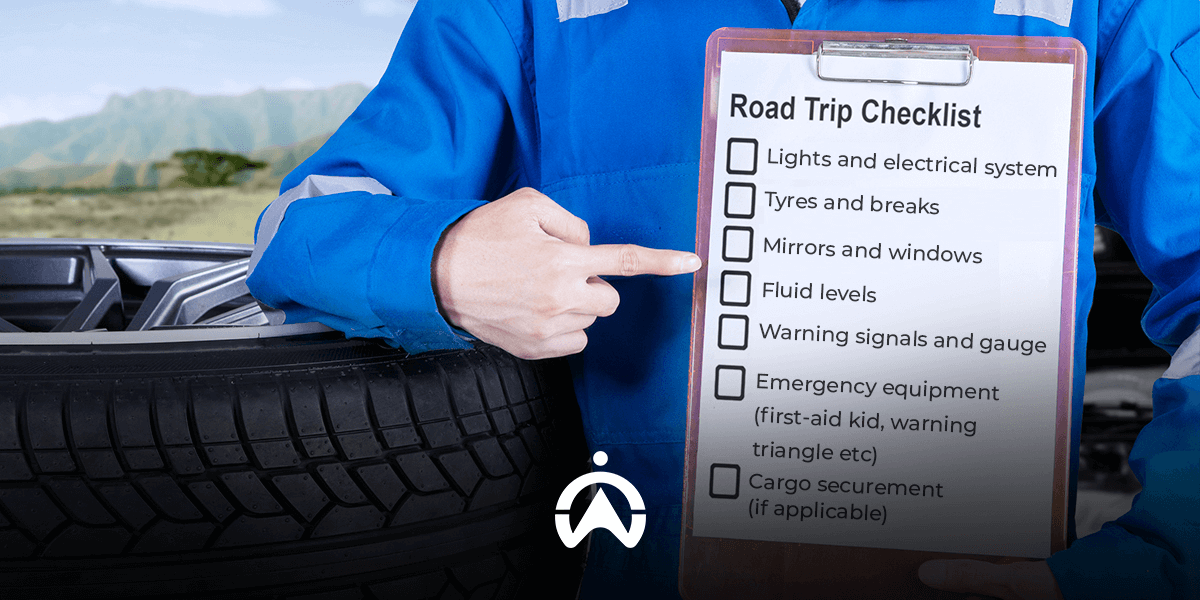
✓ Lights and electrical system:

Check that the headlights, tail lights, brake lights, indicators, hazard lights and clearance lights are working properly, and make sure the lenses are clean and undamaged.

✓ Tyres and brakes:

Inspect all tyres for proper inflation (see the manufacturer's recommendations) and visible damage (cuts, bulges and excessive wear). Make sure all the wheel nuts are secure. Carry out a gentle brake check to ensure proper operation (no pulling or pulsing).

✓ Mirrors and windows:

Adjust all mirrors (rear-view and side) for optimum visibility and make sure they are clean and free of obstructions. Inspect the windscreen for cracks, chips and anything obstructing the driver's view.

✓ Fluid levels:

Check the levels of engine oil, coolant, windscreen washer fluid and power steering fluid, topping them up if necessary.

✓ Warning signs and gauges:

Examine all the warning lights and gauges on the dashboard to check they are working properly. Note any unusual readings (oil pressure, temperature, battery).

✓ Emergency equipment:

Check that the vehicle has a fire extinguisher, first aid kit and warning triangles (reflectors) in good working order.

Cargo protection (if applicable):

✓ Cargo area:

Make sure the cargo area is clean and free of any remnants of previous loads. Check the proper operation and safety of the cargo door.

✓ Cargo security measures:

For vehicles carrying goods, check that all cargo is properly secured using appropriate restraints (tie-downs, straps, etc.) in line with the regulations of South Africa's National Road Traffic Act. Make sure the load is evenly distributed to prevent weight shifting in transit.

What is the purpose of a pre-inspection checklist?

Although the appeal of hitting the road and getting the job done quickly is understandable, neglecting pre-trip inspections can have significant consequences for your fleet. These inspections are the foundation of proactive safety measures and a strong maintenance strategy.

Which of the following is the most important reason to carry out a pre-trip inspection?

  1. To make sure your drivers are safe.
  2. To avoid costly stoppages and repairs.
  3. To maintain vehicle reliability and compliance.

The correct answer is… all of the above!

Besides having a pre-trip inspection checklist, there is more you can do to make sure every trip goes smoothly. To ensure safe driving to every destination, the following five proactive measures are essential:

  1. Regular vehicle maintenance:
    Scheduled maintenance is the backbone of preventive maintenance practices, as it helps detect possible problems early, avoid breakdowns, make sure your fleet's vehicles are always roadworthy and minimise the overall risk of unexpected breakdowns.
  2. Driver training:
    Providing safety training for drivers is crucial. This includes teaching defensive driving techniques, recognising hazards and responding effectively to emergencies.
  3. Driver monitoring and feedback:
    Installing driver monitoring systems lets fleet managers keep an eye on driver behaviour, identify risky driving habits and provide personalised feedback and coaching. By addressing unsafe driving habits early, managers can minimise the risk of accidents and increase safety overall.
  4. Technology integration:
    Advances in fleet management technology have revolutionised safety practices. Telematics systems, integrated cameras and GPS tracking devices provide real-time information on vehicle performance, driver behaviour and road conditions. By making use of these practical, high-tech tools, fleet managers can identify areas for improvement, proactively address risks to safety and monitor compliance with safety protocols.

Pre-trip inspections versus vehicle maintenance

Pre-trip inspections and vehicle maintenance are essential components of fleet management, each serving a different purpose in ensuring the safety and reliability of fleet vehicles.

  • Pre-trip inspections
    These are quick but thorough health checks carried out by drivers to detect any problems with their vehicles before starting a trip.

    Pre-trip inspections are the first step in promoting proactive vehicle safety. They empower drivers to take responsibility for the condition of their vehicles by following a checklist of essential items to make sure everything is in working order for a safe trip.

    In essence, preventive safety measures are the cornerstone of effective fleet management. By detecting and resolving problems before the vehicle is used, pre-trip inspections help prevent accidents, breakdowns and costly repairs on the road, and support the long-term longevity of the fleet by regularly checking the condition of its vehicles.

  • Vehicle maintenance

    This is a more comprehensive and formal process, carried out regularly as part of preventive maintenance practices.

    Maintenance involves scheduled appointments with certified mechanics or service centres to carry out a series of tasks aimed at ensuring the vehicle's ongoing health and performance. Mechanics inspect and fix problems, change fluids and replace worn parts to keep your vehicle running perfectly. It is a more thorough and formal process carried out regularly to improve effectiveness and avoid bigger problems in the future.

    Unlike pre-trip inspections, which focus on immediate issues of safety, vehicle maintenance addresses broader maintenance needs and helps extend the life of fleet vehicles.

Inspeções_pré_viagem_versus_manutenção_de_veículos

Quick check or deep clean? Here's what your fleet needs

Here is a basic breakdown of the differences between pre-trip inspections and vehicle servicing. So, which is more important

Essential questions Pre-trip inspection Vehicle maintenance
How often? Daily (before every trip) Scheduled (based on mileage or time)
Who does it? Drivers Trained mechanics
How long does it take? A short time (10-30 minutes) Longer, depending on the type of service (several hours or days)
How much does it cost? Minimal cost Costs vary depending on the type of service
Does it prevent problems? Yes. It detects problems early and helps prevent breakdowns Yes. It maintains your vehicle's health and prevents future problems

The answer? Both!

Pre-trip inspections are a vital first step in identifying potential issues that could later develop into problems requiring professional maintenance. While both pre-trip inspections and vehicle maintenance play crucial roles in fleet upkeep, they serve different needs and complement each other to ensure the overall safety and reliability of fleet vehicles.

How does fleet management software help with vehicle inspections?

Gone are the days of paper checklists and manual record keeping. Fleet management software offers a digital solution to streamline pre-trip inspections and increase safety for the vehicle overall.

Here's how the software can help:

  • Automated reminders: drivers receive automatic reminders on their mobile devices to carry out pre-trip inspections before every shift, promoting consistency and reducing the risk of skipped inspections.
  • Accurate reports: Inspection results can be recorded electronically, allowing accurate data to be collected and analysed. This data can be used to identify recurring problems and improve maintenance practices.
  • Accurate reports: Inspection results can be recorded electronically, allowing accurate data to be collected and analysed. This data can be used to identify recurring problems and improve maintenance practices.

Software for fleet management such as Cartrack makes pre-trip inspections more efficient by providing accurate data and real-time monitoring of vehicle condition and performance.

Take control of your fleet's safety

Don't let a skipped inspection put your drivers, vehicles and cargo at risk. Invest in proactive safety measures with Cartrack and make sure your fleet runs smoothly and efficiently.

Contact Cartrack today to learn more about our comprehensive fleet management solutions and how we can help you implement a robust pre-trip inspection programme.

Put an end to the dangers of hazardous waste with powerful waste management software

We always see delivery trucks and other vehicles moving through our cities, carrying everything from groceries to furniture. But what about the things we don't always see, things that could harm us?

Hazardous materials in transit can be extremely harmful to you, to me and to a business if they are not handled with care. That's where hazardous waste management comes in.

Read on to discover smarter ways to manage your waste and make sure it is always handled with safety.

In this article, you will:

    Learn about the impact hazardous waste has on society and the environment

    Understand the importance of proper waste classification for safe handling

    Get to know the various types of hazardous waste and their characteristics

    Discover how advanced fleet software can benefit waste management

    Find out how Cartrack's solutions can empower your waste management operations

Hazardous waste and its impact on society

We all know that waste is part of life, but when it comes to hazardous materials, things get a lot more serious.

Hazardous waste can be anything from used batteries and paint to medical waste and even certain household cleaning products. These materials seriously threaten our health and the environment if they are not handled properly.

So how can we make sure hazardous waste is transported with safety from its source to treatment facilities, without causing harm?

The answer: with good fleet management.

The fleet management use integrated technology and expertise to ensure that waste transport is efficient, safe and compliant with regulations.

Understanding waste classification for safe and responsible handling

Knowing what type of waste your business deals with isn't just a box-ticking exercise; it's crucial to ensuring the safety of everyone involved.

Accurate waste characterisation lets you implement the safety measures best suited to your drivers and employees, avoiding accidents and potential harm to your team.

Why is proper waste classification crucial?

  1. Ensuring safety: Different types of waste require specific handling protocols to protect your drivers, the staff at waste facilities and the environment. Incorrect identification can lead to exposure to harmful toxins, fires or even explosions.
  2. Optimising Efficiency: Knowing the type of waste lets you assign the right vehicles and equipment in your fleet. This ensures efficient transport and avoids the unnecessary costs associated with over- or under-equipped vehicles.
  3. Regulatory compliance: Failing to classify and handle hazardous waste properly can result in heavy fines, legal repercussions and reputational damage. Different regulations govern the transport and disposal of the various categories of waste, and compliance is essential.

Common types of hazardous waste

This covers any waste that poses a potential threat to human health or the environment because of its physical, chemical or biological properties.

  1. Ignitability: This waste can easily catch fire or cause fires when exposed to heat, sparks or flames.

    – Flammable liquids: petrol, paint thinner, solvents
    – Flammable solids: lithium batteries, fireworks, magnesium
    – Flammable gases: propane, butane, natural gas

  2. Reactive: This waste can undergo violent or dangerous reactions, such as exploding when mixed with other waste or exposed to air or water.

    – Explosives: ammunition, fireworks, blasting agents
    – Organic peroxides: used in curing plastics and resins
    – Unstable chemicals: nitroglycerine, picric acid

  3. Corrosivity: These are prone to rusting or decomposing and can corrode or damage living tissue and materials such as plastic and metal.

    – Acids: sulphuric acid, hydrochloric acid, muriatic acid
    – Bases: sodium hydroxide, potassium hydroxide, caustic soda
    – Oxidising agents: bleach, hydrogen peroxide, peroxides

  4. Toxicity: These materials can be poisonous when inhaled and cause serious health problems, such as cancer or organ damage, in people exposed to them.

    – Heavy metals: lead, mercury, arsenic, chromium
    – Pesticides: herbicides, insecticides, fungicides
    – PCBs (polychlorinated biphenyls): used in coolants and lubricants

While these are the recognised types, there is other waste that doesn't fit into just one category or whose effects differ from those listed for that category.

Tipos_comuns_de_resíduos_perigosos

The real risks of poor waste management

Hazardous waste isn't just a buzzword; it's a real concern with potentially devastating consequences.

Even small oversights in handling and transporting waste can turn into significant problems. If a truck carrying hazardous waste hits a pothole and spills its contents, everyone around it is at serious risk. Yikes!

Improper handling can create a domino effect, leading to these negative outcomes:

  • Risks to worker/human safety: Improper handling of hazardous waste, such as chemicals or biohazardous materials, can expose the public to toxins or pathogens that may cause a negative or even deadly reaction, from breathing problems and skin irritation to more serious illnesses such as cancer.
  • Environmental damage: During transport, if hazardous waste containers are not properly secured or leak because of improper handling, they can contaminate the environment. Spills and leaks can contaminate soil and water resources, harming ecosystems and wildlife.
  • Financial penalties: Poor waste management can lead to unexpected costs, such as spill clean-up efforts and additional training for non-compliance issues.
    Failure to comply with hazardous waste regulations, such as proper waste classification and disposal procedures, can result in heavy fines, legal repercussions and even licence suspension.
  • Operational inefficiencies: Where waste has been classified incorrectly, drivers may be forced to reroute to appropriate disposal facilities, leading to delays, affecting efficiency and increasing fuel costs.

What is the best way to mitigate hazardous waste risks?

For a fleet manager, proper handling, using suitable vehicles and making sure safety measures are followed when disposing of and transporting harmful materials is a high priority. Trying to prevent the negative outcomes listed above can be a stressful task to take on alone; fortunately, there are ways to prevent these scenarios – through efficient waste management.

Picture your home. Every day, you create rubbish such as food scraps, used tissues and empty packaging. To keep your home clean and healthy, you need to manage this waste properly. Proper waste management is similar, but on a much larger scale, applied to businesses, communities and even entire countries.

It covers a range of activities aimed at reducing the environmental and health impacts of waste.

Waste collection: Collecting waste from homes, businesses and public areas using bins, skips or specialised collection vehicles.

Transport: Transporting collected waste to processing facilities or disposal sites using waste management fleets, such as trucks or vans.

Processing: Processing waste through methods such as sorting, shredding, composting or recycling to recover valuable materials and reduce the volume of waste sent to landfill.

Recycling: Separating and reprocessing waste such as paper, plastic, glass and metal to make new products, conserving natural resources and reducing energy consumption.

Disposal: Safe disposal of non-recyclable or hazardous waste in landfills, incinerators or other appropriate facilities to minimise environmental and health risks. To make this process flow more efficiently, businesses need software to keep track of the transport and handling of their waste.

5 ways fleet management software helps the waste and recycling industries

Just like using apps that manage your finances or fitness, businesses can use fleet management software to help with waste management. This software helps companies in the waste management sector run their operations more efficiently and effectively.

Our fleet management specifically serves as a valuable tool in the transport of hazardous waste, addressing several important challenges:

  1. Improved tracking and real-time visibility:
    Real-time GPS tracking lets fleet managers accurately locate and monitor the movement of vehicles carrying hazardous materials. This allows them to ensure drivers stick to designated routes, minimising the risk of getting lost or straying from safe paths.

    In addition, this real-time visibility makes it easier for managers to respond quickly in emergencies, allowing the authorities to locate vehicles involved in accidents or unforeseen situations and to contain and handle the waste quickly.

    If a tanker carrying hazardous waste meets unexpected traffic congestion on its designated route, the fleet manager or dispatcher can immediately redirect the vehicle to a less congested path, ensuring timely delivery and minimising the risk of accidents caused by traffic delays.

  2. Proactive safety measures through sensor integration:
    Hazardous materials are prone to spills and leaks during transport, which can cause significant environmental damage. Specialised sensors can monitor vital parameters such as temperature, pressure and door opening. Any sudden change from the pre-set values can trigger immediate alerts, prompting swift intervention to prevent accidents and environmental contamination.

    Once alerted, managers can instruct drivers to pull over and start safety measures and containment procedures, preventing the hazardous material from escaping and affecting the public.

  3. Empowering drivers with training and awareness:
    Well-trained, well-informed drivers play a crucial role in ensuring the safe transport of hazardous materials. Systems for fleet management can give managers training modules and resources to properly educate their drivers about the specific risks associated with hazardous waste, safe driving practices and emergency response procedures.

    After training, managers can issue a checklist of safety measures or carry out a thorough inspection as part of their pre-trip routine, so that drivers follow their training when loading or transporting waste and the knowledge they have gained is put into practice regularly.

    Taking steps such as paying special attention to securing hazardous waste containers safely and making sure the proper labelling and documentation are readily available. This ongoing awareness fosters a culture of safety and compliance among drivers.

  4. Simplifying regulatory compliance:
    The regulations governing the transport of hazardous waste are complex and constantly evolving. Non-compliance can result in significant fines and legal repercussions. Systems for fleet management offer valuable tools and resources to help businesses comply with the relevant regulations.

    The system automatically generates comprehensive reports on driver hours of service, vehicle inspections and waste handled, ensuring that all the necessary documentation is meticulously kept and readily accessible for audits.

  5. Optimising costs and increasing efficiency:
    Although essential for environmental protection, transporting hazardous waste can be a costly undertaking. Fleet management systems offer features that can optimise routes, minimise fuel consumption and reduce wear and tear on vehicles, leading to substantial cost savings in the long term.

    This is done by analysing historical data, such as previous routes, and real-time traffic patterns to present the most efficient route for a truck carrying hazardous waste. This not only reduces fuel consumption but also minimises the chance of accidents caused by time pressure when navigating congested roads.

    Keeping everyone safe is a team effort. While fleet management is a powerful tool, managers still need to ensure that their drivers and the employees in contact with the waste are well trained in proper waste management and follow the guidelines on safety.

    Together, they can ensure that hazardous waste journeys are safe and responsible.

5_maneiras_pelas_quais_o_software_de_gerenciamento_de_frota_auxilia_as_indústrias_de_resíduos_e_reciclagem

Benefits to reap from using fleet management software for hazardous waste management

While traditional fleet management software offers many advantages, specific features and benefits directly address the unique needs of hazardous waste management:

  1. Accurate waste classification for safe management:
    Fleet management software meticulously tracks every aspect of hazardous waste, such as its origin, type, quantity and disposal destination, ensuring complete management right through to disposal.
  2. Ensures proper regulatory compliance:
    By integrating data on regulatory requirements and industry standards, the software acts as a compliance ally, ensuring strict adherence to all the regulations governing the handling and disposal of hazardous waste. This feature is important for avoiding legal complications and penalties.
  3. Streamlines the waste removal process:
    The software optimises waste collection routes and schedules to maximise efficiency and minimise environmental impact. With the software's features, businesses can plan and carry out the most efficient routes for hazardous waste collection. This ensures timely and safe removal, in line with regulatory deadlines and standards of safety.
  4. Fast and accurate data entry:
    The software makes data entry fast and accurate for every aspect of hazardous waste. Using features such as barcode scanning and electronic forms minimises errors and speeds up the process of recording information, saving businesses valuable time and resources.

Rely on Cartrack's software for seamless and sustainable waste management in your fleet

Building on the benefits listed above, Cartrack offers specific fleet management solutions that can be tailored to meet specific needs and further empower your waste management operations.

  • Monitoring driver behaviour

    Identify and address risky driving behaviour, such as harsh braking or speeding, promoting safe waste transport practices.

  • Route optimisation
    Optimise routes based on factors such as traffic, type of waste and collection points, minimising travel time, fuel consumption and emissions.
  • Geofencing and alerts
    Set virtual boundaries around specific areas and receive alerts if your fleet vehicles enter or leave unauthorised zones, ensuring waste collection is carried out properly.
  • Driver identification tags
    Stay informed about every driver operating your asset and actively prevent unauthorised use of equipment and vehicles. This ensures that the right driver, with the proper training, is assigned to waste collection and disposal, improving safety and compliance in the transport of hazardous materials.
  • Vehicle maintenance
    With preventive maintenance alerts, managers can monitor vehicle condition and promptly resolve any mechanical problems that could cause breakdowns or waste leaks. This proactive approach ensures safe and effective waste management operations.
  • AI camera solution
    Detect and prevent distracted driving events, such as phone use or tired driving, which can cause accidents. With audible in-cab alerts, drivers are notified and empowered to correct their driving behaviour so that they drive with safety, ensuring a lower risk of possible accidents or waste spills.

How Cartrack helped Compass Medical Waste successfully manage its high-risk waste

Compass Medical Waste Services provides a professional healthcare risk waste management service, specialising in the containment, collection, treatment and disposal of healthcare risk waste in an environmentally responsible manner.

Healthcare waste management is a highly regulated industry and, as a result, it is crucial to have the best traceability system in place. Compass Medical Waste chose Cartrack as a trusted partner to help track its waste, ensuring 100% compliance for every kilometre travelled.

“We chose to partner with Cartrack because of the highly regulated industry we operate in. In the healthcare risk environment, your waste needs to be tracked from cradle to grave. One of the main challenges in a distribution or logistics environment is the fact that driver behaviour needs to be monitored and managed. With Cartrack, drivers can be monitored.

As you know, distribution is one of the main cost drivers in any operation and we wanted to have more control over it. With Cartrack, we have found that we have put the necessary controls and risk management in place.”

Jan van den Berg, Sales Director, Compass Medical Waste Services

Navigate hazardous waste management with confidence with Cartrack

Choose a company that always puts safety and efficiency first, especially when it comes to hazardous waste management. Elevate your waste operations with Cartrack's industry-leading fleet management solutions.

Contact Cartrack and start protecting your employees today.

The real causes of traffic congestion and how to help your fleet avoid them

Mozambique currently has cities with extremely heavy congestion, with more than 40 extra minutes spent in traffic per trip.

As a fleet manager, helping your drivers avoid congested areas is crucial to keeping your fleet operations productive, your services efficient and your fuel and maintenance costs low.

Fortunately, you don't have to go far to find the answers – we have them all below.

In this article, you will:

  • Learn more about the causes of traffic congestion
  • Understand why your fleet should avoid traffic jams
  • Discover how Cartrack has helped businesses overcome efficiency problems
  • Identify Cartrack's tailored fleet management solutions for optimised routes
  • Get answers to the most frequently asked questions about traffic congestion

The causes of traffic congestion

There are a few reasons why we face traffic congestion and, while some causes, such as the weather, are common all over the world, South Africa also has some unique causes that contribute to especially clogged and slow traffic.

Weather conditions

Depending on the geographical location, different weather conditions will affect traffic conditions.

Excessive rain, flooding and damage to infrastructure or road accidents caused by the weather all contribute to traffic congestion. So the weather is not always directly responsible for traffic jams; rather, it is the aftermath of weather events that blocks the roads, leading to congestion.

Construction

Beyond being just an irritation for road users, these projects can significantly affect the flow of traffic. Lane closures, detours and merging zones can create bottlenecks, causing delays and frustration. In addition, deliveries of construction materials during peak hours can make congestion even worse. The workers themselves, travelling to and from the sites, can contribute by increasing the overall volume of traffic.

Bad driving habits

Unauthorised use, aggressive driving, speeding and sudden lane changes can cause accidents and slow the flow of traffic. Likewise, distracted driving, such as texting while driving, can also lead to accidents, causing congestion and traffic jams on roads that would otherwise be free of them.

Inadequate public transport

Have you ever felt stuck in a sea of brake lights, wishing there were more ways to get around? Inadequate public transport plays a big part in this frustrating reality. When public transport doesn't have enough capacity and coverage, people simply don't have the option of using it, pushing them into private vehicles that clog the roads and make traffic congestion worse.

Potholes

These craters in the road aren't just a nuisance; they are legitimate disruptors of traffic flow. Studies show that potholes can slow traffic, affecting flow and overall efficiency. In the United Kingdom alone, 90% of drivers have come across them, adding to the frustrations of their daily commute.

Potholes can damage vehicles, forcing drivers to slow down or pull over. They are also common culprits of road congestion, as other cars have to drive around them. Potholes can also cause accidents and road closures, slowing traffic and causing frustration.

Load shedding

Load shedding is a nightmare unique to Mzansi, heavily affecting traffic congestion and other local problems, such as poor road conditions. What makes the situation worse is that load shedding is subject to stage changes at short notice, making it difficult to plan effective fleet routes, since nobody is sure which traffic lights will be working. Complex road networks are designed to work optimally with functioning traffic lights and, without them, traffic is an absolute disaster.

Infrastructure problems

No matter where your fleet operates, there are likely to be infrastructure problems, as this is a common issue in many cities and towns across the country. Infrastructure problems include a lack of new roads, bridges and highways, and even the roadworks caused by building new infrastructure.

Overall, there is an urgent need for re-engineering, repairs to broken traffic lights and road maintenance in most cities to ease congestion and divert heavy traffic. Fleet managers, however, can make smart route planning decisions with advanced fleet management software to avoid this mess altogether.

As_causas_do_congestionamento_do_trânsito

Why your fleet should avoid traffic jams

Although it seems obvious why nobody would want to be stuck in a traffic jam, fleet managers have specific reasons for wanting their drivers to avoid these jams at all costs.

  • Lost time
    If you run a fleet business, you know that time is money. The more time your drivers lose stuck in traffic, the more productivity problems you will face, which can lead to financial losses and leave you feeling out of control. What's more, if your fleet delivers perishable goods or the deliveries are urgent, traffic congestion puts great pressure on your drivers and your business to maintain customer satisfaction and avoid cargo spoilage and lost profits.
  • Non-compliance
    Although one or two drivers may save a minute or two on their trip by driving in the yellow line and cutting in front of the cars ahead, this behaviour makes traffic congestion worse for all road users and contributes to fleet non-compliance.
  • Wasted fuel
    Traffic congestion is one of the main causes of excessive idling. Although it may be more economical to switch off the ignition if the vehicle is stationary for more than ten seconds, congested traffic sometimes moves almost constantly over tiny distances, with other drivers ready to hoot if you don't keep moving forward. your car moves forward with the rest of the frustrated drivers whenever there is movement.

Let Cartrack help you beat traffic congestion in your fleet to increase profits and maximise efficiency

  • Route planning and optimisation
    Make sure your drivers don't end up in traffic jams, and save fuel by following designated, carefully planned routes with our route planning tool. Use Cartrack's route optimisation tool to create smart routes based on important factors such as traffic, increasing productivity and extending vehicle longevity.
  • Vehicle tracking
    Get full visibility of your fleet and track your drivers in real time with our advanced GPS vehicle tracking system. Knowing where your drivers are puts you in control of your fleet and lets you make proactive changes that can save time and money.
  • Delivery app
    Stay connected with your drivers wherever they are, with instant task assignments, updates and prioritisation, helping your fleet work smarter and faster in congested areas and helping you get the most out of every shift, every day.
  • Camera solutions
    Cartrack's LiveVision camera solution offers wide-angle in-cab and road-facing cameras with footage that can be live-streamed on the Fleet Pages platform, helping you keep track of your drivers and traffic conditions, maintain vehicle health and avoid unnecessary complications such as cargo overheating while your drivers are stuck in traffic.

How Cartrack's route optimisation tool helped Calgan Recliners improve efficiency

At Cartrack, we are focused on helping you increase productivity to boost profits. Here's how Calgan Recliners, a major furniture manufacturer in South Africa, benefited from our route optimisation software:

  • Calgan Recliners, based in Johannesburg, has been in the furniture industry for more than 25 years.
  • In 2023, Wayne Sholtz, a delivery specialist at Cartrack, ran trials with Cartrack Delivery to help Calgan Recliners potentially increase productivity and reduce fuel costs.
  • Analysing the route of one of its main delivery trucks, which made 15 deliveries over a 195 km route, Cartrack Delivery's route optimisation feature cut the distance to 165 km, saving around seven litres of fuel.
  • Using Cartrack Delivery could save Calgan Recliners around 13% in fuel costs for just one truck, with potentially greater savings across its whole fleet.

Cartrack Delivery's route optimisation feature helps businesses reduce delivery distances, leading to faster deliveries and greater cost efficiency, ultimately improving productivity and customer satisfaction.

Como_a_ferramenta_de_otimização_de_rotas_da_Cartrack_ajudou_Calgan_Recliners_a_melhorar_a_eficiência

Let Cartrack help your fleet ease its way through congested traffic

We know how important optimal productivity is for increasing profits and succeeding in fleet management. Contact us today to start getting your fleet out of traffic jams and reach the next level of efficiency.

Traffic congestion answers every fleet manager should know

  1. What are the causes of traffic congestion?
    Several factors, including insufficient road capacity, incidents such as collisions or breakdowns, roadworks, accidents and traffic overload on specific routes, can cause traffic congestion. Other factors include roadworks, weather conditions and infrastructure problems.
  2. How do you avoid traffic congestion?
    Whether you are an individual, a driver or a fleet manager, there is no way to stop traffic congestion. There are smart ways to make sure you don't get stuck or become part of the problem:

    – Travel outside peak hours when you can

    – Use GPS route planning technology

    – If you are commuting, try carpooling

    – If safe public transport is available, consider using it

  3. How can we avoid traffic jams?
    The best way to avoid traffic jams is to use the latest fleet management technology and GPS route planning and route optimisation. Whether you are a fleet driver or an individual using your car for private trips, this advanced technology helps you avoid congested areas for a faster, more efficient journey.

Don't wait until your fleet is stuck in traffic again. Contact Cartrack today and boost the productivity and profits of your fleet and your business.

Which different smart technologies are currently used in transport?

Is your transport business as tech-savvy as it could be?

In a world of technological advances for fleets, adapting is what sets you and your business apart.

Ready to stand out from the crowd? Read on to find out how smart technology is the solution and how Cartrack brings it straight to your fleet.

In this article, you will:

  • Understand smart technology with helpful examples
  • Find out what the benefits of smart technology are
  • Dig deeper into the role of smart technology in the transport industry
  • Explore how fleet management is the key to unlocking smart technology
  • Discover how Cartrack's solutions are exactly what you need for smart technology success

What is smart technology?

Put simply, smart technology, often known as “smart tech”, is a collection of innovative devices powered by computers. Think of it as giving everyday objects a brain and internet access. These gadgets, which have revolutionised many parts of our lives, are equipped with sensors, software and internet connectivity, making them smarter. These sensors can measure things like vehicle speeds, fuel levels and geographical locations.

Examples of smart technology

Smart technology is an umbrella term for the different technologies that can be used to improve the way your transport business runs. Here's how:

  1. Artificial intelligence
    Artificial intelligence (AI) refers to the ability of computers to mimic intelligent human behaviour, such as learning, problem solving and decision making. This transformative technology plays a crucial role in delivering smart transport functions, drawing on advanced technologies that improve safety for passengers, reduce traffic congestion and minimise accidents.

    Here's how AI is revolutionising transport:

    – Powering autonomous vehicles: AI enables autonomous vehicles to operate, using sensor data to navigate, identify obstacles and make important decisions in real time, such as which routes to take and how to navigate traffic. This ensures they operate with safety and without problems.

    – Simplifying traffic management: With its ability to analyse data from cameras and sensors, AI can optimise traffic management, providing alternative routes without detours, according to real-time conditions.

    – Logistics optimisation: Just as AI provides alternative routes to help avoid traffic, it does the same for delivery services, ensuring that deliveries are timely, efficient and cost-effective.

  2. Machine learning
    The Machine learning (ML) is a subfield of AI that allows computer systems to learn and improve without any explicit instructions, using algorithms trained on data sets. This makes it possible to create self-learning models that can predict outcomes, classify information and keep learning without human intervention.

    Here's how machine learning is revolutionising transport:

    – Predictive maintenance: ML algorithms can use data from vehicle sensors (such as engine performance, oil pressure, etc.) to predict possible problems before they become expensive and lead to costly, unplanned downtime.

    – Helps with route optimisation: ML can analyse traffic data, predict congestion hotspots and suggest alternative routes. This data is then fed into navigation apps, allowing drivers to avoid congested roads and complete deliveries on time.

  3. IoT
    The Internet of Things (IoT) is an extensive network of interconnected physical objects embedded with sensors, software, processors and network connectivity. These sensors gather a wide range of data about the object's environment and status, including its movements and location in real time. A centralised system then analyses this data and, through this analysis, the raw data can be turned into actionable insights that enable informed decision making.

    Here's how IoT is revolutionising transport:

    – Fleet tracking: IoT sensors work to monitor vehicle location, fuel consumption and speed in real time, giving fleet managers unparalleled visibility to optimise routes, reduce fuel costs and ensure safety of your drivers.

    – Preventive maintenance: IoT sensors constantly monitor the condition of vehicles and their various components, which helps fleet managers identify potential wear on vehicle components before they fail. This prevents breakdowns and unplanned downtime and extends vehicle longevity.

    – Supply chain optimisation: IoT devices can track the location and temperature of cargo, which helps ensure its integrity and reduce the chances of spoilage, with a significant impact on supply chain efficiency and customer service.

  4. AR versus VR
    AR and VR refer to two distinct but related technologies. Augmented reality (AR) blends the real and the digital, letting you see the real world with digital information and images layered on top. In contrast, virtual reality (VR) is a computer-generated simulation of a 3D environment that users can interact with virtually. By combining sensor technology and advanced software, these solutions can create interactive experiences.

    AR software analyses the data recorded by the sensors. VR, on the other hand, creates a completely immersive simulated digital environment that replaces the user's real-world surroundings. Both AR and VR are excellent examples of smart technology because they combine sensor technology, advanced software and sophisticated displays to create intelligent, interactive experiences.

    Here's how AR and VR are revolutionising transport:

    – Driver training: AR can provide a safe, controlled environment to help train drivers and make sure they are able to make informed decisions behind the wheel.

    – Remote collaboration (AR and VR): AR and VR can allow remote experts to view and interact with on-site technicians' working environment in real time. This makes for effective troubleshooting, support and knowledge transfer.

    – Enhanced navigation: AR-powered systems can project directions and information directly into the driver's field of vision (for example, the windscreen or AR glasses). This allows safer, more intuitive navigation, without requiring the driver to look away from the road.

  5. ADAS
    Advanced Driver Assistance Systems (ADAS) are a set of technologies that use sensors, cameras, machine learning and artificial intelligence to increase safety and improve the driving experience. ADAS represents a significant leap forward in the transport industry.

    Here's how ADAS is revolutionising transport:

    – Greater safety: A core function of ADAS is to mitigate human error, the main cause of road accidents. By providing real-time situational awareness, ADAS significantly reduces collision risks.

    – Improved driving experience: ADAS takes the stress out of driving by automating routine tasks such as lane centring and blind spot monitoring, allowing drivers to concentrate on the road while feeling more confident and in control.

  6. Smart infrastructure
    Smart infrastructure is a network of smart technologies embedded in roads, bridges and traffic systems that use sensors and data analysis to revolutionise the way we travel. Although South Africa is still in the early stages of implementing smart infrastructure, the potential benefits for transport are undeniable.

    Here's how smart infrastructure is revolutionising transport:

    – Traffic flow optimisation: By smoothing the flow of traffic, smart infrastructure reduces stop-start traffic, which leads to lower fuel emissions and a drop in fuel consumption.

    – Data-driven decisions: By painting a clear picture of traffic patterns and infrastructure use, managers can make informed decisions about routes.

  7. Big data and analytics
    Big data refers to the large, complex data sets generated by various sources within the transport network. When analysed effectively, big data provides valuable information that is revolutionising the way we travel:

    Here's how big data and analytics are revolutionising transport:

    – Optimised operations: Big data helps managers analyse historical and real-time information, such as traffic patterns, weather conditions and delivery locations, to optimise delivery routes, which helps ensure on-time deliveries, saving time and money.

    – Predictive maintenance: Big data helps managers monitor and predict potential maintenance problems before they occur, helping to prevent breakdowns, reduce unplanned downtime and extend the life of the vehicle.

Exemplos_de_tecnologia_inteligente

What are the benefits of smart technology?

From safer roads and efficient operations to a more sustainable future, smart technology is revolutionising transport through a wide range of benefits. These include:

  1. Greater fleet and cargo safety:
    Smart technology contributes directly to safer roads and better transport overall. From the use of advanced sensors that prevent potential accidents to smart traffic management systems that ease congestion, these technologies work together to create a safer environment for everyone involved in transport.
  2. Greater efficiency:
    Smart technology makes the whole transport sector significantly more efficient. It helps vehicles find the fastest and most fuel-efficient routes, predicts maintenance needs to avoid downtime and allows shipping ports and logistics hubs to operate smoothly through connected systems.
  3. Greater sustainability:
    Smart transport solutions often go hand in hand with increased sustainability. Optimised routes and traffic flow lead to lower fuel consumption and emissions. Predictive maintenance helps extend the life of vehicles and equipment, reducing waste and excess emissions.
  4. Improved user experience:
    Smart technology offers a better, more personalised experience for everyone who uses the transport system. Real-time traffic updates and route suggestions help commuters avoid delays, while smart ticketing and payment systems make the journey smoother.
  5. Economic benefit:
    Smart technology doesn't just improve efficiency, safety and sustainability – it boosts the bottom line of transport businesses. Optimised routes, reduced fuel use, minimised wear and tear and simplified maintenance make operations more cost-effective.

Smart technology sounds like the epitome of technological advancement, but what does it mean for your transport business? Let's find out.

What role does smart technology play in the transport industry?

Let's explore these examples based on the transport sectors: public, private, logistics and freight:

  1. Smart public transport technology:
    Public transport offers shared mobility services for the general public, operating on fixed routes and timetables. Common types include buses, taxis and trains.

    Here's how smart technology is playing a role in this transport sector:

    – Real-time tracking and scheduling: buses and trains are now equipped with GPS tracking and, when paired with mobile apps, passengers can view accurate arrival times, delays and the vehicle's current location. This takes the guesswork out of waiting, which reduces stress for passengers.

    – Integrated Public Transport Networks (IPTNs): IPTNs use real-time data and GPS tracking to synchronise the various modes of public transport, allowing better route planning and punctual arrivals for passengers.

  2. Smart private transport technology:
    Private transport works with vehicles owned and operated by private individuals for personal use. Offering greater flexibility and control, here's how smart technology plays a role in this sector:

    – Vehicle telematics: Telematics equips vehicles with real-time tracking and route optimisation, improving the transport process for both the traveller and the service provider. It can also be useful for getting personalised insurance premium offers, which are generally based on driver behaviour.

    – Electric and hybrid vehicles: Mozambique is seeing an increase in the number of electric and hybrid cars and, with the growing number of charging stations in the main cities, the private transport industry is sure to become greener and more sustainable.

    – E-hailing platforms: e-hailing apps such as Uber and Bolt use smart algorithms to match drivers with passengers, calculate ideal routes and provide cost estimates.

  3. Logistics and freight solutions:
    This sector focuses on moving goods and commercial cargo, involving a complex network of vehicles, ships and warehouses.

    Here's how smart technology plays a role in the backbone of supply chains:

    – Automated warehouse systems: The logistics sector uses automated systems to ensure accurate stock management, automate parcel sorting and increase efficiency.

    – Fleet management systems: These systems are equipped with a wide range of technology that helps businesses gain unparalleled access to and information about their fleet, from fuel consumption for efficiency to route planning for timely deliveries.

The integration of smart technologies into the transport sector shows that the country is moving towards more efficient, sustainable and user-friendly systems. Although we are making significant progress in many areas, there are still areas that need to improve, and one way to drive these changes is by implementing a solution for fleet management.

What is fleet management?

Our fleet management is the optimisation of how a fleet runs, ranging from tracking vehicles and monitoring driver behaviour to planning efficient routes and scheduling vehicle maintenance. Its aim is to make sure a fleet runs smoothly, at a lower cost, and keeps customers satisfied.

What are the benefits of fleet management for the transport sector?

Our fleet management is crucial to the success of the transport industry. Let's explore some of its benefits:

  1. Cost reduction:
    Fleet management systems help you optimise fuel consumption by monitoring inefficient driving habits, enabling route planning for maximum efficiency and avoiding costly breakdowns with preventive maintenance. Businesses can potentially secure lower insurance premiums by providing detailed information on responsible driving practices and fleet operations.
  2. Greater efficiency:
    By providing real-time visibility of vehicle locations and enabling route optimisation, fleet management systems let you reduce wasted time and maximise the use of resources. Knowing where vehicles are and the routes they take allows quick adjustments. In addition, fleet management tools make sure all vehicles are used effectively, preventing some from standing idle while others are overloaded. Streamlined communication between drivers and dispatchers eliminates unnecessary delays and miscommunication, improving overall efficiency.
  3. Improved safety:
    Proactive monitoring of vehicle health and driver behaviour allows potential problems such as premature wear to be detected and resolved early, avoiding breakdowns or faults that can lead to accidents. Fleet management tools with real-time tracking features, vehicle diagnostics technology and actionable insights help you respond quickly to emergencies, accidents and other vehicle problems.
  4. Better customer service:
    Fleet management systems directly improve the customer experience. Accurate ETAs (estimated times of arrival), made possible by real-time tracking, allow customers to plan accordingly. Fleet managers can also proactively keep customers informed about any potential delays. Electronic proof of delivery offers a transparent and accountable record of the delivery process, further increasing customer confidence.

These benefits sound amazing, right? If you are wondering how you can start taking advantage of them, we have the answer. It's Cartrack.

O_que_é_gestão_de_frota

Give your fleet the boost it needs with Cartrack's solutions:

Cartrack is here to help make your fleet more cutting-edge, sustainable and future-ready with a wide range of solutions, including:

  1. GPS tracking: Keep track of all your vehicles with Cartrack's GPS tracking technology. Our IoT tracking device is equipped with GPS and GSM technology, providing real-time tracking and monitoring of all your vehicles. This real-time tracking can help you give your customers accurate ETAs for a vehicle's arrival, which has a positive impact on customer satisfaction and your company's reputation.
  2. Preventive maintenance: Avoid unplanned stops and costly, unexpected repairs with Cartrack's preventive maintenance. Our software immediately detects problems such as low oil or water levels and notifies you when they are detected, ensuring you can fix them before they become expensive. This is crucial in an industry where brief, unplanned downtime translates into huge financial losses. Unlock customised maintenance and increase fleet longevity based on your fleet's needs, and avoid prolonged downtime.
  3. Fuel monitoring: Track every litre of fuel used with our fuel monitoring system. The transport industry needs you to be on the road constantly, making fuel costs and consumption a crucial aspect of success. Our system equips you with fuel sensors installed inside your fuel tanks, helping you monitor fuel levels in real time. This information helps you identify and explain sudden spikes in fuel consumption, helping you optimise your fleet's fuel efficiency.
  4. ADAS: Unlock a new level of safety for your drivers with Cartrack's Advanced Driver Assistance System (ADAS). Increase your drivers' awareness of their surroundings by alerting them to potential hazards on the road in real time, helping them avoid these hazards and prevent accidents in an industry where the safety of the driver, passengers and the public is crucial.
  5. AI LiveVision: Make sure your drivers don't get distracted behind the wheel with Cartrack's AI LiveVision camera solutions. Give your drivers access to real-time audible alerts the moment distracted or dangerous driving behaviour is detected, including mobile phone use, smoking and excessive yawning, helping them quickly correct their behaviour to avoid an accident. In a country where distracted driving is one of the main causes of accidents, you want to make sure your drivers don't jeopardise the safety of passengers with their behaviour.

Transform your transport business: achieve smarter efficiency with our advanced fleet management technology

Smart technology is taking over the South African transport industry; don't let your fleet fall behind with these advances.

Contact us today and unlock a new level of success and efficiency for your transport business

Fleet management software costs: what you need to know and how to find the best value

Whether you're handling deliveries, transporting customers, running a field service operation or managing a fleet of trucks, you want to do it well and fast – fleet management software is crucial to operational success.

But with a range of fleet management solutions available, understanding the costs involved and choosing the right solution for your business can be a challenge.

Let's break down these costs, pick up some tips and find the perfect solution.

In this article, you will:

  • Understand the different factors that affect fleet management software costs
  • Learn how to assess your fleet's needs to find the perfect solution
  • Discover features you can look for beyond price
  • Explore the benefits of using a fleet management system
  • See why Cartrack could be the best option for your business
  •  Discover frequently asked questions about fleet management software

What is fleet management software?

The software for fleet management (FMS) is a digital solution created to help businesses oversee and control their fleet of commercial vehicles. This tool simplifies organisation and improves the efficient operation of business vehicles.

It works as a central hub, consolidating information from various sources and presenting it in a user-friendly format. This allows fleet managers to gain valuable insights, streamline operations and optimise performance across their entire fleet.

A_tecnologia_por_trás_do_software_de_gestão_de_frotas

The technology behind fleet management software

Fleet management software generally doesn't need special equipment, as it is mainly online and can be accessed from computers or phones. But it often teams up with useful gadgets to collect and send data, such as:

  1. Hardware:
    – GPS trackers: installed in vehicles, these devices can track location, mileage and engine data in real time.

    – Telematics units: These units combine GPS technology with other sensors to collect additional data such as fuel consumption, engine diagnostics and driver behaviour.

    –On-board diagnostics (OBD-II) devices: plug these into vehicles to monitor engine health, fuel consumption and fault codes.

    – Mobile apps: drivers can use apps on smartphones or tablets to receive dispatch information, update logbooks and communicate with dispatchers.

    – Dashcams and in-vehicle cameras: They capture visual evidence of driving behaviour and of situations around the vehicle.

  2. Software platforms:
    This is the brain of the operation! The software collects data from the hardware and combines it with additional information, such as driver schedules, maintenance records and fuel costs. It then processes and analyses the data, providing users with:

    – Real-time dashboards: display vehicle locations, fuel levels, driver activity and other critical information.

    – Detailed reports: Offering insights into fuel efficiency, driver behaviour, maintenance needs and overall fleet performance.

    – Alerts and notifications: Highlighting potential problems, such as speeding, unauthorised stops or maintenance requirements.

  3. User interface:
    The user interface is how you interact with the software platform. It can be accessed through a web browser or mobile app, allowing users to:

    Monitor their fleet in real time.

    – Manage maintenance schedules and dispatch drivers efficiently.

    – Analyse reports and identify areas for improvement.

    – Communicate with drivers and assign tasks.

Fleet management software: a detailed look

Fleet management software helps managers juggle all their responsibilities effectively.

It collects fleet data through GPS devices, telematics systems and sensors, then processes the data to give fleet managers valuable insights and practical tips.

Once the GPS trackers are installed, the following process begins:

  1. Data collection: The software collects real-time information from each vehicle – where they are, how fast they are going, how much fuel they are using and even engine diagnostics and driver behaviour.
  2. Data processing: The software processes the collected data to find patterns and detect anything unusual. Advanced algorithms can be used to analyse the data and generate actionable insights.
  3. Monitoring and tracking: Fleet managers can monitor and locate their vehicles in real time, ensuring they are on the right route and keeping to schedule. This makes it possible to track vehicles, optimise routes and ensure schedules are met.
  4. Maintenance management: Vehicles need a pit stop from time to time. Fleet management software helps schedule and manage maintenance tasks such as oil changes, tyre rotations and inspections. Maintenance alerts and reminders are generated based on vehicle usage and predefined schedules.
  5. Driver management: this software provides tools for managing drivers, including driver performance monitoring, driving behaviour monitoring and driver task management
  6. Reports and analytics: This application compiles all the data into easy-to-read reports. Want to know your fleet's fuel efficiency or maintenance costs? Just pull up the dashboard and there you have it: it's all there.

Understanding fleet management software costs

When it comes to the price of fleet management software, it all comes down to your business needs. Just as you wouldn't walk into a showroom at random and buy a car on a whim, choosing the right FM software requires consideration of your operations and a clear financial understanding.

Here are five key points, or rather questions, to ask before making a purchase:

  1. How many vehicles do I have?
    FMS costs typically increase with the size of your fleet. The more vehicles you have, the higher the overall cost.
  2. What types of vehicles are in my fleet?
    Managing fleets of heavy trucks or specialised vehicles may involve sensors and features that influence costs.
  3. Which features matter to me?
    Advanced features such as GPS tracking, route optimisation, driver behaviour monitoring and maintenance scheduling can increase the cost of FMS.
  4. What contract length suits my operations?
    Longer contracts may offer discounts or lower monthly fees, but it is essential to consider the long-term implications and flexibility.
  5. Do I need additional hardware?
    Sometimes you may need additional equipment, such as GPS trackers, to install on your scooters. Think of them as the phone case you buy to protect your phone. They come at a one-off cost.

The best way to understand the exact cost is to contact different providers for a quote, but remember: smaller fleets typically pay less than larger ones.

Compreender_os_custos_do_software_de_gestão_de_frotas

Additional factors to consider

Once you have worked out exactly what your fleet needs, which add-on features would suit your fleet best and what the upfront cost will be, take a step back to understand the full range of costs of your chosen solution.

  1. Upfront costs versus ongoing expenses:
    Assess the upfront implementation costs, which are installation, training and so on, and the ongoing subscription fees based on your fleet size and add-on features to determine the management software's total cost of ownership.
  2. Return on investment (ROI):
    Rather than just spending money, think of your software as an investment. Consider the potential return in terms of cost savings and improved operations. Can the software help you save fuel, cut maintenance costs or improve driver productivity?

    These savings can offset the initial investment and generate a positive ROI.

  3. Scalability:
    Choose a solution that can keep pace with your business's growth, avoiding the need for costly upgrades or migrations in the future.
  4. Hidden costs:
    Watch out for hidden costs, such as additional fees for customisation, integration or support services.

By understanding these cost considerations, you can make an informed decision and select fleet management software that fits not only your budget but also your fleet.

Do needs come at a price? Assess your fleet to find the best value

Don't just buy the first FMS that comes up when you search; buy the one that fits your business like a glove, grows with you and is easy to use.

Consider factors such as:

  • Industry: Different industries have unique needs. For example, delivery companies may prioritise features such as route optimisation and driver behaviour monitoring, while construction companies may focus on fuel management and maintenance scheduling.
  • Fleet size and composition: The number and types of vehicles in your fleet will influence the functionality you need and affect the overall cost.
  • Desired features and functionality: Identify the specific features that matter most to your operations and focus on solutions that offer that functionality at the most reasonable cost.

Let's put this to the test: selecting the best option requires a deep understanding of your industry and your business needs.

This section looks at the key considerations for assessing a fleet's needs before making this critical decision, focusing on the three main sectors:

Delivery:

  • Priority: on-time delivery
    – Real-time GPS tracking: With GPS vehicle tracking, FMS provides real-time visibility of delivery vehicles, ensuring on-time arrivals and managing customer expectations.

    – Route optimisation: FMS helps optimise delivery routes, reducing mileage, fuel consumption and delivery times while improving overall efficiency. Together with route planning, fleet managers would be able to take traffic conditions, parcel sizes and delivery windows into account.

    – Vehicle maintenance: FMS automates maintenance scheduling, tracks vehicle diagnostics and sends alerts for timely maintenance, minimising downtime and extending vehicle life.

    – Driver safety: driver behaviour management features are available to monitor driver behaviour such as speeding, harsh braking and idling, promoting safety and potentially reducing insurance premiums.

Field service:

  • Priority: Maximising technician productivity
    – Efficient scheduling and dispatch tools: To assign tasks to the nearest available technician based on skills and location. The Cartrack Delivery tool can be a great asset for field services.

    –Real-time communication features: fleet management software offers communication features such as messaging and job updates, ensuring seamless communication between field technicians, dispatchers and customers.

    – Asset tracking: FMS enables real-time tracking of field service vehicles and equipment, improving visibility, security and asset utilisation.

    – Compliance management: fleet management software helps field service companies ensure compliance with regulatory requirements, safety standards and industry best practices through automated reporting and monitoring features.

Transport and Logistics:

  • Priority: Cost optimisation
    – Route optimisation: With this, fleet management software can reduce mileage, fuel use and delivery times simply by refining delivery route planning. It analyses factors such as traffic and parcel size to make routes more efficient, saving money in the process.

    – Fuel management: FMS helps manage fuel consumption, optimise routes to reduce mileage and fuel costs, and monitor driver behaviour to promote fuel-efficient driving practices. Cartrack Mifleet, a dedicated cost management system, is an excellent tool for this. It can be used to track fuel use and how much is being spent on fuel at the same time.

    –Vehicle location units: By knowing the exact location of each vehicle, fleet managers can optimise dispatch, monitor driver behaviour and ensure vehicles keep to their planned routes. This increases efficiency, reduces idle time and ultimately leads to cost savings.

Beyond price: Get the best fleet management solution

Although cost matters, it shouldn't be the deciding factor when choosing an FMS solution. The right solution will meet your specific needs, provide beneficial features and ultimately deliver the best value for your investment.

Here is another factor to consider when looking for a solution that aligns with your business's specific needs: does it provide the features your business needs to operate?

Sought-after features

  • GPS tracking and geofencing: basic features that provide real-time location tracking, route history and alerts when vehicles enter or leave designated zones. These are critical for route optimisation, safety and vehicle monitoring.
  • Route optimisation: advanced software suggests ideal routes based on real-time factors such as traffic, weather and construction delays. This helps reduce fuel costs, improve delivery times and maximise fleet efficiency.
  • Fuel management: Detailed monitoring of fuel consumption, identification of inefficient driving practices (speeding, idling) and detection of potential fuel theft. It has a direct impact on operating costs.
  • Driver behaviour analysis: monitors driving habits such as harsh acceleration, braking and speeding. Helps improve safety, reduce accidents and potentially lower insurance premiums.
  • Maintenance scheduling and alerts: proactive vehicle maintenance management, including automated reminders for oil changes, inspections and much more. It reduces downtime, avoids costly repairs and extends vehicles' life cycle.

Choose Cartrack's best-value fleet management solutions

It's time to make navigating the world of fleet management software easier with Cartrack's endless options, promising efficiency and cost savings. We offer industry-leading fleet management solutions and a robust set of features to tackle your fleet's most pressing challenges, such as:

  • Real-time GPS tracking and route optimisation
  • Fuel management and driver behaviour monitoring
  • User-friendly platform for easy adoption
  • Scalability to adapt to your growing business
  • Unwavering support from our dedicated team

What sets Cartrack apart?

Besides offering one of the most affordable solutions for fleet management, we believe in value beyond cost, offering a comprehensive set of features that can be tailored specially to your business.

  • Global presence: Cartrack has more than 1.9 million user subscribers in 23 countries, with a further 110,000 businesses that trust our solutions.
  • Quality customer service, always available: Our dedicated team offers customer support 24 hours a day, 7 days a week, ensuring you have the assistance you need whenever you need it.
  • Constantly evolving technology solutions: our products are at the forefront of technological development, allowing you to run your fleet operations with advanced AI and smart, growth-focused products.

See how Cartrack offers more than just fleet tracking

Cartrack's innovative solutions empower businesses to optimise operations, increase safety and ultimately maximise the value of their fleet management investment.

See first-hand how Cartrack stands out in the world of software for fleet management.

Ready to unlock fleet cost-saving benefits with Cartrack?

Your search for reliable fleet management to help you manage all your fleet-related costs is over. Our commitment goes beyond simply offering software. We are committed to becoming your trusted partner in optimising your fleet with our solutions.

‍Contact Cartrack today.

Thinking about Fleet Leasing? See the advantages of fleet technology

Thinking about Fleet Leasing? See the advantages of fleet technology

Did you know that not every fleet owns the vehicles it uses?

Although it may seem unlikely, it's actually a case of fleet leasing. Think of it as renting a car, but on a larger scale and for longer.

Intrigued? Read on to learn more about fleet leasing, how it works and whether you should consider leasing your fleet vehicles.

In this article, you will:

  • Learn what fleet leasing is
  • Discover what makes the two types of fleet leasing so different
  • Dig into the benefits of fleet leasing
  • Explore how fleet management is the secret to optimised fleet leasing
  • Discover how the solutions from Cartrack Mozambique are the key to simplifying fleet leasing

What is fleet leasing?

Fleet leasing refers to an agreement between a business and a fleet owner, where the fleet gains access to the fleet vehicles in exchange for a monthly fee without taking ownership of them. This may sound similar to passenger vehicle rental but, unlike typically brief rental periods, fleet leasing lasts around 2 to 5 years.

Depending on your business's needs, fleet leasing can involve a variety of vehicles, including trucks and vans.

What are the different types of fleet leasing?

Fleet leasing can be open-end or closed-end. What do we mean? Let's explore them in more detail:

Open-end leasing:

Open-end leasing is when the fleet owner is responsible for the vehicle's residual risk, which means there is a chance you will owe more money than the car's actual value at the end of your lease. This happens when the vehicle depreciates faster than expected and, at the end of the lease term, the fleet manager needs to buy or return the vehicle. If the vehicle's value exceeds the residual value, the fleet manager can also sell it at a profit.

Think of open-end leasing as renting a car for a long period, but with a difference. Although you agree to make scheduled repayments, you and the company share responsibility for the vehicle's final value.

Three key features of open-end fleet leasing include:

  1. Lower monthly payments, but higher risk: With open-end fleet leasing, your monthly payments are lower. However, you face a higher risk because you are responsible for any difference between the vehicle's estimated residual value and its actual future market value.
  2. Unlimited mileage: Unlike closed-end leasing, you have access to unlimited mileage, making it the ideal choice for fleets with higher and more unpredictable mileage requirements.
  3. Maintenance and repairs: As the fleet manager, you are responsible for the maintenance and repairs of the leased fleet vehicles.

Now that we have a clearer understanding of open-end leasing, let's take a look at its advantages and disadvantages:

Advantages of open-end leasing:

  • Upfront costs are lower: Monthly payments are typically lower, allowing you to free up funds for other business needs.
  • Flexibility in terms of mileage: There are no fixed mileage limits, giving businesses the freedom to handle the unpredictable driving needs and patterns that can come with fleet operations.
  • The opportunity of ownership: Fleet managers can purchase these vehicles at the end of the lease period.

Disadvantages of open-end leasing:

  • Increased management burden: Managers must be more involved in basic fleet administration tasks, including vehicle maintenance and repair.
  • Unpredictable costs: The final cost of the leased vehicle's value depends on the market, which makes budgeting a challenge.

Closed-end leasing:

Closed-end leasing offers more predictability than open-end leasing. Unlike open-end leasing, where the fleet manager is responsible for the vehicle's residual risk, closed-end leasing requires the provider to take on this responsibility. So, at the end of the lease term, the vehicle can be returned with no worries about selling it or possible depreciation, thanks to a set residual value. In short, closed-end leasing involves predictable costs and use within the agreed terms.

3 key features of closed-end leasing:

  1. Fixed monthly payments: These are fixed for the entire lease term, so you don't need to worry about fluctuations in market values.
  2. Specific mileage limits: you need to stay within these limits and, if you exceed them, you must pay excess charges per kilometre
  3. You don't need to worry about the final value: The vehicle's final value is not your responsibility as long as it is returned in good working order.

Sounds pretty simple, right? Now let's look at the advantages and disadvantages of this fleet leasing option.

Advantages of closed-end leasing:

  • No maintenance worries: The lessor is usually responsible for the vehicle's maintenance and repair during the lease term, which saves your business time and money.
  • More chances to upgrade: Thanks to the shorter lease periods, you can keep your fleet up to date, always ensuring access to the latest vehicle technology.
  • Simplified budgeting: Thanks to the fixed monthly payments, you can estimate your fleet budget accurately and streamline your financial planning.

Disadvantages of closed-end leasing:

  • Higher monthly payments: Because of the fixed repayments and the fact that the lessor takes on more risk, monthly payments can be slightly higher compared with open-end leases.
  • Mileage restrictions: Mileage restrictions can be harmful to a fleet's budget, since exceeding them leads to costly charges.
  • No ownership opportunities: Unlike open-end leases, businesses don't have the option of buying the vehicles they used at the end of the lease period.

Desvantagens_do_arrendamento_fechado

Open-end vs closed-end fleet leasing

Let's look at some important differences between the two fleet leasing options:

Feature Open-end leasing Closed-end leasing
Mileage allowance Usually unlimited Usually limited
Monthly payments Usually low Usually high
Maintenance and repairs The lessee's responsibility The lessor's responsibility
Residual value Estimated from the final market value, and the lessee's responsibility The lessor's responsibility
Management burden Requires more involvement from the lessee in tracking mileage and managing maintenance The lessor's responsibility

The 4 main benefits of fleet leasing you need to know

Fleet leasing can benefit a fleet business in several ways. Let's explore some of them:

  1. Better vehicle maintenance: Depending on the type of fleet lease agreement you choose, your fleet lessor may include repair and maintenance services in the lease agreement, which reduces labour costs and frees up resources for other business needs, while ensuring the vehicles are running well.
  2. Greater flexibility: Fleet leasing allows businesses to easily adjust the size and composition of their fleet based on varying demands, such as peak seasons or changes in staff numbers. This flexibility equips fleets for their specific roles, increasing profits and saving money outside peak seasons.
  3. Reduced administrative responsibilities: Fleet leasing companies take care of many of the administrative tasks associated with managing a fleet of vehicles, such as vehicle registration and licensing. By outsourcing much of the vehicle monitoring, maintenance and compliance to the leasing company, fleet managers can reduce operational strain and free up resources that support the fleet's growth.
  4. Scalability: Scalability in fleet leasing is a fleet's ability to expand its capacity and capabilities efficiently, adding vehicles and improving operational processes to handle more tasks without compromising efficiency. By eliminating large upfront costs and management burdens, fleet leasing can help unlock the flexibility to scale a fleet up or down as needed.

The secret to optimised fleet leasing: it's fleet management

Fleet management is the process of keeping a fleet of vehicles running smoothly. It involves a range of tasks that increase the fleet's efficiency, reduce its running costs and promote its overall safety . Fleet managers oversee these goals and make management decisions, including vehicle acquisition, maintenance, fleet monitoring and fuel management.

How can a fleet management system help simplify the management of a leased fleet?

A state-of-the-art fleet management system plays a significant role in successfully managing a leased fleet. Let's see exactly how:

  1. Data-driven decision-making: fleet management makes it easy to access and interpret large volumes of data. Take John, for example, who runs a leased fleet of 15 vehicles. Keeping track of various fleet metrics, including the fuel consumption and mileage of all these vehicles, can be a challenge. What John needs is a fleet management system that can automatically collect and analyse all the data related to vehicle maintenance, fuel consumption and driver behaviour. By knowing exactly how your fleet is operating, you know which changes need to be made. This is important for a leased fleet, where every decision can affect its profitability and the amount you will have to pay at the end of the lease period.
  2. Live GPS tracking: Fleet management provides a comprehensive view of vehicle performance and management using GPS tracking software. By collecting and storing data on vehicle speed, trips, distance and location, fleet managers not only know a vehicle's location at all times, but can also see the exact route their vehicles took, how long each trip lasted and gain insights into driver behaviour. Look at it from the perspective of John, who no longer needs to call the drivers of each vehicle in the leased fleet to find out exactly where they are or which trips they are making. This helps managers keep track of vehicle mileage, which is crucial for closed-end leasing with a mileage limit.
  3. Proactive fleet maintenance: fleet management makes it easier for fleet managers to create maintenance strategies specific to their fleet's individual needs. Keeping your fleet well maintained ensures you won't have unplanned stops due to damaged vehicles, helping you save on unnecessary repair costs. This is crucial for a leased fleet, especially if you choose a leasing option where you are responsible for vehicle maintenance.
  4. Driver behaviour monitoring: Fleet management makes monitoring driver behaviour a simple task, which is crucial because of its impact on fleet safety and productivity. Dangerous driving behaviours, such as harsh braking and sharp cornering, increase mileage and fuel consumption and the risk of unplanned stops due to accidents, which is why driver behaviour monitoring helps ensure your leased fleet stays safe and effective.
  5. Simplified cost management: A fleet management system lets you track every cent your fleet consumes, helping you identify potential reasons for cost losses, whether due to increased fuel consumption or damaged vehicles. This is important for fleet leasing options where you are responsible for most of the fleet's costs.

Give your leased fleet more savings, efficiency and productivity with Cartrack

Cartrack Mozambique has a wide range of solutions to simplify the management of a leased fleet, helping you achieve convenience and unlock maximum efficiency. Let's explore these solutions:

  1. GPS tracking: Get full visibility of your leased fleet with GPS tracking technology from Cartrack Mozambique and pinpoint your vehicle's exact geographic location in real time. Our GPS tracking also gives you access to Cartrack's stolen vehicle recovery service. With a stolen vehicle recovery rate of over 90%, Cartrack Mozambique responds quickly to vehicle theft or hijacking, increasing your chances of recovering the vehicle.
  2. Route optimisation: Unlock the best routes for your leased fleet with Cartrack Mozambique's route optimisation. Available as part of our Delivery feature, this tool analyses traffic and weather conditions in real time to find ideal routes for your drivers. Improve fleet efficiency and fuel consumption by choosing effective routes based on real-time data, which helps reduce your leased fleet's overall costs.
  3. Fuel monitoring: Know exactly how much fuel your leased fleet vehicles consume with Cartrack's fuel monitoring system. With real-time information on fuel consumption, you can quickly detect the source of fuel drain and act against fuel theft and fraud. Our fuel fraud detection technology matches fuel receipts with your vehicle's location and fuel status, helping you reduce fuel cost drains and improve operational efficiency.
  4. Driver monitoring: Improve safety and fleet driver behaviour with Cartrack's driver monitoring system, equipped with a range of top-tier hardware and software solutions to help you monitor driver behaviour.

    – The Advanced Driver Assistance System (ADAS) from Cartrack is designed to alert your drivers to potential hazards on the road, helping them avoid obstacles and prevent accidents in real time.

    – AI LiveVision cameras give your drivers access to real-time audible alerts about dangerous and distracted driving behaviours, including smoking, speeding and yawning, which helps them quickly correct their behaviour and prevent accidents.

    – Driver scorecards provide detailed reports on each of the harsh driving behaviours mentioned above, allowing you to see when an incident occurred and who was driving, and use these insights to empower drivers and coach safer driving practices.

  5. Cost management: Never miss payment and registration deadlines again with MiFleet software from Cartrack Mozambique. With the ability to receive reminder alerts, our cost management solution makes it much easier to keep track of all your fleet's expenses, whether vehicle licences or fuel costs. This not only helps you improve your fleet's compliance, but also cuts admin time and eliminates the human errors that come with manual calculations, helping you ensure your leased fleet isn't costing more than it should.
  6. Preventive maintenance: Identify potential maintenance problems before they become more costly with Cartrack Mozambique's preventive maintenance. Our software uses advanced analytics to alert you to possible vehicle maintenance problems, such as damaged brake pads and low oil levels. This proactive measure uses historical data and smart algorithms to create a maintenance plan specifically tailored to your fleet, helping you eliminate unplanned downtime, prevent road accidents, increase fleet longevity and turn your leased fleet into a well-oiled machine.

Dê_à_sua_frota_alugada_mais_poupança_eficiência_e_produtividade_com_Cartrack

Case study: How Cartrack helped Agungrent boost its vehicle rental business

Whether you are already leasing your fleet vehicles or intend to lease them, Cartrack Mozambique is a solid solution with a proven track record. Take the case of Agungrent, a transport services company specialising in vehicle rental, logistics and road transport with more than 6,000 vehicles.

Agungrent found reducing operating costs and managing its fleet inventory a challenge. They needed a system that would help them easily manage vehicle rental usage, receive vehicle data and reduce overall fleet costs.

Using Cartrack's mobile app, Agungrent unlocked real-time monitoring of its vehicles' movements, helping them bill for rented vehicles more accurately. The fuel monitoring solution from Cartrack Mozambique also helped them increase their fuel efficiency by up to 30%, and the driver and safety reports they now had access to helped them improve their culture of driver safety overall.

Here is what the company's Operations Manager, Mr Edi Cahyono, said:

“Cartrack is a global GPS services provider that offers many features that are very capable and easy to use, as well as offering competitive prices tailored to our needs.”

Tackle the problems of fleet leasing with Cartrack Mozambique's superior fleet management solutions

Transform the management of your leased fleet from time-consuming and frustrating to streamlined and automated with Cartrack.

Contact us today and find out how.