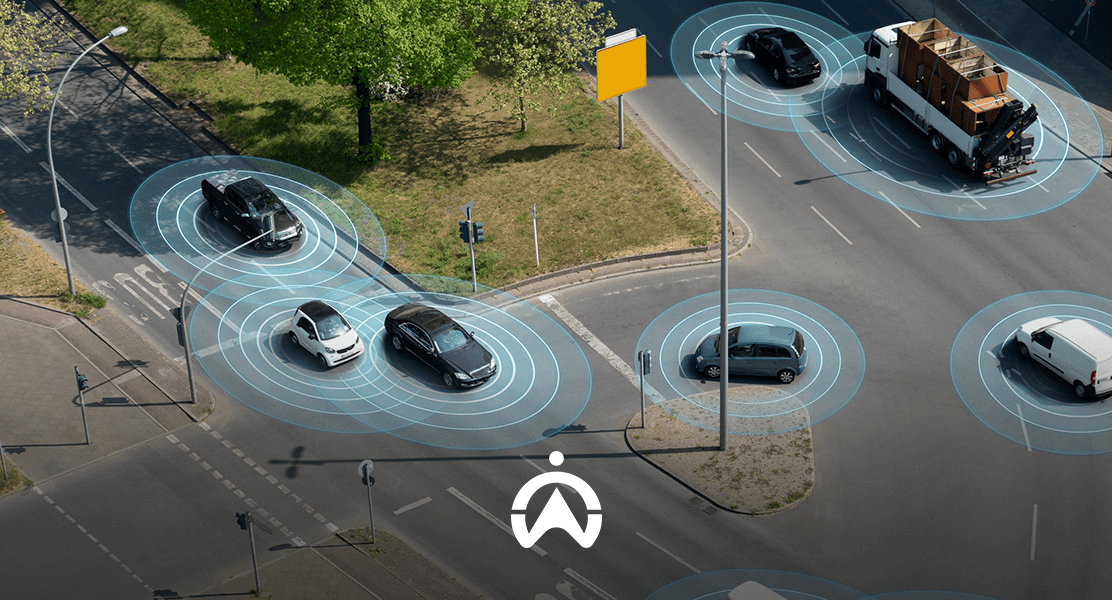
Is your transport business as tech-savvy as it could be?
In a world of technological advances for fleets, adapting is what sets you and your business apart.
Ready to stand out from the crowd? Read on to find out how smart technology is the solution and how Cartrack brings it straight to your fleet.
In this article, you will:
- Understand smart technology with helpful examples
- Find out what the benefits of smart technology are
- Dig deeper into the role of smart technology in the transport industry
- Explore how fleet management is the key to unlocking smart technology
- Discover how Cartrack's solutions are exactly what you need for smart technology success
What is smart technology?
Put simply, smart technology, often known as “smart tech”, is a collection of innovative devices powered by computers. Think of it as giving everyday objects a brain and internet access. These gadgets, which have revolutionised many parts of our lives, are equipped with sensors, software and internet connectivity, making them smarter. These sensors can measure things like vehicle speeds, fuel levels and geographical locations.
Examples of smart technology
Smart technology is an umbrella term for the different technologies that can be used to improve the way your transport business runs. Here's how:
- Artificial intelligence
Artificial intelligence (AI) refers to the ability of computers to mimic intelligent human behaviour, such as learning, problem solving and decision making. This transformative technology plays a crucial role in delivering smart transport functions, drawing on advanced technologies that improve safety for passengers, reduce traffic congestion and minimise accidents.
Here's how AI is revolutionising transport:
– Powering autonomous vehicles: AI enables autonomous vehicles to operate, using sensor data to navigate, identify obstacles and make important decisions in real time, such as which routes to take and how to navigate traffic. This ensures they operate with safety and without problems.
– Simplifying traffic management: With its ability to analyse data from cameras and sensors, AI can optimise traffic management, providing alternative routes without detours, according to real-time conditions.
– Logistics optimisation: Just as AI provides alternative routes to help avoid traffic, it does the same for delivery services, ensuring that deliveries are timely, efficient and cost-effective.
- Machine learning
The Machine learning (ML) is a subfield of AI that allows computer systems to learn and improve without any explicit instructions, using algorithms trained on data sets. This makes it possible to create self-learning models that can predict outcomes, classify information and keep learning without human intervention.
Here's how machine learning is revolutionising transport:
– Predictive maintenance: ML algorithms can use data from vehicle sensors (such as engine performance, oil pressure, etc.) to predict possible problems before they become expensive and lead to costly, unplanned downtime.
– Helps with route optimisation: ML can analyse traffic data, predict congestion hotspots and suggest alternative routes. This data is then fed into navigation apps, allowing drivers to avoid congested roads and complete deliveries on time.
- IoT
The Internet of Things (IoT) is an extensive network of interconnected physical objects embedded with sensors, software, processors and network connectivity. These sensors gather a wide range of data about the object's environment and status, including its movements and location in real time. A centralised system then analyses this data and, through this analysis, the raw data can be turned into actionable insights that enable informed decision making.
Here's how IoT is revolutionising transport:
– Fleet tracking: IoT sensors work to monitor vehicle location, fuel consumption and speed in real time, giving fleet managers unparalleled visibility to optimise routes, reduce fuel costs and ensure safety of your drivers.
– Preventive maintenance: IoT sensors constantly monitor the condition of vehicles and their various components, which helps fleet managers identify potential wear on vehicle components before they fail. This prevents breakdowns and unplanned downtime and extends vehicle longevity.
– Supply chain optimisation: IoT devices can track the location and temperature of cargo, which helps ensure its integrity and reduce the chances of spoilage, with a significant impact on supply chain efficiency and customer service.
- AR versus VR
AR and VR refer to two distinct but related technologies. Augmented reality (AR) blends the real and the digital, letting you see the real world with digital information and images layered on top. In contrast, virtual reality (VR) is a computer-generated simulation of a 3D environment that users can interact with virtually. By combining sensor technology and advanced software, these solutions can create interactive experiences.
AR software analyses the data recorded by the sensors. VR, on the other hand, creates a completely immersive simulated digital environment that replaces the user's real-world surroundings. Both AR and VR are excellent examples of smart technology because they combine sensor technology, advanced software and sophisticated displays to create intelligent, interactive experiences.
Here's how AR and VR are revolutionising transport:
– Driver training: AR can provide a safe, controlled environment to help train drivers and make sure they are able to make informed decisions behind the wheel.
– Remote collaboration (AR and VR): AR and VR can allow remote experts to view and interact with on-site technicians' working environment in real time. This makes for effective troubleshooting, support and knowledge transfer.
– Enhanced navigation: AR-powered systems can project directions and information directly into the driver's field of vision (for example, the windscreen or AR glasses). This allows safer, more intuitive navigation, without requiring the driver to look away from the road.
- ADAS
Advanced Driver Assistance Systems (ADAS) are a set of technologies that use sensors, cameras, machine learning and artificial intelligence to increase safety and improve the driving experience. ADAS represents a significant leap forward in the transport industry.
Here's how ADAS is revolutionising transport:
– Greater safety: A core function of ADAS is to mitigate human error, the main cause of road accidents. By providing real-time situational awareness, ADAS significantly reduces collision risks.
– Improved driving experience: ADAS takes the stress out of driving by automating routine tasks such as lane centring and blind spot monitoring, allowing drivers to concentrate on the road while feeling more confident and in control.
- Smart infrastructure
Smart infrastructure is a network of smart technologies embedded in roads, bridges and traffic systems that use sensors and data analysis to revolutionise the way we travel. Although South Africa is still in the early stages of implementing smart infrastructure, the potential benefits for transport are undeniable.
Here's how smart infrastructure is revolutionising transport:
– Traffic flow optimisation: By smoothing the flow of traffic, smart infrastructure reduces stop-start traffic, which leads to lower fuel emissions and a drop in fuel consumption.
– Data-driven decisions: By painting a clear picture of traffic patterns and infrastructure use, managers can make informed decisions about routes.
- Big data and analytics
Big data refers to the large, complex data sets generated by various sources within the transport network. When analysed effectively, big data provides valuable information that is revolutionising the way we travel:
Here's how big data and analytics are revolutionising transport:
– Optimised operations: Big data helps managers analyse historical and real-time information, such as traffic patterns, weather conditions and delivery locations, to optimise delivery routes, which helps ensure on-time deliveries, saving time and money.
– Predictive maintenance: Big data helps managers monitor and predict potential maintenance problems before they occur, helping to prevent breakdowns, reduce unplanned downtime and extend the life of the vehicle.
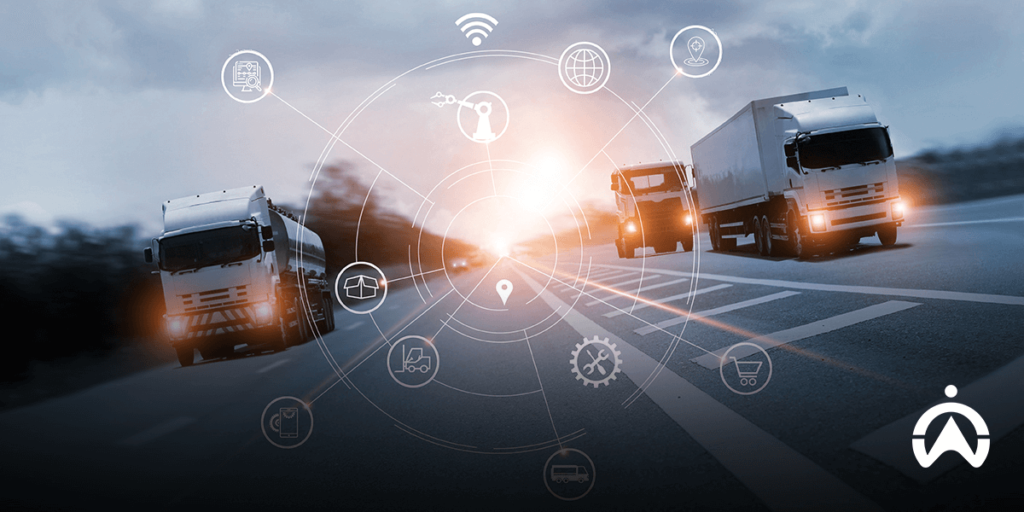
What are the benefits of smart technology?
From safer roads and efficient operations to a more sustainable future, smart technology is revolutionising transport through a wide range of benefits. These include:
- Greater fleet and cargo safety:
Smart technology contributes directly to safer roads and better transport overall. From the use of advanced sensors that prevent potential accidents to smart traffic management systems that ease congestion, these technologies work together to create a safer environment for everyone involved in transport.
- Greater efficiency:
Smart technology makes the whole transport sector significantly more efficient. It helps vehicles find the fastest and most fuel-efficient routes, predicts maintenance needs to avoid downtime and allows shipping ports and logistics hubs to operate smoothly through connected systems.
- Greater sustainability:
Smart transport solutions often go hand in hand with increased sustainability. Optimised routes and traffic flow lead to lower fuel consumption and emissions. Predictive maintenance helps extend the life of vehicles and equipment, reducing waste and excess emissions.
- Improved user experience:
Smart technology offers a better, more personalised experience for everyone who uses the transport system. Real-time traffic updates and route suggestions help commuters avoid delays, while smart ticketing and payment systems make the journey smoother.
- Economic benefit:
Smart technology doesn't just improve efficiency, safety and sustainability – it boosts the bottom line of transport businesses. Optimised routes, reduced fuel use, minimised wear and tear and simplified maintenance make operations more cost-effective.
Smart technology sounds like the epitome of technological advancement, but what does it mean for your transport business? Let's find out.
What role does smart technology play in the transport industry?
Let's explore these examples based on the transport sectors: public, private, logistics and freight:
- Smart public transport technology:
Public transport offers shared mobility services for the general public, operating on fixed routes and timetables. Common types include buses, taxis and trains.
Here's how smart technology is playing a role in this transport sector:
– Real-time tracking and scheduling: buses and trains are now equipped with GPS tracking and, when paired with mobile apps, passengers can view accurate arrival times, delays and the vehicle's current location. This takes the guesswork out of waiting, which reduces stress for passengers.
– Integrated Public Transport Networks (IPTNs): IPTNs use real-time data and GPS tracking to synchronise the various modes of public transport, allowing better route planning and punctual arrivals for passengers.
- Smart private transport technology:
Private transport works with vehicles owned and operated by private individuals for personal use. Offering greater flexibility and control, here's how smart technology plays a role in this sector:
– Vehicle telematics: Telematics equips vehicles with real-time tracking and route optimisation, improving the transport process for both the traveller and the service provider. It can also be useful for getting personalised insurance premium offers, which are generally based on driver behaviour.
– Electric and hybrid vehicles: Mozambique is seeing an increase in the number of electric and hybrid cars and, with the growing number of charging stations in the main cities, the private transport industry is sure to become greener and more sustainable.
– E-hailing platforms: e-hailing apps such as Uber and Bolt use smart algorithms to match drivers with passengers, calculate ideal routes and provide cost estimates.
- Logistics and freight solutions:
This sector focuses on moving goods and commercial cargo, involving a complex network of vehicles, ships and warehouses.
Here's how smart technology plays a role in the backbone of supply chains:
– Automated warehouse systems: The logistics sector uses automated systems to ensure accurate stock management, automate parcel sorting and increase efficiency.
– Fleet management systems: These systems are equipped with a wide range of technology that helps businesses gain unparalleled access to and information about their fleet, from fuel consumption for efficiency to route planning for timely deliveries.
The integration of smart technologies into the transport sector shows that the country is moving towards more efficient, sustainable and user-friendly systems. Although we are making significant progress in many areas, there are still areas that need to improve, and one way to drive these changes is by implementing a solution for fleet management.
What is fleet management?
Our fleet management is the optimisation of how a fleet runs, ranging from tracking vehicles and monitoring driver behaviour to planning efficient routes and scheduling vehicle maintenance. Its aim is to make sure a fleet runs smoothly, at a lower cost, and keeps customers satisfied.
What are the benefits of fleet management for the transport sector?
Our fleet management is crucial to the success of the transport industry. Let's explore some of its benefits:
- Cost reduction:
Fleet management systems help you optimise fuel consumption by monitoring inefficient driving habits, enabling route planning for maximum efficiency and avoiding costly breakdowns with preventive maintenance. Businesses can potentially secure lower insurance premiums by providing detailed information on responsible driving practices and fleet operations.
- Greater efficiency:
By providing real-time visibility of vehicle locations and enabling route optimisation, fleet management systems let you reduce wasted time and maximise the use of resources. Knowing where vehicles are and the routes they take allows quick adjustments. In addition, fleet management tools make sure all vehicles are used effectively, preventing some from standing idle while others are overloaded. Streamlined communication between drivers and dispatchers eliminates unnecessary delays and miscommunication, improving overall efficiency.
- Improved safety:
Proactive monitoring of vehicle health and driver behaviour allows potential problems such as premature wear to be detected and resolved early, avoiding breakdowns or faults that can lead to accidents. Fleet management tools with real-time tracking features, vehicle diagnostics technology and actionable insights help you respond quickly to emergencies, accidents and other vehicle problems.
- Better customer service:
Fleet management systems directly improve the customer experience. Accurate ETAs (estimated times of arrival), made possible by real-time tracking, allow customers to plan accordingly. Fleet managers can also proactively keep customers informed about any potential delays. Electronic proof of delivery offers a transparent and accountable record of the delivery process, further increasing customer confidence.
These benefits sound amazing, right? If you are wondering how you can start taking advantage of them, we have the answer. It's Cartrack.
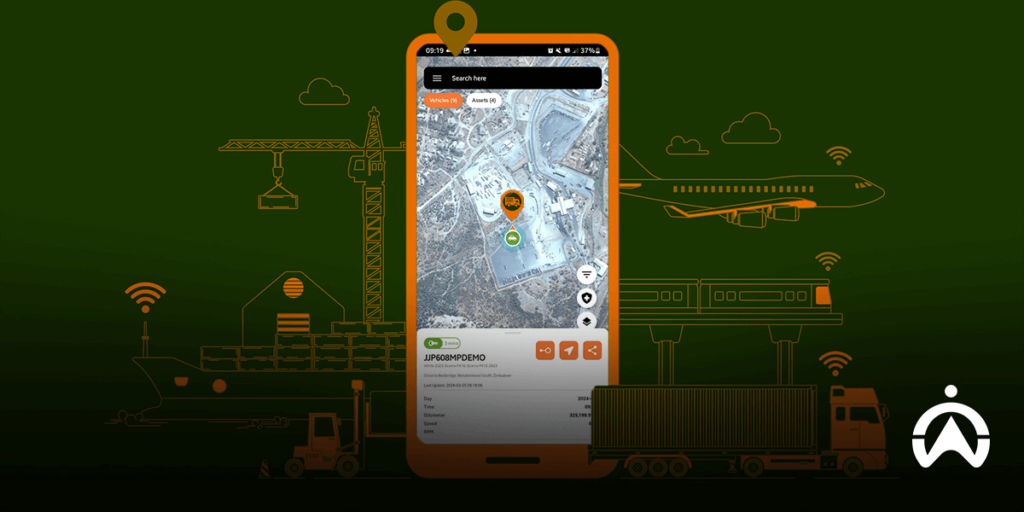
Give your fleet the boost it needs with Cartrack's solutions:
Cartrack is here to help make your fleet more cutting-edge, sustainable and future-ready with a wide range of solutions, including:
- GPS tracking: Keep track of all your vehicles with Cartrack's GPS tracking technology. Our IoT tracking device is equipped with GPS and GSM technology, providing real-time tracking and monitoring of all your vehicles. This real-time tracking can help you give your customers accurate ETAs for a vehicle's arrival, which has a positive impact on customer satisfaction and your company's reputation.
- Preventive maintenance: Avoid unplanned stops and costly, unexpected repairs with Cartrack's preventive maintenance. Our software immediately detects problems such as low oil or water levels and notifies you when they are detected, ensuring you can fix them before they become expensive. This is crucial in an industry where brief, unplanned downtime translates into huge financial losses. Unlock customised maintenance and increase fleet longevity based on your fleet's needs, and avoid prolonged downtime.
- Fuel monitoring: Track every litre of fuel used with our fuel monitoring system. The transport industry needs you to be on the road constantly, making fuel costs and consumption a crucial aspect of success. Our system equips you with fuel sensors installed inside your fuel tanks, helping you monitor fuel levels in real time. This information helps you identify and explain sudden spikes in fuel consumption, helping you optimise your fleet's fuel efficiency.
- ADAS: Unlock a new level of safety for your drivers with Cartrack's Advanced Driver Assistance System (ADAS). Increase your drivers' awareness of their surroundings by alerting them to potential hazards on the road in real time, helping them avoid these hazards and prevent accidents in an industry where the safety of the driver, passengers and the public is crucial.
- AI LiveVision: Make sure your drivers don't get distracted behind the wheel with Cartrack's AI LiveVision camera solutions. Give your drivers access to real-time audible alerts the moment distracted or dangerous driving behaviour is detected, including mobile phone use, smoking and excessive yawning, helping them quickly correct their behaviour to avoid an accident. In a country where distracted driving is one of the main causes of accidents, you want to make sure your drivers don't jeopardise the safety of passengers with their behaviour.
Transform your transport business: achieve smarter efficiency with our advanced fleet management technology
Smart technology is taking over the South African transport industry; don't let your fleet fall behind with these advances.
Contact us today and unlock a new level of success and efficiency for your transport business
 South Africa
 Botswana
 Kenya
 Malawi
 Namibia
 Nigeria
 Swaziland
 Tanzania
 Zimbabwe
 Hong Kong
 Indonesia
 Singapore
 Malaysia
 Philippines
 Thailand
 New Zealand
 Vietnam
 Poland
 Portugal
 Spain
 United Arab Emirates

 PT