Are you up to date with fleet management standard operating procedures? – What you need to know

Fleet Standard Operating Procedures (SOPs) are your secret recipe for running a safe, compliant and efficient fleet.

Fleet SOPs usually include guidelines for vehicle maintenance, the safety of drivers, fuel management and much more. Although these guidelines are essential for all stakeholders, unfortunately many businesses keep this powerful tool locked in a cupboard, making it almost useless.

SOPs are only effective if stakeholders engage with them daily, so join us and find out how to get on top of your fleet's SOPs using fleet management software.

In this article, you will:

  • Learn about fleet management standard operating procedures (SOPs).
  • Discover the main benefits of SOPs for fleets.
  • Assess whether your fleet is reaping the benefits of its SOPs.
  • Learn how to create and implement standard operating procedures for your fleet.
  • Discover 7 features of the software Cartrack Mozambique that help businesses develop effective fleet SOPs.

What are fleet management standard operating procedures (SOPs)

The most challenging aspects for fleet managers include engagement and the safety of drivers, leadership support and regulatory compliance. Fleet management standard operating procedures (SOPs) are the perfect guide to help fleet managers deal with challenges like these and more.

Fleet SOPs are important for risk management and for making sure everyone in your fleet stays accountable. They help ensure that anyone who uses your fleet knows the correct way to request and operate your vehicles/equipment.

Most SOPs for fleet management will include the following guidelines:

  • Vehicle asset verification
  • Vehicle acquisition, replacement and disposal
  • Applications for vehicle use
  • Vehicle and equipment safety
  • Vehicle repairs and maintenance
  • Driver safety and regulatory compliance
  • Fuel management
  • Cost management
  • Accident/incident reporting

Fleet management procedures are not only necessary for driver and fleet safety; they are a strategic way to protect your business. Effective SOPs demonstrate your commitment to fleet safety and compliance, which is a reassurance for all stakeholders.

The 5 main benefits of fleet management SOPs

SOPs for fleet management cover the proper management of your fleet and getting the best return on investment. Are you currently getting the following benefits from your fleet's SOPs?

#1 Greater fleet safety

SOPs help businesses, fleet managers and drivers prioritise safety in their fleets. With measures that encourage driver safety training, vehicle maintenance and pre-trip inspection, fleet managers can effectively improve the overall safety of their fleet using SOPs.

#2 Increased fleet efficiency

By setting SOPs for vehicle use, fuel management and cost monitoring, fleet managers help to increase fleet efficiency. These measures help extend the life of your vehicle, reduce costs and improve fuel efficiency. Your SOPs should help you get the return on your investment and assets.

#3: Improved fleet compliance

Outdated SOPs can lead to compliance problems and unexpected fines. SOPs ensure a compliant fleet by describing the processes for record keeping, updating information and paying regulatory fines. Fleet SOPs must be current and up to date to help you maintain a compliant fleet – are yours?

#4 Better communication between managers, drivers and stakeholders

SOPs provide clear guidelines for all stakeholders, allowing managers and drivers to understand their roles and responsibilities. With fleet SOPs, setting measures to increase communication and remote management helps businesses improve their overall operations.

#5 Reduced fleet costs

Having SOPs for your fleet helps reduce costs and increase profitability. With measures on how to claim fuel, timesheets and how to calculate vehicle operating hours, businesses avoid financial losses and identify costly profit leaks.

If your fleet's SOPs don't help you get one or more of these benefits, then it is time to update them.

Here is a quick guide to start updating your SOPs.
Os_5_principais_benefícios_dos_POPs_de_gerenciamento_de_frota

How to create and implement fleet management SOPs

This step-by-step guide describes three important parts of the process of building SOPs and, finally, putting them into practice for your fleet. If you already have SOPs for your fleet, these steps will help you improve them and make sure they are still relevant to your fleet and your business.

First things first: identify the fleet's challenges

Start by identifying the main fleet management challenges where Standard Operating Procedures (SOPs) can be beneficial. For example, is your fleet going through a drop in profitability? Perhaps your drivers often miss deliveries or your fleet's vehicles keep ending up in the workshop. Identifying these challenges can help you move towards a workable solution.

Building standard operating procedures into your workforce and task management would lead to better asset utilisation and greater profitability.

Here are 15 fleet-related challenges that SOPs can help with:

  • High fleet downtime
  • Poor communication between managers and drivers
  • Redundant vehicles
  • Driver identification for vehicles
  • Operator identification for equipment
  • Violations and fines against your fleet
  • Overbilling for repairs, maintenance or services
  • Penalties for non-compliance
  • Poor driver behaviour and performance
  • Lack of vehicle/equipment maintenance
  • Increased vehicle wear and tear
  • Poor administration
  • Immediate fuel costs
  • Suspected fuel theft
  • Safety problems

Unfortunately, a one-size-fits-all approach to SOPs is not ideal. The list of fleet management challenges is endless, so identifying your fleet's specific challenges is the only way to develop effective SOPs. Don't worry: once you start implementing them, you will start to reap the rewards.

Next: Involve the relevant stakeholders

When developing your fleet's SOPs, include fleet managers, drivers, mechanics, field service workers and even someone from your legal department (if applicable) in the process.

By making this process a group effort, you can make sure everyone is aware of the SOPs and understands:

  • What the SOPs aim to achieve
  • Who the SOPs apply to and in what circumstances they should be used
  • Who is responsible for specific tasks
  • Who is responsible for knowing whether the SOPs are implemented correctly
  • The specific procedures to be followed

Take the safety of the fleet as an example; see how involving stakeholders in developing SOPs can help.

In a recent survey on the current priorities of fleet managers, only 50% of the fleet managers surveyed said they believed their company continually strives to improve the safety of its employees. In the same survey, however, 22% said their company focuses mainly on solutions that improve the bottom line/profitability.

This survey shows the importance of prioritising leadership, business and stakeholders. Businesses need to show that they are focused on solutions to improve profitability, without compromising the safety of drivers.

Involving all the relevant stakeholders also shows that your business values profitability and safety equally.

In the process of developing SOPs, try to involve at least:

  • Fleet managers
  • Drivers
  • Health and safety specialists
  • Trainers

These stakeholders are invaluable to your business and process because of their experience in the sector and their understanding of your fleet's unique challenges.

Time to develop and share: Share the SOPs with all stakeholders

Although this part of developing SOPs can take a bit of effort, there are many experts who advise on how to write procedures for your fleet, helping you simplify the process.

Our advice is simple when it comes to your fleet: you should at least have or regularly update SOPs for these six areas of fleet management:

  • Fuel management
  • Vehicle maintenance and repairs
  • Fleet cost management
  • Fleet compliance
  • Vehicle use and management
  • Driver training and safety
  • Reporting accidents and liabilities
  • Health and safety
  • Driver management

Make sure your procedures are easy to understand and explained to all stakeholders. You could consider offering training on your SOPs to everyone relevant. According to J. J. Keller Center for Market Insights, more than 52% of the fleet managers surveyed believe it is important that their drivers apply what they learned in training and that the training is specific to their particular needs. By training drivers on your fleet's SOPs, you can be sure that your drivers commit to them.

Once you have developed your fleet's SOPs, remember to make them easily and readily accessible to everyone. You should also update them often, so consider getting an easy-to-use platform to access your SOPs and update them from anywhere.

Now that we have given you a guide to building SOPs, you will need to know how fleet management software such as Cartrack Mozambique can help you develop your fleet's standard operating procedures.
É_hora_de_desenvolver_e_compartilhar_Compartilhe_os_POPs_com_todas_as_partes_interessadas

7 features of Cartrack Mozambique fleet software for developing your fleet (SOPs)

The software for fleet management from Cartrack Mozambique helps businesses develop and establish fleet manager and driver engagement with fleet SOPs.

These seven features help with complete fleet management:

Feature 1: GPS for fleet tracking

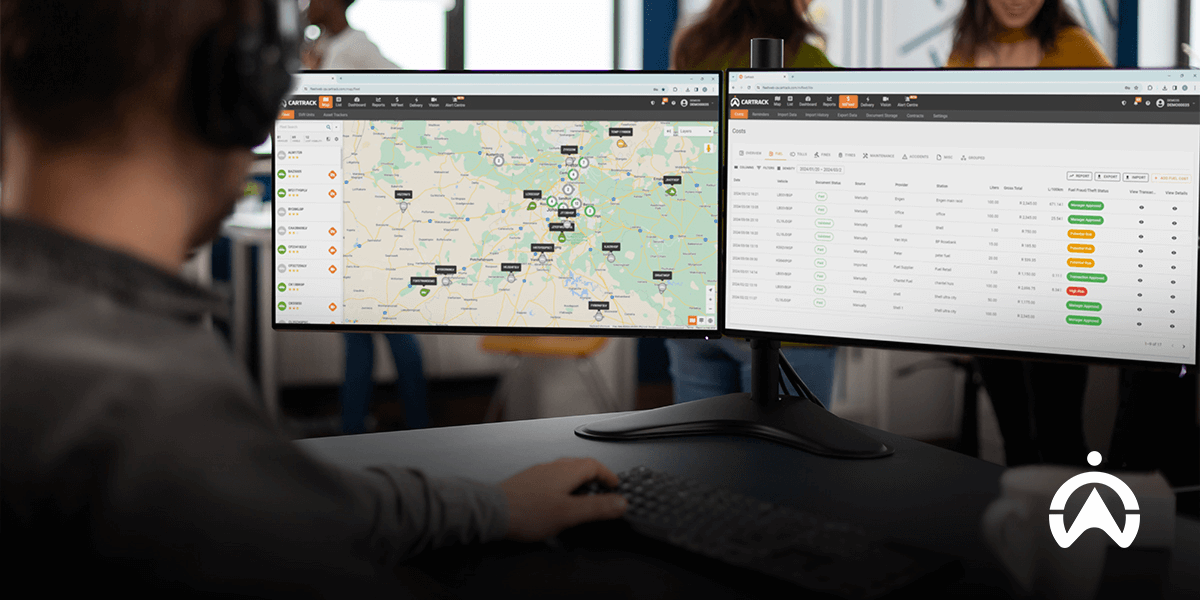
Our GPS tracking system lets fleet managers track and pinpoint the live location of their fleet anytime, anywhere, providing the ultimate in fleet visibility and management. This information helps fleet managers know exactly where their drivers and fleet are, to monitor driver performance and productivity, communicate instructions to drivers or respond immediately in an emergency.

Feature 2: Digital fleet reports and records

Using our GPS tracking and other smart tools, fleet managers can create customised automated reports to get data on vehicle performance, fuel consumption and fleet-related costs. MiFleet is our advanced cost management software that simplifies fleet cost administration, helping you get an overview of your fleet, identify financial leaks and carry out a bulletproof cost analysis.

Our web-based software lets approved stakeholders easily access reports on vehicles, drivers and costs from anywhere. Fleet reports are designed to help fleet managers make data-driven decisions about their fleet.

Feature 3: Preventive maintenance

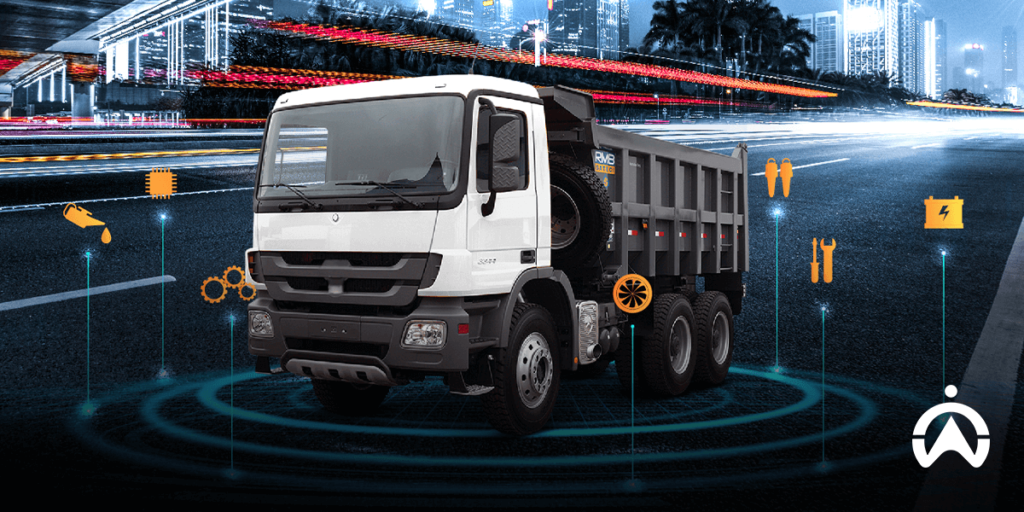
The telematics-based solution from Cartrack Mozambique also provides valuable information about vehicle condition. Fleet managers receive notifications about vehicle problems, such as engine and battery faults, as proactive reminders to service their vehicles or schedule maintenance. With the added benefit of uploading invoices to keep accurate records, fleet managers have everything they need in one place to ensure optimal fleet performance and reduce downtime.

Feature 4: Driver monitoring

Our fleet and workforce management solutions include GPS tracking, driver identification tools, driver behaviour reports and AI camera systems to monitor driver productivity and performance. Fleet managers can monitor and track different driver behaviours in real time, staying up to date on irresponsible driving behaviours such as speeding, idling and harsh braking. If you are struggling with problems affecting the safety of your fleet, Cartrack's driver monitoring solutions help you identify and resolve unproductive driving habits.

By integrating the SmartCabin camera solutions from Cartrack Mozambique, fleet managers can also get live audio and visual recordings to help coach drivers on dangerous driving. The cameras are also useful for liability issues in the event of an accident. Our driver monitoring solutions help fleet businesses improve fleet productivity and safety.

Feature 5: Fuel management system

Our comprehensive fuel management system is equipped with fuel monitoring sensors, vehicle tracking and fuel cost management, helping businesses accurately track and reduce fuel inefficiencies. Managers receive notifications about suspected fuel theft and can customise fuel reports to understand not only risks such as theft or fraud, but also their fleet's overall consumption. Ultimately, SOPs help fleet managers establish solid fuel claim validation procedures to help clamp down on fraudulent activity and increase the flexibility of their fuel budget.

Feature 6: Fleet compliance (insurance, taxes, fines and toll payments)

MiFleet from Cartrack Mozambique also helps fleet managers make sure their fleet complies with standard and industry-specific regulations. Fleet managers can upload information and set due dates and reminders for vehicle insurance, road tax certificates and toll card payments, helping to avoid penalties and late payment fines.

Feature 7: Cartrack Mozambique website and app for instant communication

With online access and an easy-to-use app, our system for fleet management supports clear, uninterrupted communication between fleet managers and drivers. Fleet managers can use the app and the website to assign tasks, check task progress and communicate with their drivers to optimise productivity in sectors such as delivery, logistics, supply chain and mining.

Perfect your SOPs and increase your fleet's profits with Cartrack Mozambique

Your fleet's standard operating procedures are important and invaluable to your business. They protect your fleet managers, drivers, fleet and business as a whole.

Our fleet management software helps you make sure everyone involved engages with the SOPs to improve productivity, safety and compliance.

Contact us today.

Road Rage: How to instantly protect yourself, your fleet and your drivers

Everyone gets annoyed on the road.

It is one thing to get annoyed with someone who overtakes you, and another to retaliate rudely or even violently.

This is road rage, labelled “one of South Africa's biggest killers”.

As common as it is, it shouldn't be your reality. The solution for protecting your fleet and drivers is a system for fleet management.

In this article, you will:

  • Learn what road rage is
  • Dig into the road rage numbers in South Africa
  • Find out what causes road rage and how you can deal with it
  • Explore how a fleet management system can help you manage road rage
  • Discover how the solutions from Cartrack Mozambique are the secret weapon for fighting fleet road rage

Let's define road rage

Road rage is a term used to describe aggressive and sometimes violent behaviour on the road caused by irresponsible driving. Triggers include:

  • Speeding
  • Tailgating
  • Running a red light
  • Changing lanes without indicating
  • Bad weather conditions
  • Congested traffic

This unfriendly behaviour is more than just a feeling of frustration or a dirty look, as it shows itself in different ways, including:

  • Shouting at other drivers
  • Making rude gestures
  • Physical violence

These behaviours put the lives of those involved and of other road users at risk. But how common is this on South African roads? Let's see what the statistics say

Road rage: the numbers that are still rising

Although road rage includes shouting and rude gestures, it can escalate into more violent behaviour that turns into potentially dangerous, life-threatening events. Let's take a look at how serious it can become and at the numbers:

The SAPS 2nd quarter crime report (July 2023 – September 2023) indicates that road rage accounted for around 1.272 attempted murders, 1.053 murders and 20.686 assaults with grievous bodily harm.

Unfortunately, these numbers are still rising. According to the 3rd Quarter Crime Report (October 2023 – December 2023), road rage accounted for around 1.702 attempted murders, 1.116 murders and 27.918 assaults with grievous bodily harm.

These numbers show us how serious this issue is for South Africa. But what causes road rage? Let's take a look.

What are some of the common causes of road rage?

Although there are countless causes of road rage, let's explore the three most common ones; traffic, weather and aggressive driving:

  1. Traffic congestion:
    Heavy traffic can make people drive recklessly to reach their destination on time. This leaves the drivers affected frustrated and angry, sparking road rage.

    Take John, for example, who is about to miss his 12 o'clock flight because of the traffic. Realising he may not get to O.R. Tambo on time, he becomes impatient, which leads him to hoot constantly and shout at drivers to hurry up.

  2. Weather conditions:
    Driving in bad weather can start to feel like an extreme sport, causing drivers to experience high levels of stress. This stress can increase irritability, especially towards other drivers who drive recklessly.

    Look at John again, who is now stuck in a storm. While he obeys all the rules of the road, someone drives recklessly and tries to overtake him. This makes John angry and can easily turn into road rage.

  3. Aggressive driving:
    Aggressive driving is one of the most common causes of road rage. Being on the receiving end can leave drivers angry and frustrated, leading them to retaliate.

    John is back. Instead of driving within the speed limit, he speeds excessively and changes lanes without indicating. This can make drivers angry and potentially react.

    This shows us that road rage is usually triggered by feeling unsafe and being inconvenienced while driving. Here is what you can do to make sure these actions don't lead to road rage.

Quais_são_algumas_das_causas_comuns_da_raiva_no_trânsito

Let's explore 7 pro tools for avoiding road rage

Feeling frustrated on the road is normal, especially when you have somewhere to be. So what steps can you take to help you avoid road rage? Let's find out.

  1. Drive safely:
    Cutting drivers off, weaving in and out of lanes and forcing the nose of your vehicle in front of another vehicle are irresponsible driving behaviours that provoke road rage.
  2. Don't tailgate:
    Tailgating leads to a 13% to 14% increase in the risk of having a car accident compared with safe driving, and makes drivers look impatient, a common trigger for road rage.
  3. Avoid speeding:
    Exceeding speed limits on the roads, especially in bad weather conditions, can provoke feelings of anger and frustration in other drivers, leading to road rage.
  4. Plan your trips:
    Planning trips can reduce stress, giving you extra time for possible delays and helping you stay calm while you drive.
  5. Don't engage with angry drivers:
    Don't show the finger in response to angry drivers. Instead, get away from the situation as quickly and safely as possible.
  6. Don't drink and drive:
    Alcohol makes you irritable and bad-tempered, making you more likely to behave aggressively behind the wheel and increasing the risk of road rage.
  7. Watch out for the “L”:
    Be patient with learner drivers who don't want to drive fast, as they are already anxious on the road and your impatience can cause road rage

    Although they may not protect you completely from road rage, they can significantly reduce the chances of it affecting you. But what if you are the one expressing road rage?

What if you are the one showing road rage?

While being a victim of road rage simply requires you to disengage, what happens if you are the one showing road rage? Let's look at some tips that can help you:

  • Take a deep breath:
    Road rage causes increased tension, which breathing exercises can help relieve. The more oxygen your blood has, the easier it will be to calm down and feel more relaxed after experiencing road rage.
  • Stay in your lane:

    Focus on your trip instead of responding to other drivers, as this can escalate the situation and send it in a potentially dangerous direction.

  • Get a fleet management system:
    Preparation is better than reaction, and a fleet management system can help you and your drivers stay proactive. By helping you detect dangerous and distracted driver behaviour, this system is the perfect tool for keeping you and your drivers protected from road rage.

But what exactly is a fleet management system? How does it work and can it help you prevent road rage? Let's find out

What is a fleet management system?

A fleet management system is your all-in-one tool for managing multiple vehicles. It helps you keep track of all driver activity, from where they are in real time to whether they are driving safely. Think of it as your eyes and ears, from anywhere, at any time, at the touch of a screen. But what role does it play in preventing road rage?

Fleet management can be the miracle pill for your fleet's road rage

The power of a fleet management system lies in its ability to promote safer driving practices. Let's see exactly how this next-level technology does it:

  1. Driver behaviour monitoring:
    The root of road rage is dangerous driver behaviour. If you manage or are responsible for multiple vehicles, you can't be in the passenger seat of each one all the time to monitor driver behaviour. This is where a fleet management system comes in, equipping you with solutions that help you detect and prevent aggressive driver behaviour.
  2. Recorded video:
    Road rage can lead to costly accidents and, in the unfortunate event that this happens and your drivers are not at fault, you can use recorded footage to help prove their innocence. Having access to the exact footage you need helps defend your drivers against any false claims to support exoneration
  3. Real-time analysis:
    Road rage can quickly turn into a potentially dangerous accident. If this happens and your drivers are not responsible for it, a fleet management system can help you see exactly where your drivers were and how they drove. This protects your drivers from false claims and from legal costs you might incur because of road accidents.
  4. Route optimisation:
    As we saw earlier, traffic congestion is one of the main causes of road rage. When your drivers are short of time and the delivery is about to be late, the tension starts to rise, which can lead them to drive dangerously so as not to miss delivery deadlines. Our route optimisation feature analyses all the tasks your drivers need to carry out and finds the best order to complete them in the most efficient and cost-effective way. With a tool like this, your drivers are less likely to find themselves in situations that can cause road rage and dangerous driving.
  5. Advanced driver assistance systems:
    We have established that tailgating is another of the main causes of road rage, and fleet management tools can also help eliminate it. This system makes use of smart technology to inform drivers of any obstacles or vehicles they are tailgating.

Sounds incredible, right? We have the key to unlocking these benefits for your fleet; it is the world-class system for fleet management from Cartrack Mozambique.

A_gestão_de_frota_pode_ser_a_pílula_milagrosa_para_a_raiva_da_sua_frota_na_estrada

Avoid distressing, profit-draining accidents by keeping your fleet free of road rage with Cartrack Mozambique

If you are tired of road rage running wild in your fleet, then you need a fleet management system, and who better to give you this than Cartrack Mozambique? Let's look at which features make us the ideal choice for your fleet:

  • AI Live Vision cameras:
    Say goodbye to distracted and dangerous driving with the AI Live Vision cameras from Cartrack Mozambique. Powered by artificial intelligence (AI), this cloud-connected management solution uses in-cabin cameras to continuously monitor driver behaviour. This makes it possible to detect different forms of distracted driving, including:

    – Mobile phone use
    – Smoking
    – Yawning and other tell-tale signs of fatigue

    But this solution does more than just monitor behaviour; it also triggers audible alerts in the cabin, notifying your drivers immediately and allowing them to correct their behaviour in real time. Distracted driving plays a major role in road rage, and our high-tech solution helps eliminate it.

  • ADAS:
    Keep your drivers fully aware of their surroundings with our Advanced Driver Assistance System. Powered by camera-based sensors, smart algorithms and AI, ADAS takes a preventive approach to the safety of drivers. One way it does this is by monitoring the distance between vehicles to help drivers keep a safe following distance. By giving your drivers real-time alerts when they drive dangerously close to another vehicle, this system can help prevent tailgating, a major contributor to road rage.
  • Driver scorecards:

    Monitor individual driver behaviour with our driver scorecards. They offer comprehensive ways to assess driver performance in detail and rate each driver on the safety with which they drive. By monitoring high-risk behaviours that can lead to road rage in your drivers, you can provide targeted training to improve driver behaviour behind the wheel, in turn lowering the risk of road rage. These behaviours include:

    – Speeding
    – Harsh braking and cornering
    – Reckless acceleration

  • Route optimisation through Delivery:
    Simplify your delivery options with the most efficient routes offered to you by our Delivery solution. If you are in the business of delivering goods, then you understand the impact late deliveries can have on your fleet's reputation and productivity.

    Running late can cause drivers to behave irresponsibly while trying to meet the delivery deadline, such as speeding, harsh cornering and running red lights. These behaviours can trigger road rage in other drivers. With our Delivery app, you can help put a stop to this by helping to identify the most efficient order for completing all your delivery tasks. This helps you keep your delivery operations running on schedule, with little or no delay

  • Real-time GPS tracking:
    If you don't run a business, you can still count on our technology to help you avoid road rage, gaining full visibility of your vehicle with live GPS tracking from Cartrack Mozambique.

    The beauty of our GPS tracking software is that it does more than track your vehicle; it gives you full access to your trip history with a route replay function, helping you detect instances of risky driving. With this information, you can identify behaviours that trigger road rage, helping you stay safe and responsible on the road.

    These solutions can help you give your drivers the best protection against road rage, helping to foster a culture of safety and responsible driving. Let's see what the experts have to say about it and what other tips they can give for your operation?

Let's hear some tips from the fleet experts themselves

Although you have a fleet management system, this doesn't lessen your overall responsibilities as a driver to be as safe as possible on the road. But we've got you covered, because we are bringing you some road rage tips from one of our experienced Cartrack branch managers:

  • Always leave early for your destination. By allowing enough travel time to take traffic and other delays into account, you can stay calm knowing there is no need to rush.
  • Plan your routes. By knowing exactly which route you will take, you can avoid delays that might cause road rage.
  • Put your favourite music on, as this can help you stay calm.
  • Always stay calm and courteous and don't be provoked when you come across furious drivers on the road. Let them pass and avoid eye contact.
  • When you come across a road rage incident, don't hoot, flash your lights or start gesturing.
  • If you are a victim of road rage and want to report the case to SAPS, record the aggressor's registration number and the location of the incident.

Protect your fleet and your drivers from road rage with solutions from Cartrack Mozambique

With a wide range of solutions to tackle almost every cause of road rage, Cartrack Mozambique is exactly what the road rage doctor ordered for the safety needs of your fleet.

Contact us today and make road rage a thing of the past.

Tare weight versus gross weight: the knowledge you need to empower your fleet

Overloaded vehicles go beyond “getting more done in less time”, as overloading can harm your fleet's entire operation.

Are you ready to empower your fleet management? Then keep reading to find out exactly what these terms mean and what the difference is between tare weight and gross weight.

In this article, you will:

  • Learn what vehicle weight is
  • Find out what the two types of vehicle weight are
  • Dig into the downsides of overloaded vehicles
  • Explore how fleet management is crucial for identifying overloaded vehicles
  • Discover how technology from Cartrack Mozambique can help detect potentially overloaded vehicles

What is tare weight?

Tare weight, also known as dry weight, is essentially the weight of the car's skeleton when fully operational but completely empty, that is, with no passengers, cargo or even your favourite travel mug.

Here is a closer look at the components and importance of tare weight:

What is included in tare weight?

  • The core: This includes all the parts that make it a vehicle, including the engine, the wheels, the body panels and the transmission parts.
  • Standard vehicle equipment: this is everything that comes pre-installed in your vehicle and is essential for everyday driving, such as air conditioning, safety equipment such as airbags and belts for safety and even the audio system.
  • The vehicle's essential fluids: This is the weight of important liquids that are crucial to the running of the car and include engine oil, coolant and brake fluid.

Why is tare weight so important?

  • Effective comparison with similar vehicle models: By comparing the tare weights of similar models, you can get a better idea of how they might perform when loaded with passengers and cargo.
  • Simpler performance prediction: knowing your vehicle's tare weight helps predict how it will perform under various conditions, including acceleration, braking and fuel efficiency.
  • Help in choosing the right vehicle: When considering tasks such as towing or carrying heavy loads, understanding tare weight becomes crucial for selecting a vehicle with the necessary capacity and power.

Now that we have explored tare weight, let's learn more about gross vehicle weight.

What is gross vehicle weight?

John is on his way to deliver a washing machine to a customer using one of his fleet's vehicles. The car is loaded with the machine, some equipment to install it and a few other tools. This is an excellent example of gross vehicle weight (GVW), which describes the total weight of your loaded vehicle when it is ready for operation.

Let's dig into the components and importance of gross vehicle weight:

What is included in gross vehicle weight?

  • Tare weight: As explained, this refers to the weight of the car when empty, but with all the standard equipment, fluids and a full tank of petrol.
  • Cargo weight: All the goods, tools or anything else you have put in the vehicle.
  • Passenger weight: The combined weight of all the passengers in the vehicle.

Why is gross vehicle weight so important?

  • Improves adherence to the rules of the road: Being aware of gross vehicle weight helps you comply with weight limits on roads and bridges, which keeps your drivers and other road users safe.
  • Improves the safety of vehicles: Maintaining proper weight distribution when operating vehicles and delivering goods significantly reduces the likelihood of accidents caused by poor vehicle control, excessive idling and increased wear and tear.
  • Optimises fuel efficiency for trips: Vehicles with excessive gross weight have been shown to consume more fuel.
  • Simplifies forward planning: Knowing the GVW helps you effectively calculate how much cargo your vehicle can carry in safety without being overloaded.

Qual_é_o_peso_bruto_do_veículo

Tare weight vs. gross weight

Let's take a look at the differences listed above in table form:

Characteristics Kerb weight Gross Vehicle Weight (GVW)
 

Definition

Weight of an empty vehicle Weight of a fully loaded vehicle
 

Components

Vehicle structure, standard features and operating fluids Everything in the kerb weight, plus passengers and cargo
 

Variation

Remains static unless the vehicle is modified Dynamic, as it changes with the load

How does vehicle weight affect fleet performance?

Neither measurement of vehicle weight is more important than the other, as both are crucial and benefit fleets in several ways. The information gained helps fleet managers make informed decisions about how to reduce a vehicle's weight, which is important for the following reasons:

  1. Vehicle performance: A lower kerb weight means a lighter vehicle and leads to:

    – Improved acceleration: Lighter vehicles need less engine power to reach the desired speeds, resulting in faster acceleration. This improves response time and the overall driving experience.

    – Enhanced handling: A lighter weight makes the vehicle easier to handle. Drivers can respond more readily to steering inputs, making it easier to control and navigate in challenging road conditions.

    – Shorter braking distance: Lighter vehicles need less force to stop, resulting in shorter braking distances and greater safety, reducing the risk of rear-end collisions.

    John, for example, overloads the vehicles in his fleet, causing his drivers to show signs of irresponsible driving behaviour, such as harsh braking. This, in turn, negatively affects the safety of the drivers and the longevity of the fleet.

  2. Fuel efficiency: There is a direct correlation between weight and fuel consumption. Vehicles with a lower kerb weight:

    – Reduced energy use: Lighter vehicles need less engine power to keep moving, leading to better fuel economy. This means fewer refuelling stops.
    Let's look at John again, who has now started overloading his vehicles so he can get more done in fewer trips. Although this may seem like a smart way to make the most of his resources, his vehicles are burning more fuel than they should, which means higher operating costs and more frequent refuelling.

  3. Security: Keeping to proper weight limits is crucial for safe vehicle operation. Exceeding the gross vehicle weight can compromise safety:

    – Impact on handling: Overloading can adversely affect handling, making the vehicle unstable and prone to accidents.

    – Increased braking distances: Heavier vehicles need a longer distance to stop, increasing the risk of collisions.

    – Putting strain on components: Overloading can overwork the vehicle's suspension, brakes and tyres, potentially leading to breakdowns and risks to safety.

Let's go back to João once more. His tendency to overload his vehicles also seems to be having an impact on the safety of the fleet. As a result, John is seeing an increase in harsh driving behaviour, such as harsh braking, which not only puts his drivers at risk but also means his vehicles need more unscheduled maintenance.

These reasons and examples show how important it is that vehicles are not overloaded, as this affects the running and efficiency of the entire fleet. But how do you make sure your vehicles don't exceed the maximum weight? The answer is to measure their weight.

How can you measure your vehicle's weight?

Now that we've seen the importance of knowing your vehicle's weight and why keeping it low is so crucial, let's see how you can actually measure it:

  1. Weighbridges:
    Weighbridges, also known as truck scales, are large, specialised scales designed to weigh an entire vehicle, including its contents. The vehicle is driven onto the weighbridge and weighed empty to establish its kerb weight. The vehicle can then be loaded and weighed again on the scale. These two figures are used to work out the weight of the load being carried.
  2. On-board scales:
    On-board scales are devices that can be used to estimate a vehicle's approximate loaded weight. They help determine the weight distribution and total weight of the vehicle by installing sensors and electronic components directly on the vehicle itself. Unlike weighbridges, which are fixed and found only in specific areas, on-board scales can measure the vehicle's weight anywhere and at any time, even when the vehicle is moving.
  3. Weigh-in-motion systems:
    Weigh-in-motion (WIM) systems are technological tools designed to measure the weight of a moving vehicle. As a vehicle passes over sensors that are “embedded” in the road or mounted above it, the system captures its weight data at normal traffic speeds.

If you don't have access to these sensors, your next best bet is a fleet management system. But before we get into this all-in-one solution, let's look at fleet management in general.

Como_você_pode_medir_o_peso_do_seu_veículo

What is fleet management?

Our fleet management is the complete oversight of a company's vehicle fleet, from maintenance to monitoring fuel consumption and tracking each vehicle's location to ensure that drivers drive in safety. All of this is crucial for streamlining operations and ensuring that the fleet runs smoothly, cost-effectively and in line with regulations.

How fleet management helps identify heavy vehicle weight

In the world of fleet management, it is crucial to ensure that your vehicles operate within their designated weight limits, and a few key indicators can help with this. These indicators can be identified with a fleet management system:

  1. Fuel consumption:
    There is a direct correlation between vehicle weight and fuel consumption. Lighter vehicles need less engine power to keep going, which results in better fuel economy. Heavier vehicles, however, need more power to move the extra weight, increasing fuel consumption. When a vehicle's engine has to work harder to maintain speed and overcome additional resistance, it burns more fuel to generate power. If your fleet has been using more fuel because of increased loads, your vehicles may be overloaded
  2. Maintenance:
    Exceeding a vehicle's maximum weight puts excessive strain on various components, including the tyres, suspension components, brakes and engine. This leads to premature wear, which means vehicles need more frequent maintenance and have a shorter service life.

    This also increases the risk of unplanned breakdowns, to which overloaded vehicles are more susceptible. An increase in general maintenance may suggest that the vehicle is overloaded. Some telltale signs include:

    – Brake system problems
    – Engine problems, including frequent overheating
    – Frequent tyre replacements and uneven tyre wear
    – Suspension and steering problems

  3. Driver behaviour:
    Although harsh driver behaviour is not a clear indicator of an overloaded vehicle, certain driver behaviours can raise a red flag, indicating that the vehicle may be exceeding its weight limits. These include:

    – Excessive swerving: An overloaded vehicle is harder to control, leading to dangerous swerving, which can get worse when a driver tries to turn or is driving on uneven roads.

    – Harsh braking: An overloaded vehicle can have a longer braking distance and be unstable because of its weight, leading drivers to brake harshly to avoid collisions or obstacles.

    – Increased idling: an overloaded vehicle puts more strain on the engine, which has to overwork to maintain speed and overcome the extra weight. This increased demand reduces engine power, making drivers change gear more often and increasing engine idling.

Easily identify overloading and empower your fleet with Cartrack Mozambique

While Cartrack Mozambique may not directly weigh your vehicle in real time, you don't always have a scale to hand when you need one. We offer a range of solutions to help you spot the signs of an overloaded vehicle. These include:

  1. Fuel monitoring:
    Keep an eye on your vehicle's fuel consumption with Cartrack Mozambique's fuel monitoring system. Our advanced fuel sensors, installed inside the fuel tanks, let you monitor fuel levels in real time, helping to identify and explain sudden fuel drops or increases in fuel consumption. With access to these detailed fuel metrics for each vehicle, you can identify which vehicles may be operating above their gross weight.
  2. Driver behaviour monitoring:
    Quickly detect and correct aggressive driving behaviour associated with overloaded vehicles with Cartrack Mozambique's driver behaviour monitoring system. Our driver scorecards help monitor high-risk behaviours associated with overloaded vehicles, such as harsh braking, excessive idling and speeding. Combine this with our AI LiveVision cameras and get 24-hour live-stream access to your vehicles. Your drivers are alerted immediately through audible in-cab alerts when dangerous driving is detected. For example, a forward collision warning alerts drivers to increase their following distance when they get too close to the vehicle in front.
  3. Preventive maintenance:
    Quickly identify damage caused by overloaded vehicles with preventive maintenance from Cartrack Mozambique. Our system provides real-time vehicle maintenance alerts related to overloading, such as engine damage, worn tyres and worn brake pads. With this information, you can identify which of your vehicles may be overloaded and quickly resolve these problems before they turn into costly unplanned downtime.

Keep your fleet light and boost safety and efficiency with Cartrack Mozambique's fleet management solutions

Tired of seeing overloaded vehicles affect your fleet's performance, efficiency and bottom line? Then Cartrack Mozambique's solutions are exactly what you need, helping you identify weight problems, promote safe driving and optimise your operations.

Contact us today and find out how.

Fuel efficiency: learn how to save your fleet a fortune

Struggling with endless kilometres eating into your fuel allowance, rising fuel costs and a tight budget?

Maybe it's time for fuel efficiency practices.

Let's explore simple strategies and powerful tools to turn your fleet into a lean, fuel-saving machine.

In this article, you will:

  • Learn what fleet fuel efficiency is and why it is crucial for saving costs
  • Get practical insights to make your fleet more fuel-efficient
  • Explore the role of fleet management software in optimising fuel use
  • Discover Cartrack Mozambique's fleet management solutions for improving fuel efficiency
  • Test your fuel economy knowledge with our insightful quiz

Imagine saving a lot of money without needing a magical petrol station that offers free, bottomless fuel.

Interested?

Well, the truth is that saving your fleet a fortune has less to do with where you buy your fuel and more to do with how efficiently you use it.

Let's start with the basics: what exactly is fleet fuel efficiency, and why should you care?

What is fleet fuel efficiency?

Fleet fuel efficiency means how well your vehicles use fuel while doing their job. It's about empowering your drivers, trucks, vans and machinery to use the right amount of fuel to deliver your goods, complete their routes and keep your business running smoothly, without wasting fuel or harming the environment.

Will fuel efficiency save money?

In short, yes. Fuel efficiency affects fleet costs, and often very significantly.

Fuel can be the biggest operating cost for many fleets, according to the National Highway Traffic Security Administration (NHTSA), sometimes accounting for around 60% of the total budget. That's why even small improvements in fuel efficiency can lead to huge cost savings.

Fuel-efficient vehicles simply use less fuel, leading to substantial and potentially life-saving cost reductions, especially with unpredictable fuel prices.

But the benefits go beyond the pump. Less fuel used means less engine wear, which translates into lower maintenance costs for labour, parts and downtime. And because efficient vehicles can travel further on a single tank, drivers spend less time refuelling, increasing productivity and minimising operational disruptions.

Overall, fuel efficiency is a key factor in controlling fleet costs. By investing in fuel-efficient vehicles and implementing fuel-saving practices, companies can significantly reduce their operating expenses and improve their bottom line.

A_eficiência_de_combustível_economizará_dinheiro

Money-saving factors you need to know for fuel efficiency

For companies that rely on fleets for transport, fuel costs can add up quickly. To tackle this, fleet managers need to understand the factors that influence fuel consumption and take strategic steps to increase efficiency.

Here are some factors that affect fuel use:

Road conditions and terrain:

The state of the roads, from smooth motorways to potholed gravel roads, can greatly affect fuel efficiency. Uneven surfaces, such as cobbles or unpaved roads, increase resistance, making engines work harder and use more fuel.

Congested traffic:

Stop-start traffic increases idling, leading to higher fuel consumption. Planning routes to avoid congested areas and scheduling deliveries outside peak hours can optimise fuel efficiency.

Vehicle maintenance:

Regular maintenance is crucial for preserving fuel efficiency. Neglecting tasks such as replacing air filters or spark plugs can result in higher fuel consumption over time.

Fuel quality:High-quality fuel from reliable suppliers is essential for engine performance and fuel economy. Clean fuel ensures optimal efficiency and engine health.

How can I make my fleet more fuel-efficient?

Now that you understand what affects your fleet's fuel efficiency, let's look at the proven solutions that can boost your fleet's fuel efficiency.

The main factors that contribute to fleet fuel efficiency include:

Vehicle selection: Choosing fuel-efficient vehicles with modern engine technologies and aerodynamic designs can significantly affect overall fleet efficiency. Hybrid or electric vehicles can also be considered for greater fuel savings.

Maintenance practices: Regular, proactive maintenance, including timely oil changes, air filter replacements and tyre pressure checks, ensures that vehicles operate at peak efficiency, minimising fuel consumption. It is generally recommended that vehicle maintenance checks (VMCs) are carried out monthly, every two months or between 20.000 km and 40.000 km.

Driver behaviour: Driver habits play a crucial role in fuel efficiency. Smooth acceleration, moderate speeds and avoiding unnecessary idling all contribute to better fuel consumption. Regularly educate your drivers on sustainable driving habits and implement driver training programmes to promote fuel-conscious behaviour.

Route optimisation: using route planning and optimisation tools helps reduce unnecessary mileage, idle time and fuel consumption. An efficient route ensures that vehicles reach their destinations using the most direct and fuel-efficient paths.

Telematics and monitoring: Implementing telematics systems allows fleet managers to monitor real-time data on fuel use, vehicle performance and driver behaviour. This information helps identify areas for improvement and implement strategies to increase fuel efficiency.

Fuel management systems: Using fuel management systems helps monitor fuel transactions, detect irregularities and manage fuel consumption effectively. This can include monitoring fuel card use and implementing measures to prevent fuel theft.

Technology integration: Adopting advanced technologies, such as fuel-efficient driving apps, can give drivers real-time feedback on their driving behaviour, encouraging fuel-conscious practices.

Load management: Ensuring that vehicles carry optimal loads without excess weight contributes to better fuel efficiency. Avoiding unnecessary cargo weight reduces the energy needed to transport goods.

Here are the top 5 fuel-saving tips for your fleet, taken from one of our recent blogs

  • Regularly check the tyre pressure of each of your vehicles
  • Service your vehicles regularly according to your set fleet maintenance schedule
  • Train your drivers in eco-driving, such as smooth acceleration
  • Use route planning whenever you want to take the most fuel-efficient paths
  • Lighten your load when necessary
  • Invest in fleet management software for premium fuel savings

Bonus tip: track your progress and tell your drivers about fuel-saving successes to keep them motivated.

How can fleet management software improve my fleet's fuel efficiency?

Fuel costs can feel like a constant, uphill battle for fleet managers. Fortunately, fleet management software offers a powerful solution to ease your fleet's fuel burn.

By using fleet management software to optimise your fleet, these significant fuel efficiency gains are within your reach.

Hassle-free fuel management: when it comes to fuel costs, fleet software makes handling fuel easy by automatically syncing fuel card data with vehicle assignments. It even crunches the numbers to provide insights on miles per gallon (MPG), so you are always informed about fuel use and how it affects your wallet.

Instant fuel insights: with automated fuel systems, you get real-time updates on fuel economy statistics, CO2 emissions and operational efficiency. It's like having a fuel efficiency coach in your pocket, helping you make smart decisions to save on fuel costs.

Hassle-free fuel transactions: say goodbye to complicated paperwork and confusing fuel records. Fleet fuel software simplifies everything, making it very easy to monitor fuel use and identify areas where you can save some money.

Smarter fuel management: by accurately monitoring fuel economy, fleet software helps you fine-tune your fuel use. You'll have a clear view of how fuel affects your bottom line, making it easier to manage costs and keep your fleet running smoothly.

Proactive maintenance and driving tips: Fleet software not only helps you stay on top of maintenance schedules, it also encourages fuel-saving driving habits among your drivers.

Eco-friendly route planning: some fleet software goes further by suggesting eco-friendly routes that minimise emissions and reduce fuel use. It's a win-win for your business and the environment. By using fleet management software to improve your fleet's fuel economy, you will enjoy these benefits:

  • By lowering your fleet's fuel consumption, you save money
  • Your fleet will run more smoothly, faster and further. Increasing operational efficiency
  • Your fuel-efficient vehicles will be cheaper to maintain
  • Reduce your carbon footprint

In addition, some governments offer tax incentives or rebates for eco-friendly options, sweetening the deal even further. Emissions charges based on fuel consumption also come into play, making fuel-efficient choices even more financially sound.

Como_pode_o_software_de_gestão_de_frota_melhorar_a_eficiência_de_combustível_da_minha_frota

Turn your fleet into a fuel-saving machine

Cartrack Mozambique is an industry leader in vehicle tracking as well as fleet and fuel management solutions. Accurate monitoring and analysis tools empower fleets to improve fuel efficiency and save on fuel costs, and Cartrack offers ideal solutions to do exactly that.

Here are five ways Cartrack Mozambique's features and solutions can help:

  1. Vehicle maintenance and performance
    Cartrack Mozambique helps fleet managers keep track of vehicle health with preventive maintenance alerts that notify managers of scheduled maintenance checks. This helps resolve problems quickly, promote fleet longevity and avoid fuel consumption problems, such as engine misfires that can waste fuel, ensuring that vehicles maintain maximum fuel efficiency.
  2. Fuel monitoring
    The fleet management systems from Cartrack Mozambique provide real-time monitoring of fuel consumption through data analysis. With this, fleet managers gain insights into individual vehicle performance, driver behaviour and fuel efficiency trends for each vehicle.
  3. MiFleet
    MiFleet from Cartrack Mozambique is a cost management system that offers full visibility of your fleet's running costs. By connecting to fuel sensors or integrating with CANBus, it monitors fuel consumption data and identifies inconsistencies that may indicate fuel fraud, comparing transactions with the telemetry data from the fleet's vehicles. This allows managers to address fuel consumption patterns and maximise fuel efficiency across the fleet.
  4. Fuel usage reports
    The system provides contextualised metrics on fuel consumption per kilometre travelled and per job completed for each driver and vehicle, allowing fleet managers to identify areas that need attention and take corrective action.
  5. Route Optimisation
    Cartrack Mozambique's Delivery tool optimises drivers' routes based on the shortest distance, ensuring that drivers take the most efficient routes, avoiding unnecessary fuel waste and, ultimately, saving on fuel costs.

Stop wasting fuel and start saving with Cartrack Mozambique's fuel management solutions

Cartrack is your key to answering the looming question ‘Do you know how to save your fleet a fortune?’ with a resounding YES.

But you can't save what you can't track. Get in touch today with Cartrack and get a free quote for your fleet.

Easy breathalyser testing in your fleet: here's how to protect your business

In the blink of an eye, a single case of drink-driving can cost your company hundreds of thousands in significant legal and financial losses and destroy your driver's personal life.

That is the harsh reality of not tackling drink-driving problems in your fleet. However, it's not all doom and gloom, thanks to advanced breathalyser interlock technology for fleets.

Let's take a look at how this invaluable device can help you easily enforce safer, sober driving in your company

In this article, you will:

  • Get a comprehensive explanation of what breathalyser testing is
  • Understand what the breathalyser rules are
  • Explore the unique benefits of using breathalyser testing in your fleet
  • Discover the alcohol breathalyser solutions from Cartrack Mozambique for your fleet management
  • Find out how to use breathalyser testing to support your drivers' well-being

What is breathalyser testing?

‘Breathalyser testing’ involves using a diagnostic device to estimate a person's blood alcohol concentration from their breath.

According to the National Institute of Health, two types of breathalyser test can typically be carried out on drivers: preliminary alcohol screening (PAS) or evidential breath tests (EBTs). PAS tests use smaller, portable devices, typically used by police officers to test drivers for drink-driving. EBTs are more reliable devices that law enforcement uses to test breath samples at the police station.

To combat drink-driving and reduce the risk of road accidents, many countries have also introduced alcohol ignition interlock devices for commercial fleets and programmes for DUI offenders. Alcohol ignition interlock devices prevent drivers from starting or driving their vehicles under the influence of alcohol.

Breathalyser testing with these devices helps companies ensure that employees do not drive or operate heavy machinery under the influence of alcohol.

What are the rules for breathalyser testing in Mozambique?

In Mozambique, employers cannot rely solely on breathalyser test results to determine whether an employee is under the influence of alcohol. Although breathalyser tests can be a useful tool, they must be backed up by additional evidence, such as blood tests.

However, employees can be barred from resuming their duties when they test positive above the legal limit or the limit pre-set by the company. This means that even if the employee is not visibly under the influence of alcohol, or claims not to be under the influence of alcohol, you can stop them from continuing to work as normal and ensure their safety.

Implementing stricter policies on drink-driving and positive alcohol test results is something really worth considering. According to Arrival Alive, companies with strict policies that prohibit alcohol consumption before and during working hours are more successful at prioritising health and safety in the workplace.

Quais_são_as_regras_para_o_teste_do_bafômetro_em_Mocambique

The benefits of breathalysers

By implementing robust policies that promote responsible driving habits and investing in solutions such as alcohol ignition interlock devices for breathalyser testing, you can create a safer environment for your employees, the community and your company. Ultimately, the cost of inaction is far greater than the cost of prevention.

Here are some benefits of implementing breathalyser testing in your company:

  1. Promotes safety and accountabilityDrink-driving is one of the leading causes of road accidents, with devastating consequences for everyone involved. Your employees and innocent bystanders can suffer serious injuries or even death.Witnessing or being affected by a drink-driving incident can also significantly affect the morale and sense of safety of your employees. This can lead to lower productivity and low spirits among employees in the workplace.Regular breathalyser testing in the workplace can deter employees from drinking on the job, promoting responsible behaviour and reducing the risk of workplace accidents. By identifying intoxicated individuals at work, those responsible for health and safety can take the relevant decisions to remove them from the workplace and bar them from operating any heavy machinery, helping to prevent potential injuries and liabilities.Implementing alcohol ignition interlock devices in your fleet can also stop your drivers from consuming alcohol or trying to drive under the influence of alcohol. These devices are used with confidence by fleet and freight companies, dangerous goods hauliers and professional passenger drivers, such as public transport drivers and e-hailing drivers.
  2. Avoid liabilitiesAccidents resulting from drink-driving can lead to exorbitant business costs. Companies can end up facing vehicle repairs, medical bills, lost productivity and possible lawsuits, and the financial burden can quickly spiral out of control, putting the stability of your business at risk.Drink-driving carries severe legal consequences, including heavy fines, licence suspensions and even prison sentences for employees caught drunk at the wheel. These legal repercussions can tarnish trust in your company and lead to greater financial losses.News of a drink-driving incident involving your fleet can also seriously damage your company's public image and customer trust. Negative publicity about your business can be harmful to your brand image and your company's long-term success.

How Cartrack Mozambique's breathalyser device and technology work

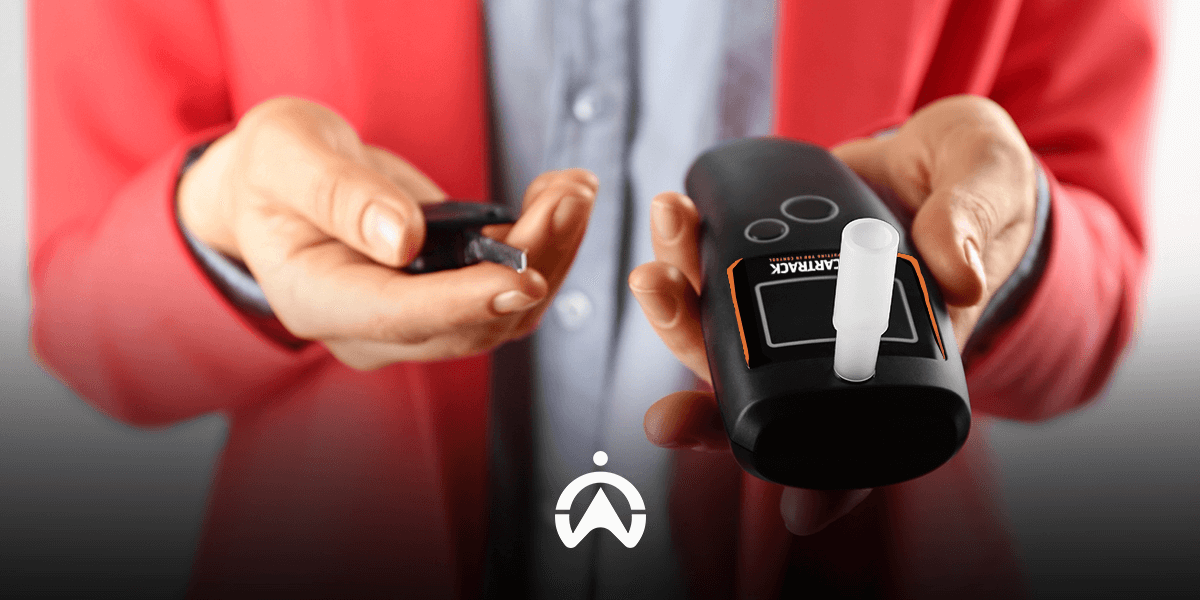
Companies can tackle DUI problems among their drivers and prioritise the safety of drivers and the fleet with Cartrack Mozambique's alcohol breathalysers. Our breathalysers use cutting-edge technology that interlocks with your vehicle's ignition. If a driver's breath alcohol concentration (BrAC) tests above the legal or preset limit (i.e. they fail the breathalyser test), the vehicle can be prevented from starting.

Here's how it works:

  1. Prevents drink-driving
    This device integrates seamlessly with the Start Ignition and Start Prevent technology from Cartrack Mozambique. This allows managers to directly prevent the vehicle's ignition if the driver's breath alcohol concentration exceeds a legal or preset limit.
  2. Real-time alerts if drivers fail the breathalyser test

    If a driver fails the breathalyser test, the results are communicated instantly via the Global System for Mobile (GSM) to your control centre, and the vehicle will be immobilised as soon as the ignition is switched off, allowing immediate intervention and support from the fleet manager.
  3. Comprehensive recording

    Every test, pass or fail, is stored on the device in the unit's memory for detailed reporting and analysis. Driver behaviour reports can be easily accessed on Cartrack Mozambique's fleet pages at any time. The information is made available seamlessly with an encrypted RD download of vehicle data to your PC.
  4. Override function

    The device is equipped with two override functions, offering flexibility in emergencies. A reprogrammable one-time override function can be used to keep the vehicle mobile and, in the event of a technical failure, an emergency override PIN code can be issued by the control centre.
  5. Innovative features
    The device can distinguish between human and mechanically simulated breath samples using Electronic Counter-Circumvention Measures (ECCM), so drivers cannot bypass the test. It also has advanced fuel cell sensing technology and LED indicators to make it easier for drivers to use.

Easy implementation and software verification

Cartrack Mozambique's alcohol breathalysers are CAN-Bus enabled. This reduces installation time and increases the system's capability. The breathalysers integrate seamlessly with the fleet management system from Cartrack Mozambique.

All features are programmable to meet your fleet's business challenges and can also take legal and judicial requirements into account.

Companies can take other steps to ensure that there is no tampering with the breathalysers or attempts to get round the system. For example, Cartrack AI SmartCabin cameras face the driver and use AI facial recognition to detect the position or orientation of the driver's head and eyes.

These cameras are designed to detect distracted driving gestures, such as mobile phone use, smoking or signs of driver fatigue, such as yawning, that can cause accidents. Fleet managers can also use these cameras to see whether the driver is intoxicated or has tried to use someone else to take the breathalyser test.

In addition, for mobile workers, such as delivery drivers and field service workers, fleet managers can set up the breathalyser test as a pre-trip inspection to ensure that drivers are safe on the road. As fleet managers cannot watch their drivers' every move, they can set up a pre-trip checklist to make sure drivers always take the breathalyser test, and can verify this with reports from the fleet management software.

Fácil_implementação_e_verificação_de_software

Cartrack Mozambique's cost-effective solution and long-term benefits

Although breathalyser testing may require an initial investment in devices, training and implementation, the long-term benefits far outweigh the upfront costs.

Cartrack's alcohol breathalyser is a cost-effective solution that offers immediate benefits today and helps mitigate any drink-driving risks in the long term.

Here are some rewards your fleet and drivers can gain by using Cartrack Mozambique's breathalyser technology

Benefits for your fleet:

  • Reduced liability and risk: Proactively prevent accidents and the legal repercussions associated with drink-driving.
  • Greater driver accountability: promote a safer, more responsible driving culture in your team.
  • Greater operational efficiency: Minimise downtime and disruptions caused by alcohol-related incidents in the workplace.
  • Regulatory compliance: In some industries, breathalyser testing may be mandatory or strongly encouraged in order to comply with safety regulations and standards.
  • Reduce insurance costs: Insurance companies often offer lower rates to companies that have put in place strong measures for safety, including breathalyser programmes.

Benefits for your drivers

  • Encouraged to act responsibly: Drivers will avoid drinking excessively when they use company vehicles, travel long distances for work or operate heavy machinery at the company.
  • Training opportunity: Drivers can receive training on the risks of driving under the influence of alcohol and on the regulations and disciplinary procedures relating to breathalyser testing. This can help them reduce risky behaviour.
  • Exemption from liability: In an accident, drivers can also be cleared of liability if they have evidence and reports proving that they were not under any influence while driving or operating machinery.
  • Enjoy a safer environment: All employees can enjoy a safe environment knowing that their colleagues are acting safely when operating heavy machinery or working in general.

Bonus benefit: a long-term advantage for companies and driver well-being

Introducing alcohol breathalyser testing can be a sensitive subject. Drivers and employees often feel targeted by managers or companies when things go wrong. One of the ways to build the relationship between managers and drivers is to create a supportive, helpful environment. Instead of aiming to punish and dismiss employees who fail the breathalyser test, you can see it as an opportunity to address alcohol abuse and alcoholism with the utmost sensitivity.

Drivers can feel confident that managers will treat test results confidentially. They can also trust that fleet managers will be there to help them if they are struggling with alcohol use. Doing this is a positive step towards improving employee well-being and morale.

For example, imagine that one of your best-performing drivers fails the breathalyser test and cannot resume work for the day. Instead of dismissing or disciplining them immediately, you can help them get professional help, saving your company the time and money of replacing highly skilled employees.

Here are other changes you can make to promote your drivers' well-being:

  • Return-to-work alcohol testing – carry out random and regular tests for accountability, helping employees who are DUI offenders or in rehabilitation to return to their work.
  • Employee assistance programmes (EAPs) – offer confidential access to the programme, which lets drivers get the professional support and guidance they need in a safe, supportive environment.

Ready to implement breathalyser testing that looks after your drivers and your company?

Implementing breathalyser testing for your drivers and employees is a strategic way to increase safety, reduce liability and promote a responsible working environment.

Cartrack Mozambique can help you get started with alcohol interlock breathalyser technology. Contact us for a demo and more information.

Abnormal load trucks: how to eliminate your truck operation challenges with a fleet system

Dealing with a fleet of trucks can be a hassle, and dealing with an abnormal load fleet can be harder still. But does it have to be?

Let's find out how Cartrack can simplify the management of an abnormal load fleet, making it very easy.

In this article, you will:

  • Understand what abnormal load fleet trucks are
  • Unpack the state of abnormal load transport in South Africa
  • Dig into the challenges faced by abnormal load fleets
  • Find out what makes fleet management the ideal solution to these challenges
  • Find out how the fleet management solutions from Cartrack are your secret weapon for fleet success

Unpacking what abnormal load fleet trucks are

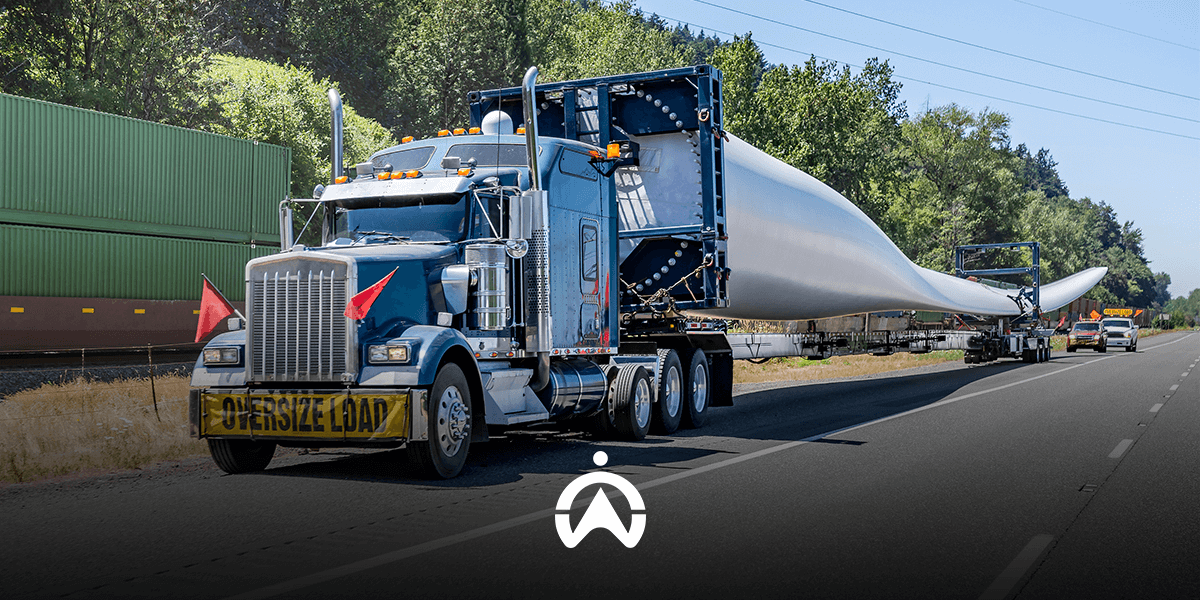
Abnormal load fleet trucks are specialised vehicles designed to transport machinery, industrial equipment and oversized or overweight loads that exceed the standard legal limit, whether in width, length, height or weight. These trucks are important in the transport industry, as they ensure the safe delivery of heavy loads – think huge transformers, wind turbine blades and even sections of oil rig platforms.

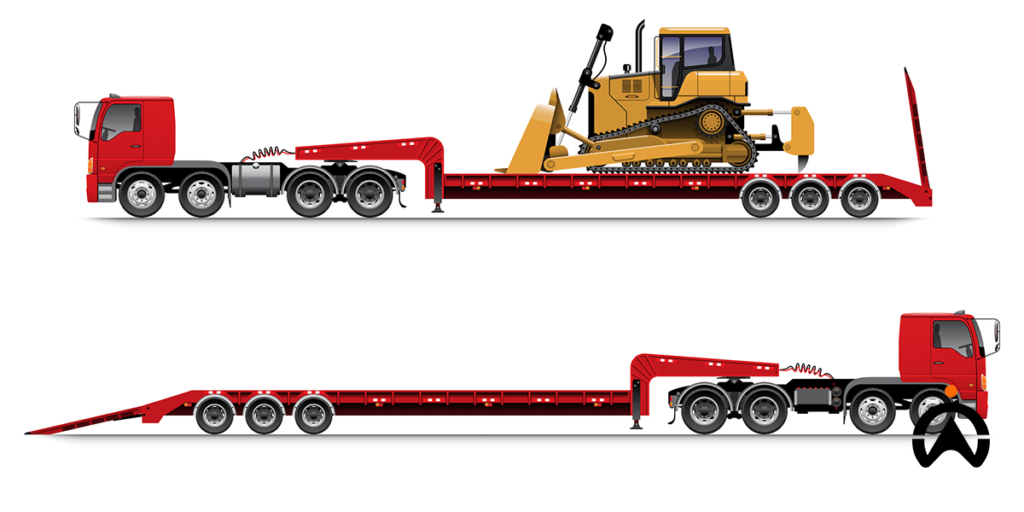
You see, these are not your typical eighteen-wheelers; they are designed specifically to move heavy, specialised loads, typically used in large construction and infrastructure projects, and they use a variety of trailers depending on the load they carry. These include low-bed trailers that sit close to the ground to carry extra-tall machinery, extendable trailers that are ideal for very long objects, step-deck trailers that make loading forklifts simple, and flatbed trailers that are ideal for quick and easy loading and unloading of equipment.

Discover the difference: abnormal load trucks versus normal trucks

Let's make a quick comparison of the difference between abnormal load trucks and normal trucks:

Load size and weight Carry oversized and heavy loads that are above the legal size and weight limits Carry large and standard-sized loads that are within the legal size and weight limits
Load type Usually carry specialised loads, such as mining, construction and industrial equipment Usually carry general goods and materials, such as packaged products and building materials
Licence requirements Drivers need special licences to drive these trucks, as they present more challenges and safety concerns Drivers need a standard truck driving licence
Licence requirements Drivers need special licences to drive these trucks, as they present more challenges and safety concerns They do not need special permits, as they operate within the standard legal limits.

Abnormal load trucks sound complicated, right? Well, that is what makes these trucks so important: their ability to get the job done, whatever the size. But how important are they in South Africa's unique economy? Let's find out.

Decoding abnormal load transport in South Africa

The South African economy is shaped by the construction and development industry. In fact, in the fourth quarter of 2023, the construction industry contributed around R106 million to the country's gross domestic product (GDP). The industry is also expected to grow steadily over the next four quarters, recording a compound annual growth rate of 5,8% between 2023-2027. This means that construction output is expected to reach more than R276 million by 2027.

Transporting heavy and large machinery is a crucial part of a successful construction industry. In South Africa, abnormal load transport is important for moving components such as mobile cranes, earthmoving equipment and heavy machinery from one destination to another.

However, abnormal load transport is not limited to the construction industry; it also plays a role in the following industries:

  • Mining industry:
    Simplifying the delivery of equipment such as drilling rigs, underground loaders and conveyor belt systems.
  • Manufacturing industry:
    Streamlining the delivery of storage racks and industrial boilers.

Exploring the hidden obstacles of abnormal load transport in South Africa

South Africa has a unique climate for running any business, and this applies to the abnormal load fleet industry. South Africa's economic and geographical climate creates a unique set of challenges for fleet managers. These challenges include:

  • Rising operating costs:
    South Africa sees fluctuating fuel costs, with the most recent fuel price increase being R1,21 per litre of petrol and R1,19 per litre of 50 ppm diesel. With the amount of fuel that abnormal load trucks burn because of their size and weight, even the smallest increase can significantly raise operating costs. Abnormal load trucks need powerful engines to maintain momentum, and the specialised trailers create significant wind resistance. These two factors result in higher fuel consumption compared with normal trucks. So, if fuel consumption is not monitored closely, rising consumption will leave you with the unpleasant surprise of possibly not being able to pay for fuel.
  • Fleet compliance:
    Compliance is a major challenge faced by managers of abnormal load fleets. Abnormal load trucks carry loads so large and heavy that they can exceed the legal weight limits. For this reason, abnormal load transport requires special permits that specify approved routes and conditions for safety, depending on the size and nature of the load. This permit is not just extra admin; it is also an extra expense, which can add to the already costly nature of abnormal load fleet vehicles.
  • Driver management:
    Handling a vehicle with a heavy load can be very challenging, so drivers need proper training to ensure they drive safely and efficiently. Whether you have one, five or twenty abnormal load trucks, this can be quite challenging, as you need to keep a constant eye on your drivers to see how they are behaving at the wheel.
  • Route planning:
    Routes for abnormal load trucks need to be planned in advance, as they cannot take the same routes as normal vehicles or trucks. Many South African roads were not designed to carry large, heavy loads, especially in urban areas where the streets are too narrow and the roads have sharp bends or low bridges. Route planning ensures that large loads are delivered on time, with little or no delay, avoiding areas at high risk of theft or hijacking.
  • Vehicle maintenance:
    Vehicle maintenance is a major challenge for managers of abnormal load fleets in South Africa. The greater weight and size of the load carried by abnormal load trucks puts extra strain on many vehicle components, such as engines, brakes, suspension and tyres, accelerating vehicle wear. With the poor road conditions in South Africa, vehicle parts can suffer premature damage, which means more frequent maintenance.

Abnormal load trucks face a wide range of challenges; if these are not resolved, your fleet can become a heavy burden. If you are looking for a solution that streamlines and resolves these challenges, you need a system for fleet management.

Explorando_os_obstáculos_ocultos_do_transporte_de_carga_anormal

Go from headache to efficiency with a fleet management system

Imagine having eyes and ears on every abnormal load truck in your fleet at all times. This is the beauty of fleet management systems: a combination of tools and technologies that make fleet management tasks easier. These systems increase fleet productivity, improve efficiency and safety and simplify real-time monitoring of various aspects of the fleet. It is your complete tool for knowing what is happening in every aspect of your fleet, whether in terms of fuel consumption, driver behaviour or maintenance problems.

A fleet management system is not a luxury; it is essential for the efficient running of your fleet and, without it, the repercussions are damaging. Let's look at the consequences of not prioritising fleet management in the context of abnormal load vehicle fleets.

How does poor fleet management affect abnormal load fleets?

Effective fleet management is crucial, whether you are transporting normal or abnormal loads. Let's look at the risks of not prioritising it in your fleet:

  • Financial losses:
    Fleet management is rooted in constant monitoring of various aspects of the fleet and, without it, a fleet can suffer significant financial losses. Wasted fuel due to inefficient routes, poor vehicle maintenance and dangerous driving behaviour can lead to higher operating costs, reducing the fleet's profitability.
  • Reputational damage:
    Fleet management is essential for streamlining fleet processes and, with it, fleets can avoid delays that can harm their reputation and customer service. One of the most incredible things about fleet management is the in-depth insight it offers into your entire fleet operation, whether that is driver behaviour, real-time vehicle location or routes.Let's look at John again. He doesn't use fleet management strategies, which means he cannot spot possible delays on delivery routes due to traffic conditions. He also has to phone each of his drivers to find out exactly where they are and how long they should take to complete the delivery. These factors lead to late deliveries, damaging the fleet's reputation.
  • Unplanned downtime and unforeseen damage:
    Fleet management offers in-depth insight into the factors that can lead to unplanned stoppages and unforeseen damage. It is all about real-time monitoring, taking the guesswork out of running your fleet.John cannot help his drivers stay safe and drive responsibly because he doesn't know how they are driving. It is important to remember that, according to the Department of Transport, drivers of abnormal load trucks need a proper licence and training to drive these vehicles safely. John cannot provide specific training because he doesn't know which areas his drivers need training in, increasing the risk of road accidents.

These consequences sound heavy, right? That is why you need a fleet management system. Now that we have covered the impact of poor fleet management, let's explore how a fleet management system can help you take your abnormal load fleet to the next level.

How can a fleet management system help optimise abnormal load fleets?

A fleet management system is the secret weapon you need in your fleet's arsenal for several reasons. Let's explore them below:

  1. Simplified route planning:
    As we established above, special load trucks cannot use every road because of their size. Using real-time GPS tracking and AI software, a fleet management system can detect congested roads, obstacles with low clearance, bridge weight capacity and other critical factors that help identify the safest and most convenient route. Fleet managers can ensure that their deliveries are made on time by following routes that do not require detours due to congestion or rules and regulations.
  2. Greater driver safety:
    Our safety of the driver is essential, especially when handling a vehicle as large as an abnormal load truck. A fleet management system lets fleet managers view their drivers in real time, helping them know exactly what is happening at the wheel. In doing so, they can spot behaviour that puts their drivers and their load at risk. This allows them to implement specific driver training to ensure that the fleet remains as safe, effective and productive as possible.
  3. Optimise vehicle safety:
    We live in a country where your car is always at risk of being stolen, which is a costly risk for abnormal load trucks and the cargo they carry. A fleet management system helps fleet managers unlock a new level of vehicle security, thanks to real-time GPS tracking. This helps them always know where their vehicles are. So, if a driver notifies the manager that the vehicle has been stolen, they can quickly pinpoint its location at the touch of a button.
  4. Preventive maintenance:
    Preventive vehicle maintenance is about more than just fixing a faulty part; it's about catching the problem before it turns into a more serious and expensive matter. A fleet management system can monitor the health of various vehicle components, from engines to brake pads. By helping fleet managers quickly identify faulty parts that could affect a truck's operability, they can quickly schedule a repair to avoid unplanned downtime.
  5. Effective fleet cost management:
    Operating a fleet comes with many costs, which increase with an abnormal load fleet. These expenses can be very hard to manage and monitor, but with a fleet management system, you can know exactly how much it costs to run your fleet effectively. Knowledge is power, and that also applies to your fleet's running costs. This knowledge can help you identify cost savings in your fleet, implement cost-cutting strategies and make sure you never miss a payment deadline.

Intrigued? Well, you can unlock these benefits for your abnormal load fleet today. How? The answer is the fleet management solutions from Cartrack.

Como_um_sistema_de_gerenciamento_de_frota_pode_ajudar_a_otimizar_frotas_com_cargas_anormais

Master these fleet giants with Cartrack Mozambique's fleet management solutions

Our Cartrack Mozambique offers a wide range of fleet management solutions that can simplify the management of your abnormal load fleet. Let's look at some of these solutions:

  1. Driver behaviour monitoring:
    Keep track of your abnormal load drivers' behaviour with AI Live Vision cameras from Cartrack Mozambique. This AI-powered live-streaming technology helps you unlock 24-hour visual access to your fleet, making it easier to monitor each of your drivers. Using AI analysis, our cameras can detect different forms of dangerous or distracted driving, including:- Fatigue
    – Speeding
    – Smoking
    – Mobile phone use

    Audible in-cab alerts are triggered the moment these behaviours are detected, allowing your drivers to correct their behaviour in real time. This proactive approach to safe driving helps your drivers avoid costly and potentially fatal accidents. And, as a fleet manager, you can also receive these alerts in real time, as well as keep an eye on your drivers through a live stream to make sure you stay up to date, even if you look away for a moment.

  2. Driver scorecards:
    Know exactly which areas your drivers need to improve with Cartrack's driver scorecards. It's one thing to know that some of your drivers are driving aggressively; it's another to be able to pinpoint exactly which driver is behaving this way. Our scorecards monitor high-risk behaviours, including:- Harsh braking
    – Speeding
    – Sudden acceleration
    – Sharp cornering

    These detailed reports help you pinpoint the exact time, location and driver linked to these harsh driving events, helping you know which drivers need specific training to improve the overall safety of your abnormal load fleet.

  3. ADAS:
    Make sure your drivers are fully aware of their surroundings with Cartrack Mozambique's Advanced Driver Assistance System (ADAS). This proactive technology uses features such as forward collision warnings to alert drivers to a potential threat in real time, helping to promote vehicle safety and prevent potentially disastrous road accidents.
  4. Driver identification tags:
    Make sure only authorised drivers can use your abnormal load trucks with driver ID tags from Cartrack Mozambique. As established, abnormal load truck drivers need special licences to operate these large vehicles, so you don't want to give unqualified or inexperienced drivers access to the wheel. By giving your drivers a unique tag that must be tapped on a sensor inside a vehicle to start it, you get controlled driver-vehicle assignment and use, unlocking another level of safety.
  5. MiFleet:
    Account for every cent your abnormal load fleet consumes with Cartrack Mozambique's MiFleet software. Our cost management system gives you a complete view of all fleet expenses, from vehicle licences for abnormal load trucks to fuel costs. By keeping track of your fleet's expenses, you can say goodbye to the human error caused by manual calculations. This cuts admin time and helps your fleet stay cost-effective, compliant and profitable.
  6. Cartrack Delivery:
    Step up your abnormal load fleet's delivery game with Cartrack Delivery. Making deliveries is already tiring and can be a hassle for abnormal load fleets. However, thanks to our Delivery solution, it doesn't have to be. This solution aims to streamline and optimise all your delivery options, giving you a complete view of your driver's location and trips. This helps to simplify job assignment, as it is based on job completion times and driver availability. But that's not all, as this solution also helps you find the best delivery routes for your drivers. Using real-time traffic conditions, our route optimisation tool makes sure your drivers follow the most effective routes without detours, which reduces delays and improves overall efficiency and customer service.
  7. Fuel monitoring:
    Make every litre of petrol count with the fuel monitoring system from Cartrack Mozambique. At Cartrack, we understand that fuel is a major expense for fleets, especially those carrying abnormal loads. That's why we bring you a solution that helps you take full control of your fleet's fuel consumption. By helping you monitor fuel consumption in real time, you can quickly identify the source of fuel drain and even prevent fuel theft.Thanks to our software's ability to match your fuel receipts with your vehicle's location and fuel status, you can detect fuel fraud, helping you reduce cost drain and increase your fleet's overall efficiency.
  8. Preventive maintenance:
    Avoid unplanned downtime and costly breakdowns with Cartrack Mozambique's preventive maintenance solution, equipped to help you detect potential maintenance problems before they become costly and affect your fleet's longevity. Equipped with advanced analytics, this solution monitors the health of various vehicle components, such as brake pads, taking the guesswork out of knowing which part of your truck needs maintenance. But that's not all, because this system also creates maintenance plans tailored to your fleet, helping you avoid scheduling maintenance at compromising times, preventing road accidents and increasing your fleet's longevity.
  9. Real-time GPS tracking:
    Always know where all your abnormal load trucks are, thanks to our real-time GPS tracking technology. Our state-of-the-art IoT devices are equipped with GPS and GSM, which gives you complete information on where your vehicle is, the direction it is travelling in and the speed at which it is being driven. To access this information, simply open our fleet management platform or our mobile app. Talk about safety at the touch of a button, right? But that's not all, because with our GPS tracking, you get access to our stolen vehicle recovery service, with a success rate of over 90%.

So, in the unfortunate event that your truck is stolen, Cartrack's highly trained recovery team works hard to recover it based on real-time location updates.

Power up your fleet with smart fleet management

Your success as an abnormal load fleet depends on your ability to think ahead in your approach to fleet management. Cartrack is an industry leader that thrives on innovation, making us the perfect choice to take the abnormal weight off your shoulders.

Watch the video below to find out exactly how:

Master abnormal load fleet management and unlock efficiency, safety and profitability with Cartrack Mozambique

Size plays an important role in fleet management and, to take your big fleet to the next level, you need a big thinker as a partner. That partner is Cartrack Mozambique.

We are trusted by more than 1.9 million subscribers. Trust us to solve your abnormal load fleet challenges.

Contact us today and give your abnormal load fleet the biggest success.

Get to know the pros and cons of electric cars and see the latest statistics

Going green is a hot topic on everyone's lips right now. Is it possible to create a more sustainable fleet by looking at the pros and cons of electric vehicles?

Get the latest statistics and insights on EVs, how they work, why they are the better option for the environment and how Cartrack's fleet management platform can help you optimise your green fleet mission.

In this article, you will:

  • Learn the difference between ICE vehicles and EVs
  • Get the latest EV-related statistics
  • Discover the pros and cons of electric vehicles
  • Get answers to the most frequently asked questions about EVs
  • Find out how Cartrack can optimise your EV-based fleet

The power of electricity: unveiling electric vehicles

Electric vehicles have taken the world by storm, offering a range of benefits that internal combustion engine vehicles simply can't. First, though, it's crucial to understand exactly how these two types of vehicle differ in key areas and why that matters.

Electric vs ICE: know the difference

There are more differences than similarities between EVs and ICE vehicles when it comes to their inner workings. They look relatively alike on the outside, with a bonnet, boot, seats and steering wheel. But what goes on under that bonnet is where the main difference lies.

ICE is short for internal combustion engine, as these vehicles use fossil fuels such as petrol or diesel to power their engines. EVs are completely different. Instead of powering an engine with fuel, EVs use electricity from a rechargeable battery to power an electric motor. This key difference, along with several others, plays an important role in influencing modern society's trend of switching to EVs. These include:

  • Emissions and compliance
  • Maintenance
  • Range
  • Cost
  • Noise
  • Efficiency

Whether you're looking to buy a personal vehicle or acquire replacement vehicles for your fleet, factors such as cost, maintenance, efficiency and range probably play a significant role in your personal choice of vehicle type.

The pros and cons of EVs: what you need to know

What are the biggest positives and negatives of electric vehicles? Get familiar with the good and the bad to develop a balanced perspective.

The perks

  1. Reduced emissions
    One of the main reasons electric vehicles are becoming so prevalent on roads around the world is that they offer a viable countermeasure against climate change, with notably fewer harmful emissions.
  2. Energy efficiency
    When it comes to converting electricity or petrol into power, the conversion rate of electricity is much higher, making it more energy efficient. While petrol vehicles convert only around 12% – 30% of the energy stored in petrol into power, EVs convert more than 77% of the energy stored in the grid into vehicle power, making them the obvious option when it comes to choosing an energy-efficient vehicle.
  3. Lower fuel and basic maintenance costs
    Did we say lower fuel costs? Let's rephrase that: EVs don't use fossil fuels, which means you won't be emptying your bank account at a petrol station every few weeks. Electric vehicles don't use other fluids such as engine oil either and, thanks to regenerative braking, brake wear is significantly reduced.
  4. A quieter ride with instant torque
    Powered by a battery instead of an engine, electric vehicles make very little noise, creating an excellent ride experience. An EV's torque is generated by magnetic fields and an electric current, rather than by the combustion of gas and the rotation of the crankshaft, which takes longer.For context, let's compare the Tesla Model 3 Performance with the high-performance Audi RS3. While the Audi's 0-60 mph acceleration is just under four seconds, the Tesla beats that performance with an impressive 3.1 seconds.

The downsides

  1. The environmental impact of production 

    Although driving an EV produces minimal harmful emissions, there are debates about the impact its manufacturing process has on the environment. The electric vehicle's battery requires lithium mining, which in itself causes carbon emissions, habitat destruction and pollution. However, climate change activists see this as a necessary evil to achieve the greater good of net zero emissions.

  2. EV power supply 

    One of the biggest problems facing electric vehicle drivers is the limited power supply, also known as insufficient charging stations. Just as the fuel tanks of ICE vehicles eventually run empty and need to be refilled, an electric vehicle's battery must be charged to keep travelling. If there aren't enough charging stations, the battery can run flat with no option to recharge and the driver can be left stranded.

  3. They are expensive 

    Since EVs are not yet produced on the scale of ICE vehicles, their overall production costs are still high. In addition, manufacturing lithium-ion batteries and electric motors is far more expensive than producing an internal combustion engine. As technology progresses, this could soon change, making EVs more affordable before long.

  4. Limited range
    An electric vehicle's range depends on the make and model. So, while some EVs have a decent range, others need to be recharged frequently, which makes them less practical for long-distance trips. In the end, though, a petrol or diesel vehicle still offers a little more, and there are far more options for filling up along the way, unlike EVs.

Discover the most interesting EV statistics right now

There's nothing like good old statistics to give you some insight into a topic you may not be one hundred per cent familiar with. In terms of market growth, models and statistics by geographic location, there is a lot to learn about EVs.

Market growth

  • In almost a decade, the use and popularity of EVs have seen incredible growth. The BNEF Electric Vehicle Outlook 2023 report recorded 20 million EVs on the road in June 2022, after recording just over 1 million in 2015.
  • In 2022, 14% of all new vehicles sold globally were electric, a significant increase from around 9% in 2021 and less than 5% in 2020.
  • By 2024, 25% of all new passenger car registrations are expected to be electric, exceeding 17 million units in sales worldwide.

Models

  • The Tesla Model Y was the world's most popular plug-in electric vehicle, with worldwide unit sales of around 771,300 units in 2022. However, the Tesla Model 3 is the most sought-after EV, with 1,852,356 monthly global searches.
  • The BYD Atto 3 ranks third among the most popular EVs in Australia, with 3,216 units sold in 2023.
  • The Nissan Leaf was the world's best-selling electric car from 2011 to 2014 and in 2016

Country-based EV statistics

  • In 2020, Norway had 81.0 electric vehicles per 1,000 residents, the highest figure in the world. The country also has the world's largest plug-in EV fleet per capita. In 2021, 15.5% of all vehicles in Norway were fully electric, spectacularly beating the EU average of 0.8%.
  • In 2020, China took first place as the world's largest electric vehicle market. The International Energy Agency's Global EV Outlook 2023 also reports that 40% of global EV sales are made in China

Which vehicle brands make electric vehicles?

With the electric vehicle landscape developing at a record pace, you may be surprised at how many electric car companies exist today. Many of us are only familiar with trusted household brands, such as those mentioned above, but there is a whole new world of electric vehicle brands ready to explore. Here is a mix of new and trusted brands that make the most popular EV models right now.

  • Tesla
  • BYD
  • Rivian
  • Kia/Hyundai
  • General Motors
  • Lucid
  • Ford
  • Mercedes-Benz
  • BMW
  • Fiat
  • Alfa Romeo
  • Ferrari
  • Toyota

Other notable brands involved in the manufacture and development of electric batteries, charging stations and electric vehicle technology include Volta Charging, Electra Vehicles, WiTricity and Proterra Inc.

The origin and history of EVs

Looking at the ultra-modern exterior design of electric vehicles, it seems impossible to imagine that these machines date back almost two centuries. The first prototype EV models were created in 1835, although in the late 19th century and for most of the 20th century ICE vehicles took centre stage, with mass production of internal combustion engines being cheaper at the time.

Here is a fascinating look at how electric vehicles came about:

  • The first version of a full-size EV was developed in 1832.
  • The first production electric car was built by Thomas Parker, using a high-capacity rechargeable battery.
  • In 1996, General Motors created one of the best-known electric vehicles of the time, the EV1.
  • EVs finally took off in the 21st century because of the need to reduce CO2 emissions

Today, Tesla is one of the most popular electric vehicle brands, with household names such as Toyota, Ford, BMW and Nissan also boasting their own electric vehicle models.

The environmental need for electric vehicles

Although the electric vehicle was invented almost 200 years ago, the need for an alternative to ICE vehicles only peaked relatively recently. Climate change plays a significant role in global politics and in the need to preserve the planet.

Climate change influences energy efficiency

The impact of climate change on energy efficiency is undeniable. As our planet warms, energy systems become increasingly vulnerable, highlighting the critical role of energy efficiency in mitigating climate change. By reducing energy consumption and emissions, we can ease the pressure on the environment and tackle the challenges posed by climate change.

The US Environmental Protection Agency emphasises this link, recognising energy efficiency as “the most cost-effective way to tackle climate change”. In most cases, efficiency measures are proven to reduce energy waste, save money and make it easier to expand renewable energy sources. This makes energy efficiency a key strategy for tackling climate change and its wider impacts on the environment, the economy and human health.

What is Net Zero?

Imagine a world where the greenhouse gases we emit are equal to those we remove, creating a stable balance. That is the essence of net zero carbon, a crucial goal in the fight against climate change. It is about reducing our greenhouse gas emissions to as close to zero as possible. This involves two main strategies:

Reducing emissions: We need to drastically reduce the amount of greenhouse gases we release into the atmosphere. This means transitioning away from fossil fuels, investing in energy efficiency and adopting sustainable practices in every sector.

Removing emissions: Even with significant reductions, some emissions will remain. Net Zero recognises this and seeks to “balance the books” by removing these remaining emissions from the atmosphere. Approaches such as tree planting and carbon capture are exploring ways to achieve this.

Achieving carbon neutrality is a global challenge that is gaining momentum. The United Kingdom has set an ambitious target of reaching net zero emissions by 2050, and many other countries are following suit. This collective action shows a growing understanding of the urgency of adopting more energy-efficient ways of travelling.

Can EVs reduce global warming?

According to the United Nations, oil, gas and fossil fuels are the biggest contributors to global carbon emissions, accounting for 75% of greenhouse gas emissions and 90% of CO2 emissions worldwide. ICE vehicles run mainly on fossil fuels, which makes them one of the prime suspects, while EVs produce notably fewer harmful emissions.

Based on this fact alone, there is no doubt that EVs have the potential to reduce global warming or climate change and make the world a greener place. The more electric vehicles on the road, the fewer greenhouse gas emissions and the less harmful air pollution, helping us breathe easily and keep the world clean.

Os_VE_podem_reduzir_o_aquecimento_global

The most frequently asked questions about electric vehicles

As EVs haven't been on the road for that long, some questions are bound to come up. Here are some of the most interesting frequently asked questions about EVs.

  1. Do electric cars have engines? 

    Although we are used to associating a vehicle's ability to move with an engine, an EV's design is based on different technology and uses a rechargeable battery instead. As there is no internal combustion engine, there is also no fuel tank, fuel line or fuel pump, and the EV emits no exhaust gases from a tailpipe – all crucial components needed for a traditional vehicle engine.

  2. What are the biggest problems with electric cars? 

    Nothing in life is perfect and, although the EV comes pretty close, it still has a few problems. You never know, these problems may be solved in the future as technological development advances, but for now, it's good to be familiar with the following shortcomings, such as the lack of charging infrastructure, the very real issue of range anxiety and the fact that it takes some time to fully charge an EV, especially in cold temperatures.

  3. Are EVs and hybrid cars the same? 

    Electric vehicles and hybrid cars are not the same thing. Yes, while it's easy to tell ICE vehicles and EVs apart, things get a little more complex when it comes to EVs versus hybrids. Don't worry, here is a summary that will quickly bring you up to speed.- EV (Electric Vehicle): Powered exclusively by an electric motor and battery, EVs offer a clean and quiet driving experience. The charging infrastructure they depend on, however, is still developing in some areas.- EV (Electric Vehicle): Powered exclusively by an electric motor and battery, EVs offer a clean and quiet driving experience. The charging infrastructure they depend on, however, is still developing in some areas.

    – FCEV (Fuel Cell Electric Vehicle): These vehicles use hydrogen fuel cells to generate electricity, resulting in zero tailpipe emissions and water vapour as the only by-product. Although highly eco-friendly, hydrogen refuelling infrastructure is currently limited.

    – PHEV (Plug-in Hybrid Electric Vehicle): Combining an electric motor with a petrol engine, PHEVs offer electric driving for shorter distances and the flexibility of a petrol engine for longer trips. They can be charged externally, reducing reliance on petrol stations.

    Basically, there are two types of hybrid and one fully electric vehicle. The main difference is that EVs are powered exclusively by a battery and electric motor and don't use an alternative fuel source.

  4. Where does the EV's engine sound come from? 

    EVs don't have engines, so where does that consistent, low-key hum actually come from? The engine sound isn't generated by any part of the vehicle's mechanics – it comes from a sound file added to the vehicle to provide the sound we have come to associate with a moving vehicle.The Hyundai Ioniq 5 N, for example, has ten internal and external speakers as part of a system that generates fake exhaust sounds to mimic the experience of driving an ICE vehicle.

  5. What type of batteries are used in EVs? 

    The lithium-ion battery is the best-known option for electric vehicles. Still, other types of battery are also successfully powering electric vehicles today:- Nickel-metal hydride batteries (more common in hybrid vehicles)
    – Lead-acid batteries
    – Ultracapacitors

  6. Do EV batteries pose any safety risk? 

    When it comes to fire risks, EV batteries are generally considered safer than internal combustion engines. However, it's crucial to know that lithium-ion batteries are highly flammable and that electric vehicle batteries should under no circumstances be disconnected, exposed to extreme conditions or damaged. Continuous improvements are being made to ensure greater battery safety for electric vehicle users as electric vehicle technology advances.

  7. What are the pros and cons of Tesla?Beyond the general pros and cons of EVs, Teslas also have a few that are unique to the brand:- Ever heard of Sentry Mode? This is Tesla's version of a home alarm system, giving the driver a live view of what is happening around the vehicle, accessible in the Tesla app. It's definitely a big plus in terms of safety

    – Teslas are not immune to problems that may require expensive repairs, which affects the insurance premium you will have to pay if you decide to get one. Repair costs combined with high premiums may make you think twice before buying.

Even if you don't plan to buy a Tesla any time soon, knowing about the features, technology and vehicle types of electric vehicles can help you make smart decisions in the future, with a booming electric vehicle market becoming a crucial component in reaching Net Zero around the world.

Are EVs right for your fleet? 3 reasons why you should consider going green

Since EVs became popular, they have also been introduced into fleets across large parts of the world. Here is why the transition to EVs brings some notable advantages for your business.

  1. Eliminate fuel costs 

    For fleet operators, “filling up” often translates into a major headache made up of fluctuating fuel prices and ever-growing expenses. Budget control remains a constant battle, and the transition to EVs offers a promising solution for minimising fuel spend.

  2. Reduced fleet maintenance

    Forget just cutting fuel costs – electric vehicles (EVs) revolutionise fleet maintenance. Fewer fluids mean less downtime and lower costs, especially for large fleets. In addition, real-time data and proactive maintenance keep your electric vehicles running, maximising uptime and driving your business's growth – all while going green. It's not just a fuel swap; it's a strategic shift towards efficiency and cost-effectiveness.
  3. Greater vehicle efficiency 

    Electric vehicles (EVs) have a trump card for transport, logistics and trucking: instant torque. Although diesel engines have power, they can't match the immediate acceleration from a standstill that EVs offer (check CarThrottle to see the science).This translates into big benefits for your fleet. Large trucks can reach cruising speeds faster, requiring less initial energy, leading to significant savings in charging costs. Whether carrying passengers or cargo, instant torque is synonymous with efficiency and savings.

Os_VE_são_adequados_para_a_sua_frota_3_razões_pelas_quais_você_deve_considerar_ser_ecológico

Cartrack Mozambique can help you develop a greener fleet

Our industry-leading fleet management technology is constantly evolving, and we are ready for the future with features that can help you use and optimise the roll-out of EVs in your fleet.

  • Be proactive about EV maintenance and optimise your savings 

    The fleet platform Cartrack Mozambique lets you follow a strict predictive maintenance schedule, which prevents unnecessary vehicle breakdowns, repairs and downtime, whether you have ICE vehicles, EVs or a mix of both. Following a comprehensive maintenance routine can go a long way towards reducing operating costs, improving your ability to budget and freeing up more money to spend on other fleet-related needs.For example, instead of engine maintenance, it's crucial to keep an eye on the health and lifespan of an EV's battery, since battery replacements are costly. Dedicated telematics data at your fingertips gives you up-to-date information on the health of your EV. The fleet management platform also offers a range of useful insights, providing accurate data on vehicle and engine status and driving behaviour, while the dedicated MiFleet platform helps you manage all fleet-related costs, including registration and licensing fees, promoting compliance and helping you avoid late payment fines.

  • Never worry about range anxiety or vehicle downtime 

    Although it's quick to fill a petrol or diesel tank, it takes some time to charge an EV and, as we found out earlier, extreme temperatures can also unnecessarily prolong these charging times. In a fleet context, charging time equals vehicle downtime, significantly impacting fleet operations.The fleet management platform from Cartrack Mozambique can help you make up for lost time by optimising every other aspect of your operation with advanced route planning and optimisation tools that also allow you to plan routes around crucial charging stations. In addition, you can schedule charging times into your fleet's workflow, monitor your EVs' battery life in real time and make sure you are always aware of every range status so that a fleet car isn't left stranded with a flat battery.

Contact us today to optimise your electric vehicle fleet management needs

If you're ready to start adding EVs to your fleet, we're ready to make your greener fleet system the best it can be. Contact Cartrack Mozambique and choose the most sustainable fleet management option.

Manual vs automatic: which is better for your fleet?

Businesses have important criteria for making sure their vehicles perfectly match their specific needs. It's all about being the perfect match, from speedy motorcycles delivering quick treats to sturdy trucks for furniture or construction teams. After all, birds of a fleet flock together.

But what about automatic versus manual vehicles? Which one suits your business best?

Let's dig deeper to get the answer and see which transmission type South African businesses prefer most.

In this article, you will:

  • Discover the shifting trends in fleet vehicle preferences
  • Compare manual and automatic transmissions
  • Find out how automatic transmissions address fleet challenges
  • Get tips for choosing the right transmission type for you
  • Find out why Cartrack is the best fleet management solution for both manual and automatic fleets

The fleet landscape in 2024

If your business is in the automotive sector, I bet you've noticed some shifting trends that affect your vehicle sales. Since the introduction of automatic and electric vehicles (EVs), more and more businesses across various sectors are starting to buy and use them.

If consumer sales are anything to go by, South African motorists have tipped the scales in favour of automatic vehicles. For the first time in, well… ever, automatic vehicles outsold manual vehicles based on November 2023 vehicle sales, Cars.com reported with the help of Lightstone Auto. Although this proves that more automatic vehicles were sold in South Africa recently, the information used was based only on vehicles such as passenger cars, including SUVs, and light commercial vehicles. So it's also interesting to note that a medium to extra-heavy commercial vehicle such as a truck is not part of this new trend.

Cenário_da_frota_em_2024

Manual vs automatic transmission: what's the difference?

When it comes to choosing between the two, most fleets don't. They choose to have both types of vehicle in their fleet so they can reap the benefits of both transmission types.

Let's look at the differences between the two.

Reliable manual vehicles:

These are the classic cars we all know and mostly love.

These vehicles have a manual gearbox and a clutch pedal for the driver to accelerate, slow down and manually control the vehicles they drive. This type of vehicle gives the driver full control to operate it as they wish.

Here are the benefits of manual vehicles:

Better vehicle control: With a manual transmission, drivers have more control over gear changes, allowing them to adjust to road and terrain conditions as they wish.

Lower upfront cost: Manual vehicles are typically cheaper for businesses to buy upfront compared with automatics, making them a more economical option for buyers on tight budgets or businesses with smaller fleets.

Better fuel consumption: Manual transmissions can potentially improve fuel economy, since they allow drivers to change gear while driving for maximum fuel efficiency, but this benefit depends entirely on driving behaviour.

Accessible mechanics: Manual gearboxes have fewer complex mechanical components than automatics, potentially reducing the chances of expensive repairs that cause prolonged downtime.

Modern automatic vehicles:

Automatic vehicles have a type of transmission that uses computers and sensors to identify the vehicle's speed and change gear automatically, removing the need for the driver to change gear manually.

Despite the technological innovation of automated gear changes, this type of transmission is not necessarily the best option for every business, but it has advantages that many organisations can't ignore.

  1. Easy to use: Unlike manual transmissions, automatic vehicles don't take long to get used to driving or operating, which makes them easier to use.
  2. Improved safety: With automatic transmissions, drivers can keep both hands on the steering wheel at all times, promoting safe driving and increasing awareness of driver behaviour on the road.
  3. Easier driving on hills: Drivers never need to worry about their vehicle rolling backwards on a hill. An automatic gearbox prevents vehicles from rolling back on steep inclines, providing a smooth driving experience with no need to balance the pedals.
  4. Reliable performance: These vehicles rarely stall like their manual counterparts, ensuring a smooth driving experience without the engine suddenly cutting out.
  5. Stress-free driving in traffic: Automatic transmission types simplify driving in congested traffic, requiring little pedal work in stop-start situations. Some automatic vehicles even switch off automatically if the vehicle is stopped for a long period of time to avoid idling and save petrol.

The best of both options:

There is a third player in this manual versus automatic comparison game: the automated manual transmission.

The automated manual transmission, or AMT, has the same mechanisms as a manual vehicle, only with sensors and actuators that handle the automatic gear changes. So what's the difference between this and the other popular transmissions?

Well, for one thing, a car with an AMT has no clutch pedal; there is only the accelerator and the brake pedal. This type of transmission allows manual gear changes when needed, simply by moving the gear lever up or down.

Will an automatic fleet change my fleet for the better?

In short, yes, it can potentially improve your fleet's operations.

Since the introduction of automatic vehicles, many everyday drivers and fleet owners have become increasingly interested in vehicles that are easy to use and fuel efficient. Now, in 2024, the interest remains strong.

For fleet managers, the appeal of automatic transmissions goes beyond smoother journeys for drivers; it's about how they deal with some of the biggest pain points affecting their bottom line:

Automatic transmissions, especially modern ones, can not only automatically select the ideal gear for the driving conditions, leading to smoother acceleration, but can also put less strain on the engine in doing so. This can mean fewer stops to refuel and lower overall fuel costs for fleet vehicles.

As manual transmissions require more input from the driver, especially in congested traffic or when driving in hilly areas, this can lead to driver fatigue and stress. Automatic cars remove the need for this manual repetition, reducing driver fatigue and the potential for costly accidents.

That's right, with fewer actions needed to drive, automatic cars allow drivers to focus more on the road and the vehicles around them. This can lead to a welcome drop in accidents, which not only protects your drivers but also saves businesses money on repairs, insurance claims and even potential lawsuits. With a strong impact on maintenance, safety and fuel, it's easy to see how automatics are becoming the go-to choice for fleet owners. With fuel and maintenance costs rising, opting for an automatic transmission makes a lot of practical sense for fleet owners.

Uma_frota_automática_melhorará_a_minha_frota_para_melhor

How do I choose the right transmission for my truck or car?

As with most important decisions that affect your fleet or business, such as choosing the right fleet management software or implementing a fuel card system, you first have to look inward and ask yourself what exactly your fleet needs to improve operations, what you can afford, the sector your business operates in and the size of your fleet.

Choosing between manual and automatic fleet vehicles involves balancing these key factors:

  • Purchase price: Automatic vehicles typically have a higher initial purchase price compared with manuals.
  • Fuel efficiency: Modern automatic transmissions can be more fuel efficient, especially in city driving, where traffic lights mean frequent stopping and starting. This can lead to long-term fuel cost savings. However, the answer may change depending on whether your business does most of its travelling in the city centre or on long-distance trips.
  • Maintenance: Although automatics may need less frequent maintenance in some cases, their repairs can be more expensive when needed, so practising preventive maintenance here and there can be very beneficial.

What is the first step to optimising my fleet? Cartrack fleet management solutions

If you're looking for fleet management software to optimise your fleet of green automatic trucks offering mobile pet care services or blue manual vehicles delivering household appliances, look no further than Cartrack.

The versatility of Cartrack Mozambique shines through in its ability to integrate seamlessly with both automatic and manual fleet cars. Whatever your vehicle's transmission type, Cartrack lets you optimise fleet performance and operations with our trusted features:

Fuel monitoring: get real-time information on your fleet's fuel consumption. Identify areas that need improvement, such as unnecessary idling habits or fuel wastage, and coach drivers towards better fuel economy in automatic and manual vehicles.

Route planning: easily set and manage predefined routes for your fleet vehicles to shorten trip times and cut fuel consumption. If your drivers don't follow these predefined routes, you will receive real-time alerts, allowing you to tell them to reroute or offer assistance if something goes wrong.

Data-driven reports: Whether you're monitoring fuel consumption, driver behaviour or vehicle health and performance, Cartrack's fleet management telematics technology offers more than 40 reports with valuable insights that keep you informed and empower smart decision-making.

Spots or stripes? Get a fleet management solution that's perfect for manual and automatic fleets

Our Cartrack Mozambique caters to fleets of all sizes, industries and transmissions. If a fleet management solution is what you need to lift your fleet into a new stratosphere of success, Cartrack has the smart features, the know-how and the trusted technology to make it happen.

Contact Cartrack today.

Hotshot Trucking: How to speed up your whole business with a powerful fleet system

Is your trucking business ready to be a hotshot?

No, it has nothing to do with being an actual big shot; it's about the ability to deliver goods as quickly and efficiently as possible.

Ready to take your trucking game to the next level? Read on to find out how Cartrack Mozambique's fleet management system is the solution your business needs for efficient and effective hotshot trucking.

In this article, you will:

  • Learn what hotshot trucking is
  • Find out what role hotshot trucking plays in South African industries
  • Dig into the benefits and challenges of hotshot trucking
  • Explore how a fleet management system matters in solving these challenges
  • Discover how Cartrack Mozambique's solutions can take your business to the next level

What is hotshot trucking?

South Africa is home to a large logistics industry, which has made hotshot trucking crucial to its success. But what exactly is it?

The term “hotshot” describes a delivery solution for businesses that need to deliver urgent goods as quickly as possible. Businesses using this solution use hotshot trucks instead of traditional trucks to enable fast deliveries.

What role does hotshot trucking play in South African industries?

Hotshot trucking is so beneficial that it impacts numerous South African industries. Let's explore nine of them:

  1. Mining and Resources: 

    Hotshot trucking enables the fast transport of equipment, spare parts and supplies to remote mining sites, ensuring uninterrupted operations and timely maintenance.

  2. Agriculture:
    In the agricultural industry, hotshot trucking enables the fast delivery of perishable products, such as fruit, vegetables and flowers, to local markets or export facilities. This helps farmers keep their produce fresh.
  3. Construction:
    In the construction industry, hotshot trucking simplifies the delivery of building materials, heavy machinery and construction components to building sites, which in turn simplifies project management and construction timelines.
  4. Manufacturing:
    The manufacturing industry benefits from hotshot trucking thanks to the faster and simpler delivery of raw materials, components and finished products to and from factories.
  5. Oil and gas:
    The oil and gas industry uses hotshot trucks to speed up the delivery of equipment, tools and supplies to drilling sites and refineries, ensuring operational efficiency and timely project execution.
  6. Telecommunications:
    The telecommunications sector uses hotshot trucks to quickly transport critical infrastructure components, such as cables, antennas and network equipment, to installation sites.
  7. Retail and distribution:
    The retail and distribution space uses hotshot trucks to speed up the transport of infrastructure components, such as cables, antennas and network equipment, to installation sites.
  8. Emergency services:
    Emergency services use hotshot trucks to ensure the fast delivery of essential supplies, medical equipment and humanitarian aid during emergencies, such as natural disasters.
  9. Specialised industries:
    Thanks to hotshot trucking, specialised industries, such as pharmaceuticals, can deliver sensitive equipment and products. This ensures that quality standards and deadlines are met.

With hotshot trucking playing a role across different sectors, what really makes it a hotshot hero is its benefits. Let's explore them below.

Qual-é_o_papel_do_transporte_rodoviário_de_sucesso_nas_indústrias_sul-africanas

What makes the hotshot truck a delivery superhero?

Hotshot trucking brings a wide range of benefits to a fleet, helping to deliver a new level of efficiency and success. These include:

  • Improving efficiency:
    Hotshot trucks can navigate traffic easily, helping them reach their destinations faster than traditional trucks. This ensures smooth operations and that urgent delivery needs are met.
  • Increasing flexibility:
    Hotshot trucks can get around congested areas and travel to rural areas, which makes them the ideal choice for various sectors and different types of deliveries.
  • Improving customer satisfaction:
    In our fast-paced, technology-driven world, on-time deliveries matter for customer satisfaction. Hotshot trucking allows businesses to complete orders quickly and respond to urgent customer requests. This creates a positive customer experience, with a positive impact on the business's reputation and success.
  • Reducing your fleet's carbon footprint:
    Compared with large trucks, hotshot vehicles are smaller and use less fuel, which helps them contribute to a smaller carbon footprint.
  • Offering opportunities for specialised loads:
    The hotshot truck is the perfect choice for delivering specialised loads that require special handling, whether temperature-sensitive or delicate. This helps businesses offer solutions for various sectors, including pharmaceuticals.

The hotshot truck is the perfect choice for delivering specialised loads that require special handling, whether temperature-sensitive or delicate. This helps businesses offer solutions for various sectors, including pharmaceuticals.

Have these benefits got you thinking about starting a hotshot trucking business? Starting a hotshot trucking business takes careful planning to succeed in a competitive sector. So, before you buckle up and hit the accelerator, there are a few challenges you should be aware of, as this knowledge will help you navigate a hotshot trucking business successfully.

Exploring the possible obstacles of hotshot trucking

As beneficial as hotshot trucking is, it has its share of challenges. These challenges include:

  • Long distances and varied terrain:
    South Africa's roads can be a challenge for hotshot trucking. Hotshot trucks usually cover long distances, including smooth highways and rough rural roads, making them vulnerable to traffic, poor road conditions and delays caused by accidents. This has a negative impact on delivery times and increases operational risks, putting strain on vehicles and drivers.
  • Fluctuations in fuel prices and consumption:
    Fuel is a major operating expense for hotshot truckers, especially with fluctuating fuel prices in South Africa. Although hotshot trucks are fuel-efficient, they require careful, constant monitoring and route planning to optimise fuel consumption, which can be time-consuming and riddled with human error if done manually.
  • Higher operating costs:
    Hotshot truck fleets are subject to higher operating costs per kilometre due to fuel efficiency, maintenance, insurance and road tolls. Managing these expenses effectively is essential to staying profitable in this competitive sector.
  • Limited capacity:
    Hotshot trucks have a smaller load capacity than traditional trucks. This reduces the volume of goods that can be transported in a single trip, leading to higher transport costs for larger deliveries.
  • Risk of overbooking:
    The fast-paced nature of hotshot trucking increases the risk of overbooking or scheduling conflicts, especially during peak periods. This can make it difficult to meet delivery commitments and keep customers satisfied.
  • A limited supply of hotshot drivers:
    The shortage of qualified truck drivers in South Africa is a challenge, as the industry requires experienced professionals who can ensure safety on urgent deliveries. This shortage can lead to delivery delays, affecting the reliability of the business

If these challenges are not addressed, they can snowball into a business breakdown. However, it is avoidable, and the solution is a fleet management system.

Goodbye headaches, hello efficiency: a fleet management plan for hotshot trucking problems

Imagine a virtual control centre for your fleet, accessible from your smartphone or laptop.

You no longer need to imagine it, because that is what a fleet management system is: comprehensive software designed to streamline and optimise fleet operations.

With technologies such as telematics and GPS tracking, a fleet management system provides real-time insights into fleet operations. In hotshot trucking, where every minute and litre of petrol counts, these insights can help optimise routes, improve the safety of drivers and identify potential problems before they become costly delays.

Whether you own one truck or several, this solution is the key to solving the challenges of hotshot trucking.

Unveiling the advantages of a fleet management system for a hotshot trucking business

Hotshot trucking thrives on agility and efficiency, which a fleet management system can help with. Let’s take a look at how this system can elevate your hotshot trucking business:

  • Real-time tracking:
    Hotshot trucking is built on tight schedules, which makes real-time vehicle location monitoring important for on-time deliveries. Manually monitoring many vehicles can be time-consuming and full of human error, but with a fleet management system it doesn’t have to be that way. This system provides real-time features, which help hotshot trucking businesses know exactly where all their vehicles are, reducing the risk of delays. Let’s take a look at John, who runs a hotshot trucking business. His drivers are constantly on the road, which makes it difficult to keep track of them all the time. Without a fleet management system, John would have to call his drivers constantly to find out where they are, but now he sees all this information from the comfort of his phone.
  • Optimised routing:
    South Africa is home to unpredictable traffic conditions and occasional road closures, creating delays and longer travel times for hotshot trucks. This is where a fleet management system comes in, using GPS technology to provide route suggestions based on real-time traffic patterns. Let’s look at John again. His drivers were usually left in the dark about traffic conditions and road closures. This used to be dangerous for the running and success of his fleet, but now, with a fleet management system, he can help drivers find alternative routes, helping to avoid costly hold-ups that would result in late deliveries.
  • Vehicle maintenance:
    With frequent short-distance trips, hotshot trucks are subject to accelerated wear and tear, which increases maintenance requirements. For example, short trips prevent the engine from reaching its ideal operating temperature. This causes incomplete combustion, a build-up of oil residue and poor lubrication of engine components, causing engine damage. This damage can be difficult to detect without a fleet management system, which provides proactive maintenance scheduling based on vehicle mileage and diagnostics. This encourages preventive maintenance, which avoids unexpected breakdowns and costly repairs. Let’s look again at John, who used to play the guessing game about the running condition of his trucks. This meant vehicle breakdowns that would lead to unplanned downtime, harming the company’s efficiency and reputation. But now, equipped with a fleet management system, he can detect maintenance issues before they become bigger problems, keeping his vehicles running for longer.
  • Fuel management:
    Hotshot trucks are constantly on the road, making fuel a major expense that can be made worse by driver behaviour. Manually monitoring each vehicle’s fuel usage shouldn’t be a hassle, as it can be automated with a fleet management system. By monitoring fuel usage and fuel-wasting driver behaviours such as idling, harsh acceleration and speeding in real time, you can quickly identify inefficiencies and implement corrective measures to reduce fuel consumption. John used to check all his vehicles at the end of each day, which was time-consuming and led to inaccurate calculations due to human error. With a fleet management system, he can keep a close eye on how much fuel each vehicle consumes, saving time and money.
  • Improved safety:
    Hotshot trucking is a fast-paced sector where drivers need to complete deliveries as quickly as possible, which can lead to risky and unsafe driving. It can be difficult to know exactly how your drivers are behaving behind the wheel, but with a system for fleet management, you get an in-depth view of their behaviour, which can improve their overall safety. John didn’t know how his drivers behaved behind the wheel. This meant there was no way of identifying which drivers needed training and in which specific areas. With a fleet management system, John can now observe his drivers’ behaviour in real time, unlocking a new level of visibility and safety

    – Scalability: Scalability is a company’s ability to expand in response to changes in demand. By using smaller trucks to respond quickly to customer needs, hotshot trucking offers the flexibility to adjust operations quickly in line with varying demands and needs in real time.

These benefits sound fantastic, right? Well, they are not out of reach. You can give your hotshot trucking business this boost in cost-effectiveness, safety and productivity with Cartrack Mozambique.

Revelando_as_vantagens_de_um_sistema_de_gerenciamento_de-frota_para_uma_importante_empresa_de_transporte_rodoviário

Turn up the heat on your hotshot operation with Cartrack Mozambique’s solutions

Make your hotshot trucking business the talk of the town with the wide range of fleet management solutions from Cartrack Mozambique, including:

  1. Cartrack Delivery:
    Unlock the best delivery operations for your hotshot trucking business with Cartrack Mozambique’s delivery platform. Our AI-based route optimisation algorithm uses real-time traffic conditions to ensure you follow the most fuel- and time-efficient routes, helping to reduce overall costs and increase efficiency. In addition, this feature-rich solution helps you get detailed information about all your drivers and their trips. This ensures you assign jobs accurately based on driver availability and job completion times, which is important in this fast-paced sector, where several deliveries need to be completed in short periods.
  2. Specialised sensors:
    Keep refrigerated cargo fresh with Cartrack Mozambique’s real-time fridge temperature monitoring. Hotshot trucking is all about delivering urgent cargo, and that can include temperature-sensitive goods. With our refrigerated temperature monitoring, which helps you keep a close eye on the conditions in refrigerated trucks, you can keep your perishable products as fresh as the day they were prepared. Receive a live alert the moment any temperature fluctuation is detected, helping you send a replacement truck to secure fresh deliveries.
  3. GPS tracking:
    Get detailed information on where all your vehicles are at all times, thanks to our real-time GPS tracking technology. Using GPS and GSM technology, our IoT device helps you unlock unrivalled vehicle tracking and a complete view of their location, direction and speed. All of this is available through our convenient, easy-to-use fleet management platform or mobile app, unlocking complete visibility for your hotshot trucking business.
  4. Fuel monitoring:
    Know exactly how much fuel each of your vehicles is consuming in real time with Cartrack Mozambique’s fuel monitoring system. Constant short trips can increase fuel consumption due to incomplete engine warm-up and increased idling. With this detailed information, you can quickly spot fuel drains, prevent fuel theft and detect fuel fraud by matching fuel receipts with your vehicle’s fuel status and location, which can significantly improve your fleet’s operational efficiency.
  5. Driver behaviour monitoring:
    Make sure your drivers drive as safely as possible with Cartrack Mozambique’s Live Vision AI cameras. This cloud-connected video management software gives your drivers real-time audible alerts when distracted and dangerous driving, such as smoking, using the phone and yawning, is detected. This allows them to correct their behaviour in real time and prevent accidents. Give your drivers another level of safety with Cartrack’s advanced driver assistance system (ADAS), which can provide real-time alerts to drivers if their vehicle approaches an obstacle or vehicle too quickly, helping them avoid obstacles and prevent accidents.
  6. Cost management:
    Keep track of every cent your fleet needs to operate with Cartrack Mozambique’s MiFleet software. Operating in a fast-paced sector such as hotshot trucking requires you to stay on top of your expenses at all times, and MiFleet is here to simplify that. This system helps reduce admin time, eliminate human errors caused by manual calculations and accurately track all your fleet’s expenses, from fuel costs and taxes to maintenance and vehicle licences. You can make your fleet cost-effective and compliant by getting detailed information on all fleet expenses.
  7. Preventive maintenance:
    Make unexpected breakdowns a thing of the past with Cartrack’s preventive maintenance solution. With easy access to advanced analytics, our software helps you identify potential maintenance issues, such as damaged brake pads and low oil levels, before they affect the fleet’s longevity and functionality. The system can also create a customised maintenance plan based on smart analytics and historical data, helping you avoid unplanned downtime that can affect your fleet’s productivity. This is crucial in an industry where even a few minutes of downtime can lead to significant losses.

Double the efficiency and halve the problems with Cartrack Mozambique’s solutions today

Hotshot trucking is all about speed and efficiency, and your fleet needs to embrace them to succeed in this sector.

Contact us today and make your hotshot trucking business more agile, effective and profitable with the fleet management from Cartrack Mozambique

Route planning and optimisation software solution for powerful fleet planning

Route optimisation is no longer seen as a luxury feature and, with the explosive growth of online shopping and home deliveries, it is now a necessity that every business should have.

In the race to meet customer demands, route planning and optimisation are vital strategies for efficient travel. They are the secret ingredient that helps businesses make smart delivery decisions, ensuring that products and services reach customers quickly and seamlessly.

Whether you are a local shop or a global e-commerce giant, adopting route optimisation and planning is not just smart – it is essential for staying ahead in today’s fast-paced market. Let’s see how this advanced tool makes businesses tick.

In this article, you will:

  • Learn about the drawbacks of manual trip planning
  • Explore the key differences between route planning and route optimisation
  • Discover the essential features of powerful route optimisation software
  • Identify the signs that your business should switch to route optimisation solutions
  • Find out how Cartrack’s solutions can revolutionise your travel operations

The challenges of manual route planning

In the past, route planning relied heavily on manual methods, without the advanced tools such as GPS tracking and fleet telematics that we have today. Fleet managers depended on spreadsheets, maps and guesswork to manage and optimise their operations.

This often led to inefficient management practices, as they had to navigate blind, with no real-time information about their fleet’s activities.

Although smaller businesses still use manual trip planning, it still has its shortcomings. Here are the four main drawbacks of traditional trip planning:

  1. It is time-consuming
    Plotting routes on a map, considering traffic jams and allowing for driver breaks takes a lot of time. This time could be better spent focusing on other aspects of your business, such as ensuring the safety of the cargo or monitoring fuel consumption per trip.
  2. Mistakes happen
    Manual planning is prone to errors, such as missing shorter, more fuel-efficient routes or underestimating travel time, leading to delays, increased expenses and frustrated customers.
  3. Constant inefficiency
    Identifying the most efficient routes that minimise fuel consumption and maximise deliveries is a complex task when done manually, resulting in inefficiencies in the operation.
  4. Challenges with dynamic variables
    Typically, once a route has been plotted, trip duration, weather and traffic are rarely checked again as the day goes on. Manual planning struggles to adapt to these factors in real time.

The modern solution: Introducing route planning and optimisation software

As we explored the drawbacks of manual trip planning, many businesses have recognised these limitations and started turning to modern solutions for route planning and optimisation.

But how do these new concepts differ from the tools businesses have been using?

Let’s see how route planning and optimisation offer solutions and improve trip management.

Efficient mapping with route planning

Route planning, in simple terms, is when you try to work out manually the best way to get from point A to point B. When it comes to deliveries or managing a fleet of vehicles, it is more than that.

If you run a fleet that makes deliveries constantly throughout the day, say, a bakery or pharmacy that delivers to homes, route planning would involve working out the order in which to visit all your customers to make the most efficient deliveries.

This could mean:

  • Considering traffic patterns: avoid rush-hour traffic jams in congested areas such as Long Street, Cape Town in the morning and deliver outside peak hours.
  • Striving to minimise distance: consider delivering first to the suburbs closest to you, before heading out of town.
  • Planning a logical route: don’t zigzag across the city, wasting time and fuel.

Route planning is about creating the most efficient way to complete a trip with multiple stops, considering various factors to save time and fuel. This line of planning sets it apart from traditional trip planning.

Advanced route optimisation solutions

Route optimisation takes route planning to the next level. The software finds the most efficient routes that minimise travel time, fuel consumption and vehicle wear and tear. It is more like a super-smart app that automatically comes up with the best order in which to deliver those parcels.

That way, your delivery driver covers the shortest distance, avoids traffic jams and completes all deliveries faster.

It considers factors such as:

  • Real-time traffic conditions
  • Weather conditions
  • Vehicle capacities
  • Driver availability
  • Delivery priorities

Unlike route planning, which may involve manual processes or basic algorithms, route optimisation relies on advanced software algorithms that generate optimised routes tailored to each fleet’s specific needs.

Soluções_avançadas_de_otimização_de_rotas

Route planning vs. route optimisation: What is the difference?

The differences between route planning and route optimisation can be confusing, so let’s clear things up and lay out the differences.

Route planning simply involves setting out the sequence of stops for a delivery route and planning the route manually. Although it is a good starting point, it does not optimise efficiency. Route optimisation software improves this process by using advanced algorithms and bringing your business these advantages:

  1. Save on costs:
    Businesses can save a lot of money by making routes more efficient and using less fuel. That means spending less on fuel, repairs and general running costs.
  2. Increase efficiency:
    When routes are optimised, vehicles can get their work done faster and complete more tasks in less time. It is like getting a productivity boost, allowing businesses to get more out of their resources.
  3. Satisfied customers:
    Timely deliveries are vital to keeping customers satisfied. By consistently delivering on time and providing accurate arrival estimates, businesses can create positive customer experiences, leading to better reviews and more loyal customers.
  4. Eco-friendly moves:
    Route optimisation helps protect the environment by reducing unnecessary driving and fuel use. It is a greener approach that shows a commitment to reducing emissions and looking after the planet.
  5. Smarter use of resources:
    Optimised routes mean that businesses are using their vehicles, drivers and equipment in the best possible way. This helps them make the most of their investments and operate more efficiently overall.
  6. Stay flexible:
    Route optimisation software allows businesses to adapt quickly to change. Whether it is unexpected traffic or last-minute delivery changes, businesses can stay agile and keep everything running smoothly.
  7. Data-driven decisions:
    Route optimisation software provides valuable data that businesses can use to make smart choices. By examining aspects such as delivery times and fuel use, businesses can spot patterns, find areas for improvement and keep getting better over time.

How route optimisation technology makes your business tick

Let’s use the pharmacy business as an example. Say you are planning deliveries for a busy week, with several stops for your drivers spread across the city, and you have just entered this information into the system. What happens next?

Here is how to take the chaos out of your delivery schedule:

Step 1: feed it information

Enter all your delivery addresses into the software; you can even specify delivery windows for some customers who need their orders at a certain time. The software calculates the distances between each stop, giving a basic idea of travel time.

Step 2: analysis

It carefully analyses the data we have collected, considering factors such as delivery locations, time constraints, vehicle capacities and real-time conditions such as traffic patterns and road closures.

Step 3: Optimisation

This is where the magic happens. Using sophisticated algorithms, the software crunches the numbers to generate the most efficient routes for our vehicles. These routes are designed to minimise travel time, fuel use and vehicle wear and tear, while ensuring that all deliveries are made on time. You can factor in driver breaks.

The software will present this information:

  • A clear map shows the most efficient order for completing all the week’s deliveries.
  • Drivers receive the optimised route on their phones, complete with turn-by-turn navigation and delivery information for each stop.
  • You can follow driver progress and delivery status in real time, giving you peace of mind and allowing you to manage any last-minute changes.

Step 4: real-time adjustments

As the week progresses, the software continuously monitors real-time conditions and adjusts routes as needed. Whether it is unexpected traffic jams or last-minute changes to delivery schedules, the software ensures that our vehicles stay on the most efficient path.

Step 5: the feedback loop

As deliveries are completed, the software collects data on actual performance, including delivery times and fuel consumption. This data is then used to fine-tune and improve future route planning, ensuring that we always optimise our deliveries to the full.

And just like that, the hectic week went by without a hitch. Route optimisation software takes the guesswork and frustration out of delivery planning.

That is just one week. Imagine what you can achieve with this software running for an entire financial year. You can focus on running your business while your deliveries go smoothly.

List of essential features for powerful routing software

What makes this technology capable of doing all the things that make delivery management so much easier? It has smart features!

  1. Multi-stop planning:
    This core functionality is the foundation of effective route optimisation. The software should seamlessly handle a large volume of delivery stops and generate the most efficient route sequence, minimising travel time and maximising productivity. Imagine a sophisticated maps app that intelligently determines the ideal order in which to visit all your destinations.
  2. Real-time traffic integration:
    Unforeseen traffic congestion can disrupt even the most meticulously planned routes. Look for software that integrates live traffic data feeds. This allows dynamic route adjustments, ensuring that deliveries stay on schedule despite unexpected obstacles. Think of your routes as adaptable entities, constantly adjusting to real-time traffic conditions.
  3. Driver constraints and preferences:
    A happy, well-rested workforce is essential for efficient deliveries. Choose software that lets you incorporate driver preferences and constraints. This can include allowing for driver breaks, specific skill sets needed for certain deliveries or even vehicle types (such as refrigerated vans for temperature-controlled goods).
  4. Advanced route optimisation algorithms:
    Beyond basic distance calculations, advanced route optimisation requires sophisticated algorithms. These algorithms should consider many factors, including one-way streets, traffic light patterns and historical traffic data, to create the most efficient routes possible. This ensures that fuel costs are minimised and delivery times are optimised.
  5. Mobile app functionality for drivers:
    Paper maps are a relic of the past. The software should provide easy-to-use mobile apps for drivers. These apps should display optimised routes with turn-by-turn navigation and clear instructions for each stop. This allows drivers to navigate efficiently and reduces the risk of confusion or delays.
  6. Robust reporting and analytics:
    Data is a valuable asset for continuous improvement. Effective route optimisation software should generate comprehensive reports on key performance indicators (KPIs), such as on-time delivery rates, fuel consumption and driver performance.

By analysing these reports, you can identify areas for improvement, refine routes further and make data-driven decisions for your fleet management strategy.

Leriche is just one of the thousands of business owners Cartrack has helped with their fleets. Our route optimisation solutions can suit any business and sector, even yours.

Lista_de_recursos_essenciais_para_um_software_de_roteamento_poderoso

Start saving on travel costs and improve fleet efficiency with Cartrack

With our proven track record of providing reliable solutions, you can trust Cartrack to improve your travel strategies and increase efficiency in your operations.

Contact Cartrack today for a free quote and discover how our proven solutions can improve your trip planning and delivery efforts!