Businesses have important criteria for making sure their vehicles perfectly match their specific needs. It's all about being the perfect match, from speedy motorcycles delivering quick treats to sturdy trucks for furniture or construction teams. After all, birds of a fleet flock together.
But what about automatic versus manual vehicles? Which one suits your business best?
Let's dig deeper to get the answer and see which transmission type South African businesses prefer most.
In this article, you will:
- Discover the shifting trends in fleet vehicle preferences
- Compare manual and automatic transmissions
- Find out how automatic transmissions address fleet challenges
- Get tips for choosing the right transmission type for you
- Find out why Cartrack is the best fleet management solution for both manual and automatic fleets
The fleet landscape in 2024
If your business is in the automotive sector, I bet you've noticed some shifting trends that affect your vehicle sales. Since the introduction of automatic and electric vehicles (EVs), more and more businesses across various sectors are starting to buy and use them.
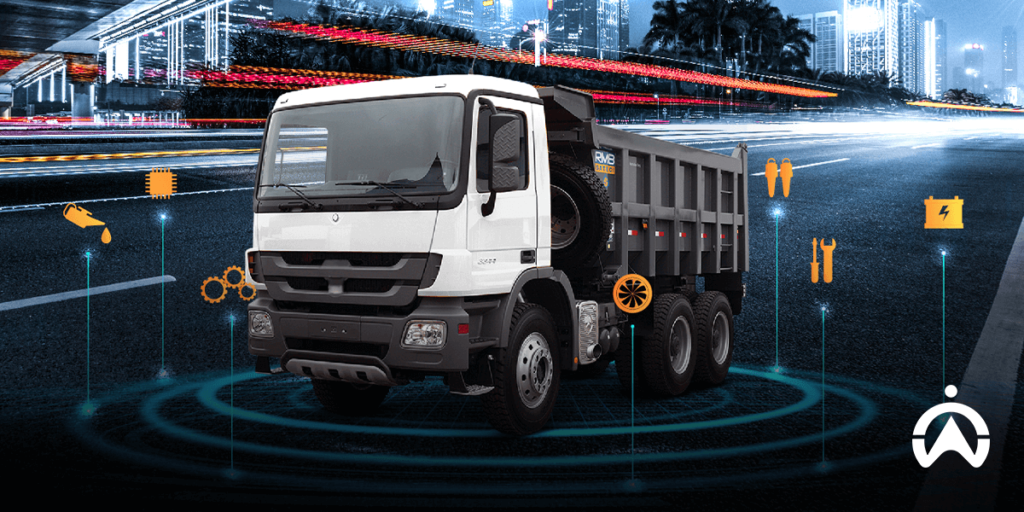
If consumer sales are anything to go by, South African motorists have tipped the scales in favour of automatic vehicles. For the first time in, well… ever, automatic vehicles outsold manual vehicles based on November 2023 vehicle sales, Cars.com reported with the help of Lightstone Auto. Although this proves that more automatic vehicles were sold in South Africa recently, the information used was based only on vehicles such as passenger cars, including SUVs, and light commercial vehicles. So it's also interesting to note that a medium to extra-heavy commercial vehicle such as a truck is not part of this new trend.
Manual vs automatic transmission: what's the difference?
When it comes to choosing between the two, most fleets don't. They choose to have both types of vehicle in their fleet so they can reap the benefits of both transmission types.
Let's look at the differences between the two.
Reliable manual vehicles:
These are the classic cars we all know and mostly love.
These vehicles have a manual gearbox and a clutch pedal for the driver to accelerate, slow down and manually control the vehicles they drive. This type of vehicle gives the driver full control to operate it as they wish.
Here are the benefits of manual vehicles:
Better vehicle control: With a manual transmission, drivers have more control over gear changes, allowing them to adjust to road and terrain conditions as they wish.
Lower upfront cost: Manual vehicles are typically cheaper for businesses to buy upfront compared with automatics, making them a more economical option for buyers on tight budgets or businesses with smaller fleets.
Better fuel consumption: Manual transmissions can potentially improve fuel economy, since they allow drivers to change gear while driving for maximum fuel efficiency, but this benefit depends entirely on driving behaviour.
Accessible mechanics: Manual gearboxes have fewer complex mechanical components than automatics, potentially reducing the chances of expensive repairs that cause prolonged downtime.
Modern automatic vehicles:
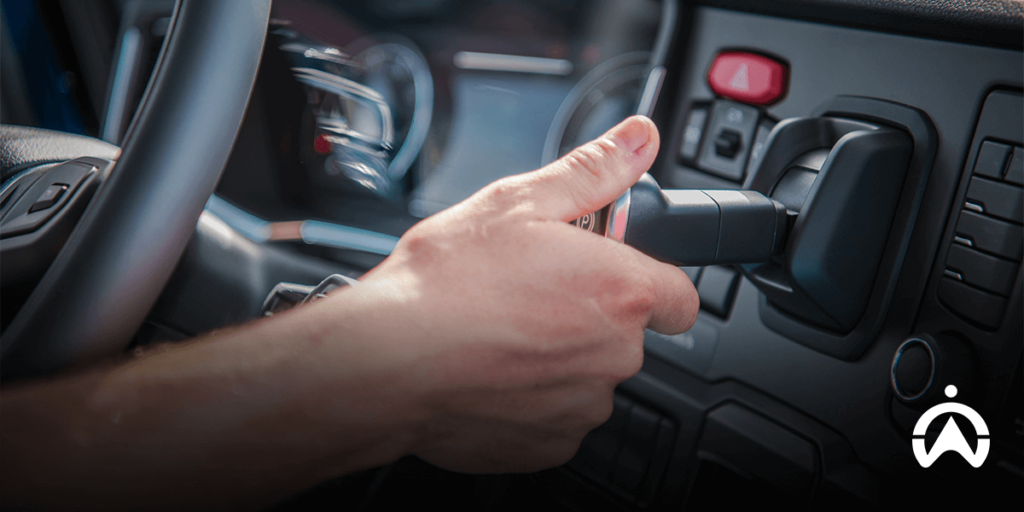
Automatic vehicles have a type of transmission that uses computers and sensors to identify the vehicle's speed and change gear automatically, removing the need for the driver to change gear manually.
Despite the technological innovation of automated gear changes, this type of transmission is not necessarily the best option for every business, but it has advantages that many organisations can't ignore.
- Easy to use: Unlike manual transmissions, automatic vehicles don't take long to get used to driving or operating, which makes them easier to use.
- Improved safety: With automatic transmissions, drivers can keep both hands on the steering wheel at all times, promoting safe driving and increasing awareness of driver behaviour on the road.
- Easier driving on hills: Drivers never need to worry about their vehicle rolling backwards on a hill. An automatic gearbox prevents vehicles from rolling back on steep inclines, providing a smooth driving experience with no need to balance the pedals.
- Reliable performance: These vehicles rarely stall like their manual counterparts, ensuring a smooth driving experience without the engine suddenly cutting out.
- Stress-free driving in traffic: Automatic transmission types simplify driving in congested traffic, requiring little pedal work in stop-start situations. Some automatic vehicles even switch off automatically if the vehicle is stopped for a long period of time to avoid idling and save petrol.
The best of both options:
There is a third player in this manual versus automatic comparison game: the automated manual transmission.
The automated manual transmission, or AMT, has the same mechanisms as a manual vehicle, only with sensors and actuators that handle the automatic gear changes. So what's the difference between this and the other popular transmissions?
Well, for one thing, a car with an AMT has no clutch pedal; there is only the accelerator and the brake pedal. This type of transmission allows manual gear changes when needed, simply by moving the gear lever up or down.
Will an automatic fleet change my fleet for the better?
In short, yes, it can potentially improve your fleet's operations.
Since the introduction of automatic vehicles, many everyday drivers and fleet owners have become increasingly interested in vehicles that are easy to use and fuel efficient. Now, in 2024, the interest remains strong.
For fleet managers, the appeal of automatic transmissions goes beyond smoother journeys for drivers; it's about how they deal with some of the biggest pain points affecting their bottom line:
Automatic transmissions, especially modern ones, can not only automatically select the ideal gear for the driving conditions, leading to smoother acceleration, but can also put less strain on the engine in doing so. This can mean fewer stops to refuel and lower overall fuel costs for fleet vehicles.
As manual transmissions require more input from the driver, especially in congested traffic or when driving in hilly areas, this can lead to driver fatigue and stress. Automatic cars remove the need for this manual repetition, reducing driver fatigue and the potential for costly accidents.
That's right, with fewer actions needed to drive, automatic cars allow drivers to focus more on the road and the vehicles around them. This can lead to a welcome drop in accidents, which not only protects your drivers but also saves businesses money on repairs, insurance claims and even potential lawsuits. With a strong impact on maintenance, safety and fuel, it's easy to see how automatics are becoming the go-to choice for fleet owners. With fuel and maintenance costs rising, opting for an automatic transmission makes a lot of practical sense for fleet owners.
How do I choose the right transmission for my truck or car?
As with most important decisions that affect your fleet or business, such as choosing the right fleet management software or implementing a fuel card system, you first have to look inward and ask yourself what exactly your fleet needs to improve operations, what you can afford, the sector your business operates in and the size of your fleet.
Choosing between manual and automatic fleet vehicles involves balancing these key factors:
- Purchase price: Automatic vehicles typically have a higher initial purchase price compared with manuals.
- Fuel efficiency: Modern automatic transmissions can be more fuel efficient, especially in city driving, where traffic lights mean frequent stopping and starting. This can lead to long-term fuel cost savings. However, the answer may change depending on whether your business does most of its travelling in the city centre or on long-distance trips.
- Maintenance: Although automatics may need less frequent maintenance in some cases, their repairs can be more expensive when needed, so practising preventive maintenance here and there can be very beneficial.
What is the first step to optimising my fleet? Cartrack fleet management solutions
If you're looking for fleet management software to optimise your fleet of green automatic trucks offering mobile pet care services or blue manual vehicles delivering household appliances, look no further than Cartrack.
The versatility of Cartrack Mozambique shines through in its ability to integrate seamlessly with both automatic and manual fleet cars. Whatever your vehicle's transmission type, Cartrack lets you optimise fleet performance and operations with our trusted features:
Fuel monitoring: get real-time information on your fleet's fuel consumption. Identify areas that need improvement, such as unnecessary idling habits or fuel wastage, and coach drivers towards better fuel economy in automatic and manual vehicles.
Route planning: easily set and manage predefined routes for your fleet vehicles to shorten trip times and cut fuel consumption. If your drivers don't follow these predefined routes, you will receive real-time alerts, allowing you to tell them to reroute or offer assistance if something goes wrong.
Data-driven reports: Whether you're monitoring fuel consumption, driver behaviour or vehicle health and performance, Cartrack's fleet management telematics technology offers more than 40 reports with valuable insights that keep you informed and empower smart decision-making.
Spots or stripes? Get a fleet management solution that's perfect for manual and automatic fleets
Our Cartrack Mozambique caters to fleets of all sizes, industries and transmissions. If a fleet management solution is what you need to lift your fleet into a new stratosphere of success, Cartrack has the smart features, the know-how and the trusted technology to make it happen.
Contact Cartrack today.
 South Africa
 Botswana
 Kenya
 Malawi
 Namibia
 Nigeria
 Swaziland
 Tanzania
 Zimbabwe
 Hong Kong
 Indonesia
 Singapore
 Malaysia
 Philippines
 Thailand
 New Zealand
 Vietnam
 Poland
 Portugal
 Spain
 United Arab Emirates

 PT