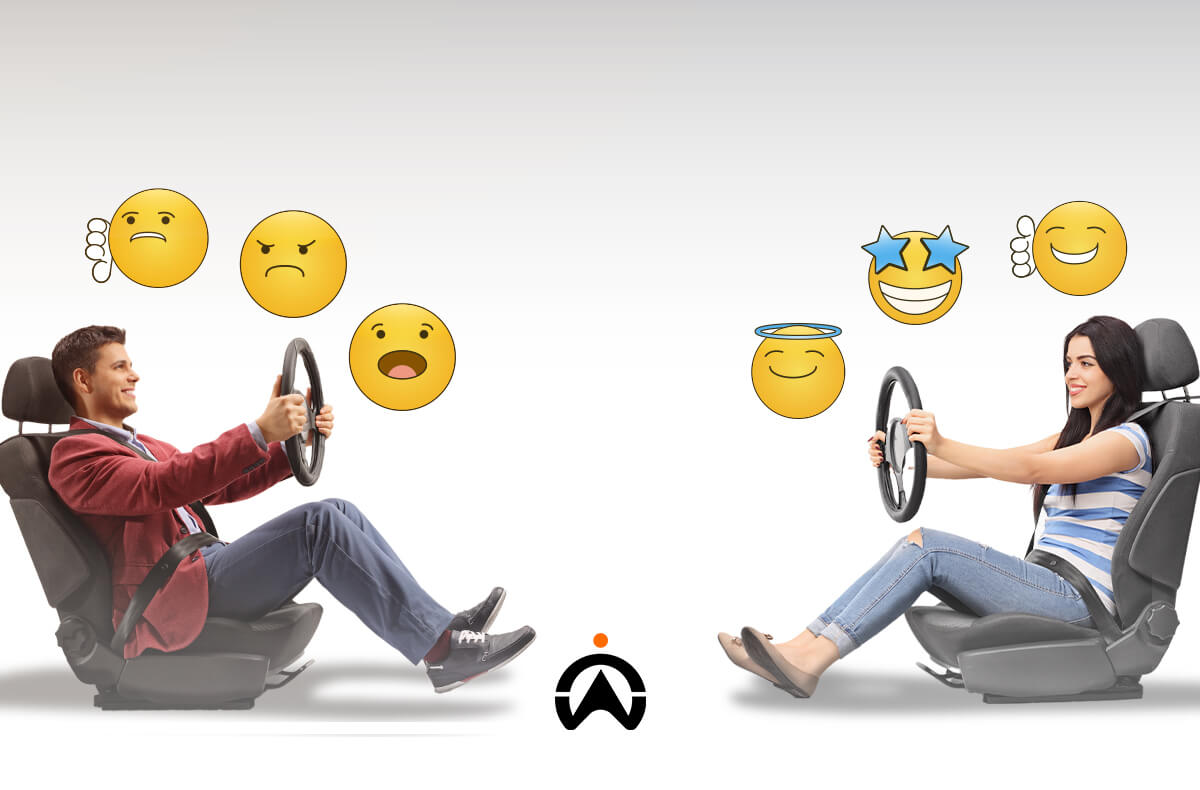
Tough luck, gentlemen! Women are the better drivers, here’s why

What are women better at than men? That’s a question sure to stir up many different opinions – but let’s keep this one strictly about the facts. Believe it or not, driving is one area where women seem to have the edge over men. No wonder women tend to get better car insurance deals than men. We’re unpacking all the reasons, right here.

In this article, you will:

  • Learn how culture and society shape perceptions of gender
  • Get to know the latest statistics on gender-based driving behaviour
  • Discover the critical characteristics of the best drivers
  • Learn how to improve your driving with key tips
  • Find out how Cartrack Mozambique helps you improve safety and accountability

Men versus women: the age-old contest has taken to the streets. But who is less likely to have an accident?

One of the most important points to establish before embarking on a gender-based discussion of driving behaviour is what exactly “better driver” means. Responsible driving is the most desirable attribute associated with better driving, especially in South Africa, where poor road conditions and sky-high accident rates prevail.

As we begin to explore some of the differences between men and women and how these play a part in their driving behaviours, looking at how society shapes our views on gender and gender-based behaviour is an excellent way to create valuable context.

Cultural and social factors linked to gender differences in driving

Two notable factors that shape the perception of gender are culture and society. And, as far as driving behaviour is concerned, the general norms set by these factors can also influence the way men and women make decisions while on the road.

  • Socialisation: Cultural norms influence gender roles and expectations, which can lead boys to be more assertive and competitive and girls to be more cautious and risk-aware. These influences potentially affect their driving behaviour later in life.
  • Perceptions of masculinity and femininity: In many cultures, masculinity is linked to traits such as dominance and aggression, leading to men’s tendency to adopt riskier driving behaviours to demonstrate or conform to society’s expectations.
  • Attitudes and beliefs: Cultural and social norms influence attitudes towards gender and driving. For example, the belief that men are naturally better drivers can lead to riskier driving behaviours among men.
  • Peer influence and pressure: Cultural and social norms shape peer groups and social circles, exerting a significant influence on behaviour. When a culture promotes risk-taking among men, it tends to foster a social environment where such actions are accepted or admired because of peer pressure.

It is a popular belief that the way we understand the world around us is influenced by both nature and nurture. And, when it comes to nurture, culture and society are some of the most important shapers of the way we see gender, as well as gender-based behaviour.

3 gender-based driving questions you’re dying to ask, plus their honest answers

Does gender play a role in driving?

When it comes to responsible driving, gender does play a role.

Although women are the more reliable drivers, it is also statistically proven that confidence levels can affect their driving skills. While men tend to struggle more with irresponsible habits, such as speeding, unauthorised use and harsh braking, women are more prone to a lack of confidence, which can also affect driver performance.

Are women or men better drivers?

In South Africa today, women are more likely than men to show responsible driving behaviour. And, considering local factors such as poor road conditions and high accident rates, “responsible driver” is a fitting definition of “better driver”.

What makes a good driver? 5 telltale signs

Some drivers are from Venus, while others are from Mars. Even so, the basic behaviours linked to responsible driving remain the same regardless. So the tendency of men versus women to display these behaviours becomes key to winning the title of “better driver”.
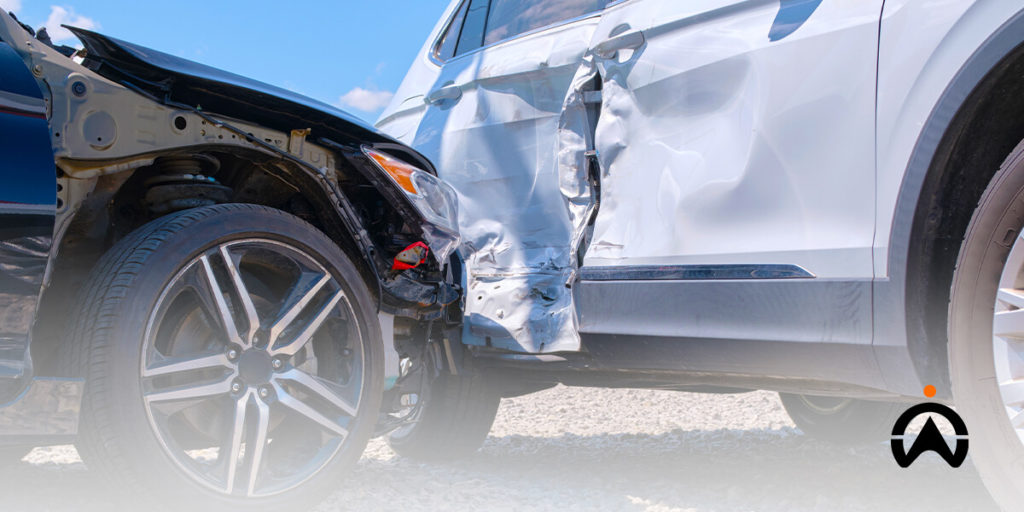
O_que_constitui_um_bom_motorista

Here are the five telltale signs of good drivers:

  1. A clear mind

    Composure reduces the likelihood of uncontrolled anger and impulsive behaviour. Staying calm helps you avoid tunnel vision and a lack of awareness of what is happening around you. It ensures that you stay mentally sharp, with optimal reaction times and less of a tendency to make hasty choices, directly affecting the skill and safety of the driver. Be the one who flashes a charming smile instead of showing the middle finger to the guy in front of you.

  2. Proper use of the indicator

    Letting everyone around you know about your plans to turn or change lanes may seem obvious, but if you think about it, the absence of indicator use is something you tend to see on the road almost daily. Whether it’s a driver who doesn’t know how to use an indicator at a roundabout or an obnoxious lane-changer on the highway, failing to signal is a common lapse in road etiquette. In short, proper use of the indicator shows that you value your safety and the safety of the other people around you.

  3. An avid follower of the rules of the road

    The rules of the road are, according to many drivers, open to interpretation. However, disregarding the rules can cause accidents and injuries, as well as a dangerous lack of consistency in driver behaviour. Once a driver understands that the purpose of the rules of the road is to mitigate risks and reduce car accidents, it is easier to understand why it is important to follow them.

  4. No speeding today… or ever

    Can you honestly say that you have never received a traffic fine for speeding? Most of us, regardless of gender, are guilty of speeding, even if it’s only 65 km/h in a 60 km/h zone. What makes a good driver, though, is trying your best to stay within the limit and not allowing overwhelming emotions or road rage to dictate how much you want to break the rules on a given day.

  5. avoiding distractions

    Do you have a no-phone policy while driving? Making sure you keep your eyes where they should be – on the road – keeps you and everyone around you safe. Switch on hands-free while driving, if you can. But, even then, screen your calls and answer only emergencies, as you are likely to shift your focus to the conversation rather than the traffic-related events happening around you.

The verdict is in – women take pole position

The official report from the US Department of Transportation’s Fatality Analysis Reporting System (FARS) doesn’t lie; the title of Responsible Driver goes indisputably to the fairer sex.

  • From 1982 to 2021, speeding was identified as a contributing factor for a higher percentage of male drivers than female drivers involved in fatal accidents.
  • During the same period, the proportion of fatally injured DUI passenger vehicle drivers was substantially higher for men.
  • Seventy-two per cent of all motor vehicle crash deaths in 2021 were male, accounting for 72% of passenger vehicle driver deaths, 48% of passenger vehicle passenger deaths, 70% of pedestrian deaths, 86% of cyclist deaths and 92% of motorcyclist deaths

Ultimately, accidents involving male drivers tend to be more fatal and are more likely to be attributed to risky driving behaviours.

The involvement of men versus women in fatal road accidents around the world

Although the data above is based on the US, research revealing global statistics tells the same story when it comes to fatal road accidents.
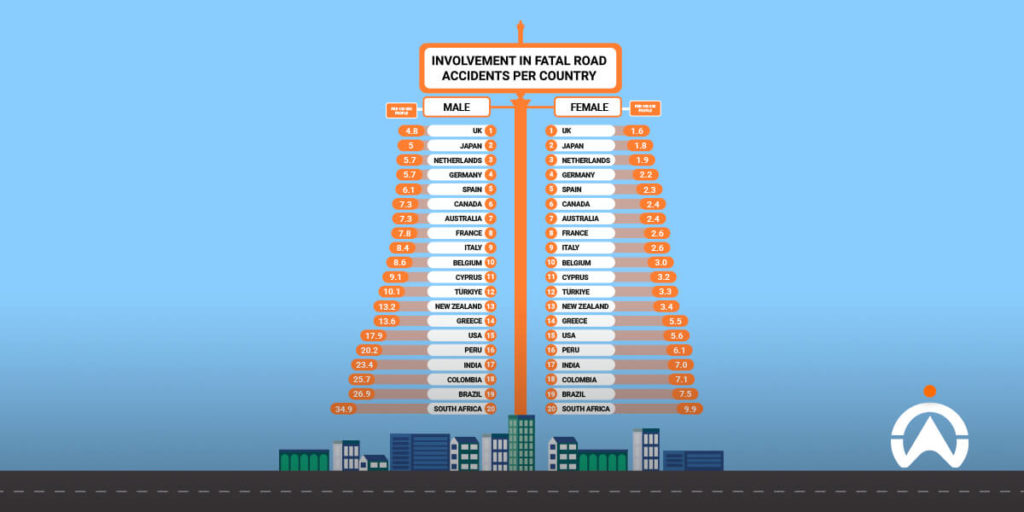
O_envolvimento_de_homens_versus_mulheres_em_acidentes_rodoviários_fatais_em_todo o_mundo

There is always room for improvement: key tips for men and women to become more responsible drivers

Whether you are a male or a female driver, reflecting on your daily driving behaviour will help you become a better driver by identifying and working on points for improvement. And, since men and women are different, what could be better than providing a personalised list for each?

Men, here’s how you can get up to speed

  1. Don’t let other drivers’ irresponsible behaviour affect your focus

    Careless driving by other drivers will make anyone’s blood boil, but two wrongs don’t make a right. Stay calm and keep to a defensive driving approach to counter other people’s risky behaviour.

  2. Avoid distractions

    Distractions come in many shapes and forms. From smoking in the car to listening to loud music or replying to a text message, you will be busy entertaining a distraction if your eyes and your mind are not where they should be – on the road.

  3. Adopt and maintain a constructive mindset

    A constructive mindset involves looking at situations from the perspective that there is always something to learn. No matter how carefully you drive, never settle for thinking that your driving needs no improvement

Homens,_é_assim_que_você_pode_acelerar

‍Ladies, to keep your bragging rights, consider these points

  1. Drive with confidence

    With statistics showing that women are less likely to have confidence in their driving abilities, it is important to understand that a lack of confidence on the road can be dangerous. The best way to boost driver confidence is to stay focused on the road and be ready for anything.

  2. Avoid multitasking

    It's something women are famously good at, but when weighing up the pros and cons of multitasking while driving, your safety and the safety of others should be the top priority. Although women are known to take fewer risks on the road and to drive carefully, multitasking remains tempting.

  3. Don't let emotions distract you

    Have you ever had to drive off after receiving bad news or arguing with a loved one or partner? Take a moment to clear your head before hitting the road to make sure you drive with a focused mind.

‍Explore expert tools from Cartrack Mozambique for better driving

Nobody's perfect, so having reliable tools that promote better driving while prioritising the safety of the vehicle is something no driver should go without.

As for gender-based driving performance, keep up the good work, ladies! It's official: women drivers have outshone Mzansi's male drivers. And having more conscientious, focused drivers on the road improves road safety for everyone.

Speaking of safety, Cartrack Mozambique's SaaS-based platform is built with drivers in mind. Here are four ways revolutionary technology from Cartrack Mozambique can help improve your safety:

  • Advanced vehicle tracking

    A car is an invaluable lifeline, so make sure you protect yours. With a state-of-the-art vehicle tracking device installed in your car, backed by our independently audited vehicle recovery rate of more than 90%, you can keep your vehicle protected against hijacking and theft.

  • Real-time crash detection

    Don't be left stranded after an accident. With smart IoT technology, we receive crash notifications in real time, allowing us to dispatch life-saving emergency response on your behalf and notify the most important people in your life.

  • Detailed driver behaviour reports

    Make sure you drive with safety thanks to detailed trip reports. At the touch of a button, you can assess your performance on common risky driving behaviours such as harsh braking, sharp cornering, speeding and more, helping you to be more aware of your behaviour on the road so that you can make improvements.

  • Peace of mind with Catrack Protector

    Stranded at the roadside, out of petrol and with no one to call? Protector from Cartrack Mozambique is by your side when you're stranded or need help, giving you access to roadside, legal and medical assistance so that you have what you need to stay safe.

Stay on the winning side of vehicle safety statistics, and get in touch today with Cartrack Mozambique to increase safety for you, your loved ones and those around you with our industry-leading vehicle safety solutions.

The best fleet compliance checklist you'll actually need

Managing a fleet involves many responsibilities, and one of the most important is ensuring that fleet vehicles and drivers meet the required compliance standards.

As well as ensuring a safe working environment for drivers and their assigned vehicles, adhering to compliance also helps businesses avoid negative impacts on productivity and budgets from fines, penalties and even unnecessary accidents.

A detailed compliance checklist ensures that businesses and fleet managers cover all their bases. Luckily for you, we've compiled a guide that comprehensively outlines everything you need for the ultimate compliance checklist.

In this article, you will:

  • Get familiar with the concept of compliance in fleet management
  • Understand the importance of ensuring your fleet stays compliant
  • Discover the different compliance documents and checklists used in fleet management
  • Learn more about fleet management compliance in Mozambique
  • Get the best fleet management compliance checklist for your convenience
  • Discover how Cartrack Mozambique can help you stay compliant with minimal effort

The basics of fleet management compliance

It's important to understand compliance in fleet management and why it is crucial for safe and effective fleet management. It helps businesses understand how much they will benefit from implementing a solid compliance checklist.

One of the most important goals of fleet compliance is to ensure the safety of drivers, assets and members of the public. Staying fully compliant involves implementing measures that promote the safety of the fleet and driver compliance. Compliance requirements and an advanced telematics platform help businesses determine their standards of safety and how to maintain them.

How important is compliance in fleet management?

Fleet compliance goes hand in hand with fleet risk management. Both are crucial for identifying problems that can make a fleet unsafe or non-compliant, and then finding ways to avoid those problems and make the necessary improvements.

Qual_é_a_importância_da_conformidade_na_gestão_de_frota

How fleet management procedures tie in with compliance

Foolproof fleet management software is a great way to identify compliance-related issues that need attention. It's also a smart guideline for creating a compliance guide tailored to your business. Here are some of the key fleet management components you can use to create yours.

  • Vehicle management: Regular inspections ensure that vehicles are always roadworthy and working as they should, contributing to a safe working environment.
  • Driver management: tracking driver behaviour and managing an organised roster helps identify unproductive driving habits while ensuring that drivers are well rested, contributing to compliance related to safety.
  • Movement tracking: Ensuring vehicle movements are always efficient with optimised routes is part of efficient fleet management. Tracking your fleet's movements helps fleet managers identify and proactively deal with any compliance issues.
  • Workflow monitoring: Monitoring individual and fleet-related workflows helps create efficient fleet management systems. This allows fleet managers to identify the need for workflow adjustments and implement them accordingly.
  • Administrative management: admin isn't every fleet manager's favourite part of the job, but leaving a paper trail of detailed reports supports any compliance-related claims and is a valuable source of information for future improvements.

A solid telematics system simplifies fleet management and drastically reduces the admin burden.

What types of fleet management documents are used?

Fleet owners or managers use fleet management documents to record information about fleet vehicles. These documents usually take the form of checklists for specific procedures to simplify the compliance process.

Businesses often use a fleet vehicle inspection checklist in PDF format. This ensures that all fleet vehicles are roadworthy, contain the necessary equipment and are generally free of problems. Using a daily vehicle inspection checklist in Excel format can add more functionality to the way the form is used.

If in doubt, it's easy to download free daily truck inspection checklists or vehicle inspection checklist forms as a basis for creating customised versions that meet the needs of your business.

What all these documents and checklists have in common is that they are used to monitor fleet-related movements and ensure that fleet drivers and vehicles meet compliance standards.

Que_tipos_de_documentos_de_gestão_de_frota_são_utilizados

What fleet managers need to know: the only compliance checklist you'll ever really need

With a streamlined compliance process where fleet managers can keep track of every aspect of their fleets, including tax compliance, internal audits and inspections, you can avoid potential penalties while keeping your books up to date and your drivers safe

With a streamlined compliance process where fleet managers can keep track of every aspect of their fleets, including tax compliance, internal audits and inspections, you can avoid potential penalties while keeping your books up to date and your drivers safe

  1. Prioritise tax compliance

    Benjamin Franklin famously said that death and taxes are the two certainties in life. When it comes to compliance in fleet management platform, the latter certainly rings true. Businesses must follow local tax laws to avoid fines and meet legal compliance standards.

    These essential tax streams can be added to your compliance to-do list:

    VAT: Value Added Tax
    PAYE: Pay As You Earn
    UIF: Unemployment Fund
    SDL: Skills Development Levies of the fleet meet compliance standards.

    In the USA and Canada, fuel tax is an essential component of business tax compliance, as fleet managers must be able to show where fuel taxes go. They do this by monitoring fuel usage.

    IFTA, or the International Fuel Tax Agreement, allows 48 US states and ten CA provinces to collect data including miles travelled, fuel purchased and places of purchase.

    Although different countries may have different tax laws and compliance requirements, tax compliance remains an integral part of overall compliance in fleet management, and using a sophisticated SaaS platform helps businesses collect the data they need to stay compliant.

  2. Carry out regular vehicle inspections

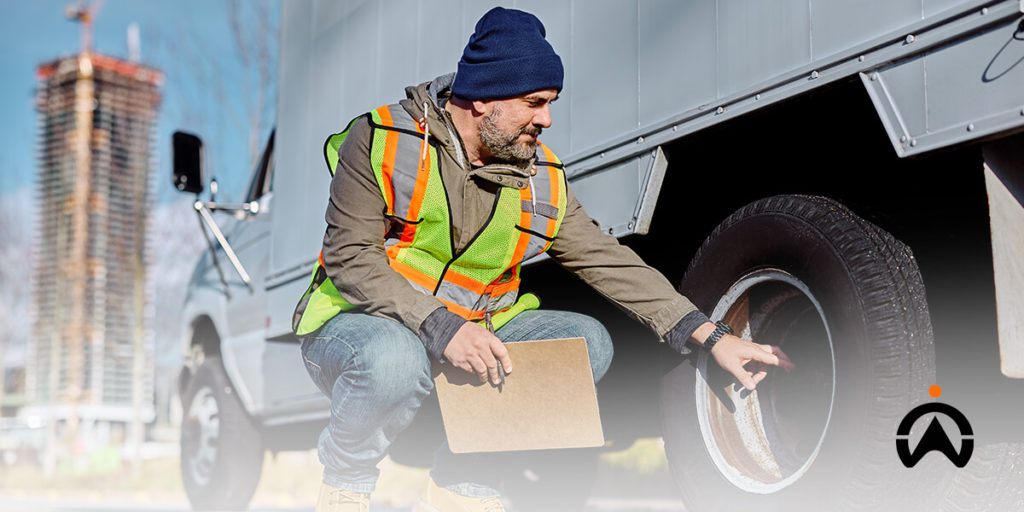
    As part of your overall compliance checklist, a fleet vehicle maintenance checklist can help you ensure that your fleet vehicles are roadworthy and in perfect condition. Regular vehicle inspections contribute to compliance with best practice and help identify crucial defects, while raising the standards of safety for the fleet and extending fleet longevity.

    Keep your fleet on the road with an expert vehicle inspection checklist.

    Start the process by noting the vehicle's odometer reading, the last six digits of its VIN, number plate details, make and model, and the first name and surname of the assigned driver.

    These details help you keep track of the vehicle's mileage, age, identifying markers and assigned driver during an inspection.

    When you've finished, follow the five-step checklist below to carry out a comprehensive inspection:

    1. Pre-start: Check the oil, transmission and washer fluids

    2. Interior: After starting the engine, check that the following are working: fuel level, horn, air conditioning, interior lights, brake pedals. Then check the safety belts and the upholstery. Make sure the first aid kit is stocked and that the vehicle has emergency tools such as flares, torches and spare wheels.

    3. Mirrors/windows: Test the windscreen wipers and make sure the mirrors are clean.

    4. Exterior: Start by checking the headlights and tail lights, indicators and hazard lights. Then move on to the tyres and check the wear and the pressure of the spare tyre.

    5. Undercarriage: Check for fluid leaks and any loose or hanging objects

    This checklist helps identify problems that can affect the fleet's compliance status. By flagging these problems and taking immediate action, businesses can avoid further compliance and safety issues.

  3. Keep on top of licence and permit validity

    Staying within the limits of the law is a non-negotiable part of fleet compliance. This can include ensuring that registrations and licences are up to date and valid to keep fleet cars on the road and avoid related fines. Staying up to date with the following fleet-related admin helps fleet managers remain compliant:

    – Obtain and keep in order the proper licences for your vehicles
    – Register vehicles with the relevant authorities
    – Stay on top of driving licence renewals
    – Make sure vehicle registration renewals are done on time

  4. Run internal auditsrelevant company authority.

    So, let's say you're implementing a new fleet management system or looking to identify pain points in the current one. Carrying out internal audits can help you do both, while also being a great help with fleet compliance

    A comprehensive audit not only assesses every aspect of fleet management, but also gives better insight into whether a business's processes comply with government regulations, fleet management requirements and best practice. What's not to like about killing two birds with one stone?

    The ultimate fleet management audit checklist:

    To help fleet managers and businesses benefit from compliance, here is a detailed audit checklist for fleet management:

    Fleet Management Policy – Review fleet security and health and safety policies.

    Vehicles – Review vehicle inspections and plan vehicle replacement. Assess vehicle monitoring procedures. Analyse fuel usage.

    Drivers – Assess drivers and review staff training. Review licence validity and insurance agreements. Retrain drivers where necessary.

    Third parties – Review and assess third-party suppliers.

    Fleet Safety – Review and assess safety of the fleet.

    Operational – Assess and review inventory.

    Once all the data has been assessed and reviewed, it's important to carry out three final steps:

    – Review and assess recommendations from previous audits
    – Review the findings of the current audit
    – Get the findings approved by the relevant company authority

    Once you've completed all these steps, you will have carried out an in-depth audit of your fleet on the most important aspects.

  5. Know your fleet drivers' hours of service

    Even if a business has only a few fleet drivers, knowing their exact hours of service, or HOS, on top of everything else that needs to be done is virtually impossible. However, keeping track of each driver's HOS is crucial for staying compliant with health, safety and environmental requirements. Here's why.

    Even if a business has only a few fleet drivers, knowing their exact hours of service, or HOS, on top of everything else that needs to be done is virtually impossible. However, keeping track of each driver's HOS is crucial for staying compliant with health, safety and environmental requirements. Here's why.

    Even if a business has only a few fleet drivers, knowing their exact hours of service, or HOS, on top of everything else that needs to be done is virtually impossible. However, keeping track of each driver's HOS is crucial for staying compliant with health, safety and environmental requirements. Here's why.

    Managing HOS leads to better driver fatigue management and a safer fleet.

O_que_os_gerentes_de_frota_precisam_saber

‍Experience effortless compliance with Cartrack Mozambique

See how the advanced telematics-based features from Cartrack Mozambique can help make keeping on top of compliance, safety and risk management a seamless, painless process:

  • Receive automated updates on licence renewal, permit and registration compliance with MiFleet accounting software, which is seamlessly integrated into the fleet management platform Cartrack Mozambique.
  • Receive automated updates on licence renewal, permit and registration compliance with MiFleet accounting software, which is seamlessly integrated into the Cartrack fleet management platform.

Achieving compliance across the whole fleet can be a difficult, if not impossible, task. To make meeting compliance as easy as possible, especially when it comes to accurate data acquisition and reporting – a sophisticated telematics system is every fleet manager's best friend. Cartrack Mozambique is a dominant SaaS provider, with more than half a million fleet management units active in Mozambique alone

Speak today to an agent from Cartrack Mozambique to get a smart, customised solution for all your fleet's compliance needs.

Fleet risk management: secrets revealed to make your fleet thrive

Are you ready to discover the hidden ingredient that separates successful fleets from the rest? Successfully identify, assess and mitigate potential problems in your commercial fleet that could affect your organisation's goals and objectives with fleet risk management.

How can risk management achieve all this? Let's get started.

In this article, you will:

  • Understand fleet risk management and how safety procedures quickly reduce risks
  • Discover the benefits of fleet risk management, from cost reduction to driver safety
  • Explore the key areas of risk management, such as insurance, compliance and the use of technology
  • Identify fleet risks and how fleet managers develop strategies to overcome them
  • Find out how advanced telematics and fleet management solutions from Cartrack Mozambique services can reduce fleet risks

What makes a fleet safe? – Risk management

You've probably heard the saying “better safe than sorry”. It's the principle behind risk management. Fleet risk management is the secret weapon businesses use to make sure their drivers, other employees and vehicles are always safe and secure. We know that life happens, so having a backup plan is important for mitigating these risks. This is where your plan B, or risk management, comes in. This hidden gem helps you predict and prevent bad things from happening, such as accidents, breakdowns or theft. But effective risk management isn't just about avoiding problems, it's also about creating value.

How? Well, if you own or manage a fleet of vehicles, you want to be sure they are operating at their best and, ultimately, working hard for the business, right? Managers must minimise the risk of breakdowns or accidents to avoid costly repairs and downtime. By implementing policies on safety, providing driver training and maintaining vehicles regularly, you are not only reducing risk but also improving fleet performance and reducing fleet costs in the long term.

What is the role of a fleet risk manager?

The fleet risk manager plays a crucial role in overseeing and managing the risks associated with operating a fleet of vehicles. They are responsible for identifying potential risks and implementing strategies to mitigate them.

Their duties may include:

  • Developing and implementing policies and procedures on safety to promote driver safety and minimise the risk of accidents.
  • Providing driver training to improve their skills and ensure compliance with policies and regulations on safety.
  • Monitoring vehicle performance and maintenance to reduce the risk of breakdowns and improve fleet efficiency.
  • Implementing telematics technology to monitor driver behaviour and vehicle performance, using the data collected to identify areas for improvement.
  • Managing insurance and claims processes to minimise financial risks.
  • Staying up to date with industry regulations and best practice to ensure compliance with the latest laws.
Qual_é_o_papel_de_um_gestor_de_risco_de_frota

Fleet managers work tirelessly to protect their fleet at all times. They not only protect their vehicles and the business's bottom line, but also prioritise the safety of their employees. After all, it's the drivers who are behind the wheel, interacting with customers, delivering services and moving assets from one place to another.

Unlock the hidden benefits of proper fleet risk management

See immediate results in your fleet with risk management. Unlike hidden secrets that take ages to reveal their benefits, risk management delivers instant advantages from the moment it is implemented.

Reap the benefits:

  1. Greater return on investment: By keeping your fleet in perfect condition, you can avoid unexpected downtime and other costly problems, ultimately leading to greater returns on your investment. This can help you save money and invest in other important areas of your business.
  2. Lower insurance premiums: By managing fleet risks, you show your insurer that you are committed to safety. This can lead to lower insurance premiums, which can save you money.
  3. Reduced business liability: If one of your drivers causes an accident, it could spell disaster for your business. By taking steps to reduce risks and improve safety, you can protect your business from legal battles and maintain a positive reputation in the market.
  4. Greater focus on the job: By prioritising the safety of the fleet, you create a culture that encourages your employees to take extra precautions in their tasks. This can help keep everyone in your organisation safer and focused on the task at hand.
  5. Less guesswork: with a risk strategy in place, you can predict and prevent potential problems before they happen. This helps you make better-informed decisions, leading to better results for your business.

Why is fleet risk management important?

The risk management software market was reportedly valued at 27.80 billion dollars just two years ago, in 2021, and is now forecast to reach 86.53 billion dollars by 2030. Many businesses are getting on board with investing in the safety of their fleets.

If you're still not convinced that your business needs a fleet risk manager, here are some important aspects that may make you rethink your approach. Risk managers help:

Reduce costs – By preventing accidents, vehicle downtime and legal issues, fleet risk management can save your business money in the long term. It also helps you optimise your resources and allocate them to other priorities.

Reduce costs – By preventing accidents, vehicle downtime and legal issues, fleet risk management can save your business money in the long term. It also helps you optimise your resources and allocate them to other priorities.

Improve safety of drivers – Fleet risk management helps you promote a safety-first culture in your organisation, reducing the risk of accidents and injuries. This can also lead to lower insurance premiums and a more favourable risk profile.

Improve productivity – By minimising operational disruptions, fleet risk management can improve your fleet's performance and productivity, leading to greater savings and better allocation of resources.

Por_que_a_gestão_de_riscos_da_frota_é_importante

Areas risk management focuses on

Fleet risk management covers a wide range of areas related to operating a fleet of vehicles. Here are five areas that fleet risk management covers:

  1. Driver safety

    This involves implementing policies and procedures on safety to promote driver safety and reduce the risk of accidents. This can include driver training, monitoring driver behaviour and implementing telematics technology to monitor driver performance with AI cameras and audible alerts.

    Monitoring drivers through telematics data can provide behavioural insights such as unauthorised use, late braking or speeding. This can then be addressed through safe-driving training and result in a dramatic improvement in the safety of the fleet and the driver.

  2. Insurance and claims management:

    Fleet risk management includes managing insurance policies and claims processes to minimise the business's financial risk. This can include working with insurers to secure adequate cover and managing claims processes to minimise downtime and costs.

    Fleet managers regularly review the terms of their policies with insurers to ensure that the fleet's insurance cover is up to date and aligned with the needs of the business. This helps explore opportunities to optimise cover while minimising costs.

  3. Compliance and regulations

    One of the biggest headaches fleet managers face is keeping up with the rules that govern commercial fleet operations and the related paperwork.

    Fleet vehicles must be fit for purpose, inspected regularly and follow a planned maintenance schedule. All drivers must be fully trained to operate the vehicles assigned to them, be fully aware of the company's safety policies and know the wider compliance regulations it operates under. In addition, drivers must be in good health and hold a valid driving licence.

  4. Fleet maintenance

    Maintenance is a vital part of fleet risk management, as it directly affects the safety of the driver and the efficiency of the fleet. Fleet risk management involves developing and implementing maintenance schedules, monitoring vehicle performance and carrying out regular inspections.

    With fleet technology, managers can maintain their vehicles efficiently by monitoring engine data, tyre pressure and braking systems, which ensures optimal fleet performance and extends vehicle longevity.

  5. Asset management

    Fleet risk management involves managing fleet assets, including vehicles, equipment and facilities. This can include developing asset management plans, monitoring asset performance and implementing strategies to reduce loss of or damage to assets.

    Take a construction company, for example: managers oversee a fleet of excavators, bulldozers, loaders, etc. and can accurately monitor the use of each piece of equipment and identify unusual downtime or underused assets.

  6. Telematics and GPS technology:

    Using telematics and technology can help fleet managers identify potential risks, monitor driver behaviour and improve overall fleet performance. This includes GPS tracking, driver scorecards and real-time monitoring of vehicle data.

    Fleet managers can use this type of technology to improve equipment visibility, seeing the real-time location of their assets without relying on their drivers to tell them where they are.

Everyday fleet risks

In the world of risk mitigation, every day brings its own set of challenges. From unexpected accidents to rising fuel costs, being aware of these everyday risks is the first step towards developing strategies that can overcome these challenges.

Here are some potential fleet risks you may encounter:

  • Vehicle collisions and other accidents
  • Expensive vehicle repairs
  • Driver and motorist injuries and deaths
  • Legal, medical and other liabilities
  • Damage to property and assets
  • Fines and other penalties for breaching regulations
  • Vehicle theft and highway robberies
  • Vehicles catching fire (for example, when transporting highly flammable items)
  • Cargo loss and damage
  • Theft and vandalism
  • Insurance and liability

This long list still doesn't cover the full extent of what fleet risk managers have to oversee and control. Depending on the specific industry, such as food and pharmaceuticals, risk managers come across unique elements they have to take care of to make sure everything runs smoothly every day.

Fortunately, fleet management systems are equipped to help.

How fleet management systems keep risks under control

Advanced technology, such as smart telematics from Cartrack Mozambique, has given fleets the ability to harness millions of data points to make better risk management decisions. Managers can employ a range of telematics to reduce risks and make operations safer and more efficient.

Riscos_diários_da_frota

Our fleet management can be an effective solution for keeping fleet risks under control for several reasons:

Telematics: Telematics technology uses GPS tracking and other sensors to collect data on vehicle performance, driver behaviour and other key metrics. Fleet managers can use this data to identify areas of risk, such as speeding or aggressive driving, and implement strategies to improve driver behaviour and reduce accidents.

Data-driven decision-making: Our fleet management relies on data to make informed decisions about risk management. By collecting and analysing data on driver behaviour, vehicle performance and other key metrics, fleet managers can identify areas of risk and develop targeted solutions to address them, as well as track improvements over time.

Proactive approach: fleet management takes a proactive approach to risk management, which means potential problems are identified and resolved before they become serious. By implementing preventive maintenance programmes, driver safety training and other proactive measures, fleet managers can reduce the likelihood of accidents and breakdowns.

‍Compliance: Fleet management solutions can help fleet managers ensure compliance with regulatory requirements relating to vehicle safety and maintenance. By staying up to date with the latest regulations and implementing strategies to meet these requirements, fleet managers can reduce the risk of fines, penalties and other legal issues.

Additional devices include:

  • GPS tracking devices offer real-time location tracking and other vehicle data on powered and non-powered assets. They also support better routing decisions based on the latest information on roads, weather and traffic conditions
  • ELDs (Electronic Logging Devices) give fleets the ability to collect and transmit the reports needed to meet compliance mandates
  • Dashcams offer real-time images/footage of what is happening inside and outside a vehicle
  • Fuel cards give managers control over when and where fuel is bought and by which driver
Dispositivos_adicionais_incluem

The final secret revealed: Cartrack Mozambique fleet technology

With the ever-growing number of vehicles on the roads, fleet risk management has become harder to manage.

Our Cartrack Mozambique provides technology and services designed to help fleet managers make this process easier with its fleet solutions.

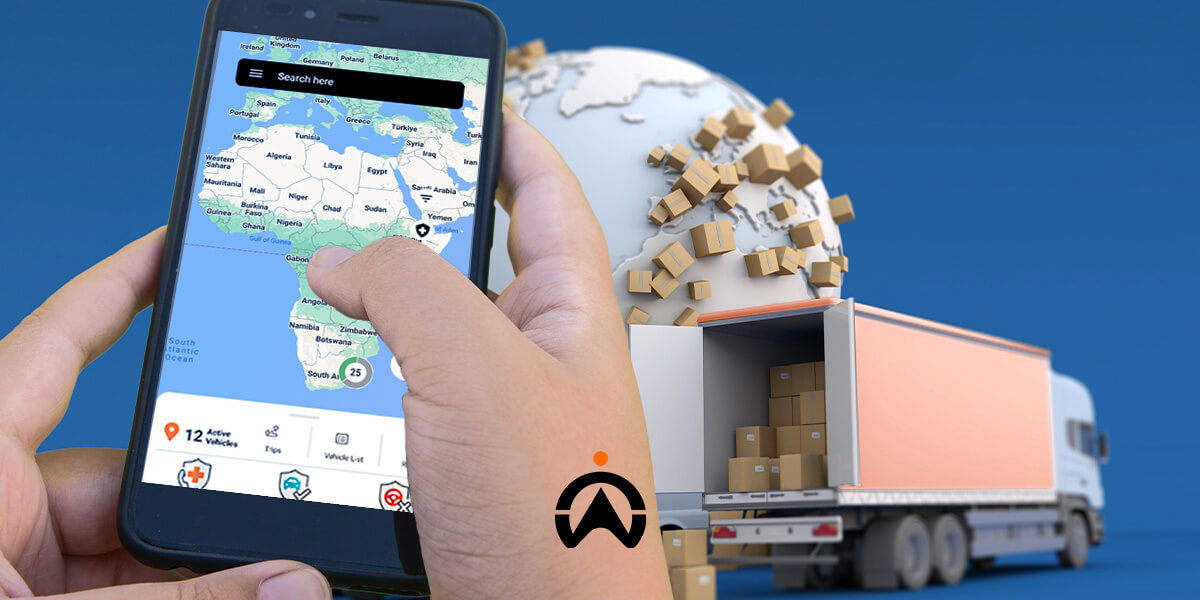
Real-time monitoring: With tracking units installed and Cartrack Mozambique's fleet management platform, vehicle tracking technology allows fleet managers to stay connected to their fleet at all times with accurate vehicle location and instant notifications. Cartrack Mozambique also offers a Geofence feature that lets you set virtual boundaries around areas and receive real-time alerts whenever your vehicle enters or leaves those areas.

Driver behaviour analysis: Cartrack Mozambique's technology also includes driver behaviour analysis through driver scorecard reports that flag unsafe driving behaviours, such as speeding, braking and cornering, and AI cameras with in-cab audio alerts that are triggered when drivers show signs of fatigue or distraction. This can help fleet managers provide targeted training and coaching to unfocused drivers, ultimately improving the safety of the driver and reducing the risk of accidents.

Maintenance tracking: The fleet management system from Cartrack Mozambique monitors each vehicle's mileage, engine hours and time intervals between services to help ensure that vehicles are properly maintained and serviced on schedule. Managers are informed of an upcoming vehicle service through automatically generated reminders when a vehicle reaches its maintenance threshold. This can reduce the risk of breakdowns and other problems that lead to downtime.

‍Accident management: In the event of an accident, Cartrack Mozambique's telematics technology can detect sudden impacts or collisions and instantly send a notification of the event to fleet managers, while its tracking units help further by quickly locating the vehicle and prompting a rapid response to send emergency personnel to the incident. This can help save the driver's life and reduce the risk of harm to other drivers and damage to your vehicle.

Stay compliant: easily manage and automate your regulatory compliance across all your operations with these Cartrack tools:

  • Time tracking: lets you monitor drivers' working and break times, preventing the vehicle from being operated if the driver has not taken the full break, ensuring that drivers get the rest periods they need.
  • Automated compliance management: automate regulatory compliance and keep track of fleet requirements, such as insurance, licences and contracts, through reminders Cartrack Mozambique.
  • Automated compliance management: automate regulatory compliance and keep track of fleet requirements, such as insurance, licences and contracts, through Cartrack Mozambique reminders.

Specialised sensors: Cartrack Mozambique offers a range of specialised sensors that serve a variety of industries. With sensors such as CANBus vehicle diagnostics, cargo door monitoring, temperature monitoring and seat pressure sensors, Cartrack Mozambique empowers various sectors such as transport, logistics, construction, safety and perishable goods to increase efficiency, safety and security.

All these smart Catrack features and services help fleet managers stay more alert to potential risk events and relieve, or at least reduce, their daily stress with top-class fleet management solutions that can help identify and mitigate risks and keep their fleets running safely and efficiently.

A fleet management company that can reduce fleet risks

Looking for a reliable solution to help manage and mitigate fleet risks? Cartrack Mozambique offers a comprehensive suite of telematics and fleet management services that can help keep your vehicles, drivers and assets safe and secure.

Get in touch with us today to find out more about how we can help your business!

5 fuel-saving tips that really don't work: find out the truth now

Have you ever tried unproven fuel-saving tips that produced no results? Don't blame yourself for being intrigued. As a fleet manager, it's your job to look for any and every opportunity to cut costs.

Well, this isn't one of those time-wasting articles. After reading this, you'll know exactly which fuel tips work and which are just a waste of fuel.

Let's dig in!

In this article, you will:

  • Debunk common fuel-saving myths that may be costing you money
  • Learn about the top five fuel-saving tips that are proven to work
  • Get insight into the factors that affect your fleet's fuel consumption
  • Explore the benefits of using fuel-saving technologies and smart tools for fleet management
  • Learn how advanced telematics and tracking solutions from Cartrack Mozambique can reduce your fuel costs

Why is saving petrol important?

It's a question many vehicle owners and fleet managers ask themselves. The answer lies in ever-higher fuel prices and the need to manage fuel costs effectively to save money.

Although fuel prices are out of our control, finding ways to use fuel efficiently and minimise costs has become a crucial priority.

As a fleet manager, fuel is one of the issues at the top of your list. Managing fuel expenses is essential for businesses, as it often takes up a large share of the budget, so keeping that figure as low as possible and making fuel last longer benefits the whole business.

Whether your vehicles run on petrol or diesel, finding ways to use fuel efficiently and manage costs has become more important than ever.

But how do you separate fact from fiction when it comes to saving fuel?

Por_que_é_que_poupar_gasolina_é_importante

Five petrol and diesel saving tips that don't work

Let me help you separate fact from fiction and debunk the tips that promise to stretch your petrol or diesel further but don't actually work.

  1. Tailgating trucks to cut the wind

    Pulling up close behind a large truck, thinking you're cleverly reducing wind resistance and saving fuel, is not only unsafe but also won't do much for your fuel-saving goals. Keep a safe distance, drive responsibly and focus on other proven and much safer fuel-saving techniques.

  2. Coasting in neutral or switching off the engine

    Do you tend to coast or switch off the engine when slowing down to save petrol? Well, you don't need to. Modern commercial vehicles are designed to use minimal fuel during deceleration anyway, and switching off the engine can actually interfere with essential systems for control and safety. So keep the car in gear and enjoy the ride without worrying about switching it on and off.

  3. Filling up with petrol in the morning to save fuel

    Ah, the classic myth that lives on in drivers' minds. As the temperature rises through the day, petrol expands, so you'll get less fuel for the same amount of money later in the day, right? Well, in reality, petrol stations store their fuel underground, where the temperature stays relatively stable, and as soon as the petrol reaches your tank, the liquid quickly reaches ambient temperature, whatever the time of day, so the number of litres you pay for in the morning would be the same number of litres in the evening.

  4. Warm up your car for several minutes

    We're all familiar with the common belief in warming up the car for several minutes before driving, especially in cold weather. However, there's no need for a long warm-up. A few seconds of idling is all that's preferred before setting off. Excessive idling not only wastes fuel but also adds unnecessary wear to the engine. So save fuel and reduce emissions by avoiding unnecessary idling.

  5. Keep the windows open to reduce drag

    You may have heard that keeping the windows closed while driving reduces drag and therefore improves fuel efficiency, but at normal driving speeds open windows have little effect on economy The top five fuel tips that actually work

Cinco_dicas_para-poupar_gasolina_e_gasóleo_que_não_funcionam

Now that we know what doesn't work, let's talk about some proven fuel-saving tips that make a difference to your monthly fuel spend.

  1. Smooth and steady driving

    Risky driving habits such as rapid acceleration and sudden braking can significantly affect fuel use. Instead, encourage smooth, steady driving, accelerating gradually and maintaining a consistent speed. This will not only save you fuel but also provide a more relaxed and enjoyable driving experience.

  2. Proper vehicle maintenance

    Make sure you maintain your vehicle by keeping the engine properly tuned, ensuring the tyres are inflated to the recommended pressure and changing the air filters and spark plugs at the recommended intervals. Keeping your vehicle in top shape will help you save dramatically on fuel consumption.

  3. Lighten the load

    With fleet vehicles this can be a little hard to keep track of, but carrying unnecessary weight by having cargo that exceeds the vehicle's recommended weight can increase fuel consumption. Take some time to plan weight distribution properly and remove any items that aren't needed for your trip. Every kilogram counts when it comes to fuel efficiency, so lighten the load and watch your fuel savings grow.

  4. Plan efficient routes

    Planning your routes in advance can help you avoid congested areas and heavy traffic, saving time and fuel. Take advantage of navigation apps or devices that provide real-time traffic updates and suggest the most efficient routes. In addition, grouping several tasks or trips in a logical order can minimise the distance travelled and optimise fuel use.

  5. Use fuel-saving technologies

    Invest in fleet management software that uses GPS and telematics systems to capture real-time data such as vehicle usage, refuelling patterns and general vehicle diagnostics that tell you about the water, oil and health of the engine.

Factors that affect fuel consumption

Running a fleet of vehicles comes with its challenges, and one of the biggest is fuel. Many businesses depend on their fleets to transport goods and cover long distances every day. All those miles on the road add up when it comes to fuel costs.

To optimise efficiency and reduce fuel consumption, fleet managers strive to understand the factors that affect fuel use. By considering these factors, managers can make better-informed decisions about their fleet and implement strategies to maximise fuel economy.

Take a look at these key factors that heavily affect fleet fuel consumption and see what you can do to dramatically improve your fuel costs:

  • Road conditions and terrain – Road conditions, including potholes and uneven surfaces, can significantly affect fuel consumption. Trucks typically travel on different surfaces, from tar to gravel – these present various challenges to fuel efficiency. For example, rough and uneven road surfaces, such as cobbled or unpaved roads, can increase resistance and make the engine work harder, resulting in higher fuel consumption.
  • Traffic congestion – Traffic congestion and stop-start situations can lead to more idling, which uses more fuel. Scheduling deliveries around peak traffic times and planning routes to avoid congestion can help optimise fuel efficiency. Keeping your fleet off local roads and choosing routes that have highways can save a few drops of petrol.
  • Vehicle maintenance – Regular maintenance and servicing play a vital role in maintaining optimal fuel efficiency. The better you look after your vehicles, the longer they will last. Neglecting maintenance by not fixing/replacing dirty air filters or worn spark plugs can lead to increased fuel consumption with every use.
  • Fuel quality – Use the right fuel: the quality of the fuel used can affect both engine performance and fuel economy. Clean, quality fuel from reputable sources such as Engen and Sasol can help optimise fuel efficiency and keep your engine healthy.
  • Driver training and education – After assessing your drivers' driving behaviour with telematics and tracking systems, fleet managers can monitor various aspects of driver performance, such as speed, acceleration, braking and idling patterns, and provide drivers with proper training and education on fuel-saving driving habits. Raising awareness of the importance of fuel efficiency and offering incentives for meeting fuel-saving targets can motivate drivers to adopt fuel-efficient practices.
Fatores_que_afetam_o_consumo_de_combustível

Petrol-saving habits a fleet management system can provide

Fleet management software has a range of smart fleet technologies created to help fleet managers optimise fuel efficiency, reduce costs and contribute to environmental sustainability. Most fleet managers use companies that can track their vehicles and provide software features for fleet management to monitor their fleet efficiently, such as Cartrack Mozambique.

How?

Cartrack Mozambique's fleet management solutions can help you monitor driver behaviour, identify maintenance issues, provide real-time updates on vehicle performance through comprehensive reports and analytics, and monitor your fleet's fuel consumption rate.

Here's how Cartrack can help make your fuel last:

  • Route optimisation and planning:

    Fleet managers use sophisticated route planning tools to optimise driving routes. With Cartrack's Delivery feature, factors such as traffic conditions, route history, road conditions and fuel consumption data are taken into account. It can give drivers the fastest and shortest route options that avoid detours and unnecessary trips, resulting in lower fuel consumption per trip, a reduction in the harmful CO2 emissions released by your fleet and significant overall savings on fuel costs.‍

  • Monitor and analyse fuel consumption:

    The fleet management solutions from Cartrack Mozambique provide real-time monitoring of fuel consumption through the use of data analytics. With this, fleet managers gain insight into individual vehicle performance, driver behaviour and fuel efficiency trends for each of their vehicles. Cartrack Mozambique's MiFleet fuel validation feature can also help with fuel monitoring by connecting to fuel sensors or CANBus integration to monitor and analyse fuel consumption data, accurately track fuel usage and identify inefficiencies. This data allows managers to address fuel consumption patterns, implement targeted training programmes for drivers and maximise fuel efficiency across the whole fleet.

  • ‍Driver training and incentive programmes:

    Drivers play a key role in increasing fuel efficiency. Some managers run comprehensive training programmes to educate drivers on effective fuel-saving techniques. These programmes can cover the driving benefits of smooth acceleration, maintaining consistent speeds, reducing idle time and more. Fleet managers can access detailed reports and analytics on the fleet platform to assess each driver's performance and identify critical areas that need improvement. Providing more targeted training and instilling a culture of fuel efficiency helps encourage drivers to adopt environmentally conscious driving habits. Cartrack Mozambique's incentive programmes and performance monitoring (driver scorecards) can be used to monitor driver behaviour and reward safe driving, further motivating drivers to drive more safely and use fuel more responsibly.

  • Vehicle maintenance and performance:

    Our Cartrack Mozambique helps fleet managers keep track of vehicle health with preventive maintenance alerts and notifies them of scheduled maintenance and inspections to ensure vehicles run optimally and avoid costly breakdowns. By addressing problems promptly, fleet managers avoid fuel consumption issues, such as engine misfires that can waste fuel, and ensure that vehicles maintain maximum efficiency and avoid unnecessary downtime.

  • Environmental sustainability initiatives:‍

    Cartrack Mozambique provides tools and features that allow fleet managers to optimise vehicle use and fuel consumption, such as asset management, fuel monitoring and route optimisation.

If a business has electric vehicles in its fleet that need tracking and telematics technology installed, the leading SaaS platform from Cartrack Mozambique offers seamless integration with EVs, gives fleet managers battery management for real-time monitoring of charge status and temperature, and has preventive maintenance solutions to monitor battery health and notify managers when the battery needs to be replaced.

Hábitos_de_economia_de_gasolina_que_um_sistema_de_gerenciamento_de_frota_pode_fornecer

Fuel tracking with Cartrack

Look no further, Cartrack Mozambique for your ultimate solution for efficient fleet management.

Use advanced telematics and tracking solutions from Cartrack Mozambique to give you real-time information on your commercial fleet's fuel consumption and unlock substantial fuel savings.

Boost your fuel savings with Cartrack Mozambique today!

What is fleet management?

The global fleet management industry is growing rapidly, in an emerging and fast-paced technological landscape.

The more fleet managers know, the better. That's why 75% of fleet managers rely on fleet management tools to manage their vehicles, cargo, operations and drivers.

Successful fleet management will help you optimise and improve the efficiency of your operation and gain a competitive edge in the market.

After reading this blog, you'll know more about fleet management and come away with more knowledge to keep your fleet productive, efficient and profitable.

With this in hand, you'll be equipped with all the tools to manage your fleet with confidence and success.

Ready to dive straight in?

In this article, you will:

  • Find out exactly what fleet management is
  • Discover why fleet management is important
  • Discover the most important aspect of fleet management
  • Understand the day-to-day tasks of a fleet manager
  • Identify the key players who make fleet management possible
  • Discover the fundamentals of fleet management for success
  • Master the tools of a fleet management system and how the Cartrack Mozambique system can help you succeed

What is fleet management? Here’s everything you need to know

A “fleet” is a group or set of vehicles, ships and aircraft used for purposes such as transport, logistics or commercial operations.

Our fleet management refers to all the actions needed to run a fleet operation efficiently, at the lowest costs and the highest profits possible.

It involves a range of tasks, such as driver monitoring and management, administration, cost control, fleet compliance and much more.

If you depend on your vehicles, drivers and machinery to deliver a product or service successfully, then you need fleet management.

Why is fleet management important for fleets?

Let’s say you’re in the construction sector. Your operation needs to be as efficient and cost-effective as possible to stay successful, profitable and competitive.

One way to do that is to have a fleet management system to track, manage and improve the way your construction vehicles and equipment are being used, to maximise the utilisation of your assets. If certain equipment, such as concrete mixers, is underused, it may be more economical to rent it out or sell it rather than let it go to waste in your fleet.

In addition, cement plays a vital role in completing construction projects and must be delivered on time and with proper route planning. Delivering cement on time ensures that the concrete mix keeps its quality, which is needed to complete the projects.

Having a fleet system in place also helps ensure that your equipment is well maintained and serviced at regular intervals, which will prevent unexpected breakdowns and downtime. This is vital in helping to finish projects on time and meet customer expectations.

It also lets you optimise your operations, manage your employees, plan routes effectively, prevent fuel and vehicle theft, and improve safety and compliance, to keep your business growing.

Here are just a few examples of why fleet management is needed in the construction industry or in any other industry:

  • Excessive fuel consumption and fuel theft
  • Low driver retention or risky driving behaviour
  • An increase in asset theft or a lack of effective asset utilisation‍
  • Poor vehicle maintenance, more unexpected breakdowns and downtime 
  • Poor customer service and late deliveries due to inefficiencies, such as a failure to plan routes
  • Each of these seems very important, right? But there is one aspect of fleet management that should be at the top of your list.
Por_que_a_gestão_de_frotas_é_importante_para_as_frotas

What is the most important aspect of fleet management for businesses?

The first thing on your list of priorities should be keeping your fleet as safe as possible. This includes maintaining your vehicles, promoting safe driving practices and complying with regulations on safety.

This helps keep your drivers, cargo and other road users safe, preventing accidents, injuries and deaths and also reducing unnecessary expenses and disruptions.

Without insights and data, managing a fleet is almost impossible. With data, you know exactly where improvements need to be made in your fleet and how to act, and you can analyse your progress accurately.

Now that you have a better idea of the most important aspect of fleet management, what does a fleet manager actually do?

Let’s quickly unpack some of the daily tasks they face.

What does a fleet manager do?

  • Hiring quality drivers and monitoring driver behaviour and performance
  • Managing, supervising and overseeing fleet operations
  • Educating drivers, and monitoring and boosting team morale
  • Creating and managing driver tasks and work schedules to maximise productivity
  • Ensuring the fleet stays compliant and avoids unnecessary setbacks
  • Implementing fleet management strategies to reduce fleet costs and increase productivity
  • Creating and using detailed reports
  • Organising documentation and administration
  • Ensuring regular vehicle maintenance for operational efficiency and to minimise downtime
  • Meeting customer expectations and ensuring a high level of customer satisfaction
  • ‍Excellent leadership and decision-making skills

Fleet management is a complex process that involves several players working together, allowing you to manage your fleet effectively.

So, who are these key players?

Who are the main players that make fleet management possible for businesses?

  1. Providers of software for fleet management: Telematics solution companies such as Cartrack Mozambique provide solutions for businesses to track and manage their vehicles and drivers in real time.
  2. Drivers: People in a company who are responsible for operating a vehicle to transport products, passengers or services from one point to another.
  3. Vehicle manufacturers: Companies that operate in the fleet management sector, offering their own solutions for telematics and fleet management.
  4. Fleet leasing and rental companies: they give businesses access to fleets of vehicles on a lease or rental basis and often offer additional services, such as maintenance and insurance.
  5. Fleet consulting companies: They specialise in fleet management and give businesses advice and guidance on how to optimise their fleet operations, reduce costs and improve efficiency.
  6. Insurers: they offer asset protection cover for fleet vehicles, and some offer risk management solutions to reduce collisions and claims.
  7. Providers of compliance and safety: they specialise in providing solutions to help businesses comply with regulations and improve safety, because managing a fleet can be risky.
  8. Fleet managers are the main players in a fleet. To manage and build your fleet, you need to understand and excel at every component of the fleet.

What are these components that will help you drive your business forward? Here are 9 of them:

Quais_são_os_principais_intervenientes_que_tornam_a_gestão_de_frotas_possível_para_as_empresas

9 important components of fleet management

  1. Vehicle acquisition or procurement

    Before maintaining and managing the life cycle of your vehicles, you need to make an informed purchase. You will need to go through a process of selecting, buying and financing vehicles for your fleet and consider a few data factors. The first thing is the upfront cost of the vehicles. Many dealerships have a special division for fleet sales, and it is up to you to negotiate the best deal possible. Then you need to decide whether you want to lease them or buy them. Leasing has lower upfront costs but offers less flexibility for customisation. Buying, on the other hand, requires a larger initial capital investment but offers more flexibility. You can explore the options and present them to senior management.

  2. Maintenance and repairs

    Once you have acquired your vehicles, it is important to make sure they stay in good condition, with a preventive maintenance plan in place. This includes having easy access to all your vehicle’s on-board diagnostics, such as oil leaks, water fluctuations, engine faults, worn brake pads and much more. So, if parts fail, you will know and can replace them quickly. You should also know when to service your vehicles at regular intervals, to avoid unexpected breakdowns.

    Another part is keeping a maintenance history for your vehicles, so you know which vehicles perform better than others and have the right vehicles in your fleet. This historical data also helps predict in advance when a particular part might fail, so you can be better prepared for downtime. Ultimately, having a healthy fleet will increase the longevity of your vehicles, increase uptime and also improve maintenance and fuel costs.

  3. Asset management

    Beyond maintenance plans, one question you need to ask is: how effectively are your assets being used? Whether it’s your equipment or your vehicles, are you getting the most out of them? A vehicle standing for days without a load is a waste of money. Equipment that isn’t used properly can cost more money in maintenance and fuel. That is why effective asset utilisation is necessary. It includes monitoring asset usage patterns and utilisation rates, so you can assess productivity levels. For example, if a piece of equipment is underused, you will need to find out the reasons behind it. It may need repairs or maintenance, or it may not be the most suitable equipment for the specific task at hand. The operator might not be using it efficiently, causing excessive idling. You will need to find out why it isn’t as productive.

    Another important part is overseeing the entire life cycle of all your assets and, typically, which assets are the most valuable. You will need to decide when to sell old vehicles and buy new ones, and at the best time. You can do this by analysing data on routine maintenance, repairs and delays due to breakdowns. Next, you can calculate the cost of buying new vehicles and find the best point in a vehicle’s life cycle to trade it in for a new one. This will also be good for your brand image, as no company wants its brand on a shabby-looking vehicle.

  4. Driver management

    This includes taking every possible step to make sure your drivers operate their vehicles with safety and reduce accidents and harsh driving. To achieve this, you will need to set safety standards for your organisation in line with compliance and regulations and then take steps to monitor your drivers’ behaviour. One way to do this is to offer drivers training on safe driving and find the areas where they are not following the standards for safety, and then empower them to correct their mistakes and take responsibility. Drivers must also have licences and certifications to use certain vehicles, as poor compliance with these rules can lead to fines, legal issues and reputational damage.

  5. Fuel cost control

    According to experts, up to 30% of a fleet’s expenses or costs can go on fuel. With petrol prices at record levels, it is no wonder that fuel control is an important part of fleet management. Every measure should be taken to minimise fuel consumption and costs and to tackle the factors that waste fuel. Some possible reasons for fuel spikes are speeding and driving methods, idling in traffic, low tyre pressure, poor vehicle maintenance and route optimisation, as well as fuel theft. You should control your fleet’s fuel consumption with data insights on driver efficiency, vehicle optimisation, route planning and fuel trends.

  6. Fleet administration

    And what about all the paperwork linked to your vehicles and drivers? If it slips through the cracks, your business could face heavy fines and compliance violations. No fleet manager has time for costly, avoidable headaches, which is why you would need a plan to help you manage the administrative side of it. Everything from licence renewals to insurance, keeping commercial driver’s licences up to date and hazardous materials placards (showing what type of goods are being transported) – should be on your list of administrative tasks

  7. Policy development

    Your company should have ethical policies in place, so that you have a guideline and a reference for making important decisions, which keeps you from making costly mistakes.

    Here are a few examples of the points these policies cover:

    – Can drivers leave the vehicle idling when they stop to rest?

    – Where can drivers refuel?

    – How many speeding fines can drivers get before they face disciplinary action?

  8. Risk analysis

    Another part of the job is predicting and mitigating risks. You should set up a risk audit to assess which areas of the business carry risks and whether your company’s policies address those risks – and then see whether your employees are complying. For example, if one of your drivers does not follow the correct driving methods, there could be a risk of collisions or accidents, causing damage to your assets and cargo. In this case, you could pull driver behaviour reports and carry out a risk assessment of the general driving methods of all your drivers and then calculate the likelihood of such risks.

  9. Environmental and sustainability management

    The transport sector is ranked as one of the most polluting industries in terms of emissions. That is why you need to try to make your fleet greener and more eco-friendly. It involves being socially aware of the impact your fleet has on the environment and, wherever possible, trying to reduce your fleet’s carbon footprint. This can include improving fuel consumption through eco-driving methods, fleet maintenance and route planning, to reduce the emissions released by your fleet.

    Another part of fleet sustainability is making sure your business is paperless, where you can use digitised and automated processes. It also helps make fleet management successful and reduces the administrative burden on your business.

    Do any of these appeal to your business? Don’t worry about where to start, the powerful system for fleet management solutions from Cartrack Mozambique does it all for you.

    Here is a glimpse of everything it can do and how it can help you.

What does a fleet management system do?

A fleet management system is a software and telematics solution that gives you greater visibility of every aspect of your fleet 24 hours a day, 7 days a week, so you can streamline and manage your operations efficiently.

It uses powerful GPS technology to collect and analyse data from your vehicles, drivers and assets in real time, so you can monitor their movements, avoid delays, make quick decisions and remove unnecessary guesswork from your business.

O_que_um_sistema_de_gerenciamento_de_frota_faz

‍Benefits of Cartrack Mozambique’s fleet solution for fleet managers

Instead of juggling several fleet tasks at once, Cartrack Mozambique can help you with everything fleet-related, giving you the tools to handle the building blocks of fleet management.

Get the following features and much more:

  • Know how your vehicles and assets are performing. Get asset utilisation rates and insights to maximise the use of your assets and sell underused assets.
  • Receive real-time vehicle diagnostics and maintenance alerts. This will allow you to service your vehicles regularly and keep your fleet healthy, to avoid downtime and keep your business productive.
  • Get insights and reports on driver behaviour. Use these reports to monitor driver performance, coach drivers on good driving methods and cultivate a culture of safe driving in your fleet.
  • Keep your fuel costs under control. Get data insights on your fleet’s fuel consumption levels, to avoid excessive fuel waste and save on fuel costs. Easily detect fuel siphoning, fuel card fraud and fuel theft that may be causing high fuel consumption.
  • Digitise your operations and reduce admin in your business. Receive relevant reports, automated alerts, insights and analysis tailored to your business needs, to avoid spending too much time on paperwork and spreadsheets.
  • Keep your fleet sustainable. Get insights on how to reduce your fleet’s fuel consumption, which will result in fewer emissions and less pollution.
  • Create ethical business standards and policies. With a fleet system, you can effectively monitor and improve your fleet’s various activities, allowing your business to operate to higher ethical and compliance standards. Get valuable insights and tools to optimise vehicle fleet performance, increase driver accountability and make informed decisions that align with ethical business practices.
  • Avoid risks in your fleet with real-time alerts. Use the system’s data alerts and vehicle tracking insights to stop potential problems and risks in real time, before they harm your business.

And that’s just the tip of the iceberg, you need to see it for yourself.

Get the powerful data you need to manage your fleet and business costs with Cartrack Mozambique

Whatever your industry and whatever you want to achieve in your business of fleet management, a Cartrack Mozambique offers you cutting-edge tools and an all-in-one fleet solution. Get more control over your vehicles, drivers, admin and cargo today.

What is hypermiling, and can it save your fleet money?

What is hypermiling, and can it save your fleet money?

Up to 60% of a company’s fleet operating budget is spent on fuel. In light of the continuing rise in fuel prices, fleet fuel costs are expected to increase. Fortunately, fleets can cut fuel costs by using safe hypermiling and Cartarck’s solutions and software.

In this article, you will:

  • Develop a clear understanding of hypermiling
  • Discover the top 10 hypermiling techniques for your fleet
  • Find out whether hypermiling is good or bad for your fleet
  • Get tips on safety when hypermiling for your fleet
  • Find out whether hypermiling can save your fleet money
  • Discover how Cartarck can help you save on fuel costs and much more
  • Discover the benefits of fuel efficiency for your fleet

What exactly is hypermiling?

As petrol prices rose in the early 2000s, drivers in the United States needed relief from the financial burden of fuel expenses. To find a solution, drivers invested in fuel-efficient cars (such as the Toyota Prius) to save on fuel use and costs. To gain extra fuel efficiency, drivers began adopting techniques aimed at cutting fuel use even further – known as hypermiling.

Hypermiling (or eco-driving) can be explained as an intentional driving technique that maximises fuel efficiency to minimise fuel costs. For hypermilers, hypermiling is a lifestyle – from MPG (miles per gallon) events to building in regular driving habits that help maximise fuel economy and, in turn, reduce gas emissions, whether you are driving a personal Toyota Prius or a business TATA Ace.

With high petrol and diesel prices showing no sign of falling any time soon, fuel costs will keep putting pressure on fleets. Learning about hypermiling, its techniques, tips and benefits is essential to saving your fleet’s bank balance… so let’s get going.

The top 10 common hypermiling techniques for your fleet

A fleet’s main activity is driving from one point to another. Some fleet companies may have vehicles used for short local trips, while others may have long-haul trucks that cover thousands of kilometres (or miles) a month. Hypermiling techniques are a set of driving practices that drivers put in place to increase the vehicle’s fuel efficiency and reduce fuel consumption and costs.

As_10_principais_técnicas_de_hypermiling_comuns_para_sua_frota

Here are 10 common hypermiling techniques you can easily implement in your fleet:

  1. Drive at a steady speed:

    A slow, steady driving speed maintains the efficiency of the vehicle’s engine and significantly reduces fuel consumption. This technique can be especially useful on highways and long trips, where driving conditions are generally stable.

  2. Avoid idling:

    When a vehicle is idling, the engine runs while the vehicle is not moving. This uses fuel unnecessarily. Every time idling occurs, you lose 3,5 litres of fuel an hour for a bus, 3 litres an hour for a medium-heavy truck and 1,5 litres an hour for a large sedan. Switching off the engine when the vehicle is stopped at traffic lights, in traffic or parked will save a lot of fuel.

  3. Coast along:

    Coasting refers to driving with the vehicle in neutral or with the clutch disengaged. This lets the vehicle ‘roll’ without using fuel. This technique is useful when driving downhill or approaching a stop sign or a red traffic light.

  4. Use engine-off coasting:

    One step beyond coasting is engine-off coasting. This technique involves switching off the vehicle’s engine while in neutral or with the clutch disengaged when driving downhill or approaching a stop sign or a red traffic light. Although coasting with the engine off can save even more fuel than normal coasting, it is important to note that it requires advanced driving skills and should be used with caution, as it can be dangerous if not done correctly (and some vehicles may not allow the engine to be switched off while moving).

  5. Avoid harsh acceleration and sudden stops:

    Fuel consumption can rise by up to 40% because of harsh acceleration or braking. This technique involves avoiding rapid acceleration and harsh braking by anticipating stops, as well as frequent changes of speed and sudden lane changes. By accelerating and braking smoothly and keeping a steady speed, the fleet can save fuel, reduce emissions and extend the life of its vehicles.

  6. Maintain the correct tyre pressure:

    If the vehicle’s tyre pressure is not kept within the recommended range, the vehicle has to work harder to move forward. This results in greater rolling resistance and higher fuel costs. So this technique is crucial for improving fuel efficiency, which in turn saves money on fuel costs.

  7. Reduce vehicle weight:

    This technique is simple – take the junk out of the boot. The heavier the car, the more fuel it uses to move. If you are not in the supply chain sector, you can avoid travelling with heavy loads. Removing unnecessary items or equipment from your fleet vehicles can reduce the vehicle’s weight, improving fuel efficiency.

  8. Avoid air conditioning and other electrical loads:

    ‍Using air conditioning, headlights and other electrical loads can increase fuel consumption. However, they may be necessary in certain situations, such as hot weather or when driving at night. Even at these times, fuel can still be used efficiently by driving at lower speeds to reduce fuel consumption, since air conditioning and other electrical loads tend to use more fuel at high speeds.

  9. Plan routes in advance:

    This is one of the basic hypermiling techniques, and it involves planning the most efficient route from point A to point B to minimise unnecessary stops, traffic and fuel consumption. ‍

  10. Avoid traffic congestion

    Avoid congested areas or busy intersections during rush hour, as this can lead to wasted fuel through frequent stopping and starting. Instead, optimise routes by taking alternative routes or driving outside peak hours, where possible.

Evite_congestionamentos_de_trânsito

Hypermiling can’t be bad, can it?

So by now you may be wondering: it’s good for my wallet, but is it good for my car?

If hypermiling means being mindful of your driving habits, using the vehicle well and reducing the strain on components such as the brakes, suspension and engine, then it must be good and safe for your car, right?

Well, hypermiling has positive and negative effects, depending on how carefully it is implemented. On the positive side, hypermiling can significantly improve your fuel economy – which means you can travel many kilometres (or miles) on a small amount of fuel. This not only means you save money on fuel costs, it also increases the vehicle’s longevity and reduces the risk of accidents by promoting safer driving habits, such as avoiding aggressive driving.

On the negative side, some hypermiling techniques can be dangerous, break traffic laws or put other drivers at risk. For example, in South Africa it is illegal to coast with the engine off, as it is considered dangerous and can cause the driver to lose control of the vehicle. On the other hand, coasting in neutral with the engine still running is not illegal, as long as it is done safely and poses no risk to you or other road users. In addition, some hypermiling techniques, such as drafting and over-inflated tyres, can cause excessive wear and tear on the vehicle, leading to costly repairs or reduced safety. That said, hypermiling can be a beneficial practice for saving fuel and promoting safer driving habits in your fleet. . But it is important to implement these techniques safely and within the limits of the law to avoid putting the fleet and other road users at risk.

Hypermiling_não_pode_ser_ruim,_pode

‍Hypermiling safety tips for your fleet

Although hypermiling techniques can help you save money on fuel and reduce your carbon footprint, you still need to remember that safety should always be your top priority on the road. Here are some safety tips for hypermiling:

  • Keep a safe distance from other cars:

    When practising hypermiling (such as coasting and driving slowly), it is crucial to keep a safe distance from other vehicles (in front and behind, if possible). This will give you the time and space you need to avoid sudden changes in traffic and reduce the risk of a collision.

  • Avoid sudden braking or acceleration:

    When hypermiling, it is important to anticipate stops or slow traffic so that you can gradually avoid sudden braking or acceleration or putting extra strain on the engine.

  • Stay alert and focused:

    stay alert and focused by removing distractions such as using your mobile phone, eating or adjusting the radio while driving, and always be aware of what is around you on the road.

  • Obey traffic laws:

    Whether you are avoiding fuel waste to save money or driving normally, it is important to obey traffic laws, such as not exceeding speed limits, running red lights or making unsafe lane changes.

By following these tips, you can practise hypermiling in safety and enjoy the benefits of greater fuel efficiency without putting yourself or other drivers at risk.

What’s in it for the fleet? Benefits of hypermiling

By implementing safe hypermiling techniques and tips, fleets can save significantly on fuel costs, increasing profitability. But that’s not all, here are some of the other benefits your fleet can gain from implementing hypermiling techniques and tips:

  • Reduced fuel consumption and costs: Using hypermiling safely and implementing fuel efficiency tips will reduce fuel consumption and waste, which results in lower fuel costs.
  • Extended vehicle life: With vehicle maintenance tips and safe driving habits, fleet vehicles will suffer less wear and tear, reducing the need for frequent repairs and maintenance and resulting in a longer vehicle life cycle.
  • Improved safety: Safe hypermiling practices, such as keeping a safe distance from other vehicles, respecting speed limits and anticipating traffic, can increase the safety of your fleet and reduce the risk of accidents. ‍
  • Better driver behaviour: Hypermiling requires disciplined, focused driving behaviour, which can translate into better driver behaviour overall and lead to a safer and more efficient fleet.
  • Positive environmental impact: By implementing hypermiling techniques and tips you will reduce your fleet’s fuel consumption, which produces fewer carbon emissions, contributing to a more positive environmental impact for the business community.

Can hypermiling save your fleet money?

In short, yes – especially with the software for fleet management from Cartrack Mozambique. With the help of our fleet management software and solutions, you will save your fleet not only money but also time and other fleet-related expenses by:

  • Managing fuel costs and consumption

    To reduce fuel use and costs in your fleet, it is essential to optimise fuel consumption. But how? Our AI fuel monitoring software helps you manage fuel costs by matching fuel receipts with your vehicle’s location and fuel status to alert you immediately to any potential fraudulent activity, such as fuel card fraud. In addition, monitor fuel use with the help of our trip reports, which incorporate fuel sensor data to identify abnormal increases in fuel consumption and easily validate any suspected fuel misuse, so that you can use less fuel and therefore spend less money on fuel.

  • Keeping vehicles on schedule

    A well-maintained fleet will save you money on downtime and extend the life of your vehicles. Using Cartrack’s real-time vehicle diagnostics and automated preventive maintenance schedules, you can make sure your vehicles are properly maintained so that they operate more efficiently, costing you less in fuel and maintenance, avoiding unexpected repairs and breakdowns and reducing downtime.

  • Ensuring the correct tyre pressure

    Driving on under-inflated tyres can be expensive, as it can waste fuel and increase fuel consumption by up to 8%. Checking your tyre pressure regularly and making sure it is at the correct level can help you save money on fuel costs. You can easily check your tyre pressure by getting air at the fuel station or using your own inflator. If your tyres are already damaged, you can still save money with the unbeatable offers from Cartrack Mozambique on premium tyres from leading brands and fitment centres, available on the Cartrack Mozambique app.

  • Optimising your routes

    Route optimisation saves time and fuel, increases productivity and provides a competitive edge through fast response times to customers. By using Cartrack Mozambique’s routing software application, you can automatically allocate jobs to your employees and optimise them based on the fastest route or by job priority for quicker delivery times. Our route optimisation also provides real-time alerts for route deviations, ensuring vehicles stay on the planned route. In doing so, fuel costs can be reduced, while fuel efficiency and productivity increase

  • Improving driver behaviour

    The way people drive has a significant impact on fuel efficiency. Poor driver behaviour, such as harsh acceleration and braking, speeding and idling, can waste a considerable amount of fuel. On the other hand, respecting speed limits, accelerating and braking gradually and switching off the engine when it is not in use can improve your fleet’s fuel economy by up to 15% to 30% on motorways and 10% to 40% in stop-and-go traffic. Cartrack Mozambique provides an easy way to establish a culture of safety first within your team through driver scorecards that track high-risk behaviours (such as speeding, harsh acceleration, cornering or braking) that affect fuel consumption. Addressing these behaviours will reduce your fleet’s fuel use and costs, while quickly identifying and resolving any fuel drains in your fleet.

Eliminate your fleet’s high fuel costs with Cartrack Mozambique.

If you are looking for a simple and effective way to take your fleet’s fuel efficiency to the next level, look no further. Cartrack Mozambique has the software and solutions to help you significantly reduce your fleet’s fuel costs. Contact Cartrack Mozambique today!

Easy ways to make your business thrive with a fleet management SaaS solution

According to Gartner, the SaaS market is worth more than US$ 195 billion in 2023. 53% of organisations are implementing it, and the rest will soon join the movement.

It’s no wonder. SaaS products help businesses make their operations extremely efficient and productive.

If you are in the fleet game, you can win with a fleet management SaaS solution. It lets you manage your drivers, vehicles, administration, services, maintenance, fuel consumption and much more.

It’s a real game changer once you understand everything it is capable of. That’s where we come in:

  • Find out what exactly SaaS, or Software as a Service, is
  • Learn how software as a service works
  • Discover 6 reasons why SaaS products are smart for business
  • Learn how a vehicle tracking and fleet management system works
  • Discover 8 reasons why the SaaS solution for fleet management from Cartrack is the best one for you
  • Software as a service, or SaaS, explained

SaaS is part of almost everyone’s daily life.

In short, SaaS is a software distribution model or application hosted by a cloud provider and made available to end users over the Internet.

There are two types of hosting model. An independent software vendor (ISV) may contract a third-party cloud provider to host the application. Or, in the case of larger companies, such as Microsoft, the cloud provider may also be the software vendor.

In addition, SaaS is one of the three main categories of cloud computing, alongside infrastructure as a service (IaaS) and platform as a service (PaaS).

The products range from personal entertainment, such as Netflix, to advanced IT tools and, of course, fleet management software platforms – all of which can be used by IT professionals, business users or personal users.

How does software as a service work?

As we know, SaaS works through the cloud delivery model, and many benefits come with that.

Firstly, you won’t have the job of setting up and maintaining the software. Secondly, you only need to pay a subscription fee to access the software, giving you a solution with the flexibility to change your mind.

And let’s not forget, you won’t need to install hardware on your computer, which you would have to update constantly, or pay upfront fees. The application is at your disposal and easy to access on any device with a network connection.

As a paying customer, you will have network-based access to a single copy of an application that your chosen provider created specifically for SaaS distribution.

The application’s source code is the same for all customers, and when new features are released, they are rolled out across the board.

It’s like buying a ready-made loaf of bread.

Depending on the service level agreement you have with your provider, the data may be stored locally, in the cloud or both.

It can also be integrated with other software using application programming interfaces (APIs). For example, use your own software tools to integrate with the SaaS provider’s APIs.

SaaS architecture

The application runs on a single version and configuration across different customers, which is called the multi-tenant approach. There will be common infrastructure shared between several customers; however, each customer’s data will still be kept separate.

This means the cloud service provider can manage maintenance, updates and bug fixes much more quickly, easily and efficiently. Any changes needed will be implemented for all customers, in one shared instance.

All of this without compromising important cloud functions, such as security, speed and privacy.

According to technology industry analysts, we can expect to see more development in SaaS products, reaching a value of almost 200 billion dollars by 2024.

The benefits are clearly there and speak for themselves, so let’s get them talking to youus to know how it all works? Let’s dive right in.

Arquitetura_SaaS

6 reasons why SaaS products are smart for business

  1.  Less chaos and more organised tasks. Every part of your business can be organised in one place and on one dashboard that provides actionable data insights. From here, you can organise daily tasks through calendar schedules, task updates, automatic replies, analytical reports, automated workflows or by setting up task lists for your team members.
  2. Save time through automation. There is no need to deal with piles of paperwork or endless spreadsheets when you can digitise and streamline your processes. Receive automated task alerts and reports, sent to your inbox at the exact times you want. Cut down on repetitive daily activities or tasks, so you can get on with other, more pressing work and not waste time on tasks you have already done.
  3. More flexibility and freedom. The nature of business is not linear, and SaaS products are designed for that, because you will have the flexibility to adapt to constantly changing events and business requirements. For example, you can upgrade or downgrade your package at any time, as you will not be tied to a fixed contract. As a result, you can change products as your business needs vary.‍
  4. Reduced business costs. When your tasks are automated and efficient, you and your employees will avoid unnecessary work. This will directly influence your business expenses. It may include reducing the need to hire additional staff, saving money on recruitment costs. Or perhaps you will eliminate a particular process that costs you money. In addition, with its built-in functionality, you will not incur any extra costs in building your own additional infrastructure – saving a lot of money.
  5. Improved actionable decisions. A SaaS platform gives you access to more data, analysis and insights so that your business can grow and improve. Without it, you could fall behind your competitors. You can identify the cause of problems and see exactly what is happening across different locations, departments and systems. All of this will help you make important business decisions, assess productivity levels and see what works and what doesn’t.
  6. Room for business scalability. As you expand your business, you may need additional staff to handle more orders or to open other branches in different locations. SaaS lets you manage your workload, productivity and deadlines, and gives your employees the tools to manage their tasks better, equipping them to meet the ever-growing demands of the business.

SaaS business models are transforming the fleet sector for fleet managers. How?

Let's get straight to it.

6_razões_pelas_quais_os_produtos_SaaS_são_inteligentes_para_os_negócios

Fleet management software and solutions explained:

Insights from Fortune Business Insights reveal that the size of the global market in software for fleet management is projected to reach US$ 67,38 billion in 2029.

Our fleet management refers to managing every aspect of a fleet’s operation, including drivers, vehicles, cargo and all the fleet tasks that need to be done on time and around the clock.

Vehicle financing, maintenance, vehicle locations, vehicle trip history, fuel consumption levels and driver behaviour – these are just some of the insights fleet managers need to manage a fleet successfully and profitably.

To do all of this at once and efficiently, fleet software solutions are the answer, and it is data insights that will get you there.

These are just a few solutions that will help you increase fleet efficiency, driver performance and productivity, as well as save on business costs:

  • Real-time location information and vehicle visibility
  • ‍Driver behaviour data to identify driving patterns
  • Fleet maintenance information to know when to service vehicles, avoiding unexpected stoppages
  • Vehicle or machinery usage data to calculate employees’ actual working hours
  • Fuel insights to identify whether there is theft or poor fuel consumption

‍How does a vehicle tracking and fleet management system work?

A GPS (global positioning system) receiver is installed in the vehicles, to monitor where the vehicles are and identify their geographical location. It connects to a network of satellites within the Global Navigation Satellite System (GNSS) network.

This network consists of satellites that communicate with GPS devices to provide information on the tracked vehicle’s current location, direction, time and speed.

Typically, a GPS tracking system will use the same technology that mobile networks run on, called the Global System for Mobile Communications (GSM).

The data is then collected and transmitted in real time to fleet software or to the cloud, over an Internet connection.

Here, you will have access to the fleet dashboard and a bird’s-eye view of your fleet operation.

Interesting, right? Well, sit back and enjoy the benefits that come with it:

Como_funciona_um_sistema_de_rastreamento_de_veículos_e_gerenciamento_de_frota

8 benefits of the SaaS solution for fleet management from Cartrack for your business

What is the best fleet management software solution? The one that provides smart data, making you the master of your operation.

What exactly? Let’s find out:

  1. Workforce optimisation and improved workflows

    With the platform Cartrack, customers report 80% more improvement in workflows and 30% less time spent on tasks because there is less miscommunication and lost paperwork in their business. Allocate your staff and resources, monitor team attendance and comply with changes in workplace laws – to keep your workforce flowing. One way to do this is with the work log reports and driver ID tags from Cartrack to manage your drivers on the road. They only need to tap the sensor on the vehicle or machine with their unique tag to start or stop operating it. This will help show the actual hours worked. These times are then transmitted to the fleet platform, giving you full visibility of driver attendance, so you can pay wages accurately.

  2. Monitor fuel costs and consumption

    Another big win for the fleet platform is that customers report a 10% reduction in fuel consumption across their whole fleet. This is a major saving for two reasons: one, you have many vehicles and, two, fuel is one of your biggest expenses. Typically, Cartrack installs a CANbus device in the vehicle, also known as CANbus integration. This will be integrated with the vehicle’s on-board fuel sensors and the ECU (electronic control unit). The platform will then be able to retrieve all the vehicle’s fuel-related information, such as fuel consumption per vehicle, as well as the litres used per kilometre. If there is a sudden rise in fuel consumption, the MiFleet feature from Cartrack will provide financial reports on it.

    For example, you may be using a higher volume of l/100 km than on previous trips. MiFleet will flag this along with any other discrepancies. You can then investigate the possible reasons for the fuel waste, which could be down to poor driving behaviour, inefficient vehicle maintenance or fuel theft. Common types of fuel theft include siphoning, fuel card fraud and false fuel card transactions. Identify the “which”, the “how” and the “why” – to avoid wasting fuel

  3. ‍Security for vehicles and cargo

    Your assets are the lifeblood of your fleet, which is why they need to be kept secure, and even more so if you are transporting valuable cargo. This helps reduce business downtime and costly asset expenses. In South Africa, truck hijackings increased by 36,8%, further underlining the need to protect your vehicles against theft. Use the fleet platform to know where your vehicles are 24 hours a day. If one of your vehicles is stolen, the experienced air and ground recovery team from Cartrack has a 92% recovery rate, so your fleet is in good hands.

  4. Effective vehicle maintenance

    According to fleet experts, asset depreciation can reach 53% for fleet managers, and maintenance costs can account for 9% of expenses. If a fleet is well maintained, with timely scheduled servicing, these costs can fall quickly. To tackle asset depreciation in a fleet effectively, managers need to take steps to increase the longevity of their vehicles. With all of that in mind, you will want the maintenance insights a fleet platform can offer. For example, receive alerts when your vehicles need repairs and maintenance, and get important vehicle diagnostics, such as worn brake pads, oil leaks and much more. Receive timely alerts on when to service your vehicles and create effective maintenance plans to avoid costly breakdowns. And most importantly, you will avoid unnecessary stoppages and keep your business moving at all times.

  5. Automation and digitisation

    It is not always possible to attend to every area or problem in your business at once, so why not use fleet technology, which helps digitise and automate your processes? Automatically receive actionable data reports in your inbox when you need them, at the exact time you want, and you can customise them too. Also receive live alerts and notifications on maintenance, fuel consumption, idling and much more, so you can make instant decisions in real time. With alerts, you will know if something goes wrong, removing the guesswork from your operations and keeping you up to date on the progress of daily tasks. The result is automated, streamlined business management activities, so that you have less admin and red tape and can focus on more pressing tasks.

  6. ‍Security and driver management

    What is a business without an efficient workforce? And in a fleet, it is your drivers who will get your goods from A to B, in one piece and on time. The driver behaviour information from a fleet management platform will give you control over driver management. AI-powered camera technology tracks all your drivers’ behaviour in real time, alerting them audibly when it detects any form of dangerous or distracted driving behaviour. This can be anything from speeding, harsh braking and sharp cornering to distracted driving or yawning. They can then quickly correct any poor driving in real time, which not only makes your drivers safer but also helps them become more responsible. You can then use the powerful insights you get from driver behaviour scorecards to educate and coach your drivers on best driving practices, creating a culture of safe driving in your business.

  7. Secure operations

    If sensitive and confidential data falls into the wrong hands, there could be serious consequences for your business. Examples include criminals gaining access to physical data, such as the location of your vehicles and cargo, which can lead to potential asset theft. Or if they access your customers’ digital data and personal information, it could lead to a possible lawsuit and reputational damage. There may also be concerns about transferring data from your server to the cloud and keeping it protected against cyber attacks. You don’t need that kind of stress on your plate. With a SaaS fleet platform, your information is kept safe and sound. It is managed by cloud experts who use the latest security practices and technologies and constantly monitor the infrastructure for problems of any kind.

  8. Customer satisfaction and business growth

    When you use a SaaS solution to improve every part of your fleet, the result is satisfied customers and a business model that works. There are so many areas of a fleet that can affect customer satisfaction. Perhaps it is using the platform to improve communication with your drivers and optimise delivery routes, so that your customers receive their orders quickly and you can mitigate delays. Or you can use it to keep your fleet safer, so that your customers' goods are better protected and you can offer better customer service. Word travels fast. You may get more customer referrals, increasing your profits, or you may be able to improve customer retention. That sounds like a recipe for a stable, profitable business that keeps on growing.

Ready to take your business forward with SaaS?

SaaS fleet solutions support thousands of fleet operations around the world. Looking for one? Fortunately, Cartrack is here to offer you the best fleet solution, trusted by more than 1.7 million users worldwide.

Powerful benefits of using the right vehicle tracking systems for your business

Managing a fleet is about more than just tracking vehicles from A to B – see the bigger picture. Reliable vehicle tracking software can help you easily oversee a large group of vehicles, optimise management operations and drastically reduce fleet costs.

It's time to make the crushing weight that every fleet manager carries much lighter.

In this article, you will:

  • Learn what vehicle tracking is, how it works and how it benefits businesses
  • See how vehicle tracking technology improves the safety of your fleet
  • Discover how GPS technology works hand in hand with systems for fleet management
  • Discover how vehicle tracking technology helps recover stolen vehicles
  • Discover the industry-leading vehicle tracking technology of Cartrack Mozambique the highly skilled fleet management services
Sistemas_de_rastreamento_de_veículos_explicados

Vehicle tracking systems explained

Vehicle tracking is the technology that keeps you informed of your vehicle's whereabouts at all times, increasing your safety. Thanks to satellites, signals and a tracking unit, you get a global GPS tracking system that can pinpoint the exact geolocation of your mobile assets at any moment. Simply being able to view the live status and location of your vehicles in real time is a big win.

Manually managing a large fleet of vehicles is often a daunting task. Fortunately, with location-based technology, fleet managers can receive interactive, analytical reports in real time and gain an edge by using smart tracking solutions.

So, what is location-based technology? It is GPS – also known as the global positioning system. It is used to track trucks, cars and other mobile assets you own, such as generators, trailers and concrete mixers, all by means of a small GPS tracking unit installed in a discreet place on the company asset.

A tracking unit offers a range of advantages for fleet managers and their businesses, such as:

  • Seeing the exact location of the vehicles in your fleet
  • Reducing the threat of vehicle theft
  • Increasing the chances of stolen vehicle recovery
  • Knowing exactly who is driving your vehicles and how they are driving them
  • Ensuring that your fleet stays in authorised locations
  • Increasing productivity through task management

More than locating your assets, GPS units ensure that vehicles are used properly and left in safe places when not in use. If a vehicle is stolen, this GPS equipment often ensures its return in safety.

So, how are vehicles tracked?

The GPS technology we have just discussed above is a satellite-based radio navigation system that relies on ground stations, satellites and receivers to provide real-time data, such as a vehicle's:

  • Live location
  • Distance travelled
  • Travel speed
  • Time and direction

The data is transmitted instantly using a cellular or wireless network.

This type of technology is mainly used to increase the safety of vehicles and is effective for the smooth running of fleet operations. It helps businesses save money and reduce dangerous driver behaviour, such as speeding or harsh braking.

Knowing the types of drivers in your business also helps, as employing safe drivers can lead to lower vehicle repair costs, which in turn can increase business profits and make your business more efficient, while reckless ones need more training or management and contribute to higher fleet operating costs for your business.

Então_como_os_veículos_são_rastreados

Types of tracking methods

Want to invest in tracking features? It is important first to identify which type of GPS fleet tracking system is ideal for your business.

Here are the two ways to track your assets:

  1. Active tracking or two-way GPS: This is an on-the-move tracking system that automatically sends information to a central tracking system as it happens, to allow continuous monitoring and immediate action. This technology can be used to track employee behaviour, providing real-time updates and information on their whereabouts. Another example of active tracking is the GPS tracking used in ride-hailing apps such as Uber and Lyft, where the location of the driver and the passenger is continuously transmitted to the app's central system to show pick-up and drop-off.
  2. 2. Passive tracking: stores information within the device itself, gathering the data internally or on a memory card, showing the device's exact location history. This type of GPS fleet tracking is used in passive RFID tags on containers or cargo and can give businesses the same valuable insights into their operations as above, such as identifying routes, but with the extra safety measure of manually downloading the data or collecting the memory card instead of having a third-party platform analyse it. When deciding which type of tracking device will best meet your business needs, there are a few questions you can ask yourself. Do you prefer internally stored data that can be downloaded whenever you want, or do you want to receive reports and live vehicle tracking directly on your device?

Whichever tracking systems you choose for your business or personal needs, GPS information is always accurate, whatever the situation.

‍Sought-after GPS fleet tracking benefits

Fleet operators can benefit greatly from sophisticated GPS vehicle tracking systems. Installing a GPS tracking device encourages the fleet to increase its productivity and delivery efficiency, staying ahead of the competition.

When evaluating tracking systems, keep the following must-have features in mind:

  • Real-time tracking – First and foremost, GPS tracking systems should provide real-time tracking to monitor the vehicle's position and activities. This feature is useful for helping customers locate their valuable cargo quickly, for safety. The data can also be used to recover stolen assets or vehicles.
  • Monitoring driver behaviour – This feature tracks negative driving habits, such as harsh braking, speeding and distracted driving behaviour. This data is then translated into driver scorecards, which fleet managers can use to educate employees on the right way to drive and reward them for driving well
  • Alerts – Customers can monitor vehicle-related information, such as long periods of inactivity, wasted fuel and vehicle maintenance. Alerts are used to notify managers of errors so that they can resolve problems more quickly. This can effectively improve fleet management and visibility, leading to better safety of your drivers.
‍Benefícios_de_rastreamento_de_frota_GPS_procurados

Why do businesses need a vehicle tracking system?

If you want to manage your fleet operations successfully, you need a vehicle tracking system. Tracking systems can improve factors such as route optimisation, operating cost management, fleet visibility, employee management and reduced fuel spending, among others.

Optimise resources – Monitor the daily utilisation of each resource and use them more efficiently in real time with the powerful reports and analytics that tracking technology and telematics offer.

Optimise the route – Access daily routes to see how much time employees spend on the road and use information on live traffic and road conditions to offer alternative route options that ensure faster delivery and safer transit.

Improve customer service – Provide better customer service by offering real-time information on your company's vehicles and cargo, calming customers' fears and, ultimately, providing well-managed services in good time.

Increase safety on the roads – Use GPS tracking systems to replay routes, show speeding locations, empower employees to practise safe driving and create a positive culture of safety within the fleet.

Reduce operating costs – You can reduce operating costs, which can cut expenses such as unnecessary overtime, excessive fuel consumption, distractions on the road, unauthorised use of company vehicles and billing problems.

Improve employee performance reviews – Use driving behaviour data to assess time spent on diverted routes and on unauthorised stops and breaks, to improve the team's work ethic through training And the safety of fleet vehicles?

Yes, GPS vehicle tracking can help pinpoint the location of your drivers and fleet at any time, but what about hijacking attempts and criminal technologies, such as signal jammers that stop the GPS device from transmitting its whereabouts?

This is when stolen vehicle recovery services are used – quality tracking systems exponentially increase the chance of stolen vehicles being recovered and even reduce the risk of theft in the first place. Vehicle tracking has certain triggers that send alerts if a vehicle is being tampered with or may have been stolen.

Here are some examples of how alerts can be triggered to increase the safety of the vehicle:

  • If the vehicle is moving but there is no record of the engine being started (this is done by monitoring all engine activity)
  • Pressure sensors in the seats can trigger alerts if there are more people in the vehicle than there should be. This would need to be linked through the CAN Bus to the tracking device
  • Depending on the predetermined routes, entering specific risk areas can trigger an alert, for example if a vehicle is crossing into an area that is not part of the planned route or is a known hijacking hotspot

In addition, geofences can be created to keep the fleet inside or outside specific areas. This is a feature used to create virtual fences around any area, and notifications can be sent to you when vehicles enter or leave these areas.additional or productivity bonuses.

Por_que_as_empresas_precisam_de_um_sistema_de_rastreamento_de_veículos

Fleet management platform

Where do you find and manage all the information that GPS vehicle tracking technology offers?

On a fleet platform of your choice.

A fleet management system is an all-in-one management solution for all your fleet problems. It is a combination of connected software and hardware that fleet managers or hauliers use to manage their vehicles and oversee tasks more quickly, allowing them to reach their business goals fast.

The complete collection of data, from your vehicles to your drivers, will be available to you at the click of a button on a fleet management platform – the ultimate fleet management tool that offers instant access to all the vital information you need about your fleet.

Think of it as a big cloud where you can store important business-related information, such as:

  • Documentation on purchased or leased vehicles
  • Vehicle specifications and their current condition
  • Maintenance schedules
  • Parts and service history
  • Insurance, licences and tax documents
  • Fuel transactions
  • Vehicle and operating expenses
  • In-cab AI camera footage

How does a fleet management platform work for your business?

Besides GPS tracking technology, two other vital elements make this platform work:

  1. Fleet management system

    This is a large database that stores all your fleet's records, such as vehicle tracking history, fuel consumption monitoring per trip and vehicle diagnostics tracking, to ensure that your vehicles are operating in perfect condition.

    Fleet managers use this interface to access all the vehicle data collected and gain insights into how to optimise their fleet's performance. This allows them to recognise potential fleet problems early and implement solutions quickly.

  2. Cameras

    Fleet vehicles can be fitted with several camera systems: one, front-facing cameras that monitor how the vehicle is being driven, as well as the movements of the vehicles around it; and two, driver-facing cameras that monitor drivers' behaviour and record their actions while driving.

    Some fleets may also require the extra safety measure of cameras that have a full view of the cargo being transported and the doors around it. These can be standard cameras or an AI camera system that provides information on any road-related incidents, ensuring that your cargo arrives safe and sound.

‍Powerful tracking companies

Depending on the corner of the world you live in, there are a number of vehicle tracking companies to choose from. As each country has its own challenges in safety and logistics, compare vehicle tracking companies and choose the one that best suits your needs and offers the kind of services and benefits you are looking for.

Depending on the corner of the world you live in, there are a number of vehicle tracking companies to choose from. As each country has its own challenges in safety and logistics, compare vehicle tracking companies and choose the one that best suits your needs and offers the kind of services and benefits you are looking for.

Our Cartrack Mozambique is a global leader in connected vehicle technology and world-class fleet management solutions that put you in control. Located in 23 countries worldwide and loved by more than 1.7 million subscribers who trust its impressive recovery rate of over 90% – Cartrack is a company that devotes its time to putting you in control so that you can keep your vehicles:

  • Tracked✔
  • Monitored✔
  • Productive✔
  • Safe✔

Cartrack Mozambique is constantly looking for innovative ways to help people and businesses excel. Its advanced software can equip small and large businesses with the tools to adapt to ever-changing market trends, such as insurance consulting, so that they can stay competitive, make money and keep growing.

Partner your business with the experts

Keeping an eye on your fleet is easier than ever, thanks to our expert fleet management and individual customer solutions.

Match your business with its perfect fleet management system and take your fleet management skills to the next level.

Partner with us and find out more today.

How to improve your fuel monitoring with a cutting-edge fuel management system

Mozambicans consume 11.1 billion litres of petrol and 12.1 billion litres of diesel per year. Fuel theft is a massive industry and this valuable commodity is affecting companies' profits.

Many fleet companies do not know where and when fuel is being stolen, unaware that fuel siphoning can contribute to fuel spikes. Fuel monitoring solutions will help you accurately monitor fuel consumption levels, detect possible fuel theft and drastically reduce your fuel costs.

Let's take a closer look at why fuel monitoring and management are essential for a business.

In this article:

  • Discover what software does for fleet management
  • Learn what the purpose of a fuel monitoring system is
  • Find out what it really means to monitor fuel consumption
  • Understand the ways to monitor your fuel consumption levels through important data insights
  • Find out why a fuel monitoring system for trucks is good for business

What is the purpose of a fuel monitoring system?

According to experts, if we consider all the variable costs of the transport and logistics sector, fuel is by far the most significant. Fuel management can be the difference between going bankrupt and being successful. Statistics prove that good fuel management can save up to 10% of fuel costs, which is why you cannot afford not to optimise your fleet's fuel efficiency.

Without a fuel monitoring system, there could be increased spending and wasted costs that could be put to better use. For example, save on fuel and use the extra money to focus on a cutting-edge product offering that will help grow your business.

What does it really mean to monitor fuel consumption? It means taking every possible measure to control fuel use across your whole fleet. Basically, knowing where every drop of fuel is going.

There are many ways fleet managers can keep fuel monitoring under control. For example, they could invest in a real-time fuel monitoring system or a fleet management platform.

Qual_é_o_objetivo_de_um_sistema_de_monitoramento_de_combustível

But first, let's look at some fuel wastage risks:

  • Siphoning

    This is normally done by using a hose and manually sucking petrol or diesel from the tank into a container. Thieves will steal this fuel and put it into another vehicle.

  • Fuel card fraud

    Fuel card fraud occurs when someone uses a company fuel card to buy fuel for their personal vehicle.

  • Fuel card cloning

    This is when data is stolen to create copied fuel cards that are often used to fill other vehicles with fuel at the expense of the original cardholder

  • False transactions

    This is when petrol stations swipe a fuel card several times for one refuelling session, leaving the cardholder liable for each transaction and for fuel they did not receive.

    Whatever kind of fuel trends you want to monitor, we have a fuel management solution for you.

Mas_primeiro,_vamos_ver_alguns_riscos_de_desperdício_de_combustível

How can I monitor my fuel consumption better?

Control every cent with the fuel cost monitoring system from Cartrack Mozambique. It analyses your fuel transactions and compares fuel receipts with your vehicle's advanced telemetry data to identify any possible fuel theft, saving you time, money and fuel.

  1. Reduce fuel wastage

    Be able to monitor the daily fuel levels in your vehicle's tank. In addition, know how much fuel your vehicles are consuming, the mileage covered and the litres used per kilometre. This data helps reduce fuel wastage and can be used to make industry comparisons of driver and vehicle behaviour. If there is a sudden increase in fuel consumption, you will identify the reasons, such as poor driver behaviour, fuel theft or vehicles that need maintenance, in order to save fuel.

  2. Detect fuel theft

    In many cases, criminals manage to siphon 125 litres of fuel at a time. It can sometimes be difficult to know whether fuel siphoning is taking place, especially if your drivers need to rest on long-distance trips, which can create an opportunity for criminals to siphon fuel while the vehicle is stationary.

    If this happens, you will know instantly where, when and how much fuel is consumed with live alerts, so that you can attend to the situation immediately, before incurring excessive fuel costs.

  3. Identify fuel card fraud

    Our system automatically matches fuel receipts with the amount of fuel going into the tank. Fleet managers can check that the fuel they are paying for ends up in the truck's tank, and not in another car. This will let you see your fuel purchase history and see which vehicles filled up at which station, and you can then compare the receipts accordingly. This will answer unexplained questions for fleet managers, such as “why was the fuel card used when the vehicles were not in use?” or “why were there excess fuel card transactions exceeding fuel budgets?”

    There are telematics software solutions with smart algorithms that can be used to compare your fuel receipts and fuel card transactions with your vehicle's data. This will help you identify any inconsistencies.‍

  4. Data reports

    The best way to assess fuel consumption is through data analysis and using reports to make decisions instantly. Monitor your rate of fuel use through fuel level and consumption reports, where you can see the total fuel consumed, fuel levels at the start and end of trips, average fuel consumption, refuelling, fuel drain events and much more. Follow usage trends and have the data to hand for reporting – receive the reports in your inbox straight away. ‍

  5. Insights into driver efficiency

    By receiving driver behaviour reports, you can determine which drivers in your fleet need to improve their driving patterns – another major contributor to rising fuel costs. For example, unnecessary and excessive idling contributes to an increase in fuel use. An idling car uses between 0.76 and 2.65 litres of fuel per hour. An idling truck burns approximately four litres of fuel per hour. Driver training or coaching can be provided to empower drivers to improve their behaviour and stop fuel use from getting out of control.

Como_posso_monitorar_melhor_meu_consumo_de_combustível

How does fuel monitoring work?

A fleet provider can install fuel level sensors directly in the fuel tank of your fleet vehicle, which will monitor the volume of fuel in a tank.

Here is how the fuel sensor system works at Cartrack Mozambique

  • The fuel sensor (fuel filter) is installed in a vehicle's tank by a technician to monitor fuel levels
  • The fuel sensor's measuring system has a tube that is connected to the sensor
  • When fuel is added, it fills the tube and the spaces around it
  • After three refills, the sensor will be calibrated and ready for use
  • Any decreases or increases in fuel levels will be measured accurately by the sensor
  • The sensor will send information on the fuel level in the tank to our telematics system
  • The following data can be retrieved from our system; litres, vehicle location and tank capacity
  • All this data is transmitted to the platform Cartrack Mozambique and can be compiled into reports
  • Alerts can be set up to monitor any fuel loss or gain and sent to you by email or sms

Why a fuel monitoring system for trucks is good for business

  • Save on bottom-line costs

Fuel is one of the biggest costs of a fleet business, and with fuel costs so volatile, managers need to save every drop that goes into their trucks to keep business costs under control. A lack of fuel efficiency in trucks can affect a business's productivity and have a negative impact on profits. For example, if you overspend on fuel, you will have less money to allocate to other areas of the business, such as hiring more salespeople to promote your business. Or you may not have enough cash flow in your business to cover unexpected expenses.

  • GPS Tracking

This is part of a fleet management solution, where you can see where your trucks are 24 hours a day and whether they are operating efficiently. You can assess how your fleet consumes fuel and the driving behaviours that may be affecting fuel in real time, giving you the opportunity to take action on any fuel inefficiency. For example, if you have two drivers on their way to the same destination, driving similar vehicles, and one is using much more fuel, you can do something with this GPS data to avoid unnecessary fuel wastage now and in the future.

  • Identify unsafe practices

Telemetry software can give visibility of unsafe driving practices. By monitoring the team's behaviour on the road and highlighting bad driving habits, you can help correct dangerous behaviours and set safety goals that will improve your fleet's fuel efficiency.

  • Reduce engine idle time

One of the main reasons for unnecessary fuel wastage is leaving the engine running when the vehicle is stationary for long periods. A fleet management system helps identify how long a truck has been idling, quantify the amount of fuel used and notify the driver so that they can reduce fuel wastage and unnecessary idling.

  • Simplify fuel tax reporting

If there is significant spending on fuel, administrative tasks will increase, especially compiling reports on fuel levies and taxes. Filing returns requires extensive information on when and how far a fleet's trucks travelled that year, which the system will be able to provide. It can be difficult to keep track of all this information, but through the fuel management process, fleet managers can simplify reporting fuel use for tax purposes.

Save fuel with Cartrack Mozambique

‍If you are overspending on fuel and your vehicles are consuming more than they should, a fuel monitoring system will help resolve this. Take control of your fleet and resolve fuel inconsistencies with the fleet management platform from Cartrack Mozambique.

How vehicle maintenance can be monitored through engine management systems

Looking after your employees and your fleet makes a big difference to your business. A vehicle in healthy working order can benefit the business by reducing breakdowns and downtime, while increasing productivity and profit.

In this article:

    Learn the importance of vehicle maintenance and how it can lead to a healthier fleet and higher profits

    Find out how vehicle maintenance can influence safety of drivers

    Learn which warning signs to look out for that indicate your vehicle needs maintenance

    Get to know the various types of vehicle maintenance and determine which is best suited to you

    Learn how Cartrack Mozambique can help you keep your vehicle maintenance up to date, no matter the size of your fleet

What is vehicle maintenance?

This is the ongoing process of repairing, servicing and maintaining vehicles belonging to a company, an organisation and ordinary drivers. The aim is to make it safer for drivers to operate these vehicles, enhancing their day-to-day functions.
Companies that own fleets often overlook the need for professional fleet maintenance, but many realise that it will cost them money, time and productivity if fleet management and maintenance are not a priority.

The importance of effective maintenance

Just as when you go to the doctor for your annual check-up, your vehicles need similar treatment to ensure that everything is working as it should. If one organ doesn't work properly, it affects the whole body; the same goes for a broken spark plug, piston rings or cylinder head: if something is out of tune, it affects your whole vehicle.

Keeping your fleet's maintenance up to date can help you avoid unexpected breakdowns and unscheduled time off, which can affect the safety of your drivers and the productivity of your business.

A company will gain many advantages from proper and appropriate maintenance, including:

  • Fuel and financial savings, as mechanical systems affect fuel consumption and efficiency
  • Reduced long-term maintenance costs
  • Minimising harmful exhaust emissions and protecting the environment
  • Increasing vehicle reliability and reducing the risk of mechanical breakdowns or downtime
  • Increasing the longevity and resale value of your vehicles
A_importância_de_uma_manutenção_eficaz

Regular maintenance will also extend the life of your vehicle's mechanical components. Keeping up or neglecting regular vehicle maintenance can make the difference between your vehicle being safe, economical and running smoothly, or not.

Basic automotive maintenance for your vehicle

It is best to entrust the maintenance of your vehicles to automotive professionals or trained mechanics, rather than doing it yourself. They are equipped with the skills and knowledge needed to identify problems, fix them and put you and your drivers back on the road with safety.

Sometimes, drivers and fleet drivers can solve the problem themselves by carrying out simple preventive maintenance, such as checking water and oil levels to stop their vehicles breaking down. To meet the car manufacturer's recommendations, it is generally best to keep fleet vehicles in the care of the company's mechanics or a third-party service provider.

Engine parts that need to be checked regularly to ensure safety on the road

Depending on how damaged the vehicle may be, various internal parts must be checked and repaired or completely replaced.

From the smallest to the largest, check these vehicle parts for an early warning of any maintenance problems:

  • Oil
  • Tyres (ensure the correct tyre pressure)
  • Battery
  • Air filter
  • Oil levels

Finding and fixing vehicle problems early can help avoid the risk of breakdowns or accidents. These are just a few essential elements of the vehicle to inspect. The full list is unpacked in more detail below.

Different types of vehicle maintenance plans explained

To maintain its longevity, your vehicle requires regular tender loving care. Car owners should pay special attention to the maintenance of their vehicles.

Depending on the time of year and the season, there are several things you should check to help increase the lifespan and performance of your car. Some of these car parts require routine maintenance, while others require only long-term care. For clarity, the make of the car may determine which parts you need to inspect frequently.

A vehicle service comprises a collection of maintenance checks carried out regularly by a service centre (mandatory and specialised) and by the vehicle's owner, in order to ensure the road safety of the vehicle.

The two most popular maintenance options are:

Minor vehicle maintenance – Taking care of your car's small problems, such as changing the oil, oil filters and brake pads, among others.

Major vehicle service – Includes a wider range of services and is much more focused than a minor service, as described in the list below.

Each of these types of maintenance can inspect many parts of the vehicle, including:

Although minor services can be done at any time, intermediate services should be carried out after 20,000 km, while major services are recommended after 40,000 km, both by qualified mechanics.

1. Minor maintenance

  • Brake and warning lights
  • Front and rear brakes
  • Horn inspection
  • Operation and condition of the wiper blades
  • Engine oil and leaks
  • Prop shaft joints
  • Tyre pressure check

2. Intermediate maintenance

  • Brake and clutch pedal (squeaks and adjustments)
  • Brake and handbrake inspection
  • Road test
  • Radiator maintenance
  • Battery and terminals
  • Hydraulic fluid levels
  • Cooling system levels and leaks
  • Fan belt inspection
  • Filter replacement
  • Accelerator pedal check for throttle opening

3. Major maintenance

  • Dynamic diagnostic test

    (before and after the service)

  • Inspection of the brake and warning lights
  • Check all tyre pressures (spare wheel included)
  • Full road test

    (rattles, wind noise, steering, straight line, braking stability and noises)

  • Battery and terminals
  • Hydraulic fluid levels
  • Power steering fluid (replaced every 80 000 km)
  • Gearbox levels checked and inspected for leaks
Diferentes_tipos_de_planos_de_manutenção_de_veículos_explicados

Literally trust your senses

For a more hands-on approach, one of the best ways to get to know and keep track of your car is by consulting the car make's manual, usually found in your vehicle's glove compartment.

In a business environment, your drivers can check the fleet vehicle every time they operate it and inform their managers before any damage is done; after all, prevention is cheaper than cure.

If you, as a driver, have enough experience of driving fleet vehicles, you can simply use your senses to identify aspects that need maintenance and report them accordingly:

Smell

Strange odours are not a good sign. It is important to monitor any mechanical odours coming from inside the vehicle, as they can be early warning signs of a mechanical or engine problem.

Some potential causes:

  1. Damp odours may indicate that some liquid is leaking, which can lead to bigger mechanical problems if it is not detected and resolved. Any leak, whether it smells damp or not, is not a good sign. Try to identify the source of the leak quickly, which may be one of these liquids;

    – Engine oil
    – Antifreeze
    – Transmission fluids
    – Power steering fluid

    To fix the damage, visit your local mechanic.

  2. A variety of smoke odours may be electrical. In that case, the best thing is to switch off the vehicle, open the bonnet, disconnect the batteries and call your local mechanic or get professional assistance immediately.
  3. When the fuel tank vent becomes blocked or if there has been an overflow, fuel smells may appear.
  4. If your engine smells of oil or exhaust fumes, this may be caused by:

    – Too much engine oil
    – The oil has aged and is burning
    – Overheated oil

Sound

Strange noises while driving often go unnoticed because of everyday background noises, such as traffic, the radio, passengers, etc. If the vehicle is damaged, you will hear various squeaks, squeals, bangs and rattles every time you drive.

  1. A strange click when the front wheels turn indicates that the front axle is about to give way. Inform the managers before it stops completely.
  2.   A squeal from the fan belt may indicate the need for another one. Replacing it is the safest option.
  3.   Rhythmic clicking from the wheel while driving may be the result of faulty bearings or, more likely, just large stones lodged in the tread pattern.
  4. If you have been driving steadily for a while and notice a change in the tone of the engine, it is likely that your engine is overheating. Stopping or varying the engine speed should be enough if there is no serious problem. Otherwise, pull over onto the hard shoulder and let the vehicle cool down before checking the water and radiator levels.
  5.  Backfiring while driving normally indicates problems with the engine and can damage the car's exhaust or intake. This needs to be thoroughly investigated. Slowing down, switching off the vehicle and informing your fleet manager immediately is the smart way to do it.
  6. Knocking in the engine indicates that a lower gear needs to be selected. If this keeps happening, slow down, stop and check the engine, the oil and the drive shafts as soon as possible.
Algumas_causas_potenciais:

How often should a company service its fleet?

How often is too often? Vehicle wear and tear can often build up over time, resulting in mechanical failures, so it is highly recommended to maintain and look after your fleet vehicle(s) regularly to avoid accidents.

When should you service your vehicle? This will depend on a few factors, such as its age, the distance travelled per day, the surfaces and quality of the roads and places it is driven on, and how often you carry out maintenance.

Using your vehicle in poor operating conditions will also be a determining factor. These circumstances include risky high-speed driving, frequent stopping and starting of the car, and towing caravans and/or loaded trailers. A vehicle used in these circumstances may need more maintenance than one that is only driven short distances and is not used often.

Most vehicles also have a maintenance schedule, and different manufacturers may have different maintenance schedule requirements. These recommended service intervals and maintenance procedures can be found in the vehicle's service book.

In the world of transport and logistics, it is not always possible to check the status of every vehicle in your business. A fleet management system is usually the answer to making it easier to monitor and track fleet vehicles. The integrated software can keep up with your business regardless of fleet size and tell the manager which vehicles require mechanical attention

The importance of fleet management systems in vehicle maintenance

The purpose of a fleet management system is to assist with vehicle maintenance, ensuring the vehicle is used efficiently so that its lifespan can be maximised.

Vehicle maintenance, unfortunately, comes with unavoidable downtime. Because of this, fleet managers usually work to find the balance between planning and managing vehicle maintenance. Fleet maintenance management software can help with this by managing downtime efficiently and reducing costs.

To keep your vehicles on the road for longer, your car needs regular love and care, so car owners should pay special attention to the maintenance of their vehicles.

Fleet maintenance software and its role

Fleet maintenance software is a fleet application that offers actionable information on vehicle diagnostics, safety, risky or unsafe driver behaviour, fuel consumption and much more.

Maintenance software is the part of the fleet management system that takes care of everything, from ensuring that assets are kept healthy, with alerts sent to fleet managers whenever something is damaged, telling them which vehicle parts need to be repaired or replaced, to actively monitoring day-to-day fleet usage, ensuring that everything is running smoothly.

  1.   Preventive maintenance

    Managers can create preventive maintenance tasks, such as checking adjustments, cleaning, lubrication, repairs and replacements, and track when they are due by date, distance travelled, hours worked or fuel used.

  2. Repairs and maintenance

    Track unplanned repairs using the fleet platform to stay on top of them. This will help you keep track of how often your fleet is repaired and how much repairs cost per vehicle. It can help managers assess whether a vehicle is worth the frequent maintenance costs or whether they should replace it and buy a new one.

  3. Maintenance history

    You can analyse maintenance costs and history by looking at a detailed record of the work carried out. A complete maintenance history gives you reports on vehicle efficiency and guides you in making future decisions.
  4. Parts inventory
    Easily manage the maintenance of your vehicles, assets and parts with up-to-date information on the health of each item and whether it has been damaged, repaired or replaced. This can prevent unexpected breakdowns and asset downtime.

  5. Maintenance reports

    Reports play a key role in determining whether or not your fleet maintenance strategy is working. You can export a variety of reports or even create detailed custom reports for your fleet, comparing them to see the difference in performance.

Software_de_manutenção_de_frota_e_sua_função

Complete fleet maintenance with fleet solutions from Cartrack Mozambique

Get automated maintenance alerts and receive licence renewal updates to ensure that every vehicle in your fleet is well maintained and roadworthy. Software solutions from Cartrack Mozambique ensure vehicle longevity, avoiding unnecessary downtime and improving productivity.

Visit Cartrack Mozambiquefor more information