How to improve fleet management with cloud operations

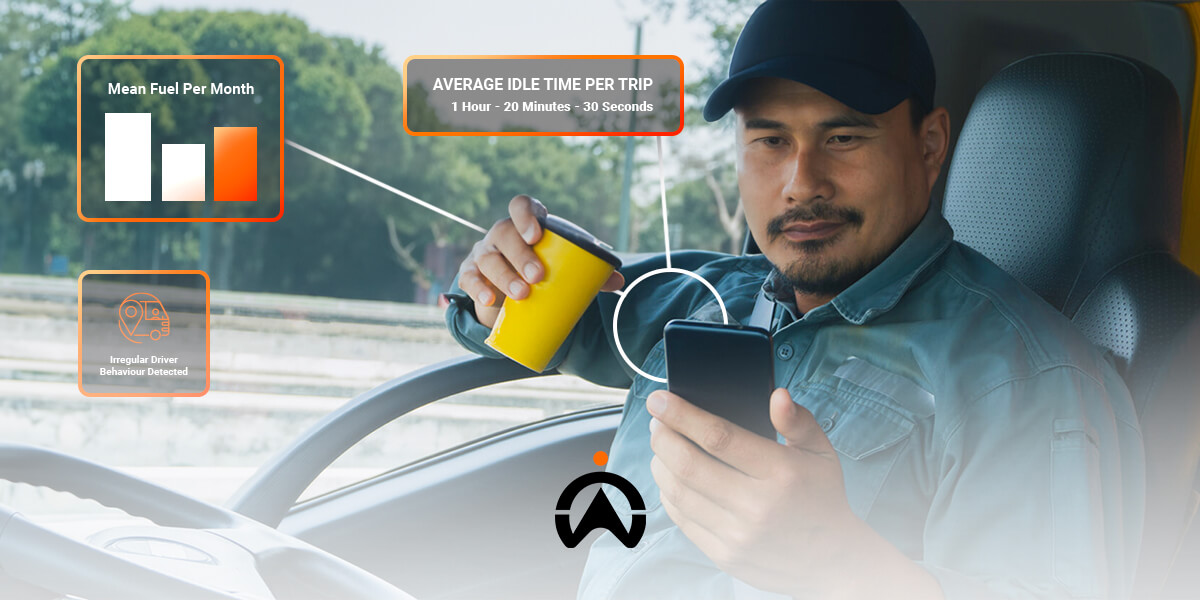
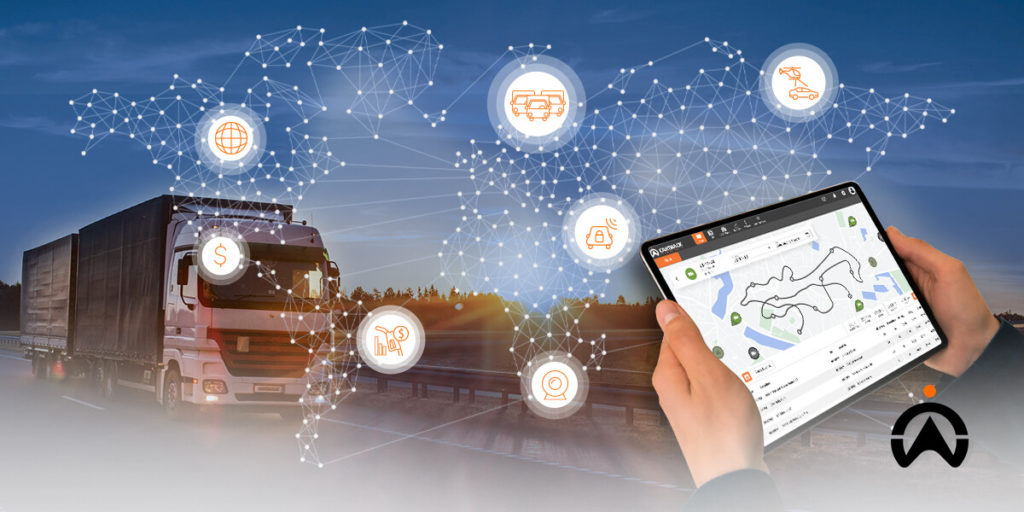
These days, simply tracking your fleet from one point to another with basic fleet management software is not enough. Successful fleet management demands more than that. You need streamlined fleet data, a scalable fleet management system and actionable insights to identify inefficiencies and solutions in your fleet. All of this is possible through cloud operations, which help you process, manage and store your fleet data effectively.

In this article, you will:

• Find out why you need cloud operations for your fleet

• Understand cloud operations

• Find out exactly how cloud operations work in fleet management

• Discover ways to improve fleet management with cloud operations from Cartrack Mozambique

So, why cloud operations?

What better way to start than by looking at the obstacles your fleet may face and exploring how cloud operations can help?

Whether you oversee a single vehicle or manage a giant fleet, the need for a fleet management system is undeniable. An efficient fleet management system is the key to increasing the productivity, safety and overall operational efficiency of your vehicles. In the world of fleet management, the integration of cloud operations is emerging as a game changer. This iconic fusion promises to solve all the significant challenges you regularly encounter.

I imagine you may be overwhelmed by fleet data, struggling to make sense of the overload of information coming in from your fleet vehicles via GPS (Global Positioning System).

Or perhaps your fleet business is one of those held back by its scalability limitations, unable to adapt to the evolving fleet world and technological advances and, as a result, falling behind competitors. Perhaps you are facing challenges in growing your business because you are not promptly monitoring, analysing and resolving operational inefficiencies. You may even be on the verge of facing, or already reaping, the repercussions of unexpected downtime and rising maintenance costs. Let’s not forget the potential frustration of having limited access to crucial fleet data that could generate actionable insights.

If any of these pain points or challenges hit home, your solution is cloud operations.

CloudOps 101: What exactly are cloud operations?

Cloud operations may sound complicated, but let’s simplify them step by step:

Take George, for example. He is a fleet manager. He deals with a lot of fleet data – daily vehicle operations, finances, administrative tasks and much more. To handle all this information he could use his computer, but that could make it slow, take up a lot of space or pose risks to safety. That’s where the cloud comes in.

The cloud is like a special virtual filing corner on the internet where George can store all his fleet data. Think of it as having a super-smart computer system on the internet that organises all the important data about George’s fleet, making fleet management easier, smarter and super-efficient. These computer systems are managed by companies such as Cartrack Mozambique to put fleet managers like George in control of their fleet operations and keep fleet data secure and accessible.

That is what cloud operations are about – the behind-the-scenes work that makes sure fleet data runs smoothly. It involves things like setting up, managing and updating software so that fleet data can be accessed at any time, from any device connected to the internet.

Now, instead of scattered files and papers, George can rely on the cloud. It stores details about where his vehicles are, where they have been and even who is driving them. It also helps George manage other aspects of the fleet, such as finding the best routes, keeping an eye on fuel and even diagnosing engine problems.

Sounds simple, right? Now, let’s unpack what makes cloud operations work.

How exactly does it work?

Cloud operations in fleet management involve using cloud computing technologies to streamline and optimise the management of a fleet of vehicles. This approach harnesses the power of the cloud to provide real-time fleet tracking, monitoring, data analysis and operations control, leading to greater efficiency, cost savings and better decision-making.

Here’s how cloud operations work in fleet management:

  1. Telematics installation and data collection: Within a fleet, vehicles are fitted with telematics devices that use GPS technology to collect information. This information includes where the vehicles are, how fast they are going, how much fuel they are using and even how
  2. Data transmission to the cloud: The information or data collected by the telematics devices is transmitted to cloud servers through wireless communication technologies, such as mobile networks or satellite communication. This data transmission is continuous, offering a comprehensive view of the fleet’s performance and operation in real time.
  3. Real-time monitoring and tracking: As fleet data is transmitted to the cloud from telematics devices, stored and processed, you can now access the data through cloud-based apps or dashboards, such as a fleet website, to monitor the real-time location and status of your vehicles. This information improves overall fleet efficiency by:

    – Establishing a preventive maintenance schedule
    – Monitoring driver performance
    – Optimising routes (and much more)

  4. Cloud storage and processing: The data transmitted from fleet vehicles to the cloud is then stored on cloud-based platforms, such as Cartrack, which provide the capacity and reliability to handle and manage the large amounts of data generated by a fleet of vehicles. This data can then be processed, analysed and accessed to gain insights into the fleet’s performance and operations.
  5. Data reporting and actionable insights: Using a cloud-based system makes it possible to create detailed reports and analyses from the data collected, so you can examine fleet trends, detect operational inefficiencies and make well-informed decisions to improve fleet performance.

What if your business already has a system up and running? No problem!

In that case, you can integrate a cloud-based system with your existing system. This involves merging the two to improve operational efficiency, fleet accessibility and collaboration within your teams. By joining forces, your current systems, data and applications can communicate more effectively, enabling real-time updates, streamlined workflows and the potential for cost savings.

Speaking of saving money, have you ever thought of cloud operations as your money-saving hero?

Cloud operations and the macroeconomic environment:drivers are behaving.

Let’s think about how the wider economic environment can affect your fleet business and how scalable cloud operations can help you combat the effects.

A macroeconomic environment is the general economic conditions that affect a business, such as interest rates, inflation and economic growth. To combat these economic effects, businesses need a scalable cloud operation, that is, a cloud-based system that has the potential to expand and overcome the macroeconomic environment by:

  • Reducing fuel costs: Fuel is one of the main and biggest costs for any fleet business. A scalable cloud-based system can help businesses identify areas in the fleet where fuel costs can be reduced, where fuel is being misused or where fuel card fraud is taking place.
  • Improving customer service: by allowing you to track the location of your vehicles, a scalable fleet solution can help you improve customer service, satisfaction and loyalty, offering fast response times and on-time deliveries thanks to real-time updates on delivery status and the ability to respond to deliveries on time.
  • Meeting compliance requirements: scalable cloud operations systems ensure accuracy and reduce the time and effort needed to generate compliance reports (such as SARS tax compliance reports), and provide a secure and reliable platform for storing and accessing the necessary data.
  • Staying ahead of the competition: scalable fleet solutions use data analysis to identify trends and patterns, allowing you to spot new markets and products that are likely to succeed and keep you ahead of your competitors.

Now that we understand cloud operations, why they are a must and how they work, let’s get to the heart of the matter.

Operações_em_nuvem_e_ambiente_macroeconômico:os_motoristas_estão_se_comportando

How to improve fleet management with cloud operations:

Integrating cloud operations into the field of fleet management has the potential to revolutionise your fleet operations. However, the real question is how exactly you can harness that potential to improve the management of your fleet. Here is the answer:

  1. Choose an experienced, industry-leading cloud service provider: Choosing a reliable and efficient cloud service provider like Cartrack, which offers the scalability, safety and fleet management features your fleet management needs require, is the first step towards improving fleet management with cloud operations.

    We are global leaders in fleet management and connected vehicles, with more than 125 billion data points processed every month, more than 1.8 million subscribers in 23 countries and the trust of more than 110,000 businesses worldwide.

  2. Install telematics devices: once you have found a reliable and efficient service provider, equip your vehicles, trailers and even assets with telematics devices. Cartrack’s advanced installation techniques combine GPS, GSM, RF and anti-jamming technology. This innovative combination significantly increases the reliability and connection of your vehicle’s tracking unit, ensuring a continuous flow of accurate data on your fleet’s location, speed, fuel consumption and other crucial metrics. This not only gives you a real-time overview of your fleet, but also increases the likelihood of fleet vehicles being recovered quickly by our recovery team in the event of theft.
  3. Make sure data security is watertight: fleet data is valuable. It is fundamental to optimising vehicle performance, maintenance and operational efficiency, and offers information on driver behaviour, cost management and compliance, supporting informed decision-making. In addition, protecting fleet data is vital because of privacy concerns, potential financial losses, operational disruption and the risk of cyber attacks.

    Strong data security ensures regulatory compliance, maintains customer trust and prevents unauthorised access to valuable information. Cartrack Mozambique knows how important the privacy of your data is, so we are committed to protecting and controlling the use of the personal data we collect in line with regulatory requirements. In addition, our executive management continually assesses the need to develop, implement or amend other policies, procedures and terms and conditions, including data protection; consent policies and forms; data access; breaches of safety and much more.

  4. Track and monitor your fleet in real time: As a fleet manager, you may often run into challenges in keeping accurate, up-to-date information on the location of your fleet’s vehicles, assets or cargo. These challenges can result from signal variations, slow data transmission and occasional connectivity interruptions. As a result, continuously streamlining fleet operations can be almost impossible.

    To improve this, use cloud-based apps to track and monitor your fleet in real time. This lets you always know where your vehicles are, optimise routes and respond promptly to any problems. Cartrack’s digital telematics technology, which incorporates GPS, sensor connections and its own servers, enables precise tracking of your entire fleet. Beyond vehicle tracking, our technology offers additional functions such as asset tracking, driver performance monitoring, fuel consumption analysis and even trailer and temperature monitoring.

  5. Data integration and analysis: Worrying about the physical IT set-up behind the scenes and upgrading the infrastructure of the company’s fleet management software can be tedious and time-consuming. On the other hand, hiring specialists to do the work can cost the business even more. These days, fleet companies prefer to focus all their energy on core fleet tasks and let cloud-based operations companies take care of all the extra hard work.

    Cartrack Mozambique offers a smart approach to fleet management using cloud technology that allows our system to work with your business’s existing systems. Now, instead of dealing with physical computer set-ups, fleet managers can use virtual machines in the cloud. These virtual machines store data, perform calculations and deliver the necessary updates, saving the fleet money, time and space.

  6. Fleet scalability: Fleet scalability refers to the ability of a fleet management system or solution to adapt and grow in size or capacity as the fleet’s needs increase. A scalable fleet management solution can accommodate an expanding fleet (more vehicles, resources, data and operations) without requiring significant changes to its underlying infrastructure or causing a drop in performance. This scalability matters because as a fleet grows, the demands on the management system increase too.

    Our cloud-based fleet management system software lets you easily scale your fleet management operations as your business grows. You can add more vehicles and data without worrying about infrastructure limitations.

  7. Get fleet access and remote control 24 hours a day, 7 days a week, 365 days a year: Fleet managers often face concerns about their fleet, especially when they are on the road. Delays in accessing fleet data can result in significant setbacks, leading to losses and missed opportunities to resolve problems in good time.

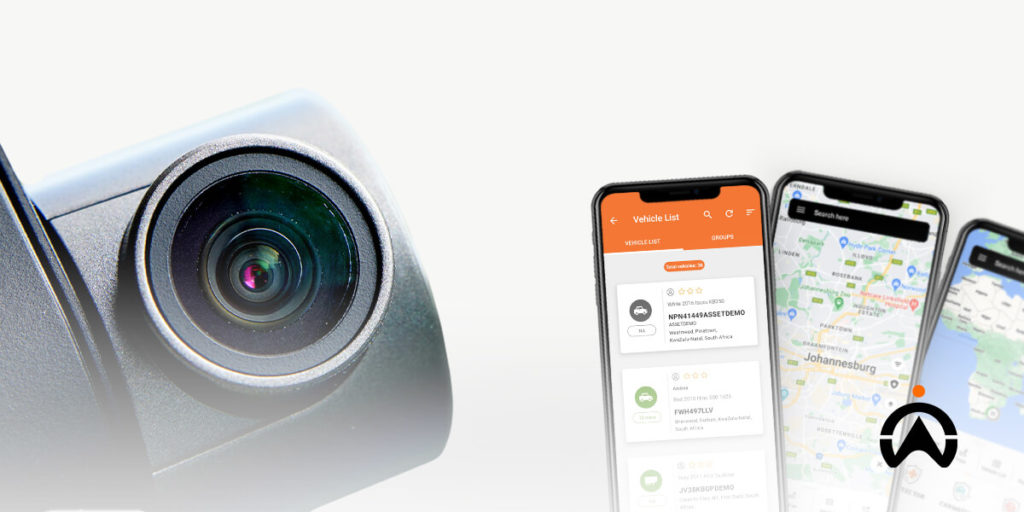
    Exploring cloud-based platforms such as Cartrack Mozambique can offer a comprehensive solution. Through our all-in-one mobile app and fleet web platform, you can conveniently and consistently access your fleet data and manage operations from a range of devices, including smartphones, desktops, laptops and tablets, even when you are not on site. This capability allows you to make informed decisions quickly, minimising delays and ensuring fast, effective responses to unforeseen problems and delays, resulting in an overall improvement in fleet management performance.

  8. Results-driven use of data: With the vast amount of fleet data being collected, which includes information on vehicle condition, driver details and asset information, fleet managers may find it hard to sort through all this data and find valuable information. Although this abundance of data has the potential to help monitor fleet operations closely and identify areas in need of improvement, mishandling it can strip it of its meaning, leading to uninformed fleet management and poor decision-making.

Cartrack Mozambique provides actionable insights and reports from fleet data. This enables informed choices and streamlined operations for greater efficiency and productivity. With data-driven decision metrics, comparative analysis and instant alerts, fleet managers can optimise routes, identify challenges and respond quickly to unproductive areas.

Get the industry-leading cloud operation for an industry-leading fleet!

Cartrack Mozambique offers an all-in-one fleet management software solution that lets you improve your fleet operations. Our cloud-based platform allows seamless scalability and gives you instant access to vital data. Alternatively, you can opt for our bureau services and let us handle your fleet management for you.

Whichever of the options above suits you best, get in touch with us today and we will tailor our services to meet your needs.
Predictive Analytics in Fleet Management – Gain a Competitive Edge

Predictive analytics is a powerful tool businesses use to improve their operations, which is why predictive analytics is essential in the workplace. Essentially, it helps simplify business insights while playing a key role in speeding up a company’s path to success.

Whether you need a forecast of the next day’s sales or want to determine which branch or distribution centre has the highest demand at a specific time, predictive analytics tools give you the edge you need for insightful decision-making.

Stay with us as we show you how predictive analytics works, its crucial role in supply chain success and fleet operations, and how you can implement this powerful tool in your business.

In this article, you will:

  • Get to know the different types of data analytics and their uses
  • Take a closer look at predictive analytics in supply chain and fleet businesses
  • Learn about the three steps of predictive analytics technology
  • Understand the benefits of predictive analytics in the supply chain and fleet industries
  • Find out why predictive analytics is essential for your business
  • Discover how technology from Cartrack Mozambique can meet your business’s predictive analytics needs

The different types of data analytics

Examining data to identify trends, gain insights and answer questions is what underpins data analytics. However, there is more than one type, each with its own benefits.

Here is everything you need to know about the different types of data analytics and where predictive analytics fits into the bigger picture.

Descriptive analytics: what happened?

So, let’s say you want to analyse the productivity of your fleet drivers over the last business quarter. By running a descriptive analytics process, you can gain valuable insights that support smart decisions to improve future driver productivity. Descriptive analytics is an excellent starting point if you want to turn data into a powerful tool that delivers actionable insights.

In addition, being able to use basic statistical software such as Google Charts or Microsoft Excel to identify different trends and relationships makes descriptive analytics an accessible, easy-to-use tool.

Diagnostic analytics: why did it happen?

Most fleet managers would like to determine what is causing their fleet vehicles to age prematurely. After using descriptive analytics to identify trends related to premature vehicle ageing, diagnostic analytics is the logical next step to identify why those trends exist.

For example, information on harsh braking can point to the reason tyres are wearing out prematurely, giving fleet managers a solid basis for solving the problem and saving on the cost of replacing tyres too early.

Concepts closely linked to diagnostic analytics, such as hypothesis testing, diagnostic regression analysis, correlation and causation, make the process more complex than descriptive analytics, but using algorithms and basic statistics software such as Excel makes the process more straightforward.

Prescriptive analytics: what comes next?

Want to take some of the guesswork out of your fleet budget? Prescriptive analytics is an ideal tool for getting data-driven answers to those “what if” questions that can keep you awake at night. Running prescriptive analytics lets your business analyse crucial factors, such as future revenue, and maximise your budget by determining the best course of action. And the more data you have available, the better the results you will get from the process.

Machine learning algorithms are a popular way to efficiently analyse large amounts of data and get refined, accurate results. Simply by using statements containing the words “if” and “else” as part of the analytics process, you can start getting valuable recommendations based on your specific business needs.

Análise_prescritiva_o_que_vem_a_seguir

Predictive analytics: what might happen in the future?

One of the most challenging tasks for businesses is identifying the best course of action. In both fleet management and supply chain businesses, it is essential to make sure your vehicles stay on the road as much as possible. By bringing together a range of data, the predictive analytics process helps forecast future events that could contribute to vehicle downtime, so that you can develop innovative strategies to avoid them.

There are different predictive analytics tools you can use to get the insights you need. Regression analysis, for example, determines the relationship between two variables, also known as single linear regression. In comparison, multiple regression refers to three or more variables. Ultimately, predictive analytics helps your business formulate solid, data-driven strategies and drives smart choices, supporting proactive decision-making.

The place of predictive analytics in the fleet management and supply chain industries

If you agree with the expression “why fix something that isn’t broken”, predictive analytics will change the way you think about running a business. The new and improved version has evolved from “Why fix something that isn’t broken” to “Why wait for something to break before you start fixing it?” This updated perspective is a more proactive approach that helps you truly stay in charge of your business.

If you agree with the expression “why fix something that isn’t broken”, predictive analytics will change the way you think about running a business. The new and improved version has evolved from “Why fix something that isn’t broken” to “Why wait for something to break before you start fixing it?” This updated perspective is a more proactive approach that helps you truly stay in charge of your business.

In the supply chain industry, predictive analytics supports many smart approaches, including determining optimal inventory levels, which in turn helps minimise stock while still meeting demand. For fleet-based businesses, predictive analytics helps support proactive vehicle maintenance, allowing you to schedule preventive checks. In both cases, you can make significant savings by cutting unnecessary costs.

In addition, the use of predictive analytics tools in supply chain businesses has increased significantly, with the 2020 MHI Annual Industry Survey reporting growth from 17% in 2017 to 30% in 2019 – an impressive 76% increase in just two years.

More and more businesses are looking to adopt this transformative technology, with 57% of the companies that do not yet use predictive analytics planning to make this proactive change in the next five years. So, if you want to find out how predictive analytics can be applied to improve an organisation’s performance, you are in the right place, as we are about to reveal crucial details on how this tool is used in the fleet and supply chain industries.

What is predictive maintenance for fleet management?

With statistics, algorithms, data, machine learning and even AI, predictive analytics can anticipate future challenges in fleet management, including safety, maintenance costs, problematic driver behaviour, fuel spend and much more.

Instead of picking up the pieces after a workplace accident, having this powerful data at your fingertips allows innovative, proactive decision-making that helps predict and prevent these kinds of crises. Here are some examples of how data-driven decision-making with predictive analytics can improve your business:

  • The Fleet managers can proactively identify potentially dangerous driving behaviour in their fleets, helping them tackle it promptly and even use this information to improve the training of new drivers.
  • Getting accurate information on fuel use is the key to identifying the main contributors to fuel wastage. Using this data to implement tailored solutions will help you save significantly on fuel costs. Collecting business data and ownership costs helps fleet managers reduce manual expenses and optimise workforce utilisation for more efficient customer service.
  • With accurate, detailed fleet data that ensures your fleet vehicles are maintained and in top shape, putting you in control.

How can predictive analytics be applied to improve performance in a supply chain organisation?

A fleet is also a significant component of a supply chain that runs at its best; however, there are even more ways in which predictive analytics can make a notable contribution by providing valuable insights.

With access to detailed analysis of data from different areas of the business, such as orders, invoices and delivery notes, supply chain businesses can make useful forecasts not only for their fleet, but also for other crucial aspects of supply chain operations:

  • Predictive analytics helps supply chain businesses outperform their competitors with more innovative risk management. A steady supply of accurate data helps businesses identify possible bottlenecks in their supply process that could negatively affect overall efficiency. Mitigating this risk effectively helps streamline the whole process, leading to greater savings and customer satisfaction.
  • Zooming in on customer service and satisfaction reveals even more benefits. Collecting a steady stream of data showing how customers interact and what they prefer makes it easier to decode your customers’ minds and work out how to keep them coming back.
  • Knowing the demand in the locations you supply is a great help in making sure you never over-deliver or under-deliver. Predictive analytics tools take things up a notch, helping supply chain managers forecast demand for more efficient stock supply and delivery strategies

Considering the growing adoption of predictive analytics technology in businesses, there is little room left for doubt about its efficiency.

Three crucial steps to the success of predictive analytics technology

What better way to understand predictive analytics than through its inner workings? The process can be broken down into three crucial steps that show how it works its magic for fleet and supply chain ventures. Here is a summary of how the process works:

  1. Collection: To kick things off, IoT devices need to capture the available telematics data. The more data that is captured, the more comprehensive and useful the future insights will be.
  2. Transmission: Once the data has been collected, it is shared with analytics software to make sure it is sorted into smaller, more specific categories.
  3. Processing and analysis: Finally, now that the data is ready for processing, it is analysed to optimise its usefulness. This final process allows the data to reveal implicit and explicit dependencies between relevant events, followed by solid future insights that help you manage your business.

How these steps take your supply chain business to the next level

When it comes to your business, every step that makes up practical predictive analytics feeds into developing workable strategies and optimising your operations.

  • Data collection helps you define areas for improvement more broadly. Think about it. Without a range of data, it will be much harder to analyse every area of your supply chain’s effectiveness and where improvements need to be made.
  • Data transmission helps connect the dots, allowing an effective sorting process. Knowing that the data is shared with the right analytics software, you can be sure that all the information will be standardised and processed correctly, taking a lot of tedious work off your plate.
  • The final step, data processing and analysis, lets you build predictive analytics models that really work. Nobody can make a 100% accurate prediction of the future, but using carefully sorted and processed data will get you very close to it.

It’s as easy as that: start creating guidelines and implementing changes directly linked to improving efficiency, and reap the rewards. The sooner you start, the more data you will have over time to fine-tune your processes and set them up for ultimate success.

Como_essas_etapas_levam_seu_negócio_da_cadeia_de_suprimentos_para_o_próximo_nível

Five critical reasons why you can’t ignore predictive analytics for your supply chain business

Here is why, if you haven’t yet invested in predictive analytics technology for your business, there is no time like the present to get what you deserve from your business ventures.

  1. Less spending

    Cutting unnecessary costs should be a top priority in every industry, as it increases ROI and lets you put that money to better use. Having comprehensive insights at your fingertips can help you reduce supply chain costs, identify any inefficiencies in the production process and minimise waste, reducing overall spend.

  2. Demand forecasting

    Imagine how effectively you can optimise your business if you have a solid idea of what your customers want and when they want it. Forecast customer demand is one of the highly practical contributions predictive analytics brings to your business, helping you act before a rise in demand occurs.

  3. Optimised pricing

    Product demand doesn’t only help make sure you have enough stock on its way to the designated locations. It can serve as expert guidance on how to optimise prices for maximum profitability. Also known as predictive pricing, it involves dynamically adjusting product prices according to forecast demand, applicable exchange rates and inflation. In addition, predictive pricing helps control the element of human error, reducing the risk of pricing mistakes.

  4. Smart inventory management

    If you are in the supply chain business, inventory management and resource planning are crucial components that affect how much you can save by avoiding unnecessary waste. Predictive analytics helps establish an optimal stock level for each destination, helping you meet demand with minimal spend. It is the best tool to help you decide whether keeping most of your stock centrally or regionally is more profitable.

  5. Maximised customer buying potential

    With the ability to predict what customers will want to buy in the future, your business can magically stock what they need, when they need it, which is one of the critical points for customer satisfaction. You can go even further by recommending products accurately and providing individualised pricing based on your customers’ data, ensuring you retain enthusiastic customers who keep coming back.

Potencial_de_compra_maximizado_do_cliente

Let Cartrack Mozambique meet all your fleet’s predictive analytics needs

No matter which industry you are in, predictive analytics can take the guesswork out of planning and decision-making by providing reliable, data-driven insights. Studying how to use predictive analytics in supply chain management and other industries can leave you with a lot of questions if you do it completely on your own.

Let Cartrack Mozambique contribute to your success with a comprehensive telematics-based solution that offers powerful predictive analytics tools and insights. Here is how you can start benefiting from accurate, data-driven insights today:

  • Identify why and how your business is overspending with the advanced cost accounting software from Cartrack Mozambique, MiFleet. Its contextualised metrics help reduce overheads, minimise operating costs and identify lost profits. Now you will know exactly whether risky driving behaviour or unauthorised detours are pushing up those unwanted fuel costs, and you will have the insights to eradicate them for good.
  • Maintain the freshness and quality of refrigerated products with the real-time temperature monitoring solution from Cartrack Mozambique. You can be sure that our instant temperature fluctuation alerts will tell you the moment your cold chain cargo is at risk of not meeting the industry’s temperature standards, making proactive decision-making easier on your side and sustaining customer satisfaction.
  • Take maintenance planning to the next level with our smart vehicle diagnostics technology. Smart insights let you minimise unplanned vehicle downtime and streamline operations with scheduled preventive fleet maintenance. But it doesn’t stop there: our smart solution also simplifies proactive fleet management with real-time alerts on oil and water fluctuations, engine faults and a range of other vehicle diagnostics, increasing the longevity of your fleet.
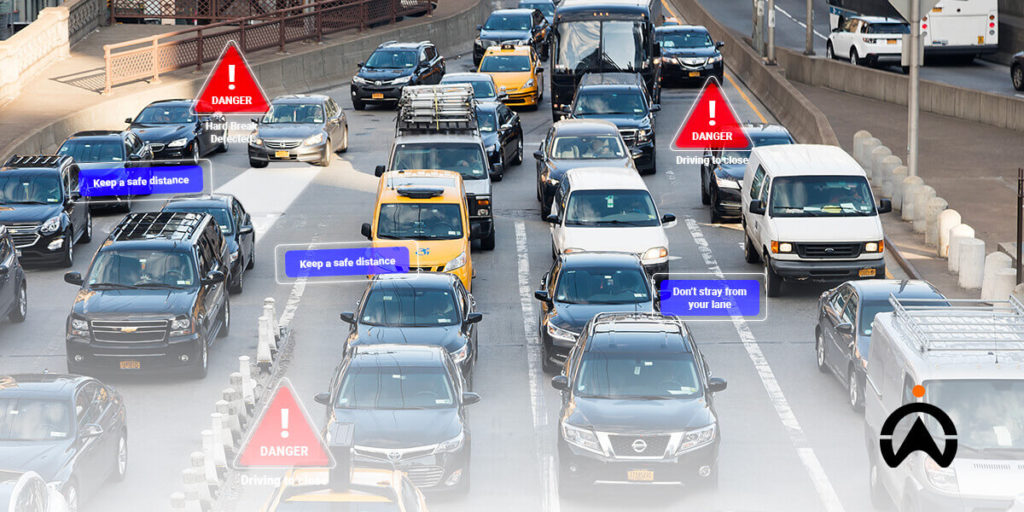
  • Achieve unmatched efficiency by proactively monitoring your operations with our live-stream and AI-powered camera technology. With advanced driver behaviour recognition and real-time audible alerts, our smart camera technology addresses problems audibly and without delay, making it easier to proactively protect your fleet and cargo while minimising risky behaviour and unnecessary accidents.

Connect with us today

The predictive analytics-based solutions from Cartrack Mozambique allow you to prepare for and anticipate a better future for your business.

‍Contact Cartrack Mozambique and take control of your business today, tomorrow and beyond.

GPS fleet tracking: an expert guide to doubling your business’s ROI

Today, GPS vehicle tracking is an integral part of fleet telematics and is vital to smart fleet management. As well as giving fleet managers more control and visibility over their operations, GPS tracking also helps businesses increase profits and boost their annual ROI.

Find out how a GPS fleet tracking device can help you increase your business’s profits and annual return on investment.

In this article, you will:

  • Learn more about ROI in fleet management, what it is and how to start increasing it
  • Find out how GPS tracking helps businesses increase their annual ROI
  • Check out our guide on how to use GPS tracking to double the ROI of your fleet business
  • Get all the fundamentals of fleet management and GPS tracking
  • Find out how products from Cartrack Mozambique play a big part in doubling your fleet’s ROI

What is ROI in fleet management?

The best place to start is understanding what ROI is in fleet management and how it can change the way you look at your business’s profitability.

As you know, ROI stands for “return on investment”. It is the ratio between a fleet’s net profit and its investment cost. If your business has a high ROI, your profits outweigh your operating costs, making your business more profitable. On the other hand, if your business currently has a low ROI, you are spending more than your business earns.

The critical data points that can affect your fleet’s ROI include:

  1. Annual claims: your annual direct claims costs from the previous year
  2. Annual repairs: your annual repair costs for fleet or third-party vehicles
  3.  Fuel wastage: The estimated total cost of unnecessary driving behaviour, such as idling

    ‍4. Insurance premiums: some insurers offer a reduced premium if fleet vehicles have devices that track GPS data

While specific metrics can help you understand your fleet’s performance, looking at the right data will have a positive impact on your decision-making, helping to improve your fleet’s ROI.

For example, addressing driver performance helps improve overall fleet performance. However, looking at the effects of driver performance, such as fuel wastage or conservation and accident-related claims, helps identify where the drains are so that you can improve your ROI.

O_que_é_ROI_na_gestão_de_frotas

Why should you calculate your fleet’s ROI?

Calculating your business’s ROI helps identify and determine the financial benefits of specific purchases, which can be used to justify the investment to stakeholders or for record-keeping. So, if you are thinking of adding EVs to your fleet, looking at the ROI will tell you whether going green is feasible and profitable.

The calculation also helps businesses prioritise goals, identify areas for improvement and track progress over longer periods. Tracking progress is valuable for informed future decisions and progressive change.

In short, calculating the ROI of your fleet management business gives you immediate and long-range insight for smart decision-making now and in the future.

4 ways statistics prove that GPS fleet tracking technology increases ROI

Can GPS tracking technology really help you increase your profits?

Looking at the relevant statistics can help you make a smart decision. These mind-blowing statistics from the USA show just how closely GPS tracking technology is linked to increased ROI

  • 64% of fleet managers currently use GPS fleet tracking technology in their businesses. This shows that GPS is a valuable fleet tracking resource that eases the load on fleet managers.
  • Although medium-sized fleets are more likely to adopt GPS tracking technology, a 12% increase was recorded for smaller fleets between 2019 and 2020, indicating growth in the benefits of GPS fleet tracking technology and its profit-boosting advantages.
  • In 2021, 45% of the 1,200 fleet managers and other business professionals in the USA using fleet management solutions reported a positive ROI in 11 months or less – a clear indication of how quickly businesses can start to see a difference in their profits.
  • In 2020, a massive 54% improvement in customer service was reported thanks to fleet tracking technology. Satisfied customers are a solid tool for increasing profits, making this statistic proof of how fundamental fleet tracking technology is to business success.
4_maneiras_pelas_quais_as_estatísticas_comprovam_que_a_tecnologia-de_rastreamento_de_frota_por_GPS_aumenta_o_ROI

How Cartrack’s Delivery app enables significant fuel cost savings: a case study

Cartrack’s Delivery app was put to the test with one of South Africa’s largest furniture suite manufacturers in an attempt to help them reduce their fuel costs.

How Cartrack Delivery was used: The app was used on one of their trucks’ main daily routes. This truck had 15 deliveries to complete in a single day, which added up to a distance of 195 km.

What the Delivery app achieved: The Cartrack Delivery app’s route optimisation software was used, which resulted in the following:

  • Route optimisation managed to complete all 15 deliveries in 165 km, 30 km less than the original daily distance
  • This represented a total daily fuel saving of approximately seven litres
  • And a monthly fuel saving of approximately MT15000

What this means for your business: These results were achieved with just one commercial vehicle, so imagine the total fuel saving for an entire fleet. With fuel savings becoming an unavoidable requirement in many businesses’ budgets, GPS monitoring and fleet management technology is helping more businesses around the world maximise their annual ROI.

Your expert guide to doubling your fleet business’s ROI with GPS tracking

If you are ready to see a real increase in profits, the best place to start is making sure you understand what to do. With our expert guide, you can quickly identify the pain points, implement cost-effective solutions and double your fleet’s ROI.

Seu_guia_especializado_para_dobrar_o_ROI_do_negócio_de_frota_com_rastreamento_GPS

Start using your fleet data for optimised results

Harnessing the power of your fleet data can unlock a world of benefits for your business. Here are five innovative ways to optimise the way you use fleet data:

  1. Optimise route efficiency: by using GPS tracking and real-time position data, you can identify the most efficient routes for your drivers, ensuring on-time deliveries and cost savings.
  2. Avoid costly repairs: implementing maintenance schedules and reminders based on fleet data lets you address vehicle maintenance proactively, extending vehicle life and avoiding costly repairs.
  3. Increase safety and reduce incidents: use fleet data to assess how well drivers follow safety protocols, allowing you to identify areas for improvement and reduce the number of accidents and safety violations.
  4. Gain insights from fuel consumption analysis: use fleet data to identify excessive fuel use or fuel theft and pinpoint areas where consumption can be optimised, leading to substantial savings on fuel costs.
  5. Increase operational efficiency: analysing data on downtime, long trips and absenteeism helps identify bottlenecks and inefficiencies in your fleet, allowing you to streamline operations and maximise productivity.

Prioritise the safety of your fleet for better returns

Driver safety is essential when calculating your fleet’s ROI. You gain valuable information on driver performance and cost allocation by closely monitoring safety-related incidents over time. Ultimately, reducing accidents frees up funds and increases a business’s profitability.

Use fleet data to identify drivers who need additional training, allowing you to reduce incidents of safety. Proactively playing it safe can also reduce your insurance premiums and monthly expenses.

‍Maximise returns by tracking your assets

Real-time asset tracking brings significant benefits, including higher productivity, reduced losses and better ROI. Knowing the precise location of your vehicles empowers you in several ways. You can identify idle cars and trucks, eliminating wasted time and costs. In addition, optimising routes based on accurate data helps save fuel and reduce the time spent on the road.

Efficient asset tracking also ensures tasks are completed on time and lets you allocate the right drivers to each job. With this data-driven approach, you will gain immediate financial benefits and simplify operations.

Simplify your operations with workflow automation

Automating your operations is crucial to implementing the fleet ROI strategies mentioned above. It’s time to say goodbye to outdated methods such as sticky notes, spreadsheets and time-consuming paperwork. In today’s fleet management market, cutting-edge GPS tracking solutions that provide actionable data are what will improve your ROI.

Embrace investment in preventive maintenance

Investing in preventive maintenance means tackling problems proactively before they disrupt your operations. By keeping a comprehensive maintenance history and resolving potential problems early, you protect your vehicles – your business’s invaluable assets. As your vehicles spend less time in maintenance and repairs and more time on the road, you increase your revenue and your returns.

By making preventive maintenance a core strategy, you demonstrate a commitment to looking after your fleet, promoting its longevity and maximising profitability.

Where to start? Use these basic questions and answers to drive up your ROI

Everyone has to start somewhere. Looking at popular questions about fleet management ROI for fleet managers and business owners can provide much-needed information on where to begin. Even if you are already actively focusing on increasing your fleet’s ROI, going back to basics can remind you of some important points you may have forgotten.

  1. How do you succeed in fleet management?

    The number one requirement any business needs to succeed in fleet management is a comprehensive system that enables fleet vehicle tracking and offers insightful data on a fleet’s performance.

    In fleet management, data is power, and knowing how a fleet is performing in terms of efficiency, safety and costs is the main tool any fleet manager needs to drive their operations and succeed in the business of fleet management.

  2. How much fuel does a GPS save?

    A recent study by the American consulting firm Frost & Sullivan reports that GPS fleet management systems can increase vehicle utilisation by 15-20% and fleet productivity by 10-15%. At the same time, they reduce:
    – Fuel consumption by up to 25%
    – Idle time by up to 30%
    – Miles travelled by up to 10%
    – Driver overtime by up to 15%

    That represents a major fuel saving for any business that wants to cut costs.

  3. How do fleets use telematics?

    Fleet telematics is a valuable tool that offers a wealth of information about assets. Using GPS tracking and on-board diagnostic readings, telematics systems collect data directly from the assets, providing in-depth insights into asset use, driver behaviour, fuel consumption and DTCs, or diagnostic trouble codes.

  4. Can fleet management statistics help increase ROI?

    Fleet management software linked to a fleet tracking device lets you access valuable statistics that show exactly where your money is going. Having this data at your disposal will allow you to identify overspending and, step by step, you can start cutting costs and increasing your ROI.

Onde_começar

Unlock the benefits of GPS fleet tracking for a sky-high ROI with Cartrack Mozambique

The more data you have at your fingertips, the more efficiently you will control costs and increase your fleet’s ROI. Cartrack’s SaaS-based telematics and GPS tracking software gives you access to a kaleidoscope of data while constantly advancing products based on proven fleet management industry trends.

  • The MiFleet cost management software from Cartrack Mozambique helps you keep track of your insurance expenses, vehicle licences, taxes and finance costs, so you know exactly where to start cutting costs. Vehicle maintenance reminders help you keep your fleet in good condition to avoid costly repairs and untimely maintenance.
  • The fuel monitoring system of the Cartrack fleet management platform also works with MiFleet to calculate fuel costs per vehicle, allowing you to compare fuel expenses with driver reports and reduce poor driver behaviour such as idling – a major contributor to extra fuel costs.
  • Cartrack’s LiveVision AI camera solution is designed to detect distracted or tired driver behaviour and audibly alert drivers in real time so that they can regain their focus. This helps fleet managers improve driver safety and reduce avoidable running costs.
  • Protect your movable assets with our asset tracking device. It helps you minimise equipment theft and loss. If you own generators, containers, truck trailers, concrete mixers and other mobile equipment, keep them safe and avoid costly replacements.
  • The fleet management solutions from Cartrack Mozambique platform has smart mobile app features such as route optimisation, which helps ensure your drivers use the most efficient routes possible, and geofencing, which alerts you when your vehicles enter or leave predefined virtual boundaries. These tools help you combat fuel costs and improve driver accountability, making them essential components for increasing profits.

The telematics-based solutions from Cartrack Mozambique can help you turn your fleet management business into a profit-generating machine.

Contact us today for the best fleet management tools to increase your ROI.

The secret to fleet driver retention: eye-opening AI technology revealed

AI has revolutionised the fleet managementindustry. Its ability to analyse large amounts of data has allowed fleet managers to make informed decisions and create an environment that promotes driver satisfaction – making it a vital player in increasing driver retention. Let’s find out why and how.

In this article, you will:

  • Learn what driver retention is
  • Find out why driver retention matters for the growth and success of your fleet 
  • Learn how AI technology can help you increase driver retention
  • Learn how AI and IoT are revolutionising the fleet management industry
  • Find out how technology from Cartrack Mozambique can help you increase driver retention

What is AI?

AI technology is designed to mimic human behaviour and perform various tasks, such as understanding speech, analysing data, learning patterns, responding to requests and much more.

This technology has improved many aspects of our daily lives – whether it’s a simple Google search, drafting an email, using facial recognition or any streaming service, AI is more common than you might think.

In today’s world, it provides value to both individuals and businesses and plays an important role in improving driver retention.

What is driver retention?

Simply put: driver retention is a company’s goal of preventing its skilled and talented drivers from leaving the company. Retaining reliable, quality drivers is one of the most important contributing factors to the success and growth of any fleet operation.

The importance of driver retention in fleet management

Driver retention plays a vital role in the success and stability of any fleet operation. Here are five reasons:

  1. It reduces costs:

    Hiring a new driver is not only time-consuming, it can also affect your finances. A new driver needs extensive training to make sure their skills are up to date and in line with company standards.

  2. It encourages company growth:

    Staff turnover holds back a company’s growth. The longer a driver is with the company, the more they know about its procedures, practices and roles. Driver retention lets a company focus on growing the business instead of training new employees.

  3. It increases efficiency

    Fewer drivers in your fleet means the rest of your driver team will have to pick up the overlapping tasks. This can cause unnecessary stress and frustration in the workplace, resulting in rushed or missed tasks and affecting overall quality. More experienced drivers have better judgement and familiarity with potential risks, which also helps reduce the likelihood of accidents.

  4. It sustains the flow of productivity

    Drivers who work within the organisation for long periods add significant value. They understand the company’s vision and are well equipped to carry out their duties, having acquired all the important core skills needed to complete tasks effectively and more efficiently. This stable, satisfied driver workforce helps ensure consistent, reliable service for customers.

  5. It increases driver loyalty:

    When drivers feel supported and valued, they tend to be more loyal to the company, as this increases the likelihood that they will develop a long-term relationship with it. Loyal drivers also take better care of the equipment they use than those who are not loyal to the company. Driver loyalty also contributes to a sense of belonging and responsibility that helps increase productivity.

A_importância_da_retenção_de_motoristas_na_gestão_de_frotas

Strategise and prioritise driver retention

Keeping your drivers satisfied enough to stay with a company is easier said than done. It takes an effective fleet driver strategy to find and hire the right people, as well as to create an environment that values employees’ contribution and satisfaction. Retaining the talent you have is key to reducing unnecessary business costs and improving overall performance, something AI-based fleet software can help you master.

How does AI play a role in driver retention?

  1. Real-time analysis:

    By collecting and analysing real-time data, you can keep an eye on your vehicles in real time. These telematics devices, which help you identify potential problems, improve fuel efficiency and even detect vehicle misuse, ensure your fleet always runs smoothly. With immediate alerts, you can reduce the risk of accidents, lower fuel costs and ensure safety needs of your fleet.

    How this affects driver retention:

    Real-time analytics adds a sense of safety and protection for your drivers. This software helps you see exactly where your drivers are, what time they were there and how well they drove. It also protects your drivers from any false claims and legal costs that may arise from road accidents. Having this sense of protection can also help your drivers feel safe, which has a positive impact on driver morale.

  2. Driver safety management:

    Although ensuring driver safety is a top priority for many fleet managers, continuously monitoring and improving driver behaviour while keeping on top of other fleet tasks can be a challenge. However, with AI’s ability to streamline the management of driver safety through AI-powered telematics devices, this is no longer a problem.

    How this affects driver retention:

    This use of AI isn’t only for identifying problem areas. By tracking and scoring individual driver performance, you can identify key areas that need improvement. With this knowledge, you can create personalised skills development and training plans to help your drivers improve and develop safer driving habits. This lets your drivers know that you value them and are willing to invest in them, which has a positive impact on driver retention.

Como_a_IA_desempenha_um_papel_na_retenção_de_motoristas

How Cartrack improves driver retention through driver safety

One of a fleet manager’s biggest concerns is managing driver behaviour. This is crucial for customer satisfaction, fleet success and driver retention. Driver retention means keeping skilled employees who can follow the company’s codes, rules and roles. With concerns including safety, speeding and driver fatigue typically being self-regulated, AI can help simplify this by keeping you informed about driver behaviour. Cartrack brings you this convenience with its industry-leading Live Vision AI camera technology.

How does Cartrack’s Live Vision AI camera technology work?

IoT (the Internet of Things) powers this AI technology that helps increase driver retention. This network of interconnected devices fitted with sensors, software and connectivity provides real-time data on your vehicle.

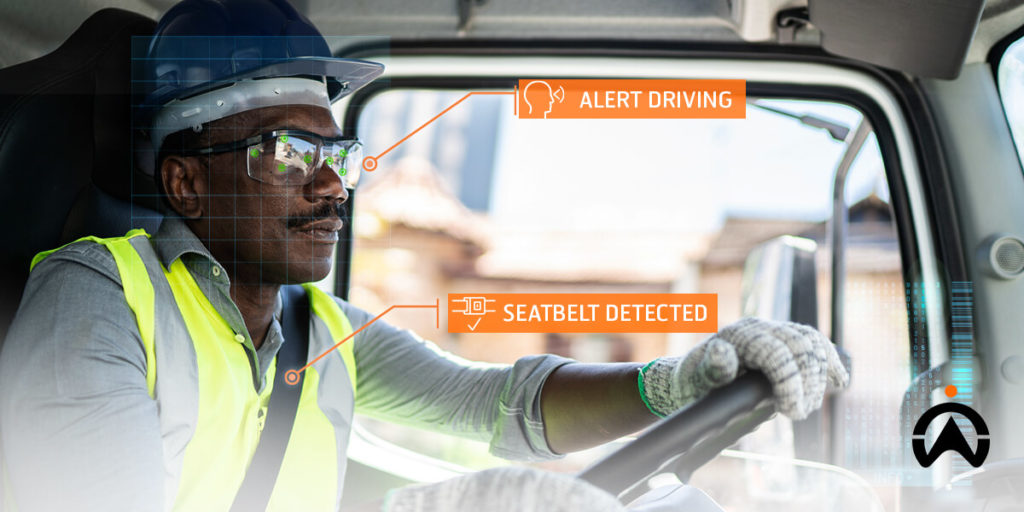
With Live Vision, we bring you this AI-powered, live-streaming technology, which gives you round-the-clock access to your vehicles, inside and out. It increases the safety of your fleet with audible in-cab alerts that immediately notify your drivers of their distracted or dangerous driving behaviour. It can detect speeding, mobile phone use and much more, allowing drivers to correct their actions in real time and avoid accidents.

This technology helps you prioritise driver retention through three key steps:

  1. Inform: accurately assessing a driver’s skills requires a reliable safety system that can provide information in real time. With Live Vision AI cameras from Cartrack Mozambique, you can receive this information as it happens and on demand.
  2. Alert: Cartrack technology is equipped with preventive audible in-cab voice alerts that immediately notify your driver of potential breaches of safety. By alerting drivers so that they avoid hazards on the road, you give them a sense of safety and protection, which can improve driver retention.
  3. Improve: With immediate real-time alerts, drivers can correct their behaviour straight away, in the moment, and prevent accidents or injuries from happening. It also speeds up driver improvement, as drivers no longer have to wait for weekly/monthly progress reports to learn about their mistakes.

‍This is how AI camera technology works to help increase driver and fleet safety:

  1. Forward collision warning: With ADAS cameras from Cartrack Mozambique, drivers are alerted when they drive dangerously close to a vehicle in front of them. This investment in the safety of your drivers and fleet essentially protects them from potential collisions.
  2. Smoking detection: Our DMS cameras detect when drivers smoke while driving, alerting them to keep both hands on the wheel so that they can be more focused.
  3. Distracted or tired driving: the camera can track the position and orientation of the driver’s head and eyes. If your driver looks away from the road, which is a good indication of driver distraction, an event is generated and the driver is alerted immediately.
  4. Mobile phone use detection: The AI camera detects when the driver uses a mobile phone while driving, alerting them to put the phone away, pay more attention to the road and keep both hands on the wheel.
  5. Yawning: Yawning is a common indicator of extreme fatigue, which negatively affects a driver’s reaction time. Through real-time alerts, this technology audibly warns drivers when they yawn, so that they can concentrate on the road and not fall asleep at the wheel.

    This AI camera technology monitors your drivers’ activity, helping you offer preventive training, coaching and protection against false claims. This empowers your drivers to be more accountable, improving overall morale and overall safety . An empowered, safe driver is a happy one – that’s the recipe for driver retention.

Como_funciona_a_tecnologia_de_câmara_Live_Vision_AI_da_Cartrack

Take control of driver retention with Cartrack Mozambique

Want to increase driver retention while managing your fleet effectively? Look no further. The Live Vision AI camera solution from Cartrack Mozambique not only improves driver and fleet safety , but also empowers driver accountability, which increases productivity, morale and profits.

Let our technology help you keep your drivers happy and loyal. Contact us today.

When is the perfect time to replace your fleet vehicles

If you have a fleet of vehicles, this one is for you.

Did you know that keeping your fleet vehicles for too long can lead to excessively high repair costs that exceed their resale value? Replace them too early and you could be pouring money down the drain.

So, when is the perfect time to upgrade your fleet?

The answer to that question is a guessing game if you don’t have the right asset tracking software. With it, you can identify clear signs of exactly when to upgrade your fleet, a vital tool to help you keep your fleet reliable, cost-effective and safe.

From top to bottom, here is everything you need to know about vehicle replacements.

In this article, you will:

  • Discover the importance of understanding your fleet’s life cycle
  • Discover the benefits of a vehicle replacement plan
  • Learn how to calculate your vehicle replacement schedule
  • Identify clear signs of when it’s time to replace your vehicles
  • Discover some useful extra tips for upgrading your fleet
  • Discover how Cartrack Mozambique helps you replace your vehicles easily

Understanding your fleet’s life cycle

Say goodbye to cost-draining vehicles and hello to a new, efficient fleet.

The first step is to record and understand your fleet’s life cycle or lifespan.

This includes tracking and managing various factors about your vehicles, such as acquisition costs, the cost of insurance and maintenance, optimisation and efficiency, breakdown and downtime risks, disposal and resale prices.

Compreender_o_ciclo_de_vida_da_sua_frota

Why is this crucial?

You need to know exactly where your vehicles stand in order to sell them at the most suitable time.

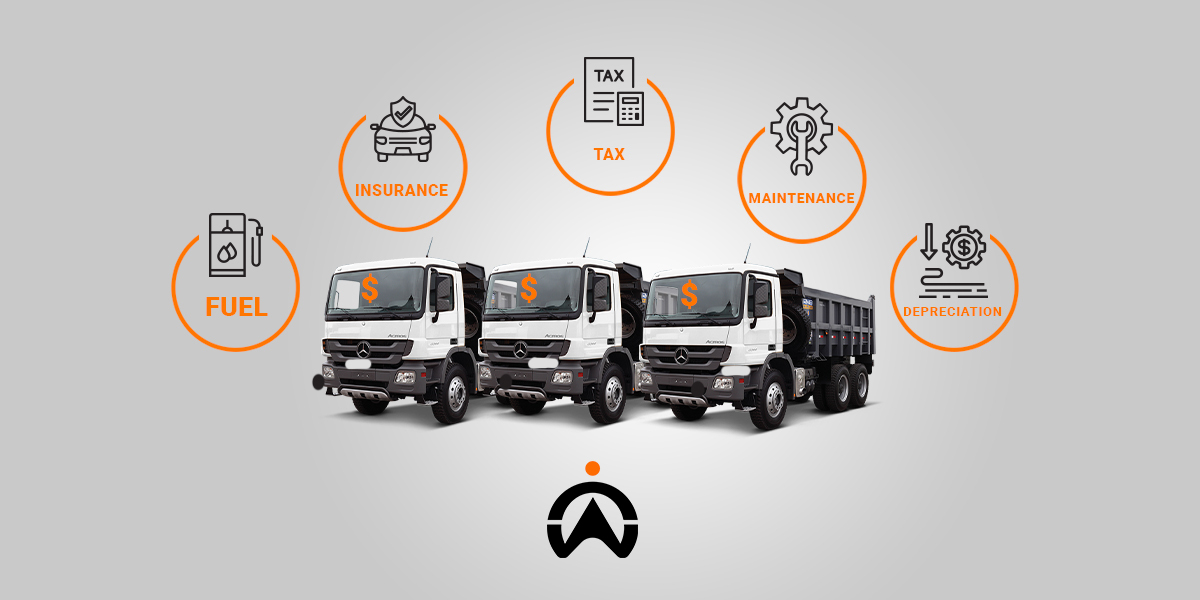
Asset depreciation is also a fleet’s biggest fixed cost. That’s why you have to maximise your fleet’s life cycle, performance and utilisation, to get the most out of it.

You can also quickly spot inefficiencies, such as constant breakdowns and repairs, and then upgrade before it costs you too much.

As maintenance and servicing costs account for at least 7% of vehicle expenses, you will need up-to-date maintenance records to keep this under control.

It is also of great value to have a good replacement plan and schedule to help you along the way.

Check out these benefits:

  • Avoid major repairs: By replacing vehicles at the right time, you can avoid overspending on maintenance and repairs and also reduce the likelihood of major breakdowns and downtime that affect business productivity.
  • Better-equipped vehicles: Newer vehicles usually have the latest technology for better fleet safety , such as automatic emergency braking or in-cab warning features.
  • Fuel savings: Save fuel by removing vehicles from your fleet that are drastically increasing your fuel costs, and by more than they should.
  • Higher resale value: With a strategic replacement plan, your vehicles will be well kept and well maintained, which will allow you to sell them for a better price.
  • Safer, happier drivers: keeping your fleet safe through regular safety upgrades shows that you care about your drivers’ wellbeing. This helps boost their morale and productivity.

Ready to sell and cash in? We will help you put a plan into action:

What is the perfect time to sell your vehicles?

That depends on several factors and can vary for each fleet. It all comes down to the right time for a fleet owner.

These can be assessments of the vehicles’ age, mileage, make-up, size, use, maintenance costs and technological advances in the market.

A good “go-to” indicator is finding the point at which the vehicle’s cost price and operating costs exceed the cost of buying and maintaining a new vehicle.

From the start and for greater accuracy, you can create a replacement schedule for your vehicles using advanced system data for fleet management solutions from Cartrack Mozambique.

Let’s go to the drawing board, for a standard vehicle How to calculate your vehicle replacement schedule

Year 0: Gather the purchase price, fixed costs and any taxes and licensing fees that come with the vehicle. Then record the vehicle’s mileage, maintenance and fuel costs from day one, if it is not new.

Year 1: Regularly record the mileage and costs incurred in the first year to understand how the asset is used. The software from Cartrack Mozambique can help with this. This includes calculating the TCO (total cost of ownership), or the total costs of operating a vehicle, and its CPK (cost per kilometre).

Generally speaking, the total cost of operating a fleet vehicle is around 40% of expenses, which includes the initial purchase price, depreciation (the decrease in value over time), insurance, registration fees, licensing, and finance or leasing costs. Fuel costs are between 15% and 30% of a fleet’s total expenses.

That’s why you need to keep a record of this from day one. It will help you see clearly whether you are exceeding any cost limits.

Be better prepared for the year ahead with an estimate of maintenance costs. This will allow you to make cost adjustments if necessary.

Year 2 and onwards: Gather mileage and costs, and calculate TCO and CPK against the previous year. As TCO and CPK fluctuate, you can start to assess whether an asset's overall value is rising or falling. As a vehicle ages, you should assume that costs will increase.

When to replace: If TCO and CPK fluctuate significantly each year or at a certain mileage benchmark, it may be time to replace that vehicle.

In addition, if you have been managing your fleet for a while, you will start to see trends or signs of decline in your assets.

7 sure-fire signs it's time to replace your vehicle

  1. Breakdown after breakdown: And cost after cost in maintenance repairs. If this happens often, the vehicle is not worth keeping. Cutting repair costs and downtime will help you save money, making it worth investing in a new vehicle.
  2. Excessive fuel consumption: On average, a fleet vehicle uses around 30 or 40 litres of fuel for every 99km travelled. The fuel price per litre in South Africa is currently around 135,00mt. In this case, and assuming a vehicle uses the minimum amount of fuel, that is R735 for a relatively short trip. Fuel is one of fleet managers' biggest expenses. With fuel costs climbing ever higher, you could be far better off choosing newer or more suitable vehicles with better fuel economy to help reduce fuel costs. 5 to 7 years
  3. More than 100.000 km: Vehicles with more than 100.000 km can be considered “middle-aged”, which is the point at which maintenance costs start to rise. Mileage is always an indication of wear and tear. If it is very high, the vehicle may need some major repairs. However, as we already know, we should not judge a vehicle's age in isolation, but look at other factors too, such as the vehicle's condition, maintenance history and service records. This helps provide a more accurate assessment of a vehicle's long-term viability and durability.
  4. Excessive age: Even if a vehicle's mileage is still relatively low, fleet vehicles that are five years old or more should be considered for replacement. This is because most vehicle warranties will have expired and repairs will become more expensive.
  5. Unhappy drivers: Your drivers will be the first to tell you if your vehicles are not in good condition. Any scepticism on their part should be one of your main concerns. Above all because you want to keep your drivers and fleet super safe, avoiding costly medical claims and hospital bills for injuries caused by an unsafe fleet.
  6. Outdated technology: Having the latest technology helps keep your fleet running at peak performance and reduces the risk of accidents, so your employees and cargo are even safer. This could include built-in GPS navigation systems that help drivers with directions for safer deliveries, or there could be rear-view backup cameras and bumper sensors, for added safety .
  7. Vehicle condition: if a vehicle has extensive exterior damage and carries your company's branding, it could reflect badly on your reputation and be expensive to fix. In that case, it may be better to sell it and get something that presents a more professional image of your company.
7_sinais_infalíveis_de_que_é-hora_de_substituir_seu_veículo

7 extra tips for upgrading your fleet

  1. Have a plan: We know you need a vehicle replacement plan, so that you don't rush into replacing all your vehicles and can spread costs and timelines effectively. You also want to match the right vehicle to the job. You need to know which vehicles to look for to make sure they meet your needs. For example, if you are transporting heavy materials, you will need the right size of vehicle to handle the loads required. The same applies to choosing specific vehicles better suited to tar or gravel roads, depending on your service and fleet needs.

  2. Purchase and selling price: Your vehicle's value starts to depreciate the moment you drive out of the showroom. To get the most from its value, you can compare the purchase price with long-term running costs in line with inflation and find the right balance. Spending too little can cause endless maintenance problems and downtime. Spend too much and you could end up with an expensive asset you don't need. And when the time comes to sell your vehicles, you will need to research the market value of similar vehicles to find a fair selling price.
  3. Look at different financing methods: Weigh up your options. Leasing vs financing vs paying cash. There are pros and cons to each. However, leasing is becoming increasingly popular. Fleet leasing is 10-15% more cost-effective than vehicle ownership, considering all other fleet expenses. With this option, you can upgrade your fleet every few years with minimal cost and hassle, allowing you to preserve your cash flow and return the vehicle when you have finished using it. If you choose financing, it is best to look for the most cost-effective options.
  4. Maintenance and repair history: You want a vehicle that gives you as few problems as possible. It is important to check the maintenance history of the vehicle you want to buy. Everything from the vehicle's fuel consumption, performance, repair history and spare parts costs to the manufacturer's reputation should be on your vehicle evaluation list. Good background checks can prevent costly repairs in the long run.
  5. Check the associated costs: Look beyond the vehicle's initial purchase price and budget for other extra costs. These could be maintenance and service expenses, insurance and the tax costs associated with certain models. Also consider the vehicle's resale value, as some vehicles hold their value better than others over time, and see whether it is worth adjusting.
  6. Must-have vehicle specifications: You want to know whether what you are buying is really equipped to carry out your fleet's activities successfully. Your fleet vehicles should have the best possible specifications to keep them safe, productive and efficient. For example, does it have an advanced driver assistance system to help reduce the chance of serious accidents and keep your drivers safe? Or why not look at other features, such as partitions, shelving or drawers, for a more organised vehicle for daily tasks?
  7. Be prepared to answer questions: Something not to forget is to take your whole team into account when planning vehicle upgrades, as this can affect their productivity. They will need to know how it will be rolled out and how long it will take to complete. You can send your employees an email or document outlining the changes that will take place and how they will affect everyone.
7_dicas_extras_para_atualizar_sua_frota

Experts reveal that 60% of businesses are not aware of the possibilities of using rich data to improve their operations.

No wonder you also need plenty of data insights to create a replacement cycle.

A lot to take in? Don't worry, Cartrack Mozambique technology does it all.

Say hello to an upgraded, safe and efficient fleet at the perfect moment

Guess less and plan more. Understand your vehicle's life cycle with these key features from Cartrack Mozambique:

Maintenance tracking: Check the condition and performance of your vehicles, so you know when they are underperforming, with maintenance history reports. Service your vehicles at regular intervals and keep them in good condition with maintenance alerts. Use this to keep your vehicle's warranty intact and maximise its lifespan.

Asset utilisation rates: helps you monitor how vehicles are used and their working capacity, and check whether they are being used correctly. If they are underused, there may be no need for them, so managers can sell them and invest the money where it will give a better return. If they are overworked, they may have more maintenance problems, or you may need to add another vehicle to your fleet.

Fuel consumption reports: Use these to assess whether your vehicles are using more fuel than necessary. This could mean they are inefficient, outdated, have maintenance problems or that fuel is being stolen. Replacing these vehicles with newer, fuel-efficient models can help you save fuel. You can also take this data and compare vehicles, so you can choose those with better fuel economy. Sudden fuel spikes can point to possible fuel theft, which means there is no need to replace your vehicles, but rather to open an investigation.

Take this data from Cartrack Mozambique and create the best vehicle replacement plan out there. Come out as a super-equipped fleet manager, with everything you need to manage your vehicle upgrades from the start.

What is smart fleet management? 5 eye-opening things you need to know

Every fleet is unique and has its own tailored way of running fleet operations smoothly. Although every business has its own fleet management style, there is one thing they have in common: the need for smart technology to optimise operations.

In this article, you will:

  • Discover how IoT plays a key role in smart fleet management
  • Find the answers to fleet managers' most frequently asked questions
  • Learn about the most eye-opening benefits of smart fleet management
  • Get inside information on how to identify the right fleet management system for you
  • Find out how Cartrack Mozambique can help make your fleet management operations smarter

What is smart fleet management?

You are in for a surprise if you have not yet used a smart fleet management system. The software, devices and advanced analytics deliver a smart experience. Smart fleet management software provides advanced tools for optimal management of fleet vehicles. It lets you download your complete fleet data and keep track of crucial fleet management components, such as route management, vehicle maintenance, fuel consumption, cost per kilometre and much more.

Ultimately, this innovative approach helps you make cost-effective decisions to make your fleet management more productive.


What do fleet managers need to know? Find all the answers below

Whether you manage your fleet personally or not, there is some basic information that everyone working in fleet-based businesses can benefit from.

Who can benefit from smart fleet management tools?

Although managers are the ones who mainly work with smart fleet management technology, several individuals gain added benefits:

  • Smart fleet management technology is the fleet manager's best ally. It saves valuable admin time that can take hours, allowing managers to focus on more pressing issues that need immediate attention and supporting fast decision-making with accurate, real-time data.
  • Whether they are directly or indirectly involved in fleet management, operations managers need to know what is happening in order to make a business run more effectively overall. Smart fleet management technology collects and stores trip-related data, driver behaviour data and other valuable data for easy retrieval.
  • To make all the most critical decisions, the business owner must be on top of everything happening in the different departments. Well-stored, accurate fleet data helps cut down time-consuming searches for information and simplifies decision-making.
  • Drivers who receive constructive feedback from their managers through detailed driver reports are more likely to stay with a company and help extend the fleet's lifespan with responsible driving habits.

What are smart fleet management tools mainly used for?

Smart fleet management software is mainly used to improve fleet efficiency and costs. And once you understand how smart fleet management tools improve fleet efficiency and related costs, a whole new world opens up.

Here are some of the main uses of smart fleet management technology:

  • Reviewing costs with cost management software
  • Analysing behaviour with AI-powered surveillance
  • Improving sustainability with trip reports
  • Keeping on top of vehicle health with scheduled maintenance notifications
  •     ‍ Identifying risks with all of the above
Para_que_são_utilizadas_principalmente_as_ferramentas_inteligentes_de_gestão_de_frotas

How IoT paved the way for smart fleet management

IoT describes a network of physical things or objects that uses software, sensors and other technologies to connect and exchange data with systems and devices over the internet. As we have become used to using IoT, or the Internet of Things, in many of our daily tasks, it is normal not to notice how it lets technology work for businesses in various ways, including telematics for fleet management.

IoT offers specific benefits for fleet management technology, as it uses the following:

  • RFID or asset tracking technology,
  • GPS or global positioning satellite technology, and
  • OBD or On Board Diagnostic technology to automate and streamline fleet operations.

RFID, GPS and OBD let you collect real-time data and gain many benefits.

Greater visibility

IoT enables smart fleet management systems to use GPS tracking to collect data from different sources, allowing fleet managers to use the data for different purposes. Gaining greater visibility is one of the main advantages and, when managing a fleet, it means having as much visibility as possible to monitor drivers, vehicles, routes and other relevant components.

Fast decision-making

With extremely fast communication between a range of devices and technologies, IoT-based fleet management technology has an instant effect on fleet efficiency. The rapid collection and sharing of knowledge lets managers make immediate changes and achieve improvements in real time.

Actionable big data

Fleet operations require huge amounts of data to be recorded and made available to fleet managers. This data includes fuel consumption, kilometres travelled, speed and a host of data related to vehicle use. Before smart fleet management software was available, fleet managers had to collect data manually, which was very time-consuming and prone to human error. Today, telematics-based systems that process and store big data let users easily find an incredible range of data-driven insights that lead to efficient problem-solving.

Asset loss prevention

Reducing the number of insurance claims and other fleet-related losses forms the basis of asset loss prevention. Asset loss can mean many things in fleet management, including vehicle accidents, vehicle and cargo theft, employee injuries and related compensation claims.

To run a well-organised fleet, maintenance and loss prevention are issues every fleet manager should be concerned with. With an IoT-based fleet management platform, you have tracking and surveillance tools at your disposal that reduce and control asset losses.

Discover 5 eye-opening benefits of smart fleet management

If you are not yet convinced of what smart fleet management can do, looking at its benefits for your business will also be an eye-opening experience, and one you will wish you had had sooner. But don't worry – there is no time like the present to dive into the fantastic world of smart management software and how it can improve every aspect of your fleet operations.

Here are some of the main benefits you can expect:

  1. You make more money

    Every business focuses intensely on improving its profitability, and the secret to achieving this lies in optimising every department of your business. With smart fleet management, the fleet department meets this requirement by relying on solid data that cuts costs and helps your business increase its revenue.

  2. You don't drown in admin

    The drastic reduction in admin is often highlighted as a benefit of smart fleet management, and for good reason. One of the biggest challenges in effective fleet management is time constraints and, considering the wealth of data that fleet management software offers, the estimated admin time and cost of handling all that data manually are almost unimaginable. Being able to retrieve what you need in seconds has a significant impact on efficiency.

  3. You live on the optimised side of life

    Fleet technology is all about optimising to get better and faster. And, besides giving you access to all this data, smart fleet management software helps streamline essential processes that could previously have taken far longer and cost far more. Who wouldn't want innovative software to power up their processes and workflows?

  4. You make the world a safer place

    Master risk management and compliance, ensuring your business is a safe environment for your employees and the general public. With smart fleet management technology on your side, you have the power to reduce harmful emissions and identify and prevent potential risks to safety.

  5. You are known for good service delivery

    Delivering orders and services on time is crucial to running a successful business, whether in logistics, cold chain supply or any other sector, and smart telematics technology helps you achieve this. Keeping customers happy helps a business improve customer retention and profitability, building its reputation for good service delivery.

Descubra_5_benefícios_reveladores_da_gestão_inteligente_de_frotas

Ask yourself these important questions to find the best fleet management system for your business

As a business owner or fleet manager, you need to think not only about your current fleet, but also about the growth you have in mind. Understanding how this growth translates into the type of smart fleet management product you want to invest in helps you find the best product for your fleet. Asking yourself five basic questions will help you identify the best product for your business.

  1. Which fleet management issues need to be addressed?

    Although most fleets require a similar approach to vehicle maintenance, fuel costs and usage patterns, driver training and route tracking, businesses typically have different issues relating to fleet management to focus on. Identifying your specific problems helps you make informed decisions when considering which fleet management systems or features you need.

  2. Is the software robust and reliable?

    Checking the quality and performance of the software you want for your business may seem routine. Even so, it is a vital step considering you are making a long-term investment. Making sure you are investing in a robust product will prevent future problems of the very kind you wanted the product to solve in the first place.

  3. Is the software easy to use?

    Putting fleet managers through lengthy training to master fleet management software is unnecessary if there are products that simplify things with an intuitive, easy-to-use interface. The best smart fleet software technology should offer the complete package, including an effortless user experience.

  4. Does the software prioritise security?

    Whatever your sector, you must make sure the technology you are using is airtight and takes the necessary steps to protect the data you are collecting. Airtight safety is crucial to protecting your company's and customers' information, making airtight security a must-have.

O_software_prioriza_a_segurança

Step into a smarter world with next-generation fleet management software

Smart fleet management technology has revolutionised the way businesses manage their fleet operations, and the advanced platform from Cartrack Mozambique is a leading product in the fleet management market for good reason.

Here is how we help your business make smart fleet management decisions:

  1. We understand the value of simplifying complex processes. Our fleet management platform offers real-time GPS vehicle tracking and valuable trip-related alerts – helping you optimise routes while keeping control of driver behaviour and location. Make sure your drivers follow the fastest, safest routes while you monitor trip performance in real time.
  2. Managing a fleet effectively is a time-critical job. Our smart reports provide more information for creating fully customisable tasks with real-time status updates. Use the Cartrack Delivery app to assign drivers to specific deliveries and receive notifications when they are completed, or if the driver is unable to complete the task, so you can act accordingly.
  3. We know how important context is when analysing fleet management data, which is why our software provides contextualised metrics, helping you continually improve running costs and avoid needless loss of profit. With our MiFleet cost management system, you will know whether it is poor driving or unauthorised vehicle use that is pushing up your fleet costs.
  4. The delivery app Cartrack Mozambique facilitates real-time communication with drivers through live instructions and chats, helping you stay on top of every active trip. Need a driver to reroute? Map it out and let them know in real time so your fleet always stays punctual and on track.
Entre_em_um_mundo_mais_inteligente_com_software_de_gerenciamento_de_frota_de_última_geração

With Cartrack, the world of tomorrow is here

It is impossible to run a fully efficient fleet without smart technology, and the continuous development of new systems means constant evolution in fleet management. As a global leader in smart fleet management, Cartrack Mozambique offers a complete solution, letting you experience tomorrow, today.

‍Contact us today for smart solutions that will exceed your expectations.

AI takeover: the truth about the future of telematics

Artificial intelligence (AI) has transformed, and is transforming, vehicle tracking more than we can imagine.

A concept once seen only in science fiction films has leapt from TV screens into everyday reality. As we witness the growth of artificial intelligence, it is natural to wonder how this innovation will further influence the use of telematics.

Let's take a look at the future of AI in the world of telematics.

In this article, you will:

  • Understand the fundamentals of telematics and its role in fleet management
  • Explore the rise of AI and its impact on telematics systems
  • Learn about the benefits and drawbacks of AI in the telematics industry
  • Discover the potential of telematics and AI technology in daily tasks
  • Discover your fleet's true potential with Cartrack Mozambique.

What is telematics?

Telematics, in simple terms, combines computing and telecommunications, making it a powerful tool for collecting and managing data through technology. Today, telematics is used in various sectors, including fleet management.

Imagine you are a fleet manager responsible for a group of vehicles, such as delivery vans or service trucks. You want to make sure your fleet operates smoothly, efficiently and safely.

Telematics is the best technology to help with all of these tasks.

A telematics system consists of a tracking device installed in each vehicle in your fleet. These devices connect to on-board diagnostics, allowing continuous communication while storing, sending and receiving telemetry.

Some examples of telemetry data that telematics systems can collect include:

  • Speed – Records the vehicle's speed, providing information on driver behaviour and compliance with speed limits.
  • Fuel consumption – Monitors fuel consumption and stores data related to fuel use, enabling fuel efficiency to be analysed and optimised.
  • GPS location – Captures the coordinates of the vehicle's current or historical positions, enabling accurate tracking and route analysis.
  • Vehicle idling time – Monitors instances of prolonged idling and helps identify inefficiencies. This can help reduce fuel consumption and emissions.
  • Driver behaviour – Analyses driver behaviour, including harsh acceleration, harsh braking and harsh cornering, providing data to promote safer driving practices and identify areas for improvement.
  • Distance travelled – Calculates and stores the distance travelled by the vehicle, enabling mileage tracking and maintenance scheduling.
  • Engine diagnostics – Monitors engine performance and stores diagnostic data such as RPM, engine temperature, fuel levels and error codes, which helps with troubleshooting and maintenance.

With this data, businesses gain valuable information about their fleet's performance, leading to better decision-making, better asset utilisation and significant cost savings.

The rise of artificial intelligence

The future of vehicle tracking is here, driven by the power of AI and telematics. As technology advances, vehicle manufacturers are keeping pace, building in super-smart connectivity features that let their vehicles interact seamlessly with the AI-powered software designed to monitor and analyse them.

Traditionally, telematics systems collected and transmitted data, but struggled to extract meaningful information in time. Thanks to the growth of IoT (Internet of Things) and advances in machine learning algorithms, AI can process and analyse large amounts of data instantly, providing valuable information on vehicle performance, driver behaviour and operational efficiency.

This allows businesses to make data-driven decisions and take proactive steps to improve their operations.

A_ascensão_da_inteligência_artificial

Six drawbacks of AI-based telematics

Although AI in telematics brings the benefits mentioned above and many more, there are some challenges that need to be addressed:

  1. Ethical and regulatory concerns: The use of AI algorithms raises ethical considerations around transparency and accountability. Clear guidelines and regulations are needed to ensure ethical standards are upheld and individuals' rights are protected.
  2. Data privacy and security: Telematics involves collecting and transmitting large amounts of data, including personal and sensitive information. Ensuring data privacy and safety is crucial to protect against potential misuse or unauthorised access. Robust encryption, authentication mechanisms and adherence to data protection regulations are essential.
  3. Bias and discrimination: AI algorithms are trained on data and, if the training data contains biases, they can lead to discriminatory outcomes. Biased algorithms can affect areas such as driver behaviour assessment, insurance premium calculations and personalised user experiences. Efforts must be made to minimise bias, ensure diverse and representative training data and build fairness measures into AI models.
  4. Integration and compatibility: Integrating AI technologies with existing telematics infrastructure can bring technical challenges. Compatibility and smooth integration with a variety of hardware and software components need to be ensured.
  5. Skills gaps and workforce training: The growing reliance on AI calls for a skilled workforce capable of developing, implementing and maintaining AI systems. Organisations must invest in training programmes and upskilling initiatives to close the skills gaps and equip employees to work effectively with AI technologies.
  6. Cost and resource requirements: implementing AI in telematics can involve substantial costs, including hardware upgrades, software development and ongoing maintenance. Organisations must carefully assess the return on investment and consider long-term sustainability to justify the expenses associated with adopting AI

Despite the challenges, AI in telematics still holds immense potential. It empowers transport, logistics and various other sectors to unlock actionable insights, optimise operations, increase safety and create personalised user experiences.

How do telematics and AI technology help fleet managers?

Simplifying tasks, streamlining operations and cutting fleet costs are always top priorities for fleet managers.

Let's see how telematics can become your right hand in your quest to get daily tasks done and dusted faster.

Say you are interested in monitoring fuel consumption across your whole fleet, one of your costliest responsibilities. With telematics, you can track this data in real time. You will know which vehicles are efficient and which may need attention. This information lets you take proactive steps, such as resolving maintenance problems or providing driver training, to improve fuel efficiency and save costs.

If you want to focus more on improving driver safety, telematics also provides valuable information on driver behaviour. It can track factors such as speed, harsh braking and idle time. As a fleet manager, you can use this data to identify risky driving patterns and take appropriate steps to improve safety. For example, if you notice speeding, you can offer training programmes or introduce driver rewards for safe and responsible driving.

OurThe possibilities are vast with the combination of AI and telematics. AI algorithms can process telematics data in real time, enabling predictive modelling, intelligent analytics and personalised experiences. How AI-based solutions will shape the future of fleets.

Como_é_que_a_telemática_e_a_tecnologia_de_IA_ajudam_os_gestores_de_frotas

How AI-powered solutions will shape the future of fleets

Traditional fleet management systems are making way for a new wave of AI-based solutions, ushering in a transformative era for fleet management practices. These innovations can unlock new levels of efficiency, safety and sustainability in the transport industry.

  1. The prominence of mobility as a service (MaaS)

    Initially focused on ride-sharing platforms such as Uber, MaaS is now extending its reach to include traditional fleet operations with services such as Uber Eats and Courier Butler, to enter a market estimated at US$ 22,18 billion by 2028.

    Regarded as the future of mobility, Mobility as a Service lets fleet managers tailor their services and move away from the conventional approach of operating and maintaining only their own vehicles.

    By harnessing AI and telematics data, fleets can integrate seamlessly with MaaS platforms, offering end-to-end multimodal transport services. This integration optimises passenger experiences, improves overall mobility efficiency and lets fleet managers explore new business models and revenue streams.

  2. The impact of the Internet of Things (IoT)

    One of the most popular trends in telematics is the Internet of Things (IoT). It makes it possible to re-engineer the entire supply chain process, promoting the continuous sharing of information between all stakeholders, such as retailers and manufacturers, and connecting physical vehicles, devices and sensors to the digital world.

    With telematics systems powered by IoT and AI, fleet managers can now collect data in real time, allowing fleet operators to monitor tyre pressure, monitor refrigeration systems and monitor vehicle performance.

How does it work?

IoT technology in fleet management relies on three main technologies:

  • Wireless communication: includes technologies such as 4G, Bluetooth and WiFi, which help transmit important information between vehicles and systems.
  • Global positioning system (GPS): GPS enables accurate real-time tracking of vehicle locations, allowing precise monitoring and control.
  • On-board diagnostics: Vehicles use diagnostic tools such as OBDII and J1939 scanners to run self-diagnostics and report any problems, making maintenance and troubleshooting easier.

So it is not just about keeping up with the latest technologies – it is about seizing the opportunities they bring. By embracing these advances and harnessing the power of data, businesses can gain a competitive edge, deliver exceptional customer experiences and propel themselves forward in the dynamic business landscape.

Empower your fleet with Cartrack's advanced telematics solutions Mozambique

As the future of telematics and AI unfolds, businesses must prepare for a new era of fleet management. Our Cartrack Mozambique strives to provide innovative technology to help businesses track, manage and improve their fleet.

Cartrack Mozambique offers a suite of telematics solutions designed to streamline operations with robust tracking devices and sophisticated software such as:

  1. Advanced telematics technology: With tracking units installed and a smart fleet management platform, Cartrack Mozambique enables fleet managers to monitor their vehicles' location, performance and driver behaviour in real time.
  2. Predictive maintenance: The telematics and AI solutions from Cartrack Mozambique enable Cartrack to predict maintenance needs before breakdowns occur. This proactive approach minimises downtime, reduces repair costs and improves fleet reliability. Businesses can now optimise their maintenance schedules, extend vehicle lifespan and maximise operational efficiency.
  3. Seamless integration with IoT and MaaS: Technology from Cartrack Mozambique can integrate seamlessly with these technological innovations, as well as with vehicle advances such as electric vehicles. The fusion of telematics, AI and IoT lets fleet managers access fleet data such as location, diagnostics, fuel monitoring and much more, to optimise passenger experiences and explore new business models.
  4. Improved safety and compliance: Cartrack Mozambique provides solutions to ensure fleet safety and compliance with features such as vehicle reports and logbooks. Cartrack ensures roadworthy vehicles and regulatory compliance with more than 40 reports to monitor driver behaviour and optimise fleet performance. The logbook from Cartrack Mozambique automatically records every car trip and categorises it as a personal or business trip, ensuring you have a tax-compliant logbook ready for SARS submissions. Businesses can also benefit from simplified compliance management, handling insurance, licences, contracts and other compliance obligations seamlessly, all on a single platform.

Find out how Cartrack Mozambique can transform your fleet management and boost your business.

Capacite_a_sua_frota_com_as_soluções_telemáticas_avançadas_da_Cartrack_Moçambique

Lead the change with Cartrack Mozambique

The future of telematics is evolving before our eyes and Cartrack Mozambique is leading the way. Businesses have long struggled to upload the large amounts of data captured by their telematics systems, limiting the use of data and reducing the return on investment.

Contact Cartrack Mozambique today to find out how our AI-powered telematics solutions can help you unlock your fleet's true potential.

What is ADAS? Never worry about devastating collisions again

Imagine a world where driving becomes not only safer, but smarter too. A world where accidents are significantly reduced, thanks to cutting-edge technology that anticipates potential hazards and provides timely warnings.

In this article, you will:

  • Develop an understanding of what ADAS is and how it works
  • Uncover the importance of ADAS
  • Discover the top 5 benefits of ADAS for your fleet
  • Find out how ADAS software from Cartrack Mozambique can boost fleet safety, efficiency and savings
  • Read about a Cartrack ADAS success story
Nunca_mais_se_preocupe_com_colisões_devastadoras

ADAS: What it stands for and what it is

ADAS stands for Advanced Driver Assistance Systems. These systems are a collection of advanced digital technologies and features built into modern vehicles. These advanced technologies and features improve driver safety , enhancing their ability to react to hazards on the road to reduce both minor and devastating accidents.

From the humble seat belt to the familiar traffic lights and road lanes, the quest for safer roads has been relentless. Today, almost all car collisions are caused by human error; fortunately, we can prevent this with ADAS through early warning and automated systems such as:

  • adaptive cruise control
  • lane departure warning
  • automatic emergency braking
  • blind spot monitoring
  • pedestrian detection
  • parking assistance and much more

Evidently, the main purpose of ADAS is to prevent accidents, reduce the severity of collisions and improve overall road safety by alerting the driver to potential hazards, helping to maintain safe distances from other vehicles, monitoring lane positions, detecting and responding to obstacles, and providing assistance during parking manoeuvres.

According to the Insurance Institute for Highway Safety, forward collision warning systems reduce front-to-rear collisions by 27%, rear-view cameras reduce reversing accidents by 17%, while automated rear braking cuts them by 78% – all thanks to ADAS.

Let's find out how it works.

What is ADAS? Never worry about devastating collisions again

How ADAS works: a simple explanation

ADAS works by using camera-based sensors, intelligent algorithms, and artificial intelligence and machine learning to increase drivers' awareness of their surroundings and improve vehicle safety . These cutting-edge solutions consist of multiple chips known as systems on a chip (SoCs) that analyse data from the surrounding environment, such as road conditions and other vehicles, to provide real-time warnings and assistance.

Put simply, here is how ADAS works:

  • Sensors and Cameras: ADAS systems are equipped with sensors and cameras strategically positioned around the vehicle. These sensors detect and collect data about the vehicle's surroundings, including other vehicles, pedestrians, road markings and obstacles. For optimal visibility, these ADAS cameras are usually mounted inside the vehicle, near the front windscreen, behind the central rear-view mirror.
  • Data Processing: The data collected by the cameras and sensors is processed in real time by the on-board computer systems. These systems analyse the data using predefined patterns and algorithms to identify potential risks or hazards.
  • Driver assistance features: Based on the analysed data, ADAS provides driver assistance features to enhance safety. These features include:

    – Forward collision warning: alerts the driver if the vehicle approaches another vehicle or obstacle too quickly, helping to avoid rear-end collisions.

    – Lane departure warning: detects when the vehicle leaves its lane without indicating and alerts the driver to take corrective action.

    – Adaptive Cruise Control: Automatically adjusts the vehicle's speed to keep a safe distance from the vehicle in front, providing a more comfortable and controlled driving experience.

    – Blind Spot Detection: Alerts the driver to vehicles in blind spots, reducing the risk of lane-change accidents.

    – Automatic Emergency Braking: Detects possible collisions and automatically applies the brakes to reduce the impact or avoid a collision altogether.

  • Audible and visual alerts: ADAS systems also provide audible or visual alerts to the driver through beeps, dashboard displays or head-up displays. These alerts draw the driver's attention to potential hazards and prompt them to take appropriate action to avoid collisions.
  • How ADAS works: a simple explanation ADAS works by using camera-based sensors, intelligent algorithms, and artificial intelligence and machine learning to increase drivers' awareness of their surroundings and improve vehicle safety. These cutting-edge solutions consist of multiple chips known as systems on a chip (SoCs) that analyse data from the surrounding environment, such as road conditions and other vehicles, to provide real-time warnings and assistance.

How important is ADAS

In today's fast-paced, technology-driven world, the motor industry has seen remarkable advances, transforming the way we drive and ensuring greater safety on the roads. As a result, ADAS systems have become crucial for mitigating human error, improving road safety and shaping the future of vehicle and driver safety.

Let's take a closer look at the significant importance of ADAS:

  • Accident prevention: With human error being one of the main causes of road accidents, ADAS technologies such as forward collision warning, lane departure warning and automatic emergency braking act as a safety net that prevents devastating collisions.
  • Risk mitigation: ADAS features play a crucial role in reducing or eliminating potential safety risks and their severity. By incorporating elements such as blind spot detection, rear-view cameras and parking assistance systems, drivers can overcome blind spots and handle challenging manoeuvres with improved visibility. This reduces the likelihood of accidents caused by errors of judgement or inadequate visibility.
  • Informed decision-making: By giving drivers real-time alerts about potential hazards, speed limits and traffic conditions, ADAS becomes a valuable tool that empowers drivers to make road safety decisions with confidence. This reduces the chances of errors resulting from a lack of awareness or misreading the road.   ‍
  • Driver assistance: In adverse weather conditions or low-visibility scenarios, ADAS features such as adaptive headlights, rain-sensing wipers and traction control help drivers stay in control and make the appropriate adjustments to minimise devastating collisions related to adverse weather.
  • Safety redundancy: Even the most attentive and experienced drivers can make mistakes or be momentarily distracted. As such, ADAS acts as a crucial backup system to compensate for human limitations and serves as an additional layer of safety, detecting and responding to potential hazards when human attention or reaction time falls short.

Overall, by mitigating human error and providing critical assistance, ADAS technologies contribute significantly to reducing accidents, injuries and deaths on the road. They improve the overall safety of your fleet, complementing human capabilities and making driving safer for everyone.

Qual_é_a_importância_do_ADAS

The top 5 benefits of ADAS for your fleet

Integrating ADAS has become increasingly vital in the fleet industry. This is due to its critical role in various other sectors, such as cold chain logistics, construction, rental and leasing, taxi services, and transport and logistics. With accident statistics so high, ADAS is a necessary component for improving safety and efficiency in fleet operations.

Let's unpack the top 5 benefits of ADAS for your fleet:

  1. Improved safety: ADAS plays a crucial role in improving fleet safety, providing features that help drivers avoid potential hazards and maintain safe driving practices. This proactive approach significantly reduces the risk of accidents and promotes a culture of safety among drivers.   ‍
  2. Fewer accidents: By giving drivers timely warnings and assistance, alerting them to potential road hazards, ADAS reduces the number of collisions. This results in lower costs associated with repairs to your fleet vehicles, insurance claims and possible injuries suffered by drivers as a result of accidents.
  3. Driver training and monitoring: Advanced ADAS features, such as fatigue detection, identify risky driving behaviour in your fleet and help you deal with it, promoting safer practices and reducing the chances of accidents caused by driver error. This ensures continuous improvement in driver performance and safety of the fleet overall.
  4. Greater fleet efficiency: with ADAS features such as route optimisation, real-time vehicle tracking and a predictive maintenance system, fleet operations can be simplified and optimised, downtime can be reduced and overall fleet performance can improve. This can result in greater productivity and profitability for fleet businesses.
  5. Cost savings: Integrating ADAS into fleet operations translates into substantial cost savings. Fewer accidents thanks to ADAS mean lower spending on vehicle repairs, insurance premiums and liability claims. In addition, ADAS features such as adaptive cruise control help improve fuel efficiency, reducing fuel consumption and expenses over time

Although this is an impressive list of benefits, there is just one catch: only top-tier ADAS can make them a reality.

Cartrack ADAS for fleet efficiency, safety and cost savings

Introducing ADAS from Cartrack Mozambique, a cutting-edge solution that prioritises driver and fleet safety . Our ADAS analyses internal (in-cab) and external (road) driving environments to offer unrivalled protection by:

  1. Detecting and informing drivers of any potential threats.
  2. Sending real-time audible alerts when high-risk behaviour is detected, capturing footage of the event and uploading it to the cloud.
  3. ‍Alerting fleet managers and administrators to any risky events and giving them access to the footage for effective training.

With our cutting-edge features, Cartrack ADAS cameras help fleets become more efficient, safer and more cost-effective:

  • AI and live-stream technology:

    Use our AI-powered, live-streaming in-cab or external cameras to protect your drivers, fleet and precious cargo in real time. By providing a comprehensive view of your fleet operations, these cameras increase efficiency, enabling proactive decision-making, optimising routes and reducing downtime due to possible collisions. This technology keeps your fleet safe by detecting potential risks and allowing immediate intervention. In addition, by minimising accidents and damage, they lead to significant cost savings on vehicle repairs, insurance premiums and legal liabilities.

  • ‍Forward collision warning:

    Our ADAS cameras diligently monitor the distance between vehicles, giving your fleet's drivers timely alerts to avoid rear-end collisions and bumper bashes. This proactive safety measure not only protects drivers' lives, but also prevents costly accidents, vehicle downtime and the repair bills that follow. By avoiding such incidents, your fleet's efficiency improves through uninterrupted operations and reduced downtime, resulting in significant savings.

  • Smoking detection

    Say goodbye to smoking while driving. Our DMS (driver monitoring system) camera instantly identifies smoking incidents, triggering immediate alerts. By addressing this risky behaviour, it ensures a focused and attentive driving environment, increasing safety for both the driver and other road users. By eliminating this distraction, you can improve fleet efficiency and reduce the likelihood of accidents, vehicle damage and the associated costs. It also promotes a positive image of your fleet and reduces potential legal and reputational risks.

Cartrack_ADAS_para_eficiência,_segurança_e_poupança_de_custos_da_frota

‍Case study: A Cartrack ADAS success story

Namdeb is a diamond mining company that carries out land-based prospecting (exploration), mining and rehabilitation operations and services for (its subsidiary) Namdeb Holdings. Today, Namdeb monitors the use and ensures the safety of more than 416 vehicles (LDVs, crawlers and buses), thanks to ADAS cameras from Cartrack Mozambique.

Challenge: Given the nature of the mining industry and the high potential for safety risks that lead to accidents, injuries and worker deaths, Namdeb needed advanced driver assistance systems (ADAS) to help them manage driver behaviour and safety and monitor the use of all fleet assets.

Solutions: To mitigate risks to the driver and safety, Namdeb implemented a comprehensive Cartrack solution. ADAS cameras were installed in its fleet vehicles, enabling effective monitoring and detection of risky driving behaviours such as smoking, mobile phone use and fatigue. These cameras instantly send audible alerts to drivers in real time, allowing them to correct their actions and avoid collisions. To further enhance safety measures, driver identification tags from Cartrack Mozambique were implemented to monitor driver identities and prevent the unauthorised use of vehicles and machinery. In addition, a portable in-cab breathalyser detects alcohol and prevents drivers from starting their vehicles if they are under the influence.

Results: As a result of Cartrack ADAS cameras, Namdeb’s fleet now has alert and focused drivers, ensuring peak performance 24 hours a day, 7 days a week. With the ability to enforce authorised and sober drivers only, fleet and driver safety has soared. In addition, the company maintains a well-tuned fleet, avoiding both under-utilisation and over-utilisation, and operating seamlessly in designated mines with top-level safety measures in place.

Say hello to better safety, savings and efficiency with Cartrack Mozambique ADAS

Don’t miss the opportunity to revolutionise your fleet with greater safety, efficiency and savings. Click here and get a free demo today.

Workforce management software: 8 unique ways to optimise your fleet

An optimised workforce is like the heart of a business.

It takes sophisticated data and technology to ensure that staffing levels meet customer demands, meet task deadlines and stay within budget.

Fleet managers need workforce solutions to help them manage their drivers and activities at any time of day.

Let’s take a closer look at how workforce management software can help you optimise your workforce and get the most out of your fleet.

In this article, you will:

  • Learn the definition of workforce management and fleet optimisation, and why it matters for your business’s bottom line
  • Discover the five main functions of workforce management software
  • Identify the common challenges in workforce management so that you can fix them
  • Find the eight main benefits of workforce management solutions for your business
  • Learn how to improve your fleet’s workforce management using the software platform from Cartrack Mozambique

What is workforce management?

It involves optimising and monitoring your organisation’s most important resource: its people.

To achieve successful workforce management, employers must strive to allocate their staff and resources strategically, monitor staff attendance and comply with changing workplace laws and regulations. This will optimise the productivity of your workforce and reduce various risks, such as paying employees less than they are owed because of poor management.

In addition, companies can improve customer service and overall turnover because they are not hiring unnecessarily, but rather optimising the retention processes for their current employees, saving them extra money on recruitment costs. It will also save time spent on administration, freeing them up to focus on better ways of meeting their customers’ needs and growing their business.

Furthermore, workforce management involves well-integrated processes, especially if an organisation has several departments with many employees, which can make managing those employees harder and more complex. They need to be in sync and communicate well to get the job done.

This is where a good workforce management software solution comes into play, but how can we apply it to a business?

What is an example of effective workforce management software?

In fleet management, a software solution that offers work log reports and driver identification tags, such as those from Cartrack Mozambique, can help a fleet manager improve their workforce and easily manage their drivers on the road.

The technology makes it mandatory for drivers to tap the sensor on the vehicle or machine to start or stop operating it. This unique tag can, in turn, indicate actual working hours. These times are then transmitted to the fleet platform, where a fleet manager can generate a report with all the vehicle activity data and even receive alerts showing when drivers clock in or out. This gives them full visibility of driver attendance and fleet activity, which helps them pay wages more accurately and improves employee accountability.

Another reason fleet managers love driver identification tags is the control they provide. They can assign drivers particular tags that work only for particular vehicles. This helps them prevent any unauthorised use of vehicles or equipment, helping them to protect and manage their fleet. It also saves a great deal of time. All of this data and activity is recorded so that managers don’t have to do it manually, which frees them up to focus on more pressing tasks.

Qual_é_um_exemplo_de_software_eficaz_de_gerenciamento_de_força_de_trabalho

‍Why is workforce management important?

If you choose a workforce software solution, it can benefit your business in many ways. Here are just a few key examples of why it matters and how it can make your operations more productive, cost-effective and compliance-friendly.

  • Reduced compliance violations: Easy tracking of employee attendance ensures that companies are up to date with their payroll and complying with state labour laws.
  • Fewer safety incidents in the workplace: More safety violation alerts will ensure that you manage health, safety and environmental incidents more effectively.
  • No staff shortages: Processes for existing staff allow them to be more productive, reducing the costly need to hire new employees.
  • Cost management: with a more optimised workforce, companies can retain their staff better and will not incur additional costs in hiring new employees, helping them to cut unnecessary recruitment costs.
  • Efficient processes and workforce: Employees will naturally be more productive as business tasks are organised and allocated more strategically.

Most companies need a quick and easy solution that covers these basic examples, which is why workforce management software is a great option, whatever sector you work in.

Here are the eight main benefits of workforce management solutions

Now that you know some common pitfalls in workforce management, here is how a software solution can help tackle these challenges.

  1. Control staffing costs

    Software technology will let employers know exactly how much work is needed to complete all their tasks. This will give them a better overview of the tasks needed to meet business demands and help them easily identify where the team is over- or under-resourced, so that they can allocate staff accordingly. Where there is overstaffing and excessive overtime is being used, companies can incur large unnecessary costs, so simply being able to identify and correct this can save the company money.

  2. ‍Effective payroll

    There is a way for you to have a more reliable payroll system: with the right software, which will automatically analyse hours worked, collect overtime and calculate how much employees need to be paid. This will eliminate repetitive data entry and manual calculations, in turn minimising human error and payroll inefficiencies.

  3. Benchmark easily against competitors

    The software helps companies create benchmarks against other competitors in a similar sector or of a similar size, especially when it comes to their employees’ attendance data and productivity levels. If its workforce is not on a par with competitors, a company will have the tools to act. This is important because otherwise competitors could provide a better service and dominate the market by being more efficient.

  4. Measure the productivity of your workforce

    A software platform will help you create key performance indicators and task schedules for your team. You can also analyse the progress of tasks through platform reports. This will help you see whether they are being productive. You can also analyse whether the schedules are effective and see whether changes are needed for your workforce to meet business objectives.

  5. Create smarter schedules

    With real-time data, employers can easily see which shifts need to be filled, so that they can fill them immediately, before they face a staff shortage. They can also create schedules by location, department or job role to improve scheduling across the company.

  6. Minimise compliance risks

    Easily manage employee leave balances and benefits in compliance with state laws, using a software system with automated workflows that track this data. A system can also have built-in online records and documentation for compliance. This is useful if there is an audit by a government agency or a possible compliance violation, as your company will have the data to mitigate the situation and avoid putting the company’s reputation at risk.

  7. Empower your employees

    Use workforce software to improve communication with your employees, so that they feel better informed and can easily meet your business’s standards. This will make them feel more empowered and motivated at work. You can also empower your employees further by creating fair schedules that help them meet their personal obligations too, while still meeting the demands of the business. For example, they can have a say in their schedules with self-service features to update availability, swap shifts, request time off and pick up extra shifts.

  8. Fewer errors and less administration

    Automate your employees’ attendance to minimise human error. A system can accurately calculate how many hours an employee has worked and send this automatically to payroll. This creates less administration for HR because they will not need to call employees manually about hours worked or about any changes in the system.

If you are a fleet manager, optimising your workforce is important for improving your fleet’s logistics, driver behaviour standards and bottom-line costs. We will give you more information about the workforce management software that can help you manage your workforce better, so that you can improve the processes in your fleet.

Aqui_estão_os_oito_principais_benefícios_das_soluções_de_gerenciamento_de_força_de_trabalho

Five main functions of workforce management software

According to Garner Inc, these are five main functions found in a typical workforce management solution. Next time you are looking for a solution to optimise your workforce, tick these five crucial boxes.

  1. Labour scheduling: a software system should provide the information to see how many employees are needed for a given job at a given time. You will then be able to divide your workforce’s work strategically and ensure that the workload is evenly distributed, that customer demands are met and that all skill sets are put to the best use.‍
  2. Data collection: you will need detailed data and information from a platform to be able to create reports, compare data-driven processes and make decisions to assess whether your workforce is working for you or whether there are areas that are lacking.
  3. Leave and absence management: an automated leave management system makes it easy to track, approve or decline employee leave requests so that you comply with leave regulations.
  4. Task and activity management: Maximise the productivity of your team members by giving them the software tools they need to do their jobs, including task management scheduling, which allows employees to be assigned to the right activities so that they are up to date with the company’s tasks.
  5. Attendance and payroll: a system will help you ensure that attendance data is captured easily and accurately and that employees are paid for the hours they work, ensuring there are fewer payroll errors

We could quickly give you all the solutions to help you manage your workforce better, but it will be far more beneficial if you first understand the challenges

What are the challenges of workforce management?

If you answer “yes, that’s my challenge” to any of these questions, it is a good indication that you need a software platform that can help in one or more of the following ways.

Employee attendance and time monitoring

If your employees have to log their hours manually when they arrive at work, this can cause more errors in monitoring hours worked, create unnecessary paperwork and mean it takes longer for administration to process their working hours. This challenge can easily be solved with an attendance tracking software solution.

‍Scheduling and rostering

You may require your employees to work different shifts scheduled for different parts of the day, and you may need more employees depending on project demands during certain periods. Paper-based rostering for this would take a long time and create inefficiencies, which is why work automation will help managers tackle the challenge of employee rostering.

Managing absenteeism

Unplanned absences can test a business because of the extra costs of covering the absences and the losses incurred while the absent employee is being replaced. It will be a challenge for a company if it cannot manage absences, especially with a large workforce, where it will need immediate replacements to fill important roles, such as in a high-pressure sales environment.

Employee self-service

Employee self-service solutions allow employees to view their rosters, swap shifts, request absence or annual leave and view their information. Unfortunately, it will not be possible to accommodate everyone’s requests at the same time, and these requests often need to be managed to ensure that the business still functions fully. If this information is not stored digitally, it can be lost, which can cause labour compliance problems and create a potential administrative crisis.

Why workforce optimisation and management should be a priority

Fleet optimisation means getting the most out of your fleet by reducing costs, maximising productivity and ensuring best practice for your operations. It is also about getting the most out of your vehicles or assets for less.

Basically, a better managed and optimised fleet means more productivity, deliveries, satisfied customers, revenue and profit. And it means fewer costs, less mileage, fuel use and emissions, and fewer drivers and vehicles needed – any fleet manager’s dream.

Por_que_a_otimização_e_o_gerenciamento_da_força_de_trabalho_devem_ser_uma_prioridade

How to improve your workforce and fleet with Cartrack software Mozambique

Here is how a telematics software platform from Cartrack Mozambique can help you take your fleet from good to great.

  • Create driver schedules and communicate effectively with your drivers

    Schedule drivers for jobs or deliveries easily. Use Cartrack Mozambique Delivery to view driver statuses and assign jobs in real time to the nearest available drivers. Drivers can also accept or reject tasks and review their schedules in advance. This allows them to communicate with managers through the mobile app and notify them of delivery progress simply by tapping the status buttons in the app. Managers can also view driver statuses to easily assign tasks to the nearest available drivers and use the magic optimisation tool to ensure that the fastest and safest routes are taken for quicker delivery times. ‍

  • Enhance driver training with data insights

    You can receive detailed, automated driver behaviour reports for each driver on the platform Cartrack Mozambique. These reports can show where your drivers are speeding, braking harshly, idling excessively and cornering sharply. You can then use these insights to help develop your workforce, showing drivers where they need to improve, making them more accountable and creating a safer, more efficient driving culture in your business.

  • Keep your whole workforce connected

    Seamlessly connect your drivers on the road with your team in the office, keeping everyone up to date with the latest fleet activity. When your drivers receive tasks, they can automatically keep you updated on progress in real time, allowing the office team to see the status and progress of each job. If a vehicle breaks down or is delayed, fleet managers can immediately view and use the information from the GPS tracking software from Cartrack Mozambique to help their drivers.

  • Accurate and easy fleet payroll

    Give each of your drivers identification tags that require them to tap the sensor on the vehicle or equipment to start and stop using it. Fleet managers will receive automated log reports showing the exact hours spent on a job. You can use these reports to help pay employees’ wages accurately – eliminating payroll errors and any wage disputes.

  • Increase safety and driver productivity

    Use AI-powered and live-streaming camera technology to track driver behaviour. These cameras are designed to alert drivers audibly in real time when they detect dangerous behaviours at the wheel, such as fatigue, smoking, mobile phone use and more, allowing your drivers to quickly correct their behaviour and avoid a possible collision. This technology makes drivers more aware of and accountable for their actions, which in turn makes them more productive and professional while on duty.

Drive your workforce to optimal success with Cartrack Mozambique

When it comes to finding the best workforce management tool for your fleet, Cartrack Mozambique is well ahead of the game. With more than 15 years of experience providing industry-leading telematics software to businesses of all sizes, let Cartrack Mozambique take your fleet’s workforce from average to optimal.

Talk to us today.

IOT in fleet management – Transform your fleet – Expert guide

This is your expert guide to the power of using IoT in fleet management. Explore the revolutionary potential of IoT and discover how it will transform your business management practices.

You are about to dive into the ever-growing realm of IoT in fleet management, gaining expert insights along the way that will help you navigate the IoT landscape and turn your fleet into a profit-generating machine.

In this article, you will:

  • Get expert insights into the dynamic fleet management market
  • Explore the transformative impact of IoT on the fleet management landscape
  • Discover the top 8 benefits of using IoT in fleet management
  • Find out how Cartrack Mozambique can transform your fleet operations
  • Dive into a real-world IoT success story

The fleet managementmarket: conditions and challenges

Over the years, we have seen the revolution that fleet management solutions have brought to fleet operations, allowing them to achieve maximum efficiency while minimising costs.

In South Africa alone, the fleet industry has seen remarkable growth, with five prominent players dominating the market. These companies offer comprehensive fleet management solutions and all currently have at least 15,000 fleet management units in active use – impressive. This shows the wide adoption of fleet management practices in the country.

Among the main players in the South African fleet management market, Cartrack Mozambique stands out as a leading provider of fleet management platform, solutions, not only in South Africa but also on a global scale. With more than 1.75 million active subscribers, Cartrack Mozambique has established itself as a dominant force in the software as a service (SaaS) industry.

According to the 5th Edition of Fleet Management in Mozambique, the telematics market in the country has reached a fairly mature stage. More and more companies are equipping their fleet vehicles with telematics technology, raising the telematics usage rate by almost 10%, from 34.6% in 2018 to 41.5% in 2021. That’s not all: projections suggest that this rate should rise to an impressive 63.1% in the current year, 2023, and a striking 68% by 2026. This means we can expect the number of fleet telematics systems in active use to grow at a compound annual growth rate (CAGR) of 12.6%, from 2.0 million units in 2021 to 3.6 million units by 2026.

Although we clearly have exciting times ahead, it is worth noting that the Mozambican fleet management landscape faces its share of challenges. Not all players in the fleet market offer comprehensive fleet management solutions. In fact, a large percentage of installed fleet telematics consists of low-cost tracking systems, such as light fleet management solutions and stolen vehicle recovery systems with basic fleet management capabilities. So there is still some ground to cover.

As a result, the South African market is open to more advanced fleet management solutions that empower businesses to tackle challenges head-on. From vehicle hijackings and low driver productivity rates to driver shortages and concerns about the safety of goods and cargo, there is a lot to resolve. By providing real-time visibility of fleet operations, improving safety measures and optimising the use of resources, fleet management solutions can enable companies to make informed decisions and improve overall fleet performance.

The best part is that these solutions have the potential to cut costs and improve customer service. Believe me, it’s any fleet manager’s dream.

Introduction to IoT: how technology is changing fleet management

The process of fleet management involves a variety of aspects, from vehicle maintenance and fuel monitoring on the one hand to driver and task management on the other. As a fleet manager, manually overseeing and managing anything from one to a hundred or more vehicles can be an extremely tedious task, if not an impossible one.

Fortunately, today’s comprehensive, automated fleet management solutions, driven by IoT (and data capture, telematics and cloud technology), have revolutionised the fleet industry around the world.

The term IoT, or Internet of Things, refers to the connection of everyday objects (referred to as ‘things’) to the internet. This concept of IoT goes beyond merely giving desktops and smartphones internet access and extends to a wide range of everyday things, such as household appliances, watches and even buildings, that are embedded with sensors, processors and network connectivity that allow them to “communicate” with each other and with us.

To illustrate IoT in practical terms, let’s consider your vehicles. They are everyday physical objects, or “things”, that can be fitted with tracking devices, allowing them to connect to the internet and share vehicle data such as location. This capability lets you monitor and control your fleet remotely, providing convenience, efficiency and better decision-making.

It’s safe to say that IoT has paved the way for transformative changes in fleet management, such as:

  • Advanced computer performance, wireless technology and cloud storage: a combination of advances in wireless communication technologies, cloud storage and increased computing capabilities has revolutionised fleet management, allowing fleet managers to access and collect data about the fleet. As a result, fleet managers can now access stored or real-time data and make decisions more quickly and accurately, which has dramatically improved the efficiency of fleet management.
  • Accessible AI and ML technology: Artificial intelligence (AI) and machine learning (ML) have brought significant advances in the development of fleet management software. This progress allows fleet managers to continuously monitor data from the entire vehicle fleet. Through this real-time feedback and the detection of deviations or changes, fleet managers gain actionable insights, such as real-time alerts about possible problems (like maintenance reminders), allowing them to make informed decisions to improve fleet performance.
  • Extensive and comprehensive data: IoT has made business data readily available and applicable to fleet management. By using sensors, telematics and other IoT technologies, fleet information has become more extensive and actionable. This valuable information allows companies to gain a better understanding of fleet operations, leading to better performance optimisation and informed strategic decision-making.

With emerging technologies such as cybersecurity and others, projections for the IoT fleet management market further highlight its growth potential. Research indicates that, by 2024, there will be 80 billion IoT connections worldwide, demonstrating the widespread adoption and impact of IoT across various sectors. This opens up possibilities for automation, optimisation and innovation in various sectors, such as cold chain logistics, transport, construction, rental and leasing.

Let’s look at what these changes bring to my table and yours.

The top 8 benefits of IoT in fleet management

Having an IoT connection has had a significant impact on fleet management platform, basically giving fleet managers superpowers. Let’s discover the top 8 incredible benefits of using IoT in fleet management:

  1. Improved route planning and tracking:

    Advanced route planning and tracking capabilities have undergone a remarkable transformation with GPS tracking. Fleet managers now have round-the-clock vehicle monitoring, thanks to the seamless integration of GPS technology and IoT. This integration gives you accurate, reliable, real-time data, allowing you to generate productivity gains, reduce fuel expenses and respond quickly to critical situations, such as unexpected breakdowns, thereby delivering fast response times.

  2. Automation of manual and administrative tasks:

    Today, manual tasks and administrative processes are simplified through IoT-based fleet management software. This sophisticated software facilitates the collection, storage and analysis of data, leading to the automation of routine administrative tasks and manual data entry. By eliminating time-consuming, repetitive tasks, you can redirect your focus to more strategic, value-adding responsibilities.

  3. Preventive vehicle maintenance:

    The integration of IoT technology into vehicles has revolutionised the field of preventive vehicle maintenance. Through digital mainframes, IoT enables a comprehensive assessment of vehicles, giving fleet managers timely alerts about maintenance requirements. This proactive approach makes it easier to establish preventive maintenance schedules, ensuring optimal fleet maintenance and extending the service life of vehicles.

  4. Fuel efficiency:

    IoT solutions play a key role in providing crucial information about engine performance and fuel efficiency through the continuous monitoring of vehicle engine operations. By harnessing real-time data on fuel consumption, fleet managers gain valuable visibility of driver behaviour, especially idle time, helping you to optimise fuel use, reduce emissions and improve overall efficiency. By harnessing IoT technology, you can gain even more actionable insights, facilitating data-driven decision-making to improve fleet performance and fuel efficiency.

  5. Perfected delivery management:

    IoT fleet management solutions and GPS technology have transformed delivery management, offering end-to-end automation. Through the seamless integration of various features, such as streamlined operations, route optimisation, coordinated vehicle dispatch, real-time vehicle location monitoring, delivery progress tracking and continuous communication channels between managers, drivers and customers, the whole delivery process is perfected. This holistic approach not only drives efficiency gains and cost reductions, but also increases customer satisfaction by ensuring on-time deliveries and dealing with any potential problems or delays that ma 6.

  6. Driver safety control:

    IoT sensors offer comprehensive visibility of critical driver behaviours, such as how often the engine is started and stopped, speed, braking patterns, accelerator use and fatigue monitoring. With access to this valuable data, you can implement targeted driver coaching and safety training programmes, promoting a culture of safer driving practices and effectively reducing the occurrence of accidents.

  7. Increased customer satisfaction:

    By using IoT in fleet and delivery management practices, you can offer customers convenience, efficiency and personalised experiences. IoT enables the collection of data for personalised user experiences, monitoring and optimising service delivery and resolving problems promptly, thereby fostering long-term loyalty by meeting their specific needs.

  8. Compliance with regulations:

    For fleet management companies operating in regulated sectors, partnering with IoT technology offers a strategic advantage in complying with strict government regulations. With specialised sensor capabilities in cold chain logistics, for example, you can ensure reliable temperature control for sensitive products, closely monitor urgent shipments and ensure that delivery requirements are met. This advanced level of control and monitoring allows you to navigate regulatory landscapes with confidence, maintaining fleet compliance and the highest industry standards.

Overall, IoT-enabled fleet management systems offer numerous advantages, such as greater efficiency, cost savings, greater safety and regulatory compliance. However, the question remains: Which system is right for your business?

How Cartrack’s IoT solutions can transform your fleet

Imagine a fleet where your drivers, vehicles and cargo are protected, operating at maximum productivity and generating profitable results. Sounds like a dream, right?

Well, we can make it a reality. Advanced solutions from Cartrack Mozambique will help you reap all the benefits mentioned above and more:

  • AI-powered and live-streaming camera technology: use up to 8 AI-powered interior or exterior cameras to increase the safety of your drivers, fleet and cargo. Our real-time alerts keep your drivers well informed about potential safety violations, and our live audible alerts allow them to make corrections in real time. In addition, record and access footage instantly, eliminating the need for tedious manual searches, helping drivers when needed, and exonerating them and speeding up insurance claims.y arise.
  • Specialised sensors: Make the most of specialised sensors from Cartrack Mozambique to gain valuable insights into data that matters for efficient fleet management. Our driver identification tags allow authorised vehicle use and accurate tracking of drivers across different vehicles. In addition, the CANBus and OBD gateway provides real-time vehicle diagnostics, including the condition of the engine, brake pads, oil and lights, and seat pressure sensors (which indicate whether a passenger is seated, used to monitor vehicle occupancy rates during trips or to detect whether or not to deploy the airbag in the event of an accident). These sensors allow you to improve your fleet operation with tools that let you monitor vehicle and asset use, carry out preventive maintenance and, ultimately, improve the safety of the fleet.
  • Temperature sensors: Protect the freshness and integrity of your refrigerated cargo with Cartrack Mozambique’s advanced temperature monitoring solutions. Our sensors enable real-time temperature monitoring and immediate alerts for temperature fluctuations in refrigerated trucks or trailers to preserve perishable products. Gain even more peace of mind with comprehensive cold chain temperature monitoring reports for each trip, which can be conveniently attached to the electronic proof of delivery, providing valuable assurance to your customers.
  • Fuel sensors: Increase fuel efficiency and cost savings with cutting-edge fuel monitoring solutions from Cartrack Mozambique. Our advanced fuel sensors capture and analyse accurate fuel consumption data, giving you valuable insights into fuel trends, vehicle use, fuel card use and other actionable areas for improvement, such as driver behaviour. By accurately monitoring and addressing fuel sensor data, you can effectively reduce fuel consumption and mitigate the risks of fuel card fraud or theft through smart algorithms that match fuel receipts with the vehicle’s location and status.
  • GPS tracking: Unlock the untapped potential of your fleet’s vehicles and assets with Cartrack Mozambique’s GPS tracking solutions. Our accurate and reliable technology enables real-time tracking of vehicles and assets, providing live alerts to track task completion rates, detect possible faults, facilitate proactive maintenance and monitor changes to tasks. With this GPS tracking system, you gain unprecedented control and visibility over your vehicles and assets, allowing you to optimise resource allocation, streamline operations and reach peak productivity.
  • Trailer tracking: Take control of the safety and security of your trailers and valuable cargo with GPS trailer tracking technology from Cartrack Mozambique. Our advanced system enables real-time tracking of trailer locations, providing comprehensive trip history reports to monitor their whereabouts and ensure optimal safety measures. With the integration of cargo door and temperature sensors, you can further protect your cargo against unauthorised access and maintain ideal environmental conditions. Meanwhile, our innovative smart camera technology lets you live-stream the inside of trailers, enhancing overall monitoring capabilities and providing an extra layer of protection for your assets.
  • Vehicle diagnostics: Elevate your maintenance planning and ensure optimal vehicle health with real-time vehicle diagnostics from Cartrack Mozambique. This advanced system gives fleet managers instant alerts about engine faults, worn brake pads, oil and water fluctuations, and a comprehensive range of diagnostics, allowing you to take proactive measures to avoid breakdowns and mitigate the risk of accidents. With the ability to schedule maintenance and communicate directly with drivers through our intuitive app, you can effectively minimise downtime, streamline workflows and ensure seamless operations across your whole fleet.

By harnessing the power of these solutions, you can transform your fleet operations and achieve remarkable results. Don’t just take our word for it: here is evidence of how our solutions helped solve challenges in another business.

A Cartrack success story: User case

Diag, a rapidly expanding laboratory company, achieved astonishing business growth of 1,200% and cut its administrative costs significantly, by half, thanks to the application of deliv Challenges: In the past, Diag faced challenges relating to task assignment, driver and vehicle tracking, and administration. This resulted in lower driver performance and slowed job completion rates. In addition, without effective tracking and reporting mechanisms, the administrative team struggled to identify delivery problems quickly.

Solutions: To overcome these obstacles, Diag implemented Cartrack Delivery – an easy-to-use system that simplifies task allocation, increases organisational efficiency and boosts productivity to meet unique delivery needs and raise customer service and satisfaction. With this solution, Diag experienced remarkable transformations in its logistics operations, empowering drivers and driving its business to new heights.

Results: With full visibility and accountability across its logistics chain, Diag achieved impressive results. The company successfully scaled its delivery team from just 5 to 65, allowing it to expand its services from just 15 clinics to more than 400 clinics across Vietnam. This expansion led to sky-high customer satisfaction and high levels of driver productivity. Its drivers now serve almost 30 times more clinics than before. Its dispatchers have also seen a significant increase in productivity, effectively managing the workload of more than 26 drivers, compared with just 10 drivers previously. Diag now has a unique selling point with a 20-minute collection time, contributing to increased sales.

Thanks to Cartrack Delivery’s optimised routes, Diag was able to minimise fuel costs, improve delivery times, increase productivity and raise customer satisfaction, further cementing its position as an industry leader. That’s how we helped them; what can we do for you?

Ready to transform your fleet? We have a state-of-the-art solution:

If you are ready to transform your fleet operations and unlock new levels of fleet efficiency and productivity with Cartrack Mozambique, our comprehensive suite of solutions is designed for you. Click here and get started with a free demo from Cartrack Mozambique.