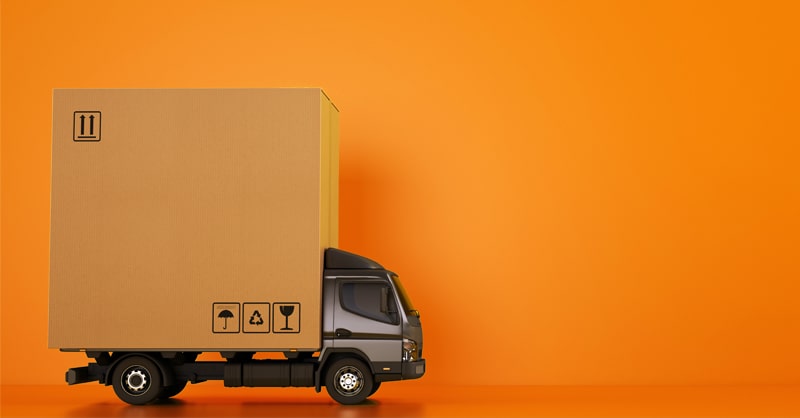
How trailer tracking technology helps you manage, monitor and protect your trailers

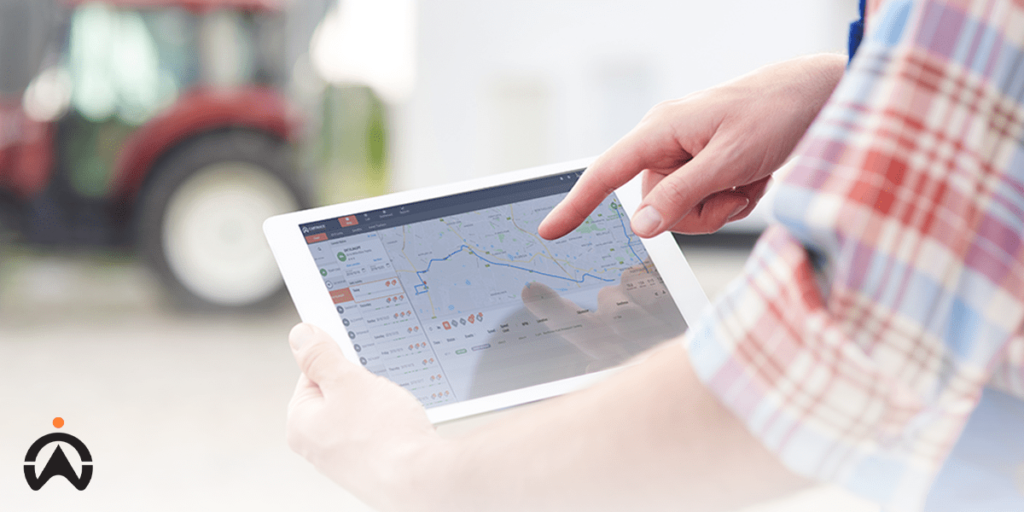
Trailer tracking is just one of the many tools used to help make a manager's life easier. With it, you can monitor and gain efficient access to your assets from anywhere through our cloud-based solution.

In this article:

  • Get insight into how asset and trailer tracking helps minimise product damage, misuse and theft
  • Learn what to look for when choosing the right tracking unit for your assets
  • Learn how to use GPS technology such as telematics for total asset protection and monitoring
  • Use Cartrack to monitor, track and protect all your trailer assets, regardless of the size of your business

Not so long ago, employees had to go out of their way to get information. Taking the time to write down the trailer number, note its location and record any cargo on board leaves you with less time to actually use your assets.

When trailers were on the road, manual counting was more challenging and often required a phone call, or two, for the fleet manager to get an exact location. If a trailer went missing in transit or was stolen, days could pass before the company found out.

Trailer tracking technology has changed all that.

Telematics and asset monitoring for trailers

Although many companies use GPS trackers for better trailer management, many do not know the full extent and potential of these small devices, that is, a GPS device, in fleet telematics.

Telematics is the smart technology used through a GPS tracking device installed in your vehicles. It collects and stores all vehicle and trailer data and compiles it for easy management and access through a fleet platform.

Like many fleet technologies, telematics is mainly used to track assets such as vehicles, trailers, generators, IT devices and expensive equipment. It is used for damage prevention, asset protection and general asset tracking within the fleet.
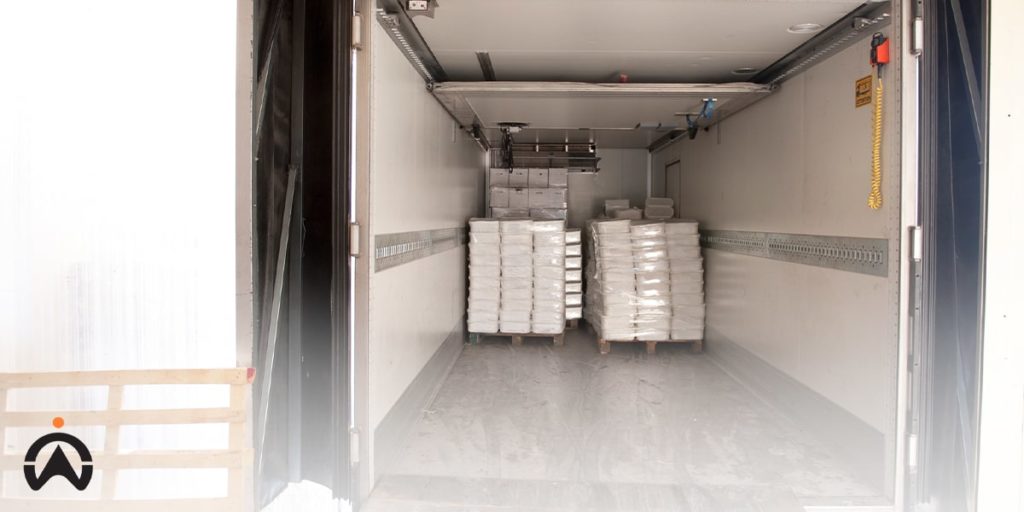
Telemática_e_monitoramento_de_ativos_para_reboques

What is a trailer tracking device and how does it work?

With GPS technology advancing faster than many people imagined, we are only beginning to realise the true value it adds to the transport and logistics sector. One of the most promising uses of this technology is asset protection through GPS trailer tracking.

There are two parts to commercial trailer tracking systems.

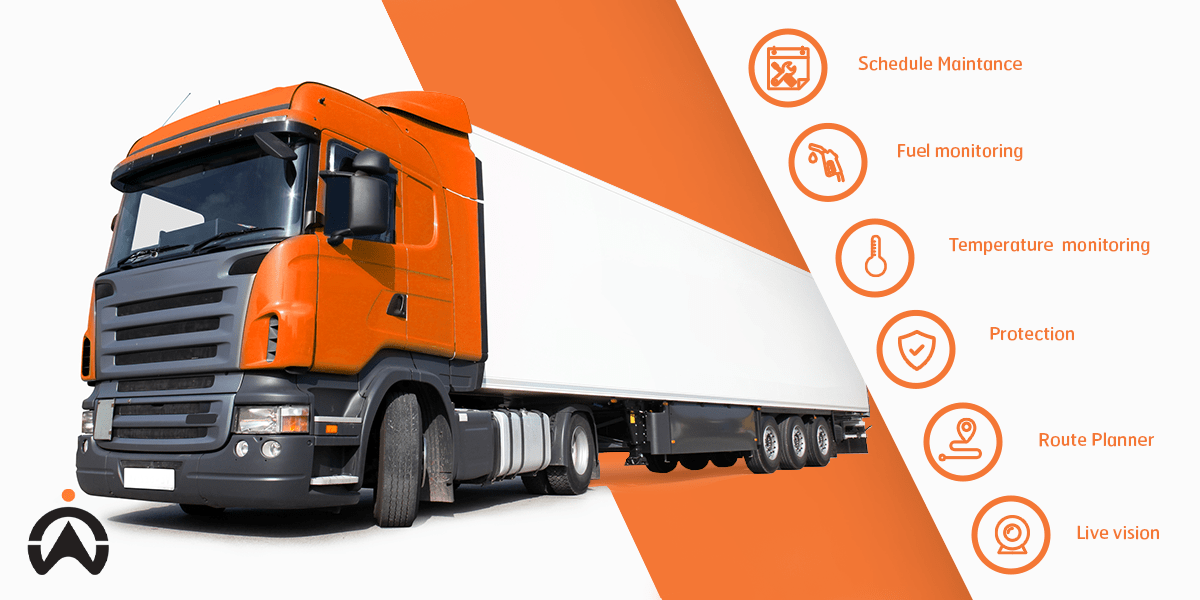
Battery or solar powered – A trailer tracking device is attached to the trailer itself and emits a GPS tracking signal that communicates by means of a cellular modem. This allows the user to find out where the trailer is at any time.

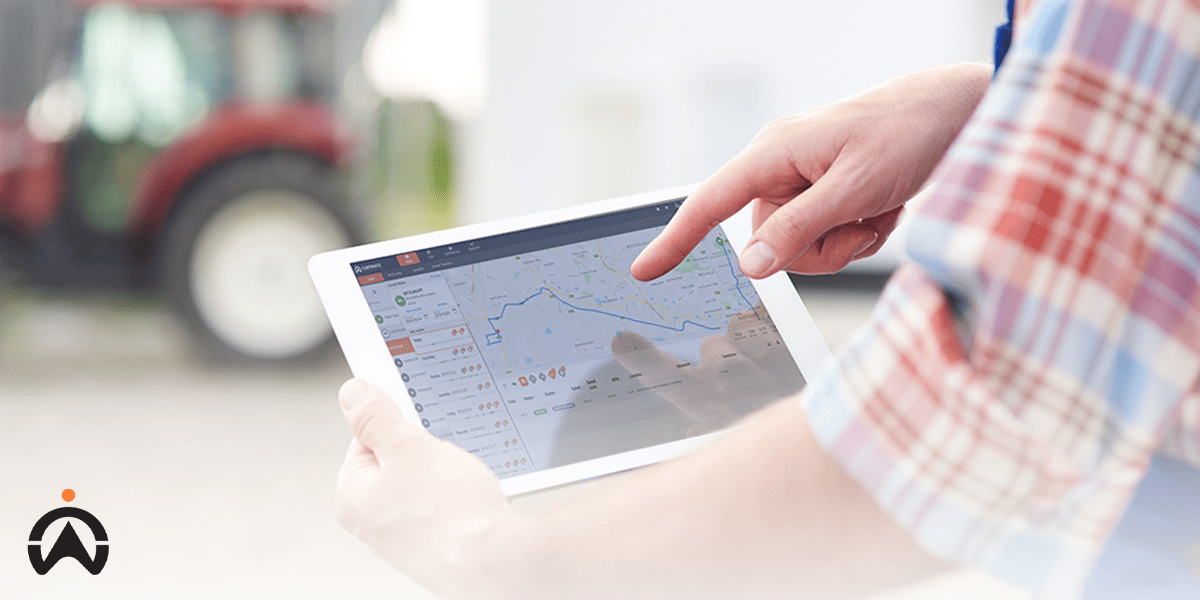
The software – This is what receives the signals sent by the tracker. The software can translate the trailer tracker's signal and place the information on a map, showing the exact location, whether the trailer is stationary or moving and, in some cases, whether or not it is hitched to a vehicle.

Why track your assets?

Companies invest in many things to generate profits, such as employees, vehicles and general trailer assets. Physical assets can include any equipment, technology or machinery that an entity uses to provide a service to itself or to its customers. All these different types of vehicles and site equipment are valuable to the business and need to be protected.

Asset tracking is used to track a company's assets. It collects all the GPS data related to them, such as their current location, maintenance condition, when they were last used, for how long and by whom. This is achieved by fitting the assets with a tracking device.

Asset tracking is useful for:

  • 24/7 surveillance
  • Asset movements
  • Asset usage

Beyond protecting your trailer, asset and trailer tracking is used for productivity and easy management. Having a tracking device that automatically tells you how long one of your trailers was used in a day, and by whom, saves a lot of calculation time. It also helps to log working hours so that you can bill customers or pay employees more accurately.

A real-time view of your trailers gives fleet managers information about their assets, whether on site or on the road. Using fleet trailer tracking units and software not only makes your job simpler, it can also boost the organisation's bottom line.
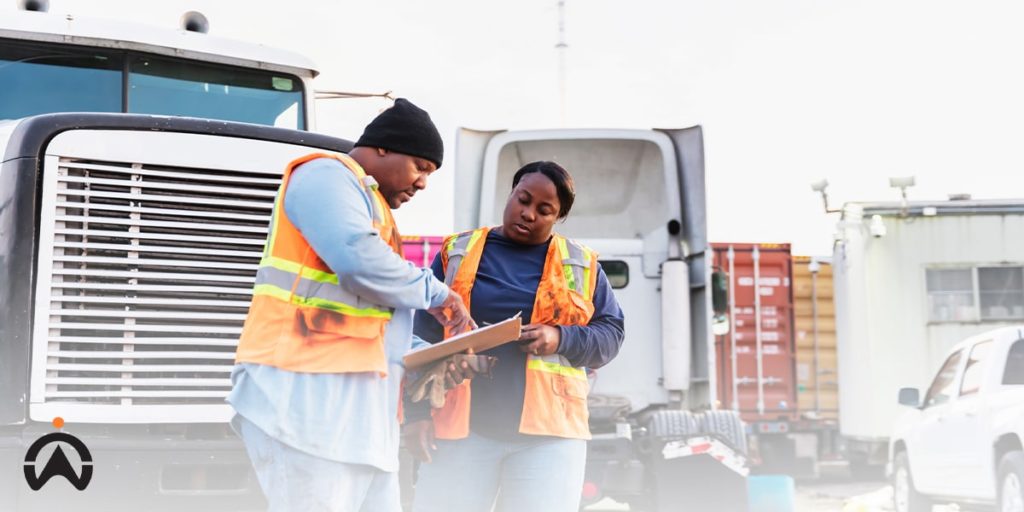
Por que_rastrear_seus_ativos

Asset tracking devices for theft prevention

So it has happened: you clock in one morning, open your emails and read that one of your trailers has been damaged or stolen while unattended. What now? More often than not, criminals strip the trailer and remove the vehicle identification number (VIN) before you even realise your assets are gone.

 This happens all too often, costing companies time and money. Every company that uses trailers understands these struggles. The dangers of leaving your assets unprotected, the area where they are left alone, the chance of the item being stolen or used without our consent, and the list goes on.

With a trailer tracker, you will know immediately that something has gone wrong. An alert would be sent straight away, giving you enough time to call the authorities and find your missing trailer, and you can receive all of these on your mobile phone.

Types of trailers that can be tracked

Realistically, GPS trackers can be installed on any moving vehicle and on stationary assets. Tracking units from Cartrack can be easily installed on all types of trailers and vehicles in use, including:

  • flatbed trailers
  • enclosed trailers
  • equipment trailers
  • Open car trailers
  • specialty trailers

While any fleet tracking GPS device will do, partnering with an industry-leading fleet management company, such as Cartrack, offers several benefits and greater peace of mind.

Asset tracking technology

Although GPS tracking is the most popular tracking method, there is more than one way to track assets. Finding the best asset monitoring solution for your business can be difficult because of the variety of asset tracking technologies available.

Bluetooth asset tracking/beacons: these are remote devices that transmit low-energy Bluetooth signals to another digital device or Bluetooth smart device to establish the location of the beacon itself.

Radio frequency identification: passive RFID asset tracking is a form of wireless communication that uses electronic fields to identify and track tags attached to objects. These require RFID reader devices to receive signals from the tag.

GPS-based asset tracking: GPS tracking devices are attached to any assets and can interact through cellular networks or satellites and communicate over long distances, keeping accurate, up-to-date records for employees.

Most types of mobile asset tracking devices allow custom alerts, notifications and even geofence settings for the safety and protection of your assets.

The best GPS tracking features to look for

Before choosing an asset tracking solution, always consider your goals and ask yourself: what exactly is my business looking for, and which features do we need most?

The best tracking devices are those that have the following features:

  • 24/7 real-time location tracking
  • Cloud-based system
  • theft detection
  • Easy installation
  • Long-life battery
  • Solar-powered technology
  • Instant reports
  • Over-the-air maintenance capability
  • Interface with user-friendly mapping systems, such as Google Maps or others
  • Viewing the trailer's trip history

Finding a device that offers all these features would be a dream, but realistically most devices are not one-size-fits-all: these features are spread across the devices used to track different assets in different environments.

Why is GPS asset tracking important?

GPS asset tracking is done to improve the use and safety of valuable items, in this case your trailers and the cargo they carry. Companies that fail to track their assets properly can lose large sums of money every year and lose the trust of their customers.

Trailer (and asset) management is an essential component of your company's supply chain operations. Lost or delayed loads mean lost sales and unhappy customers, which can be damaging to a business.

Management can get a better, clearer picture of where everything is and where it is going by connecting trailer tracking devices to its fleet management system.

By doing this, you can receive:

  • Reduced insurance rates thanks to assistance with trailer theft recovery
  • Software updates can be done digitally and do not require the tracking device to be removed
  • Optimised asset usage
  • Greater safety of assets and cargo
  • Better customer service with accurate, timely information
  • A sealed trailer tracker that can work in adverse weather and road conditions.

Different businesses that can use trailer tracking devices

If your assets are not monitored often, operate in unsafe locations, are not being used enough or add value to your business, implementing trailer monitoring would be very beneficial.

Whatever the fleet size, almost every industry can benefit from tracking and monitoring its trailers.

  • Landscaping
  • Construction
  • handyman
  • Tile and flooring installation
  • Air conditioning and heating repairs
  • Transportation & Logistics
  • Public utility services

The benefits trailer tracking can bring to your business

A fleet of any size can profit greatly from using a reliable trailer tracking system.

With it, you can protect your trailers, gain visibility and insight into their movements, and much more:

Get complete trailer visibility – Track all your van trailers on one platform.

Greater trailer utilisation – Monitor trailer utilisation at customer sites and optimise your trailers by redeploying underused assets.

Protect the cargo – Use smart sensors and camera systems for 24-hour cargo monitoring and protection against tampering or unscheduled use.

Simplify deployment – trailer tracking can be used on any trailer to keep assets safe.

Boost productivity – Examine past GPS data to see where you can improve efficiency and trailer usage.

Greater safety of the trailer – Receive instant alerts on trailer status, location, door activity and unauthorised use for optimum security.

Trailer tracking systems use the data sent to the dispatcher to provide reliable, secure information to shippers for better management of their various assets.

Secure trailer tracking with industry experts

GPS trailer tracking technology from Cartrack puts you in control of your active trailers and immovable assets.

If you are looking for advanced safety and tracking features, Cartrack offers real-time security with customisable geofences and alerts for your assets

Let us help you protect your assets. Contact Cartrack today.
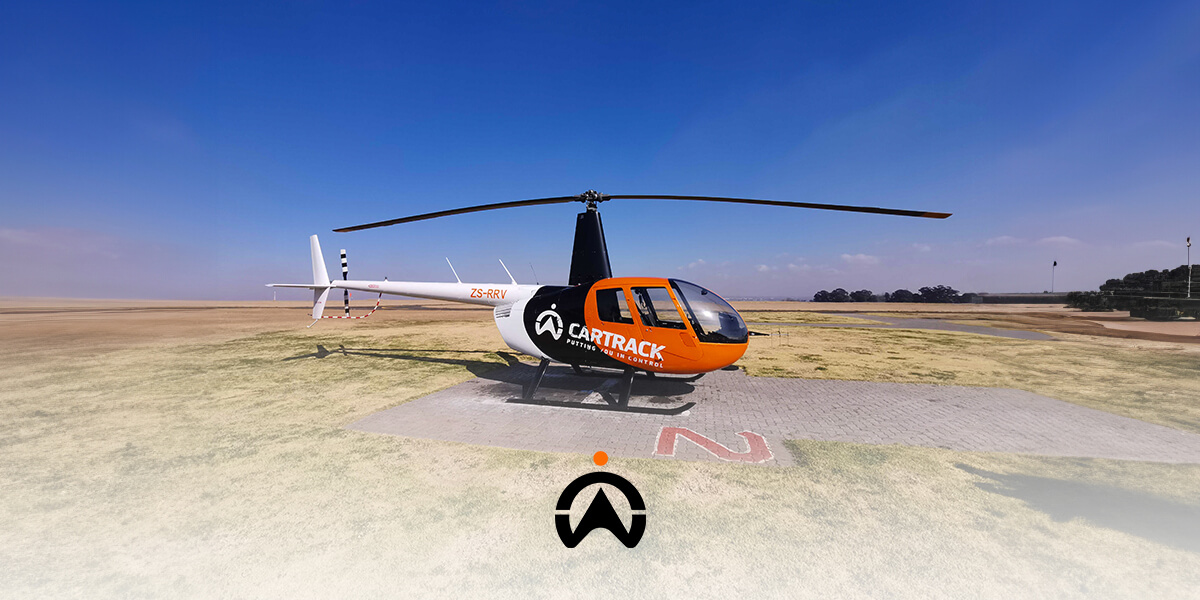
How Cartrack's Stolen Vehicle Recovery works with GPS and vehicle tracking

Unfortunately, the pleasure of driving can be ruined by the fear of being hijacked. Hijacking is a significant crime in many countries around the world, with South Africa being one of the countries with the highest hijacking rates in the world.

In this article:

  • Get information about vehicle theft and how to avoid it
  • Learn about vehicle tracking and its role in stolen vehicle recovery
  • Find out which stolen vehicle recovery service is best for you
  • Get to know the features and solutions from Cartrack for stolen vehicle recovery

Fortunately, vehicle tracking can be used for security and stolen vehicle recovery.

Whether you call it vehicle theft, hijacking or car theft, these terms are used to refer to the illegal act of stealing a vehicle. Examples of vehicle theft include breaking into an unattended parked vehicle, followed by the use of tampering methods to start the vehicle, such as hot-wiring, or simply towing the vehicle away. Another form of vehicle theft is taking a vehicle by force, threatening the driver and/or passengers out of the vehicle and driving off with it. In some cases, the driver and/or passengers are held hostage in the vehicle and, if they are lucky, are thrown out later.

In South Africa, the number of hijacking victims rose from 64,000 in 2020-2021 to 134,000 in 2021-2022. Between April and June 2022 alone, 5,866 hijackings were reported across the country – an increase of 14% on the 5,146 hijackings reported in the same period of 2021.

This year-on-year increase in hijacking reports means that a car is estimated to be stolen every 22 minutes in South Africa. Unfortunately, there is never 100% certainty that your vehicle will not be stolen. However, there are ways to make sure your vehicle is safer and more likely to be recovered if it is stolen.

 Let's find out how Stolen Vehicle Recovery works.

O_que_é_rastreamento_por_GPS_e_como_ele_é_usado_para_soluções_de_recuperação_de_veículos

‍ What is GPS tracking and how is it used for vehicle recovery solutions?

SVR, short for Stolen Vehicle Recovery, is when vehicle tracking technology and data are used to recover a stolen or hijacked vehicle in an attempt to return it safely to its owner. The stolen vehicle recovery process begins before the vehicle is stolen: it begins with the vehicle tracking software.

 Let's unpack this software in a little more detail.

We start with GPS (Global Positioning System), which is a network of satellites and receivers used to determine the position of something on Earth. GPS has a variety of uses, from military exercises around the world to directions that help drivers find their way, and vehicle tracking.

Vehicle tracking requires a GPS tracking device to be installed in a vehicle or on an asset. The device provides information about the exact location and subsequent movements of the vehicle or asset – this is what makes real-time tracking possible. For this reason, GPS tracking systems are a crucial part of stolen vehicle recovery, used to monitor the location and activity of stolen vehicles.

Quality tracking systems exponentially increase the chance of stolen vehicle recovery and even reduce the risk of theft in the first place. This is because a GPS vehicle tracker has certain triggers that will send alerts if a vehicle is being tampered with or stolen.

Obtenha_os_melhores_serviços_e_produtos_de_Recuperação_de_Veículos_Roubados

Here are some examples of how alerts can be triggered:

  • If the vehicle is moving but there is no record of the engine being started (this is done by monitoring all engine activity).
  • Pressure sensors in the seats can trigger alerts if there are more people in the vehicle than there should be.
  • Depending on the predetermined routes, specific risk areas can trigger an alert, for example if a vehicle is crossing into an area that is not part of the planned route or is a popular escape route for hijackers.

Get the best Stolen Vehicle Recovery services and products

Our Cartrack is a leader in Mozambique in Stolen Vehicle Recovery, with world-class vehicle tracking and recovery technology that puts you in control. The following features and solutions can help you make sure your vehicle is safe and more likely to be recovered if it is stolen:

  • CarWatch

Activated through the Cartrack app, CarWatch keeps a virtual eye on your car when you can't. CarWatch sends alerts if your parked car moves or is started without your permission. When an alert is activated and triggered by unauthorised activity, you will be notified and agents from the 24-hour control room at Cartrack will assist you.

  • Cartrack Protector

Cartrack Protector is a value-added service that gives you access to a range of services that help make your journey safe and worry-free. At the touch of a button in the Cartrack app or on the website, a call centre agent will contact you immediately to help you with any of the listed services (such as roadside assistance or medical assistance).

  • geofencing

Geofences are virtual boundaries or ring-fences set up on digital maps. These virtual fences can be created to mark no-go or high-risk zones, and alerts can be triggered the moment your vehicle enters or leaves these geofenced areas.

  • Secure and reliable tracking device installation techniques

Advanced fitment techniques from Cartrack offer greater assurance that your vehicle's tracking device will not be found or disabled by criminals during a theft. This high standard allows us to achieve our industry-leading recovery rate.

  • 24/7 emergency support and service team

Our emergency control room teams are always ready to support you, especially in the unfortunate event of vehicle theft or hijacking. We enable direct communication with private response teams and the local police to ensure a rapid response.

  • Air and ground recovery teams

Cartrack has a network of highly trained recovery response teams across South Africa and neighbouring countries who work together with the local police, ensuring that stolen vehicles are successfully recovered as quickly as possible.

Procurando_um_serviço_de_recuperação_de_veículos_roubados

Looking for a stolen vehicle recovery service?

With a rate of stolen vehicle recovery of over 90%, Cartrack will help you keep your peace of mind and the certainty that your car is safe. In the unlikely event that we are unable to recover your vehicle, we will pay up to R150 000. See the terms and conditions that apply to the guarantee here.

How Cartrack helps digitalise fleet management administration

Fleet administrators work in offices overloaded with piles of paperwork and data that they have to compile, maintain and search through manually. Thanks to digitalisation, this chaos and confusion can be simply resolved!

In this article:

  • Get insight into the role and responsibilities of fleet administrators in a fleet operation or business.
  • Learn about the shift in fleet management and how fleet management software has tackled the challenges of fleet administration by simplifying the fleet management process.
  • Discover the advantages of using fleet management software for your fleet operation.
  • Find out how Cartrack can help you digitalise fleet management administration with our all-in-one fleet management platform.

The emergence of fleet management software has enabled the shift from manual to digital fleet management. Fleet administrators can now say goodbye to wading through piles of paperwork, simplifying the entire fleet operation and using data analysis to ensure smooth fleet operations.

First of all, what is fleet management for vehicles?

Our fleet management is a term of paramount importance for any company that depends on commercial vehicles to operate – whether cars, buses, vans or trucks. This is because fleet management refers to the measures taken to manage all fleet vehicles and assets in order to run a fleet business efficiently, on time and within set budgets and profits.

The fleet management process ensures that a fleet business reduces operating costs to increase profits, improves its reputation by improving efficiency and customer satisfaction, and ensures fleet compliance.

Fleet management is therefore purposeful because it allows fleet businesses to maximise productivity and profits with minimal associated risks and operating costs. Effective fleet management is achieved through a combination of vehicle or GPS tracking, fuel consumption management, driver behaviour monitoring and vehicle maintenance – all of which is in the hands of a fleet administrator or manager.

Let's take a moment to step into the shoes of a fleet administrator.

Primeiramente_o_que_é_gestão_de_frota_de_veículos

What a typical fleet management administrator job looks like

A fleet administrator is an individual responsible for overseeing the vehicles and operations of a fleet business. Fleet administrators have the ability to ensure that fleet businesses reduce fleet operating costs while increasing profits. This is an essential and critical role, as the success or failure of a fleet business rests on a fleet administrator's ability to manage the fleet efficiently.

The precise job description of a fleet administrator varies according to the sector, size and type of business. Below is a list of some of the tasks a fleet administrator is responsible for:

  • Fleet analysis, reporting and optimisation
  • Ensuring driver and vehicle safety
  • Ensuring vehicle maintenance and servicing
  • Managing and organising reports and business administration
  • Monitoring fuel consumption
  • Controlling and managing operating costs
  • Assigning tasks and ensuring on-time delivery

Challenges faced by modern fleet administrators.

With all the demands and responsibilities, fleet administration management requires managers to “wear many hats” in their role. With that come challenges encountered day to day, such as:

  • Fuel management: One of the biggest operating cost challenges for fleet administrators is managing fuel consumption. Both internal factors, such as driver behaviour, and external factors, such as fluctuations in the market price of fuel, affect fleet administrators' ability to manage fuel costs and consumption.
  • Vehicle maintenance and driver safety: It is the fleet administrator's responsibility to ensure the safety of vehicles and drivers. It can be a challenge for a fleet administrator to keep up with the maintenance of every vehicle in the fleet and monitor the behaviour of every driver – whether for one or 100 vehicles and drivers.
  • Administrative overload: whether large or small, fleet operations generate a lot of data. Searching through large amounts of information can consume time and energy, as well as running the risk of misplacing or losing important information.

Fortunately, there is fleet management software that helps fleet administrators overcome these challenges by digitalising and automating fleet management processes.

Digitalise vehicle fleet management with fleet management software

Fleet management software is the technology that helps fleet administrators get an overview of all fleet operations so they can complete fleet-related tasks efficiently, productively and on time. The purpose of fleet management software is to maintain an accurate, up-to-date overview of vehicle and asset GPS location, vehicle diagnostics and the identification of risky or unsafe driver behaviour, while reducing the manager's workload and administration.

With fleet management software, fleet managementhas never been so simple! Fleet administrators can now track, monitor and manage:

  • Vehicles, assets, equipment and drivers
  • Vehicle maintenance and repairs
  • Fuel consumption and operating costs
  • Driver behaviour and road safety
  • Tasks, driver routes and completion rates
  • Fleet compliance

Fleet administrators are therefore able to save time, money and energy while collecting fleet-related data that is converted into easy-to-understand, easy-to-use reports and actionable insights. Fleet managers use this information to make informed decisions about the fleet operation, coordinate it and reduce operating costs, ensuring maximum safety, efficiency and compliance with fleet regulations.

Fleet management software also ensures that drivers are rewarded and recognised for their good work ethic and safe driving habits. With data stored on a cloud-based platform and easily accessible in real time, fleet administrators can use it at any time, whether to reward, train or streamline employees.

Digitalize_a_gestão_de_frotas_de_veículos_com_software_de_gestão_de_frotas

5 advantages of fleet management software for fleet administrators

Digitalisation has had a positive impact on fleet management. Using fleet management software, fleet administrators can:

  1. Improve driver and vehicle safety

Safety is a priority in fleet management, and fortunately vehicle and driver safety has improved thanks to digitalisation. Fleet management software helps fleet administrators deal with safety issues such as accidents, driving in unsafe areas and unsafe driver behaviour. Fleet management software allows fleet managers to plan maintenance in advance and take at-risk vehicles off the road, reducing the chance of breakdowns and possible accidents.

2. Improve driver efficiency

One of the main benefits of the shift from manual fleet management to fleet management software is that it has improved fleet efficiency. With a bird's-eye view of drivers' routes, fleet administrators can inform and instruct drivers to follow certain routes that lead to the safest, fastest deliveries using the least amount of fuel – bravo!

This results in cost savings that can increase profitability, and gives the business a competitive reputation.

3. Monitor operating costs and fuel consumption

Fuel costs typically account for the largest share of operating costs in a fleet business. Excessive fuel use, even in small amounts, adds up quickly and eats into the business's profits. Fleet management software has helped fleet administrators ensure that not a drop of fuel is wasted.

4. Receive alerts about vehicle maintenance

Using fleet management software to track and stay up to date on vehicle maintenance, such as routine oil changes or tyre rotation, simplifies the job, as fleet administrators can receive real-time alerts about when a vehicle inspection is due – leaving less room for downtime and more for working time.

5. Track vehicles and assets

Telematics fleet management enables GPS tracking of fleet vehicles and assets as well as route optimisation, making it easier for fleet administrators to track assets and vehicles. This not only saves the fleet administrator time and guesswork, it also saves fuel costs by reducing the chances of drivers getting lost and wasting fuel and time.

5_vantagens_do_software_de_gestão_de_frotas_para_administradores_de_frotas

How Cartrack helps digitalise fleet management administration

Cartrack is a software-as-a-service (Saas) platform that helps small, medium and large businesses digitalise fleet management to optimise fleet utilisation, driver and vehicle safety, risk management and workforce optimisation, using data to grow the business.

The following are some of the Cartrack fleet management software and solutions a business can use to move from manual to digital fleet management:

web-based software

Cartrack's multifunctional, easy-to-use platform empowers fleet administrators or managers to simplify the entire fleet operation, from managing teams and tasks to controlling operating costs. With fleet telematics software, fleet administrators can track the current and historical location of fleet vehicles and assets from anywhere, at any time. Fleet administrators not only save time and energy on administration, they also never lose data, thanks to Cartrack's web-based platform, which stores data and gives access to historical data.

 Reports and actionable insights

Cartrack's fleet management system has a powerful on-board telemetry device, responsible for monitoring vehicle and driver behaviour patterns according to predefined settings, including GPS positioning. This data is captured by the fleet management system and is designed to assist fleet administrators accurately and efficiently in managing fleet vehicles, driver behaviour, completion rates and even fuel consumption. Fleet administrators have the option of selecting from a range of more than 40 standard reports, including mileage, driver scoring, speeding and productivity reports.

Automated, real-time alerts

With Cartrack, fleet administrators can predefine vehicle violations, such as driving above the road speed limit, driving above the vehicle's set speed limit, harsh braking, cornering, acceleration, and entering and leaving geofences or no-go zones, and receive real-time alerts when any unauthorised violations occur.

Fleet maintenance with MiFleet

MiFleet is Cartrack's easy-to-use administrative and vehicle cost accounting software, which can efficiently manage fleet vehicles, drivers and operating costs. Fleet administrators enjoy all the benefits of MiFleet when tracking devices are installed in the fleet's vehicles. However, this software can be used for fleet management whether or not the fleet is equipped with telematics technology. One of the great advantages of MiFleet is fuel consumption monitoring. This allows fleet administrators to reduce fleet operating costs by quickly detecting any discrepancies caused by fuel theft or uneconomical driving.

Routing

Routing is a software application that allows fleet administrators to easily set and manage predefined routes for drivers to follow. Fleet administrators receive real-time alerts about any route deviation. Keeping vehicles on their planned routes reduces waste in operating costs and ensures that drivers stick to the task in hand and that all cargo stays on the right course.

Contact Cartrack and digitalise fleet management administration

Cartrack is committed to providing solutions that make fleet management as simple as possible, while empowering fleet operations to run smoothly and successfully. Contact Cartrack today and take control of your fleet.

How fleet managers can improve employee productivity and increase efficiency with actionable insights

Have you ever wondered how fleet businesses keep their operations running smoothly, productively and profitably?

In this article:

  • Understand what fleet management is and which processes it involves
  • Find out exactly what a fleet manager does and the day-to-day tasks they face
  • Learn about fleet management software and how it benefits the management process
  • Discover how actionable insights from Cartrack's technology can improve employee productivity

From dispatch to delivery, from operating costs to business profits, there is a lot of work involved in fleet management. Behind every productive, successful business is an efficient fleet manager with the best fleet management software.

First of all, what is fleet management?

The term fleet management refers to the management and supervision of vehicles such as cars, trucks or vans used for commercial purposes. Fleet management does not refer to just a single task, but to a process involved in overseeing the entire fleet operation, from employee performance to fleet performance.

The process of fleet management includes:

  • Managing fleet vehicles
  • Tracking task completion rates
  • Improving driver safety and productivity
  • Ensuring vehicle maintenance
  • Analysing fuel costs and managing fuel consumption
  • Optimising routes for on-time deliveries
  • Using actionable insights to make strategic decisions

All these tasks are carried out to increase employee productivity, ensure fleet operations run smoothly, improve the customer experience and increase profits by reducing operating costs and wasted time.

To better understand fleet management platform, let's take Bill as an example. Bill is the fleet manager of a small fleet business in the healthcare sector.

What is a fleet manager and what do they do?

As a fleet manager, Bill is responsible for every aspect of the fleet business, including directing and managing fleet vehicles, resources and costs. This role requires efficient use of time and excellent leadership and decision-making skills to oversee fleet assets effectively and boost fleet performance. Although Bill's daily routine may differ slightly from that of other fleet managers working in different fleet industries, they all share common responsibilities, which include:

  • Managing, supervising and overseeing fleet operations
  • Hiring quality drivers and monitoring driver behaviour and performance
  • Creating and managing driver tasks and schedules to maximise productivity
  • Ensuring the fleet stays compliant and avoids unnecessary setbacks
  • Implementing fleet management strategies to reduce fleet costs and increase productivity
  • Creating and using detailed reports
  • Organising paperwork and administration
  • Ensuring regular vehicle maintenance for operational efficiency and minimising downtime
  • Meeting customer expectations and ensuring a high level of customer satisfaction
‍O_que_é_um_gerente_de_frota_e_o_que_ele_faz

It is a challenge for Bill and other fleet managers to manage their fleet's daily tasks efficiently while also increasing profits. So they use fleet management software to help them manage small, medium or large fleets efficiently. This type of system allows them to receive reports, data, information and actionable insights designed to improve fleet operations and productivity.

Let's get a deeper understanding of this fleet management software.

Who uses fleet management software and why?

Fleet management software is computer software that simplifies a fleet manager's job by using GPS tracking so that managers can:

  • Track fleet vehicles and assets
  • Monitor driver behaviour and performance
  • Measure task completion rates
  • Manage and reduce operating costs
  • Schedule regular vehicle maintenance
  • Ensure fleet compliance

Managing all of the above manually can be a challenge, whether for one vehicle or an entire fleet. Businesses use fleet management software to simplify the fleet management process, gaining a bird's-eye view of all fleet operations with one complete platform. In this way, Bill or any other fleet manager can improve safety, reduce fleet costs, extend vehicle lifespan, receive real-time fleet alerts, optimise routes and increase customer satisfaction – all remotely, at their fingertips.

Fleet management software is useful for any business that needs commercial vehicles and drivers to conduct its daily business. This includes businesses in the following sectors:

  • Food transport
  • Public or private transport
  • Construction
  • Healthcare and emergency services
  • Courier and parcel delivery services

Using fleet management software, fleet managers in the sectors above can successfully run a fleet business by efficiently overseeing driver behaviour, the internal and external factors that affect fuel prices, customer expectations and vehicle maintenance – to name just a few.

Quem_usa_software_de_gerenciamento_de_frota_e_por_quê

4 benefits of fleet management software

There are several ways in which fleet management software benefits fleet operations. Let's unpack four of them:

1. Fleet management provides fleet visibility: fleet management software integrates vehicle telematics to give fleet managers a complete view of all fleet activity. Fleet managers can use real-time visibility or historical data to make informed, data-driven decisions about deliveries, routes, tasks, costs and safety, as well as to exonerate drivers or speed up insurance claims.

2.Fleet management reduces costs and fuel consumption: Fuel costs alone can amount to around 40% of fleet expenses. With software for fleet management, fuel costs and consumption can be reduced by using the vehicle's GPS location to detect fuel wastage and find solutions, for example:

  • Idle time: a bus wastes 3.5 litres of fuel per hour of idling, a medium-heavy truck wastes 3 litres and a large sedan wastes 1.5 litres. With fleet management software, fleet managers can detect idling and educate drivers on the need to reduce idle time.
  • Delivery time: Fast delivery times translate into less mileage and less fuel used. Fleet managers can use fleet management software to optimise the most efficient routes, access driver and vehicle information, and monitor traffic and weather, to ensure that drivers have faster turnaround times.

    Driver behaviour: speeding, harsh braking and cornering are some of the driver behaviours that waste fuel. Fleet management software allows fleet managers to monitor driver behaviour and receive real-time alerts in the event of poor driver performance. With Cartrack's easy-to-use Mi-Fleet software, fleet managers can easily manage and control fuel transactions, identify fuel wastage and detect fuel fraud. This saves fuel, money and administration.

3.Fleet management increases employee productivity and safety: managers can ensure that fleet operations are safe and productive by using fleet management software that manages vehicle maintenance, reduces downtime, improves driver behaviour, optimises routes, monitors vehicle and driver safety and increases employee efficiency.

4.Fleet management increases customer satisfaction: in the age of fast internet, online shopping and same-day delivery, customers have become less patient and have high expectations. 61% of shoppers would like their products to be delivered within three hours of purchasing online. With GPS tracking as a fleet management solution, fleet managers can meet higher customer expectations by optimising routes and ensuring that drivers stay on course with delivery schedules. GPS tracking also allows customers to track their deliveries in real time, while fleet managers can keep drivers updated on any emergency or change to deliveries.

Any industry or fleet size can reap these benefits if a fleet operation is managed efficiently. For fleet managers to manage a fleet business effectively, teamwork and well-maintained assets are vital. On the other hand, having a dysfunctional team and poorly maintained assets can lead to an unfulfilling fleet manager role and an unsuccessful business operation.

4_benefícios_do_software_de_gestão_de_frotas

The four main productivity challenges faced by fleet managers

Productivity is the key to a successful business story. As a fleet manager, Bill's job is to maximise the fleet's productivity. The productivity of a fleet operation depends on a fleet manager's ability to manage the fleet efficiently. However, fleet managers can struggle to fulfil their responsibilities effectively and manage a fleet operation efficiently because their role depends on employee productivity, the condition of the company's assets and resources, and external factors such as inflation rates.

These are the four main productivity challenges that fleet managers face:

    Time and energy spent on administration and paperwork: the administrative burden of fleet management tasks, such as invoicing, creating reports, scheduling drivers, booking vehicle maintenance and following up with drivers and customers, can be challenging and time-consuming. Fleet management software provides an efficient, cost-effective and paperless way of handling administration by digitalising and automating daily operations on a cloud-based platform

  • Unplanned vehicle downtime: The time vehicles spend off the road because of incidents such as breakdowns, collisions or delays in maintenance and service schedules harms the productivity and profits of fleet operations. Instead of waiting for unplanned vehicle downtime, fleet managers can use fleet management software to run vehicle diagnostics and automate maintenance schedules and reports to keep their vehicles on the road, maximising productivity and, ultimately, profits.
  • Unsafe driving: unsafe driver behaviour, such as speeding, harsh braking, cornering and driving while tired, increases the risk of accidents and damaged goods. This means more time and money spent on vehicle repairs, insurance claims and replacing and returning customers' products. By using real-time alerts about poor driver behaviour and driver scorecards for performance-based feedback and training, fleet managers can improve driver behaviour and increase productivity.

Unclear communication: Another major problem is communication, or the lack of it, especially about tasks, schedules and collection and delivery locations, which can lead to a demotivated, unproductive working environment, as well as time and money wasted on wrong deliveries. Fleet managers must ensure that drivers are well informed, rested and well trained. Fleet management software can automate certain tasks, and managers can use actionable information to improve fleet productivity and efficiency.

Actionable insights to improve fleet management and employee productivity

Actionable insights can be defined as data and information about a business that can be used to make business decisions and achieve business objectives. This refers to data and information that can be translated into action (whether decisions or performance). When used effectively, actionable insights lead to improved employee productivity and business growth.

In this way, Cartrack can help fleet-based businesses get more productivity from their employees, assets and resources.

Cartrack's three main actionable insights to help improve employee productivity:

1. Contextualised metrics for strategic decision-making: Using the fleet's operational, administrative and financial data, Cartrack produces tangible data so that fleet managers gain information about the fleet operation that they can actually use to make accurate strategic decisions.

For example, the fleet's operational, administrative and financial data can be used to determine the cost per job. If the cost per job is too high and exceeds the profit per job, fleet managers can use this information to decide on cost changes and direct actions to reduce fuel consumption, optimise routes or cut idle time.

2. Comparable metrics to identify challenges and solutions: This allows fleet managers to compare metrics across drivers and vehicles to identify leaks, identify challenges and solutions for tackling them, and pinpoint where to optimise time and increase productivity.

For example, fleet managers can compare the differences in cost per task per vehicle based on driver behaviour, vehicle maintenance costs, fuel costs and cost per kilometre. If one vehicle's costs are significantly higher than the others, fleet managers can identify the challenge and tackle it.

This information can be used to empower, educate or coach the driver to use assets, resources and time more productively.

3. Instant insights to spot unproductivity: This helps fleet managers instantly find the information they need and stay informed about any unproductive areas of the fleet operation. Whether it's time per delivery, data on a specific vehicle or driver behaviour – fleet managers can get instant information should they need it urgently.

Cartrack gives fleet managers an overview of fuel consumption, unproductive idling, safety and vehicle utilisation on one dashboard, all with just one click. Fleet managers can use the filters to specify which information is needed – this saves hours that would be spent analysing data.

 4. Improve employee productivity with Cartrack today

Get actionable insights to improve employee productivity with Cartrack's easy-to-use platform, which gives you an overview of your fleet operation. Get a quote today and say goodbye to downtime!

Fleet and safety management made easy for fleet controllers

Regardless of the number of vehicles in a fleet operation, fleet compliance is pivotal to the smooth running of a business and ensuring the safety of drivers and vehicles. This article covers fleet compliance best practices, advantages and how Cartrack’s smart technology makes daily fleet operations a whole lot easier

From an outward perspective, fleet management appears to be an uncomplicated and rosey walk in the park. Unfortunately that is not the case, fleet management is a complex process that entails a number of intricate inner workings ensuring that the fleet runs like clockwork.

Employees and assets are managed by fleet controllers. This includes ensuring that drivers are well-trained and rested to efficiently complete tasks and that vehicles are roadworthy- this is where fleet compliance comes in.

Fleet compliance is one of the general struggles amongst fleet managers. Fortunately, fleet management systems provide information and data for an entire fleet operation on one platform. In this article, we discuss fleet compliance, its best practices, advantages and how it is made easy with Cartrack.  

What is fleet compliance and who are fleet controllers?

Before diving into fleet compliance, let’s really get our heads around compliance. Compliance refers to actions or protocols that meet a set of legal rules and standards. That being said, fleet compliance means meeting the set rules and standards that apply to a fleet- from just about anything with wheels right up to the people who operate them.

Fleet controllers are in charge of managing the day-to-day operations of the fleet and ensuring that the operation remains compliant. 

Fleet compliance and safety management

A fundamental portionof fleet compliance management  is safety management. Safety management refers to applying a set of principles, frameworks, processes and measures to help prevent accidents, injuries and other catastrophic consequences through the use of a service or product. Effective safety management ensures fleet compliance and vice versa. 

Safety management and fleet compliance are both dependent on software that has the ability to store detailed information and data on vehicle maintenance, driver performance and road behaviour. 

This systematic approach will allow fleet operations to achieve fleet compliance and safety management through effective use of fleet management solutions . By using fleet management software the fleet operation can continually renew and review its fleet safety strategy, transport operations, policies and procedures to reach set standards, laws, and rules. 

Fleet compliance and safety management

5 ways to implement compliance best practices 

As a fleet controller, fleet compliance is vital! Fleet compliance not only ensures the safety and productivity of a business. It also makes the business reputable for abiding by the set standards, rules and laws. These are five ways to implement compliance best practices: 

  1. Monitor drivers’ hours of service (HOS)

One of the leading causes of accidents, particularly in long-distance, bus, taxi and fleet operations is driver fatigue. Driver fatigue can happen anywhere, at any time, under any circumstances. Fortunately, HOS restricts the number of hours a single driver can operate a vehicle without taking a break. HOS refers to the maximum number of hours that a commercial driver can spend driving and working each day.  To achieve fleet compliance, fleet controllers need toprioritise HOS. The standard hours-of-service for fleet commercial drivers are:

  • 11 hours driving limit and 10 consecutive hours off duty for property-carrying drivers
  • 10 hours driving limit and 8 consecutive hours off duty for passenger-carrying drivers
  • Other restrictions include: a 14-hour limit, 30-minute driving break, and sleeper berth provision

Compliance with the set HOS restrictions will reduce the occurrences of accidents, injuries, and fatalities related to operating commercial motor vehicles. Efficient management of HOS will also improve driver safety by keeping fatigued drivers off the road.

The goal is to keep drivers alert, awake and attentive!

  1. Fleet maintenance

Regardless of the industry, companies are responsible for providing a safe working environment (this includes the safety of vehicles). Fleet controllers need to ensure fleet operations adhere to standards of safety while work is completed. 

Ensuring that your fleet compliance efforts include maintaining safe and roadworthy vehicles is almost equally as important as monitoring drivers’ hours of service. Fleet maintenance refers to the process of ensuring that fleet vehicles are serviced, repaired, safe and roadworthy. Fleet vehicles are on the road everyday which may lead to damage, this means vehicles need to be repaired regularly. If not, the daily or regular use of vehicles without maintenance will lead to vehicle breakdown or downtime, bringing the business operations and drivers’ productivity to a halt. 

To help avoid malfunctions, the US Federal Motor Carrier Safety Administration (FMCS) requires all drivers to fill out a Driver-Vehicle Inspection Report (DVIR) which serves as a pre-trip and post-trip inspection. These vehicle inspections are preventative road safety measures that ensure vehicles are safe and roadworthy. DVIRs include essential checks that ensure fleet compliance:

  • Lights and reflectors
  • Tires, rims and wheels
  • Horn
  • Rear-view and side-view mirrors
  • Windshield wipers
  • Steering mechanisms
  • Brake systems
  • Fifth wheel and connection points
  • Safety and emergency equipment
  • Record of wear-and-tear and repairs

You can already imagine how time-consuming and frustrating manually filling out DVIRs can be. As a solution to this, fleet management and software and telematics companies allow electronic Driver-Vehicle Inspection Reports (eDVIR). This drastically cuts down paperwork and admin, allowing for accurate DVIRs. 

  1. Keep compliance, safety, and accountability scores up to date

In addition to monitoring driver hours and fleet maintenance, fleet compliance also includes 

compliance, safety, and accountability (CSA) scores. CSA scores range from 0 (best) to 100 (worst) and are calculated based onseven Behaviour Analysis and Safety Improvement Categories (BASICs):

  • Driver fitness
  • Unsafe driving
  • Vehicle maintenance
  • Crash indicator- the frequency or intensity of collisions
  • Compliance with hours-of-service requirements
  • Controlled substance or alcohol
  • Hazardous material compliance

The CSA is run by the FMCSA to enforce safety measures for both fleet controllers and drivers. The categories listed above are assessed at roadside inspection points along various major highways across the United States and drivers with CSA scores closer to 100 will be

taken out of service and the fleet business could be penalised. Although this law is of the United States, it can apply to the fleet compliance of businesses around the world. 

  1. Driver qualifications

It is the responsibility of fleet controllers to ensure that all drivers who operate vehicles are licensed, and have the relevant training and specialities that meet legal requirements. Likewise, drivers need to ensure that fleet controllers are informed if there are any variations with their licence, in order for fleet controllers to ensure that licences are renewed smoothly. 

Fleet controllers can ensure compliance by conducting pre-employment screenings. This gives the fleet controller an idea of a potential driver’s history on the road. Pre-employment screenings include drug and alcohol testing, even though fleet controllers should have random checks to ensure that drivers remain compliant. 

  1. Comply with fuel tax

Fuel tax refers to the excise tax imposed on the sale of fuel. Fleet controllers are responsible for tracking where commercial vehicle fuel taxes go. Fuel monitoring is considered an important aspect of fleet management as it assists fleet controllers in determining the consumption of fuel whether for personal or commercial use. 

The International Fuel Tax Agreement (IFTA) is an agreement between forty-eight U.S. states (excluding Alaska and Hawaii) and ten Canadian provinces which keep a record of:

  • Miles driven
  • Fuel purchased
  • Purchase locations
  • Vehicle operators or fleet compliance managers submit these records to their local IFTA office every quarter. Then, based on the number and location of miles driven, the IFTA office distributes fuel taxes to each state and province.

Most fleet companies rely on telematics to help with fuel tax compliance. With telematics, fleet management software can provide fleet controllers with fuel consumption insights. 

5 ways to implement compliance best practices 

5 advantages of fleet compliance

Having fleet compliance become a core component of fleet operations and carrying these out correctly and accurately can result in the following advantages:  

  1. Organised paperwork and reduced admin: With help of fleet management software, fleet controllers can efficiently ensure compliance by electronically keeping insurance, permits and any other regulatory contracts up to date. This way, all fleet documents stay organised and updated, documents are not misplaced and time is not wasted searching through piles of paperwork.
  2. Minimised traffic violations: Compliance with drivers’ licences and qualifications as well as fleet maintenance ensures that drivers are well trained and vehicles are roadworthy, therefore preventing traffic violations. Additionally, drivers’ compliance with agreed company route plans and work schedules helps greatly minimise risk and lower fuel costs.
  3. Improve driver safety and efficiency: Fleet compliance empowers drivers to complete tasks within the set safety standards. Fleet controllers can be clear on safety and productivity standards- how drivers should load vehicles, operate vehicles, optimise routes and the hours they should spend on the road. Drivers who comply with the set standards will be properly trained, well-rested, fully engaged, and abiding by both the rules of the road and company safety standards, thus reducing the safety risk.
  4. Reduces legal costs: Fleet-related lawsuits and settlements can cost a large amount of money or result in damaged company reputation and a decrease in sales. Whatever the case may be, the business loses money. Following fleet compliance best practices helps your business avoid legal risks.

Builds customer trust: Complying with set standards, rules and laws will demonstrate to your customers that your business cares about keeping your drivers and their assets safe. While lawsuits or traffic violations damage company reputation, a record of compliance will demonstrate that your business is a trustworthy operation.

Fleet compliance and safety control made easy with Cartrack

As much as fleet controllers and fleet owners desire to be everywhere at the same time, it is impossible for them to ensure fleet compliance at all times. Not unless they use fleet management software that makes fleet compliance easy, uncomplicated and undemanding. 

Cartrack provides fleet management software solutions that empower fleet controllers to streamline the entire fleet operation, all from one platform.

Fleet controllers can ensure fleet compliance with Cartrack’s fleet tracking software features:

  • Reporting: With Cartrack youcan choose from a range of over 40 standard reports including mileage, driver scorecard, speeding and productivity reports. Cartrack’s GPS tracking device monitors driver behaviour and tracks vehicles. This data is obtained by the fleet management system and can be accessed by the fleet controller via the internet, at any time.

Some reports accessible to fleet controllers include: 

  • Driver reports: Fleet controllers can use these reports to inform drivers where they can improve on their drivers. This report focuses on drivers’ road performance and obtains records through gps vehicle tracking which includes events such as harsh acceleration, braking, cornering or speeding.
  • Drive scorecards: This monthly report shows how safe drivers are on the road by monitoring high-risk behaviour. With this, fleet controllers can improve driver behaviour by training drivers where needed.
  • Logbook: Historically, drivers had to manually record trip details to distinguish between business and private journeys in order to claim tax deductions. Cartrack’s logbook feature simplifies this process. This feature automatically logs all vehicle trips and categorises them as personal or business trips. This ensures a tax-compliant logbook by distinguishing between business and private journeys for SARS submissions.
  • Vision: Cartrack’s AI-powered and live-stream camera technology ensures driver safety with the use of the following features:
  • Forward collision warning
  • Distracted or fatigued driving detection
  • Yawning and cell phone use detection
  • Up to 8 cameras: any combination of internal or external AI-cameras
  • MiFleet: Easy to use administrative and vehicle cost software that fleet controllers can use to efficiently manage drivers, fleet and related operating costs. The main benefits include managing:
     
  • Vehicle services
  • All-inclusive vehicle maintenance
  • Vehicle mileage
  • Driver licence validity
  • Asset depreciation
  • Fines and notices issued
  • Breakdowns per vehicle
  • Driver permits 
  • Fuel card fraud
    ‍
  • Fuel fraud detection

Effortlessly achieve fleet compliance with Cartrack fleet management solutions 

Fleet compliance has never been easier! With Cartrack, you can remain compliant by easily managing and automating your fleet compliance throughout your operations. 

Take full control of your fleet, contact us today.