Number plate recognition: the revolutionary technology for vehicle tracking

Picture this: you pull up to the boom gate at a car park and, seconds later, the boom magically opens. You don’t even need to press a button on the machine to get a ticket. And the same happens when you leave: just pull up and drive through.

That’s the power of number plate recognition (NPR) technology.

This is just one example of how NPR can make your life much easier. In this blog, we’ll explore how this advanced technology works with other software, such as vehicle tracking, to assist with fleet management.

Buckle up, let’s go.

In this article, you will:

  • Explore what number plate recognition is and what makes it work
  • Discover different types of NPR systems and how they benefit different businesses
  • Learn about the main technologies that drive NPR
  • Understand how NPR technology is used by businesses across all industries
  • Learn about the NPR-integrated SVR solution from Cartrack Mozambique and its benefits

What is number plate recognition (NPR)?

There are some technological advances used in today’s world that not only benefit businesses but can also be useful for everyday drivers – number plate technology is one of them.

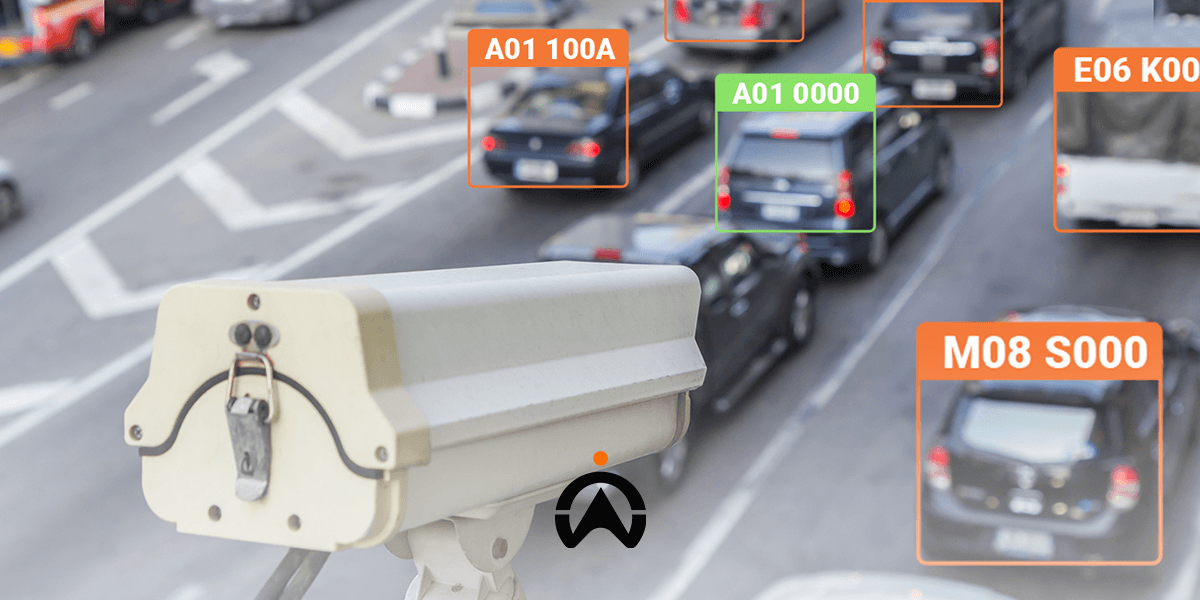
Number plate recognition, also known as automatic number plate recognition (ANPR), is a sophisticated system that uses cameras and advanced software to automatically capture, read and store a vehicle’s number plate information for future use.

Decoding NPR technology: how does it work?

Number plate recognition works through a combination of cameras, optical character recognition (OCR) software and database technology.

Let’s use the car park example mentioned above. NPR reads and processes your vehicle’s number plate information through cameras. It automatically records entry and exit times, calculates parking fees and improves car park management, all without the hassle of physical tickets or social interaction.

Here are the main technologies that make NPR work:

  1. Vehicle number plate detection
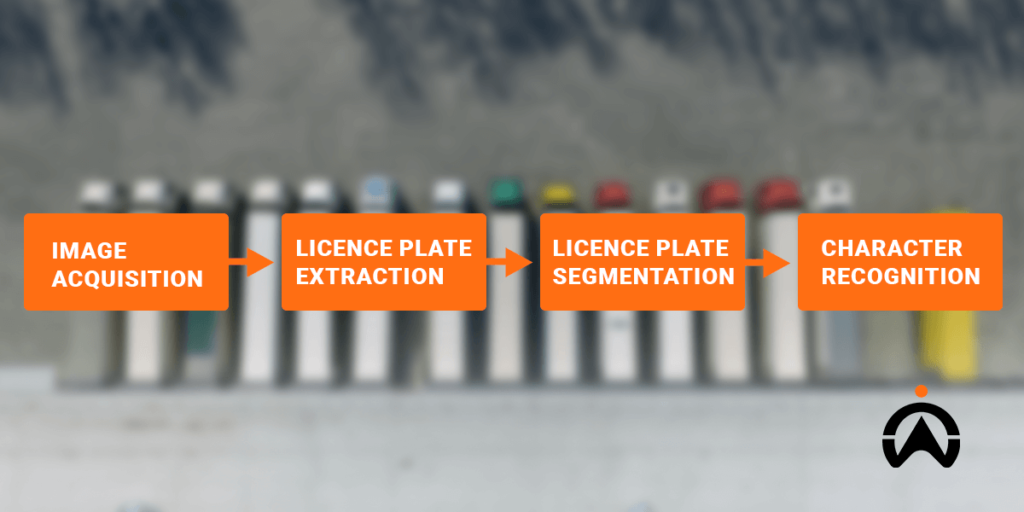
    This is one of the main technologies that power NPR. It essentially involves identifying, recognising and extracting the information from number plates captured by cameras.
    – Image screening. Specialised cameras capture images of vehicle number plates, which are processed to improve quality and legibility.

    – Camera capture: specialised cameras equipped with infrared or visible light take pictures of number plates as vehicles drive past or through a specific area, such as toll gates, car parks or intersections.

    – Camera capture: specialised cameras equipped with infrared or visible light take pictures of number plates as vehicles drive past or through a specific area, such as toll gates, car parks or intersections.

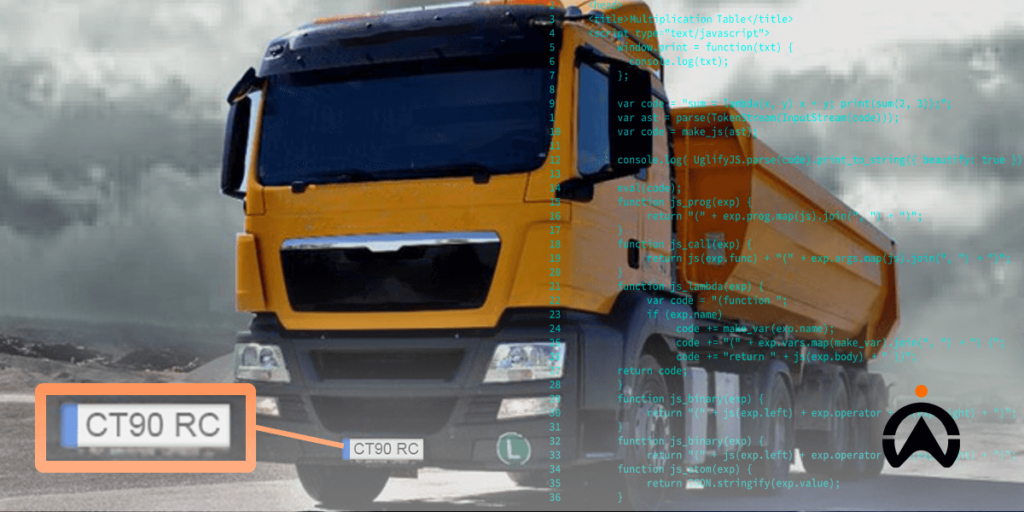
    – Optical character recognition (OCR): This software analyses the images to identify and extract the alphanumeric characters on the number plate. It works by detecting the plate within the image, breaking it down into individual characters and understanding their shapes and patterns.

    – Character recognition: Once the characters have been extracted, the OCR software interprets them to determine the number plate number. This step can involve pattern-matching algorithms and machine learning techniques to improve accuracy, especially for distorted or obscured characters.

    – Database comparison: The recognised plate number is then compared with a database of known or registered number plates, containing information such as ownership, registration status, violations or other relevant data.

    – Alerts and actions: Whether it’s an expired registration or outstanding violations, the system triggers actions such as alerts, generates tickets, opens gates or records entry/exit times. The exact response depends on how the NPR technology is used.

  2. Recognition system:
    After OCR processing uses algorithms to analyse character formats, fonts and spacing to find individual characters, the data goes through verification.

    – After OCR processing uses algorithms to analyse character formats, fonts and spacing to find individual characters, the data goes through verification.

  3. Joint Information System Platform:
    While NPR is the process of capturing, recognising and processing vehicle number plates, JIS acts as a central platform for sharing NPR data from various sources. This helps connect the data to the end users who need it, such as law enforcement authorities.

    Here’s how different entities use it.

    – Law enforcement: vehicle number plate data can be compared with stolen vehicle databases, traffic offence records or access control systems.

    – Fleet management: The information can be linked to specific vehicles, drivers and route optimisation software.

    – Transport: Authorities could use JISP data from NPR systems to monitor traffic flow and identify potential congestion points.

    – Parking management: number plate data can be checked against lists of authorised users or payment systems.

NPR helps automate the work of monitoring cars on the road, identifying important information on number plates and storing the data to send to a manager or use later to make sure everything is running smoothly.

Decodificação_da_tecnologia_NPR_como_funciona

Different types of NPR systems

Number plate recognition (NPR) technology has become a versatile tool across all industries, offering valuable information and automating processes. With different types of NPR systems available, choosing the right one can be a little overwhelming. Here are examples of a few different NPR systems:

Fixed camera system: These are stationary cameras installed at specific locations, such as the entry/exit points of facilities like toll gantries or along highways. They are designed to capture and recognise vehicle number plates for various purposes, such as toll collection, traffic management and surveillance for safety.

Mobile camera system: these consist of cameras mounted on vehicles, such as police cars or enforcement vehicles, for number plate recognition on the move. This allows authorities to patrol areas and identify vehicles of interest, enforce traffic laws or track stolen vehicles.

Cloud-based NPR system: Ideal for managing extensive camera networks or where advanced analytics are required. When dealing with vast networks and complex data analysis, cloud-based NPR systems use the power of cloud servers for processing and recognition, offering unmatched scalability and flexibility.

Edge-based NPR systems: In contrast to cloud-based systems, edge-based NPR systems carry out number plate processing and recognition at the “edge” of the network, meaning they scan the plates directly on the cameras themselves. This can offer advantages in terms of real-time processing and data privacy.

When choosing the right system for your business, consider your application, the industry you operate in and your budget.

How accurate is number plate recognition for fleet and vehicle tracking?

The accuracy of number plate recognition (NPR) for fleet and vehicle tracking is generally high, ranging from 95% to 99% in ideal conditions.

However, a few factors can affect the system’s accuracy.

Image quality: High-resolution cameras with good lighting provide sharper images, resulting in greater accuracy. So if the image is blurred, low resolution or taken in poor lighting conditions, the system’s accuracy drops.

Plate condition: Dirty, damaged or obscured plates can make it difficult for the system to read the characters correctly. Weather conditions; rain, snow, fog or extreme temperatures can also negatively affect image accuracy.

Camera angles: Ideally, cameras should capture plates head-on or at a slight angle. Extreme angles can distort the characters and reduce accuracy.

Software technology: Advanced algorithms and machine learning play an important role in character recognition. Newer, more sophisticated software generally offers greater accuracy.

Quão_preciso_é_o_reconhecimento_de_matrículas_para_rastreamento_de_frotas_e_veículos

How do businesses use NPR technology and how does it benefit them?

Picture this: your delivery truck passes through a checkpoint and, in a fraction of a second, its number plate is instantly captured and recognised. No more handwritten logs, no more time-consuming manual entries. NPR tracks your fleet accurately and continuously, streamlining operations and saving precious time and money.

This sounds like a technology every business should have, in one form or another.

Businesses across all industries, from logistics and delivery to transport and rental companies, can take advantage of the benefits this system can offer and improve their fleet management.

Here’s how NPR can transform fleet management in your business:

Easy tracking: say goodbye to manual logs. NPR automatically tracks your entire fleet, giving you instant access to vehicle locations and detailed historical data. No more guesswork – you’ll always know where your vehicles are, ensuring smooth operations and informed decisions.

Smooth toll gantries: No more waiting at toll booths. NPR identifies your vehicles, ensuring automatic payments and reducing delays. This means smoother trips, happier drivers and lower fuel consumption, saving you time and resources.

Better security: Worried about vehicle theft? NPR keeps watch, alerting you to unauthorised access or theft attempts. With real-time monitoring, you can step in quickly, protecting your assets and avoiding costly losses.

Stolen vehicle recovery: use advanced number plate recognition (ANPR) to locate your stolen vehicles quickly. ANPR cameras capture and interpret the number plates of passing cars; when your stolen vehicle’s plate is detected, it triggers an alert, allowing the vehicle to be tracked and recovered in real time.

Simplified compliance: keeping up with regulations can be difficult. NPR helps by monitoring speed limits and access rules, ensuring your fleet stays compliant. This proactive approach minimises fines and keeps your operations running smoothly.

Informed decisions: NPR provides valuable information on driver behaviour, route efficiency and fuel use. Use this data to optimise routes, reduce idling and implement targeted training – all leading to cost savings Why SVR and NPR technology from Cartrack Mozambique are the perfect recipe for maximum safety for the fleet

In a landscape where vehicle theft is on the rise, especially in South Africa, protecting your assets has never been more critical.

In response to this growing challenge, Cartrack Mozambique offers a range of features for safety, such as 24/7 vehicle tracking, geofencing, smart cameras and stolen vehicle recovery (SVR) paired with NPR technology. This is our way of protecting vehicles, with rapid recovery in the unfortunate event of theft.

Cartrack Mozambique takes NPR technology to new heights, integrating it seamlessly with our own GPS tracking and fleet management software and using it to maintain our high stolen vehicle recovery rate.

How? If you report your vehicle as stolen, our 24/7 control room and recovery teams use live vehicle tracking from our installed unit and NPR technology to show where the vehicle’s number plate was last seen by cameras, so that we can track the stolen vehicle in real time and try to recover it quickly.

“NPR technology is one of the solutions Cartrack uses to achieve an industry-leading stolen vehicle recovery rate of over 90%!” — Agent Diederiks, Recovery Department, Cartrack

Use Cartrack Mozambique and NPR technology for accurate vehicle tracking

Tired of monitoring fleets inaccurately and relying on outdated information? Upgrade your business to the complete solutions for fleet management from Cartrack, together with NPR technology, for precision at every step.

Ready to experience the power of NPR-integrated fleet management?

Contact Cartrack Mozambique today to learn more and start optimising your fleet operations.

How to beat route deviation and the hidden costs draining your fleet

Route deviation adds extra time, fuel and frustration to your operations, making it one of the biggest enemies of efficient fleet management.

So, is it possible to fight route rebellion and save on fleet costs? You bet.

Discover how smart telematics and tracking technology can efficiently solve route deviation and the cost-draining headaches that come with it.

In this article, you will:

  • Learn the definition of route deviation
  • Differentiate between two types of route deviation
  • Understand the effect of route deviation on efficient fleet management
  • Get answers to burning questions about route deviation and fleet management
  • Discover five ways to combat route deviation
  • Find out how the fleet management solutions from Cartrack Mozambique optimise fleet operations

Route deviation defined

Imagine mapping out the ideal route for your delivery driver: avoiding traffic jams and unnecessary stops and taking the shortest route possible.

Then, for some reason, your driver goes off course, adding miles, minutes and fuel consumption to the trip. Something you didn’t necessarily budget for. That’s a classic example of route deviation – a detour that throws a carefully planned schedule and budget out of the window.

While there are some legitimate reasons for route deviation, it usually happens because drivers simply don’t follow the planned routes as instructed.

Types of route deviation and possible reasons for it

Fleet managers know that even the most meticulously planned routes can hit unforeseen obstacles, with detours and unplanned stops. These “route deviations” can be caused by a number of factors, sometimes down to driver choices such as unplanned breaks or shortcuts that are meant to save time but end up having the opposite effect on fuel costs and efficiency.

However, not all deviations are created equal; there are two types of route deviation, and here is what they mean in a fleet context:

  • Path deviations are like taking a wrong turn on the highway – the driver leaves the planned route, adding extra kilometres and minutes. This can happen for various reasons, from missing an exit to following incorrect GPS advice, and they are considered accidental.
  • Sequence violations, on the other hand, are more like stopping at your grandmother’s before your aunt’s, even though you planned it the other way round. The driver may visit the stops in a different order from the one planned and instructed, potentially affecting delivery times, disrupting workflows and affecting fuel use.

Understanding the two types of route deviation helps fleet managers identify the root cause of the problem and take appropriate action. Was it a genuine mistake, a navigation error or something else entirely? By addressing the “why” behind the deviation, fleet managers can ensure efficient routes, reducing fleet costs. Advanced route deviation and optimisation technology makes it even easier to ensure drivers stick to their allocated routes, optimising savings.

The relevance of route deviation technology in fleet management

The software for fleet management offers route deviation systems because they help with:

  • Productivity: while sticking to traditional routes provides an element of predictability that helps manage expectations, using route deviation detection technology can increase productivity without losing that predictability. Time is money, they say, and if your fleet can work more efficiently, you can put an end to unnecessary cost drains.
  • Cost and drain management: If you expect your fleet to travel on pre-planned routes, you probably have a good reason for it and, from a fleet management point of view, it is mainly to increase productivity and reduce fuel costs. Identifying and pinpointing where drivers deviate from their assigned routes helps you address the problem early and proactively avoid extensive cost drains.

Here’s why you want route deviation technology for your fleet

  1. Maximising visibility
    Route deviation software acts as a watchful eye, constantly monitoring driver behaviour and vehicle location. Any deviation from the planned route is visible to the fleet manager, allowing them to investigate potential problems such as unauthorised stops, inefficient detours or even potential concerns about safety.
  2. Optimising resource utilisation
    This technology also plays a crucial role in unlocking your fleet’s full potential, optimising resource utilisation and helping to ensure that every vehicle, driver and delivery is used as efficiently as possible. Imagine the chaos without it: you would face unplanned detours, causing delays and wasting fuel in avoidable traffic jams.
  3. Improving fleet analytics
    In the world of fleet management, data is key, and route deviation software, together with other telematics tools such as driver behaviour monitoring, can help identify problem areas such as excessive idling and harsh cornering and braking, which can lead to unplanned maintenance and costly repairs.
  4. Satisfied customers
    In the cold chain industry, route deviation can lead to spoiled products, unhappy customers and piles of wasted money. Following the assigned routes is crucial in these types of industries to ensure the integrity of products in transit, customer satisfaction and no wasted money.

The benefits of detecting route deviation in your fleet’s daily activities are wide-ranging, but what about the questions you may still have about this unique, cost-saving technology?

Here are some of the most popular frequently asked questions about route deviation.

The benefits of detecting route deviation in your fleet’s daily activities are wide-ranging, but what about the questions you may still have about this unique, cost-saving technology?

Veja_por_que_você_deseja_tecnologia_de_desvio_de_rota_para_sua_frota

Here are some of the most popular frequently asked questions about route deviation.

  1. What are some of the costs associated with fleet management?
    Running a fleet involves more than just keeping the wheels turning. Fleet managers juggle a range of expenses, including:- Fuel costs: Keeping the tanks full is a major cost drain, influenced by vehicle choice, driving habits, route efficiency and fluctuating prices.

    – Insurance: Protecting your vehicles and drivers is crucial, but premiums vary depending on factors such as cover, claims history and vehicle type.

    – Depreciation: The value of your vehicles naturally decreases over time, affecting your overall budget.

    – Fixed costs: Rent, salaries, utilities and maintenance form a constant backdrop of expenses.

    – Acquisition: Buying or leasing new vehicles requires careful budgeting and consideration of long-term costs.

    – Licences and permits: Keeping your vehicles legally compliant involves ongoing fees.

    – Administration: managing paperwork, payroll and logistics can add another layer of costs if you don’t have the software to automate these processes.

    Optimising each of these components is key to controlling costs and ensuring your fleet operates efficiently and profitably.

  2. Which part of the fleet management system carries high-cost expenses?
    When it comes to fleet costs, there is no single answer. However, it all comes down to how problems and obstacles are handled and how quickly issues such as route deviation and poor driver behaviour are resolved. By implementing smart, proactive solutions such as driver training and fuel monitoring, you can save significant amounts through early detection and smart problem-solving.
  3. Which fleet cost drains are caused by route deviation?
    While deviating from planned routes may seem like a minor inconvenience, the financial impact on fleet operations can be significant. The most immediate cost drain is caused by excessive fuel consumption. Every unnecessary km travelled means more fuel eating into your budget.Route deviation also increases wear and tear on vehicles, resulting in more frequent maintenance needs. This raises your operating costs and increases the risk of unexpected breakdowns and repairs, which can cause further delays and disruption.

    Ultimately, these added strains shorten the lifespan of your fleet, forcing you to replace vehicles sooner than planned. So remember: staying on course isn’t just about efficiency; it’s about protecting your bottom line.

  4. How can you reduce fleet costs?
    To keep fleet costs under control, you can use a simple but smart two-pronged approach of proactive planning and real-time monitoring.Replacing vehicles before frequent repairs and premature breakdowns turn them into financial liabilities is crucial.

    Then, telematics and fuel tracking technology become another powerful tool for monitoring your daily expenses, enabling proactive decision-making that drives short- and long-term savings.

    By combining strategic vehicle replacement with information from telematics data, fleet managers can achieve significant cost reductions, ensuring fleet vehicles operate at maximum efficiency and profitability.

Aqui_estão_algumas_das_perguntas_frequentes_mais_populares_sobre_desvio_de_rota

5 foolproof ways to reduce route deviation in your fleet

Route deviation software is a great tool, and it works even better when combined with other telematics and vehicle tracking solutions. Consider these five tools in combination with route deviation detection to start seeing real results in fleet savings.

  1. Route planning
    Although a route first needs to be planned and set before route deviation can occur, route planning still plays a crucial role in minimising this cost-draining problem in fleet management, especially for delivery and field service businesses. Fleet managers can optimise routes by meticulously monitoring route deviation patterns and the reasons why these deviations occur, leading to greater efficiency and less route deviation.
  2. Vehicle tracking
    Tracking technology acts as a digital guardian for fleet management, not just for drivers but also by ensuring greater route efficiency. By using GPS tracking devices, managers can identify and resolve route deviations before they become regular, costly detours. In addition, analysing trip history data provides valuable information about past deviations. By identifying recurring problems and understanding the “why” behind them, managers can implement specific solutions, such as route adjustments or driver coaching, ultimately minimising future deviations and the associated costs.
  3. Geofence
    By creating virtual boundaries around designated routes and delivery zones, geofencing acts as a digital safety barrier that automatically alerts dispatchers or fleet managers when a driver enters or leaves a geofenced area. This allows for timely intervention and helps avoid costly detours and potential problems with safety. What’s more, geofencing goes beyond location tracking. By using it with time-tracking software and driver identification tags, you can gain valuable information about employee activity in designated or marked zones, ensuring efficient operations and optimised schedules. You’ll always know which driver entered a designated area, at what time, how long they stayed there and when they left.
  4. Regular driver performance reviews
    The key to carrying out regular driver performance reviews is monitoring driver behaviour daily. This allows you to spot possible trends in risky driver behaviour, such as speeding, harsh cornering and braking and even excessive idling, helping you to carry out reviews and create accurate corrective training programmes that will give you the results you need to run a profitable fleet while keeping drivers accountable every time they turn the ignition.
  5. Live driver monitoring
    While route deviation software can help you detect these problems and give you a bird’s-eye view of which routes drivers are taking (or not), live driver monitoring using AI-powered or live-stream cameras provides more information about what is happening inside the cab and reveals driver behaviour that may contribute to route deviations that might otherwise go undetected. In addition, live driver monitoring helps provide information about accidents and any emergencies drivers may be facing, whether they are following the designated route or deviating from it.

We have the cost-cutting tools to eliminate route deviation and optimise fleet management

If you’re looking for a product that offers a complete solution for fleet management, look no further. Cartrack Mozambique has an all-in-one platform designed to tackle cost-draining fleet management concerns such as route deviation.

  • Route planning and optimisation: cut costly kilometres from your routes and say goodbye to route deviations with advanced route planning software. Choose the most efficient routes, reducing travel times and improving routes based on traffic and historical data.
  • Geofencing: Know when your drivers enter or leave designated zones with geofencing from Cartrack Mozambique. Create virtual boundaries around important areas, danger zones and work sites to optimise fuel spend and reduce route deviation.
  • Delivery: Cut costs with faster, more efficient deliveries using the Cartrack Delivery app. With live tracking, driver performance metrics, route optimisation and easy, automated task assignment, you can say goodbye to unnecessary detours and off-route deviations.
  • Driver behaviour monitoring: Increase route compliance and improve fuel efficiency by keeping drivers accountable for harsh braking, speeding and harsh cornering. In turn, you save significantly on fuel and vehicle maintenance in the long run.

Eliminate route deviation by making Cartrack Mozambique your partner for cost-effective fleet management

Contact us today and start benefiting from telematics and vehicle tracking technology that helps eliminate route deviation, resulting in significant savings.

Mileage expense management – the amazing feature in a fleet system

Do you know how much vehicle mileage costs your fleet?

Mileage expense management is a crucial, though often overlooked, aspect of fleet management and, without the right system, it can become a major cost drain. But it doesn’t have to be that way.

There is a perfect solution for simplifying mileage expense management – it’s called Cartrack Mozambique.

Ready to find out why?

In this article, you will:

  • Learn what fleet mileage is
  • Discover what fleet mileage expense monitoring is
  • Dig into the benefits of fleet mileage expense monitoring
  • Explore how a fleet management system simplifies fleet mileage expense management
  • Discover how the solutions from Cartrack Mozambique are the secret weapon for accurate fleet mileage expense calculations

What is fleet mileage?

Fleet mileage refers to the total distance travelled by a fleet of vehicles over a specific period. It is a critical metric for assessing vehicle utilisation, monitoring fuel consumption, determining maintenance needs and overall operational efficiency, and is normally measured in kilometres.

What is fleet mileage expense monitoring?

Fleet mileage expense tracking is the practice of keeping a record of the distance travelled by each vehicle in a fleet for tax deduction purposes and to help fleet managers optimise routes, reduce operating costs and improve overall fleet management. It involves monitoring the money spent on every business kilometre travelled by a group of vehicles in a fleet, including deliveries, maintenance operations and other work-related activities. It includes tracking expenses related to fuel, maintenance, repairs and other operating costs directly linked to the distance travelled by fleet vehicles. Fleet mileage expense tracking can be done manually or by using fleet management software that automates the process and provides a range of information for managing a fleet more efficiently.

The benefits of fleet mileage expense tracking

Fleet mileage expense tracking is a beneficial tool for running your fleet effectively. Here are some benefits of this next-level innovation:

  1. Cost management:
    Fleet mileage expense tracking is crucial in helping you budget and forecast fleet expenses accurately, including fuel costs, maintenance and other vehicle-related expenses. By monitoring mileage expenses accurately, you can make sure your fleet operates within budget while identifying areas of inefficiency that call for cost-cutting measures. These measures can range from optimising routes and minimising fuel consumption to scheduling preventive maintenance and reducing vehicle use.
  2. Reduce mileage:
    Fleet mileage expense tracking plays a crucial role in reducing vehicle mileage by providing valuable information on vehicle usage patterns and operational inefficiencies. By analysing detailed mileage data, fleet managers can identify areas for optimising fleet efficiency. One example is using real-time GPS tracking to implement route optimisation strategies, which helps avoid traffic congestion, something that can significantly increase fleet mileage and vehicle wear and tear.
  3. Track driver performance:
    Fleet mileage expense tracking plays a big part in knowing how your drivers are operating behind the wheel. By identifying and addressing the root cause of increased mileage, whether it’s inefficient driving behaviour or unauthorised vehicle use, fleet managers can ensure their drivers operate safely and efficiently. To provide more detailed reports, this can be integrated with other systems to deliver a comprehensive solution for tracking and managing driver behaviour. This makes it simpler for managers to calculate the fuel consumption and costs associated with each driver, enabling performance comparisons and creating driver-specific solutions.
  4. Optimise operations:
    Fleet mileage expense tracking gives fleet managers comprehensive insights into vehicle usage rates and the associated expenses. This makes it easier for them to identify inefficiencies, streamline their processes and make data-driven decisions that play an important role in maximising fleet productivity and efficiency. For example, Sarah notices that her fleet’s mileage has increased significantly over the last two months. The advantage is that Sarah makes use of these insights, which helps her identify the source of the increase, which is the rise in deliveries. With this knowledge, she can decide whether she needs another vehicle or should optimise her delivery routes.These benefits of tracking fleet mileage expenses can have a very positive impact on the fleet, and the best way to reap them is to implement a fleet management system.

What is a fleet management system?

A fleet management system is a comprehensive software solution designed to streamline and optimise the management of a fleet of vehicles. It allows businesses to track vehicle locations, mileage and other data, which helps simplify the fleet management process. fleet management is the process of overseeing and coordinating a wide range of fleet vehicles. The main aspects of fleet management typically include vehicle tracking, vehicle acquisition, maintenance, and driver tracking and monitoring. A fleet management system simplifies all these processes, bringing them to you through a simple, easy-to-use platform and helping you increase your fleet’s efficiency.

What are the elements of effective fleet management?

  1. Real-time tracking: As an essential element of effective fleet management, real-time tracking involves using GPS technology to monitor the speed, location and performance of fleet vehicles in real time. It plays a crucial role in giving fleet managers a comprehensive view of their entire fleet operation, making it easier for them to make informed decisions and optimise fleet performance.
  2. Route optimisation: This element is closely linked to real-time GPS tracking. Its focus is on finding and choosing the most efficient and cost-effective routes for fleet vehicles to travel on business. By using GPS technology, advanced algorithms and real-time road data, this element not only identifies the shortest, fastest and most fuel-efficient routes for drivers to reach their destination, but also prevents route deviation, which is a significant cost driver for fleets.
  3. Tax compliance: Tax compliance refers to adherence to the tax regulations and requirements set by the South African Revenue Service (SARS). It involves several aspects, including accurate record-keeping and the timely submission of tax returns. Fleet managers need to keep accurate records of their fleet’s expenses, including fuel, maintenance and repairs. This may seem very time-consuming, but effective fleet management helps simplify the logging and storage of these records.
  4. Fuel monitoring: Fuel monitoring is a crucial element of effective fleet management, as it has a direct impact on operating costs and environmental sustainability. By closely monitoring fuel consumption, fleet managers can identify areas for improvement and implement strategies to reduce fuel use, which in turn leads to cost savings. Tracking every litre of fuel consumed can be very difficult, but the features of a fleet management system can provide information on fuel consumption in real time, simplifying the whole process.
  5. Driver monitoring: Your drivers are a crucial part of your fleet, and their behaviour has a significant impact on its success and efficiency. Effective fleet management needs to include driver monitoring, as it helps fleet managers get real-time information on driving behaviour, vehicle status and operational efficiency, which ultimately leads to greater safety, lower costs and higher fleet productivity.

Quais_são_os_elementos_de_uma_gestão_eficaz_da_frota?

What are the top 3 benefits of a fleet management solution?

A fleet management solution is the secret to a highly effective fleet, delivering a wide range of benefits. Here are the top three benefits that can elevate your entire fleet operation:

Improved driver behaviour:

Our fleet management uses a range of mechanisms designed to monitor safety and driver efficiency, including in-cab cameras and GPS tracking technology. They allow real-time monitoring of driver performance metrics such as speed, acceleration and braking. By triggering real-time alerts when harsh driving is detected, drivers can quickly correct their behaviour. Along with this, fleet managers can review these events, helping them create specific driver training and improve driver behaviour and overall fleet safety.

Better customer service:

One of the biggest selling points of fleet management solutions is the full visibility they give managers. By helping fleet managers know exactly where all their vehicles are at all times, they can give their customers accurate information about deliveries and estimated times of arrival (ETAs). Along with this, they can optimise their routes based on real-time traffic and weather conditions.

Take Michael, for example. He runs a custom prescription glasses business. With a complete view of his vehicle and of road conditions, he can make sure his drivers avoid congested areas, delivering clear vision to his customers as quickly as possible. Talk about 20/20 vision, right?

Better fuel efficiency:

Tracking fuel consumption manually can be quite challenging, leading to costly inaccuracies. However, a solution for fleet management provides detailed information on how much fuel each of your vehicles is using. No more running to each of your vehicles at the end of the day to guess where its fuel gauge is sitting. By helping you assess driver behaviour, it lets you detect and eliminate fuel-wasting behaviour such as excessive idling, ensuring your fleet stays fuel-efficient.

How can fleet management help simplify mileage expense management?

  • Automated mileage tracking: Fleet management systems automate mileage tracking by using GPS technology to track each vehicle’s location and distance. This data is automatically recorded and stored on the fleet platform, which eliminates the need for manual mileage logs. This is not only more convenient, it also ensures accuracy in mileage tracking.
  • Real-time vehicle monitoring: Powered by GPS location technology, fleet management systems give fleet managers access to real-time data on vehicle location, speed and status. This helps fleet managers conveniently verify mileage claims and ensure compliance with company policies.
  • Route optimisation: By providing real-time data on a vehicle’s location, fleet management systems can suggest or optimise routes based on factors such as traffic conditions, distance and fuel efficiency. This plays a crucial role in reducing mileage by finding the most efficient routes for drivers.
  • Expense reports: By automating data collection, fleet management systems can generate detailed mileage reports for each vehicle or driver, simplifying the tracking and recording of mileage expenses and making reimbursement processes easier.
  • Integration with accounting software: Many systems for fleet management integrate with cost management platforms, which helps streamline the reimbursement process by automatically transferring mileage data and expense reports.

Get accurate vehicle mileage measurements with Cartrack Mozambique’s solutions

Say goodbye to guessing games and human error. With Cartrack Mozambique by your side, calculating your vehicle mileage will be a breeze. Here are some solutions that will give you an edge:

  1. Fuel monitoring system: 

    An increase in fuel consumption can indicate an increase in vehicle mileage, so keep track of your fleet’s fuel consumption with Cartrack Mozambique’s fuel management system. This industry-leading solution uses advanced telematics and real-time visibility to provide detailed fuel monitoring. By giving you metrics on fuel consumption per kilometre travelled and per job completed, we help you spot any significant increases in fuel consumption, alerting you that your vehicles are clocking up more mileage.

  2. Driver behaviour monitoring: 

    Track harsh driver behaviour with driver scorecards from Cartrack Mozambique. Driver behaviour can have a significant impact on vehicle mileage, with harsh driving behaviours such as speeding and harsh acceleration lowering fuel economy by up to 30% at highway speeds and by up to 40% in stop-start traffic. Use our driver scorecards to monitor high-risk driving behaviours such as speeding, harsh braking, prolonged idling and sudden acceleration. With these detailed insights into driver performance, you can identify which behaviours may be causing an increase in vehicle mileage and create driver-specific solutions to correct them.

  3. MiFleet: 

    Know exactly how much money your fleet needs to run effectively with Cartrack Mozambique’s MiFleet. This easy-to-use vehicle cost accounting software simplifies the efficient management of fleet vehicles, drivers and operating costs. By integrating, digitising and automating fleet administration and cost analysis, this tool helps you know the exact running costs of your fleet, helping you determine your mileage expenses accurately at the tap of a screen. Get the full picture with a wide range of reports, from vehicle performance and fuel use to hours on the road, emailed to you automatically.

  4. GPS tracking: 

    Know exactly how your vehicles are being operated with our real-time GPS tracking. Our system does more than just tell you where your vehicles are in real time. With access to your vehicles’ full trip history, you can see exactly where your drivers have been, as well as get information on vehicle idling status, fuel levels and engine diagnostics. By knowing exactly how long your driver operated a vehicle, you can get an accurate report on mileage expenses.

Calculate your fleet’s mileage spend with 100% accuracy with solutions from Cartrack Mozambique

Calculating mileage expenses for your entire fleet can be daunting and time-consuming. But that was before Cartrack Mozambique. Our industry-leading solutions are here to help you streamline the whole process, turning your stress into peace of mind.

Contact us today to find out how

Track vehicle mileage costs accurately with Cartrack Mozambique’s expense management solutions. Take control of fleet expenses.

Social engineering scams in car theft tactics: how to avoid them

Imagine a thief stealing your car without ever breaking a window or picking a lock.

While technology has done its part by providing security measures to protect your vehicle against theft, criminals have found an alternative way to get their hands on your vehicle without setting off any alarms – social engineering.

In this blog, we’ll reveal what to do and what to avoid when faced with social engineering tricks, and the solutions you can put in place to keep your vehicles safe.

Let’s get started.

In this article, you will:

  • Get insights into the psychology behind social engineering tactics
  • Learn practical tips for recognising and resisting common scams
  • Get real-life social engineering scenarios and tactics used by criminals
  • Discover practical solutions and security measures to protect your vehicles
  • Understand the features of Cartrack Mozambique that help you combat social engineering tactics

Social engineering attacks: a car theft tactic

Described as a sophisticated form of psychological manipulation, social engineering often uses trust, emotions, biases and other human vulnerabilities to gain access to sensitive information, systems and resources, or to influence someone into taking actions such as granting unauthorised access to a secure location.

In the case of car theft, criminals use social engineering to gain access to vehicles and the valuable contents inside them.

The consequences of social engineering in car theft go beyond stolen vehicles and valuables. The personal information obtained through these tactics can also be used for identity theft, financial fraud and so on.

Unlike traditional thieves who use brute force to get a car, thieves who use social engineering don’t rely on lock picks, weapons or crowbars. Instead, they pose as trustworthy civilians to exploit inherent human traits and deceive their victims. What makes drivers so susceptible to these tactics?

  • An inner desire to help others: Our inherent willingness to help people in need can be manipulated to gain trust and extract information.
  • Fear of authority: Sometimes thieves pose as law enforcement officers and pull your vehicle over. The perceived power dynamic with authority figures can lead to compliance, even when the request seems suspicious, such as “Get out of the car and leave the keys inside”.
  • A sense of curiosity and urgency: Intriguing information or a sense of urgency can cloud judgement and lead to hasty decisions without proper scrutiny. This is where criminals use distraction tactics to catch your attention and lower your guard.

Examples of real-life scenarios:

The “lost” scam: a thief pretends to be lost in a particular area and asks for help, whether looking for a relative or for directions, to potentially lure victims out of their vehicles.

The “vehicle breakdown” scam: a thief poses as a driver who needs help with their vehicle, such as changing a flat tyre, distracting the victim while an accomplice steals valuables from the car.

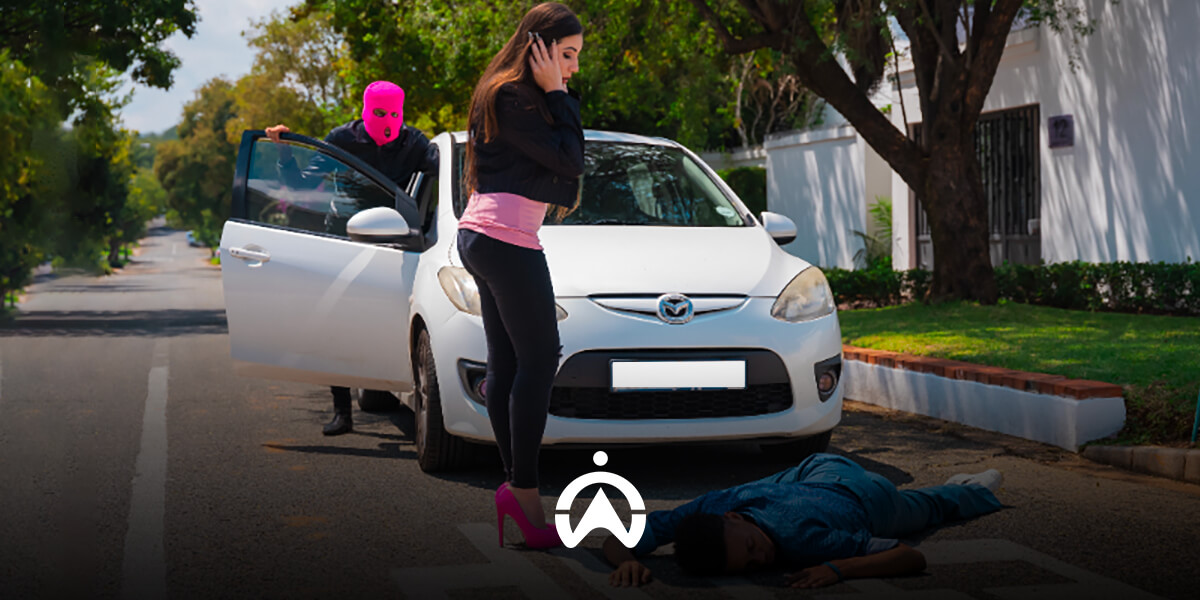
The “car damage” scam: a thief may stage a minor incident by bumping into the back of your car, or approach the victim on the pretext that something is wrong with the car. While you get out to assess the damage, someone gets in and drives off with your vehicle.

How drivers can avoid social engineering attempts on their vehicles

From a “friendly” stranger distracting you in a car park while another steals your car keys to a person “stranded” at the roadside asking for help: criminals are advancing their car theft tactics, manipulating and exploiting drivers’ genuine curiosity and kindness.

Remember that vigilance is key. While social engineering tactics can be hard to spot, there are ways to lower your risk of becoming a victim:

  • Be cautious of unexpected requests: always check the identity and assess the legitimacy of anyone asking for help or claiming authority.
  • Don’t hand over personal details and belongings: Never give your car keys, PIN codes or personal information to strangers, whatever their story.
  • Stay informed: learn about hijacking and car theft trends and share your tips and knowledge with others to help create greater awareness and safety.
  • Trust your instincts: if something seems suspicious, it probably is. Don’t be afraid to say no or walk away from a situation that doesn’t feel right.
  • Park smart: Choose safe, well-lit areas to park and try to park near security cameras whenever possible.
  • Report anything suspicious: don’t hesitate to contact the authorities if you think someone is using social engineering tactics.
  • Protect your vehicle: use physical locks, such as steering wheel locks, and invest in security systems or vehicle tracking technology that lets you track your vehicle should it ever be

Como_os_motoristas_podem_evitar_tentativas_de_engenharia_social_em_seus_veículos

Impact of social engineering scams on fleet vehicles

While the previous section highlighted how social engineering exploits individual vulnerabilities for vehicle theft, the stakes rise dramatically when businesses and fleets become the target.

Social engineering relies on exploiting human vulnerabilities. In businesses, criminals can use this technique alone to gain unauthorised access to vehicles without setting off any alarm.

This means that, even with the most robust security measures designed to protect their vehicles, fleet companies are not 100% bulletproof against social engineering tactics.

Common social engineering tactics for vehicle theft in fleets

Businesses with fleet management face a very different, but equally worrying, landscape of social engineering attacks. Just as individual drivers can be manipulated, so can employees, with potentially devastating consequences for entire fleets and for the business.

To protect their organisations effectively, it is crucial to understand the popular methods criminals use.

  1. Impersonation
    By posing as legitimate figures, such as law enforcement officers, mechanics, insurance agents or even roadside assistance staff, criminals can gain access to vehicles or personal information under false pretences.
  2. Phishing for information
    Deceptive emails or text messages containing malicious links or requests for personal information can trick victims into providing access to the vehicle or revealing access codes or financial details. Or, if in person, they may strike up a friendly conversation, asking seemingly harmless questions about your car, your safety systems or daily routines. This information can be used to plan the theft of a vehicle.
  3. Distraction and misdirection
    Distractions can happen when drivers stop their vehicles at a petrol station to refuel or during a break. One person may distract them, drawing their attention away from their vehicles while an accomplice tries to steal the keys, get into the vehicle and drive off. Criminals may even use this method to plant tracking devices unnoticed, with you unknowingly leading them to the rest of the fleet for a bigger vehicle theft operation.

Business security challenges caused by social engineering

On the surface, it may seem harmless – perhaps you share some well-meant information, bend the rules a little or trust someone who seems genuine. But when it comes to social engineering, that seemingly harmless interaction can have dire consequences for fleet owners.

  1. Unauthorised vehicle access:
    Social engineering can lead to criminals gaining unauthorised access to fleet vehicles. This can happen when criminals manipulate individuals within the organisation to obtain keys, access codes or other critical information needed to steal or misuse vehicles.
  2. Cargo theft and loss:
    Deceptive tactics can manipulate workers into loading the wrong cargo, changing plans or diverting shipments, resulting in stolen goods and disrupted supply chains.
  3. Data breach:
    Criminals using social engineering can steal confidential information about the fleet, its routes, schedules or maintenance protocols, causing huge potential problems when it comes to keeping information secret and secure.
  4. Financial impact:
    All of these problems can cost fleet owners a great deal of money. Stolen vehicles, operational disruptions and potential legal issues can cause significant financial losses, affecting the overall profitability of the business.

Practical solutions to combat social engineering in businesses

Social engineering poses a significant challenge to fleet management, as it is sometimes difficult to prevent using only conventional safety measures.

Social engineering is a persistent threat, but with awareness, training and the right tools, you can outsmart the criminals.

  1. The human firewall:
    Train your employees in social engineering tactics and create an open environment for your drivers to report suspicious events or conversations that have taken place. Regular updates promote constant vigilance.

A culture of scepticism:

Foster a culture in which questioning suspicious requests, verifying information through established channels and reporting concerns, even small ones, are encouraged, valued and celebrated through incentives.

  1. Limit privileged access:
    Give employees access and permissions appropriate to their specific roles. This makes it harder for them to provide access to restricted areas or share important information that could have potentially damaging consequences for the company if it reached criminals.
  2. Use technology solutions:
    Get security software to block phishing attempts, keep an eye on your systems and see whether anyone is trying to get in. Consider a reliable fleet management system to improve fleet visibility and monitor every vehicle's location and status through one platform.

    Tackling these risks requires technology solutions and employee training to build a stronger defence against social engineering threats.

How Cartrack Mozambique's solutions offer an additional layer of protection in your fight against vehicle theft

Although steering wheel locks and other conventional security features can help, they cannot protect vehicles when criminals manipulate drivers directly into removing safety measures and entrusting them with your company's vehicle.

Although we cannot protect drivers from the feeling of violation, anger and worry that social engineering causes, Cartrack Mozambique's solutions can help give your vehicle an additional layer of protection and recover your stolen vehicle.

  1. GPS tracking device
    Our units offer full visibility of your vehicle's location in real time, letting you see exactly where your vehicles are 24 hours a day, 7 days a week. This, together with a dedicated air and ground recovery team, offers extra protection and peace of mind should your drivers fall victim to social engineering vehicle theft.
  2. Driver identification tags
    Add an extra layer of vehicle security by assigning driver ID tags to each of your drivers. If a vehicle is used without the tag, it can be flagged as a possible vehicle theft, helping you act quickly. Our ID tags can also be used as “access cards” to your premises, letting you know which drivers were on duty on the day an incident occurred.
  3. Driver ID tags and Start Prevent
    Combining Start Prevent technology with driver ID tags can offer more protection for the vehicle. This means a driver now needs to use the ID tag to start a vehicle, and the Start Prevent feature, when activated, can stop a driver from starting a vehicle without your authorisation. Together, these features can help create extra layers for thieves to get past in your fight against social engineering vehicle theft.
  4. Geofence
    Set up virtual boundaries around authorised areas and receive alerts about unauthorised movements or attempts to leave designated zones. Managers can use Cartrack Mozambique's geofence feature with our GPS tracking technology to locate vehicles live the moment they leave an authorised zone, which can allow you to react quickly if you suspect a crime.

Cerca_geográfica

Build your defence against vehicle theft with Cartrack Mozambique

Whether for personal or business use, the advanced safety solutions from Cartrack Mozambique can help you protect your vehicles against social engineering threats.

Contact Cartrack  today for a free quote.

What does a fleet manager do – How to master your responsibilities

Those who really know will tell you that fleet management is no child's play.

Fleet managers are crucial to a fleet's success, playing a vital role in its operation, safety and profitability. If you are trying to do it alone, it can be a major challenge. But with a fleet management system, your stormy day-to-day can turn into a calm stream.

Sound like music to a fleet manager's ears? Well, let us inform and equip you.

In this article, you will:

  • Learn what a fleet manager is
  • Discover what a fleet manager's responsibilities are
  • Dive into what makes a fleet manager effective
  • Explore the benefits of investing in your fleet
  • Find out the main challenges fleet managers face
  • Get insight into how Cartrack Mozambique's solutions will improve your fleet management

What is a fleet manager?

Every fleet has its own set of tasks and challenges, and that is where fleet managers come in. The fleet manager is the person responsible for managing a company's fleet, along with all its aspects. Their main goal is to ensure the fleet remains safe, reliable and efficient, and this is done through a range of responsibilities.

What are a fleet manager's responsibilities?

Fleet managers are responsible for the overall running of the fleet. That may not sound like much, but when you dig into these responsibilities, you start to see that it involves several tasks:

1. Vehicle acquisition:

Vehicle acquisition is a crucial responsibility of a fleet manager. It involves the process of obtaining, managing and maintaining a fleet of vehicles. This responsibility includes multiple steps, including vehicle selection, procurement and oversight of the vehicles essential to the company's operations. Fleet managers must create a clear, well-thought-out acquisition plan to ensure the fleet saves time, money and possible frustration. This crucial process also involves considering factors such as financing options and total cost of ownership.

The benefits of fleet vehicle acquisition include:

  • Cost savings
  • Environmental sustainability
  • Better brand reputation
  • Higher productivity

2. Overseeing fuel consumption and expenses:

Fuel is one of the most essential expenses in fleet management, with most fleets spending around 24% of their budget on fuel. Fleet managers need to manage and identify effective ways to reduce fuel expenses. They should always be monitoring fuel consumption and looking for ways to cut fuel costs. This means they need to keep an eye on each vehicle's fuel consumption.

The benefits of overseeing fuel consumption and expenses include:

  • Reduced fuel consumption
  • Greater fleet efficiency
  • Increased profitability

3. Managing fleet maintenance schedules:

Managing fleet management schedules involves developing a maintenance plan that sets out when each vehicle needs servicing. This is based on several factors, including vehicle age, mileage and usage patterns. This means fleet managers need to assess the fleet's vehicles closely and often to determine their individual maintenance needs, identify the maintenance tasks each vehicle requires and develop a maintenance calendar that clearly sets out when each of these maintenance activities needs to be carried out.

The benefits of managing fleet maintenance schedules include:

  • Fleet and vehicle longevity
  • Greater vehicle safety
  • Better driver retention
  • Minimised downtime
  • Reduced operating expenses
  • Increased productivity

4. Fleet tracking:

Tracking an entire fleet of vehicles is no easy task. Vehicle tracking, which is crucial for fleet visibility, uses advanced technologies such as telematics and GPS to provide real-time monitoring and data collection on a vehicle's location and performance.

The benefits of tracking your fleet include:

  • Full and accurate fleet visibility
  • Better route planning
  • Better vehicle utilisation
  • Greater driver safety
  • Increasing operational efficiency

The benefits of tracking your fleet include:

  • Full and accurate fleet visibility
  • Better route planning
  • Better vehicle utilisation
  • Greater driver safety
  • Increasing operational efficiency

5. Benchmarking fleet performance:

Fleet managers should regularly compare their fleet's performance against industry benchmarks to help identify areas for improvement, from fuel efficiency, maintenance costs and safety records to driver productivity and uptime.

The benefits of benchmarking your fleet's performance include:

  • Identifying areas for improvement
  • Better goal setting
  • Simplifying progress tracking
  • Staying competitive

6. Networking with other fleet managers:

Fleet managers should be able to share best practice, learn from others' experiences and stay up to date on industry trends by networking with other fleet professionals. This can be done through industry associations, online forums, trade shows and networking events.

The benefits of networking with other fleet managers:

  • Learn from the successes and failures of others
  • Stay up to date on industry trends
  • Finding new solutions to existing problems
  • Building relationships with potential partners

7. Partnering with industry experts:

As a fleet manager, partnering with consultants and technology providers who can offer specialist knowledge and support can be very useful for implementing new technologies, improving efficiency, reducing costs and complying with regulations on road use and safety.

The benefits of partnering with industry experts:

  • Gaining access to specialist expertise
  • Reduced fleet costs
  • Greater fleet efficiency

Quais_são_as_responsabilidades_de_um_gestor_de_frota

What makes a fleet manager highly effective?

Now that we have covered the responsibilities, what really sets a fleet manager apart from the crowd? The answer is their effectiveness, and that is achieved by doing the following:

  1. They embrace technological advances:
    As a fleet manager, it is important to understand that the aim of technological advances is to simplify and streamline your processes. Embracing technological advances makes fleet managers more effective. It gives them the tools and resources to reduce costs and adapt to the industry's evolving trends. By leveraging advanced technology such as telematics, GPS technology and fleet management software, fleet managers can get real-time information on how their fleet is running, gain a competitive edge, improve overall fleet performance and drive business success.
  2. They focus on fleet safety:
    Prioritising safety ensures the wellbeing of your drivers, passengers and other road users, fostering a culture of safety and accountability within the organisation. This can be done by implementing a comprehensive fleet safety programme covering several elements, including vehicle maintenance, fleet monitoring systems and driver training programmes designed to increase your drivers' safety and efficiency. When these measures are integrated with technology, fleet managers can gain data-driven insights, helping them build safety into every facet of their fleet operations. By placing a strong emphasis on fleet safety, fleet managers can minimise accidents and protect drivers. According to the National Safety Council, drivers who have undergone training can reduce accidents by an impressive 50%.
  3. They simplify vehicle maintenance
    Simplifying vehicle maintenance is a hallmark of effective fleet management, as it leads to greater operational efficiency, cost savings and improved safety. This process covers a range of crucial aspects that help fleet managers ensure their fleet runs as well as it possibly can. By leveraging technology solutions such as cloud-based fleet management software, fleet managers can streamline the entire vehicle maintenance process, making it more efficient. In turn, this improves the fleet's fuel economy, reduces downtime and extends vehicle life. This means fleet managers can now focus on strategic planning and vehicle optimisation, rather than dealing with constant vehicle problems.
  4. They work to improve and simplify communication
    We have all heard that “communication is key”, and this statement applies to the fleet industries too. Clear communication not only ensures that team members understand their roles, responsibilities and objectives, but also helps resolve problems promptly, whether that means scheduling maintenance or dispatching a second vehicle to make sure deliveries are not delayed. By keeping lines of communication open and convenient, fleet managers can tackle challenges quickly, provide support and get valuable feedback to make informed decisions and drive continuous improvement. Not only that, but effective communication within a fleet ensures the fleet can adapt easily to new technologies. The by-product of effective communication is streamlined operations, reduced costs and fleet sustainability
  5. They are focused on data and insights
    A focus on data and insights allows fleet managers to make informed decisions about vehicle use, maintenance and optimisation, improve operational efficiency and prioritise safety. By analysing data on various fleet metrics, including fuel consumption, mileage and driver behaviour, fleet managers can quickly identify inefficiencies and implement strategies to improve overall fleet performance. The insights drawn from this data enable proactive decision-making, such as implementing predictive maintenance strategies that can help reduce unplanned downtime and avoid costly breakdowns.

What are the benefits of investing in your fleet?

These responsibilities may seem like a lot for a fleet manager, but when taken seriously, they can have a huge and direct impact on your fleet's success. Here are some of the rewards you can reap:

  1. Reduced fleet costs
    Reduce fuel consumption and maintenance expenses by investing in technologies that optimise vehicle use (such as telematics and route optimisation software) and lower overall fleet costs. By training and coaching drivers in safe driving techniques, you can reduce the risk of car accidents. This also means you can eliminate driving behaviours that waste fuel, reducing the amount of money your fleet has to spend on fuel. It has been found that drivers who receive training in fuel-efficient driving techniques can save their company up to 20% in fuel costs.
  2. Increased productivity
    Increase fleet productivity by investing in technologies that help reduce idle time, improve dispatch, optimise routes and improve dispatch. This higher productivity leads to better response times, better customer service and increased profits. By making use of the data from this technology, you can make informed decisions, with a positive impact on fleet productivity.
  3. Reduced turnover
    Investing in your fleet by implementing fleet management solutions can significantly reduce drivers' stress levels and improve job satisfaction. When employees see that their managers are investing in their safety, productivity and mental wellbeing, loyalty to the company is fostered, resulting in driver retention.

Cartrack: The ideal investment for your fleet

Cartrack Mozambique brings you a wide range of solutions designed to simplify fleet management. Let's explore these solutions and how they can help make you a better fleet manager:

  1. Cost management system (MiFleet)
    No more guessing games when it comes to fleet costs. Know exactly how much money your fleet needs to run with Cartrack's MiFleet software. This vehicle cost management software helps fleet managers keep track of all fleet expenses, including
  2. Fuel monitoring
    Track accurately how much fuel your fleet's vehicles are using with Cartrack's fuel monitoring system. Using a fuel sensor installed in your vehicle's tank, you can keep a close eye on your vehicle's fuel consumption. However, our fuel monitoring system goes beyond real-time visibility of fuel use and also compares fuel transactions, which is crucial in helping you detect potential fuel theft.
  3. AI cameras:
    Always keep an eye on driver behaviour with Cartrack's Live Vision AI cameras. We offer cloud-connected video management software that gives you access to real-time driver behaviour alerts, making use of in-cab cameras and AI analysis. This next-level technology can identify dangerous driving behaviours such as mobile phone use, yawning, speeding and smoking. When these behaviours are detected, audible in-cab alerts notify your drivers immediately, allowing them to correct their behaviour in real time.
  4. GPS tracking:
    Always know exactly where your entire fleet is with Cartrack's live GPS tracking. By providing real-time location updates, our solution gives you full control of the fleet, telling you exactly when, where and how your vehicles were used. It also provides important performance metrics, such as total idle time and distance travelled, giving you a complete view of your fleet's trips. This helps improve fleet efficiency, promote driver safety and optimise vehicle performance.
  5. Preventive vehicle maintenance:
    Say goodbye to unplanned downtime and costly breakdowns with Cartrack's preventive vehicle maintenance. Our preventive maintenance software uses a combination of artificial intelligence and advanced analytics to detect possible vehicle maintenance problems before they become expensive and dangerous. By analysing vehicle performance, our software can send alerts about maintenance-related issues such as low water and oil levels, engine faults and worn brake pads. This helps you avoid costly future repairs, keep your vehicles in good condition for longer and save money.
  6. Delivery app
    Improve the efficiency of your fleet's delivery tasks with Cartrack Delivery. This feature-rich solution is designed to optimise and streamline delivery operations for managers and drivers. This app gives access to a wide range of fleet benefits, including delivery route optimisation, a real-time view of all deliveries and the elimination of excess paperwork. This leads to faster completion of tasks and deliveries, higher productivity and happier customers.

Fleet manager's tip corner

O_investimento_ideal_para_a_sua_frota

8 tips to help you be the best fleet manager

Here are our top 8 tips you can implement to take your fleet management to the next level:

  1. Use a telematics system: simplify the monitoring of your vehicle's location, performance and driver behaviour in real time and provide real-time alerts for vehicle diagnostics.
  2. Use a telematics system: simplify the monitoring of your vehicle's location, performance and driver behaviour in real time and provide real-time alerts for vehicle diagnostics.
  3. Optimise your routes: Keep your routes as short and free of detours as possible, which minimises fuel consumption and ensures on-time deliveries. Use a system that takes account of factors such as real-time traffic and weather conditions.
  4. Keep your vehicles well maintained: implement an effective maintenance plan that helps you anticipate repairs and provides real-time alerts about any faults in the
  5. Keep your vehicles well maintained: implement an effective maintenance plan that helps you anticipate repairs and provides real-time alerts about any faults in the
  6. Keep team morale and stability high: Maintaining a stable team is important for effective fleet management, as it improves job satisfaction, overall productivity and efficiency. Putting your drivers' safety and wellbeing first will improve your fleet's driver retention.
  7. Think about your whole business when making decisions: The decisions you make can affect your drivers, customers and people outside your company. For example, choosing to keep your vehicles maintained, safe and roadworthy can protect your drivers, other motorists and your company's brand image.
  8. Always communicate with your team: Good communication puts every team member on the same page. Keeping your team informed about new schedules, route updates and job changes, all in real time, can help you improve productivity dramatically and avoid delays.

Who better to help you implement these tips than Cartrack Mozambique?

Master your fleet management duties and responsibilities with Cartrack Mozambique's solutions

Although being a fleet manager is no child's play, it doesn't have to be a struggle. As seen above, our solutions are exactly the trick you need up your sleeve to turn your fleet management expectations into experience.

Contact Cartrack  today for a free quote.

7 latest cargo theft tactics and how to prevent it

With the rise of online shopping, home deliveries and general opportunities to work from home, more and more people have joined the movement of having everything they need delivered straight to their door.

This is seen as the right modern step in the world of consumerism, but it seems that more valuable items on the roads mean an increase in cargo theft from delivery vehicles and shipments.

Let's look at cargo theft and the solutions businesses put into practice to make sure items are delivered safely.

In this article, you will:

  • Understand why cargo theft is on the rise
  • Explore the 7 latest tactics used by thieves
  • Discover effective prevention strategies to protect your fleet and cargo
  • Understand the latest events and hotspots in cargo theft
  • Find out which Cartrack Mozambique features can help protect your cargo against theft

Why is cargo theft on the rise?

We get it, convenient shopping with the click of a button and the ring of a doorbell is hard to beat. And even more so with online shopping causing a logistics frenzy, with the e-commerce market set to exceed 8 trillion dollars by 2026.

But this convenience has a hidden cost: more cargo theft. More deliveries translate into more vehicles on the road, with more stops and longer dwell times for criminals to take advantage of.

When it comes to the types of cargo criminals target, they are not very picky. From high-value goods such as electronics and pharmaceuticals to everyday essentials such as groceries and household items, anything you transport could be a criminal's next target.

Other factors behind the rise in cargo theft

  1. Shifting targets
    It seems criminals have realised it is more profitable for them to attack delivery vehicles, since hitting a truck can be a bigger payday for them than attacking civilians on the road.
  2. Vulnerable points in the supply chain
    Criminals have a bigger window of opportunity to steal cargo vehicles. Cargo is often vulnerable to theft at several points along its journey, from warehouses to car parks and unattended deliveries, not to mention the time vehicles spend with their doors open during loading.
  3. Cyber attacks
    Recently, more criminals have been using technology to their advantage and targeting logistics systems to manipulate data, disable tracking or redirect shipments, giving them the perfect scenario for hijacking a vehicle, stealing its cargo and not having to worry about the authorities.

The 7 latest cargo theft tactics

Cargo theft remains a major concern for businesses around the world, causing significant financial losses every year. Thieves are constantly evolving their methods, so to protect their fleet and the cargo it carries, businesses need to understand and stay up to date on the latest cargo theft trends and use effective prevention measures.

Classic theft methods

  1. Smash and grab
    Thieves attack delivery vehicles in vulnerable places, such as rest stops or traffic jams, quickly grabbing accessible packages before making a fast getaway. If the vehicles are locked and secured, brute force is sometimes used to smash a window, open the door and get their hands on the valuables inside.
  2. Inside partner
    Corrupt employees of delivery or warehousing companies share information and access to valuable shipments.
  3. Using tools
    Sometimes thieves need to break physically into trailers, containers or vehicles using tools such as pliers or crowbars to cut wires or break the lock. This method is simple but effective, especially for less secure targets.
  4. Robbery and hijacking
    Organised gangs go after entire trucks or containers, using violence or advanced tactics to overpower drivers and seize the cargo, often using weapons to intimidate the driver into abandoning the vehicle.
  5. Cyber attacks
    Criminals infiltrate logistics systems to manipulate data and exploit vulnerabilities in transport. This is done by accessing shipment details, adding incorrect routes and disabling tracking devices.
  6. Social engineering
    These are impersonation scams that use emotional manipulation to trick drivers, warehouse staff or other employees so that they can gain access to the area or obtain confidential information.
  7. GPS jamming
    Thieves disrupt the signals of tracking devices, creating blind spots and hampering real-time monitoring through the illegal use of advanced technology, allowing them to operate under the radar. Unfortunately, they use technology to fight technology.

Although traditional methods still exist, modern tactics are becoming increasingly prevalent. Whatever the method used, the consequences are costly: stolen goods, disrupted deliveries and damage to companies' reputations.

But fear not, there are proactive measures to combat this growing threat.

Métodos_clássicos_de_roubo

Proactive measures to protect your cargo

Protecting your cargo against theft is a priority for any business involved in transport and logistics. Instead of waiting for cargo theft attempts to happen, it is better to take the proactive route and put measures in place in case of cargo theft.

Here are some methods to mitigate the risk of cargo theft:

Real-time vehicle tracking and monitoring: Use advanced GPS solutions through vehicle tracking to keep an eye on your vehicles and cargo at all times. This well-hidden unit can quickly identify and resolve any suspicious activity, such as detours on the road or vehicle use after working hours.

Enhanced security measures: invest in smart security cameras, such as dashcams. As well as being used to increase driver safety, these cameras can record hijacking incidents, prove the driver's innocence in relation to stolen cargo and may capture footage of the cargo thieves, helping the authorities track down the criminals quickly.

Driver training: Train your employees to recognise and respond quickly to the social engineering tactics commonly used by thieves to stop cargo vehicles. Educate them on security protocols, avoiding high-risk areas and staying vigilant during the trip, and encourage them to report any unusual activity immediately.

Another practical solution that shippers and carriers should adopt is a multi-layered security approach, such as implementing solid policies and procedures.

This may include:

  • Avoid leaving loaded trailers unattended, especially in areas prone to cargo theft
  • Using high-security locks on rear doors and air cuff locks
  • If you need to stage or drop a load, consider fitting landing gear locks as an added precaution

Recent event on theft in transit

Every now and then, you hear the latest news about cargo theft events and see how far criminals are willing to go to “score big”. Across Asia, criminal groups have become more sophisticated and have begun targeting supply chains to commit theft in transit.

In 2022, in Tambaram, India, thieves stole around 118 thousand dollars' worth of pharmaceutical materials from a shipment bound for Germany. The sophisticated act is believed to have involved a group of seven criminals who worked with container truck drivers to steal material over several months.

What made this case different was the level of planning the criminals put into it. They pressured and bribed truck drivers into letting them use their vehicles, took the trucks to Minjur to unscrew the bolts on the container doors, rather than simply opening them, to avoid tampering with the security seal, and successfully sold the stolen goods after taking the cargo and returning the trucks without the knowledge of the authorities or the company. The company only realised what was happening when the cargo reached its destination, and by then it was too late.

The group is also responsible for the theft of 4,800 pairs of shoes from Ambur, keyboards worth US$ 62,700 from Thiruporur and a further 1,000 pairs of shoes from a factory in Tada, Andhra Pradesh.

2022 cargo theft report

In our sunny country, Statista reported 1,996 cases of truck hijackings in South Africa in 2023, marking an increase. In 2012, 821 cases were reported, showing that these incidents have more than doubled over the last 12 years.

Vulnerable points for cargo theft

Although cargo theft can realistically happen at any point in the journey, there are specific spots that attract thieves looking for opportunities. Cargo theft hotspots can vary by region and are generally located in major cities, along the main transport routes and in unsecured parking areas.

Most thefts occur when trucks are parked overnight in unsecured parking areas, which are often unlit and less vulnerable to detection. Recognising these weak points allows businesses to implement targeted safety measures and reduce the chances of theft.

Strengthening businesses against cargo theft

Although most cases of cargo theft happen when the truck is already on the road, it is important to practise warehouse security too. Getting to the root of cargo theft requires you to have the big picture, from dispatch sites to delivery.

  1. Warehouse security: Robust access control, security cameras and inventory management systems minimise insider threats.
  2. Cyber security awareness: train employees on phishing scams and secure password practices to protect digital vulnerabilities
  3. Route optimisation: Before sending your drivers out, plan a safe route. Analysing routes for high-risk areas and optimising schedules can reduce the time spent in vulnerable locations.

Bear in mind that these are not foolproof; you should take into account the size of your company, how many trucks you operate, working hours, the routes you take and so on, and choose the fleet management system with the right safety measures to suit your business.

Fortalecendo_as_empresas_contra_roubo_de_carga

 Use Cartrack Mozambique's features to combat cargo theft in your business

While Cartrack Mozambique does not offer a magic solution to prevent cargo theft completely, its advanced solutions can contribute significantly to your company's defence, reducing your business's vulnerability and keeping your drivers, vehicles and cargo safe.

Here is how Cartrack Mozambique's various industry-leading features can help:

  1. Delivery route optimisation
    This feature is useful for optimising your delivery routes and avoiding detours, giving you the fastest path to follow. Minimising driving time, making you less vulnerable and lowering your chances of becoming a victim.
  2. Smart cameras
    Our AI-powered cameras offer features such as live streaming, real-time driver behaviour alerts and recording, and even night vision. During cargo theft attempts, the cameras can capture footage, providing valuable evidence for investigations and insurance claims and allowing fleet managers to respond quickly to cargo theft and other threats to safety.
  3. Specialised cargo door sensor
    Instantly alerts fleet managers the moment the cargo compartment doors open and close, notifying managers that someone has had access to the cargo, which can then be monitored through our cameras.

    Smart cameras, together with sensors on the cargo doors, can alert fleet managers as soon as the cargo is accessed. This can also act as an early warning for drivers and managers in cases where thieves try to open the cargo doors while the truck is moving.

  4. Geofence
    Create virtual boundaries around areas such as warehouses and receive alerts if your vehicles leave or enter these zones. It allows greater fleet visibility and quick action if vehicles are found in prohibited or high-risk geofenced areas, or if you have not received a geofence alert at a location where your vehicle should be, possibly indicating a hijacking.

Mr Build case study: Improving fleet and cargo visibility

Mr Build is a hardware store specialising in joinery, timber, cement, plumbing and home décor. They operate a fleet of around 40 vehicles to deliver building and DIY materials.

Their main challenge was keeping track of the whereabouts of their drivers and vehicles during deliveries. The lack of visibility made it hard to manage delays effectively without knowing whether the cause was a flat tyre or a possible cargo theft.

The vehicle tracking system from Cartrack Mozambique gave Mr Build real-time visibility of its fleet's location and trip history. This removed the need for manual tracking and allowed better route planning.

“Cartrack Mozambique helps us monitor the fleet much better. I always know where all the vehicles are. There is no part of the day when I have to go looking for a vehicle or driver.”

These features work seamlessly together to provide comprehensive protection for your fleet and cargo, giving you peace of mind while your drivers are on the road.

Tackle cargo theft head-on with Cartrack Mozambique

Adopt the industry-leading fleet solutions from Cartrack Mozambique to ensure that the convenience your customers enjoy does not compromise the security of your business.

Let us help you reap all the benefits of a thriving delivery-centred era, without falling victim to its shadows. Contact Cartrack  for a free quote now.

How to monitor engine hours and why they are crucial for your fleet

Every minute counts when it comes to fleet operations. Tracking time-based fleet metrics is crucial to success. One of these metrics is engine hours.

Your engine hours can tell a dozen stories; when vehicle maintenance is needed, when the perfect time is to upgrade the fleet and when drivers are not being as efficient as they should be.

How can you calculate this, and how can these insights improve your fleet?

Let’s find out.

In this article, you will:

  • Learn what engine hours are
  • Discover how engine hours are calculated
  • Find out how engine hours can affect your fleet's efficiency
  • Explore how a fleet management system can simplify measuring engine hours
  • Dive into the advanced solutions from Cartrack Mozambique for measuring engine hours

What are engine hours?

Engine hours refer to how long an engine has run over its lifetime or during a specific operation. It is a crucial metric used in various sectors that rely on heavy machinery and equipment. This metric is important in helping you determine accurately how much your vehicle or equipment is used.

How are engine hours calculated?

Engine hours are calculated based on the number of hours an engine has been running, whether the vehicle is moving or not. This usage time is normally measured using an engine hour meter. This meter connects to the engine's ignition system and starts counting the hours as soon as the driver starts the engine.

However, it is important to know that when it comes to engine hours, one hour does not necessarily equal 60 minutes. The engine hour is determined by counting the revolutions of the engine's crankshaft, known as tachometer time. This means that, depending on the engine's RPM (revolutions per minute), an engine hour can last longer or shorter than a clock hour.

Let's look at how total engine hours are calculated with an hour meter:

  1. Record the starting reading:
    Record the hour meter reading at the start of your vehicle's most recent operating period. For example, if the starting reading is 3,421 hours, this will be the number used as the starting number of engine hours at the beginning of the monitoring period.
  2. Record the final reading:
    Record the hour meter reading at the end of your vehicle's operating period. For example, if the reading at the end of your trip is 3,524 hours, this is the number used as the final number of engine hours at the end of the monitoring period.
  3. Calculate the engine hours for the last trip:
    Use the data recorded in the starting and final readings to calculate the total engine hours for that specific trip or period. With the examples above, the calculation would be 3,524 hours – 3,421 hours = 103 hours for that specific period.

Are engine hours similar or related to idle hours?

Engine hours and idle hours may seem a little alike and, although these two metrics are both very important for understanding how a vehicle is used, they have important differences.

Engine hours are used to indicate how long a vehicle's engine has been running, whether the vehicle is moving or not. This means engine hours are a measure of the engine's total running time, while idle hours represent only the number of hours a vehicle's engine has been running while the vehicle itself was not moving.

It is important to note that, depending on how drivers operate, along with road conditions, a vehicle's idle hours will normally be higher than its engine hours.

As_horas_do_motor_são_semelhantes_ou_estão_relacionadas_às_horas_ociosas

Why is measuring engine hours so important?

Monitoring engine hours is not just one more administrative task to add to your list of fleet management responsibilities. These measurements play a significant role in the following:

  • Maintenance planning:
    Vehicles with higher engine hours are more prone to unexpected failures because of reduced efficiency. This makes measuring engine hours crucial for vehicle maintenance planning, as it provides valuable information about the engine's actual use and condition. Unlike traditional time-based maintenance schedules, which may not account for different levels of engine stress, tracking engine hours allows a more accurate assessment of vehicle wear. By measuring engine hours, you can be more proactive in planning vehicle maintenance, which extends your vehicle's life. This feeds into the next benefit of measuring engine hours; cost savings.
  • Cost savings:
    Vehicle maintenance is a huge expense for the fleet, so when vehicle maintenance is prioritised, costly breakdowns are avoided and unplanned downtime is eliminated. This means the fleet's vehicles can run at their optimum level for longer, translating directly into cost savings. Alongside this, monitoring engine hours helps assess fuel consumption patterns. The more an engine is used, the more fuel it consumes, which leads to lower fuel efficiency. Fuel has been identified as a fleet's biggest expense, accounting for around 60% of a fleet's total operating budget, so they must be able to identify quickly the source of any fuel wastage which, in this case, would be an overused engine. By helping fleets not to spend too much money on fuel, monitoring engine hours plays an important role in cost savings, leading to greater efficiency and profitability in operations.
  • Optimising vehicle use:
    Measuring engine hours provides accurate information about how long your vehicle has been used. This helps determine which of your vehicles are being used more than others. Overusing fleet vehicles can lead to accelerated wear, which reduces efficiency, safety and reliability. This means you risk missing customer appointments, delaying deliveries and suffering unplanned vehicle stoppages. By tracking which vehicles are being used the most, fleet managers can optimise vehicle dispatch, ensuring that none of their vehicles is at risk of overuse.
  • Making informed decisions about fleet upgrades:
    By keeping an eye on how your engine is being used, you no longer need to play the guessing game when it comes to vehicle upgrades. Monitoring engine hours helps you know exactly when your vehicles need to be upgraded, rather than just serviced. By knowing a vehicle's exact engine hours, fleet managers can gain a better understanding of its real condition, making it easier to identify potential problems. This helps you make faster, data-driven decisions about replacing an old fleet vehicle, which leads to improved safety, reliability and profitability.
  • Providing accurate engine records:
    engine because they provide an accurate record of the engine's operating time. Inaccurate engine records can lead to incorrect maintenance schedules, which leads to incorrect maintenance schedules. This can result in higher maintenance costs and a shorter vehicle life. For example, if a vehicle's engine hours are not recorded accurately, the vehicle may not be serviced at the right time, leading to greater wear and unexpected breakdowns. By keeping accurate engine records, fleet managers can provide accurate records of how the fleet's vehicles have been used, which is important for warranty claims and resale value.
  • Resale value:
    Keeping track of engine hours can help improve the fleet's resale value by indicating a vehicle's real condition and its wear. By monitoring engine hours, fleet managers can set up preventive maintenance, optimise vehicle dispatch and monitor downtime, which play a crucial role in maintaining the vehicle's condition. This means that when the time comes to sell a fleet vehicle, fleet managers do not need to undervalue it, since it is still running at its optimum level.

Four different types of engine hour meter

There is no single way to calculate engine hours. Here are four of the most common engine hour meters used for this:

  1. GPS management:
    GPS management can be used as a type of engine hour meter, integrating GPS tracking systems with the vehicle's engine to provide accurate information on engine hours and location data. This integration gives fleet managers access to automated tracking of running time and operating modes, providing an accurate measure of vehicle use.
  2. Hour meter:
    The hour meter displays the number of hours the engine has run and requires you to record the hours before and at the end of the trip, as this data is essential for calculating engine hours.
  3. Electronic logging devices:
    Electronic logging devices, also known as ELDs, are used mainly to record a driver's hours of service and duty status. They can also be used to record a vehicle's engine hours, along with its movements.
  4. Odometers:
    As the least common method because of their inaccuracy, odometers are used to measure the distance a vehicle has travelled, providing only a rough estimate of engine use to determine the equivalent distance the vehicle has covered.

What affects engine hours?

There are a number of factors that can affect your vehicle's engine hours. These include:

  • Engine use:
    The more an engine is used, the more engine hours it accumulates. It is important to remember that both driving and idling times can generate RPMs, which contribute to the engine's running time. The higher the number of revolutions per minute and a vehicle's engine hours, the more wear it may suffer.
  • Cargo load:
    The weight of the load being carried can affect how the engine runs. The weight of the load inside a vehicle affects how hard the engine works, how fast the crankshaft turns and how quickly engine hours can build up. Heavier loads demand more engine power, which contributes to higher engine hours. Fuel efficiency is affected too, which can also influence engine hours.
  • Maintenance
    Regular maintenance and inspections are one of the best ways to keep engines running at their ideal levels and to keep RPMs and engine hours aligned. Failing to take your vehicles for servicing at the scheduled time can cause greater wear and tear, which contributes to.
  • Engine age:
    Like anything else, engines start to wear out and become less efficient over time. As engines age, they have to work harder to do the same job, leading to an increase in engine hours. These older engines are also more prone to breakdowns, leading to more frequent maintenance.
  • Environment:
    Extreme temperatures, dust and other factors can affect how hard an engine works and how quickly it builds up hours. For example, engines can accumulate more running hours in extreme, dusty areas because of the extra workload needed to operate in these conditions.
  • Vehicle type:
    It is important to note that the type of vehicle used can have a significant impact on the lifespan of its engine. For example, the engine of a heavy-duty truck may not last as long as those of smaller cars because of the greater stress and workload it faces.

How long should an engine normally last?

The average lifespan of a vehicle engine has increased in recent years thanks to better technology, improved designs and improved maintenance practices. However, the following insights give an overview of the typical longevity of vehicle engines:

In the past, the average lifespan of a car engine was around eight years or about 241.401 km. However, with advances in maintenance standards, the average lifespan has risen to around 10 years or 321.868 km. On average, a well-maintained petrol truck engine can last around 10 to 15 years, covering between 321.868,8 km and 482.803,2 km.

Things to take into account with engine hours

When trying to calculate your vehicle's engine hours, it is important to take the following two factors into account:

  1. Mileage:
    Engine hours and mileage are interlinked, and each of these metrics provides valuable information about a vehicle's wear and tear, maintenance needs and overall efficiency. Vehicle mileage refers to the distance a vehicle has travelled and is normally measured in kilometres. By telling us how the vehicle has been used in terms of distance, mileage readings are crucial for assessing vehicle efficiency, which helps fleet managers prioritise maintenance and achieve cost savings.
  2. Idle time:
    Considering idling time when looking at engine hours is important for several reasons. Firstly, idling burns fuel without adding to the mileage, leading to higher fuel costs. Secondly, excessive idling can contribute to increased engine wear and maintenance costs. Engines accumulate hours and wear while idling, which can lead to more frequent maintenance and repairs.

All of this may sound like a lot of work, but it doesn't have to be. The solution for getting accurate engine hour records for your fleet is a fleet management system.

What is a fleet management system?

Our fleet management is a general term for all the tasks that are crucial to the smooth running of a fleet. These activities include keeping vehicles well maintained, keeping an eye on drivers and vehicles at all times and controlling fleet costs. That may sound like a lot of admin, but this is where a fleet management system comes in. This system is designed to streamline all of these processes, making managing a fleet as simple as tapping on your laptop keyboard

O_que_é_um_sistema_de_gestão_de_frota

Benefits of a fleet management system

Some of the benefits of a fleet management system include:

  • Improved vehicle health: vehicle health is important to the success and longevity of the fleet, whether you have 1 or 100 vehicles. A fleet management system helps you keep an eye on the health of all your vehicles, helping you identify when they need servicing before unplanned breakdowns occur.
  • Reduced operating costs: by providing real-time data and analytics, a fleet management system enables efficient cost analysis, which allows for data-driven decision-making
  • Greater profitability: Fleet management systems help ensure your fleet runs like a well-oiled machine. This translates directly into a better bottom line.
  • Better service delivery: A fleet management system ensures that your fleet delivers orders and services on time, giving your customers a positive experience that leaves a lasting impact on your business.
  • Improved driver safety: A fleet management system lets you monitor driver behaviour. By alerting you and them to any dangerous or distracted driving, the likelihood of accidents is reduced and driver behaviour is significantly improved.
  • Fuel consumption monitoring: A fleet management system lets you closely monitor how much fuel your vehicles are consuming, which helps you detect possible fuel theft and waste in real time.

Get accurate information on your fleet's engine hours with solutions from Cartrack Mozambique

Cartrack Mozambique is an industry leader when it comes to fleet management and our solutions are the key you need to get a complete view of engine hours. Equip yourself and your business with:

  • GPS tracking: Know exactly how your vehicles have been used with GPS tracking from Cartrack Mozambique. Real-time GPS tracking can help you monitor vehicle use by providing up-to-date location updates. Our solution gives you real-time visibility and full control of your fleet, letting you know exactly how long your vehicle was used and how effectively it was used. Our GPS tracking also provides important performance metrics, such as kilometres travelled and idle time. By knowing how much time your vehicles spend standing still, you can determine engine hours accurately.
  • Preventive maintenance: Keep track of your vehicle's engine hours with preventive maintenance from Cartrack Mozambique. Our platform automates vehicle maintenance schedules, drawing on hours of use, engine hours and the time of the last service. Receive real-time alerts for all engine faults, which helps you anticipate when your vehicle will need servicing. This means you can track engine hours and use these accurate measurements to set preventive maintenance schedules, helping to extend the life of your fleet and keep it running at its best.
  • Fuel monitoring: monitor how much fuel your fleet's vehicles are consuming with fuel monitoring software from Cartrack Mozambique. It has been shown that an overworked engine consumes more fuel. A fuel monitoring system can help you identify any sudden spikes in fuel consumption. Overworking an engine can have several impacts on fuel efficiency, including higher fuel consumption, lower mileage and unnecessary fuel waste. Our system provides real-time data on fuel consumption, which lets you closely monitor fuel use and identify inefficiencies. It also provides contextualised metrics on fuel consumption per kilometre travelled and per job completed, which helps to correct any inefficiencies.
  • Driver scorecards: Make sure your drivers are operating as safely as possible with driver scorecards from Cartrack Mozambique. Studies have shown that harsh driving behaviour not only wastes fuel but also increases wear and tear on engine components. Some examples of driver behaviour that has a negative impact on engine use include harsh acceleration and cornering, harsh braking, speeding and prolonged idling. These behaviours put premature strain on the engine, causing it to wear out sooner than expected. With our driver scorecards, you can determine the level of safety with which your drivers drive while behind the wheel. This is done by monitoring any high-risk behaviour, such as excessive idling and speeding and harsh braking and acceleration.

Solutions backed by evidence

Cartrack's solutions go beyond vehicle tracking, and an excellent example of this is how we helped Concord Cranes, a company specialising in crane hire solutions.

With more than 180 cranes across its 15 branches, Concord Cranes struggled to accurately record the hours of use of each crane, which made maintenance and on-time delivery to customers a challenge. But with our IoT tracking device, preventive maintenance and fleet management system, we were able to help them gain full visibility of how their equipment is used.

Concord Cranes' operations manager, Gareth Langley, had this to say:

“By using Cartrack's advanced fleet management, we have been able to increase our operational efficiency to offer our customers a better service, as well as effortlessly establish a maintenance cycle that reduces our costs and increases the longevity of our fleet.”

Unlock accurate engine hour records with Cartrack Mozambique

Knowing exactly how long your engines have been running is crucial to the longevity and success of your entire fleet. Get the most accurate readings with Cartrack Mozambique and unlock a new level of engine visibility.

The best field service fleet management: all-in-one software

If you are a field service manager, you probably find it hard to master more than one trade.

You have to schedule and coordinate employees' work activities, as well as the company's vehicles and equipment as fleet managers do, while ensuring excellent customer service and satisfaction.

Dropping the ball on any of these tasks can directly impact the company's revenue. That's a lot of pressure.

Well, thank goodness for fleet management solutions that have everything you need in one place.

Let's dig deeper into this and how it will help you up your field service game.

In this article, you will:

  • Understand what field service management involves
  • Learn how field service management works and the challenges of the industry
  • Discover solutions that can help make field service management easier
  • Discover the field service software Cartrack Mozambique – one of the best on the market

What does field service management involve?

Field service management (FSM) is about the complete management of your company's resources to ensure excellent customer service. It involves coordinating employees' work activities, as well as the company's equipment and fleet/vehicles, and communicating properly with customers.

For example, a field service manager at an Internet service provider will need to send skilled technicians to install or repair Internet fibre cable or other types of Internet connection. In addition, they must make sure the right technician is assigned to the task and is equipped with everything they need.

For companies with their own fleets, field service managers also have to make sure a vehicle is available for the mobile worker. Bear in mind that these technicians have to carry out different tasks, at different times and in different places. The aim of FSM is to coordinate every part of this process seamlessly for efficiency and success.

Let's break field service management down a little further:

  • Field service scheduling – which organises employee schedules, matching service appointments with available technicians and creating realistic timelines for completing work orders
  • Field service dispatch management – this is about coordinating and monitoring field service specialists when they are sent out to their work task
  • Work order management – refers to the process of tracking work orders from creation through to completion and customer invoicing
  • Inventory and equipment management – involves keeping track of any supplies, parts, products, etc., so that all service tasks are completed

O_que_envolve_o_gerenciamento_de_serviço_de_campo

4 main challenges for field service management

Companies in the field service business, such as professional plumbing, courier services, repair and maintenance services, telecommunications services and professional electrical services, among other service companies, face specific challenges relevant to their industry. To succeed, these companies have to tackle the following four main challenges:

  1. Poor customer service
    Customer service is the lifeblood of any service company, so securing higher customer satisfaction rates is the smartest way for companies to stay ahead of their industry competitors. Any setbacks in field service management can instantly affect the customer service experience and can make the difference between a five-star review and a one-star online review.
  2. Tedious paper-based process
    If your business has not yet gone digital, it is a few steps behind its industry competitors. It is time to digitise your processes, but many companies find this a challenge. That is because some FSM tools do not integrate seamlessly with the business's other processes.

    Going digital and cutting down on paperwork is one of the smartest ways for companies to keep track of their work, from job creation to job completion, while keeping the customer informed at all times.

  3. Inefficient routing
    Poor scheduling and routing can bring an entire business down and directly impact sales, profitability and customer retention. Most service companies are challenged by managing employees, inventory and fleet, as this is a complex process.

    When workers fall ill or need leave, the rescheduling process can cause stress. The same can happen when products are unavailable or vehicles are in for maintenance or repair. Each of these problems can unsettle a manager as they try to keep control of all these elements.

  4. Poor driver and fleet management
    Field service managers often struggle with the ongoing fleet analysis needed to ensure any work order is fulfilled. Getting fleet management software lets FSM track the relevant data on particular fleet vehicles and makes it easier for those on the road and those in the office to stay in constant communication.

    These challenges may seem daunting for any field service company or management team, but did you know that fleet management solutions can help companies streamline this process and easily tackle each of these challenges?

We unpack this in more detail below:

Fleet management solutions help companies tackle field service management challenges

Fleet management solutions can be easily integrated with FSM systems, for deliveries, service dispatch, asset management and medical/healthcare providers and other services, to ensure excellent customer service is delivered.

For example, if a company requires a task to be completed only at point A. Well, this can be done effectively with advanced fleet management software platforms.

Here's how:

Job scheduling

The right integrated technology can help a company schedule the daily work tasks of its technicians, delivery drivers and other service providers. It can help with effective task management, to make sure drivers complete the job within their shift times and start and end their route at the designated location. As for equipment, managers can dispatch equipment to make sure it arrives at the designated location for a set period.

Live tracking

Fleet management can be used to optimise routes and dispatch, enabling managers to monitor planned and actual routes with live tracking. This real-time visibility of your service task process ensures tasks are completed on time. Fleet managers get full visibility of the driver's location and can assign them tasks while they are en route. Customers can also be updated on the progress of their delivery.

Mobile app for employees

Managers need to be able to communicate with their mobile employees, and a mobile app is the perfect technology for this type of business. With a mobile app for employees, companies can ensure continuous communication with their staff on the move, can easily assign tasks while they are on the road and make sure there are no communication breakdowns. Employees also feel more empowered with an app because they can carry out tasks easily and with less frustration when there are changes to their routes or cancellations.

Customer notifications

Customers can receive information about the delivery date of their products or when the service agent will arrive. Customers can also receive notifications about when the service provider or delivery driver is on the way and when the item has been successfully delivered or the service completed. This is a big advantage for companies, as it maintains customer satisfaction and good customer relationships, which will help the overall growth and sustainability of the business.

Data and software management

There are various types of field service management software on the market, but the best fleet management solutions can be customised to suit your business's service delivery. The best fleet management software can do all of this and manage and store the advanced data so that managers can compile reports on successful and unsuccessful deliveries, hours worked by employees and other challenges faced when completing a delivery or service.

Benefits of using fleet management solutions for your field service business

Solutions for fleet management are one of the smartest and most effective ways for companies to make their employees happier and ensure satisfied customers and a thriving business.

  1. Increased productivity and output from mobile teams – Mobile teams can complete more jobs every day and feel less frustration due to scheduling problems, etc.
  2. More tasks completed with ease – Managers can easily eliminate dispatch errors and make sure the right, properly equipped technician arrives at the right time, every time, for each task
  3. Better communication between teams – Get rid of communication problems between office staff and mobile teams. This has been one of the biggest challenges for fleet and field service managers, and this type of integration greatly improves communication between each team.
  4. Reduce business expenses – Managers can keep track of inventory and fleet and effectively reduce business costs, such as fuel, hardware and resources, through efficient resource management. And with efficient communication too.
  5. Better customer experience – Higher customer satisfaction usually leads to more referrals and repeat business. With a fleet management solution, field service companies can keep the promise they made to their customers and make sure they win more customers.

Ready to unlock the advanced software, with an easy-to-use app and customisable features, that is helping companies get the best field service fleet management solution?

Benefícios_de_usar_soluções_de_gerenciamento_de_frota_para_o_seu_negócio_de_serviços_de_campo

Cartrack Field Service – one of the best field service fleet management solutions

Cartrack Field Service is the solution for field service companies. This smart software does not depend on a tracking device to work. This is great news for companies because this driver-based software means you don't have to worry about installing a tracking device or integrating a unit into your vehicle. That means there is no downtime, it's simply plug and play – everything happens seamlessly.

This is how it works:

Cartrack Field Service web features for easier, faster task management

Dispatch managers or field service managers use the Field Service solution from Cartrack Mozambique, which is easily accessible through a web-based platform. This tool helps you manage your tasks, jobs, deliveries and drivers, making sure everything you need is in one place.

Cartrack Field Service users can easily set up new drivers using the “Advanced driver settings” in the app. This is where all the relevant information on drivers/mobile workers is uploaded and managed to make sure the mobile worker is equipped and available for the task.

Here are some of the popular features that field service managers like to use:

  1. The right person for the job
    A task list lets users select the type of task the driver/mobile worker has to carry out. At the same time, the Job selection/validation option makes sure users choose the special equipment or vehicle needed for the job. The system automatically notifies users if the selected driver is not licensed or equipped for the specific job selected. So you will never again accidentally send your IT people to a plumbing job.
  2. Faster job completion
    Users can set the priority for each job and define a time window in which workers can complete a service using the priority and time window. With fully customisable options, users can also change the priority order of jobs, and this is communicated to the driver instantly. In addition, users can schedule new jobs and plans for drivers or select automatic scheduling for repeat deliveries, collections or routine service using the job pre-planning and automatic planning option.

    With route optimisation – the system can design the best route plan for your drivers, so that whenever you assign tasks to them, they get the cost-effective, timely route option.

How Cartrack's all-in-one field service app empowers workers and customers

Drivers, service providers and technicians are all empowered thanks to the complete Field Service app from Cartrack Mozambique. They can see which tasks have been assigned to them and can tick items off their task list. This automates the whole process and gives full visibility of the progress of all your tasks so that you can complete them faster.

  1. Empowered field service workers
    Drivers/mobile workers can simply log in using their username, mobile number or email address and their unique password. This app is data-efficient, and mobile workers can switch to low-data mode whenever necessary. In addition, in areas where there is no network, they can switch to offline mode. Whenever they take a break, they can switch the driver's mobile mode to break mode, which also helps keep everyone else up to date on availability and progress.

    By getting instant updates on the scheduling and details of their jobs, users can see all the jobs assigned to them. They receive instant messages about job details as soon as task managers make updates, such as a cancellation or a change of priority. With the app's task list feature, drivers can mark tasks as completed, scan forms and add an attachment or confirm proof of completion by having customers sign digitally through the app. This digitises your entire manual process for greater efficiency and puts an end to the headaches caused by lost paperwork.

    Workers can also carry out vehicle/driver pre-checks before starting a job to confirm which tools are needed. This helps ensure their safety and also makes sure they don't waste time turning up on site with the wrong equipment.

  2. Improved communication with customers
    Customers can receive automatic email/SMS notifications about when the scheduled service will take place. They can also confirm that a specific service has been completed by signing digitally in the app and filling in a customer feedback form to help improve customer service.

    As field service agents can also (when enabled) communicate instantly with customers, they can also confirm the time, place and availability of any service. They can notify customers when they are running a little late because of traffic and other delays.

    With customers/clients, communication is key, so providing information about delays, changes, etc., is a way of making a strong impression on them.

    Well, there you have it, a quick and seamless integration into field service management via the web and a mobile app for field service workers. This simple yet advanced technology is perfect for boosting business productivity and helping companies achieve excellence in customer service.

Get any field service job done the fastest way with Cartrack Mozambique

Field Service from Cartrack Mozambique has been proven to help companies reduce fuel costs and other stresses related to managing a field service team. With an empowered team, it is your company's turn to shine with glowing reviews and ratings.

Let's strategise on how you can master Cartrack Field Service to empower your team and secure customer loyalty through service excellence.

Contact us for a demo today

Delivery fleet management software: minimise costs and secure customers now

Is your delivery business losing money and customers?

Well, if you are in the delivery game, you know you cannot afford to drop the ball when getting products and services to customers.

Delivery fleet management software makes it very easy to secure customer loyalty and business profits. Take a closer look to see how this must-have software can transform your business.

In this article, you will:

  • Discover what delivery fleet management is
  • Understand how delivery fleet management software works
  • See how delivery and fleet management software helps you make deliveries profitable
  • Identify the challenges of integrating delivery fleet management software
  • Learn how to tackle these challenges with examples for different industries
  • Discover the all-in-one software from Cartrack Mozambique for improving delivery fleet management processes

What is delivery fleet management?

Imagine all the moving parts of a busy delivery operation; vehicles, drivers, routes, parcels, schedules and customer expectations. Well, delivery fleet management is the successful management of all these pieces to ensure a product is successfully delivered to a customer.

Through efficient delivery processes, companies can optimise operations, reduce costs and promote customer satisfaction.

Delivery fleet management software is a great tool for companies struggling to overcome delivery delays, frustrated customers and the challenge of losing money through poor vehicle/fleet management.

The software can help these companies tackle all their delivery challenges more easily.

Delivery fleet management software: what does it do?

Delivery fleet management software involves the smart use of AI to speed up the delivery process for companies and prevent money being lost while their fleet is operating.

It is a complete solution for reducing the complexity of delivery management, driver allocation, route planning, fleet/driver tracking, cost management and the overall delivery experience.

It helps companies take care of five important delivery-related areas. Namely; avoiding delivery losses, increasing productivity, efficient management, delivery driver excellence and, finally, customer satisfaction.

Here are five ways delivery management software can benefit your company:

  1. Avoiding money lost on delivery
    Companies with delivery operations often fail to set clear spending limits, which makes it hard for fleet managers to keep track of their fleet's financial performance and of the wasteful and profitable practices during the delivery process.

    Issues such as excessive fuel spending, unexpected vehicle breakdowns, poor vehicle management and inefficient route planning all contribute to your business losing money. Delivery fleet management software can help companies identify and avoid these unnecessary costs.

    By making use of AI-powered route optimisation, encouraging eco-driving habits, monitoring fuel consumption in real time and identifying areas where delivery can be improved, managers can cut how much they spend on fuel and encourage fuel savings.

    Fleet managers can track costs meticulously, negotiate favourable deals with suppliers and put cost-cutting measures in place to keep their fleet productive.

  2. Increased productivity
    One of the biggest challenges for delivery companies is completing deliveries faster and making more deliveries. Route optimisation is a great way for companies to increase productivity. Poor route optimisation can result in avoidable logistics costs for the business, including higher fuel costs, greater wear and tear on vehicles and unnecessary miles/kilometres travelled.

    In delivery, route optimisation refers to finding the most efficient and cost-effective routes for a fleet of vehicles to deliver goods or services to multiple locations. Advanced software also takes complex variables into account, such as delivery time windows, load balancing, vehicle capacity and start and end planning.

    Delivery fleet management software uses algorithms to work out the best routes for scheduled deliveries based on the details you upload. So, instead of going through endless pages of delivery information and trying to figure out the best routes, this automated system gives you an efficient route you can rely on.

    Using this software, managers can also automate their vehicles' maintenance schedule, monitor vehicle health and extend the life of their fleet. This helps reduce any vehicle downtime.

  3. Efficient management
    Fleet managers rely on software for fleet management, which gives them valuable information from GPS, telematics and driver data to make smarter decisions about their fleet. However, adding delivery software lets them take control of every element involved in a successful delivery. From processing delivery details to assigning drivers and tasks, through to receiving customer feedback once the goods have been delivered.

    Combining a delivery system and fleet management can help a company improve asset and team management, keep up with the fleet maintenance required, reduce its carbon footprint with route optimisation, refine its fuel management system, monitor its data and reports, as well as integrate fleet technology.

    In addition, fleet managers are able to keep in touch with delivery drivers and customers as they see fit. So they not only track their fleet live, but can also check on the progress of deliveries and other tasks. This helps them secure business success as they manage risks proactively.

  4. Delivery driver excellence
    Delivery drivers love that delivery fleet management software frees them from planning, cuts out excessive paperwork and updates them instantly on any changes.

    As delivery drivers carry out most of their responsibilities without direct supervision, they often don't interact with managers every day. Although that may sound like a bad thing, many drivers appreciate the sense of freedom, knowing that communication about any delivery changes/updates can be kept up instantly through the software.

    This helps companies foster a good relationship between managers and drivers, because drivers are not left on their own to figure out new routes and other changes. Some delivery software systems even help drivers monitor the condition of the vehicle, so that they don't miss any servicing on their vehicles.

    By equipping drivers with comprehensive training, monitoring their behaviour for proactive coaching and prioritising safety on every route, companies can help drivers make deliveries safely

    A delivery management system can make the process of returning and exchanging orders easier, by scheduling reverse pick-ups and repeat returns.

  5. Satisfied customers
    With delivery fleet management software, everything can be automated. Customers can receive notifications, updates on the delivery process and requests to give feedback on customer service once the product has been delivered. While customers appreciate good communication and flexibility, they can also easily become frustrated when waiting for a delivery. So having this automated helps companies secure customer satisfaction with little or no effort.

    Part of the customer experience is fast delivery, with no extra costs, no missed deliveries and accurate communication about the delivery. Companies can use delivery fleet management software to streamline this process, as it provides accurate information for companies to communicate directly with their customers.
Software_de_gerenciamento_de_frota_de_entrega

Potential challenges when integrating delivery fleet management software

Although delivery fleet management software offers numerous advantages, there are also potential drawbacks or challenges that companies may face when implementing and using such systems.

Here are nine common drawbacks:

  1. High initial implementation cost
    The upfront costs associated with implementing a delivery fleet management system can be challenging, especially for small businesses or companies looking to reduce losses on their deliveries. The costs involved in implementing items such as hardware, software licensing and training for managers and drivers can put companies off wanting to invest in software.
  2. Challenges of integrating with existing business systems
    Integrating delivery fleet management software with existing business systems, such as inventory management, order processing and customer relationship management, can be complex and require additional resources. Especially for companies with integrated fleet management systems, since delivery software is often not compatible with the existing business software.
  3. Data security concerns
    With the growing use of technology, the management and safety of data are essential. For companies that work with customers, there may be concerns about the safety of confidential information, such as customer details and other sensitive data.
  4. Complexity and learning curve
    The complexity of some delivery software can mean a learning curve for users. Employees may need time to become proficient in using the system, which can temporarily affect productivity. Getting an easy-to-use system is very important when considering delivery fleet management software.
  5. Limited customisation options
    Some systems cannot handle the varied demands of different businesses and industries. This lack of flexibility can be a drawback for companies with more unique requirements. Getting software that can be customised to your business's needs and specifications will save you headaches.
  6. Scalability problems as the business expands
    As your business grows, it is important that your delivery fleet management system can handle your business's new demands. It is therefore essential to get software that can keep up with your business as it grows from three vehicles to a fleet of 100 or more.
  7. Difficulty monitoring customer satisfaction
    Some fleet delivery management systems do not let companies get feedback from customers on the delivery experience. Knowing about your customer's delivery experience is important and lets you improve your service. The right software should make it easy to get customer feedback, without any additional software or process.
  8. The challenge of ensuring fragile products are delivered safely
    Companies that deliver fragile or temperature-sensitive products risk losing and wasting their inventory if they do not have a complete delivery fleet management system. A delivery fleet management system can equip your fleet with temperature monitoring and other sensors to ensure the safe delivery of products and other goods.
  9. Resistance to change from employees
    Delivery drivers may feel challenged by the digital process and resist adapting to new technologies and workflows. Overcoming resistance and making sure employees receive proper training can be a challenge for companies.

    After considering all these challenges of implementing a delivery fleet management system, ask yourself: is it the right option for your business? Let us help you answer that question.

Is a delivery fleet management system right for you?

A delivery fleet management system is perfect for the following types of business.

  1. E-commerce and online retailers
    The cost of delivery is a big problem for retailers, from shipping costs to delivery fees. This process can eat into your business's profits.

    Companies that sell products online can optimise their delivery processes, track shipments in real time and give customers better visibility using delivery fleet management software. This can help them increase sales, reduce delivery costs and raise customer satisfaction with fast, efficient deliveries

  2. Small courier company

    Companies specialising in courier services, parcel delivery and express shipping face a unique set of challenges. Such as the labour costs of partner drivers who often use their personal vehicles, long delays due to poor scheduling or traffic in specific areas, as well as wasted fuel.

    Delivery companies can use delivery management systems to optimise routes, save fuel, gain visibility of delivery drivers or track their fleet, as well as check delivery progress and impress customers with on-time deliveries.

  3. Food and grocery delivery
    Providing online delivery services has become a necessity for supermarkets, especially after the COVID-19 pandemic. However, grocery stores and other companies in the food and beverage industry can suffer losses on their deliveries. Due to factors such as delivery driver labour costs, poor inventory management and wasted costs incurred because of delivery delays. Customers are also known to be price-sensitive, as they do not respond well to price increases on their favourite products. Because of this, food retailers find it hard to offset the money lost on deliveries with profits from the products customers order.

    These companies can benefit from route planning, task management, real-time tracking and other solutions that can be customised with delivery fleet management software. This can help them keep food fresh for a long time and give customers instant order updates, which can strengthen customer relationships and satisfaction with the service.

  4. Medical and pharmaceutical businesses
    In general, the pharmaceutical supply chain faces several challenges, including supply chain visibility, counterfeit medicines, theft in transit and product damage. In the last mile, express delivery of medicines and other pharmaceutical supplies can also be expensive and result in losses for the company. Losses from product damage, theft, etc. due to a lack of fleet and delivery visibility.

    Companies can ensure the safe and timely delivery of crucial supplies with temperature monitoring, secure transport options, delivery progress tracking and fleet management solutions, helping companies increase revenue and avoid losses in their delivery operations.

  5. Furniture and appliance businesses
    Delivering furniture and appliances is not cheap. These types of companies cannot always afford to wait until they receive more than one customer order before delivering. Whether it is a side table, a sofa or 12 office chairs, they need to deliver the product to the customer promptly and in perfect condition. Any damage or delay in deliveries can cost the company and its customers money.

    Companies involved in manufacturing and distributing products such as furniture and appliances can use delivery management systems to coordinate shipments, manage stock levels and optimise delivery routes for greater efficiency. They can complete large deliveries while also managing one-off/smaller delivery tasks and avoiding any damage to their products in the process.

  6. Event catering services
    Companies in the food service sector can lose money through delivery labour costs, scheduling errors and damaged or poor-quality food products, among other losses.

    Companies that offer party hire or catering can use delivery management systems to coordinate the delivery and set-up of equipment and catering at events. They can delight customers and deliver perfection on time, every time, with precise coordination and real-time updates.

    Delivery fleet management software has become a necessity, especially for companies with fleets for delivering products or e-commerce companies without a fleet.

    Let's discover the brilliance of the fleet management Delivery software from Cartrack. We will show you how this software integrates seamlessly into your current process to turn delivery chaos into a well-oiled machine.
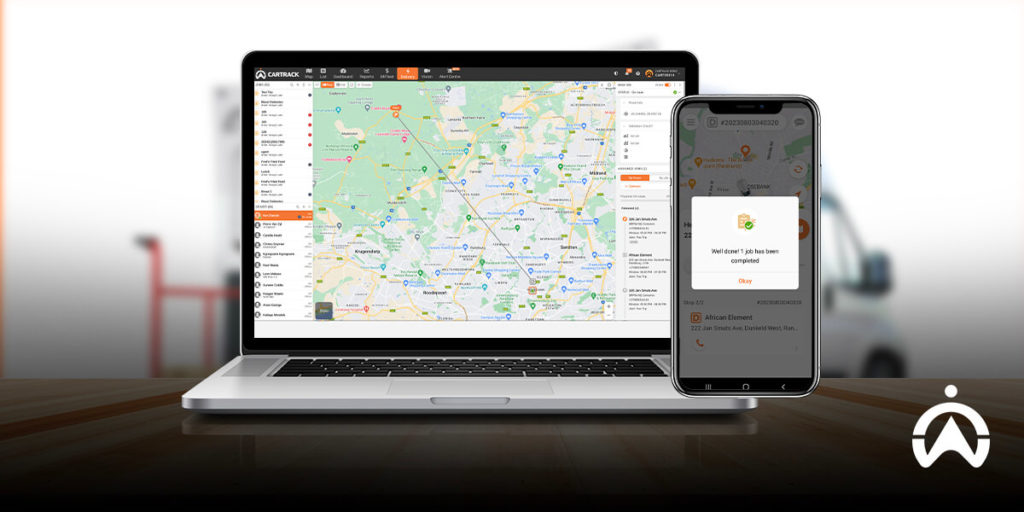
Um_sistema_de_gerenciamento_de_frota_de_entrega_é_ideal_para_você

Automate and streamline your delivery process with Cartrack Delivery

Whatever type of business you are in, our delivery fleet management software helps companies that sell their products to manage their deliveries. This tool helps you get any delivery job done in the fastest way possible.

Delivery from Cartrack Mozambique helps everyone involved in the delivery process, from managers and drivers to customers, to achieve or experience delivery excellence. Here's how:

Why managers love it

Get rid of spreadsheets and all the manual work of trying to manage your fleet and deliveries. With our advanced software, equipping and dispatching delivery drivers has never been easier. The process of capturing delivery details and driver information and checking the readiness and availability of fleet vehicles can be seamlessly integrated into the fleet management software.

The ‘advanced driver settings’ cut onboarding time for managers and, with the addition of fleet management software, managers can accurately track delivery progress and driver performance. This is valuable when drivers need to deliver fragile products. Managers can arrange training and guides on how to drive with safety when making deliveries.

Managers also find these two Cartrack Delivery pros extremely beneficial:

  • Route and job optimisation – managers can easily allocate jobs based on the route or change the job priority for faster delivery.
  • Paperless process – with a fully digitised system they can make changes to deliveries and capture all the information through the software.

The software now takes care of everything to do with delivery planning. Managers can foster a better relationship with drivers and focus on improving the cost efficiency of deliveries.

Why drivers love it

Drivers avoid the hassle of a physical check-in point by simply logging in to the app using their username, mobile number or email address. They can work seamlessly even with limited data, as they switch between low-data and offline mode in different situations.

They are also empowered, as they instantly receive updates on scheduled deliveries and notifications about task assignments, cancellations and priority changes. Drivers can also upload supporting images and documents and capture customers' electronic signatures as proof of delivery.

Drivers also find these two Cartrack Delivery pros extremely beneficial:

  • Work smart, not hard – drivers can stay connected wherever they are with an easy-to-use app that lets them work smarter, faster and without confusion
  • Stay informed: they receive instant updates on assignments, cancellations and priorities, keeping them constantly in the loop.

Happy drivers lead to delivery excellence. This delivery fleet management software helps make drivers more productive.

Why customers love it

Customers receive automated notifications that keep them up to date on the progress of the delivery so that they are always informed. They can also confirm a delivery digitally and share feedback instantly.

They are kept informed of any delays due to traffic or unforeseen events, so that they can plan accordingly. Delivery drivers are also proactive when there are delays and changes, showing their commitment to customer service.

Customers also find these two Cartrack Delivery pros extremely beneficial:

  • Peace of mind – They get accurate information on ETAs. Knowing exactly when to expect their delivery removes unnecessary waiting and frustration.
  • Clear expectations – Early communication about any changes makes sure you are always informed, fostering trust and building a stronger relationship.

Well, there you have it, all the reasons why managers, delivery drivers and customers love Cartrack Delivery, but what types of companies can benefit from using Cartrack Delivery?

The truth is that almost any type of business has a product or service to deliver. Here are a few examples:

Types of industries that can benefit from Cartrack Mozambique delivery

Meet every delivery deadline, whether you have one van or a fleet of 100 vehicles. The Cartrack delivery tool works for everyone and helps companies get their parcels where they need to be faster, while increasing profits in the process.

E-commerce

Cartrack delivery helps e-commerce companies deliver their products faster and streamline their operations. By tracking the progress of deliveries in real time, they can improve productivity and make more timely deliveries, as well as reduce fuel spending with route optimisation and other fleet management solutions.

Food & Beverage

Keep your food and grocery deliveries fresh and deliver them on time with Cartrack's delivery tool and fleet management software. Avoiding losses from waste is one of the best ways for companies to save money and secure customer loyalty. Food and beverage companies can use Cartrack Delivery to plan routes, keep their customers updated throughout the process and increase productivity. Companies can also use Cartrack's temperature sensors to monitor and alert them to any temperature fluctuations, so that they can deliver fresh products all the time.

Medical or furniture

From fragile medical supplies to bulky furniture, Cartrack Delivery handles it all. Our versatile, customisable software adapts to the unique needs of any business, from small couriers to event suppliers. They can cut costs, improve efficiency and offer their customers a seamless experience. With the Delivery tool and the fleet management software from Cartrack, these businesses can make sure they don’t lose money on deliveries, using a range of features such as route optimisation, which lets drivers complete jobs in the fastest sequence, reducing fuel costs and speeding up delivery times.

More reasons why businesses love Cartrack Delivery

Still not convinced? Here are more reasons why businesses love Cartrack Delivery.

Cost savings

Cartrack Delivery is your cost-effective solution for your delivery operations. Our AI-based route optimisation algorithms cut kilometres from your deliveries, saving fuel and precious time for drivers

Seamless integration

Cartrack Delivery works with any business that relies on deliveries and fleets for revenue, from e-commerce to medical supplies. With the addition of solutions for fleet management, businesses can use Cartrack Delivery as a task management tool.

Real-time visibility

With real-time GPS tracking, you’ll have your fleet at your fingertips. Monitor driver locations, parcel progress and performance metrics, all in a single, intuitive dashboard. React instantly to opportunities and challenges, ensuring deliveries always arrive at the right place, at the right time.

Greater customer satisfaction

Proactive communication is the key to happy customers. With Cartrack Delivery, automated notifications keep customers informed at every step, minimising frustration and increasing customer satisfaction.

Paperless processes

Cartrack Delivery helps businesses digitise their manual processes, eliminating mountains of paperwork and replacing them with automated tasks and digital proof of delivery.

Cartrack Delivery isn’t just another piece of software, it’s a powerful tool with an intuitive platform that empowers managers, drivers and customers. Don’t just take it from us, hear it from a business that uses Cartrack Delivery

Case study: Calagan Recliners and Cartrack Delivery

In 2023, our Cartrack Delivery solutions specialist, Wayne Sholtz, ran an experiment to see how our Cartrack Delivery could help a business like Calgan Recliners.

Calgan Recliners is one of South Africa’s largest furniture manufacturers and suppliers, specialising in reclining sofas and chairs. They are based in Johannesburg and have been in the furniture business for more than 25 years.

We looked at the route of one of their main delivery trucks. It had 15 deliveries to complete, which

totalled 195 km. We used Cartrack Delivery’s route optimisation feature and, with it, managed to complete all 15 deliveries in 165km. That is 28 km less than this truck would have travelled, which equates to around seven litres of fuel saved for that truck on that day.

Through this exercise, we found that if Calagan Recliners used Cartrack Delivery, they would save around 13% in fuel costs with just one of their trucks. Imagine the savings across the whole fleet?

Cartrack’s route optimisation feature is designed to help businesses optimise their delivery routes based on the shortest distance for faster turnaround times. By integrating delivery fleet management software, businesses can ensure more timely and cost-effective deliveries, boosting productivity and increasing customer satisfaction.

Cartrack Delivery, your complete solution for faster deliveries

Cartrack provides new solutions for businesses juggling fleet management and delivery. Dispatching and assigning deliveries becomes easy with our advanced software and the delivery app Cartrack Mozambique, providing an all-in-one solution.

Cartrack Delivery stops businesses from losing money and customers, helping them build delivery excellence and efficiency.

Contact us today for a demo of Cartrack Delivery.

CAN Bus System – A Powerful Partnership for Fleet Data and Efficiency

Imagine if your vehicle could tell you exactly what it needs, when it needs it and where it needs it. Better still, imagine if it could also tell you all of this without your help.

Well, with CAN bus, it does exactly that and much more.

Get ready to peek under the bonnet of your vehicles as we reveal everything you need to know about CAN bus.

In this article, you will:

  • Learn what CAN bus is and how it enables communication between components
  • Explore how CAN bus works, from protocols to message framing
  • Understand the three main types of CAN and their influence on transmission speed
  • Discover the advantages of a CAN bus network
  • Discover the seamless integration of the solutions Cartrack Mozambique with CANBus

First of all, what is CAN bus?

Put simply, it is the digital language that allows the parts of your car to communicate effectively with one another.

CAN bus, short for Controller Area Network Bus, is like the car’s own signal or network that allows every component of the vehicle, from the engine to the brakes, to tune in and share information seamlessly.

This ‘communication’ allows your vehicle’s components or Electrical Control Units (ECUs), such as the engine, transmission and sensors, to share information in real time.

How does CAN bus work?

Instead of having one main component that gives the orders, CAN bus allows each ECU to communicate directly with the others. This is useful in cars and factories, as it ensures everything runs smoothly.

Within a CAN bus network, different features of a vehicle rely on the continuous exchange of information to ensure smooth operation. This collaborative communication is made possible by special wiring, where each component is fitted with a microcontroller, a small computer, that processes incoming messages and sends outgoing ones.

The communication process involves these main steps:

  1. Unified communication protocol
    CAN bus acts as a language translator, ensuring that all parts can understand and communicate effectively with one another, allowing for a cohesive dialogue.
  2. Message framing
    The information sits inside types of “frames” or data packets. Each frame contains details such as the identity of the sender, the nature of the message and the actual data payload. Think of it as a letter: the frame is the letter, the sender’s identity is the return address, the nature of the message is the subject line and the actual data payload is the content.
  3. Priority system
    Some messages are more urgent than others, so CAN bus ensures that critical messages are sent first.
  4. Multi-access network
    Unlike a one-to-one conversation, CAN bus allows several parts to speak at the same time. This ensures that everyone stays informed and that ECUs aren’t just waiting for their turn to “speak” and wasting time.
  5. Collision management
    With all the parts “talking” at the same time, messages can sometimes clash with one another. If that happens, CAN encourages the components to take turns and try transmitting again.

To make this a little simpler to understand, think of the four process steps mentioned above as CAN frames:

  • Data frame – the only frame for actual data transmission
  • Error frame – contains nodes to detect errors
  • Overload frame – is activated when there is a delay between the data and the remote frame
  • Remote frame – a frame that requests information from a specific identifier

Como_funciona_o_barramento_CAN

Understanding the message structure of the CAN protocol

Now that we’ve covered the journey from one ECU to another, let’s dig into the details of exactly what they communicate and the specific structure of their communication.

In a CAN bus system, the way messages are structured plays a key role in making communication between devices efficient. The protocol relies on a data frame format that includes several fields, such as the identifier, control field, data field and error detection mechanism.

Identifier: shows the importance of each message on the network. There are up to 2,048 different levels of importance and each message receives its own unique badge of importance.

Data field: this is where the actual information is carried, moving between nodes in small chunks.

Cyclic redundancy check (CRC): Acting as a built-in error detector, the CRC ensures reliable communication by detecting transmission errors and requesting a resend if necessary.

Acknowledgement slot: A single bit that receiving nodes use to confirm that they have received a message successfully or to point out errors that need to be resent.

Error frame: an optional part of CAN messages that allows nodes to flag when they detect a problem with their own messages or with messages received from other devices on the network.

Understanding three main types of CAN within the protocol’s message structure

The following three types influence the message structure of the CAN protocol in terms of speed and data transmission capabilities. See how each type differs from the others and how each one works.

  1. Low-speed CAN:
    Often called fault-tolerant or ISO 11898-3, low-speed CAN operates at speeds of up to 125 kbps. It finds its niche in less critical systems such as body control modules, specifically door locks, interior lighting and window controls.

    What makes it stand out? This CAN can still work, even if one wire on the bus decides to call it quits.

  2. High-speed CAN:
    Also known as ISO 11898-2, this is a high-speed CAN that goes further, reaching speeds of up to 1 Mbps. Tailored for time-critical applications such as: – Also known as ISO 11898-2, this is a high-speed CAN that takes things up a notch, reaching speeds of up to 1 Mbps. Tailored for time-critical applications, such as:

    – Electronic braking systems: Ensuring a fast and precise response to braking commands

    – Transmission control: Managing gear changes in automatic transmissions. It has faster data transfer rates than its low-speed counterparts. However, it comes without the safety net of fault tolerance found in low-speed networks.

    So, for example, in a car fitted with an anti-lock braking system (ABS), high-speed CAN enables fast communication between the ABS sensors and the braking system.

  3. CAN FD (flexible data rate):
    Introduced by Bosch in 2012, CAN FD is an extension of high-speed networks with increased data rates, reaching up to 5 Mbps. It remains backward compatible with existing high-speed devices and systems.

    Advanced driver assistance systems (ADAS): processing and transmitting data for features such as lane-keeping assistance and collision avoidance.

    Infotainment systems: Handling high-bandwidth data for multimedia and connectivity features.

    CAN FD can also be used to transmit and process sensor data for adaptive cruise control or automated parking.

    The main advantage of this technology is the efficient transmission of larger payloads compared with traditional CAN, making it suitable for modern vehicles with increasingly complex electronic systems or advanced safety features.

    The choice of which type of CAN to use is aligned with the specific needs of the applications, ensuring optimal performance and reliability in automotive and industrial contexts.

Compreender_três_tipos_principais_de_CAN_dentro_da_estrutura_de_mensagens_do_protocolo

What are the advantages of a CAN bus network?

There are many reasons why CAN bus has become the preferred network architecture for modern vehicles and other complex systems.

Here are some of the main reasons why you might choose to use CAN bus:

Easy access: CAN bus provides ‘one point of entry’ for communicating with all the electrical control units (ECUs) – enabling central diagnostics, data logging and configuration.

Simplified wiring: Goodbye, spaghetti wires. CAN bus replaces the old maze of point-to-point wires with a single pair of twisted cables. This saves space and weight and simplifies maintenance, making cars lighter and easier to assemble.

Improved reliability: CAN bus is built to be robust. The protocol includes error detection and correction mechanisms, ensuring that messages reach their destination intact. This translates into fewer electrical faults and more reliable performance.

Scalability and flexibility: Adding new features becomes very easy with CAN bus. Nodes can easily be connected or removed without major rewiring, making it ideal for integrating new technologies and adapting to future advances.

Cost savings: Fewer wires, a simpler design and easier assembly translate into lower production costs. In addition, the system means less downtime and lower repair expenses, further benefiting manufacturers and owners.

Improved data sharing: CAN bus enables efficient communication between various automotive systems. Engine parameters, sensor readings and control commands flow freely, enabling features such as real-time engine adjustments, adaptive cruise control and even predictive maintenance.

Security: The fast, reliable communication of CAN bus plays a crucial role in systems for safety. Airbags can be deployed faster based on real-time braking data, and stability control systems can react instantly to prevent skidding.

Reduced energy consumption: The streamlined communication and efficient data sharing of CAN buses help to reduce energy consumption, leading to greater fuel efficiency and a lower environmental impact.

What’s more, the advantages of CAN bus go far beyond cars. It finds applications in many fields, such as aviation, medical equipment, industrial automation and even building management systems, making it a truly versatile and powerful communication technology.

What is MQTT and how is it linked to CAN bus?

Understanding the performance of our devices using CAN bus data is crucial, but it brings challenges such as high data rates and limited bandwidth. That’s where MQTT comes in.

MQTT, or Message Queuing Telemetry Transport, is a lightweight messaging protocol designed for devices with limited resources and networks with low bandwidth, high latency or poor reliability. Common in IoT applications, MQTT helps sensors, actuators and devices communicate efficiently.

In the CAN world, MQTT ensures that data flows smoothly from cars to the cloud, even when the network isn’t perfect

To set up this car data collection system, you can use tools such as EMQX or eKuiper. EMQX is a language specialist and eKuiper is like a data collector that gathers data from various sources such as HTTP, FileSystem, MQTT and CAN bus, ensuring everything is translated correctly.

What types of vehicles use CAN bus?

CAN bus isn’t exclusive to cars – it is the standard communication system in trucks, buses, ships, electric vehicle batteries, machinery and much more.

Advanced as this technology is, it has become the dominant network in most modern vehicles around the world produced after the late 1990s.

How you can tell whether your vehicle has CAN bus:

  1. Consult your car’s owner’s manual or the manufacturer’s website for specific information on the network architecture used. It usually contains information about the technology and features built into your specific model.
  2. Check the OBDII connector. This is a port in your vehicle used for diagnostics. If your car has one, it probably supports the CAN protocol (J1979). Most vehicles manufactured after 2008 have this port, usually located below the dashboard, near the driver’s seat. If your vehicle has this port, it is probably equipped with CAN bus technology.

Why should you use CAN bus for fleets?

For one thing, CAN bus stands out as a strong multitasking system that also has a fault-tolerant protocol. This helps to ensure that the software can accurately keep up with the demands of automotive applications.

Its simplicity, cost-effectiveness, reliability and adaptability to harsh environments collectively improve efficiency, safety and overall fleet management.

Here are the main reasons in favour of adopting CAN bus in fleet applications:

  1. Real-time monitoring:
    Efficient data transmission: CAN bus enables real-time communication between various vehicle components, providing instant access to critical data such as engine performance, fuel consumption and diagnostics.

    Improved fleet visibility: Fleet managers can monitor vehicle status, driver behaviour and operating parameters in real time, enabling proactive decision-making and an immediate response to problems.

  2. Comprehensive diagnostics:

    Early problem detection: CAN bus enables continuous diagnostics, allowing the early detection of possible mechanical or electrical problems in fleet vehicles.

    Proactive maintenance: Fleet managers can schedule preventive maintenance based on the actual condition of the vehicle, reducing the risk of unexpected breakdowns and minimising downtime.

  3. Fuel efficiency and emissions monitoring:
    Optimised fuel management: CAN bus data provides insight into fuel consumption patterns, allowing fleet managers to identify opportunities to improve fuel efficiency.

    Emissions compliance: Monitoring emissions-related data helps to ensure that fleet vehicles comply with environmental regulations, contributing to sustainability goals.

  4. Driver behaviour analysis:
    Safety monitoring: CAN bus data includes information on acceleration, braking and speed, allowing fleet managers to assess and address risky driving behaviour.

    Training opportunities: By analysing driver behaviour, fleet managers can implement targeted training programmes to increase safety and reduce the likelihood of accidents.

  5. Cost savings:
    Predictive maintenance: Proactively attending to maintenance needs based on CAN bus data reduces the likelihood of major repairs, saving on repair costs.

    Fuel efficiency improvements: route optimisation and addressing inefficient driving behaviour can lead to significant savings in fuel costs.

  6. Fleet optimisation:
    Routing and logistics: CAN bus data helps to optimise route planning and logistics, improving overall fleet efficiency.

    Asset tracking: Fleet managers can track the location and status of vehicles, improving the visibility and safety of assets.

  7. Data security and accuracy:
    Secure communication: CAN bus protocols are designed with a focus on secure communication, ensuring the integrity and confidentiality of data.

    Accurate reporting: Reliable CAN bus data supports accurate reporting for regulatory compliance, audits and performance reviews.

Seamless integration of Cartrack Mozambique with CANbus

Our Cartrack Mozambique, a leading provider of vehicle telematics and fleet management, harnesses the advanced capabilities of CANBus to empower businesses in different fields.

Here are some headaches that a CANBus can help you avoid:

Data accessibility: One of the biggest problems with not having a CANBus system in a vehicle is the limit on the vehicle’s ability to transmit data accurately between various systems and devices. Cartrack Mozambique can integrate quickly with CANBus technology, bringing you real-time vehicle data and allowing fleet managers and businesses to log CAN data quickly to the cloud for easy access.

Safety concerns: CANBus allows businesses to monitor driver behaviour, including speeding, harsh braking and erratic driving, with accurate dashboard data showing vehicle speed, odometer, RPM, etc., downloaded in real time for analysis. Businesses can mitigate the risk of accidents and ensure the safety of their employees and assets.

Connection: Our technology works even in areas where GPS signals aren’t available, such as when driving in tunnels and underground car parks, making it a great asset for businesses in the mining sector.

Whether it’s monitoring temperature-sensitive cargo or ensuring regulatory compliance, Cartrack Mozambique and CANBus offer versatile solutions.

Integrate Cartrack Mozambique’s CANBus software into your business for better insights and efficiency

Cartrack Mozambique unlocks the potential of your fleet’s CAN bus systems, converting real-time data such as fuel consumption, driver behaviour, engine status, the safety of cargo and much more into actionable insights with ease. This allows your fleet to improve performance, accelerate productivity and maximise efficiency.

Understand what your vehicles are telling you and get started today with Cartrack Mozambique.