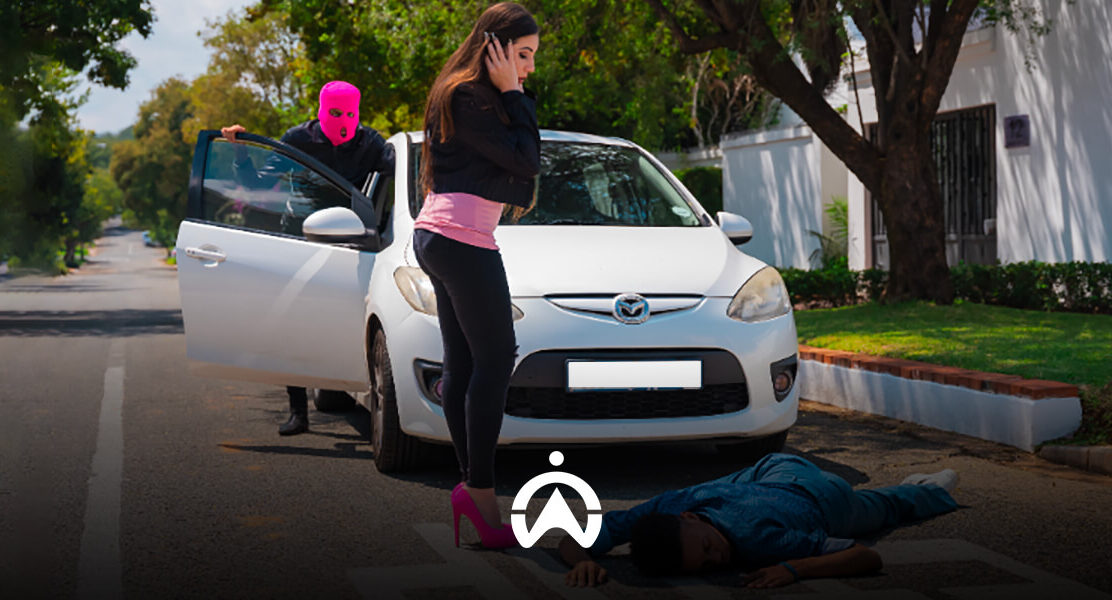
Imagine a thief stealing your car without ever breaking a window or picking a lock.
While technology has done its part by providing security measures to protect your vehicle against theft, criminals have found an alternative way to get their hands on your vehicle without setting off any alarms – social engineering.
In this blog, we’ll reveal what to do and what to avoid when faced with social engineering tricks, and the solutions you can put in place to keep your vehicles safe.
Let’s get started.
In this article, you will:
- Get insights into the psychology behind social engineering tactics
- Learn practical tips for recognising and resisting common scams
- Get real-life social engineering scenarios and tactics used by criminals
- Discover practical solutions and security measures to protect your vehicles
- Understand the features of Cartrack Mozambique that help you combat social engineering tactics
Social engineering attacks: a car theft tactic
Described as a sophisticated form of psychological manipulation, social engineering often uses trust, emotions, biases and other human vulnerabilities to gain access to sensitive information, systems and resources, or to influence someone into taking actions such as granting unauthorised access to a secure location.
In the case of car theft, criminals use social engineering to gain access to vehicles and the valuable contents inside them.
The consequences of social engineering in car theft go beyond stolen vehicles and valuables. The personal information obtained through these tactics can also be used for identity theft, financial fraud and so on.
Unlike traditional thieves who use brute force to get a car, thieves who use social engineering don’t rely on lock picks, weapons or crowbars. Instead, they pose as trustworthy civilians to exploit inherent human traits and deceive their victims. What makes drivers so susceptible to these tactics?
- An inner desire to help others: Our inherent willingness to help people in need can be manipulated to gain trust and extract information.
- Fear of authority: Sometimes thieves pose as law enforcement officers and pull your vehicle over. The perceived power dynamic with authority figures can lead to compliance, even when the request seems suspicious, such as “Get out of the car and leave the keys inside”.
- A sense of curiosity and urgency: Intriguing information or a sense of urgency can cloud judgement and lead to hasty decisions without proper scrutiny. This is where criminals use distraction tactics to catch your attention and lower your guard.
Examples of real-life scenarios:
The “lost” scam: a thief pretends to be lost in a particular area and asks for help, whether looking for a relative or for directions, to potentially lure victims out of their vehicles.
The “vehicle breakdown” scam: a thief poses as a driver who needs help with their vehicle, such as changing a flat tyre, distracting the victim while an accomplice steals valuables from the car.
The “car damage” scam: a thief may stage a minor incident by bumping into the back of your car, or approach the victim on the pretext that something is wrong with the car. While you get out to assess the damage, someone gets in and drives off with your vehicle.
How drivers can avoid social engineering attempts on their vehicles
From a “friendly” stranger distracting you in a car park while another steals your car keys to a person “stranded” at the roadside asking for help: criminals are advancing their car theft tactics, manipulating and exploiting drivers’ genuine curiosity and kindness.
Remember that vigilance is key. While social engineering tactics can be hard to spot, there are ways to lower your risk of becoming a victim:
- Be cautious of unexpected requests: always check the identity and assess the legitimacy of anyone asking for help or claiming authority.
- Don’t hand over personal details and belongings: Never give your car keys, PIN codes or personal information to strangers, whatever their story.
- Stay informed: learn about hijacking and car theft trends and share your tips and knowledge with others to help create greater awareness and safety.
- Trust your instincts: if something seems suspicious, it probably is. Don’t be afraid to say no or walk away from a situation that doesn’t feel right.
- Park smart: Choose safe, well-lit areas to park and try to park near security cameras whenever possible.
- Report anything suspicious: don’t hesitate to contact the authorities if you think someone is using social engineering tactics.
- Protect your vehicle: use physical locks, such as steering wheel locks, and invest in security systems or vehicle tracking technology that lets you track your vehicle should it ever be

Impact of social engineering scams on fleet vehicles
While the previous section highlighted how social engineering exploits individual vulnerabilities for vehicle theft, the stakes rise dramatically when businesses and fleets become the target.
Social engineering relies on exploiting human vulnerabilities. In businesses, criminals can use this technique alone to gain unauthorised access to vehicles without setting off any alarm.
This means that, even with the most robust security measures designed to protect their vehicles, fleet companies are not 100% bulletproof against social engineering tactics.
Common social engineering tactics for vehicle theft in fleets
Businesses with fleet management face a very different, but equally worrying, landscape of social engineering attacks. Just as individual drivers can be manipulated, so can employees, with potentially devastating consequences for entire fleets and for the business.
To protect their organisations effectively, it is crucial to understand the popular methods criminals use.
- Impersonation
By posing as legitimate figures, such as law enforcement officers, mechanics, insurance agents or even roadside assistance staff, criminals can gain access to vehicles or personal information under false pretences.
- Phishing for information
Deceptive emails or text messages containing malicious links or requests for personal information can trick victims into providing access to the vehicle or revealing access codes or financial details. Or, if in person, they may strike up a friendly conversation, asking seemingly harmless questions about your car, your safety systems or daily routines. This information can be used to plan the theft of a vehicle.
- Distraction and misdirection
Distractions can happen when drivers stop their vehicles at a petrol station to refuel or during a break. One person may distract them, drawing their attention away from their vehicles while an accomplice tries to steal the keys, get into the vehicle and drive off. Criminals may even use this method to plant tracking devices unnoticed, with you unknowingly leading them to the rest of the fleet for a bigger vehicle theft operation.
Business security challenges caused by social engineering
On the surface, it may seem harmless – perhaps you share some well-meant information, bend the rules a little or trust someone who seems genuine. But when it comes to social engineering, that seemingly harmless interaction can have dire consequences for fleet owners.
- Unauthorised vehicle access:
Social engineering can lead to criminals gaining unauthorised access to fleet vehicles. This can happen when criminals manipulate individuals within the organisation to obtain keys, access codes or other critical information needed to steal or misuse vehicles.
- Cargo theft and loss:
Deceptive tactics can manipulate workers into loading the wrong cargo, changing plans or diverting shipments, resulting in stolen goods and disrupted supply chains.
- Data breach:
Criminals using social engineering can steal confidential information about the fleet, its routes, schedules or maintenance protocols, causing huge potential problems when it comes to keeping information secret and secure.
- Financial impact:
All of these problems can cost fleet owners a great deal of money. Stolen vehicles, operational disruptions and potential legal issues can cause significant financial losses, affecting the overall profitability of the business.
Practical solutions to combat social engineering in businesses
Social engineering poses a significant challenge to fleet management, as it is sometimes difficult to prevent using only conventional safety measures.
Social engineering is a persistent threat, but with awareness, training and the right tools, you can outsmart the criminals.
- The human firewall:
Train your employees in social engineering tactics and create an open environment for your drivers to report suspicious events or conversations that have taken place. Regular updates promote constant vigilance.
A culture of scepticism:
Foster a culture in which questioning suspicious requests, verifying information through established channels and reporting concerns, even small ones, are encouraged, valued and celebrated through incentives.
- Limit privileged access:
Give employees access and permissions appropriate to their specific roles. This makes it harder for them to provide access to restricted areas or share important information that could have potentially damaging consequences for the company if it reached criminals.
- Use technology solutions:
Get security software to block phishing attempts, keep an eye on your systems and see whether anyone is trying to get in. Consider a reliable fleet management system to improve fleet visibility and monitor every vehicle's location and status through one platform.
Tackling these risks requires technology solutions and employee training to build a stronger defence against social engineering threats.
How Cartrack Mozambique's solutions offer an additional layer of protection in your fight against vehicle theft
Although steering wheel locks and other conventional security features can help, they cannot protect vehicles when criminals manipulate drivers directly into removing safety measures and entrusting them with your company's vehicle.
Although we cannot protect drivers from the feeling of violation, anger and worry that social engineering causes, Cartrack Mozambique's solutions can help give your vehicle an additional layer of protection and recover your stolen vehicle.
- GPS tracking device
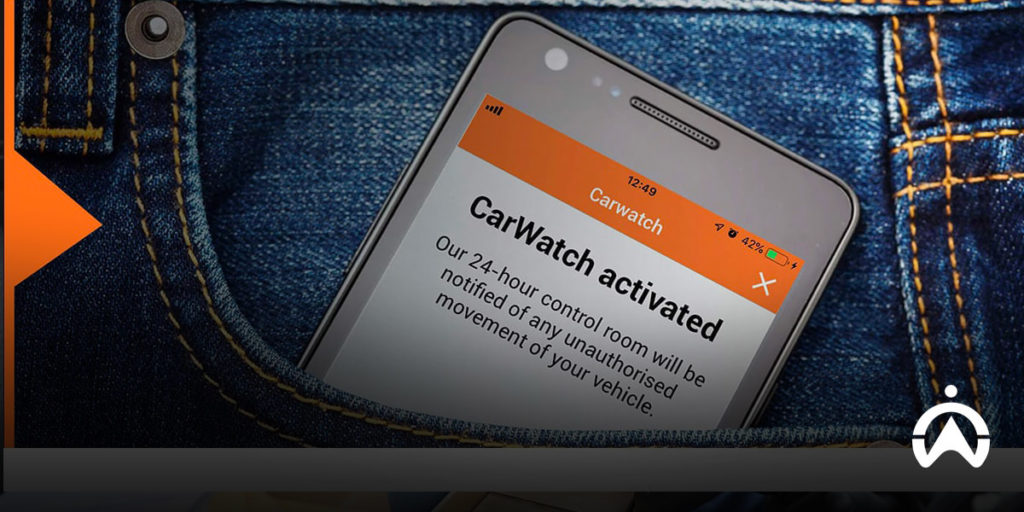
Our units offer full visibility of your vehicle's location in real time, letting you see exactly where your vehicles are 24 hours a day, 7 days a week. This, together with a dedicated air and ground recovery team, offers extra protection and peace of mind should your drivers fall victim to social engineering vehicle theft.
- Driver identification tags
Add an extra layer of vehicle security by assigning driver ID tags to each of your drivers. If a vehicle is used without the tag, it can be flagged as a possible vehicle theft, helping you act quickly. Our ID tags can also be used as “access cards” to your premises, letting you know which drivers were on duty on the day an incident occurred.
- Driver ID tags and Start Prevent
Combining Start Prevent technology with driver ID tags can offer more protection for the vehicle. This means a driver now needs to use the ID tag to start a vehicle, and the Start Prevent feature, when activated, can stop a driver from starting a vehicle without your authorisation. Together, these features can help create extra layers for thieves to get past in your fight against social engineering vehicle theft.
- Geofence
Set up virtual boundaries around authorised areas and receive alerts about unauthorised movements or attempts to leave designated zones. Managers can use Cartrack Mozambique's geofence feature with our GPS tracking technology to locate vehicles live the moment they leave an authorised zone, which can allow you to react quickly if you suspect a crime.
Build your defence against vehicle theft with Cartrack Mozambique
Whether for personal or business use, the advanced safety solutions from Cartrack Mozambique can help you protect your vehicles against social engineering threats.
Contact Cartrack today for a free quote.
 South Africa
 Botswana
 Kenya
 Malawi
 Namibia
 Nigeria
 Swaziland
 Tanzania
 Zimbabwe
 Hong Kong
 Indonesia
 Singapore
 Malaysia
 Philippines
 Thailand
 New Zealand
 Vietnam
 Poland
 Portugal
 Spain
 United Arab Emirates

 PT