What is fleet management?

The global fleet management industry is growing rapidly, in an emerging and fast-paced technological landscape.

The more fleet managers know, the better. That's why 75% of fleet managers rely on fleet management tools to manage their vehicles, cargo, operations and drivers.

Successful fleet management will help you optimise and improve the efficiency of your operation and gain a competitive edge in the market.

After reading this blog, you'll know more about fleet management and come away with more knowledge to keep your fleet productive, efficient and profitable.

With this in hand, you'll be equipped with all the tools to manage your fleet with confidence and success.

Ready to dive straight in?

In this article, you will:

  • Find out exactly what fleet management is
  • Discover why fleet management is important
  • Discover the most important aspect of fleet management
  • Understand the day-to-day tasks of a fleet manager
  • Identify the key players who make fleet management possible
  • Discover the fundamentals of fleet management for success
  • Master the tools of a fleet management system and how the Cartrack Mozambique system can help you succeed

What is fleet management? Here’s everything you need to know

A “fleet” is a group or set of vehicles, ships and aircraft used for purposes such as transport, logistics or commercial operations.

Our fleet management refers to all the actions needed to run a fleet operation efficiently, at the lowest costs and the highest profits possible.

It involves a range of tasks, such as driver monitoring and management, administration, cost control, fleet compliance and much more.

If you depend on your vehicles, drivers and machinery to deliver a product or service successfully, then you need fleet management.

Why is fleet management important for fleets?

Let’s say you’re in the construction sector. Your operation needs to be as efficient and cost-effective as possible to stay successful, profitable and competitive.

One way to do that is to have a fleet management system to track, manage and improve the way your construction vehicles and equipment are being used, to maximise the utilisation of your assets. If certain equipment, such as concrete mixers, is underused, it may be more economical to rent it out or sell it rather than let it go to waste in your fleet.

In addition, cement plays a vital role in completing construction projects and must be delivered on time and with proper route planning. Delivering cement on time ensures that the concrete mix keeps its quality, which is needed to complete the projects.

Having a fleet system in place also helps ensure that your equipment is well maintained and serviced at regular intervals, which will prevent unexpected breakdowns and downtime. This is vital in helping to finish projects on time and meet customer expectations.

It also lets you optimise your operations, manage your employees, plan routes effectively, prevent fuel and vehicle theft, and improve safety and compliance, to keep your business growing.

Here are just a few examples of why fleet management is needed in the construction industry or in any other industry:

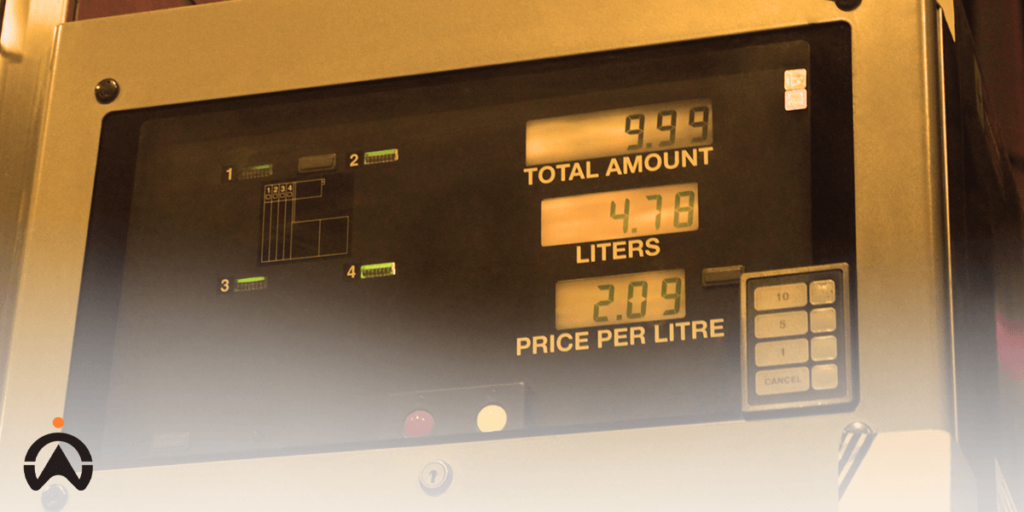
  • Excessive fuel consumption and fuel theft
  • Low driver retention or risky driving behaviour
  • An increase in asset theft or a lack of effective asset utilisation‍
  • Poor vehicle maintenance, more unexpected breakdowns and downtime 
  • Poor customer service and late deliveries due to inefficiencies, such as a failure to plan routes
  • Each of these seems very important, right? But there is one aspect of fleet management that should be at the top of your list.
Por_que_a_gestão_de_frotas_é_importante_para_as_frotas

What is the most important aspect of fleet management for businesses?

The first thing on your list of priorities should be keeping your fleet as safe as possible. This includes maintaining your vehicles, promoting safe driving practices and complying with regulations on safety.

This helps keep your drivers, cargo and other road users safe, preventing accidents, injuries and deaths and also reducing unnecessary expenses and disruptions.

Without insights and data, managing a fleet is almost impossible. With data, you know exactly where improvements need to be made in your fleet and how to act, and you can analyse your progress accurately.

Now that you have a better idea of the most important aspect of fleet management, what does a fleet manager actually do?

Let’s quickly unpack some of the daily tasks they face.

What does a fleet manager do?

  • Hiring quality drivers and monitoring driver behaviour and performance
  • Managing, supervising and overseeing fleet operations
  • Educating drivers, and monitoring and boosting team morale
  • Creating and managing driver tasks and work schedules to maximise productivity
  • Ensuring the fleet stays compliant and avoids unnecessary setbacks
  • Implementing fleet management strategies to reduce fleet costs and increase productivity
  • Creating and using detailed reports
  • Organising documentation and administration
  • Ensuring regular vehicle maintenance for operational efficiency and to minimise downtime
  • Meeting customer expectations and ensuring a high level of customer satisfaction
  • ‍Excellent leadership and decision-making skills

Fleet management is a complex process that involves several players working together, allowing you to manage your fleet effectively.

So, who are these key players?

Who are the main players that make fleet management possible for businesses?

  1. Providers of software for fleet management: Telematics solution companies such as Cartrack Mozambique provide solutions for businesses to track and manage their vehicles and drivers in real time.
  2. Drivers: People in a company who are responsible for operating a vehicle to transport products, passengers or services from one point to another.
  3. Vehicle manufacturers: Companies that operate in the fleet management sector, offering their own solutions for telematics and fleet management.
  4. Fleet leasing and rental companies: they give businesses access to fleets of vehicles on a lease or rental basis and often offer additional services, such as maintenance and insurance.
  5. Fleet consulting companies: They specialise in fleet management and give businesses advice and guidance on how to optimise their fleet operations, reduce costs and improve efficiency.
  6. Insurers: they offer asset protection cover for fleet vehicles, and some offer risk management solutions to reduce collisions and claims.
  7. Providers of compliance and safety: they specialise in providing solutions to help businesses comply with regulations and improve safety, because managing a fleet can be risky.
  8. Fleet managers are the main players in a fleet. To manage and build your fleet, you need to understand and excel at every component of the fleet.

What are these components that will help you drive your business forward? Here are 9 of them:

Quais_são_os_principais_intervenientes_que_tornam_a_gestão_de_frotas_possível_para_as_empresas

9 important components of fleet management

  1. Vehicle acquisition or procurement

    Before maintaining and managing the life cycle of your vehicles, you need to make an informed purchase. You will need to go through a process of selecting, buying and financing vehicles for your fleet and consider a few data factors. The first thing is the upfront cost of the vehicles. Many dealerships have a special division for fleet sales, and it is up to you to negotiate the best deal possible. Then you need to decide whether you want to lease them or buy them. Leasing has lower upfront costs but offers less flexibility for customisation. Buying, on the other hand, requires a larger initial capital investment but offers more flexibility. You can explore the options and present them to senior management.

  2. Maintenance and repairs

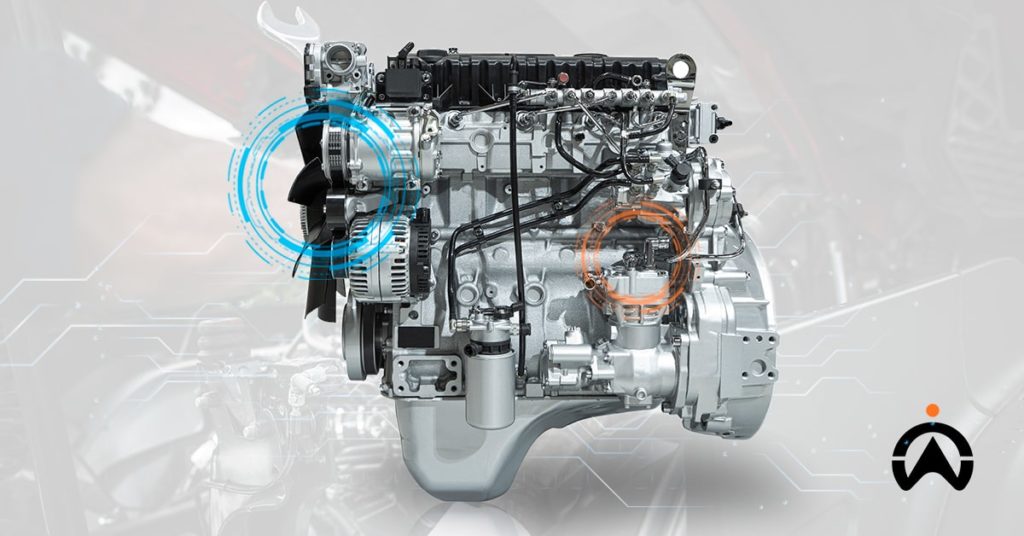
    Once you have acquired your vehicles, it is important to make sure they stay in good condition, with a preventive maintenance plan in place. This includes having easy access to all your vehicle’s on-board diagnostics, such as oil leaks, water fluctuations, engine faults, worn brake pads and much more. So, if parts fail, you will know and can replace them quickly. You should also know when to service your vehicles at regular intervals, to avoid unexpected breakdowns.

    Another part is keeping a maintenance history for your vehicles, so you know which vehicles perform better than others and have the right vehicles in your fleet. This historical data also helps predict in advance when a particular part might fail, so you can be better prepared for downtime. Ultimately, having a healthy fleet will increase the longevity of your vehicles, increase uptime and also improve maintenance and fuel costs.

  3. Asset management

    Beyond maintenance plans, one question you need to ask is: how effectively are your assets being used? Whether it’s your equipment or your vehicles, are you getting the most out of them? A vehicle standing for days without a load is a waste of money. Equipment that isn’t used properly can cost more money in maintenance and fuel. That is why effective asset utilisation is necessary. It includes monitoring asset usage patterns and utilisation rates, so you can assess productivity levels. For example, if a piece of equipment is underused, you will need to find out the reasons behind it. It may need repairs or maintenance, or it may not be the most suitable equipment for the specific task at hand. The operator might not be using it efficiently, causing excessive idling. You will need to find out why it isn’t as productive.

    Another important part is overseeing the entire life cycle of all your assets and, typically, which assets are the most valuable. You will need to decide when to sell old vehicles and buy new ones, and at the best time. You can do this by analysing data on routine maintenance, repairs and delays due to breakdowns. Next, you can calculate the cost of buying new vehicles and find the best point in a vehicle’s life cycle to trade it in for a new one. This will also be good for your brand image, as no company wants its brand on a shabby-looking vehicle.

  4. Driver management

    This includes taking every possible step to make sure your drivers operate their vehicles with safety and reduce accidents and harsh driving. To achieve this, you will need to set safety standards for your organisation in line with compliance and regulations and then take steps to monitor your drivers’ behaviour. One way to do this is to offer drivers training on safe driving and find the areas where they are not following the standards for safety, and then empower them to correct their mistakes and take responsibility. Drivers must also have licences and certifications to use certain vehicles, as poor compliance with these rules can lead to fines, legal issues and reputational damage.

  5. Fuel cost control

    According to experts, up to 30% of a fleet’s expenses or costs can go on fuel. With petrol prices at record levels, it is no wonder that fuel control is an important part of fleet management. Every measure should be taken to minimise fuel consumption and costs and to tackle the factors that waste fuel. Some possible reasons for fuel spikes are speeding and driving methods, idling in traffic, low tyre pressure, poor vehicle maintenance and route optimisation, as well as fuel theft. You should control your fleet’s fuel consumption with data insights on driver efficiency, vehicle optimisation, route planning and fuel trends.

  6. Fleet administration

    And what about all the paperwork linked to your vehicles and drivers? If it slips through the cracks, your business could face heavy fines and compliance violations. No fleet manager has time for costly, avoidable headaches, which is why you would need a plan to help you manage the administrative side of it. Everything from licence renewals to insurance, keeping commercial driver’s licences up to date and hazardous materials placards (showing what type of goods are being transported) – should be on your list of administrative tasks

  7. Policy development

    Your company should have ethical policies in place, so that you have a guideline and a reference for making important decisions, which keeps you from making costly mistakes.

    Here are a few examples of the points these policies cover:

    – Can drivers leave the vehicle idling when they stop to rest?

    – Where can drivers refuel?

    – How many speeding fines can drivers get before they face disciplinary action?

  8. Risk analysis

    Another part of the job is predicting and mitigating risks. You should set up a risk audit to assess which areas of the business carry risks and whether your company’s policies address those risks – and then see whether your employees are complying. For example, if one of your drivers does not follow the correct driving methods, there could be a risk of collisions or accidents, causing damage to your assets and cargo. In this case, you could pull driver behaviour reports and carry out a risk assessment of the general driving methods of all your drivers and then calculate the likelihood of such risks.

  9. Environmental and sustainability management

    The transport sector is ranked as one of the most polluting industries in terms of emissions. That is why you need to try to make your fleet greener and more eco-friendly. It involves being socially aware of the impact your fleet has on the environment and, wherever possible, trying to reduce your fleet’s carbon footprint. This can include improving fuel consumption through eco-driving methods, fleet maintenance and route planning, to reduce the emissions released by your fleet.

    Another part of fleet sustainability is making sure your business is paperless, where you can use digitised and automated processes. It also helps make fleet management successful and reduces the administrative burden on your business.

    Do any of these appeal to your business? Don’t worry about where to start, the powerful system for fleet management solutions from Cartrack Mozambique does it all for you.

    Here is a glimpse of everything it can do and how it can help you.

What does a fleet management system do?

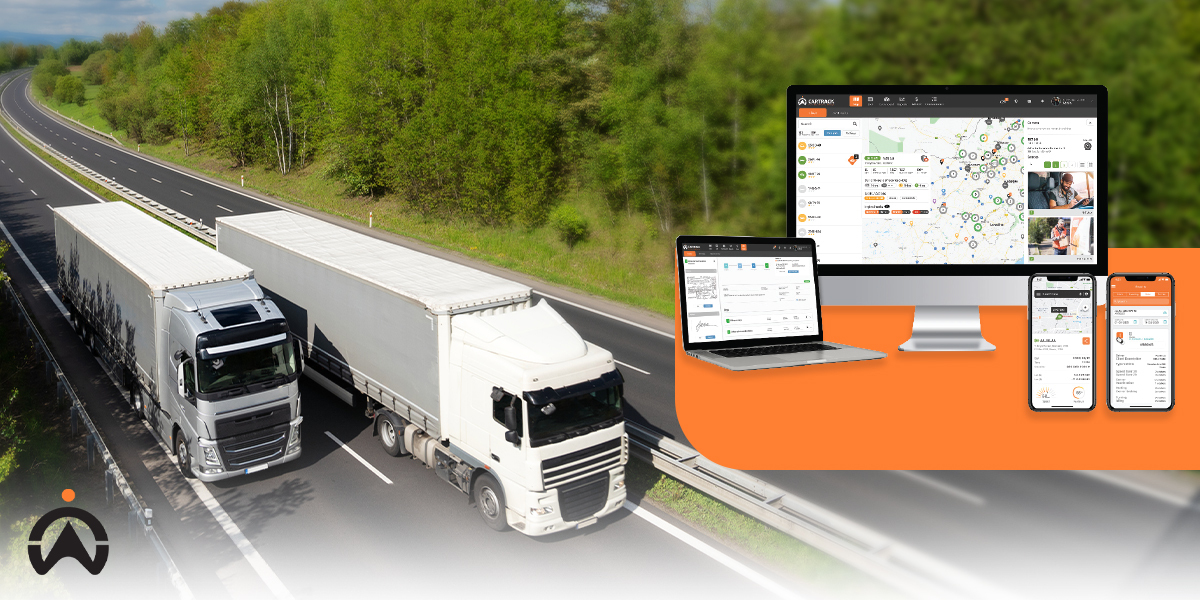
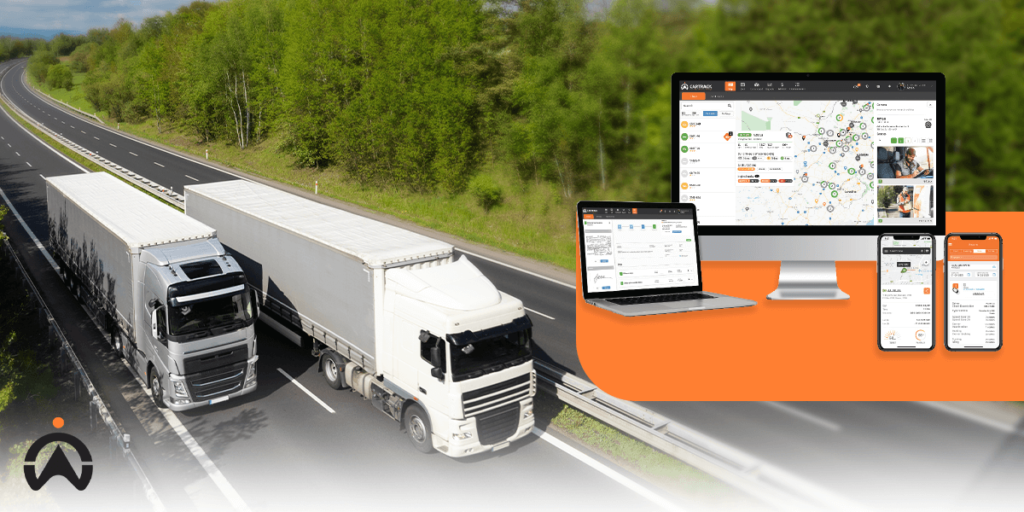
A fleet management system is a software and telematics solution that gives you greater visibility of every aspect of your fleet 24 hours a day, 7 days a week, so you can streamline and manage your operations efficiently.

It uses powerful GPS technology to collect and analyse data from your vehicles, drivers and assets in real time, so you can monitor their movements, avoid delays, make quick decisions and remove unnecessary guesswork from your business.
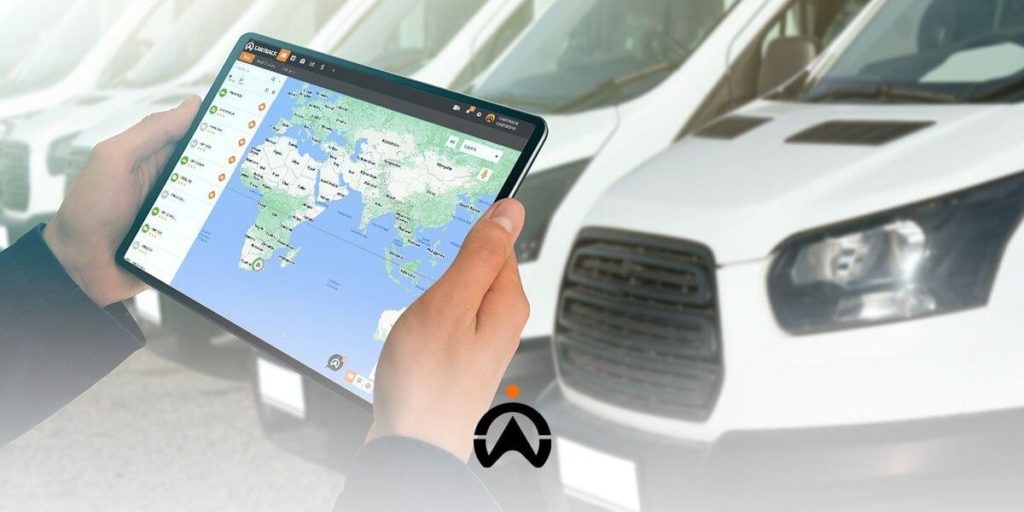
O_que_um_sistema_de_gerenciamento_de_frota_faz

‍Benefits of Cartrack Mozambique’s fleet solution for fleet managers

Instead of juggling several fleet tasks at once, Cartrack Mozambique can help you with everything fleet-related, giving you the tools to handle the building blocks of fleet management.

Get the following features and much more:

  • Know how your vehicles and assets are performing. Get asset utilisation rates and insights to maximise the use of your assets and sell underused assets.
  • Receive real-time vehicle diagnostics and maintenance alerts. This will allow you to service your vehicles regularly and keep your fleet healthy, to avoid downtime and keep your business productive.
  • Get insights and reports on driver behaviour. Use these reports to monitor driver performance, coach drivers on good driving methods and cultivate a culture of safe driving in your fleet.
  • Keep your fuel costs under control. Get data insights on your fleet’s fuel consumption levels, to avoid excessive fuel waste and save on fuel costs. Easily detect fuel siphoning, fuel card fraud and fuel theft that may be causing high fuel consumption.
  • Digitise your operations and reduce admin in your business. Receive relevant reports, automated alerts, insights and analysis tailored to your business needs, to avoid spending too much time on paperwork and spreadsheets.
  • Keep your fleet sustainable. Get insights on how to reduce your fleet’s fuel consumption, which will result in fewer emissions and less pollution.
  • Create ethical business standards and policies. With a fleet system, you can effectively monitor and improve your fleet’s various activities, allowing your business to operate to higher ethical and compliance standards. Get valuable insights and tools to optimise vehicle fleet performance, increase driver accountability and make informed decisions that align with ethical business practices.
  • Avoid risks in your fleet with real-time alerts. Use the system’s data alerts and vehicle tracking insights to stop potential problems and risks in real time, before they harm your business.

And that’s just the tip of the iceberg, you need to see it for yourself.

Get the powerful data you need to manage your fleet and business costs with Cartrack Mozambique

Whatever your industry and whatever you want to achieve in your business of fleet management, a Cartrack Mozambique offers you cutting-edge tools and an all-in-one fleet solution. Get more control over your vehicles, drivers, admin and cargo today.

What is hypermiling, and can it save your fleet money?

What is hypermiling, and can it save your fleet money?

Up to 60% of a company’s fleet operating budget is spent on fuel. In light of the continuing rise in fuel prices, fleet fuel costs are expected to increase. Fortunately, fleets can cut fuel costs by using safe hypermiling and Cartarck’s solutions and software.

In this article, you will:

  • Develop a clear understanding of hypermiling
  • Discover the top 10 hypermiling techniques for your fleet
  • Find out whether hypermiling is good or bad for your fleet
  • Get tips on safety when hypermiling for your fleet
  • Find out whether hypermiling can save your fleet money
  • Discover how Cartarck can help you save on fuel costs and much more
  • Discover the benefits of fuel efficiency for your fleet

What exactly is hypermiling?

As petrol prices rose in the early 2000s, drivers in the United States needed relief from the financial burden of fuel expenses. To find a solution, drivers invested in fuel-efficient cars (such as the Toyota Prius) to save on fuel use and costs. To gain extra fuel efficiency, drivers began adopting techniques aimed at cutting fuel use even further – known as hypermiling.

Hypermiling (or eco-driving) can be explained as an intentional driving technique that maximises fuel efficiency to minimise fuel costs. For hypermilers, hypermiling is a lifestyle – from MPG (miles per gallon) events to building in regular driving habits that help maximise fuel economy and, in turn, reduce gas emissions, whether you are driving a personal Toyota Prius or a business TATA Ace.

With high petrol and diesel prices showing no sign of falling any time soon, fuel costs will keep putting pressure on fleets. Learning about hypermiling, its techniques, tips and benefits is essential to saving your fleet’s bank balance… so let’s get going.

The top 10 common hypermiling techniques for your fleet

A fleet’s main activity is driving from one point to another. Some fleet companies may have vehicles used for short local trips, while others may have long-haul trucks that cover thousands of kilometres (or miles) a month. Hypermiling techniques are a set of driving practices that drivers put in place to increase the vehicle’s fuel efficiency and reduce fuel consumption and costs.

As_10_principais_técnicas_de_hypermiling_comuns_para_sua_frota

Here are 10 common hypermiling techniques you can easily implement in your fleet:

  1. Drive at a steady speed:

    A slow, steady driving speed maintains the efficiency of the vehicle’s engine and significantly reduces fuel consumption. This technique can be especially useful on highways and long trips, where driving conditions are generally stable.

  2. Avoid idling:

    When a vehicle is idling, the engine runs while the vehicle is not moving. This uses fuel unnecessarily. Every time idling occurs, you lose 3,5 litres of fuel an hour for a bus, 3 litres an hour for a medium-heavy truck and 1,5 litres an hour for a large sedan. Switching off the engine when the vehicle is stopped at traffic lights, in traffic or parked will save a lot of fuel.

  3. Coast along:

    Coasting refers to driving with the vehicle in neutral or with the clutch disengaged. This lets the vehicle ‘roll’ without using fuel. This technique is useful when driving downhill or approaching a stop sign or a red traffic light.

  4. Use engine-off coasting:

    One step beyond coasting is engine-off coasting. This technique involves switching off the vehicle’s engine while in neutral or with the clutch disengaged when driving downhill or approaching a stop sign or a red traffic light. Although coasting with the engine off can save even more fuel than normal coasting, it is important to note that it requires advanced driving skills and should be used with caution, as it can be dangerous if not done correctly (and some vehicles may not allow the engine to be switched off while moving).

  5. Avoid harsh acceleration and sudden stops:

    Fuel consumption can rise by up to 40% because of harsh acceleration or braking. This technique involves avoiding rapid acceleration and harsh braking by anticipating stops, as well as frequent changes of speed and sudden lane changes. By accelerating and braking smoothly and keeping a steady speed, the fleet can save fuel, reduce emissions and extend the life of its vehicles.

  6. Maintain the correct tyre pressure:

    If the vehicle’s tyre pressure is not kept within the recommended range, the vehicle has to work harder to move forward. This results in greater rolling resistance and higher fuel costs. So this technique is crucial for improving fuel efficiency, which in turn saves money on fuel costs.

  7. Reduce vehicle weight:

    This technique is simple – take the junk out of the boot. The heavier the car, the more fuel it uses to move. If you are not in the supply chain sector, you can avoid travelling with heavy loads. Removing unnecessary items or equipment from your fleet vehicles can reduce the vehicle’s weight, improving fuel efficiency.

  8. Avoid air conditioning and other electrical loads:

    ‍Using air conditioning, headlights and other electrical loads can increase fuel consumption. However, they may be necessary in certain situations, such as hot weather or when driving at night. Even at these times, fuel can still be used efficiently by driving at lower speeds to reduce fuel consumption, since air conditioning and other electrical loads tend to use more fuel at high speeds.

  9. Plan routes in advance:

    This is one of the basic hypermiling techniques, and it involves planning the most efficient route from point A to point B to minimise unnecessary stops, traffic and fuel consumption. ‍

  10. Avoid traffic congestion

    Avoid congested areas or busy intersections during rush hour, as this can lead to wasted fuel through frequent stopping and starting. Instead, optimise routes by taking alternative routes or driving outside peak hours, where possible.

Evite_congestionamentos_de_trânsito

Hypermiling can’t be bad, can it?

So by now you may be wondering: it’s good for my wallet, but is it good for my car?

If hypermiling means being mindful of your driving habits, using the vehicle well and reducing the strain on components such as the brakes, suspension and engine, then it must be good and safe for your car, right?

Well, hypermiling has positive and negative effects, depending on how carefully it is implemented. On the positive side, hypermiling can significantly improve your fuel economy – which means you can travel many kilometres (or miles) on a small amount of fuel. This not only means you save money on fuel costs, it also increases the vehicle’s longevity and reduces the risk of accidents by promoting safer driving habits, such as avoiding aggressive driving.

On the negative side, some hypermiling techniques can be dangerous, break traffic laws or put other drivers at risk. For example, in South Africa it is illegal to coast with the engine off, as it is considered dangerous and can cause the driver to lose control of the vehicle. On the other hand, coasting in neutral with the engine still running is not illegal, as long as it is done safely and poses no risk to you or other road users. In addition, some hypermiling techniques, such as drafting and over-inflated tyres, can cause excessive wear and tear on the vehicle, leading to costly repairs or reduced safety. That said, hypermiling can be a beneficial practice for saving fuel and promoting safer driving habits in your fleet. . But it is important to implement these techniques safely and within the limits of the law to avoid putting the fleet and other road users at risk.

Hypermiling_não_pode_ser_ruim,_pode

‍Hypermiling safety tips for your fleet

Although hypermiling techniques can help you save money on fuel and reduce your carbon footprint, you still need to remember that safety should always be your top priority on the road. Here are some safety tips for hypermiling:

  • Keep a safe distance from other cars:

    When practising hypermiling (such as coasting and driving slowly), it is crucial to keep a safe distance from other vehicles (in front and behind, if possible). This will give you the time and space you need to avoid sudden changes in traffic and reduce the risk of a collision.

  • Avoid sudden braking or acceleration:

    When hypermiling, it is important to anticipate stops or slow traffic so that you can gradually avoid sudden braking or acceleration or putting extra strain on the engine.

  • Stay alert and focused:

    stay alert and focused by removing distractions such as using your mobile phone, eating or adjusting the radio while driving, and always be aware of what is around you on the road.

  • Obey traffic laws:

    Whether you are avoiding fuel waste to save money or driving normally, it is important to obey traffic laws, such as not exceeding speed limits, running red lights or making unsafe lane changes.

By following these tips, you can practise hypermiling in safety and enjoy the benefits of greater fuel efficiency without putting yourself or other drivers at risk.

What’s in it for the fleet? Benefits of hypermiling

By implementing safe hypermiling techniques and tips, fleets can save significantly on fuel costs, increasing profitability. But that’s not all, here are some of the other benefits your fleet can gain from implementing hypermiling techniques and tips:

  • Reduced fuel consumption and costs: Using hypermiling safely and implementing fuel efficiency tips will reduce fuel consumption and waste, which results in lower fuel costs.
  • Extended vehicle life: With vehicle maintenance tips and safe driving habits, fleet vehicles will suffer less wear and tear, reducing the need for frequent repairs and maintenance and resulting in a longer vehicle life cycle.
  • Improved safety: Safe hypermiling practices, such as keeping a safe distance from other vehicles, respecting speed limits and anticipating traffic, can increase the safety of your fleet and reduce the risk of accidents. ‍
  • Better driver behaviour: Hypermiling requires disciplined, focused driving behaviour, which can translate into better driver behaviour overall and lead to a safer and more efficient fleet.
  • Positive environmental impact: By implementing hypermiling techniques and tips you will reduce your fleet’s fuel consumption, which produces fewer carbon emissions, contributing to a more positive environmental impact for the business community.

Can hypermiling save your fleet money?

In short, yes – especially with the software for fleet management from Cartrack Mozambique. With the help of our fleet management software and solutions, you will save your fleet not only money but also time and other fleet-related expenses by:

  • Managing fuel costs and consumption

    To reduce fuel use and costs in your fleet, it is essential to optimise fuel consumption. But how? Our AI fuel monitoring software helps you manage fuel costs by matching fuel receipts with your vehicle’s location and fuel status to alert you immediately to any potential fraudulent activity, such as fuel card fraud. In addition, monitor fuel use with the help of our trip reports, which incorporate fuel sensor data to identify abnormal increases in fuel consumption and easily validate any suspected fuel misuse, so that you can use less fuel and therefore spend less money on fuel.

  • Keeping vehicles on schedule

    A well-maintained fleet will save you money on downtime and extend the life of your vehicles. Using Cartrack’s real-time vehicle diagnostics and automated preventive maintenance schedules, you can make sure your vehicles are properly maintained so that they operate more efficiently, costing you less in fuel and maintenance, avoiding unexpected repairs and breakdowns and reducing downtime.

  • Ensuring the correct tyre pressure

    Driving on under-inflated tyres can be expensive, as it can waste fuel and increase fuel consumption by up to 8%. Checking your tyre pressure regularly and making sure it is at the correct level can help you save money on fuel costs. You can easily check your tyre pressure by getting air at the fuel station or using your own inflator. If your tyres are already damaged, you can still save money with the unbeatable offers from Cartrack Mozambique on premium tyres from leading brands and fitment centres, available on the Cartrack Mozambique app.

  • Optimising your routes

    Route optimisation saves time and fuel, increases productivity and provides a competitive edge through fast response times to customers. By using Cartrack Mozambique’s routing software application, you can automatically allocate jobs to your employees and optimise them based on the fastest route or by job priority for quicker delivery times. Our route optimisation also provides real-time alerts for route deviations, ensuring vehicles stay on the planned route. In doing so, fuel costs can be reduced, while fuel efficiency and productivity increase

  • Improving driver behaviour

    The way people drive has a significant impact on fuel efficiency. Poor driver behaviour, such as harsh acceleration and braking, speeding and idling, can waste a considerable amount of fuel. On the other hand, respecting speed limits, accelerating and braking gradually and switching off the engine when it is not in use can improve your fleet’s fuel economy by up to 15% to 30% on motorways and 10% to 40% in stop-and-go traffic. Cartrack Mozambique provides an easy way to establish a culture of safety first within your team through driver scorecards that track high-risk behaviours (such as speeding, harsh acceleration, cornering or braking) that affect fuel consumption. Addressing these behaviours will reduce your fleet’s fuel use and costs, while quickly identifying and resolving any fuel drains in your fleet.

Eliminate your fleet’s high fuel costs with Cartrack Mozambique.

If you are looking for a simple and effective way to take your fleet’s fuel efficiency to the next level, look no further. Cartrack Mozambique has the software and solutions to help you significantly reduce your fleet’s fuel costs. Contact Cartrack Mozambique today!

Easy ways to make your business thrive with a fleet management SaaS solution

According to Gartner, the SaaS market is worth more than US$ 195 billion in 2023. 53% of organisations are implementing it, and the rest will soon join the movement.

It’s no wonder. SaaS products help businesses make their operations extremely efficient and productive.

If you are in the fleet game, you can win with a fleet management SaaS solution. It lets you manage your drivers, vehicles, administration, services, maintenance, fuel consumption and much more.

It’s a real game changer once you understand everything it is capable of. That’s where we come in:

  • Find out what exactly SaaS, or Software as a Service, is
  • Learn how software as a service works
  • Discover 6 reasons why SaaS products are smart for business
  • Learn how a vehicle tracking and fleet management system works
  • Discover 8 reasons why the SaaS solution for fleet management from Cartrack is the best one for you
  • Software as a service, or SaaS, explained

SaaS is part of almost everyone’s daily life.

In short, SaaS is a software distribution model or application hosted by a cloud provider and made available to end users over the Internet.

There are two types of hosting model. An independent software vendor (ISV) may contract a third-party cloud provider to host the application. Or, in the case of larger companies, such as Microsoft, the cloud provider may also be the software vendor.

In addition, SaaS is one of the three main categories of cloud computing, alongside infrastructure as a service (IaaS) and platform as a service (PaaS).

The products range from personal entertainment, such as Netflix, to advanced IT tools and, of course, fleet management software platforms – all of which can be used by IT professionals, business users or personal users.

How does software as a service work?

As we know, SaaS works through the cloud delivery model, and many benefits come with that.

Firstly, you won’t have the job of setting up and maintaining the software. Secondly, you only need to pay a subscription fee to access the software, giving you a solution with the flexibility to change your mind.

And let’s not forget, you won’t need to install hardware on your computer, which you would have to update constantly, or pay upfront fees. The application is at your disposal and easy to access on any device with a network connection.

As a paying customer, you will have network-based access to a single copy of an application that your chosen provider created specifically for SaaS distribution.

The application’s source code is the same for all customers, and when new features are released, they are rolled out across the board.

It’s like buying a ready-made loaf of bread.

Depending on the service level agreement you have with your provider, the data may be stored locally, in the cloud or both.

It can also be integrated with other software using application programming interfaces (APIs). For example, use your own software tools to integrate with the SaaS provider’s APIs.

SaaS architecture

The application runs on a single version and configuration across different customers, which is called the multi-tenant approach. There will be common infrastructure shared between several customers; however, each customer’s data will still be kept separate.

This means the cloud service provider can manage maintenance, updates and bug fixes much more quickly, easily and efficiently. Any changes needed will be implemented for all customers, in one shared instance.

All of this without compromising important cloud functions, such as security, speed and privacy.

According to technology industry analysts, we can expect to see more development in SaaS products, reaching a value of almost 200 billion dollars by 2024.

The benefits are clearly there and speak for themselves, so let’s get them talking to youus to know how it all works? Let’s dive right in.

Arquitetura_SaaS

6 reasons why SaaS products are smart for business

  1.  Less chaos and more organised tasks. Every part of your business can be organised in one place and on one dashboard that provides actionable data insights. From here, you can organise daily tasks through calendar schedules, task updates, automatic replies, analytical reports, automated workflows or by setting up task lists for your team members.
  2. Save time through automation. There is no need to deal with piles of paperwork or endless spreadsheets when you can digitise and streamline your processes. Receive automated task alerts and reports, sent to your inbox at the exact times you want. Cut down on repetitive daily activities or tasks, so you can get on with other, more pressing work and not waste time on tasks you have already done.
  3. More flexibility and freedom. The nature of business is not linear, and SaaS products are designed for that, because you will have the flexibility to adapt to constantly changing events and business requirements. For example, you can upgrade or downgrade your package at any time, as you will not be tied to a fixed contract. As a result, you can change products as your business needs vary.‍
  4. Reduced business costs. When your tasks are automated and efficient, you and your employees will avoid unnecessary work. This will directly influence your business expenses. It may include reducing the need to hire additional staff, saving money on recruitment costs. Or perhaps you will eliminate a particular process that costs you money. In addition, with its built-in functionality, you will not incur any extra costs in building your own additional infrastructure – saving a lot of money.
  5. Improved actionable decisions. A SaaS platform gives you access to more data, analysis and insights so that your business can grow and improve. Without it, you could fall behind your competitors. You can identify the cause of problems and see exactly what is happening across different locations, departments and systems. All of this will help you make important business decisions, assess productivity levels and see what works and what doesn’t.
  6. Room for business scalability. As you expand your business, you may need additional staff to handle more orders or to open other branches in different locations. SaaS lets you manage your workload, productivity and deadlines, and gives your employees the tools to manage their tasks better, equipping them to meet the ever-growing demands of the business.

SaaS business models are transforming the fleet sector for fleet managers. How?

Let's get straight to it.

6_razões_pelas_quais_os_produtos_SaaS_são_inteligentes_para_os_negócios

Fleet management software and solutions explained:

Insights from Fortune Business Insights reveal that the size of the global market in software for fleet management is projected to reach US$ 67,38 billion in 2029.

Our fleet management refers to managing every aspect of a fleet’s operation, including drivers, vehicles, cargo and all the fleet tasks that need to be done on time and around the clock.

Vehicle financing, maintenance, vehicle locations, vehicle trip history, fuel consumption levels and driver behaviour – these are just some of the insights fleet managers need to manage a fleet successfully and profitably.

To do all of this at once and efficiently, fleet software solutions are the answer, and it is data insights that will get you there.

These are just a few solutions that will help you increase fleet efficiency, driver performance and productivity, as well as save on business costs:

  • Real-time location information and vehicle visibility
  • ‍Driver behaviour data to identify driving patterns
  • Fleet maintenance information to know when to service vehicles, avoiding unexpected stoppages
  • Vehicle or machinery usage data to calculate employees’ actual working hours
  • Fuel insights to identify whether there is theft or poor fuel consumption

‍How does a vehicle tracking and fleet management system work?

A GPS (global positioning system) receiver is installed in the vehicles, to monitor where the vehicles are and identify their geographical location. It connects to a network of satellites within the Global Navigation Satellite System (GNSS) network.

This network consists of satellites that communicate with GPS devices to provide information on the tracked vehicle’s current location, direction, time and speed.

Typically, a GPS tracking system will use the same technology that mobile networks run on, called the Global System for Mobile Communications (GSM).

The data is then collected and transmitted in real time to fleet software or to the cloud, over an Internet connection.

Here, you will have access to the fleet dashboard and a bird’s-eye view of your fleet operation.

Interesting, right? Well, sit back and enjoy the benefits that come with it:

Como_funciona_um_sistema_de_rastreamento_de_veículos_e_gerenciamento_de_frota

8 benefits of the SaaS solution for fleet management from Cartrack for your business

What is the best fleet management software solution? The one that provides smart data, making you the master of your operation.

What exactly? Let’s find out:

  1. Workforce optimisation and improved workflows

    With the platform Cartrack, customers report 80% more improvement in workflows and 30% less time spent on tasks because there is less miscommunication and lost paperwork in their business. Allocate your staff and resources, monitor team attendance and comply with changes in workplace laws – to keep your workforce flowing. One way to do this is with the work log reports and driver ID tags from Cartrack to manage your drivers on the road. They only need to tap the sensor on the vehicle or machine with their unique tag to start or stop operating it. This will help show the actual hours worked. These times are then transmitted to the fleet platform, giving you full visibility of driver attendance, so you can pay wages accurately.

  2. Monitor fuel costs and consumption

    Another big win for the fleet platform is that customers report a 10% reduction in fuel consumption across their whole fleet. This is a major saving for two reasons: one, you have many vehicles and, two, fuel is one of your biggest expenses. Typically, Cartrack installs a CANbus device in the vehicle, also known as CANbus integration. This will be integrated with the vehicle’s on-board fuel sensors and the ECU (electronic control unit). The platform will then be able to retrieve all the vehicle’s fuel-related information, such as fuel consumption per vehicle, as well as the litres used per kilometre. If there is a sudden rise in fuel consumption, the MiFleet feature from Cartrack will provide financial reports on it.

    For example, you may be using a higher volume of l/100 km than on previous trips. MiFleet will flag this along with any other discrepancies. You can then investigate the possible reasons for the fuel waste, which could be down to poor driving behaviour, inefficient vehicle maintenance or fuel theft. Common types of fuel theft include siphoning, fuel card fraud and false fuel card transactions. Identify the “which”, the “how” and the “why” – to avoid wasting fuel

  3. ‍Security for vehicles and cargo

    Your assets are the lifeblood of your fleet, which is why they need to be kept secure, and even more so if you are transporting valuable cargo. This helps reduce business downtime and costly asset expenses. In South Africa, truck hijackings increased by 36,8%, further underlining the need to protect your vehicles against theft. Use the fleet platform to know where your vehicles are 24 hours a day. If one of your vehicles is stolen, the experienced air and ground recovery team from Cartrack has a 92% recovery rate, so your fleet is in good hands.

  4. Effective vehicle maintenance

    According to fleet experts, asset depreciation can reach 53% for fleet managers, and maintenance costs can account for 9% of expenses. If a fleet is well maintained, with timely scheduled servicing, these costs can fall quickly. To tackle asset depreciation in a fleet effectively, managers need to take steps to increase the longevity of their vehicles. With all of that in mind, you will want the maintenance insights a fleet platform can offer. For example, receive alerts when your vehicles need repairs and maintenance, and get important vehicle diagnostics, such as worn brake pads, oil leaks and much more. Receive timely alerts on when to service your vehicles and create effective maintenance plans to avoid costly breakdowns. And most importantly, you will avoid unnecessary stoppages and keep your business moving at all times.

  5. Automation and digitisation

    It is not always possible to attend to every area or problem in your business at once, so why not use fleet technology, which helps digitise and automate your processes? Automatically receive actionable data reports in your inbox when you need them, at the exact time you want, and you can customise them too. Also receive live alerts and notifications on maintenance, fuel consumption, idling and much more, so you can make instant decisions in real time. With alerts, you will know if something goes wrong, removing the guesswork from your operations and keeping you up to date on the progress of daily tasks. The result is automated, streamlined business management activities, so that you have less admin and red tape and can focus on more pressing tasks.

  6. ‍Security and driver management

    What is a business without an efficient workforce? And in a fleet, it is your drivers who will get your goods from A to B, in one piece and on time. The driver behaviour information from a fleet management platform will give you control over driver management. AI-powered camera technology tracks all your drivers’ behaviour in real time, alerting them audibly when it detects any form of dangerous or distracted driving behaviour. This can be anything from speeding, harsh braking and sharp cornering to distracted driving or yawning. They can then quickly correct any poor driving in real time, which not only makes your drivers safer but also helps them become more responsible. You can then use the powerful insights you get from driver behaviour scorecards to educate and coach your drivers on best driving practices, creating a culture of safe driving in your business.

  7. Secure operations

    If sensitive and confidential data falls into the wrong hands, there could be serious consequences for your business. Examples include criminals gaining access to physical data, such as the location of your vehicles and cargo, which can lead to potential asset theft. Or if they access your customers’ digital data and personal information, it could lead to a possible lawsuit and reputational damage. There may also be concerns about transferring data from your server to the cloud and keeping it protected against cyber attacks. You don’t need that kind of stress on your plate. With a SaaS fleet platform, your information is kept safe and sound. It is managed by cloud experts who use the latest security practices and technologies and constantly monitor the infrastructure for problems of any kind.

  8. Customer satisfaction and business growth

    When you use a SaaS solution to improve every part of your fleet, the result is satisfied customers and a business model that works. There are so many areas of a fleet that can affect customer satisfaction. Perhaps it is using the platform to improve communication with your drivers and optimise delivery routes, so that your customers receive their orders quickly and you can mitigate delays. Or you can use it to keep your fleet safer, so that your customers' goods are better protected and you can offer better customer service. Word travels fast. You may get more customer referrals, increasing your profits, or you may be able to improve customer retention. That sounds like a recipe for a stable, profitable business that keeps on growing.

Ready to take your business forward with SaaS?

SaaS fleet solutions support thousands of fleet operations around the world. Looking for one? Fortunately, Cartrack is here to offer you the best fleet solution, trusted by more than 1.7 million users worldwide.

Powerful benefits of using the right vehicle tracking systems for your business

Managing a fleet is about more than just tracking vehicles from A to B – see the bigger picture. Reliable vehicle tracking software can help you easily oversee a large group of vehicles, optimise management operations and drastically reduce fleet costs.

It's time to make the crushing weight that every fleet manager carries much lighter.

In this article, you will:

  • Learn what vehicle tracking is, how it works and how it benefits businesses
  • See how vehicle tracking technology improves the safety of your fleet
  • Discover how GPS technology works hand in hand with systems for fleet management
  • Discover how vehicle tracking technology helps recover stolen vehicles
  • Discover the industry-leading vehicle tracking technology of Cartrack Mozambique the highly skilled fleet management services
Sistemas_de_rastreamento_de_veículos_explicados

Vehicle tracking systems explained

Vehicle tracking is the technology that keeps you informed of your vehicle's whereabouts at all times, increasing your safety. Thanks to satellites, signals and a tracking unit, you get a global GPS tracking system that can pinpoint the exact geolocation of your mobile assets at any moment. Simply being able to view the live status and location of your vehicles in real time is a big win.

Manually managing a large fleet of vehicles is often a daunting task. Fortunately, with location-based technology, fleet managers can receive interactive, analytical reports in real time and gain an edge by using smart tracking solutions.

So, what is location-based technology? It is GPS – also known as the global positioning system. It is used to track trucks, cars and other mobile assets you own, such as generators, trailers and concrete mixers, all by means of a small GPS tracking unit installed in a discreet place on the company asset.

A tracking unit offers a range of advantages for fleet managers and their businesses, such as:

  • Seeing the exact location of the vehicles in your fleet
  • Reducing the threat of vehicle theft
  • Increasing the chances of stolen vehicle recovery
  • Knowing exactly who is driving your vehicles and how they are driving them
  • Ensuring that your fleet stays in authorised locations
  • Increasing productivity through task management

More than locating your assets, GPS units ensure that vehicles are used properly and left in safe places when not in use. If a vehicle is stolen, this GPS equipment often ensures its return in safety.

So, how are vehicles tracked?

The GPS technology we have just discussed above is a satellite-based radio navigation system that relies on ground stations, satellites and receivers to provide real-time data, such as a vehicle's:

  • Live location
  • Distance travelled
  • Travel speed
  • Time and direction

The data is transmitted instantly using a cellular or wireless network.

This type of technology is mainly used to increase the safety of vehicles and is effective for the smooth running of fleet operations. It helps businesses save money and reduce dangerous driver behaviour, such as speeding or harsh braking.

Knowing the types of drivers in your business also helps, as employing safe drivers can lead to lower vehicle repair costs, which in turn can increase business profits and make your business more efficient, while reckless ones need more training or management and contribute to higher fleet operating costs for your business.

Então_como_os_veículos_são_rastreados

Types of tracking methods

Want to invest in tracking features? It is important first to identify which type of GPS fleet tracking system is ideal for your business.

Here are the two ways to track your assets:

  1. Active tracking or two-way GPS: This is an on-the-move tracking system that automatically sends information to a central tracking system as it happens, to allow continuous monitoring and immediate action. This technology can be used to track employee behaviour, providing real-time updates and information on their whereabouts. Another example of active tracking is the GPS tracking used in ride-hailing apps such as Uber and Lyft, where the location of the driver and the passenger is continuously transmitted to the app's central system to show pick-up and drop-off.
  2. 2. Passive tracking: stores information within the device itself, gathering the data internally or on a memory card, showing the device's exact location history. This type of GPS fleet tracking is used in passive RFID tags on containers or cargo and can give businesses the same valuable insights into their operations as above, such as identifying routes, but with the extra safety measure of manually downloading the data or collecting the memory card instead of having a third-party platform analyse it. When deciding which type of tracking device will best meet your business needs, there are a few questions you can ask yourself. Do you prefer internally stored data that can be downloaded whenever you want, or do you want to receive reports and live vehicle tracking directly on your device?

Whichever tracking systems you choose for your business or personal needs, GPS information is always accurate, whatever the situation.

‍Sought-after GPS fleet tracking benefits

Fleet operators can benefit greatly from sophisticated GPS vehicle tracking systems. Installing a GPS tracking device encourages the fleet to increase its productivity and delivery efficiency, staying ahead of the competition.

When evaluating tracking systems, keep the following must-have features in mind:

  • Real-time tracking – First and foremost, GPS tracking systems should provide real-time tracking to monitor the vehicle's position and activities. This feature is useful for helping customers locate their valuable cargo quickly, for safety. The data can also be used to recover stolen assets or vehicles.
  • Monitoring driver behaviour – This feature tracks negative driving habits, such as harsh braking, speeding and distracted driving behaviour. This data is then translated into driver scorecards, which fleet managers can use to educate employees on the right way to drive and reward them for driving well
  • Alerts – Customers can monitor vehicle-related information, such as long periods of inactivity, wasted fuel and vehicle maintenance. Alerts are used to notify managers of errors so that they can resolve problems more quickly. This can effectively improve fleet management and visibility, leading to better safety of your drivers.
‍Benefícios_de_rastreamento_de_frota_GPS_procurados

Why do businesses need a vehicle tracking system?

If you want to manage your fleet operations successfully, you need a vehicle tracking system. Tracking systems can improve factors such as route optimisation, operating cost management, fleet visibility, employee management and reduced fuel spending, among others.

Optimise resources – Monitor the daily utilisation of each resource and use them more efficiently in real time with the powerful reports and analytics that tracking technology and telematics offer.

Optimise the route – Access daily routes to see how much time employees spend on the road and use information on live traffic and road conditions to offer alternative route options that ensure faster delivery and safer transit.

Improve customer service – Provide better customer service by offering real-time information on your company's vehicles and cargo, calming customers' fears and, ultimately, providing well-managed services in good time.

Increase safety on the roads – Use GPS tracking systems to replay routes, show speeding locations, empower employees to practise safe driving and create a positive culture of safety within the fleet.

Reduce operating costs – You can reduce operating costs, which can cut expenses such as unnecessary overtime, excessive fuel consumption, distractions on the road, unauthorised use of company vehicles and billing problems.

Improve employee performance reviews – Use driving behaviour data to assess time spent on diverted routes and on unauthorised stops and breaks, to improve the team's work ethic through training And the safety of fleet vehicles?

Yes, GPS vehicle tracking can help pinpoint the location of your drivers and fleet at any time, but what about hijacking attempts and criminal technologies, such as signal jammers that stop the GPS device from transmitting its whereabouts?

This is when stolen vehicle recovery services are used – quality tracking systems exponentially increase the chance of stolen vehicles being recovered and even reduce the risk of theft in the first place. Vehicle tracking has certain triggers that send alerts if a vehicle is being tampered with or may have been stolen.

Here are some examples of how alerts can be triggered to increase the safety of the vehicle:

  • If the vehicle is moving but there is no record of the engine being started (this is done by monitoring all engine activity)
  • Pressure sensors in the seats can trigger alerts if there are more people in the vehicle than there should be. This would need to be linked through the CAN Bus to the tracking device
  • Depending on the predetermined routes, entering specific risk areas can trigger an alert, for example if a vehicle is crossing into an area that is not part of the planned route or is a known hijacking hotspot

In addition, geofences can be created to keep the fleet inside or outside specific areas. This is a feature used to create virtual fences around any area, and notifications can be sent to you when vehicles enter or leave these areas.additional or productivity bonuses.

Por_que_as_empresas_precisam_de_um_sistema_de_rastreamento_de_veículos

Fleet management platform

Where do you find and manage all the information that GPS vehicle tracking technology offers?

On a fleet platform of your choice.

A fleet management system is an all-in-one management solution for all your fleet problems. It is a combination of connected software and hardware that fleet managers or hauliers use to manage their vehicles and oversee tasks more quickly, allowing them to reach their business goals fast.

The complete collection of data, from your vehicles to your drivers, will be available to you at the click of a button on a fleet management platform – the ultimate fleet management tool that offers instant access to all the vital information you need about your fleet.

Think of it as a big cloud where you can store important business-related information, such as:

  • Documentation on purchased or leased vehicles
  • Vehicle specifications and their current condition
  • Maintenance schedules
  • Parts and service history
  • Insurance, licences and tax documents
  • Fuel transactions
  • Vehicle and operating expenses
  • In-cab AI camera footage

How does a fleet management platform work for your business?

Besides GPS tracking technology, two other vital elements make this platform work:

  1. Fleet management system

    This is a large database that stores all your fleet's records, such as vehicle tracking history, fuel consumption monitoring per trip and vehicle diagnostics tracking, to ensure that your vehicles are operating in perfect condition.

    Fleet managers use this interface to access all the vehicle data collected and gain insights into how to optimise their fleet's performance. This allows them to recognise potential fleet problems early and implement solutions quickly.

  2. Cameras

    Fleet vehicles can be fitted with several camera systems: one, front-facing cameras that monitor how the vehicle is being driven, as well as the movements of the vehicles around it; and two, driver-facing cameras that monitor drivers' behaviour and record their actions while driving.

    Some fleets may also require the extra safety measure of cameras that have a full view of the cargo being transported and the doors around it. These can be standard cameras or an AI camera system that provides information on any road-related incidents, ensuring that your cargo arrives safe and sound.

‍Powerful tracking companies

Depending on the corner of the world you live in, there are a number of vehicle tracking companies to choose from. As each country has its own challenges in safety and logistics, compare vehicle tracking companies and choose the one that best suits your needs and offers the kind of services and benefits you are looking for.

Depending on the corner of the world you live in, there are a number of vehicle tracking companies to choose from. As each country has its own challenges in safety and logistics, compare vehicle tracking companies and choose the one that best suits your needs and offers the kind of services and benefits you are looking for.

Our Cartrack Mozambique is a global leader in connected vehicle technology and world-class fleet management solutions that put you in control. Located in 23 countries worldwide and loved by more than 1.7 million subscribers who trust its impressive recovery rate of over 90% – Cartrack is a company that devotes its time to putting you in control so that you can keep your vehicles:

  • Tracked✔
  • Monitored✔
  • Productive✔
  • Safe✔

Cartrack Mozambique is constantly looking for innovative ways to help people and businesses excel. Its advanced software can equip small and large businesses with the tools to adapt to ever-changing market trends, such as insurance consulting, so that they can stay competitive, make money and keep growing.

Partner your business with the experts

Keeping an eye on your fleet is easier than ever, thanks to our expert fleet management and individual customer solutions.

Match your business with its perfect fleet management system and take your fleet management skills to the next level.

Partner with us and find out more today.

9 Steps to Being a Successful Fleet Manager

 It takes more than a certificate, a smart suit and a clipboard to manage a fleet. After reading this article, you will be armed with all the tools and knowledge you need to become a great fleet manager.

There is a lot going on behind the scenes when it comes to moving a product from its warehouse to the vehicle that carries it and, finally, to its final destination. To ensure that this whole process runs smoothly, a successful fleet manager needs to keep an eye on every detail all day, every week, with fleet management technology.

In this article, you will:

  • Find out who fleet managers are and what it takes to become one
  • Discover the nine skills every fleet manager needs to succeed
  • Understand the responsibilities and duties of a fleet manager
  • Unpack five ways fleet managers reduce fuel consumption and save money
  • Learn how the fleet management solutions and features from Cartrack Mozambique can help you manage your fleet

What is a fleet manager's job description?

A fleet or transport manager is a person responsible for a company's fleets. They are responsible for overseeing fleet asset management operations within the organisation and supervising every step, from hiring to maintaining fleet productivity and everything in between, with fleet technology.

Fleet managers are the right hand of the business; they help with the various tasks and difficulties that their fleet may face while on the road or on site. They also develop regulations based on organisational requirements to deal with vehicle use, driver behaviour and driver schedules.

All this and much more, to ensure that a company operates effectively, safely and legally.

Qual_é_a_descrição_do_trabalho_de_um_gerente_de_frota

Ways to become a good fleet manager

Time is one thing a fleet manager doesn't have much of, so let's get straight to the point. Here is all the information you need to become a good fleet manager:

  • Gain knowledge

    Becoming a transport manager usually requires a degree in a relevant field, such as business administration or logistics, but even with a degree in place, you can still learn more through continuing education courses. In South Africa, transport management is offered at UNISA and UCT has Supply Chain Management available. In the USA, NAFA offers the Certified Automotive Fleet Manager (CAFM) and Certified Automotive Fleet Specialist (CAFS) programmes. These can be found at most higher education institutions around the world.

  • Get experience

    If you are not the academic type but still want to become a fleet manager, an internship is the way to go. This hands-on way of doing things gives you the chance to learn quickly on the job while earning a salary for your hard work. Looking for a mentor will also guide you and help you gain free experience and the essential knowledge needed to use a fleet management system. Joining an organisation for a few months provides valuable insight into the sector you want to work in.

  • Be connected

    Another excellent way to improve your knowledge and skills is by attending conferences or workshops and networking. Learning and developing your skills to suit this job is a good start, but networking with people will bring you a few more opportunities that you might not have had access to before. Attend national fleet management meetings, join fleet industry associations and network with colleagues and suppliers to maximise networking opportunities.

Estar_conectado

9 easy tips you need to become a successful fleet manager

  1. Good leadership

    Just because you have the title of managing drivers doesn't mean they will follow your orders or even listen. A good leader inspires confidence in their drivers to follow their managers' lead and trust that the decisions made will improve their work ethic.

  2. Communicate like a professional

    There are many different types of communication and you should choose the one best suited to your fleet. Make sure your message is clear and that your team understands you. Finding that sweet spot in communicating with your whole fleet is a skill that few managers master and many others are still trying to perfect.

  3. Digital know-how ‍

    A little digital assistance is always needed, especially if you are managing a large fleet and have to keep track of the assets and the information collected every day. Tracking and telematics systems can help account for all your vehicles and provide full diagnostics for each one, while fleet management platforms help with finance, vehicle utilisation, vehicle reports, employee management and much more. This improves processing time and frees up time for other tasks.

  4. Multitasking

    Being able to think on your feet means having the ability to carry out several tasks and keep up with all your responsibilities, such as scheduling vehicle downtime, checking driver availability, sorting out speeding fines, managing fleet logistics, etc. Be able to quickly adapt, control and keep up with the business and its growth.

  5. Budget management

    Fleet managers are required to create budgets from time to time, which means you must be able to run an efficient fleet and provide high-quality services with minimal funding. You need a deep understanding of the business, the sector and current economic conditions to make financial decisions that benefit the business. Take into account your employees' work rates and the hours they have worked weekly/monthly, because no matter how tight finances are, paying drivers' salaries on time must be a priority.

  6. Adaptability

    As a fleet manager, you are in the loop on fleet management decision-making, from your drivers to your vehicles. This change of pace requires a sharp mind and quick thinking. You need to adapt to manage several drivers and vehicles, while keeping up to date with legislation and vehicle management software. If something goes wrong with a delivery, such as an accident, managers must act quickly, communicate with the customer, make sure the driver is safe and send another vehicle to complete the delivery, if possible.

  7. Business management

    Good communication and building relationships of trust do not extend only to your fleet. Knowing company and driver policies, keeping up to date with regulatory requirements and maintaining collaborative relationships with internal and external stakeholders will help your company avoid fines and ensure maximum safety. Depending on the sector you work in, knowing specific laws and legislation on the transport of certain products, such as meat or pharmaceuticals, is important to avoid damage to or spoilage of goods.

  8. Make safety a priority

    Developing a safety culture within the fleet can reduce the company's liability and improve safety measures in the workplace. Managers can increase safety with features such as driver scorecards, which show how safely employees drive by monitoring high-risk behaviours such as harsh acceleration, cornering and braking. In addition, AI-powered live cameras equipped with real-time in-cab alerts can ensure that drivers are focused, not tired or distracted, to help prevent accidents and increase accountability.

  9. Raise performance standards and become metrics-driven

    Reaching business goals means keeping track of fleet metrics and your fleet's progress. Managers are always looking at the numbers through GPS fleet tracking technology to keep an eye on vehicle performance, review fleet diagnostic reports or monitor asset use to make cost-effective decisions and see whether key elements of the fleet can be improved.

Elevar_os_padrões_de_desempenho_e_tornar_se_orientado_por_métricas

Fleet manager tasks and responsibilities

The overall job of fleet operations is to keep costs low, minimise fuel consumption and maximise productivity, while successfully overseeing a fleet.

In addition, fleet managers ensure that all legal aspects are met; they must be informed of all legal matters relating to their fleet the moment they occur. This includes speeding fines, expired licence discs or accidents. If these legal problems go unnoticed or are not reported, operations and deliveries can be interrupted or, at the very least, slowed down by costly vehicle downtime.

Here are five simple ways fleet managers can cut costs and keep everything within budget:

  1. Track driver behaviour

    The way drivers operate vehicles and trucks has a huge influence on fuel economy and vehicle longevity. Fleet management software makes it easy to track driver behaviour, recording various risky events such as harsh braking, cornering and speeding, as well as monitoring the driver's behaviour behind the wheel through installed cameras. This helps with driver awareness, reducing idling and other fuel-burning behaviours.

  2. Fleet renewal

    In a fleet, as vehicles age, the cost of maintenance rises. To combat frequent visits to the garage and the constant replacement of parts, fleet managers need to keep up with each vehicle's service and maintenance plans or choose to replace their vehicles every few years, as new vehicles are more affordable in the long run and will help ensure that production runs smoothly.

  3. Right-sizing ‍

    This means releasing unused or unsuitable vehicles from your fleet. With a reduced number of vehicles, managers can focus on optimising vehicle use, saving fuel, reducing emissions and, ultimately, saving money on fuel and vehicle maintenance.

  4. Route optimisation software

    This software is a feature that takes into account information such as travel time and distance and provides several route options that are shorter and use less fuel. This feature is mainly used when delivering to several locations in the same area. It makes the delivery process more efficient, avoiding detours and helping drivers reduce time on the road and deliver parcels at the scheduled time or even earlier.

  5. Use electric vehicles in your fleet

    Operating a fleet in countries that often have power cuts, such as South Africa, can make using electric vehicles seem a disadvantage, but in fact electric vehicles cost much less than vehicles that rely on fuel, especially when it comes to maintenance and servicing costs. Recharging these vehicles is more affordable in the long run than paying for fuel, especially with ever-rising fuel prices.

Tarefas_e_responsabilidades_do_gestor_de_frota

Behind every well-managed fleet is an effective fleet manager and a decent fleet management system. Cartrack Mozambique helps successful managers oversee a fleet of any size efficiently with fleet management solutions, through reliable Cartrack features and its tracking system.

You are just a few clicks away from being equipped with industry-leading, cost-effective fleet management services. Get a free quote and visit Cartrack Mozambique for more information and tips.

How to improve your fuel monitoring with a cutting-edge fuel management system

Mozambicans consume 11.1 billion litres of petrol and 12.1 billion litres of diesel per year. Fuel theft is a massive industry and this valuable commodity is affecting companies' profits.

Many fleet companies do not know where and when fuel is being stolen, unaware that fuel siphoning can contribute to fuel spikes. Fuel monitoring solutions will help you accurately monitor fuel consumption levels, detect possible fuel theft and drastically reduce your fuel costs.

Let's take a closer look at why fuel monitoring and management are essential for a business.

In this article:

  • Discover what software does for fleet management
  • Learn what the purpose of a fuel monitoring system is
  • Find out what it really means to monitor fuel consumption
  • Understand the ways to monitor your fuel consumption levels through important data insights
  • Find out why a fuel monitoring system for trucks is good for business

What is the purpose of a fuel monitoring system?

According to experts, if we consider all the variable costs of the transport and logistics sector, fuel is by far the most significant. Fuel management can be the difference between going bankrupt and being successful. Statistics prove that good fuel management can save up to 10% of fuel costs, which is why you cannot afford not to optimise your fleet's fuel efficiency.

Without a fuel monitoring system, there could be increased spending and wasted costs that could be put to better use. For example, save on fuel and use the extra money to focus on a cutting-edge product offering that will help grow your business.

What does it really mean to monitor fuel consumption? It means taking every possible measure to control fuel use across your whole fleet. Basically, knowing where every drop of fuel is going.

There are many ways fleet managers can keep fuel monitoring under control. For example, they could invest in a real-time fuel monitoring system or a fleet management platform.

Qual_é_o_objetivo_de_um_sistema_de_monitoramento_de_combustível

But first, let's look at some fuel wastage risks:

  • Siphoning

    This is normally done by using a hose and manually sucking petrol or diesel from the tank into a container. Thieves will steal this fuel and put it into another vehicle.

  • Fuel card fraud

    Fuel card fraud occurs when someone uses a company fuel card to buy fuel for their personal vehicle.

  • Fuel card cloning

    This is when data is stolen to create copied fuel cards that are often used to fill other vehicles with fuel at the expense of the original cardholder

  • False transactions

    This is when petrol stations swipe a fuel card several times for one refuelling session, leaving the cardholder liable for each transaction and for fuel they did not receive.

    Whatever kind of fuel trends you want to monitor, we have a fuel management solution for you.

Mas_primeiro,_vamos_ver_alguns_riscos_de_desperdício_de_combustível

How can I monitor my fuel consumption better?

Control every cent with the fuel cost monitoring system from Cartrack Mozambique. It analyses your fuel transactions and compares fuel receipts with your vehicle's advanced telemetry data to identify any possible fuel theft, saving you time, money and fuel.

  1. Reduce fuel wastage

    Be able to monitor the daily fuel levels in your vehicle's tank. In addition, know how much fuel your vehicles are consuming, the mileage covered and the litres used per kilometre. This data helps reduce fuel wastage and can be used to make industry comparisons of driver and vehicle behaviour. If there is a sudden increase in fuel consumption, you will identify the reasons, such as poor driver behaviour, fuel theft or vehicles that need maintenance, in order to save fuel.

  2. Detect fuel theft

    In many cases, criminals manage to siphon 125 litres of fuel at a time. It can sometimes be difficult to know whether fuel siphoning is taking place, especially if your drivers need to rest on long-distance trips, which can create an opportunity for criminals to siphon fuel while the vehicle is stationary.

    If this happens, you will know instantly where, when and how much fuel is consumed with live alerts, so that you can attend to the situation immediately, before incurring excessive fuel costs.

  3. Identify fuel card fraud

    Our system automatically matches fuel receipts with the amount of fuel going into the tank. Fleet managers can check that the fuel they are paying for ends up in the truck's tank, and not in another car. This will let you see your fuel purchase history and see which vehicles filled up at which station, and you can then compare the receipts accordingly. This will answer unexplained questions for fleet managers, such as “why was the fuel card used when the vehicles were not in use?” or “why were there excess fuel card transactions exceeding fuel budgets?”

    There are telematics software solutions with smart algorithms that can be used to compare your fuel receipts and fuel card transactions with your vehicle's data. This will help you identify any inconsistencies.‍

  4. Data reports

    The best way to assess fuel consumption is through data analysis and using reports to make decisions instantly. Monitor your rate of fuel use through fuel level and consumption reports, where you can see the total fuel consumed, fuel levels at the start and end of trips, average fuel consumption, refuelling, fuel drain events and much more. Follow usage trends and have the data to hand for reporting – receive the reports in your inbox straight away. ‍

  5. Insights into driver efficiency

    By receiving driver behaviour reports, you can determine which drivers in your fleet need to improve their driving patterns – another major contributor to rising fuel costs. For example, unnecessary and excessive idling contributes to an increase in fuel use. An idling car uses between 0.76 and 2.65 litres of fuel per hour. An idling truck burns approximately four litres of fuel per hour. Driver training or coaching can be provided to empower drivers to improve their behaviour and stop fuel use from getting out of control.

Como_posso_monitorar_melhor_meu_consumo_de_combustível

How does fuel monitoring work?

A fleet provider can install fuel level sensors directly in the fuel tank of your fleet vehicle, which will monitor the volume of fuel in a tank.

Here is how the fuel sensor system works at Cartrack Mozambique

  • The fuel sensor (fuel filter) is installed in a vehicle's tank by a technician to monitor fuel levels
  • The fuel sensor's measuring system has a tube that is connected to the sensor
  • When fuel is added, it fills the tube and the spaces around it
  • After three refills, the sensor will be calibrated and ready for use
  • Any decreases or increases in fuel levels will be measured accurately by the sensor
  • The sensor will send information on the fuel level in the tank to our telematics system
  • The following data can be retrieved from our system; litres, vehicle location and tank capacity
  • All this data is transmitted to the platform Cartrack Mozambique and can be compiled into reports
  • Alerts can be set up to monitor any fuel loss or gain and sent to you by email or sms

Why a fuel monitoring system for trucks is good for business

  • Save on bottom-line costs

Fuel is one of the biggest costs of a fleet business, and with fuel costs so volatile, managers need to save every drop that goes into their trucks to keep business costs under control. A lack of fuel efficiency in trucks can affect a business's productivity and have a negative impact on profits. For example, if you overspend on fuel, you will have less money to allocate to other areas of the business, such as hiring more salespeople to promote your business. Or you may not have enough cash flow in your business to cover unexpected expenses.

  • GPS Tracking

This is part of a fleet management solution, where you can see where your trucks are 24 hours a day and whether they are operating efficiently. You can assess how your fleet consumes fuel and the driving behaviours that may be affecting fuel in real time, giving you the opportunity to take action on any fuel inefficiency. For example, if you have two drivers on their way to the same destination, driving similar vehicles, and one is using much more fuel, you can do something with this GPS data to avoid unnecessary fuel wastage now and in the future.

  • Identify unsafe practices

Telemetry software can give visibility of unsafe driving practices. By monitoring the team's behaviour on the road and highlighting bad driving habits, you can help correct dangerous behaviours and set safety goals that will improve your fleet's fuel efficiency.

  • Reduce engine idle time

One of the main reasons for unnecessary fuel wastage is leaving the engine running when the vehicle is stationary for long periods. A fleet management system helps identify how long a truck has been idling, quantify the amount of fuel used and notify the driver so that they can reduce fuel wastage and unnecessary idling.

  • Simplify fuel tax reporting

If there is significant spending on fuel, administrative tasks will increase, especially compiling reports on fuel levies and taxes. Filing returns requires extensive information on when and how far a fleet's trucks travelled that year, which the system will be able to provide. It can be difficult to keep track of all this information, but through the fuel management process, fleet managers can simplify reporting fuel use for tax purposes.

Save fuel with Cartrack Mozambique

‍If you are overspending on fuel and your vehicles are consuming more than they should, a fuel monitoring system will help resolve this. Take control of your fleet and resolve fuel inconsistencies with the fleet management platform from Cartrack Mozambique.

How vehicle maintenance can be monitored through engine management systems

Looking after your employees and your fleet makes a big difference to your business. A vehicle in healthy working order can benefit the business by reducing breakdowns and downtime, while increasing productivity and profit.

In this article:

    Learn the importance of vehicle maintenance and how it can lead to a healthier fleet and higher profits

    Find out how vehicle maintenance can influence safety of drivers

    Learn which warning signs to look out for that indicate your vehicle needs maintenance

    Get to know the various types of vehicle maintenance and determine which is best suited to you

    Learn how Cartrack Mozambique can help you keep your vehicle maintenance up to date, no matter the size of your fleet

What is vehicle maintenance?

This is the ongoing process of repairing, servicing and maintaining vehicles belonging to a company, an organisation and ordinary drivers. The aim is to make it safer for drivers to operate these vehicles, enhancing their day-to-day functions.

Companies that own fleets often overlook the need for professional fleet maintenance, but many realise that it will cost them money, time and productivity if fleet management and maintenance are not a priority.

The importance of effective maintenance

Just as when you go to the doctor for your annual check-up, your vehicles need similar treatment to ensure that everything is working as it should. If one organ doesn't work properly, it affects the whole body; the same goes for a broken spark plug, piston rings or cylinder head: if something is out of tune, it affects your whole vehicle.

Keeping your fleet's maintenance up to date can help you avoid unexpected breakdowns and unscheduled time off, which can affect the safety of your drivers and the productivity of your business.

A company will gain many advantages from proper and appropriate maintenance, including:

  • Fuel and financial savings, as mechanical systems affect fuel consumption and efficiency
  • Reduced long-term maintenance costs
  • Minimising harmful exhaust emissions and protecting the environment
  • Increasing vehicle reliability and reducing the risk of mechanical breakdowns or downtime
  • Increasing the longevity and resale value of your vehicles
A_importância_de_uma_manutenção_eficaz

Regular maintenance will also extend the life of your vehicle's mechanical components. Keeping up or neglecting regular vehicle maintenance can make the difference between your vehicle being safe, economical and running smoothly, or not.

Basic automotive maintenance for your vehicle

It is best to entrust the maintenance of your vehicles to automotive professionals or trained mechanics, rather than doing it yourself. They are equipped with the skills and knowledge needed to identify problems, fix them and put you and your drivers back on the road with safety.

Sometimes, drivers and fleet drivers can solve the problem themselves by carrying out simple preventive maintenance, such as checking water and oil levels to stop their vehicles breaking down. To meet the car manufacturer's recommendations, it is generally best to keep fleet vehicles in the care of the company's mechanics or a third-party service provider.

Engine parts that need to be checked regularly to ensure safety on the road

Depending on how damaged the vehicle may be, various internal parts must be checked and repaired or completely replaced.

From the smallest to the largest, check these vehicle parts for an early warning of any maintenance problems:

  • Oil
  • Tyres (ensure the correct tyre pressure)
  • Battery
  • Air filter
  • Oil levels

Finding and fixing vehicle problems early can help avoid the risk of breakdowns or accidents. These are just a few essential elements of the vehicle to inspect. The full list is unpacked in more detail below.

Different types of vehicle maintenance plans explained

To maintain its longevity, your vehicle requires regular tender loving care. Car owners should pay special attention to the maintenance of their vehicles.

Depending on the time of year and the season, there are several things you should check to help increase the lifespan and performance of your car. Some of these car parts require routine maintenance, while others require only long-term care. For clarity, the make of the car may determine which parts you need to inspect frequently.

A vehicle service comprises a collection of maintenance checks carried out regularly by a service centre (mandatory and specialised) and by the vehicle's owner, in order to ensure the road safety of the vehicle.

The two most popular maintenance options are:

Minor vehicle maintenance – Taking care of your car's small problems, such as changing the oil, oil filters and brake pads, among others.

Major vehicle service – Includes a wider range of services and is much more focused than a minor service, as described in the list below.

Each of these types of maintenance can inspect many parts of the vehicle, including:

Although minor services can be done at any time, intermediate services should be carried out after 20,000 km, while major services are recommended after 40,000 km, both by qualified mechanics.

1. Minor maintenance

  • Brake and warning lights
  • Front and rear brakes
  • Horn inspection
  • Operation and condition of the wiper blades
  • Engine oil and leaks
  • Prop shaft joints
  • Tyre pressure check

2. Intermediate maintenance

  • Brake and clutch pedal (squeaks and adjustments)
  • Brake and handbrake inspection
  • Road test
  • Radiator maintenance
  • Battery and terminals
  • Hydraulic fluid levels
  • Cooling system levels and leaks
  • Fan belt inspection
  • Filter replacement
  • Accelerator pedal check for throttle opening

3. Major maintenance

  • Dynamic diagnostic test

    (before and after the service)

  • Inspection of the brake and warning lights
  • Check all tyre pressures (spare wheel included)
  • Full road test

    (rattles, wind noise, steering, straight line, braking stability and noises)

  • Battery and terminals
  • Hydraulic fluid levels
  • Power steering fluid (replaced every 80 000 km)
  • Gearbox levels checked and inspected for leaks
Diferentes_tipos_de_planos_de_manutenção_de_veículos_explicados

Literally trust your senses

For a more hands-on approach, one of the best ways to get to know and keep track of your car is by consulting the car make's manual, usually found in your vehicle's glove compartment.

In a business environment, your drivers can check the fleet vehicle every time they operate it and inform their managers before any damage is done; after all, prevention is cheaper than cure.

If you, as a driver, have enough experience of driving fleet vehicles, you can simply use your senses to identify aspects that need maintenance and report them accordingly:

Smell

Strange odours are not a good sign. It is important to monitor any mechanical odours coming from inside the vehicle, as they can be early warning signs of a mechanical or engine problem.

Some potential causes:

  1. Damp odours may indicate that some liquid is leaking, which can lead to bigger mechanical problems if it is not detected and resolved. Any leak, whether it smells damp or not, is not a good sign. Try to identify the source of the leak quickly, which may be one of these liquids;

    – Engine oil
    – Antifreeze
    – Transmission fluids
    – Power steering fluid

    To fix the damage, visit your local mechanic.

  2. A variety of smoke odours may be electrical. In that case, the best thing is to switch off the vehicle, open the bonnet, disconnect the batteries and call your local mechanic or get professional assistance immediately.
  3. When the fuel tank vent becomes blocked or if there has been an overflow, fuel smells may appear.
  4. If your engine smells of oil or exhaust fumes, this may be caused by:

    – Too much engine oil
    – The oil has aged and is burning
    – Overheated oil

Sound

Strange noises while driving often go unnoticed because of everyday background noises, such as traffic, the radio, passengers, etc. If the vehicle is damaged, you will hear various squeaks, squeals, bangs and rattles every time you drive.

  1. A strange click when the front wheels turn indicates that the front axle is about to give way. Inform the managers before it stops completely.
  2.   A squeal from the fan belt may indicate the need for another one. Replacing it is the safest option.
  3.   Rhythmic clicking from the wheel while driving may be the result of faulty bearings or, more likely, just large stones lodged in the tread pattern.
  4. If you have been driving steadily for a while and notice a change in the tone of the engine, it is likely that your engine is overheating. Stopping or varying the engine speed should be enough if there is no serious problem. Otherwise, pull over onto the hard shoulder and let the vehicle cool down before checking the water and radiator levels.
  5.  Backfiring while driving normally indicates problems with the engine and can damage the car's exhaust or intake. This needs to be thoroughly investigated. Slowing down, switching off the vehicle and informing your fleet manager immediately is the smart way to do it.
  6. Knocking in the engine indicates that a lower gear needs to be selected. If this keeps happening, slow down, stop and check the engine, the oil and the drive shafts as soon as possible.
Algumas_causas_potenciais:

How often should a company service its fleet?

How often is too often? Vehicle wear and tear can often build up over time, resulting in mechanical failures, so it is highly recommended to maintain and look after your fleet vehicle(s) regularly to avoid accidents.

When should you service your vehicle? This will depend on a few factors, such as its age, the distance travelled per day, the surfaces and quality of the roads and places it is driven on, and how often you carry out maintenance.

Using your vehicle in poor operating conditions will also be a determining factor. These circumstances include risky high-speed driving, frequent stopping and starting of the car, and towing caravans and/or loaded trailers. A vehicle used in these circumstances may need more maintenance than one that is only driven short distances and is not used often.

Most vehicles also have a maintenance schedule, and different manufacturers may have different maintenance schedule requirements. These recommended service intervals and maintenance procedures can be found in the vehicle's service book.

In the world of transport and logistics, it is not always possible to check the status of every vehicle in your business. A fleet management system is usually the answer to making it easier to monitor and track fleet vehicles. The integrated software can keep up with your business regardless of fleet size and tell the manager which vehicles require mechanical attention

The importance of fleet management systems in vehicle maintenance

The purpose of a fleet management system is to assist with vehicle maintenance, ensuring the vehicle is used efficiently so that its lifespan can be maximised.

Vehicle maintenance, unfortunately, comes with unavoidable downtime. Because of this, fleet managers usually work to find the balance between planning and managing vehicle maintenance. Fleet maintenance management software can help with this by managing downtime efficiently and reducing costs.

To keep your vehicles on the road for longer, your car needs regular love and care, so car owners should pay special attention to the maintenance of their vehicles.

Fleet maintenance software and its role

Fleet maintenance software is a fleet application that offers actionable information on vehicle diagnostics, safety, risky or unsafe driver behaviour, fuel consumption and much more.

Maintenance software is the part of the fleet management system that takes care of everything, from ensuring that assets are kept healthy, with alerts sent to fleet managers whenever something is damaged, telling them which vehicle parts need to be repaired or replaced, to actively monitoring day-to-day fleet usage, ensuring that everything is running smoothly.

  1.   Preventive maintenance

    Managers can create preventive maintenance tasks, such as checking adjustments, cleaning, lubrication, repairs and replacements, and track when they are due by date, distance travelled, hours worked or fuel used.

  2. Repairs and maintenance

    Track unplanned repairs using the fleet platform to stay on top of them. This will help you keep track of how often your fleet is repaired and how much repairs cost per vehicle. It can help managers assess whether a vehicle is worth the frequent maintenance costs or whether they should replace it and buy a new one.

  3. Maintenance history

    You can analyse maintenance costs and history by looking at a detailed record of the work carried out. A complete maintenance history gives you reports on vehicle efficiency and guides you in making future decisions.

  4. Parts inventory

    Easily manage the maintenance of your vehicles, assets and parts with up-to-date information on the health of each item and whether it has been damaged, repaired or replaced. This can prevent unexpected breakdowns and asset downtime.

  5. Maintenance reports

    Reports play a key role in determining whether or not your fleet maintenance strategy is working. You can export a variety of reports or even create detailed custom reports for your fleet, comparing them to see the difference in performance.

Software_de_manutenção_de_frota_e_sua_função

Complete fleet maintenance with fleet solutions from Cartrack Mozambique

Get automated maintenance alerts and receive licence renewal updates to ensure that every vehicle in your fleet is well maintained and roadworthy. Software solutions from Cartrack Mozambique ensure vehicle longevity, avoiding unnecessary downtime and improving productivity.

Visit Cartrack Mozambiquefor more information

How trailer tracking technology helps you manage, monitor and protect your trailers

Trailer tracking is just one of the many tools used to help make a manager's life easier. With it, you can monitor and gain efficient access to your assets from anywhere through our cloud-based solution.

In this article:

  • Get insight into how asset and trailer tracking helps minimise product damage, misuse and theft
  • Learn what to look for when choosing the right tracking unit for your assets
  • Learn how to use GPS technology such as telematics for total asset protection and monitoring
  • Use Cartrack to monitor, track and protect all your trailer assets, regardless of the size of your business

Not so long ago, employees had to go out of their way to get information. Taking the time to write down the trailer number, note its location and record any cargo on board leaves you with less time to actually use your assets.

When trailers were on the road, manual counting was more challenging and often required a phone call, or two, for the fleet manager to get an exact location. If a trailer went missing in transit or was stolen, days could pass before the company found out.

Trailer tracking technology has changed all that.

Telematics and asset monitoring for trailers

Although many companies use GPS trackers for better trailer management, many do not know the full extent and potential of these small devices, that is, a GPS device, in fleet telematics.

Telematics is the smart technology used through a GPS tracking device installed in your vehicles. It collects and stores all vehicle and trailer data and compiles it for easy management and access through a fleet platform.

Like many fleet technologies, telematics is mainly used to track assets such as vehicles, trailers, generators, IT devices and expensive equipment. It is used for damage prevention, asset protection and general asset tracking within the fleet.

Telemática_e_monitoramento_de_ativos_para_reboques

What is a trailer tracking device and how does it work?

With GPS technology advancing faster than many people imagined, we are only beginning to realise the true value it adds to the transport and logistics sector. One of the most promising uses of this technology is asset protection through GPS trailer tracking.

There are two parts to commercial trailer tracking systems.

Battery or solar powered – A trailer tracking device is attached to the trailer itself and emits a GPS tracking signal that communicates by means of a cellular modem. This allows the user to find out where the trailer is at any time.

The software – This is what receives the signals sent by the tracker. The software can translate the trailer tracker's signal and place the information on a map, showing the exact location, whether the trailer is stationary or moving and, in some cases, whether or not it is hitched to a vehicle.

Why track your assets?

Companies invest in many things to generate profits, such as employees, vehicles and general trailer assets. Physical assets can include any equipment, technology or machinery that an entity uses to provide a service to itself or to its customers. All these different types of vehicles and site equipment are valuable to the business and need to be protected.

Asset tracking is used to track a company's assets. It collects all the GPS data related to them, such as their current location, maintenance condition, when they were last used, for how long and by whom. This is achieved by fitting the assets with a tracking device.

Asset tracking is useful for:

  • 24/7 surveillance
  • Asset movements
  • Asset usage

Beyond protecting your trailer, asset and trailer tracking is used for productivity and easy management. Having a tracking device that automatically tells you how long one of your trailers was used in a day, and by whom, saves a lot of calculation time. It also helps to log working hours so that you can bill customers or pay employees more accurately.

A real-time view of your trailers gives fleet managers information about their assets, whether on site or on the road. Using fleet trailer tracking units and software not only makes your job simpler, it can also boost the organisation's bottom line.

Por que_rastrear_seus_ativos

Asset tracking devices for theft prevention

So it has happened: you clock in one morning, open your emails and read that one of your trailers has been damaged or stolen while unattended. What now? More often than not, criminals strip the trailer and remove the vehicle identification number (VIN) before you even realise your assets are gone.

 This happens all too often, costing companies time and money. Every company that uses trailers understands these struggles. The dangers of leaving your assets unprotected, the area where they are left alone, the chance of the item being stolen or used without our consent, and the list goes on.

With a trailer tracker, you will know immediately that something has gone wrong. An alert would be sent straight away, giving you enough time to call the authorities and find your missing trailer, and you can receive all of these on your mobile phone.

Types of trailers that can be tracked

Realistically, GPS trackers can be installed on any moving vehicle and on stationary assets. Tracking units from Cartrack can be easily installed on all types of trailers and vehicles in use, including:

  • flatbed trailers
  • enclosed trailers
  • equipment trailers
  • Open car trailers
  • specialty trailers

While any fleet tracking GPS device will do, partnering with an industry-leading fleet management company, such as Cartrack, offers several benefits and greater peace of mind.

Asset tracking technology

Although GPS tracking is the most popular tracking method, there is more than one way to track assets. Finding the best asset monitoring solution for your business can be difficult because of the variety of asset tracking technologies available.

Bluetooth asset tracking/beacons: these are remote devices that transmit low-energy Bluetooth signals to another digital device or Bluetooth smart device to establish the location of the beacon itself.

Radio frequency identification: passive RFID asset tracking is a form of wireless communication that uses electronic fields to identify and track tags attached to objects. These require RFID reader devices to receive signals from the tag.

GPS-based asset tracking: GPS tracking devices are attached to any assets and can interact through cellular networks or satellites and communicate over long distances, keeping accurate, up-to-date records for employees.

Most types of mobile asset tracking devices allow custom alerts, notifications and even geofence settings for the safety and protection of your assets.

The best GPS tracking features to look for

Before choosing an asset tracking solution, always consider your goals and ask yourself: what exactly is my business looking for, and which features do we need most?

The best tracking devices are those that have the following features:

  • 24/7 real-time location tracking
  • Cloud-based system
  • theft detection
  • Easy installation
  • Long-life battery
  • Solar-powered technology
  • Instant reports
  • Over-the-air maintenance capability
  • Interface with user-friendly mapping systems, such as Google Maps or others
  • Viewing the trailer's trip history

Finding a device that offers all these features would be a dream, but realistically most devices are not one-size-fits-all: these features are spread across the devices used to track different assets in different environments.

Why is GPS asset tracking important?

GPS asset tracking is done to improve the use and safety of valuable items, in this case your trailers and the cargo they carry. Companies that fail to track their assets properly can lose large sums of money every year and lose the trust of their customers.

Trailer (and asset) management is an essential component of your company's supply chain operations. Lost or delayed loads mean lost sales and unhappy customers, which can be damaging to a business.

Management can get a better, clearer picture of where everything is and where it is going by connecting trailer tracking devices to its fleet management system.

By doing this, you can receive:

  • Reduced insurance rates thanks to assistance with trailer theft recovery
  • Software updates can be done digitally and do not require the tracking device to be removed
  • Optimised asset usage
  • Greater safety of assets and cargo
  • Better customer service with accurate, timely information
  • A sealed trailer tracker that can work in adverse weather and road conditions.

Different businesses that can use trailer tracking devices

If your assets are not monitored often, operate in unsafe locations, are not being used enough or add value to your business, implementing trailer monitoring would be very beneficial.

Whatever the fleet size, almost every industry can benefit from tracking and monitoring its trailers.

  • Landscaping
  • Construction
  • handyman
  • Tile and flooring installation
  • Air conditioning and heating repairs
  • Transportation & Logistics
  • Public utility services

The benefits trailer tracking can bring to your business

A fleet of any size can profit greatly from using a reliable trailer tracking system.

With it, you can protect your trailers, gain visibility and insight into their movements, and much more:

Get complete trailer visibility – Track all your van trailers on one platform.

Greater trailer utilisation – Monitor trailer utilisation at customer sites and optimise your trailers by redeploying underused assets.

Protect the cargo – Use smart sensors and camera systems for 24-hour cargo monitoring and protection against tampering or unscheduled use.

Simplify deployment – trailer tracking can be used on any trailer to keep assets safe.

Boost productivity – Examine past GPS data to see where you can improve efficiency and trailer usage.

Greater safety of the trailer – Receive instant alerts on trailer status, location, door activity and unauthorised use for optimum security.

Trailer tracking systems use the data sent to the dispatcher to provide reliable, secure information to shippers for better management of their various assets.

Secure trailer tracking with industry experts

GPS trailer tracking technology from Cartrack puts you in control of your active trailers and immovable assets.

If you are looking for advanced safety and tracking features, Cartrack offers real-time security with customisable geofences and alerts for your assets

Let us help you protect your assets. Contact Cartrack today.

How Cartrack's Stolen Vehicle Recovery works with GPS and vehicle tracking

Unfortunately, the pleasure of driving can be ruined by the fear of being hijacked. Hijacking is a significant crime in many countries around the world, with South Africa being one of the countries with the highest hijacking rates in the world.

In this article:

  • Get information about vehicle theft and how to avoid it
  • Learn about vehicle tracking and its role in stolen vehicle recovery
  • Find out which stolen vehicle recovery service is best for you
  • Get to know the features and solutions from Cartrack for stolen vehicle recovery

Fortunately, vehicle tracking can be used for security and stolen vehicle recovery.

Whether you call it vehicle theft, hijacking or car theft, these terms are used to refer to the illegal act of stealing a vehicle. Examples of vehicle theft include breaking into an unattended parked vehicle, followed by the use of tampering methods to start the vehicle, such as hot-wiring, or simply towing the vehicle away. Another form of vehicle theft is taking a vehicle by force, threatening the driver and/or passengers out of the vehicle and driving off with it. In some cases, the driver and/or passengers are held hostage in the vehicle and, if they are lucky, are thrown out later.

In South Africa, the number of hijacking victims rose from 64,000 in 2020-2021 to 134,000 in 2021-2022. Between April and June 2022 alone, 5,866 hijackings were reported across the country – an increase of 14% on the 5,146 hijackings reported in the same period of 2021.

This year-on-year increase in hijacking reports means that a car is estimated to be stolen every 22 minutes in South Africa. Unfortunately, there is never 100% certainty that your vehicle will not be stolen. However, there are ways to make sure your vehicle is safer and more likely to be recovered if it is stolen.

 Let's find out how Stolen Vehicle Recovery works.

O_que_é_rastreamento_por_GPS_e_como_ele_é_usado_para_soluções_de_recuperação_de_veículos

‍ What is GPS tracking and how is it used for vehicle recovery solutions?

SVR, short for Stolen Vehicle Recovery, is when vehicle tracking technology and data are used to recover a stolen or hijacked vehicle in an attempt to return it safely to its owner. The stolen vehicle recovery process begins before the vehicle is stolen: it begins with the vehicle tracking software.

 Let's unpack this software in a little more detail.

We start with GPS (Global Positioning System), which is a network of satellites and receivers used to determine the position of something on Earth. GPS has a variety of uses, from military exercises around the world to directions that help drivers find their way, and vehicle tracking.

Vehicle tracking requires a GPS tracking device to be installed in a vehicle or on an asset. The device provides information about the exact location and subsequent movements of the vehicle or asset – this is what makes real-time tracking possible. For this reason, GPS tracking systems are a crucial part of stolen vehicle recovery, used to monitor the location and activity of stolen vehicles.

Quality tracking systems exponentially increase the chance of stolen vehicle recovery and even reduce the risk of theft in the first place. This is because a GPS vehicle tracker has certain triggers that will send alerts if a vehicle is being tampered with or stolen.

Obtenha_os_melhores_serviços_e_produtos_de_Recuperação_de_Veículos_Roubados

Here are some examples of how alerts can be triggered:

  • If the vehicle is moving but there is no record of the engine being started (this is done by monitoring all engine activity).
  • Pressure sensors in the seats can trigger alerts if there are more people in the vehicle than there should be.
  • Depending on the predetermined routes, specific risk areas can trigger an alert, for example if a vehicle is crossing into an area that is not part of the planned route or is a popular escape route for hijackers.

Get the best Stolen Vehicle Recovery services and products

Our Cartrack is a leader in Mozambique in Stolen Vehicle Recovery, with world-class vehicle tracking and recovery technology that puts you in control. The following features and solutions can help you make sure your vehicle is safe and more likely to be recovered if it is stolen:

  • CarWatch

Activated through the Cartrack app, CarWatch keeps a virtual eye on your car when you can't. CarWatch sends alerts if your parked car moves or is started without your permission. When an alert is activated and triggered by unauthorised activity, you will be notified and agents from the 24-hour control room at Cartrack will assist you.

  • Cartrack Protector

Cartrack Protector is a value-added service that gives you access to a range of services that help make your journey safe and worry-free. At the touch of a button in the Cartrack app or on the website, a call centre agent will contact you immediately to help you with any of the listed services (such as roadside assistance or medical assistance).

  • geofencing

Geofences are virtual boundaries or ring-fences set up on digital maps. These virtual fences can be created to mark no-go or high-risk zones, and alerts can be triggered the moment your vehicle enters or leaves these geofenced areas.

  • Secure and reliable tracking device installation techniques

Advanced fitment techniques from Cartrack offer greater assurance that your vehicle's tracking device will not be found or disabled by criminals during a theft. This high standard allows us to achieve our industry-leading recovery rate.

  • 24/7 emergency support and service team

Our emergency control room teams are always ready to support you, especially in the unfortunate event of vehicle theft or hijacking. We enable direct communication with private response teams and the local police to ensure a rapid response.

  • Air and ground recovery teams

Cartrack has a network of highly trained recovery response teams across South Africa and neighbouring countries who work together with the local police, ensuring that stolen vehicles are successfully recovered as quickly as possible.

Procurando_um_serviço_de_recuperação_de_veículos_roubados

Looking for a stolen vehicle recovery service?

With a rate of stolen vehicle recovery of over 90%, Cartrack will help you keep your peace of mind and the certainty that your car is safe. In the unlikely event that we are unable to recover your vehicle, we will pay up to R150 000. See the terms and conditions that apply to the guarantee here.

How Cartrack helps digitalise fleet management administration

Fleet administrators work in offices overloaded with piles of paperwork and data that they have to compile, maintain and search through manually. Thanks to digitalisation, this chaos and confusion can be simply resolved!
In this article:

  • Get insight into the role and responsibilities of fleet administrators in a fleet operation or business.
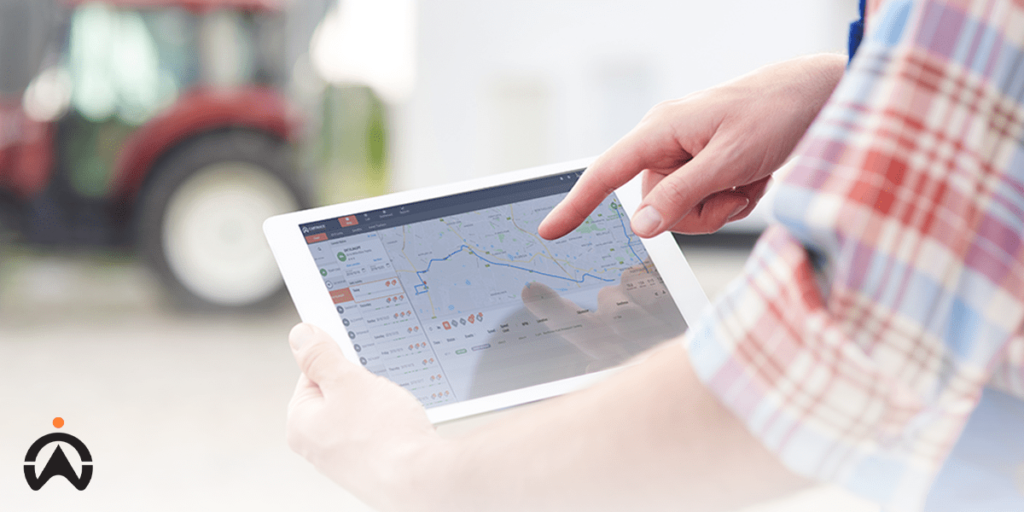
  • Learn about the shift in fleet management and how fleet management software has tackled the challenges of fleet administration by simplifying the fleet management process.
  • Discover the advantages of using fleet management software for your fleet operation.
  • Find out how Cartrack can help you digitalise fleet management administration with our all-in-one fleet management platform.

The emergence of fleet management software has enabled the shift from manual to digital fleet management. Fleet administrators can now say goodbye to wading through piles of paperwork, simplifying the entire fleet operation and using data analysis to ensure smooth fleet operations.

First of all, what is fleet management for vehicles?

Our fleet management is a term of paramount importance for any company that depends on commercial vehicles to operate – whether cars, buses, vans or trucks. This is because fleet management refers to the measures taken to manage all fleet vehicles and assets in order to run a fleet business efficiently, on time and within set budgets and profits.

The fleet management process ensures that a fleet business reduces operating costs to increase profits, improves its reputation by improving efficiency and customer satisfaction, and ensures fleet compliance.

Fleet management is therefore purposeful because it allows fleet businesses to maximise productivity and profits with minimal associated risks and operating costs. Effective fleet management is achieved through a combination of vehicle or GPS tracking, fuel consumption management, driver behaviour monitoring and vehicle maintenance – all of which is in the hands of a fleet administrator or manager.

Let's take a moment to step into the shoes of a fleet administrator.

Primeiramente_o_que_é_gestão_de_frota_de_veículos

What a typical fleet management administrator job looks like

A fleet administrator is an individual responsible for overseeing the vehicles and operations of a fleet business. Fleet administrators have the ability to ensure that fleet businesses reduce fleet operating costs while increasing profits. This is an essential and critical role, as the success or failure of a fleet business rests on a fleet administrator's ability to manage the fleet efficiently.

The precise job description of a fleet administrator varies according to the sector, size and type of business. Below is a list of some of the tasks a fleet administrator is responsible for:

  • Fleet analysis, reporting and optimisation
  • Ensuring driver and vehicle safety
  • Ensuring vehicle maintenance and servicing
  • Managing and organising reports and business administration
  • Monitoring fuel consumption
  • Controlling and managing operating costs
  • Assigning tasks and ensuring on-time delivery

Challenges faced by modern fleet administrators.

With all the demands and responsibilities, fleet administration management requires managers to “wear many hats” in their role. With that come challenges encountered day to day, such as:

  • Fuel management: One of the biggest operating cost challenges for fleet administrators is managing fuel consumption. Both internal factors, such as driver behaviour, and external factors, such as fluctuations in the market price of fuel, affect fleet administrators' ability to manage fuel costs and consumption.
  • Vehicle maintenance and driver safety: It is the fleet administrator's responsibility to ensure the safety of vehicles and drivers. It can be a challenge for a fleet administrator to keep up with the maintenance of every vehicle in the fleet and monitor the behaviour of every driver – whether for one or 100 vehicles and drivers.
  • Administrative overload: whether large or small, fleet operations generate a lot of data. Searching through large amounts of information can consume time and energy, as well as running the risk of misplacing or losing important information.

Fortunately, there is fleet management software that helps fleet administrators overcome these challenges by digitalising and automating fleet management processes.

Digitalise vehicle fleet management with fleet management software

Fleet management software is the technology that helps fleet administrators get an overview of all fleet operations so they can complete fleet-related tasks efficiently, productively and on time. The purpose of fleet management software is to maintain an accurate, up-to-date overview of vehicle and asset GPS location, vehicle diagnostics and the identification of risky or unsafe driver behaviour, while reducing the manager's workload and administration.

With fleet management software, fleet managementhas never been so simple! Fleet administrators can now track, monitor and manage:

  • Vehicles, assets, equipment and drivers
  • Vehicle maintenance and repairs
  • Fuel consumption and operating costs
  • Driver behaviour and road safety
  • Tasks, driver routes and completion rates
  • Fleet compliance

Fleet administrators are therefore able to save time, money and energy while collecting fleet-related data that is converted into easy-to-understand, easy-to-use reports and actionable insights. Fleet managers use this information to make informed decisions about the fleet operation, coordinate it and reduce operating costs, ensuring maximum safety, efficiency and compliance with fleet regulations.

Fleet management software also ensures that drivers are rewarded and recognised for their good work ethic and safe driving habits. With data stored on a cloud-based platform and easily accessible in real time, fleet administrators can use it at any time, whether to reward, train or streamline employees.

Digitalize_a_gestão_de_frotas_de_veículos_com_software_de_gestão_de_frotas

5 advantages of fleet management software for fleet administrators

Digitalisation has had a positive impact on fleet management. Using fleet management software, fleet administrators can:

  1. Improve driver and vehicle safety

Safety is a priority in fleet management, and fortunately vehicle and driver safety has improved thanks to digitalisation. Fleet management software helps fleet administrators deal with safety issues such as accidents, driving in unsafe areas and unsafe driver behaviour. Fleet management software allows fleet managers to plan maintenance in advance and take at-risk vehicles off the road, reducing the chance of breakdowns and possible accidents.

2. Improve driver efficiency

One of the main benefits of the shift from manual fleet management to fleet management software is that it has improved fleet efficiency. With a bird's-eye view of drivers' routes, fleet administrators can inform and instruct drivers to follow certain routes that lead to the safest, fastest deliveries using the least amount of fuel – bravo!

This results in cost savings that can increase profitability, and gives the business a competitive reputation.

3. Monitor operating costs and fuel consumption

Fuel costs typically account for the largest share of operating costs in a fleet business. Excessive fuel use, even in small amounts, adds up quickly and eats into the business's profits. Fleet management software has helped fleet administrators ensure that not a drop of fuel is wasted.

4. Receive alerts about vehicle maintenance

Using fleet management software to track and stay up to date on vehicle maintenance, such as routine oil changes or tyre rotation, simplifies the job, as fleet administrators can receive real-time alerts about when a vehicle inspection is due – leaving less room for downtime and more for working time.

5. Track vehicles and assets

Telematics fleet management enables GPS tracking of fleet vehicles and assets as well as route optimisation, making it easier for fleet administrators to track assets and vehicles. This not only saves the fleet administrator time and guesswork, it also saves fuel costs by reducing the chances of drivers getting lost and wasting fuel and time.

5_vantagens_do_software_de_gestão_de_frotas_para_administradores_de_frotas

How Cartrack helps digitalise fleet management administration

Cartrack is a software-as-a-service (Saas) platform that helps small, medium and large businesses digitalise fleet management to optimise fleet utilisation, driver and vehicle safety, risk management and workforce optimisation, using data to grow the business.

The following are some of the Cartrack fleet management software and solutions a business can use to move from manual to digital fleet management:

web-based software

Cartrack's multifunctional, easy-to-use platform empowers fleet administrators or managers to simplify the entire fleet operation, from managing teams and tasks to controlling operating costs. With fleet telematics software, fleet administrators can track the current and historical location of fleet vehicles and assets from anywhere, at any time. Fleet administrators not only save time and energy on administration, they also never lose data, thanks to Cartrack's web-based platform, which stores data and gives access to historical data.

 Reports and actionable insights

Cartrack's fleet management system has a powerful on-board telemetry device, responsible for monitoring vehicle and driver behaviour patterns according to predefined settings, including GPS positioning. This data is captured by the fleet management system and is designed to assist fleet administrators accurately and efficiently in managing fleet vehicles, driver behaviour, completion rates and even fuel consumption. Fleet administrators have the option of selecting from a range of more than 40 standard reports, including mileage, driver scoring, speeding and productivity reports.

Automated, real-time alerts

With Cartrack, fleet administrators can predefine vehicle violations, such as driving above the road speed limit, driving above the vehicle's set speed limit, harsh braking, cornering, acceleration, and entering and leaving geofences or no-go zones, and receive real-time alerts when any unauthorised violations occur.

Fleet maintenance with MiFleet

MiFleet is Cartrack's easy-to-use administrative and vehicle cost accounting software, which can efficiently manage fleet vehicles, drivers and operating costs. Fleet administrators enjoy all the benefits of MiFleet when tracking devices are installed in the fleet's vehicles. However, this software can be used for fleet management whether or not the fleet is equipped with telematics technology. One of the great advantages of MiFleet is fuel consumption monitoring. This allows fleet administrators to reduce fleet operating costs by quickly detecting any discrepancies caused by fuel theft or uneconomical driving.

Routing

Routing is a software application that allows fleet administrators to easily set and manage predefined routes for drivers to follow. Fleet administrators receive real-time alerts about any route deviation. Keeping vehicles on their planned routes reduces waste in operating costs and ensures that drivers stick to the task in hand and that all cargo stays on the right course.

Contact Cartrack and digitalise fleet management administration

Cartrack is committed to providing solutions that make fleet management as simple as possible, while empowering fleet operations to run smoothly and successfully. Contact Cartrack today and take control of your fleet.