How fleet managers can improve employee productivity and increase efficiency with actionable insights

Have you ever wondered how fleet businesses keep their operations running smoothly, productively and profitably?

In this article:

  • Understand what fleet management is and which processes it involves
  • Find out exactly what a fleet manager does and the day-to-day tasks they face
  • Learn about fleet management software and how it benefits the management process
  • Discover how actionable insights from Cartrack's technology can improve employee productivity

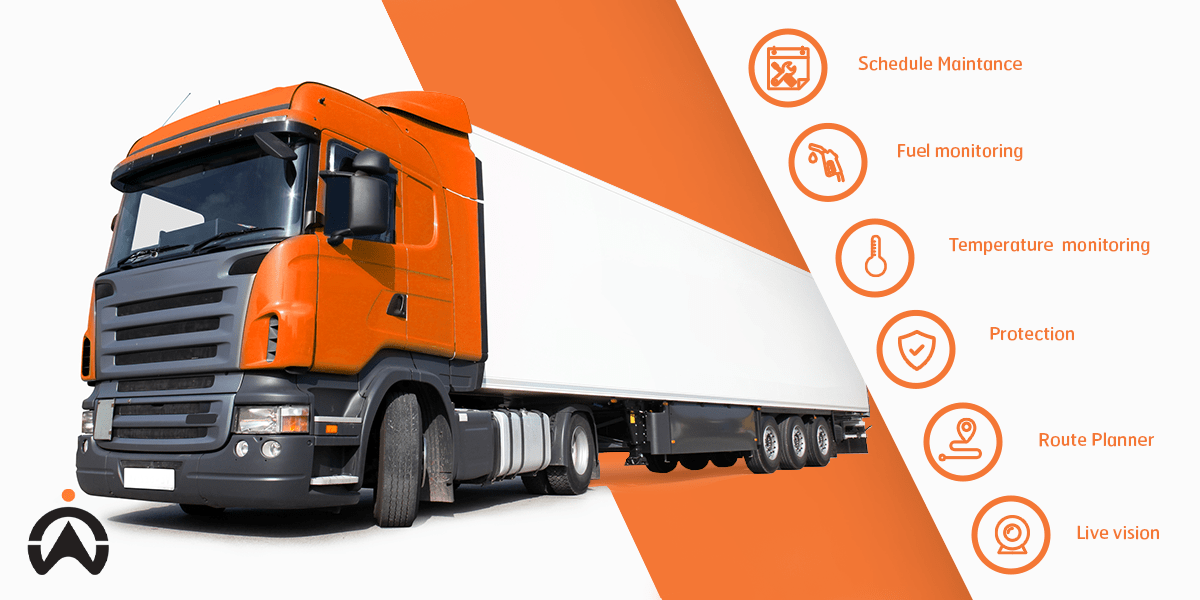
From dispatch to delivery, from operating costs to business profits, there is a lot of work involved in fleet management. Behind every productive, successful business is an efficient fleet manager with the best fleet management software.

First of all, what is fleet management?

The term fleet management refers to the management and supervision of vehicles such as cars, trucks or vans used for commercial purposes. Fleet management does not refer to just a single task, but to a process involved in overseeing the entire fleet operation, from employee performance to fleet performance.

The process of fleet management includes:

  • Managing fleet vehicles
  • Tracking task completion rates
  • Improving driver safety and productivity
  • Ensuring vehicle maintenance
  • Analysing fuel costs and managing fuel consumption
  • Optimising routes for on-time deliveries
  • Using actionable insights to make strategic decisions

All these tasks are carried out to increase employee productivity, ensure fleet operations run smoothly, improve the customer experience and increase profits by reducing operating costs and wasted time.

To better understand fleet management platform, let's take Bill as an example. Bill is the fleet manager of a small fleet business in the healthcare sector.

What is a fleet manager and what do they do?

As a fleet manager, Bill is responsible for every aspect of the fleet business, including directing and managing fleet vehicles, resources and costs. This role requires efficient use of time and excellent leadership and decision-making skills to oversee fleet assets effectively and boost fleet performance. Although Bill's daily routine may differ slightly from that of other fleet managers working in different fleet industries, they all share common responsibilities, which include:

  • Managing, supervising and overseeing fleet operations
  • Hiring quality drivers and monitoring driver behaviour and performance
  • Creating and managing driver tasks and schedules to maximise productivity
  • Ensuring the fleet stays compliant and avoids unnecessary setbacks
  • Implementing fleet management strategies to reduce fleet costs and increase productivity
  • Creating and using detailed reports
  • Organising paperwork and administration
  • Ensuring regular vehicle maintenance for operational efficiency and minimising downtime
  • Meeting customer expectations and ensuring a high level of customer satisfaction

‍O_que_é_um_gerente_de_frota_e_o_que_ele_faz

It is a challenge for Bill and other fleet managers to manage their fleet's daily tasks efficiently while also increasing profits. So they use fleet management software to help them manage small, medium or large fleets efficiently. This type of system allows them to receive reports, data, information and actionable insights designed to improve fleet operations and productivity.

Let's get a deeper understanding of this fleet management software.

Who uses fleet management software and why?

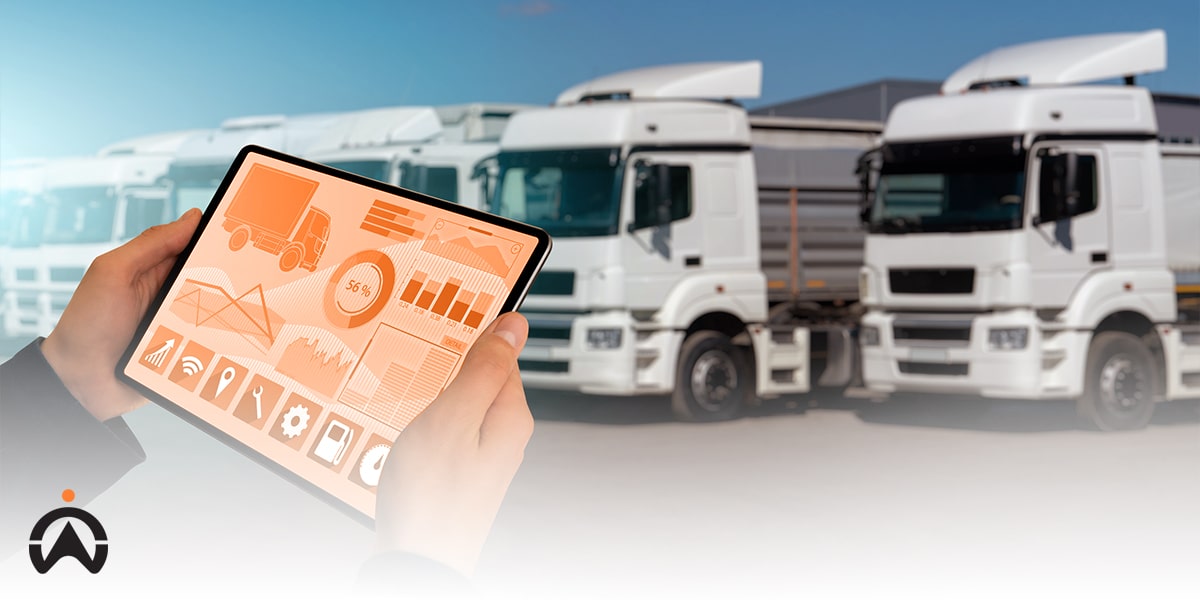
Fleet management software is computer software that simplifies a fleet manager's job by using GPS tracking so that managers can:

  • Track fleet vehicles and assets
  • Monitor driver behaviour and performance
  • Measure task completion rates
  • Manage and reduce operating costs
  • Schedule regular vehicle maintenance
  • Ensure fleet compliance

Managing all of the above manually can be a challenge, whether for one vehicle or an entire fleet. Businesses use fleet management software to simplify the fleet management process, gaining a bird's-eye view of all fleet operations with one complete platform. In this way, Bill or any other fleet manager can improve safety, reduce fleet costs, extend vehicle lifespan, receive real-time fleet alerts, optimise routes and increase customer satisfaction – all remotely, at their fingertips.

Fleet management software is useful for any business that needs commercial vehicles and drivers to conduct its daily business. This includes businesses in the following sectors:

  • Food transport
  • Public or private transport
  • Construction
  • Healthcare and emergency services
  • Courier and parcel delivery services

Using fleet management software, fleet managers in the sectors above can successfully run a fleet business by efficiently overseeing driver behaviour, the internal and external factors that affect fuel prices, customer expectations and vehicle maintenance – to name just a few.

Quem_usa_software_de_gerenciamento_de_frota_e_por_quê

4 benefits of fleet management software

There are several ways in which fleet management software benefits fleet operations. Let's unpack four of them:

1. Fleet management provides fleet visibility: fleet management software integrates vehicle telematics to give fleet managers a complete view of all fleet activity. Fleet managers can use real-time visibility or historical data to make informed, data-driven decisions about deliveries, routes, tasks, costs and safety, as well as to exonerate drivers or speed up insurance claims.

2.Fleet management reduces costs and fuel consumption: Fuel costs alone can amount to around 40% of fleet expenses. With software for fleet management, fuel costs and consumption can be reduced by using the vehicle's GPS location to detect fuel wastage and find solutions, for example:

  • Idle time: a bus wastes 3.5 litres of fuel per hour of idling, a medium-heavy truck wastes 3 litres and a large sedan wastes 1.5 litres. With fleet management software, fleet managers can detect idling and educate drivers on the need to reduce idle time.
  • Delivery time: Fast delivery times translate into less mileage and less fuel used. Fleet managers can use fleet management software to optimise the most efficient routes, access driver and vehicle information, and monitor traffic and weather, to ensure that drivers have faster turnaround times.

    Driver behaviour: speeding, harsh braking and cornering are some of the driver behaviours that waste fuel. Fleet management software allows fleet managers to monitor driver behaviour and receive real-time alerts in the event of poor driver performance. With Cartrack's easy-to-use Mi-Fleet software, fleet managers can easily manage and control fuel transactions, identify fuel wastage and detect fuel fraud. This saves fuel, money and administration.

3.Fleet management increases employee productivity and safety: managers can ensure that fleet operations are safe and productive by using fleet management software that manages vehicle maintenance, reduces downtime, improves driver behaviour, optimises routes, monitors vehicle and driver safety and increases employee efficiency.

4.Fleet management increases customer satisfaction: in the age of fast internet, online shopping and same-day delivery, customers have become less patient and have high expectations. 61% of shoppers would like their products to be delivered within three hours of purchasing online. With GPS tracking as a fleet management solution, fleet managers can meet higher customer expectations by optimising routes and ensuring that drivers stay on course with delivery schedules. GPS tracking also allows customers to track their deliveries in real time, while fleet managers can keep drivers updated on any emergency or change to deliveries.

Any industry or fleet size can reap these benefits if a fleet operation is managed efficiently. For fleet managers to manage a fleet business effectively, teamwork and well-maintained assets are vital. On the other hand, having a dysfunctional team and poorly maintained assets can lead to an unfulfilling fleet manager role and an unsuccessful business operation.
4_benefícios_do_software_de_gestão_de_frotas

The four main productivity challenges faced by fleet managers

Productivity is the key to a successful business story. As a fleet manager, Bill's job is to maximise the fleet's productivity. The productivity of a fleet operation depends on a fleet manager's ability to manage the fleet efficiently. However, fleet managers can struggle to fulfil their responsibilities effectively and manage a fleet operation efficiently because their role depends on employee productivity, the condition of the company's assets and resources, and external factors such as inflation rates.

These are the four main productivity challenges that fleet managers face:

    Time and energy spent on administration and paperwork: the administrative burden of fleet management tasks, such as invoicing, creating reports, scheduling drivers, booking vehicle maintenance and following up with drivers and customers, can be challenging and time-consuming. Fleet management software provides an efficient, cost-effective and paperless way of handling administration by digitalising and automating daily operations on a cloud-based platform

  • Unplanned vehicle downtime: The time vehicles spend off the road because of incidents such as breakdowns, collisions or delays in maintenance and service schedules harms the productivity and profits of fleet operations. Instead of waiting for unplanned vehicle downtime, fleet managers can use fleet management software to run vehicle diagnostics and automate maintenance schedules and reports to keep their vehicles on the road, maximising productivity and, ultimately, profits.
  • Unsafe driving: unsafe driver behaviour, such as speeding, harsh braking, cornering and driving while tired, increases the risk of accidents and damaged goods. This means more time and money spent on vehicle repairs, insurance claims and replacing and returning customers' products. By using real-time alerts about poor driver behaviour and driver scorecards for performance-based feedback and training, fleet managers can improve driver behaviour and increase productivity.

Unclear communication: Another major problem is communication, or the lack of it, especially about tasks, schedules and collection and delivery locations, which can lead to a demotivated, unproductive working environment, as well as time and money wasted on wrong deliveries. Fleet managers must ensure that drivers are well informed, rested and well trained. Fleet management software can automate certain tasks, and managers can use actionable information to improve fleet productivity and efficiency.

Actionable insights to improve fleet management and employee productivity

Actionable insights can be defined as data and information about a business that can be used to make business decisions and achieve business objectives. This refers to data and information that can be translated into action (whether decisions or performance). When used effectively, actionable insights lead to improved employee productivity and business growth.

In this way, Cartrack can help fleet-based businesses get more productivity from their employees, assets and resources.

Cartrack's three main actionable insights to help improve employee productivity:

1. Contextualised metrics for strategic decision-making: Using the fleet's operational, administrative and financial data, Cartrack produces tangible data so that fleet managers gain information about the fleet operation that they can actually use to make accurate strategic decisions.

For example, the fleet's operational, administrative and financial data can be used to determine the cost per job. If the cost per job is too high and exceeds the profit per job, fleet managers can use this information to decide on cost changes and direct actions to reduce fuel consumption, optimise routes or cut idle time.

2. Comparable metrics to identify challenges and solutions: This allows fleet managers to compare metrics across drivers and vehicles to identify leaks, identify challenges and solutions for tackling them, and pinpoint where to optimise time and increase productivity.

For example, fleet managers can compare the differences in cost per task per vehicle based on driver behaviour, vehicle maintenance costs, fuel costs and cost per kilometre. If one vehicle's costs are significantly higher than the others, fleet managers can identify the challenge and tackle it.

This information can be used to empower, educate or coach the driver to use assets, resources and time more productively.

3. Instant insights to spot unproductivity: This helps fleet managers instantly find the information they need and stay informed about any unproductive areas of the fleet operation. Whether it's time per delivery, data on a specific vehicle or driver behaviour – fleet managers can get instant information should they need it urgently.

Cartrack gives fleet managers an overview of fuel consumption, unproductive idling, safety and vehicle utilisation on one dashboard, all with just one click. Fleet managers can use the filters to specify which information is needed – this saves hours that would be spent analysing data.

 4. Improve employee productivity with Cartrack today

Get actionable insights to improve employee productivity with Cartrack's easy-to-use platform, which gives you an overview of your fleet operation. Get a quote today and say goodbye to downtime!
How to stop vehicle idling and save on fuel and business costs

Is idling bad for your car? It certainly is. Now imagine you have an entire fleet idling: it will certainly affect your company's bottom line – and quickly too.

In this article:

  • What it means to leave a car idling and how exactly an engine idles
  • Five reasons why you should stop idling and the benefits of doing so
  • Important steps you can take to stop idling in your fleet
  • How to save on managing your fleet with Cartrack

Whether drivers leave the engine running while unloading deliveries, stuck in traffic, taking a call on the road, warming the cabin in the winter months or cooling it in summer, every second of idling costs.

O_que_é_marcha_lenta_do_veículo?

This is how the idling vehicles in your fleet cost you, and we'll give you ways to reduce idling and save.

What is vehicle idling?

Idling is when a driver leaves the vehicle's engine running while the vehicle is parked. Every day, millions of cars and trucks idle unnecessarily, which can have many implications.

What is an example of idling?

This can happen in stop-start traffic, drive-through queues or loading docks. It also includes running the vehicle to power the heating, air conditioning and electronic devices.

If you are a fleet manager with several drivers and vehicles, you'll want to keep an eye on whether they are keeping their vehicles running for the air conditioning, unloading while the engine is on or idling too much in traffic.

So, what is the problem with idling?

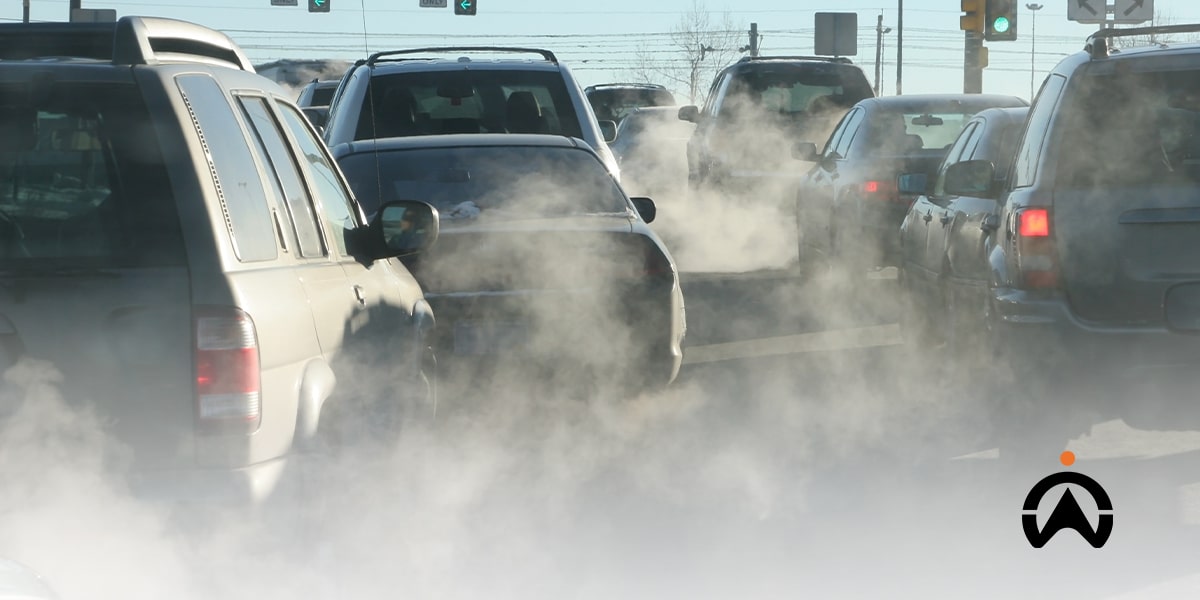
Idling for more than 10 seconds uses more fuel and produces more emissions, contributing more to pollution and climate change than stopping and restarting the engine. Idling also contributes enormously to a vehicle's overall wear and tear, far more than you might think.

Let's dive into this a little more.

How does an engine idle?

In a modern fuel-injected engine, engine idling is controlled by the engine control unit (ECU) and operated electrically by a simple throttle stop, known as the idle screw. This screw prevents the throttle linkage arm from completely closing the butterfly valve that lets air in.

The throttle stop allows the butterfly valve to stay slightly open, which lets a minimal amount of airflow reach the combustion chamber. This opening is just enough to allow a specific amount of airflow to keep the engine running when there is no physical pressure on the accelerator pedal.

Then there is the idle air control valve, or IAC valve, which uses sensors that communicate with the ECU to adjust the airflow into the engine to reach the desired engine idle speed.

This is something to bear in mind the next time you think about warming up the engine.

Como_um_motor_fica_ocioso?

5 reasons to stop your car idling

   1.  Less wear and tear on parts

One hour of daily idling adds up to around 102.998 km of engine wear over a year. And that is for just one vehicle.

According to the American Trucking Association, this wear can increase maintenance costs by almost US$ 2.000 a year and shorten the engine's life.

The reason is that excessive idling puts a great deal of stress on your car's parts. An idling engine causes twice the wear on internal parts compared with driving at regular speeds.

How does idling damage vehicle engines and systems?

Idling can cause fuel to wash away the oil that lubricates the engine, causing friction that ages the engine prematurely. Modern engines have sensors that regulate fuel consumption, and idling doesn't warm the engine enough for the sensors to respond, because the fuel-to-air ratio is too rich. Partially burnt fuel can damage engines, spark plugs and exhaust systems.

A software platform provides driver scorecards that can help extend the life of your vehicles by cutting bad driving habits such as idling, reducing accidents and increasing your operational efficiency. This fuels smart business overall.

No matter the size of the vehicles in your fleet – parts and maintenance are not cheap. You could be using the money spent on repeated repairs elsewhere, to grow your business and resources.

    2.Limit health risks

Idling creates the same amount of pollution as when the car is moving. These pollutants have been linked to negative health implications and illnesses, including asthma, heart disease, chronic bronchitis and cancer.

Some studies have reported that acute exposure has resulted in hospitalisation due to respiratory problems, while cardiovascular health problems result from chronic exposure to pollution.

In addition, when sitting in an idling vehicle, there is no airflow to clear the emissions. Fleet managers should therefore also take steps to stop idling for the sake of their drivers' health, as they will be exposed to the vehicle's pollution more than when the vehicle is moving.

    3.Protect the environment

According to a recent Convoy survey, reducing carbon emissions remains a critical concern. In 2022, 38% of dispatchers, drivers and owner-operators feel under pressure to reduce carbon emissions in their businesses – an increase of 3% on 2021.

Research by the US Environmental Protection Agency found that transport produces 29% of US greenhouse gas emissions, the highest of any sector.

For every 10 minutes your engine is off, you will prevent half a kilo of carbon dioxide from being released (carbon dioxide is the main contributor to global warming).

One wasted litre of burnt diesel releases 2,64kg of CO2 into the atmosphere.

   4. Save on fuel costs

An idling car uses between 0,76 and 2,65 litres of fuel per hour. An idling diesel truck burns approximately 4 litres of fuel per hour.

With prices for unleaded fuel reaching 86,25 per litre at one point this year, this can add up to ,300,00  per hour wasted.

One of the most impactful ways for road transport companies to build sustainability is by using less fuel. Taking steps to drive fewer kilometres and reduce idling is one way to cut the fuel consumed while idling and so save on costs.

Cartrack's smart dashboard on the software platform shows how much fuel your fleet uses on unproductive idling.

    Cut business costs

As mentioned, idling increases maintenance costs because of overall wear and tear, as well as the extra spend on fuel.

This will have a direct impact on your bottom line and the company's overall profits.

Cortar_custos_de_negócios

4 ways to reduce vehicle idling with a fleet platform

  1. Driver behaviour reports

A fleet management platform provides data reports on driver behaviour, such as idling, erratic driving, speeding, braking and cornering. If excessive idling is identified, fleet managers can take action to stop it from happening.

Software reports can also show which drivers idle for longer than others, so that you can notify those drivers accordingly.

2. Educate and motivate your drivers

Some people believe that restarting the vehicle burns more fuel than leaving it idling, and your drivers may be among them.

According to the Environmental Defense Fund, idling for 10 seconds wastes more fuel than restarting the engine.

Debunking these beliefs will encourage your drivers to switch off their engines whenever the vehicle is stationary for more than 10 seconds.

When it comes to fleet management, standard operating procedures for engine idling should be part of a training programme and safety culture.

Fleet managers should teach drivers about the impacts of engine idling and how to avoid idling – to help build best practices from the start. Ultimately, it will motivate and empower them to improve their driving.

3. Optimised routes

By analysing the data provided, you can track where the most idling is happening and why, and optimise your routes to avoid it.

Traffic congestion is another leading cause of increased idle time.

You can use telematics software to optimise your drivers' travel routes to avoid heavy traffic wherever possible, thereby reducing idling.

The route optimisation feature of Cartrack Delivery uses GPS and algorithms to assess every possible route for drivers. The telematics software weighs up multiple variables when determining the best routes, including current traffic, accidents and road closures.

Drivers can adjust their routes on the go or before starting their trips.

The route optimisation feature of Cartrack Delivery uses GPS and algorithms to assess every possible route for drivers. The telematics software weighs up multiple variables when determining the best routes, including current traffic, accidents and road closures.

4. Geofencing

You can use geofencing to reduce truck idle time by placing a geofence around common idling areas. When one of your vehicles enters the geofenced area, the telematics software sends an alert to show how long the vehicle stays in the area.

 Idling on a construction site as an example

It is common for heavy equipment on construction sites to spend significantly long periods with the engine idling, because of the nature of the work – and more than necessary. In these cases, idling should be monitored with the help of idling insights from a fleet platform. Fuel is one of the biggest expenses for heavy equipment and vehicles in construction, one more reason to keep it under control.

Save on fuel and on running your fleet today

Idling can be an expensive problem for your business, but there is a simple solution. While making drivers aware of more economical habits goes a long way, our GPS vehicle and fleet tracking software can help limit idling.

What's more? A customisable software dashboard helps you easily monitor other key metrics that matter to your business. Improve fuel consumption, idling rates, driver safety, fleet operating costs, productivity, vehicle usage and much more.

Contact Cartrack today to find out how our specialised fleet management solutions can help, as well as the latest technology trends for fleets.

How to improve your fleet's environmental sustainability with vehicle maintenance

Improving the environment, becoming a more sustainable business and reducing your fleet's fuel use and CO2 emissions sounds great, especially when it means cutting your fleet costs and attracting more customers.

In this article:

  • Learn how to make the transition to a cleaner, greener business with fleet management systems and telematics
  • Get useful tips on how to reduce your fleet's carbon footprint
  • Put healthy habits in place that promote fleet sustainability, such as keeping up with vehicle maintenance and improving driver behaviour
  • Discover how Cartrack's complete fleet management solution can reduce fuel costs, monitor fuel consumption and create a fleet that is cleaner

Implementing green initiatives is becoming an increasingly attractive business approach for many fleets. Green fleet practices don't just generate a positive public attitude. They also take advantage of “green” government laws and incentives that reduce fuel spend and increase your fleet's profitability. Doesn't sound like a bad deal, does it?

Like most things worth having, the transition to a cleaner fleet isn't easy. Fleet managers need to research, plan and, finally, implement the many changes that come with achieving fleet sustainability.

O_papel_do_gestor_na_gestão_sustentável_da_frota

The manager's role in sustainable fleet management

Fleet management is simply a manager's day-to-day. They oversee every movement and activity of the fleet's vehicles and drivers, to make sure that deliveries are made and jobs are completed on time. In addition, they make sure that drivers are kept safe, practise good driving behaviour and comply with regulations.

Overseeing all fleet operations is sometimes a stressful and overwhelming task. To stay on top of everything efficiently, fleet managers use fleet management systems to increase visibility and manage their assets better.

With fleet management systems, fleet managers can achieve:

  • Reduced overall fleet costs
  • Track vehicle movement
  • Streamline deliveries
  • Improve fleet safety
  • Increase driver retention
  • Keep vehicles up to date with scheduled maintenance
  • Comply with regulations

What is the most important aspect of fleet management?

With all the responsibilities that fall on fleet managers, the most important part of their job is being able to see the bigger picture and make informed decisions that bring the business closer to reaching its goals.

With the help of technological innovation in the fleet sector, fleet managers can now do far more than in the early 2000s. Technology has paved the way for fleet managers to optimise operations and coordinate their systems and staff.

Fleet management systems do their part by automating all the administrative tasks, to equip fleet managers with the insights they need to run their fleets efficiently.

Almost every decision managers make, they make in the business's favour. Striking a balance between tight capacity and rising demand, dealing with driver shortages and fluctuating fuel prices, and keeping up to date with industry regulations all contribute to improving the business.

Fleet sustainability

Many companies are now prioritising sustainability, putting pressure on managers to add one more thing to prioritise – fleet sustainability.

Reducing the fleet's carbon footprint goes hand in hand with reducing fuel use and costs. So, to achieve favourable, reduced fleet costs, the first thing to do is work out how much carbon a fleet contributes.

How do you calculate your fleet's carbon footprint?

The amount of COI2 emissions your fleet produces depends only on how much fuel is burnt, so how much CO2 does your company actually burn? This calculation will help you find an answer.

There are two ways to calculate our fleet's environmental impact efficiently.

Como_você_calcula_a_pegada_de_carbono_da_sua_frota?

1. Mathematical estimation.

Find out how many litres of fuel your company buys every month. If you don't have this information, you can take the number of miles your fleet travels in a month and its average miles per gallon (MPG).

With the miles and MPG, you can calculate the number of litres of fuel your fleet has burnt.

Alternatively, a litre of diesel is 2,68 kg, while petrol is 2,32 kg. You can multiply your litres by 2,68 or 2,32 and get your kilos of CO2.

2. Accurate measurement.

This is a more accurate method that involves telematics. Telematics is used together with fleet management systems to monitor and track all your vehicles, gathering information from their location and speed to their idling and fuel use.

Instead of estimating, you can see each vehicle's actual MPG at any time, with live fuel consumption rates and reports that highlight options for improving fleet health, and easily get the fleet's monthly emissions.

Creating a sustainable fleet management strategy

Once you decide to ‘go green’, a sustainable fleet management strategy is created. This is a method that aims to have a positive impact on the environment and reduce the environmental damage your fleet is causing.

Ultimately, this method promotes efficient driving and minimises a fleet's carbon footprint through healthy driving practices, such as optimised routes, proactive vehicle maintenance and looking to integrate electric vehicles (EVs) into a fleet.

All the activities a fleet can take part in to reduce its environmental, social and economic impact fall within these six main areas:

  • Prioritise cleaner vehicles
  • Use electric vehicles
  • Improve team behaviour
  • Practise effective and timely maintenance
  • Use route optimisation
  • Get Cartrack's fleet management solutions

Electric vehicles for fleets

Electric vehicles have been a trending topic in recent years and still seem highly relevant. These vehicles can be useful in light-duty, medium/heavy-duty and even off-road applications. EVs can match or exceed the performance of their petrol-powered equivalents, as well as being much quieter.

There is a variety of plug-in vehicles you can choose from.

Standard electric vehicles (EVs) are fully equipped with a battery instead of a tank and are powered by rechargeable batteries that feed several motors.

Hybrid vehicles are the best of both. Hybrid vehicles are powered by two engines, one petrol and one electric. They can use petrol and electricity to run.

Electric vehicles produce 0% gas emissions, while hybrids produce very low emissions and increase fuel efficiency.

Veículos_elétricos_para_frotas

Paint your fleet green

With the sustainable fleet management strategy in hand, it's time to turn your intentions into action. A “green fleet” isn't that different from a normal one. It can simply be defined as a fleet with sustainable goals for reducing its greenhouse gas emissions and plastic waste.

Every stage of the supply chain, from manufacturing to distribution, can gain technological improvements by going green. Creating win-win situations for business, the environment and residents.

Step 1: Reduce your fleet's fuel consumption

Fleet management systems and telematics play an important role in studying a fleet and compiling all the good and bad information. A report can be sent to a manager detailing not only problematic information about their fleet, but also solutions you can implement to improve fleet operations.

Both speeding and idling use more fuel than most people realise. To combat this, a few things are recommended.

  • Positive driving behaviour
  • AI camera technology
  • Driver scorecard
  • Driver training programme

These features can be beneficial not only in reducing the cost of speeding and idling, but also in encouraging drivers and ensuring driver safety.

Step 2: improve vehicle maintenance

Fleet platforms can track the mileage your vehicle has covered since its last service and create maintenance schedules to keep up to date with vehicle maintenance. Maintenance notifications help managers stay informed about their fleet's maintenance checks.

The benefits of a healthy vehicle go beyond having a longer life cycle, burning less fuel and reducing overall fleet costs. Avoiding unforeseen breakdowns saves the company more money than having a vehicle out of service and paying more to repair what is damaged.

Tips for easily turning your fleet green

It all starts with reducing fuel consumption and the associated emissions. The large amount of carbon waste produced does more harm to the environment than most. Depending on the size of your business, you may find that the number of vehicles in your fleet makes a difference to how long you will need to completely change your business for the better.

Go electric

One of the easiest ways to dramatically boost your fleet's sustainability efforts is to use electric or plug-in hybrid vehicles. Even if you choose hybrid vehicles rather than fully electric ones, hybrids will still make a significant change to your monthly fuel consumption and fuel costs.

Vehicle selection

Choosing the right vehicles for your business makes a difference. Bigger isn't always better: it all depends on which products are being transported and which vehicles are making the deliveries.

If your fleet consists only of 18-wheelers, but they deliver small furniture, it may be wise to use a smaller vehicle that uses less fuel. Selecting eco-friendly vehicles not only supports your sustainability goals, but also reduces your fleet's overall operating cost.

Track fuel consumption

With vehicle telematics, you can automatically see fuel consumption information on your fleet platform. Telematics is considered a benchmark in green fleet technology, and it can provide some much-needed information about your fleet and drivers.

Sometimes it can be difficult to improve the driving behaviour of all your drivers, as they may not all be facing the same problems. The best option here may be to train your drivers and teach them useful habits, such as how heavy acceleration uses more fuel than gradual acceleration.

Record and report everything

To create a green fleet system, you must keep track of everything that happens in your fleet. Use fleet technology to track emissions, idling and other metrics as part of your green fleet operations. Only through tracking data will you be able to assess how successfully your green fleet goals are being met.

These are the building blocks for creating a more sustainable fleet.

How does a green fleet help environmental sustainability?

The main goal of a green fleet should be to improve environmental sustainability and reduce the fleet's carbon footprint. This can be done in several ways:

Improving driver behaviour – From rapid acceleration to harsh braking and vehicle idling, driver conduct influences your fleet's green activities, which can be both good and bad.

Reduce your carbon footprint – By partnering with companies like Cartrack, you can have all your fleet's activities on one platform and reduce carbon emissions. Using Cartrack will not only benefit the environment, but could also have positive tax implications for your business.

Electric vehicles – Although not every fleet can replace all its petrol vehicles with electric ones, it doesn't hurt to start considering the option and perhaps implementing it in small ways, such as having a few electric vehicles that drivers can use every once in a while.

Reward your drivers – Rewards aren't practised in many companies, but they have been proven to work, especially for boosting driver behaviour and encouraging safer driving.

Use telemetry data – Your telematics already gathers and compiles all the data you need to understand your fleet. This is a treasure trove of actionable information on how to increase your fleet's sustainability.

Promote fleet sustainability

We are the no. 1 telematics solution that can help monitor and improve your fleet's operations on the ground.

  • Reduce unnecessary fuel emissions
  • Understand your fleet's fuel consumption
  • Achieve fleet sustainability with healthy vehicles

Our technology can be used for much more than just tracking your fleet. Interested? Contact us today.

6 ways to improve driver behaviour and driving skills with fleet telematics software

6 ways to improve driver behaviour and driving skills with fleet telematics software

Do you need data insights to coach your drivers on the dos and don'ts? Are your fuel costs sky-high because of poor driving behaviour?

Whatever your challenge as a fleet manager, there are ways to monitor driver behaviour with the help of telematics software.

In this article:

  • Understand exactly what driver behaviour is
  • Identify the factors that affect driver behaviour
  • Discover various driver assessments to help you hire the right drivers
  • Discover six ways to improve driver behaviour and safety
  • Learn how to shape driver behaviour through a fleet telematics management platform
  • Get to know the benefits of a driver behaviour monitoring system

This article is about what you can do to empower your drivers and improve driving behaviour in your fleet – all of which offers countless business benefits you can't ignore.

In addition, you'll discover some factors that affect driver behaviour and the driver assessments that can help you make sure you hire the right drivers.

What is driver behaviour?

Driver behaviour can be defined as the actions a driver performs while driving a motor vehicle. It is essentially the driver's driving methods and characteristics, intentional or not. Driver behaviour is usually characterised on a spectrum from normal to risky and aggressive.

If you are a fleet manager, it helps to understand the factors that can influence a driver's driving methods, as they can affect the driver's ability to assess risks and make decisions on the road.

Here are a few pointers:

Factors that affect driver behaviour

  • Distractions: any action that takes the driver's eyes off the road is considered a distraction. A common distraction is using smartphones for texting and calls while driving.
  • Reckless driving: Actions such as speeding, jumping a traffic light, changing lanes without indicating or driving too fast can endanger other road users, which is considered reckless driving.
  • Fatigue: Apart from the real dangers of falling asleep on the road, even a tired driver may have slower reaction times than an alert driver, making it harder to respond to sudden hazards on the road.
  • Age and experience: There is a weight of evidence proving that age and experience have an effect on accident risk. For example, studies have consistently concluded that teenage drivers had dramatically higher accident rates than older drivers, particularly drivers over 25.
  • Drink-driving: Drunk driving causes almost half of all fatal accidents and numerous collision injuries every year. In South Africa, 50% of all accidents that happen on the roads involve someone who is over the legal alcohol limit. However, alcohol isn't the only substance that can impair a driver's ability to drive a vehicle. Prescription medication, illegal narcotics and over-the-counter medicines can cause confusion, drowsiness and poor decision-making.

Now that you understand the factors that influence driver behaviour, there is more you can do to make sure you hire the right drivers for your fleet.

Assessing a driver's skills and attitudes to driving can significantly help both employee and employer. The qualities of a good driver come from attitude, skills and knowledge.

You may want to consider carrying out driver assessments to analyse behaviour and attitude together; after all, they are interlinked.

Here are a few, so that you can understand your drivers before they hit the road.

Types of driver behaviour assessments

The driver behaviour questionnaire (DBQ)

Drivers answer questions about how they drive day to day and can indicate on a scale (0 = never and 5 = nearly always) how often they have carried out each driving behaviour on the list.

Attitudes towards traffic safety scale (ATTS)

Here they are asked questions about their views on traffic safety, which will give the fleet manager an idea of their behaviour and how they approach traffic laws.

Transactional analysis of driver behaviour (TA)

This test will help you understand how your drivers react under pressure and their working styles. This model will help you uncover information about how they organise their work and time and communicate with one another.

6 ways to improve driver behaviour and safety

1. Establish safety policies

Companies should create safety policies, procedures and expectations for drivers to follow. These should be signed by managers and drivers and reviewed regularly to show how committed your company is to reducing traffic-related accidents, injuries and deaths. And these policies can be shown to drivers during training sessions, for example, your no-distraction policy.

2.  Check driver records

Check driving records and history before bringing new drivers on board. You can filter out those with a poor driving history, to avoid future incidents.

3. Train drivers

The best way to instil safe driving methods is to educate your drivers on safety protocol. Show them the consequences of risky driving behaviour, speeding, distracted driving and more. You can also send them on a driver behaviour course to equip them better.

4. Motivate your drivers

Training your drivers will motivate and encourage them to perform better, as it creates room for them to grow and develop their skills. Empower your employees with the right set of values for success by creating positive practices.

You can also create incentive programmes where they are rewarded for driving well, to reinforce their good driving habits.

Actionable data from a fleet management platform can be used to show your drivers the best way to drive. For example, you can spot whether one driver is idling more than others, and can then let those drivers know. If others are following safe driving procedures, this can help motivate other drivers to reach that level too.

5.  Maintain vehicles

If your vehicles are well maintained, you'll have a safer fleet overall. They will run better, so you can avoid road accidents and protect your drivers. You can receive real-time alerts if there are any engine faults, worn brake pads, oil and water fluctuations and other diagnostics, so that you know when you need to service your vehicles.

Use vehicle telematics software

Use the smart data from a fleet management platform to get the information you need on driving behaviours and methods. You'll be able to detect events such as speeding and harsh braking and put systems in place to stop these incidents.

See more on how telematics software can help you monitor the drivers in your fleet.

How to improve driver behaviour through a fleet telematics management platform

As we know, there is a benefit in identifying unsafe driving methods. Insurers are always looking for ways to reduce insurance payouts and road accidents by monitoring safe driving habits on South African roads.

We also know that safe driving affects a fleet's longevity and can help reduce costs.

Here's how a fleet platform can help you improve driver behaviour:

Driver behaviour reports

  • Get driver scorecard data reports from a fleet platform and get the driver information you need to catch idling, aggressive driving, speeding and much more – all of which are costly for a fleet.

Get detailed reports for each behaviour too. Say, for example, that speeding is an ongoing trend with one of your drivers: then get a detailed speeding analysis. It can include detailed locations, duration and distance travelled at maximum speed limits, so that you can get the full picture of a speeding incident. Or perhaps your fuel costs have gone up: get an excessive idling report to see whether that is the cause.

On-demand trip reports can also be pulled if you want to analyse and compare all your vehicles and the drivers who use them.

These reports will help fleet managers take action in real time to mitigate problems

Driver behaviour alerts and reminders

With all the daily tasks a fleet manager faces, a fleet platform will help with its alert and reminder features. Managers can customise driver behaviour alerts and receive the information they consider necessary. So they can create a trigger alert for when the ignition is switched on and off and choose where they want the alert to go, i.e. email. Or receive real-time alerts when safety rules aren't followed and put that right immediately.

Drivers can also receive preventive in-cab alerts in real time, so that they know when they are breaking the rules of the road or committing safety violations. For example, if they aren't keeping their distance from the vehicle in front. Create reminders for certain events too: for example, you may want to be reminded to check a particular route a driver is taking, to see whether the speeding persists.

AI cameras

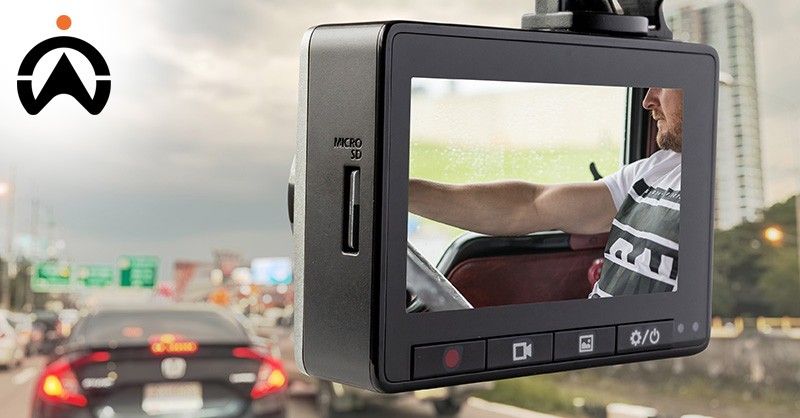
Get up to eight interior or exterior cameras to help keep your drivers, fleet and cargo safe. These cameras can pick up all kinds of detections, including forward collision warnings, smoking detection, distracted driving, yawning and much more. Smart in-cab screens keep your drivers safe and give them visibility of their blind spots, and the cameras alert them in real time to any dangers or problems. With the footage, you'll also be able to protect drivers from false accident claims. In the event of poor driving, fleet managers can also use the footage to raise the incident with the driver concerned.

Benefits of improving your driver behaviour monitoring system

Choose Cartrack's software and GPS tracking system and you'll get the following benefits:

  • Reduce costs, as poor driver behaviour will be detected and accidents can be avoided
  • Ensure compliance with legislation in your company
  • Identify aggressive driving methods to ensure road safety compliance and protect your fleet
  • Protect your drivers, as they will be notified in real time if they aren't driving properly
  • Provide accountability with driver ID tags or identification
  • Save on running costs, such as fuel and maintenance, and increase your vehicle's longevity

Make your fleet and driver behaviour as safe as possible, with fleet management software from Cartrack. Contact us today.