Easy breathalyser testing in your fleet: here's how to protect your business

In the blink of an eye, a single case of drink-driving can cost your company hundreds of thousands in significant legal and financial losses and destroy your driver's personal life.

That is the harsh reality of not tackling drink-driving problems in your fleet. However, it's not all doom and gloom, thanks to advanced breathalyser interlock technology for fleets.

Let's take a look at how this invaluable device can help you easily enforce safer, sober driving in your company

In this article, you will:

  • Get a comprehensive explanation of what breathalyser testing is
  • Understand what the breathalyser rules are
  • Explore the unique benefits of using breathalyser testing in your fleet
  • Discover the alcohol breathalyser solutions from Cartrack Mozambique for your fleet management
  • Find out how to use breathalyser testing to support your drivers' well-being

What is breathalyser testing?

‘Breathalyser testing’ involves using a diagnostic device to estimate a person's blood alcohol concentration from their breath.

According to the National Institute of Health, two types of breathalyser test can typically be carried out on drivers: preliminary alcohol screening (PAS) or evidential breath tests (EBTs). PAS tests use smaller, portable devices, typically used by police officers to test drivers for drink-driving. EBTs are more reliable devices that law enforcement uses to test breath samples at the police station.

To combat drink-driving and reduce the risk of road accidents, many countries have also introduced alcohol ignition interlock devices for commercial fleets and programmes for DUI offenders. Alcohol ignition interlock devices prevent drivers from starting or driving their vehicles under the influence of alcohol.

Breathalyser testing with these devices helps companies ensure that employees do not drive or operate heavy machinery under the influence of alcohol.

What are the rules for breathalyser testing in Mozambique?

In Mozambique, employers cannot rely solely on breathalyser test results to determine whether an employee is under the influence of alcohol. Although breathalyser tests can be a useful tool, they must be backed up by additional evidence, such as blood tests.

However, employees can be barred from resuming their duties when they test positive above the legal limit or the limit pre-set by the company. This means that even if the employee is not visibly under the influence of alcohol, or claims not to be under the influence of alcohol, you can stop them from continuing to work as normal and ensure their safety.

Implementing stricter policies on drink-driving and positive alcohol test results is something really worth considering. According to Arrival Alive, companies with strict policies that prohibit alcohol consumption before and during working hours are more successful at prioritising health and safety in the workplace.

Quais_são_as_regras_para_o_teste_do_bafômetro_em_Mocambique

The benefits of breathalysers

By implementing robust policies that promote responsible driving habits and investing in solutions such as alcohol ignition interlock devices for breathalyser testing, you can create a safer environment for your employees, the community and your company. Ultimately, the cost of inaction is far greater than the cost of prevention.

Here are some benefits of implementing breathalyser testing in your company:

  1. Promotes safety and accountabilityDrink-driving is one of the leading causes of road accidents, with devastating consequences for everyone involved. Your employees and innocent bystanders can suffer serious injuries or even death.Witnessing or being affected by a drink-driving incident can also significantly affect the morale and sense of safety of your employees. This can lead to lower productivity and low spirits among employees in the workplace.Regular breathalyser testing in the workplace can deter employees from drinking on the job, promoting responsible behaviour and reducing the risk of workplace accidents. By identifying intoxicated individuals at work, those responsible for health and safety can take the relevant decisions to remove them from the workplace and bar them from operating any heavy machinery, helping to prevent potential injuries and liabilities.Implementing alcohol ignition interlock devices in your fleet can also stop your drivers from consuming alcohol or trying to drive under the influence of alcohol. These devices are used with confidence by fleet and freight companies, dangerous goods hauliers and professional passenger drivers, such as public transport drivers and e-hailing drivers.
  2. Avoid liabilitiesAccidents resulting from drink-driving can lead to exorbitant business costs. Companies can end up facing vehicle repairs, medical bills, lost productivity and possible lawsuits, and the financial burden can quickly spiral out of control, putting the stability of your business at risk.Drink-driving carries severe legal consequences, including heavy fines, licence suspensions and even prison sentences for employees caught drunk at the wheel. These legal repercussions can tarnish trust in your company and lead to greater financial losses.News of a drink-driving incident involving your fleet can also seriously damage your company's public image and customer trust. Negative publicity about your business can be harmful to your brand image and your company's long-term success.

How Cartrack Mozambique's breathalyser device and technology work

Companies can tackle DUI problems among their drivers and prioritise the safety of drivers and the fleet with Cartrack Mozambique's alcohol breathalysers. Our breathalysers use cutting-edge technology that interlocks with your vehicle's ignition. If a driver's breath alcohol concentration (BrAC) tests above the legal or preset limit (i.e. they fail the breathalyser test), the vehicle can be prevented from starting.

Here's how it works:

  1. Prevents drink-driving
    This device integrates seamlessly with the Start Ignition and Start Prevent technology from Cartrack Mozambique. This allows managers to directly prevent the vehicle's ignition if the driver's breath alcohol concentration exceeds a legal or preset limit.
  2. Real-time alerts if drivers fail the breathalyser test

    If a driver fails the breathalyser test, the results are communicated instantly via the Global System for Mobile (GSM) to your control centre, and the vehicle will be immobilised as soon as the ignition is switched off, allowing immediate intervention and support from the fleet manager.
  3. Comprehensive recording

    Every test, pass or fail, is stored on the device in the unit's memory for detailed reporting and analysis. Driver behaviour reports can be easily accessed on Cartrack Mozambique's fleet pages at any time. The information is made available seamlessly with an encrypted RD download of vehicle data to your PC.
  4. Override function

    The device is equipped with two override functions, offering flexibility in emergencies. A reprogrammable one-time override function can be used to keep the vehicle mobile and, in the event of a technical failure, an emergency override PIN code can be issued by the control centre.
  5. Innovative features
    The device can distinguish between human and mechanically simulated breath samples using Electronic Counter-Circumvention Measures (ECCM), so drivers cannot bypass the test. It also has advanced fuel cell sensing technology and LED indicators to make it easier for drivers to use.

Easy implementation and software verification

Cartrack Mozambique's alcohol breathalysers are CAN-Bus enabled. This reduces installation time and increases the system's capability. The breathalysers integrate seamlessly with the fleet management system from Cartrack Mozambique.

All features are programmable to meet your fleet's business challenges and can also take legal and judicial requirements into account.

Companies can take other steps to ensure that there is no tampering with the breathalysers or attempts to get round the system. For example, Cartrack AI SmartCabin cameras face the driver and use AI facial recognition to detect the position or orientation of the driver's head and eyes.

These cameras are designed to detect distracted driving gestures, such as mobile phone use, smoking or signs of driver fatigue, such as yawning, that can cause accidents. Fleet managers can also use these cameras to see whether the driver is intoxicated or has tried to use someone else to take the breathalyser test.

In addition, for mobile workers, such as delivery drivers and field service workers, fleet managers can set up the breathalyser test as a pre-trip inspection to ensure that drivers are safe on the road. As fleet managers cannot watch their drivers' every move, they can set up a pre-trip checklist to make sure drivers always take the breathalyser test, and can verify this with reports from the fleet management software.

Fácil_implementação_e_verificação_de_software

Cartrack Mozambique's cost-effective solution and long-term benefits

Although breathalyser testing may require an initial investment in devices, training and implementation, the long-term benefits far outweigh the upfront costs.

Cartrack's alcohol breathalyser is a cost-effective solution that offers immediate benefits today and helps mitigate any drink-driving risks in the long term.

Here are some rewards your fleet and drivers can gain by using Cartrack Mozambique's breathalyser technology

Benefits for your fleet:

  • Reduced liability and risk: Proactively prevent accidents and the legal repercussions associated with drink-driving.
  • Greater driver accountability: promote a safer, more responsible driving culture in your team.
  • Greater operational efficiency: Minimise downtime and disruptions caused by alcohol-related incidents in the workplace.
  • Regulatory compliance: In some industries, breathalyser testing may be mandatory or strongly encouraged in order to comply with safety regulations and standards.
  • Reduce insurance costs: Insurance companies often offer lower rates to companies that have put in place strong measures for safety, including breathalyser programmes.

Benefits for your drivers

  • Encouraged to act responsibly: Drivers will avoid drinking excessively when they use company vehicles, travel long distances for work or operate heavy machinery at the company.
  • Training opportunity: Drivers can receive training on the risks of driving under the influence of alcohol and on the regulations and disciplinary procedures relating to breathalyser testing. This can help them reduce risky behaviour.
  • Exemption from liability: In an accident, drivers can also be cleared of liability if they have evidence and reports proving that they were not under any influence while driving or operating machinery.
  • Enjoy a safer environment: All employees can enjoy a safe environment knowing that their colleagues are acting safely when operating heavy machinery or working in general.

Bonus benefit: a long-term advantage for companies and driver well-being

Introducing alcohol breathalyser testing can be a sensitive subject. Drivers and employees often feel targeted by managers or companies when things go wrong. One of the ways to build the relationship between managers and drivers is to create a supportive, helpful environment. Instead of aiming to punish and dismiss employees who fail the breathalyser test, you can see it as an opportunity to address alcohol abuse and alcoholism with the utmost sensitivity.

Drivers can feel confident that managers will treat test results confidentially. They can also trust that fleet managers will be there to help them if they are struggling with alcohol use. Doing this is a positive step towards improving employee well-being and morale.

For example, imagine that one of your best-performing drivers fails the breathalyser test and cannot resume work for the day. Instead of dismissing or disciplining them immediately, you can help them get professional help, saving your company the time and money of replacing highly skilled employees.

Here are other changes you can make to promote your drivers' well-being:

  • Return-to-work alcohol testing – carry out random and regular tests for accountability, helping employees who are DUI offenders or in rehabilitation to return to their work.
  • Employee assistance programmes (EAPs) – offer confidential access to the programme, which lets drivers get the professional support and guidance they need in a safe, supportive environment.

Ready to implement breathalyser testing that looks after your drivers and your company?

Implementing breathalyser testing for your drivers and employees is a strategic way to increase safety, reduce liability and promote a responsible working environment.

Cartrack Mozambique can help you get started with alcohol interlock breathalyser technology. Contact us for a demo and more information.
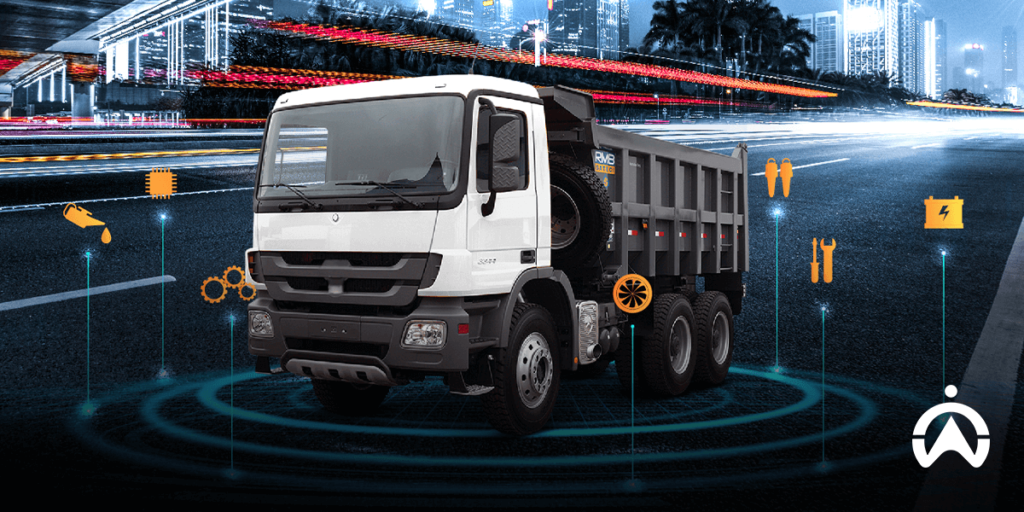
Abnormal load trucks: how to eliminate your truck operation challenges with a fleet system

Dealing with a fleet of trucks can be a hassle, and dealing with an abnormal load fleet can be harder still. But does it have to be?

Let's find out how Cartrack can simplify the management of an abnormal load fleet, making it very easy.

In this article, you will:

  • Understand what abnormal load fleet trucks are
  • Unpack the state of abnormal load transport in South Africa
  • Dig into the challenges faced by abnormal load fleets
  • Find out what makes fleet management the ideal solution to these challenges
  • Find out how the fleet management solutions from Cartrack are your secret weapon for fleet success

Unpacking what abnormal load fleet trucks are

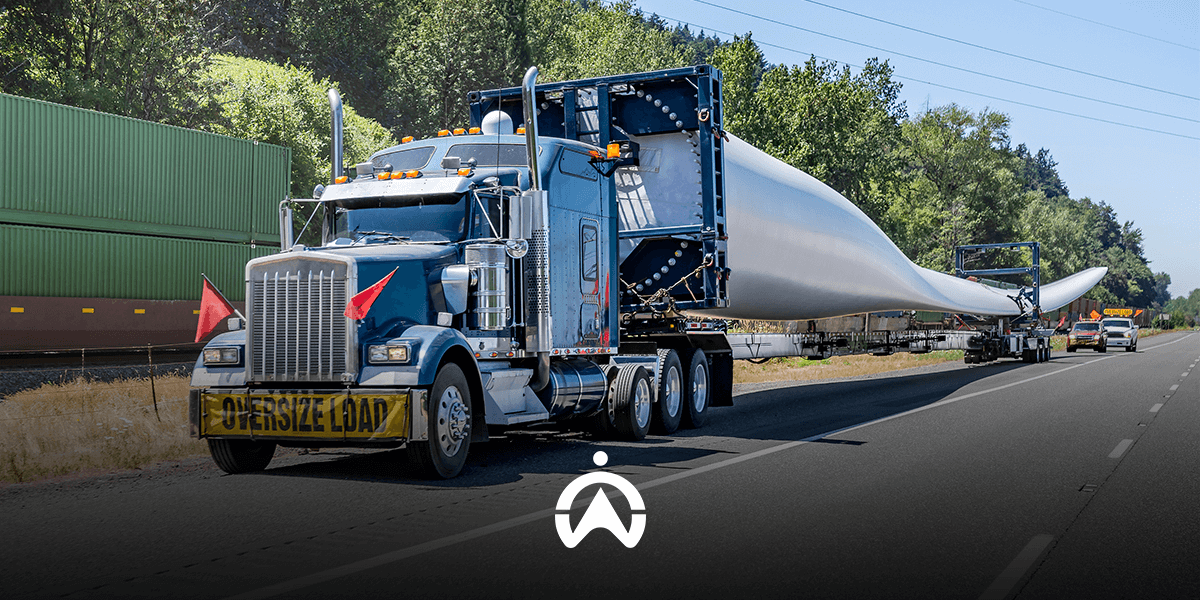
Abnormal load fleet trucks are specialised vehicles designed to transport machinery, industrial equipment and oversized or overweight loads that exceed the standard legal limit, whether in width, length, height or weight. These trucks are important in the transport industry, as they ensure the safe delivery of heavy loads – think huge transformers, wind turbine blades and even sections of oil rig platforms.

You see, these are not your typical eighteen-wheelers; they are designed specifically to move heavy, specialised loads, typically used in large construction and infrastructure projects, and they use a variety of trailers depending on the load they carry. These include low-bed trailers that sit close to the ground to carry extra-tall machinery, extendable trailers that are ideal for very long objects, step-deck trailers that make loading forklifts simple, and flatbed trailers that are ideal for quick and easy loading and unloading of equipment.

Discover the difference: abnormal load trucks versus normal trucks

Let's make a quick comparison of the difference between abnormal load trucks and normal trucks:

Load size and weight Carry oversized and heavy loads that are above the legal size and weight limits Carry large and standard-sized loads that are within the legal size and weight limits
Load type Usually carry specialised loads, such as mining, construction and industrial equipment Usually carry general goods and materials, such as packaged products and building materials
Licence requirements Drivers need special licences to drive these trucks, as they present more challenges and safety concerns Drivers need a standard truck driving licence
Licence requirements Drivers need special licences to drive these trucks, as they present more challenges and safety concerns They do not need special permits, as they operate within the standard legal limits.

Abnormal load trucks sound complicated, right? Well, that is what makes these trucks so important: their ability to get the job done, whatever the size. But how important are they in South Africa's unique economy? Let's find out.

Decoding abnormal load transport in South Africa

The South African economy is shaped by the construction and development industry. In fact, in the fourth quarter of 2023, the construction industry contributed around R106 million to the country's gross domestic product (GDP). The industry is also expected to grow steadily over the next four quarters, recording a compound annual growth rate of 5,8% between 2023-2027. This means that construction output is expected to reach more than R276 million by 2027.

Transporting heavy and large machinery is a crucial part of a successful construction industry. In South Africa, abnormal load transport is important for moving components such as mobile cranes, earthmoving equipment and heavy machinery from one destination to another.

However, abnormal load transport is not limited to the construction industry; it also plays a role in the following industries:

  • Mining industry:
    Simplifying the delivery of equipment such as drilling rigs, underground loaders and conveyor belt systems.
  • Manufacturing industry:
    Streamlining the delivery of storage racks and industrial boilers.

Exploring the hidden obstacles of abnormal load transport in South Africa

South Africa has a unique climate for running any business, and this applies to the abnormal load fleet industry. South Africa's economic and geographical climate creates a unique set of challenges for fleet managers. These challenges include:

  • Rising operating costs:
    South Africa sees fluctuating fuel costs, with the most recent fuel price increase being R1,21 per litre of petrol and R1,19 per litre of 50 ppm diesel. With the amount of fuel that abnormal load trucks burn because of their size and weight, even the smallest increase can significantly raise operating costs. Abnormal load trucks need powerful engines to maintain momentum, and the specialised trailers create significant wind resistance. These two factors result in higher fuel consumption compared with normal trucks. So, if fuel consumption is not monitored closely, rising consumption will leave you with the unpleasant surprise of possibly not being able to pay for fuel.
  • Fleet compliance:
    Compliance is a major challenge faced by managers of abnormal load fleets. Abnormal load trucks carry loads so large and heavy that they can exceed the legal weight limits. For this reason, abnormal load transport requires special permits that specify approved routes and conditions for safety, depending on the size and nature of the load. This permit is not just extra admin; it is also an extra expense, which can add to the already costly nature of abnormal load fleet vehicles.
  • Driver management:
    Handling a vehicle with a heavy load can be very challenging, so drivers need proper training to ensure they drive safely and efficiently. Whether you have one, five or twenty abnormal load trucks, this can be quite challenging, as you need to keep a constant eye on your drivers to see how they are behaving at the wheel.
  • Route planning:
    Routes for abnormal load trucks need to be planned in advance, as they cannot take the same routes as normal vehicles or trucks. Many South African roads were not designed to carry large, heavy loads, especially in urban areas where the streets are too narrow and the roads have sharp bends or low bridges. Route planning ensures that large loads are delivered on time, with little or no delay, avoiding areas at high risk of theft or hijacking.
  • Vehicle maintenance:
    Vehicle maintenance is a major challenge for managers of abnormal load fleets in South Africa. The greater weight and size of the load carried by abnormal load trucks puts extra strain on many vehicle components, such as engines, brakes, suspension and tyres, accelerating vehicle wear. With the poor road conditions in South Africa, vehicle parts can suffer premature damage, which means more frequent maintenance.

Abnormal load trucks face a wide range of challenges; if these are not resolved, your fleet can become a heavy burden. If you are looking for a solution that streamlines and resolves these challenges, you need a system for fleet management.

Explorando_os_obstáculos_ocultos_do_transporte_de_carga_anormal

Go from headache to efficiency with a fleet management system

Imagine having eyes and ears on every abnormal load truck in your fleet at all times. This is the beauty of fleet management systems: a combination of tools and technologies that make fleet management tasks easier. These systems increase fleet productivity, improve efficiency and safety and simplify real-time monitoring of various aspects of the fleet. It is your complete tool for knowing what is happening in every aspect of your fleet, whether in terms of fuel consumption, driver behaviour or maintenance problems.

A fleet management system is not a luxury; it is essential for the efficient running of your fleet and, without it, the repercussions are damaging. Let's look at the consequences of not prioritising fleet management in the context of abnormal load vehicle fleets.

How does poor fleet management affect abnormal load fleets?

Effective fleet management is crucial, whether you are transporting normal or abnormal loads. Let's look at the risks of not prioritising it in your fleet:

  • Financial losses:
    Fleet management is rooted in constant monitoring of various aspects of the fleet and, without it, a fleet can suffer significant financial losses. Wasted fuel due to inefficient routes, poor vehicle maintenance and dangerous driving behaviour can lead to higher operating costs, reducing the fleet's profitability.
  • Reputational damage:
    Fleet management is essential for streamlining fleet processes and, with it, fleets can avoid delays that can harm their reputation and customer service. One of the most incredible things about fleet management is the in-depth insight it offers into your entire fleet operation, whether that is driver behaviour, real-time vehicle location or routes.Let's look at John again. He doesn't use fleet management strategies, which means he cannot spot possible delays on delivery routes due to traffic conditions. He also has to phone each of his drivers to find out exactly where they are and how long they should take to complete the delivery. These factors lead to late deliveries, damaging the fleet's reputation.
  • Unplanned downtime and unforeseen damage:
    Fleet management offers in-depth insight into the factors that can lead to unplanned stoppages and unforeseen damage. It is all about real-time monitoring, taking the guesswork out of running your fleet.John cannot help his drivers stay safe and drive responsibly because he doesn't know how they are driving. It is important to remember that, according to the Department of Transport, drivers of abnormal load trucks need a proper licence and training to drive these vehicles safely. John cannot provide specific training because he doesn't know which areas his drivers need training in, increasing the risk of road accidents.

These consequences sound heavy, right? That is why you need a fleet management system. Now that we have covered the impact of poor fleet management, let's explore how a fleet management system can help you take your abnormal load fleet to the next level.

How can a fleet management system help optimise abnormal load fleets?

A fleet management system is the secret weapon you need in your fleet's arsenal for several reasons. Let's explore them below:

  1. Simplified route planning:
    As we established above, special load trucks cannot use every road because of their size. Using real-time GPS tracking and AI software, a fleet management system can detect congested roads, obstacles with low clearance, bridge weight capacity and other critical factors that help identify the safest and most convenient route. Fleet managers can ensure that their deliveries are made on time by following routes that do not require detours due to congestion or rules and regulations.
  2. Greater driver safety:
    Our safety of the driver is essential, especially when handling a vehicle as large as an abnormal load truck. A fleet management system lets fleet managers view their drivers in real time, helping them know exactly what is happening at the wheel. In doing so, they can spot behaviour that puts their drivers and their load at risk. This allows them to implement specific driver training to ensure that the fleet remains as safe, effective and productive as possible.
  3. Optimise vehicle safety:
    We live in a country where your car is always at risk of being stolen, which is a costly risk for abnormal load trucks and the cargo they carry. A fleet management system helps fleet managers unlock a new level of vehicle security, thanks to real-time GPS tracking. This helps them always know where their vehicles are. So, if a driver notifies the manager that the vehicle has been stolen, they can quickly pinpoint its location at the touch of a button.
  4. Preventive maintenance:
    Preventive vehicle maintenance is about more than just fixing a faulty part; it's about catching the problem before it turns into a more serious and expensive matter. A fleet management system can monitor the health of various vehicle components, from engines to brake pads. By helping fleet managers quickly identify faulty parts that could affect a truck's operability, they can quickly schedule a repair to avoid unplanned downtime.
  5. Effective fleet cost management:
    Operating a fleet comes with many costs, which increase with an abnormal load fleet. These expenses can be very hard to manage and monitor, but with a fleet management system, you can know exactly how much it costs to run your fleet effectively. Knowledge is power, and that also applies to your fleet's running costs. This knowledge can help you identify cost savings in your fleet, implement cost-cutting strategies and make sure you never miss a payment deadline.

Intrigued? Well, you can unlock these benefits for your abnormal load fleet today. How? The answer is the fleet management solutions from Cartrack.

Como_um_sistema_de_gerenciamento_de_frota_pode_ajudar_a_otimizar_frotas_com_cargas_anormais

Master these fleet giants with Cartrack Mozambique's fleet management solutions

Our Cartrack Mozambique offers a wide range of fleet management solutions that can simplify the management of your abnormal load fleet. Let's look at some of these solutions:

  1. Driver behaviour monitoring:
    Keep track of your abnormal load drivers' behaviour with AI Live Vision cameras from Cartrack Mozambique. This AI-powered live-streaming technology helps you unlock 24-hour visual access to your fleet, making it easier to monitor each of your drivers. Using AI analysis, our cameras can detect different forms of dangerous or distracted driving, including:- Fatigue
    – Speeding
    – Smoking
    – Mobile phone use

    Audible in-cab alerts are triggered the moment these behaviours are detected, allowing your drivers to correct their behaviour in real time. This proactive approach to safe driving helps your drivers avoid costly and potentially fatal accidents. And, as a fleet manager, you can also receive these alerts in real time, as well as keep an eye on your drivers through a live stream to make sure you stay up to date, even if you look away for a moment.

  2. Driver scorecards:
    Know exactly which areas your drivers need to improve with Cartrack's driver scorecards. It's one thing to know that some of your drivers are driving aggressively; it's another to be able to pinpoint exactly which driver is behaving this way. Our scorecards monitor high-risk behaviours, including:- Harsh braking
    – Speeding
    – Sudden acceleration
    – Sharp cornering

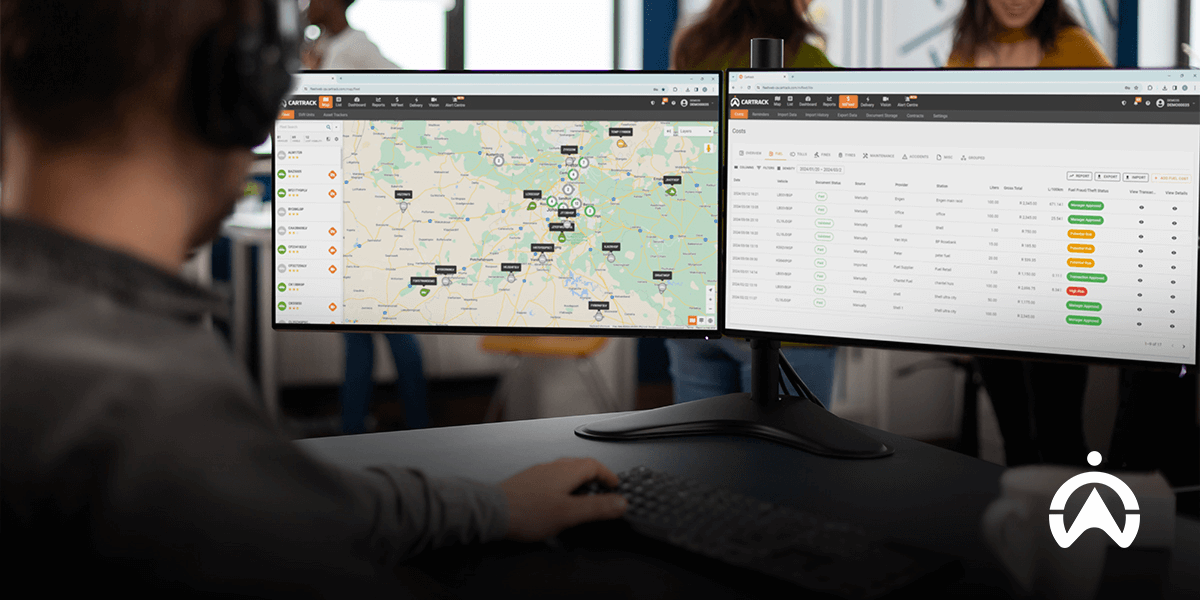
    These detailed reports help you pinpoint the exact time, location and driver linked to these harsh driving events, helping you know which drivers need specific training to improve the overall safety of your abnormal load fleet.

  3. ADAS:
    Make sure your drivers are fully aware of their surroundings with Cartrack Mozambique's Advanced Driver Assistance System (ADAS). This proactive technology uses features such as forward collision warnings to alert drivers to a potential threat in real time, helping to promote vehicle safety and prevent potentially disastrous road accidents.
  4. Driver identification tags:
    Make sure only authorised drivers can use your abnormal load trucks with driver ID tags from Cartrack Mozambique. As established, abnormal load truck drivers need special licences to operate these large vehicles, so you don't want to give unqualified or inexperienced drivers access to the wheel. By giving your drivers a unique tag that must be tapped on a sensor inside a vehicle to start it, you get controlled driver-vehicle assignment and use, unlocking another level of safety.
  5. MiFleet:
    Account for every cent your abnormal load fleet consumes with Cartrack Mozambique's MiFleet software. Our cost management system gives you a complete view of all fleet expenses, from vehicle licences for abnormal load trucks to fuel costs. By keeping track of your fleet's expenses, you can say goodbye to the human error caused by manual calculations. This cuts admin time and helps your fleet stay cost-effective, compliant and profitable.
  6. Cartrack Delivery:
    Step up your abnormal load fleet's delivery game with Cartrack Delivery. Making deliveries is already tiring and can be a hassle for abnormal load fleets. However, thanks to our Delivery solution, it doesn't have to be. This solution aims to streamline and optimise all your delivery options, giving you a complete view of your driver's location and trips. This helps to simplify job assignment, as it is based on job completion times and driver availability. But that's not all, as this solution also helps you find the best delivery routes for your drivers. Using real-time traffic conditions, our route optimisation tool makes sure your drivers follow the most effective routes without detours, which reduces delays and improves overall efficiency and customer service.
  7. Fuel monitoring:
    Make every litre of petrol count with the fuel monitoring system from Cartrack Mozambique. At Cartrack, we understand that fuel is a major expense for fleets, especially those carrying abnormal loads. That's why we bring you a solution that helps you take full control of your fleet's fuel consumption. By helping you monitor fuel consumption in real time, you can quickly identify the source of fuel drain and even prevent fuel theft.Thanks to our software's ability to match your fuel receipts with your vehicle's location and fuel status, you can detect fuel fraud, helping you reduce cost drain and increase your fleet's overall efficiency.
  8. Preventive maintenance:
    Avoid unplanned downtime and costly breakdowns with Cartrack Mozambique's preventive maintenance solution, equipped to help you detect potential maintenance problems before they become costly and affect your fleet's longevity. Equipped with advanced analytics, this solution monitors the health of various vehicle components, such as brake pads, taking the guesswork out of knowing which part of your truck needs maintenance. But that's not all, because this system also creates maintenance plans tailored to your fleet, helping you avoid scheduling maintenance at compromising times, preventing road accidents and increasing your fleet's longevity.
  9. Real-time GPS tracking:
    Always know where all your abnormal load trucks are, thanks to our real-time GPS tracking technology. Our state-of-the-art IoT devices are equipped with GPS and GSM, which gives you complete information on where your vehicle is, the direction it is travelling in and the speed at which it is being driven. To access this information, simply open our fleet management platform or our mobile app. Talk about safety at the touch of a button, right? But that's not all, because with our GPS tracking, you get access to our stolen vehicle recovery service, with a success rate of over 90%.

So, in the unfortunate event that your truck is stolen, Cartrack's highly trained recovery team works hard to recover it based on real-time location updates.

Power up your fleet with smart fleet management

Your success as an abnormal load fleet depends on your ability to think ahead in your approach to fleet management. Cartrack is an industry leader that thrives on innovation, making us the perfect choice to take the abnormal weight off your shoulders.

Watch the video below to find out exactly how:

Master abnormal load fleet management and unlock efficiency, safety and profitability with Cartrack Mozambique

Size plays an important role in fleet management and, to take your big fleet to the next level, you need a big thinker as a partner. That partner is Cartrack Mozambique.

We are trusted by more than 1.9 million subscribers. Trust us to solve your abnormal load fleet challenges.

Contact us today and give your abnormal load fleet the biggest success.

Get to know the pros and cons of electric cars and see the latest statistics

Going green is a hot topic on everyone's lips right now. Is it possible to create a more sustainable fleet by looking at the pros and cons of electric vehicles?

Get the latest statistics and insights on EVs, how they work, why they are the better option for the environment and how Cartrack's fleet management platform can help you optimise your green fleet mission.

In this article, you will:

  • Learn the difference between ICE vehicles and EVs
  • Get the latest EV-related statistics
  • Discover the pros and cons of electric vehicles
  • Get answers to the most frequently asked questions about EVs
  • Find out how Cartrack can optimise your EV-based fleet

The power of electricity: unveiling electric vehicles

Electric vehicles have taken the world by storm, offering a range of benefits that internal combustion engine vehicles simply can't. First, though, it's crucial to understand exactly how these two types of vehicle differ in key areas and why that matters.

Electric vs ICE: know the difference

There are more differences than similarities between EVs and ICE vehicles when it comes to their inner workings. They look relatively alike on the outside, with a bonnet, boot, seats and steering wheel. But what goes on under that bonnet is where the main difference lies.

ICE is short for internal combustion engine, as these vehicles use fossil fuels such as petrol or diesel to power their engines. EVs are completely different. Instead of powering an engine with fuel, EVs use electricity from a rechargeable battery to power an electric motor. This key difference, along with several others, plays an important role in influencing modern society's trend of switching to EVs. These include:

  • Emissions and compliance
  • Maintenance
  • Range
  • Cost
  • Noise
  • Efficiency

Whether you're looking to buy a personal vehicle or acquire replacement vehicles for your fleet, factors such as cost, maintenance, efficiency and range probably play a significant role in your personal choice of vehicle type.

The pros and cons of EVs: what you need to know

What are the biggest positives and negatives of electric vehicles? Get familiar with the good and the bad to develop a balanced perspective.

The perks

  1. Reduced emissions
    One of the main reasons electric vehicles are becoming so prevalent on roads around the world is that they offer a viable countermeasure against climate change, with notably fewer harmful emissions.
  2. Energy efficiency
    When it comes to converting electricity or petrol into power, the conversion rate of electricity is much higher, making it more energy efficient. While petrol vehicles convert only around 12% – 30% of the energy stored in petrol into power, EVs convert more than 77% of the energy stored in the grid into vehicle power, making them the obvious option when it comes to choosing an energy-efficient vehicle.
  3. Lower fuel and basic maintenance costs
    Did we say lower fuel costs? Let's rephrase that: EVs don't use fossil fuels, which means you won't be emptying your bank account at a petrol station every few weeks. Electric vehicles don't use other fluids such as engine oil either and, thanks to regenerative braking, brake wear is significantly reduced.
  4. A quieter ride with instant torque
    Powered by a battery instead of an engine, electric vehicles make very little noise, creating an excellent ride experience. An EV's torque is generated by magnetic fields and an electric current, rather than by the combustion of gas and the rotation of the crankshaft, which takes longer.For context, let's compare the Tesla Model 3 Performance with the high-performance Audi RS3. While the Audi's 0-60 mph acceleration is just under four seconds, the Tesla beats that performance with an impressive 3.1 seconds.

The downsides

  1. The environmental impact of production 

    Although driving an EV produces minimal harmful emissions, there are debates about the impact its manufacturing process has on the environment. The electric vehicle's battery requires lithium mining, which in itself causes carbon emissions, habitat destruction and pollution. However, climate change activists see this as a necessary evil to achieve the greater good of net zero emissions.

  2. EV power supply 

    One of the biggest problems facing electric vehicle drivers is the limited power supply, also known as insufficient charging stations. Just as the fuel tanks of ICE vehicles eventually run empty and need to be refilled, an electric vehicle's battery must be charged to keep travelling. If there aren't enough charging stations, the battery can run flat with no option to recharge and the driver can be left stranded.

  3. They are expensive 

    Since EVs are not yet produced on the scale of ICE vehicles, their overall production costs are still high. In addition, manufacturing lithium-ion batteries and electric motors is far more expensive than producing an internal combustion engine. As technology progresses, this could soon change, making EVs more affordable before long.

  4. Limited range
    An electric vehicle's range depends on the make and model. So, while some EVs have a decent range, others need to be recharged frequently, which makes them less practical for long-distance trips. In the end, though, a petrol or diesel vehicle still offers a little more, and there are far more options for filling up along the way, unlike EVs.

Discover the most interesting EV statistics right now

There's nothing like good old statistics to give you some insight into a topic you may not be one hundred per cent familiar with. In terms of market growth, models and statistics by geographic location, there is a lot to learn about EVs.

Market growth

  • In almost a decade, the use and popularity of EVs have seen incredible growth. The BNEF Electric Vehicle Outlook 2023 report recorded 20 million EVs on the road in June 2022, after recording just over 1 million in 2015.
  • In 2022, 14% of all new vehicles sold globally were electric, a significant increase from around 9% in 2021 and less than 5% in 2020.
  • By 2024, 25% of all new passenger car registrations are expected to be electric, exceeding 17 million units in sales worldwide.

Models

  • The Tesla Model Y was the world's most popular plug-in electric vehicle, with worldwide unit sales of around 771,300 units in 2022. However, the Tesla Model 3 is the most sought-after EV, with 1,852,356 monthly global searches.
  • The BYD Atto 3 ranks third among the most popular EVs in Australia, with 3,216 units sold in 2023.
  • The Nissan Leaf was the world's best-selling electric car from 2011 to 2014 and in 2016

Country-based EV statistics

  • In 2020, Norway had 81.0 electric vehicles per 1,000 residents, the highest figure in the world. The country also has the world's largest plug-in EV fleet per capita. In 2021, 15.5% of all vehicles in Norway were fully electric, spectacularly beating the EU average of 0.8%.
  • In 2020, China took first place as the world's largest electric vehicle market. The International Energy Agency's Global EV Outlook 2023 also reports that 40% of global EV sales are made in China

Which vehicle brands make electric vehicles?

With the electric vehicle landscape developing at a record pace, you may be surprised at how many electric car companies exist today. Many of us are only familiar with trusted household brands, such as those mentioned above, but there is a whole new world of electric vehicle brands ready to explore. Here is a mix of new and trusted brands that make the most popular EV models right now.

  • Tesla
  • BYD
  • Rivian
  • Kia/Hyundai
  • General Motors
  • Lucid
  • Ford
  • Mercedes-Benz
  • BMW
  • Fiat
  • Alfa Romeo
  • Ferrari
  • Toyota

Other notable brands involved in the manufacture and development of electric batteries, charging stations and electric vehicle technology include Volta Charging, Electra Vehicles, WiTricity and Proterra Inc.

The origin and history of EVs

Looking at the ultra-modern exterior design of electric vehicles, it seems impossible to imagine that these machines date back almost two centuries. The first prototype EV models were created in 1835, although in the late 19th century and for most of the 20th century ICE vehicles took centre stage, with mass production of internal combustion engines being cheaper at the time.

Here is a fascinating look at how electric vehicles came about:

  • The first version of a full-size EV was developed in 1832.
  • The first production electric car was built by Thomas Parker, using a high-capacity rechargeable battery.
  • In 1996, General Motors created one of the best-known electric vehicles of the time, the EV1.
  • EVs finally took off in the 21st century because of the need to reduce CO2 emissions

Today, Tesla is one of the most popular electric vehicle brands, with household names such as Toyota, Ford, BMW and Nissan also boasting their own electric vehicle models.

The environmental need for electric vehicles

Although the electric vehicle was invented almost 200 years ago, the need for an alternative to ICE vehicles only peaked relatively recently. Climate change plays a significant role in global politics and in the need to preserve the planet.

Climate change influences energy efficiency

The impact of climate change on energy efficiency is undeniable. As our planet warms, energy systems become increasingly vulnerable, highlighting the critical role of energy efficiency in mitigating climate change. By reducing energy consumption and emissions, we can ease the pressure on the environment and tackle the challenges posed by climate change.

The US Environmental Protection Agency emphasises this link, recognising energy efficiency as “the most cost-effective way to tackle climate change”. In most cases, efficiency measures are proven to reduce energy waste, save money and make it easier to expand renewable energy sources. This makes energy efficiency a key strategy for tackling climate change and its wider impacts on the environment, the economy and human health.

What is Net Zero?

Imagine a world where the greenhouse gases we emit are equal to those we remove, creating a stable balance. That is the essence of net zero carbon, a crucial goal in the fight against climate change. It is about reducing our greenhouse gas emissions to as close to zero as possible. This involves two main strategies:

Reducing emissions: We need to drastically reduce the amount of greenhouse gases we release into the atmosphere. This means transitioning away from fossil fuels, investing in energy efficiency and adopting sustainable practices in every sector.

Removing emissions: Even with significant reductions, some emissions will remain. Net Zero recognises this and seeks to “balance the books” by removing these remaining emissions from the atmosphere. Approaches such as tree planting and carbon capture are exploring ways to achieve this.

Achieving carbon neutrality is a global challenge that is gaining momentum. The United Kingdom has set an ambitious target of reaching net zero emissions by 2050, and many other countries are following suit. This collective action shows a growing understanding of the urgency of adopting more energy-efficient ways of travelling.

Can EVs reduce global warming?

According to the United Nations, oil, gas and fossil fuels are the biggest contributors to global carbon emissions, accounting for 75% of greenhouse gas emissions and 90% of CO2 emissions worldwide. ICE vehicles run mainly on fossil fuels, which makes them one of the prime suspects, while EVs produce notably fewer harmful emissions.

Based on this fact alone, there is no doubt that EVs have the potential to reduce global warming or climate change and make the world a greener place. The more electric vehicles on the road, the fewer greenhouse gas emissions and the less harmful air pollution, helping us breathe easily and keep the world clean.

Os_VE_podem_reduzir_o_aquecimento_global

The most frequently asked questions about electric vehicles

As EVs haven't been on the road for that long, some questions are bound to come up. Here are some of the most interesting frequently asked questions about EVs.

  1. Do electric cars have engines? 

    Although we are used to associating a vehicle's ability to move with an engine, an EV's design is based on different technology and uses a rechargeable battery instead. As there is no internal combustion engine, there is also no fuel tank, fuel line or fuel pump, and the EV emits no exhaust gases from a tailpipe – all crucial components needed for a traditional vehicle engine.

  2. What are the biggest problems with electric cars? 

    Nothing in life is perfect and, although the EV comes pretty close, it still has a few problems. You never know, these problems may be solved in the future as technological development advances, but for now, it's good to be familiar with the following shortcomings, such as the lack of charging infrastructure, the very real issue of range anxiety and the fact that it takes some time to fully charge an EV, especially in cold temperatures.

  3. Are EVs and hybrid cars the same? 

    Electric vehicles and hybrid cars are not the same thing. Yes, while it's easy to tell ICE vehicles and EVs apart, things get a little more complex when it comes to EVs versus hybrids. Don't worry, here is a summary that will quickly bring you up to speed.- EV (Electric Vehicle): Powered exclusively by an electric motor and battery, EVs offer a clean and quiet driving experience. The charging infrastructure they depend on, however, is still developing in some areas.- EV (Electric Vehicle): Powered exclusively by an electric motor and battery, EVs offer a clean and quiet driving experience. The charging infrastructure they depend on, however, is still developing in some areas.

    – FCEV (Fuel Cell Electric Vehicle): These vehicles use hydrogen fuel cells to generate electricity, resulting in zero tailpipe emissions and water vapour as the only by-product. Although highly eco-friendly, hydrogen refuelling infrastructure is currently limited.

    – PHEV (Plug-in Hybrid Electric Vehicle): Combining an electric motor with a petrol engine, PHEVs offer electric driving for shorter distances and the flexibility of a petrol engine for longer trips. They can be charged externally, reducing reliance on petrol stations.

    Basically, there are two types of hybrid and one fully electric vehicle. The main difference is that EVs are powered exclusively by a battery and electric motor and don't use an alternative fuel source.

  4. Where does the EV's engine sound come from? 

    EVs don't have engines, so where does that consistent, low-key hum actually come from? The engine sound isn't generated by any part of the vehicle's mechanics – it comes from a sound file added to the vehicle to provide the sound we have come to associate with a moving vehicle.The Hyundai Ioniq 5 N, for example, has ten internal and external speakers as part of a system that generates fake exhaust sounds to mimic the experience of driving an ICE vehicle.

  5. What type of batteries are used in EVs? 

    The lithium-ion battery is the best-known option for electric vehicles. Still, other types of battery are also successfully powering electric vehicles today:- Nickel-metal hydride batteries (more common in hybrid vehicles)
    – Lead-acid batteries
    – Ultracapacitors

  6. Do EV batteries pose any safety risk? 

    When it comes to fire risks, EV batteries are generally considered safer than internal combustion engines. However, it's crucial to know that lithium-ion batteries are highly flammable and that electric vehicle batteries should under no circumstances be disconnected, exposed to extreme conditions or damaged. Continuous improvements are being made to ensure greater battery safety for electric vehicle users as electric vehicle technology advances.

  7. What are the pros and cons of Tesla?Beyond the general pros and cons of EVs, Teslas also have a few that are unique to the brand:- Ever heard of Sentry Mode? This is Tesla's version of a home alarm system, giving the driver a live view of what is happening around the vehicle, accessible in the Tesla app. It's definitely a big plus in terms of safety

    – Teslas are not immune to problems that may require expensive repairs, which affects the insurance premium you will have to pay if you decide to get one. Repair costs combined with high premiums may make you think twice before buying.

Even if you don't plan to buy a Tesla any time soon, knowing about the features, technology and vehicle types of electric vehicles can help you make smart decisions in the future, with a booming electric vehicle market becoming a crucial component in reaching Net Zero around the world.

Are EVs right for your fleet? 3 reasons why you should consider going green

Since EVs became popular, they have also been introduced into fleets across large parts of the world. Here is why the transition to EVs brings some notable advantages for your business.

  1. Eliminate fuel costs 

    For fleet operators, “filling up” often translates into a major headache made up of fluctuating fuel prices and ever-growing expenses. Budget control remains a constant battle, and the transition to EVs offers a promising solution for minimising fuel spend.

  2. Reduced fleet maintenance

    Forget just cutting fuel costs – electric vehicles (EVs) revolutionise fleet maintenance. Fewer fluids mean less downtime and lower costs, especially for large fleets. In addition, real-time data and proactive maintenance keep your electric vehicles running, maximising uptime and driving your business's growth – all while going green. It's not just a fuel swap; it's a strategic shift towards efficiency and cost-effectiveness.
  3. Greater vehicle efficiency 

    Electric vehicles (EVs) have a trump card for transport, logistics and trucking: instant torque. Although diesel engines have power, they can't match the immediate acceleration from a standstill that EVs offer (check CarThrottle to see the science).This translates into big benefits for your fleet. Large trucks can reach cruising speeds faster, requiring less initial energy, leading to significant savings in charging costs. Whether carrying passengers or cargo, instant torque is synonymous with efficiency and savings.

Os_VE_são_adequados_para_a_sua_frota_3_razões_pelas_quais_você_deve_considerar_ser_ecológico

Cartrack Mozambique can help you develop a greener fleet

Our industry-leading fleet management technology is constantly evolving, and we are ready for the future with features that can help you use and optimise the roll-out of EVs in your fleet.

  • Be proactive about EV maintenance and optimise your savings 

    The fleet platform Cartrack Mozambique lets you follow a strict predictive maintenance schedule, which prevents unnecessary vehicle breakdowns, repairs and downtime, whether you have ICE vehicles, EVs or a mix of both. Following a comprehensive maintenance routine can go a long way towards reducing operating costs, improving your ability to budget and freeing up more money to spend on other fleet-related needs.For example, instead of engine maintenance, it's crucial to keep an eye on the health and lifespan of an EV's battery, since battery replacements are costly. Dedicated telematics data at your fingertips gives you up-to-date information on the health of your EV. The fleet management platform also offers a range of useful insights, providing accurate data on vehicle and engine status and driving behaviour, while the dedicated MiFleet platform helps you manage all fleet-related costs, including registration and licensing fees, promoting compliance and helping you avoid late payment fines.

  • Never worry about range anxiety or vehicle downtime 

    Although it's quick to fill a petrol or diesel tank, it takes some time to charge an EV and, as we found out earlier, extreme temperatures can also unnecessarily prolong these charging times. In a fleet context, charging time equals vehicle downtime, significantly impacting fleet operations.The fleet management platform from Cartrack Mozambique can help you make up for lost time by optimising every other aspect of your operation with advanced route planning and optimisation tools that also allow you to plan routes around crucial charging stations. In addition, you can schedule charging times into your fleet's workflow, monitor your EVs' battery life in real time and make sure you are always aware of every range status so that a fleet car isn't left stranded with a flat battery.

Contact us today to optimise your electric vehicle fleet management needs

If you're ready to start adding EVs to your fleet, we're ready to make your greener fleet system the best it can be. Contact Cartrack Mozambique and choose the most sustainable fleet management option.

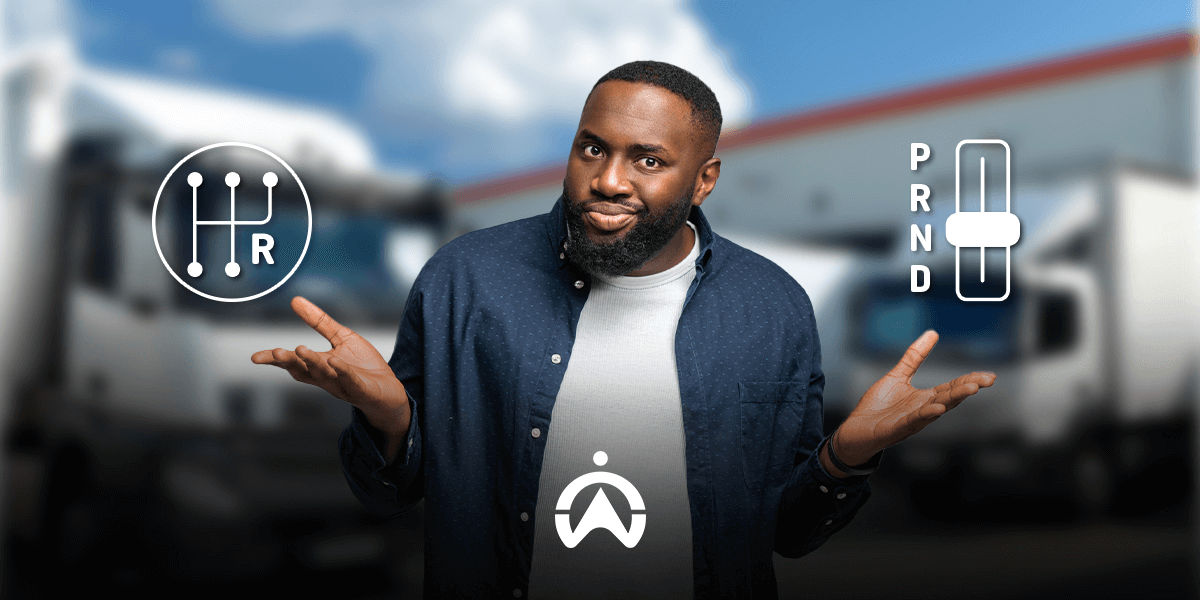
Manual vs automatic: which is better for your fleet?

Businesses have important criteria for making sure their vehicles perfectly match their specific needs. It's all about being the perfect match, from speedy motorcycles delivering quick treats to sturdy trucks for furniture or construction teams. After all, birds of a fleet flock together.

But what about automatic versus manual vehicles? Which one suits your business best?

Let's dig deeper to get the answer and see which transmission type South African businesses prefer most.

In this article, you will:

  • Discover the shifting trends in fleet vehicle preferences
  • Compare manual and automatic transmissions
  • Find out how automatic transmissions address fleet challenges
  • Get tips for choosing the right transmission type for you
  • Find out why Cartrack is the best fleet management solution for both manual and automatic fleets

The fleet landscape in 2024

If your business is in the automotive sector, I bet you've noticed some shifting trends that affect your vehicle sales. Since the introduction of automatic and electric vehicles (EVs), more and more businesses across various sectors are starting to buy and use them.

If consumer sales are anything to go by, South African motorists have tipped the scales in favour of automatic vehicles. For the first time in, well… ever, automatic vehicles outsold manual vehicles based on November 2023 vehicle sales, Cars.com reported with the help of Lightstone Auto. Although this proves that more automatic vehicles were sold in South Africa recently, the information used was based only on vehicles such as passenger cars, including SUVs, and light commercial vehicles. So it's also interesting to note that a medium to extra-heavy commercial vehicle such as a truck is not part of this new trend.

Cenário_da_frota_em_2024

Manual vs automatic transmission: what's the difference?

When it comes to choosing between the two, most fleets don't. They choose to have both types of vehicle in their fleet so they can reap the benefits of both transmission types.

Let's look at the differences between the two.

Reliable manual vehicles:

These are the classic cars we all know and mostly love.

These vehicles have a manual gearbox and a clutch pedal for the driver to accelerate, slow down and manually control the vehicles they drive. This type of vehicle gives the driver full control to operate it as they wish.

Here are the benefits of manual vehicles:

Better vehicle control: With a manual transmission, drivers have more control over gear changes, allowing them to adjust to road and terrain conditions as they wish.

Lower upfront cost: Manual vehicles are typically cheaper for businesses to buy upfront compared with automatics, making them a more economical option for buyers on tight budgets or businesses with smaller fleets.

Better fuel consumption: Manual transmissions can potentially improve fuel economy, since they allow drivers to change gear while driving for maximum fuel efficiency, but this benefit depends entirely on driving behaviour.

Accessible mechanics: Manual gearboxes have fewer complex mechanical components than automatics, potentially reducing the chances of expensive repairs that cause prolonged downtime.

Modern automatic vehicles:

Automatic vehicles have a type of transmission that uses computers and sensors to identify the vehicle's speed and change gear automatically, removing the need for the driver to change gear manually.

Despite the technological innovation of automated gear changes, this type of transmission is not necessarily the best option for every business, but it has advantages that many organisations can't ignore.

  1. Easy to use: Unlike manual transmissions, automatic vehicles don't take long to get used to driving or operating, which makes them easier to use.
  2. Improved safety: With automatic transmissions, drivers can keep both hands on the steering wheel at all times, promoting safe driving and increasing awareness of driver behaviour on the road.
  3. Easier driving on hills: Drivers never need to worry about their vehicle rolling backwards on a hill. An automatic gearbox prevents vehicles from rolling back on steep inclines, providing a smooth driving experience with no need to balance the pedals.
  4. Reliable performance: These vehicles rarely stall like their manual counterparts, ensuring a smooth driving experience without the engine suddenly cutting out.
  5. Stress-free driving in traffic: Automatic transmission types simplify driving in congested traffic, requiring little pedal work in stop-start situations. Some automatic vehicles even switch off automatically if the vehicle is stopped for a long period of time to avoid idling and save petrol.

The best of both options:

There is a third player in this manual versus automatic comparison game: the automated manual transmission.

The automated manual transmission, or AMT, has the same mechanisms as a manual vehicle, only with sensors and actuators that handle the automatic gear changes. So what's the difference between this and the other popular transmissions?

Well, for one thing, a car with an AMT has no clutch pedal; there is only the accelerator and the brake pedal. This type of transmission allows manual gear changes when needed, simply by moving the gear lever up or down.

Will an automatic fleet change my fleet for the better?

In short, yes, it can potentially improve your fleet's operations.

Since the introduction of automatic vehicles, many everyday drivers and fleet owners have become increasingly interested in vehicles that are easy to use and fuel efficient. Now, in 2024, the interest remains strong.

For fleet managers, the appeal of automatic transmissions goes beyond smoother journeys for drivers; it's about how they deal with some of the biggest pain points affecting their bottom line:

Automatic transmissions, especially modern ones, can not only automatically select the ideal gear for the driving conditions, leading to smoother acceleration, but can also put less strain on the engine in doing so. This can mean fewer stops to refuel and lower overall fuel costs for fleet vehicles.

As manual transmissions require more input from the driver, especially in congested traffic or when driving in hilly areas, this can lead to driver fatigue and stress. Automatic cars remove the need for this manual repetition, reducing driver fatigue and the potential for costly accidents.

That's right, with fewer actions needed to drive, automatic cars allow drivers to focus more on the road and the vehicles around them. This can lead to a welcome drop in accidents, which not only protects your drivers but also saves businesses money on repairs, insurance claims and even potential lawsuits. With a strong impact on maintenance, safety and fuel, it's easy to see how automatics are becoming the go-to choice for fleet owners. With fuel and maintenance costs rising, opting for an automatic transmission makes a lot of practical sense for fleet owners.

Uma_frota_automática_melhorará_a_minha_frota_para_melhor

How do I choose the right transmission for my truck or car?

As with most important decisions that affect your fleet or business, such as choosing the right fleet management software or implementing a fuel card system, you first have to look inward and ask yourself what exactly your fleet needs to improve operations, what you can afford, the sector your business operates in and the size of your fleet.

Choosing between manual and automatic fleet vehicles involves balancing these key factors:

  • Purchase price: Automatic vehicles typically have a higher initial purchase price compared with manuals.
  • Fuel efficiency: Modern automatic transmissions can be more fuel efficient, especially in city driving, where traffic lights mean frequent stopping and starting. This can lead to long-term fuel cost savings. However, the answer may change depending on whether your business does most of its travelling in the city centre or on long-distance trips.
  • Maintenance: Although automatics may need less frequent maintenance in some cases, their repairs can be more expensive when needed, so practising preventive maintenance here and there can be very beneficial.

What is the first step to optimising my fleet? Cartrack fleet management solutions

If you're looking for fleet management software to optimise your fleet of green automatic trucks offering mobile pet care services or blue manual vehicles delivering household appliances, look no further than Cartrack.

The versatility of Cartrack Mozambique shines through in its ability to integrate seamlessly with both automatic and manual fleet cars. Whatever your vehicle's transmission type, Cartrack lets you optimise fleet performance and operations with our trusted features:

Fuel monitoring: get real-time information on your fleet's fuel consumption. Identify areas that need improvement, such as unnecessary idling habits or fuel wastage, and coach drivers towards better fuel economy in automatic and manual vehicles.

Route planning: easily set and manage predefined routes for your fleet vehicles to shorten trip times and cut fuel consumption. If your drivers don't follow these predefined routes, you will receive real-time alerts, allowing you to tell them to reroute or offer assistance if something goes wrong.

Data-driven reports: Whether you're monitoring fuel consumption, driver behaviour or vehicle health and performance, Cartrack's fleet management telematics technology offers more than 40 reports with valuable insights that keep you informed and empower smart decision-making.

Spots or stripes? Get a fleet management solution that's perfect for manual and automatic fleets

Our Cartrack Mozambique caters to fleets of all sizes, industries and transmissions. If a fleet management solution is what you need to lift your fleet into a new stratosphere of success, Cartrack has the smart features, the know-how and the trusted technology to make it happen.

Contact Cartrack today.

Hotshot Trucking: How to speed up your whole business with a powerful fleet system

Is your trucking business ready to be a hotshot?

No, it has nothing to do with being an actual big shot; it's about the ability to deliver goods as quickly and efficiently as possible.

Ready to take your trucking game to the next level? Read on to find out how Cartrack Mozambique's fleet management system is the solution your business needs for efficient and effective hotshot trucking.

In this article, you will:

  • Learn what hotshot trucking is
  • Find out what role hotshot trucking plays in South African industries
  • Dig into the benefits and challenges of hotshot trucking
  • Explore how a fleet management system matters in solving these challenges
  • Discover how Cartrack Mozambique's solutions can take your business to the next level

What is hotshot trucking?

South Africa is home to a large logistics industry, which has made hotshot trucking crucial to its success. But what exactly is it?

The term “hotshot” describes a delivery solution for businesses that need to deliver urgent goods as quickly as possible. Businesses using this solution use hotshot trucks instead of traditional trucks to enable fast deliveries.

What role does hotshot trucking play in South African industries?

Hotshot trucking is so beneficial that it impacts numerous South African industries. Let's explore nine of them:

  1. Mining and Resources: 

    Hotshot trucking enables the fast transport of equipment, spare parts and supplies to remote mining sites, ensuring uninterrupted operations and timely maintenance.

  2. Agriculture:
    In the agricultural industry, hotshot trucking enables the fast delivery of perishable products, such as fruit, vegetables and flowers, to local markets or export facilities. This helps farmers keep their produce fresh.
  3. Construction:
    In the construction industry, hotshot trucking simplifies the delivery of building materials, heavy machinery and construction components to building sites, which in turn simplifies project management and construction timelines.
  4. Manufacturing:
    The manufacturing industry benefits from hotshot trucking thanks to the faster and simpler delivery of raw materials, components and finished products to and from factories.
  5. Oil and gas:
    The oil and gas industry uses hotshot trucks to speed up the delivery of equipment, tools and supplies to drilling sites and refineries, ensuring operational efficiency and timely project execution.
  6. Telecommunications:
    The telecommunications sector uses hotshot trucks to quickly transport critical infrastructure components, such as cables, antennas and network equipment, to installation sites.
  7. Retail and distribution:
    The retail and distribution space uses hotshot trucks to speed up the transport of infrastructure components, such as cables, antennas and network equipment, to installation sites.
  8. Emergency services:
    Emergency services use hotshot trucks to ensure the fast delivery of essential supplies, medical equipment and humanitarian aid during emergencies, such as natural disasters.
  9. Specialised industries:
    Thanks to hotshot trucking, specialised industries, such as pharmaceuticals, can deliver sensitive equipment and products. This ensures that quality standards and deadlines are met.

With hotshot trucking playing a role across different sectors, what really makes it a hotshot hero is its benefits. Let's explore them below.

Qual-é_o_papel_do_transporte_rodoviário_de_sucesso_nas_indústrias_sul-africanas

What makes the hotshot truck a delivery superhero?

Hotshot trucking brings a wide range of benefits to a fleet, helping to deliver a new level of efficiency and success. These include:

  • Improving efficiency:
    Hotshot trucks can navigate traffic easily, helping them reach their destinations faster than traditional trucks. This ensures smooth operations and that urgent delivery needs are met.
  • Increasing flexibility:
    Hotshot trucks can get around congested areas and travel to rural areas, which makes them the ideal choice for various sectors and different types of deliveries.
  • Improving customer satisfaction:
    In our fast-paced, technology-driven world, on-time deliveries matter for customer satisfaction. Hotshot trucking allows businesses to complete orders quickly and respond to urgent customer requests. This creates a positive customer experience, with a positive impact on the business's reputation and success.
  • Reducing your fleet's carbon footprint:
    Compared with large trucks, hotshot vehicles are smaller and use less fuel, which helps them contribute to a smaller carbon footprint.
  • Offering opportunities for specialised loads:
    The hotshot truck is the perfect choice for delivering specialised loads that require special handling, whether temperature-sensitive or delicate. This helps businesses offer solutions for various sectors, including pharmaceuticals.

The hotshot truck is the perfect choice for delivering specialised loads that require special handling, whether temperature-sensitive or delicate. This helps businesses offer solutions for various sectors, including pharmaceuticals.

Have these benefits got you thinking about starting a hotshot trucking business? Starting a hotshot trucking business takes careful planning to succeed in a competitive sector. So, before you buckle up and hit the accelerator, there are a few challenges you should be aware of, as this knowledge will help you navigate a hotshot trucking business successfully.

Exploring the possible obstacles of hotshot trucking

As beneficial as hotshot trucking is, it has its share of challenges. These challenges include:

  • Long distances and varied terrain:
    South Africa's roads can be a challenge for hotshot trucking. Hotshot trucks usually cover long distances, including smooth highways and rough rural roads, making them vulnerable to traffic, poor road conditions and delays caused by accidents. This has a negative impact on delivery times and increases operational risks, putting strain on vehicles and drivers.
  • Fluctuations in fuel prices and consumption:
    Fuel is a major operating expense for hotshot truckers, especially with fluctuating fuel prices in South Africa. Although hotshot trucks are fuel-efficient, they require careful, constant monitoring and route planning to optimise fuel consumption, which can be time-consuming and riddled with human error if done manually.
  • Higher operating costs:
    Hotshot truck fleets are subject to higher operating costs per kilometre due to fuel efficiency, maintenance, insurance and road tolls. Managing these expenses effectively is essential to staying profitable in this competitive sector.
  • Limited capacity:
    Hotshot trucks have a smaller load capacity than traditional trucks. This reduces the volume of goods that can be transported in a single trip, leading to higher transport costs for larger deliveries.
  • Risk of overbooking:
    The fast-paced nature of hotshot trucking increases the risk of overbooking or scheduling conflicts, especially during peak periods. This can make it difficult to meet delivery commitments and keep customers satisfied.
  • A limited supply of hotshot drivers:
    The shortage of qualified truck drivers in South Africa is a challenge, as the industry requires experienced professionals who can ensure safety on urgent deliveries. This shortage can lead to delivery delays, affecting the reliability of the business

If these challenges are not addressed, they can snowball into a business breakdown. However, it is avoidable, and the solution is a fleet management system.

Goodbye headaches, hello efficiency: a fleet management plan for hotshot trucking problems

Imagine a virtual control centre for your fleet, accessible from your smartphone or laptop.

You no longer need to imagine it, because that is what a fleet management system is: comprehensive software designed to streamline and optimise fleet operations.

With technologies such as telematics and GPS tracking, a fleet management system provides real-time insights into fleet operations. In hotshot trucking, where every minute and litre of petrol counts, these insights can help optimise routes, improve the safety of drivers and identify potential problems before they become costly delays.

Whether you own one truck or several, this solution is the key to solving the challenges of hotshot trucking.

Unveiling the advantages of a fleet management system for a hotshot trucking business

Hotshot trucking thrives on agility and efficiency, which a fleet management system can help with. Let’s take a look at how this system can elevate your hotshot trucking business:

  • Real-time tracking:
    Hotshot trucking is built on tight schedules, which makes real-time vehicle location monitoring important for on-time deliveries. Manually monitoring many vehicles can be time-consuming and full of human error, but with a fleet management system it doesn’t have to be that way. This system provides real-time features, which help hotshot trucking businesses know exactly where all their vehicles are, reducing the risk of delays. Let’s take a look at John, who runs a hotshot trucking business. His drivers are constantly on the road, which makes it difficult to keep track of them all the time. Without a fleet management system, John would have to call his drivers constantly to find out where they are, but now he sees all this information from the comfort of his phone.
  • Optimised routing:
    South Africa is home to unpredictable traffic conditions and occasional road closures, creating delays and longer travel times for hotshot trucks. This is where a fleet management system comes in, using GPS technology to provide route suggestions based on real-time traffic patterns. Let’s look at John again. His drivers were usually left in the dark about traffic conditions and road closures. This used to be dangerous for the running and success of his fleet, but now, with a fleet management system, he can help drivers find alternative routes, helping to avoid costly hold-ups that would result in late deliveries.
  • Vehicle maintenance:
    With frequent short-distance trips, hotshot trucks are subject to accelerated wear and tear, which increases maintenance requirements. For example, short trips prevent the engine from reaching its ideal operating temperature. This causes incomplete combustion, a build-up of oil residue and poor lubrication of engine components, causing engine damage. This damage can be difficult to detect without a fleet management system, which provides proactive maintenance scheduling based on vehicle mileage and diagnostics. This encourages preventive maintenance, which avoids unexpected breakdowns and costly repairs. Let’s look again at John, who used to play the guessing game about the running condition of his trucks. This meant vehicle breakdowns that would lead to unplanned downtime, harming the company’s efficiency and reputation. But now, equipped with a fleet management system, he can detect maintenance issues before they become bigger problems, keeping his vehicles running for longer.
  • Fuel management:
    Hotshot trucks are constantly on the road, making fuel a major expense that can be made worse by driver behaviour. Manually monitoring each vehicle’s fuel usage shouldn’t be a hassle, as it can be automated with a fleet management system. By monitoring fuel usage and fuel-wasting driver behaviours such as idling, harsh acceleration and speeding in real time, you can quickly identify inefficiencies and implement corrective measures to reduce fuel consumption. John used to check all his vehicles at the end of each day, which was time-consuming and led to inaccurate calculations due to human error. With a fleet management system, he can keep a close eye on how much fuel each vehicle consumes, saving time and money.
  • Improved safety:
    Hotshot trucking is a fast-paced sector where drivers need to complete deliveries as quickly as possible, which can lead to risky and unsafe driving. It can be difficult to know exactly how your drivers are behaving behind the wheel, but with a system for fleet management, you get an in-depth view of their behaviour, which can improve their overall safety. John didn’t know how his drivers behaved behind the wheel. This meant there was no way of identifying which drivers needed training and in which specific areas. With a fleet management system, John can now observe his drivers’ behaviour in real time, unlocking a new level of visibility and safety

    – Scalability: Scalability is a company’s ability to expand in response to changes in demand. By using smaller trucks to respond quickly to customer needs, hotshot trucking offers the flexibility to adjust operations quickly in line with varying demands and needs in real time.

These benefits sound fantastic, right? Well, they are not out of reach. You can give your hotshot trucking business this boost in cost-effectiveness, safety and productivity with Cartrack Mozambique.

Revelando_as_vantagens_de_um_sistema_de_gerenciamento_de-frota_para_uma_importante_empresa_de_transporte_rodoviário

Turn up the heat on your hotshot operation with Cartrack Mozambique’s solutions

Make your hotshot trucking business the talk of the town with the wide range of fleet management solutions from Cartrack Mozambique, including:

  1. Cartrack Delivery:
    Unlock the best delivery operations for your hotshot trucking business with Cartrack Mozambique’s delivery platform. Our AI-based route optimisation algorithm uses real-time traffic conditions to ensure you follow the most fuel- and time-efficient routes, helping to reduce overall costs and increase efficiency. In addition, this feature-rich solution helps you get detailed information about all your drivers and their trips. This ensures you assign jobs accurately based on driver availability and job completion times, which is important in this fast-paced sector, where several deliveries need to be completed in short periods.
  2. Specialised sensors:
    Keep refrigerated cargo fresh with Cartrack Mozambique’s real-time fridge temperature monitoring. Hotshot trucking is all about delivering urgent cargo, and that can include temperature-sensitive goods. With our refrigerated temperature monitoring, which helps you keep a close eye on the conditions in refrigerated trucks, you can keep your perishable products as fresh as the day they were prepared. Receive a live alert the moment any temperature fluctuation is detected, helping you send a replacement truck to secure fresh deliveries.
  3. GPS tracking:
    Get detailed information on where all your vehicles are at all times, thanks to our real-time GPS tracking technology. Using GPS and GSM technology, our IoT device helps you unlock unrivalled vehicle tracking and a complete view of their location, direction and speed. All of this is available through our convenient, easy-to-use fleet management platform or mobile app, unlocking complete visibility for your hotshot trucking business.
  4. Fuel monitoring:
    Know exactly how much fuel each of your vehicles is consuming in real time with Cartrack Mozambique’s fuel monitoring system. Constant short trips can increase fuel consumption due to incomplete engine warm-up and increased idling. With this detailed information, you can quickly spot fuel drains, prevent fuel theft and detect fuel fraud by matching fuel receipts with your vehicle’s fuel status and location, which can significantly improve your fleet’s operational efficiency.
  5. Driver behaviour monitoring:
    Make sure your drivers drive as safely as possible with Cartrack Mozambique’s Live Vision AI cameras. This cloud-connected video management software gives your drivers real-time audible alerts when distracted and dangerous driving, such as smoking, using the phone and yawning, is detected. This allows them to correct their behaviour in real time and prevent accidents. Give your drivers another level of safety with Cartrack’s advanced driver assistance system (ADAS), which can provide real-time alerts to drivers if their vehicle approaches an obstacle or vehicle too quickly, helping them avoid obstacles and prevent accidents.
  6. Cost management:
    Keep track of every cent your fleet needs to operate with Cartrack Mozambique’s MiFleet software. Operating in a fast-paced sector such as hotshot trucking requires you to stay on top of your expenses at all times, and MiFleet is here to simplify that. This system helps reduce admin time, eliminate human errors caused by manual calculations and accurately track all your fleet’s expenses, from fuel costs and taxes to maintenance and vehicle licences. You can make your fleet cost-effective and compliant by getting detailed information on all fleet expenses.
  7. Preventive maintenance:
    Make unexpected breakdowns a thing of the past with Cartrack’s preventive maintenance solution. With easy access to advanced analytics, our software helps you identify potential maintenance issues, such as damaged brake pads and low oil levels, before they affect the fleet’s longevity and functionality. The system can also create a customised maintenance plan based on smart analytics and historical data, helping you avoid unplanned downtime that can affect your fleet’s productivity. This is crucial in an industry where even a few minutes of downtime can lead to significant losses.

Double the efficiency and halve the problems with Cartrack Mozambique’s solutions today

Hotshot trucking is all about speed and efficiency, and your fleet needs to embrace them to succeed in this sector.

Contact us today and make your hotshot trucking business more agile, effective and profitable with the fleet management from Cartrack Mozambique